2025 Conference Programme will launch soon...
Get a taste of what to expect by checking out the 2023 programme below
Technology in a changing climate
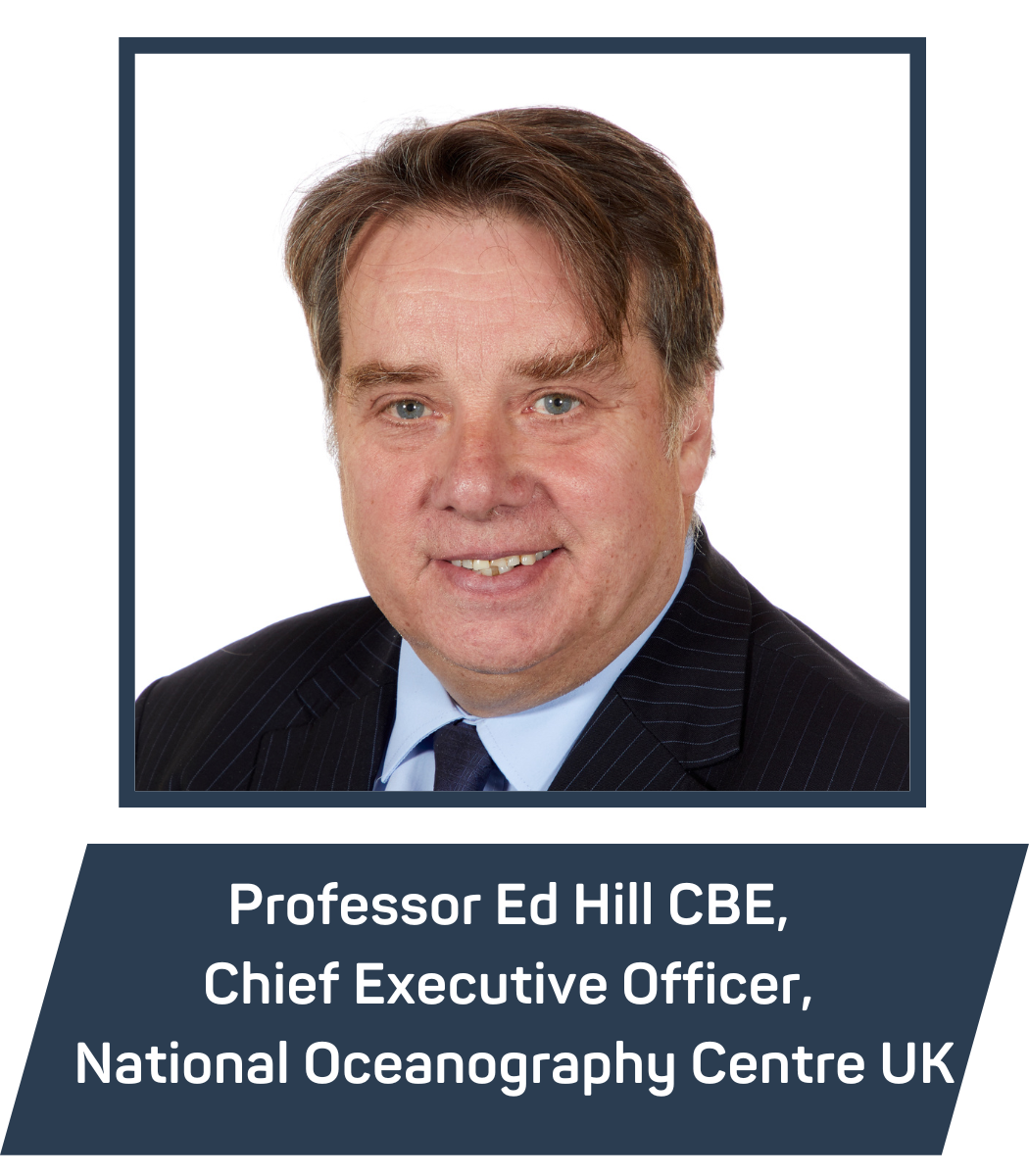
In welcoming delegates to NOC in Southampton, Professor Ed Hill will talk about how technology has a role to play in tackling climate change. Drawing on his experience as a scientist, international spokesperson and leader within the ocean science community, he will bring together the key debates and global initiatives on climate change, and set out how the ocean can offer some of the solutions.
18 April
9:40
Henry Charnock Lecture Theatre, Level 4, NOC
Realizing a Robust Ocean Enterprise – Dialogue with Industry Results
The Global Ocean Observing System (GOOS), Marine Technology Society (MTS), and the National Oceanic and Atmospheric Administration (NOAA), and industry partners launched, a new Ocean Decade action – a forum for compact and meaningful ‘Dialogues with Industry’. The dialogue series aimed to dismantle existing barriers and highlight opportunities for achieving a mature next-generation global ocean observing system to meet the needs of the blue economy. With participants and observers from over 40 countries and especially high industry participation, it provided a one-of-a-kind space for discussions around novel ideas in ocean observing. We will roll out the key findings and recommendations, of the 4 Dialogues, at Ocean Business. To accelerate the Ocean Enterprise we need the community to engage with GOOS, MTS, and NOAA to prioritize these recommendations and develop paths to act on the recommendations.
Speakers include:
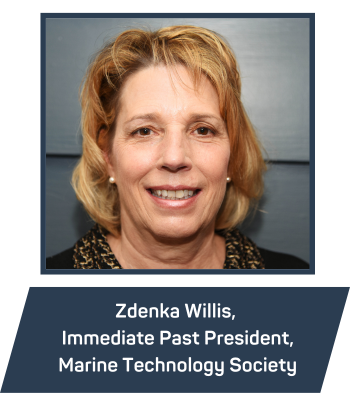
Zdenka Willis – Immediate Past President, Marine Technology Society
Emma Heslop – Act. Director – Global Ocean Observing System (GOOS), Intergovernmental Oceanographic Commission (IOC) of UNESCO
Ralph Rayner – Industry Liaison, U.S. Integrated Ocean Observing System/NOAA
Peer Fietzek – Senior Business Development Manager Ocean Science, Kongsberg Maritime
18 April
10:00
Henry Charnock Lecture Theatre, Level 4, NOC
10:30 - Presentation of SMI Business Person of the Year Award
Autonomy Operations Sessions
Session Chair: Aidan Thorn, Business Development, Sonardyne, UK
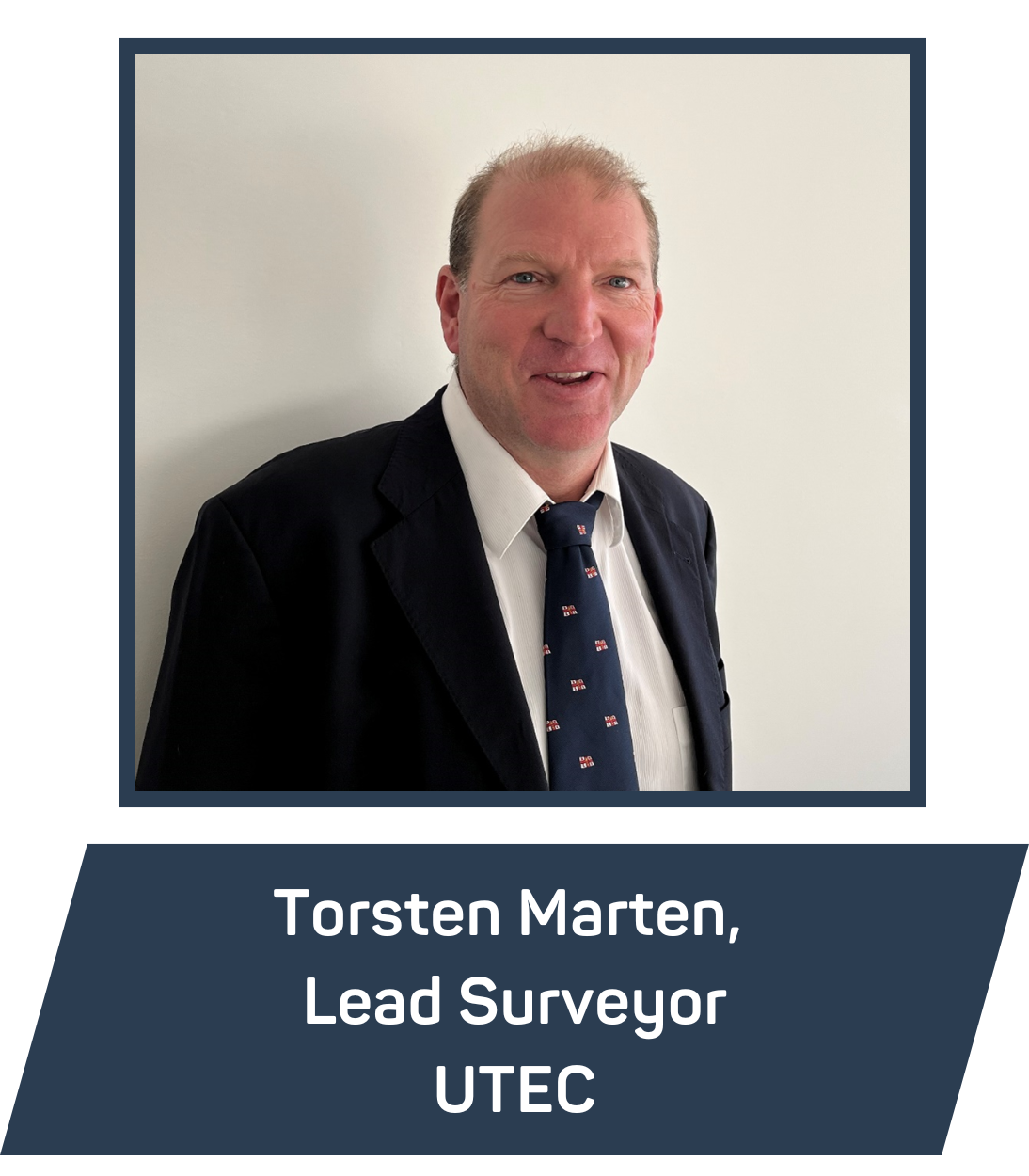
A new sustainable USV solution to accelerate subsea survey and inspection
UTEC is developing a new USV solution for OFW Balance of Plant (BoP) inspection and survey such as Inter Array Cables, Export Cables, Monopile Scour, etc..
In addition to providing an overview of the USV and its target work scope in OWF BoP, UTEC will also discuss the enabling communications technology that is a prerequisite for USV or indeed any remote survey operations. This is primarily focused on the efficient use of all available bandwidth as well as ensuring network resilience and security.
18 April
10:50
Henry Charnock Lecture Theatre, Level 4, NOC
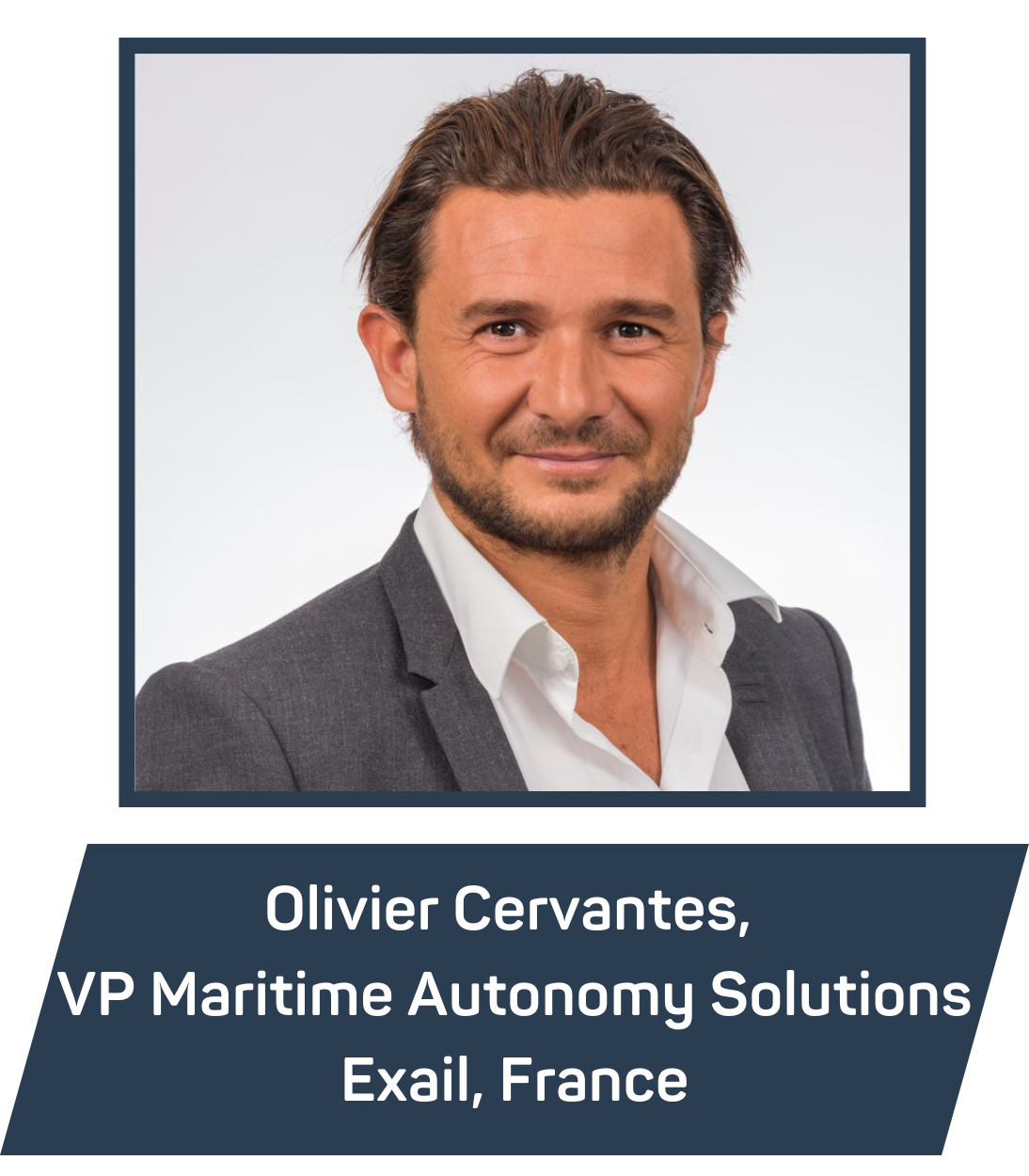
Retex on 6 years of USV development: how do we envision the future?
Back in 2017, Exail launched its DriX USV. Our ambition? Expanding survey capabilities using greener, safer and more efficient Uncrewed Surface Vessels. This presentation will detail the operational and technical challenges we have faced over the past 6 years in deploying our USVs, the solutions we had to come up with, as well as our vision for the future of uncrewed systems in the commercial survey domain.
18 April
11:10
Henry Charnock Lecture Theatre, Level 4, NOC
Enabling marine research and commercial data gathering through platform agnostic autonomous operations
Sonardyne is working worldwide with the leading developers and operators of marine autonomous platforms to extend their capabilities. We enable marine autonomous operations through our navigation, tracking, positioning and communications technologies. Through this presentation we will look at three examples of how we are working with operators to deliver; USV to UUV communication and positioning, data harvesting in a gas field and intelligent data gathering in a wind farm environment.
18 April
11:30
Henry Charnock Lecture Theatre, Level 4, NOC
Q&A - 11:50 - 12:00
Autonomy Regulations - Standards and Permits Sessions
Session Chair: Gordon Johnston, Conference Chair, Venture Geomatics, UK
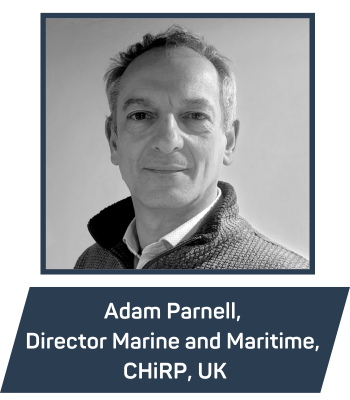
Are you really learning from experience?
Join this session to hear about the importance of pan-sector reporting and why it’s needed.
18 April
12:30
Henry Charnock Lecture Theatre, Level 4, NOC
Autonomous Vessels: National and International Regulatory Developments
18 April
12:50
Henry Charnock Lecture Theatre, Level 4, NOC
Safety of Autonomous Systems
Five years ago, we developed the LR Unmanned Marine Systems Code in conjunction with industry to help set out a regulatory framework. It was developed to provide a unique and valuable assurance process to certify the safe design, build and maintenance of UMS to achieve certification which is acceptable to Flag States, local regulators and other parties. LR has applied the code process and framework to a number of UMS projects and is developing a unique understanding of the challenges associated with the technology. Companies involved in producing equipment are often not familiar with marine assurance processes nor the risks and hazards in the marine environment and the rapid development times mean that the equipment may not be appropriate or have the required level of integrity.
18 April
13:10
Henry Charnock Lecture Theatre, Level 4, NOC
Q&A - 13:30 - 13:40
Pan-Sector Workshop - Progress on autonomy in marine and aviation
Session Chair: Ruth Mallors-Ray, Director, RMR Consultants, UK
18 April
14:15 - 15:30
Henry Charnock Lecture Theatre, Level 4, NOC
Future Workforce Session (in collaboration with THS:UKI)
Session Chair: Cassandra Nanlal, Lecturer in Marine Geospatial Science, University College London, UK
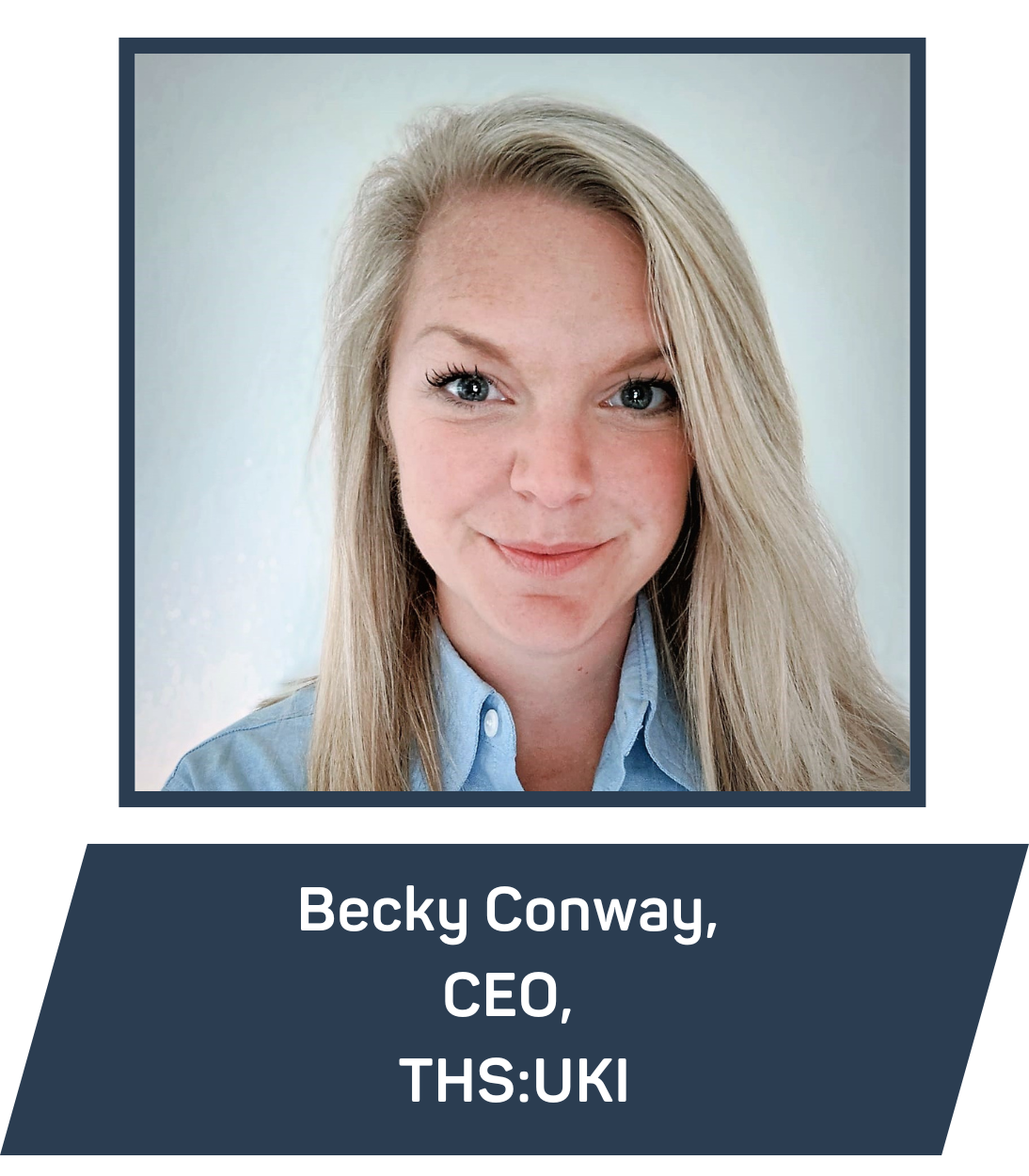
Future Workforce - Engage, Inspire, Promote
A look at The Hydrographic Society UK & Ireland and how the Society raises awareness of the science of surveying at sea, and protects and promotes the status of the hydrographic profession. Becky’s presentation will focus particularly on how THS:UKI supports the Future Hydrographic Workforce through it’s Student and New Graduate membership, the Hydrographic Professional Accreditation Scheme (HPAS) and Empowering Women in Hydrography.
18 April
16:00
Henry Charnock Lecture Theatre, Level 4, NOC
Student Case Studies
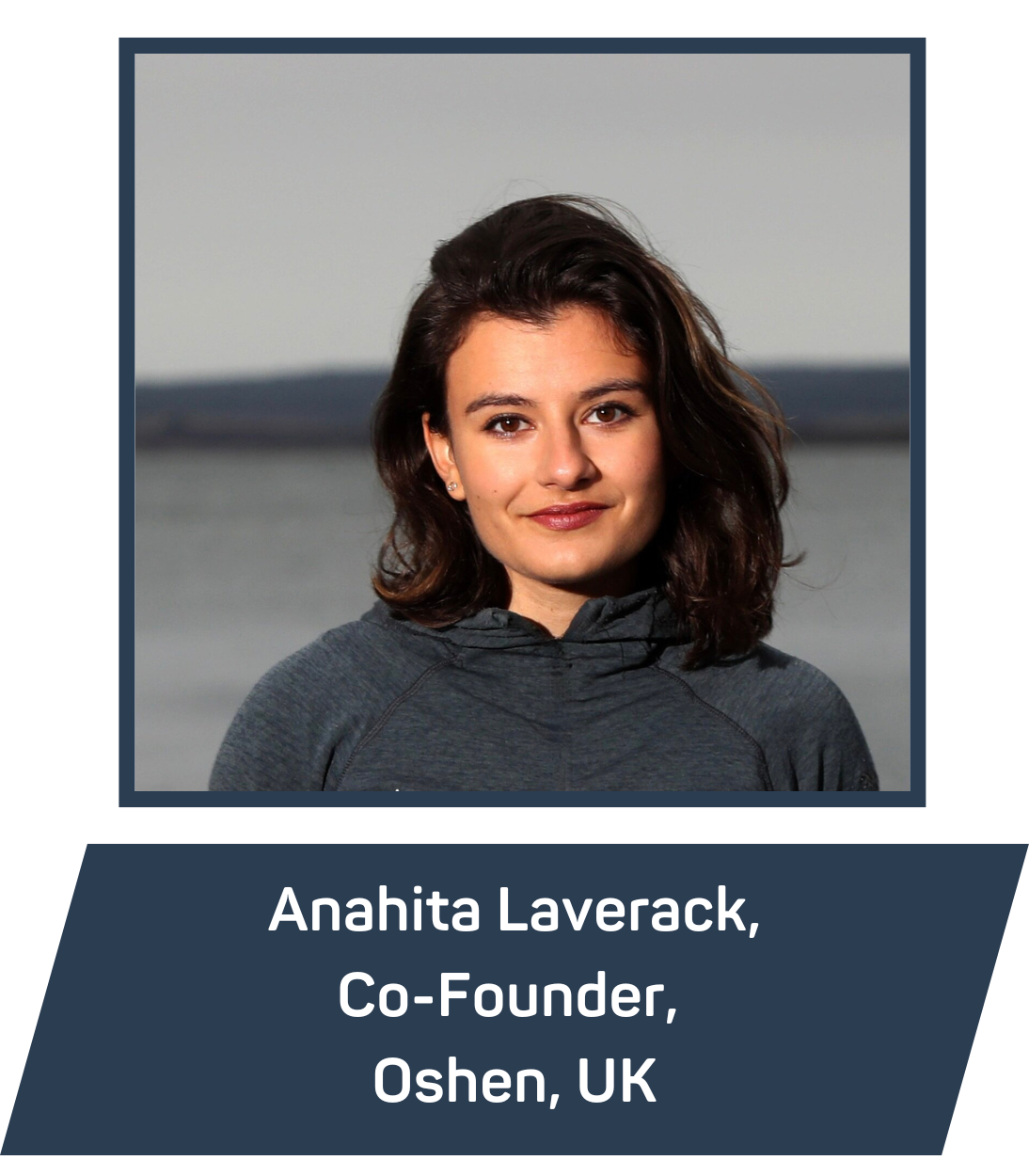
Micro-vessels for volume data collection
In the space of just a year, Anahita has gone from building an autonomous sailing vessel in a shed to securing a grant from the European Space Agency to develop the vessels for commercialisation. Her talk will focus on the journey of founding Oshen, the Microtransat, and the engineering challenges that come with designing autonomous vessels: especially when they’re intended to cross the Atlantic Ocean!
18 April
16:10 - 16:50
Henry Charnock Lecture Theatre, Level 4, NOC
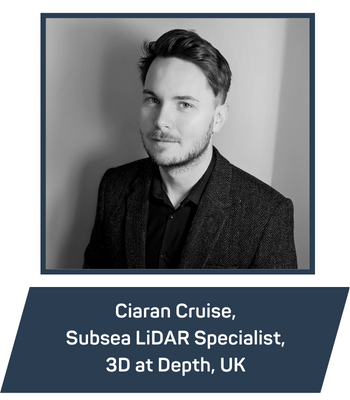
Reflections from the frontier of Subsea Optics
Ciaran examines the challenges and rewards of working with a pioneering employer, having made the leap from academic student researcher to working as a field surveyor. The talk will reflect on how capitalising on skills from previous roles, a focus on character development, and a willingness to engage with all aspects of the business has proved to be fruitful and fulfilling. The talk will conclude with discussion on how autonomy and remote operations offer new opportunities for personal growth and development.
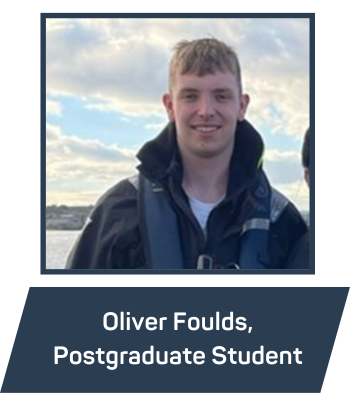
The Implementation of USV Technology Within the UCL MSc Program
As a postgraduate student of MSc Geospatial Science (Hydrographic Surveying). Olly will be a part of the first UCL Cohort to apply USV technology within his fieldwork and MSc Project. This presentation will focus on his experiences studying the course this year, along with the benefits of students gaining USV experience before joining the industry.
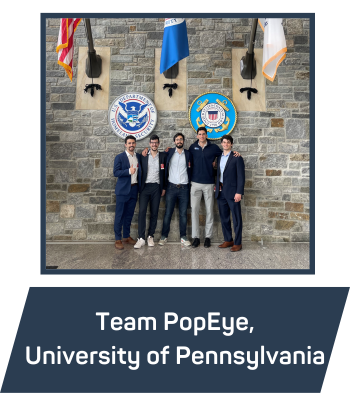
PopEye: The first step towards autonomous anchoring for large commercial vessels
PopEye is the world’s first 24/7 anchor monitoring system for large commercial vessels. By utilizing state-of-the-art computer vision technology, and latest advances in mechanical design, we have designed a novel camera-in-a-box solution that operates against the ocean’s most difficult conditions. By predicting anchor-drag before it actually happens, the system offers a constant, objective stream of information, and peace of mind in the form of risk prevention to the ship owner, the ship operators, the ship’s insurance company, the port authorities, and even the coastguard.
The team is composed of Robotics, Electrical, Mechanical and Computer Science engineering students from University of Pennsylvania, The Wharton School and GRASP Lab in the USA with previous work experience at Tesla, SpaceX, Zoox, Toyota Racing and McKinsey&Co. This is their journey to their multi-award-winning senior capstone project, with the support of the United States Coast Guard.
Learn more at www.popeyelabs.co
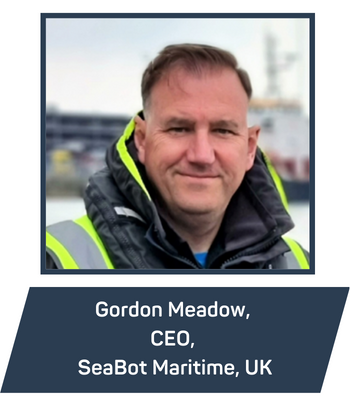
Building the next generation maritime workforce
Gordon Meadow, CEO & Founder of SeaBot Maritime, will emphasise the importance of human-centred digital transformation which will empower people with new skills; resulting in smarter, safer and greener/cleaner spanning the seafaring workforce and that of its operations. These will enable them to work alongside machines performing shared tasks and using shared decision making in the application of new technologies including those vital to decarbonisation
18 April
16:50
Henry Charnock Lecture Theatre, Level 4, NOC
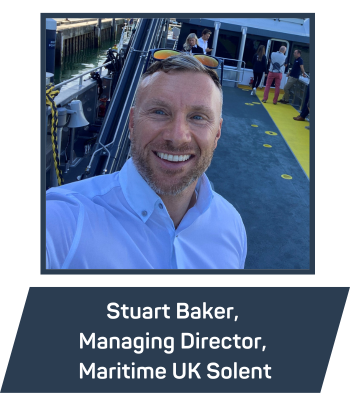
The Solent Maritime Cluster
This presentation provides an overview of the Solent’s world-leading maritime cluster, and the organisation that has been established to Lead, Champion, and Grow the sector.
18 April
17:10
Henry Charnock Lecture Theatre, Level 4, NOC
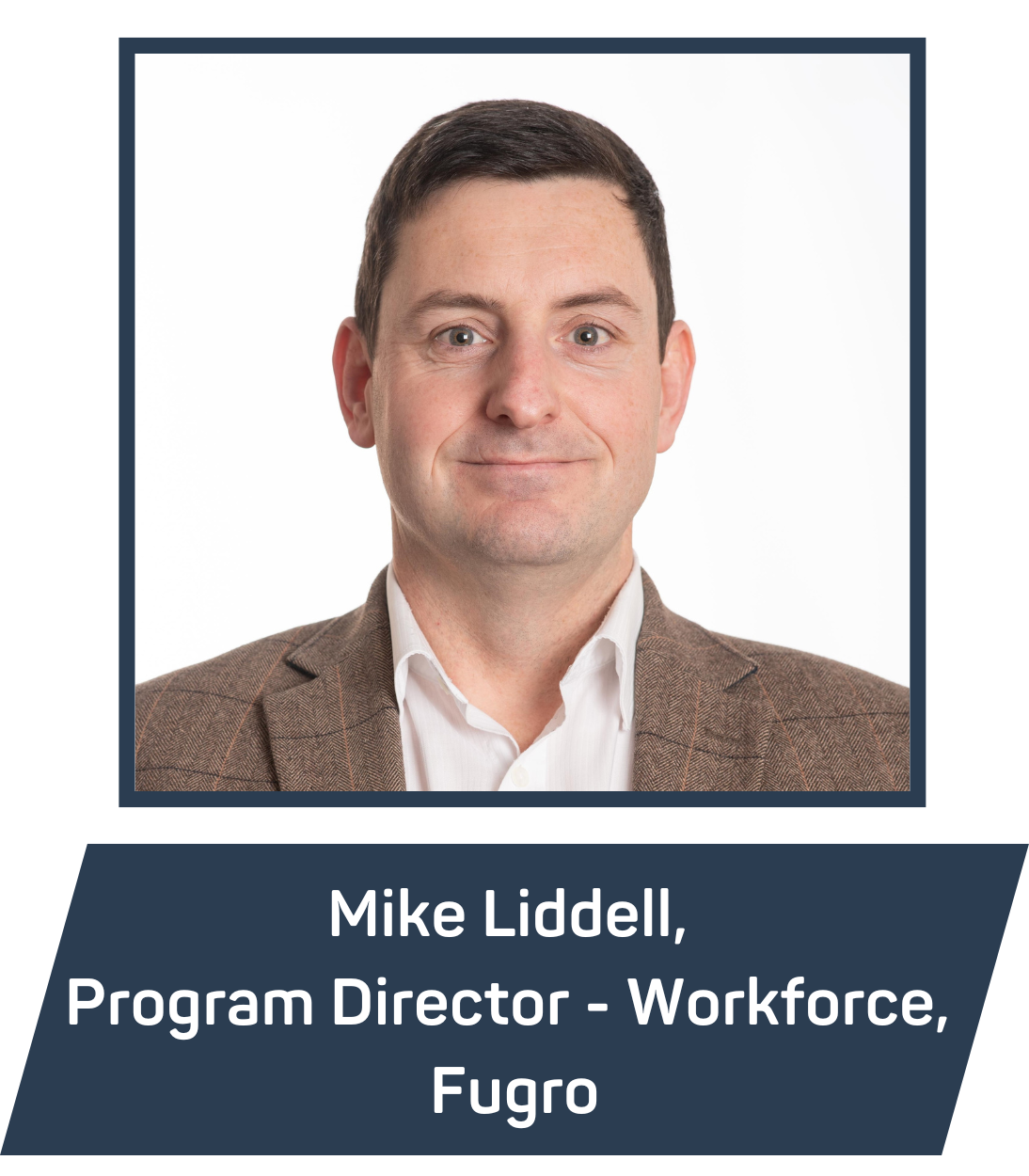
The Revolution in Marine Geodata Acquisition. What does this mean for our Future Workforce?
With the strong growth being experienced (and further forecast) within the blue economy, significantly driven by the requirement for energy security, there is increasingly an industry workforce shortage. This shortage alongside the work/life balance expectation of a new generation entering the industry requires a new approach to how we manage our marine operations. The introduction of larger, longer endurance Uncrewed Surface Vessels is not only driving a transformation in how these vessels are operated but also how conventional crewed vessels collect and process geodata. The improvement in vessel connectivity alongside increased automation and digitalisation is driving a major change in the operational model for offshore geodata collection. This change in offshore operational model has implications for the workforce currently involved in the industry, from trainee through to the end client, as well as for the future workforce joining our industry.
18 April
17:30
Henry Charnock Lecture Theatre, Level 4, NOC