Conference Programme 2025
Check out our Conference Programme in 2025
A day of expert-led sessions exploring the latest advancements in marine autonomy, ocean observation and sustainable technologies. Hear from leading innovators as they tackle the industry’s biggest challenges and showcase cutting-edge solutions driving the future of ocean science. Free to attend.
10.15am
Introduction by Sue John
Conference Chair, Ocean Business
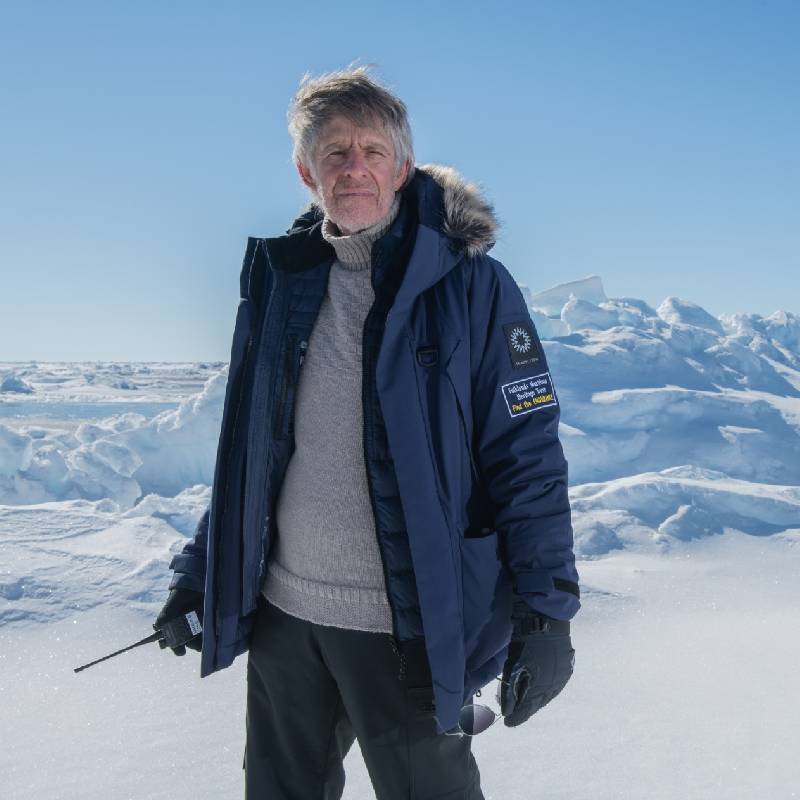
Opening Keynote - The Quest to Find Endurance
Presented by Mensun Bound – Marine Archaeologist/ Director of Exploration of Endurance 22 / Trustee of Falklands Maritime Heritage Trust
Born in the Falklands Islands, Mensun Bound established England’s first academic unit for maritime archaeology. A former Triton Fellow at Oxford University (1994-2013), he led major excavations, including the Etruscan 600 BC Giglio ship in Italy, Mahdia Roman carrier in North Africa, Nelson’s Agamemnon in Uruguay and the Hoi An 15th century ship in Vietnam. A specialist in deep-sea archaeology, he directed the discovery of SMS Scharnhorst (2019) and Shackleton’s Endurance (2019 & 2022).
8 April
10:30
Seminar Room, Level 4, NOC
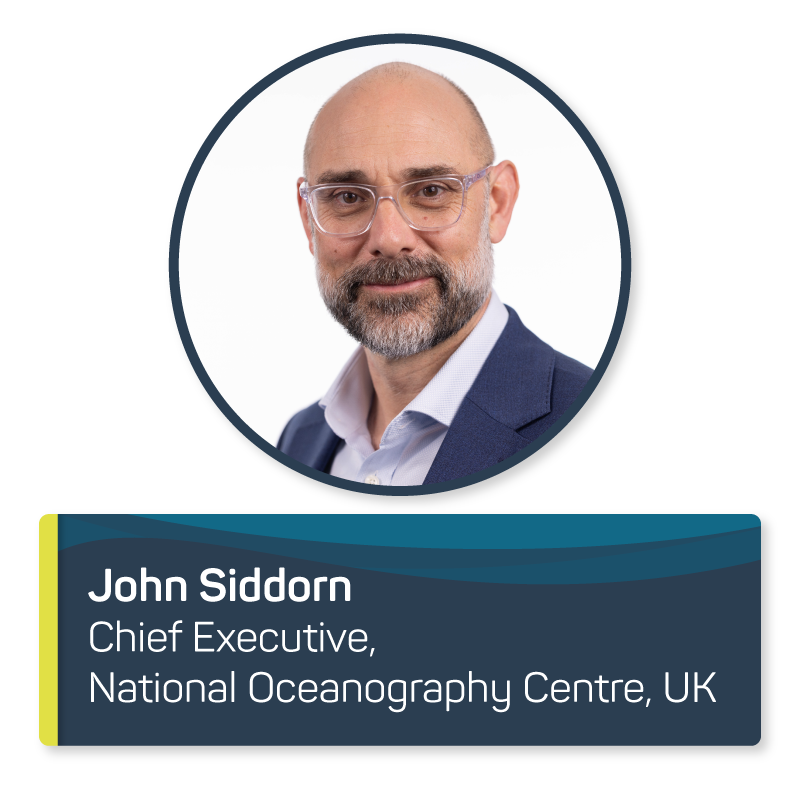
The Role of NOC in Industry Engagement and Ocean Science for a Sustainable Future
John was previously the NOC Chief Scientist, responsible for leading the research direction across all elements of NOCs portfolio and is an Honorary Fellow at the Met Office and a Fellow of the Alan Turing Institute. Since joining NOC in 2020, John has championed the embedding of digital approaches to furthering science, including digital innovations and has been key to thought leadership in his field and in shaping the research landscape. Prior to joining NOC, John was at the Met Office where he was Head of Ocean Forecasting R&D. His personal research was on developing ocean models for climate and hazard prediction and understanding. Prior to his career at the Met Office, John worked at Plymouth Marine Laboratory as a mathematical modeller in the biogeochemistry modelling team with the primary responsibility for implementing marine dynamical models.
8 April
11:00
Seminar Room, Level 4, NOC
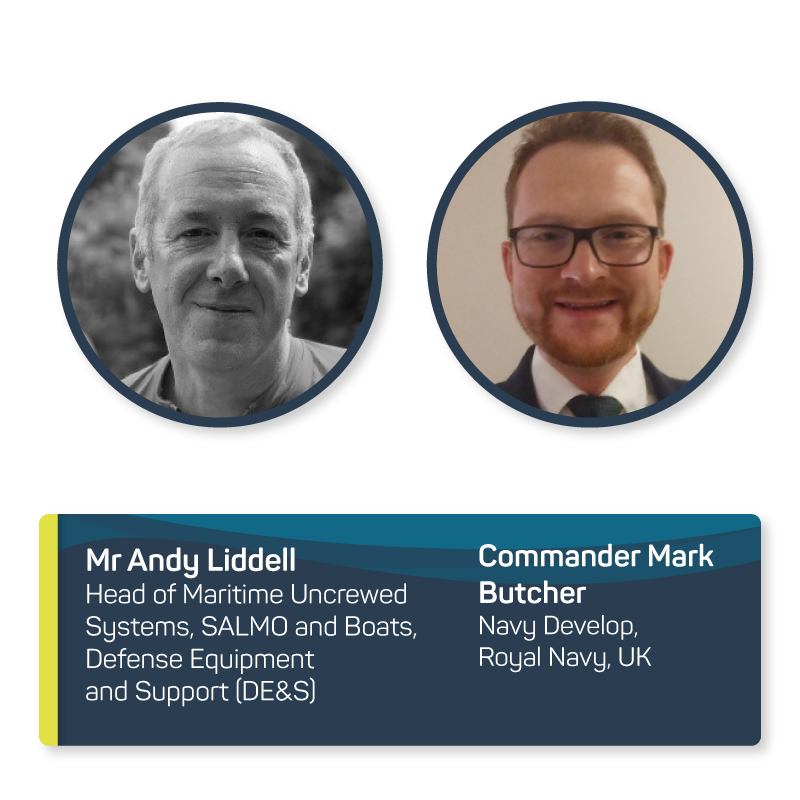
Advancing Maritime Operations: Royal Navy's Autonomous Systems for Data Collection
This presentation explores the Royal Navy’s future for the innovative use of autonomous systems for Maritime Geospatial Intelligence (GEOINT) collection, known as the Future Military Data Gathering (FMDG) Programme. It highlights the Royal Navy’s current use of Maritime Autonomous Systems (MAS) and the Organising for Autonomy work in partnership with Defence Equipment and Support (DE&S). The discussion also addresses challenges in certification of MAS, standardisation of data, and leveraging machine learning for real-time analysis to optimise Maritime Operations.
8 April
11:30
Seminar Room, Level 4, NOC
12.00 - 12.15
Presentation of SMI Business Person of the Year Award
Session: Future Skills for the Next Generation of Ocean Technology
Session Chair: Cassandra Nanjal
Lecturer in Marine Geospatial Science and Director of the MSc Geospatial Science Hydrographic Surveying Programme, University College London, UK
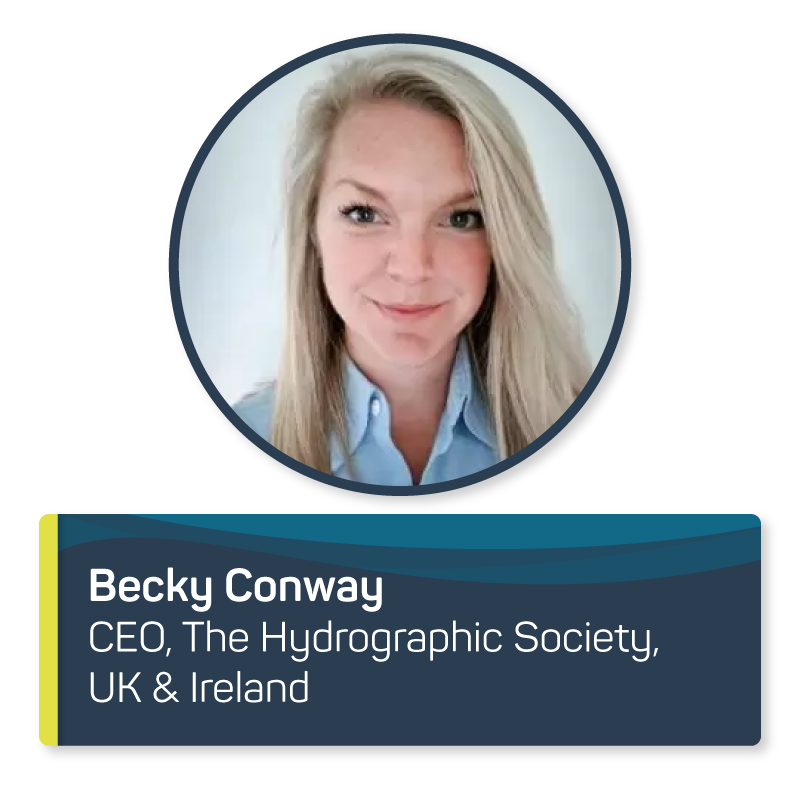
Supporting the Next Generation: an update from THS:UKI
The Hydrographic Society UK & Ireland (THS:UKI) is committed to supporting and inspiring the next generation of ocean technology professionals. In this session, the key initiatives designed to support students and new graduates will be highlight, the work being undertaken at Branch and National level, networking opportunities, and industry engagement efforts that bridge the gap between education and employment. A key update will focus on the Hydrographic Professional Accreditation Scheme (HPAS)— specifically focusing on its impact on early-career professionals, and how it supports skill development in an evolving industry. Attendees will gain insights into how THS:UKI is working to equip future hydrographic and ocean technology professionals with the knowledge, connections, and accreditation needed to thrive in the sector.
8 April
13:00
Seminar Room, Level 4, NOC
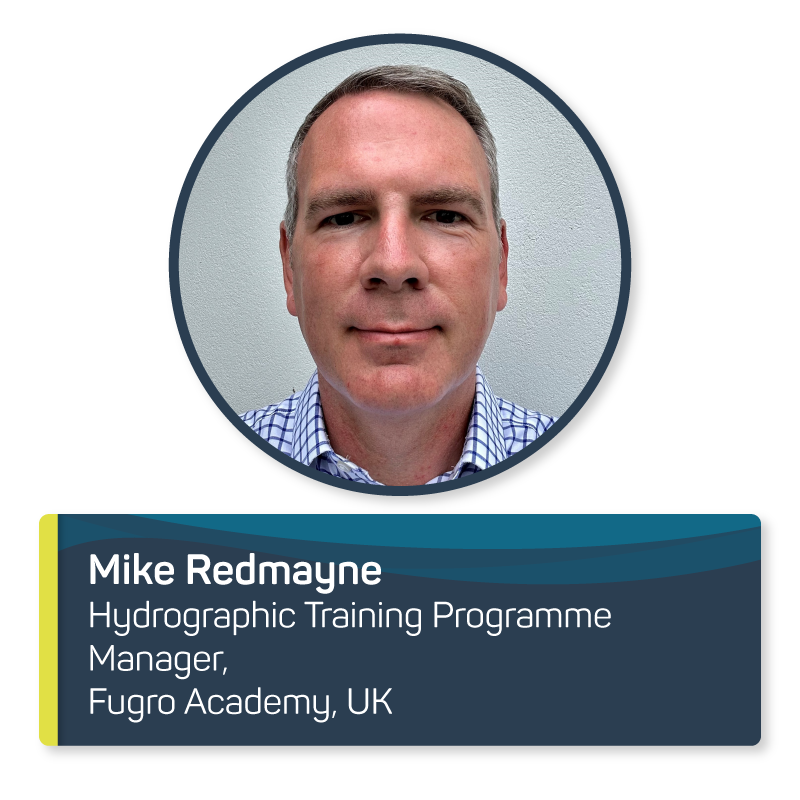
Training the Hydrographer of the Future
It can be said that the role of the hydrographer has always been extremely varied, requiring a wide practical skill set grounded in the fundamentals of science and technology. This role continues to evolve, with the introduction and refining of new tools such as improvements in sonar technology, processing software and uncrewed vessels. In this session we will discuss how the world’s largest commercial provider of Geo-data trains both new hydrographers and experienced hires to acquire, process and deliver quality data products to our customers.
8 April
13:10
Seminar Room, Level 4, NOC
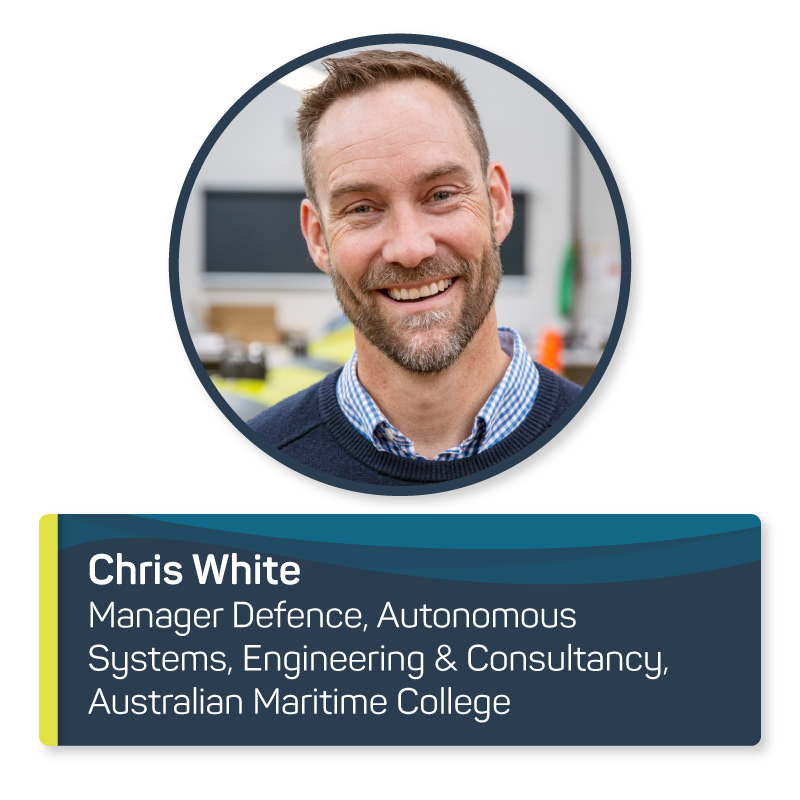
Autonomous Maritime Systems (AMS) - Education & Training at the Australian Maritime College (AMC)
Our work has been based off the experiences and skills gained by our team through operating in environments around the world, including under ice in both the Arctic and Antarctica. The team has developed safety management systems, processes, procedures and technical solutions for operating AMS in extreme conditions, and its ongoing research portfolio feeds back directly into our AMS training delivery, project and consultancy work. This presentation will describe how the AMC has leveraged our AMS experience to develop a nationally recognised Certificate III level program in Autonomous Maritime Systems, delivered R&D support to DSTG and provided AMS Test and Evaluation and other support to the Maritime Industry.
8 April
13:30
Seminar Room, Level 4, NOC
Student Presentations
Assignments, Applications, and Employment: A perspective on early careers in hydrography
I will share key experiences, challenges, and opportunities I’ve encountered in the early stages of my career. Through this, I aim to provide an outlook on how the industry supports the uptake and development of young hydrographers, as well as what more can be done.
8 April
14:00
Seminar Room, Level 4, NOC
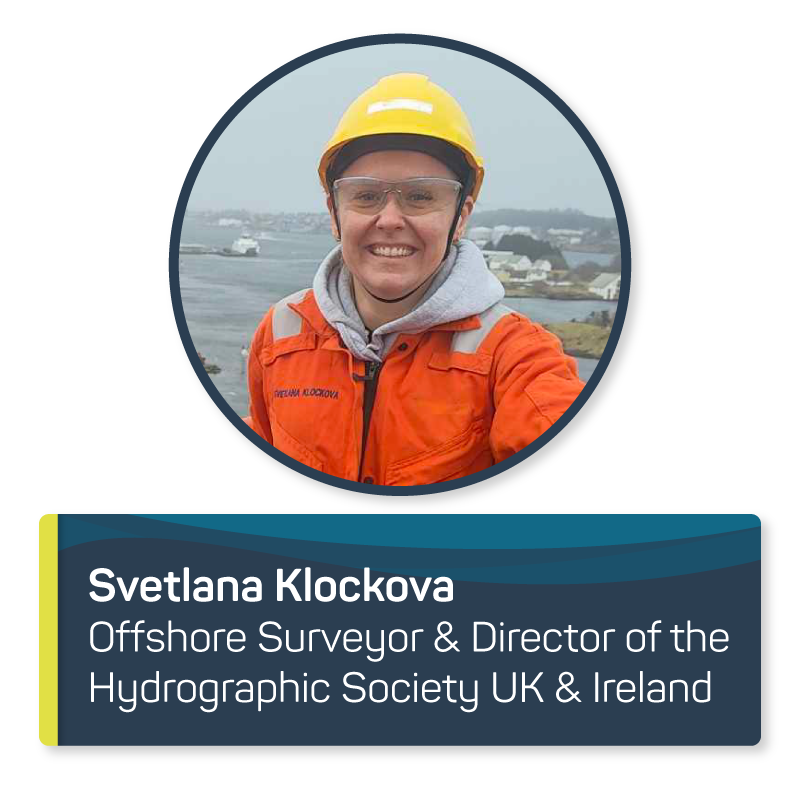
Obvious but often overlooked piece of advice that can be applicable to any type of work and industry
My path from the finance career to becoming an offshore surveyor – what skills and personality traits helped me to make this U-turn and still help; how I survived and actually graduated the university; what challenges I faced first going offshore; what challenges I face now and how I tackle them.
8 April
14:10
Seminar Room, Level 4, NOC
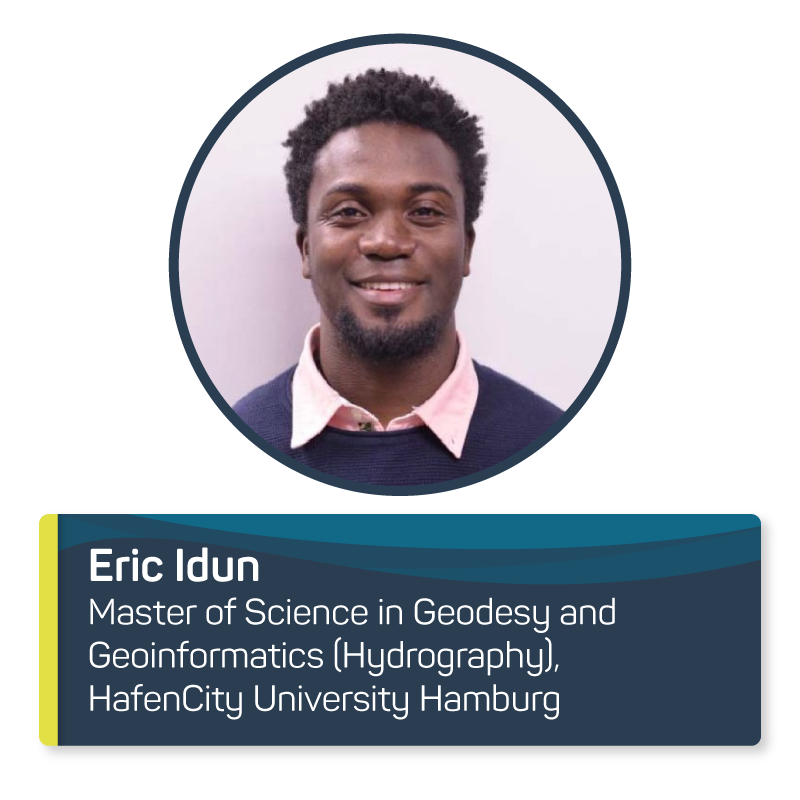
Investigating the influence of the old Elbtunnel on the Elbe riverbed
Eric’s study investigates the effects of scouring caused by the Elbtunnel on the surrounding riverbed. Scouring, a process where sediment is eroded due to altered water flow dynamics, poses risks to both the seafloor and the structural integrity of underwater constructions. This research aims to identify contributing factors and assess their implications for marine
environments.
8 April
14:20
Seminar Room, Level 4, NOC
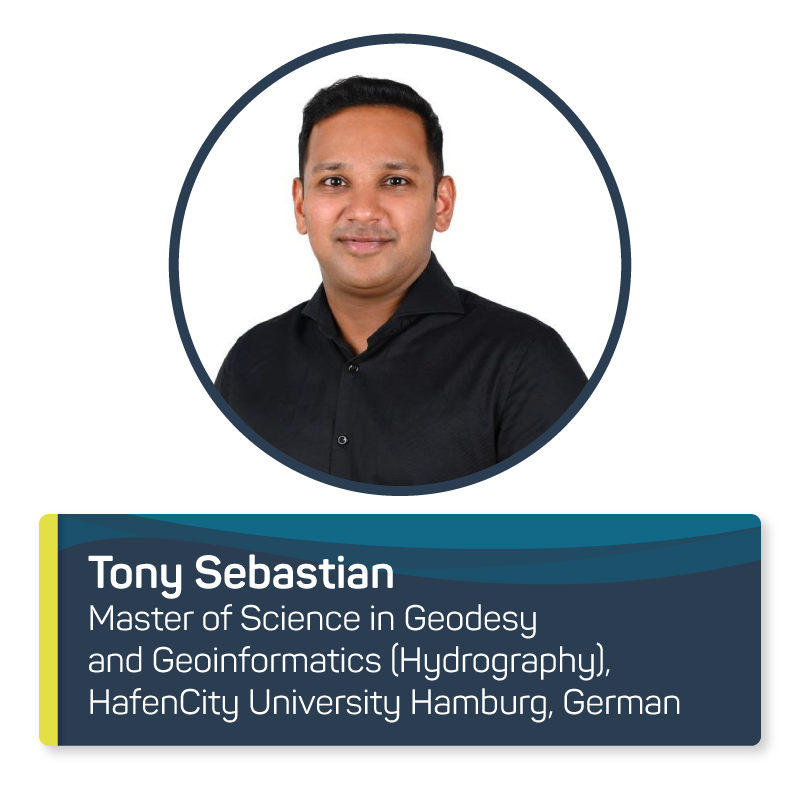
Enhancing MBES surveying by Multi-Frequency technology
Tony’s study explores the multi-frequency mode of the Kongsberg EM2040P MKII in shallow coastal waters like the Elbe River. This innovative technology enables the use of multiple frequencies (200–700 kHz) in a single survey run, enhancing the detection of soft riverbed materials such as mud and clay. By analysing the performance of low and high frequencies in shallow water and utilizing multispectral backscatter data, the research improves riverbed classification, delivering more precise and detailed survey outcomes.
8 April
14:30
Seminar Room, Level 4, NOC
Session: Pan-Sector Space in the Marine and Maritime Environment
Session Chair: Sue John
Ocean Business
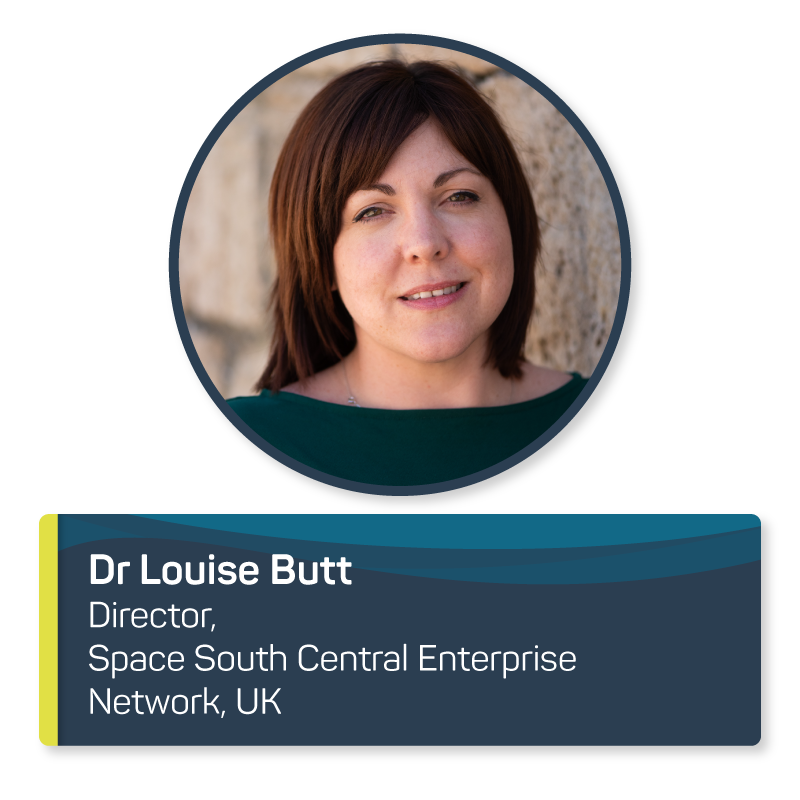
From Constellations to Currents: Space Tech’s Next Decade in Maritime Innovation
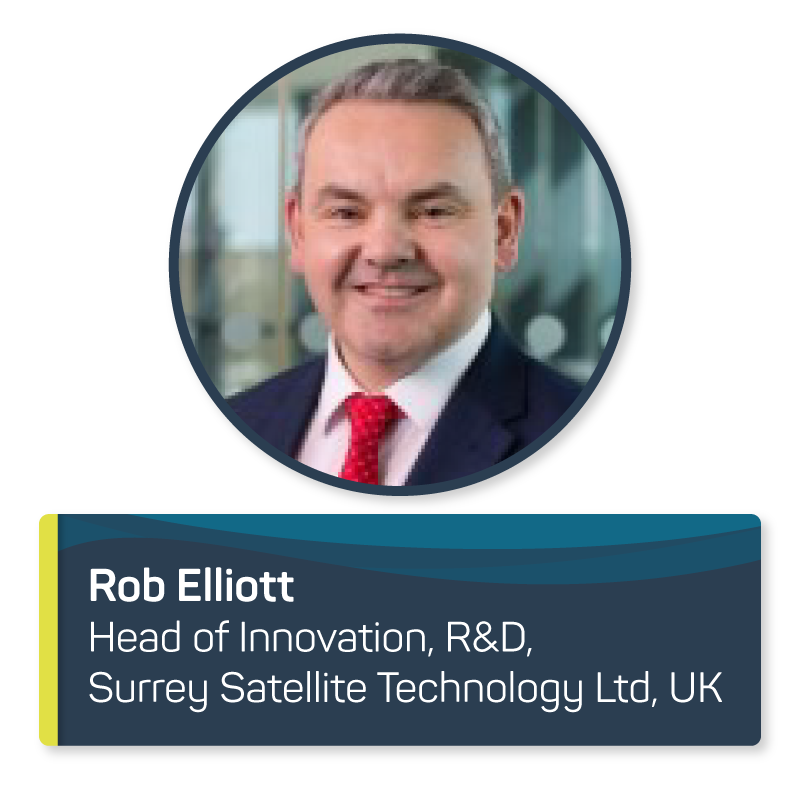
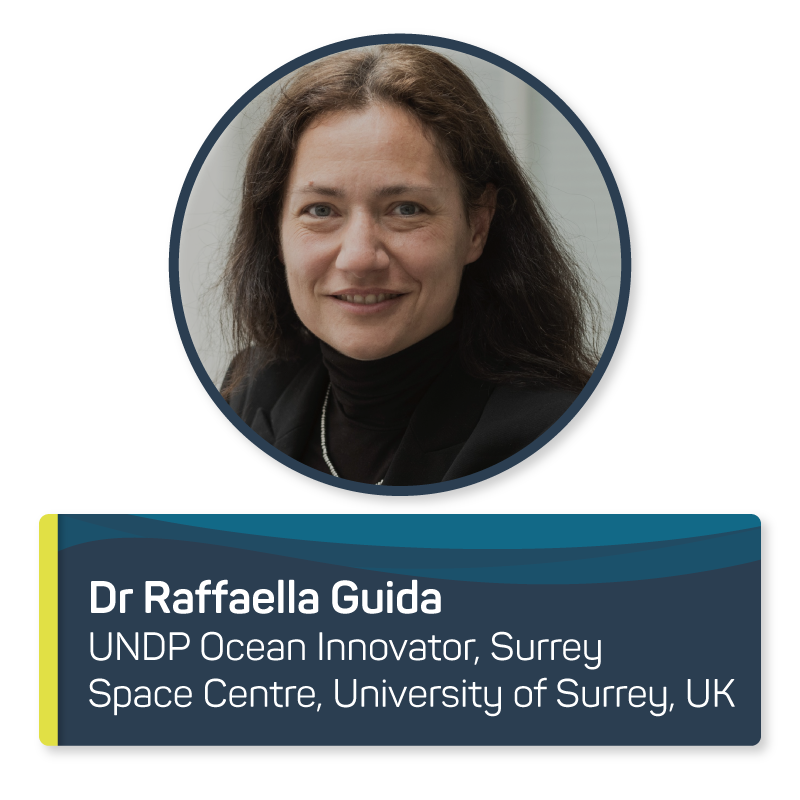
Explore how AI-driven satellites, laser communications, and multi-orbit networks will revolutionise maritime operations. Discover how these technologies enhance vessel efficiency, environmental monitoring, and maritime security. Join this session for essential insights on the future of maritime innovation, tailored for forward-thinking maritime leaders seeking to harness emerging space technologies.
8 April
15:00
Seminar Room, Level 4, NOC
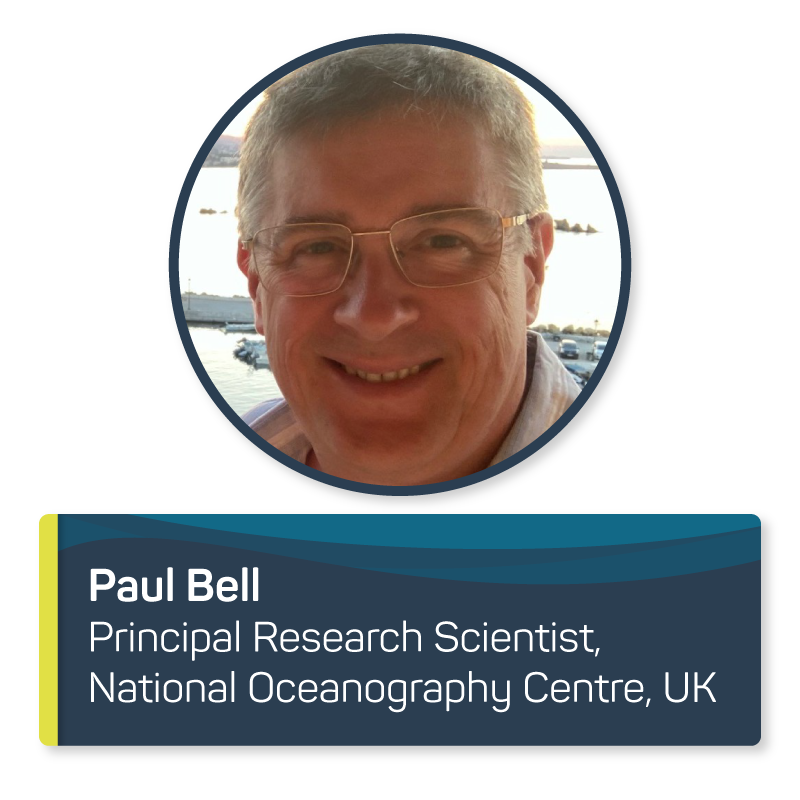
The Remote Sensing Revolution – Revealing the Unseen Dynamics of our Oceans and Coasts
Rapid advances in remote sensing capabilities are fuelling a revolution in our ability to cost-effectively monitor and understand our coasts and oceans. Conventional in-water point measurements can now be placed into the wider context of an area that may have huge spatial and temporal variability, providing unprecedented situational awareness in some of the most dynamic marine environments on the planet.
8 April
15:30
Seminar Room, Level 4, NOC
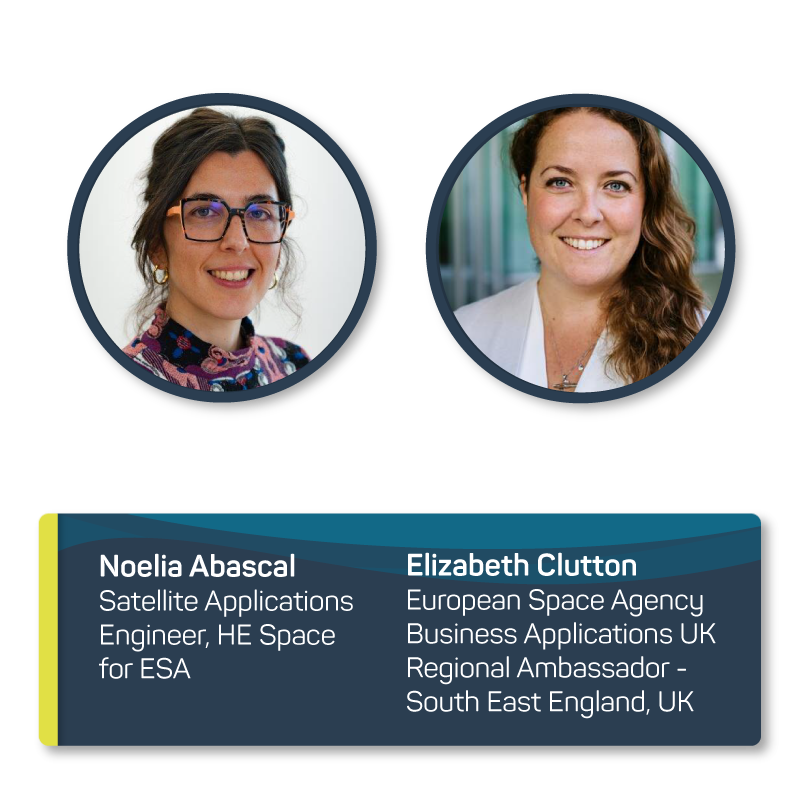
ESA Space solutions funding opportunities - Space for blue
More information coming soon.
8 April
16:00
Seminar Room, Level 4, NOC
Panel Session: Pan-Sector Space in the Marine and Maritime Environment
Panel Chair: Sue John, Conference Chair, Ocean Business
8 April
16:20
Seminar Room, Level 4, NOC