
Conference Programme
Seminar Room, Level 4
Deep dive into emerging technologies, data-driven decision-making and the role of AI in ocean research. Join thought leaders for insightful discussions on industry trends, case studies and breakthrough developments shaping a smarter, more sustainable blue economy. Free to attend.
9.55am
Introduction by Sue John
Conference Chair, Ocean Business
Session: Future of Our Ocean - Part 1
Session Chair: Mark Poole, BP, UK
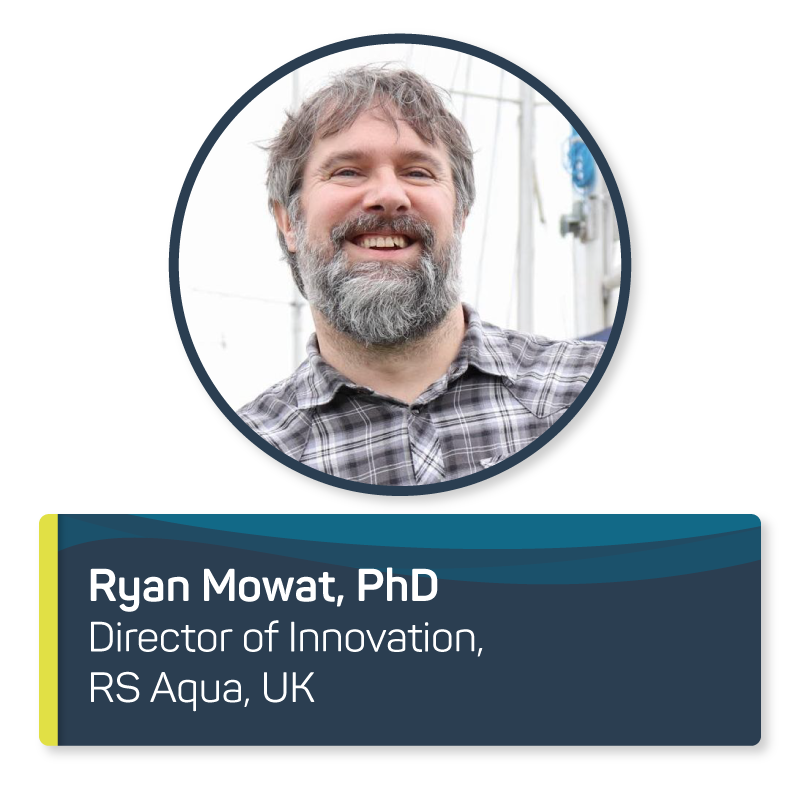
RS Aqua’s Project MARLIN: Revolutionising Underwater Acoustic Signature Classification
Project MARLIN (Marine Acoustic Realtime Learning Information Notification) is developing an intelligent hydrophone system that uses machine learning at the edge to detect, classify and identify underwater noise, and sends that information to a secure cloud portal in real time.
9 April
10:00
Seminar Room, Level 4, NOC
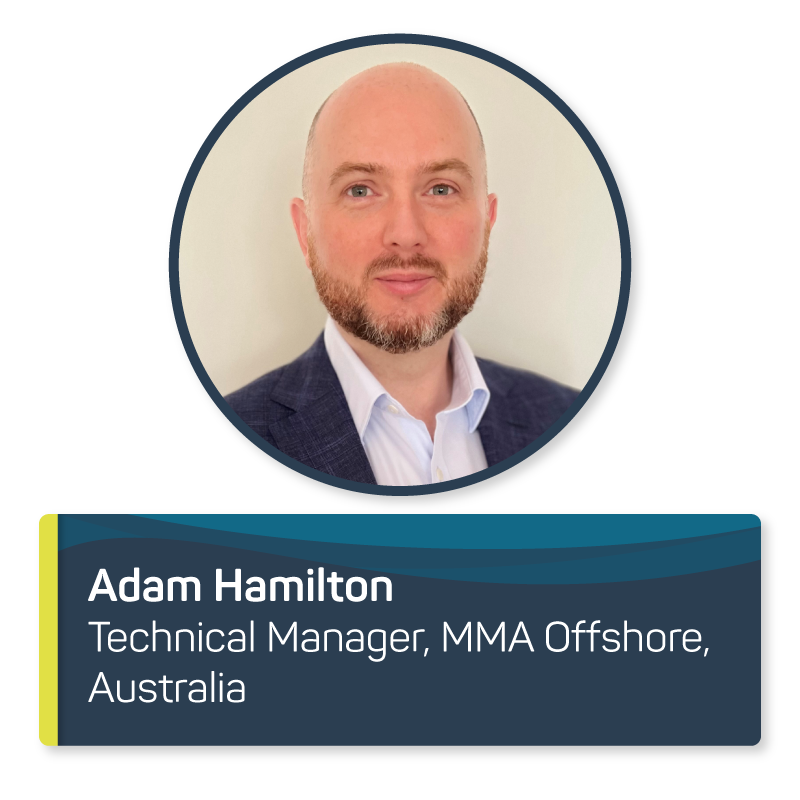
Navigating Offshore Challenges: Wind Energy
Challenge: The Asia-Pacific (APAC) region is emerging as a major player in the offshore wind energy market, driven by ambitious renewable energy goals and favourable geographic conditions. However, conducting wind energy surveys in this region presents unique challenges due to varying environmental, regulatory, and logistical factors. Here’s an overview of these challenges and strategies to navigate them effectively: Diverse Marine Environments, Complex Regulatory Landscapes, Geophysical and Geotechnical Variability, Technological Integration, Workforce and Skill Gaps, Cost and Logistical Constraints, Environmental Sensitivities.
9 April
10:20
Seminar Room, Level 4, NOC
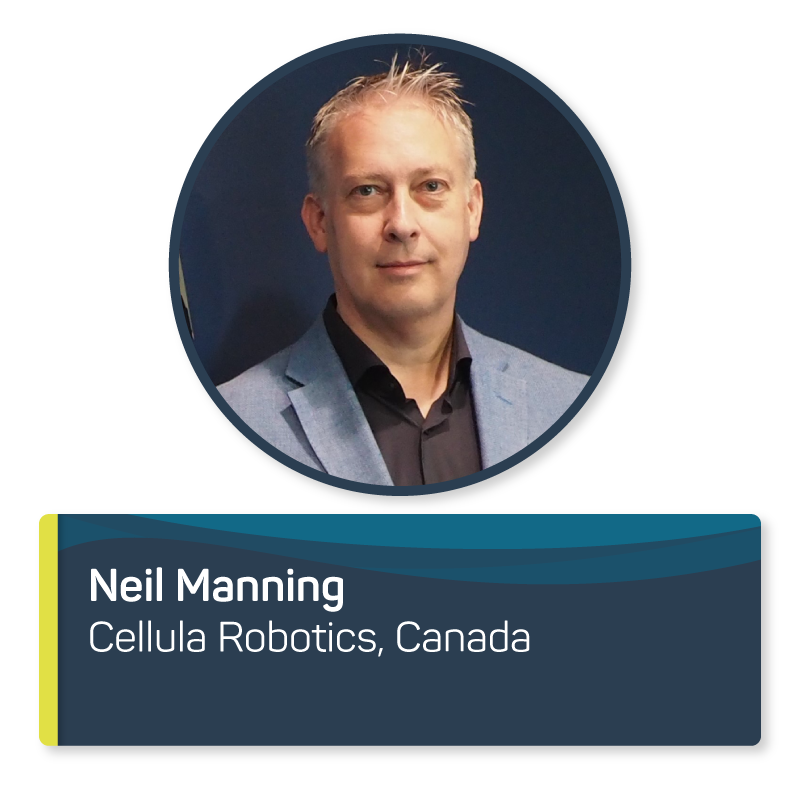
Over the Horizon: 45 Sunsets and Sunrises, The Challenge of Long-Endurance AUV’s
This abstract introduces Cellula Robotics’ focus on super-endurance autonomous systems and the challenges they face in both design and operation. A key theme is balancing introspective health (self-monitoring) with extrospective awareness (external perception) to enhance autonomy. The Porter ™️ AUV exemplifies a new class of larger autonomous underwater vehicles, offering capabilities that go beyond traditional cruising-style systems. Porter ™️ could replace, for some use cases, crewed vessels for complex subsea tasks requiring high manoeuvrability, redundancy, and expanded robotic subsystems to ensure reliability and success. A critical question posed is: How do we learn to trust Autonomy? While trust in automation tends to evolve generationally, the abstract acknowledges that engineers remain skeptical and cautious, suggesting a need for rigorous testing and validation in autonomous system development.
9 April
10:40
Seminar Room, Level 4, NOC
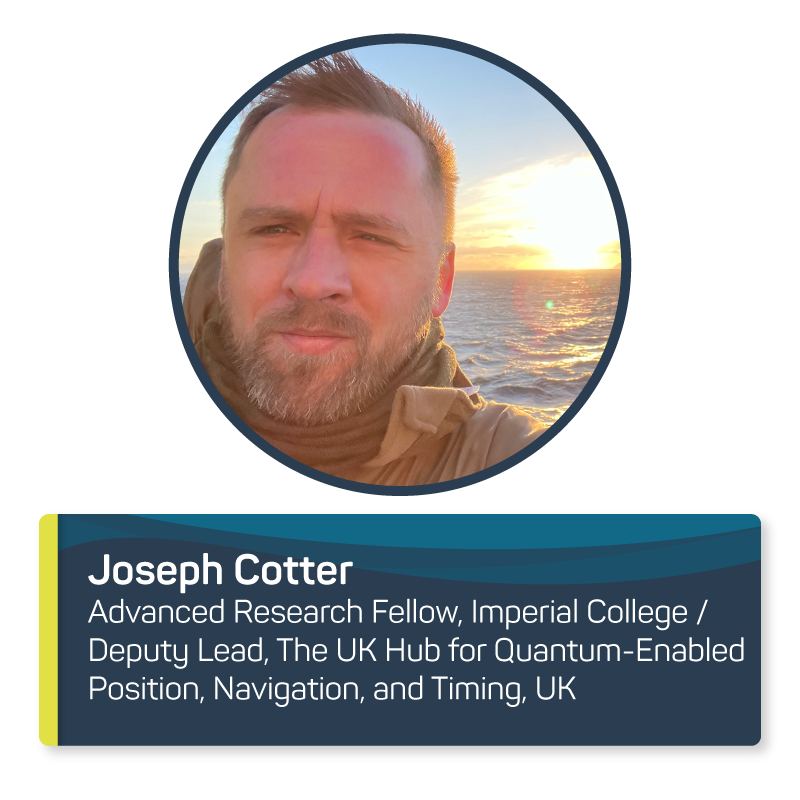
Quantum Enhanced PNT
Quantum enhanced sensors have the potential to deliver reliable and secure PNT solutions when GNSS cannot be used or is unreliable. In this presentation I will introduce the new UK Quantum Enhanced Positioning Navigation and Timing Hub (QEPNT), created to deliver practical systems for resilient PNT.
9 April
11:00
Seminar Room, Level 4, NOC
Session: Future of Our Ocean - Part 2
Session Chair: Trish Buxton, Consultant, UK
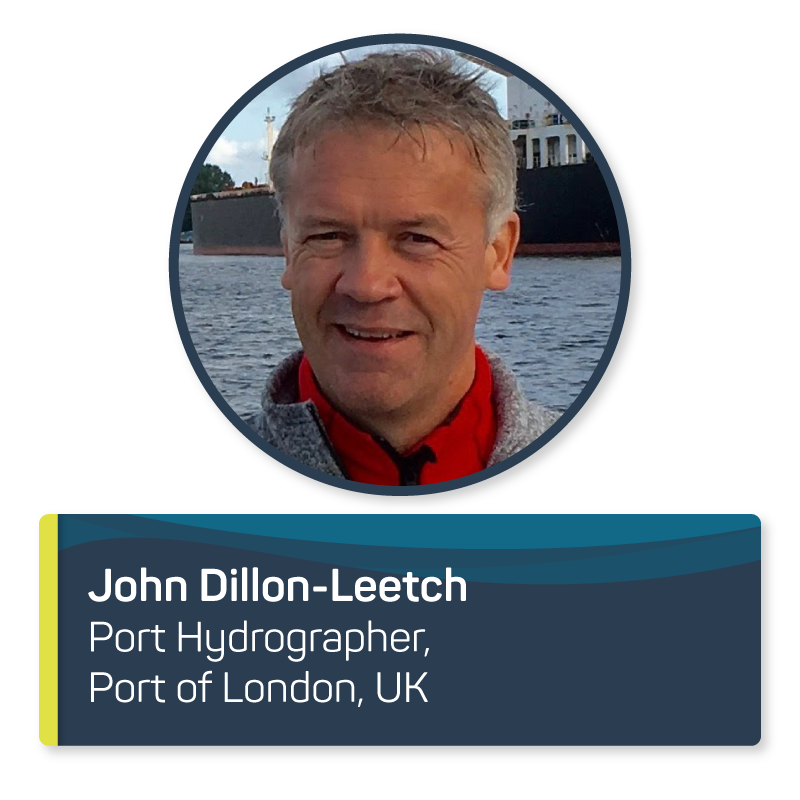
Port Hydrography:- Driving Efficiencies and Sustainability through Innovation
The challenges for “PLA Hydro” to meet the needs of the UKs No.1 port whether supporting safe passage of the world’s largest container ships or de-risking support to major infrastructure projects requires an innovative approach and application of new technologies. John presents on how the team meets these requirements delivering a resilient, efficient, sustainable service.
9 April
13:00
Seminar Room, Level 4, NOC
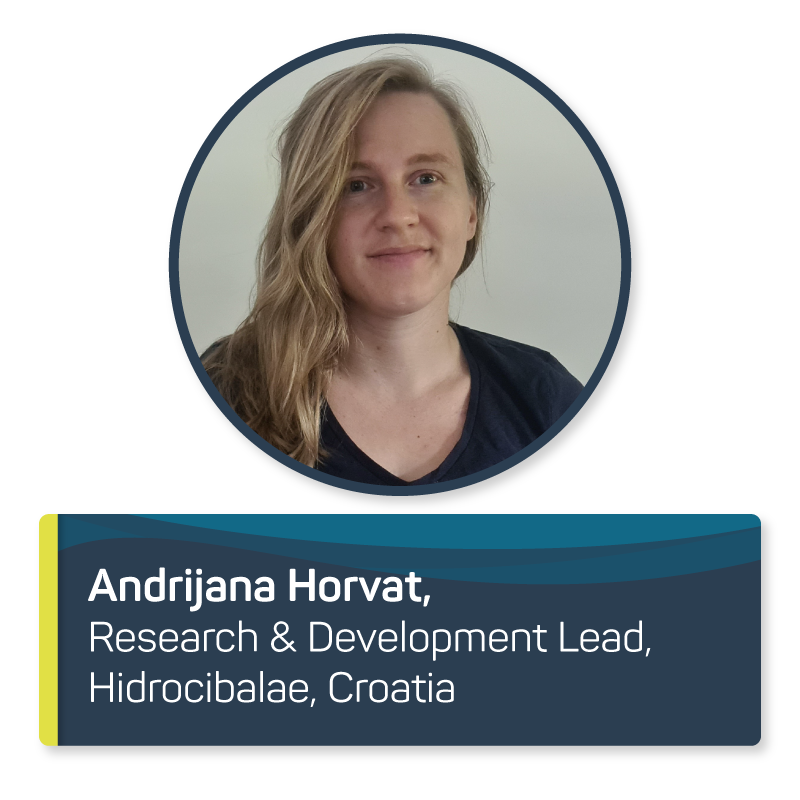
Optimizing Large-Volume Marine Geophysical Data: AI’s Role, Security Challenges, and Future Developments
We are experiencing exponential growth in marine geophysical data driven by expanding offshore activities. Rapid advancements in AI-driven processing are transforming workflows, yet efficiently managing large-volume data remains a challenge. Digital twins are playing an increasing role in infrastructure management and monitoring. Ensuring data security is crucial, with AI enhancing cybersecurity measures. While AI improves efficiency, it will not fully replace or automate processes—only specific tasks—making quality control and expert input indispensable. In the coming years, the ability to rapidly adapt to technological advancements will be key to optimizing operations, enhancing decision-making, and maintaining data integrity.
9 April
13:20
Seminar Room, Level 4, NOC
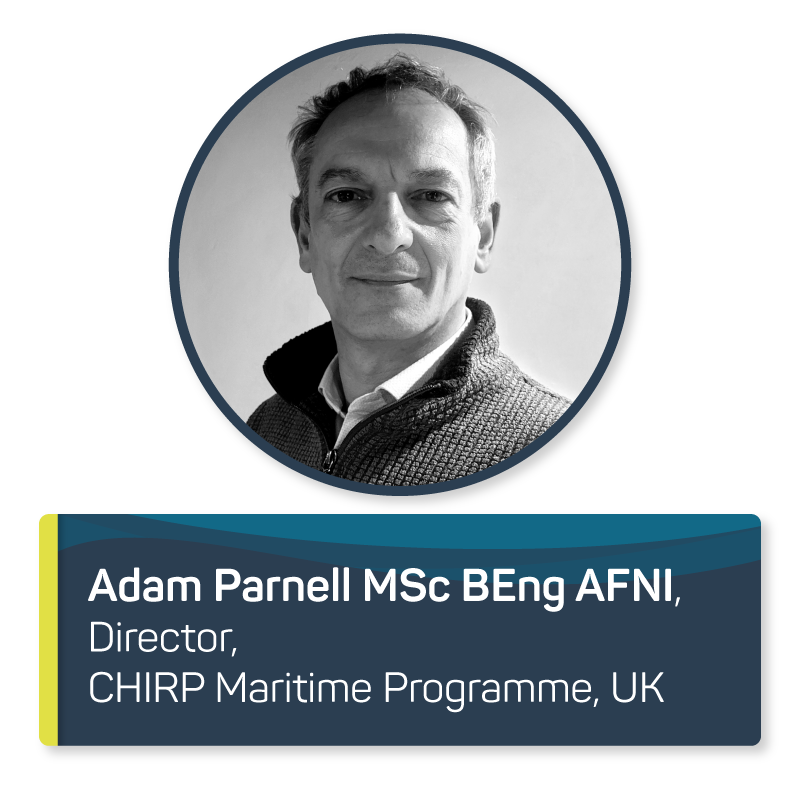
Incident reporting saves lives (and money!) ...but are we doing it correctly?
Every 14 minutes somewhere in the world a maritime worker loses their life. This presentation explores how the confusion between compliance and safety is hindering meaningful improvements and explores the significant human and financial costs that result. It will examine the barriers preventing the industry from learning from repeated incidents and offers actionable solutions to drive genuine safety progress.
9 April
13:40
Seminar Room, Level 4, NOC
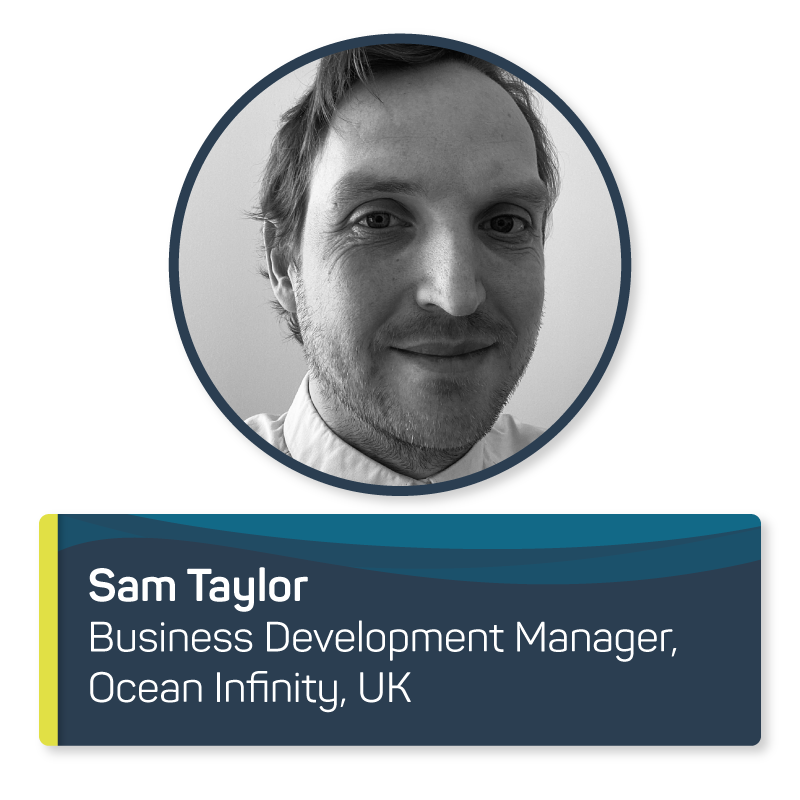
Charting the Course: Armada’s Pathway to Remote Operations for Large Vessels
Sam Taylor is Business Development Manager at Ocean Infinity, spearheading the introduction of the ground-breaking Armada fleet in offshore sectors. With nearly two decades in the subsea and maritime industries, Sam is a Naval Architect based in Aberdeen.
9 April
14:00
Seminar Room, Level 4, NOC
Session: Future of Our Ocean - Part 3
Session Chair: Sue John, Conference Chair, Ocean Business
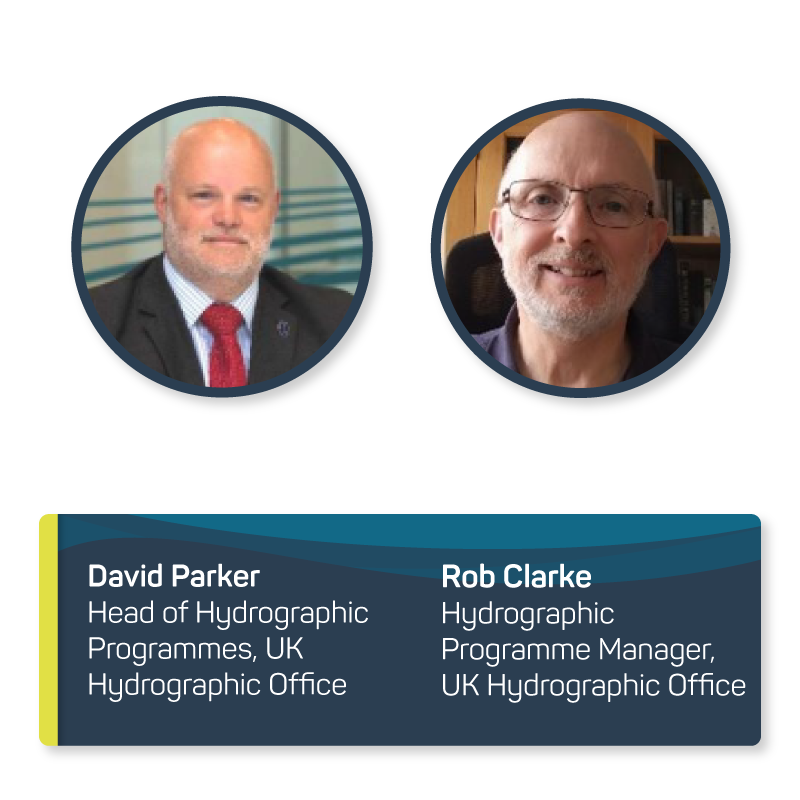
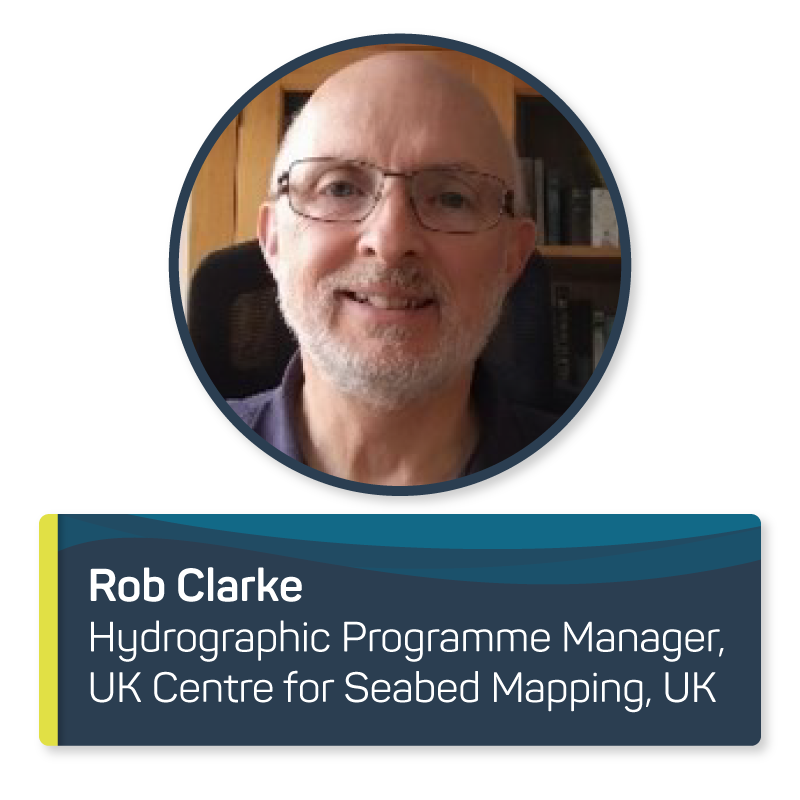
The UK Centre for Seabed Mapping – working towards a more integrated Marine Geospatial Sector for the UK
Quality marine geospatial information is essential for almost every activity undertaken in the marine domain. To increase the coverage and quality of seabed mapping data available to all, the UK CSM is driving collaboration and interoperability across 25 public sector organisations, with intentions to expand to include academia and industry.
9 April
15:00
Seminar Room, Level 4, NOC
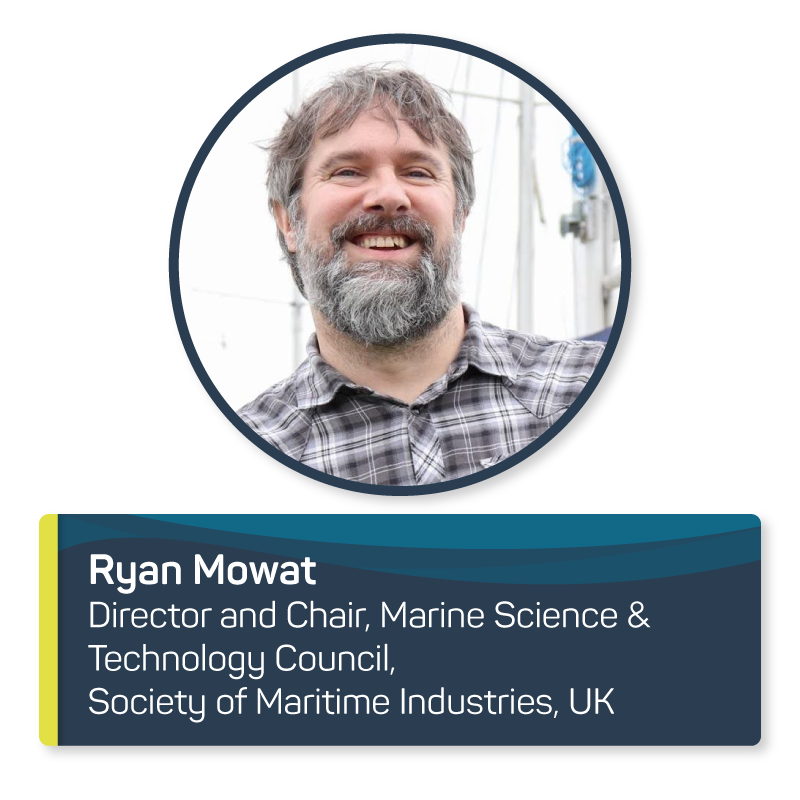
Growing our £2 Trillion Ocean Economy via the UK Ocean Enterprise
The Ocean Enterprise sector develops the innovative technologies and information services needed to deliver a sustainable Ocean Economy. We require a strategic approach across government, academia and industry to maximise this growth opportunity for the UK.
9 April
15:20
Seminar Room, Level 4, NOC
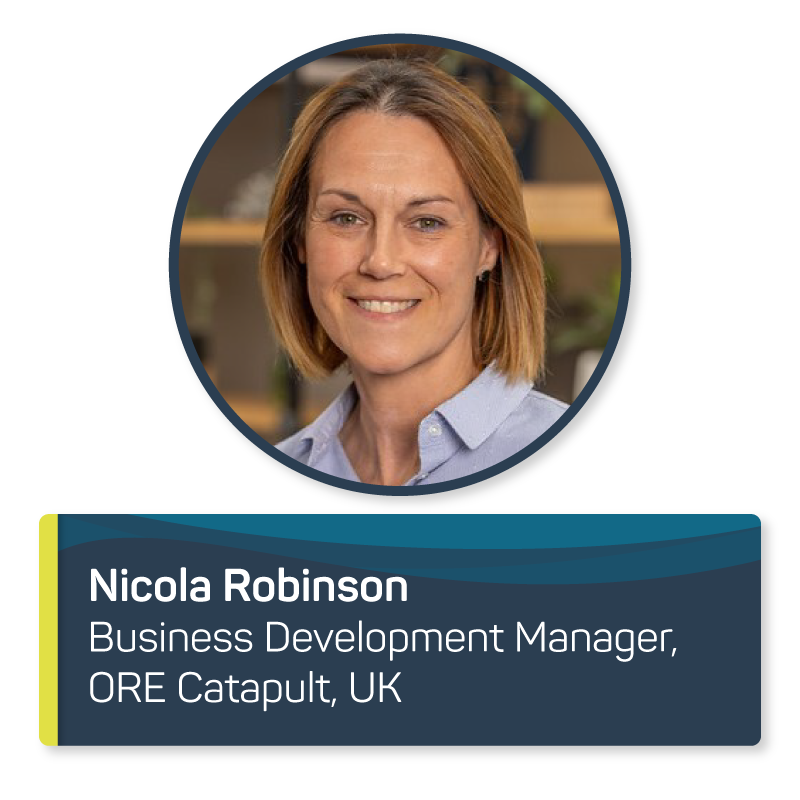
Advancing Offshore Wind: An In-Depth Overview of Offshore Renewable Energy Catapult
Technology readiness levels from concept through to commercial platform. All the ways in which stakeholders can work with Offshore Renewable Energy Catapult and an in-depth overview of the services they offer, the benefits and how they can be accessed, including clean maritime, circular economy, wave & tidal, ports, cables etc.
9 April
15:40
Seminar Room, Level 4, NOC
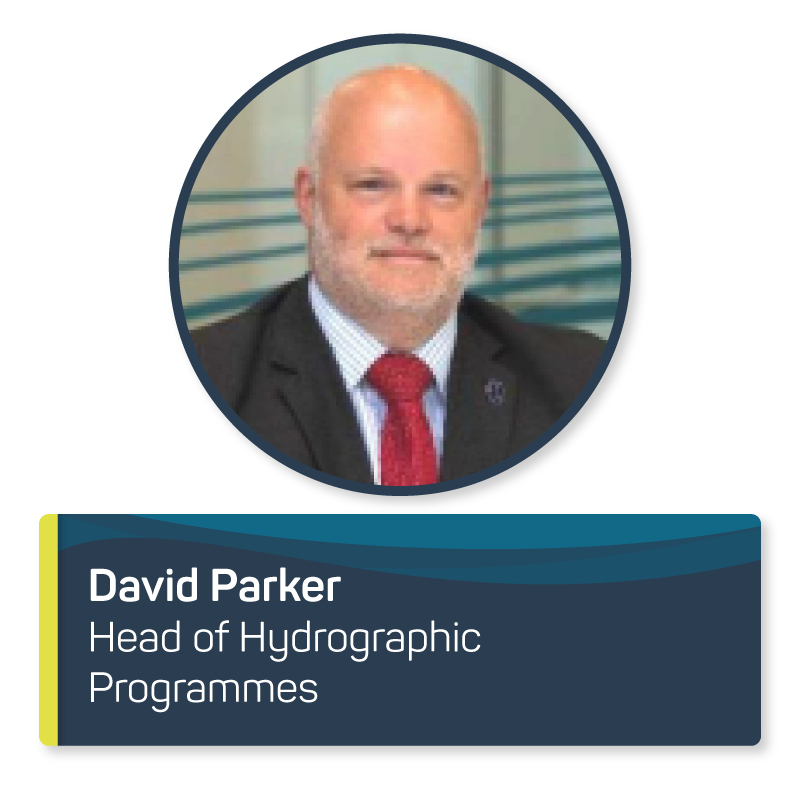
Panel Session: Disrupting the Status QUO - Future of our Ocean
Panel Chair: Mike King, Sulmara Subsea, UK
9 April
16:00
Seminar Room, Level 4, NOC