
Omicron Connectors Facilitate Cutting Edge Camera System for BBC Studios new landmark underwater TV series
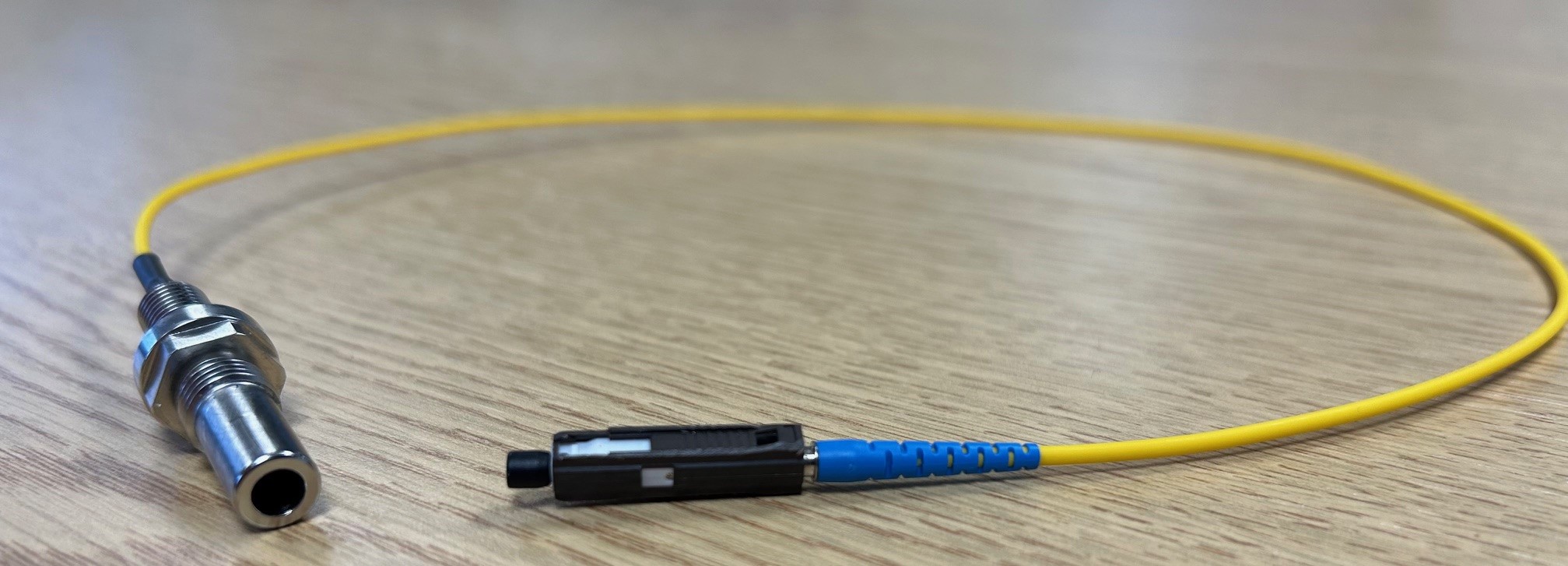
 Teledyne Impulse-PDM, a leading provider of high-performance interconnect solutions, has supplied its state-of-the-art Omicron optical fibre connectors to BBC Studios for use in their upcoming underwater natural history series, set to air in 2026. Filming required custom-built camera technology designed to capture extraordinary marine footage from the depths of the Arctic, facilitated by the Rev Ocean’s Aurora ROV.
To capture groundbreaking underwater content BBC Studios and Marine Imagine Technologies designed a deep ocean-rated camera system integrated with a telemetry bottle, the central hub for communications on the submersible. However, during the Arctic expedition, the crew encountered challenges connecting the camera system to the ROV’s telemetry bottle due to a missing optical fibre connector, critical to establishing communications for the system. Without this essential part, the team faced a significant delay in capturing underwater footage.
BBC Studios reached out from their expedition for support and Teledyne Impulse-PDM rapidly supplied the Omicron 5030/5070 optical connectors which deliver high-performance fibre connectivity in demanding environments.
Suitable for both single-mode and multi-mode operation, Omicron connectors were ideal for the BBC Studios deep-sea application and the stringent requirements of the Aurora ROV system. Despite a tight timeline, Teledyne Impulse-PDM was able to courier the connector to Svalbard, enabling the BBC Studios research crew to proceed with their mission.
The BBC production team praised Teledyne Impulse-PDM’s prompt support, stating, “Teledyne’s Omicron connectors were integral to keeping our project on track, and without the Teledyne team’s quick response, we would not have been able to film in time.”
Commenting on the project, Carolyn Jones, Head of Business Operations for Teledyne Impulse-PDM, said, “We’re delighted to support BBC Studios in their quest to capture the world’s natural wonders. Our Omicron connectors are specifically designed to perform reliably in the challenging conditions of deep-sea exploration, and we’re proud that our technology played a role in keeping this extraordinary project on schedule.”
This collaboration underscores Teledyne Impulse-PDM’s dedication to delivering innovative solutions for underwater communications. Teledyne Impulse-PDM designs and manufactures high-reliability electrical and optical interconnection systems for a broad range of harsh environment applications. The company's products have proven their performance, even in the most demanding applications, which include oceanographic exploration, defence, offshore energy, medical devices, nuclear systems, and wastewater management.

Southern Ocean study challenges key carbon pump theory
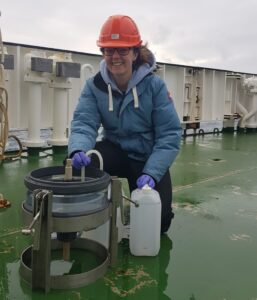 A new UK National Oceanography Centre (NOC)-led study has put a major question mark over the role a unique group of tiny microscopic plants plays in driving ocean carbon storage.
Diatoms, a type of plankton or marine algae, have a significant role in drawing carbon down into the deep, especially in the Southern Ocean, which takes up about a third of organic carbon stored in the ocean.
Uniquely, diatoms have dense, silica-based exoskeletons – like miniature glass houses – which were thought to provide ballast, making them prone to sinking and, therefore, a key way carbon is transported to the deep ocean.
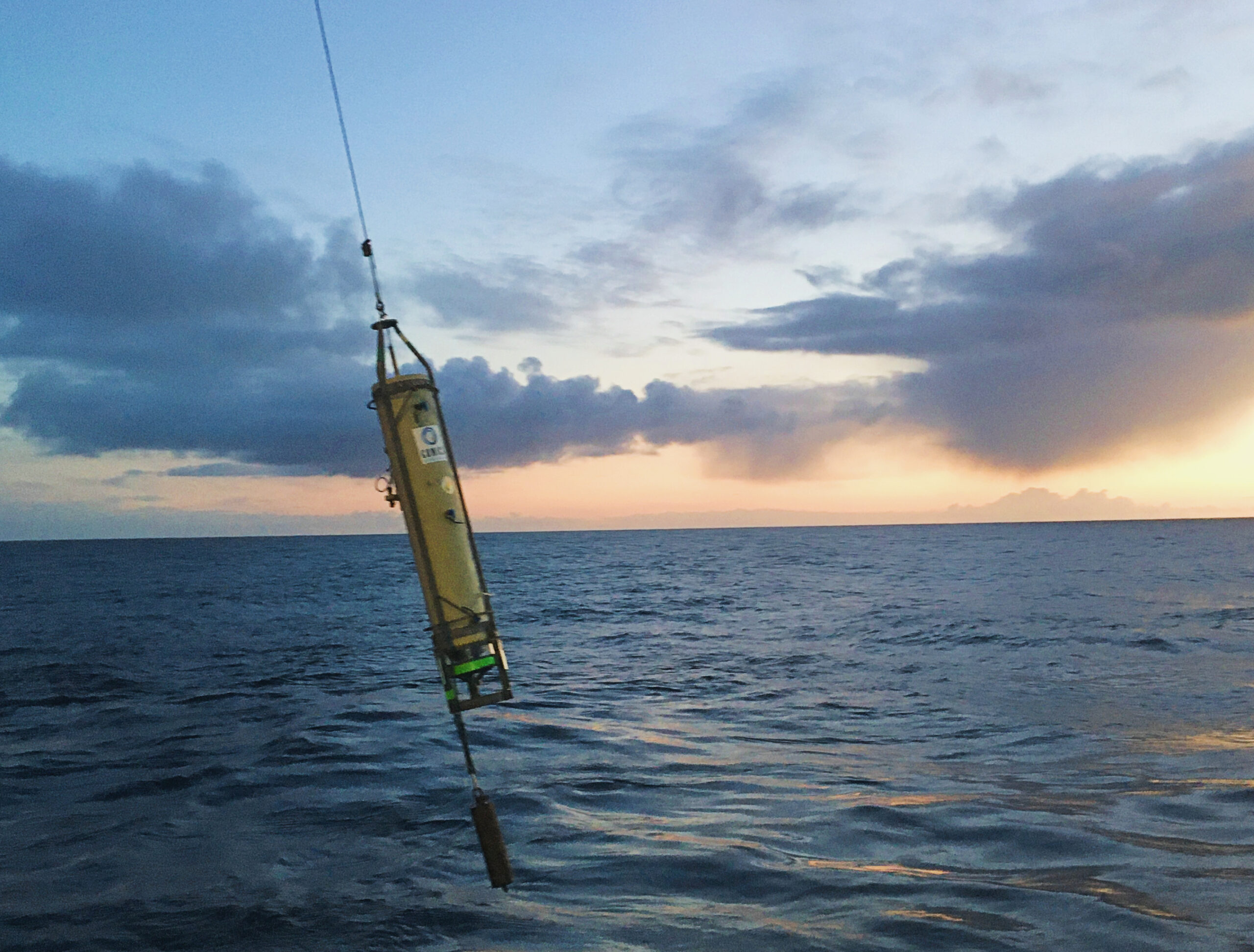
But the new study, based on data from two major expeditions to the Southern Ocean’s underexplored twilight zone – the region between ~100 m to 1,000 m deep – found that the diatom skeletons lingered near the sea surface while carbon made its way to the deep ocean by other means.
“The ocean plays a key role in the global carbon cycle, with tiny, microscopic plants taking up billions of tons of carbon from the atmosphere every year,” explains research lead Dr Sari Giering, research lead at NOC. “For years it has been believed that this group of plankton – diatoms – play a crucial role in efficiently transporting carbon to the deep ocean, where it is held out of contact with the atmosphere.
“The surprising discovery that diatoms’ silica skeletons stay near the surface while carbon makes it down to the deep ocean forces us to rethink the ecological processes in what we call the biological carbon pump.”
The biological carbon pump describes a collection of processes in which plankton take up carbon in surface waters and shunt this carbon to the deep ocean. These natural processes store billions of tonnes of carbon in the ocean each year.
“Previous studies have looked at what has ended up at the seabed, which shows carbon is making its way there typically with the aid of ballast material, such as diatom’s silica-based skeletons,” adds Dr Giering.
“But our research, looking at what happens within the twilight zone before carbon reaches the seabed, shows that diatoms are at times not contributing as heavily to the Southern Ocean’s carbon pump, as had been thought. This means there are unknown or poorly measured processes happening in the deep ocean that we need to learn more about.”
A concern has been that ocean warming could impact diatom productivity and therefore reduce the strength of the biological carbon pump in the Southern Ocean.
“The Southern Ocean is vulnerable to ocean warming, which may alter the availability of nutrients and reduce diatom numbers in future,” says lead author Jack Williams, a post-graduate researcher at the University of Southampton. “But our results suggest these changes may not impact the strength of Southern Ocean carbon storage as much as previously thought.
“On the other hand, carbon is still making its way to the deep, so there are unresolved processes at play in the twilight zone that we need to learn more about. Understanding these processes and how they govern carbon uptake in this hugely important part of the ocean is crucial for accurately predicting how the oceans may store carbon in the future.”
The research was conducted as part of two major NOC-led initiatives, Controls over Ocean Mesopelagic Interior Carbon Storage (COMICS) and Carbon Uptake and Seasonal Traits in Antarctic Remineralisation Depth (CUSTARD). These projects were funded by the UK’s Natural Environment Research Council (NERC) and the
European Research Council grant Advancing Novel imaging Technologies and data analyses in order to understand Interior ocean Carbon Storage (ANTICS).
Over two expeditions, each lasting more than five weeks at sea, NOC scientists and international colleagues studied the twilight zone at four different sites in the Atlantic and Pacific sectors of the Southern Ocean.
This included iron-rich waters around a remote chain of islands and nutrient-starved waters in the open ocean. The collaborative team used a combination of innovative techniques, including ship-based measurements, mooring arrays and autonomous underwater technologies.
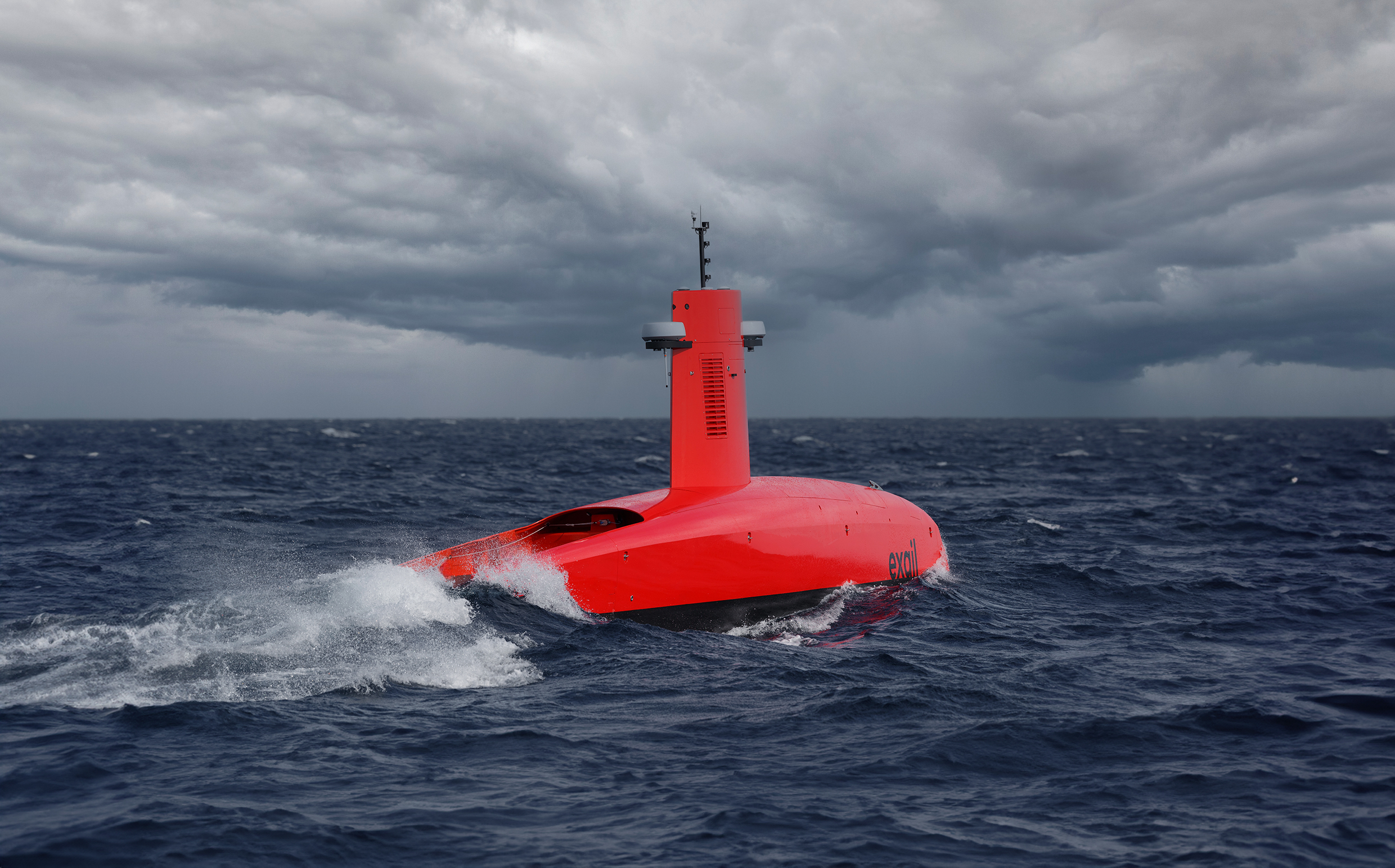
Exail announces first sale of DriX O-16 transoceanic Uncrewed Surface Vessel
 Exail is proud to announce the first sale of its DriX O-16, a transoceanic Uncrewed Surface Vessel (USV). Designed for long-range maritime operations, it has been acquired by an Indo-Pacific customer operating in the civil sector.
Equipped with advanced sensors, including a full-depth Multibeam Echosounder, the DriX O-16 enables operators to collect precise data for hydrographic, geophysical, and environmental missions. Its ability to deploy AUVs and ROVs enhances operational versatility and productivity as well as broadens the scope of its missions.
"The sale of our first DriX O-16 so close to its debut is a testament to the trust our clients place in Exail’s forward-thinking approach to maritime autonomy," said Olivier Cervantes, Exail’s VP Maritime Autonomy Solutions. The vessel quickly set new benchmarks in efficiency, endurance, and flexibility, securing the customer's confidence just three months after its christening. With its unparalleled combination of speed, endurance, and payload capacity, the DriX O-16 represents a groundbreaking step forward in Uncrewed Surface Vessel technology. It marks an exciting new chapter in the evolution of USVs and their vital role in shaping the future of modern hydrographic, survey and inspection operations.”
As the maritime industry is undergoing a strategic shift toward adopting autonomous technologies and low-carbon impact solutions, the DriX O-16 supports this transition, offering operators a sustainable alternative to traditional crewed vessels. Its hybrid propulsion and naval architecture minimize fuel consumption, while its optimized and innovative system architecture significantly reduces operational and maintenance costs, contributing to a lower environmental footprint.
With enhanced autonomy, the DriX O-16 enables extended port-to-port operations with reduced human exposure at sea and resources, aligning with the industry's push for efficient and sustainable solutions.
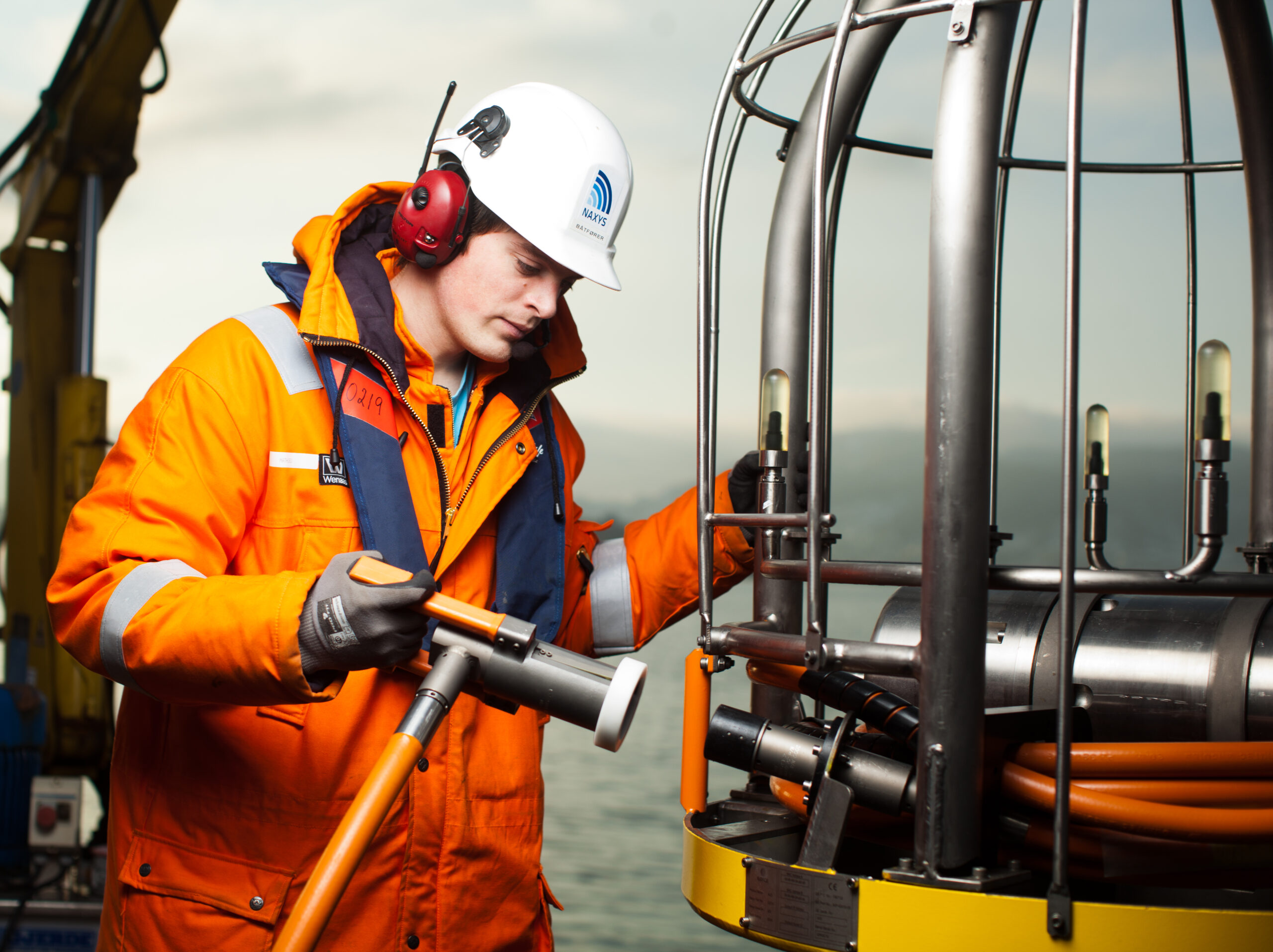
Kongsberg Discovery acquires Naxys Technologies
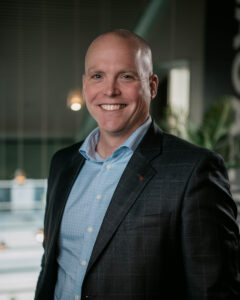
Kongsberg Discovery has reached agreement to acquire Naxys Technologies AS. The Bergen-based company is a world leader in technology for underwater environmental monitoring, with a specialism in recognizing the sound of oil and gas leaks.
The oceans are crucial for solving global challenges related to climate, food and security. CEO Geir Håøy of KONGSBERG points out that Naxys fits well into the company's technology portfolio.
"As a technology company and ocean space expert, we have developed world-leading solutions to map, monitor and understand the oceans, which actually cover 70 per cent of the Earth's surface and remain largely unexplored. The acquisition of Naxys fits well into our technology portfolio and our growth ambitions as an ocean space expert," says Håøy.
Naxys Technologies will be part of Kongsberg Discovery, a business that was spun off from Kongsberg Maritime and established as a separate business area within Kongsberg Gruppen in 2023. The rationale was to strengthen the company's position and investment in advanced sensor and underwater robotics.
"Kongsberg Discovery has delivered solid organic growth so far and this acquisition is the first step in the inorganic part of the growth strategy. This move allows Kongsberg Discovery to strengthen its technology platform, equipping the business to meet the ever-increasing demand for both sustainability and safety," says Håøy.
Environmental monitoring as a core competence
Martin Wien Fjell, CEO of Kongsberg Discovery, points to the importance of the company's cutting-edge expertise in passive hydroacoustics as crucial to the transaction. Naxys provides environmental monitoring for the oil and gas industry, but is also well-positioned for growth in both the research and defence markets.
"Naxys Technologies ensures that oil and gas companies can be quickly notified of any leaks. This is becoming increasingly important now that the demands for sustainable operations are increasing globally," says Fjell.
Expanding in-house technology expertise
Protecting marine life and monitoring critical infrastructure are important focus areas for Kongsberg Discovery.

"We have developed several market-leading products in hydroacoustics since the first sonar was launched in the 1950s. With Naxys' technology expertise, we further strengthen this position, enabling us to deliver an even broader product portfolio to the market," says Fjell.
World-leader in leak detection
Naxys Technologies was formed in 1999 and is now a world leader in passive acoustic leak detection. Its customers are mainly large oil and gas companies that use the technology to detect leaks, as well as monitor subsea rotating machinery such as pumps and compressors. The acquisition agreement was signed on 20 December, with the news announced in Bergen on 7 January.
Core passive hydroacoustics technology
As the new owner of Naxys Technologies AS, Kongsberg Discovery’s Fjell points to the company's strength in terms of expertise, experience and insight in an important sector for Kongsberg Discovery.
"The team in Bergen has built a strong business with technology that is a perfect fit for Kongsberg Discovery. Environmental monitoring using passive hydroacoustics is central to Naxys and is in line with the importance of sustainability and safety for our business. I look forward to getting to know all the employees and starting our collaboration as colleagues," he says.
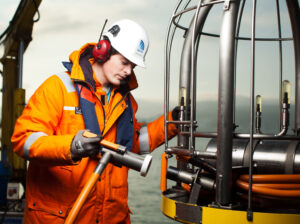 Accessing the world market
Jens Abrahamsen is the general manager of Naxys Technologies and was one of the founders of the company in 1999. He highlights the opportunity the acquisition will provide for international growth.
"As part of KONGSBERG, we will now have an opportunity to grow further. In my opinion, there is only one technology company that has the strength and ambition that align with our way of thinking. It's Kongsberg Discovery," says Abrahamsen.
Maintaining operations in Bergen
Naxys Technologies AS has 28 employees in Hegreneset in Bergen. The company expects to pass a turnover of NOK 100 million in 2024. The company has a production, research and development department, as well as sales and service employees.
"This agreement is an important milestone in our history. I am convinced that Naxys will play an important role in our common future. It will also be nice to have an increased presence in Bergen," says Fjell, CEO of Kongsberg Discovery.
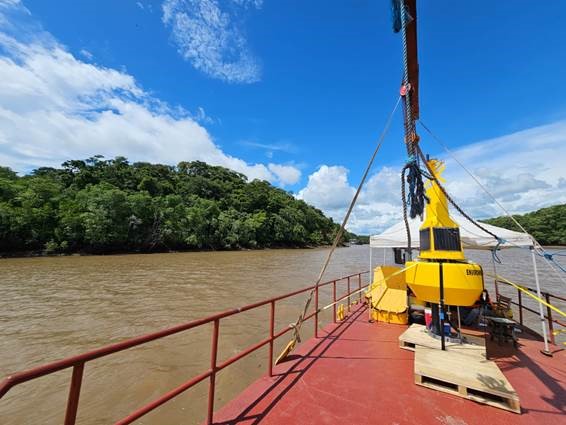
OSIL Buoy Charting New Waters in Central American Pacific
 Ocean Scientific International Ltd (OSIL) have manufactured a pioneering oceanographic data buoy system, the first of its kind in the Central American Pacific coast.
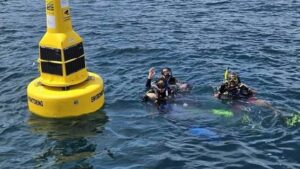
The buoy system will be used as a floating laboratory platform and has been installed in the Parque Nacional Coiba in Panama for the Estación Científica Coiba (COIBA AIP) to assist with the study and conservation of marine diversity and monitoring climate change. COIBA AIP is set to host the 21st Latin American Congress of Marine Sciences (COLACMAR) in 2026 so is ideally positioned as a regional leader in the study of marine sciences.
Coiba Island is part of the marine corridor of the tropical eastern Pacific, and regularly sees large congregations of different migratory marine species. The buoy will continuously monitor parameters that are crucial to critical migratory events.
Dr. Edgardo Díaz Ferguson, executive director of Coiba AIP, highlighted the international impact of this initiative “Panama is positioned as a regional leader in the study of marine sciences. This advance strengthens our local capacities and allows decision-making based on scientific evidence, essential to face the challenges of the decade of ocean sciences established by UNESCO (2021-2030).”
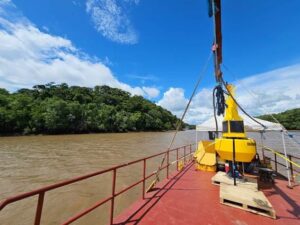
The 1.2m system is equipped with two multiparameter sondes (one at the surface and another at a depth of 10m) that measure up to 20 environmental parameters including
temperature, salinity, sound velocity, dissolved oxygen, pH and Chlorophyll a, and a current profiler. These data will allow real time analysis of the interactions between the ocean and the atmosphere, identification of spatial and temporal patterns, and monitoring of phenomena associated with climate change and oceanographic processes.
OSIL have worked in conjunction with their partners Casco Antiguo in Panamá to curate the system requirements, and supply, install and support the buoy system and instruments for the duration of the deployment.
Producing data buoy systems for the last 25 years, OSIL now have well in excess of 1000 data buoy systems worldwide. OSIL are a world leading manufacturer of marine environmental monitoring and sampling systems.
New autonomous subsea survey system presented in partnership between USV and ROTV developers
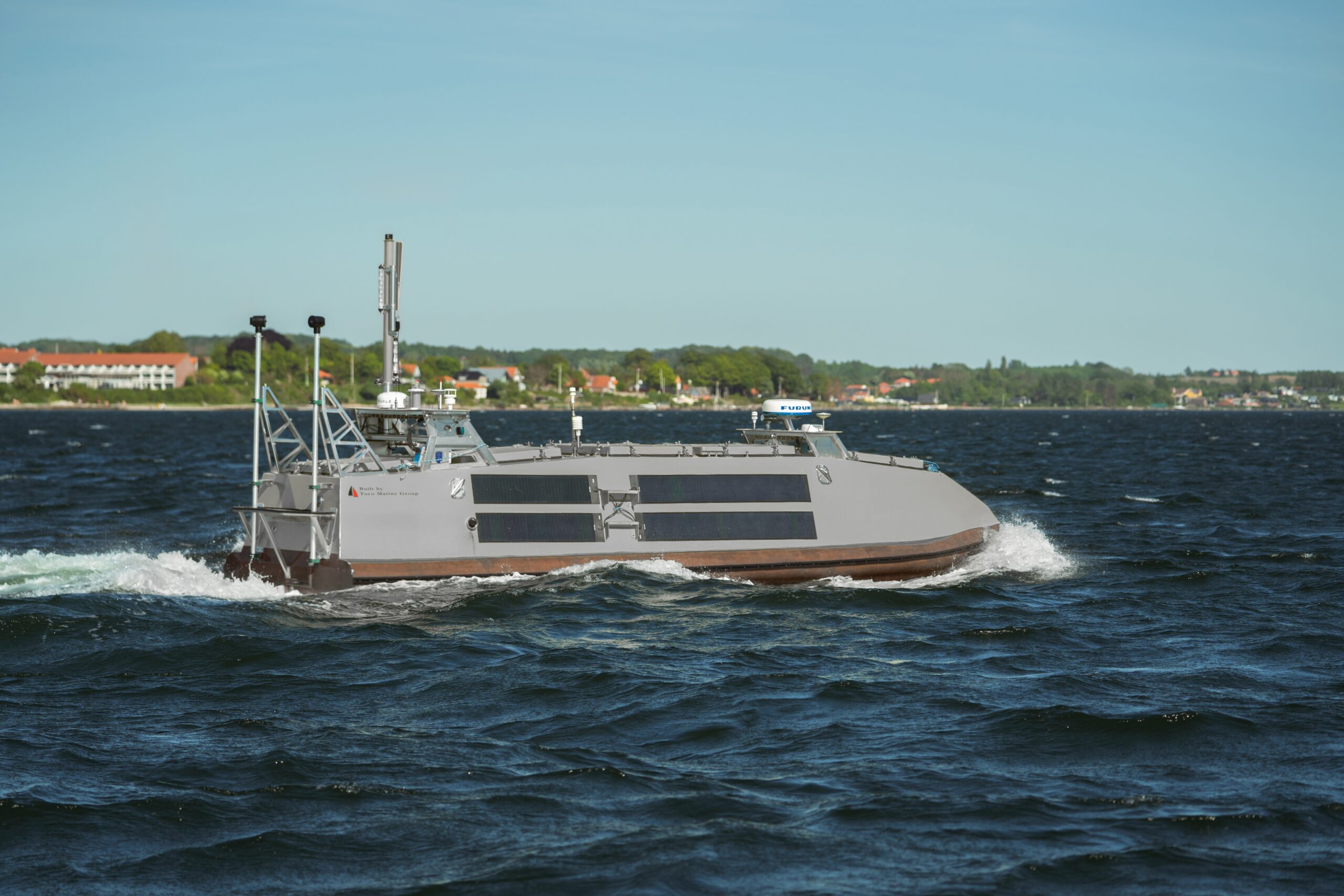
 A new partnership between maritime technology specialists EIVA and Tuco Marine will provide integrated autonomous systems for inspecting subsea assets, such as cables transporting renewable energy.EIVA, a developer of software and equipment for surveying below the water’s surface and Tuco Marine, producers of unmanned surface vessels (USVs) have announced they are now working together to provide an integrated system solution.
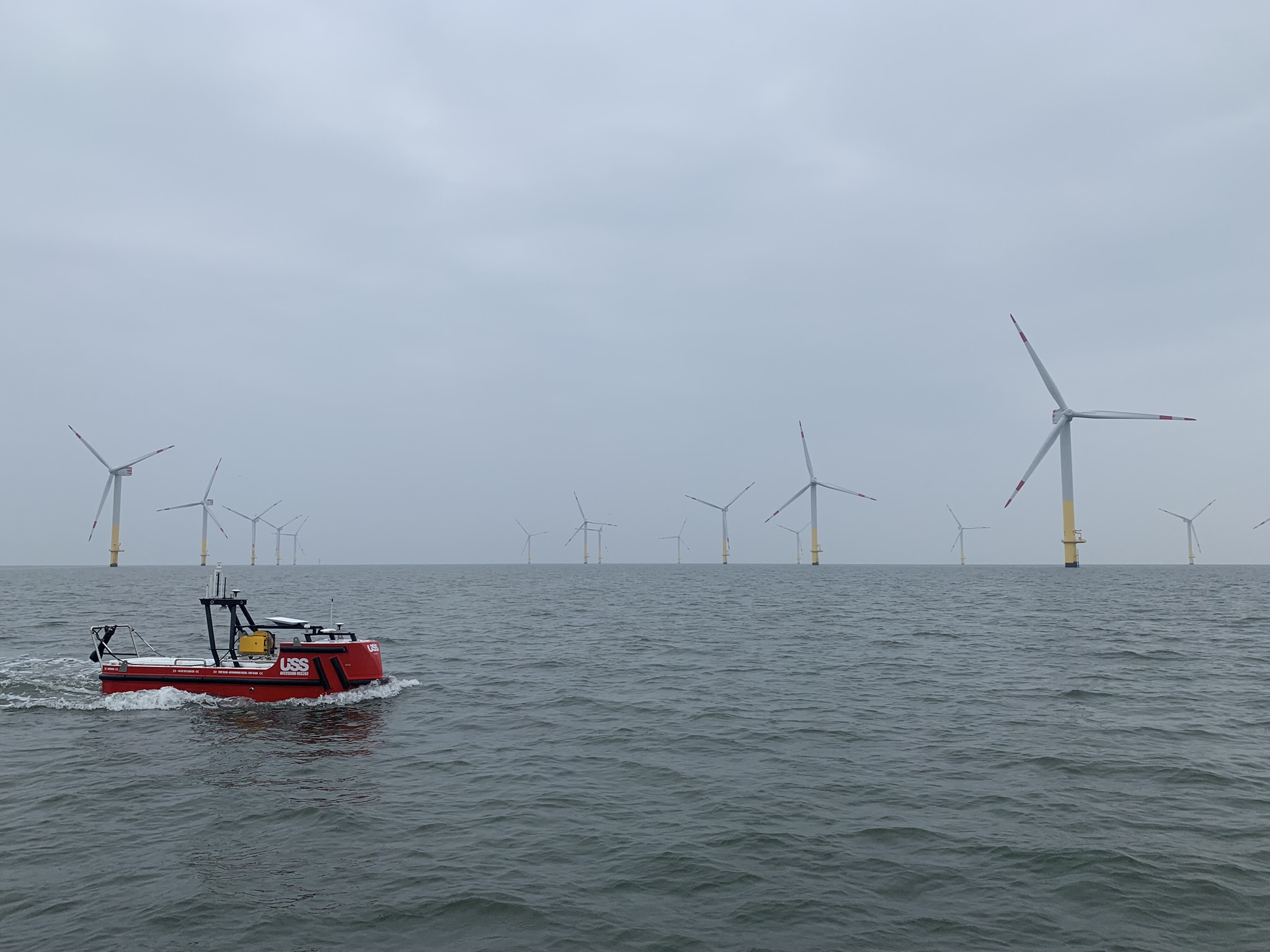
The ProZero 8m Naval Intelligence USV by Tuco Marine sails to an area of interest and launches the remotely operated towed vehicle (ROTV) ViperFish by EIVA. ViperFish is a sensor platform for highresolution seabed imaging, as well as mapping depth and magnetic signals to monitor subsea assets.
‘Leveraging the complementary nature of our technologies, EIVA is looking forward to working with Tuco Marine to offer the market a solution that we see a lot of demand for – a fully integrated system to autonomously survey subsea assets,’ explains Christian Thomsen, CEO at EIVA.
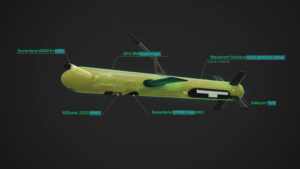 'By combining a USV, like our ProZero, together with EIVA’s ROTV sensor platform and survey software, it’s possible to monitor the conditions of critical subsea infrastructure much more thoroughly and frequently than with conventional setups,' explains Managing Director Jonas Pedersen from Tuco Marine.
Ensuring integration of technologies: tailored solutions and strong partnerships
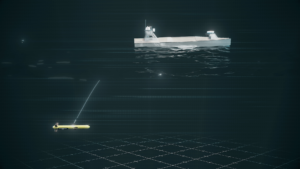 A deciding factor for the safety and efficiency of autonomous systems is that all parts must be not only be reliable on their own, but also work well together through integration. Both EIVA and Tuco Marine have the internal competences needed to achieve this, as the companies are highly experienced in developing tailored solutions.
In addition, their technologies are well-proven within both maritime and defence industries. For example, EIVA’s sensor platform ScanFish is among the most used solutions worldwide for UXO surveys, while their ViperFish, launched in 2023, is designed for autonomous USV systems, based on customer inputs. Tuco Marine has delivered their reliable ProZero vessels for use in offshore wind farms, environmental surveys, defence and aquaculture.
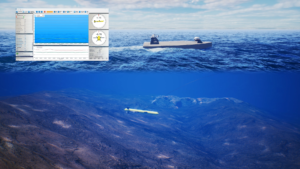 The quality of data delivered with this system also benefits from positioning and imaging sensor technologies thanks to strong partnerships within the international Covelya Group. EIVA’s sister companies in this group include sensor providers Sonardyne and Wavefront Systems, as well as Forcys, which provides defence expertise for customers seeking to deploy this technology for mine countermeasures, rapid environment assessment and more.

NOC scientist Dr Elizabeth Kent recognised with MBE
 The UK National Oceanography Centre’s (NOC) Dr Elizabeth Kent has been awarded an MBE, for services to tracking global temperatures, recognising her decades of research into improving historical sea surface temperature records.
The award was announced in King Charles III’s New Year Honours list, which recognises the outstanding achievements of British citizens, recommended by the prime minister following an independent assessment process.
For over three decades, Liz, who is Associate Head of the Marine Physics and Ocean Climate group at NOC, has performed research that underpins development of long-term global surface temperature records, helping to make them more accurate and consistent - crucial to the ability of the international science community to detect and describe human-induced climate change.
This research, and the datasets built upon it, underpin climate assessments such as the Intergovernmental Panel on Climate Change (IPCC) Assessment Reports, used by every policymaker, campaigner or researcher who wants to know or to show how the ocean and climate is changing.
Liz is part of a team at NOC working on historical marine surface observations. She has spent years studying the details of the observations, how they were made, recorded and stored. This insight helps reveal the true variations in marine surface temperature by reducing the impact of spurious effects such as changing measurement methods over time.
By examining the origin and uncertainty of every measurement of sea surface and air temperature from commercial, naval and research ships since the 19th Century, Liz has been integral in ensuring the science community have access to the highest quality information possible.
Commenting on her award, Liz said: “I am honoured that my contribution to improving historical marine data has been recognised in this way. This wouldn’t have been possible without the long-term support that the National Oceanography Centre provides for this work.
NOC Chief Scientist Prof. Penny Holliday said: "Liz has been instrumental in ensuring that the sea surface temperature datasets used globally are as accurate as possible. Her expertise helps to ensure that hundreds of years of historical temperature data are continually improved and better understood, enabling us all to have the highest quality data when investigating global climate change.”
The award of an MBE furthers Liz’s national and global reputation as an innovative and world-leading researcher, which has previously been recognised by the award of the Royal Meteorological Society's Adrian Gill Prize for 2013.
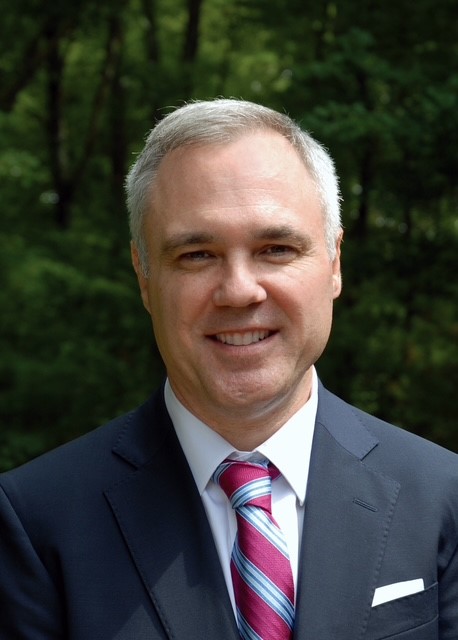
Klein Marine Systems Welcomes Industry Veteran Ted Curley to Leadership Team
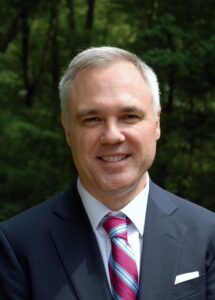 Klein Marine Systems, a leader in advanced sonar technologies, proudly announces the addition of Ted Curley to its team. He joins with over 35 years of experience in the underwater technology industry, bringing unparalleled expertise across both defense and commercial markets.
Throughout his career, Ted has been at the forefront of innovation, contributing to cutting-edge advancements in uncrewed systems, navigation, sonars, and more. He has held prominent leadership roles, including leading Exail Defense Systems in North America and driving technological and market growth at Teledyne Marine. His extensive experience working with U.S. Navy Fleet forces, coupled with a proven track record of revenue growth and market expansion, underscores his exceptional leadership and industry acumen.
Beyond his professional achievements, Ted is an active participant in key industry organizations, including the Marine Technology Society (MTS), the Association for Uncrewed Vehicle International Systems (AUVSI), and the Navy League. As a founding member of the Marine & Oceanographic Technology Network (MOTN), Ted has consistently demonstrated his commitment to fostering collaboration and innovation in the maritime industry.
About his appointment as General Manager at Klein, Ted stated, “I’m excited to be joining Klein, a company with such a rich tradition and enduring legacy in the industry, and to be part of the growing success story at General Oceans. I look forward as Klein pioneers the latest advancements in new sonar technologies.”
Ted’s addition to the Klein Marine Systems team marks an exciting step forward for the company, reinforcing its commitment to innovation and excellence in underwater technology.
New Officers and Fellows announced at SUT AGM along with Award winners
 The well-attended recent AGM of The Society for Underwater Technology (SUT) saw the announcement of newly appointed SUT Officers for the Learned Society; notification of elected Fellows from the UK, Australia and the USA; and Awards made both in the year under review and of the prestigious President’s Award announced at the AGM. It was followed by a stimulating talk on The Crown Estate Marine Delivery Routemap by Alex Thompson Strategic Delivery Senior Manager at The Crown Estate.
SUT’S Chief Executive, Cheryl Burgess explained: With Benj Sykes, Country Manager of Ørsted now in his second year as President, Mike Fearn of Bluefield Geoservices Limited becomes Chair; the Honorary Secretary is Dave Brookes of St Jules; and Gehrig Schulz of EPI is now the SUT’s Hon Treasurer. [Note to Editors: pen portraits of each and of the new Fellows are at the end of this release]
“The SUT’s new Fellows are Karen Seath, Decommissioning and Salvage SIG (UK); Paul Upjohn, Perth Branch (Australia); and three Members from the Houston, Texas Branch: Colin Johnston, Luz Zarate, and Patricia Varela. Having both completed terms on Council after serving as President, Judith Patten and Ralph Rayner are now Hon Fellows”
The winner of the President's Award, John Sharp, announced at the AGM, is Professor John Sharp , who was unable to be at the meeting but said: "I was honoured to receive the 2024 SUT Presidents award for my work with the SUT Marine Renewable Energies Committee as its chairman, a role I have had for a number of years.
“The Committee has continued to succeed with regular presentations and has recently expanded its scope to include floating wind and more recently floating solar, as both have common technologies with offshore renewables such as wave and tidal energy. I have particularly welcomed the opportunity to support the newly formed SUT marine renewable energy committees in the USA and Perth, Australia. As a Visiting Professor at Cranfield University, I have been able to be involved in training young students who have gone onto careers in the marine renewables energy industry."
AGM attendees were reminded of SUT Award winners during the year under review:
• Professor Peter Girguis won the Captain Don Walsh Award for Exploration, a joint award with MTS:
• Prof Deborah Greaves, University of Plymouth and SuperGen won the Lennard Senior Prize:
• Dr Philippe Jeanjean, BP won the Mick Cook Award for Significant Contribution to Marine Site Investigation and Characterisation :
• Jonas Wüst of Tethys Robotics was the winner of the Gwyn Griffiths Underwater Robotics Award:
Comments from some of the 2023-4 Award Winners
Mick Cook Award for Significant Contribution to Marine Site Investigation and Characterisation, Philippe Jeanjean, Senior Advisor, Geotechnical Engineering at BP said:
"What a great surprise and privilege! This is a great and truly unexpected honour. Thank you very much to the committee for selecting me."
A distinguished expert with over 30 years at BP/Amoco, Philippe has significantly advanced offshore foundations and geotechnical engineering through leadership in professional organisations and over 60 technical publications.
The Gwyn Griffiths Underwater Robotics Award winner Jonas Wüst of Tethys Robotics said:
"Thank you so much – this truly honours me and reflects what we as a team have achieved over the past few years (and we're just getting started!)"
Terry Sloane Managing Director of Planet Ocean and ecoSUB Robotics and a member of SUT’s Underwater Robotics Committee said:
"Anyone who can get an AUV to navigate in a river deserves an award!."
While Gwyn Griffiths said:
"Jonas and Tethys Robotics - what audacity! Not content with facing and overcoming challenges in underwater robotics for fast-flowing rivers, their innovations in autonomous navigation and real-time mapping also allow operation in minimal visibility. I commend Jonas and Tethys on their exemplary originality and strategic vision so early in their underwater vehicle venture."
Register now for Ocean Business 2025

Registration is now open for Ocean Business 2025, the global technology and science exhibition for marine industries.
The three-day event, which runs from April 8-10 at the National Oceanography Centre in Southampton, is open to all visitors for free by registering online here.
With more than 350 exhibitors already booked for the sold-out show, this year’s Ocean Business is expected to attract over 5,000 visitors from around the world, offering unrivalled networking opportunities.
The popular Training and Demonstration programme – to be unveiled shortly – is also bigger this year, with 180-plus hours of new technologies demonstrated in the dockside waters, onboard vessels and in the classroom.
The sessions will explore tomorrow’s world today, displaying the latest in autonomous vehicle underwater monitoring, next generation ROVs, ground-breaking advances in AUV technology, and much more.
In the quayside hospitality suites, key industry players, including Teledyne Marine, Nortek and Greensea IQ, alongside ocean tech experts from the Canada Pavilion, will showcase their products and services, all with a focus on fast changing technology.
Meanwhile, inside the expanded exhibition halls, visitors will be able to see pioneering developments across the ocean technology sector and find solutions to shape the future of their business.
Ocean Business 2025 will preview emerging technologies from sector pioneers and game-changing innovators, with the familiar big-name suppliers exhibiting with newer entrants to the industry.
Visitors will be able to see the most up-to-date equipment in action, test drive products to keep them ahead of the competition, and connect with industry leaders in an interactive environment.
The Ocean Careers programme is back, offering students an opportunity to meet potential employers and gain valuable insights from industry professionals.
Ocean Business 2025 will also stage a two-day, free-to-attend conference – on top of a series of associated, on-site meetings - with leading sector voices addressing critical industry issues.
Additionally, Ocean Business will once again host MARELEC, the world’s only conference dedicated to marine electromagnetics. Building on the success of the 2023 event, delegates will hear from eminent scientists, engineers and academics of advances in the fields of geophysics, geotechnical engineering, oceanography and naval warfare.
Cheri Arvonio, Event Director at show organiser Diversified Communications, said Ocean Business has become a must-attend event for marine industries.
‘As the countdown to Ocean Business 2025 begins, we look forward to welcoming the international ocean business community back to Southampton in April.
‘We are delighted with the response from exhibitors and we have high hopes that this enthusiasm will be matched by registrations as we gear up for our biggest show yet.
‘Ocean Business provides an ideal platform for doing business, forging relationships, hearing industry updates and sharing ideas, and we are confident that this year’s event will turn out to be a memorable occasion for ocean people everywhere.’