
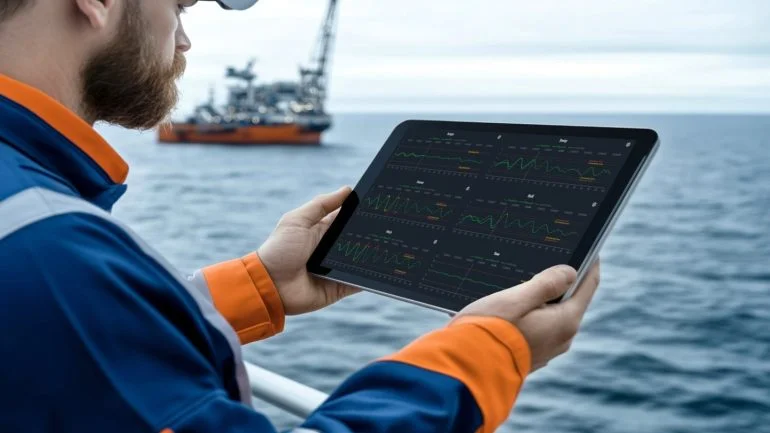
Miros Launches PredictifAI - A New Wave and Vessel Motion Prediction Technology
Miros, an industry leader in real-time ocean insights for maritime and offshore operations, has launched its new wave and vessel motion prediction technology.
This next-generation product, named ‘PredictifAI’, delivers a real-time, in-operation picture of the wave field around a vessel providing deterministic prediction of ocean waves and vessel motion in the range of seconds to a couple of minutes in advance.
PredictifAI pairs artificial intelligence (AI) with X-band radar and local high-accuracy wave height measurements to deliver a monitoring solution that automatically adapts to varying sea and weather conditions.
Miros applies this new and unique dual-source measurement concept using its WaveSystem technology, which tightly integrates measurement sources to reliably operate in both simple and complex sea states.
PredictifAI reduces the unknowns from statistical wave estimates and forecasts to achieve the level of accuracy and reliability needed for the safe management of critical operations, avoiding quick and uninformed decisions.
Crucially, the solution doesn’t require calibration, modelling, or any other twin representation of the vessel – it creates its own digital twin automatically. That means vessel owners and operators, in need of short-term, highly accurate wave and motion prediction to safeguard their critical operations, can benefit right away.
Marius Five Aarset, Miros CEO, said: “For 40 years, Miros has been a pioneer in high-quality ocean technology, relentlessly pushing boundaries to enhance the efficiency and safety of offshore operations without compromising quality. With PredictifAI it is no different and this is the next step in this development.
“PredictifAI is a further demonstration of our commitment to staying ahead of the wave, inspiring confidence that will shape the future of the sector. The result of the hard-work of our in-house team of industry experts, this next-generation technology represents a significant leap forward in maritime safety and operational efficiency.”
Collaboration has been crucial to the development of PredictifAI, with Miros’ key offshore customers being early adopters of the technology ahead of a wider rollout.
The ability to predict waves accurately and reliably in advance unlocks a wide range of benefits for the offshore sector, optimizing operational efficiency in activities such as wind turbine installation, jacking operations, cable and pipelay campaigns, diving support operations, and ROV launch.
Forecasting incoming single waves, wave trains, vessel motion patterns, and timing of these provide valuable insights for a wide range of on-deck and overside operations, and ensures better decision-making and risk management, as well as mitigating the risk of accidents in scenarios such as connecting a gangway.
PredictifAI can also feed into dynamic positioning systems, giving offshore operators advanced warning that waves with certain characteristics and vessel motion effects are approaching.
Gunnar Prytz, Miros CTO, said: “By combining AI with site-specific sea state measurements in real-time, we are giving vessel operators the power to see into the immediate future, enabling them to make informed decisions and manage critical operations with unprecedented confidence.
“When Miros was formed four decades ago the idea of wave prediction would have seemed like science fiction, but setting new standards for ocean technology has always been core to the business and I would like to thank our team for their work in making this market-leading solution a reality."

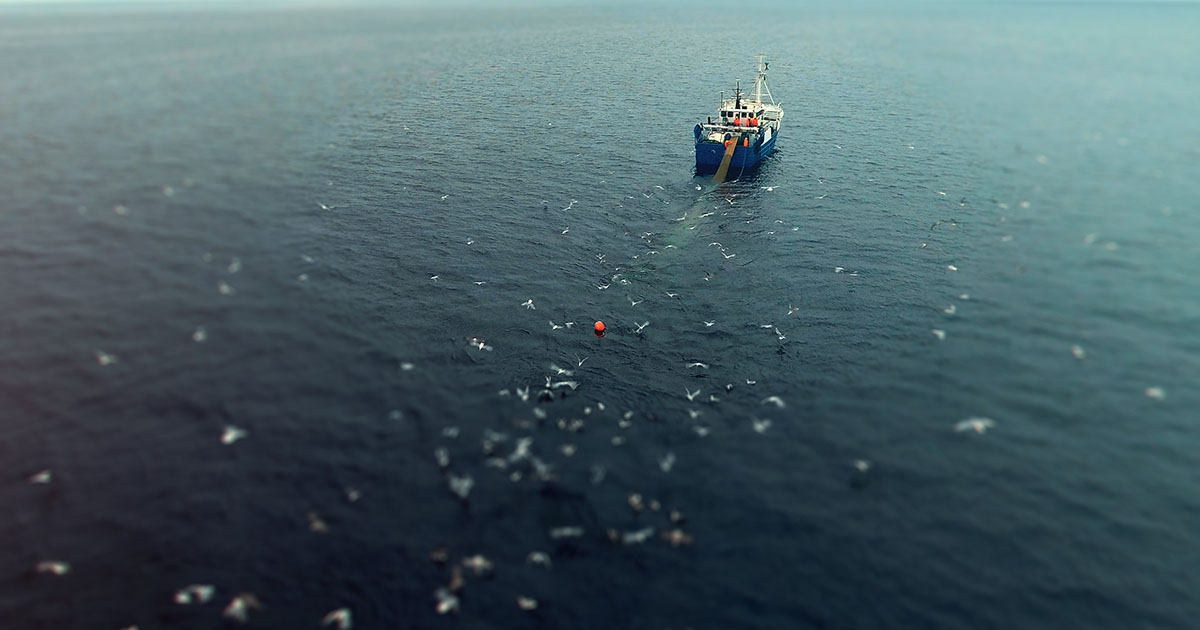
Kongsberg Discovery announces next generation trawl sonar with the FS80 third-wire system for fishery sector
Kongsberg Discovery is heralding a new age of efficient, simplified and sustainable pelagic trawling with today’s launch of the breakthrough FS80 Trawl Sonar at Pacific Marine Expo (PME).
The compact, modular and multifrequency solution is the market’s first sonar system to combine net monitoring, intake profiling and bottom detection in a single unit, making the very latest sonar technology accessible to fishery customers, big and small.
SIMRAD strength
Norwegian-headquartered Kongsberg Discovery, a global leader in underwater robotics and sensor technology, has decades of experience in professional fish-finding solutions. Its SIMRAD range has established itself as the world’s most recognised brand in this specialist niche, with sonars, echo sounders, gear monitoring systems, and more, giving customers seeking sustainable success a strong competitive edge.
As Mads Dahl, V.P. Sales, Kongsberg Discovery, explains, the FS80 Trawl Sonar builds on that strong pedigree, while taking performance to the “next level”.
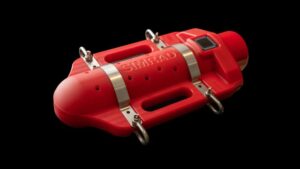
Integrated efficiency
Dahl explains: “Our market experience and understanding gives us unique insight into customer pain points, while our technological expertise allows us to develop the solutions to solve them. The FS80 Trawl Sonar provides the proof.
“This is a first time a truly integrated system has hit the market, with a wide range of functionality and advanced multifrequency performance, delivering an operational flexibility, and reliable results, that all customers can take advantage of – whatever the pelagic fish types, whatever the size of the trawl. To enable more sustainable trawling, both environmentally and commercially, fishery businesses need precise targeting, control and monitoring abilities.
“The FS80 Trawl Sonar is tailored to deliver, opening a new window for efficient, responsible and profitable performance.”
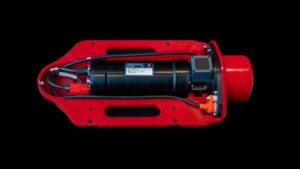
Optimal approach
The FS80 builds on the legacy of the enduringly popular FS70, which has been a trusted market leader for the past 20 years. Alongside the upgrade in performance and integration, the new solution also supports a broad range of different telemetry cables, easing adoption for diverse customers.
A further innovation comes in its modularity. As Dahl reveals, Kongsberg Discovery is on the cusp of launching the FH80 HUB, a central platform upon which modular components, such as the FS80, can be based. This allows customers to “pick and mix” the optimal Kongsberg Discovery technology for their individual needs, giving them a unified, high performance trawling approach.
Scalable success
“The modular nature of this solution, and our complementary systems, adds a further degree of flexibility and efficiency for customers,” Dahl notes. “Components such as the FS80 can be integrated with, for example, cameras, lamps, active selectors and acoustic modems for door control. This creates a scalable ecosystem that will continue evolving as it matures, with the ability to add the very latest innovations – such as AI-driven monitoring and intervention technologies – in the years to come. We see this as the beginning of a new era of sustainable success, both for Kongsberg Discovery and SIMRAD, and our many valued customers.”
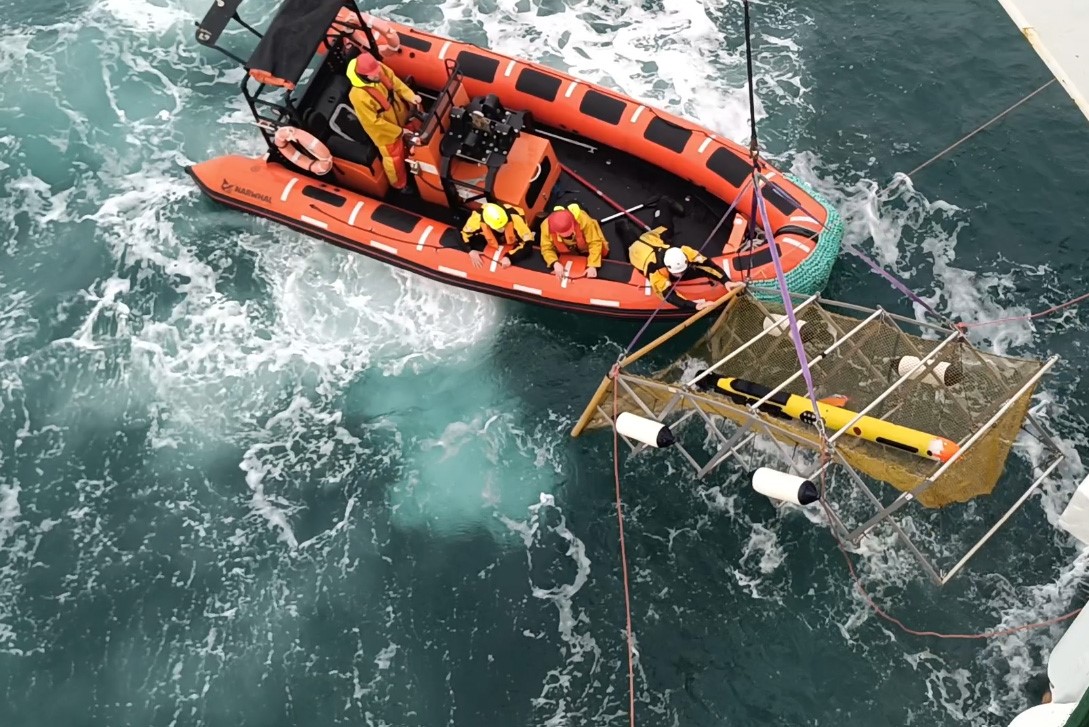
The 2024 Teledyne Marine Photo Contest Winners Have Been Picked
Teledyne Marine is pleased to announce the winners of the 2024 Teledyne Marine Photo Contest. The contest had entries from around the globe this year, and we were treated to an incredible collection of the marine world's beauty, complexity, and creativity. Our photographers captured thrilling scenes and imparted inspiring memories of their work with Teledyne Marine technology in our ocean environment. And, with much discussion and a bit of tricky voting, here we are with the five categories winners.
Winner Voters Choice Award-Grand Prize
Here is the winner of the main prize!! Best image among the Top 10 most popular photos, this photograph is mind-blowing in its composition: Teledyne Gavia AUV and the Teledyne RDI Pathfinder DVL for precise underwater navigation and data collection. Teledyne WinADCP software was also used. Hold on, everyone!
The AUV Barabas was used to investigate the impact of clay tectonic deformations on the construction of offshore wind farms in the Belgian part of the North Sea (BPNS). The image captures the complexities of operating in this dynamic and challenging marine environment.
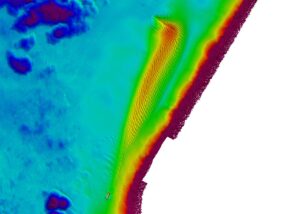
Winner Best Data Award
This prize honors a photograph that shows the real-life effects of data collection on marine science. Here’s a big congratulations on the image and the high-quality data it represents—a survey near Le Havre illustrating a tidal stream with the Teledyne RESON Seabat T50-R.
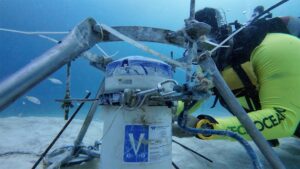
Winner Adversity Award
This photo shows the endurance and willpower needed by marine experts. It records the efforts that went into confronting everything from the very harsh conditions and natural forces at hand to other impediments, all a part of working in and on the water. Hurricane Beryl was no match for our intrepid team and Teledyne ADCP technology. Valuable data on Hurricane Beryl was collected!
It was decided to install our ADCP V50, which was a routine installation for us. We chose to add some extra weight to prevent any movement. Weeks later, it was announced that Hurricane Beryl was expected to hit the coast of Mexico. We wanted to visit the ADCP to secure it, but all the local boats had already been tied down by their owners along the coast. We had no choice but to hope that the equipment would remain intact after the storm. To our surprise, after the storm passed, the equipment was still in place, and we were able to recover it and gather valuable data on Hurricane Beryl. It was a relief to get our equipment back.
Winner Moment of Zen Award
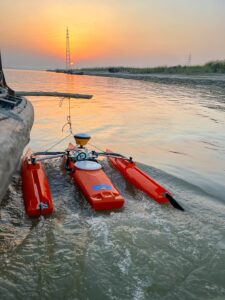
It is all about displaying what is beautiful and soothing about the ocean. If anything, it’s the perfect reason to put pictures of nature at peace and, in many cases, at her most magnificent. The Golden Hour (just before the sunsets, when the light is softer and pleasing to nature) at Ganga River, Marine Drive, Patna, India.
The mission is to study the discharge measurements and depth across the Ganga River using the TRDI RiverRay ADCP, under the Water Resources Department of Bihar.
Winner Underwater Award
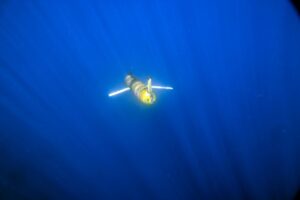
A stunning image of a Teledyne Webb Slocum Glider on its way into the blue Atlantic waters off the Georgian coast
A Teledyne G3 Slocum Glider dives into the blue Atlantic waters after being deployed off the Georgia coast by scientists from the University of Georgia's Skidaway Institute of Oceanography.
And again, congratulations to all the winners, and special thanks to everyone who entered the contest. It drives us that you represent the marine world’s ecosystems with such vigor and energy, and we’re fortunate to be part of such a hardworking, passionate community. The winner images and more awesome entries are on our competition page here: https://woobox.com/s42vzx
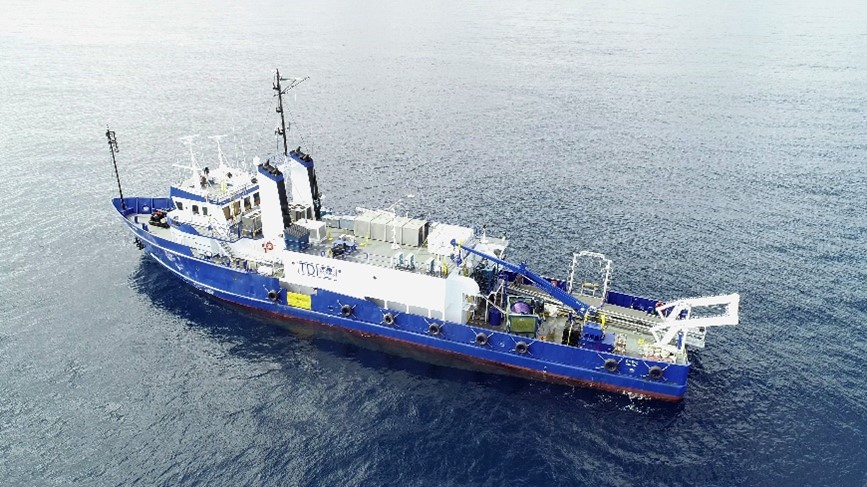
TDI-brooks completes multi-client multibeam and seabed piston coring program - Suriname
 TDI-Brooks was contracted by GeoPartners, on behalf of Staatsolie Maatschappij Suriname, to perform seep data acquisition, processing, interpretation and data management services (multibeam and coring) for the Suriname Seabed Piston Coring Project. TDI-Brooks provided multibeam acquisition services using the vessel to acquire approximately 45,000 square kilometres of seafloor multibeam data in the survey area as well as 60 SGE cores and 7 Heat Flow samples. This project consisted of two phases; geophysical and geochemical, both using TDI’s vessel RV GYRE and crew.
The first phase was the Geophysical leg which took place July thru October. During this phase TDI-Brooks performed multibeam (MBES), backscatter and plume detection of 45019.7 sq. kms. The second phase took place October thru November and consisted of Geochemical multibeam (MBES) backscatter, plume detection, subbottom profiler acquisition. A chirp subbottom profiler line (1-km) was acquired over each core site. Several possible hydrocarbon discoveries were made making for a very successful program for all involved, with some visually interesting cores being recovered. Ben Sayers, Partner ofGeoPartners commented “Another successful acquisition completed. Thank you to all crew and support staff involved” while Ron Daniel, Geoscience Advisor, Exploration at Staatsolie stated “Thank you for a safely and well executed project, done in collaboration with all the stakeholders. We look forward to the geochemical results.”
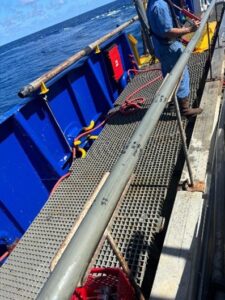 R/V GYRE is outfitted with a full seep hunting kit including a newly installed Kongsberg EM-304 (1×1) hull-mounted multibeam (MBES) kit and Edgetech HM3300 Chirp subbottom profiler with a 4×4 Masa TR-1075 transducer array. The vessel has geotechnical and geochemical coring, heat flow, CPT and other sampling capabilities.
Geochemical analyses and interpretation services will be performed at TDI-Brooks chemistry and geotechnical laboratories in College Station, Texas. They will perform geochemical screening analyses of geochemical cores for interstitial carbon gases (C1-C5 hydrocarbons & CO2), total scanning fluorescence (TSF) and C15+Gas Chromatography. Cores with seepage hits will further be analyzed for selected stable carbon gas isotopes and aliphatic/aromatic biological markers.
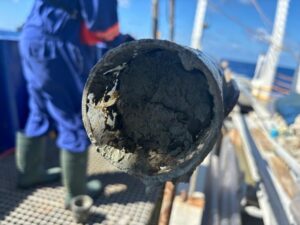
“Seep hunting surveys have been based on the observation that migrated petroleum from deep source rocks and reservoirs can be analytically detected or otherwise proxied as thermogenic seepage in near-surface soils and sediments, such that results can be used to help evaluate a prospective petroleum system. The value of survey results has been aided by the evolution of tools and techniques for site selection, sample collection, lab analysis, and interpretation, resulting in our growing ability to determine charge, age, maturity, depositional environment, and even oil quality from the detected seepage. As a part of seep hunting, surface geochemical surveys search for chemically identifiable oil and gas compounds as well as seep-induced physical/geological expressions and biological communities and related features.” Bernie Bernard, Vice President & Chief Technology Officer, TDI-Brooks International, Inc. In 1996, Dr. Bernard partnered with Dr. Brooks in forming TDI-Brooks International, Inc.
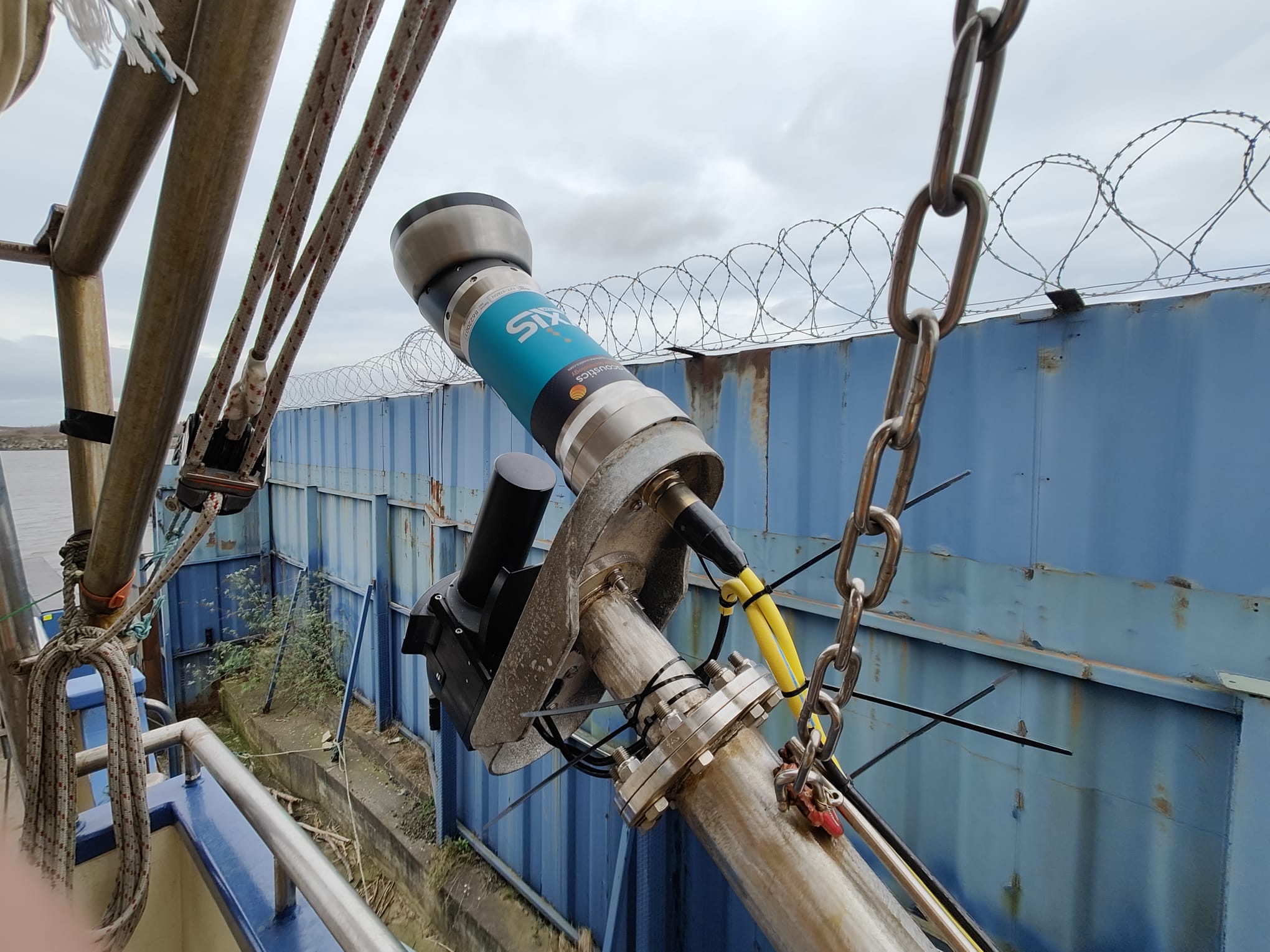
SAND Geophysics invests in applied acoustics Easytrak Pyxis INS + USBL system to decrease their calibration times by a factor of up to 3
Applied acoustics has been working alongside SAND Geophysics for a number of years, supporting their on-going focus on providing USBL positioning for UXO survey projects requiring high accuracy.
SAND Geophysics Limited provides global marine geophysical consultancy and survey support to teams working in the offshore infrastructure space. Working within a difficult splash zone means that SAND Geophysics needs to have the technology in place to provide high-resolution seismic, sidescan and magnetometer surveys.
Having worked with older USBL systems, it was noted that the systems were posing an increased cost inefficiency and risk to their clients' projects. To SAND Geophysics, their focus remained on finding more efficient ways to deploy beacons to the seabed and navigate the complexities of the splash zone.
The challenge to applied acoustics was to find a USBL system that enabled SAND Geophysics to increase their accuracy and data collection for UXO surveys and diver positioning.
James Matthews, SAND Geophysics Director commented; “Seeing the upgraded Pyxis system and its rapid mobilisation and calibration was a key driver in our buying decision.”
applied acoustics’ Pyxis INS + USBL system has been built to increase the offering of highly accurate subsea tracking that applied acoustics can offer. The upgraded performance within the Pyxis system was presented to SAND Geophysics as a solution to the challenges they faced. Not only the rapid mobilisation and calibration that the team needed, but also the accuracy and reliability of the Sigma 2 spread spectrum technology.
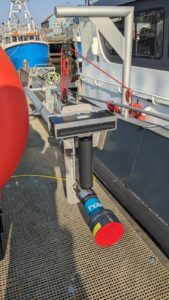
“As a new system on the market we wanted to test it out before committing and were grateful to applied acoustics for assisting with a rental system for setup on our first project.” states James Matthews.
The Pyxis system doesn’t require deployment of a beacon to the seabed, instead only requiring the vessel to perform a series of manoeuvers to allow for the calibration of the offsets between the antennas and the IMU. This upgrade reduces the need for unnecessary manual handling, which in turn increases the safety of the team and impact on the business.
James Matthew continues; “The decrease in calibration time for the Pyxis vs other USBL systems has increased our team’s performance and presented significant cost savings to our clients.”
Because of the implementation of the Pyxis INS + USBL system, calibration times decrease by a factor of 2-3, dependant on the project and environment; producing significant cost savings for their clients and knowing that they are using a state-of-the-art system, SAND Geophysics can take pride in the results of their work, delivering the highest quality results.
“The Pyxis system has been designed to increase the accuracy and efficiency of our clients’ projects, offering gains in performance, and significant time and cost savings. We’re delighted that SAND Geophysics and their clients are already benefiting from the system’s capability” says Hollie Moran, Sales & Marketing Manager at applied acoustics.
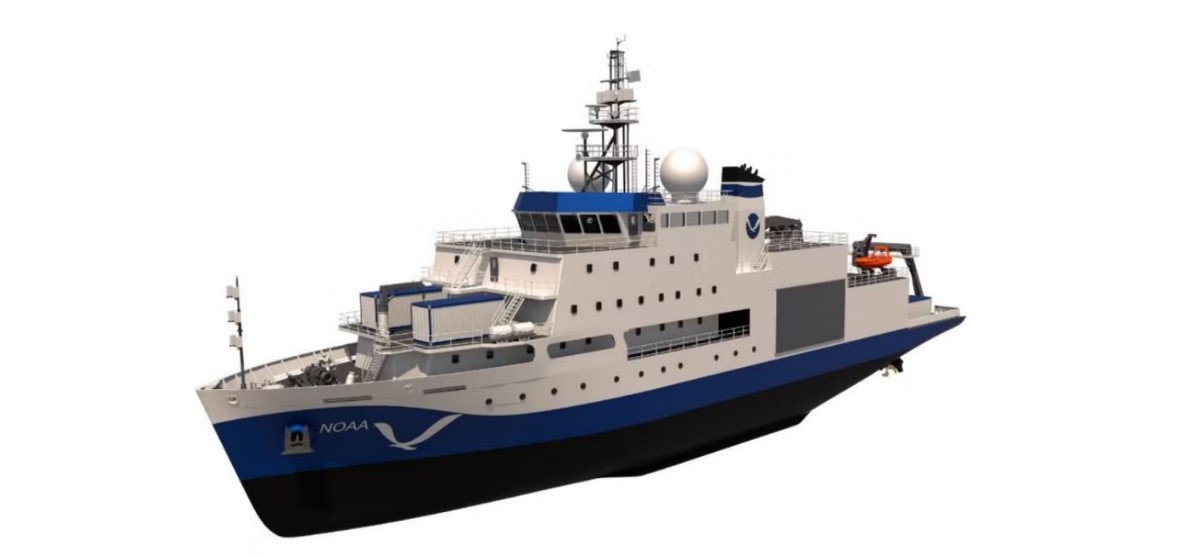
Kongsberg onboard with NOAA for latest research vessels
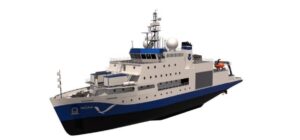
Kongsberg Discovery and Kongsberg Maritime have been chosen as the exclusive suppliers of marine scientific equipment, oceanographic handling systems and deck machinery for two new National Oceanic and Atmospheric Administration (NOAA) charting and mapping vessels, the Surveyor and Navigator. The vessels are being constructed by Thoma-Sea Marine Constructors, a leading shipbuilding company based in Louisiana, USA.
The ships feature an advanced array of technology from Kongsberg Discovery to map, monitor and safeguard the marine environment, supporting mariners, commerce, and aquatic life. Kongsberg Maritime's state-of-the-art oceanographic handling, anchoring and mooring systems is incorporated into the design of the new vessels to enhance their operational efficiency and performance.
Mission critical role
With launch dates of 2027 and 2028, the Surveyor and Navigator (contracted at a combined value of USD 624.6 million) mark the next generation of NOAA multi-mission platforms, with a primary mission of hydrography utilising the latest technology for mapping and characterising the United States Economic Zone. Kongsberg Discovery has a key role to play.
Kongsberg Discovery US, the US office of the Norwegian technology company Kongsberg Discovery A/S is delivering an integrated package of solutions, including state-of-the-art sonars for high-resolution ocean mapping from coastal waters to full ocean depth: EM 2040 and EM 304 multibeam echo sounders, SBP 29 sub-bottom profilers, and EK 80 split beam echo sounders. When used together, these systems provide the ability to collect high-quality bathymetry and seabed backscatter, deep penetration high-resolution sub-seabed structure; and water column structure and calibrated backscatter, which allows for the study of physical phenomena, biomass concentration and migration, as well as detect seafloor gaseous anomalies like methane seeps.
Unlocking ambition
“It is truly an honour to be selected for these trailblazing ships, which will have such an important role in serving the nation for decades to come,” comments Meme Lobecker, Technical Sales Manager, Kongsberg Discovery.
“Our technology has been developed to deliver outstanding results in the most demanding conditions, unlocking true understanding of the ocean depths for the good of society, security, and the environment. As such, this contract encapsulates the core of our purpose, demonstrating how Kongsberg Discovery innovations help customers meet their most ambitious objectives. We’re delighted to have been chosen as a trusted scientific supplier and integrator by both NOAA and the team at Thoma-Sea Marine Constructors.”
Significant project
Kongsberg Maritime’s contract, worth 123m NOK ($11.25m USD) for the two ship-program, signed with Thoma-Sea, includes an option to supply two further vessels. The supply contract will see the delivery of a complete integrated scientific handling system enabling safe and efficient operations with cables up to 5,000 meters in length.
The scientific winch system comprises two Hydrographic winches, one Brailing winch, and a comprehensive arrangement of sheaves for cable routing between units.
The delivery also includes overboard handling units: one Stern A-frame and one CTD Handling Gear, including a common Hydraulic Power Unit (HPU), as well as Main- and Stores Cranes.
The control system, fully developed and maintained in-house by KONGSBERG, features KONGSBERG’s proprietary predictive active heave compensation (AHC) algorithm providing accurate winch system response matched to vessel motion, by aid of KONGSBERG’s motion reference unit (MRU).
Kongsberg Maritime is also supplying the anchoring and mooring systems for both vessels.
“We are delighted to have been selected by NOAA and Thoma-Sea Marine Constructors for this significant project”, said Aileen Kehoe, VP Sales – Special Vessels – Navy, at Kongsberg Maritime. “Kongsberg Maritime supplies a wide range of mission-critical technology to many of the world’s most advanced oceanographic research ships, and we’re delighted to have been selected for these two latest vessels which will carry out essential scientific research duties for the USA”.
Future focus
Once operational, the ships will primarily focus on ocean mapping and nautical charting, acquiring, and processing large data sets to help mariners navigate US ports and harbours. Further missions will include collecting data for oceanographic monitoring, research, and modeling activities, while supporting coastal resource management and the nation’s blue economy.
“Creating the nation’s nautical charts is one of NOAA’s oldest responsibilities,” said Sin Suen, program manager for NOAA Marine and Aviation Operations. “These new vessels will carry on that mission and having the latest technology and systems aboard is critical to their success.”
Kongsberg Discovery launched as a standalone business in April 2023, building on decades of experience within KONGSBERG to create a market leader focusing exclusively on cutting-edge underwater robotics and sensor technology.
For further details please see https://www.kongsberg.com/disc... and www.kongsberg.com/maritime/
Greensea IQ Partners with Water Linked in Successful Testing of IQNS Navigation and Autonomy System on VideoRay Defender ROV
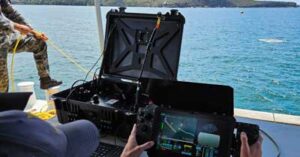
Greensea IQ is pleased to announce the successful completion of field testing IQNS edge processing and navigation system on the VideoRay Defender ROV. Developed in collaboration with the Defense Innovation Unit, this significant navigation and stability upgrade provides expanded capabilities for subsea operations, offering improved control and efficiency for operators in demanding environments. For the demonstration, Greensea IQ worked closely with Water Linked AS, integrating the IQNS with the DVL A125 to create a stand-alone underwater navigation solution.
The IQNS, built on an NVIDIA platform with integrated navigation sensors and a fiber optic gyro (FOG), is designed for compact ocean robots, ideal for systems with stringent Size, Weight, Power, and Cost (SWaP-C) constraints. Paired with Greensea IQ’s defense-focused EOD Edge software package, IQNS enhances vehicle autonomy, sensor processing, and onboard data analysis, making it a comprehensive solution for underwater tasks that demand precision and adaptability.
In recent trials, while under contract to the US Navy and Defense Innovation Unit, IQNS demonstrated marked improvements in navigation and stability for the VideoRay Defender ROV. Notable advancements in long-distance navigation, target search capabilities, and underwater mapping reflect IQNS’s robust performance. New features, such as auto-calibration and gyro-only mode, further empower operators with effective and flexible tools for a range of underwater missions.
The IQNS and DVL integration has been highly successful, marking a promising step forward in the partnership between Greensea IQ and Water Linked.
Scott McLay, Chief Commercial Officer of Water Linked, commented, “The Water Linked DVL A50 has set a new standard for what smaller underwater vehicles can achieve, with Greensea incorporating this world’s smallest DVL into several of their existing systems. This latest integrated solution from Greensea IQ, built upon IQNS technology and our extended-range DVL A125, delivers a high-performance Inertial Navigation System (INS) with a minimal footprint, enabling smaller vehicles to perform tasks that demand highly accurate positioning.”.
The testing process highlighted the system’s ability to support Automatic Target Recognition (ATR) software, enabling operators to locate, classify, and engage underwater targets with increased accuracy. The combined improvements in navigation and autonomy allow operators to carry out their tasks with enhanced confidence and control.
Ben Kinnaman, Founder and CEO of Greensea IQ, commented, “I am very pleased with the performance of IQNS. This product offers operators a modular upgrade in capability—it integrates seamlessly above the DVL in the VideoRay Defender’s foam pack and provides a significant set of new capabilities for the operator. Navigation is everything in these operations; accuracy and efficiency relies on navigation, as does the operator’s confidence. With IQNS, we are seeing operators do their job more confidently and with better results.”
IQNS ships with Greensea IQ’s EOD Edge software platform, tailored specifically for defense applications, adding a powerful suite of ROV capabilities for the unique needs of underwater missions.
Both companies are excited to continue their collaboration and will be showcasing their innovative products at Underwater Intervention 2024 from November 12-14. You can find Greensea IQ at Stand UI-3901 and Water Linked at Stand UI-3930—stop by to see the latest advancements in underwater technology firsthand.
Voyis Certification Validates Unmatched Accuracy for Underwater Inspections
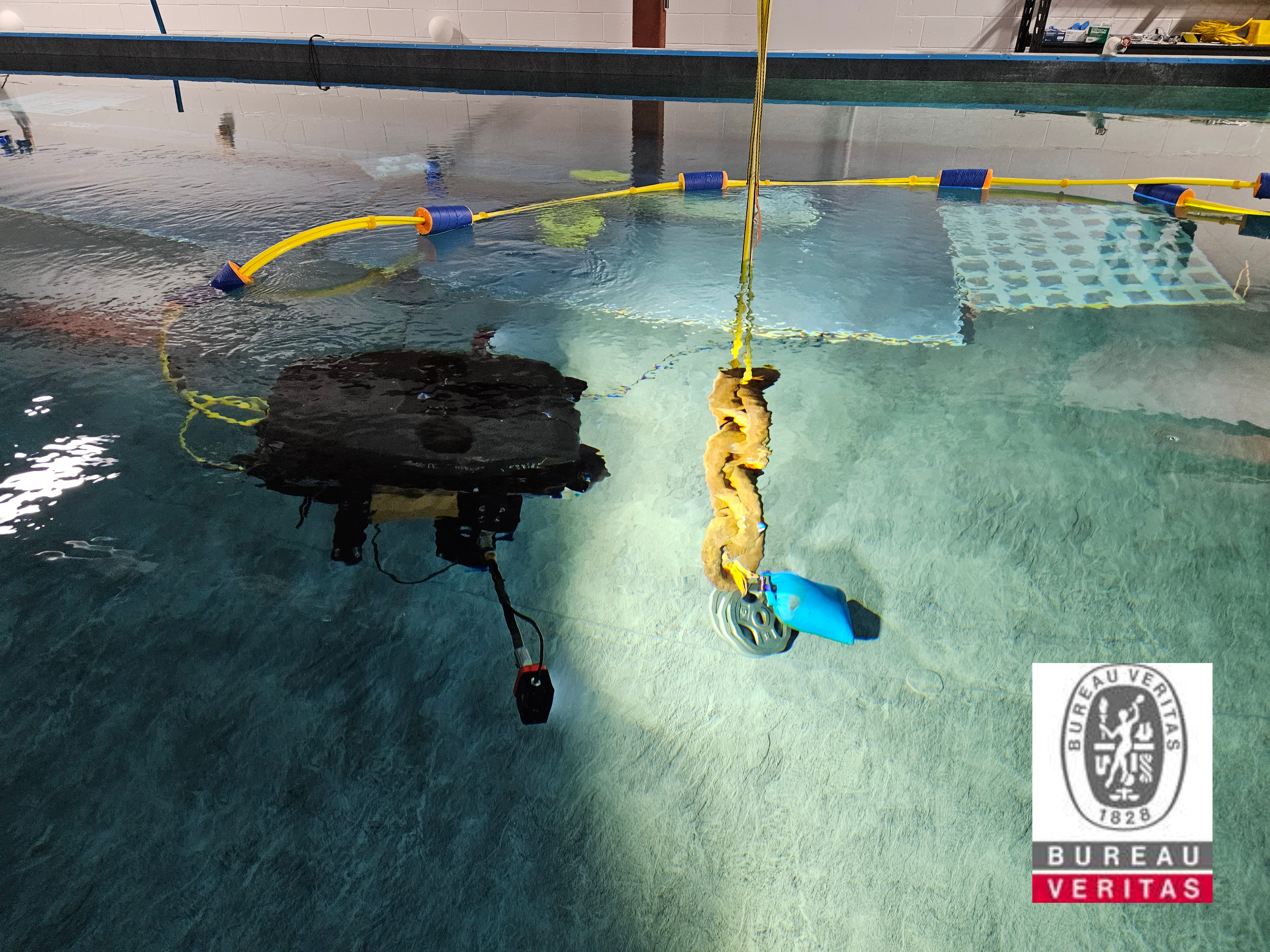
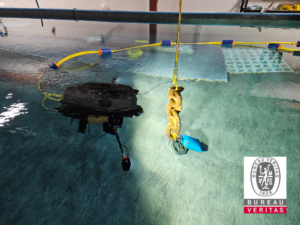 Voyis Imaging Inc. announces its Discovery Stereo Vision System has achieved Bureau Veritas (BV) certification, underscoring its industry-leading accuracy in subsea metrology and mooring chain inspections. This third-party validation reinforces Voyis’ leading position in the subsea inspection market, where accuracy is paramount for ensuring reliable measurements of underwater assets.
The Bureau Veritas Certification is based on rigorous testing procedures, including subsea metrology and mooring chain inspection accuracy assessments. The Discovery Stereo Vision System’s linear accuracy, validated at less than 0.3mm error per meter, supports confident distance metrology measurements, Voyis achieved an exceptional result, exceeding the 0.3mm requirement, underscoring the device’s impressive capability. For localized inspection needs, such as mooring chain and defect metrology, the camera demonstrated a local accuracy of less than ±0.5mm, with results outperforming this specification in BV testing on chain link diameter and width measurements.
Following the successful certification of system accuracy, Voyis has introduced a significant industry advantage by ensuring that every Discovery Stereo Vision System undergoes the same linear accuracy verification test as executed by BV before every system delivery. While 3rd Party Certifications are only conducted on a single reference unit,
Voyis ensures that each product is delivered with a calibration report that documents the unit’s accuracy in distance metrology, bringing forward a new standard of confidence by eliminating the need for additional validation by customers.
Voyis’ proprietary calibration process is integral to achieving these high accuracy standards. Incorporating highly refined intrinsic and extrinsic calibration phases, the process also optimizes each unit’s optical alignment to ensure the highest quality focus and camera-pair consistency. Each Discovery Stereo unit produces clear, high-resolution 3D reconstructions in real-time. This industry-leading calibration process, and unique optical design, ensures end-users can rely on consistent, high-precision measurements without additional in-field verifications, simplifying and expediting operations in varied underwater environments.
Voyis has achieved this milestone through innovative design features crucial for delivering accuracy in subsea stereographic imaging. With high-resolution global shutter sensors, a distortion-free dome viewport, and advanced HDR image processing algorithms, the Discovery Stereo Vision System captures precise, and accurate datasets even in dynamic underwater conditions. These advances, along with optimized stereo baseline spacing and precise camera synchronization, make the Discovery Stereo a top choice for complex underwater inspections.
The Bureau Veritas Certification not only affirms the Discovery Stereo Camera’s accuracy but also allows Voyis to raise the bar in confirming system performance, by delivering every unit with the same degree of accuracy validation. As we continue to push the boundaries of subsea inspection technology, this certification reinforces our commitment to quality and accuracy for our customers around the world.
General Oceans Acquires RS Aqua
Growing underwater technology group, General Oceans, has acquired ocean technology specialists RS Aqua as of Monday 18th November 2024 in a move that will strengthen the positions of both companies.
General Oceans, like RS Aqua, are innovators within the ocean technology sector and have successfully completed a number of recent acquisitions in the underwater technology market including Tritech International Ltd in 2022 and Klein Marine Systems in 2023. General Oceans reported revenues of GBP 62 million in 2023, an increase of 28 per cent compared to 2022, and now consists of six operating companies including RS Aqua. General Oceans employs more than 300 people based in Europe, UK, US and Australia.
Atle Lohrmann, President of General Oceans, said “RS Aqua are an important acquisition for General Oceans and we couldn’t be happier they are joining the group. We believe RS Aqua will play a significant role in strengthening the position of General Oceans within the UK market, and vice versa. There are significant opportunities for collaboration and partnerships for RS Aqua within the group: something that is fundamental to General Oceans.”
RS Aqua have over 40 years experience of supplying ocean technology sensors and systems across a variety of sectors and are a leader in their field. Based in Portsmouth, UK, RS Aqua are in a strong position within the UK underwater technology market making them an excellent addition to General Oceans.
Martin Stemp, Managing Director of RS Aqua said “I’m delighted that RS Aqua has joined the General Oceans group. We share a passion and commitment to ocean technology innovation and I’m excited for this next crucial stage of RS Aqua’s growth.”
RS Aqua will continue to operate as an autonomous business within General Oceans and it is their shared commitment to growth, technology and innovation, combined with shared values to drive future exploration, that brings both businesses together and paves the way for an exciting future.
IMCA Global Summit 2024: marine contracting industry set for first global gathering since 2018
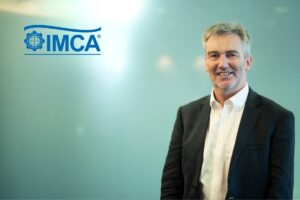 Flagship summit to debate key challenges facing offshore contracting sector including sustainability, safety, and people
Hundreds of business leaders and technical experts will gather in Utrecht in the Netherlands on 3 and 4 December for the IMCA Global Summit 2024 – the marine contracting industry’s first global event since 2018. Delegates from all over the UK, Europe, USA, Korea, South Africa, and Argentina have already registered.
With huge expectations to deliver the energy transition while increasing energy security, the global marine contracting sector is facing a raft of challenges around sustainability, safety, and people.
The two-day Summit will explore these issues, share best practice, and chart a course to success across an interactive programme mixing business and technical content and offering numerous networking opportunities. It will also showcase the latest technological solutions, featuring diverse exhibitors including the Rotech Group, Orbital Marine Power, and DRASS.
Utrecht is only 30 minutes away from Schiphol Airport, with a direct train running every 15 minutes.
“We are delighted, but not surprised, by the early international interest in the IMCA Global Summit. The key challenges we face – ensuring our industry operates safely and sustainably, is equipped to provide a cleaner offshore energy mix, and can attract and retain the next generation of talent that we need – are faced by IMCA members across the globe. Our two days in Utrecht will bring our industry together for the first time in six years to make real progress on these issues,” said IMCA’s CEO Iain Grainger.
With TechnipFMC its Platinum Sponsor, Jan De Nul as Gold, the Unique Group as Silver; and Bronze sponsors including Fugro, Adsun Offshore, PE Lerus Training and Seamec, the IMCA Global Summit features seven separate sessions:
• Rising to the challenges – exploring the long-term geo-political, macro-economic and market forces influencing the industry and looking ahead to what it might mean for the sector in 2025 and beyond. Featuring keynote speaker, Fredrik Ellekjær, Partner – Advisory, Rystad Energy.
• Meeting ambitions on sustainability – rising to the challenges of reducing greenhouse gas emissions and a more sustainable approach to offshore projects that will mean shifts in how we work, as well as investment in people, technology and vessels. With a keynote address by Dr Sally Uren OBE, CEO, Forum for the Future who will also take part in a panel discussion.
• Future technology – bringing delegates and exhibitors together to showcase the latest innovations, with a keynote presented by Fugro’s Kevin Barron on the potential for personal locator beacons to save lives at sea.
• Celebrating our achievements – which will see the presentation of this year’s IMCA Awards recognising Member best-practice in safety, greenhouse gas reduction, and sustainability as well as the President’s Award for lifetime achievement.
• Attracting and retaining talent – exploring the major people issues the industry faces. How do we appeal to a new generation with different expectations? How can we transition skills from oil and gas to offshore renewables? Oliver Ferriman, Associate Director HSM Advisory will deliver a keynote address, and a panel discussion will follow.
• Delivering a safe industry – in which delegates will learn how Human and Organizational Performance (HOP) is transforming workplace safety. Dr Todd E. Conklin PhD, the ‘Godfather of HOP’ will deliver a keynote address highlighting the importance of empowering workers to become problem-solvers adept at navigating the complexities of high-risk environments.
• Last Breath – the remarkable survival tale of keynote speaker Chris Lemons, the saturation diver who survived against the odds following a severed umbilical, tells his story, which is soon to be immortalised by Hollywood.
Registration and full information on the programme, speakers, and all aspects of the Global Summit including hotels, transport, and the attractions of Utrecht can be found here.