
NOC launches new Innovation Hub to power ocean tech and blue economy
The UK’s National Oceanography Centre (NOC) has unveiled an ambitious new Innovation Hub in Southampton, designed to accelerate advances in ocean technology and support sustainable growth across the blue economy.
Backed by a £200,000 investment, the state-of-the-art facility will serve as a catalyst for innovation in marine autonomous systems (MAS), the blue economy and beyond—bringing together researchers, businesses and entrepreneurs to drive progress across the ocean and maritime sectors.
the new hub features state-of-the-art meeting, conference and hot desking space, break out rooms and dining zones, traditional office spaces, and cutting-edge soundproof acoustic smart pods over 304 sq m floor space.
A launch event was held at the new facility during the Ocean Business conference and exhibition, with more than 50 representatives from across the UK and beyond across the commercial, research and academic sectors attending.

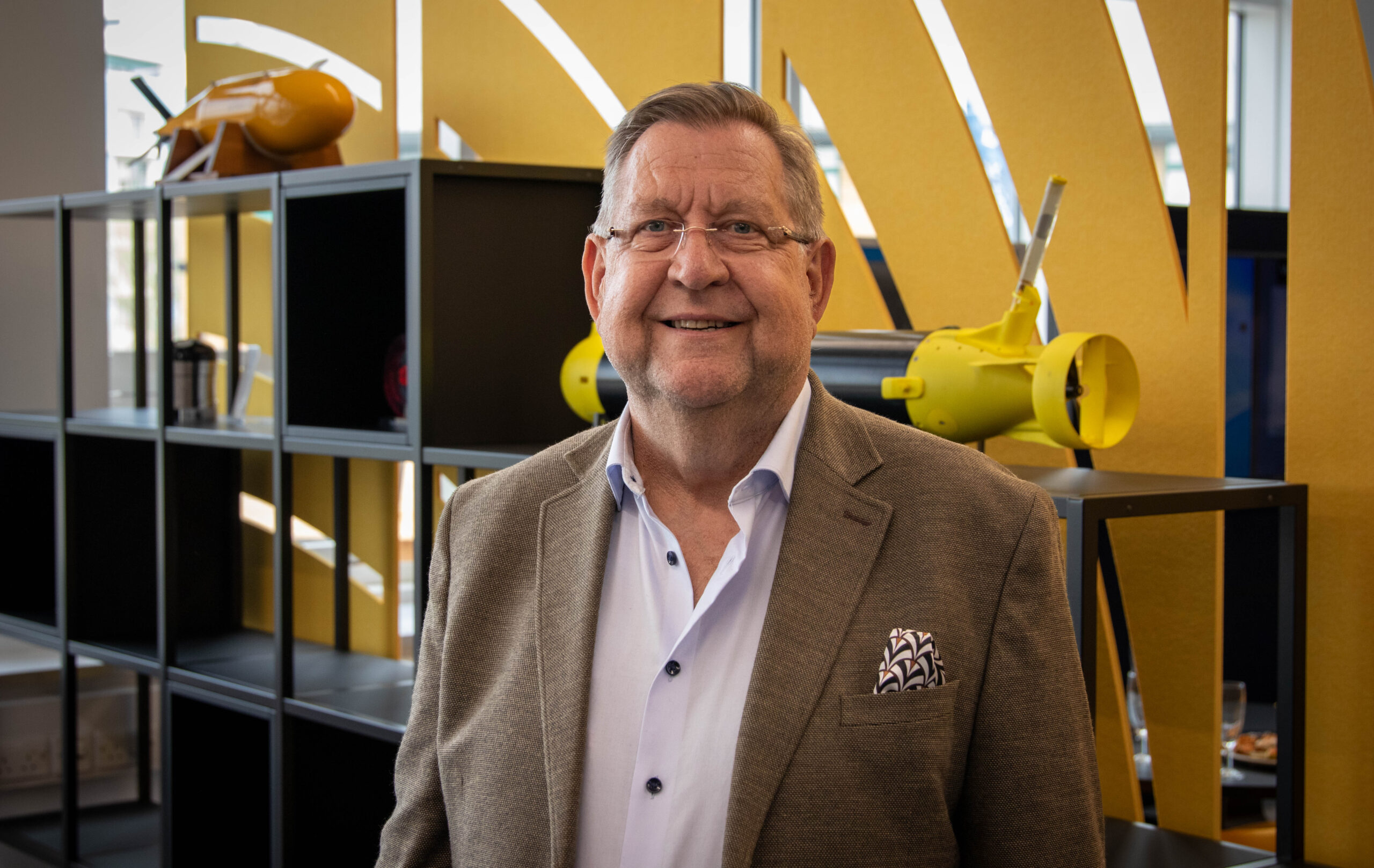
Mark Hamson, Innovation Hub Manager, says, “Our mission is to foster innovation and innovative organisations in a collaborative environment, supporting and advancing commercial opportunities in the blue economy by creating connections between industry and science.
“This will help to harness the potential of the ocean for sustainable economic development, driving innovation and creating jobs and value in sectors such as fisheries, aquaculture, tourism, maritime transport and renewable energy to a wider pool of innovators.
“With our amazing new facilities, our connections across the ocean and maritime sectors, regular seminars, networking events, access to the deep expertise and research at NOC, as well as our ability to identify collaboration and partnering opportunities, it truly is an exciting time for innovation across the sectors we support.”
The hub, run under NOC Innovations, being NOC’s enterprise arm, takes the former Marine Robotics Innovation Centre (MRIC) at NOC and its offering, to a new level.
This includes extending the services and facilities provided, supporting a wider range of organisations across the ocean and maritime sectors, with a goal to double Innovation Hub membership from the more than 40 currently.
It is already attracting new members, including a global Ocean conservation charity, The Ocean Conservation Trust. CEO Ian McFadzen says, "NOC’s new Innovation Hub offers us an impactful network that champions economic resilience, innovation and sustainability. It has long been a driving force in bringing businesses together to create a prosperous and sustainable future and we’re pleased to be part of its growth to drive further value for society."
To support the widest range of businesses and innovators, the Innovation Hub has tiered memberships to suit all organisations, from start-ups to multi-nationals, onsite or remote.
Leader of Southampton City Council, Lorna Fielker, performed the official opening. She said, “I’m pleased to launch NOC’s new Innovation Hub. It will provide crucial support to strengthening a growing community of innovative companies developing, marketing and using technology for MAS and related ocean and maritime operations. The wide range of specialist teams at NOC, across key growth areas such as marine autonomous systems, will undoubtedly bring deep benefits to this critical community to the UK.”
Further information is available at the NOC Innovations Hub here.

Teledyne Marine Introduces Next Generation Navigation and Sensing Solutions at Ocean Business
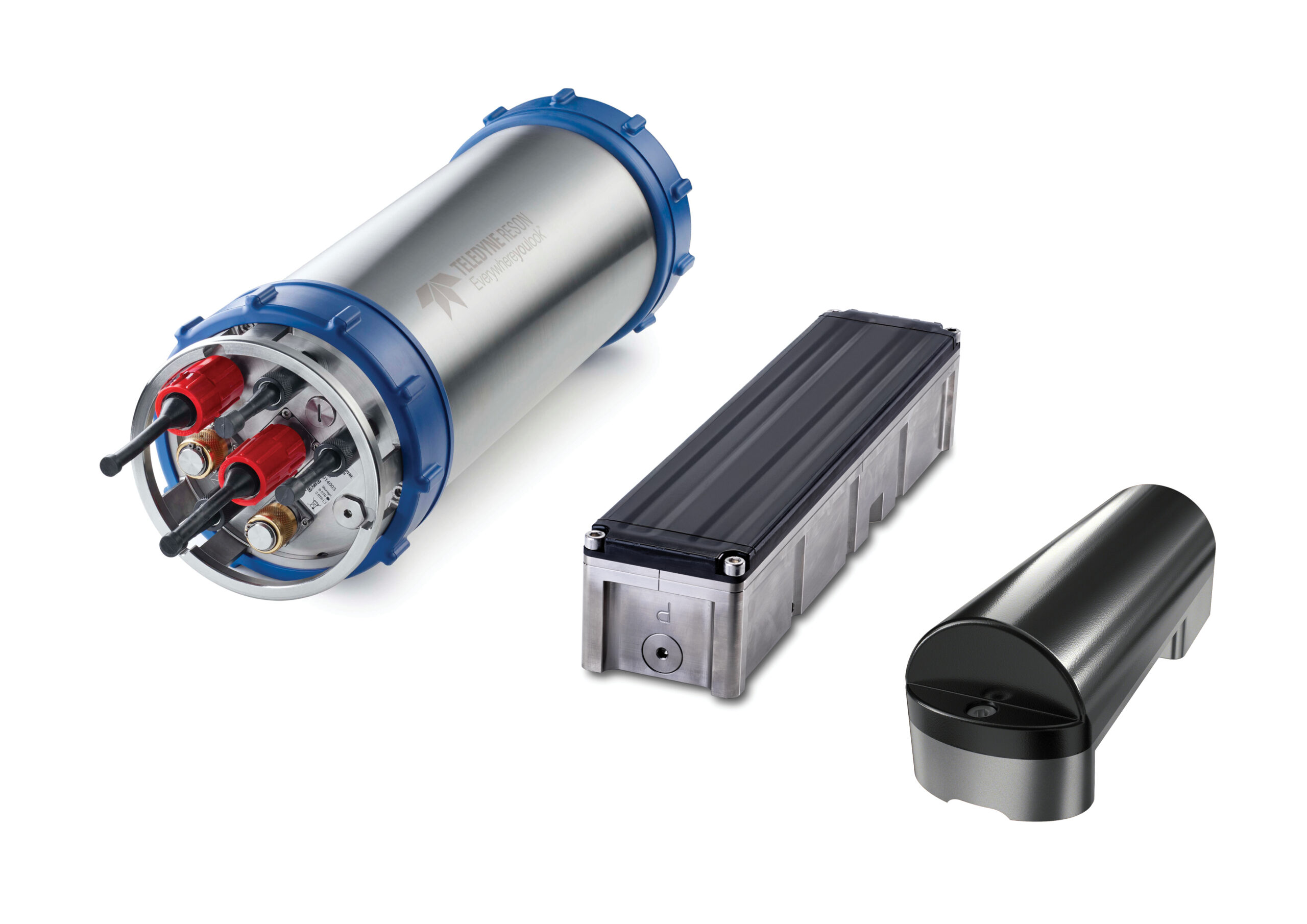
- new Compact Navigator – the world’s smallest and highest performing, fully integrated autonomous navigation solution is revealed at Ocean Business
- new SeaBat T51-S – the enhanced SeaBat T51 now reaches 6000m depth while ensuring reliable, hands-free operation
- new Workhorse Proteus – an evolution of the original Workhorse ADCP combines ultimate flexibility and unparalleled data
- new BlueStreamX2 - the latest upgrade doubles Benthos Acoustic Modems' (WideBand C) data rate to 4800bits per second and enhances UTS topside systems
- new Valeport pH – an innovative self-calibrating, highly accurate, and robust pH sensor from Teledyne Valeport
- new Intrepid System – a GNSS/Inertial Navigation System for unmanned surface vehicles, seamlessly integrates with the SeaBat T20-ASV processor for precise positioning
Ocean Business 25 was the launch venue for an exciting lineup of new technologies and industry leading solutions from Teledyne Marine. Visitors to Stand T7 and Dockside HS 02 experienced firsthand, the latest advancements in marine navigation, acoustics, and sensing technology, including the exclusive launch of the Compact Navigator.
Compact Navigator - an ultra-compact, high-performance autonomous navigation system for subsea and surface vehicles. Available in 4000m and 300m depth-rated versions, the Compact Navigator measures just Ø114mm x 135mm, outperforming larger systems while fitting within most standalone DVL volumes. With ultra-low power consumption (<7W) and seamless integration, it requires no external aiding or user intervention, ensuring effortless operation and easy connectivity via a single connector.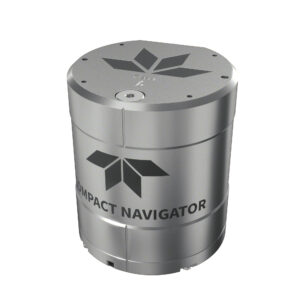 SeaBat T51-S – The latest addition to the SeaBat series, the SeaBat T51-S, is a multibeam echosounder designed for ROV and AUV deployment, enabling operation at depths of up to 6000m. Encased in a pressure-rated housing, it delivers exceptional data quality with minimal false detections and unmatched resolution, capturing detailed seabed imagery and detecting objects as small as 0.3 meters. Its expanded 170° swath width at 800 kHz covers a larger seabed area in a single pass, increasing efficiency and reducing survey time. With integrated ‘Tracker’ technology, the T51-S automates real-time sonar adjustments, simplifying operation and optimising performance for underwater surveys and inspections.
Workhorse Proteus – Teledyne RD Instruments advances its revolutionary original Workhorse ADCP with Proteus, featuring a fully linear receiver for precise water column signal return and bottom/surface tracking; a new RDI gyro-stabilised AHRS for high-quality 3D georeferencing on dynamic platforms; and onboard edge processing for real-time, low-bandwidth applications. Offering ultimate flexibility and ample actionable data, Proteus delivers superior data on currents, turbulence, and particle distribution in marine environments.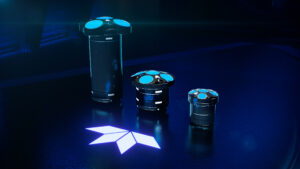
BlueStreamX2 – Teledyne Marine’s BlueStreamX2, is an upgrade that doubles the data rate for Benthos Acoustic Modems in the WideBand C frequency, increasing the bit rate to 4800 bits per second without compromising communication range performance. This enhancement is available across all Benthos modem families, including the Acoustic Telemetry Modem (ATM), Compact Modem (CM), Ultra Compact Modem (UCM), and UTS topside systems. BlueStreamX2 expands the bandwidth to 10 kHz, allowing for both increased speed and extended distance. The innovative high-frequency transducer design fully leverages the WideBand C transducer’s potential, delivering faster and more efficient underwater data transmission. BlueStreamX2 is exclusive to WideBand C modems.
Valeport pH Sensor – Teledyne Valeport, in collaboration with ANB Sensors, introduces a cutting-edge, self-calibrating pH sensor for ocean monitoring. This innovative Valeport pH sensor eliminates the need for frequent recalibration, reducing downtime and operational costs associated with traditional glass electrode technology. Unlike conventional sensors, it offers a durable, easy-to-store solution with exceptional accuracy of ±0.1 pH.
What sets the Teledyne Valeport pH sensor apart is its combination of simple operation, robustness, and ease of handling and storage. Rated for depths up to 1250 meters, the Valeport pH is well suited for long-term deployments and ensures reliable performance in harsh marine environments.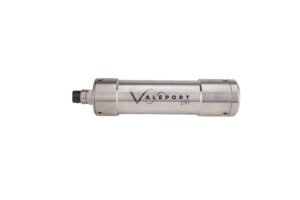 Intrepid System – Teledyne Marine’s Intrepid is a seamless integrated GNSS INS solution for the SeaBat ASV product line. Intrepid simplifies setup via SeaBat’s modern UI, eliminating the need for physical or software interfacing between sensors. It outputs data in Teledyne’s popular s7k format, and supports RTK correction input, including a built-in NTRIP client and support for Fugro MarineStar® correction services, ensuring high-resolution mapping is a straightforward process. Additionally, users benefit from collective software and firmware updates for the entire mapping system through this unified solution.
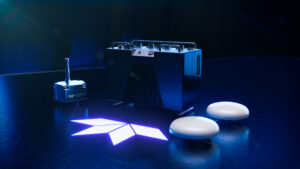
For more information visit the Teledyne Marine website here.
TechWorks Marine Environmental Monitoring in the North Sea
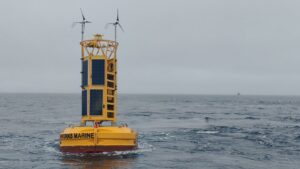
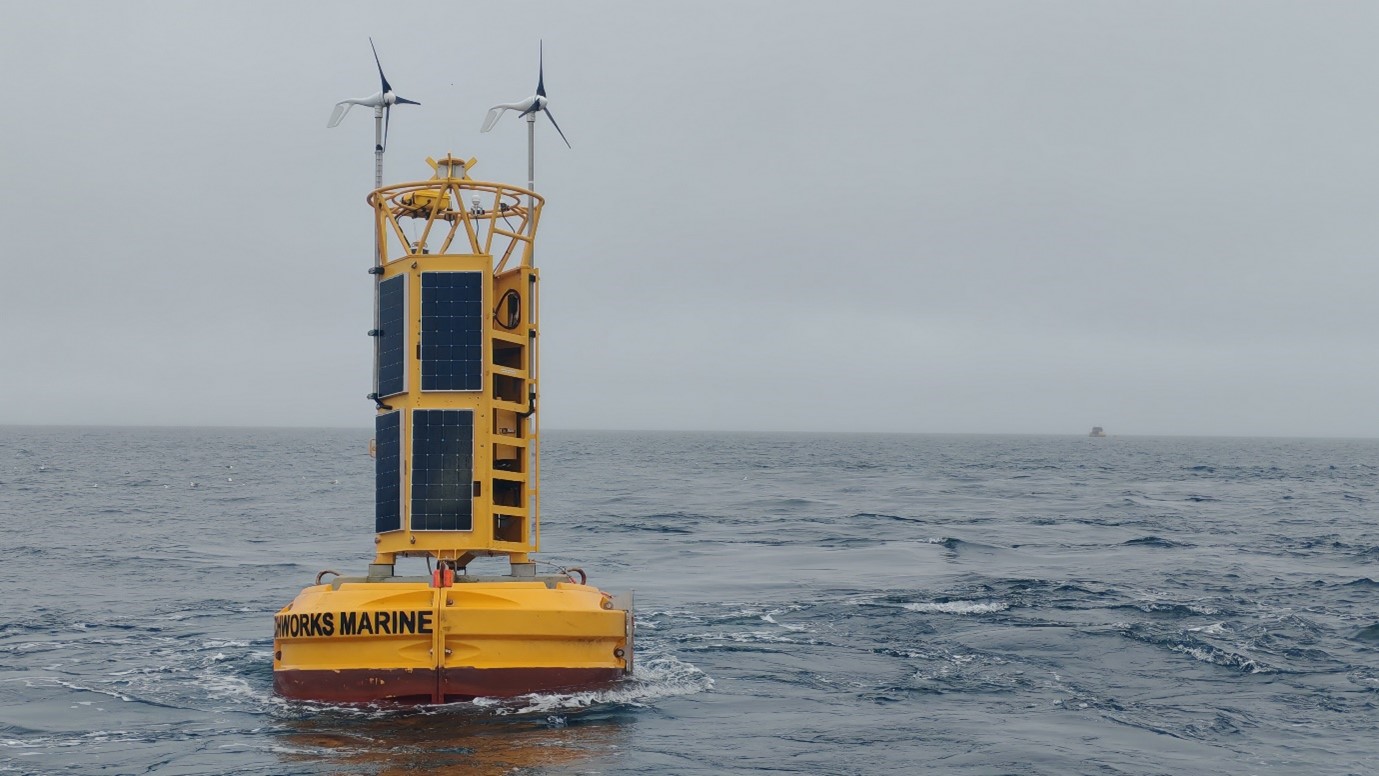
Irish marine company TechWorks Marine and French marine company AKROCEAN have partnered in Norway to deploy a wave buoy and a floating LiDAR on Norway’s first offshore wind farm.
Ventyr, the developer of Norway's first offshore wind farm, Sørlige Nordsjø II, deployed two specialised monitoring buoys in 2024 to gather critical environmental, wind and metocean data on the site for a period of 1 year.
TechWorks Marine and AKROCEAN have deployed a wave buoy and a floating LiDAR respectively. The dual deployment marks a significant milestone for the project, which will bring renewable offshore wind energy to Norway.
These buoys are collecting vital live data on wind profile, wave dynamics, weather, subsea measurements (conductivity, depth and currents), and are monitoring the presence of birds, bats, marine mammals, and fish in the area. The data gathered will be instrumental in guiding future construction and operational decisions, aligning sustainable energy production with robust environmental stewardship. The buoys are set to remain in place for at least one year, and have already measured winter conditions on site. Over the next year, they will provide valuable data contributing to the development of this pioneering offshore wind project.
Successful Collaboration between Gold Standard Partners
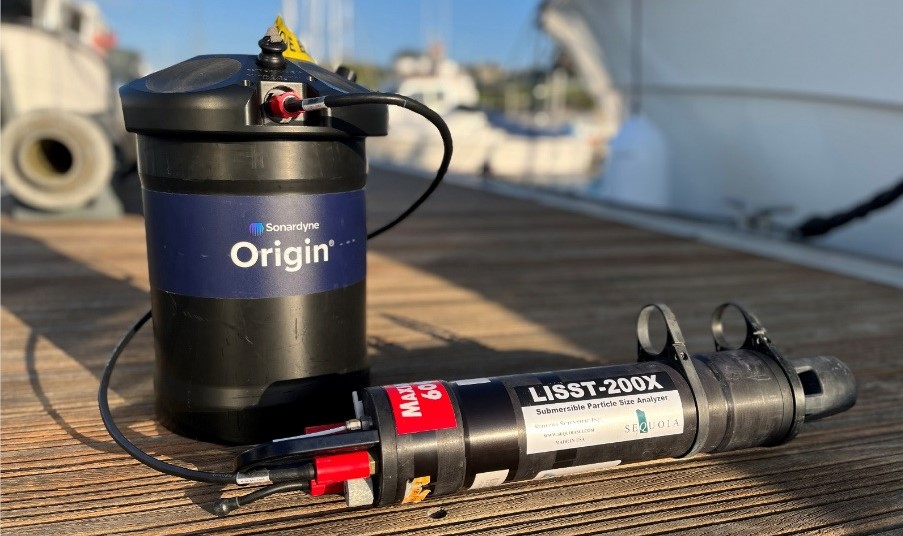
Planet Ocean Ltd is pleased to announce a collaboration with Sonardyne International Ltd resulting in the successful integration and deployment of three, gold standard instruments from its reseller partners, Sea-Bird Scientific, Sequoia and 4H-Jena.
The Sonardyne team have integrated a Sea-Bird Scientific HydroCAT-EP V2 sensor with pressure, dissolved oxygen concentration, chlorophyll and turbidity, a CONTROS HydroC Dissolved CO2 Sensor and a LISST-200X particle size analyser with their Origin 600 ADCP.
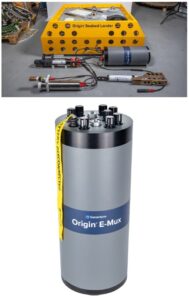
The individual sensors can stream data directly into the Origin 600 external sensor port or together can be connected via the Origin E-Mux multiplexor, which can receive measurements from up to four sensors and pass
their data to the ADCP. The Origin E-Mux also provides additional power to the ADCP and any external sensors, allowing for extended deployments. All sensor data is logged on Origin 600 for download post-deployment but can also be fused with ADCP measurements within the Sonardyne Edge computing environment. Fused data can then be transmitted to the surface via Origin 600’s integrated acoustic modem. The entire payload can be housed in Sonardyne’s Origin Seabed Lander bedframe.
This integration provided a good example of the above process: The Sensor Suite were preconfigured to produce measurements at a fixed rate to Origin, which powered the sensors and logged the received data. The data was fused with ADCP current measurements in Origin’s Edge computing environment, allowing in-situ combination of multiple parameters into a NMEA-style string. This string was transmitted acoustically to the surface every five minutes using Origin’s integrated acoustic modem. The NMEA data was then further distributed to a Cloud account, allowing users to view live updates of current speed, current bearing, conductivity, temperature and pressure.
A further benefit to the collaboration is the ability of the Planet Ocean ecoSUB Robotics AUV’s to communicate with the Origin system since they can operate in the same Sonardyne 6G acoustic ecosystem.
Live data from the system was showcased at Ocean Business in Southampton.
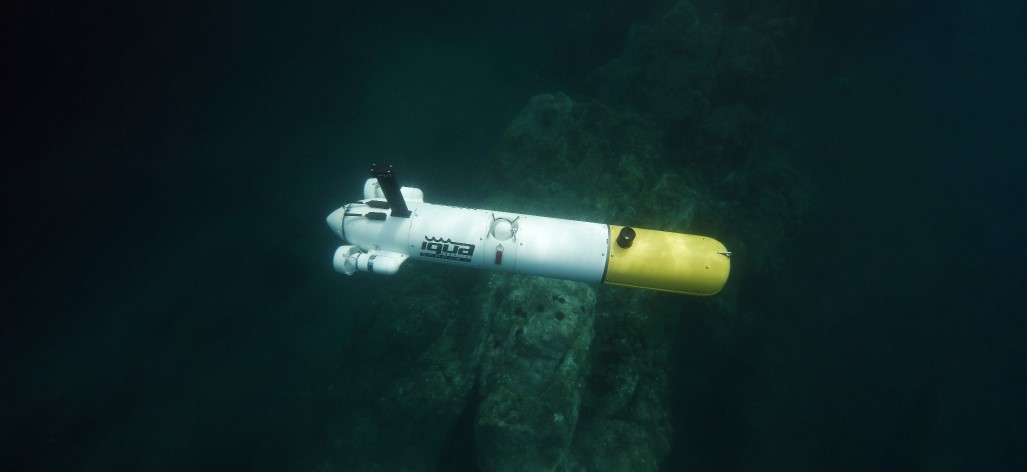
Multimodal Mapping for Exploration and Inspection with the SPARUS II AUV
Micro and small-sized AUVs can integrate a wide range of sensors and navigation systems, making them ideal for applications in littoral waters due to their ease of deployment and operation. However, effectively exploring, locating, and mapping survey targets often requires combining multiple sensing techniques. Additionally, close-range, high-resolution inspection—traditionally performed by a secondary vehicle like an ROV—is highly desirable.
The difficulties of conducting and repeating sea campaigns, coupled with technological advancements, have driven the development of AUVs with multimodal perception payloads and hovering capabilities, enabling simultaneous exploration, surveying, and inspection. The SPARUS II AUV from IQUA Robotics embodies these characteristics and can be equipped with a comprehensive and complementary suite of sensors, including acoustic (sidescan sonar, multibeam echosounder, or forward-looking sonar), optical, and magnetic sensors, as well as precise navigation systems and sensors for measuring water parameters.
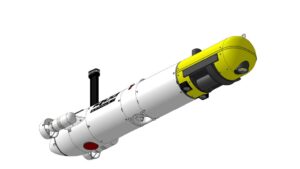
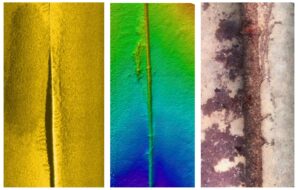
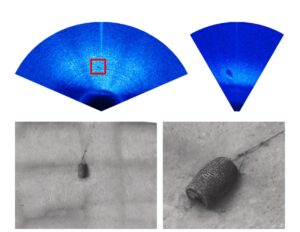
Thanks to its ease of deployment andrecovery, simple operation, and streamlined processing pipelines, SPARUS II can perform consecutive missions from a support vessel, enabling a rapid cycle of data collection, analysis, and planning for successive missions based on previous fi ndings. Sensors with broader coverage, such as sidescan sonar (SSS) or multibeam echosounder (MBES), are used to explore and locate areas of interest. The ability to acquire data from complementary sensors during the same mission —such as comparing the sonar intensity map from the sidescan sonar with the point cloud generated by the MBES— enables a more accurate interpretation of the scene. Higher-resolution sensors, such as forward-looking sonar (FLS) or optical cameras, provide detailed mapping of the scene. Additionally, the possibility to set-up a scanning trajectory that acquires data in all directions with precise control, allows to capture the necessary information for a later reconstruction of the inspected area.
The SPARUS II AUV is designed to accommodate the latest sensor and navigation technologies. Its robust structure and suffi cient power/autonomy enable it to operate in challenging maritime conditions for a full workday. This small-class AUV can reach a maximum depth of 200 meters and can be easily operated from a variety of vessels by a team of two people.
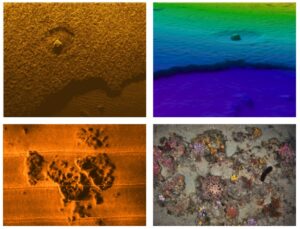
Available software tools simplify mission planning, monitoring, and rapid data processing, allowing users to quickly analyze the AUV’s fi ndings while it remains on the surface, ready for the next mission. Alternatively, real-time data processing can be performed onboard, directly linking environment exploration with inspection tasks when a target is automatically detected. Artifi cial intelligence plays a vital role here in scene recognition and decision-making.
Greensea IQ’s EverClean Approved as Hull Grooming Provider for GIT Coatings
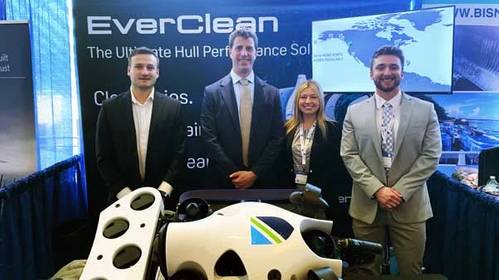
Greensea IQ, a pioneer in proactive in-water hull cleaning technology, is proud to announce that its EverClean service has been officially approved as a certified hull grooming provider for vessels coated with GIT Coatings’ advanced foul release systems.
The approval, granted by Lloyd’s Register, confirms that EverClean meets the requirements to groom hulls protected by GIT Coatings’ sustainable and biocide-free coatings, such as XGIT-FUEL™. Grooming is defined as a proactive measure of periodical removal of microfouling (slime) to prevent the development of macrofouling on ships’ hulls.
This certification strengthens the shared commitment between Greensea IQ and GIT Coatings to deliver high-performance, environmentally responsible hull maintenance solutions to commercial vessel operators worldwide. The Enhanced Type Approval ensures that XGIT-Fuel maintains its performance before and after grooming with EverClean, with no roughness increase and no thickness loss.
Maggie Kennedy, who oversees the after sales operations at GIT Coatings, stated the following: “We are pleased to see EverClean approved as a compatible grooming system for our coatings. Their solution offers customers an alternative option for grooming that does not require a robot onboard operated by the crew. As a result, it offers an efficient process for crew members onboard who may not have time to manually operate a grooming robot. Our relationship with Greensea IQ will also help meet our customers' needs of those vessels frequently calling key US ports. We look forward to continuing our work with forward-thinking partners globally, leading the shipping industry towards a more sustainable future”.
“This approval is a major step forward in our mission to transform hull maintenance,” said Rob Howard, Chief Growth Officer at Greensea IQ. “We believe that effective fouling control starts with a complete professionally managed hull performance plan. Our collaboration with GIT Coatings delivers on this by providing shipowners a smart and sustainable path to reduce drag, improve fuel efficiency, and minimize emissions—all while extending the lifespan of their coating investment.”
The approval was announced by both companies at CMA Shipping on April 2, 2025 held in Stamford, Connecticut.
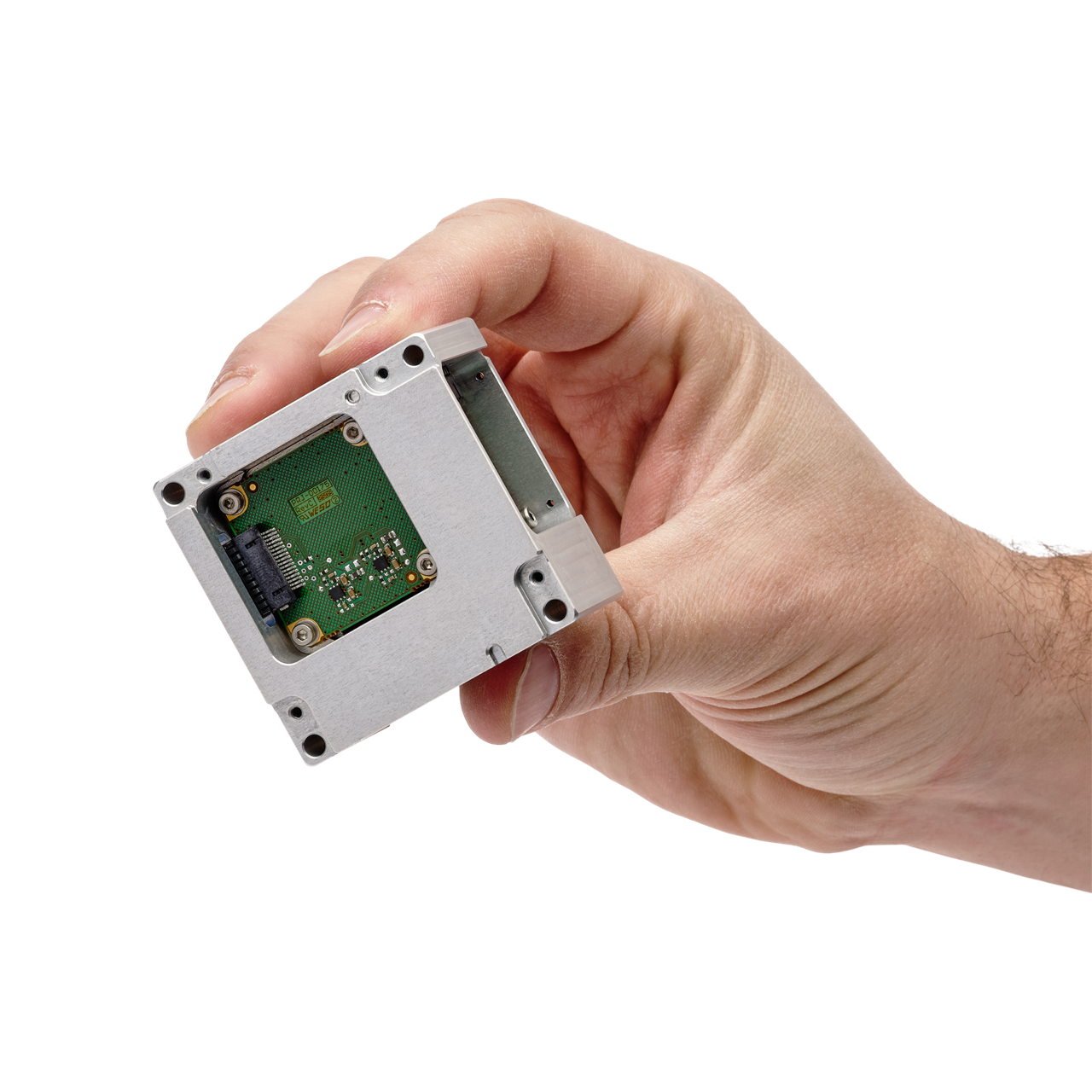
SBG Systems unveiled the world's First MEMS-based Gyrocompassing IMU at Ocean Business 2025
 SBG Systems, a global leader in high-performance Inertial Measurement Units (IMU) and Inertial Navigation Systems (INS), is proud to introduce the world’s first MEMS-based North seeking IMU, capable of operating without GNSS aiding—a breakthrough in MEMS technology.
This leap forward paves the way for future products, including AHRS and INS solutions, to further expand the possibilities of MEMS-based navigation. This innovation marks a major milestone in inertial navigation by bringing the benefits of MEMS sensors to the world of high-performance navigation and orientation.
Unprecedented Performance & Innovation
This MEMS-based IMU provides unparalleled precision, achieving a heading accuracy better than 1° secant latitude without GNSS aiding, and an INS heading accuracy better than 0.01° when fused with GNSS using SBG Systems’ state-of-the-art navigation and orientation algorithms.
Furthermore, this is a true MEMS-based gyrocompass with no moving parts, that doesn’t rely on carouseling, ensuring durability and reliability in all environments.
Key benefits of SBG Systems’ MEMS-based Gyrocompassing IMU include:
• Unmatched SWaP (Size, Weight, and Power) optimization: miniature form factor (52 x 52 x 36 mm, <150g) with low power consumption (2W), making it the most compact and efficient solution in its category.
• Volume ready: designed for high-volume production, enabling broad adoption across industries and competitive pricing.
• Robustness: no moving parts, ensuring long-term reliability even in the most demanding conditions.
• ITAR-free: for unrestricted global deployment.
Revolutionary Gyrocompass Alignment Algorithms
SBG Systems has developed cutting-edge and patent pending algorithms to provide ultra-fast gyrocompass and INS alignment in all conditions:
• Pure north-finding algorithm: capable of rapid initialization in both static and dynamic conditions down to one minute.
• Advanced GNSS/INS algorithm: takes full advantage of gyroscope performance, to provide exceptional single-antenna heading accuracy even in non-dynamic scenarios.
“With this breakthrough, we are pushing the boundaries of MEMS technology. This IMU lays the foundation for a new generation of compact, cost-effective, and high-accuracy navigation solutions for marine, autonomous systems, and georeferencing applications.” said Thibault Bonnevie, CEO of SBG Systems.
Target Markets
• Subsea applications: ideal for ROVs (Remotely Operated Vehicles) and AUVs (Autonomous Underwater Vehicles) that require precise navigation in extreme environments.
• Geospatial & marine surveying: enables high-performance single-antenna marine surveys with unparalleled accuracy, making it the perfect choice for hydrographic, dredging, and offshore operations.
First off-the-shelf solutions are planned for early 2026.
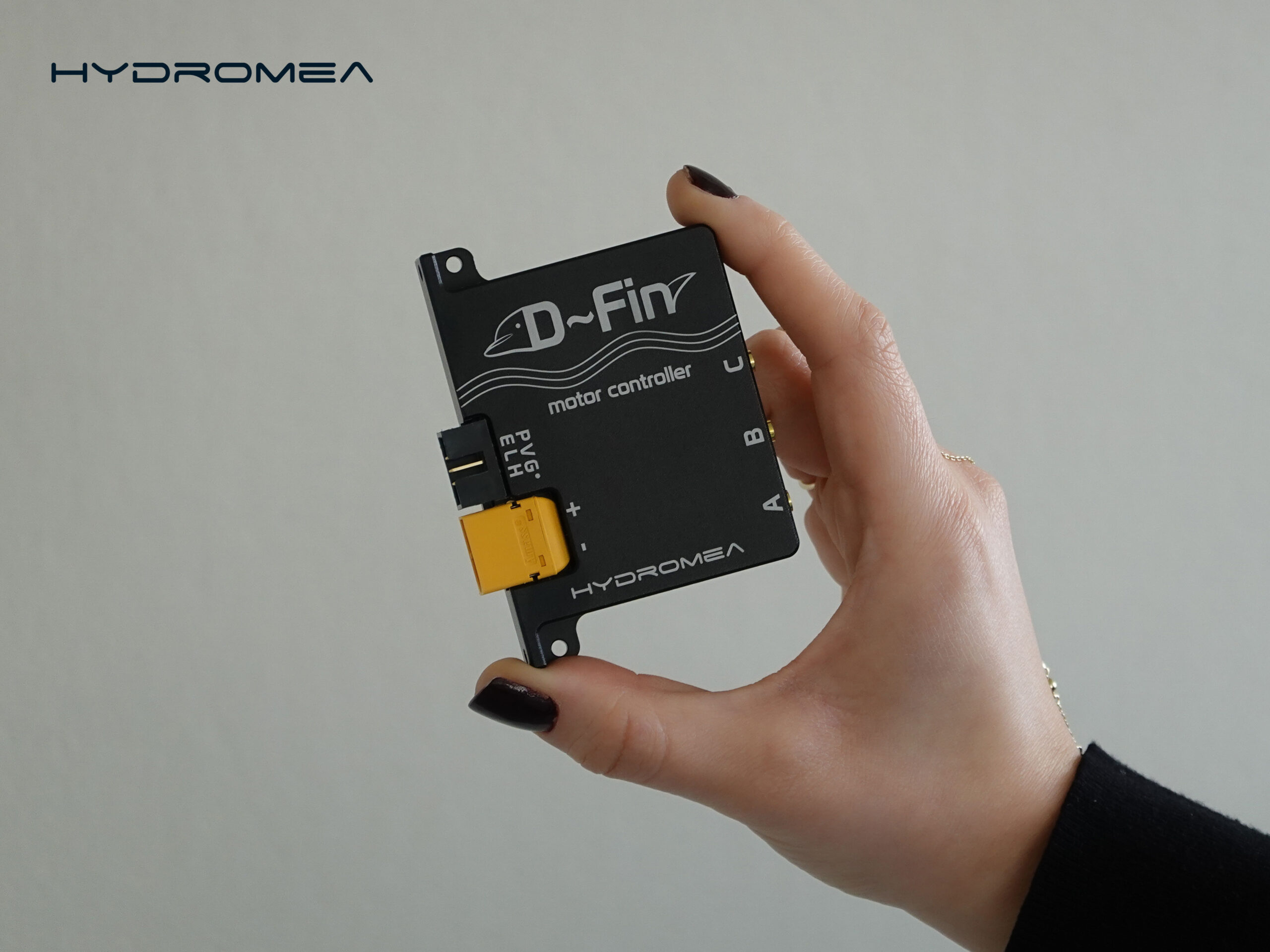
Hydromea Unveils D-FIN™: A Cutting-Edge ESC Motor Controller for Robotic Vehicles
 Hydromea, a pioneer in underwater robotics and wireless communication, is proud to announce the launch of its newest product, the D-FIN™ Electronic Speed Controller (ESC) Motor Controller. This state-of-the-art device is engineered to deliver unparalleled efficiency, compactness, and precision for brushless permanent magnet DC (BLDC) motors and thrusters.
The D-FIN™ controller is engineered in Switzerland to offer unmatched compact power and precision for Hydromea’s unique DISKDRIVE™ thrusters and many other brushless permanent magnet DC (BLDC) motors in the robotics and equipment space. This advanced controller brings smooth, silent, and efficient performance to your motors. To fit into the smallest robotic vehicles, it can be stacked on a proprietary backplane to optimize space constraints and reduce cabling. Multiple digital interfaces provide flexibility to integrate D-FIN™ into your system with ease. D-FIN™ can be controlled and monitored via RS485 serial bus, CAN bus, USB-C, or PWM.
Key Features of D-FIN™:
- Compact Design: Measuring just 83 x 62 x 12 mm and weighing 80 grams, D-FIN™ is engineered for applications where space and weight are critical.
- Wide Input Voltage Range: Supports input voltages from 10 to 36 V, offering versatility across various power systems.
- High Current Handling: Capable of managing up to 25 A of current, ensuring robust performance for demanding applications.
- Flexible Communication Interfaces: Offers RS485, CAN bus (configurable), USB-C (virtual serial port), and PWM interfaces for seamless integration with diverse systems.
- Advanced Control Modes: Supports multiple communication modes, including hall-sensor trapezoidal, hall-sensor Field-Oriented Control (FOC), sensorless trapezoidal, and sensorless FOC, along with a self-calibration mode.
Felix Schill, Co-Founder and CTO of Hydromea, commented on the launch: "As many robotics developers, we’ve been frustrated with the unavailability of a compact, efficient, and precise ESC motor controller in the market. So we developed one for our own thrusters. The D-FIN™ ESC Motor Controller represents a significant advancement in marine motor control technology. Its compact size, high efficiency, and versatile integration capabilities make it an ideal solution for enhancing the performance of robotic systems and many other equipment that requires precise control of BLDC motors."
Hydromea continues to lead in marine innovation, as evidenced by recent developments such as the EXRAY™ underwater inspection ROV equipped with proprietary LUMA™ wireless communication technology. The introduction of D-FIN™ further solidifies Hydromea's commitment to providing cutting-edge solutions for marine exploration and inspection.
Teledyne Marine Unveils Innovative BlueStreamX2 Enhancement for Benthos Acoustic Modems
 Teledyne Marine is pleased to announce BlueStreamX2, which doubles the data rate for Benthos Acoustic Modems in the WideBand C frequency without impacting their communication range performance. This cutting-edge upgrade is now available across all Benthos modem families – Acoustic Telemetry Modem (ATM), Compact Modem (CM), and Ultra Compact Modem (UCM) – as well as on UTS topside systems.
Benthos acoustic modems, renowned for their reliable underwater data transmission using digital signal processing modulation techniques, have historically operated over a 5 kHz bandwidth with bit rates up to 2400 bits per second. With the new BlueStreamX2 enhancement, the bandwidth has been expanded to 10 kHz, doubling the data rate to 4800 bits per second.
This breakthrough is made possible by the innovative high-frequency transducer design, extending performance over the band from 20 kHz to 30 kHz. While the WideBand C transducer has been a staple since the UCM's introduction in 2020, the new firmware leverages its full potential, bringing unprecedented speed and efficiency to underwater data communication.
All command structures, specifications, and operating parameters remain unchanged, ensuring seamless acoustic communication with previous generations of Band C modems. The BlueStreamX2 enhancement is exclusive to modems using the WideBand C transducer and is not available for older Band C modems nor for LF and MF products.
“The real benefit of utilizing the wider 10 kHz bandwidth is that we’re able to double the acoustic data throughput while still maintaining the same communication range capabilities. The BlueStreamX2 innovation gives you both speed and distance,”, said Carl Mancuso, Benthos Product Line Manager.
Get ready to experience the future of underwater acoustic data transmission with Teledyne Marine's BlueStreamX2 enhancement – setting new standards in the industry.
Teledyne Marine Launches SeaBat T51-S Multibeam, Setting a New Standard in High Resolution Subsea Mapping
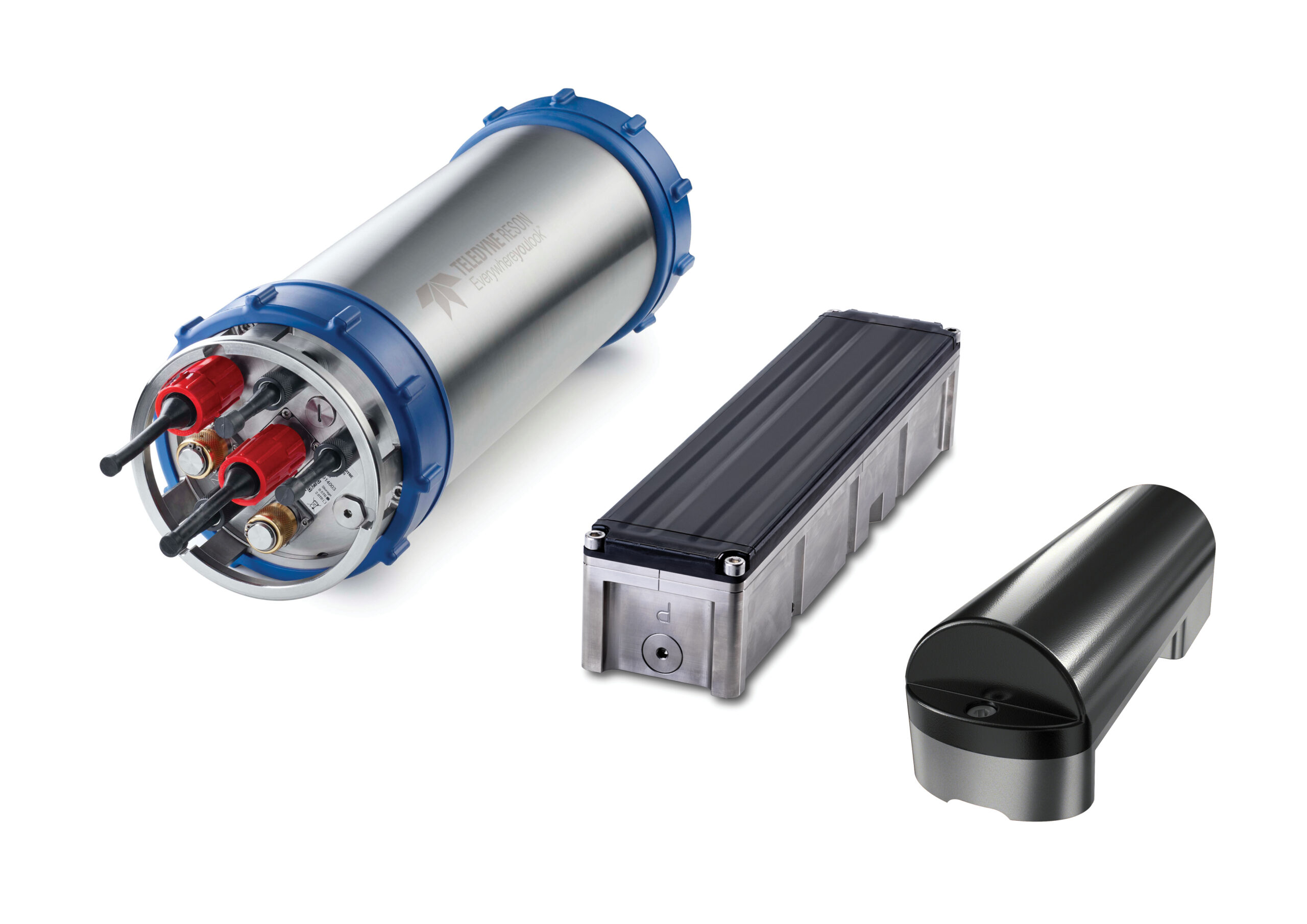
Teledyne Marine is proud to announce the launch of the SeaBat T51-S multibeam echosounder, the latest advancement in the SeaBat T-series. Building on the success of the flagship SeaBat T51-R, the new SeaBat T51-S is designed specifically for subsea applications, enabling deployment on ROVs and AUVs for deep-sea exploration and underwater surveys.
The ‘S’ in SeaBat T51-S stands for Subsea, highlighting its ability to operate at extreme ocean depths of up to 6000 metres. Encased in a pressure-rated housing, the SeaBat T51-S maintains all the superior features of the original SeaBat T51 while offering unmatched versatility for underwater deployment beyond vessel-based operations. Like other SeaBat multibeam systems, the T51-S extends the portfolio’s capability to extreme depths, ensuring it meets the rigorous demands of subsea applications.
Key Benefits of the SeaBat T51-S:
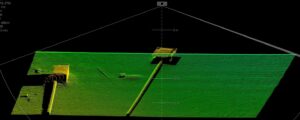
1. Superior Data Quality – The SeaBat T51-S delivers exceptionally clean data with minimal false detections. This ensures highly accurate survey outputs, reducing the need for timely post-processing and manual correction.
2. Unmatched Resolution – Offering the sharpest, most detailed seabed imagery available, the SeaBat T51-S can detect small objects such as cables, rocks, and boulders as small as 0.3 meters in size, providing an unparalleled level of detail for underwater mapping and inspection. This exceptional resolution is achieved due to its small receiver beamwidth of 0.25.
3. Expanded Swath Width – The SeaBat T51-S offers unmatched performance with its impressive 170 swath width at 800 kHz, covering a significantly larger area of the seabed in a single pass, increasing efficiency and reducing survey time.
4. Ultimate Automation –The SeaBat T51-S features advanced automated control. The integrated 'Tracker' technology automatically adjusts sonar settings in real time, making operation simpler, reducing the need for specialised skills or expertise and allowing the operator to rely on the system while focusing on other critical tasks.

Pim Kuus, Senior Hydrographer and Product Manager at Teledyne Marine, commented:
“The SeaBat T51-R is recognised as the best-in-class multibeam system, so anticipation for the new T51-S has been high. We’re happy we can now meet user demand with a system that delivers the highest-resolution subsea mapping while maintaining exceptional data quality.”
With the introduction of the SeaBat T51-S, Teledyne Marine continues to push the boundaries of sonar technology, enabling scientists, researchers, and commercial operators to achieve unparalleled mapping performance, in a wide range of subsea survey and inspection applications.
SeaBat T51-S will be launched on Teledyne Marine’s stand T7 at Ocean Business 2025.
Show visitors can see the SeaBat T51 in action on ASVs at Teledyne Marine’s dockside area (HS02) and during on-water demonstrations aboard CRC GALAXY. Click here to book an on-water demo session.
For more information or to order the SeaBat T51-S, visit www.teledynemarine.com.