
Kraken Robotics appoints Kim Butler to Board of Directors and hires Bernard Mills as Executive Vice President, Defence

Kraken Robotics Inc. (“Kraken” or the “Company”) (TSX-V: PNG, OTCQB: KRKNF) is pleased to announce two strategic additions to its leadership team: the appointment of Kim Butler, CPA, ICD.D, to its Board of Directors and the hiring of Bernard Mills as Executive Vice President, Defence.
Kim Butler Appointed to Board of Directors
Kim Butler brings more than 35 years of executive experience in financial, operational, and governance roles with Canadian and multinational organizations, both publicly traded and private. She has served as a board member and Chair of Audit and Special Committees for leading companies in technology, utilities, and defence, and is recognized for her expertise in corporate governance, strategic planning, and mergers and acquisitions.
Ms. Butler previously served as Head of Business Operations and Integration at Ericsson following the acquisition of CENX where she held interim CEO and CFO/COO roles. As SVP Finance and CFO at Bridgewater Systems, a global leader in mobile policy solutions, she led the company’s initial public offering in 2007, and later its successful acquisition by Amdocs in 2011. Prior to Bridgewater, she held senior finance roles at Asea Brown Boveri, and Mitel Corporation.
“I am very honored and excited to join the Board of Directors at Kraken Robotics and look forward to participating in their continued growth as a global leader in advanced 3D underwater imaging and next-generation subsea battery technologies,” said Ms. Butler.
“Kim’s extensive experience in financial leadership, corporate governance, and strategic planning makes her an exceptional addition to our Board. Her proven ability to guide organizations through complex growth and transformation will be invaluable as Kraken advances its mission to deliver innovative marine technology solutions globally,” said Greg Reid, President and CEO of Kraken Robotics.
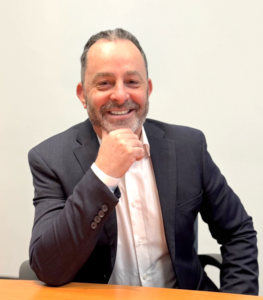
Bernard Mills Appointed Executive Vice President, Defence
Bernard Mills will join the Company’s executive team as Executive Vice President, Defence, effective January 12, 2026. Mr. Mills currently serves as a member of Kraken’s Board of Directors and has resigned from the Board, effective immediately prior to his new role on Kraken’s executive team.
Mr. Mills is an internationally experienced executive specializing in the defence and aerospace sectors. He spent the last three years as CEO and Managing Director at Stelia North America, an advanced materials subsidiary of the Airbus Group. He previously served as President of Ultra Sonar Systems, leading over 850 UK, Canada, and Australia-based staff in the delivery of underwater sensing capability to global naval customers. Earlier in his career, Mr. Mills worked for Thales, another maritime systems developer, with roles in both France and Australia.
Mr. Mills is currently Chairman of the Board of the Canadian Association of Defence and Security Industries (CADSI). His expertise spans strategic growth (through both business capture and mergers and acquisitions), operational and program leadership, and government and international relations. As Kraken bids and delivers increasingly complex and large integrated systems programs, Mr. Mills’s experience will allow the Company to quickly develop execution capability and manage risks more effectively as an organization.
“I’m excited to join Kraken Robotics’ leadership team at a time when global demand for underwater robotics and maritime systems is accelerating,” said Mr. Mills. “From my time on the Board of Directors for the last three years, I know Kraken has a strong portfolio, an exceptional team, and deep relationships with leading naval and offshore energy customers. I believe the Company is poised for significant expansion in the years ahead.”
“We are very pleased to have Bernard join Kraken in an executive leadership role,” said Greg Reid. “He has achieved significant success in his career as a defence and manufacturing industry executive and his strategic and operational experience will be a tremendous asset as we take our maritime defence industry business to the next level.”

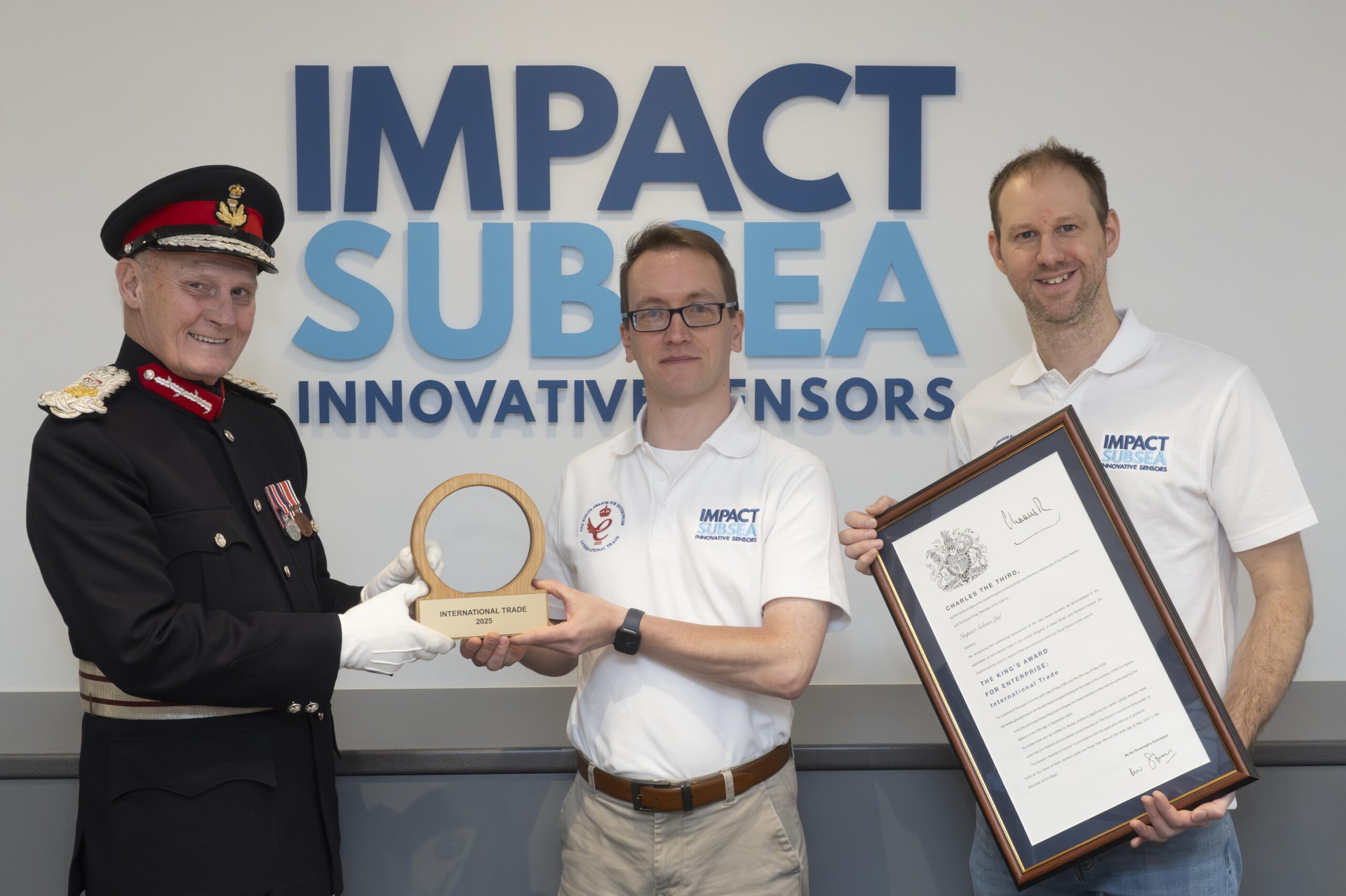
Impact Subsea Presented with the King’s Award for Enterprise in International Trade
 We had the honour of welcoming the Lord-Lieutenant of Aberdeen, Dr David Cameron, to present our King’s Award for Enterprise in International Trade, one of the highest accolades a UK business can receive.
Formerly known as the Queen’s Award, this prestigious recognition celebrates outstanding achievement across innovation, international trade, sustainable development and social mobility.
Earlier this year, we were informed that we were among the 116 organisations acknowledged for contributions to International Trade, across 197 total organisations recognised with a King’s Award.
This milestone follows our 2021 Queen’s Award for Innovation, highlighting our continued commitment to excellence, global growth and supporting the UK subsea industry on the world stage.
Today’s presentation is not just a company achievement, it’s a celebration of the hard work, passion and dedication of our entire team.
This royal recognition follows a decade of rapid expansion, marked by our 10-Year Anniversary Celebration, where we reflected on our journey from a small Scottish start-up to a global subsea technology provider.
Here’s to continued innovation, collaboration and international impact.
Subsea Supplies forms strategic partnership with DRIFT Offshore to strengthen subsea support for US market
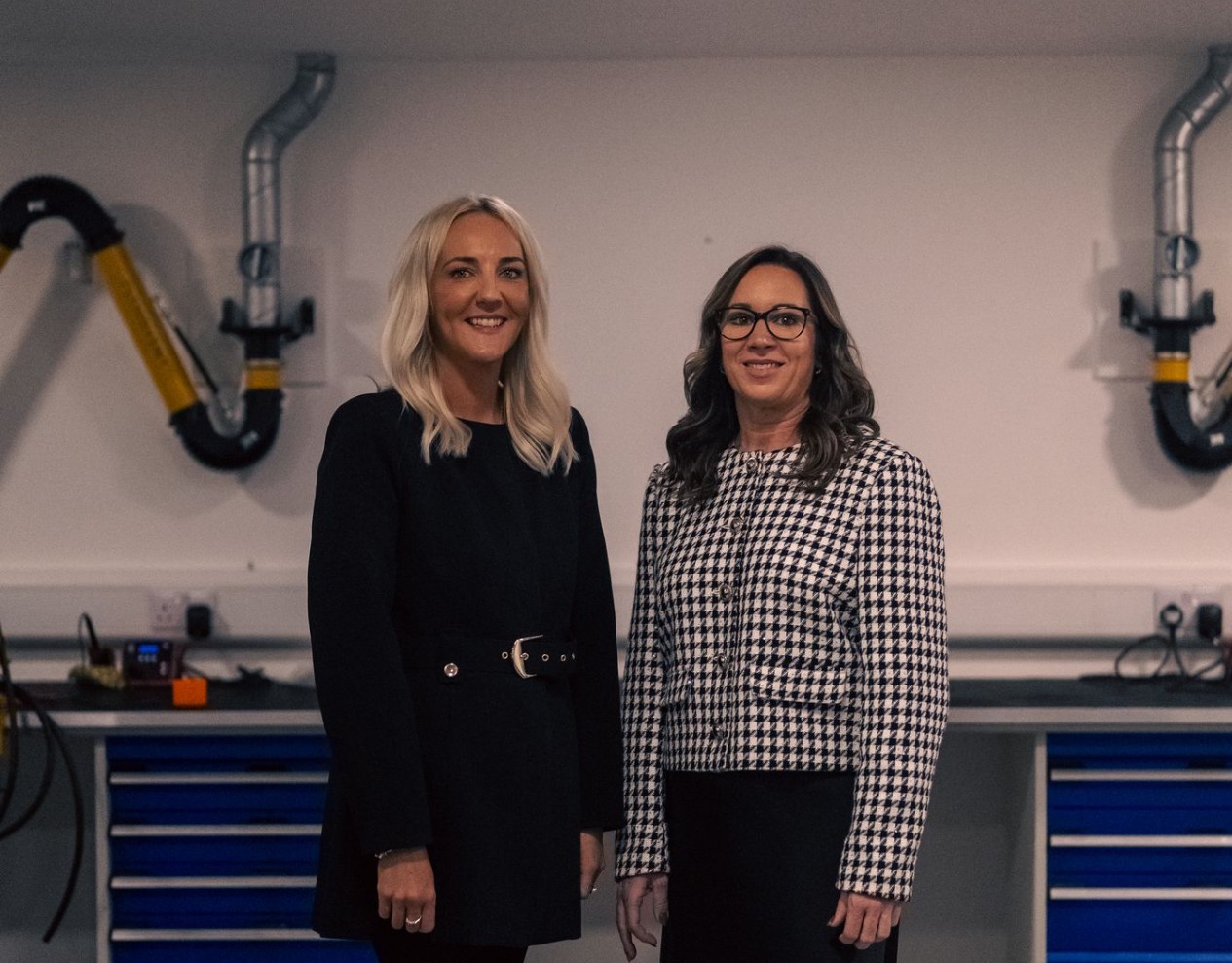
 Subsea Supplies has announced a strategic partnership with DRIFT Offshore to enhance subsea operations for its growing US customer base. This collaboration will provide customers across the region with faster access to Burton subsea connectors and cable assemblies, combined with DRIFT Offshore’s technical expertise from its base in Florida.
The partnership represents a joint $250,000 investment in machinery, tooling, stock and test equipment to support expanded operations. By providing local stock availability and faster response times, it will reduce downtime and enhance supply-chain reliability across the energy sector.
DRIFT Offshore’s 5,000 sq ft repair and engineering facility in South Florida, which opened this year, will now manufacture and distribute Subsea Supplies products. As part of the partnership, Subsea Supplies is helping to establish the moulding facility and providing in-house training for DRIFT personnel, ensuring the site delivers the same industry-leading quality and reliable service that customers depend on.
Pauline McCann, operations director at Subsea Supplies, said: “This partnership is a significant step forward in how we support our US customers. We have worked closely with DRIFT Offshore and have seen first-hand the quality of its work, commitment to service, and understanding of offshore operations. By combining our product expertise with DRIFT Offshore’s on-the-ground capability, we’re giving customers faster access to the right equipment, backed by a team that can provide real, practical support when it matters most."
Meghan Bowers, co-founder and managing director at DRIFT Offshore, added: “This collaboration with Subsea Supplies builds on a strong history of successful teamwork and shared values between our companies. Subsea Supplies was looking for a US partner with strong operational credibility and a genuine commitment to customer service. With our technician-led approach and purpose-built facility, we are proud to be the ideal choice to represent their products and provide local support to customers.”
Subsea Supplies and DRIFT Offshore will be available to discuss the partnership at the 2025 International WorkBoat Show in New Orleans this week from the 3-5 December.0
Six Dutch North Sea Wind Farms Award Survey Inspection Contracts to XOCEAN
 Five-year contract will see XOCEAN deliver low-carbon bathymetric survey services across six Dutch offshore wind farms, supporting safe, efficient, and sustainable operations.
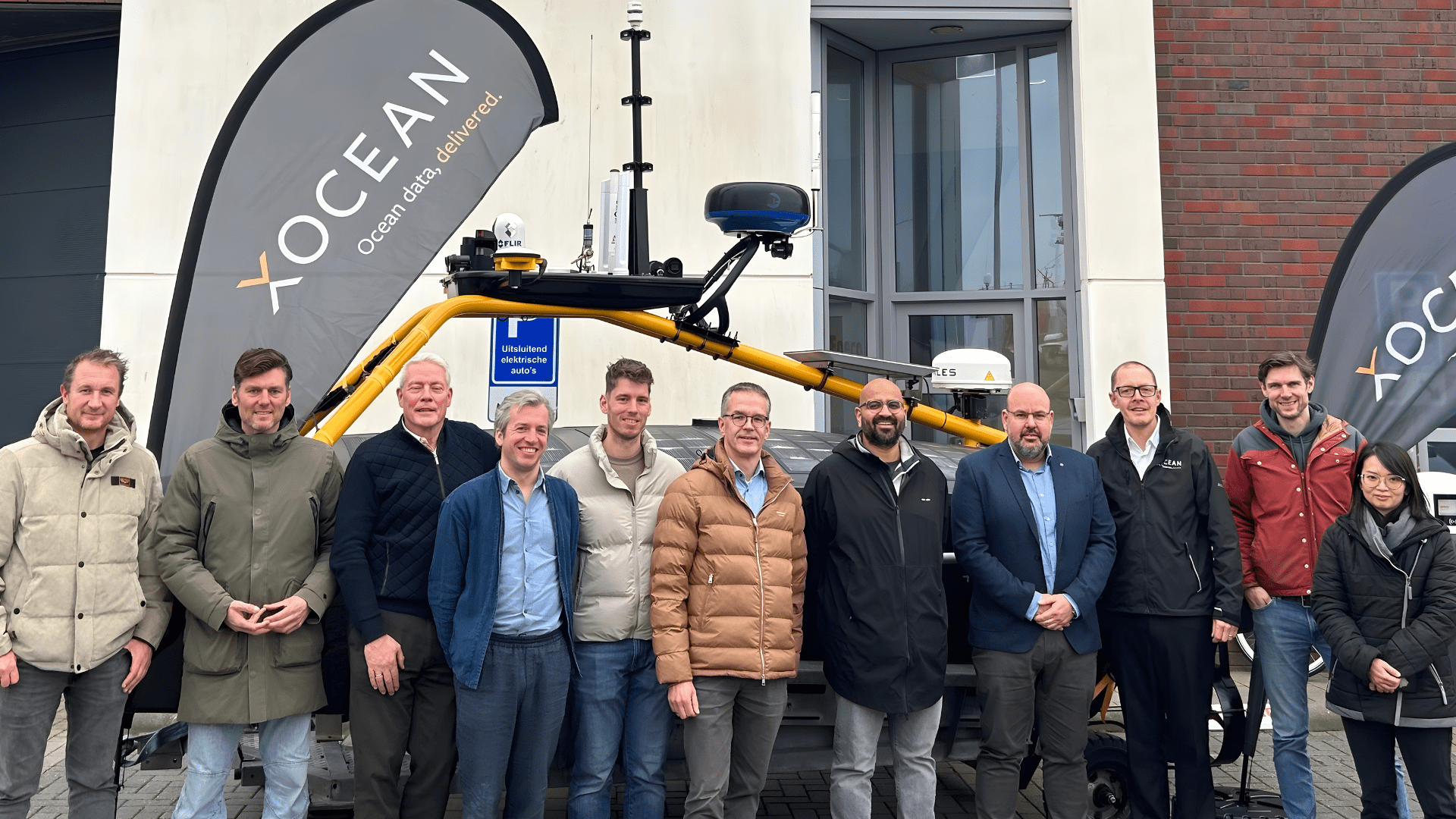
Six Dutch offshore wind farms have awarded a series of five-year survey contracts to XOCEAN, a global leader in ocean data acquisition. The agreements were coordinated by Eneco on behalf of the participating wind farms – Borssele 3&4 (Blauwwind), Borssele 5 (Two Towers), Eneco Luchterduinen, Hollandse Kust Noord (CrossWind), Hollandse Kust West VI (Ecowende), and Prinses Amaliawindpark (Eneco). Together, these six wind farms comprise 303 turbines generating clean energy for millions of Dutch homes.
Under these contracts, XOCEAN will deliver bathymetric survey services across the six offshore wind farms. The work includes the acquisition of high-resolution data to assess the condition of monopile foundations, inter-array cables, and export cable assets. This data will support ongoing maintenance programmes and contribute to maximizing asset uptime and long-term performance.
XOCEAN will deploy its remotely operated Uncrewed Surface Vessels (USVs) – an innovative, low-carbon approach to ocean data collection. This technology offers significant advantages in safety, efficiency, and environmental performance compared to traditional survey methods.
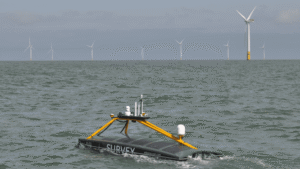 By leveraging its growing fleet of USVs, XOCEAN will help these offshore wind farms reduce operational carbon emissions while enhancing survey quality and repeatability. The company’s advanced methodologies and data analytics will enable asset owners to make informed maintenance decisions with reduced risk and downtime.
James Ives, CEO, XOCEAN said:
“We are delighted to be supporting the Dutch offshore wind sector through this long-term partnership coordinated by Eneco. By deploying our low-carbon USV technology, we look forward to delivering high-quality subsea data while significantly reducing operational emissions and enhancing the overall sustainability of offshore operations.”
Remco Streppel, Head of Operations at Eneco, said:
“As operator of these Dutch offshore wind farms, Eneco is committed to safe and sustainable operations. Through this framework with XOCEAN, we combine innovation and responsibility—using low-carbon technologies to maintain assets efficiently and with minimal environmental impact.”
The award builds on XOCEAN’s growing portfolio of offshore wind projects across Europe, Asia-Pacific, and North America. With more than 1,600 successful missions completed globally, XOCEAN continues to expand its role in supporting the energy transition through safe, sustainable, and data-driven operations.
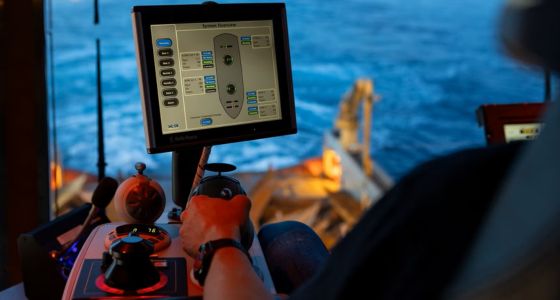
Kongsberg Maritime Marks 50 Years of Dynamic Positioning Innovation
 Kongsberg Maritime is marking a major milestone: 50 years since the introduction of its first Dynamic Positioning (DP) system, a Norwegian innovation that transformed offshore operations and set new standards for safety and efficiency at sea.
The story began in the mid-1970s, when offshore operations in the North Sea faced harsh conditions and dangerous anchoring practices. A breakthrough came in 1977 with the successful live test of the world’s first Norwegian DP system on Stolt-Nielsen’s vessel Seaway Eagle. This pioneering technology allowed vessels to maintain position without anchors, using sensors and thrusters to counteract wind, waves and currents in real time. It was a revolution that made offshore work safer and more precise.
“If it hadn’t been for DP, there would have been no oil adventure,” says Vegard Sæterlid, Head of Positioning and Manoeuvring at Kongsberg Maritime. “Dynamic Positioning changed everything. It gave operators the ability to work safely in some of the harshest conditions on earth, and it opened the door to an entirely new era of offshore operations. What started as a bold idea in the 1970s is now a technology that underpins thousands of vessels worldwide and continues to evolve for the future.”
Jonny Hauge, SVP Bridge and Remote Systems, added: “Today we are celebrating a piece of industrial history in Norway. DP began with a few customers and became the most important technology for starting the oil adventure. From the beginning to what we see today, our customers rely on us for everything from subsea infrastructure to sustainable operations like offshore wind. We are still in the lead and guiding our customers toward success.”
Since then, Kongsberg Maritime has remained at the forefront of DP innovation. Today, more than 4,000 of its systems operate worldwide on offshore vessels, semi-submersible platforms, wind-farm service ships and aquaculture vessels. The latest generation, K-Pos, combines advanced sensor data with power management and intuitive user interfaces, enabling operators to maintain position efficiently while reducing fuel consumption and emissions.
Dynamic Positioning is now a cornerstone of modern maritime operations, supporting everything from offshore energy projects to research and autonomous vessels. It is also a key enabler of future concepts such as remote and unmanned operations, helping the industry achieve greater sustainability and safety.
As Kongsberg Maritime celebrates this 50-year legacy, the company continues to drive innovation for the next era of offshore operations, ensuring that DP technology remains synonymous with reliability, efficiency and progress.
Uncrewed technology: a new standard for observing deep ocean currents
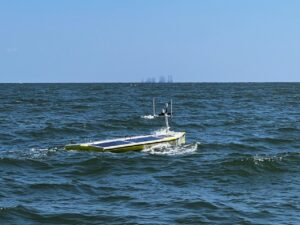
A new way to monitor previously hidden, but disruptive, deep ocean currents in near-real-time has been proven, thanks to a recently completed uncrewed technology collaboration in the US Gulf of Mexico.
In a science-industry first, marine technology companies Sonardyne and SeaTrac Systems used advanced sensors and uncrewed surface vehicles (USVs) to deliver science-ready deep ocean current data on the Gulf’s Loop Current System, direct to scientists’ desks in near real-time.
The project, commissioned and in collaboration with the University of Rhode Island (URI), opens the door to reliable, on-demand and sustained high-resolution observations of powerful and dynamic ocean systems, without the need to send people offshore.
In turn, this boosts scientists’ ability to improve predictive models, helping industry and science understand and mitigate the hazards posed by disruptive deep ocean currents, like the Loop Current System.
The project was completed during Fall 2025 and funded by the U.S. National Academies of Sciences, Engineering and Medicine’s Gulf Research Program.
“Sustained deep-ocean measurements remain rare despite their importance,” says Randy Watts, Professor of Oceanography, URI. “This project demonstrates how commercially available instruments and uncrewed vehicles can deliver science-ready data in strong current systems – overcoming the dual challenges of station-keeping where most USVs fail and cost-effective deployment without expensive research vessels.”
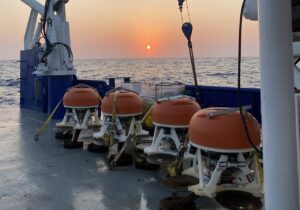
“With SeaTrac, we’ve proven that long-term, persistent monitoring of powerful and dynamic ocean systems with USVs instead of traditional vessels is now a reality,” says Michelle Barnett, Business Development Manager for Ocean Science at Sonardyne. “Remote-commanded systems can reliably deliver the high-quality oceanographic data researchers and industry need, when they need it with lower operational costs than traditional vessels.”
“This mission has demonstrated a new global precedent for using USVs to make critical, sustained ocean data accessible, consistently – with zero crew risk, zero emissions and a repeatable approach we can scale to other regions,” adds Hobie Boeschenstein, Director of Operations and Business Development at SeaTrac.
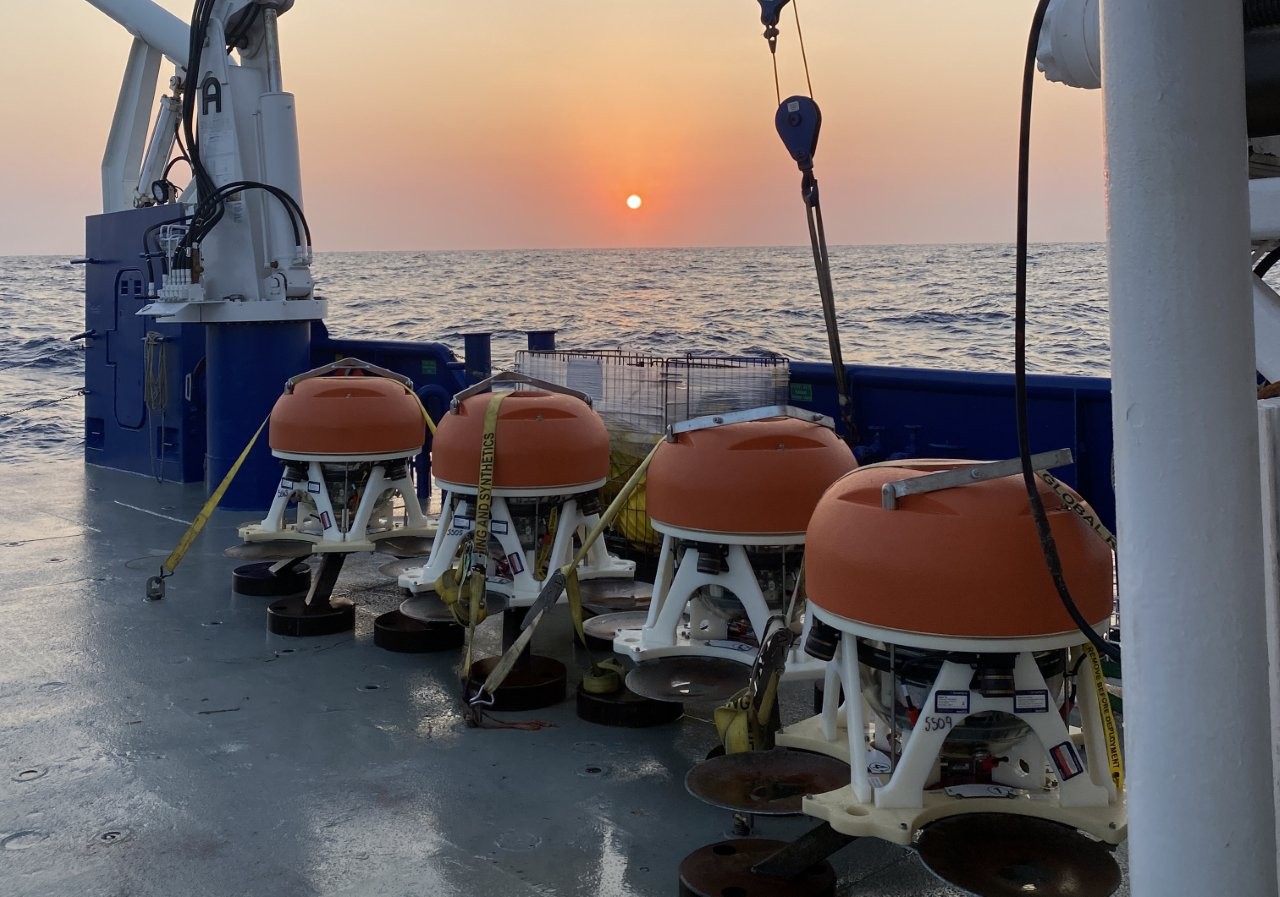
The collaboration used Sonardyne’s advanced Origin 65 seabed acoustic Doppler current profilers (ADCPs) and SeaTrac’s SP-48 USV to gather near-real-time current profile data from the Loop Current System.
Over 18 months, four Origin 65s and five pressure inverted echosounders were deployed in 1,800 to 3,200 m water depth, in the heart of the LCS, 200 nm off the coast of Louisiana.
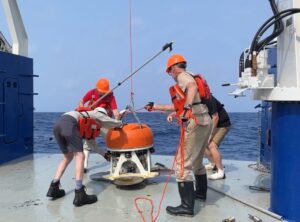
Origin 65 is a 4,100 m-rated, low frequency, deepwater profiling ADCP. It can profile up to 800 m range in time-aligned, high resolution and also comes with pressure inverted echo sounder (PIES) functionality.
Thanks to Origin 65’s integrated Edge processing capability and acoustic modem, data could be acoustically harvested from the surface by SeaTrac’s remotely piloted USV, using a Sonardyne HPT 7000 transceiver.
The solar and battery powered SP-48 was tasked with navigating variable ocean currents and weather conditions in the Gulf to reach the sensor locations and harvest the data. It was then able to send the science-ready data to shore through its dual iridium and Starlink satellite links, which also enabled high-data rate and real-time communications back to shore.
In total, three deployments covering more than 30 days, the SP-48, which can sustain 2 to 3 kt operations and sprints up to 5 kt, covered around 1,500 nm. During this time, more than 135 GB of high-resolution ocean currents and related parameter data at up to 800 m above the bottom were harvested.
Going forward, data gathered during the mission will improve models that forecast currents such as topographic Rossby waves, providing critical insights for science and safety in the region and opening new avenues for future research.
The project demonstrates a scalable model for autonomous ocean observation around the world.
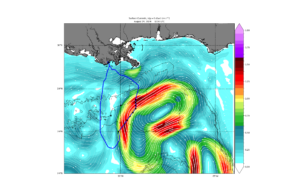
This includes showing how marine autonomy can deliver near real-time data to enhance the prediction of – and safety against – disruptive deep currents such as topographic Rossby waves, which can threaten offshore infrastructure, while also improving scientific understanding of ocean circulation and climate processes.
“Completion of this project marks another successful demonstration of USVs in offshore data collection and marine science,” Boeschenstein said.
“Deploying advanced technologies like those from SeaTrac and Sonardyne is key to deepening our understanding of the world’s oceans. There is still so much to explore, and our teams are proud to help scientists safely reach and study some of the most challenging marine environments on Earth.”
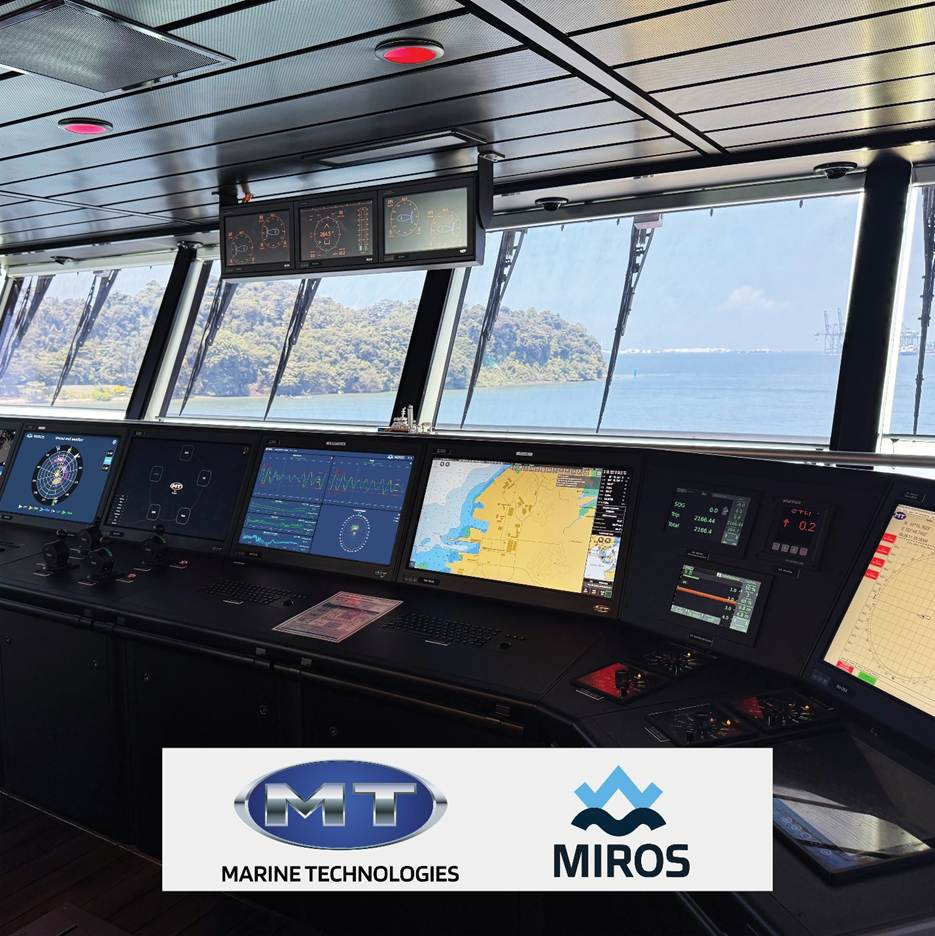
Miros and Marine Technologies sign MOU to advance next-generation marine sensing and vessel performance solutions
 An important step on the road to forming a strategic partnership, the agreement outlines the two companies’ mutual intent to collaborate on integrating Miros’ advanced sensor technologies into MT’s systems and deliveries.
It brings together Miros’ expertise in wave, current, and oil spill detection technologies with MT’s strong foothold in vessel control systems and offshore operations.
While the MoU currently involves no financial commitments, the agreement sets the stage for significant potential synergies in product development, system integration, and distribution through MT’s global network of projects and services.
The collaboration may also extend into advanced applications focused on vessel performance and offshore wind operations.
Marius Five Aarset, CEO of Miros, said: “This agreement marks the beginning of what we believe will be a transformative partnership for both companies.
“Marine Technologies has a remarkable track record in vessel control and, by combining their systems expertise with our sensor technology, we can efficiently bring powerful new capabilities to vessel operators worldwide.
“Driving safer, more efficient, and more sustainable offshore operations is core to Miros’ being, and this MoU further solidifies that mission.”
MT is part of a group of companies owned by the same owners as Edison Chouest Offshore (ECO) and serves as its in-house marine electronics provider, with a long-standing heritage in DP systems.
ECO operates a fleet of approximately 300 vessels, primarily in the Gulf of Mexico and Brazil, positioning MT at the heart of offshore maritime innovation.
The scope covered by the MOU includes the pre-installation of Miros' Wavex systems integrated with MT’s DP systems for activation on demand and offered in an OEM-style configuration.
It also covers the distribution of advanced WaveSystem and Oil Spill Detection solutions through MT’s channels, as well as the development of value-added applications, such as vessel performance analytics and offshore wind “walk-to-work” solutions.
Jan Mikalsen, CEO of Marine Technologies, said: “Our companies share a passion for innovation, a drive to deliver real operational value and with this MoU we now have a framework in place to quickly deliver technology that will reshape the way offshore operations are conducted.
“The potential we see here, especially when it comes to integrating real-time sea-state data with DP and performance systems, is enormous and I can’t wait to see this partnership bear fruit.”Both Miros and Marine Technologies will be exhibiting at the International Workboat Show in New Orleans, from 3–5 December 2025:
Miros AS – Co-exhibiting at the Team Norway Pavilion, Booth #1709
Marine Technologies LLC – Booth #1729
Visitors are invited to meet both teams to learn more about the planned collaboration and how it could shape the future of marine sensing, vessel performance, and offshore operations.
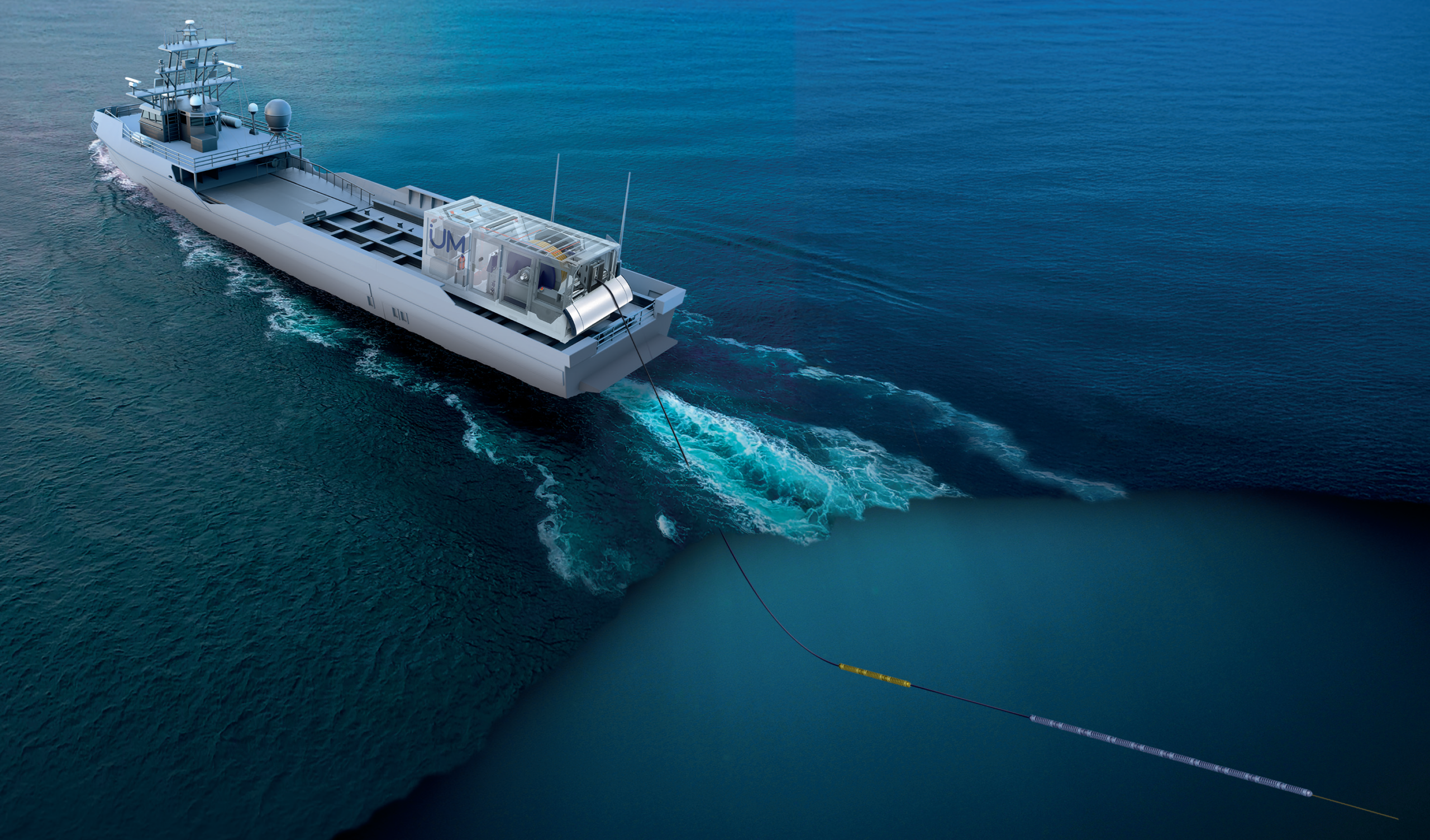
COVE Leads new at-sea testing capability to advance Canada’s maritime security, innovation, and dual-use technology development
 COVE is proud to announce a ground-breaking new at-sea testing capability to strengthen Canada’s maritime security, fuel innovation, and accelerate the development of dual-use underwater technologies for both defence and commercial markets. In collaboration with Defence Research and Development Canada (DRDC), Ultra Maritime (UM) Canada, and the Atlantic Canada Opportunities Agency (ACOA), this initiative positions Canada as a global leader in towed array technology development.
This new containerized testing system is purpose-built for at-sea evaluation of next-generation towed-array technologies. Its modular design allows it to be rapidly installed on a wide range of available ships, eliminating the need to divert frontline Navy vessels from their operational missions. This flexibility accelerates experimentation by enabling frequent trials across diverse marine environments.
The system’s scalable architecture supports advanced towed sensor solutions, including active and passive arrays and long-range surveillance systems. By streamlining at-sea testing and integration, it helps advance the development of future anti-submarine warfare capabilities with potential applications across commercial marine and related sectors.
Today, Darren Fisher, Member of Parliament for Dartmouth–Cole Harbour, announced a total of $9,690,773 in federal funding toward the project, on behalf of the Honourable David J. McGuinty, Minister of National Defence, and the Honourable Sean Fraser, Minister of Justice and Attorney General of Canada, and Minister responsible for the Atlantic Canada Opportunities Agency (ACOA).
“We are transforming the way we develop new technologies for both commercial and defence applications. This collaboration will accelerate the development of advanced underwater sensing systems in a variety of environments, enhancing our Navy’s technological edge,” said MP Fisher. “Today’s investment reinforces our government’s commitment to driving innovation, strengthening national security, and building sovereign testing capacity in Canada.”
As the only Canadian accelerator site selected by NATO’s Defence Innovation Accelerator for the North Atlantic (DIANA), and through its role in the newly announced Defence Innovation Solutions Hub (DISH) in Halifax, COVE sits at the heart of Canada’s defence innovation network. This combined innovation strength drives NORAD modernization, advances NATO priorities, enhances continental maritime awareness, and opens pathways for Canadian dual-use technologies to reach allied markets.
“Canada’s marine and defence innovation ecosystem is built on collaboration, expertise, and ambition,” said Melanie Nadeau, CEO of COVE. “This project showcases the power of partnership between industry, government, and research leaders to advance critical underwater sensing and intelligence technologies. COVE is accelerating innovation that strengthens naval readiness, technological sovereignty, and the protection of our maritime approaches.”
Wayne Shaddock, Senior Director Business Development - Canada, Ultra Maritime, added: “Through the support of ACOA, COVE, and DRDC, Ultra Maritime will deliver its state-of-the-art Sea Tracker system—a scalable architecture that can integrate Ultra Maritime’s full suite of towed technologies to rapidly deploy advanced ASW capability, enabling the detection, classification, and tracking of modern submarines across all theatres. DRDC will employ Sea Tracker to drive experimentation and develop next-generation ASW concepts, reinforcing Atlantic Canada’s leadership in defence innovation, and research and development through this strong collaborative partnership.”
This initiative represents a major investment in Canada’s maritime intelligence and innovation ecosystem, strengthening dual-use technology development, enhancing collaborative research, and improving Canada’s readiness in an evolving global security environment.
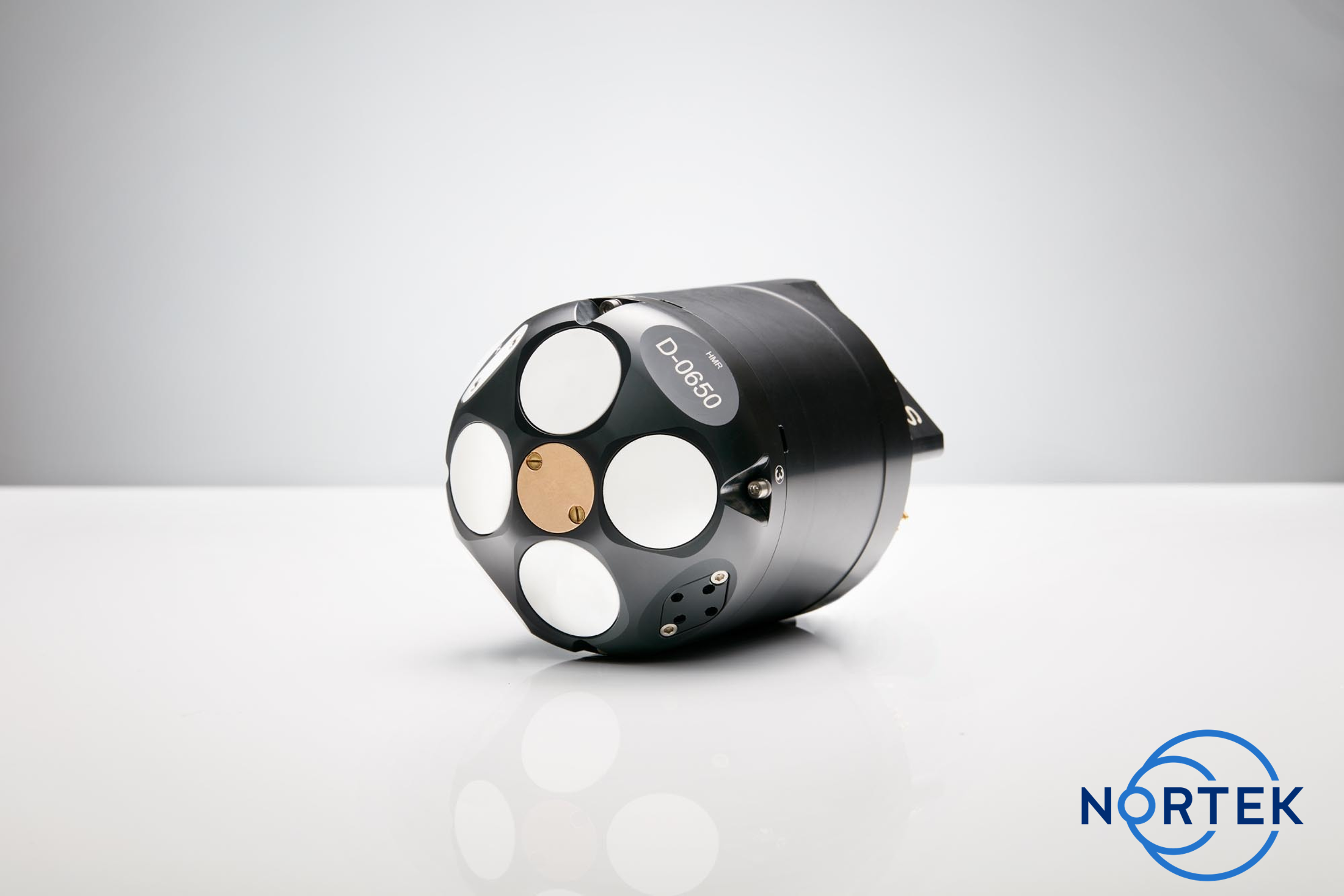
Ensuring reliable navigation for divers during tactical missions with Blueprint Subsea and Nortek
Blueprint Subsea and Nortek are working together to ensure divers stay on course when GNSS signals disappear beneath the surface, where navigation depends on reliable sensors. BluePrint’s Artemis diver navigation systems rely on Nortek DVLs for accurate velocity information.
Diver navigation has long presented a challenge. Ensuring diver safety is crucial, and the consequences of not having reliable navigation and position information are far greater for missions using divers than ROVs or other uncrewed systems. UK-based Blueprint Subsea’s Artemis diver navigation systems are engineered to give operators confidence and control in such situations. Accurate positioning and dead-reckoning navigation capabilities are essential for maintaining situational awareness and keeping divers safe during long-duration underwater missions. Blueprint relies on Nortek’s DVL technology as part of these diver navigation systems to provide accurate velocity information in challenging underwater environments.
The Artemis systems are deployed primarily by two specialist groups in the defense space: Explosive Ordnance Disposal (EOD) divers and combat swimmers. EOD divers must locate, identify, and investigate underwater ordnance and mines. For these divers, precise navigation and positional awareness are critical to safety and mission success. Combat swimmers rely on Artemis to execute covert insertion and extraction missions, navigating accurately to designated targets and returning undetected.
Diver navigation powered by Artemis and Nortek DVL
As part of the Artemis navigation system, the DVL measures velocity relative to the seabed. When integrated into the navigation system, this makes dead-reckoning navigation possible, providing navigation information for divers even in the absence of satellite signals.
As James Colebourn, Technical Sales Engineer at Blueprint Subsea, explains, “Once GPS drops out, the unit seamlessly switches to the DVL, just as any remotely operated vehicle (ROV) would, enabling accurate underwater navigation until the diver resurfaces.”
Blueprint offers a variety of Artemis systems, each equipped with sensors and a DVL according to mission needs. The ArtemisPRO, their most advanced navigation system designed for military and Special Forces divers, uses Nortek’s DVL 1000. The ArtemisSX, which can be used as a diver handheld or paired with a diver propulsion vehicle, uses the DVL 500 Compact. Finally, the ArtemisELITE, which pairs the navigation system with SUEX diver propulsion units and requires the longest range, uses the DVL 500.
The relationship between Blueprint and Nortek began when Blueprint sought to evolve a smaller GPS-float device into a more capable diver system. “We explored many different options and Nortek’s DVLs offered the best performance and quality,” says Colebourn.
Today, Blueprint uses OEM versions of Nortek’s DVLs, allowing Blueprint to streamline integration with the system without sacrificing precision.
“Initially we chose Nortek for quality, but as the partnership matured, Nortek supported the customization we needed,” adds Colebourn.
Close collaboration with Nortek engineers at the Nortek’s headquarters in Norway, as well as local technical support from Nortek’s team in the United Kingdom helped Blueprint refine its designs through continuous feedback and testing.
The future of diving and underwater robots
The underwater domain is evolving at an unprecedented pace, and underwater vehicles can perform an increasing number of jobs historically performed by divers. Yet, despite these advancements, the team at Blueprint firmly believes that divers will remain indispensable.
“Robots can do many things, but some missions still require people in the water,” Colebourn notes. “There will always be tasks that demand human judgment, adaptability, and touch.”
To ensure safety and capability of these divers, technology like Blueprint’s DVL-aided diver navigation system will be crucial. Using robotic systems in conjunction with divers will reduce risk and improve efficiency, without sacrificing the human experience and skill that comes with specialized divers.
Blueprint and Nortek aim to continue their collaboration to meet the needs of divers and operators to execute challenging and sensitive missions. Reliable underwater navigation from systems like the Artemis is non-negotiable for these users, and is only made possible by advanced navigation sensors like Nortek DVLs.
Learn more at https://www.nortekgroup.com/knowled
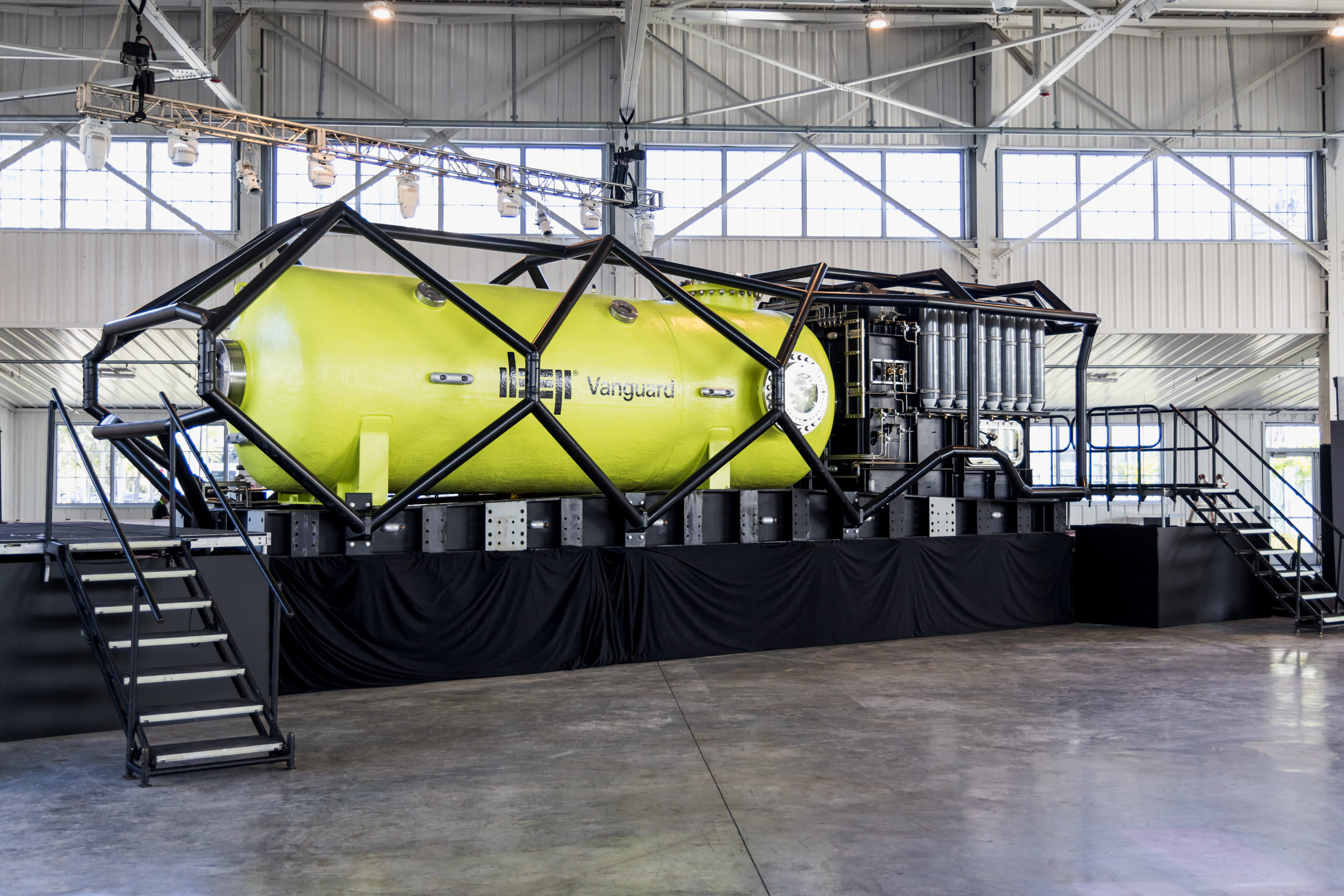
DEEP Partners with Unique Group to Deliver Next-Generation Subsea Human Habitat
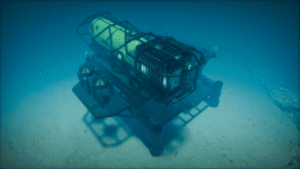 Unique Group, a global leader in subsea technologies and engineering, is proud to be the specialised technology provider for DEEP’s pioneering subsea human habitat programme. Unique Group is responsible for the design, engineering, and project management of several critical systems vital to the deployment of the pilot habitat, Vanguard.
DEEP’s mission is to Make Humans Aquatic and their long-term roadmap includes building Sentinel, a larger subsea habitat system that enables researchers and scientists to live and operate underwater at depths of up to 200 meters for up to 7 days or more at a time. The first pilot habitat, Vanguard, is being built right now in Sebastian, Florida, and will be followed by the Sentinel habitat in the years following, marking a significant advancement in ocean exploration.
Unique Group’s scope includes foundation design and geotechnical survey management, metocean data collection, and cyclonic survivability studies. Using Computational Fluid Dynamics (CFD), they optimized the foundation’s stability against extreme ocean forces. The foundation base plate, currently under fabrication in the USA, weighs over 300 tons and incorporates multiple anchoring systems.
The company also engineered the mooring spread for the habitat support buoy and managed the internal fit-out of the Vanguard chamber, delivering all furniture, fixtures, and fittings tailored to operational and ergonomic needs. Additionally, Unique Group supplies the full fluids management and life-support gas systems.
Leveraging decades of subsea expertise, Unique Group has provided offshore installation support and advisory services throughout the project. Their custom-engineered solutions reflect a focus on safety, efficiency, and sustainability to ensure mission success.
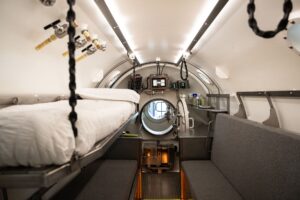 “Our collaboration with DEEP on the Vanguard project marks a defining milestone in subsea living and engineering,” said Dave Thompson, Group Engineering Director at Unique Group. “This partnership demonstrates the strength of our in-house design and manufacturing capabilities, and our commitment to advancing safe, sustainable solutions for the future of underwater research and exploration.”
Designed for a four-person crew on missions of seven days or more, Vanguard will support scientific research, marine conservation, and technology testing. It will also be the first subsea habitat classified under DNV’s rigorous ruleset, reflecting DEEP’s and Unique Group’s dedication to safety and innovation.
“We’re thrilled to partner with Unique Group on this ambitious project. Their expertise in engineering and subsea systems has been invaluable in realizing our vision for Vanguard. We look forward to starting a new chapter in underwater habitation and scientific exploration,” said Norman Smith, Chief Technology Officer, DEEP.
Unique Group’s involvement in this landmark programme reinforces its position as a trusted partner for complex subsea developments worldwide. With over 30 years of experience, a multidisciplinary in-house engineering team, and a global footprint across 18 countries, the company continues to drive innovation across the offshore energy, marine research, and naval sectors.