
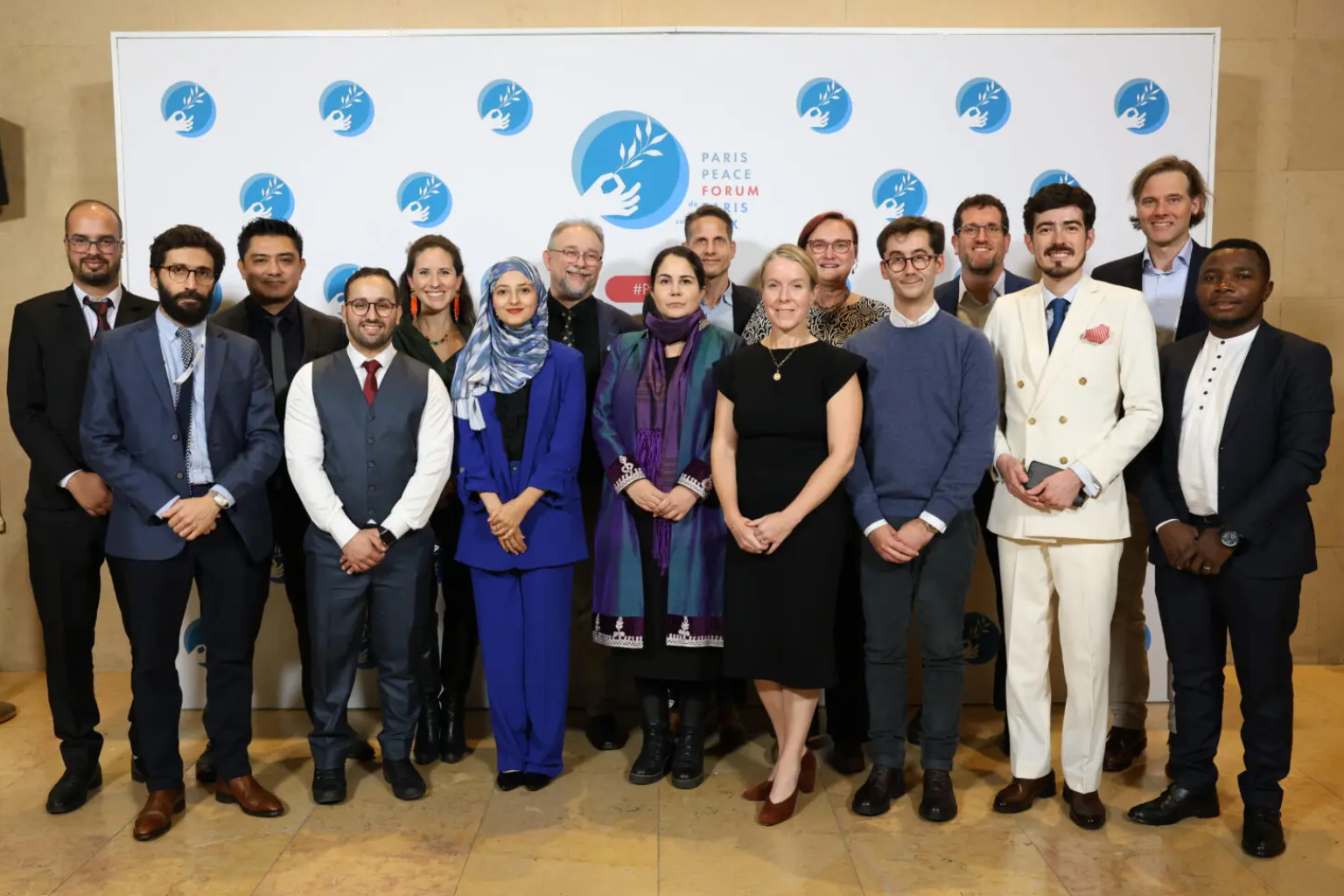
Seabed 2030 selected for prestigious Paris Peace Forum Scale-up Program
The Nippon Foundation-GEBCO Seabed 2030 Project, a pioneering initiative dedicated to inspiring the complete mapping of the world’s ocean, has been selected as one of ten global projects for the Paris Peace Forum’s esteemed Scale-up Program (SCUP) in 2024-2025.
Announced during the Forum’s seventh edition, this recognition highlights Seabed 2030’s vital role in advancing our understanding of the ocean – a foundation for addressing global challenges such as biodiversity loss and climate change, which will be a priority theme for next year’s Forum.
Seabed 2030 is a collaborative project between The Nippon Foundation and the General Bathymetric Chart of the Oceans (GEBCO), which seeks to inspire the complete mapping of the world’s ocean by 2030, and to compile all the data into the freely available GEBCO Ocean Map. The Project is formally endorsed as a Decade Action of the UN Ocean Decade. GEBCO is a joint programme of the IHO and the Intergovernmental Oceanographic Commission (IOC), and is the only organisation with a mandate to map the entire ocean floor.
Launched in 2018, SCUP is designed to elevate initiatives showcased at the Paris Peace Forum, offering selected projects year-long support from the Paris Peace Forum Secretariat. Through this programme, Seabed 2030 will receive a year of support from senior figures in industry and international agencies to scale its impact, strengthen partnerships and advance its mission to deepen knowledge of the marine environment – further bolstering efforts to deliver a complete map of the seafloor by the end of the decade.
"We are thrilled that Seabed 2030 has been selected for the Paris Peace Forum’s Scale-up Program," said Steve Hall, Head of Partnerships for Seabed 2030, who represented the initiative at this year’s Forum. "This support aligns perfectly with our mission to accelerate global ocean mapping, which is essential not only for protecting biodiversity and addressing climate change but also for unlocking numerous other benefits. We look forward to working closely with the Paris Peace Forum community to further amplify our reach and impact."
At the eighth edition of the Forum in 2025, Seabed 2030 will join fellow cohort members in showcasing its progress, highlighting the results of SCUP’s support.
All data collected and shared with the Seabed 2030 project will be included in the free and publicly available GEBCO global grid.


OEG continues expansion plans with new global HQ in Aberdeen
OEG Energy Group Limited, a leading energy solutions bus iness, has moved into a new global HQ at The Stratus Building, ABZ Business Park in Dyce, Aberdeen, following a seven-figure sum investment in a multi-year lease. This marks a significant milestone in the organisation’s 50-year journey, underscoring its deep commitment to its local roots while serving as a launchpad for its ambitious global expansion in renewables and other key offshore energy markets.
The high-specification 1,541 sq. m (16,591 sq. ft) office can accommodate up to 100 personnel across three floors. OEG’s previous corporate office in Kintore (Aberdeenshire), will continue as an operational hub with room to accommodate future growth. The move also reflects the company’s strategic focus on integration and brings together various corporate functions to enhance service delivery.
The new premises comes on the back of a year of exceptional growth for OEG, which has increased its headcount by 300 to over 1,300 across its 65 locations worldwide. This includes a boost to its Aberdeen workforce by 20% to circa 250 employees driven by a robust pipeline of projects in the UK and globally and through strengthening its capability. The new Dyce headquarters is the fifth site that OEG operates in Aberdeen with operational bases in Bridge of Don, Dyce, Portlethen and Kintore.
OEG is a leading provider of mission critical technical solutions to the global offshore energy sector. Through its Offshore division, the company is a market leader in the supply of offshore cargo carrying units and associated equipment, and through its Renewables division, OEG delivers specialist technical solutions and services to support the lifecycle of offshore wind farms.
The company’s Renewables division now generates over half of the group’s revenue with its success fuelled by organic growth and the acquisition of 14 companies since 2020, including high voltage specialists, ONRG, and OPS Wind, earlier this year. With strong footholds in offshore wind markets across the UK, Taiwan, and emerging regions including South Korea and the United States, the company has established itself as a key player on major offshore wind projects.
John Heiton, OEG’s CEO, said: “Moving into a new global headquarters is another exciting milestone in the evolution of our business and reinforces our 50-year commitment to Aberdeen. As we continue to grow our UK and global business, this investment underscores our dedication to the city that remains at the heart of our operations.
“2025 looks set to be another year of strong growth for OEG. With a strengthened leadership team and a clear strategy, we are on track to deliver revenue in excess of £400 million for 2024 and aiming to achieve £800 million turnover within the next five years, driven by our expanding global footprint and enhanced capability to deliver fully integrated service solutions to energy clients worldwide.”
Impact Subsea Launches the ISP360 Profiling Sonar together with IS3 Acoustic Signalling Standard
Impact Subsea, a leading manufacturer of underwater sensors, is proud to announce the launch of its newest sensor, the ISP360 Profiling Sonar with IS3 acoustic signalling technology.
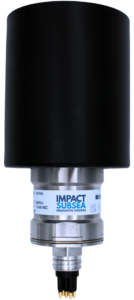
The ISP360 is a high-performance profiling sonar that sets a new standard in measurement precision and range capability.
A highly compact and power efficient 1° profiling sonar, with up to 80 meters range and a 0.35mm range accuracy. The ISP360 can be operated in profiling or imaging modes.
Acoustically the ISP360 can operate over the frequency range of 600kHz to 1,250kHz using Continuous Wave (CW), Compressed High Intensity Radar Pulse (CHIRP) or the Impact Subsea Signalling Standard (IS3). 
IS3 signalling uses advanced phase modulation and coding techniques to provide the range resolution benefits of CHIRP, but without the angular distortion inherent in CHIRP signalling. Critically IS3 also allows multiple ISP360 profilers to operate at the same frequency with significantly reduced interference. This removes the requirement for ‘ping syncing’ traditionally required for multiple mechanically scanned profilers – enabling much faster scanning capability when using multiple profilers and thus decreased survey times.
“We are excited to introduce the ISP360 Profiling Sonar to the market,” said Ben Grant, Managing Director of Impact Subsea. The ISP360 is a game-changer for underwater profiling and positioning.”
“With integrated IS3 signalling technology coupled with a highly sensitive broadband composite transducer, the ISP360 delivers unparalleled accuracy for sonar profiling with optional pitch and roll, all from a single device.”
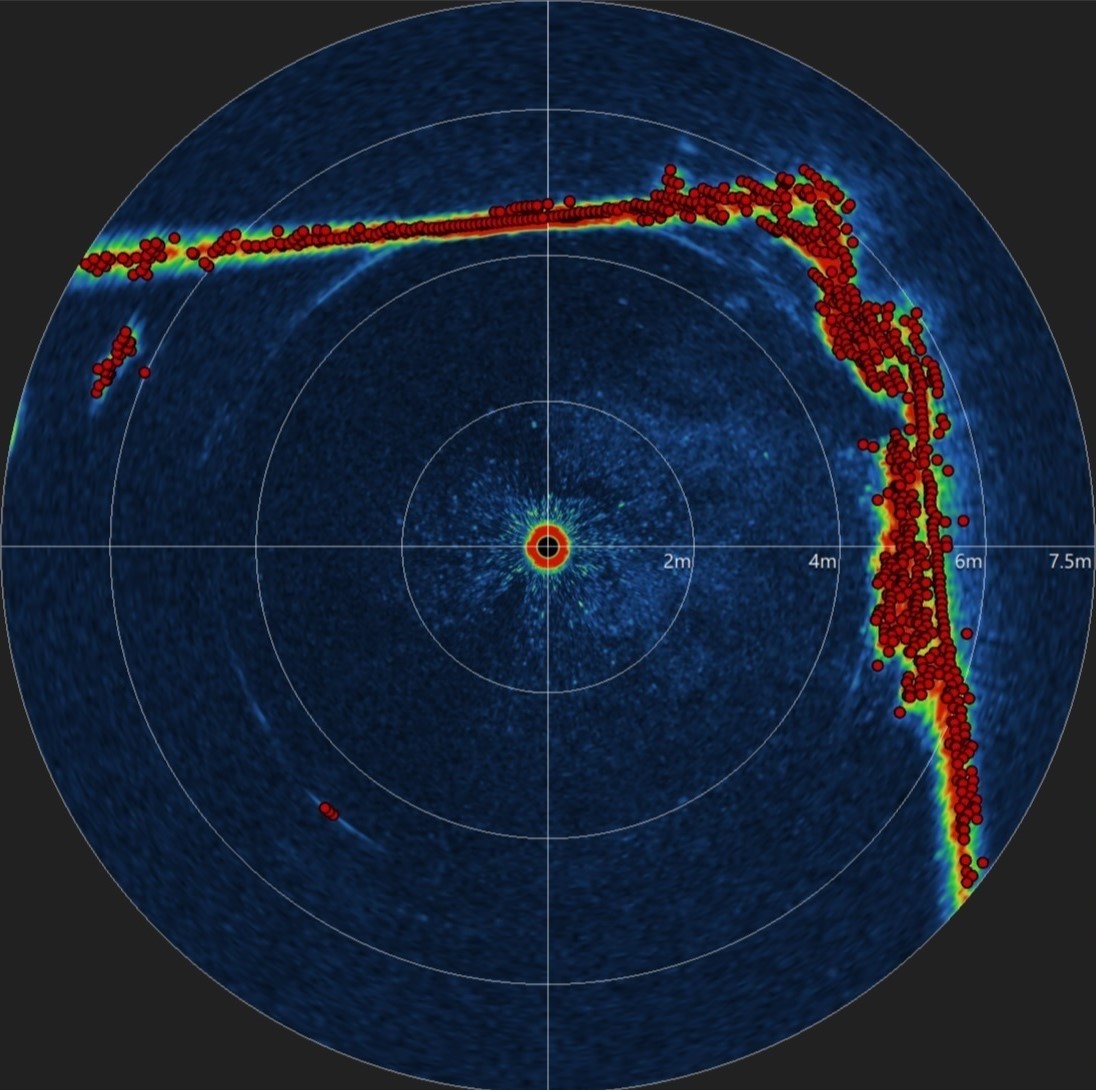
Below is example imagery and profiling data from the ISP360 Profiling Sonar:
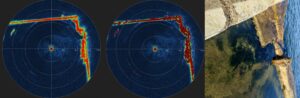
The ISP360 offers a number of key features and benefits, including:
• 1° acoustic angular resolution
• 0.35mm range accuracy
• IS3 acoustic signalling for minimised noise between multiple profilers
• Optional integration of pitch and roll for even more flexibility and control
• Integration with seaView software for operation and data generation
• Software Development Kit for direct integration into third party systems
The ISP360 is perfect for a wide range of underwater applications, including:
• Pipeline profiling
• Trench profiling
• Positioning of a vehicle in a tank
• Internal pipe & tank profiling
• Asset positioning
• Bridge foundation survey
“The ISP360 is a valuable asset for anyone who needs to collect accurate and detailed data about the underwater environment,” said Ben Grant of Impact Subsea. “With its advanced features and versatility, we are confident that the ISP360 will quickly become the industry standard for mechanically scanned sonar profiling.”
If you're looking for a powerful, all-in-one solution for your sonar profiling needs, the ISP360 is the perfect choice.
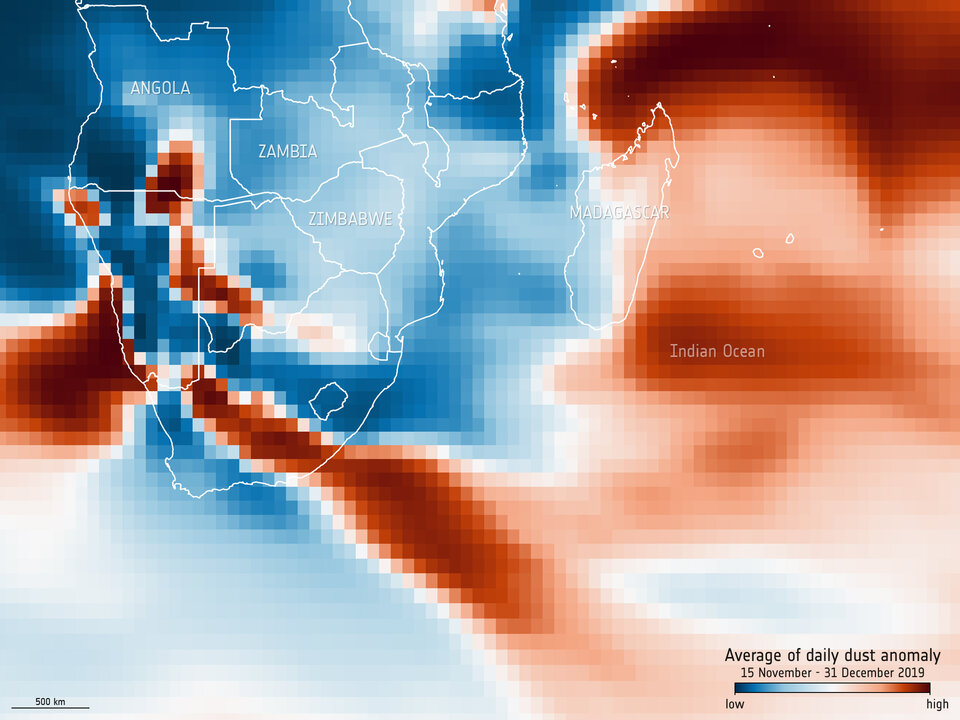
South African drought dust fuelled record ocean bloom
 Increasing drought events in southern Africa could benefit Indian Ocean marine life and atmospheric carbon removal, according to a new study of the Madagascar Bloom – one of the world’s largest recorded phytoplankton blooms.
The study, led by the University of Athens (NKUA) and co-authored by scientists at the UK’s National Oceanography Centre (NOC), linked the unprecedented marine algal bloom to an influx of nutrient-containing dust blown over the Indian Ocean from South Africa.
This saw phytoplankton levels at three times the level normally expected at the time of year it occurred, spreading from southeast of Madagascar into the wider Indian Ocean for three weeks longer than normal.
These marine algae form the basis of the marine food chain and help to remove carbon dioxide from the atmosphere by using it to grow then being eaten or dying and falling as organic matter to the seafloor.
NOC co-author Dr Fatma Jebri, says, "Our study shows how African desert dust being blown over and deposited onto the ocean surface was key in triggering this unprecedented oceanic phytoplankton bloom in the Southeast of Madagascar, at a time of the year when blooms are uncommon.”
Professor Meric Srokosz, also from NOC, adds, “This is important as it suggests that as deserts release more dust into the air and that dust settles on the ocean's surface, it could help phytoplankton growth, potentially increasing the amount of CO2 the ocean absorbs from the atmosphere."
The study used satellite data to study the causes of major phytoplankton blooms, focusing on the unprecedented Madagascar Bloom in late 2019 to early 2020, which was found to be the largest on record going back 24 years.
It’s already known that dust from the Sahara Desert often crosses the Atlantic Ocean to the Americas and that when these particles settle on land or in the ocean, they deliver essential nutrients that may boost plant and marine life growth.
However, the relationship between desertification, dust emissions and ocean fertilisation has been poorly understood.
The new study, published in PNAS Nexus, marks a significant step in unravelling these connections.
The scientists worked through the European Space Agency’s (ESA’s) Living Planet Fellowships Poseidon and Pyroplankton.
Lead author, John Gittings, from the University of Athens, says, “In addition to satellite data from the ESA Climate Change Initiative Ocean Colour project, we utilised information from ESA’s Climate Change Initiative Soil Moisture project and ESA’s Science for Society Biological Pump and Carbon Exchange Processes project. We also incorporated satellite data from the Copernicus Atmosphere Monitoring Service and the Copernicus Marine Service.
"Having access to such rich satellite datasets enabled us to clearly track the extent of this massive bloom and pinpoint the dust events responsible for it.”
He adds, "While this extensive phytoplankton bloom was highly unusual, trends in rising air temperatures, aridity and dust emissions in southern Africa indicate that such events may become more frequent in the future.
“Alongside recent discoveries of ocean fertilisation caused by drought-induced megafires in Australia, our findings suggest a potential connection between climate change, drought, aerosols and ocean blooms.”
ESA’s Marie-Helene Rio added, “Oceans cover two-thirds of our planet and are vital to the health of our ecosystems. Understanding how climate change is altering their biological processes is not just a matter of scientific inquiry, it’s crucial for life on Earth.”
Wavefront Sentinel IDS selected by MARSS for naval contract in SE Asia
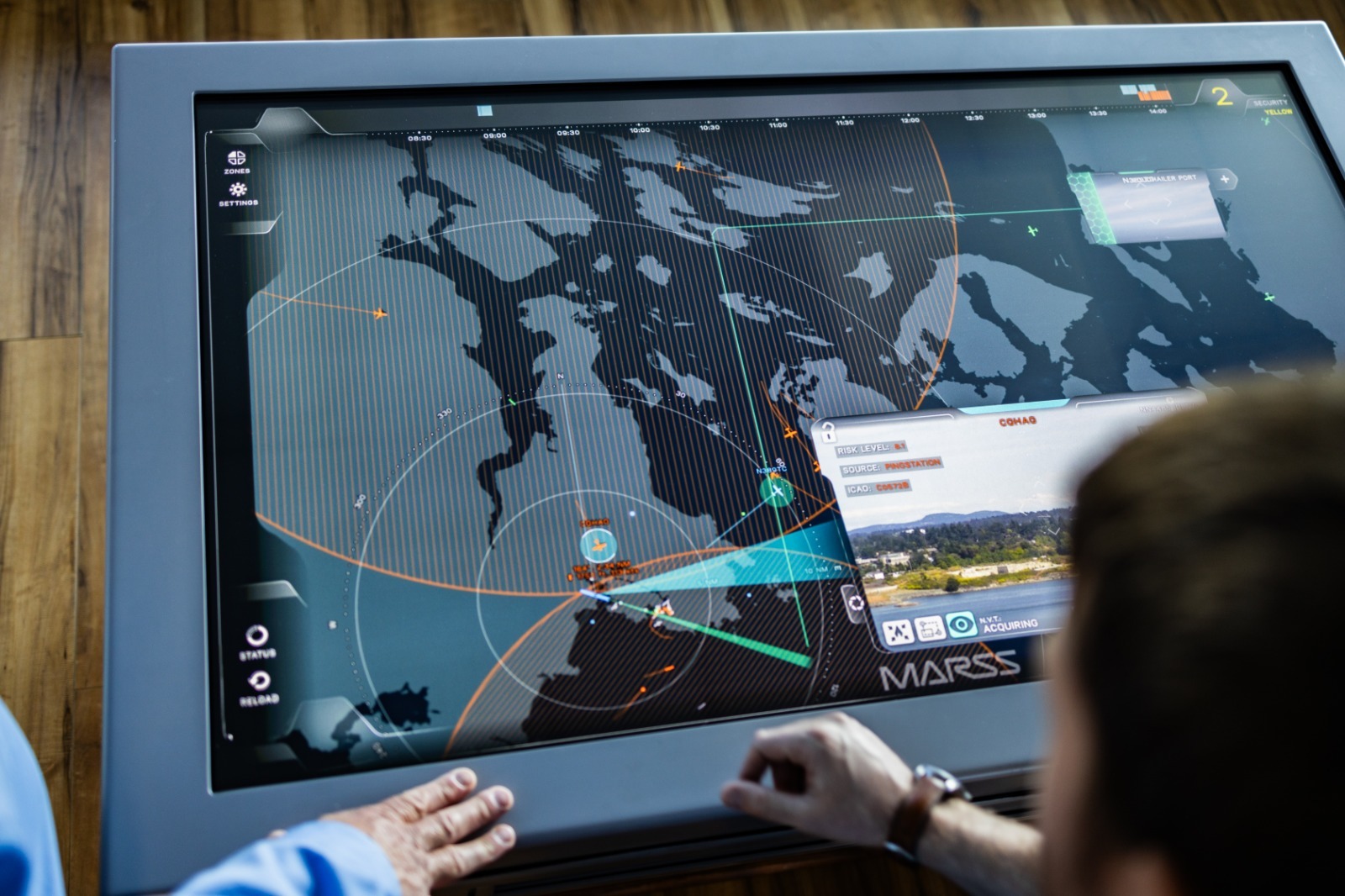
Wavefront Systems Ltd., a leader in sonar technology, has been awarded a contract by global defense company MARSS Group to deliver its Sentinel IDS® (Intruder Detection Sonar) as part of MARSS’s NiDAR surveillance system for a fleet of Corvette-class vessels deployed in South-East Asia.
The contract involves the installation of NiDAR and associated sensors, by MARSS, onboard multiple vessels. The NiDAR platform will fuse a range of new and legacy sensors – including Wavefront’s Sentinel IDS sonar, navigational radars and infrared cameras – into a single user interface, to provide a highly accurate and rapid means of detecting and classifying underwater and surface threats to the vessel, when in transit, at anchor or in port.
Wavefront’s Sentinel IDS as part of a NiDAR C2 ‘Command & Control’ system, or installed as a standalone system, protects assets and people, across all domains, including ships and yachts, critical national infrastructure, and civilian or military harbours.
This contract represents the first occasion when NiDAR will be operational on combat-facing vessels. The project, beginning this year, is expected to run until 2029, with the first vessel due for handover in 2026.
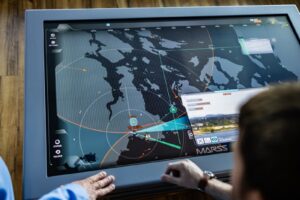 Sentinel IDS automatically detects, classifies and tracks underwater threats approaching your protected area or asset, such as a diver, swimmer delivery vehicle or underwater drone. The latest generation IDS, Sentinel 2, adds advanced Simultaneous In-band Active and Passive Sonar capability (SInAPS®) to identify threats and protect assets, at ranges of up to 1500m for mini-subs and diver detection at up to 1000m.
Sentinel IDS has been designed for simple integration into C2 systems using industry standard APIs allowing the system to automatically inform the operator of any potential threat without the need for sonar-trained personnel. Deployment of the sonar heads, for this project, is made via a through-hull deployment machine allowing for rapid deployment and retrieval.
Frederik Giepmans, Managing Director MARSS Maritime, added, "By bringing our NiDAR technology to the front lines of naval defence, we're not just expanding our market reach, but actively contributing to the security of those who serve and the nations they represent. It's a responsibility we take very seriously, which is why we only work with sector-leading sensor partners - such as Wavefront - with systems our customers can rely on."
Commenting on this sale Ioseba Tena, Managing Director of Forcys - Wavefront’s sister company and now the primary route to market for future defence programmes - said, “This partnership is a testament to the power of collaboration. By combining MARSS C2 with Wavefront’s Sentinel, navies worldwide have been able to protect critical assets worldwide from underwater threats. At Forcys, we look forward to continuing this legacy and supporting new customers whose naval bases and ships are currently at risk.
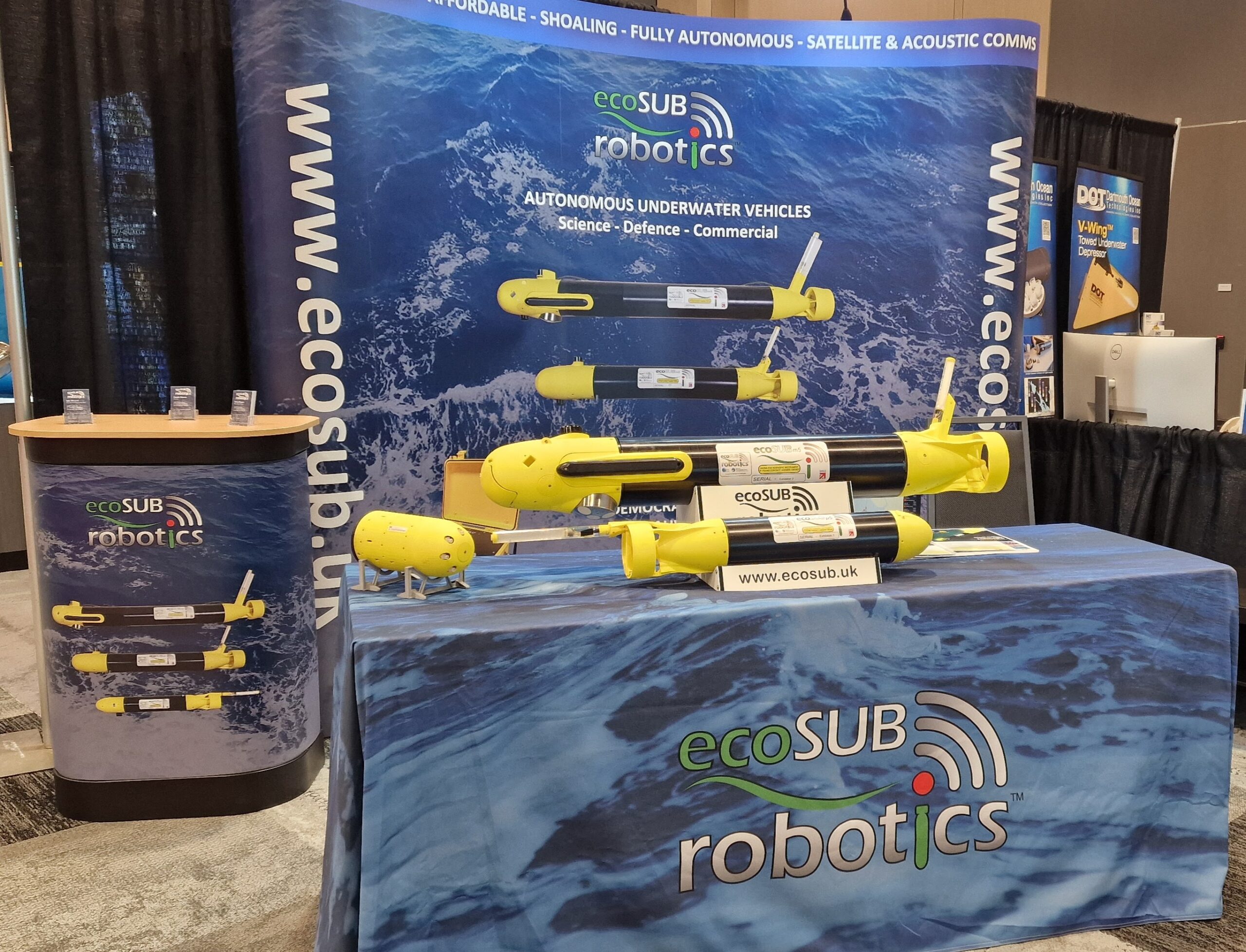
ecoSUB Robotics Makes a Splash at Oceans 2024 in Halifax, Nova Scotia
 ecoSUB Robotics, a leader in innovative autonomous marine robotics, proudly participated in Oceans 2024, marking the company's first exhibition outside of the UK. The event, held in Halifax Nova Scotia in September this year, brought together industry experts, researchers, and enthusiasts from around the globe, providing a unique platform for ecoSUB to showcase its cutting-edge autonomous underwater vehicles (AUVs).
"Three months after Oceans 2024, we are still following up on the incredible opportunities generated at the event," said Terry Sloane, managing director of ecoSUB Robotics. "The interest in our technology and the potential partnerships we’ve initiated are a testament to the importance of such gatherings in fostering collaboration and innovation within the marine sector."
During the event, many attendees had the opportunity to see ecoSUB's AUVs up close for the first time, having followed the company's developments from afar for several years. The response was overwhelmingly positive, with visitors expressing enthusiasm about the potential applications of ecoSUB technology in marine research, environmental monitoring, and underwater exploration.
In addition to showcasing its products, ecoSUB Robotics is excited to announce the appointment of a new distributor to cover the Canadian market. Teramara, formerly known as DASCO, has been an established player in Canada for several years and recently underwent a rebranding to better reflect its commitment to innovation and excellence in marine technology. ecoSUB looks forward to working closely with the Teramara team to expand its reach and support in Canada.
Such was the success of Oceans 2024, we have pre-booked for Oceans 2025 in Chicago USA.
The ecoSUB team is thrilled to embark on this new journey with Teramara and is confident that their combined expertise will drive growth and innovation in the Canadian market.
For more information about ecoSUB Robotics and its products, please visit ecoSUB Robotics - Home
BGF invests $18.9m to drive Sulmara’s global growth ambitions
Scottish offshore services specialist eyes significant renewables opportunity
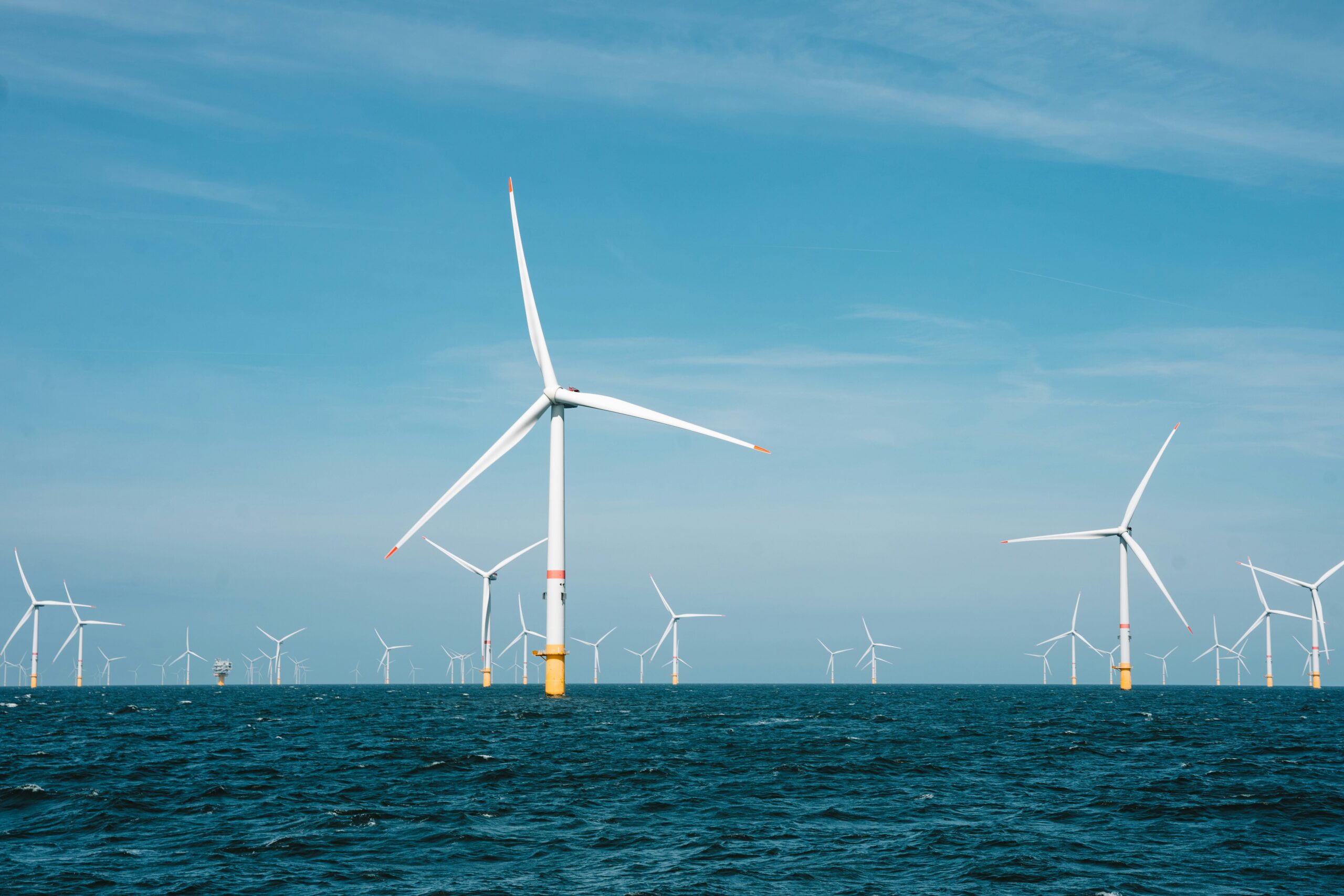
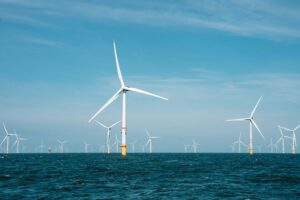 BGF, one of the largest and most experienced growth capital investors in the UK and Ireland, announces an $18.9m (£15m) investment in Sulmara, an independent provider of innovative survey and inspection services to the offshore wind and energy markets.
The Glasgow-headquartered business was founded in 2019 and has grown rapidly to more than $70m (£55.8m) annual revenue, delivering a compound annual growth rate of 61% over the last 4 years, and building a global footprint with offices in Glasgow, Aberdeen, Norwich, Houston, Singapore and Taipei.
Sulmara’s rapid growth and success to date has come from using expertise and technology to provide more efficient survey services with a lower carbon footprint to a wide range of global clients. The business was the first services company in the offshore wind sector to be a signatory to the Climate Pledge, and has recently achieved independently verified Carbon Neutrality status against the BSI PAS 2060:2014 standard.
BGF’s investment will support Sulmara’s continued growth trajectory, including further investment in new technologies such as uncrewed surface vessels (USVs), autonomous underwater vehicles (AUVs), next generation geophysical sensors and advanced data products. The ability to use these advanced systems both alongside and with traditional survey vessels supports improved high-quality data turnaround time while significantly reducing the environmental impact of offshore projects. Sulmara are already delivering benefits for major customers around the world including Orsted, Chevron and Seaway7 using remote & innovative systems, and BGF’s investment will enable further complex and low carbon data collection in environments that pose a huge challenge to conventional methodologies.
As part of BGF’s investment, Richard Pugh and Davis Larssen will join the board as Non-Executive Directors. Both Pugh and Larssen bring many years’ experience leading and investing in energy services and technology businesses.

Kevin McBarron, Founder and CEO of Sulmara, said: “BGF’s investment comes at an important moment for the company as we look to build on the success of our technology and innovation efforts to date and to accelerate their introduction to our service offerings. This significant investment of growth capital is a vote of confidence in our strategy from an established investment partner in BGF. The international growth and breadth of services now delivered demonstrates that our approach is also resonating with our clients and supports their need to reduce Scope 3 emissions as the path to NetZero matures.
We now look forward to investing further in the technology that will allow us to deliver world-class services to support the entire offshore energy sector at a lower carbon cost.”
Richard Pugh, Investor at BGF, said: “Offshore renewables and their adjacent technologies have an increasingly important role in decarbonising our energy, and an area Scotland has world leading expertise. Sulmara’s growth in the last 3-4 years is evidence of both the quality of their operations as well as the ability of Kevin and his team to deliver for clients while also building a truly global business. Working closely with Kevin, Mike, Davis and the rest of the management team, we look forward to supporting the next stage in Sulmara’s exciting growth journey.”
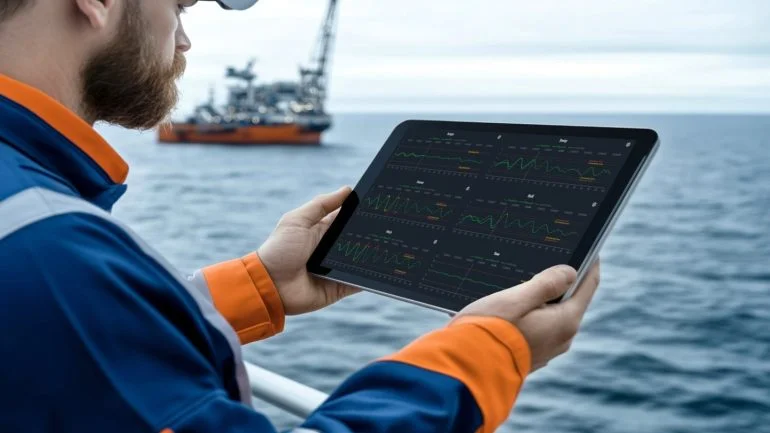
Miros Launches PredictifAI - A New Wave and Vessel Motion Prediction Technology
Miros, an industry leader in real-time ocean insights for maritime and offshore operations, has launched its new wave and vessel motion prediction technology.
This next-generation product, named ‘PredictifAI’, delivers a real-time, in-operation picture of the wave field around a vessel providing deterministic prediction of ocean waves and vessel motion in the range of seconds to a couple of minutes in advance.
PredictifAI pairs artificial intelligence (AI) with X-band radar and local high-accuracy wave height measurements to deliver a monitoring solution that automatically adapts to varying sea and weather conditions.
Miros applies this new and unique dual-source measurement concept using its WaveSystem technology, which tightly integrates measurement sources to reliably operate in both simple and complex sea states.
PredictifAI reduces the unknowns from statistical wave estimates and forecasts to achieve the level of accuracy and reliability needed for the safe management of critical operations, avoiding quick and uninformed decisions.
Crucially, the solution doesn’t require calibration, modelling, or any other twin representation of the vessel – it creates its own digital twin automatically. That means vessel owners and operators, in need of short-term, highly accurate wave and motion prediction to safeguard their critical operations, can benefit right away.
Marius Five Aarset, Miros CEO, said: “For 40 years, Miros has been a pioneer in high-quality ocean technology, relentlessly pushing boundaries to enhance the efficiency and safety of offshore operations without compromising quality. With PredictifAI it is no different and this is the next step in this development.
“PredictifAI is a further demonstration of our commitment to staying ahead of the wave, inspiring confidence that will shape the future of the sector. The result of the hard-work of our in-house team of industry experts, this next-generation technology represents a significant leap forward in maritime safety and operational efficiency.”
Collaboration has been crucial to the development of PredictifAI, with Miros’ key offshore customers being early adopters of the technology ahead of a wider rollout.
The ability to predict waves accurately and reliably in advance unlocks a wide range of benefits for the offshore sector, optimizing operational efficiency in activities such as wind turbine installation, jacking operations, cable and pipelay campaigns, diving support operations, and ROV launch.
Forecasting incoming single waves, wave trains, vessel motion patterns, and timing of these provide valuable insights for a wide range of on-deck and overside operations, and ensures better decision-making and risk management, as well as mitigating the risk of accidents in scenarios such as connecting a gangway.
PredictifAI can also feed into dynamic positioning systems, giving offshore operators advanced warning that waves with certain characteristics and vessel motion effects are approaching.
Gunnar Prytz, Miros CTO, said: “By combining AI with site-specific sea state measurements in real-time, we are giving vessel operators the power to see into the immediate future, enabling them to make informed decisions and manage critical operations with unprecedented confidence.
“When Miros was formed four decades ago the idea of wave prediction would have seemed like science fiction, but setting new standards for ocean technology has always been core to the business and I would like to thank our team for their work in making this market-leading solution a reality."
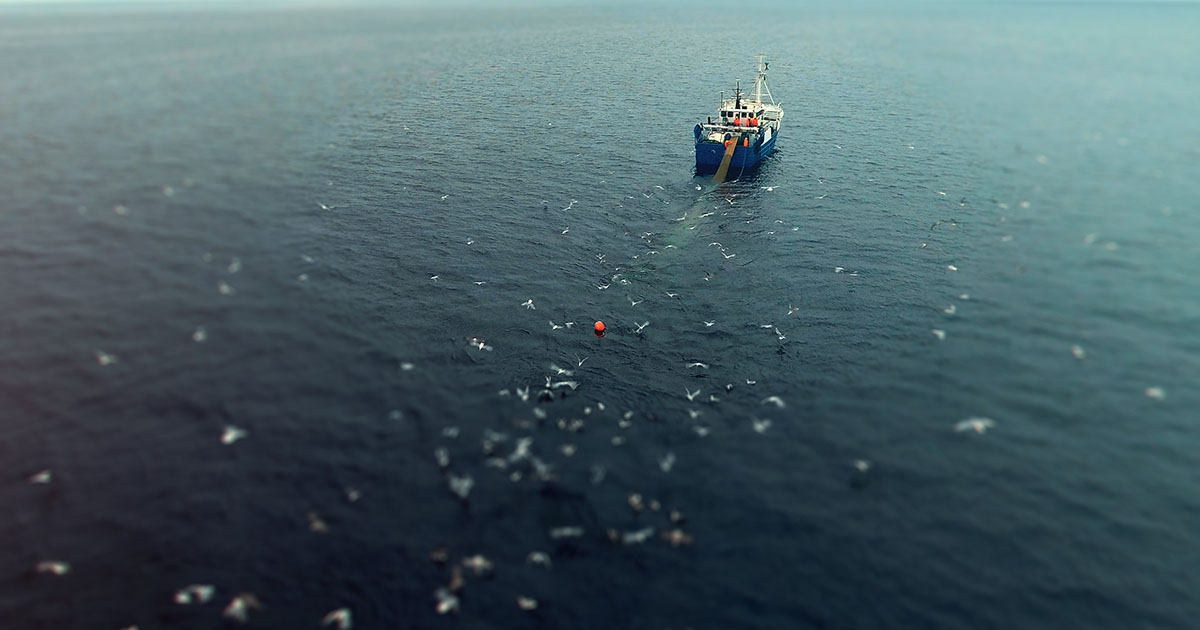
Kongsberg Discovery announces next generation trawl sonar with the FS80 third-wire system for fishery sector
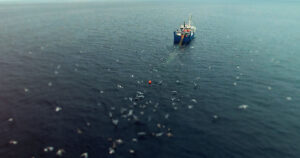
Kongsberg Discovery is heralding a new age of efficient, simplified and sustainable pelagic trawling with today’s launch of the breakthrough FS80 Trawl Sonar at Pacific Marine Expo (PME).
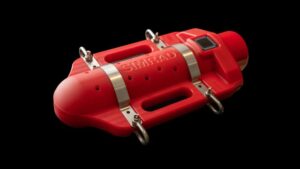
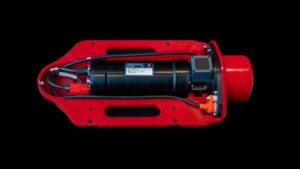
The compact, modular and multifrequency solution is the market’s first sonar system to combine net monitoring, intake profiling and bottom detection in a single unit, making the very latest sonar technology accessible to fishery customers, big and small.
SIMRAD strength
Norwegian-headquartered Kongsberg Discovery, a global leader in underwater robotics and sensor technology, has decades of experience in professional fish-finding solutions. Its SIMRAD range has established itself as the world’s most recognised brand in this specialist niche, with sonars, echo sounders, gear monitoring systems, and more, giving customers seeking sustainable success a strong competitive edge.
As Mads Dahl, V.P. Sales, Kongsberg Discovery, explains, the FS80 Trawl Sonar builds on that strong pedigree, while taking performance to the “next level”.
Integrated efficiency
Dahl explains: “Our market experience and understanding gives us unique insight into customer pain points, while our technological expertise allows us to develop the solutions to solve them. The FS80 Trawl Sonar provides the proof.
“This is a first time a truly integrated system has hit the market, with a wide range of functionality and advanced multifrequency performance, delivering an operational flexibility, and reliable results, that all customers can take advantage of – whatever the pelagic fish types, whatever the size of the trawl. To enable more sustainable trawling, both environmentally and commercially, fishery businesses need precise targeting, control and monitoring abilities.
“The FS80 Trawl Sonar is tailored to deliver, opening a new window for efficient, responsible and profitable performance.”
Optimal approach
The FS80 builds on the legacy of the enduringly popular FS70, which has been a trusted market leader for the past 20 years. Alongside the upgrade in performance and integration, the new solution also supports a broad range of different telemetry cables, easing adoption for diverse customers.
A further innovation comes in its modularity. As Dahl reveals, Kongsberg Discovery is on the cusp of launching the FH80 HUB, a central platform upon which modular components, such as the FS80, can be based. This allows customers to “pick and mix” the optimal Kongsberg Discovery technology for their individual needs, giving them a unified, high performance trawling approach.
Scalable success
“The modular nature of this solution, and our complementary systems, adds a further degree of flexibility and efficiency for customers,” Dahl notes. “Components such as the FS80 can be integrated with, for example, cameras, lamps, active selectors and acoustic modems for door control. This creates a scalable ecosystem that will continue evolving as it matures, with the ability to add the very latest innovations – such as AI-driven monitoring and intervention technologies – in the years to come. We see this as the beginning of a new era of sustainable success, both for Kongsberg Discovery and SIMRAD, and our many valued customers.”
The 2024 Teledyne Marine Photo Contest Winners Have Been Picked
Teledyne Marine is pleased to announce the winners of the 2024 Teledyne Marine Photo Contest. The contest had entries from around the globe this year, and we were treated to an incredible collection of the marine world's beauty, complexity, and creativity. Our photographers captured thrilling scenes and imparted inspiring memories of their work with Teledyne Marine technology in our ocean environment. And, with much discussion and a bit of tricky voting, here we are with the five categories winners.
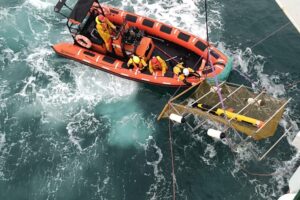
Winner Voters Choice Award-Grand Prize
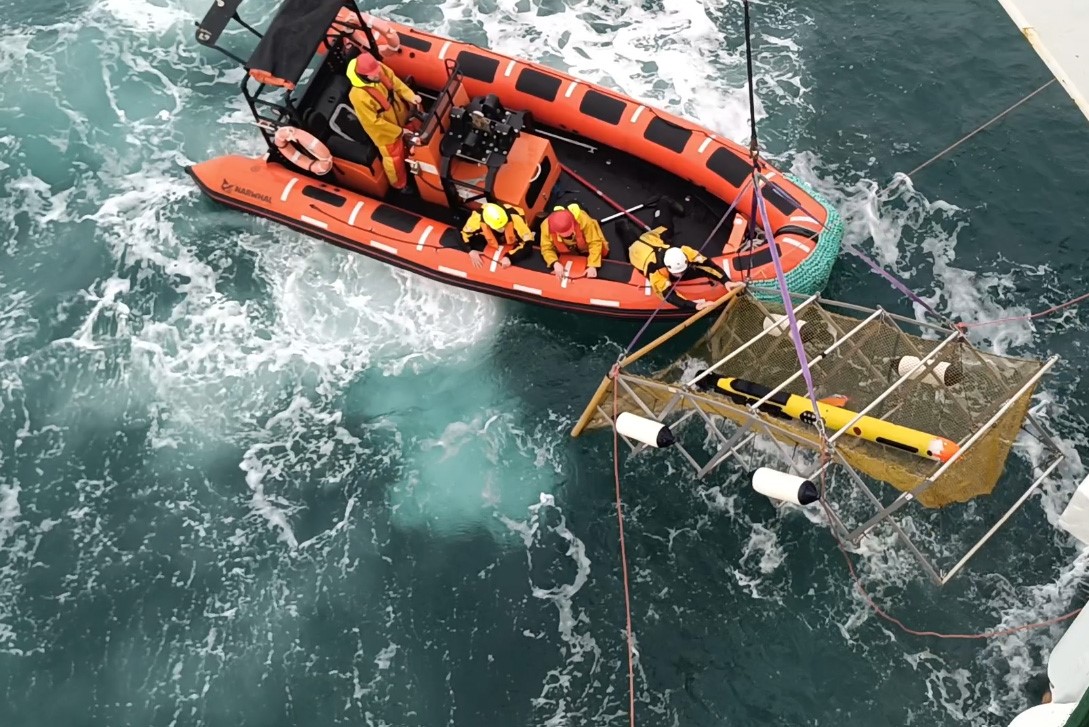
Here is the winner of the main prize!! Best image among the Top 10 most popular photos, this photograph is mind-blowing in its composition: Teledyne Gavia AUV and the Teledyne RDI Pathfinder DVL for precise underwater navigation and data collection. Teledyne WinADCP software was also used. Hold on, everyone!
The AUV Barabas was used to investigate the impact of clay tectonic deformations on the construction of offshore wind farms in the Belgian part of the North Sea (BPNS). The image captures the complexities of operating in this dynamic and challenging marine environment.
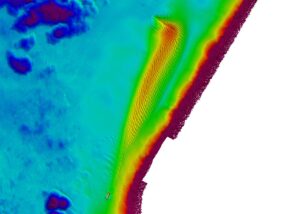
Winner Best Data Award
This prize honors a photograph that shows the real-life effects of data collection on marine science. Here’s a big congratulations on the image and the high-quality data it represents—a survey near Le Havre illustrating a tidal stream with the Teledyne RESON Seabat T50-R.
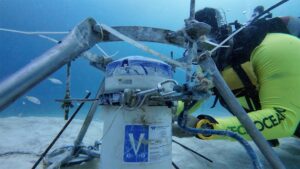
Winner Adversity Award
This photo shows the endurance and willpower needed by marine experts. It records the efforts that went into confronting everything from the very harsh conditions and natural forces at hand to other impediments, all a part of working in and on the water. Hurricane Beryl was no match for our intrepid team and Teledyne ADCP technology. Valuable data on Hurricane Beryl was collected!
It was decided to install our ADCP V50, which was a routine installation for us. We chose to add some extra weight to prevent any movement. Weeks later, it was announced that Hurricane Beryl was expected to hit the coast of Mexico. We wanted to visit the ADCP to secure it, but all the local boats had already been tied down by their owners along the coast. We had no choice but to hope that the equipment would remain intact after the storm. To our surprise, after the storm passed, the equipment was still in place, and we were able to recover it and gather valuable data on Hurricane Beryl. It was a relief to get our equipment back.
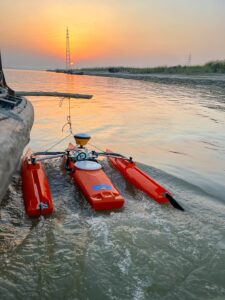
Winner Moment of Zen Award
It is all about displaying what is beautiful and soothing about the ocean. If anything, it’s the perfect reason to put pictures of nature at peace and, in many cases, at her most magnificent. The Golden Hour (just before the sunsets, when the light is softer and pleasing to nature) at Ganga River, Marine Drive, Patna, India.
The mission is to study the discharge measurements and depth across the Ganga River using the TRDI RiverRay ADCP, under the Water Resources Department of Bihar.
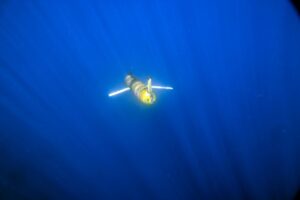
Winner Underwater Award
A stunning image of a Teledyne Webb Slocum Glider on its way into the blue Atlantic waters off the Georgian coast
A Teledyne G3 Slocum Glider dives into the blue Atlantic waters after being deployed off the Georgia coast by scientists from the University of Georgia's Skidaway Institute of Oceanography.
And again, congratulations to all the winners, and special thanks to everyone who entered the contest. It drives us that you represent the marine world’s ecosystems with such vigor and energy, and we’re fortunate to be part of such a hardworking, passionate community. The winner images and more awesome entries are on our competition page here: https://woobox.com/s42vzx