
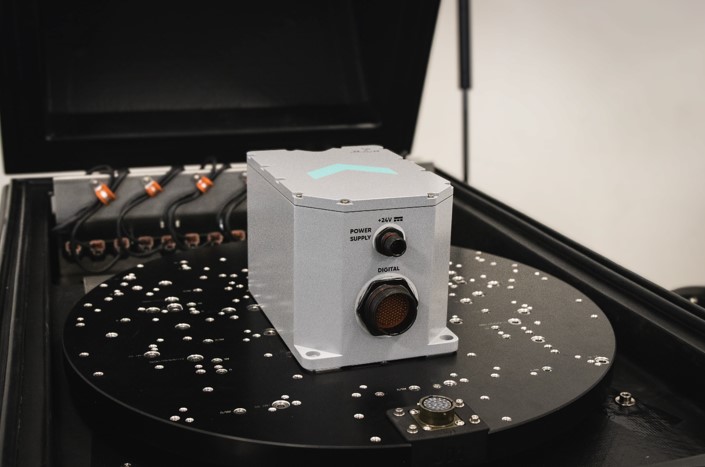
Exail introduces new Octans 9 gyrocompass for navigation and motion compensation
 Exail launches its new Octans 9 Attitude and Heading Reference System (AHRS), the latest model in its navigation solutions range. Building on the proven success of previous generations, Octans 9 offers several upgrades to enhance operational performance across applications such as dynamic positioning, vessel navigation, and offshore platform stabilization.
Leveraging Exail's Fiber Optic Gyroscope (FOG) technology, Octans 9 provides precise measurements with a heading accuracy of 0.1° secant latitude and heave measurement accuracy of 5%. Resilient to GNSS outages, the system secures uninterrupted operations in challenging conditions.
Upgrades include:
• A more robust and compact design: 25% smaller than the previous generation
• A lower power consumption: 12W
• An upgraded user interface, making it easier to integrate into existing systems
• An export-free status, simplifying international distribution and export processes
• Advanced filtering and alignment-in-motion capabilities, ensuring precise stabilization for high-speed vessels and dynamic applications
“Octans 9 marks a significant step forward in both reliability and ease of use,” said Jean-Michel Hubert, Product Manager at Exail. “With enhanced real-time heave prediction, simplified integration, and an upgraded user interface, this system is built to meet the evolving needs of the marine industry, providing customers with greater operational efficiency and flexibility.”
Backed by a 5-year warranty and 24/7 global technical support, the system is certified to IMO and IMO-HSC standards, ready for deployment worldwide.

BioBase LLC and Echoview Software Partner to Launch EcoFish: A Game-Changing Fish Mapping Layer
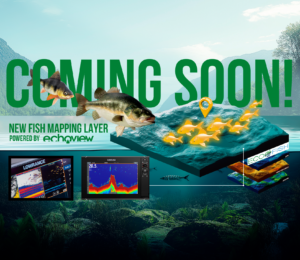
 BioBase LLC is proud to announce a strategic partnership with Echoview Software Pty Ltd, experts in hydroacoustic science and software. In early 2025, BioBase is set to launch EcoFish: an innovative fish data and mapping layer generated by Echoview and seamlessly integrated into BioBase’s platform.
EcoFish will provide users with unprecedented insights into the location and number of fish in waterbodies mapped using Lowrance® and Simrad® sonars. Leveraging Echoview’s comprehensive and trusted data processing capabilities, EcoFish will offer valuable tools for fisheries management, research, and conservation.
“Our collaboration with Echoview represents a significant leap forward in our mission to democratize the process of creating powerful datasets and maps of aquatic environments,” said Ray Valley, President of BioBase. “We’ve long recognized that to take BioBase to the next level and enable better fisheries monitoring and conservation, fish need to be included in the suite of map layers BioBase creates. Our partnership with Echoview gets us there.”
Echoview’s expertise in processing and visualizing sonar data is the cornerstone of EcoFish’s capabilities. By integrating this technology into the BioBase platform, users will benefit from:
- Fish Count Data: High-resolution fish distribution maps and data exports that provide near real-time insights.
- User-Friendly Interface: Intuitive, turnkey tools designed for ease of use by both experts and non-specialists.
- Automated Reports: Data summaries that give you basic statistics and charts of the number, location, and depth of fish.
“We’re thrilled to partner with BioBase to bring EcoFish to life,” said Brett Merritt, CEO of Echoview Software. “This collaboration aligns with our vision of increasing the accessibility and usage of active acoustic data across a wide range of sectors, budgets, and experience. We expect that EcoFish will be used to inform sustainable management decisions for aquatic ecosystems by offering a way to quickly and easily extract valuable information about organisms in their survey data.”
EcoFish will be officially launched in early 2025, with demonstrations and early access opportunities available. To receive updates follow us at biobasemaps.com, our blog, LinkedIn, Instagram, Facebook, or X.
Dockstr Secures Distribution Rights for SubC Imaging Products

Stockholm-headquartered equipment solutions provider Dockstr is delighted to announce its partnership with SubC Imaging, a leading manufacturer of underwater imaging and software solutions for offshore energy, marine research, and subsea operations.
Building on its position as a leading supplier of equipment solutions to the marine and underwater industries, Dockstr will leverage its unique online marketplace and distribution network to
connect SubC Imaging's innovative suite of products to clients in offshore construction, renewables, ocean science, marine and oil & gas sectors.
With a deep understanding of the marine energy sector and a proven track record of supporting complex technical and commercial projects, Dockstr is uniquely equipped to bring SubC’s innovative solutions to a broader market. Their extensive industry relationships and multidisciplinary expertise make them an ideal partner to introduce SubC’s innovative technologies to a wider range of markets.
“We’re excited to represent SubC Imaging and their cutting-edge technology. Their commitment to simplifying inspections and improving data quality aligns perfectly with Dockstr’s mission to connect clients with the best tools and expertise available in the marine energy space,” said Dockstr’s CEO, Slimane Bouabbane.
Charlene Hounsell, Sales Manager at SubC Imaging echoed the enthusiasm for the partnership “This partnership supports SubC Imaging’s objective to provide complete solutions that streamline inspections and enhance data accuracy. We’re eager to work with Dockstr to connect with more clients and help tackle the evolving challenges faced by industries like offshore energy and marine research.”
Dockstr will represent SubC Imaging’s full range of products, including advanced cameras, DVRs, lighting, and remote operation systems, ensuring clients worldwide can benefit from faster, more reliable inspections and data acquisition.
Allseas partners with MacArtney for electric LARS systems
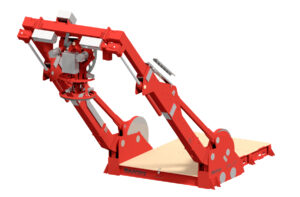
Allseas, a world-leading contractor in the offshore energy market, has commissioned MacArtney to enhance and future-proof its ROV operations. This involves replacing three existing hydraulic launch and recovery systems with the all-electric eLARS.
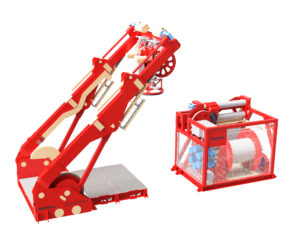
Seeking to transition from hydraulic to next-generation electric launch and recovery systems (LARS), Allseas identified MacArtney's eLARS™ as the optimal solution. The eLARS incorporates several advanced technologies that offer operational and environmental benefits.
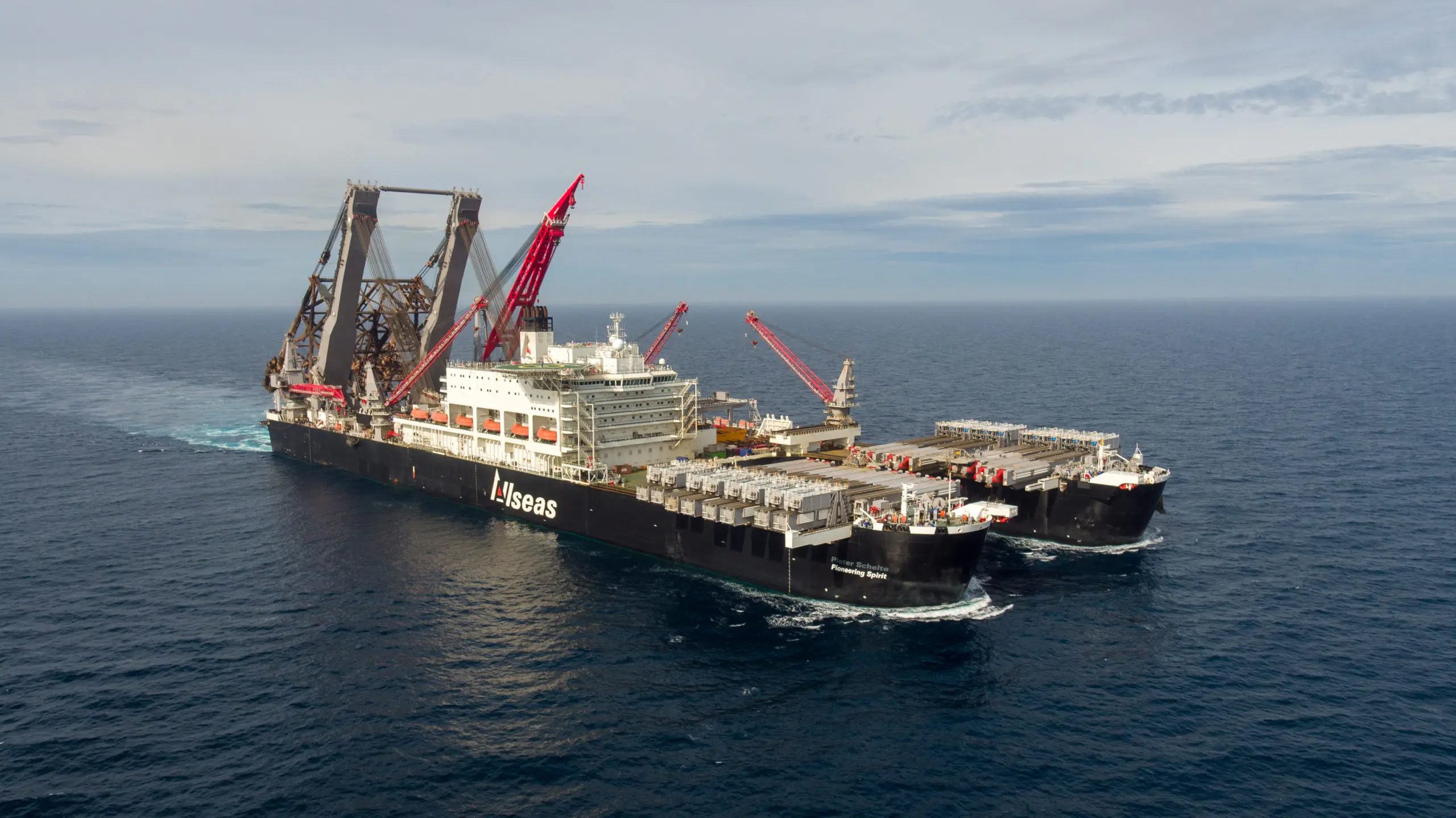
The scope comprises three over-the-side 150 kN all-electric A-frames, including docking head and AHC winch, for a new fleet of electric remotely operated vehicles (ROVs) used in survey and construction tasks to water depths of 4-6 kilometres. One system is planned to be mobilised on Allseas' Pioneering Spirit, the largest, most versatile offshore construction vessel in the world; others are planned to be mobilised on the dynamically positioned pipelay vessels Solitaire and Lorelay.
Innovation over traditional systems
In its standard configuration, eLARS fully complies with Allseas' requirements, meeting key design specifications such as high deck deployment, enhanced safety for crew and equipment, and recovery redundancy from maximum operating depths.
The Allseas team states: "The new systems represent a significant upgrade from traditional hydraulic LARS, delivering additional efficiency gains. We look forward to the positive impact these advancements will bring to our vessels and crew."
Enhancing reliability through smart technology
The eLARS offers a low environmental impact, real-time diagnostics, high efficiency, automated launch and recovery, and intelligent, upgradable control systems that ensure longevity and versatility. Its streamlined design optimises deck space and supports green practices by eliminating pressurised oil contamination over water.
René Rasmussen, Sales Director Marine & Offshore, commends the partnership, Allseas' visionary perspective, and a shared innovative commitment:
"We are excited to support Allseas in their transition to electric LARS, equipping their fleet with progressive and reliable technology. Our collaboration has been outstanding throughout the process, with valuable and productive feedback ensuring the solution aligns perfectly with Allseas' objectives."

The eLARS solution incorporates high redundancy and intelligent self-assessment for preventive maintenance, reducing costs by up to 50% compared to hydraulic systems. Operable from shore, it requires fewer crew on board and reduces crew exchange expenses. Along with online troubleshooting, these features ensure continuous operation, less downtime, and optimised resource use, improving planning and scheduling.
Additionally, OPEX is lowered thanks to cost-efficient spares with minimal lead times, minimal customisation, simplified installation, and quicker turnaround times due to standardised components.
APAC region gaining local access to ScanFish ROTV rental and support
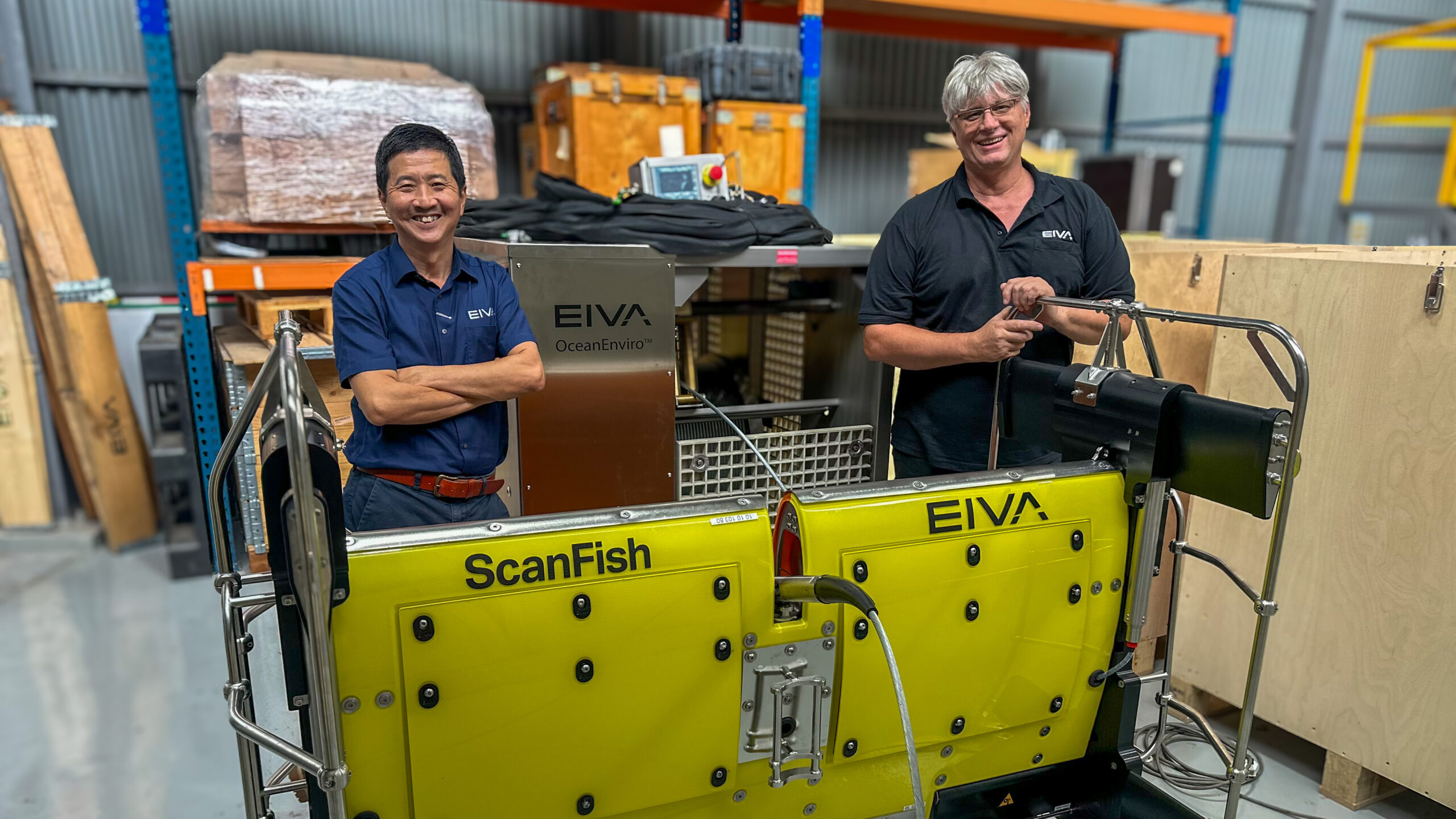
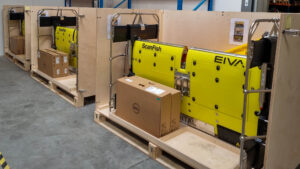
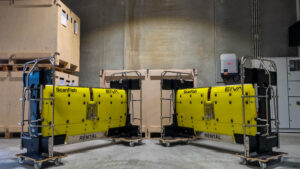
With a rapid increase in the offshore wind market, the Asia-Pacific (APAC) region has seen an increasing demand for ScanFish ROTVs, one of the most commonly used sensor platforms for UXO surveys around the world, developed by Danish maritime engineering company, EIVA. To meet this need efficiently and at lower cost to survey companies, EIVA has shipped a fleet of new ScanFish ROTVs and other rental equipment to their offices in Singapore, where their APAC team operates. EIVA’s rental equipment is therefore ready to be delivered more easily to customers within the APAC region, sent out from Singapore.
‘Our customers operating in Asia have emphasised the importance of making ScanFish ROTVs more accessible in this region. We have therefore been working over the past years to ensure our Singapore offices have the rental equipment and man-power needed to support them together with our reps in Japan, Indonesia, China and Malaysia.’ Julie Rydberg Sørensen, Technical Sales Manager – Rental | Team Lead, EIVA, who runs the rental activities worldwide, including in the APAC region.
For seabed survey companies operating in the APAC region, shipping times will be reduced by several weeks compared to when shipping out of EIVA offices in Denmark. In addition, heavy equipment can be shipped via sea-freight rather than air-freight for a more cost-effective solution, while keeping shipping times reasonable.
Not only will rental equipment ship out of Singapore, but EIVA’s team there will be able to offer servicing for the ongoing rental jobs. The Singapore-based team, which provides local support for EIVA’s customers in the region, includes Asia-Pac Area Sales Manager, Nge Aik Moh, and customer support engineer, David Thomson, both of whom have a wealth of experience to understand the needs of surveyors in this region. This team shares offices with sister company Sonardyne, whose positioning sensors are used on EIVA solutions such as ScanFish Equinox, providing a centralised location for survey equipment support and services in this region.
Fugro leads large-scale seafloor mapping project to protect Florida’s coast
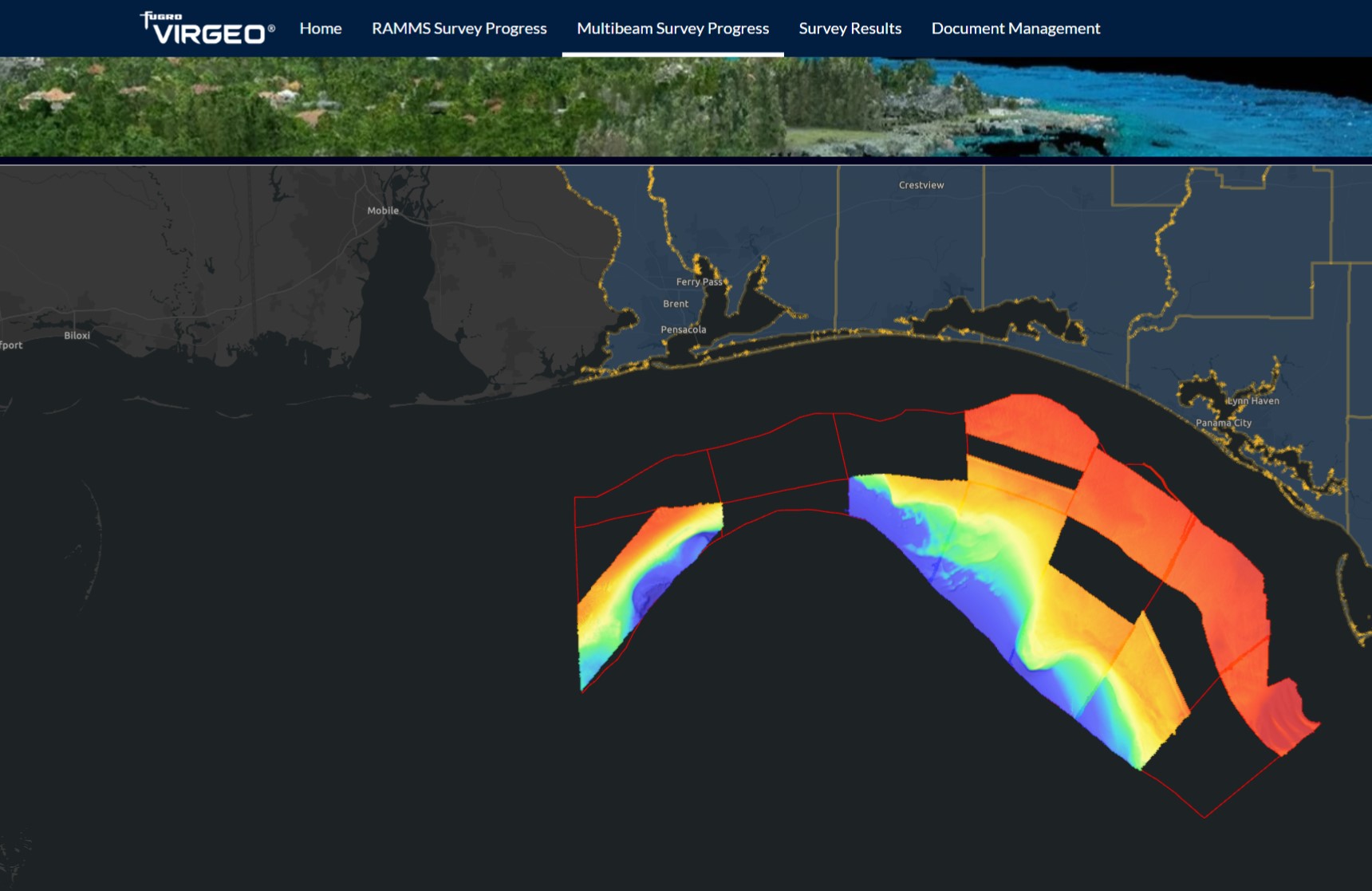
Fugro is significantly expanding its role in the Florida Seafloor Mapping Initiative (FSMI), a multiyear effort by the Florida Department of Environmental Protection (DEP) to map the state’s seafloor for improved coastal resilience, infrastructure planning and environmental protection. Building on its previous award of 14,000 square kilometres of airborne lidar data for the FSMI, Fugro is now conducting vessel-based surveys across 42,000 square kilometres offshore Florida.
This ambitious new data acquisition campaign covers five of the six Florida DEP programme regions, including the entire Atlantic Coast, the Florida Keys and portions of the Gulf Coast. Initially launched in Q4 2024 with a single survey vessel, the project has rapidly scaled to a multivessel operation. Field activities are being efficiently managed using Fugro’s innovative VirGeo® platform, which provides real-time project tracking and quality control information to both Fugro and Florida DEP.
The devastating impacts of the 2024 hurricane season highlight the critical need for proactive coastal planning in the state. By collaborating with partners like Fugro who have large-scale mapping capabilities, the FSMI is set to deliver essential data to adapt to Florida’s evolving coastline and safeguard its communities and economy.
“We’re proud to contribute to the FSMI, an investment in Florida’s future and a programme that sets an example for other coastal regions,” said Mark MacDonald, Director of Hydrography for Fugro in the Americas. “The programme’s fit-for-purpose data collection, deployed at scale, directly supports more effective coastal adaptation and mitigation strategies, maximising benefits to the state.”
Fugro is conducting 65% of the FSMI’s vessel-based programme. This significant contribution underscores Fugro’s expertise and commitment to advancing coastal resilience. Data collection is expected to be completed in late 2025, with final deliverables in 2026.

ASL Introduces the Compact Acoustic Zooplankton Fish Profiler-nano (AZFP-nano)
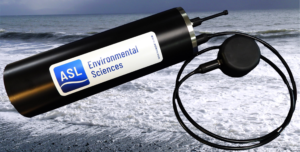
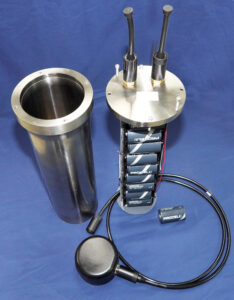
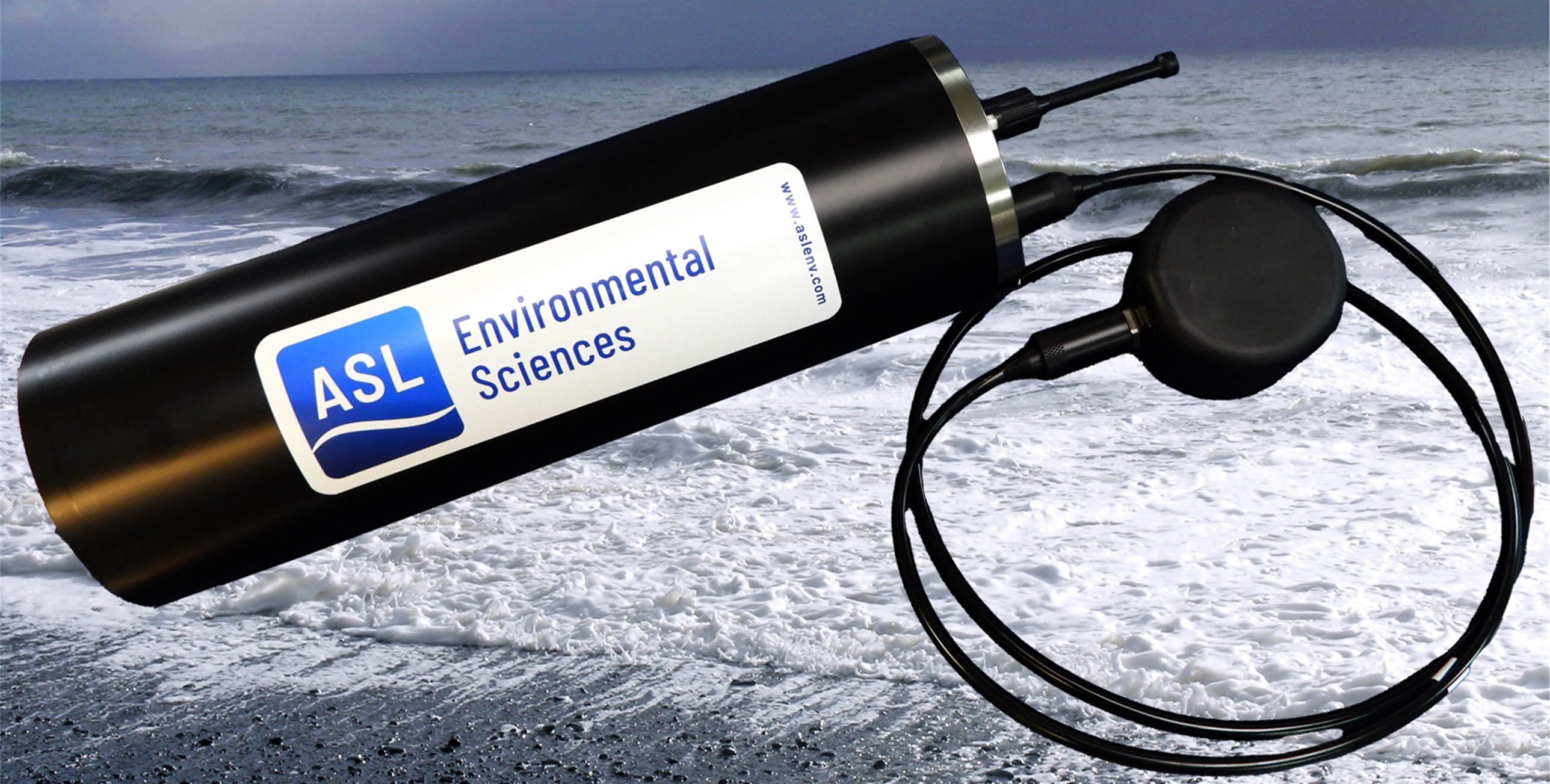
ASL is proud to announce the Acoustic Zooplankton Fish Profiler (AZFP)-nano to its family of advanced acoustic instruments for aquatic environments. This compact, lightweight, single frequency scientific echosounder is a miniaturized version of the AZFP and is well-suited for applications in challenging environments where size and weight are important considerations. This advanced profiler was developed to measure a wide range of physical and biological parameters, including zooplankton, fish, algae, bubbles, and suspended sediments within the water column. The AZFP-nano has useful applications for fisheries sciences, oceanography, and environmental monitoring, and due to its compact design, the AZFP-nano can easily fit on AUVs, CTD rosette samplers, and other instrument packages.
The unit uses nine common D-sized batteries with enough power for multi-week deployments. The instrument comes factory-calibrated with a 200 kHz transducer, with other transducers soon to be added. In the summer of 2024, the AZFP-nano was part of an International climate research expedition off the southeast coast of Greenland, where it was used to collect 14 kilometers of water column data in a study focused on glacial-ocean interactions.
Omicron Connectors Facilitate Cutting Edge Camera System for BBC Studios new landmark underwater TV series
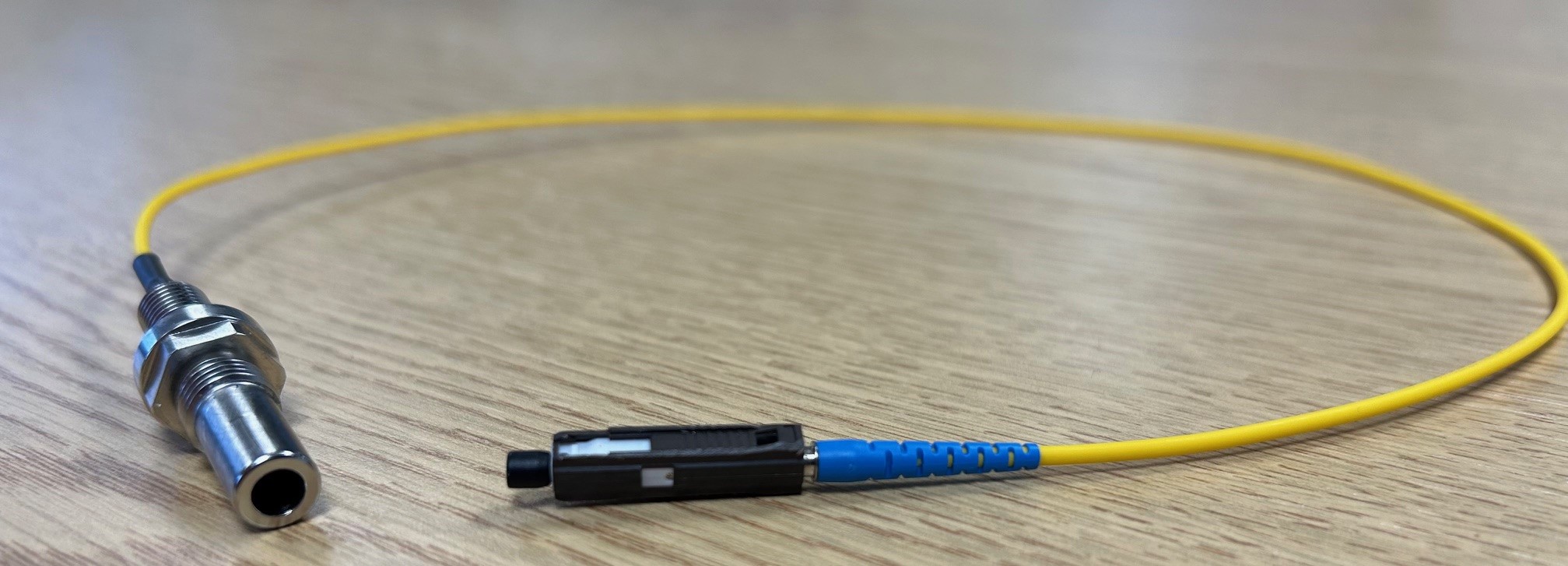
 Teledyne Impulse-PDM, a leading provider of high-performance interconnect solutions, has supplied its state-of-the-art Omicron optical fibre connectors to BBC Studios for use in their upcoming underwater natural history series, set to air in 2026. Filming required custom-built camera technology designed to capture extraordinary marine footage from the depths of the Arctic, facilitated by the Rev Ocean’s Aurora ROV.
To capture groundbreaking underwater content BBC Studios and Marine Imagine Technologies designed a deep ocean-rated camera system integrated with a telemetry bottle, the central hub for communications on the submersible. However, during the Arctic expedition, the crew encountered challenges connecting the camera system to the ROV’s telemetry bottle due to a missing optical fibre connector, critical to establishing communications for the system. Without this essential part, the team faced a significant delay in capturing underwater footage.
BBC Studios reached out from their expedition for support and Teledyne Impulse-PDM rapidly supplied the Omicron 5030/5070 optical connectors which deliver high-performance fibre connectivity in demanding environments.
Suitable for both single-mode and multi-mode operation, Omicron connectors were ideal for the BBC Studios deep-sea application and the stringent requirements of the Aurora ROV system. Despite a tight timeline, Teledyne Impulse-PDM was able to courier the connector to Svalbard, enabling the BBC Studios research crew to proceed with their mission.
The BBC production team praised Teledyne Impulse-PDM’s prompt support, stating, “Teledyne’s Omicron connectors were integral to keeping our project on track, and without the Teledyne team’s quick response, we would not have been able to film in time.”
Commenting on the project, Carolyn Jones, Head of Business Operations for Teledyne Impulse-PDM, said, “We’re delighted to support BBC Studios in their quest to capture the world’s natural wonders. Our Omicron connectors are specifically designed to perform reliably in the challenging conditions of deep-sea exploration, and we’re proud that our technology played a role in keeping this extraordinary project on schedule.”
This collaboration underscores Teledyne Impulse-PDM’s dedication to delivering innovative solutions for underwater communications. Teledyne Impulse-PDM designs and manufactures high-reliability electrical and optical interconnection systems for a broad range of harsh environment applications. The company's products have proven their performance, even in the most demanding applications, which include oceanographic exploration, defence, offshore energy, medical devices, nuclear systems, and wastewater management.
Southern Ocean study challenges key carbon pump theory
 A new UK National Oceanography Centre (NOC)-led study has put a major question mark over the role a unique group of tiny microscopic plants plays in driving ocean carbon storage.
Diatoms, a type of plankton or marine algae, have a significant role in drawing carbon down into the deep, especially in the Southern Ocean, which takes up about a third of organic carbon stored in the ocean.
Uniquely, diatoms have dense, silica-based exoskeletons – like miniature glass houses – which were thought to provide ballast, making them prone to sinking and, therefore, a key way carbon is transported to the deep ocean.
But the new study, based on data from two major expeditions to the Southern Ocean’s underexplored twilight zone – the region between ~100 m to 1,000 m deep – found that the diatom skeletons lingered near the sea surface while carbon made its way to the deep ocean by other means.
“The ocean plays a key role in the global carbon cycle, with tiny, microscopic plants taking up billions of tons of carbon from the atmosphere every year,” explains research lead Dr Sari Giering, research lead at NOC. “For years it has been believed that this group of plankton – diatoms – play a crucial role in efficiently transporting carbon to the deep ocean, where it is held out of contact with the atmosphere.
“The surprising discovery that diatoms’ silica skeletons stay near the surface while carbon makes it down to the deep ocean forces us to rethink the ecological processes in what we call the biological carbon pump.”
The biological carbon pump describes a collection of processes in which plankton take up carbon in surface waters and shunt this carbon to the deep ocean. These natural processes store billions of tonnes of carbon in the ocean each year.
“Previous studies have looked at what has ended up at the seabed, which shows carbon is making its way there typically with the aid of ballast material, such as diatom’s silica-based skeletons,” adds Dr Giering.
“But our research, looking at what happens within the twilight zone before carbon reaches the seabed, shows that diatoms are at times not contributing as heavily to the Southern Ocean’s carbon pump, as had been thought. This means there are unknown or poorly measured processes happening in the deep ocean that we need to learn more about.”
A concern has been that ocean warming could impact diatom productivity and therefore reduce the strength of the biological carbon pump in the Southern Ocean.
“The Southern Ocean is vulnerable to ocean warming, which may alter the availability of nutrients and reduce diatom numbers in future,” says lead author Jack Williams, a post-graduate researcher at the University of Southampton. “But our results suggest these changes may not impact the strength of Southern Ocean carbon storage as much as previously thought.
“On the other hand, carbon is still making its way to the deep, so there are unresolved processes at play in the twilight zone that we need to learn more about. Understanding these processes and how they govern carbon uptake in this hugely important part of the ocean is crucial for accurately predicting how the oceans may store carbon in the future.”
The research was conducted as part of two major NOC-led initiatives, Controls over Ocean Mesopelagic Interior Carbon Storage (COMICS) and Carbon Uptake and Seasonal Traits in Antarctic Remineralisation Depth (CUSTARD). These projects were funded by the UK’s Natural Environment Research Council (NERC) and the
European Research Council grant Advancing Novel imaging Technologies and data analyses in order to understand Interior ocean Carbon Storage (ANTICS).
Over two expeditions, each lasting more than five weeks at sea, NOC scientists and international colleagues studied the twilight zone at four different sites in the Atlantic and Pacific sectors of the Southern Ocean.
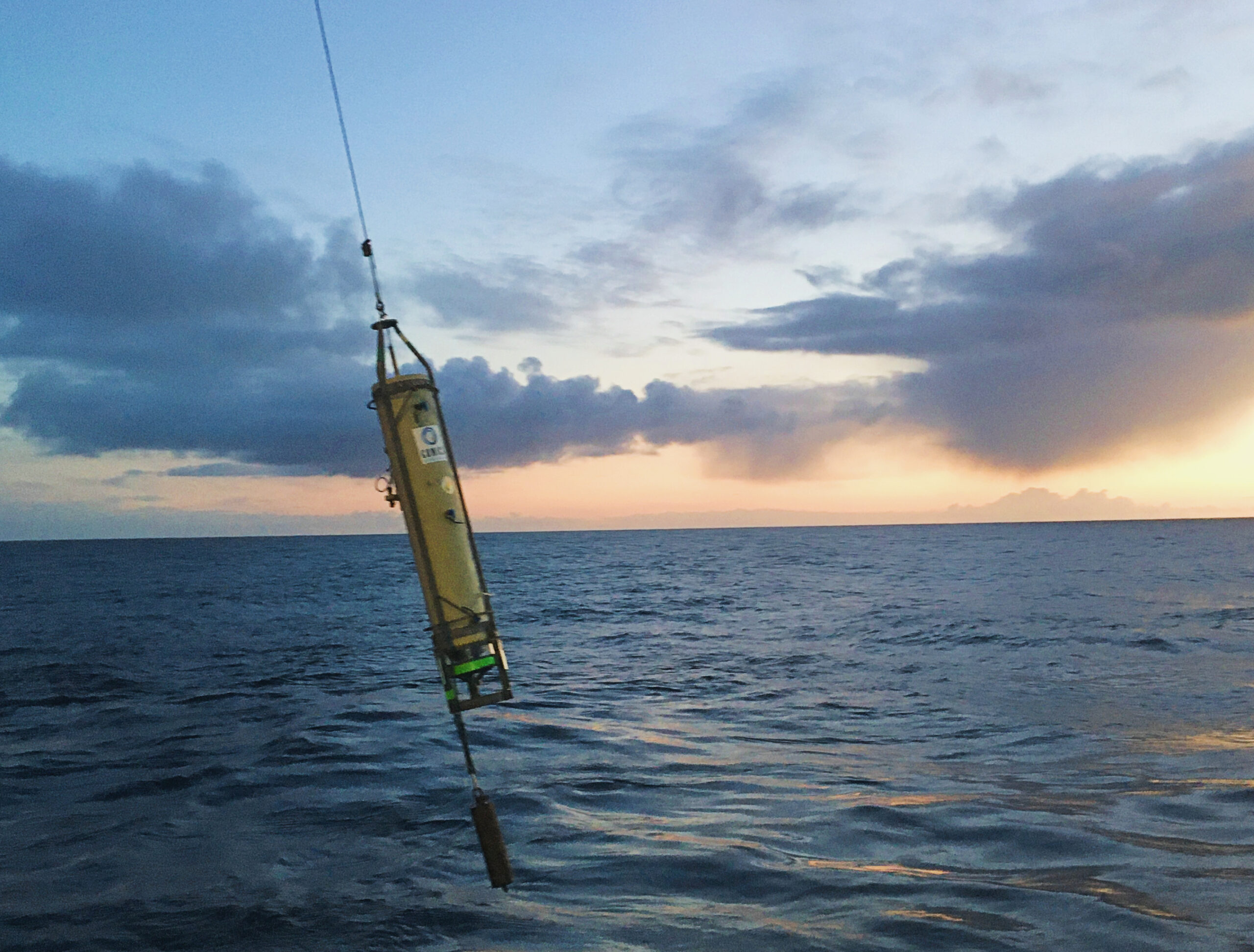
This included iron-rich waters around a remote chain of islands and nutrient-starved waters in the open ocean. The collaborative team used a combination of innovative techniques, including ship-based measurements, mooring arrays and autonomous underwater technologies.
Exail announces first sale of DriX O-16 transoceanic Uncrewed Surface Vessel
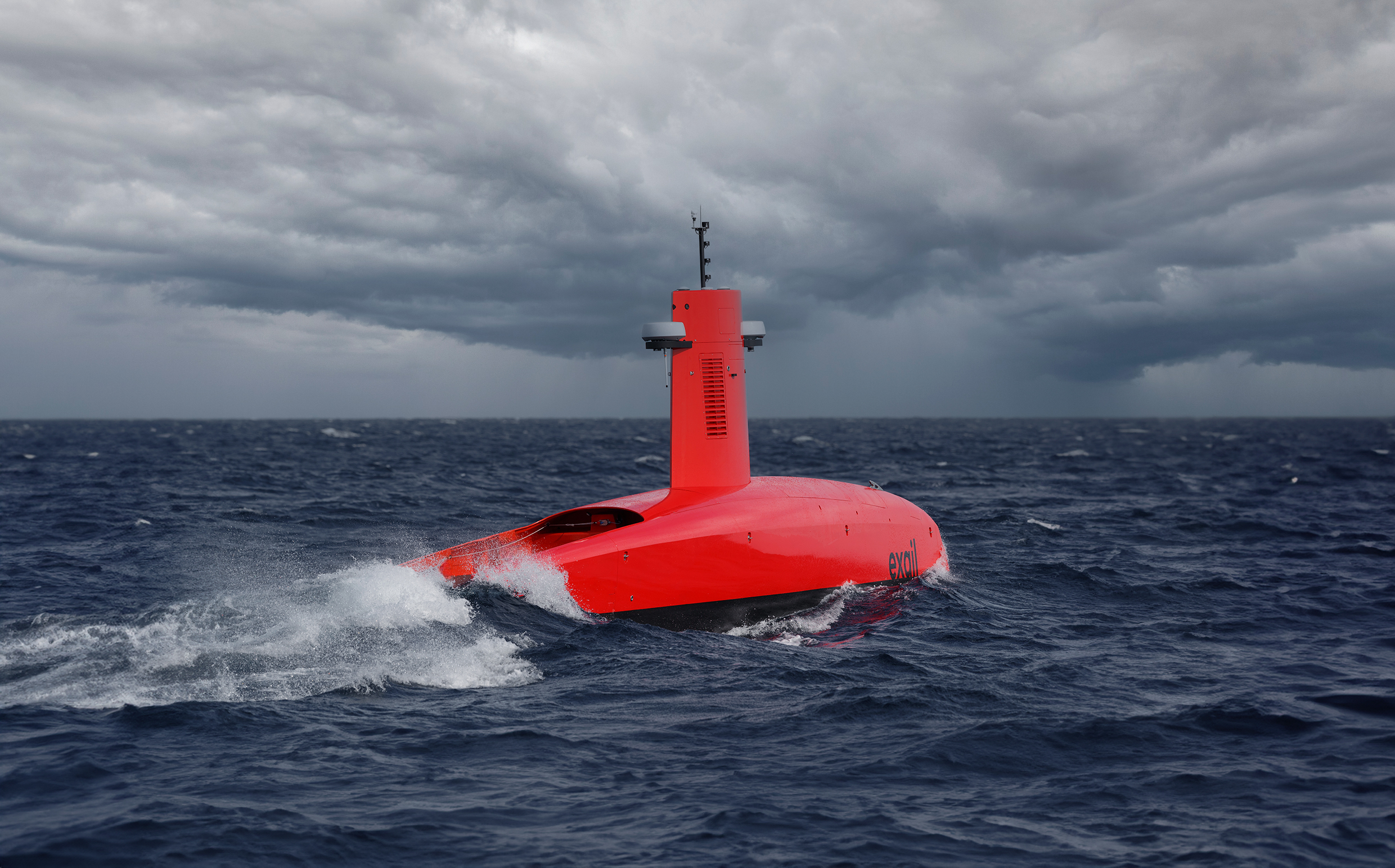
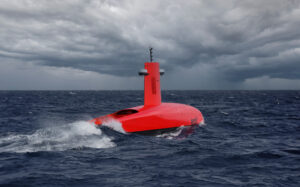 Exail is proud to announce the first sale of its DriX O-16, a transoceanic Uncrewed Surface Vessel (USV). Designed for long-range maritime operations, it has been acquired by an Indo-Pacific customer operating in the civil sector.
Equipped with advanced sensors, including a full-depth Multibeam Echosounder, the DriX O-16 enables operators to collect precise data for hydrographic, geophysical, and environmental missions. Its ability to deploy AUVs and ROVs enhances operational versatility and productivity as well as broadens the scope of its missions.
"The sale of our first DriX O-16 so close to its debut is a testament to the trust our clients place in Exail’s forward-thinking approach to maritime autonomy," said Olivier Cervantes, Exail’s VP Maritime Autonomy Solutions. The vessel quickly set new benchmarks in efficiency, endurance, and flexibility, securing the customer's confidence just three months after its christening. With its unparalleled combination of speed, endurance, and payload capacity, the DriX O-16 represents a groundbreaking step forward in Uncrewed Surface Vessel technology. It marks an exciting new chapter in the evolution of USVs and their vital role in shaping the future of modern hydrographic, survey and inspection operations.”
As the maritime industry is undergoing a strategic shift toward adopting autonomous technologies and low-carbon impact solutions, the DriX O-16 supports this transition, offering operators a sustainable alternative to traditional crewed vessels. Its hybrid propulsion and naval architecture minimize fuel consumption, while its optimized and innovative system architecture significantly reduces operational and maintenance costs, contributing to a lower environmental footprint.
With enhanced autonomy, the DriX O-16 enables extended port-to-port operations with reduced human exposure at sea and resources, aligning with the industry's push for efficient and sustainable solutions.