
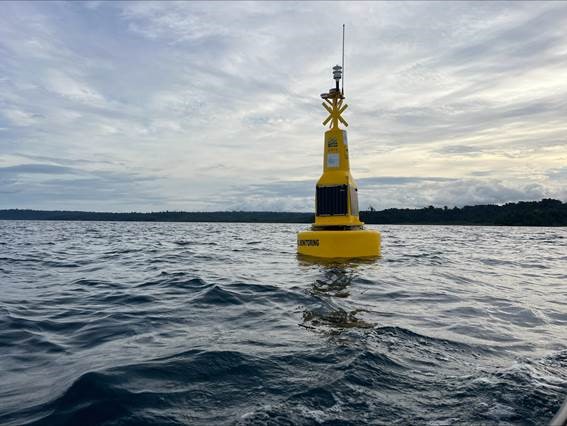
OSIL Photo Competition
Ocean Scientific International Ltd (OSIL) have announced the launch of a Photo Contest to showcase the best images of their equipment in the field.
The competition is open to all entrants. Participants are invited to demonstrate their creativity and unique perspectives of the equipment by submitting images to the competition page, with a prize offered for the best image.
Images must feature one or more items of OSIL equipment and should be of good quality (ideally 300 PPI, JPEG, PNG or TIFF format). Images must be uploaded via the competition portal on the OSIL website, and if tagged with @oceanscientific or #OSIL on LinkedIn, X, Instagram or Bluesky we will repost these to our followers to increase exposure!
The winning image will be chosen by a panel of judges from the entries, with a GoPro HERO13 Black (with accessories bundle) available as the prize.
The competition will be open from 10th February 2025 until 4th April 2025, with the winner to be announced at the Ocean Business show in Southampton. For more information on the competition please visit www.osil.com/photography-competition-2025/.
For further information or sales enquiries please contact: [email protected] or call +44 (0) 2392 488 240.

Kongsberg Maritime unveils innovative solutions to industrialise floating offshore wind turbine installation
Kongsberg Maritime has unveiled a range of innovative methods designed to transform and industrialise the transportation and installation (T&I), of floating offshore wind turbines.
These new solutions promise to streamline the entire process, from anchor and mooring installation through to electrical cable pull-in, ensuring that turbines are ready to be connected to energy grids, and offer a comprehensive solution for the floating offshore wind market. The solutions are part of a broader strategic effort that Kongsberg Maritime has put in to contribute towards the emerging floating offshore wind market, with more initiatives in the works.
Gunnar Thorsen, Senior Vice President of Business Concepts at Kongsberg Maritime, highlights the significance of these innovations: "We aim to offer a full package of equipment and technology, from the point the floating turbines leave their assembly site to the moment they are connected to the power grid. Our new methods for anchor tensioning, mooring installation, tow-out, and cable pull-in will represent a big leap forward in the industrialisation of floating wind installation. They are also applicable to other offshore energy structures, so our investment in these novel solutions will also be relevant and benefit oil and gas related operations."
Four of the elements highlighted in this new, offshore floating wind approach, are: new vessel designs and methodology for anchor and mooring installation; a new approach for towing turbines to site; a new integrated tensioning concept for mooring lines; and an innovative cable pull-in system.
Innovative vessel designs for efficient anchor and mooring and installation
Two new vessel concepts, specifically designed for large-scale mooring and installation operations, are a key element in the new novel solutions. The Floating Wind Installation Vessels (FWIVs) are designed to handle the unique challenges of transport and installation of floating wind turbines, as well as other offshore and subsea structures.
The anchor handling version (UT 7900 FWIV AH) features a triple cross-tensioning winch system capable of tensioning and proof-loading up to three mooring lines simultaneously with significant reduction in bollard pull requirements. This vessel can pull up to 900 tonnes in a single fall configuration, ensuring efficient and safe anchor handling, with reduced energy consumption.
“This vessel offers a new approach, and because of the high volume and repetitive nature of the operations, we’ve built in additional rope and chain storage. The whole point behind this new set-up is that you deploy the rope, while preparing the next one, and do it in a safe environment, which you can’t do on a normal anchor handler,” says Gunnar.
The subsea construction vessel design concept, (UT 7600 FWIV Subsea), is equipped with advanced systems for handling, storing, and deploying mooring elements, making it ideal for high-volume floating wind installations.
Tow Assist - Empowering safe and efficient towing operations
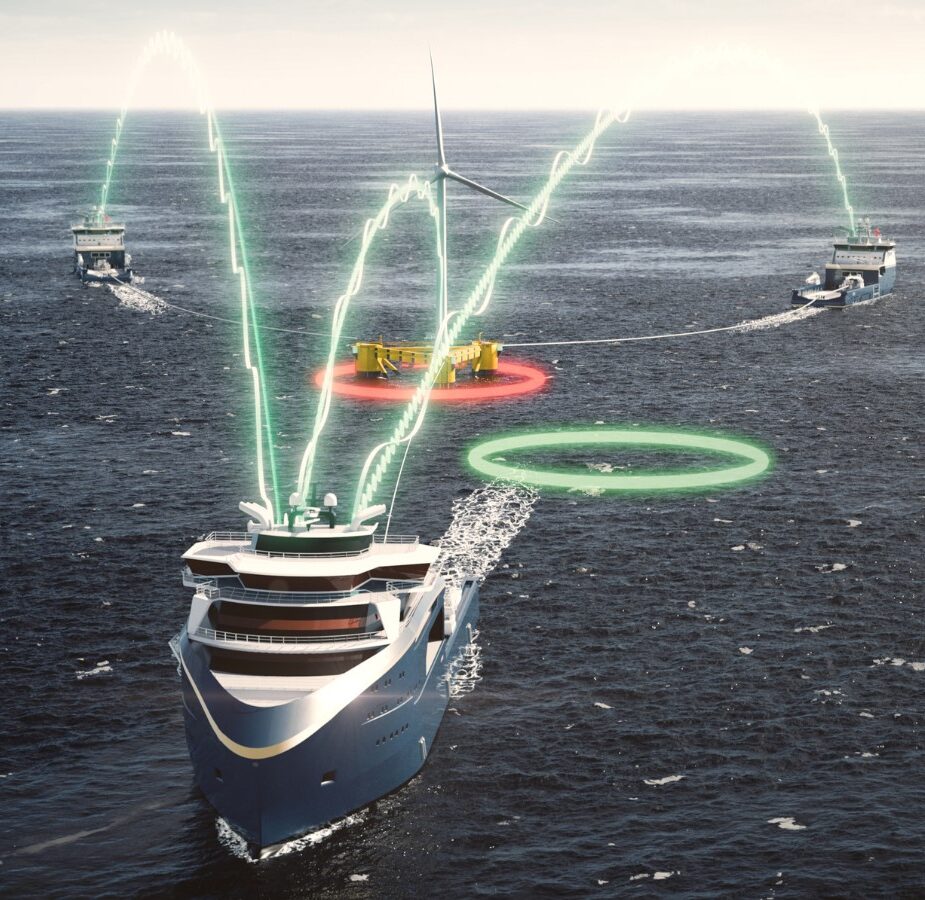
To address the challenges of transporting giant turbines to offshore fields, Kongsberg Maritime has developed Tow Assist. This innovative approach combines Kongsberg Maritime’s leading edge Dynamic Positioning (DP) technology with operational analysis to improve situational awareness, safety and efficiency throughout all stages of the towing operation.
Tow Assist builds on the K-Pos DP system, enabling unpowered floating structures to become DP-enabled during complex towing operations by calculating and distributing the optimal allocation of the connected vessels.
Successfully trialled in the North Sea last year, the Tow Assist system provides real-time situational awareness through graphical guidance for precise and efficient positioning, transforming the way floating offshore structures are moved and positioned.
Integrated Tensioning for simpler operations
The Integrated Tensioning Concept is a solution designed to enhance the efficiency and safety of mooring line hook-up operations. This system compensates for relative movements between the floater and the vessel, significantly increasing the operational weather window and ensuring smoother operations.
The new concept utilises Kongsberg Maritime's advanced Permanent Magnet (PM) winches, known for their high torque and dynamic capabilities. These winches are a key component of the system, providing the responsiveness and motion compensation necessary for precise and efficient tensioning of mooring lines. The PM winches' ability to handle large loads with rapid response makes them ideal for the challenging conditions of offshore operations.
Runar Hjelle, Sales Director Offshore Construction & Support at Kongsberg Maritime, explains: "The Integrated Tensioning Concept monitors the motion of the floater, allowing the vessel winch to compensate, removing peak loads and hazardous situations. This results in a much smoother hook-up process and significantly increases the operational weather window."
Innovative cable pull-in for year-round operations
A new method for cable pull-in operations, is a key element of Kongsberg Maritime’s end-to-end process by reducing requirements for equipment and people on the floater, enhancing safety and speeding up the overall rate of installation of the wind farm array.
Gunnar Thorsen, adds: “At present, cable pull-in operations require mobilising equipment such as winches, power packs and fuel tanks on the floating turbine. Personnel must be on board the floater after it has been hooked up to perform the cable pull-in. However, with the new, patented method, all necessary equipment is placed on the vessel, significantly reducing the complexity and risk associated with the operation.
“This new approach offers several advantages, including enhanced safety by reducing the number of people onboard the floater, to a minimum during the pull-in operation. Equipment lifting operations and personnel transfer are minimised which allows operations to continue in harsher weather conditions. This is crucial for maintaining year-round productivity and speeds up the overall rate of installation of the wind farm array.”
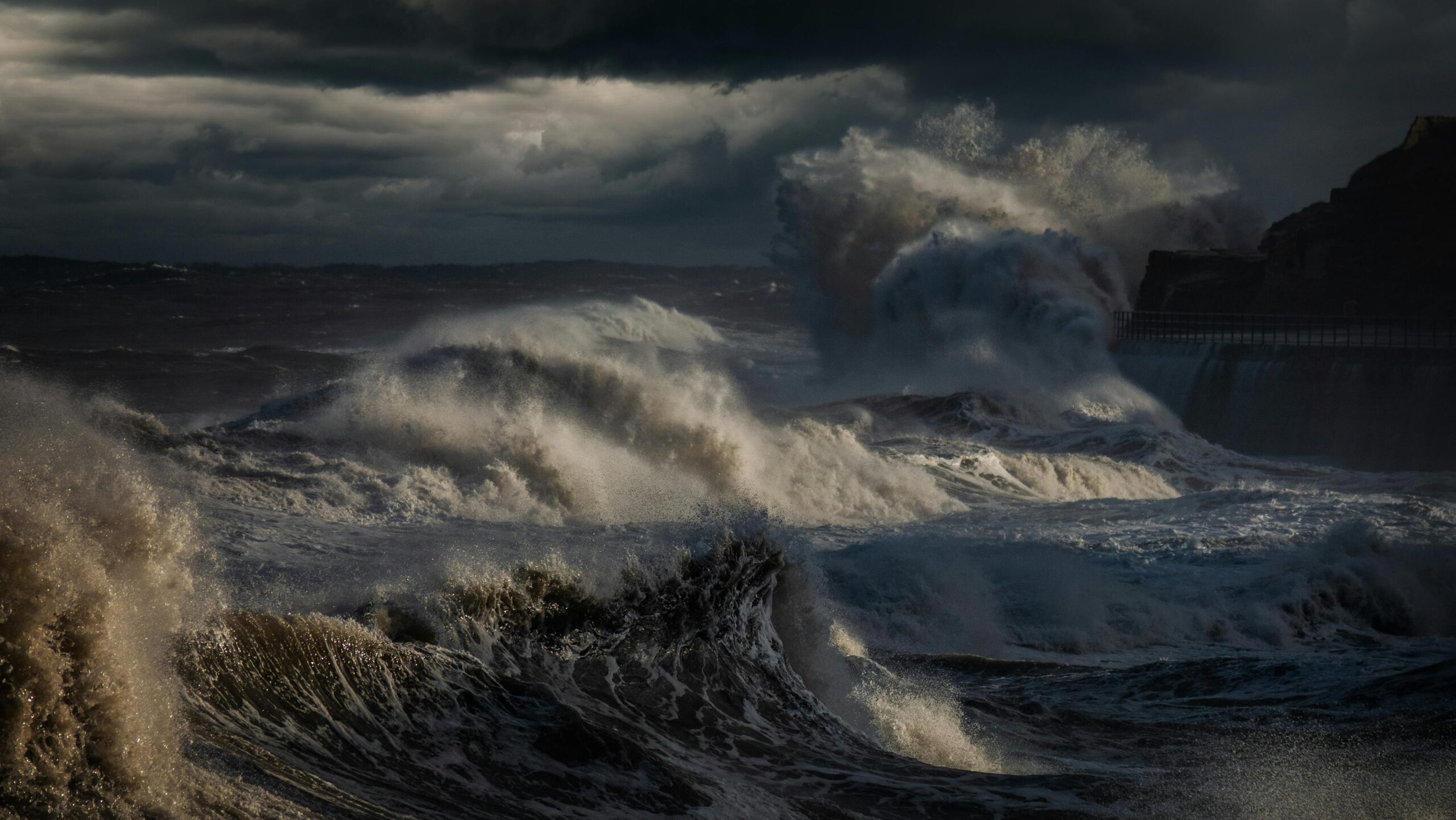
Scientists to “break waves” in climate modelling
Breaking waves on the world’s coastlines can be a magnet for surfers and a headache for coastal defences.
 Now, leading UK and French scientists want to find out more about the impacts of coastal wave breaking on our climate system to plug a gap in current climate models.
Through an ambitious project led by scientists at University College London (UCL), the National Oceanography Centre (NOC) and the École Normale Supérieure (ENS) Paris-Saclay in France, scientists will use novel observations of coastal wave breaking with advanced modelling and machine learning to work out the importance of this notoriously complex and hard to measure phenomenon.
Specifically, the project, called WAVECLIM, will look to fill a gap in understanding about the role these often-dramatic coastal processes play in global climate modelling.
This innovative project is one of the first opportunity seeds in the UK's Advanced Research and Invention Agency's (ARIA) Scoping Our Planet opportunity space, announced in October last year. ARIA’s seed funding supports ambitious research that can challenge assumptions, open up new research paths and provide steps towards new capabilities.
“It is well known that ocean wave breaking at the coast plays a big role in air-sea exchanges, sediment transport and coastal erosion”, explains Professor Christine Gommenginger, who leads the project at NOC. “But these complex coastal processes are largely absent from current climate models.”
“While waves in the open ocean are starting to be included in some climate models, coastal wave breaking is still disregarded”, adds Frederic Dias from ENS Paris-Saclay. “This is a critical gap in our understanding of how coastal seas influence and impact the global climate system.”
The WAVECLIM project will change this using advanced sensor technology and machine learning to capture and integrate coastal wave-breaking dynamics into predictive models.
State-of-the-art monitoring equipment, including LIDAR, drones and stereoscopic cameras, will be deployed to provide unprecedented data on coastal wave breaking under diverse conditions.
Machine learning models trained on these observations will be integrated into climate models, addressing biases and enhancing the accuracy of future climate predictions.
“This pioneering approach builds on recent successes in embedding machine learning into climate modelling, promising more realistic projections at a fraction of the computational cost,” says Serge Guillas, principal investigator for WAVECLIM, from UCL.
“The work is expected to yield transformative insights into how coastal processes influence global climate systems, especially in the face of rising sea levels and increased storm activity.”
Through this collaboration, the partners hope to address critical knowledge gaps, paving the way for improved representation of coastal seas complexities in the next generation of climate models.
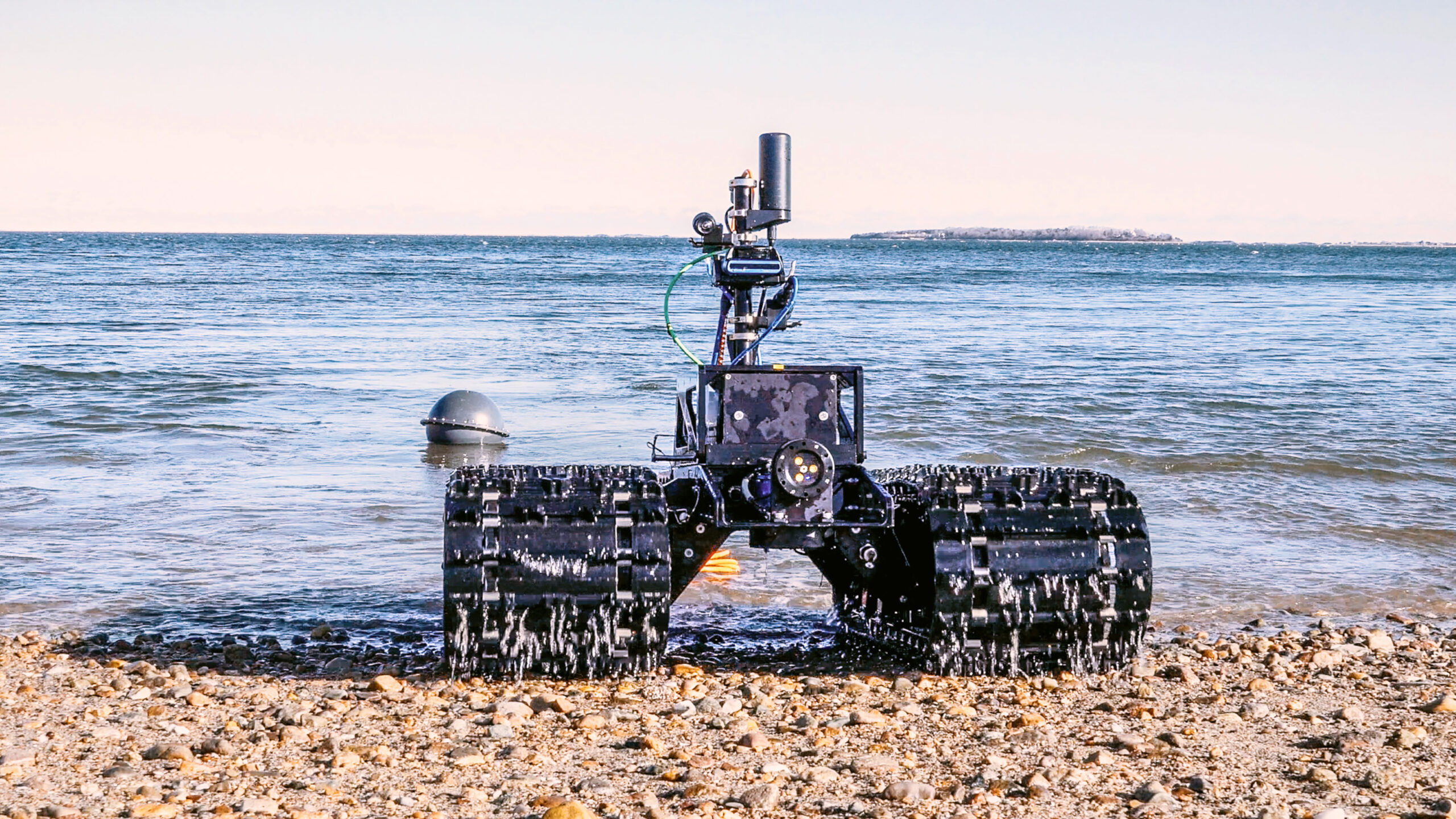
Greensea IQ Secures $5.36M Contract for Bayonet 250 Surf Zone Crawlers to Support U.S. Marine Corps
 Greensea IQ, a leader in subsea robotics and defense solutions, was awarded a $5.36 million contract through the Defense Logistics Agency (DLA) and Darley of Itasca, IL for the delivery of customized Bayonet 250 Amphibious Underwater Ground Vehicle (AUGV) for the U.S. Marine Corps’ Littoral Explosive Ordnance Neutralization (LEON) project.
The Bayonet 250, part of Greensea IQ’s Bayonet series of amphibious underwater ground vehicles, exceeds the stringent mission criteria of the LEON project, which focuses on advanced explosive ordnance disposal capabilities in littoral environments. Designed for robust operations in both shallow water and surf zones, the Bayonet 250 provides autonomous capabilities for mine and explosive threat neutralization, supporting the Marine Corps’ modernization efforts for safer and more effective EOD operations.
The Littoral Explosive Ordnance Neutralization project is a critical component of the Marine Corps’ robotic revolution strategy for operating in global littorals, enhancing safety for personnel while increasing operational efficiency.
“This award reinforces Greensea IQ’s commitment to supporting the U.S. Marine Corps with cutting-edge robotic solutions for complex and hazardous environments,” said Paco Santana, VP of Business Development, Defense of Greensea IQ. “The customized Bayonet 250 will provide a versatile, autonomous platform for explosive ordnance disposal in challenging littoral zones.”
The contract was awarded under the Defense Logistics Agency’s procurement framework and facilitated by Darley, a trusted supplier for defense solutions. Greensea IQ continues to expand its portfolio of autonomous technologies designed to support defense, maritime, and commercial applications.

Saab’s advanced UK manufacturing facility opened by Secretary of State

Saab UK celebrated the official opening of its new state-of-the-art, three-building campus on 4th February, 2025. The site is developing, manufacturing, and supporting Saab's radar systems and market-leading Seaeye underwater robotics portfolio. This includes the 3D multi-mission radar, Giraffe 1X, and the all-electric subsea remotely operated vehicle, Seaeye SR20.
The opening marks the conclusion of the investment pledged by Saab in 2023. The site supports up to 400 jobs and provides local opportunities for apprenticeships. It enhances the UK's sovereign radar and underwater robotics manufacturing capabilities, serving both domestic customers and international export markets, with capacity for further growth.
Saab’s new campus is expected to significantly benefit the UK Ministry of Defence. The site is a centre of excellence ready to meet future customer radar requirements and servicing, in addition to supporting in-service radars operated by the UK Armed Forces; the Giraffe 1X, Giraffe AMB air defence radars, and TAIPAN (Arthur) artillery locating radars.
Micael Johansson, President and CEO of Saab, said:
“This new campus is testament to Saab’s growth in the UK, reinforcing our long-term commitment to the UK’s defence. Thanks to our investment here we will deliver innovative technologies and products for our customers. We are pleased to have the Secretary of State for Business and Trade join us today to mark this important occasion and to underline the important relationship between Saab and the UK.”
Rt Hon Jonathan Reynolds MP, Secretary of State for Business and Trade, said:
“Following the Government’s pledge to go further and faster to grow the economy, this is another vote of confidence in the UK, our world-class defence sector, and our upcoming Industrial Strategy. Saab’s investment in Hampshire has brought a major boost to local communities with hundreds of new high-paid, high-skilled jobs, and is exactly the sort of growth our pro-business, pro-growth Industrial Strategy will support.”
Rt Hon John Healey MP, Secretary of State for Defence, said:
“This major investment has demonstrated how defence is an engine for growth. Saab’s new facility strengthens manufacturing and support for the radars that help protect our Armed Forces, having created highly skilled jobs while driving innovation. With promising apprenticeship opportunities, this site is helping to drive the jobs of the future – ensuring the next generation has the expertise to keep Britain at the forefront of defence technology.”
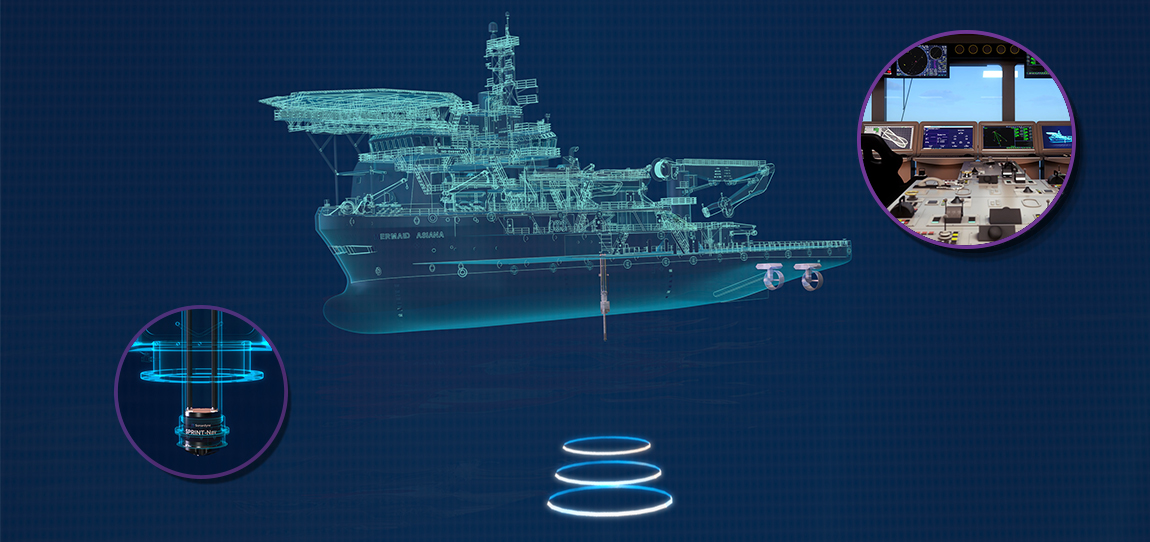
Sonardyne launches SPRINT-Nav DP: revolutionising shallow water dynamic positioning technology
Sonardyne, a leading provider of pioneering marine technology, today announced the launch of its new shallow water dynamic positioning (DP) reference system.
Building on the company’s decade-long expertise in hybrid acoustic-inertial navigation systems, SPRINT-Nav DP integrates high-grade inertial navigation with doppler velocity log (DVL) technology in a single, pre-calibrated unit. The system joins Sonardyne's renowned SPRINT-Nav family, which has become the standard for underwater vehicle navigation worldwide.
Developed in response to SPRINT-Nav customer’s requests and an increasing demand for shallow water DP operations from the offshore wind farm sector, SPRINT-Nav DP has undergone extensive trials and validation tests to ensure it maintains the mandatory class requirements as an alternative position reference into a vessel’s DP system.
SPRINT-Nav DP provides accurate and reliable positioning without the need for a GNSS signal. This makes it ideal for a wide range of shallow water operations, including offshore renewable energy and nearshore work where GNSS signals are often spoofed, blocked or distorted by nearby structures.
This latest addition to the SPRINT-Nav family also saves DP vessel operators both time and money. The DVL bottom-lock technology, effective up to 230m depth, means there is no need to deploy sensors or other equipment as the seabed itself is used as the positioning reference. Factory pre-calibration means that SPRINT-Nav DP is operational as soon as the vessel arrives on site.
"SPRINT-Nav DP represents a leap forward in shallow water vessel positioning," said Duncan Rigg, Business Development Manager – Vessel Systems, at Sonardyne. "By removing GNSS dependencies, we're enabling operators to work more efficiently and dependably in challenging environments. Many existing customers had asked about using their SPRINT-Nav’s for dynamic positioning and we are delighted to introduce SPRINT-Nav DP to enhance their operations."
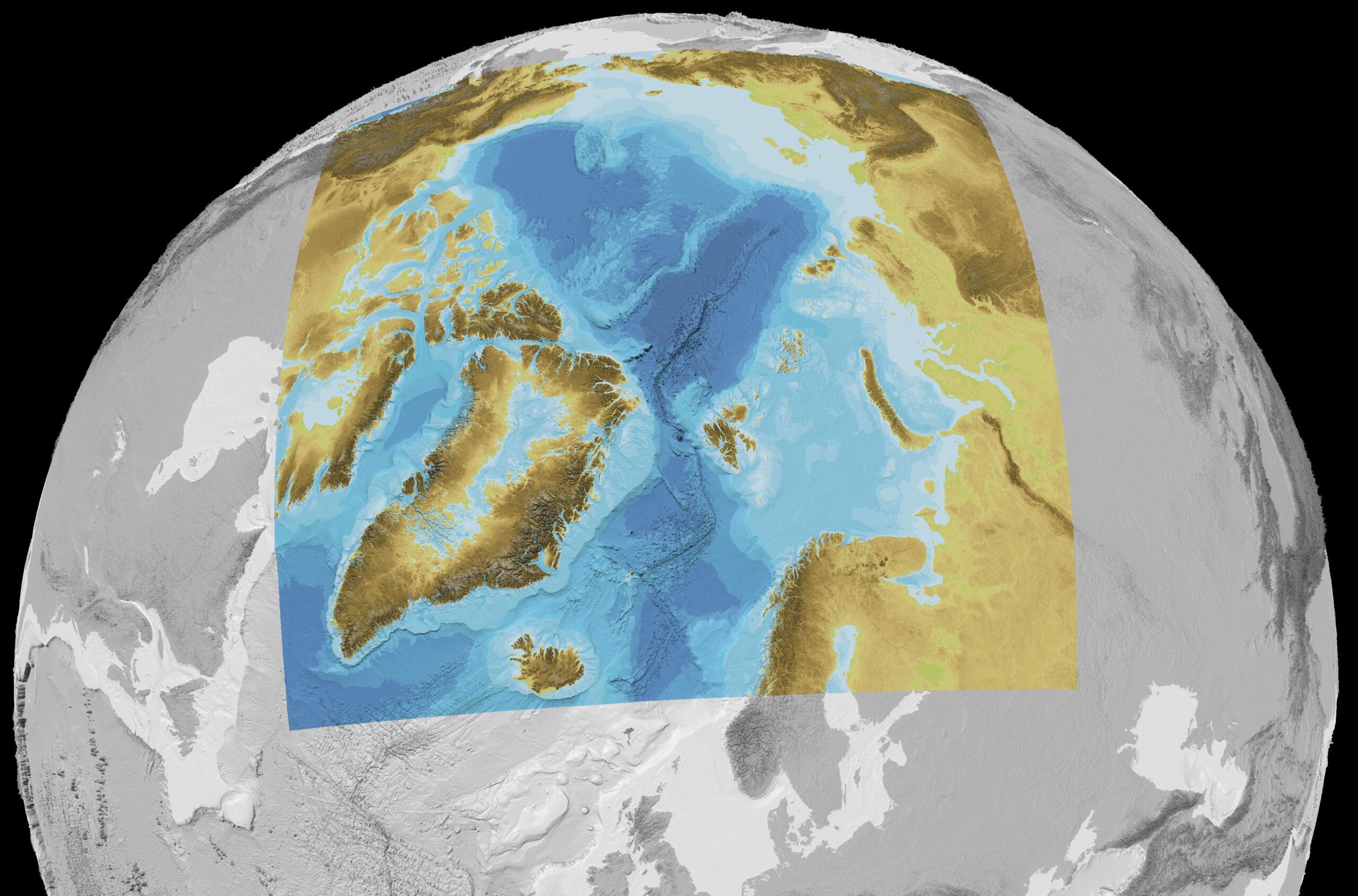
New Arctic Ocean map marks key milestone in global seafloor mapping
The Nippon Foundation-GEBCO Seabed 2030 Project is pleased to announce the publication of the latest version of the International Bathymetric Chart of the Arctic Ocean (IBCAO), Version 5.0. This release adds 1.4 million square kilometers of mapping coverage – an area over three times the size of Sweden – to the global seafloor dataset.
This development represents a significant step forward in the mission to achieve a complete map of the seafloor by 2030, offering an unprecedented level of detail for the Arctic Ocean. It also provides vital insights for researchers and policymakers, contributing to safer navigation and more effective ocean exploration.
Established in 1997, IBCAO has long been the authoritative source of bathymetry for the Arctic Ocean, with the latest version – published in Scientific Data by Nature – representing a quantum leap in detail, with a grid-cell size of 100 x 100 meters, compared to 200 x 200 meters in the previous version.
This achievement was made possible through advanced compilation methods, including the use of cloud-based distributed computing and the integration of metadata.
The release also highlights the challenges and innovations associated with mapping the Arctic Ocean, where perennial sea-ice cover and extreme conditions have traditionally limited data collection. Overcoming these obstacles has required groundbreaking technology and international collaboration.
Commenting on the release, Martin Jakobsson, Co-Head of Seabed 2030's Arctic and North Pacific Regional Center, said: "The release of IBCAO Version 5.0 is a testament to the collaborative effort of the Arctic research community and our dedication to overcoming the challenges posed by the extreme Arctic environment.
“This dataset not only furthers our understanding of the Arctic seabed, but also exemplifies the power of teamwork in advancing global knowledge."
Seabed 2030 Project Director Jamie McMichael-Phillips added: “This release underscores the importance of regional initiatives like IBCAO in helping us achieve our goal of a fully mapped ocean floor by 2030. It represents a crucial step towards making essential data accessible for sustainable ocean management."
All data collected and shared with the Seabed 2030 project will be included in the free and publicly available GEBCO global grid.
Marine Science and Technology Business Person of the Year Award 2025
 Every other year at Ocean Business the Marine Science and Technology Group Council (MSTG) hand out their MSTG Business Person of the Year award. Therefore, nominations are now invited for the 2025 Award by completion of this form to be received no later than 28th February 2025.
The Business Person of the Year Award recognises individuals who demonstrate outstanding entrepreneurial spirit, strategic business thinking and are regarded as leaders in their field. This Award also acknowledges and celebrates the personal and generous contributions by a Business Person and the difference their involvement makes to the Marine Science & Technology (MST) community overall. Individuals entering into this category can be self-employed or employed by a business. Previous winners of the award have been Versha Carter (Intelligent Exhibitions), John Partridge (Sonardyne International), Matthew Quartley (Valeport), Ralph Rayner (BMT Group), Brendan Hyland (WFS Technologies), Keith Birch (National Oceanography Centre), Roger Scrivens (RS Aqua), Dan Hook (ASV), Claire Cardy (Nortek), Terry Sloane (Planet Ocean) and Geraint West (Sonardyne). All of whom have exemplified the spirit of this award through their flair, innovation and business acumen.
The SMI MSTG Council will review all nominations and will consider:
• The nature and extent of the personal contribution by the nominee to the MST business community
• The nature and extent of the personal contribution by the nominee to the MST community at large
• Their demonstrated ability to overcome challenges, drive business growth and foster innovation
The award will be presented on 8th April at Ocean Business 2025.
Please use this form to nominate a candidate for the award.
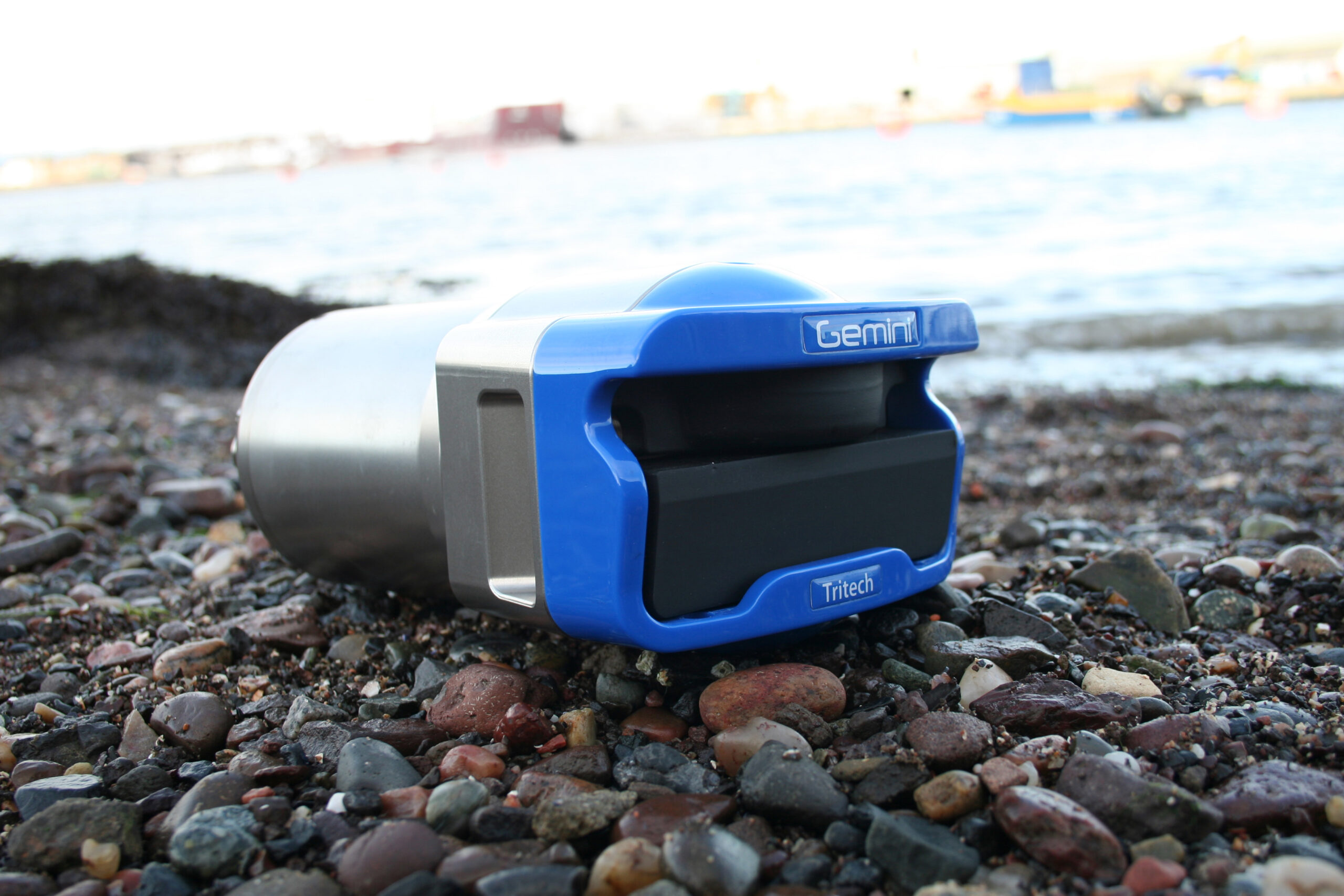
Tritech Announces Launch of New Gemini 1200id
An easy upgrade path to higher resolution imaging for work class ROVs
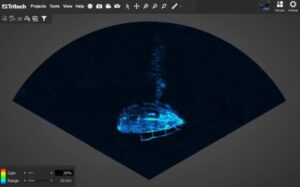
An integrated speed-of-sound sensor ensures that targets are displayed to a high degree of positional accuracy. CHIRP processing provides improved target separation over longer ranges.
The 1200id is fully compatible with Tritech’s software package, Genesis. This ensures improved user interaction and allows for control of multiple Tritech products from within one software package. Software development kits (SDKs) are also available for Windows and Linux operating systems.
Bruce Hardy, Sales and Marketing Director, commented: “We are really pleased to bring the new dual frequency Gemini 1200id to market. Having listened to our customers’ requests for higher definition and enhanced target resolution we believe the new 1200 kHz acoustic frequency will provide just that, along with Tritech’s reputation for quality and reliability, backed by our 3-year guarantee.”
Unrivalled Imaging Performance
The Gemini 1200id employs a completely in-house developed analogue front-end solution that incorporates fully differential receiver channels for enhanced acoustic reception. Internal electronic circuits have been optimised and where necessary additional filtering exclusively employed to minimise self-generated noise. The sonar also actively attenuates external waterborne noise from other subsea equipment in the vicinity of the sonar. These enhancements enable the Gemini 1200id to produce sonar images displaying sharp and bright acoustic returns on a noise reduced background resulting in crisp sonar images of impressive clarity.
 Asim Azad, Hardware Engineering Manager, commented:
“With its ultra-low-noise differential analogue front-end supporting a wide dynamic range optimised for sonar imaging applications, and with its ability to actively attenuate waterborne electrical noise from other subsea equipment, the Gemini 1200id provides work class ROV operators the clarity and confidence necessary for mission critical operations.”
Disposable fiber-optic spools for hybrid Aerial and Underwater drones
 The RBOB-HAUV for amphibious drones and hybrid airborne and underwater applications is the latest addition to the range of airborne (UAV), land-based (UGV) and underwater (UUV) spools already offered by SEDI-ATI.
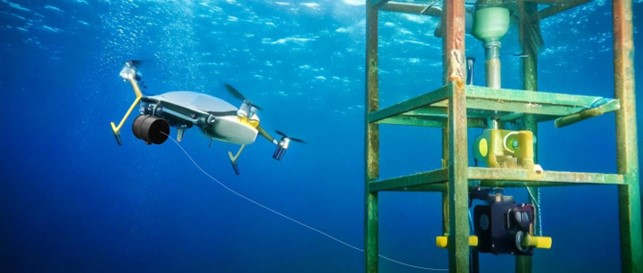
Drawing on its experience in the field of optical wire links on aerial and underwater UAVs, SEDI-ATI is offering a singleuse fiber-optic spool for amphibious UAVs: RBOB-HAUV. Ultra-compact and lightweight, it is mounted directly on the drone. It is designed for high-speed missions of up to 10 km, both in the air and deep water! It has been tested at 150 km/h in the air and 20 knots underwater.
It is particularly well suited to guiding an amphibious drone, and to transmitting huge data streams in real-time from on-board cameras and high-resolution sensors. Moreover, it's an EMI-insensitive solution, immune to Hertzian jamming. As a result, manoeuvres such as diving, getting out of the water, circling or even around obstacles are not a problem. It will be possible to access steep or hard-to-reach places. The fiber-optic cable is never a ‘leash’ on the drone and ensures permanent, real-time communication between the craft and the control station.
The spool is single use, so all you have to do is cut fiber at the end of the mission. There's no need to make the same journey back because the optical fiber is never a leash on the drone. Moreover, the fiber can be easily reconnected in the field using a simple connector kit.
The technical characteristics are the same as for the submarine reel: length from 500 meters to 10 kilometers, singlemode fiber 1310-1550 nm, ST connector, wide bandwidth for video and control transmissions.