Dead Sea coastal erosion research may help protect coastlines worldwide
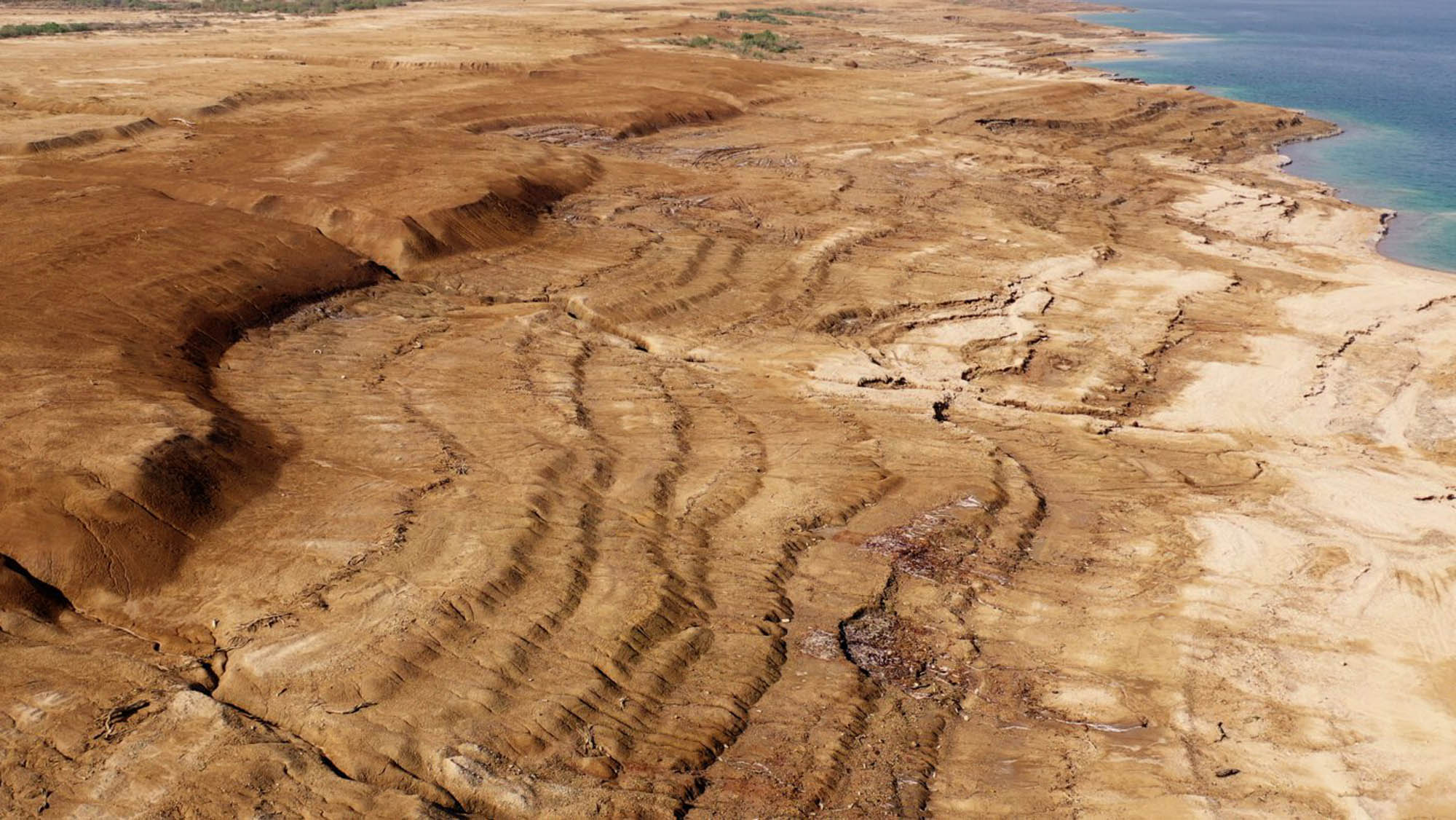
Coastal erosion is reshaping our world, threatening homes, industries and culturally important places.
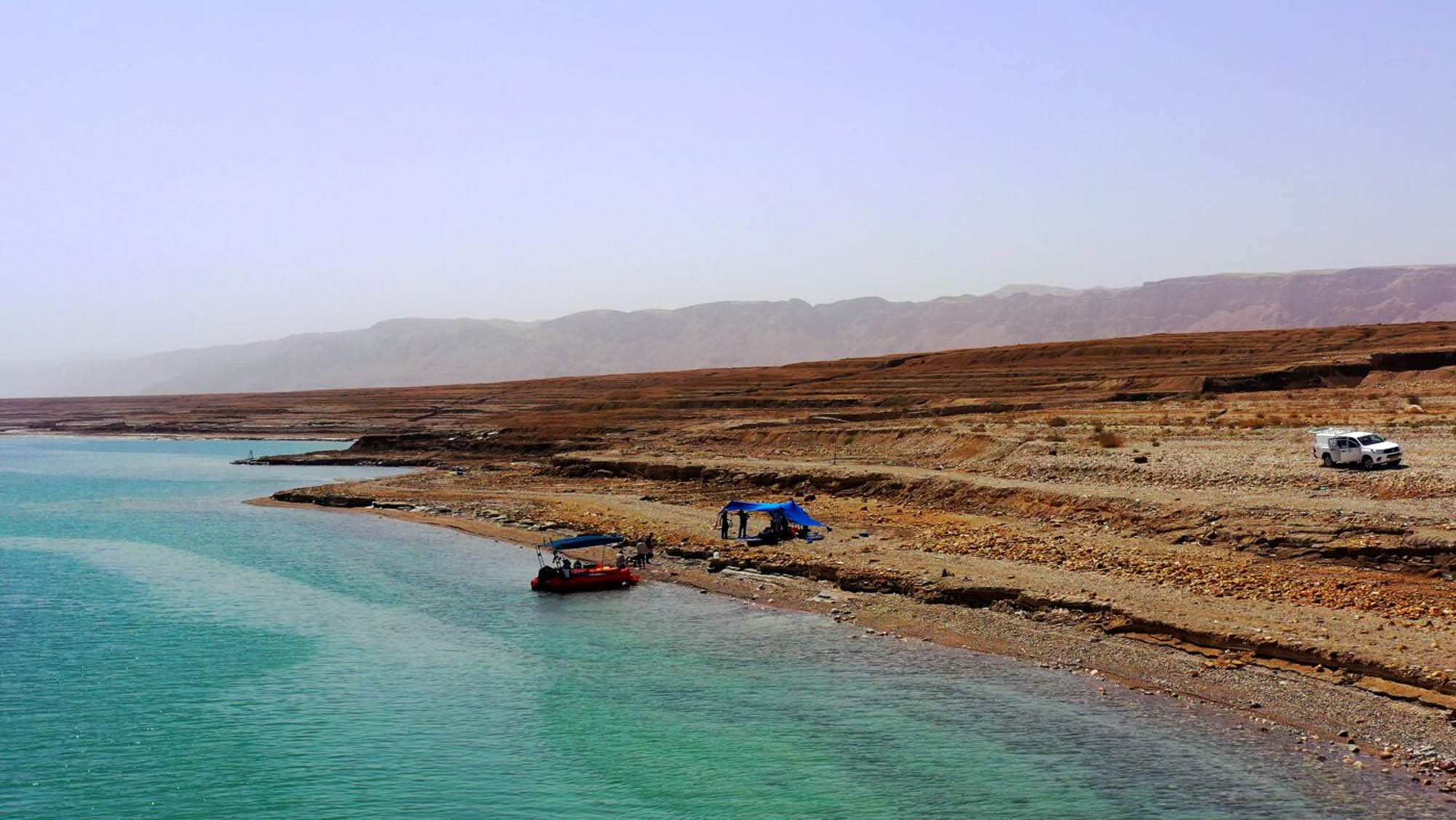
By taking advantage of the unique conditions in the Dead Sea and leveraging modern ADCP technology from Nortek, scientists in Israel are exploring how wind-driven waves and currents shape the coastlines and transport sediments along shores.
This research could contribute to improving the design of boulder-based breakwaters, placed offshore to absorb wave energy and mitigate erosion across the world.
Every year, around 24 percent of the world’s sandy shoreline erodes away , causing significant financial loss from damage to property and infrastructure. With around 40 percent of the global population living within 100 km of the coast, erosion presents a real and immediate challenge. Coastal erosion is a costly affair. In the USA, for example, coastal erosion causes an estimated US$500 million in property loss and damage every year.
Cutting-edge environmental research in Israel is taking advantage of new technologies and the unique environment of the Dead Sea to better understand the processes behind coastal erosion and sediment transport.
“Understanding coastal erosion and the transport and sorting of coarse sediments along shores is highly important for assessing coastal stability,” says Haggai Eyal, a PhD candidate at the Hebrew University of Jerusalem. He is supervised by Professor Nadav Lensky from the Geological Survey of Israel and Professor Yehouda Enzel from the Hebrew University of Jerusalem.