The Sentinel Mission: Charting new paths in ocean exploration
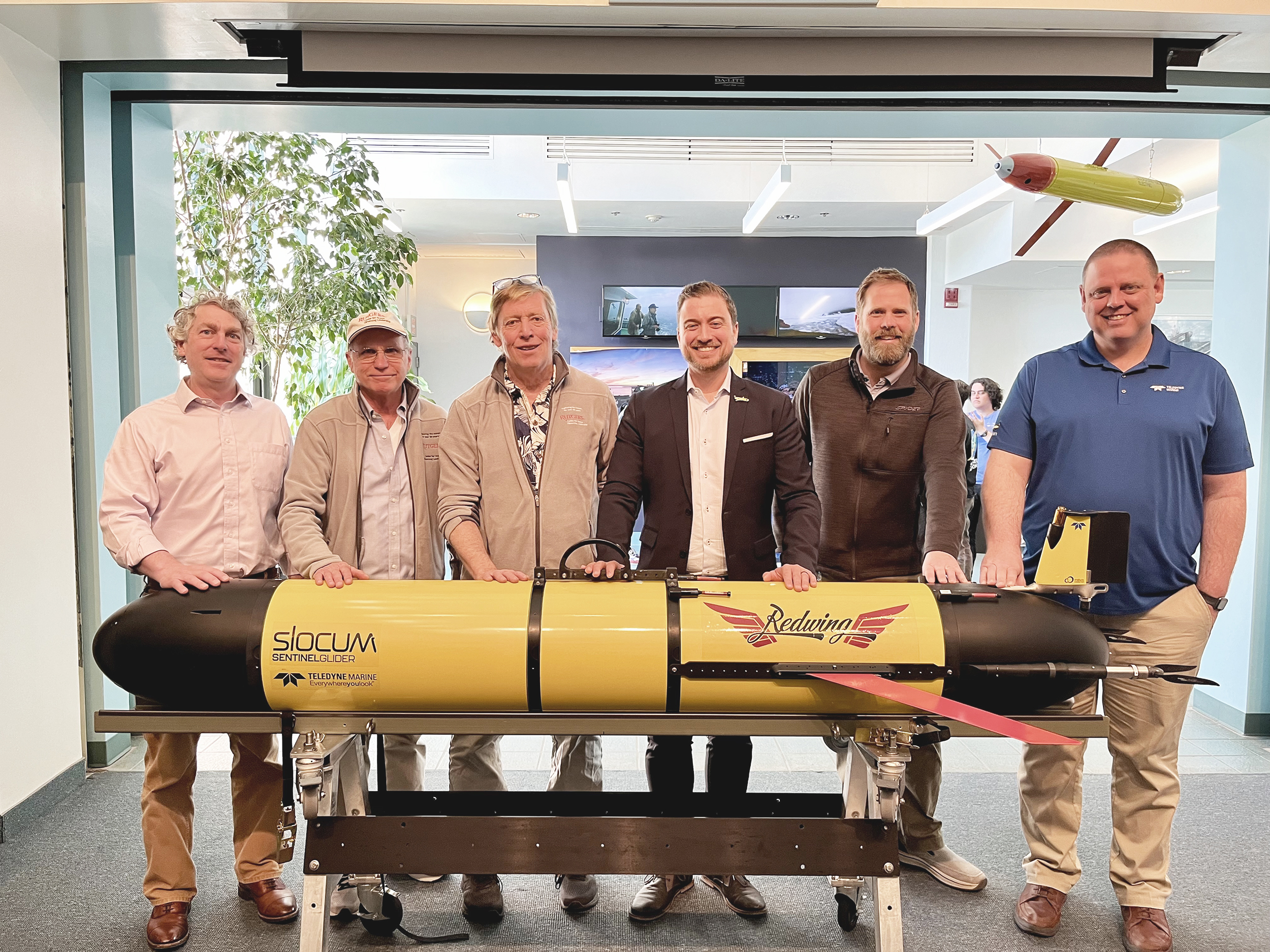
Rutgers University and Teledyne Webb Research unveiled The Sentinel Mission in a remarkable display of academic and technological collaboration. This unprecedented initiative marks the beginning of an ambitious journey as Teledyne’s Slocum Sentinel Glider, “Redwing,” (Research & Education Doug Webb Inter-National Glider) prepares for a historic round-the-world flight. Redwing is an acronym for “Research & Education Doug Webb Inter-National Glider”. The mission is further strengthened by the involvement of NOAA, the Marine Technology Society, and the UN Ocean Decade.
The event, which took place at Rutgers University on April 23, 2024, showcased the intricate planning and resilient partnership behind The Sentinel Mission. The Redwing glider, embodying the intersection of Research and Education, pays homage to Doug Webb, a pioneer of autonomous underwater technology. The glider stands not only as an innovative piece of machinery but also as a symbol of global research unity and exploration.
The event commenced with remarks from Jonathan Holloway, the 21st president of Rutgers, along with several esteemed faculty members, each sharing their encouragement and support of this mission. Teledyne Marine staff members, Clayton Jones, Senior Director of Technology and Shea Quinn, Slocum Glider Product Line Manager, provided insight into the history of Slocum gliders and how this mission will affect the future of ocean science.
A highlight of the event was the christening of the glider, “Redwing,” with seawater from Cape Cod, signifying its readiness for its summer 2024 launch. Attendees witnessed a blend of time-honored maritime tradition with cutting-edge innovation.
A cohort of Rutgers’ brightest undergraduate students presented the mission's flight path. Their extensive planning encompassed considerations for ocean currents, water conditions, and other environmental variables. These presentations highlighted the exceptional educational experiences at Rutgers, exemplifying the university’s dedication to hands-on, impactful learning.
Insights from international partners integral to the mission’s global scope further enriched the event. With each presentation, the essence of collaborative spirit and international cooperation became clearer, setting the stage for a truly global expedition.
The day's activities culminated with a closer look at the Sentinel Glider, showcasing its capabilities compared to standard models. The academic community, including master's students and faculty, engaged in fruitful discussions about sensor integrations and future research applications.
The Sentinel Mission’s anticipated launch in the summer of 2024 will contribute to our understanding of the oceans and serve as an inspiring testament to the power of academic-industry partnerships and the indomitable human spirit of discovery.

Using wave measurement technology to protect Vietnam’s coastal population
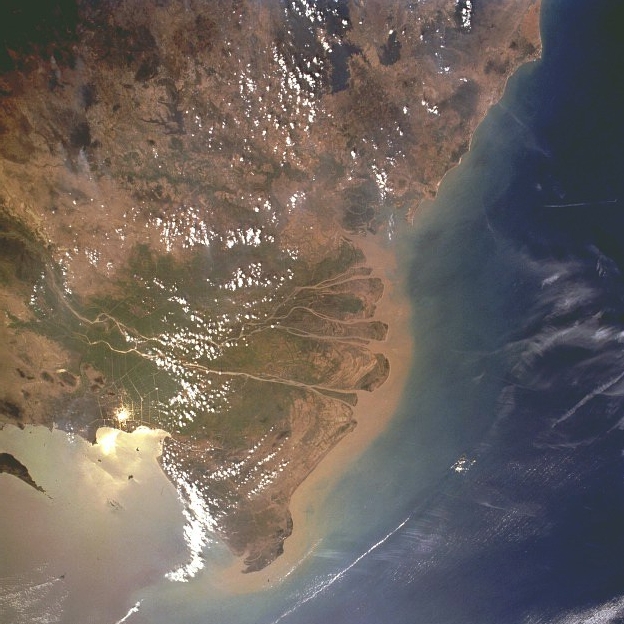
The Mekong Delta in Vietnam is home to over 20 million people and acts as a globally important agricultural area. The health and longevity of this important ecosystem is being threatened by rising sea levels and coastal erosion.
Researchers rely on advanced wave measurement devices from Nortek to validate ocean models and provide accurate data for the development of coastal erosion defenses.
The Mekong Delta encompasses the southern tip of Vietnam and is home to some of the world’s most fertile land. Over past decades, this area has faced increasing environmental pressure.
Upstream dams and sand mining reduce the flow of sediments that feed the delta, causing it to recede. Farmers pumping water from the ground create additional stress on the delta. Together with these activities, the creation of infrastructure such as buildings and roads is compacting the once loose (unconsolidated) sediments, causing the delta to sink.
Climate change and rising sea levels also affect the delta.
The Mekong Delta is just 0.8 m above sea level on average, placing it in a particularly precarious position, at risk of being overtaken by rising sea levels, even without the pressure created by dams and groundwater pumping.
Should our greenhouse gas emissions continue unabated, estimated sea level rises of 75 cm to 1 m could see almost half the delta lost to the sea by 2100, threatening the livelihoods of the approximately 20 million people who live there.
Coastal protection is essential for staving off rising sea levels, protecting the coast from erosion caused by powerful waves during the monsoon season, and minimizing seawater intrusion. However, barriers such as wooden fences and concrete breakwaters haven’t proven adequate.
To find a more effective solution, Jonas Bauer, a PhD student at the Karlsruhe Institute of Technology (KIT), and colleagues from KIT have joined forces with Vietnamese institutions to better understand the sea and coast at the very southern end of the Mekong Delta.
Understanding wave progression to develop effective coastal protection systems
“It’s important to lower the wave energy at the coast, but the challenge is to ensure that sediments brought in from the ocean currents can still deposit along the coast,” says Bauer.
“If you build something that stops the wave energy going through but blocks the sediments, it will just add to the erosion problem.”
Bauer says that to develop suitable countermeasures, they need to understand wave progression as it moves toward the coast.
Evaluating ocean models against real-world wave measurement data
Models of the ocean are useful for predicting how different coastal defense measures may perform when faced with storms, in part by contributing to the researchers’ understanding of how the waves will move toward the coast. To ensure the models’ predictions are accurate, they must be validated and calibrated against real-world measurements.
Using a combination of Signature and AWAC ADCPs to measure the movement and dynamics of waves as they travel towards the coast during the monsoon season, the researchers verified the accuracy of two different ocean models and assessed their limitations.
“We used a Signature ADCP and an AWAC to look at the wave conditions during the peak of the monsoon season,” Bauer adds.
The team deployed the instruments along two transects stretching from the coast into deeper waters. They placed the AWAC offshore, approximately 25 km from the coast, and the Signature ADCP 2 km from the coast.
Predicting the behavior of waves with more confidence
With verifications from the in-situ measurements in place and model limitations known, the researchers can be more confident in using the models to predict the behavior of waves as they move toward the coast under different scenarios. This will allow them to explore various coastal protection options that can help slow down the erosion of the Mekong Delta’s coastline.
“With this information and the other research gathered over the years, we can really start to develop countermeasures to protect the Mekong Delta from drowning and keep people safe,” says Bauer.
Advancing ocean research capabilities
Recent technological improvements enable the latest version of the AWAC wave measurement instrument to meet the next generation of user needs. Nortek has utilized modern electronics and processing techniques to prolong deployments with this instrument, increase robustness, maximize data collection and simplify instrument maintenance.
The Signature1000 ADCP is Nortek’s “academic powerhouse” because of the many capabilities it packs into a small and easy-to-deploy instrument. The Signature1000 allows scientific researchers to measure currents, waves, turbulence and even biomass. This ADCP can measure several of these parameters at the same time, so users don’t have to sacrifice one type of measurement to make another.
ADCPs like these are a key tool for researchers aiming to protect valuable coastal areas such as the Mekong Delta.
New director appointments at global maritime defence company Forcys
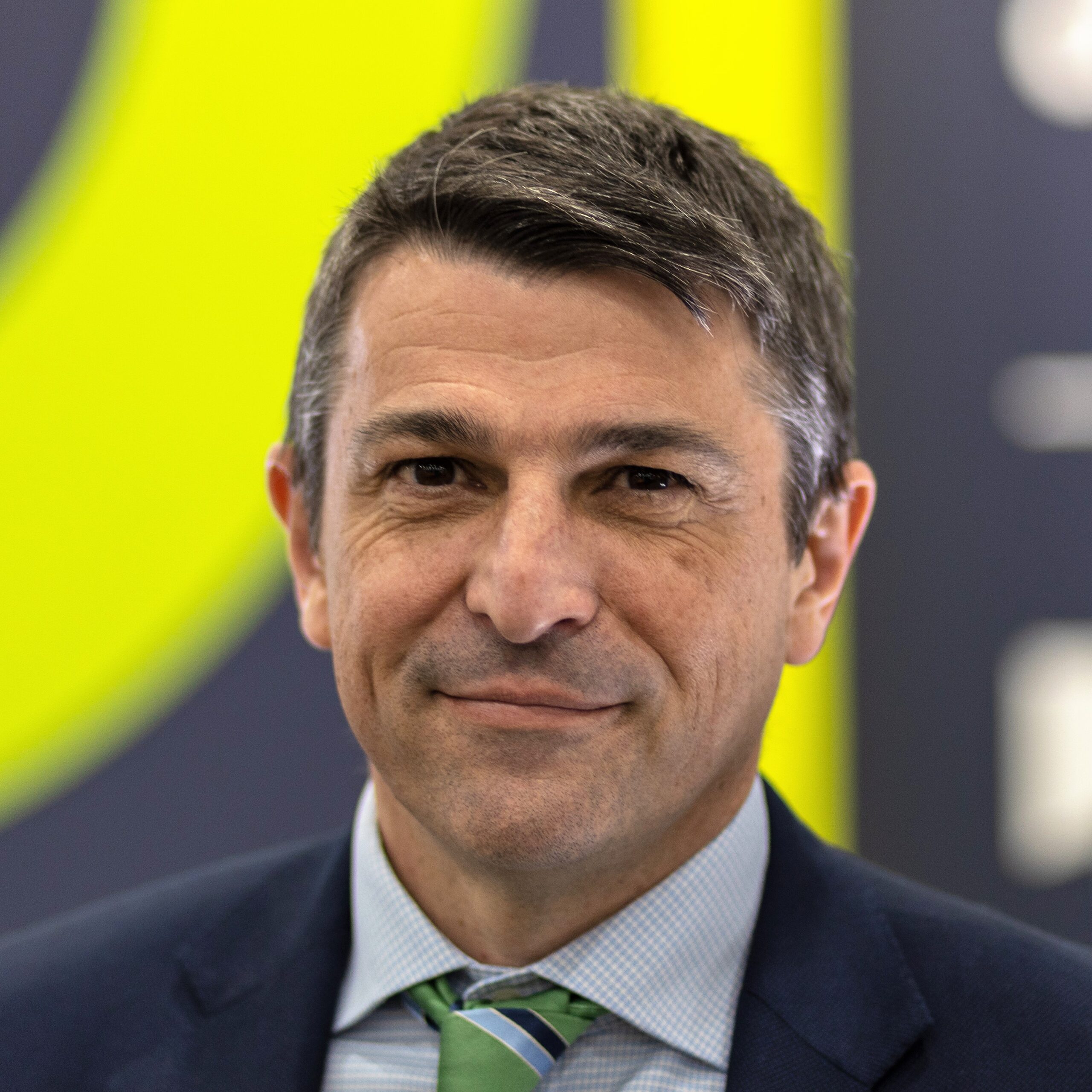
Forcys has appointed Dr Ioseba (Joe) Tena as Managing Director and Mr Peter Hodgkinson as Non-Executive Director.
Ioseba, who takes up the role with immediate effect, has served as Forcys Commercial Director since the company’s formation in 2022. Prior to that, Ioseba was Head of Defence at Sonardyne International Limited who are also part of the Covelya Group alongside Forcys, Chelsea Technologies, EIVA, Voyis, and Wavefront Systems.
“Launching Forcys, we were confident our cutting-edge commercial technology would accelerate the development of powerful, next-generation underwater platforms," says Ioseba. "And the initial response from customers validates this vision. I am excited in my new role to keep turning that vision into reality. Our customers venture where others fear to tread and Forcys, together with our technology partners across the Covelya Group, are dedicated to providing them with the best tools to succeed in their missions.”
Ioseba is a recognised and successful leader in the unmanned maritime systems and sensors industry. Prior to joining Sonardyne, Ioseba worked at SeeByte were he led the sales and marketing team. He has a PhD in Electrical and Electronic Engineering from Heriot-Watt University focused on underwater navigation and sonar.
Forcys are also welcoming Mr Peter Hodgkinson to the Forcys Limited board as a Non-Executive Director. Peter started his career as a Weapons Engineer in the Royal Navy Submarine Service working on Strategic Weapon Systems and complex integrated C4ISTAR systems. On retirement from the RN, he worked in the BAE Systems Advanced Technology Group, focused on sensor and C4I systems across a number of platforms, rising from Principal Engineer to Business Executive for the Advanced Technology Team.
Peter joined SEA maritime technology group as the Business Development Director in 2009, with a short period at OSI. During his time there, the company grew from 60 to 400 people through a combination of organic activity, mergers and acquisitions. Peter left the group in 2023.
Retiring to become a Senior Consultant in Maritime Defence, Peter brings a wealth of experience as a both a user and provider of cutting-edge maritime defence systems and has right skills and management experience to help drive our planned expansion.
“With Forcys, Covelya Group is committing to support our navies putting our best foot forward. We appreciate they need to work with companies that understand their operational requirements and their need for security. I am confident that the new board appointments will help us deliver on this commitment.” Stephen Fasham, CEO, Covelya Group.
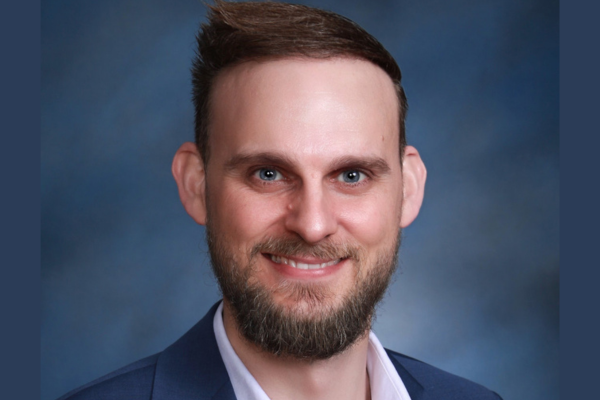
Matthew Peck joins Teledyne Interconnect Solutions as Outside Sales Manager
Teledyne Interconnect Solutions, a part of Teledyne Marine, is pleased to announce that Matthew Peck has joined the organization as its new Outside Sales Manager. Based primarily in Houston, TX, Matthew will be leading the Interconnect sales team in serving customers in a wide range of industrial and marine markets.
Matthew spent the initial years of his career at JDR Cable Systems, working in the Subsea Oil & Gas and Offshore Wind industries. He has been in Sales, Engineering, and Project Management, covering global projects for subsea umbilicals and power cables. Then moving to Private Equity, led his company to aggressive growth in Onshore Cable and Specialty Vehicles domains. Matthew studied Material Science and Engineering at the University of Manchester in the UK.
George Andersen, GM and VP of Teledyne Interconnect Solutions, shares, “I am excited to welcome Matthew Peck to our team as Outside Sales Manager. His prior experience in similar markets, products, and applications, along with a strategic vision and customer centric focus will help propel our sales efforts to new heights.”
Adds Matthew, “I am thrilled to join a World Class organization in Teledyne Interconnect Solutions, and contributing to an already fantastic product range and culture energizes me to take us to new levels and markets.”
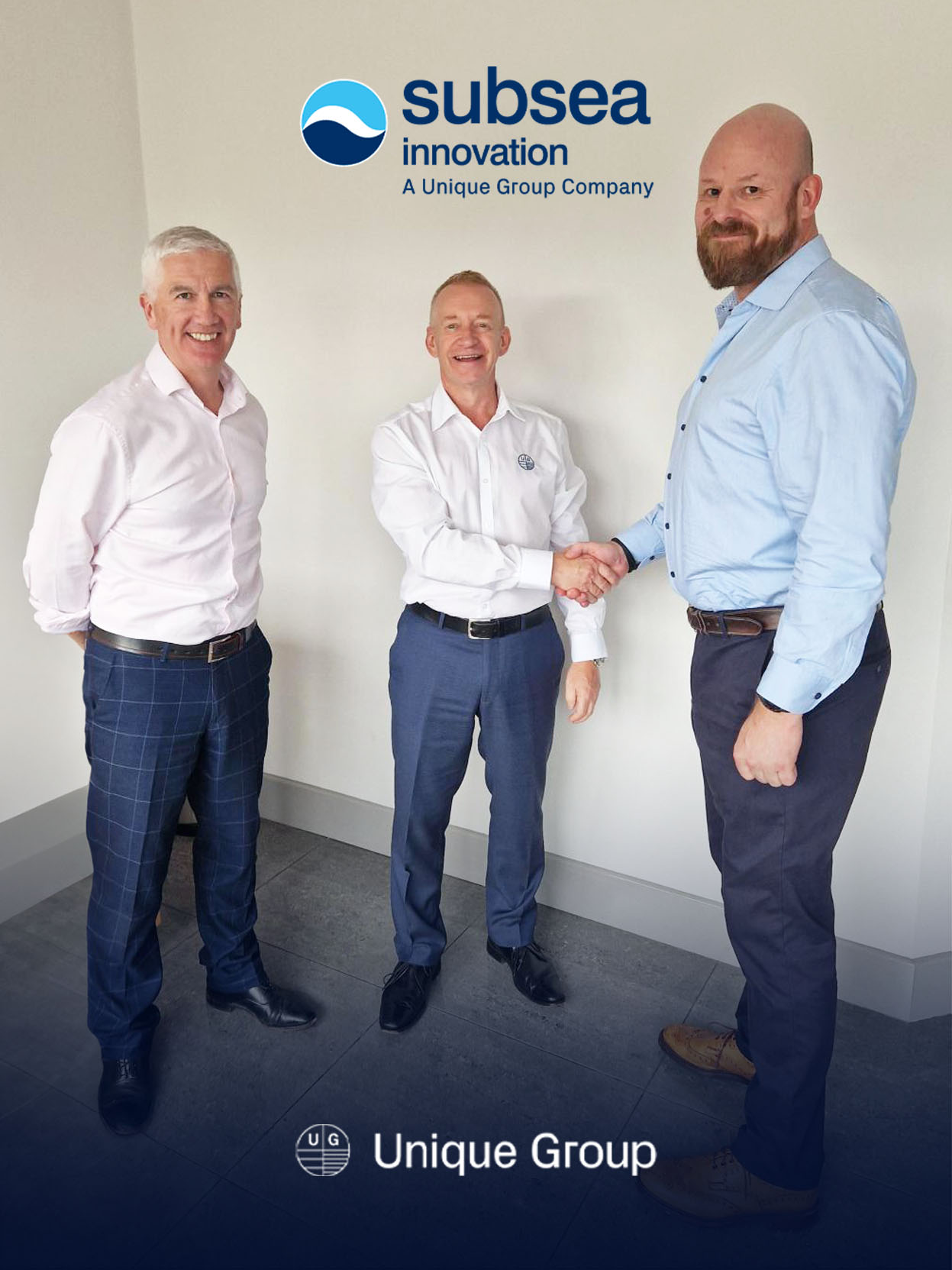
Unique Group acquires Subsea Innovation to strengthen engineering and consulting expertise
Unique Group, global leaders in subsea technologies and engineering, has announced the strategic acquisition of subsea technology and equipment manufacturer, Subsea Innovation. The deal elevates Unique Group’s global engineering capabilities, enhances its portfolio and further strengthens the organization’s focus on engineering excellence and technology development.
Headquartered in the United Arab Emirates, Unique Group has a global workforce of over 600 employees across 18 locations. Renowned over three decades for the company’s excellence in subsea technologies including Survey Equipment, Diving & Life Support, Buoyancy & Water Weights, Unmanned Surface Vessels, and Lifting & Mooring solutions. This new acquisition transforms the UK into a major engineering hub for Unique Group, complementing existing manufacturing locations in South Africa, the Middle East, and Isle of Wight, in the UK.
Subsea Innovation Limited, based in Darlington (UK), which was part of Tekmar Group plc, has a strong global track record of delivering technically complex projects for four decades, excelling in engineering, building and delivering over 450 complex engineered equipment, specializing in offshore deck equipment including launch and recovery systems, engineering consulting, emergency pipeline repair systems, and tailored solutions for subsea and renewable solutions. This acquisition fits seamlessly with Unique Group’s offerings, thus significantly boosting the technology growth focus for the Group, along with its ability to provide an integrated package for clients.
Sahil Gandhi, Chief Executive Officer at Unique Group commented: “This acquisition underlines our commitment to innovation and engineering expertise. We have ambitious development plans, along with our existing solutions to our wider customer base. Subsea Innovation's impressive track record, combined with Unique Group's strengths, positions us to deliver unparalleled solutions in the dynamic landscape of offshore energy and subsea sectors.”
Dave Thompson, Subsea Innovation’s Managing Director, and his engineering design team, has a wealth of experience in developing leading engineering solutions and products for some of the world's most challenging environments. Following the acquisition, Thompson will assume the role of Group Engineering Director at Unique Group, bringing his hands-on expertise to steer the company towards new heights in product development and engineering. He added: "We are excited to become a part of Unique Group, and this is a significant leap forward in our journey to redefine industry standards. With the combined technical and commercial synergies of Unique Group and Subsea Innovation, we are poised to significantly grow globally and develop new solutions, that can make subsea operations efficient and safer for clients."
Unique Group and Subsea Innovation are positive about the prospects this strategic acquisition brings and together, they look forward to charting new standards in the global subsea industry.
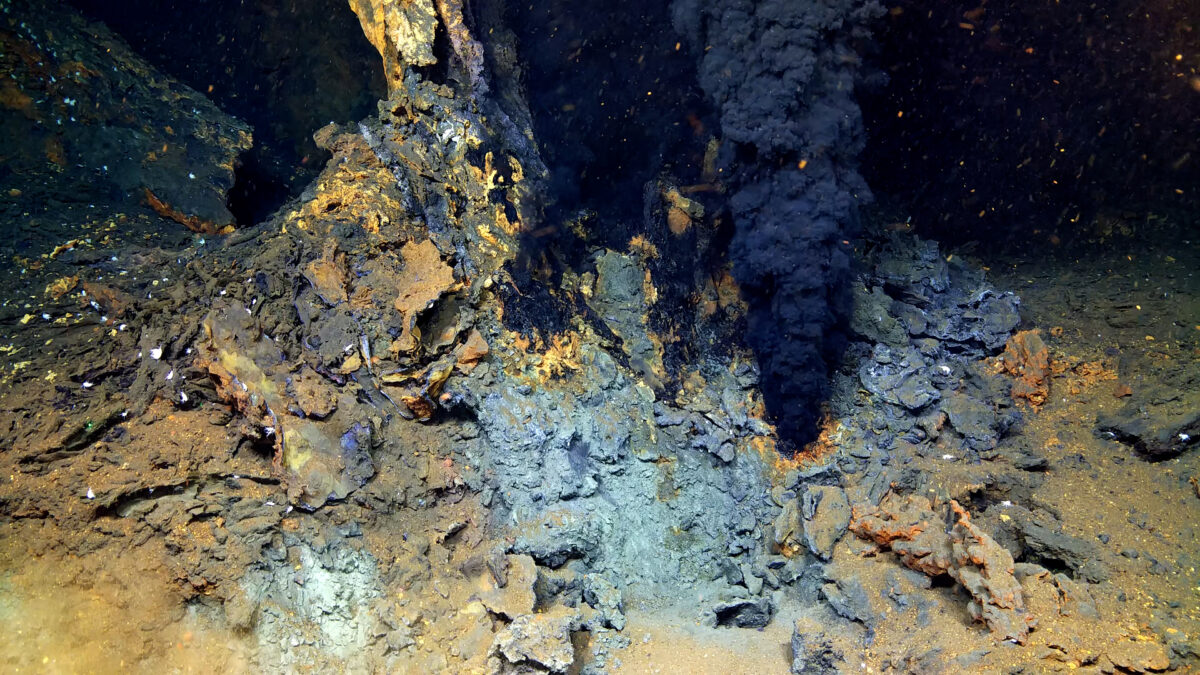
Ocean Census Arctic Deep: Expedition launched to reveal undiscovered life in the Arctic depths
The Ocean Census Arctic Deep Expedition is set to redefine our understanding of the biodiversity of the deepest Arctic Ocean marine habitats. Led by The Nippon Foundation-Nekton Ocean Census Alliance, UiT (The Arctic University of Norway), and REV Ocean, this groundbreaking expedition brings together a multidisciplinary team of 36 scientists and media experts from 15 leading academic institutions to discover, research, and document this underexplored region.
Prof. Alex Rogers, Science Director at Ocean Census, said: “Ocean Census has a rare opportunity to delve into some of Earth's most extreme and uncharted habitats – from hydrothermal vents, abyssal plains, and mid-ocean ridges to seamounts and gas and oil seeps. These remarkable environments harbour an abundance of undiscovered life forms, and we anticipate uncovering hundreds of new species, ranging from sponges to corals, sea anemones, snails, small crustaceans and animals which feed off chemical energy like beard worms."
"In our relentless pursuit to unveil the mysteries of the ocean depths, the Ocean Census Arctic Deep Expedition stands as a testament to our commitment to marine discovery and conservation. Through collaborative efforts and cutting-edge technology, we strive to shed light on the undiscovered life thriving in the Arctic depths, paving the way for a deeper understanding of our planet's precious ecosystems," said Yohei Sasakawa, Chairman of The Nippon Foundation.
Departing from Tromsø, Norway, on May 3rd aboard the Institute of Marine Research’s RV Kronprins Haakon, the Ocean Census Arctic Deep Expedition is the first leg of UiT’s EXTREME24 mission. Equipped with REV Ocean’s 6000-metre-rated ROV Aurora, the expedition will sample and film the remote and enigmatic marine environment of the Fram Strait passage between Greenland and Svalbard. The research area encompasses a wide range of deep-sea habitats, including the Knipovich Ridge, Dumshaff Abyssal Plain, Jøtul vent field, Svyatogor Ridge, Alta Seamount, and Molløy Deep - the deepest point in the Arctic Sea at 5550 metres. Some of these unique habitats are being targeted for deep sea mining.
Prof. Giuliana Panieri, Professor at UiT and expedition leader, said “I am excited to collaborate with a team of scientists and students from across the globe and with important institutions during this expedition, and proud that the knowledge we've gathered at UiT thus far has been instrumental in meticulously planning this voyage. The insights we gain will not only advance scientific understanding but will also be crucial for developing strategies to protect our planet.”
Following the expedition, in October 2024, a taxonomic workshop will be hosted by Ocean Census and UiT at their university labs in Tromsø to accelerate the species discovery and taxonomic work from the specimens collected. The resulting curated collection will be housed at the Arctic University Museum of Tromsø, providing a valuable resource for future research endeavours and contributing to the global understanding of marine biodiversity in the region.
Nina Jensen, CEO of REV Ocean, said "We are excited to support UiT and Ocean Census on the Extreme24 cruise to the Arctic and Barents Sea. This is a unique opportunity to explore some of the most remote and uncharted regions of our planet, while making the best use of REV Ocean´s Aurora ROV."
Ocean Census, a 10-year international scientific endeavour endorsed by the UN Ocean Decade, is dedicated to transforming the discovery of ocean life. Spearheading collaborative efforts with partners such as UiT, REV Ocean, and the Ocean Census Science Network community, this initiative was founded to address the critical knowledge gap surrounding marine biodiversity.
Launched in 2023 by The Nippon Foundation and Nekton, Ocean Census operates as an open Alliance of scientists from over 280 institutes and numerous government, scientific, business, technology, civil society, and philanthropic partners, working collectively to use pioneering technological advancements to tackle an issue with profound global significance.
With an estimated 1-2 million marine species awaiting discovery, Ocean Census champions and coordinates a diverse, global network to enhance oceanic exploration and understanding. Using innovative techniques, such as ‘cyber taxonomy’ to accelerate species discovery, Ocean Census has set an ambitious milestone of 100,000 species discoveries over the next 10 years. Entering its second year, The Arctic Deep expedition promises to build on the momentum of previous expeditions to areas like the Bounty Trough in New Zealand and the Macaronesian Archipelago, which have led to over 350 new species discoveries and counting.
With an emphasis on immersive and inclusive storytelling, Ocean Census will have an award winning team of videographers, photographers and visual artists onboard. For regular expedition news throughout, follow @oceancensus on social media.
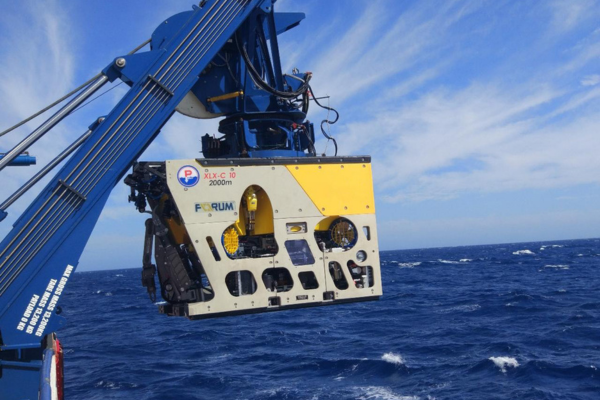
FET secures contract to supply work-class ROV to Mexican subsea organisation
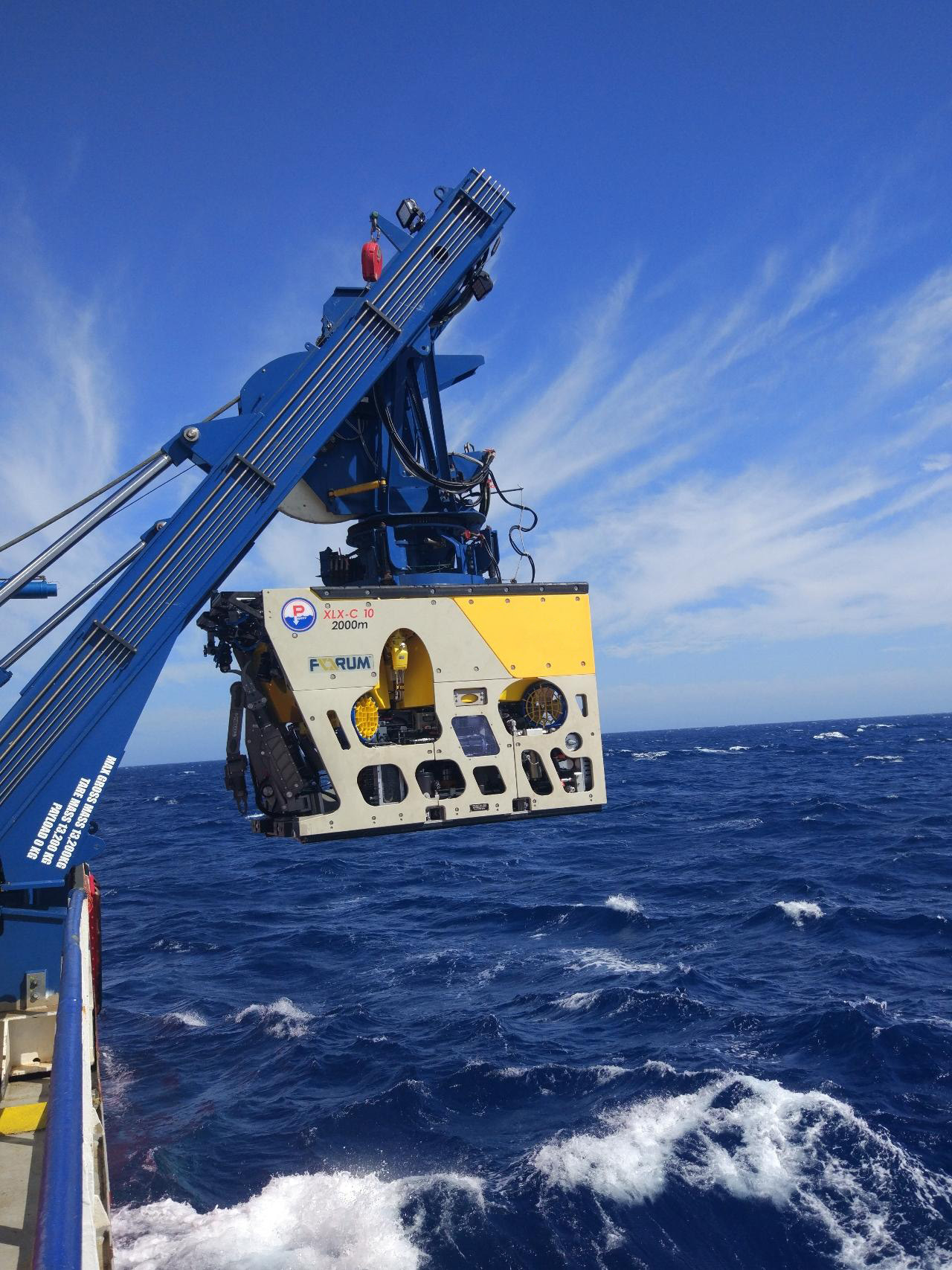
Forum Energy Technologies, Inc. has announced its Subsea Technologies product line secured a contract from AQUA Exploracion for one of its Ultra Compact Perry XLX-C work-class remotely operated vehicles (ROV). The XLX-C will be equipped with a comprehensive spare parts package to optimize performance and reliability.
The ROV will complement and increase the company’s existing capabilities and will be used to enhance subsea exploration, inspection, and intervention operations in challenging environments. The Perry XLX-C ROV has advanced features and a robust design, making it ideal for tasks such as pipeline inspections, underwater structural assessments, seabed mapping, and deep-sea equipment installation and maintenance. Additionally, the ROV's versatility allows for efficient deployment in various underwater projects, ranging from offshore oil and gas exploration to renewable energy installations like offshore wind farms. Its integration into our fleet underscores our commitment to providing cutting-edge solutions for our clients while maintaining the highest standards of safety, efficiency, and environmental responsibility.
The contract is an example of FET's commitment to recycling systems and refurbishment capabilities. The XLX-C work-class ROV was originally manufactured at FET’s UK facility at Kirkbymoorside, North Yorkshire and will be sent to the factory for a thorough refurbishment and re-testing, ensuring it meets the highest standards. Additionally, it will be equipped with a comprehensive spare parts package to optimize its performance and reliability.
The ROV has a 2,000m depth rating and, coupled with compact Dynacon LARS design, is ideally suited for inspection, survey repair and subsea maintenance tasks. Ancillary tools and sensors can also be added to the vehicle for survey and light intervention work. It is equipped to a high specification with a seven-function manipulator arm for complex underwater procedures.
Kevin Taylor, FET’s Vice President – KMS and Subsea Robotics, said: “Our range of Perry ROVs are the most long-established and recognisable vehicles in the subsea industry due to their quality, reliability and flexibility. We are extremely pleased that our ROV has been chosen to support AQUA Exploracion. The XLX-C WROV is one of the most versatile models on the market and has the capabilities required for the tasks that it will undertake for AQUA Exploracion. FET has a robust strategy of providing first-class engineering, after market support and service to offshore contractors from our operating centres located in key regions. We look forward to the on-time delivery of the system later this year and to continuing to support AQUA Exploracion’s global operations.
Luis Gamez, AQUA Exploracion, Commercial Director, said: “A momentous amount of work has gone into preparing what has been a complex contract in a very short time, but our dedication and collaborative efforts have ensured its successful completion. This partnership with FET’s Subsea Technologies product line marks a significant milestone for AQUA Exploracion, reaffirming our commitment to acquiring top-of-the-line equipment to bolster our capabilities in serving our clients' needs efficiently and effectively. We are confident that the integration of the XLX-C work-class ROV into our operations will not only elevate our performance in subsea exploration and intervention but also enhance our reputation as a leading provider of integrated subsea solutions. We look forward to the continued success of this collaboration and the positive impact it will have on our future endeavors."
FET is known globally for manufacturing high quality, robust ROVs and associated auxiliary products for a number of underwater industry applications ranging from oil and gas to renewables, defence, mining and telecommunications, mining, aquaculture and academia.
Pro-Oceanus Systems announces Mark Barry as new President
Dissolved Gas Sensor manufacturer, Pro-Oceanus Systems, proudly announces the appointment of Mark Barry as its new President and Owner.
Mark moves in to the role of President after joining Pro-Oceanus in 2012 and working through a number of progressives roles within the company prior to this appointment. He brings strong knowledge in science, engineering and business to lead Pro-Oceanus forward as a company that has seen revenues increase an average of 30% per year over the past 5 years while he was the VP of Business Development.
“I am truly excited to lead Pro-Oceanus. From enhancing our interaction with partners, to foster new innovation in product development, to leading to the advancement of sensors for monitoring dissolved greenhouse gases are keys to the future of Pro-Oceanus. Enhancing the reliability of Pro-Oceanus products through continuous improvement in all areas of the business is a key goal moving forward” says Mark.
The creation of a strong and stable global base for our products continues to be the focus, with expansion of new products that are designed with this base in mind. Expanding into emerging markets such as aquaculture and wastewater will also be part of the overall strategy to expand and grow.
ASL partners with Edgewise Environmental
ASL Environmental Sciences Inc. (ASL) and Edgewise Environmental Consultancy Ltd. (Edgewise) have partnered to offer the North American offshore marine energy sector a comprehensive full-service team of ocean specialists. With a cumulative 60+ years of ocean experience and extensive on-water experience on all three of Canada’s coastlines, they strive to deliver innovative multidisciplinary solutions for your marine energy project needs.
- Comprehensive physical oceanography studies
- Sea ice studies
- Biological oceanography studies
- Marine mammal and seabird observation
- Passive acoustic monitoring (PAM)
- Environmental Training
ASL stands as Canada's largest company specializing in physical oceanography. Since 1977, ASL has been actively involved in supporting marine energy initiatives from the tropics to the Arctic. ASL offers a range of oceanographic instrumentation, an extensive lease pool of metocean instrumentation, and subsea mooring design and deployment. The company has also expanded its services to include direct surface wave measurements in shallow and deep waters via moored buoys, complementing its subsea offerings.
Edgewise Environmental is a certified women-owned Canadian marine environmental consultancy focused in marine mammals, seabirds and underwater noise mitigation solutions. As architects of change, Edgewise is driving marine environmental advancements through specialized consulting and training, strengthened by cutting-edge research and technology. Edgewise delivers environmental services and products to clients across various industries nationwide. Examples of past projects include mitigation and monitoring during geophysical and geotechnical surveys, wildlife data management for large scale energy projects, literature reviews for federal regulators focused in renewable energy, and Indigenous engagement for wildlife monitoring programs.
Pioneering South Hampshire College Group launches new Digital Training Vessel for public educational spearheading of new and innovative maritime skills
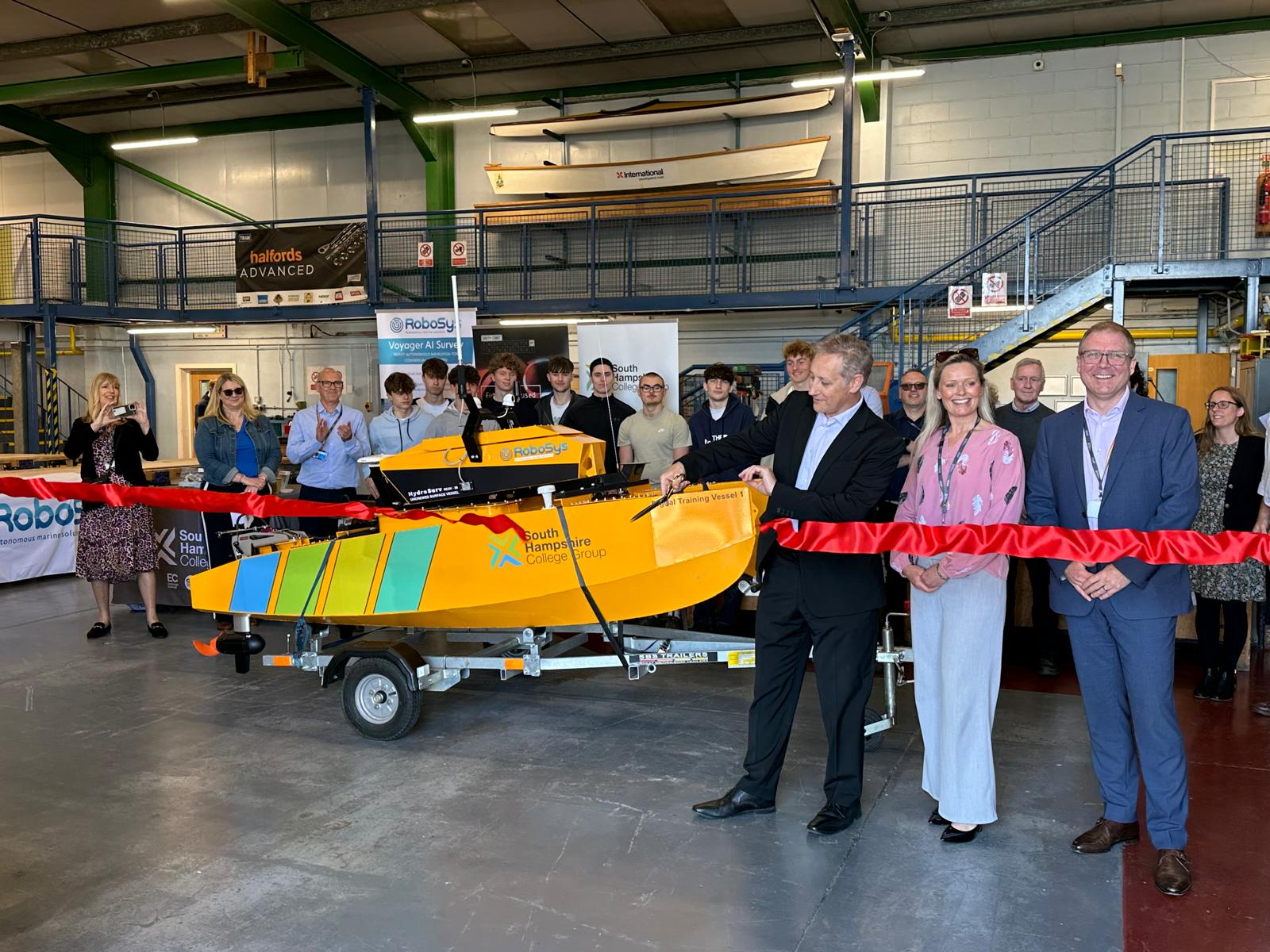
South Hampshire College Group (SHCG), a large and newly merged college group, that brings together three Further Education colleges from Southampton, Eastleigh and Fareham has taken delivery of a pioneering resource to meet the needs of new and emerging skills in the Solent region, through the acquisition of a state-of-the-art Digital Training Vessel.
Believed a first for further education in the UK, the new Digital Training Vessel (DTV) is an Unmanned Surface Vessel (USV) which will support an ambitious new Further Education curriculum for both SHCG’s Centre of Excellence in Engineering, Manufacturing and Advanced Skills Training (CEMAST) in Lee-on-the-Solent near Fareham, and SHCG’s specialist Marine Skills Centre located by the River Itchen, Southampton.
USVs are popular with industry and research bodies for surveying, patrolling, and search and rescue duties, as they have many benefits including zero emissions, lower operating costs, anti-fatigue, consistent routing, and are safer.
The new Digital Training Vessel USV is controlled remotely from either a shore-based mission control centre, or onboard a mothership, through digital remote operations, with optional AI (artificial intelligence) decision-aided support.
The SHCG Digital Training Vessel will contribute to supporting learning across new and innovative maritime skills, which will help to address the sector’s skills shortage and regional social employment challenges.
The skillsets required for USV Remote Operators combine digital, marine engineering, marine electrical, systems engineering, net zero understanding and navigational knowledge, which until recently were unavailable as a single career pathway. Through a new curriculum being rolled out this coming academic year, students from across traditionally distinct faculty areas will gain invaluable experience, knowledge, and skills to raise awareness of the maritime sector as a viable career option in which to progress.
The acquisition of the Digital Training Vessel was secured through a funding award by the Local Skills Improvement Fund (LSIF), as part of the Group’s focus on pioneering the education of innovative skills and as a contributor in delivering the Solent’s Local Skills Improvement Plan (LSIP).
Other innovative educational assets recently unveiled by SHCG and LSIP include TECH:TRUCK, a collaborative mobile educational and technological roadshow shared between seven local education providers, and SHCG’s new multi-million pound Department for Education funded Institute of Technology (IoT) at CEMAST, the only IoT offering a specific Higher National Certificate in Robotics and Mechatronics.
Naomi Smith, LSIF Programme Director comments, “South Hampshire College Group is a pioneer in identifying new and emerging skill requirements. Maritime has been identified in the Solent Local Skills Improvement Plan as a key area of focus, particularly in digital skills and where traditional roles overlap with new, such as marine engineering and vessel operations.”
She continues, “South Hampshire College Group works with local industry leaders to ensure the skills, qualifications and progression routes provide further opportunities for our students to create better futures. In addition, providing public educational training resources such as the Digital Training Vessel is key to encouraging social mobility as it enables access to all.”
The Digital Training Vessel project is entirely British, with the USV built by HydroSurv based in Plymouth, together with its vessel control systems, including maritime autonomy and remote-control operations, provided by Robosys Automation based in Southampton.
The launch of the DTV was held at South Hampshire College Group’s Marine Skills Centre in Woolston, near Southampton, UK, where maritime students and representatives from academia and industry were in attendance.
The launch event was also an opportunity to showcase the broad range of technical skills and career pathways available within the maritime sector and was a pivotal catalyst in bringing together multidiscipline curriculum areas for students. The USV showcased its capabilities on the water, with guests experiencing remote operations firsthand.
DTV “Trio” Collaboration Project Lead, Nigel Lee, CSO of Robosys Automation, which also provided the vessel control systems and autonomous operations for the USV comments, “Today is a landmark moment for the maritime industry, as demand for trained operatives in this specialism is rapidly increasing, both across USVs and also larger vessels including uncrewed and lean-crewed ships. Having this advanced Digital Training Vessel as a Further Educational resource broadens the catchment opportunities, thus satisfying the very real skillset shortage in the maritime sector, whilst creating a consistent level of learning.”
The event welcomed representation from the UK’s Marine Robotics Innovation Centre, Hampshire Chamber of Commerce, National Oceanography Centre, Robosys Automation, Landau Marine, South Hampshire College Group, Solent Local Skills Improvement Plan, South Coast Institute of Technology, amongst others from supporting associations and industry.
The Digital Training Vessel will enter service for September’s intake of students.