
ZeroUSV demonstrates UK sovereign maritime capability during VIP tour
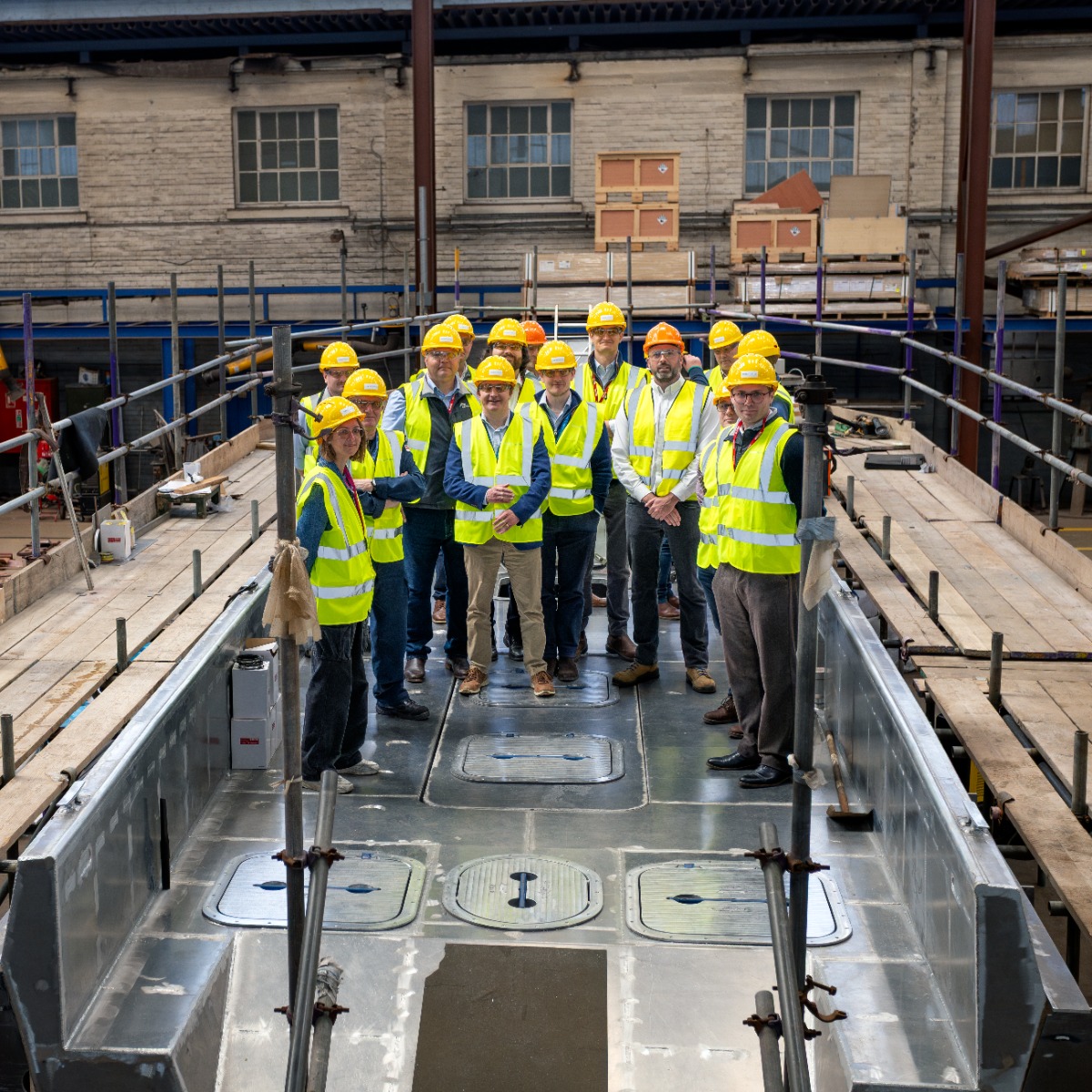
ZeroUSV welcomed recently representatives from the Royal Navy, MOD and NSO (National Shipbuilding Office) to Manor Marine’s headquarters in Portland for a VIP tour showcasing the company’s expanding autonomous maritime capabilities.
The visit follows ZeroUSV’s recent strategic investment in Manor Marine, strengthening the partnership and boosting sovereign UK production capacity for the company’s Oceanus class uncrewed surface vessels (USVs).
During the tour, guests were shown around Manor Marine’s facilities and given an update on the ongoing build of ZeroUSV’s next-generation Oceanus17 platform, which remains on track to be launched in July this year.
The tour demonstrated ZeroUSV’s ability to rapidly scale production of advanced British-built autonomous vessels, while highlighting the strength of UK sovereign shipbuilding and innovation within the maritime defence sector.
Designed for long-range, over-the-horizon operations, Oceanus17 represents a significant step forward in modular, multi-role autonomous maritime capability.
The 17-metre platform features a 4-tonne payload capacity and a 20ft ISO-compatible mission deck, enabling rapid reconfiguration for a wide range of defence, security and commercial maritime missions.
Matthew Ratsey, Managing Director of ZeroUSV, said: “It was a pleasure to welcome representatives from the Royal Navy and MOD, and showcase the progress being made across our Oceanus programme.
“The visit highlighted not only the pace at which we are developing advanced autonomous capabilities, but also the strength of British engineering and sovereign shipbuilding. Through our partnership with Manor Marine, we are building the foundations needed to deliver scalable, mission-ready USV capability for both defence and commercial applications.”

CiS Unveils ORKA Dock: World’s first autonomous UAS launch and recovery system for moving maritime and mobile platforms
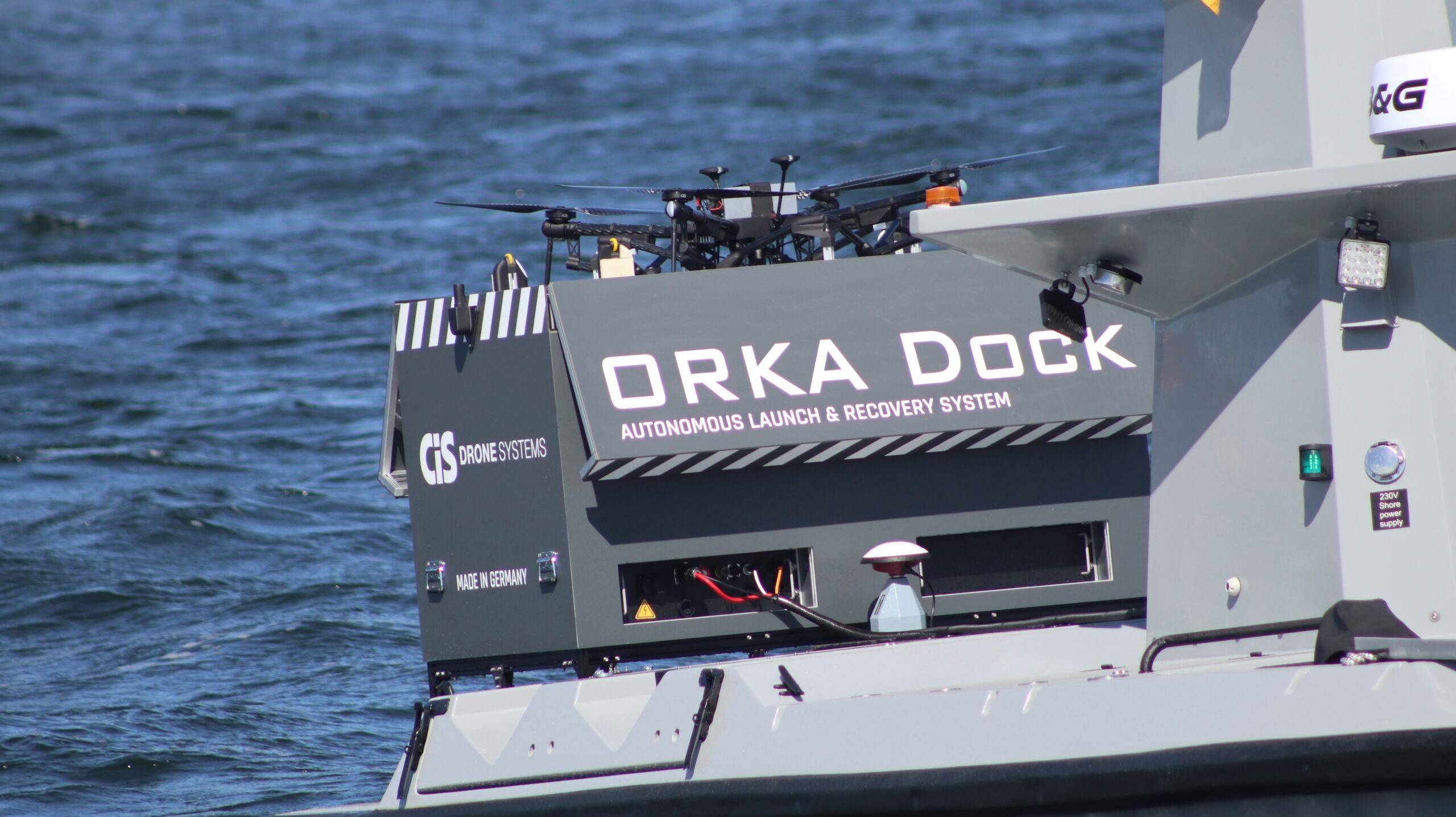
 CiS, a leading European developer of autonomous aerial systems, today announced the introduction of ORKA Dock - a fully automatic launch and recovery hangar for its ORKA Uncrewed Aerial System (UAS). The announcement was made on the opening day of the Combined Naval Event, a maritime conference and exhibition taking place in Farnborough, UK.
ORKA is CiS’s long-range tactical drone, developed for aerial surveillance, reconnaissance, and inspection missions over land and water. Delivering 75 minutes of endurance with a 5.0 kg mission payload capacity, ORKA provides operators with persistent awareness across a broad spectrum of operational scenarios.
Automated launch and landing from a moving platform has been a core capability of ORKA since its introduction. The new ORKA Dock now extends and refines that capability into a fully self-contained, fully-enclosed, go-anywhere deployment solution.
Designed and built in Germany using sovereign components, the system enables the ORKA to launch, return-to-home, and recharge entirely without any operator intervention - from ships, uncrewed surface vessels, land vehicles, and expeditionary sites. Its compact design integrates fast recharging, optional tether capability, and battery-backup operation, ensuring continuous mission readiness with the capability to open and launch in under 30 seconds.
Prior to today’s announcement, CiS conducted a live demonstration of the ORKA Dock at SeaSEC 2026, the international naval security exercise held in April 2026 in Rostock, Germany. The demonstration marked the first operational deployment of the ORKA Dock aboard a moving USV in an operational environment. The system was integrated aboard the back deck of Q-RECON 24, a high-speed, long-range USV developed by FLANQ, CiS’ strategic partner in the maritime domain.
Operating daily over the course of two weeks, in missions ranging from offshore energy asset protection to harbour security, the ORKA Dock successfully demonstrated automatic launch and recovery of ORKA while the Q-RECON 24 was underway, validating the system’s proprietary Precision Landing System (PLS), which enables autonomous recovery onto a moving and pitching surface.
The exercise confirmed the dock’s performance at platform speeds of up to 15 knots, meeting the demands of naval customers seeking persistent, multi-domain intelligence, surveillance, and reconnaissance (ISR) capability.
Speaking at CNE , Tom Kaufman, Founder and CEO of CiS said: “SeaSEC was a landmark moment for CiS and for autonomous naval aviation more broadly. Achieving fully autonomous launch and recovery from a moving USV in a live exercise environment - without any operator intervention - is something that has never been done before. We believe it to be a world first.
The ORKA and ORKA Dock, working collaboratively with FLANQ USVs, give navies, coast guards, and maritime security operators the persistent aerial capability they need, deployable from virtually any surface asset. We’re excited to debut this technology at the Combined Naval Event and look forward to moving into full-scale production.”
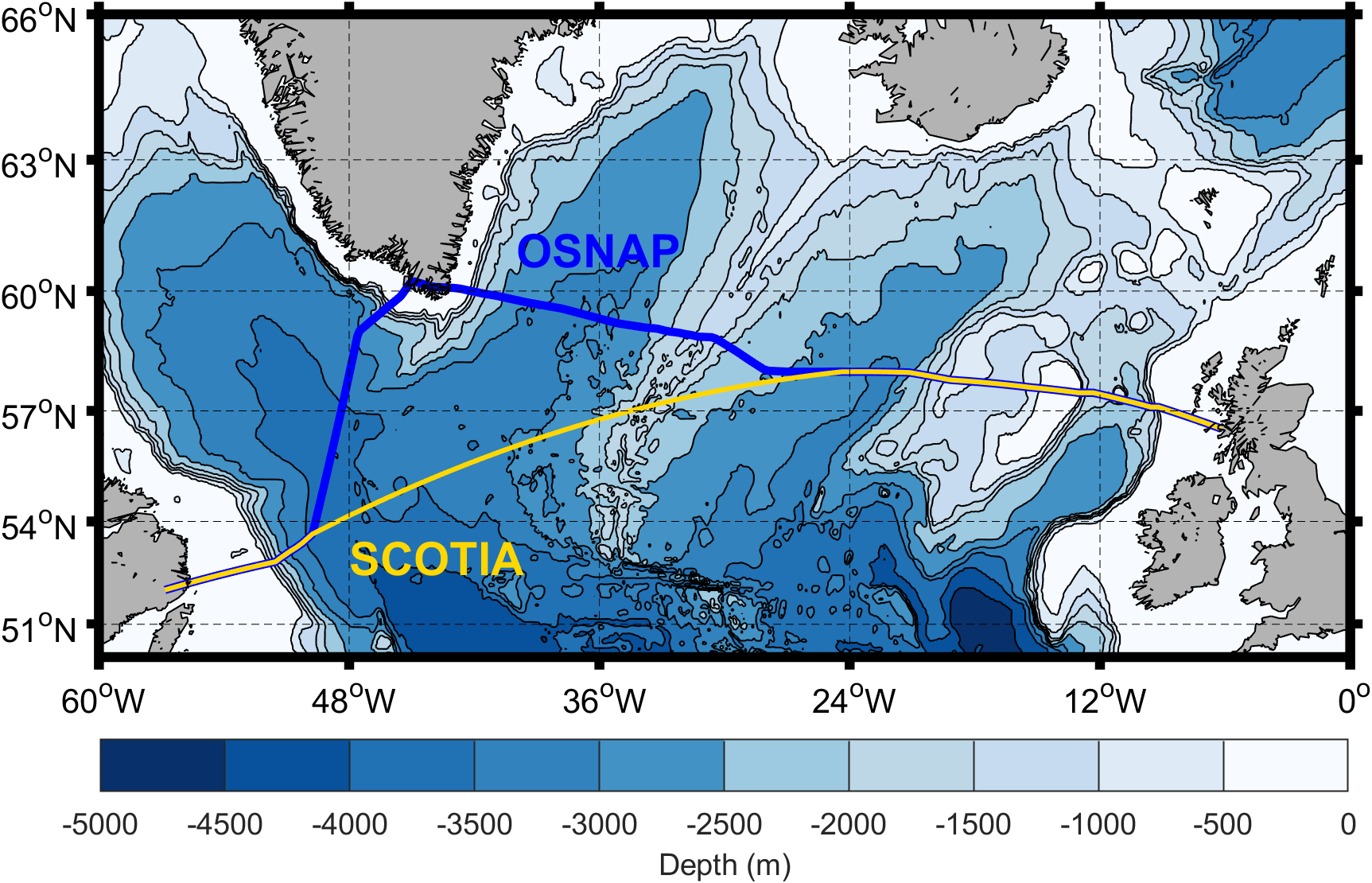
New oceanographic array to aid AMOC observations
 Marine scientists in Scotland have helped to develop the most comprehensive view yet of how large-scale north Atlantic currents that dictate our climate may be changing.
The scientists at the Scottish Association for Marine Science (SAMS) in Oban, a partner of UHI, have combined data from a range of sources to measure the mass formation of Atlantic currents, known as the Atlantic Meridional Overturning Circulation (AMOC).
Their Scotland-Canada Overturning Array (SCOTIA) of observations incorporates data from scientific moorings on the existing sub-polar OSNAP array and the 50-year Extended Ellett Line time series, as well as Argo floats drifting in the Atlantic. Data from the new array, which stretches from Scotland to Canada, also pre-dates OSNAP (established in 2014) by 10 years, giving observations from 2004 – 2024. The findings have been published in a new paper in the journal Ocean Science.
Oceanographers across the world have long hypothesised that the AMOC could be weakening because of climate change, a view partly supported by a sub-tropical array of moorings known as RAPID, which has been in place since 2004. Because AMOC transports heat northwards from the tropics, a weakening, or complete collapse, of this ocean system could potentially plunge western Europe into freezing temperatures more commonly associated with higher latitudes such as Greenland and Siberia.
Project lead Dr Neil Fraser of SAMS said SCOTIA had shown no clear signal that the AMOC was weakening at sub-polar latitude, but added this did not necessarily mean there was no overall weakening over a longer period of time.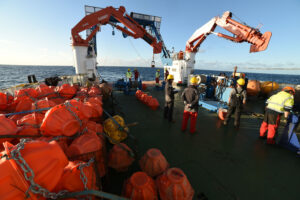
Dr Fraser said: “The creation of the SCOTIA array and the methods we used to gather this data mean we are a step closer to answering one of the biggest questions in ocean science: is the AMOC weakening? It will allow us to effectively keep our finger on the pulse of the AMOC to give us the best chance of detecting a weakening or collapse.
“By extending the record backwards by 10 years, we have brought the subpolar observations in line with the sub-tropical observations and can therefore better understand AMOC behaviour across the Atlantic.
“Crucially, we have observations from the Labrador Sea, east of Canada where the dense waters that sustain the AMOC engine flow southward.
“What we have developed is a cost-effective, sustainable approach to observing the AMOC that will help to future-proof research in this topic.”
The new SCOTIA array builds on the OSNAP array but adopts a different observational configuration, omitting measurements around Greenland. Instead, SCOTIA directly connects Ellett Line data on the eastern side of the Atlantic with mooring data from the western boundary that extend back to the 1990s. Argo float data are used to fill gaps across the central Atlantic.
The reduced mooring array design and use of Argo float data means that getting a near-real-time AMOC estimate from SCOTIA is now a realistic ambition. This would give society the earliest possible warning if, or when the AMOC does start to slow down, or indeed collapse.
BeyonC and HydroSurv target NOK 5 billion subsea survey market with integrated USV-ROV solution
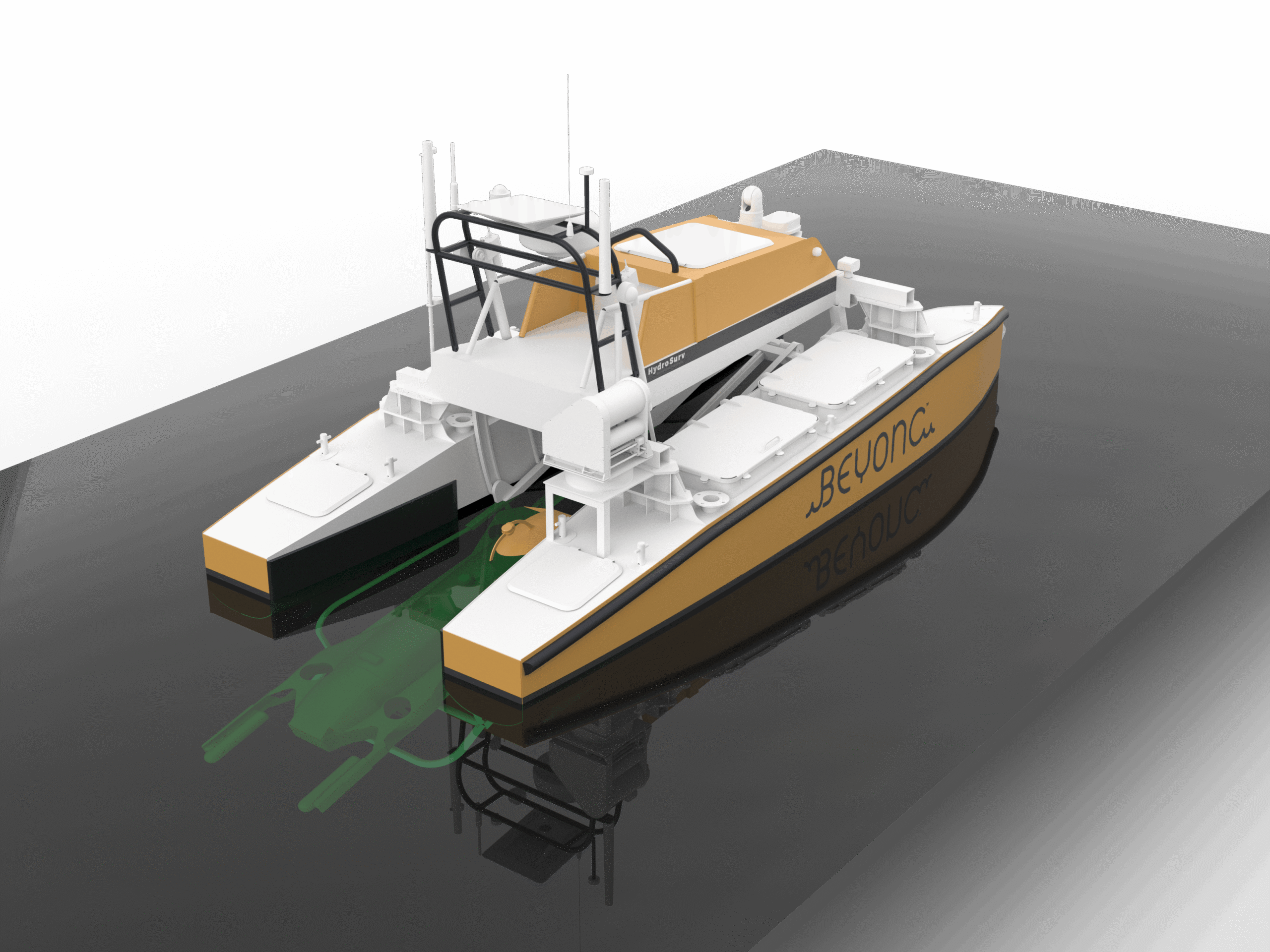
HydroSurv and BeyonC have finalised an agreement to deliver a REAV-60 Uncrewed Surface Vessel (USV) configured for the deployment and operation of BeyonC’s advanced Syncro pipeline survey ROV. The collaboration marks a significant step towards a scalable, low-emission operating model for shallow-water subsea survey.
The integrated USV-ROV system is designed to address one of the industry’s growing challenges: how to survey expanding subsea cable and pipeline infrastructure more frequently, more efficiently and with less reliance on conventional crewed vessels. By combining HydroSurv’s commercial-duty uncrewed surface platform with BeyonC’s purpose-built Syncro ROV, the companies aim to deliver high-quality subsea data while reducing cost, emissions and offshore personnel exposure.
BeyonC AS, a Norwegian subsea technology and ROV specialist, has developed Syncro specifically for safe, repeatable and high-efficiency survey operations in shallow-water environments. Together, the companies have developed a bespoke Launch & Recovery System (LARS) to integrate Syncro into the REAV-60 surface platform. The agreement was finalised during Oceanology International 2026 in London, following completion of the initial design engineering.
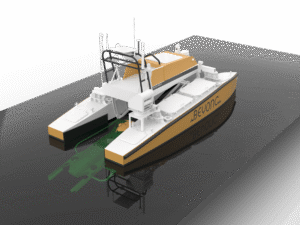
Configured as a dedicated uncrewed host platform, HydroSurv has integrated a tether management winch and a system architecture that enables coordinated positioning between the USV and the ROV. The 2026 updates to the REAV-60 are designed to support precision station-keeping, automated ROV following and real-time connectivity between Syncro and the remote operating team, enabling controlled, repeatable and high-resolution pipeline and subsea cable surveys.
For BeyonC, the collaboration forms part of a clear commercial strategy to industrialise shallow-water subsea survey. The company estimates that the addressable market for recurring pipeline and subsea cable survey represents a NOK 5 billion opportunity, with an estimated need for approximately 70 operational Syncro systems to provide sufficient survey capacity across existing and expanding infrastructure.
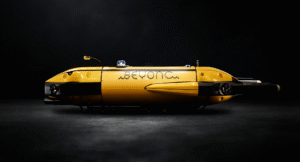
By removing the need for conventional crewed support vessels in many shallow-water scenarios, the integrated robotic survey solution has the potential to reduce vessel day rates, cut emissions and make repeat survey of critical infrastructure commercially viable at scale. This is particularly relevant as subsea cable networks and pipeline infrastructure continue to expand, while operators face increasing pressure to document asset integrity, reduce operational risk and lower the carbon intensity of offshore operations.
David Hull, Founder and CEO of HydroSurv, said:
“Working in partnership with BeyonC, this project demonstrates what can now be achieved with mid-size USVs in support of inspection-class ROV operations. Syncro has been developed with a clear focus on specific shallow-water inspection requirements, and that clarity translates well into an integrated system. By combining this ROV with a commercial-duty surface platform, we’re able to deliver the stability, control and repeatability needed for reliable deployment without reliance on conventional vessels. It’s a practical example of how uncrewed systems are starting to take on defined operational roles within subsea inspection.”
Morten Hegdal, CEO of BeyonC AS commented:
“Subsea survey is entering a new phase. Capacity, cost and emissions now matter just as much as technical capability. We believe the market needs a more scalable way to survey shallow-water cables and pipelines, and Syncro has been developed for exactly that purpose. Integrating Syncro with HydroSurv’s REAV-60 gives us a platform that can move ROV-based survey beyond conventional vessel operations and towards a repeatable, lower-risk and commercially scalable model. For BeyonC, this is an important step in building the survey capacity we believe the industry will need in the years ahead.”
Building upon BeyonC’s early trials positioning the ROV with a small USV, the introduction of launch and recovery capability takes Syncro from remote positioning towards a complete uncrewed survey concept. The preliminary design phase began in December 2025, and construction of the REAV-60 has commenced, with the hulls expected to be completed in May 2026.
The collaboration reflects a shared ambition to accelerate the transition towards safer, more efficient and more sustainable subsea survey operations. As demand for repeat survey of cables and pipelines increases, HydroSurv and BeyonC aim to demonstrate how integrated surface and subsea robotic systems can deliver commercial survey services at scale.
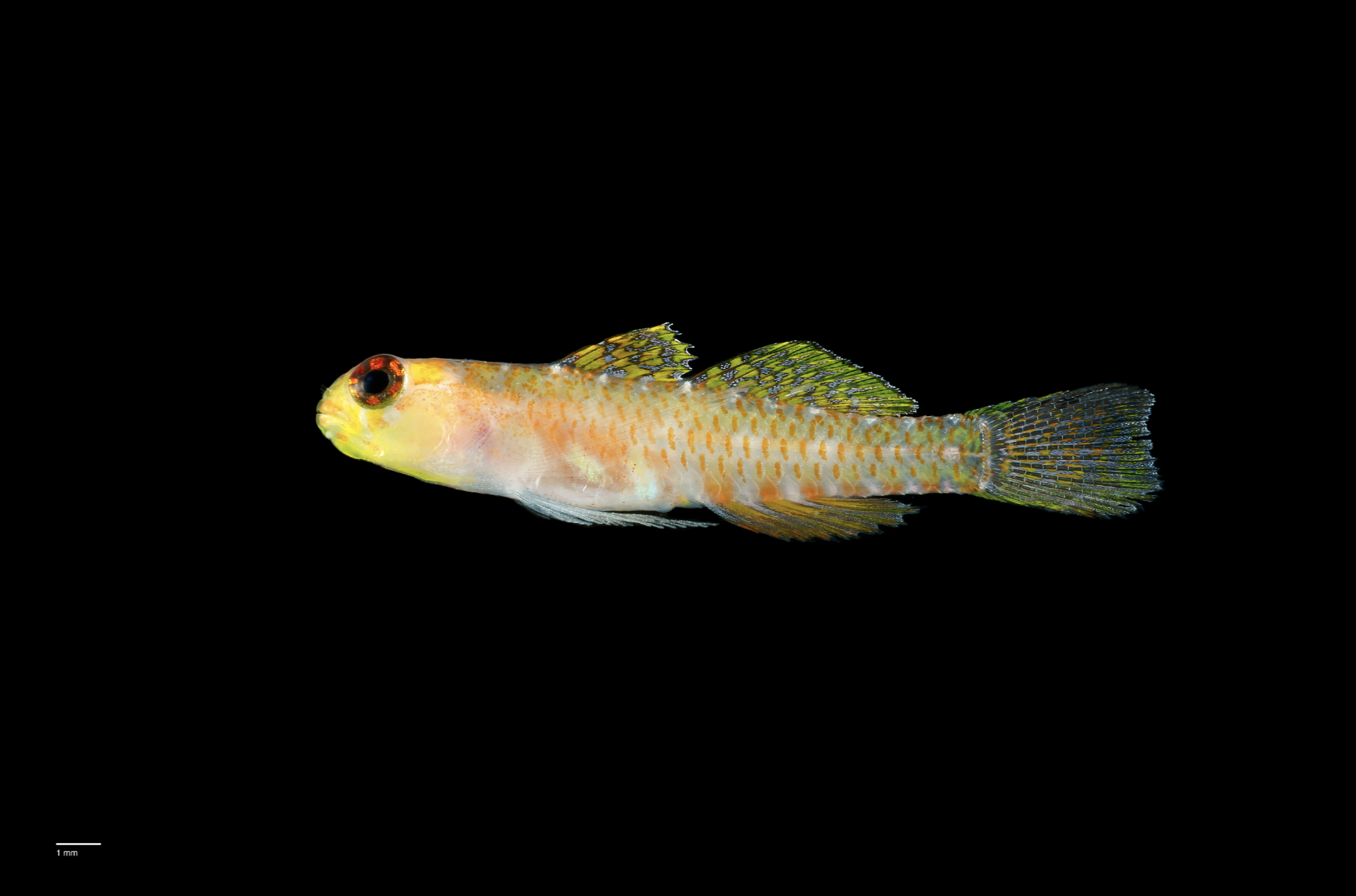
Scientists discover over 1,100 new marine species in landmark Ocean Census
- Scientists have found 1,121 previously unknown species, fast-tracking discovery and marking a 54% jump in annual identification.
- Discoveries from depths of up to 6,575m include a new species of deep-sea ghost shark, a symbiotic bristle worm living within a ‘glass castle’, as well as corals, crabs, shrimps, sea urchins, and anemones.
- Led by The Nippon Foundation-Nekton Ocean Census, this global effort included 13 expeditions and 9 species discovery workshops with leading scientists across the world.
World’s largest mission to accelerate species discovery reveals extraordinary new life forms from some of Earth’s most extreme and unexplored environments.
Scientists have discovered 1,121 marine species in a single year, marking a significant step forward in efforts to document life in the world’s oceans. From the ‘Ghost Shark’ Chimaera, a distant relative of sharks and rays in the Coral Sea, to symbiotic worms on volcanic seamounts in Japan, the findings uncover a complex array of life beneath the ocean surface.
The Nippon Foundation-Nekton Ocean Census, the world’s largest mission to accelerate ocean species discovery, marks a pivotal third year with 13 expeditions across some of the world’s most remote and least explored ocean regions, in partnership with JAMSTEC, CSIRO and the Schmidt Ocean Institute.
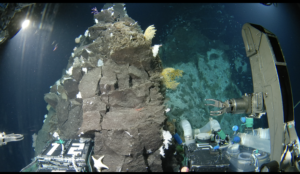
With up to 90% of ocean species still undiscovered, the findings highlight both the sheer scale of life yet to be documented and the importance of building scientific data that policymakers and marine managers need to protect the ocean.
Dr. Michelle Taylor, Head of Science at Ocean Census said: "With many species at risk of disappearing before they are even documented, we are in a race against time to understand and protect ocean life. For too long, thousands of species have remained in a scientific 'limbo' because the pace of discovery couldn't keep up. We are now breaking that bottleneck. By accelerating discovery and sharing data globally, we are not just finding new life, but generating the evidence needed to drive global science and policy at a critical moment."
Species spotlights:
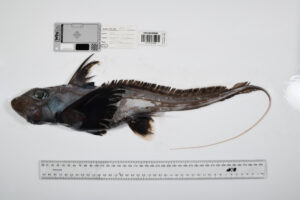
The ‘Ghost Shark’ Chimaera (Chimaera sp. 1)
Location: Coral Sea Marine Park, Australia
Depth: 802–838 metres
Often called "ghost sharks," chimaeras are among the most mysterious inhabitants of the deep ocean. Distant relatives of sharks and rays, they diverged into a distinct evolutionary lineage nearly 400 million years ago - predating the dinosaurs. The species was discovered by taxonomist Dr William White during a CSIRO expedition to the Coral Sea Marine Park, off the Queensland coast. Today, a third of sharks, rays and chimaeras are vulnerable to extinction.
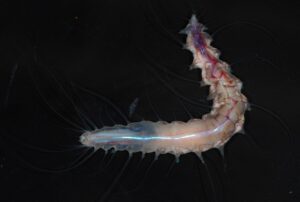
‘Life in a Glass Castle’ Symbiotic Worm (Dalhousiella yabukii)
Location: Shichiyo Seamount Chain, Japan
Depth: 791 metres
Discovered on a volcanic seamount during the 2025 Ocean Census JAMSTEC-Shinkai Japan expedition, this polychaete worm makes its home inside a ‘glass castle’: the intricate chambers of a glass sponge, a creature with a skeleton made of crystalline silica. Named after the mission's principal investigator, Dr Akinori Yabuki, this discovery was made by Dr Nato Jimi and published in The Zoological Journal of the Linnean Society.
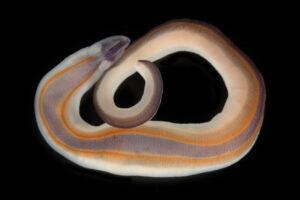
Ribbon Worm (Drepanophoridae sp.1)
Location: Timor-Leste
Depth: 1-5 metres
The striking pigmentation of this ribbon worm may serve as a visual warning to predators; a signal of the potent chemical defences common to the phylum Nemertea. Beyond their ecological role as predators, these worms may have biomedical significance; some of their unique toxins have been investigated as potential treatments for Alzheimer’s and schizophrenia. Discovered by Dr Svetlana Maslakova, the worms are less than 3cm long and their vivid pigmentation serves as a warning to predators, signalling potent chemical defences.
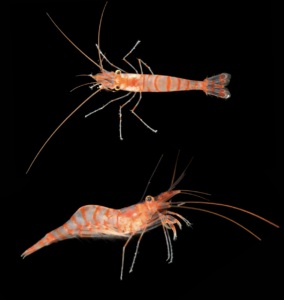
Mediterranean Shrimp (Caridion sp. 1)
Location: Marseille, France
Depth: 15-35 metres
A striking new species of shrimp found in a sea cave off Marseille proves that major marine discoveries are still being made right on Europe’s Mediterranean coast. Defined by its vivid orange banding and intricate appendages, the specimen was identified by taxonomist Dr Hossein Ashrafi, building critical data for effective conservation in the pressured Mediterranean region.
Mitsuyuku Unno, Executive Director of The Nippon Foundation said: "This year, Ocean Census has shown what is possible when scientific ambition is matched by global collaboration at scale. Through expeditions reaching polar depths to tropical seas, and the science to turn samples into discoveries, this team is revealing the extraordinary richness of ocean life.”
Powering Ocean Discovery: New Open Access Platform NOVA
Historically, the average time between a species' initial discovery and its formal ‘description’ in scientific literature is 13.5 years - meaning species are at risk of extinction before they are even catalogued. To address this, Ocean Census and collaborators are recognising ‘discovered’ as a formal scientific status that can be immediately recorded in NOVA, a new digital platform for marine species data.
Ocean Census NOVA makes collected data available within weeks, or even days, through a systematic, transparent and open access approach. Driving NOVA and Ocean Census is a science network of over 1,400 contributing taxonomists and scientists from 660 institutions in 85 countries.
Bridging the Knowledge Gap for Global Action
These 1,121 new marine species represent the outputs from a coordinated global alliance committed to transforming the speed at which we can discover marine life. High-quality data of this kind is the foundation for international action, providing the vital science required for the High Seas ‘Biodiversity Beyond National Jurisdiction’ Treaty and the Kunming-Montreal Global Biodiversity Framework. As the Ocean Census scales, its global network and open-access platform, NOVA, will help ensure that this critical data is available to inform global decision-making.
Ocean Census has spent three years building the systems, networks, and infrastructure required to discover ocean life at speed and scale. The method is proven - now it must be applied at the pace the challenge demands. Ocean Census co-founder, Nekton, is seeking $100M in catalytic capital to unlock $75M+ already pledged by partners, driving progress toward the ambition of discovering 100,000 new marine species.
Oliver Steeds, Director of Ocean Census said: "We spend billions searching for life on Mars or going to the dark side of the moon. Discovering the majority of life on our own planet - in our own ocean - costs a fraction of that. The question is not whether we can afford to do this. It is whether we can afford not to."

Next GeoSolutions awarded a new contract in the North Sea with Dutch TSO TenneT worth approximately €9 million
 Next Geosolutions, one of the leading international players in marine geoscience and offshore construction support services for the energy sector and listed on Euronext Growth Milan market, announces the award of a contract by TenneT TSO B.V. with a total value of approximately €9 million.
The contract covers the execution of marine survey activities in the offshore wind area “Voordelta – Nederwiek 3”, part of TenneT’s Roadmap 2030, aimed to assess the technical feasibility of the cable corridor, identify any seabed obstacles and supporting the design and engineering phases of the infrastructure, thereby reducing operational risks during the installation of the export cables connecting the offshore wind area to onshore facilities.
Specifically, operational activities will include geophysical and geotechnical marine surveys along the cable route, based on the acquisition and processing of geophysical data for seabed mapping, complemented by deep geotechnical sampling and analyses down to 40 metres, aimed at characterize the subsoil, as well as the identification of any unexploded ordnance (UXO) and obstacles along the route.
Operations will take place within the offshore wind area “Voordelta – Nederwiek 3”, in nearshore and tidal areas, with completion of activities expected by Q3 2026.
Valentina De Rienzo, CCO of Next Geosolutions, commented: “This new contract further strengthens NextGeo’s positioning as a reference partner for marine survey activities supporting thedevelopment of offshore energy infrastructures. The collaboration with TenneT demonstrates the trust placed by a leading European operator in the Group’s technical expertise and integrated approach. NextGeo continues to stand out for its ability to deliver reliable and efficient solutions in complex environments, contributing to the development of the offshore energy transition.”
The award forms part of TenneT’s broader European offshore power grid development programme and contributes to one of the most advanced infrastructure plans at continental level, in a context characterised by a growing demand for renewable energy.
Saab hosts young people in STEM Challenge

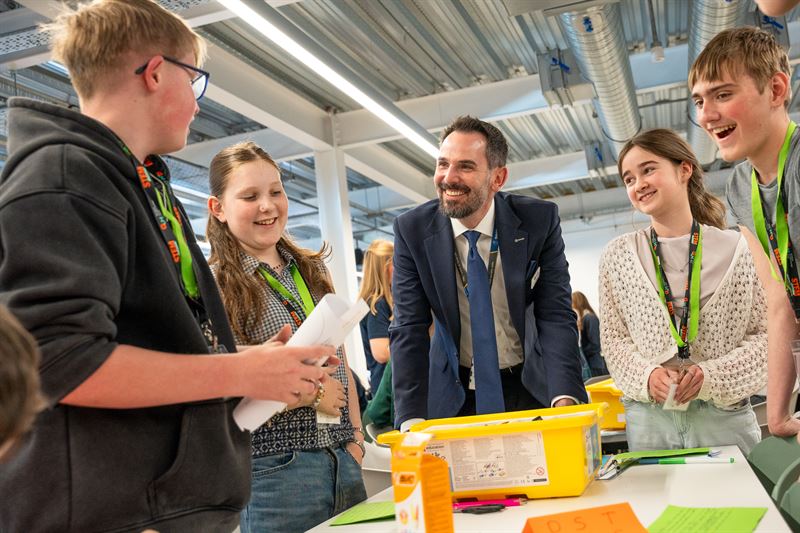
Saab UK proudly hosted the South regional heat of Global Underwater Hub’s (GUH) STEM Challenge at its Fareham campus, welcoming school pupils for a hands‑on introduction to underwater engineering and marine technology.
Delivered by GUH in partnership with educational charity The Smallpeice Trust, the one‑day challenge saw 10 teams of students aged 13–14 design, build, code and operate model wheeled ROVs (Remotely Operated Vehicles) to address the issue of plastic pollution in the marine environment. Using Lego Spike kits, the pupils demonstrated strong technical skills, creativity and teamwork before pitching their solutions to a panel of industry judges.
Throughout the event, students had the opportunity to meet Saab UK engineers and explore how science and engineering subjects are applied in real‑world underwater robotics, while gaining insight into future STEM career paths.
Saab UK congratulates St Oscar Romero Catholic School, who were named winners of the South regional heat after impressing judges with their Tadpole ROV. The team will now go on to represent the region at the national final in Aberdeen.
Andy Fraser, Group Managing Director at Saab UK, said:
“Watching the students take their ideas from the drawing board, turn them into working ROVs, and confidently explain how their designs could help protect the oceans was incredibly motivating. Doing this in the same environment where professional ROVs are engineered every day made the experience even more powerful, and you could really see their excitement and curiosity grow as the day progressed.”
Ricci Boston, Regional Director at Global Underwater Hub, said:
“The GUH is extremely proud of our long running STEM Challenge campaign, a truly inspiring, technology led competition that also carries a powerful environmental message for young people.”
Every year we are impressed by the creativity, knowledge and capability shown by students taking part. It’s also a fantastic way to showcase the underwater sector, a vital part of the UK economy, while giving young people visibility of STEM careers they might otherwise never have encountered, and helping connect them to the exciting opportunities the industry offers across the country. We are always grateful to our generous member sponsors who enable this campaign to exist!”
The event took place at Saab UK’s centre of excellence for underwater robotics, which officially opened in February 2025, supporting global offshore and subsea operations. Hosting the competition offered pupils rare insight into a working engineering environment and the people behind cutting‑edge underwater systems.
By hosting the GUH STEM Challenge South heat, Saab UK continues its commitment to supporting STEM education and inspiring the next generation of engineers.
Introducing ASL's EdgeAZFP
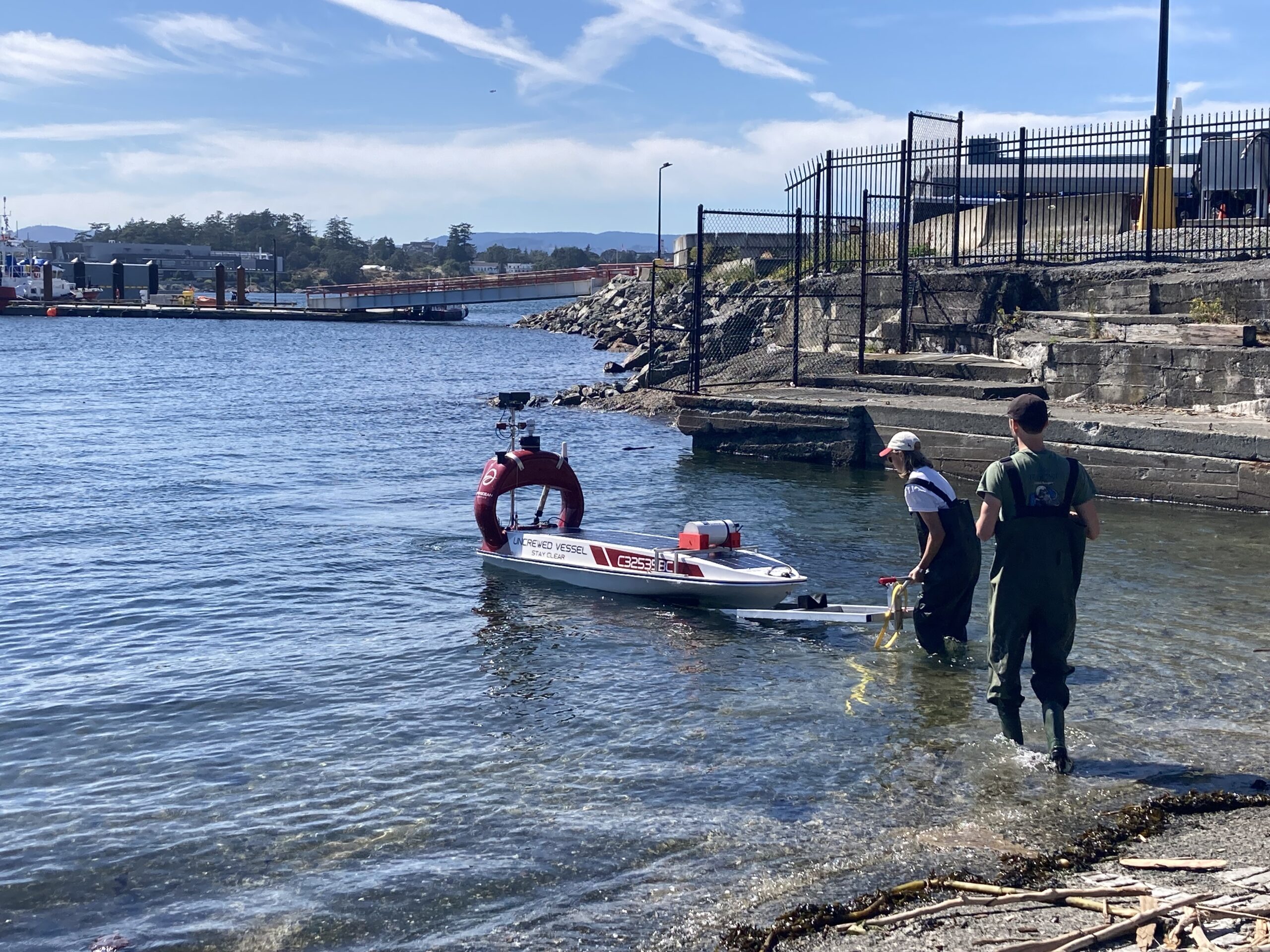
 ASL Environmental Sciences is pleased to announce a new collaboration with Open Ocean Robotics, as part of the Air-Sea Ocean Monitoring System (ASOMS) project partially funded by Canada’s Ocean Supercluster. As part of this joint effort, ASL’s Acoustic Zooplankton Fish Profiler (AZFP) has been integrated into Open Ocean Robotics’ solar-powered surface vehicle, the DataXplorer, to unlock new possibilities in autonomous ocean monitoring.
The AZFP is a calibrated, scientific echosounder that is often deployed on moorings, providing a multifrequency time series lasting 12 months or longer. Combining ASL's AZFP with Open Ocean Robotics' innovative uncrewed DataXplorer platform demonstrates a more efficient, environmentally friendly, and safer approach to collecting oceanographic data in diverse and remote marine environments.
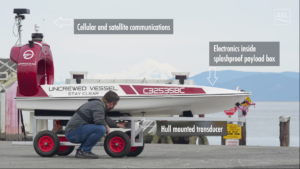
Watch video here: https://www.youtube.com/watch?v=3uaOjnuuIuw
Learn more about Canada's Ocean Supercluster: https://oceansupercluster.ca
Learn more about Open Ocean Robotics: https://www.openoceanrobotics.com
Learn more about ASL Environmental Sciences: https://www.aslenv.com
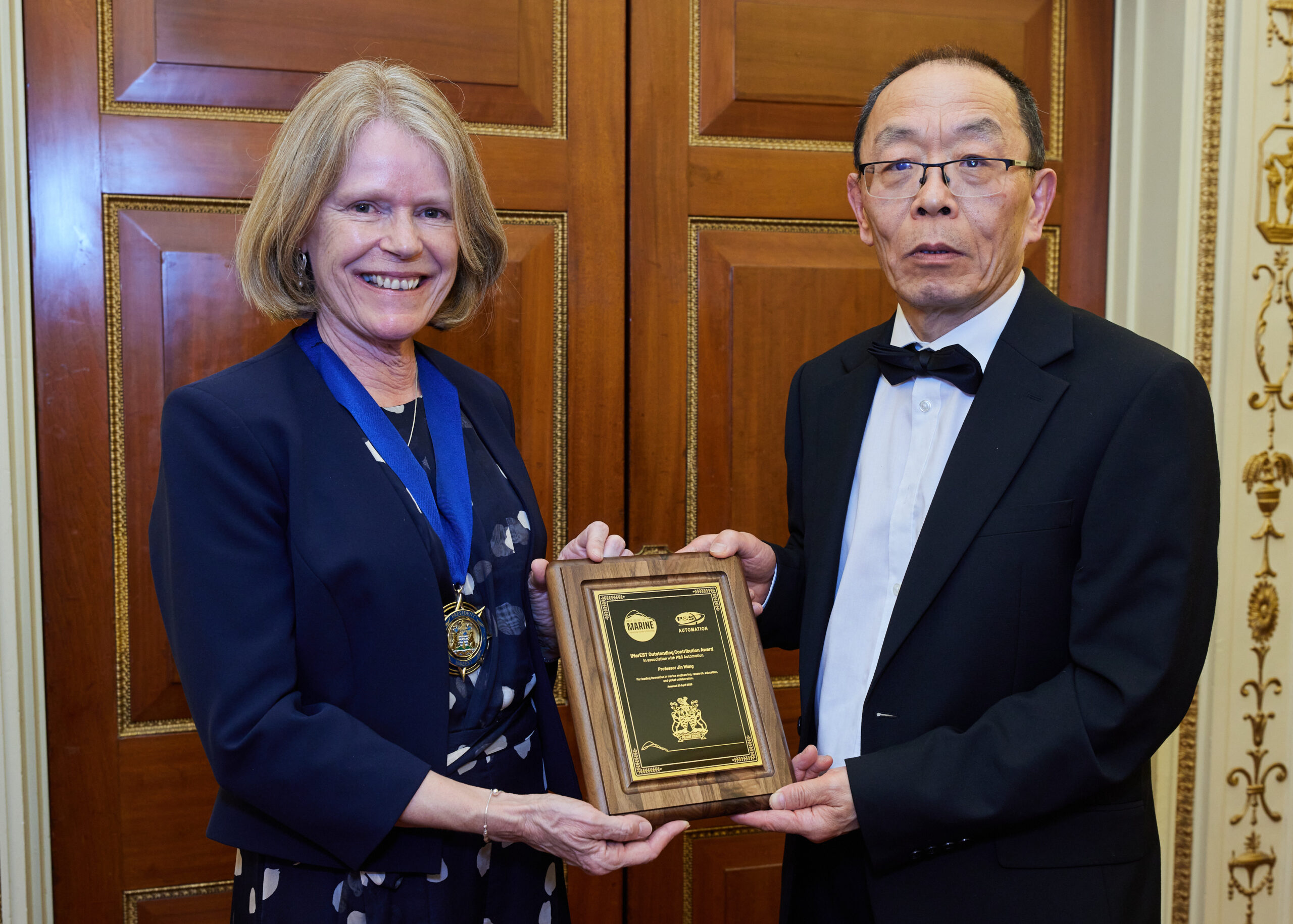
IMarEST Outstanding Contribution Award presented at London ceremony
 The Institute of Marine Engineering, Science and Technology (IMarEST) honoured Professor Jin Wang with its flagship Outstanding Contribution Award. The award was presented at the Institute’s prestigious Annual Dinner by new President, Professor Deborah Greaves.
Professor Wang, professor of marine technology and director of the Liverpool Logistics, Offshore and Marine (LOOM) Research Institute, received the 2026 IMarEST Outstanding Contribution Award for his dedication to marine education and training. The past three decades have seen him tackle all aspects of the field, from continuing professional development (CPD) to postdoctoral research.
As both a researcher and educator, Professor Wang has also been a pioneer in research-led teaching as well as developing innovative degree programmes and curricula. He has also launched outreach initiatives that inspire young people to pursue careers in marine engineering and technology.
This is the second time Professor Wang has been presented with the Outstanding Achievement Award. The first was in 2017, for his contribution to marine safety.
Professor Wang said: “I am truly honoured to receive this recognition from the Institute of Marine Engineering, Science and Technology. This award reflects the collective efforts of colleagues, students, and partners worldwide. As our sector advances toward safer, smarter, and more sustainable maritime systems, it remains vital to foster collaboration, innovation, and the next generation of talent.”
Chris Goldsworthy, CEO of the IMarEST, said: “Professor Wang is a true inspiration to our sector and a role model for those entering the profession. I hope his achievement will encourage more people to put themselves forward for our awards programme, which exists to recognise and nurture talent across the sector.”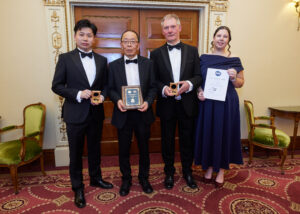
In addition to the Outstanding Contribution Award, three other honours from IMarEST’s suite of professional accolades were presented during the evening: two Denny Medals and the Royal Navy Operational Engineering Award.
To honour academic excellence, the Denny Medals were awarded to the lead authors of the best papers published in the IMarEST’s journals: the Journal of Marine Engineering and Technology (JMET) and the Journal of Operational Oceanography (JOO).
This year’s winners were Nan Lin for his paper "Towards reliable control takeover in ship remote-control system: a cyber-physical fusion testing approach", and Jonathan Turton, for his paper “The Met Office moored buoy network - sentinels for severe weather and extreme events". Both papers were published in 2024.
The final award of the evening went to LET Meghan Cuthbert, who received the Royal Navy Operational Engineering Award, in recognition of her exceptional engineering skills and outstanding performance. LET Cuthbert’s innovative contributions and significant achievements in enhancing operational efficiency have shown her to be a valuable asset to HMS LANCASTER's Weapon Engineering Department.
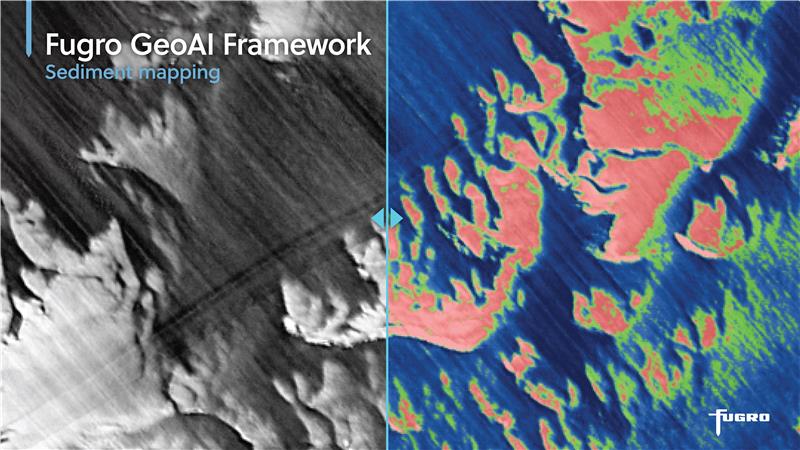
Fugro GeoAI Framework wins OTC Spotlight on New Technology Award for faster insights into complex site conditions
 Fugro has received a Spotlight on New Technology Award from the Offshore Technology Conference (OTC) for its Fugro GeoAI Framework, an expert‑led approach that uses artificial intelligence to accelerate the interpretation of offshore survey data during the early stages of energy projects. By helping teams transform large volumes of survey data into engineering‑ready information sooner, the framework supports earlier and more confident front‑end decisions, where risk exposure, capital commitments and delivery outcomes are often shaped.
Today’s offshore developments are being planned under increasing schedule pressure and heightened capital discipline. As survey areas become more complex and data‑rich, interpretation has emerged as a bottleneck, often lagging the pace of early project planning. Fugro GeoAI accelerates survey interpretation during this critical stage, enabling teams to assess risk and compare options earlier, while maintaining engineering rigour and expert oversight.
The framework combines AI‑assisted digital modelling with structured, expert‑led interpretation. AI is used to improve speed and consistency, while Fugro specialists remain responsible for interpretation, validation and quality assurance. This approach ensures outputs are transparent, defensible and suitable for engineering design and regulatory use in safety‑critical offshore environments.
“Many of the biggest cost and risk exposures in offshore projects are set long before construction begins,” said Shalu Shajahan, Director of Marine Site Characterisation for Fugro in the Americas. “Fugro GeoAI helps teams gain earlier clarity on seabed conditions and constraints as key decisions are being made, supporting more effective planning and reducing the likelihood of change later in delivery.”
OTC also recognises emerging leadership at Fugro.
Alongside the Spotlight on New Technology Award, OTC has also selected Fugro’s Yasmin Sodré, Commercial Project Manager – Uncrewed Solutions, for its 2026 Emerging Leaders Programme. Sodré was part of the Fugro team that delivered the region’s first fully remote subsea inspection programme for Petrobras in Brazil last year. The solution was previously recognised with an OTC Spotlight on New Technology Award for its contribution to safer and more efficient offshore asset integrity surveys.
The awards will be presented during OTC 2026, taking place 4–7 May in Houston, Texas, where Fugro will contribute to the technical programme and exhibit floor, sharing experience from offshore developments through to the operation of existing assets.
More information is available here: http://www.fugro.com/news/events/otc-2026.