
ZeroUSV and Manor Marine partner to boost production of advanced British-built USVs
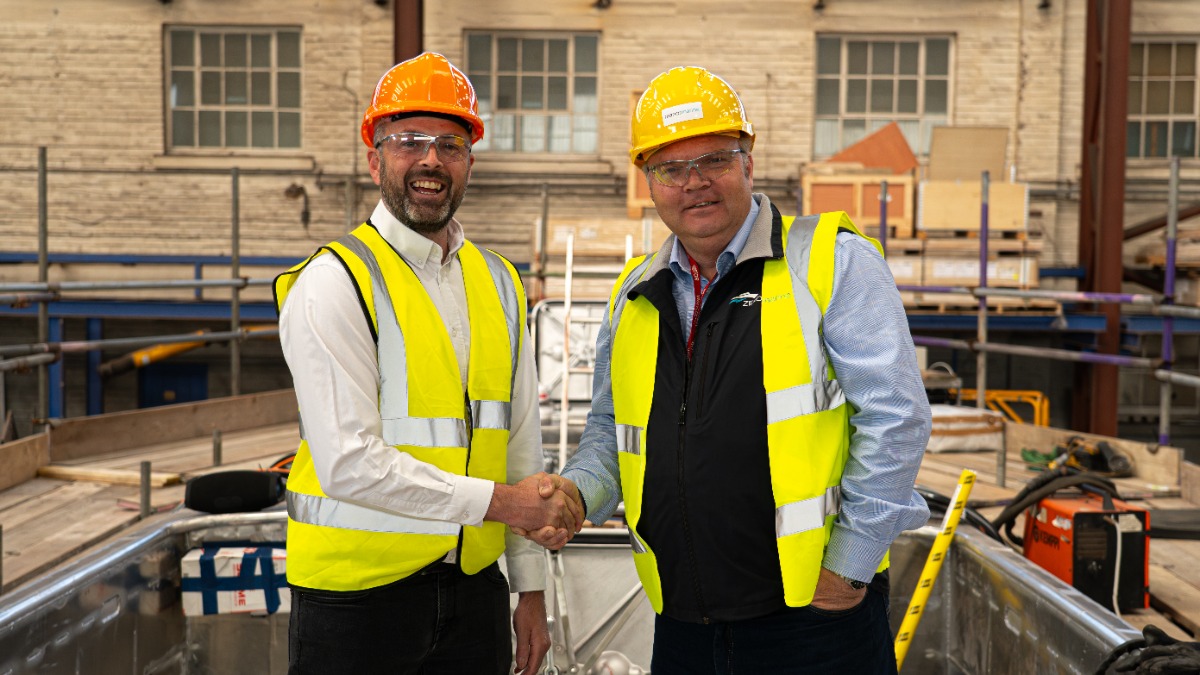
 ZeroUSV, the expert designer and manufacturer of uncrewed surface vessels (USVs), has made a strategic investment in multidisciplinary shipyard, Manor Marine, to accelerate the production of its high-tech, UK-designed and built, Oceanus class autonomous vessels.
The new partnership sees ZeroUSV become a shareholder in Manor Marine, providing ZeroUSV with guaranteed production capacity to significantly scale, and deliver at pace, its Oceanus class USVs, from Manor Marine’s base in Portland, Dorset.
Additional manufacturing space may be added from Autumn 2027 to support the growing new build pipeline.
This further enhances ZeroUSV’s end-to-end domestic production capabilities, while securing long-term business for Manor Marine, advancing its objective to support state-of-the-art, UK shipbuilding projects while bringing economic benefits to the South West region.
Low carbon autonomous craft have been identified by the National Shipbuilding Office (NSO) as a core area of growth within the UK maritime market. Strengthening the supply chain for USVs aligns with the UK’s Defence Industrial Strategy, and unlocks significant opportunities to export this homegrown innovation overseas.
Rod Paterson, CEO of the National Shipbuilding Office, said: “Having visited both Zero USV and Manor Marine, and many other brilliant British SMEs, I am hugely impressed by their innovation, agility and craftmanship.
“The development enhances our sovereign capability, drives local economic growth and skills, offers future export potential and is being developed at pace. This is all critical to our Defence Industrial Strategy, our future Hybrid Navy ambitions and the NSO Shipbuilding and Maritime Technology Action Plan.”
ZeroUSV’s fully robotic, autonomous low carbon Oceanus class USVs embody these objectives.
Designed for ‘over-the-horizon’ missions, they benefit from large payload capacity, industry-leading hardware and customisable design, serving as a versatile platform for a wide range of critical maritime operations, including defence.
Over the last two years, Manor Marine has been a trusted construction partner for ZeroUSV, delivering the construction and outfitting of all four Oceanus12 vessels now in operational service.
Construction of the first Oceanus17 class – a new larger 17-metre platform development with the proven engineering of the Oceanus12 - is currently underway, and set for delivery in early July this year.
Manor Marine’s strategic location at the gated, ISPS-compliant, Portland Port will ensure robust security, aligned with the requirements of building vessels for defence applications.
Closer integration with Manor Marine will support ZeroUSV’s objective to continually accelerate the design, engineering and build phases for the Oceanus fleet – creating increased agility in the delivery of these versatile autonomous craft.
Matthew Ratsey, Co-founder and Managing Director of ZeroUSV, said: “From the outset Manor Marine have proven to be a key partner in delivering the world-class Oceanus12 USV which the 17 is now building on. The investment we are making today is a recognition of that, and a serious statement of intent which will guarantee production capacity, and allow ZeroUSV to continue to scale at an aggressive pace which the market demands. This will be a direct boost to the UK’s sovereign shipbuilding capability and local economic opportunities in the South West.”
Tom O’Neill, Operations Director, Manor Marine, said: “Autonomous vessels represent a new frontier for critical maritime operations supporting defence and energy security objectives, and it’s important that the UK capitalises on its growing reputation in this space. We’re proud that ZeroUSV has made the transition from client to strategic investor; this says a great deal about the trust that our teams have cultivated in the delivery of the fleet to date and sets us up perfectly for deeper collaboration in future.”

Next Geosolutions awarded a contract worth approximately €10 million for geophysical survey and UXO activities in the central Mediterranean area
 Next Geosolutions, one of the leading international players in marine geoscience and offshore construction support services for the energy sector and listed on Euronext Growth Milan market, announces that it has been awarded a new contract by a leading international client operating in the subsea power cable sector, as part of a project relating to a subsea energy infrastructure located in the Central Mediterranean.
The operational phase will involve the deployment of several vessels engaged in both offshore and nearshore activities, carrying out multiple geophysical survey and pUXO Identification and Clearance (ID&C) survey operations on a number of identified targets. These activities will enable the precise identification of the nature of the detected anomalies and, where necessary, the execution of the appropriate clearance operations to ensure full safety during the subsequent infrastructure installation phases.
The total value of the contract, which will be developed in two separate phases, amounts to approximately €10 million. Completion of the operational activities is expected in the third quarter of 2026 and will continue to involve various specialised vessels for both offshore and nearshore operations.
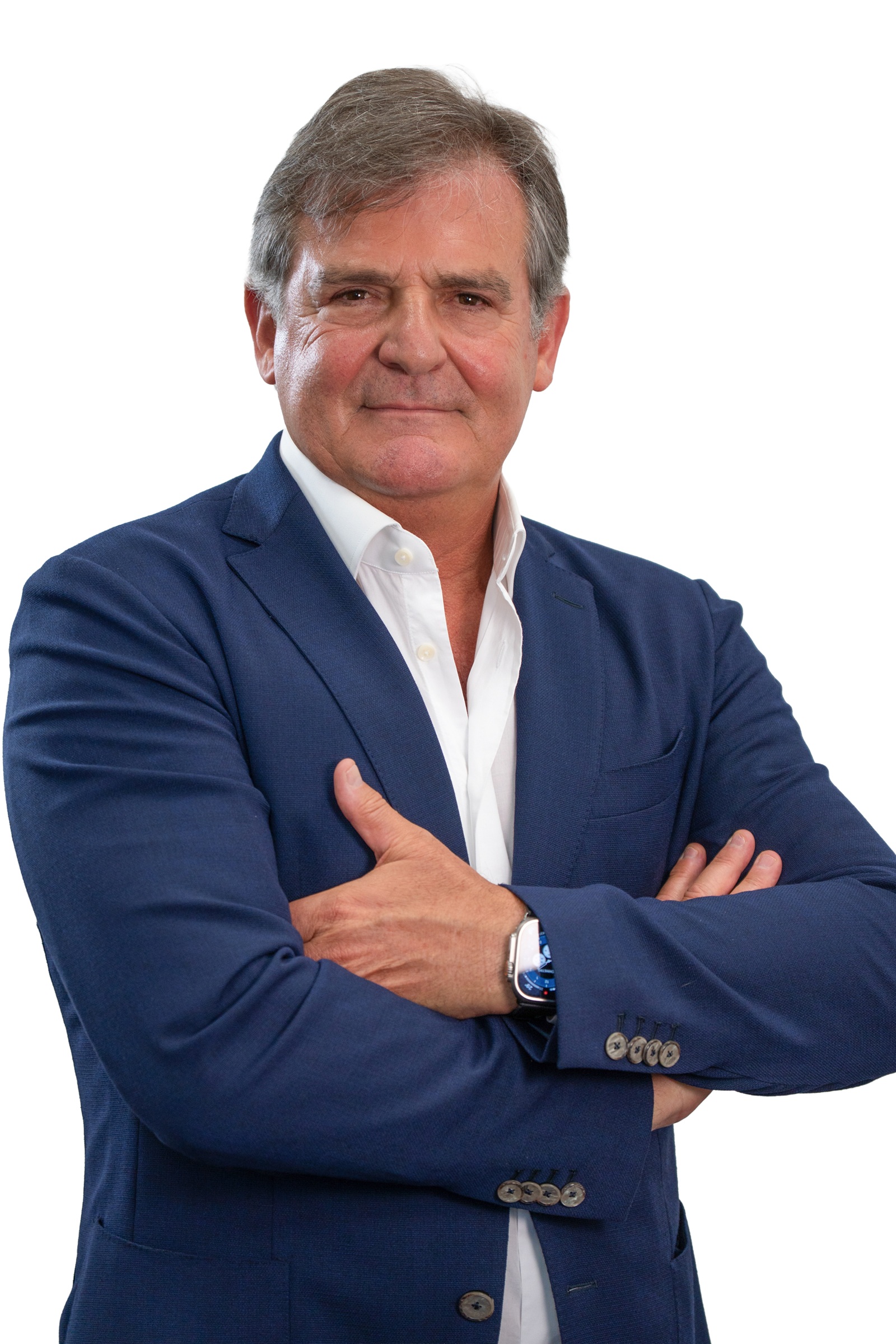
Giovanni Ranieri, CEO of NextGeo, stated: “This award confirms NextGeo’s technical and operational expertise in managing complex survey campaigns, both in nearshore and offshore environments, and further strengthens our positioning in seabed and UXO survey services supporting strategic energy infrastructure projects across the EMEA region”.
OEG secures multi-million-dollar CCU contract extension with a global operator to support Bass Strait operations
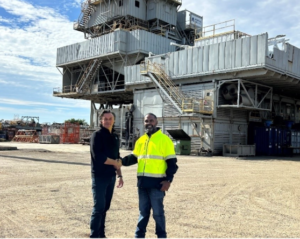
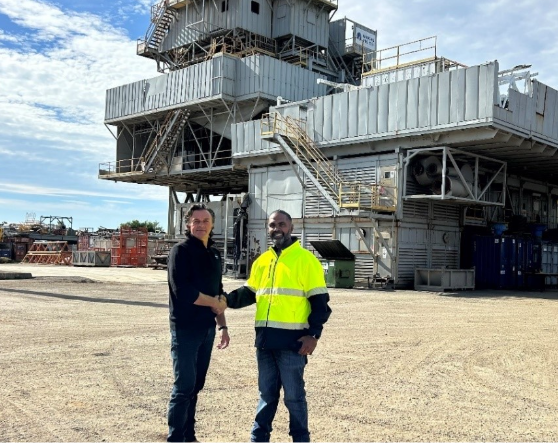
OEG has secured a long-term multi-million-dollar contract extension with a global operator to support its offshore drilling operations in the Bass Strait field, Australia, until the end of field life, expected to be in 2036.
Reinforcing a long-standing partnership between the two organisations, the agreement, will see OEG supply and manufacture 200 specialist DNV (2.7-1) certified offshore Cargo Carrying Units (CCUs), from its Barry Beach facility in Victoria, Australia. Six OEG personnel will provide full-service inspection, maintenance and repair of the units when required, as well as crane and lifting services.
With the addition of this new contract, the total number of OEG CCUs and serviced units supporting the operator’s offshore operations in the region will increase to approximately 700.
Beau Robins, Regional Director for Australia and New Zealand at OEG, said: “This contract extension reflects a longstanding relationship built over many years. It also highlights the value of long-term rental agreements in supporting operational planning and equipment availability, reducing unplanned maintenance and helping operators improve efficiency while preserving capital through to end of field life.
“OEG’s CCUs are widely recognised for their innovative design and benchmark-setting performance. We look forward to continuing to support operations across Australia with reliable, certified equipment and consistent service.”
The Bass Strait offshore field, Australia, has been a cornerstone of the country’s oil and gas industry since production began in the late 1960s. It was the first major offshore development in Australia and has supplied a significant proportion of the nation’s oil and gas demand, particularly to Victoria. It has played a key role in supporting domestic energy security while demonstrating long-term production from a mature offshore basin.
Headquartered regionally in Perth, OEG operates from six locations across Australia and New Zealand, providing integrated solutions to the energy sector.
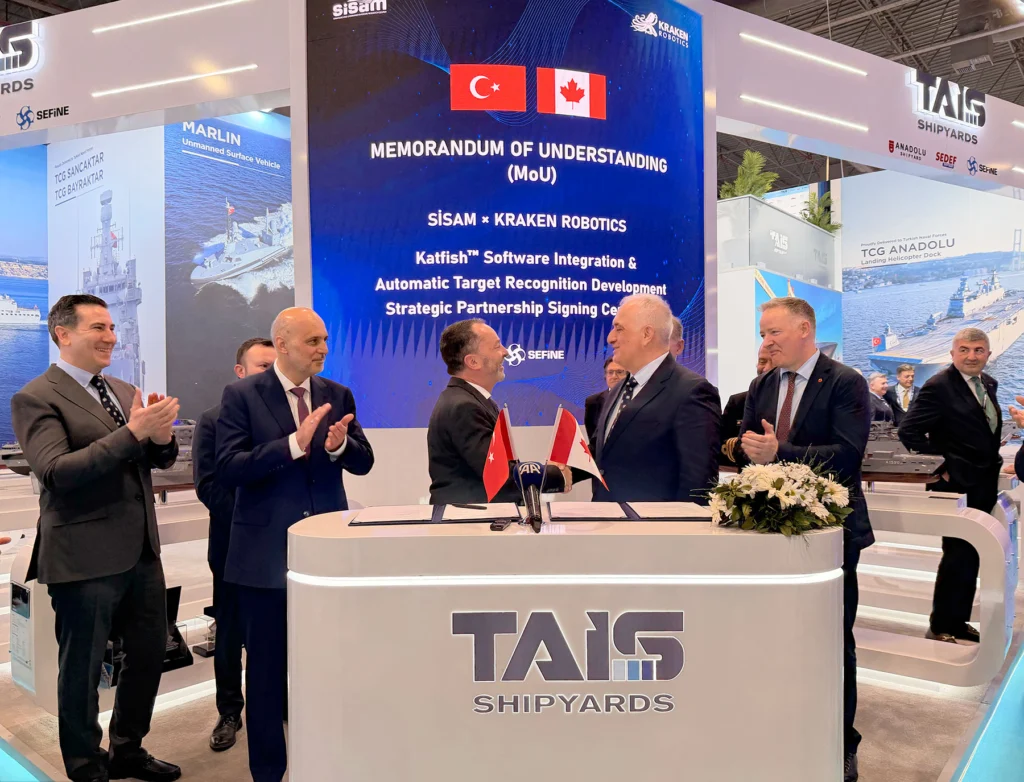
Kraken Robotics signs Memorandum of Understanding with SEFINE SISAM
 Kraken Robotics Inc. announces it has signed a Memorandum of Understanding (MOU) with SEFINE SISAM (Strategic Unmanned Systems Research Center) during the SAHA exposition in Türkiye.
As part of the agreement, Kraken will work with SISAM to integrate KATFISH into its mission planning software and develop automatic target recognition (ATR) capabilities for Kraken Synthetic Aperture Sonar.
“We’re pleased to continue our work with SEFINE following a successful at-sea demonstration earlier this year,” said Bernard Mills, Executive Vice President of Defence at Kraken Robotics. “This partnership poises us to rapidly develop and deliver relevant capability in a region that combines industrial excellence and operational need. Together, we are advancing fully integrated, autonomous solutions for seabed warfare and mine countermeasures—enhancing the speed, accuracy, and efficiency of maritime security operations.”
Kraken and SEFINE recently demonstrated Kraken’s KATFISH and unmanned surface vessel (USV) launch and recovery system from SEFINE’s RD-22 USV off the coast of İstanbul, Türkiye, validating rapid, high-resolution detection and classification of mine-like objects and critical underwater infrastructure in an operational environment.
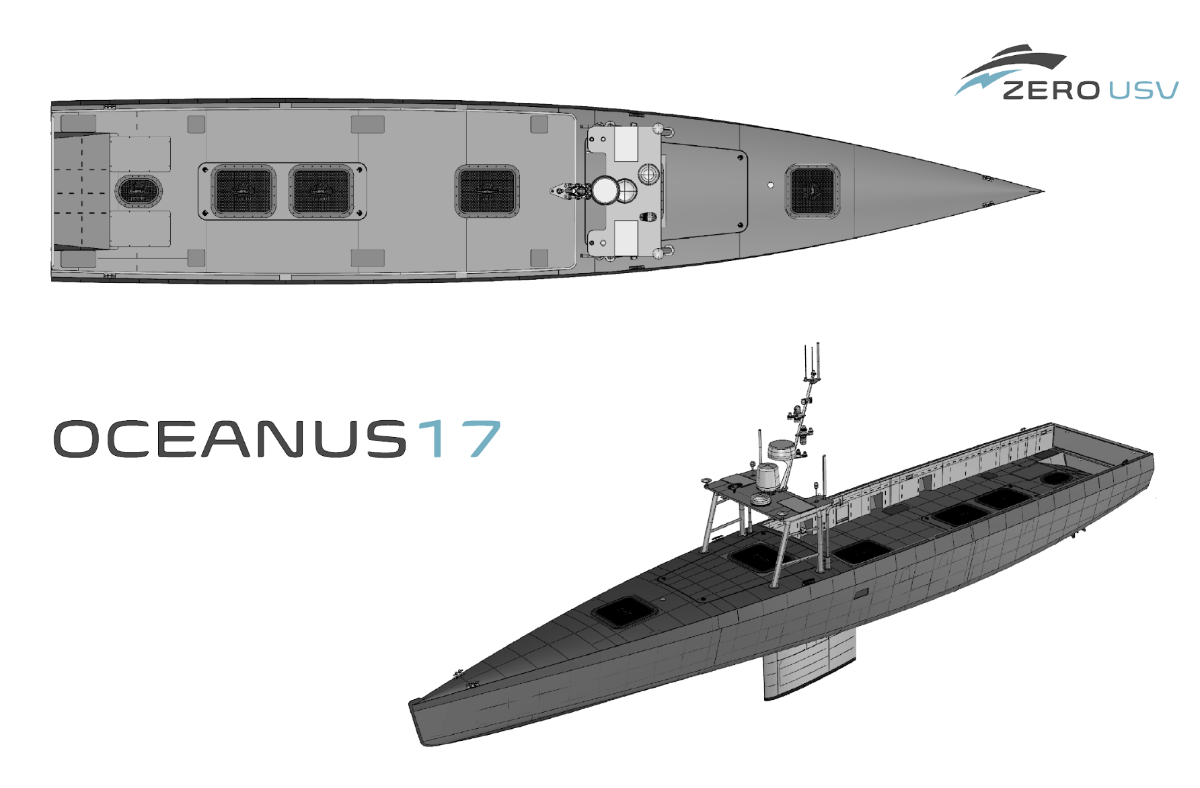
ZeroUSV accelerated Oceanus17 build as next generation USV takes shape
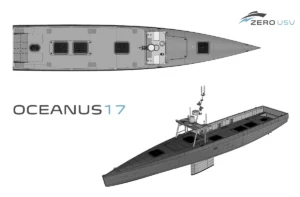 ZeroUSV is rapidly progressing the build of its next-generation uncrewed surface vessel, Oceanus17, with the USV set to be launched in July after just 14 weeks into construction
Oceanus17 has been designed for long-range, deep-water and over-the-horizon operations, combining increased payload capacity with modular mission integration.
The vessel features a 4-tonne payload capacity, enabling integration of complex and power-intensive mission systems. A 20ft ISO-compatible mission deck supports containerised payloads and rapid reconfiguration between roles, allowing a single platform to be deployed across multiple mission profiles.
A dedicated payload integration phase will follow ahead of significant tasking by the Royal Navy at the NATO led Exercise REPMUS in Portugal during the whole of the month of September.
Oceanus17 is being developed as a scalable, multi-role platform, supporting ISR, hydrography, subsea survey, environmental monitoring and maritime security operations. The design reflects increasing demand for persistent uncrewed capability in complex and remote maritime environments.
Matthew Ratsey, Managing Director, ZeroUSV, said: “Oceanus17 represent a spiral development of the highly successful Oceanus12 USV, andreflects a clear shift towards larger, more payload capable uncrewed platforms. With a 4-tonne payload and ISO-standard modularity, as well as over 30kW of power available for external payloads, it enables operators to integrate complex systems and reconfigure quickly for different missions. At ZeroUSV we believe the bleeding edge of USV development is the capability of the platform through the integration of mission relevant payloads whether for deployment for defence or commercial applications”..”
The programme builds on operational experience from ZeroUSV’s existing fleet, including Oceanus12, and supports the company’s strategy to expand its portfolio of long-range autonomous surface vessels.
Further technical detail on Oceanus17 will be shared during a ZeroUSV webinar on 15th May at 1.30pm.
To take part in the deep-dive webinar, sign up here: zerousv.com/webinars/oceanus17
Fugro partners with SSE for Berwick Bank Project
Fugro geotechnical survey to support Berwick Bank B offshore wind farm
Fugro has been awarded a major geotechnical survey contract by SSE for Berwick Bank B, part of the landmark Berwick Bank offshore wind project in the North Sea. Berwick Bank B is the second phase of Berwick Bank, which is targeting the delivery of 4.1 GW of offshore wind capacity across three phases. If built to its full capacity, Berwick Bank could become the world’s largest offshore wind farm, capable of generating enough clean electricity to power more than six million UK homes annually.
Located off Scotland’s east coast, Berwick Bank is a nationally significant development that could add up to £8.3bn to the UK economy, support over 9,000 jobs and strengthen long‑term energy security through reliable, homegrown power. In January, Berwick Bank B secured a long‑term Contract for Difference through the UK’s Allocation Round 7, a major milestone that underscores the project’s significance within the offshore wind market.
Building the foundations for a cleaner energy system
Fugro is carrying out a full geotechnical investigation to enable the design of fixed‑bottom turbines planned at the Berwick Bank B site. This area represents 1.4 GW of the overall 4.1 GW total capacity.
Fugro is drilling boreholes to depths of up to 50 metres below the seabed to collect high‑quality soil and rock samples. These samples will provide the Geo-data needed to design safe and efficient foundations for the turbines.
Advanced technology for challenging conditions
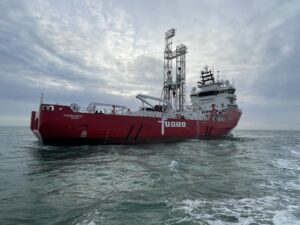
The work is being delivered by Fugro’s geotechnical vessels, Fugro Quest and Fugro Zenith, using specialist coring and conventional sampling techniques. These methods are well-suited to the site’s complex ground conditions and will help reduce construction risk.
“The commencement of a geotechnical investigation campaign to inform the final design of Berwick Bank B’s turbine foundations is an important milestone and demonstrates our commitment at SSE to disciplined and derisked project delivery. As we progress the project towards the final investment decision (FID), we are pleased to continue our longstanding relationship with Fugro and look forward to delivering a safe and successful geotechnical investigation programme at Berwick Bank B,“ said Gordon Rae, Geotechnical Package Manager for Berwick Bank at SSE Renewables.
“This award reflects the confidence SSE has in Fugro’s geotechnical expertise and builds on our established partnership supporting the Berwick Bank project,” said Remmelt de Jong, Fugro’s Director for Marine Site Characterisation in Europe and Africa. “Our advanced coring capabilities and strong offshore track record will support safe and efficient foundation design. We’re proud to continue working with SSE on one of the world’s most significant offshore wind developments.”
Longstanding collaboration supporting the energy transition
This new work builds on Fugro’s ongoing involvement at Berwick Bank, where the company has been delivering surveys since 2019. By providing accurate and reliable Geo‑data, Fugro continues to support the UK’s clean energy transition and the delivery of large‑scale offshore wind in increasingly complex marine environments.
This project was already incorporated into Fugro’s 12‑month backlog as of March 2026.
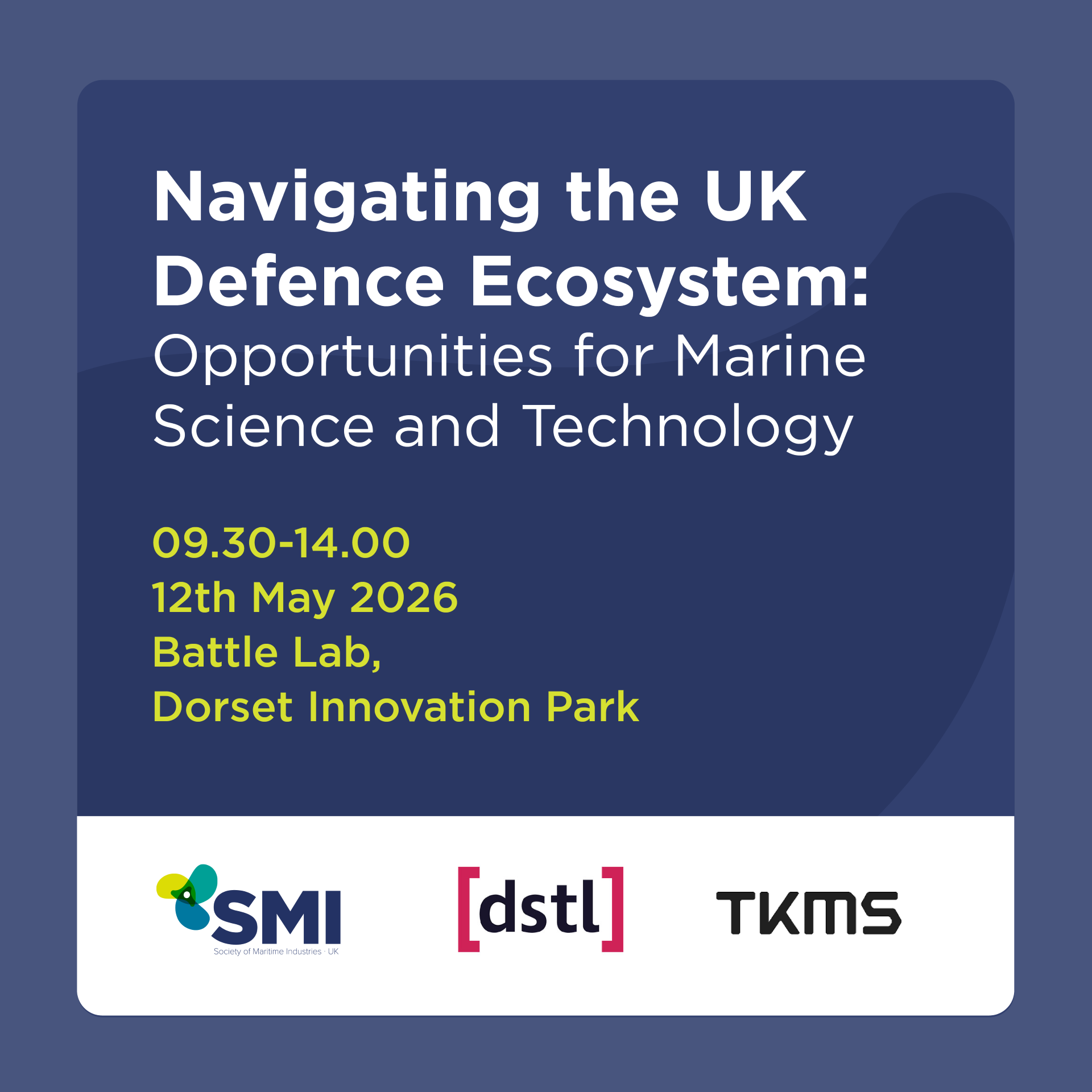
Navigating the UK Defence Ecosystem: Opportunities for Marine Science and Technology
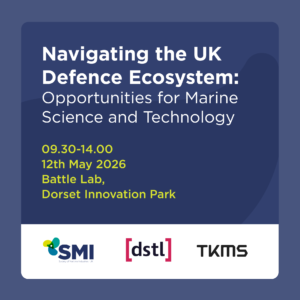 The Society of Maritime Industries' (SMI) Marine Science and Technology Group (MSTG) is running a seminar to provide a high-level overview as to how non-traditional defence suppliers including SMEs can engage with the UK defence ecosystem, with a particular focus on Defence Science and Technology Laboratory (Dstl) and UK Defence Innovation (UKDI) from the Ministry of Defence (MOD) National Armaments Director (NAD) Group.
The seminar is being developed with the support of Dstl, who work with a range of suppliers to provide science and technology expertise, insights and solutions to protect the UK’s security and advance the UK’s defence interests. The session will explore how Dstl supports early-stage engagement, collaboration and access to defence customers, where marine science and technology (S&T) capabilities align with defence’s challenges and priorities and how to access MOD funding.
The discussion will offer a practical overview of how MOD and Dstl think about capability development, evidence, assurance and risk, and how civil and dual-use technologies can transition into defence-relevant applications.
The aim is not to turn MSTG members into defence primes, but to demystify defence engagement, highlight realistic entry points, and help organisations understand whether, where and how working within the defence ecosystem could make sense for them.
The rough agenda is as follows:
9.30 - 10.00 - Registration and networking
10.00 - 11.30 - Session 1: Mike Madden - Local Innovation Partner for South West England, UK Defence InnovationMark Ward - Strategic Outreach Lead & SME Lead, Dstl
Hazel Biggs - Knowledge Transfer Manager ‑ Security and Defence, Innovate UK Business Connect
Royal Navy Speaker - TBC
11.30 - 12.00 - Coffee Break
12.00 - 13.00 - Session 2:
Joint MOD QinetiQ Test and Evaluation Innovation Gateway - Julie Ashton, QinetiQ
Industry quickfire presentations
13.00 - 14.00 - Lunch
For more information or to register, visit: Navigating the UK Defence Ecosystem: Opportunities for Marine Science and Technology
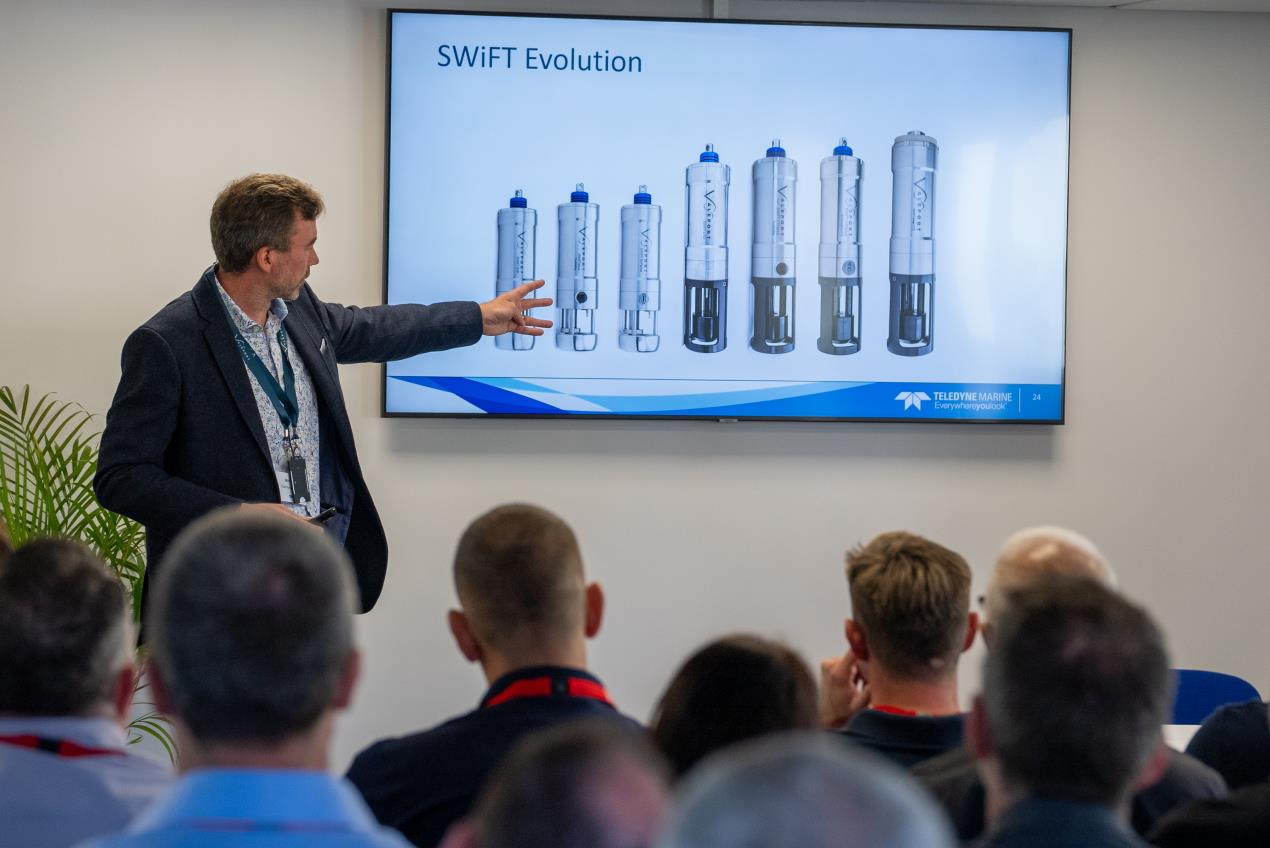
Registration Opens for Marine Measurement Forum #71 at Dartington Hall, Devon
 Abstract submissions invited
Registration is now open for Marine Measurement Forum (MMF) #71, taking place on 1 July 2026 at Dartington Hall in Totnes, Devon. The one-day, in-person event will bring together professionals from research, industry, and academia, to explore current challenges, emerging research, and future trends in marine measurement technology and methods.
Hosted by Teledyne Valeport, a division of Teledyne Marine, MMF#71 provides a collaborative platform for engineers, surveyors, scientists, researchers, and marine technology specialists to share knowledge, exchange best practice, and build professional connections across the marine measurement community.
This year’s forum will be held at the historic Dartington Hall estate in South Devon, a region with a long‑established and diverse concentration of marine science, technology, and measurement expertise. The depth of capability across research, innovation, and application in the South West makes it an ideal setting for bringing the marine measurement community together.
“The Marine Measurement Forum is built around open discussion and knowledge sharing, and hosting MMF #71 at Dartington Hall allows us to reflect the strength and diversity of marine measurement expertise here in the South West,” said Iain Slade, Head of Product & Innovation, Teledyne Valeport. “We’re looking forward to welcoming both familiar faces and new contributors to what is always an engaging and insightful event.”
MMF#71 will follow the forum’s well‑established informal format, encouraging discussion and interaction alongside technical presentations. The programme will be complemented by dedicated networking opportunities throughout the day, with an informal evening networking session on site providing further opportunity to continue conversations and build connections.
Attendees can also take part in an optional tour of Teledyne Valeport on 2 July, offering a behind‑the‑scenes look at the development and manufacture of oceanographic and hydrographic instrumentation.
Call For Abstracts Now Open
A call for abstracts and presentation ideas is now open, and contributions are invited from across the marine measurement community. Those with interesting projects, research, case studies, or practical experiences to share are encouraged to submit presentation ideas to be considered as part of the technical programme. To submit an abstract please email [email protected]
“The Marine Measurement Forum is built around knowledge sharing and open discussion, and we’re always keen to welcome new speakers and new ideas. MMF#71 provides a great opportunity for the marine measurement community to come together, share practical insight, and contribute to a collaborative technical programme.” said Emma Johnson, Marine Measurement Forum Steering Group.
Secure Your Space at MMF #71
Spaces are limited, and early booking is recommended to secure a place at the event. For tickets and more information click here.
For further information, please visit: http://www.marinemeasurementforum.com/
Teledyne Announces Additional Iceland Facility Expansion, Boosts AUV Output and UK Supplier Collaboration
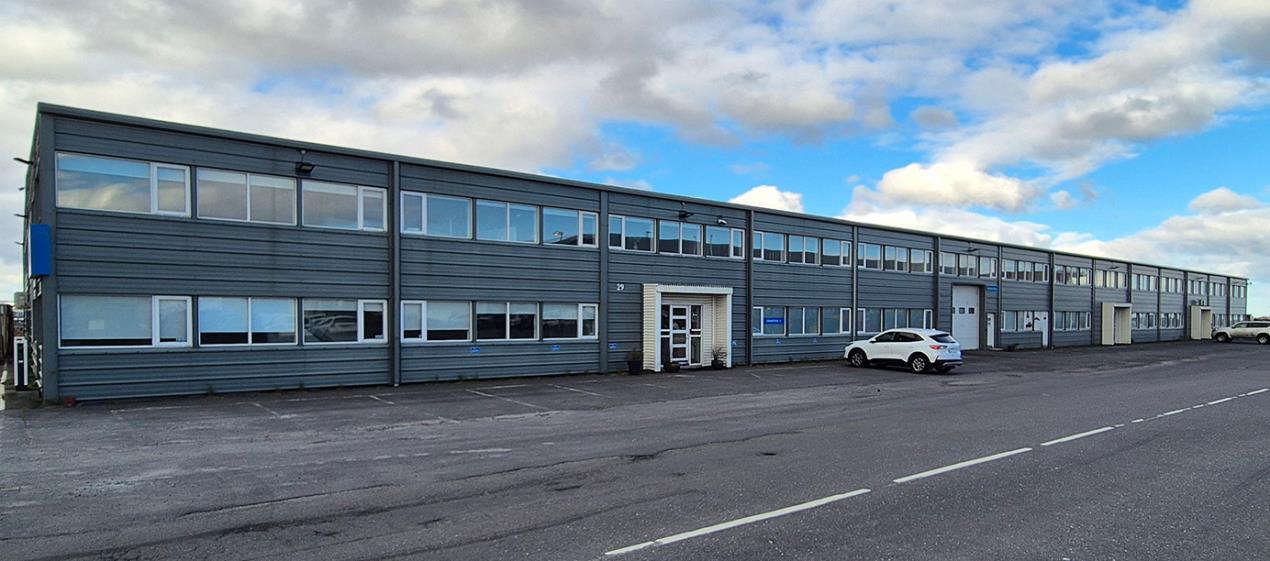
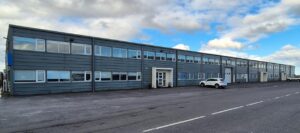 Teledyne Marine has further expanded its Teledyne Gavia manufacturing facility in Iceland, increasing output of autonomous underwater vehicle (AUV) systems while strengthening collaboration with UK‑based suppliers.
Located at Vesturvör 29 in Kópavogur, the facility now occupies the full 5,200 m² building after Teledyne acquired the remaining space. The added floor space expands engineering, manufacturing, support, and operations to facilitate higher build rates and a smoother production flow.
The expansion supports growing demand for Gavia AUV systems in defense, security, and commercial markets and provides headroom to meet long‑term program needs.
“With this expanded facility, we can increase output while maintaining the quality, reliability, and performance standards our customers expect,” said Stefán Reynisson, Vice President and General Manager of Teledyne Gavia. “The additional space also lets us streamline operations and better support current programs as well as future demand.”
Teledyne Gavia is also expanding production with a network of UK‑based suppliers to increase volume, improve supply resilience, and meet regional sourcing expectations—especially for UK and European defense programs. This includes a strategic collaboration with M Subs and BMT, and the addition of UK based suppliers, for Teledyne AUVs. Teledyne Gavia also operates a dedicated service facility in Fareham and has a new support facility opening Q2 in Plymouth to support Royal Navy users.
The expansion reflects Teledyne Gavia’s long‑term investment in Iceland as a center of excellence for AUV design and manufacturing. Additional upgrades are planned to modernize the site, support workforce growth, and improve production readiness as demand for Gavia, Osprey and SeaRaptor AUV systems increases.
Forum Energy Technologie’s latest LARS model launches onto the market with a compact, all-in-one package
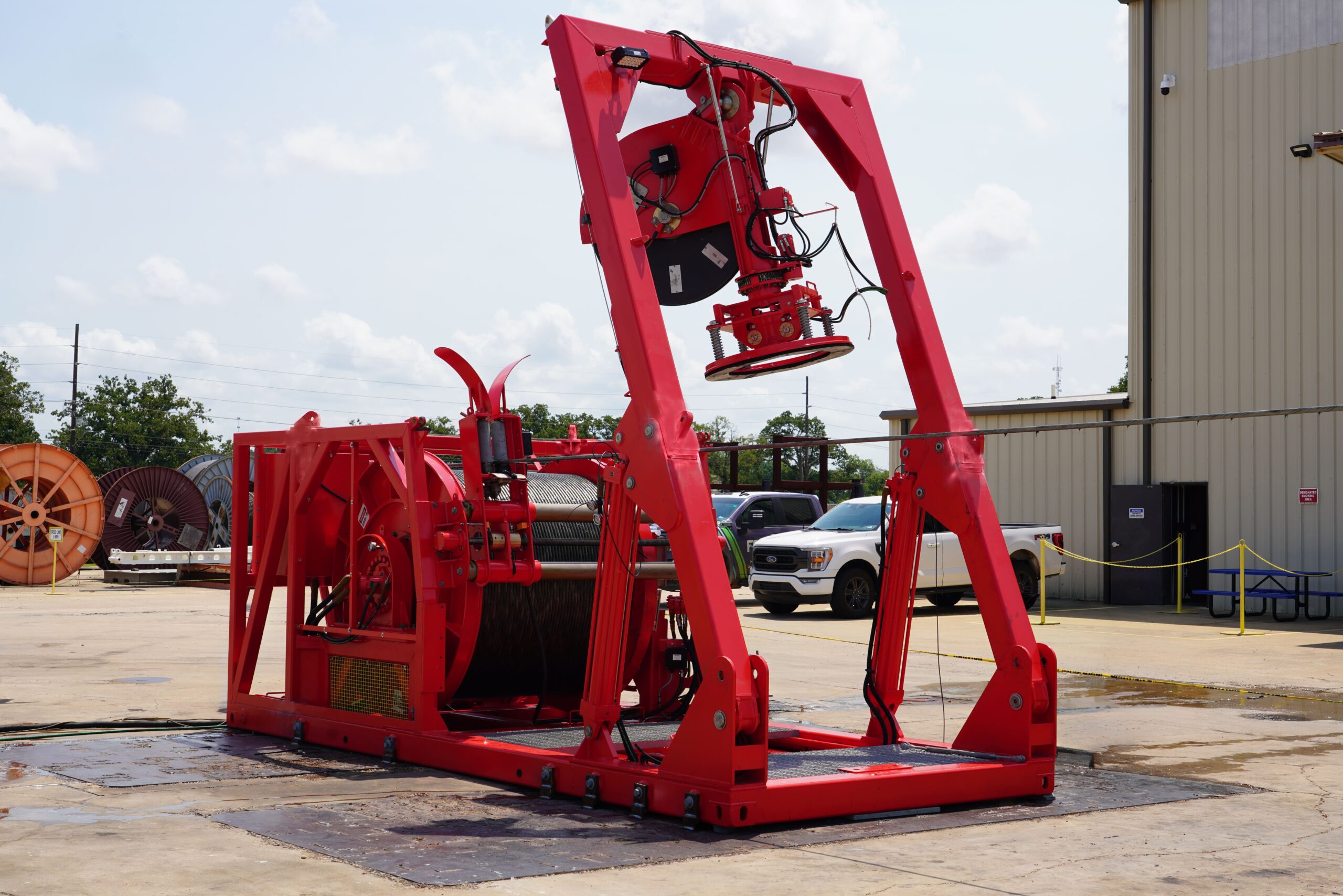
 Forum Energy Technologies (FET) has unveiled its latest innovation in subsea handling equipment, the Model 6000 (M6000) Launch and Recovery System (LARS).
Part of FET’s Dynacon product line, the M6000 provides a compact, all-in-one solution for inspection and light work-class ROV operations. It integrates the A-frame, winch and hydraulic power unit into a single skid-mounted package, allowing for a single-point lift with no need for additional cabling or hose connections. This design streamlines mobilisation and demobilisation, significantly reducing vessel interface time and onboard footprint.
The first M6000 system, equipped with a Perry Super Mohawk ROV was delivered to a US-based client this year and is already in operational service. The system was manufactured and tested at FET’s US manufacturing facility in Bryan, Texas, allowing client interface and witnessing during the fabrication process.
Developed for deployment with inspection and small work-class ROVs such as FET’s Comanche and Super Mohawk, the system delivers optimal performance for inspection, maintenance and repair (IMR), cable lay, and pipeline or structural inspections. Applications are versatile, ranging from wind farms and dam surveys to pre-survey and light construction tasks.
Key features include a gimbal docking head with swing and sway functionality, a compact footprint and pre-wired, plug-and-play electrical integration. Together, these developments enhance safety and efficiency by minimising setup time and maximising reliability in the field.
The M6000’s design is DNV-certified and incorporates the latest hydraulic and control technologies. With a safe working load of up to 5,200kg and umbilical capacity of 3,300m, it provides robust handling performance within a reduced footprint.
The model was brought into production in 2025 following successful field deployment with a client earlier this year.
Kevin Taylor, Vice President at FET Subsea, said: “The M6000 reflects our ongoing commitment to deliver more integrated solutions for subsea operators to maximise cost effectiveness. By combining all topside components in a single compact package, we’re helping customers mobilise faster and operate more efficiently. This is a system built with versatility and performance at the forefront.”
Built at FET’s US manufacturing facility in Bryan, Texas and supported by the company’s global network, the M6000 is now available to order.