MacArtney and NCPOR advance India's Deep Ocean Mission with clean research technology
In line with India's growing focus on deep-sea science and infrastructure, the National Centre for Polar and Ocean Research (NCPOR) has deployed a fully integrated clean lab, winch, and CTD system supplied by MacArtney. The solution enables high-precision data acquisition while preserving sample integrity to support marine science ambitions.
Ensuring clean sampling conditions is essential for obtaining reliable water data that supports research into the seafloor, deep-ocean chemistry, and the dynamics of our marine environment. However, operating in deep-sea conditions presents inherent challenges, from extreme pressure to the risk of introducing trace contamination during collection and handling.
MacArtney’s advanced all-in-one clean lab solution addresses these challenges by providing a controlled environment for handling and analysing water samples collected at depth, ensuring data integrity and enhancing the reliability of scientific findings. This capability aligns with India's scientific and strategic ambitions under the Deep Ocean Mission while enhancing NCPOR's ability to study the seafloor, setting a new benchmark for clean oceanographic research in the region.
"We're proud to support NCPOR in this important step toward advancing their deep-sea research capabilities," said Steen Frejo, Sales Director at MacArtney. "It's a privilege to contribute to a mission of this scale, and we look forward to building on this collaboration in the years ahead."
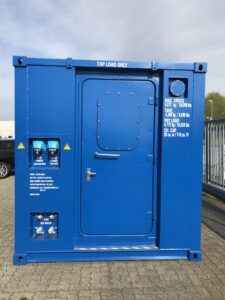
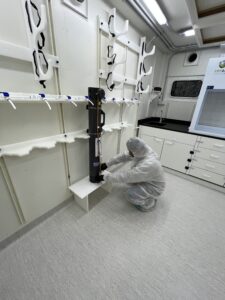
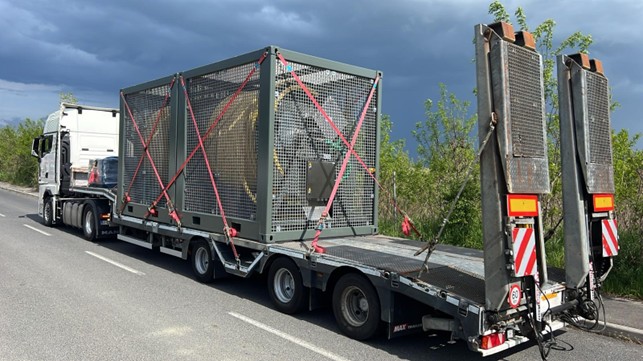
A scope ensuring data integrity The solution's core is a 20-foot clean lab container, purpose-built to maintain sample integrity during deep-sea research operations. The controlled environment eliminates metal contamination and environmental interference, which can compromise trace element analysis and sensitive chemical readings.
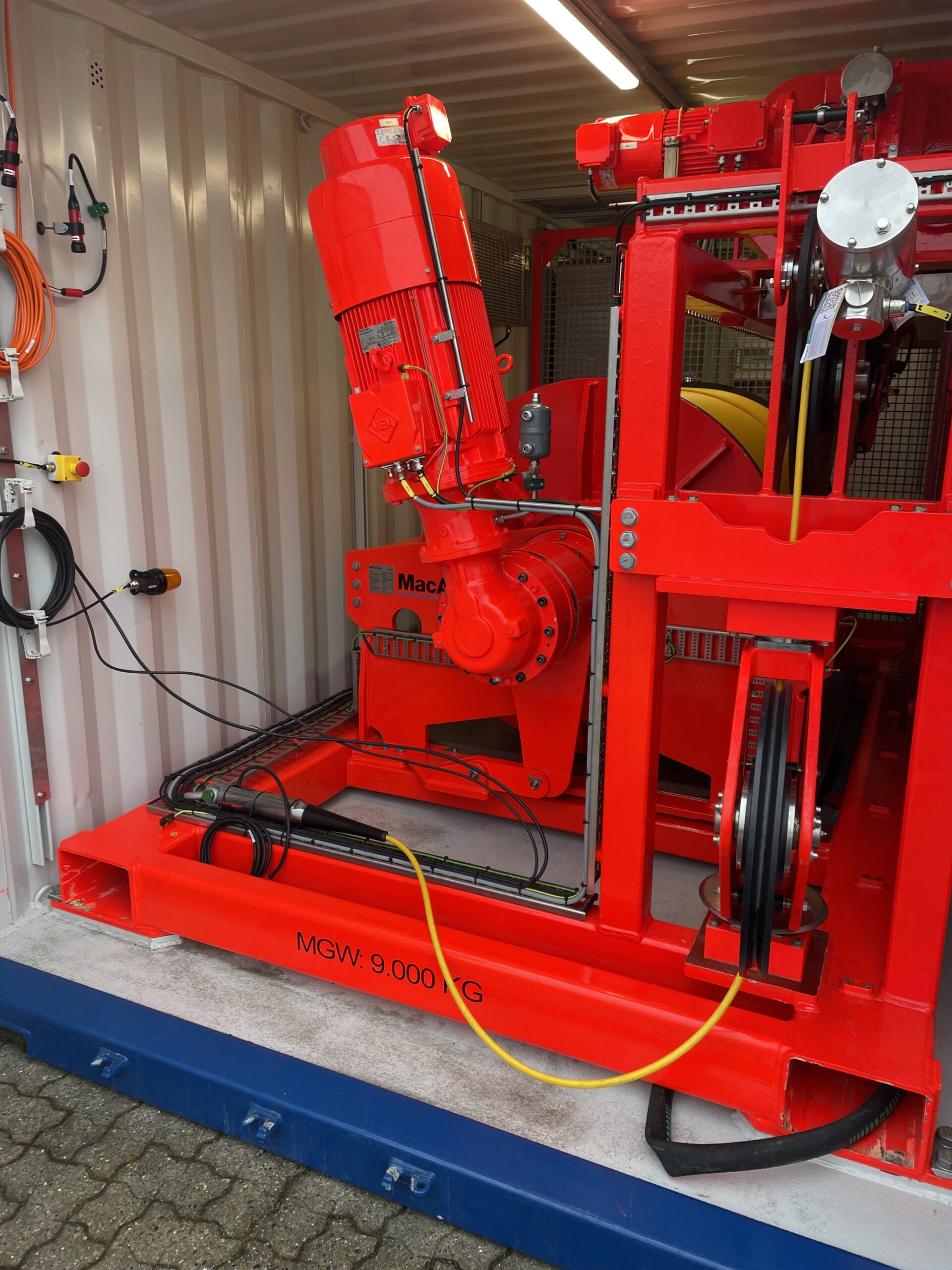
Complementing the clean lab is a containerised MERMAC winch system with 8,000 metres of clean CTD cable and a Sea-Bird Scientific SBE 32 24-bottle carousel water sampler with high-precision CTD sensors (conductivity, temperature, depth). The cable is flushed with freshwater before re-spooling to prevent salt and metal contamination and is fitted with a TrustLink stress termination to ensure secure, reliable load transfer. Together, the system supports ultra-clean data acquisition and enables NCPOR to conduct full-depth CTD casts with confidence in the quality and consistency of their results.
This also highlights MacArtney’s close cooperation with Sea-Bird Scientific and the ability to deliver tailored Sea-Bird systems to projects worldwide.
Delivering customised solutions with local support This first delivery to NCPOR was a turnkey package, with MacArtney overseeing all steps from design and engineering to on-site commissioning and training.
The clean lab container was manufactured in cooperation with EMS, a long-standing MacArtney distributor in Spain. EMS is known for its expertise in customised systems and familiarity with Sea-Bird Scientific instrumentation. In India, MacArtney’s local distributor, Ms Deekay Marine Services, supports commissioning and service of the Sea-Bird Scientific equipment, ensuring responsive, on-site technical support throughout the system’s lifecycle.
This project reflects MacArtney's global expansion strategy, recognising India as a key region for long-term growth and collaboration in underwater technology.

NOVACAVI Hybrid Umbilical Powers AI Robot in Port of Trieste Dock 7 Restoration
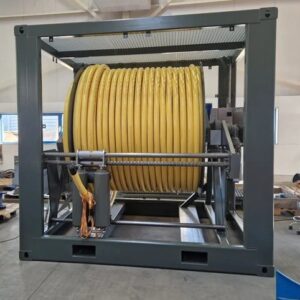 NOVACAVI, specialist in custom underwater and marine cables, has been chosen to design and manufacture a hybrid buoyant umbilical that will drive an AI-guided demolition robot during the rehabilitation of Dock 7 at the Port of Trieste.
The arm-equipped robot will remove deteriorated concrete using high-pressure hydro-demolition while protecting the underlying steel structure. Reliable power, control and real-time data transmission will be delivered through NOVACAVI’s hybrid buoyant cable. Wrapped in a hydrolysis- and UV-resistant matt polyurethane (PUR) sheath, the cable combines lightness, buoyancy and rugged durability—ideal for demanding marine infrastructure projects.
“We are thrilled to support the Port of Trieste’s forward-looking initiative,” said Francesca Faverio – Business Development Manager of NOVACAVI. “Our 21GAX207 umbilical ensures the robot can operate with maximum precision and minimum downtime, accelerating restoration while safeguarding the environment.”
Since 1975 Novacavi has specialised in the design and manufacture of special electric cables used in the most varied and extreme conditions in both civil and military environments. The company has been active in the underwater sector for almost 30 years, producing technologically advanced solutions identified by its Aquancable® line, special cables for marine and underwater technologies.
For more details, please contact [email protected] or visit https://www.novacavi.it/news/
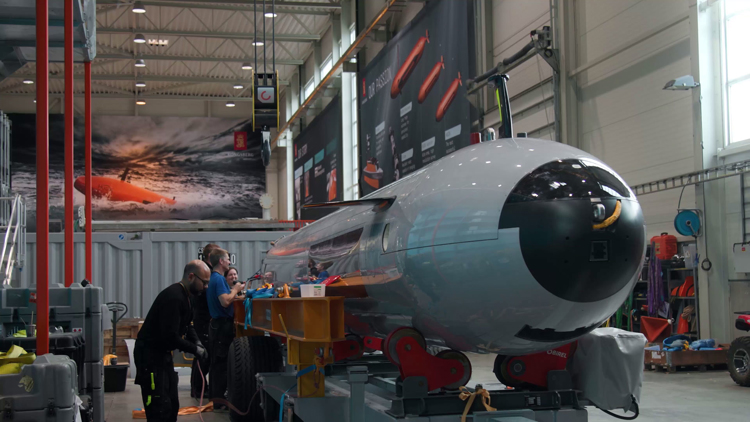
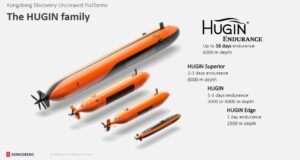
Kongsberg Discovery has decided to start production of HUGIN, an autonomous underwater vehicle, in the U.S.
Kongsberg Discovery has decided to start production of HUGIN, an autonomous underwater vehicle, in the U.S. This strategic decision reflects the commitment to supporting the growing demand for advanced subsea technology in the U.S. market.
Kongsberg Discovery is a global leader in advanced robotics and sensor technology, enabling the mapping, monitoring, and surveying of the ocean environment. This is achieved using advanced hydroacoustic, optical, and scientific sensors, connected to sophisticated data networks and visualisation tools. The company has now decided to start producing autonomous underwater vehicles in the U.S.
"This strategic decision reflects our commitment to support the growing demand for advanced subsea technology in the U.S. market. By establishing domestic production capabilities, we aim to strengthen our U.S.-based supply chain and enhance our responsiveness to the evolving needs of our government and commercial customers. This demand has increased as global tension has risen”, says Martin Wien Fjell, President of Kongsberg Discovery.
Utilize opportunities
Kongsberg Discovery have already delivered HUGIN to the U.S. Navy and other organizations within the government, commercial and academic sectors.
Due to increased demand from the defense sector and growing recognition of our unmanned underwater vehicles' (UUV) capabilities among U.S. Navy customers, a strategic decision has been made to expand investment in the United States. According to Fjell, the company’s ongoing development has resulted in systems that address a range of high-priority naval requirements.
“Kongsberg Discovery plan to start the HUGIN production at our existing facility in Lynnwood, Washington. The future production facility is yet to be decided,” he says.
Increased attention from defense
Today, there are 12 navies using HUGIN in real-world missions such as Intelligence Preparation of the Operational Environment, Mine Counter Measure, Subsea and Seabed Warfare, and seafloor mapping operations.
“We are excited to bring our many years of AUV experience in support of the U.S. military. This is a major project that supports the management’s decision to invest in a production and assembly facility for HUGIN in the US,” Fjell continued.
Strong footprint in the US
In the United States, Kongsberg Discovery U.S. (formerly Kongsberg Underwater Technology LLC) has been the exclusive supplier and integrator of Kongsberg Discovery (KD) sonar equipment used for oceanographic survey and research missions, from the shallowest to the deepest parts of the oceans. KD U.S. has installed and maintained this equipment on new or repurposed vessels for projects each year since 1989. Currently, the sonar mission systems on over 30 ships in the U.S. government and academic fleets are supported throughout their lifespan, including the T-AGS 60 class and T-ARC, as well as achieving significant commercial success. In addition to science mission sonar packages, KD U.S. has provided the U.S. government with uncrewed platform solutions.
KONGSBERG have around 900 employees at 15 locations in the U.S. and Canada. All business areas are represented in the U.S., and the strategy going forward is to further increase its presence in North America.
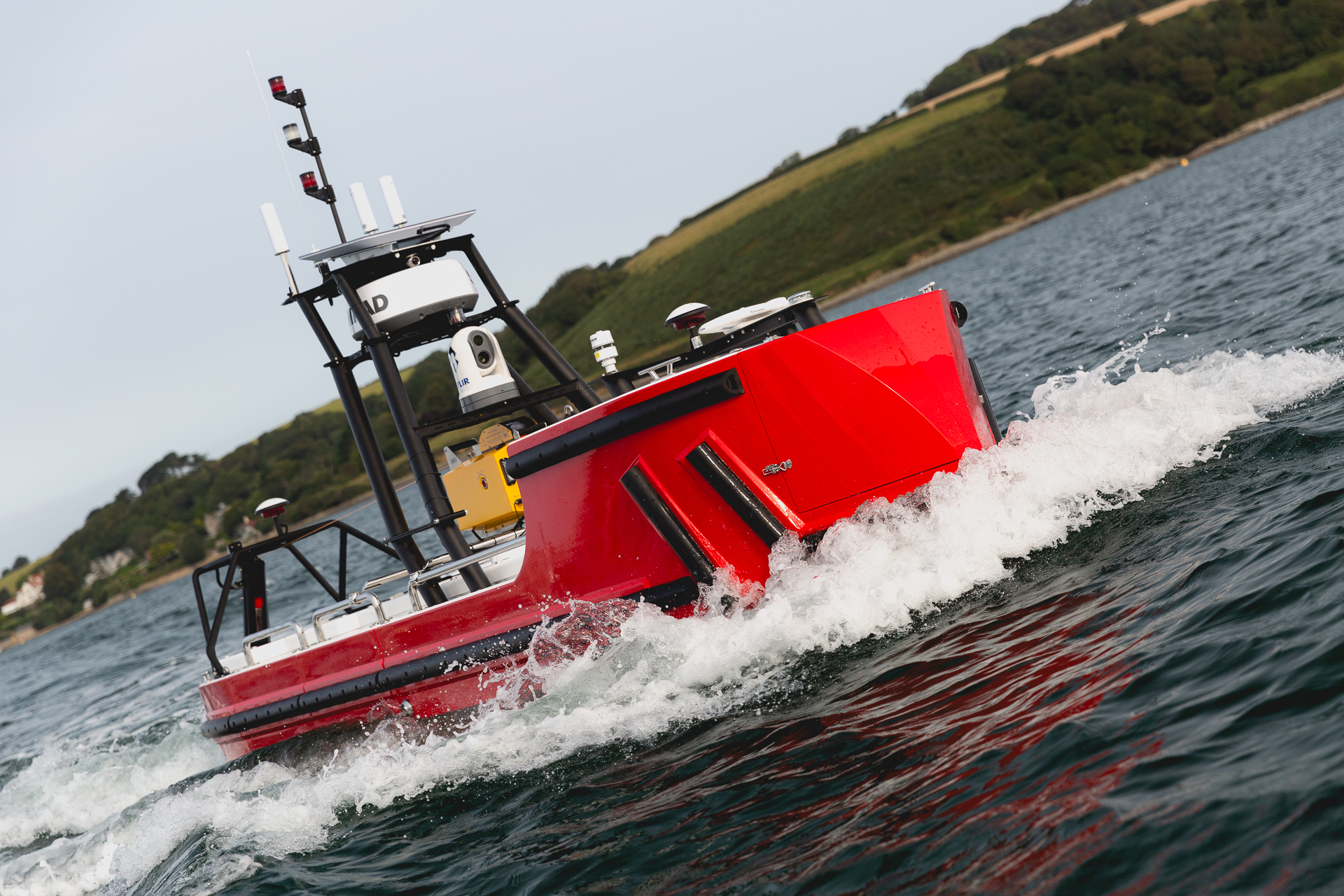
Uncrewed Survey Solutions (USS) Announces Expansion With Key Appointments Driven By Organisational Growth
Uncrewed Survey Solutions (USS), the USV innovator and marine data acquisition provider, has announced three key appointments in support of its ongoing growth strategy.
Mike Casey has joined USS’ Advisory Board, with Trish Buxton joining in the newly formed role of Business Development Manager, and Liam Eagling as Field Engineer.
USS’ new team will help USS’ service delivery and develop its in-house USV manufacturing, together with enhanced customer support, in line with the business’ expansion strategy.
As a builder-operator of its own fleet of uncrewed surface vessels (USVs), USS delivers customised marine data collection projects and missions primarily across the hydrographic
and geophysical domains.
Mike Casey has joined USS’ Advisory Board to support the senior management team, shape the organisational strategy, and to help develop the business’ offerings.
Mike is the Founder of Portico Advisers, a consultancy that advises global investors and entrepreneurs across six systems: technology, energy, health, food, carbon, and mobility. He built a client portfolio of firms managing $60 billion in assets and advised on more than $4 billion of transactions. He specialises in identifying high-conviction opportunities, shaping strategic direction, and positioning firms for growth and catalytic sales. Mike has a background in defence strategy. He has an MA in International Relations & International Economics, and has been featured in The Financial Times, The Wall Street Journal, The Economist, Bloomberg, and Fast Company.
Trish Buxton has joined USS in the newly formed role of Business Development Manager. Trish is responsible for driving business growth by expanding its reach and identifying new opportunities, together with contributing to the development of new products to match market needs.
Trish was previously Regional Sales Manager at Teledyne Geospatial (CARIS/Optech), specialising in geomatics. Prior to this, Trish worked within the Offshore Survey Industry as a Data Processor and Cartographer for Racal Survey/Thales Geosolutions onshore and offshore. With a lifetime interest in oceanographic surveying, Trish has a Degree in Physical Geography with Mapping Science.
Liam Eagling has joined USS as a Field Engineer, having previously worked for USS on placement whilst studying for his Renewable Energy Engineering Degree as a mature student following a decision to pursue his passion for the sector.
He comments: “Having previously undertaken a Royal Academy of Engineering Research Internship where I compared measured and modelled wave data that then evolved into analytically manipulating complex datasets, working with USS reinforces just how much I relish being at the intersection of engineering and real-world application with marine technologies and the practical demands of field work.”
James Williams, USS’ CEO and Founder comments: “We are delighted to welcome this new and exciting cohort to USS. Mike, Trish, and Liam bring unique and diverse skillsets to USS with their new perspectives, approach, and knowledge.”
He continues: “Their specific areas of expertise complement our existing team in the focus to enhance operations and productivity, support our growing customer-base, and to
springboard USS to further success.”
Delivering turnkey 24/7 hydrographic surveying and marine data acquisition solutions for Line-of-Sight (LOS) and Beyond-Line-of-Sight (BLOS) projects, USS supports its customers in their transition from traditional crewed surveying operations to the utilisation of smaller, uncrewed craft such as USS’ Accession Class USV (pictured).
Visit www.uncrewedsurveysolutions.com to find out more.
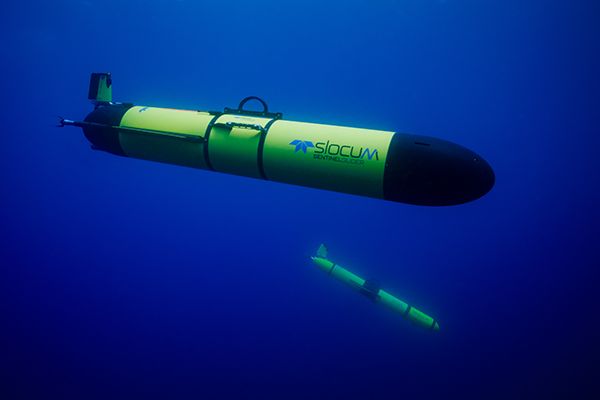
Teledyne Marine to Host Slocum Glider User’s Conference
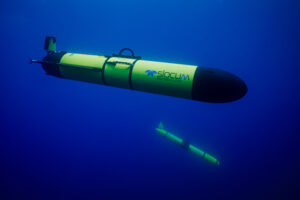 The global oceanographic community is invited to gather in Woods Hole this fall for the Slocum Glider User’s Conference, taking place October 7–9, 2025. This three-day event will bring together Slocum glider users, marine scientists, engineers, and dignitaries for a collaborative exchange of knowledge, innovation, and mission collaboration.
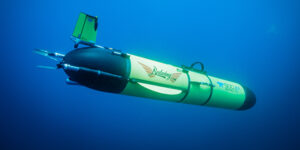
The conference will culminate in the official launch of the Sentinel Mission on October 10, featuring REDWING, the first autonomous underwater glider that will embark on the first ever AUV mission to autonomously circumnavigate the globe.
“This conference is more than a technical gathering—it’s a celebration of innovation and a launchpad for a mission that will redefine what’s possible in ocean exploration,” said Shea Quinn, Slocum Glider Product Line Manager.
Conference Highlights:
• Expert Panels & Technical Sessions on topics such as long-endurance missions, passive acoustic monitoring, storm gliders, and under-ice operations.
• Advanced Training with sensor vendors and glider specialists.
• Live Presentation and Poster Sessions from the global glider community.
• Networking Opportunities with NOAA and WHOI leadership, state officials, and academic researchers.
 The Sentinel Mission: A Global First
The Sentinel Mission, a collaboration between Teledyne Webb Research and Rutgers University to complete the first-ever global circumnavigation with an autonomous underwater vehicle, is supported by NOAA, the UN Ocean Decade, and the Marine Technology Society. The mission will launch from Woods Hole on October 10, 2025, with the deployment of REDWING, a specially outfitted Slocum Sentinel Glider.
The mission aims to:
• Demonstrate cutting-edge oceanographic technology
• Promote STEM education and student-led research
• Support global ocean monitoring and climate science
Rutgers undergraduate students are actively involved in planning the glider’s route, accounting for ocean currents, recharge stops, and geopolitical considerations. The mission will also feature a live online flight viewer, branded outreach campaigns, and educational content to engage the public worldwide.
Registration & Participation
Attendees are encouraged to register early and submit abstracts or posters for consideration.
RSVP to attend: https://forms.office.com/r/5R89xvUYiT
Register to submit live presentations or poster: https://forms.office.com/r/Z5HiknxCey
BeWild achieves world’s first remote ecology survey at CrossWind offshore wind farm
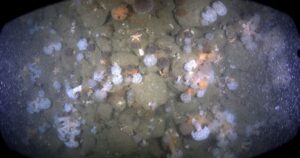
The BeWild project, led by Fugro, has successfully completed the world’s first fully remote ecology survey at CrossWind’s Hollandse Kust Noord offshore wind farm, marking a significant shift in marine ecosystem monitoring. This innovative approach enables more efficient and less disruptive monitoring, which is crucial for protecting marine life and the sustainable growth of offshore wind energy.
Together, the BeWild partners integrated computer vision and environmental DNA (eDNA) sampling into Fugro’s Blue Volta® electric remotely operated vehicle (eROV). This system was deployed from its Blue Essence® uncrewed surface vessel (USV), with both USV and eROV controlled from Fugro’s remote operations centre in Aberdeen.
Dan Smith, BeWild Manager, explains: “This survey provides a glimpse into the future of offshore ecology monitoring. By delivering high-quality data remotely, we’re not only reducing operational costs and environmental impact, but also enabling our clients to gain unprecedented insights into the health and biodiversity of their offshore assets. We’re incredibly excited about the potential this technology holds for the sustainable development of offshore wind energy.”
Pauline Roos, CrossWind’s Marine Ecologist said: “At CrossWind, we are excited to combine remote asset inspections with ecological monitoring of our nature inclusive scour protection measures. By combining the two, we can be more efficient with our resources offshore, ultimately making it safer for people. We look forward to seeing the results of these surveys.”
Renate Olie, Marine Ecologist at The Rich North Sea said: “In this survey, we explore how regular offshore inspections can integrate ecological monitoring. By using autonomous technology and different survey techniques, we get a better understanding of marine biodiversity around wind turbines. By combining offshore wind energy with nature enhancement, we work towards a thriving and biodiverse North Sea.”
This survey marks the first of four research and development assessments at CrossWind under the BeWild project, supported by a Mission-driven Research, Development and Innovation (MOOI) subsidy from the Dutch Enterprise Agency (RVO).
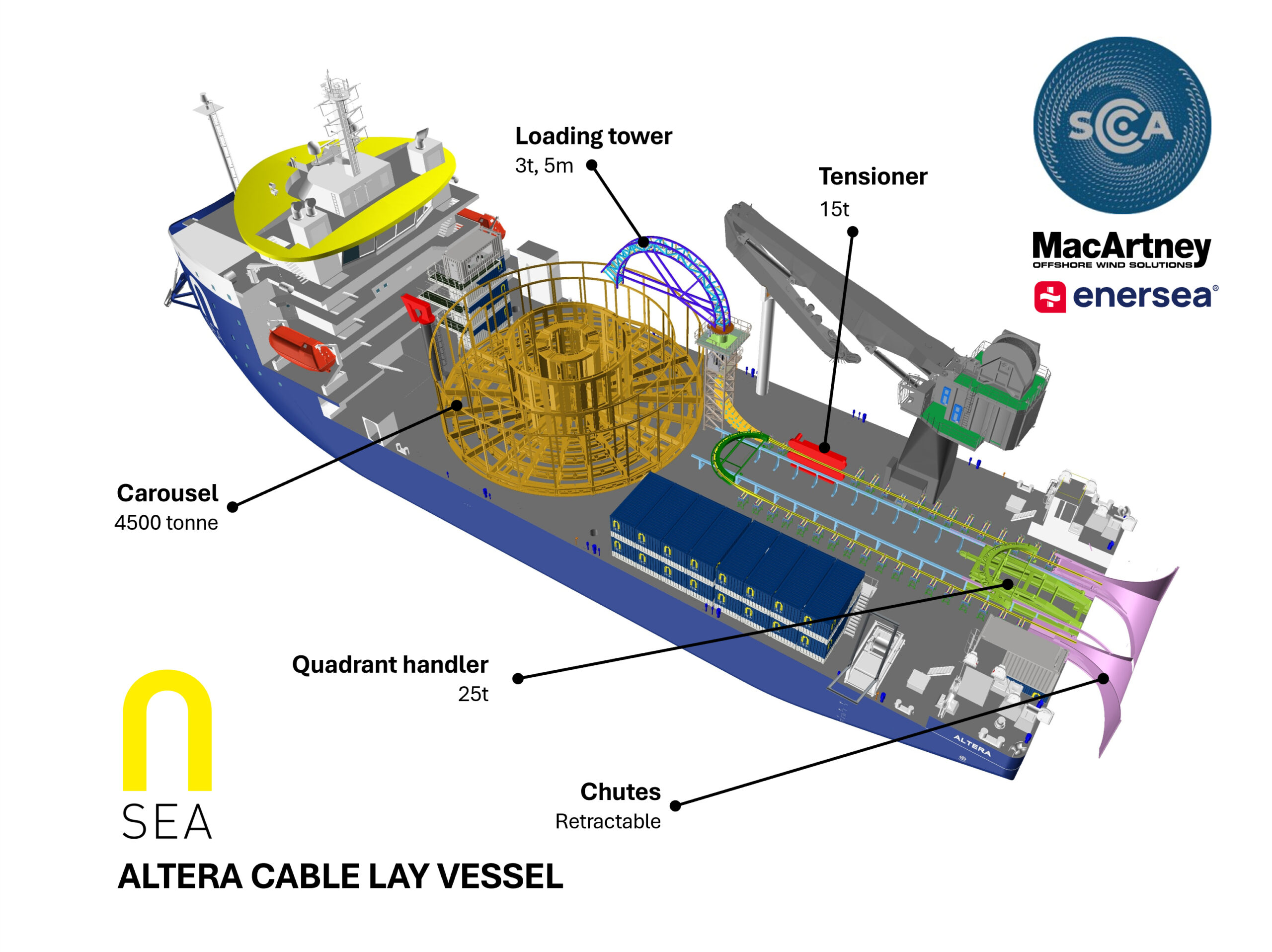
MacArtney secures contract to deliver mission equipment package for N-Sea’s cable lay and repair vessel Altera
MacArtney Offshore Wind Solutions, in collaboration with Subsea Cable Assets (SCA) and Enersea, has been awarded the contract to design and deliver a fully integrated cable lay spread, a tailored solution for N-Sea’s new cable-laying vessel, Altera.
This project demonstrates the value of trusted partnerships, combining MacArtney’s advanced mission equipment and control systems, SCA’s fabrication and EPCI expertise, and Enersea’s intelligent deck layout and integration design.
The result is a turnkey system designed to enhance operational efficiency, ensure safety, and enable swift mobilisation, customised to meet the demands of modern offshore wind cable installation and repairs.
Enabling performance through integration The integrated cable lay spread includes a 4,500t carousel, an automated loading tower with integrated tensioner, a 15t tracked deck tensioner, a quadrant and quadrant handling system with sliding banks, cable highways, retractable stern chutes, and a range of winches.
The system is delivered as a complete package, from concept and layout to hardware and execution, backed by a streamlined mobilisation philosophy designed to avoid disrupting Altera’s construction process.
“We’re really proud of this collaboration,” says Mike Welling, Business Development Manager at MacArtney Offshore Wind Solutions. “It’s a great example of how aligned partnerships can deliver true value to the offshore wind sector.”
All components are engineered for seamless integration, supporting safe, flexible, and efficient offshore operations. Delivery and mobilisation onboard the Altera are planned for Q1 2026.
Looking ahead As the offshore wind sector continues to scale, collaboration and integration remain key to delivering efficient, future-ready solutions.
“By joining forces with SCA and Enersea, we’ve brought together the best of three worlds — innovative technology, smart engineering, and robust execution,” Welling adds. “We see this as a strong foundation for future opportunities and look forward to continuing this journey together.”
This project reinforces MacArtney’s role in enabling the offshore wind industry through reliable, integrated cable lay solutions that keep offshore wind moving forward.
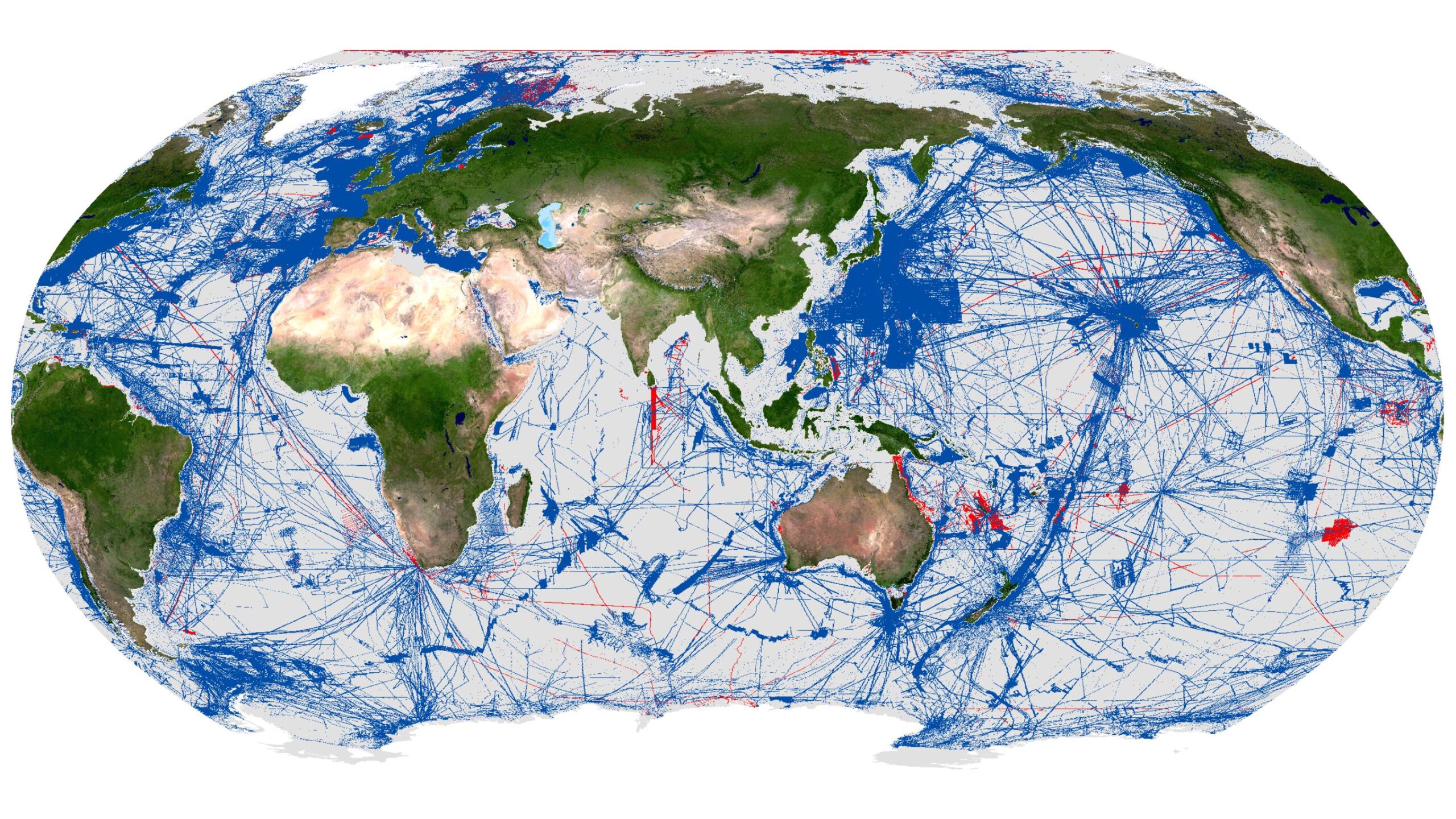
Seabed 2030 announces millions of square kilometers of new seafloor data on World Hydrography Day
New data contributions add over four million square kilometers of seabed to the definitive map of the ocean floor in the last year
On World Hydrography Day, The Nippon Foundation-GEBCO Seabed 2030 Project has announced that 27.3% of the world’s ocean floor has now been mapped to modern standards. The increase in data represents more than four million square kilometres of newly mapped seafloor – an area roughly equivalent to the entire Indian subcontinent.
This milestone comes at a pivotal moment. Just last week at the third UN Ocean Conference in Nice, the global ocean community united in a call for urgent, inclusive and transformative action – recognising the ocean’s central role in addressing some of the planet’s greatest challenges, from climate resilience to food security. Yet despite covering more than 70% of Earth’s surface, the ocean remains our least understood environment.
Established by the International Hydrographic Organization (IHO), World Hydrography Day raises awareness of the critical role hydrography plays in advancing our understanding of the ocean. This year’s theme, ‘Seabed Mapping: Enabling Ocean Action’, highlights how bathymetric data underpins the blue economy – supporting sustainable marine energy, coastal tourism and fisheries – and contributes to global efforts to protect biodiversity and tackle climate change.
Seabed 2030 is a collaborative project between The Nippon Foundation and the General Bathymetric Chart of the Oceans (GEBCO), which seeks to accelerate the complete mapping of the world’s ocean floor and compile all the data into the freely available GEBCO Ocean Map. As a flagship programme of the Ocean Decade, Seabed 2030 is helping to close one of the largest data gaps in ocean science.
From improving tsunami early-warning systems to guiding the installation of undersea cables and identifying biodiversity hotspots, seafloor data enables informed, real-world action.
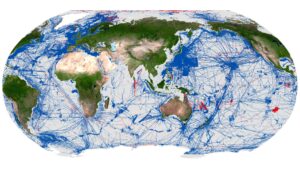
Over the past 12 months, Seabed 2030 has welcomed data contributions from 14 new organisations – including first-time contributions from five new countries: Comoros, Cook Islands, Kenya, Mozambique and Tanzania. With data now contributed by over 185 organisations worldwide, the project continues to galvanise global support towards a fully mapped ocean floor.
Commenting on the latest milestone, Seabed 2030 Project Director Jamie McMichael-Phillips said: “Mapping the seafloor is not just a scientific exercise – it’s a global imperative, foundational to everything from climate action and coastal resilience to sustainable development.
As we reach the midpoint of the UN Ocean Decade – a defining moment for ocean action – I urge governments, industry, research institutions and individuals alike to contribute to this global effort. Together, we can deepen our scientific understanding of the ocean and help secure the future of the blue planet.”
Executive Director of The Nippon Foundation, Mitsuyuki Unno, said: “The Nippon Foundation is committed to building on the achievements made through Seabed 2030 by continuing to support global collaboration to acquire bathymetric data, the promotion of innovative ocean mapping technologies, and the training of future ocean mappers.”
Chair of GEBCO Evert Flier added: “The progress captured in this update reflects the extraordinary value of global collaboration. Every contribution strengthens the GEBCO Grid – helping to complete the picture of the ocean and deliver benefits for science, society and the planet.”
All data collected and shared with the Seabed 2030 project is included in the free and publicly available GEBCO global grid. A joint programme of the IHO and the Intergovernmental Oceanographic Commission (IOC) of UNESCO, GEBCO is the only organisation with a mandate to map the entire ocean floor.
Blue Logic and Hydromea Announce Groundbreaking Partnership to Accelerate Subsea WLAN Deployments for Offshore Oil & Gas and Critical Undersea Security Sectors
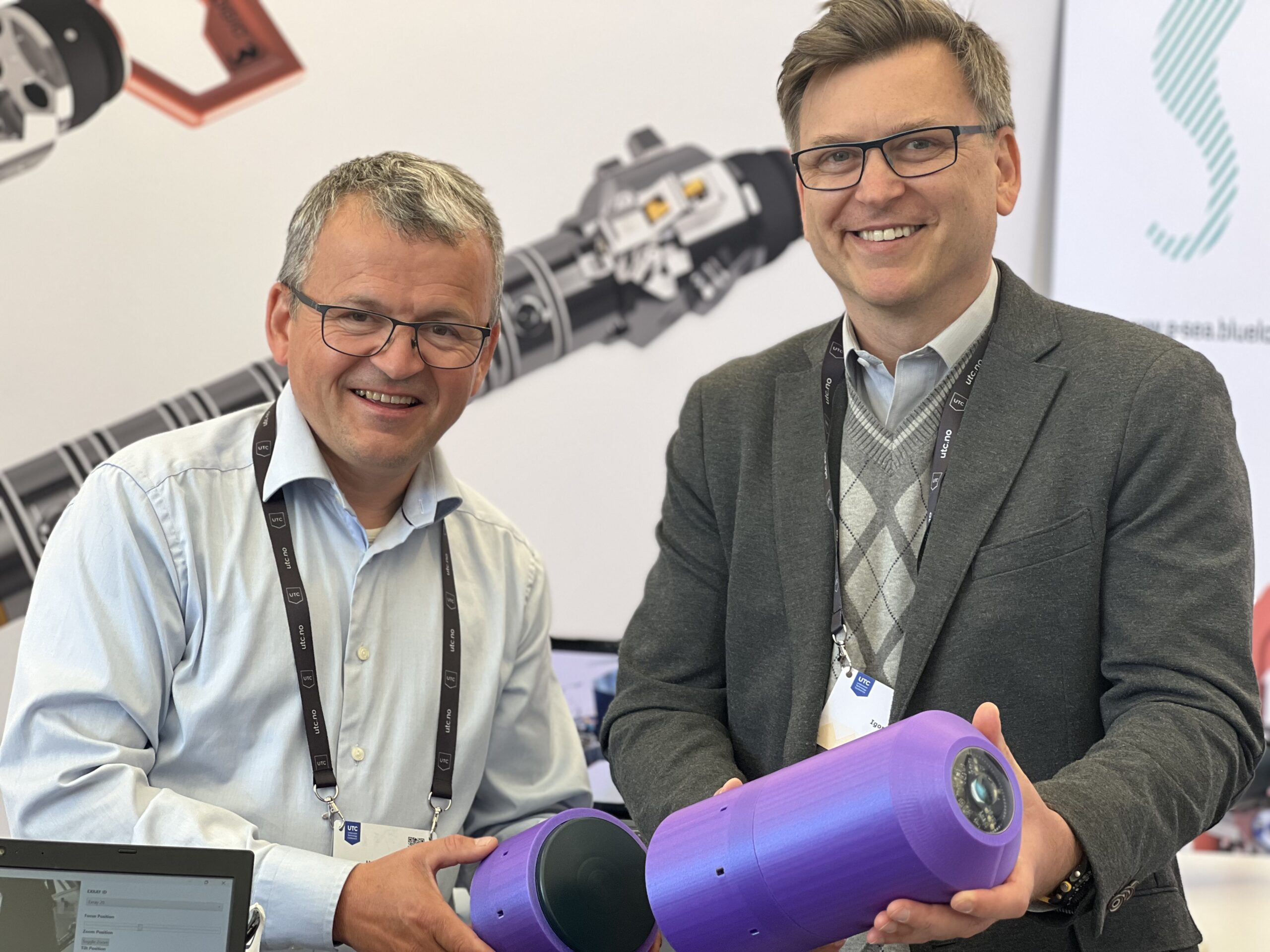
 Hydromea, a leader in high-speed wireless subsea optical communication, and Blue Logic, a pioneer in underwater inductive power and data transfer, today announced a strategic partnership to revolutionize wireless communications beneath the waves enabling human in the loop remotely piloting an underwater drone without an umbilical. This collaboration integrates Blue Logic’s advanced inductive technology with Hydromea’s free-space optical (FSO) solutions, enabling unprecedented speed, reliability, and flexibility in subsea WLAN deployments for critical data offloads and wireless remote control of Unmanned Intervention Drones (UIDs).
A New Era for Subsea Wireless Communications
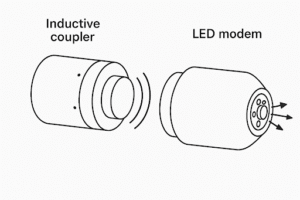
The partnership brings together two commercially proven technologies: Blue Logic’s Subsea USB® inductive connectors, which provide robust underwater power and data transfer without galvanic contact, and Hydromea’s LUMA™ optical modems, which deliver real-time, high-bandwidth communication through water at speeds up to 10 Mbit/s. The combined solution allows for seamless data flow and accurate remote operation of subsea assets, reducing deployment risks around critical subsea assets for service companies and asset owners. This partnership also dramatically reduces time to market for this combined solution in highly regulated environments by negating the need for expensive certifications.
Key Benefits of the Partnership
-
Accelerated WLAN Deployments: The integration of inductive and FSO technologies enables rapid, flexible setup of subsea wireless networks, supporting real-time data streaming and remote control of UIDs.
-
Extreme Deployment Flexibility: The combined system works across a wide range of subsea environments, from splash zones to depths of 6,000 meters, and is suitable for both new installations and legacy infrastructure retrofits.
-
Enhanced Reliability and Safety: Inductive technology eliminates the risk of corrosion and short circuits, while Hydromea’s optical communication ensures high-speed, low-latency data transfer and remote control without requiring direct line of sight.
-
Ready for Deployment: Both technologies are fully commercial and can be deployed today, offering immediate value to offshore operators and defense organizations.
Executive Quotes
“This partnership is a win-win for both companies and the industry at large. By combining our strengths, we are making advanced subsea wireless technology more readily deployable and significantly reducing the risks for UID service companies and asset owners. Our goal is to empower the offshore and defense sectors with the tools they need to operate more efficiently and safely underwater,”
— Igor Martin, CEO and co-founder, Hydromea
“With this partnership, our induction packs now seamlessly pass LUMA™ data through while keeping LUMA™ modems charged. This breakthrough means that subsea vehicles and infrastructure can stay powered and connected for longer, enabling continuous operations and real-time monitoring. The result is greater efficiency, safety, and sustainability for our customers,”
— Helge Sverre Eide, CO-Founder, Blue Logic
Industry Impact
The Blue Logic and Hydromea partnership is set to transform subsea monitoring operations in the offshore energy, defense sectors, and ocean research. By enabling wireless, real-time communication and remote control of UIDs, the combined solution will reduce reliance on supply vessels, lower operational costs, and minimize the carbon footprint of underwater missions. The technology is already proven in commercial deployments and is ready to support the next generation of subsea digitalization.
Greensea IQ Expands Southeast Asia Presence with Appointment of Sea and Land Technologies (SALT) as Regional Representative
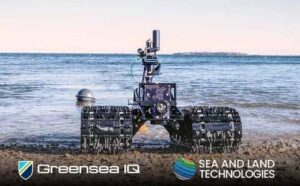 Greensea IQ, a leader in advanced subsea robotics and autonomy, is proud to announce a new partnership with Sea and Land Technologies Pte Ltd (SALT), appointing the company as the exclusive regional sales representative for its Bayonet line of Autonomous Underwater Ground Vehicles (AUGVs) across Southeast Asia.
Under the agreement, SALT will represent Greensea IQ’s Bayonet products in Singapore, Indonesia, Malaysia, the Philippines, Thailand, Vietnam, Brunei, Cambodia, and Laos.
“Southeast Asia is a strategically important region for Greensea IQ,” said Rob Howard, Chief Growth Officer of Greensea IQ. “With their proven track record of deploying innovative maritime technologies and supporting complex customer missions, SALT is the ideal partner to help us introduce Bayonet AUGVs to new defense, commercial, and scientific users across the region.”
SALT, based in Singapore, is a trusted supplier of high-tech solutions for the marine, offshore, and defense industries. With extensive experience in representing cutting-edge sensor and robotic technologies, SALT will provide local sales, integration support, and customer engagement for Greensea IQ’s Bayonet vehicles—rugged subsea crawlers built for operations in surf zones, shallow water, and other dynamic nearshore environments.
“We are excited to add Greensea IQ’s Bayonet systems to our portfolio,” said Phillip Thomas, Head of Operations, IHO certified Cat "A" Hydrographer at SALT. “Their technology offers new capabilities in autonomous seabed operations, especially in challenging environments where other platforms struggle. We look forward to bringing these powerful solutions to our customers across Southeast Asia.”
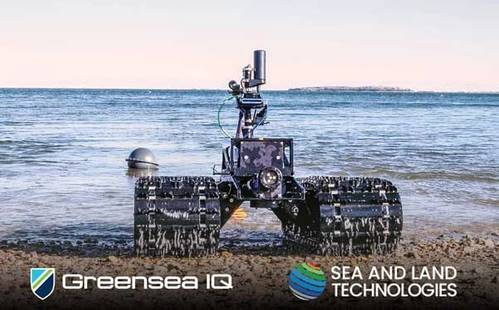
The Bayonet family of AUGVs is purpose-built for crawling missions along the seafloor in the surf and littoral zones. Bayonet vehicles are used for mine countermeasures, UXO detection, payload deployment, coastal mapping, and amphibious reconnaissance, with full autonomy and advanced navigation powered by Greensea IQ’s OPENSEA architecture.