
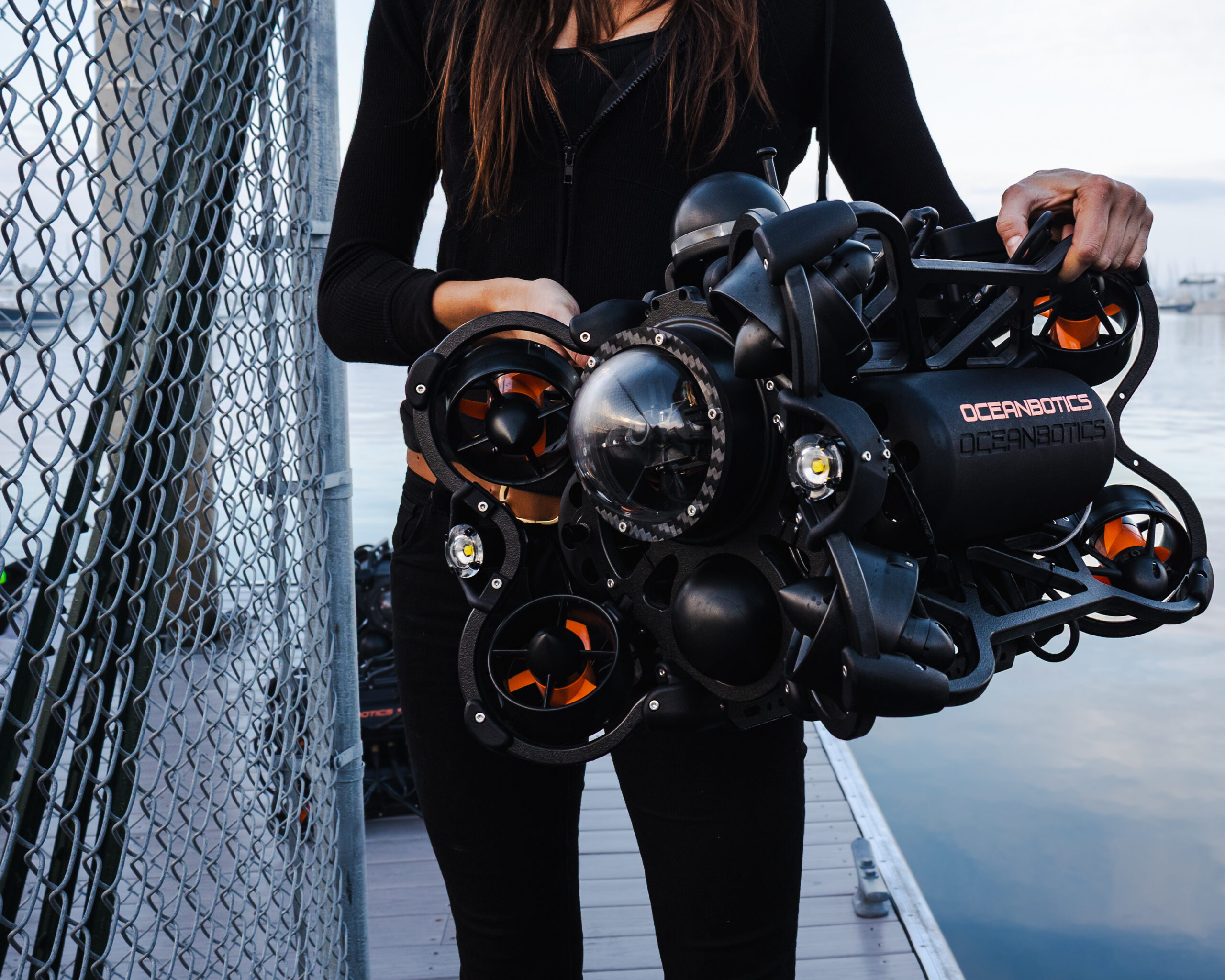
Oceanbotics Introduces the SRV-8C: Compact, Capable & Cost-Effective ROV
 The SRV-8C is finally here. The most compact remotely operated vehicle (ROV) in the Oceanbotics lineup, the SRV-8C delivers the same ease of operation, extreme maneuverability, and intuitive software the SRV-8 Series is known for—now in a streamlined, highly portable system.
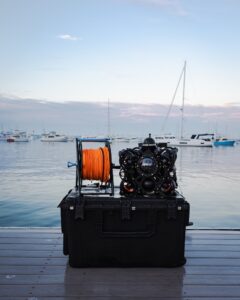
Standing at just over 15 inches tall, the SRV-8C is designed for efficiency in both size and deployment. The vehicle, tether, and essential accessories can be packed into a single rolling case, enabling rapid mobilization in the field and reducing logistical complexity compared to traditional inspection-class ROV systems.
The SRV-8C introduces a new price point for Oceanbotics—making professional-grade underwater inspection more attainable than ever. Compact yet highly capable, the system enables users to perform critical tasks such as object identification, inspection, and retrieval, all while delivering an industry-leading battery life of up to four hours.
The SRV-8C completes the SRV-8 Series, joining the SRV-8 and SRV-8X to offer a comprehensive range of solutions tailored to diverse mission requirements. Accessories are fully interchangeable across the series, allowing operators to maximize their existing investments and use the same intuitive software across all platforms.
Designed for industries where portability, efficiency, and cost are critical, the SRV-8C stands out as a robust, all-in-one solution. Its compact design, single-case portability, and accessible pricing make it a strong contender in the inspection-class ROV market.
In short, the SRV-8C is built to be the perfect fit—where performance meets practicality. Explore the SRV-8C at oceanbotics.com/SRV-8C.

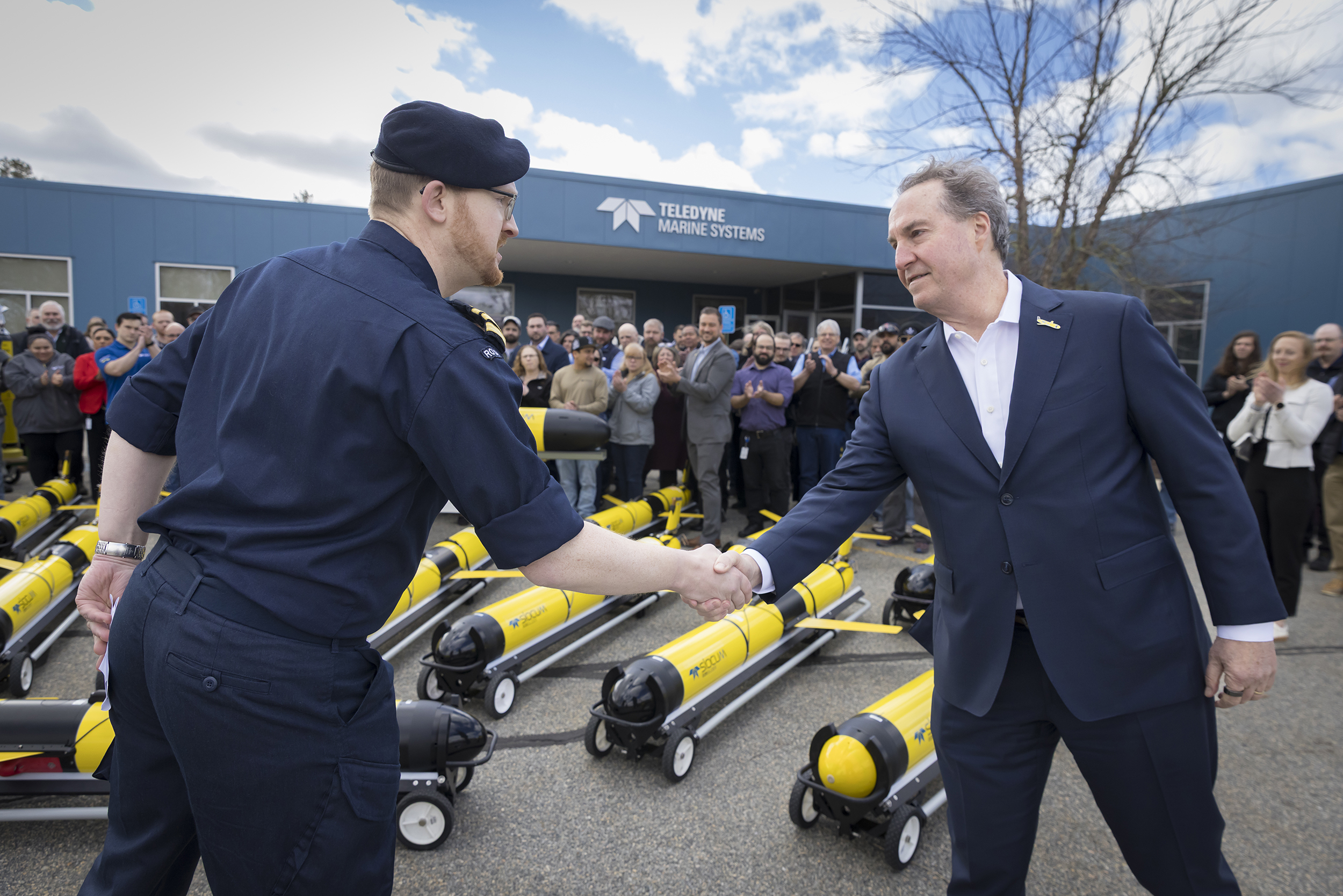
UK Royal Navy Awards Teledyne Contract for Autonomous Underwater Vehicles and Floats
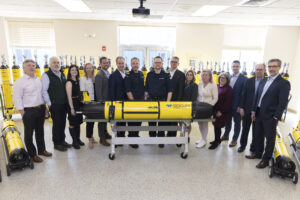 Teledyne Marine, part of Technologies Incorporated (NYSE:TDY), is pleased to announce that it has been awarded a contract by the UK Ministry of Defence (MOD) in support of the Royal Navy’s Future Maritime Data Gathering (FMDG) - Persistent Oceanographic Data Collect, strengthening the Royal Navy’s oceanographic and environmental data collection capabilities.
Under this contract, Teledyne will supply numerous autonomous ocean observing systems, including Sentinel and Slocum gliders, APEX floats, and associated services, enabling the Royal Navy to expand its fleet of advanced unmanned technologies to collect high-quality oceanographic data in support of operational planning, maritime safety, and defence activities, directly supporting Atlantic Bastion.
Under the FMDG program, Teledyne’s systems will deliver long-endurance data collection from complex and remote maritime environments, providing the Royal Navy with actionable and reliable environmental intelligence. The program builds on the Royal Navy’s use of Teledyne Slocum gliders since 2015 and reinforces the growing role of unmanned systems in Royal Navy and NATO naval operations. According to the Royal Navy’s Direct award justification “Teledyne remains the only supplier able to guarantee seamless interoperability, security compliance, and mission readiness into the Current RN Glider Fleet.”
“This award reflects the Royal Navy’s continued confidence in Teledyne’s autonomous underwater vehicles and ocean observing technologies, and our established partnership in delivering proven, mission-ready solutions,” said George Bobb, President and CEO of Teledyne. “We are proud to support the Royal Navy’s Future Maritime Data Gathering program and to contribute capabilities that deliver high-quality ocean data to enable critical defense and maritime missions.”
“This investment in autonomous ocean sensing strengthens the Royal Navy’s ability to understand and operate in an increasingly contested North Atlantic, supporting Atlantic Bastion. As we take this forward under the First Sea Lord’s Hybrid Navy agenda, this capability will be delivered directly to frontline Information Warfare Meteorological and Oceanographic (IW METOC) Operators. Persistent data from systems such as these enhances our understanding of the Underwater Battlespace, enabling Tactical Exploitation of the Environment and delivering the operational and information advantage Commanders need,” said Commander Butcher, Royal Navy, Capability Sponsor.
Since 2015, Teledyne has supported the Royal Navy’s oceanographic and environmental monitoring requirements through Slocum gliders, APEX floats and Gavia autonomous systems designed to operate reliably in demanding operational conditions. Teledyne’s unmanned systems are widely used by naval, commercial, and scientific organizations worldwide for ocean observation and environmental data collection.
Proven Performance
Teledyne Marine is a leading provider of unmanned underwater vehicles and ocean observing systems. Teledyne has delivered more than 12,000 APEX floats and 1,290 Slocum gliders, including over 600 systems in service with NATO naval users. Gavia AUV systems have been purchased by 18 navies worldwide, and Teledyne systems are operational with numerous NATO and AUKUS navies, including the Royal Navy.
UK Presence
Teledyne employs approximately 2,700 people across 18 main sites in the UK and is committed to supporting current and future UK defense priorities through proven technology, local expertise, and long-term partnerships.
FET sets new standard for subsea operations with Ice® Unity Remote-Connect
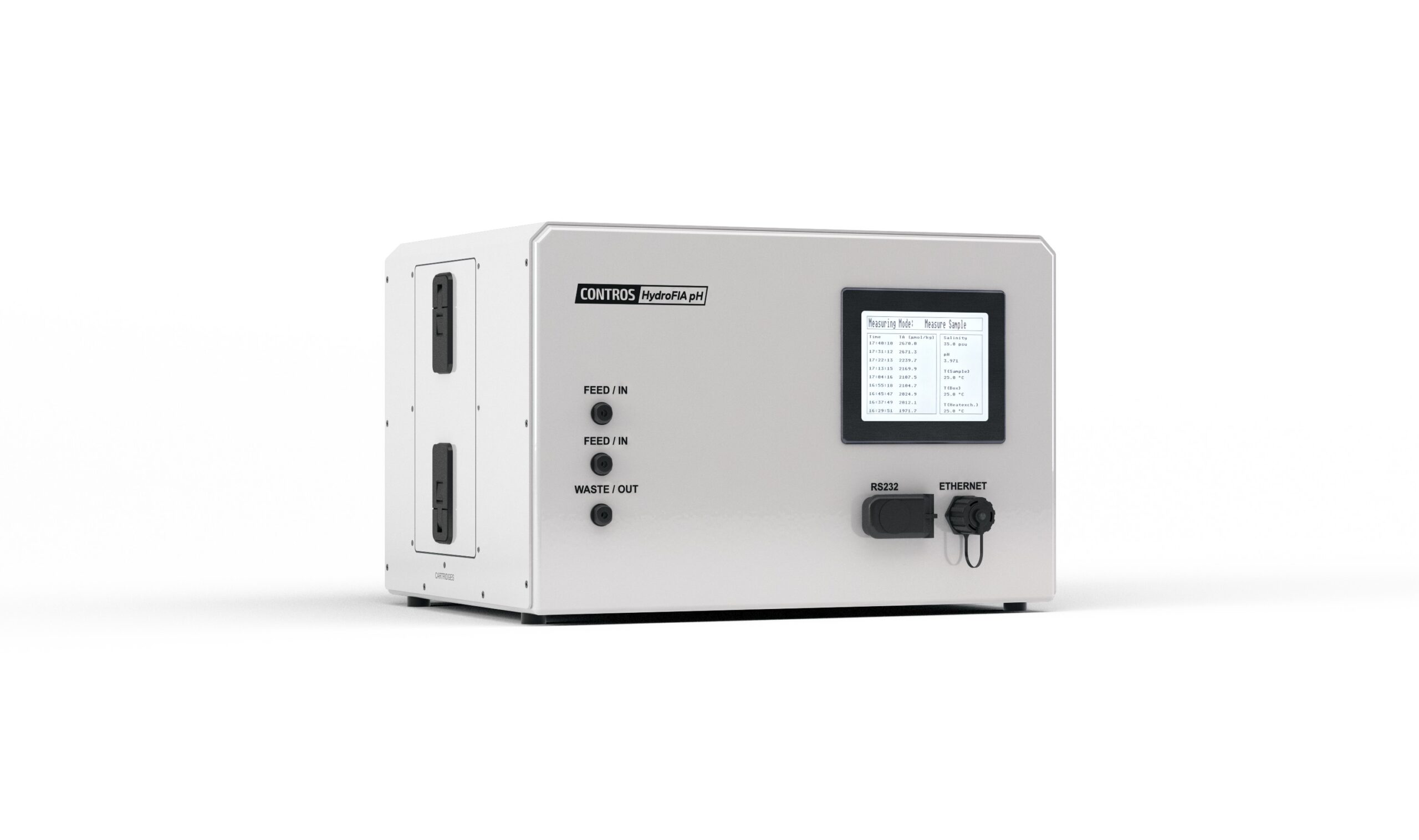
 -4H-Jena engineering GmbH has become the only commercial provider with the ability to offer large-scale purification of meta-Cresol Purple (mCP) for spectrophotometric seawater pH measurement. The capability is now available in direct support of its CONTROS HydroFIA™ pH analyser, addressing a long-standing challenge in marine carbon system monitoring.
Spectrophotometric pH measurement using indicator dyes such as mCP is widely recognised for its precision and suitability for high-quality ocean monitoring. However, impurities in commercially available indicator dyes can introduce systematic bias, even when apparent precision is high. Manufacturer and batch-dependent variability has been shown to shift reported pH values by up to 0.01 units, limiting data comparability and undermining confidence in long-term time series.
Until now, there has been no commercially available, scalable source of purified mCP. Laboratories and monitoring programmes have either relied on limited research-grade supply or undertaken their own purification, often at significant cost and effort. These approaches are typically time-intensive and difficult to scale for global monitoring needs.
By establishing the world’s first commercial in-house purification capability, -4H-Jena engineering is removing this bottleneck for users of the CONTROS HydroFIA™ pH system. The company can now deliver rigorously quality-controlled, ready-to-use purified mCP as part of its overall solution, reducing the technical and operational burden on customers while improving traceability and comparability of pH data
“High-quality indicator dye is fundamental to unlocking the full potential of spectrophotometric pH measurements,” says Dr. Katharina Seelmann, Project Manager Research & Technology Management, -4H-Jena engineering GmbH. “By offering purified mCP as a commercially available product, we are eliminating a key source of systematic bias and giving monitoring programmes greater confidence in the reliability and comparability of their data. This is an important step towards more robust long-term ocean observation.”
For operators of the CONTROS HydroFIA™ pH analyser, the development strengthens the system’s position as a complete and traceable measurement solution. By combining proven spectrophotometric technology with a secure supply of high-purity indicator, -4H-Jena engineering enables more consistent data across platforms and programmes, supporting applications from coastal monitoring to open-ocean research and high-resolution time-series studies.
Visitors to Oceanology International 2026 are invited to discuss this new capability and other recent -4H-Jena engineering developments on stand B201.
FET sets new standard for subsea operations with Ice® Unity Remote-Connect
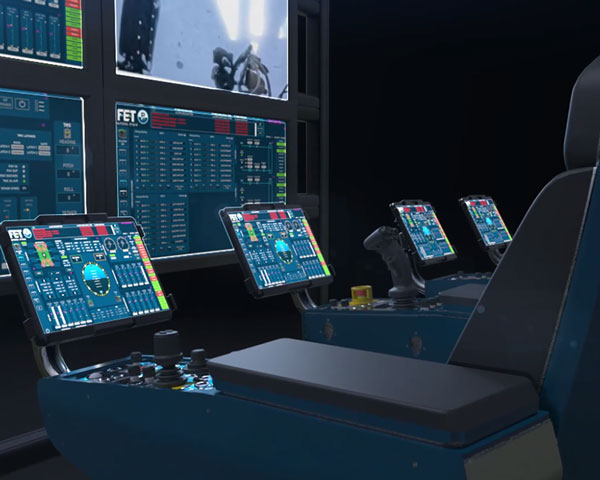
 Forum Energy Technologies (FET), a leading provider of remotely operated vehicles (ROVs), has unveiled its new remote control station, enabling clients to operate ROV systems safely from any location.
The station operates using the latest ROV control system ICE® Unity, released in 2025, and facilitates any combination of the following:
- Remote operations
- Live streaming of survey data
- ROV system monitoring including FET Remote Support and updates.
Supplied as an option with new systems, or as an upgrade to existing systems running ICE® Unity, the package includes FET Subsea advanced control chair(s), Remote-Connect gateway enclosures and VisualSoft’s video streamer and network player.
The option to operate from anywhere offers customers greater flexibility without compromising performance. The remote stations will facilitate many advantages including availability of specialist expertise, lower costs and improved safety.
Kevin Taylor, Vice President – Operations, Subsea Technologies at FET, said: “Innovation is key to FET’s long-term strategy, FET 2030, and this development represents a significant step forward in how ROV operations can be delivered. By enabling full system control from any location, we are giving our customers greater flexibility in how they deploy personnel and manage operational costs, without compromising performance or reliability.”
FET is demonstrating the remote station this week at Oceanology 2026, where an ROV will be piloted at the company’s UK headquarters in Kirkbymoorside, North Yorkshire, from a FET Subsea Advanced Control Chair at the conference in London – over 300km (190 miles) away.
All new hardware is manufactured and delivered from Kirkbymoorside in the UK. FET expects the introduction of full remote control capability to support evolving customer requirements across offshore energy, defence and other subsea markets.
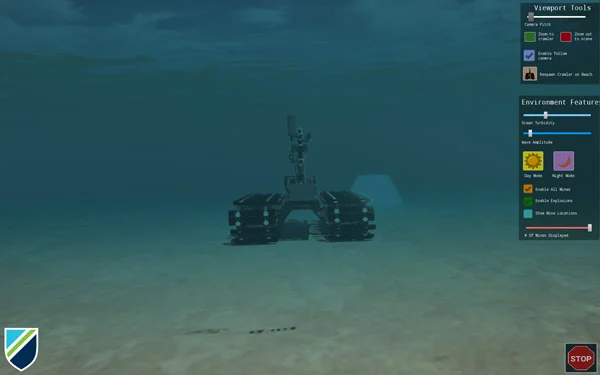
Greensea IQ Launches Bayonet AUGV Operator Training Simulator
 Greensea IQ, a leader in subsea robotics and autonomous systems, today announced the launch of a new simulator designed to help operators learn, practice, and refine their skills using the company’s Bayonet Autonomous Underwater Ground Vehicles (AUGVs).
Developed in-house by Greensea IQ, the training simulator is built in a virtual game environment providing a realistic experience with an accurate physics engine. The game engine integrates with the operator’s console of the Bayonet robot, taking the place of a live robot, and simulates a fully operational system. Operators interact with the simulated system just as they would with a deployed robot, utilizing Greensea’s operating software, conducting real-life mission scenarios, responding to environmental events, and supervising the robot in both autonomous modes of operation as well as piloting the system in open-loop modes of operation.
The Bayonet AUGV simulator is designed for training scenarios and supporting operational work-ups of real-life missions. Trainers can specify environmental conditions, import geography and bathymetry, place targets, and create mission objectives. A fish-eye view in the trainer’s console allows the trainer to watch as an operator executes a mission. Realistic POV video from the AUGVs camera and simulated high-fidelity sonar data provide the operator an accurate experience while working within Greensea’s Workspace software. Operators can use the Workspace software just as they would in a live exercise, practicing scenarios, learning the software, and understanding their role as partners with an autonomous system. All of Bayonet’s autonomous features are fully enabled and available, from mission execution, obstacle avoidance, and target interrogation, to Automatic Target Recognition. Workspace’s data management systems are also fully functional, supporting data recording and playback as well as integration with TAK systems and Greensea’s post mission analysis toolchain.
“Helping operators learn how to work efficiently and effectively with intelligent systems is critical to success,” said Greensea IQ CEO Ben Kinnaman. “A great product is one that just works. But, that also relies on the operator developing and maintaining the proficiency to execute the desired missions. This simulator helps the operator do that.”
The Bayonet AUGV Simulator is built on Greensea’s new simulation engine for Greensea’s software systems. Training simulators for Greensea’s EOD Workspace and EOD Edge software platform available on the Mission Specialist Defender ROV systems by VideoRay (an AeroVironment company) and well as training simulators for Greensea’s RNAV system for combat swimmers will be available in the spring of 2026.
The launch of the simulator reinforces Greensea IQ’s commitment to pairing advanced autonomy with practical tools that support operators across the full lifecycle of subsea missions from training and rehearsal to real-world deployment.
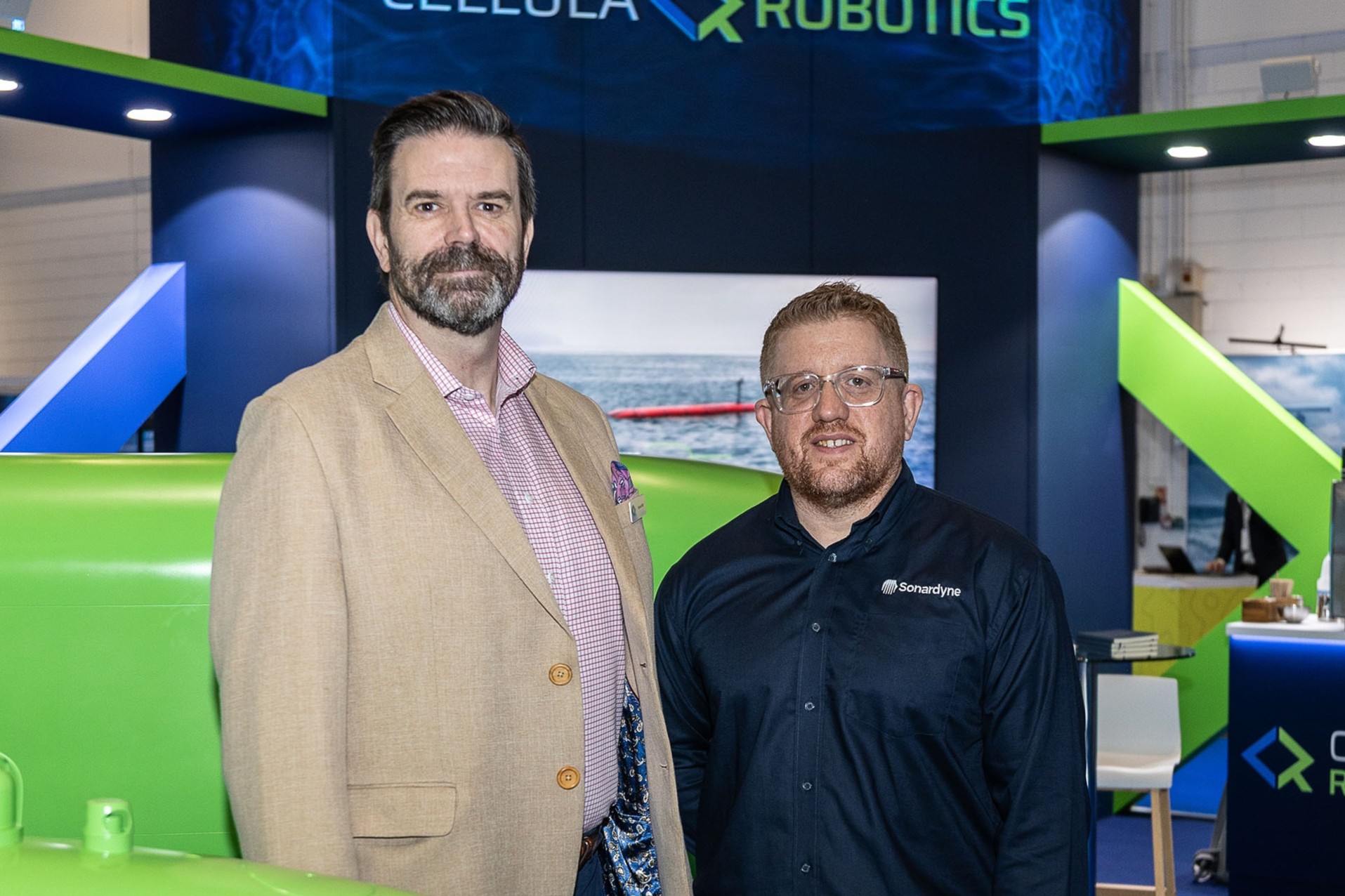
Cellula Robotics selects Sonardyne for long-range AUVs
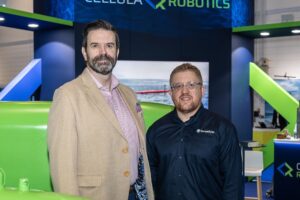
Leading autonomous subsea robotic systems developer Cellula Robotics has chosen Sonardyne navigation and positioning technology for its long-range autonomous underwater vehicle (AUV) platforms.
For a number of AUV programmes, the company has ordered multiple Sonardyne SPRINT-Nav X navigation systems - Sonardyne's highest grade and underwater navigation system.
The company has also selected Sonardyne’s AvTrak 6 for tracking, communications and mission control. Part of the package/purchase is multiple Sonardyne Ranger 2 Ultra-Short BaseLine (USBL) positioning and communications systems for both AUV end users and demonstration and testing.
The move reflects Cellula’s focus on delivering the most reliable, persistent and accurate performance available for detect, inspect and protect missions.
“Our users need certainty,” says Richard Mills, Cellula’s Chief Commercial Officer. “Our AUV platforms provide persistent, long range and long endurance missions. Knowing where they are is an essential requirement at all times.
“Subsea security is a system‑of‑systems mission, our mantra of detect, inspect, and protect is aided by Sonardyne’s products to help ensure we deliver that certainty on every deployment.”
Cellula’s range includes the almost 12 m-long hydrogen fuel-cell powered Guardian and Porter AUVs, supporting long-range surveillance and cargo delivery respectively. Both have up to 45 days endurance and a 5,000 km range enabling extended deployments, with 5,000 litre capacity payload bays for flexible configuration.
Cellula has the 8.5 m-long Envoy AUV. Also hydrogen fuel cell powered, it’s designed for surveillance and data gathering, including by anchoring at the seabed for periods.
“Cellula is shifting the dial on what underwater endurance and persistence look like,” says Aidan Thorn, Marine Robotics Business Development Manager at Sonardyne.
“Sonardyne’s navigation and positioning technologies ensure their AUVs can fulfil demanding security, survey and research missions, where accurate navigation and reliable communications are absolutely critical.”
Cellula’s Ranger 2 systems are Gyro USBL variants. These combine heading, pitch, roll and an acoustic transceiver in one pre‑calibrated unit, simplifying vessel deployment and boosting accuracy.
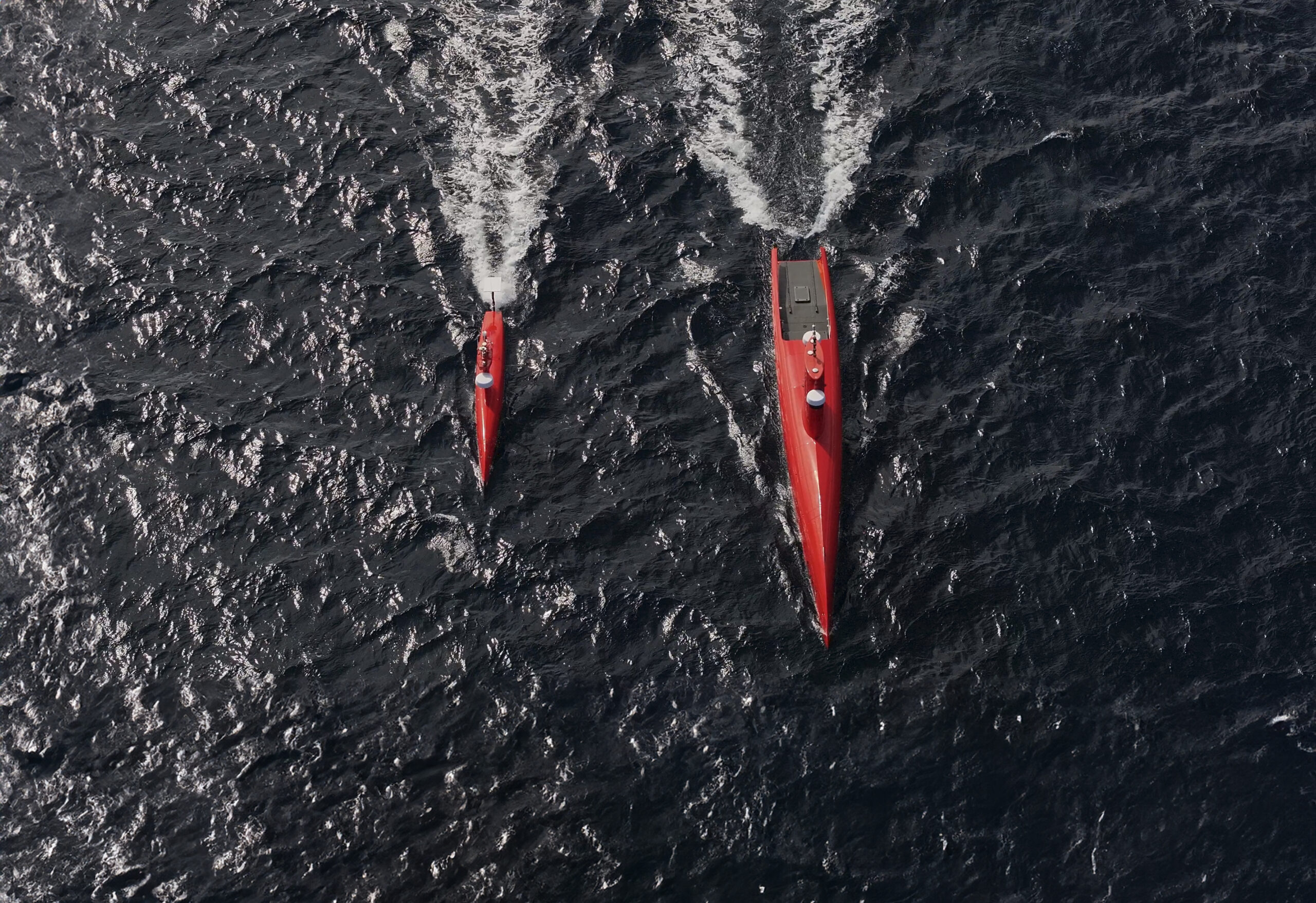
Exail announces first sale of DriX H-9 for civil offshore operations to a European client
 Exail, a leader in marine robotics technologies, announces the sale of its DriX H-9 Uncrewed Surface Vessel (USV) for civil offshore operations to a European client. The DriX H-9, equipped with a Multibeam Echosounder (MBES), Side Scan Sonar (SSS), Sub-Bottom Profiler (SBP) and magnetometer, will be deployed for offshore infrastructure survey operations.
As demand for efficient, precise and lower-footprint offshore surveying continues to grow, Exail’s DriX series — comprising the H-8, H-9 and O-16 models — addresses the evolving needs of the offshore market. Each platform offers different endurance and payload capacities, enabling operators to select the most suitable configuration for their mission profile. The DriX H-9 is particularly suited for complex offshore survey operations, combining long endurance with the ability to carry a full geophysical sensor suite while reducing operational costs and environmental impact.
Olivier Cervantes, VP Maritime Autonomy Solutions at Exail
“Our approach to better serve offshore customer requirements by offering a range of USVs with various endurance and payload capacities is clearly gaining momentum. With the DriX H-9, clients can operate over the horizon with up to 20 days of endurance while deploying a complete geophysical spread including MBES, SSS, SBP and magnetometer. We are delighted to see our client acting as a pioneer survey company in Europe by leveraging this capability.”
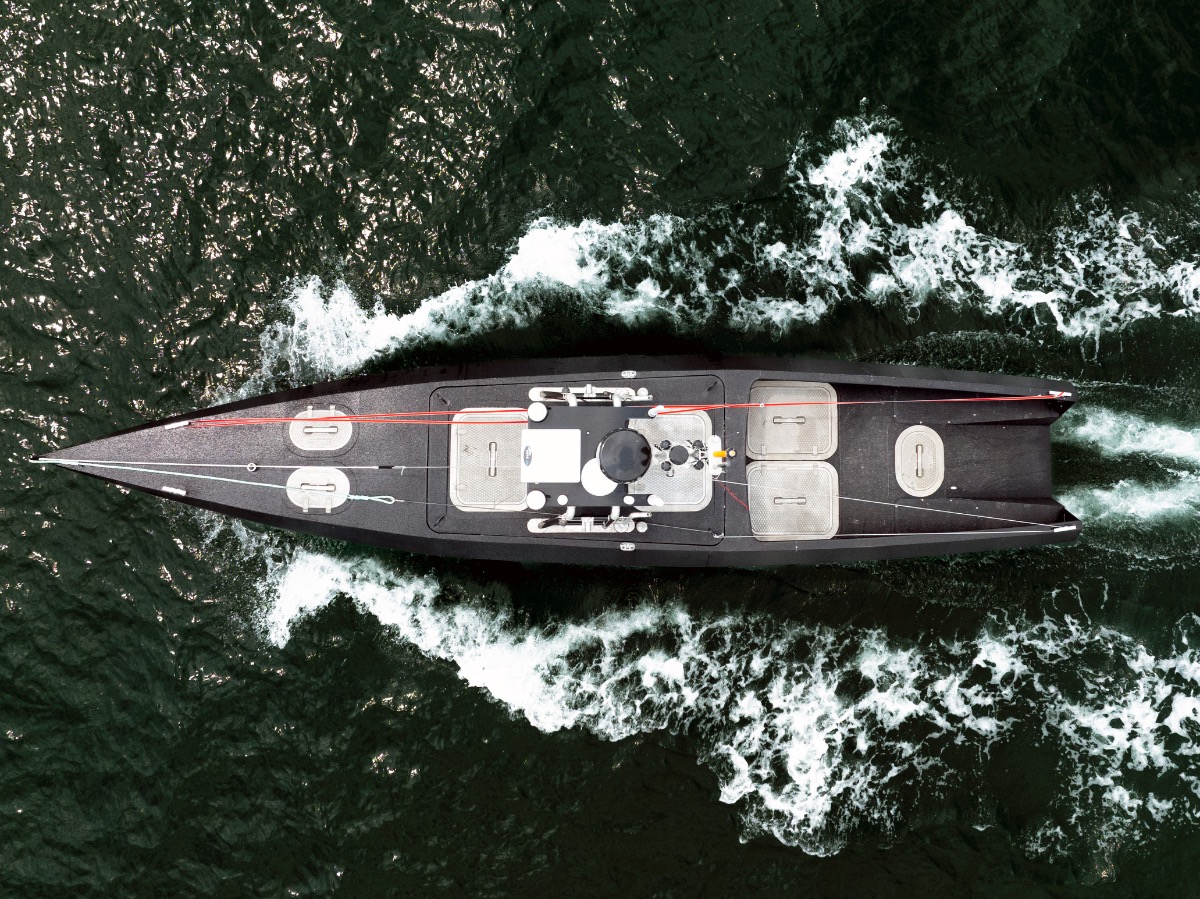
ZeroUSV has launched a Slocum glider from an autonomous USV for the first time in a demonstration supporting the Royal Navy’s Atlantic Bastion programme
 The milestone demonstrates how autonomous USV can act as launch and support platforms for long-endurance underwater systems, reducing the need for larger crewed ships during subsea operations.
The launch of the Teledyne Slocum Glider was conducted from a ZeroUSV Oceanus12 USV, which operated as the autonomous host platform for subsea technology provided by Teledyne Marine.
The trial showed how autonomous vessels can launch and support long-endurance underwater systems without the need for larger crewed ships.
Atlantic Bastion forms part of a wider UK MOD effort to explore how autonomous systems can support maritime security tasks, including subsea monitoring and the protection of critical undersea infrastructure. The programme is expected to involve multiple industry teams as capability is developed and refined.
Two Oceanus12 USVs were deployed during the demonstration as part of the wider trial activity. The event brought together several partners to explore how autonomous USVs, subsea vehicles and specialist sensors can be integrated for maritime security and subsea operations.
Matthew Ratsey, Managing Director and Co-Founder of ZeroUSV, said:
“This is an incredible milestone. For the first time, the world has seen the launching and operating of an ocean glider from an uncrewed vessel, which opens up new possibilities for persistent subsea monitoring and long-endurance operations at sea.
“This ushers in a new operational model for persistent, distributed ocean data collection, directly relevant to defence ISR, ASW and REA missions, as well as commercial and scientific oceanographic applications.”
The demonstration also reflects wider collaboration across the autonomous maritime sector. Teledyne Marine and MSubs recently announced a strategic partnership focused on integrating autonomous surface vessels, underwater vehicles and advanced sensing technologies for future naval programmes. The Oceanus platform provides a flexible host for these systems, enabling a range of subsea capabilities to be deployed from autonomous vessels.
Arnar Steingrimsson, Vice President of Sales, Marine Vehicles at Teledyne Marine, said:
“The ability for our Slocum gliders to be rapidly and safely deployed into an operating area from another unmanned platforms is a major capability enhancement and opens the door for more effective and focused use of gliders and USVs especially for time sensitive defence applications like ASW, ISR or REA. We look forward to continued cooperation with MSubs and Zero USV in realizing game changing marine capability.”
The Oceanus class is designed as a modular autonomous vessel capable of supporting a wide range of sensors and subsea systems, including sonar, survey equipment and autonomous underwater vehicles. A larger platform, Oceanus17, is also in development and will offer increased payload capacity and endurance for longer missions.
ZeroUSV plans to continue demonstrating its autonomous vessel technology during 2026, including displaying the Oceanus17 platform at SeaWork in Southampton in June.
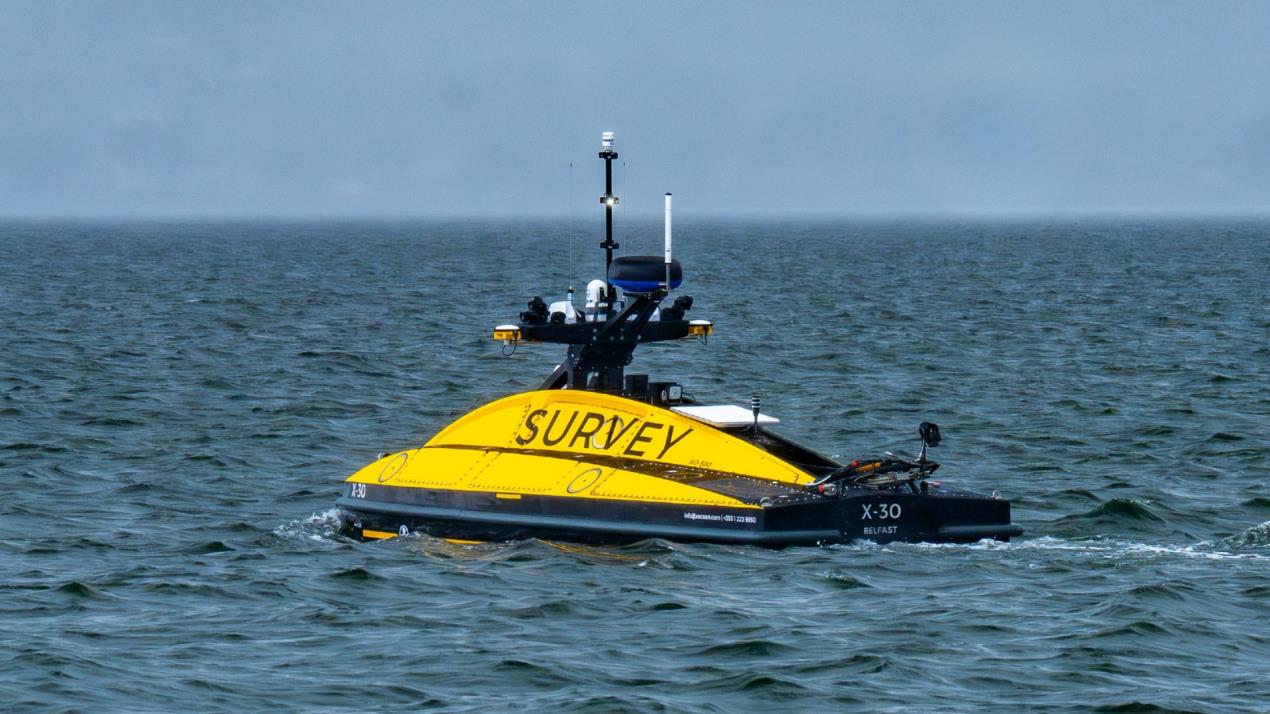
XOCEAN’s X-30 achieves ROUV certification under the UK Workboat Code Edition 3
 The certification marks one of the first of its kind for an operational platform.
Lloyd’s Register (LR) has certified XOCEAN’s X-30 Remotely Operated Uncrewed Vessel (ROUV) to the UK Maritime and Coastguard Agency’s Workboat Code Edition 3 (WBC3), including the Annex 2 requirements for ROUVs.
The certification makes X-30 one of the first uncrewed vessels to achieve full compliance with the updated WBC3 framework, with the Annex 2 ROUV requirements introduced in late 2023 to regulate the design and operation of ROUVs in UK waters.
Developed and operated by XOCEAN, based in Ireland, X-30 is designed for uncrewed ocean survey operations, collecting high-resolution data to support offshore energy, environmental and seabed mapping projects.
Certification to this standard has proven challenging across the industry, with only a small number of vessels successfully completing the process to date. The achievement follows LR’s authorisation by the MCA in 2025 as the first Certifying Authority for Annex 2 ROUV certification, and builds on its certification of the ACUA Ocean Pioneer, the first vessel to achieve compliance with WBC3 Annex 2.
The certification of X-30 builds further momentum in the industry and is expected to inform the process for future XOCEAN vessels, including its sister vessels currently progressing through build.
Jordan McRuvie, Specialist – Unmanned Marine Systems at Lloyd’s Register, said: “Certification of X-30 is a major achievement for XOCEAN and one that we’re proud to have supported. Alongside recent steps forward in the industry, this further demonstrates that certification of small, complex ROUVs under WBC3 is achievable when developers, certifying authorities and the MCA work in close partnership. This project shows how technical innovation can align with regulatory assurance for the safe introduction of uncrewed systems in real-world operations, and we look forward to continuing to support current and future partners with their certification journeys.”
Shep Smith, CTO, XOCEAN said: “Securing WBC3 certification for X-30 is an important step forward for our fleet and for the wider uncrewed vessel industry. The collaboration with Lloyd’s Register has shown that robust, safety-led certification is possible, paving the way for wider adoption of uncrewed technology in support of sustainable offshore operations.”
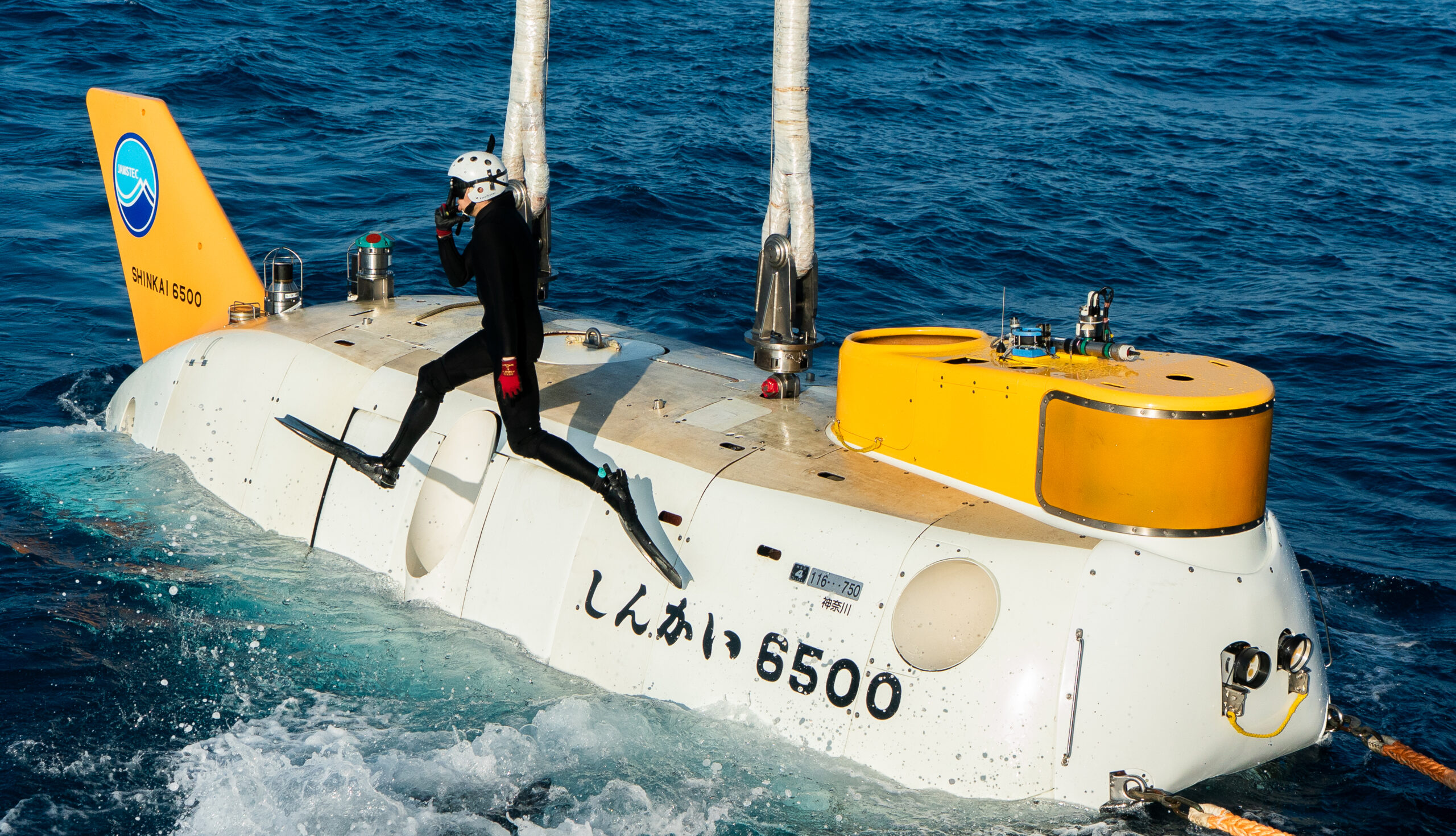
Japan’s Deep Ocean Reveals Dozens of New Species from Landmark 2025 Nippon Foundation–Nekton Ocean Census – JAMSTEC Expedition
 Japan has led a major international effort to explore and document new life in the deep ocean. Following the Nippon Foundation–Nekton Ocean Census Expedition in June 2025, partnering with the Japan Agency for Marine-Earth Science and Technology (JAMSTEC), scientists have confirmed the discovery of 38 new species and identified 28 further potential new species across two of Japan’s most understudied deep-sea regions: the Nankai Trough and the Shichiyo Seamount Chain.
The June 2025 expedition, conducted aboard JAMSTEC’s research vessel Yokosuka and supported by the famous Shinkai 6500 manned submersible collected >528 specimens, all catalogued, imaged, and preserved for future morphological and molecular analyses. In October 2025, taxonomists from Japan and around the world convened at JAMSTEC Headquarters (Yokosuka, Japan) for a dedicated Species Discovery Workshop, confirming the status of these new and potentially new species and coordinating next steps for the publication of scientific papers.
“The discoveries made in the Nankai Trough and the Shichiyo Seamount Chain remind us how little of our ocean has truly been explored. By supporting missions like this, The Nippon Foundation is helping to open a new frontier of knowledge for Japan and for humanity. Each new species discovery is a step toward understanding, valuing, and ultimately safeguarding our shared ocean.” — Mitsuyuki Unno, Executive Director of The Nippon Foundation
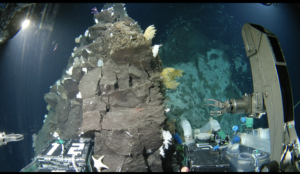 Among these discoveries are two breakthrough studies: a comprehensive survey in the journal Ecosphere, led by JAMSTEC researcher Dr Chong Chen, revealing a five-fold increase in biodiversity at Nankai Trough cold seeps, and research in The Zoological Journal of the Linnean Society led by Dr. Naoto Jimi, which demonstrates the remarkable evolutionary history of symbiotic sponge-dwelling worms, which have evolved to live ‘in a glass castle’.
“This is about Japan leading global ocean science,” said Dr Akinori Yabuki, Principal Investigator. “Deep-sea discovery requires long-term commitment and world-class technology, and Japan is one of the few nations that are uniquely positioned to drive this work.”
Nankai Trough: Landmark Survey of Cold Seeps Reveals Five-Fold Increase in Deep-Sea Biodiversity
A major new study has revealed a five-fold increase in known biodiversity in the Nankai Trough, one of Japan’s most geologically active deep-sea regions located 500–600 km southwest of Tokyo. The expedition was led by JAMSTEC scientist Dr Chong Chen with a team of expedition scientists. Up from just 14 previously known animal species inhabiting cold seeps, it documented 80 animal species, making this the most comprehensive biological survey of the region ever undertaken.
The Nankai Trough paper is published on Ecosphere Journal and can be read free of charge here: https://doi.org/10.1002/ecs2.70451
80 seep-associated animal species, including:
- 33 molluscs – including snails, clams, and a glisten-worm
- 23 annelids - including lugworms
- 11 arthropods - crustaceans such as crabs, shrimp and amphipods
- 5 nemerteans - ribbon worms
- 4 echinoderms - sea stars, brittlestars, and sea cucumbers
- 3 cnidarians - Zooanthid, anemone and hydroid
- 1 bryozoan - Bryozoa
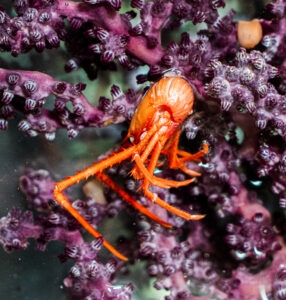 The results include numerous range extensions, new national records, and previously unknown species associations, revealing the Nankai Trough has an exceptionally rich biodiversity.
Shichiyo Seamount Chain: Japan’s ‘Offshore Mountains’ Yield New Species and Rare Sponge Symbiosis
Southeast of Tokyo and 500–700 km offshore, the Shichiyo Seamount Chain rises from the northwestern Pacific as a series of submerged volcanic peaks. Prior to the 2025 expedition, many of these remote seamounts have remained largely unexplored from a biological perspective. During the landmark Ocean Census: JAMSTEC–Shinkai expedition, researchers aboard the Shinkai 6500 conducted the biological dives in this region, revealing rich ecosystems, including new coral gardens and seafloor areas densely covered with sponges.
Life in a glass castle
During the dive, a large glass sponge observed at Shichiyo Seamount was found to play an important biological role for certain polychaete worms. This study formally describes and names two new species of polychaete worms—Dalhousiella yabukii and Leocratides
watanabeae—which were found living symbiotically within the same glass sponge. Glass sponges construct an intricate, mesh-like skeleton out of silica, the same material used to make glass. Living within this structure is akin to residing in a "glass castle," as the rigid, translucent framework provides a protected cavity for symbiotic animals.
Although these worms share a single "glass castle," phylogenetic analysis suggests their symbiotic lifecycle evolved independently. A paper detailing these findings has been published in the Zoological Journal of the Linnean Society and can be accessed at the following link: https://doi.org/10.1093/zoolinnean/zlag028
Beyond these symbiotic worms, the Shichiyo seamount dives also revealed:
- Five new species of squat lobsters, including deep-sea species belonging to the genus Munidopsis.
- Newly observed octocorals, nemerteans, amphipods, gastropods, and kinorhynchs.
- Several species previously thought to be rare or absent from Japanese waters.
Together, these findings position the Shichiyo Seamount Chain as a region of special interest for Japanese marine science, with rich biodiversity hidden across terrain that had remained unvisited by researchers until now.