

Job Advert: Apply your engineering skills to cutting-edge scientific research
Instrumentation Engineer
Section: Geology & Geophysics
Location: National Oceanography Centre Southampton
Salary: £36,636 to £44,746 per annum
Full-Time Fixed-Term for 2 years
Closing Date: Friday 13 March 2026
Reference: 3341126HN
Apply here: https://app.webrecruit.co/JobSeeker/ApplyOnline?jobid=142193&boardid=6537
The University of Southampton hosts one of the few research groups in the world that collects marine electromagnetic data in the deep ocean. The University operates a deep-towed electromagnetic transmitter (“DASI”) and a fleet of sensors that are towed behind the source to measure the electric field. This equipment is operated globally from research vessels, usually as part of international research collaborations. We are looking for an enthusiastic and versatile engineer to be based at the University of Southampton’s Waterfront Campus, who will maintain and develop this equipment. The engineer will work alongside a small team of engineers working with related equipment. You will be responsible for mobilising the equipment for use at sea, leading a small team of engineers and scientists operating it at sea and refurbishing it following use. This post offers global travel and working at sea, providing the key datasets required by scientists working at the forefront to better understand how our planet works. The post is fixed-term in the first instance, but with extension anticipated if further project funding is secured.
To be successful, you will have a skill level equivalent to the achievement of HND, Degree, NVQ4 or basic professional qualification in technical, engineering, or science and/or equivalent technical experience, along with knowledge/experience of power electronics, analogue circuit skills and microcontroller embedded systems.
The University of Southampton is committed to fostering a culture of equality, diversity and inclusion. We welcome applications from suitably qualified candidates, and particularly encourage applications from candidates belonging to groups who are under-represented within technical posts at the University, including, but not limited to, people from Black and minority ethnic groups and disabled people. The University is committed to providing equal opportunities for all and a range of family-friendly policies, and we encourage staff to apply for flexible working. We are a Disability Confident employer, and the University is a founding signatory of the Athena SWAN Charter and holds a Silver level Athena SWAN award. We are a signatory to the Technician Commitment and can provide opportunities for career development and mentoring.
Informal enquiries can be made to Prof Tim Minshull ([email protected]).
We are committed to equality, diversity and inclusion and welcome applicants who support our mission of inclusivity.
The University is a signatory of the Technician Commitment and a partner affiliate of the National Technician Development Centre (NTDC). We are committed to supporting our technical staff and offer a wide range of opportunities, including networking, mentoring, training, professional registration and career development. We really value all our technical staff and recognise the broad range of skills they have in support of education, research and enterprise activities. By joining, you will be part of a bigger technical community, offering support and guidance.
Apply by 11.59 pm GMT on the closing date. For assistance, contact Recruitment on +44 (0)2380 592750 or [email protected] quoting the job number.

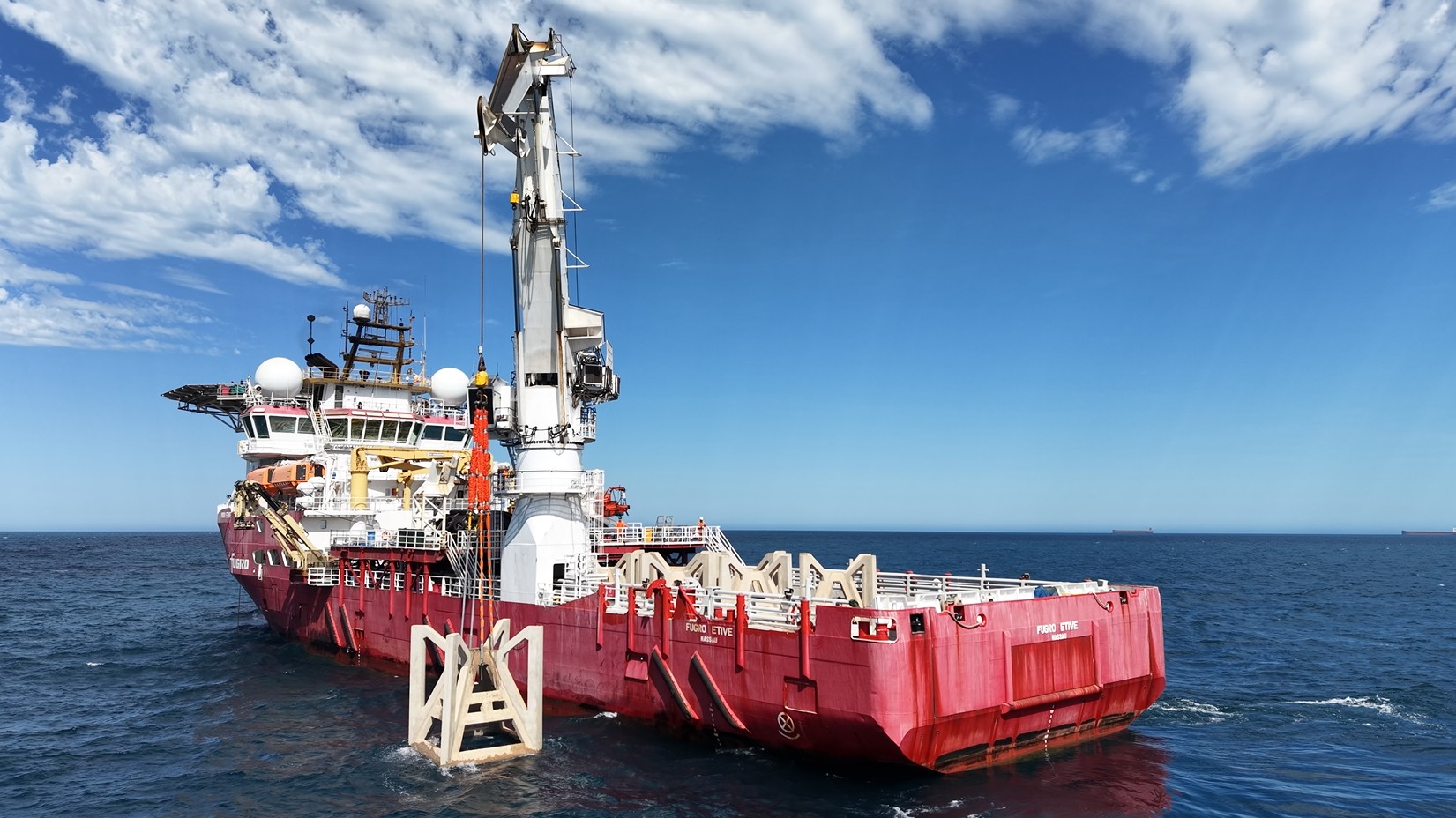
Fugro completes artificial reef installation for Woodside and Recfishwest
Fugro has successfully installed an artificial reef off the coast of Dampier, Western Australia, on behalf of Woodside Energy and Recfishwest, creating a new habitat to support local fish species and enhance recreational fishing opportunities for the community.
The project involved the deployment of 48 concrete reef modules which were installed on the seabed from Fugro’s multipurpose vessel, the Fugro Etive. The reef structure spans approximately 16,000 m² and is designed to promote marine biodiversity. Over time, the concrete modules will attract marine growth and a variety of fish species, creating a thriving and sustainable marine ecosystem.
This initiative is a result of a collaboration between Woodside and Recfishwest with the support of the WA Government, City of Karratha, Traditional Owners and local fishing clubs. It reflects a shared commitment to environmental and local community engagement.
Barry Walsh, Service Line Director I&M, Pacific, Fugro, said:” We’re proud to support this project, using our marine expertise to install reef modules that will help boost biodiversity and benefit the local Dampier community for years to come. Our collaboration with Woodside and Recfishwest demonstrates what can be achieved when industry and the recreational fishing community work together for positive impact."
More information of the project can be found on Recfishwest and Woodside Collaborate for Dampier Artificial Reef Installation

Ports, Oceans & Climate Tech Acceleration
 Join the Eagle Labs team in Southampton for an event that will explore how ports and coastal communities can become climate tech hubs, championing innovation in sectors such as offshore wind, ocean data intelligence, and energy storage.
The event also will highlight the Barclays National Climate Tech Accelerator Programme, launched in partnership with Sustainable Ventures. The programme provides tiered support for climate tech businesses, helping them scale, connect with industry leaders, and accelerate the UK’s transition to net zero.
Date & Time: Wednesday, Feb 25 from 3:30 pm to 6:30 pm
Location: Barclays Network Eagle Lab, 2nd Floor, Marlands Shopping Centre (street entrance opposite old mutual wealth), Portland Terrace Southampton SO147SJ
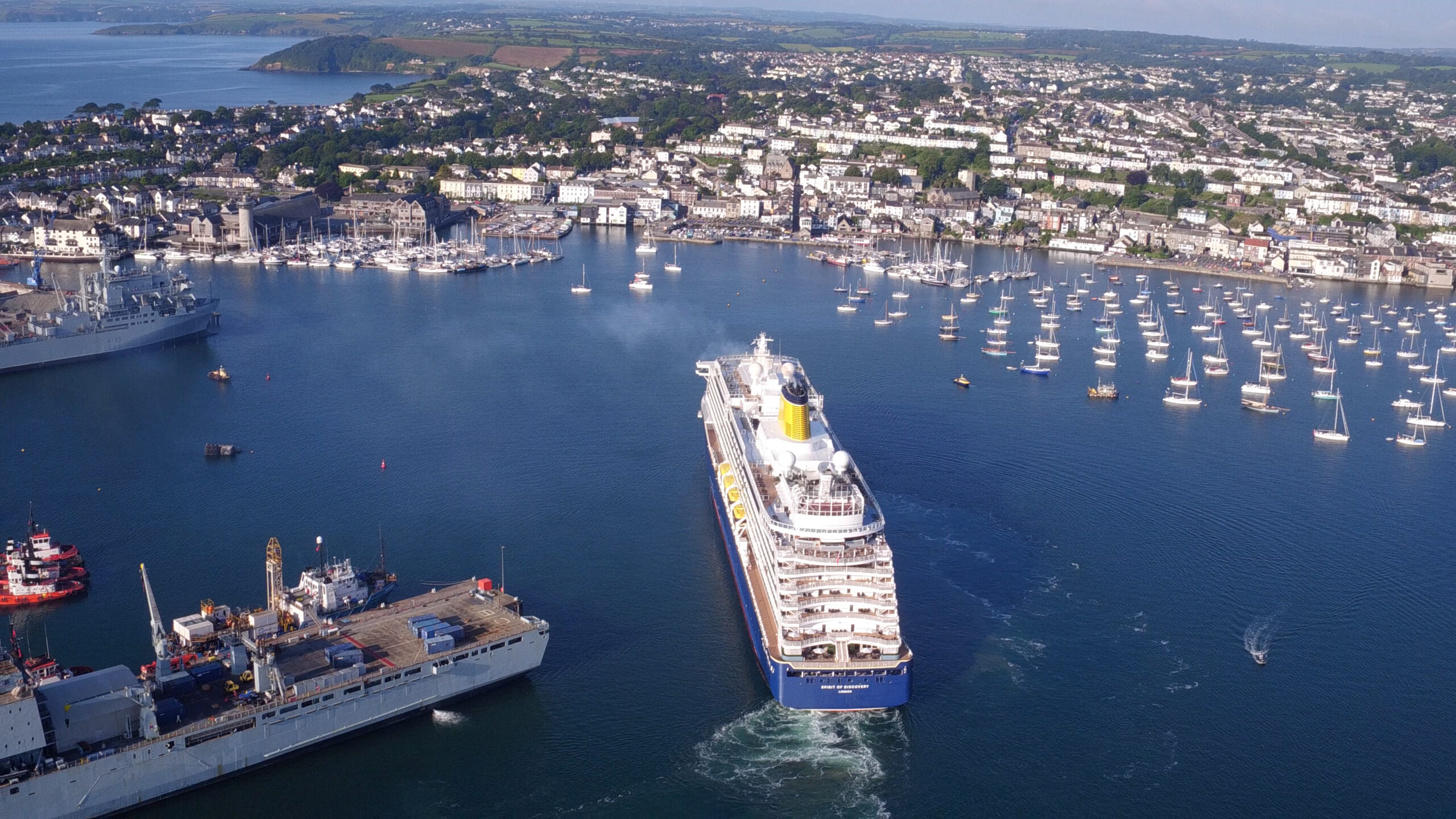
Launch of ambitious Marine Sector Growth Plan for Cornwall
 An ambitious Cornwall marine sector growth plan 2026-2031 has been launched today by Cornwall Marine Network and University of Exeter.
‘Cornwall’s Marine Future’ is a blueprint for sustainable economic growth of the marine sector in Cornwall and Isles of Scilly. It aligns with all key national, regional and local economic plans and leverages Cornish strengths in marine innovation, placing Cornwall at the forefront of global efforts to build a cleaner, more resilient industrial future.
Paul Wickes MBE, CEO, Cornwall Marine Network, said:
‘Cornwall’s Marine Future’ sets out a pathway for development of the Cornwall marine sector, already a showcase for world class engineering, boatbuilding, advanced manufacturing and defence. The next five years will be critical as we seize the multiple opportunities created by the advances in AI and other smart technologies, including developing our ports and harbours and local supply chains to support the fast-growing industries of the future.”
Professor Martin Siegert, Vice-President & Deputy Vice-Chancellor, University of Exeter (Cornwall) added:
“The marine sector in Cornwall is a hotbed of innovation. We are proud to work closely with marine businesses to realise their full potential, bringing innovation projects to commercialisation and accelerating further development. ‘Cornwall’s Marine Future’ is a vital stepping stone to creating the conditions for transformational growth in the marine sector.”
Cornwall Marine Network and University of Exeter have collaborated alongside industry and stakeholders to define the Priority Actions 2026-2031 that will be critical to success and will lay the foundations for future development over the next decade and beyond.
The Priority Actions are wide ranging, including marine infrastructure development, business support, skills support and strategic collaboration. These include pioneering developments which are expected to set new standards nationally and internationally.
Recognised by Maritime UK as a ‘Coastal Powerhouse,’ Cornwall Marine Network (CMN) is Cornwall’s marine sector business support cluster organisation. CMN was commissioned by the Cornwall and Isles of Scilly Economic Forum to work closely with businesses to develop this Growth Plan. University of Exeter has added its academic expertise and significant research and development experience in the sector as well as its in-depth understanding of marine innovation.
See the Cornwall Marine Sector Growth Plan 2026-2031 at https://cornwallmarine.net/wp-content/uploads/2026/01/Cornwalls-Marine-Future.pdf
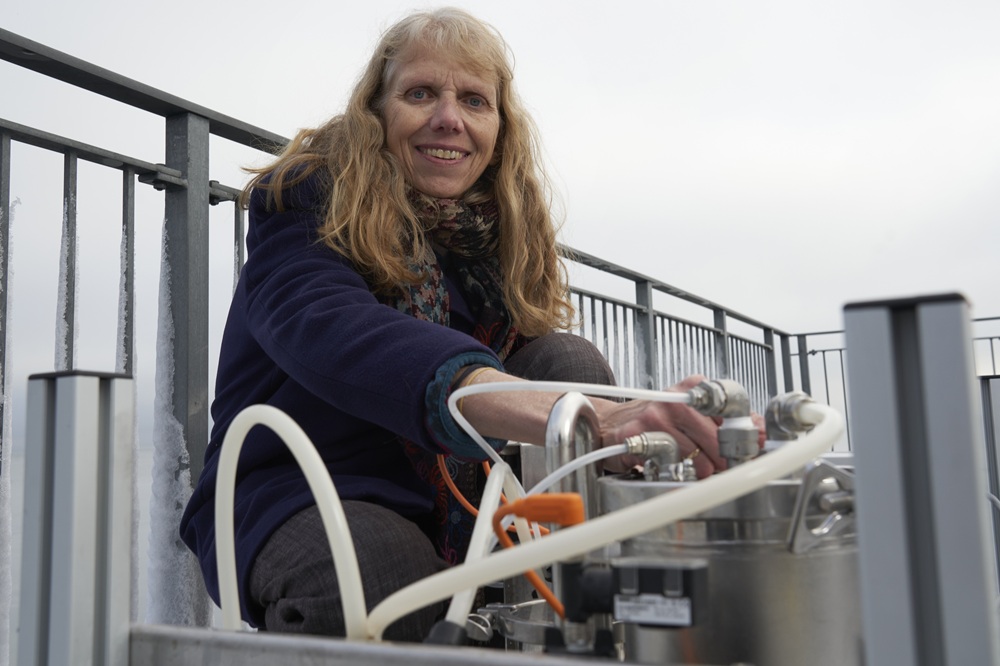
BIO-UV Group and microwise partnership to meet growing demand for port-side ballast water treatment
BIO-UV Group has announced a strategic partnership with water-monitoring specialist MicroWISE to develop new ballast-water treatment and verification solutions designed to address rising enforcement pressures and the anticipated growth of port-side reception facilities.
The collaboration combines BIO-UV Group’s long-established BIO-SEA ballast-water treatment technology with MicroWISE real-time organism analysis, creating an integrated approach to treatment and compliance validation.
The partnership comes at a critical moment for the maritime industry. Although ballast-water management systems have now been installed across most of the global fleet, port-state control inspections continue to reveal inconsistent performance and persistent non-compliance with the D-2 discharge standard.
Many systems struggle to meet biological limits during operational testing, and authorities lack rapid tools to confirm whether discharged water is compliant. As a result, ports are exploring dedicated treatment and reception capabilities to handle non-compliant ballast water safely and efficiently as a way of reducing congestion delays, and detentions.
MicroWISE biological monitoring technology enables accurate, in-line detection and quantification of viable organisms, allowing compliance to be assessed before water is discharged. By integrating real-time organism monitoring, BIO-UV Group can deliver a BWTS compliance solution that allows ports to process ballast water while avoiding any operational disruption.
“One of the biggest challenges for ports is obtaining reliable biological data in real time,” said MicroWISE CEO Pia Haecky. “By providing independently verifiable organism counts at the point of treatment, we give ports and regulators the confidence to make fast, transparent decisions about ballast-water discharge. Our technology provides precise, real-time biological data, but the value of that data increases when paired with a treatment system that can consistently achieve the required biological limits. Working with BIO-UV Group allows us to build a compliance pathway that is both scientifically robust and operationally practical for ports.”
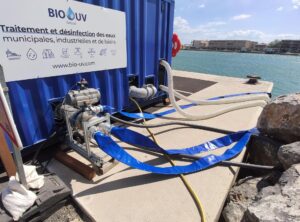 Maxime Dedeurwaerder, Business Unit Director for BIO-UV Group’s maritime division, said the partnership reflects a strategic response to tightening regulatory expectations.
“As enforcement of the D-2 standard becomes more stringent, ports and operators increasingly recognise the need for reliable biological monitoring alongside effective treatment. Our partnership with MicroWISE enables BIO-UV Group to deliver a solution that provides both. By combining our proven BIO-SEA treatment technology with real-time organism analysis, we are creating a new benchmark for compliance verification.”
The companies will also continue joint R&D on sediment removal, flocculation processes and a potential single-pass treatment configuration to improve efficiency and reduce the footprint of port-side systems. The collaboration also supports BIO-UV Group’s plans to expand into the wider environmental-infrastructure market as ports consider onshore treatment as part of long-term investment strategies.
Dedeurwaerder said the ability to verify biological compliance in real time will become increasingly important as regulators tighten inspection regimes. “Many ships are fitted with ballast-water systems that do not consistently perform under real operating conditions. As a result, the burden of compliance is shifting toward ports, which will need practical, scalable solutions to handle non-compliant discharges. The combination of BIO-SEA UV treatment and MicroWISE monitoring provides the level of confidence and traceability port authorities are looking for.”
BIO-UV Group notes growing international interest in port-side treatment solutions, and the two companies will continue validation work throughout 2026. Both partners expect integrated treatment and verification technologies to play an increasingly central role in how the industry manages compliance over the next decade as environmental regulation expands and inspection regimes intensify.
BIO-UV Group and MicroWISE said the partnership represents a significant step towards enabling ports and operators to achieve reliable, transparent and enforceable ballast-water compliance at a time of rising regulatory scrutiny.
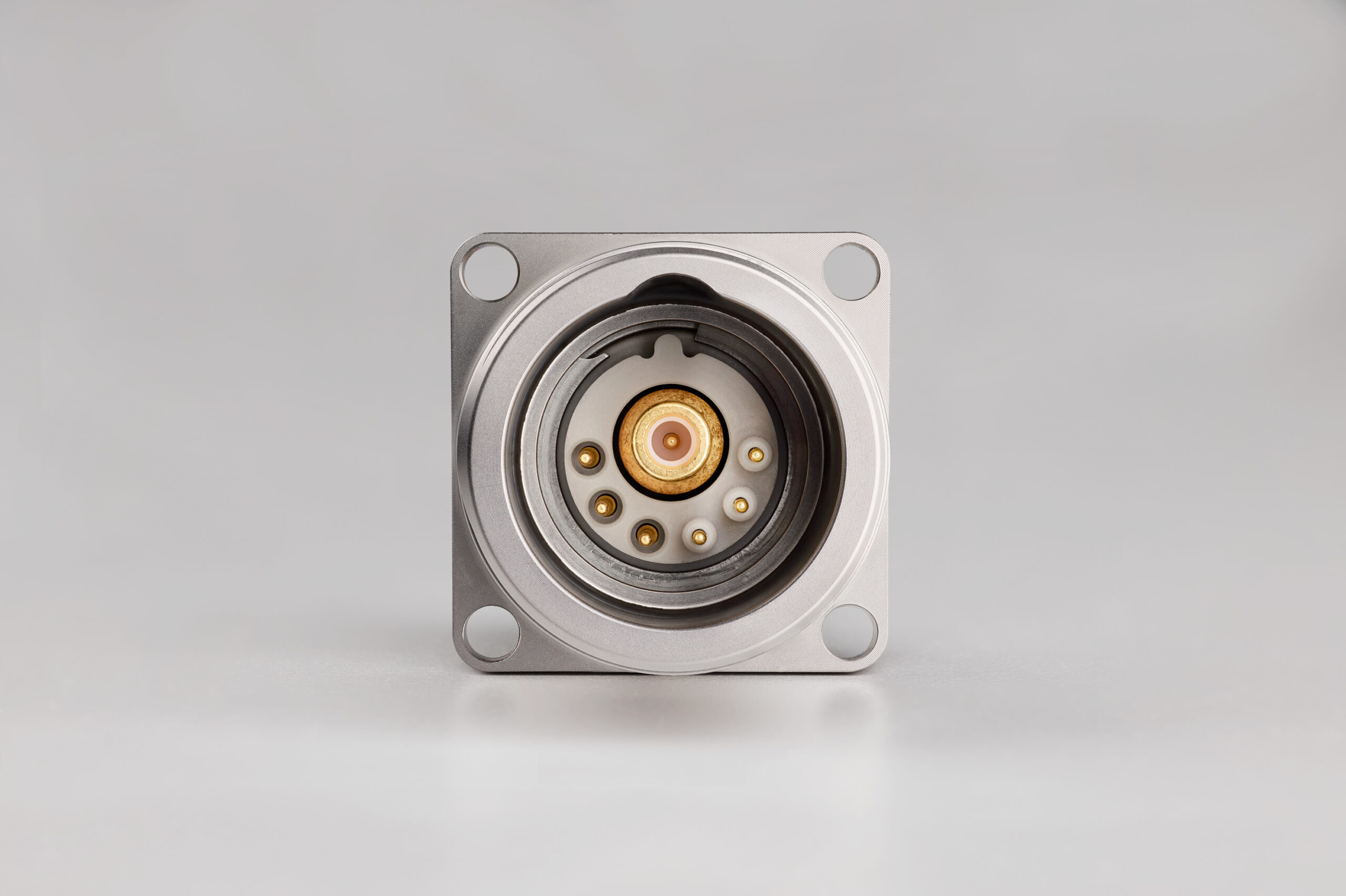
New TrustLinkTM Coax connector engineered for secure, high-integrity connectivity solutions
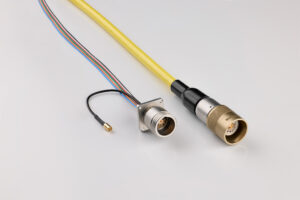
High-integrity signal transmission is mission-critical in subsea operations, whether for HD video, radar, or telemetry. MacArtney’s new TrustLink™ Coax connector delivers this capability through precision impedance matching in a compact, rugged design that ensures stable, low-loss connections for demanding environments. The TrustLink Coax connector combines low-attenuation signal transfer up to 4 GHz with a pressure-rated shell tested to 600 bar for long-term reliability. Available in stainless steel or titanium, it offers a service life of up to 25 years. Titanium provides inherent corrosion resistance, while stainless steel can be paired with cathodic protection, giving operators flexibility to match material choice to operational demands.
For offshore energy, oceanographic research, naval systems, or subsea robotics, TrustLink gives operators confidence in signal integrity and material resilience for decades of subsea deployment.
Compact integration for streamlined design Beyond performance, TrustLink Coax simplifies system integration by combining coaxial signal and power in a single terminated assembly. This reduces penetrators and interfaces, saving space and easing the system designers' work with tight configurations.
Delivered exclusively as a MacArtney-terminated assembly, it offers assured quality and deployment-ready reliability for global operations.
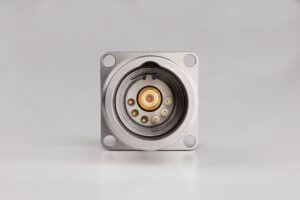
Built around customer needs “We have seen growing demand for robust, secure, impedance-matched coax solutions that do not compromise on size or durability. TrustLink Coax integrates seamlessly into tight configurations and supports both signal and power to depths of up to 6,000 metres. It is designed to meet the operational realities our customers face from seabed to surface,” says Paul Anthony, Global Business Manager Connectivity at MacArtney.
Strengthening the subsea connectivity portfolio TrustLink Coax builds on the original TrustLink Metal Shell design, complementing the proven SubConn® Coax range and working alongside TrustLink™, SubConn®, and OptoLink™ solutions. Together, this strengthened portfolio gives operators and system designers a broader choice of secure, high-integrity connectivity options for complex subsea applications.
Launching globally on 29 January 2026, the TrustLink Coax range will be available through MacArtney’s international operations and preferred distributors. For details or to discuss integration options, contact your local MacArtney representative.
Engineered with purpose and built for performance, TrustLink Coax delivers secure, high-integrity connectivity in a compact, pressure-rated assembly. Fully terminated and deployment-ready, it simplifies system integration and ensures long-term reliability for offshore energy, oceanographic research, naval systems, and subsea robotics.
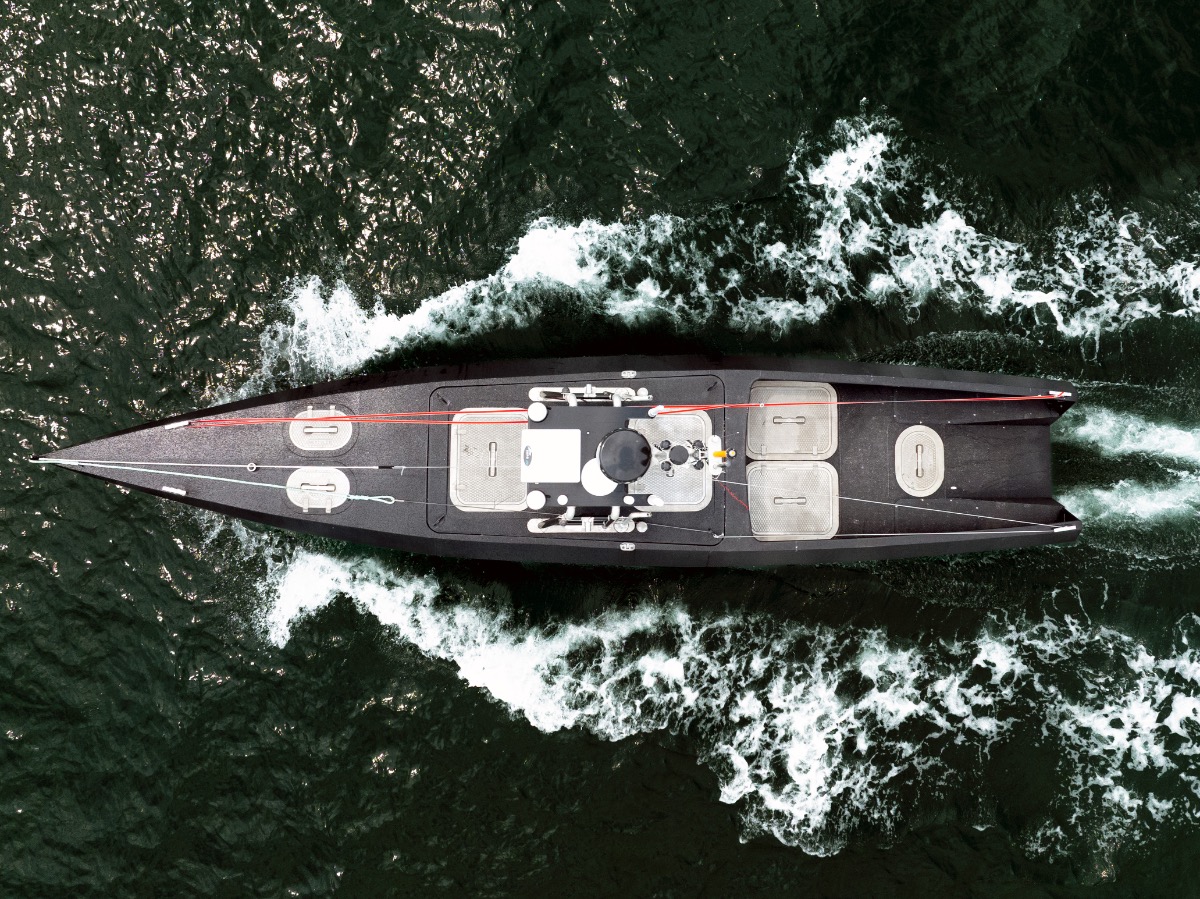
ZerZeroUSV, OSHEN and MarineAI have secured UKDI support to develop and trial a new autonomous sensing capability for underwater operations
- The project will use ZeroUSV’s Oceanus12 to deploy a small cluster of Oshen C-Star uncrewed surface vessels over an area of sea
- The C-Stars will operate as a distributed passive acoustic network, providing assurance of sub-surface asset status without relying on direct communications.
- Sea trials will assess the network using XV Excalibur as a representative platform.
A first-of-its-kind project to develop a network of ocean robots to assure the successful operations of submersible fleet assets has launched this month, following a successful funding bid with UK Defence Innovation (UKDI), previously known as the Defence and Security Accelerator (DASA), between ZeroUSV, Oshen and MarineAI.
As underwater uncrewed assets (XLUUVs) are increasingly used and become part of the navy’s future fleet, a key future requirement is maintaining contact with and ensuring the status of underwater assets without relying on direct, high bandwith & detectable communications.
By deploying a constellation of Oshen’s robust C-Star vessels, the project creates a "passive acoustic network" capable of picking up covert signals from platforms like the XV Excalibur.
The solution channels level 4+ autonomous deployment, passive acoustic sensing and distributed communications into a cohesive system, to deliver a novel and scalable means to support and enhance submersible operations such as critical national infrastructure monitoring, defence operations and environmental monitoring.
During the trials, ZeroUSV’s Oceanus12 will autonomously transport and launch a constellation of Oshen 'C-Stars' over an area of sea, to form a network of acoustic sensing that can pick up covert signals from XV Excalibur. MarineAI’s involvement will ensure the C-Star launch system is integrated with the GuardianAI suite onboard the Oceanus12.
The aim is to demonstrate a practical method for confirming asset presence and progress during underwater missions, including intelligence, surveillance and reconnaissance, seabed mapping and the monitoring of subsea infrastructure.
The complexity of multi-platform integration and co-ordinated autonomy goes beyond incremental improvement, proposing a new operational concept to support underwater operations for the Royal Navy and allied forces.
UK and allied defence forces utilise advanced submersible and seabed assets, such as XV Excalibur, to perform numerous key tasks, including persistent intelligence, surveillance, and reconnaissance (ISR) of national critical infrastructure sites such as key subsea cables or pipelines, future military date gathering (FMDG) campaigns to map key areas of seabed, as well as to perform anti-submarine warfare (ASW) missions.
Matthew Ratsey, cofounder and managing director at ZeroUSV, said: “Underwater operations depend on knowing where assets are and whether they’re operating as intended, but direct communications aren’t always desirable or possible.
“This project lets us explore a different approach, using Oceanus12 to place a small constellation of surface vessels that can listen passively and provide assurance without compromising the mission. We’re pleased to be working with Oshen and MarineAI under UKDI support to test the concept at sea and understand how it could strengthen future UK and allied operations.”
Anahita Laverack, CEO at Oshen, said: “Wide area, persistent monitoring only works if the sensing platforms are robust, simple to deploy and able to reliably complete durations over multiple months. C-Stars were designed for exactly that kind of role. In this project we are looking at how a constellation of C-Stars, deployed by Oceanus12, can form a practical acoustic network that supports key underwater missions. We welcome the chance to develop and prove the approach with ZeroUSV and MarineAI under UKDI support.”
Oliver Thompson, director of engineering at MarineAI, said: “
“Through GuardianAI™, we’ll be enabling the Oceanus12 to plan, deploy and operate cooperatively, UKDI’s backing gives us the opportunity to demonstrate how trusted autonomy can support resilient underwater operations in real conditions.”
The UKDI-funded programme will run through an initial design, integration and sea-trial phase, with the findings expected to inform future concepts for UK and allied underwater missions.

Ocean innovators unite to support marine science research

Subsea engineering company and ocean innovator AquaTitans is the latest business to sign up to the Scottish Association for Marine Science’s (SAMS) Ocean Changemakers scheme.
The corporate membership scheme, which has a growing list of companies representing aquaculture to utilities, supports SAMS, as an ocean research charity, in advancing its understanding of marine environments.
This newest sign-up reflects AquaTitans’ commitment to making a positive impact to sustainable oceans, by supporting a charity that is both geographically close and aligned with its own vision that understanding the world’s oceans are the key to protecting them.
Through the partnership, SAMS and AquaTitans can further strengthen Scotland’s marine science community - expanding opportunities for marine research, education, and public engagement across Scotland, and contributing to Scotland’s global leadership in ocean science.
Alan Green, Director of AquaTitans, said: “We were keen to support a charity that combines world‑leading marine science with a strong connection to the communities and environments we work with every day.
“SAMS’ vision for a healthier ocean, informed by robust scientific evidence, strongly mirrors our own commitment to responsible, innovative and sustainable marine operations. This partnership allows us to give something back while supporting research that will help shape the future of our shared ocean environment.”
The Ocean Changemakers scheme is a new way for SAMS to generate a vital stream of unrestricted support from the business community, underpinning the charity’s ability to maintain long-term research programmes, respond quickly to emerging environmental challenges, and invest in early-stage or high-impact science.
Professor Nick Owens, Director of SAMS, said: “Partnerships like this are enormously important to our work. The unrestricted funding our Ocean Changemakers provide is difficult to come by, and allows us to focus on what matters most - delivering independent, high-quality marine science that helps protect and sustainably manage our oceans.
“We are particularly pleased to be working with AquaTitans, whose commitment to responsible ocean use and innovation closely aligns with our own values. Support from organisations that understand the importance of science-led decision-making helps ensure our research can continue to deliver real-world impact.”
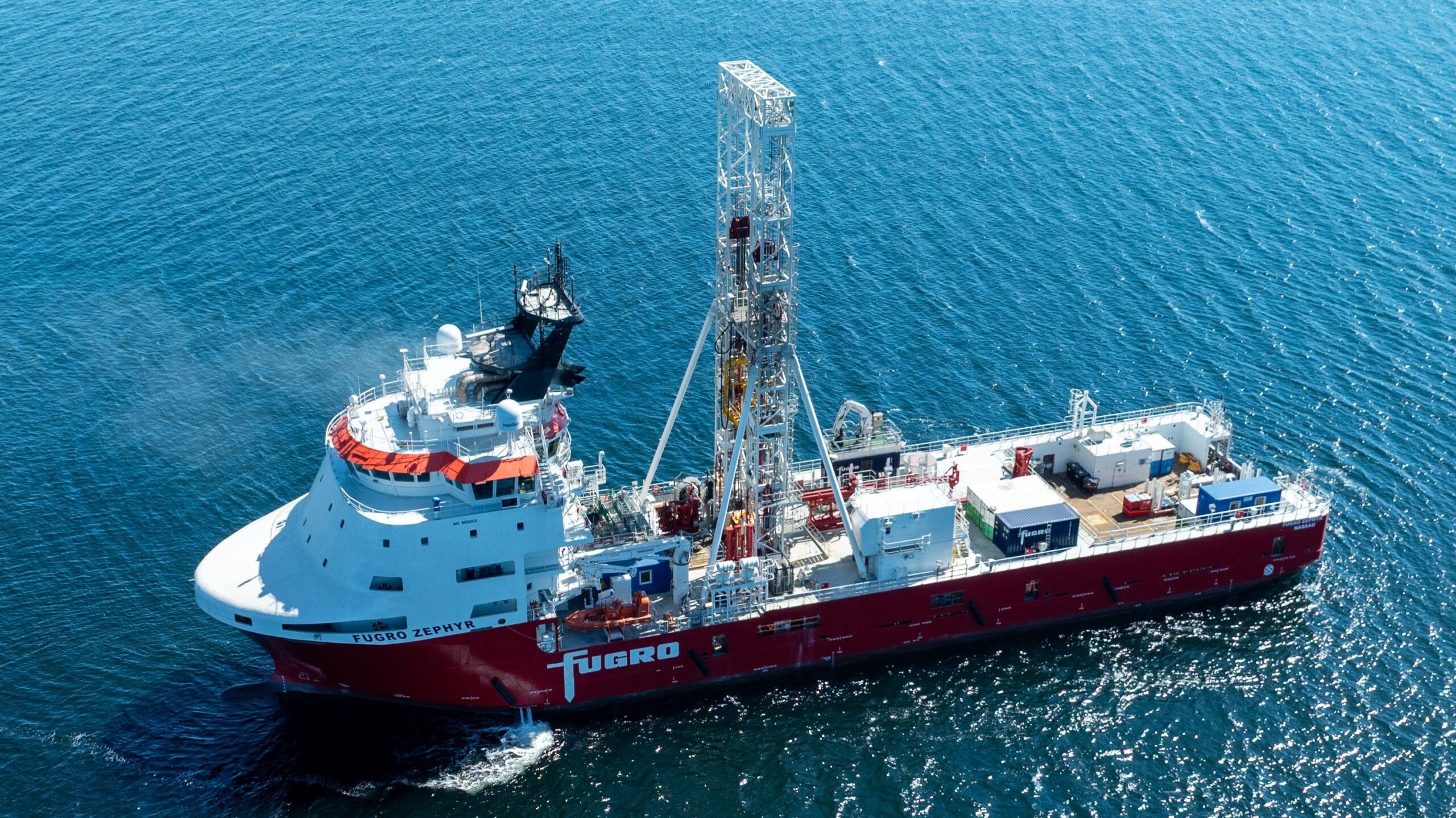
Fugro awarded geotechnical survey contract for TotalEnergies’ NSE 1 offshore wind farm development
Fugro has been awarded a contract to perform comprehensive geotechnical surveys for the NordSee Energies 1 (NSE 1) offshore wind farm, a major renewable energy project being developed by TotalEnergies on the North Sea N-12.1 site. The investigations will provide essential insights into seabed conditions at planned wind turbine locations and inter-array cable routes, directly informing the safe and efficient design of turbine foundations.
With a planned capacity of 2 GW, NordSee Energies 1 is expected to make a significant contribution to Germany’s offshore wind expansion in the North Sea and strengthen Europe’s long-term energy security and decarbonisation efforts.
Fieldwork is already underway, with Fugro mobilising a fleet of five specialist vessels to carry out the surveys approximately 170 km off the German coast, across an area of around 200 km². The campaign includes investigations at around 140 locations, reaching depths of up to 50 metres below the seabed. To support safe, efficient and high‑quality data acquisition across the site, Fugro is deploying advanced technologies including its SEACALF® Mk V seabed cone penetration testing system.
Following the fieldwork, an extensive laboratory testing programme will be carried out at Fugro’s laboratories in Wallingford, UK, and Louvain, Belgium. The resulting Geo-data will be delivered through VirGeo®, Fugro’s cloud-based Geo-data platform, and used to understand soil behaviour across the different turbine loading areas, as well as to inform the design, installation, and protection of the inter-array cables.
“With a five‑vessel programme, this is one of the largest offshore wind investigations we’ve undertaken in Europe,” said Remmelt de Jong, Fugro’s Regional Business Line Director for Marine Site Characterisation in Europe and Africa. “By combining advanced technology with expert analysis, we’re ensuring TotalEnergies receives the foundation data needed to keep this project on schedule and support Europe’s clean energy ambitions.”
TotalEnergies was awarded concessions by the German Federal Network Agency in 2023, 2024 and 2025 for the construction of four wind farms in the North and Baltic Seas and is participating in two offshore wind projects together with RWE, resulting in an awarded offshore wind pipeline with a total capacity of 7.5 GW.
Teledyne Demonstrates Autonomous System for Anti-Submarine Warfare to NATO Members in the North Atlantic
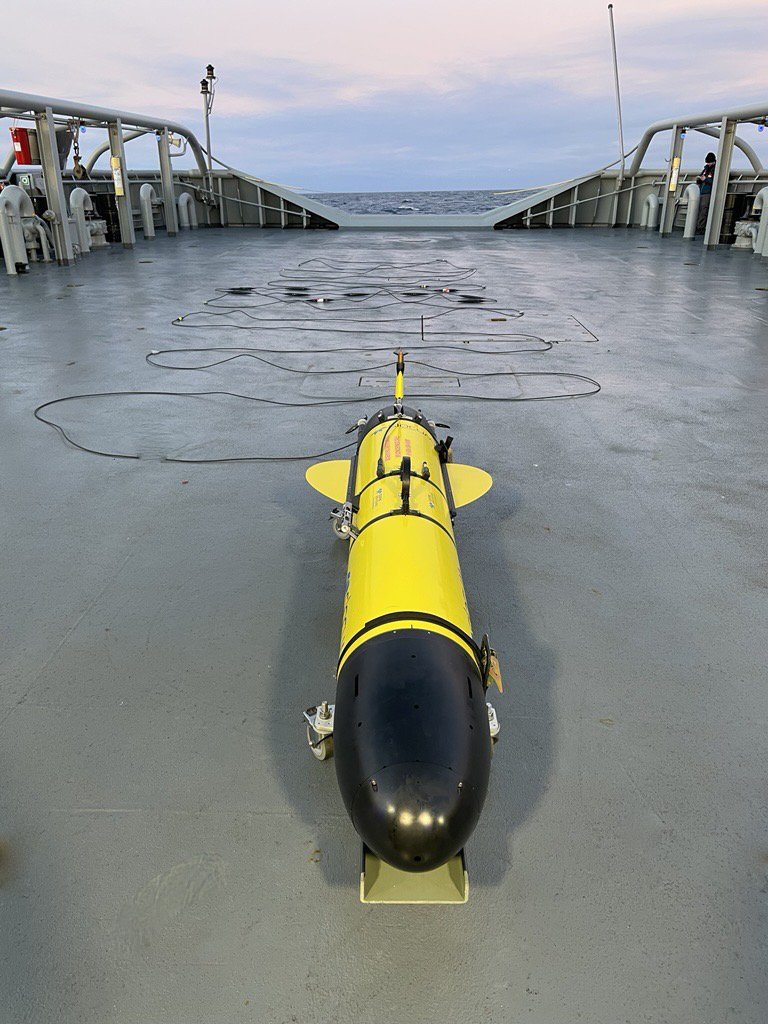
 Teledyne Technologies Incorporated (NYSE:TDY) today announced that, from January 17 through January 22, it conducted an Anti-Submarine Warfare (ASW) demonstration in Icelandic waters using its state-of-the-art autonomous underwater vehicles:
- Slocum Sentinel Glider with a 60-meter-long passive acoustic towed array
- Slocum G3 Glider with integrated Teledyne Benthos acoustic communications
- Two Advanced Profiling Explorer (APEX) floats fitted with ambient noise Passive Acoustic Monitoring
Several NATO members were in attendance to witness the trials which were conducted from the Teledyne Gavia facility located in Kópavogur, Iceland. “We are pleased to be demonstrating this technology which helps address a critical issue for global security,” said George Bobb, President and Chief Executive Officer of Teledyne. “We are excited to show what is possible with proven, mature, commercial technology currently in use by NATO militaries.”
With assistance from the Icelandic Coast Guard, the Teledyne team was able to deploy the autonomous underwater gliders into the North Atlantic in the strategic Greenland – Iceland gap from the Coast Guard Ship ICGV Þór. The Sentinel Glider towed a passive acoustic thin-line hydrophone array specifically designed to identify surface and subsurface vehicle noise in the water. The silent autonomous gliders, transversing the water column to 1,000 meters and equipped with the sensitive passive acoustic array, create a formidable barrier for subsea adversaries.
In addition to acoustic payloads, Teledyne demonstrated the ability for its glider to acoustically exfiltrate data from a sea-bottom node, deployed as part of the demonstration. Simulated mission data was recovered from the node in real-time and later transmitted via satellite to the shore-based Mission Operations Control Centers in Iceland and the United Kingdom. “This result showcases our ability to meet a large percentage of existing requirements for conducting ASW with autonomous systems in the North Atlantic,” said Dan Shropshire, Vice President of Business Development for Teledyne Marine Vehicles and project lead. “The combination of our platforms with advanced sensor technologies, including the use of artificial intelligence and machine learning, allows us to bring a force multiplier to militaries world-wide, but at a fraction of the operational expense.”
In addition to the technical demonstration, Teledyne highlighted the ability to establish a Remote Operations Center with help from its long-time partner at the National Oceanographic Centre (NOC) in the United Kingdom, where Teledyne has a European Glider service and repair center. The gliders were piloted in tandem with Iceland from the NOC. Data was retrieved and displayed from the subsea node for use simultaneously at both Operations Center locations. “Teledyne already has a large footprint in the UK with 18 principal facilities and approximately 2,600 employees,” said Brian Maguire, Teledyne Marine Chief Operating Officer. “We are investing even more significantly to bring autonomous technology to the Ministry of Defense and the Royal Navy.”