Sonardyne helps BAS navigate on GIANT climate mission
An ambitious climate science mission using marine robots, in formation and closer to glaciers than they’ve been before, sets sail this summer with support from Sonardyne underwater positioning technology.
The GIANT project, led by British Antarctic Survey (BAS), is investigating how the warming ocean is making Greenland’s tidewater glaciers melt - and what this means for our global climate.
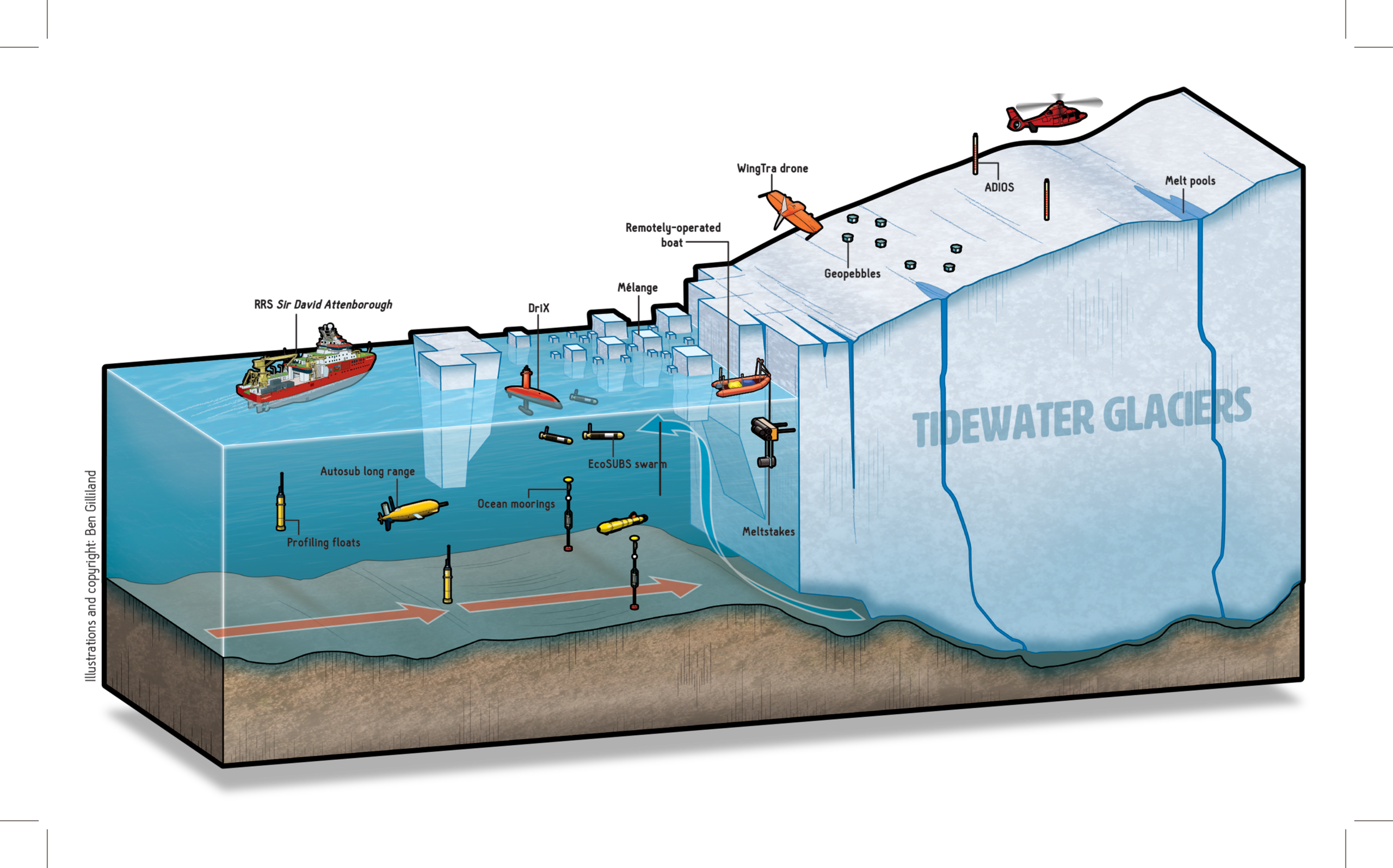
To do this, the UK’s polar research ship RRS Sir David Attenborough will send a fleet of autonomous vehicles - aerial, surface and subsea - as a connected observing system, into one of the world’s most extreme environments to get the most comprehensive data possible.
Sonardyne’s Ranger 2 Ultra-Short BaseLine (USBL) positioning system onboard the RRS Sir David Attenborough and a Mini-Ranger 2 USBL system on the daughter craft Erebus will be used to track and control formation operation of the mission’s underwater vehicles as they map the glacier’s underwater face.
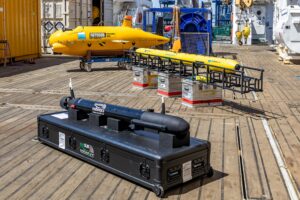
The underwater vehicles being used include the UK National Oceanography Centre’s AutoSub Long Range (ALR, AKA Boaty McBoatface), a Teledyne Gavia and ecoSUB Robotics autonomous underwater vehicles (AUVs).
The GIANT project involves 15 collaborating institutions, five technology partners and is backed by the UK’s Advanced Research and Invention Agency (ARIA) as part of the Forecasting Tipping Points programme.
Dr Pierre Dutrieux is an oceanographer at BAS and is leading the ocean robotics research on RRS Sir David Attenborough: “This is an exciting and ambitious mission using fleets of autonomous vehicles to help us gather data in otherwise extremely hard to access environments. The data they collect will help to transform how we forecast ice loss in Greenland’s fjords and improve early warning systems for tipping points that could reshape our planet’s climate.”
Michelle Barnett, Business Development Manager, Ocean Science, at Sonardyne: "Our acoustic and inertial systems provide the positioning layer that helps underwater robots know where they are, stay coordinated and return reliable scientific data."
“In simple terms, GIANT is not just about sending robots closer to the ice, which is ambitious in itself. It is about turning multiple vehicles into a connected observing system capable of gathering measurements scientists have never captured before."
“By helping those robots operate safely and accurately in one of the harshest environments on Earth, Sonardyne is enabling research that could improve climate models and deepen understanding of a critical global challenge.”
The GIANT mission
GIANT stands for Greenland Ice sheet to AtlaNtic Tipping points from ice loss.
The GIANT mission will run from July into August this year at tidewater glaciers near Kangerlussuaq Fjord with a goal to map, measure, and monitor everything from ocean water temperature to glacier movement using autonomous vehicles.
Alongside the underwater vehicles, there will be embedded robotic sensors tracking melting below the surface, a DriX uncrewed surface vessel at the surface and aerial drones surveying the ice from above.
The information they gather will be used to answer a critical question; how fast can Greenland’s glaciers melt—and what does that mean for our climate?
Learn more: https://giantgreenland.com/
What is a climate tipping point?
One of the biggest unanswered questions in climate science is deceptively simple: how quickly can Greenland’s glaciers melt - and how much of that melt will reach and disrupt the ocean systems that regulate our weather?
Scientists know that warm ocean water is already eroding glaciers from below, contributing to sea level rise and potentially affecting major currents in the North Atlantic. What they don’t yet have are detailed, continuous measurements from the critical zone where ocean and ice meet—because it’s one of the hardest places on Earth to reach safely.
The GIANT programme is designed to change that.
How new is the use of ocean robots to map glaciers?
GIANT is one of the first projects to treat underwater robots as a coordinated system - deploying fleets of long-range, small and survey AUVs together - in extreme glacier environments, for extended periods.
The aim is not just to collect snapshots of data, but to feed near-continuous observations into climate models, helping scientists better predict how Greenland’s glaciers will respond to a warming ocean - and what that means for sea levels, ocean circulation and future climate risk.
Crucially, this kind of multi-robot operation depends on knowing where each vehicle is at all times - despite the fact that GPS signals don’t work underwater and visibility can be near zero.
This is where acoustic and inertial navigation systems from Sonardyne provide the positioning layer.
Our Ranger 2 and Mini-Ranger 2 USBL systems, installed on the RRS Sir David Attenborugh and its daughter craft, Erebus, will enable these multiple robots to work in formation alongside the sides of these glaciers, underwater, safely and so that the data they collect can be accurately mapped and compared.
For GIANT, that positioning confidence isn’t just a technical detail - it’s what turns raw observations into reliable scientific evidence.

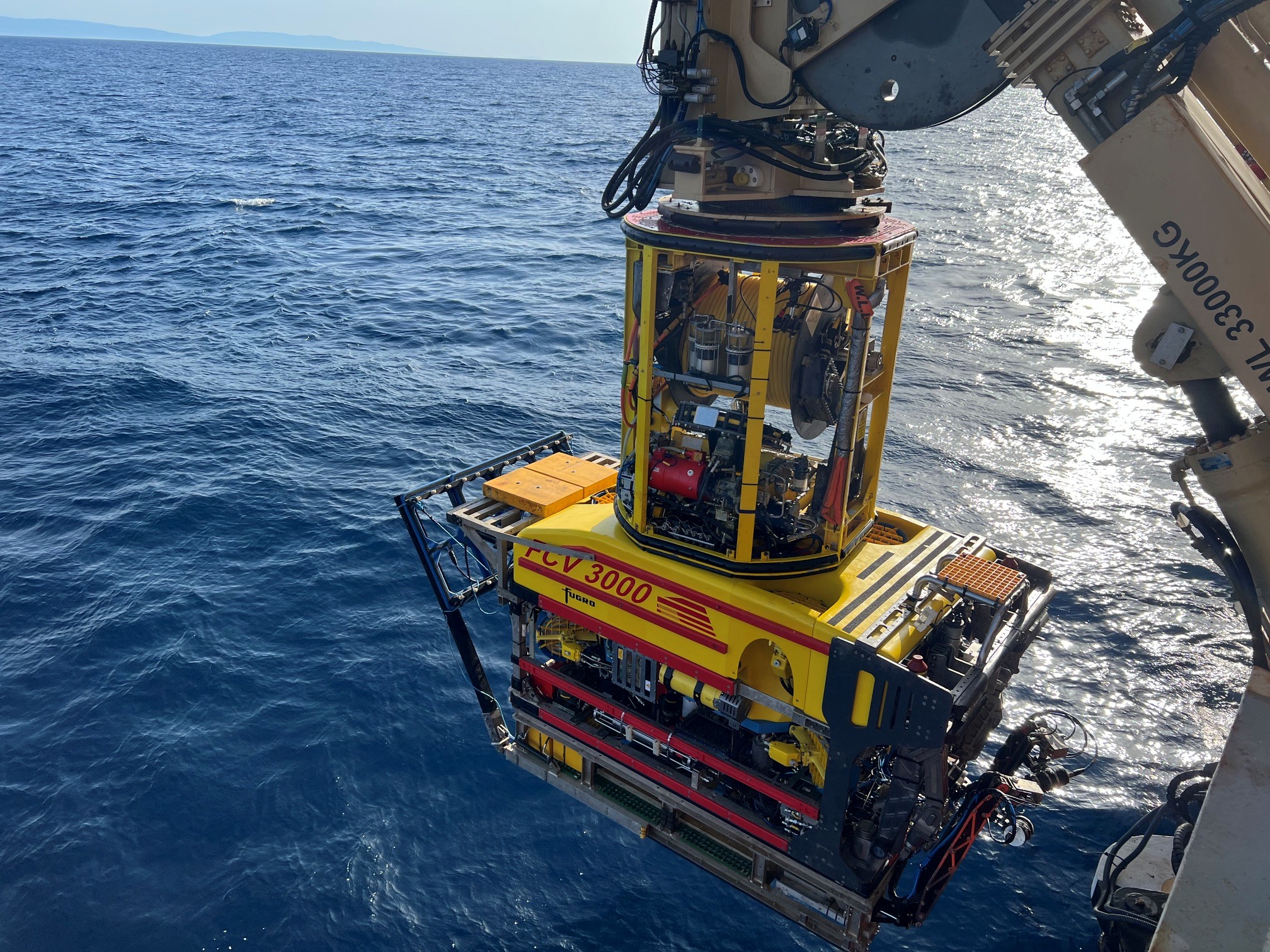
Fugro to support UK carbon capture infrastructure development
Fugro has been awarded a contract by Saipem to deliver integrated marine survey and inspection services for the Northern Endurance Partnership (NEP), the UK's first CO₂ transportation and storage infrastructure project. Saipem is leading the engineering, procurement, construction and installation of the offshore pipeline and associated infrastructure for NEP, an incorporated joint venture between bp, Equinor and TotalEnergies.
With access to up to one billion tonnes of CO₂ storage capacity beneath the North Sea, the programme aims to decarbonise some of the UK's most carbon-intensive industrial regions. Once operational, the infrastructure will play a key role in reducing emissions while supporting ongoing industrial activity and strengthening regional energy security.
Fugro will deliver nearshore and offshore survey and inspection operations to support pipeline installation, from landfall through to connection with existing offshore infrastructure. Nearshore works will focus on prelay surveys from the tunnel exit, extending several kilometres offshore, along with installation monitoring as the pipeline is pulled out to sea to confirm it is being laid as designed and to identify any unexpected seabed changes early.
Further offshore, Fugro will provide surveys, installation support and verification along the pipeline route, including at third-party pipeline and cable crossings. This unique source-to-seabed approach provides Saipem with consistent, reliable Geo-data along the entire route, helping reduce installation risk and support efficient project delivery.
“As the UK's first major carbon capture and storage project, NEP’s work marks an important milestone for the energy transition, and we're thrilled to be part of it," said Mike Duncan, Fugro's Director of Marine Asset Integrity in Europe and Africa. “By working closely with Saipem across nearshore and offshore environments, from early surveys through to installation, we support informed decision‑making that helps Saipem manage risk across a technically complex route.”
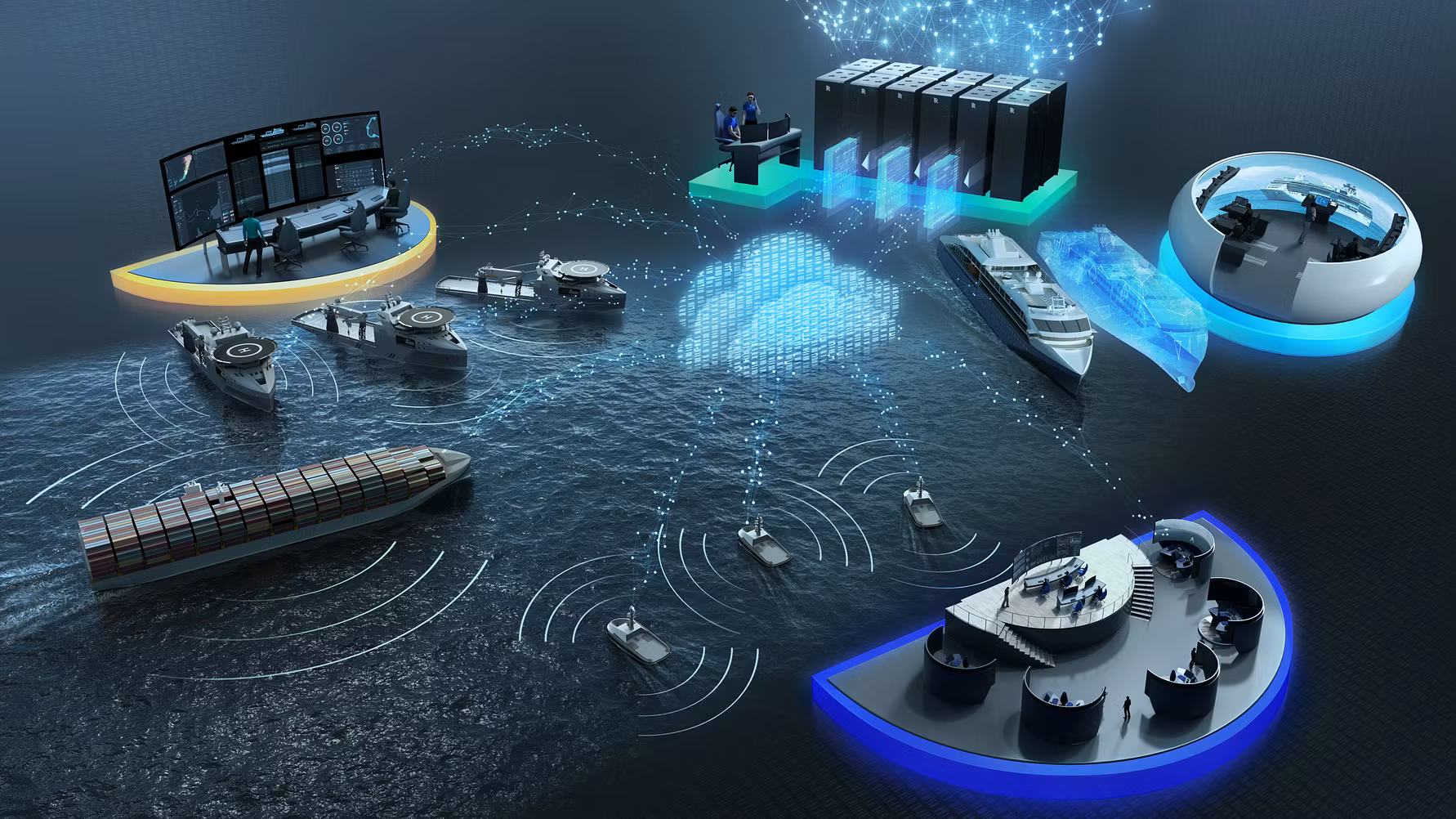
Kongsberg Maritime and BCIT announce landmark Marine Innovation Simulation Centre of Excellence in British Columbia
KONGSBERG, Kongsberg Maritime, and BCIT are pleased to announce a significant investment that will establish the Marine Innovation Simulation Centre of Excellence (MISE) in British Columbia. The initiative is designed to strengthen maritime innovation and skills development, support ongoing research and development, while building on key objectives outlined in Canada’s Defence Industrial Strategy.
The partnership and subsequent investment are enabled through the Industrial Technological Benefits (ITB) policy, and in support of KONGSBERG programs in Canada. This investment will directly support improved facility infrastructure, onboarding of applied research and faculty expertise, and ongoing research and long-term capability development.
Through the partnership, BCIT’s new Simulation Center will be built around the Kongsberg Maritime simulation technology, providing a synthetic environment, development tools, and APIs to support collaborative applied research with Canadian industry, academia, defence, and public-sector stakeholders. It will serve as a platform for prototyping, human factor studies, testing, and accident and incident analysis including de-risking new concepts in areas such as maritime safety, autonomy, cyber resilience, critical infrastructure, port development, and low- and zero-emission operations. The hub will also help accelerate commercialization opportunities and support the development of sovereign Canadian capability in a strategically important sector.
“We are very pleased to demonstrate our continued commitment to Canada through this partnership,” said Jordan Freed, President and Managing Director at Kongsberg Geospatial, KONGSBERG’s Ottawa-based subsidiary. “Sovereign digital systems are a key capability outlined in Canada’s defence industrial strategy. Our company is pleased to play a role in building out key defence capabilities, based on KONGSBERG and Norway’s long history of maritime domain research and infrastructure.”
The partners will implement a strategic long-term capability to support sustainable and future-oriented maritime development. The technology partners will deliver the core systems, simulation environment, and technical expertise required to enable high realism, scalability, and innovation across the project’s solutions.
“Together with BCIT, we are establishing a long-term innovation and research hub for Canada’s maritime sector—one that can support safer operations, faster competence development and the testing of new concepts before they are deployed in the real world," said Are Føllesdal Tjønn, Managing Director, Maritime Simulation at Kongsberg Maritime. "By combining advanced simulation with collaborative R&D, MISE will empower Canadian maritime capability and support future sustainable growth."
To expand access and increase training capacity, the partnership will provide licenses for cloud-based simulation systems, enabling BCIT to extend learning beyond the campus—supporting flexible delivery, additional practice hours, and remote and distributed training models for its students, while also helping increase access to maritime education and skills development opportunities for Indigenous communities.
“The Marine Innovation Simulation Centre of Excellence speaks to the power of collaboration and partnership. This innovative project will enable the creation of new education and training programs, support small and medium-sized businesses to commercialize new products, and create the most advanced marine education research environment in Canada,” said Dr. Jeff Zabudsky, President of BCIT. “This unique partnership combines workforce development, applied research, and industry collaboration in one environment.”
“MISE reflects BCIT’s commitment to preparing the next generation of talent for Canada’s evolving marine sector,” said Jennifer Figner, Provost and Vice President, Academic, BCIT. “By expanding access to advanced maritime training and immersive learning opportunities, MISE will equip learners with the skills, experience, and industry connections needed to succeed in a rapidly changing sector. It will strengthen BCIT’s ability to deliver responsive, future-focused education that meets the needs of employers and communities across Canada.”
The Honourable Mélanie Joly, Minister of Industry and Minister responsible for Canada Economic Development for Quebec Regions, said: “Kongsberg's investment in the Marine Innovation Simulation Centre of Excellence in British Columbia, made through Canada's Industrial and Technological Benefits Policy, is a significant step forward for Canada's maritime sector. As the first national hub for maritime simulation and applied research, the centre will help address the shortage of certified mariners and drive innovation. It will also support Canadian small and medium-sized businesses in developing new products and bringing them to market, while strengthening Canada’s defence industrial base. It directly addresses a skills shortage that both commercial and DND operators have identified, in advance of the new fleets being delivered."
BCIT’s strong academic capability, applied research expertise, and educational leadership is central to the implementation and development of the project. Together, the partners expect the initiative to generate significant socio-economic value through workforce development, stronger industry–academia collaboration, innovation opportunities for Canadian small and medium-sized businesses, and broader knowledge transfer across the maritime sector. The project is also expected to support regional economic activity, strengthen sovereign industrial capability, and create long-term benefits for training, research, and commercialization in Canada.
Note: Kongsberg Gruppen ASA and Kongsberg Maritime AS are now two separately listed companies following the demerger of Kongsberg Gruppen. Kongsberg Maritime was listed as an independent global maritime technology company on Euronext Oslo Børs on 23 April 2026.
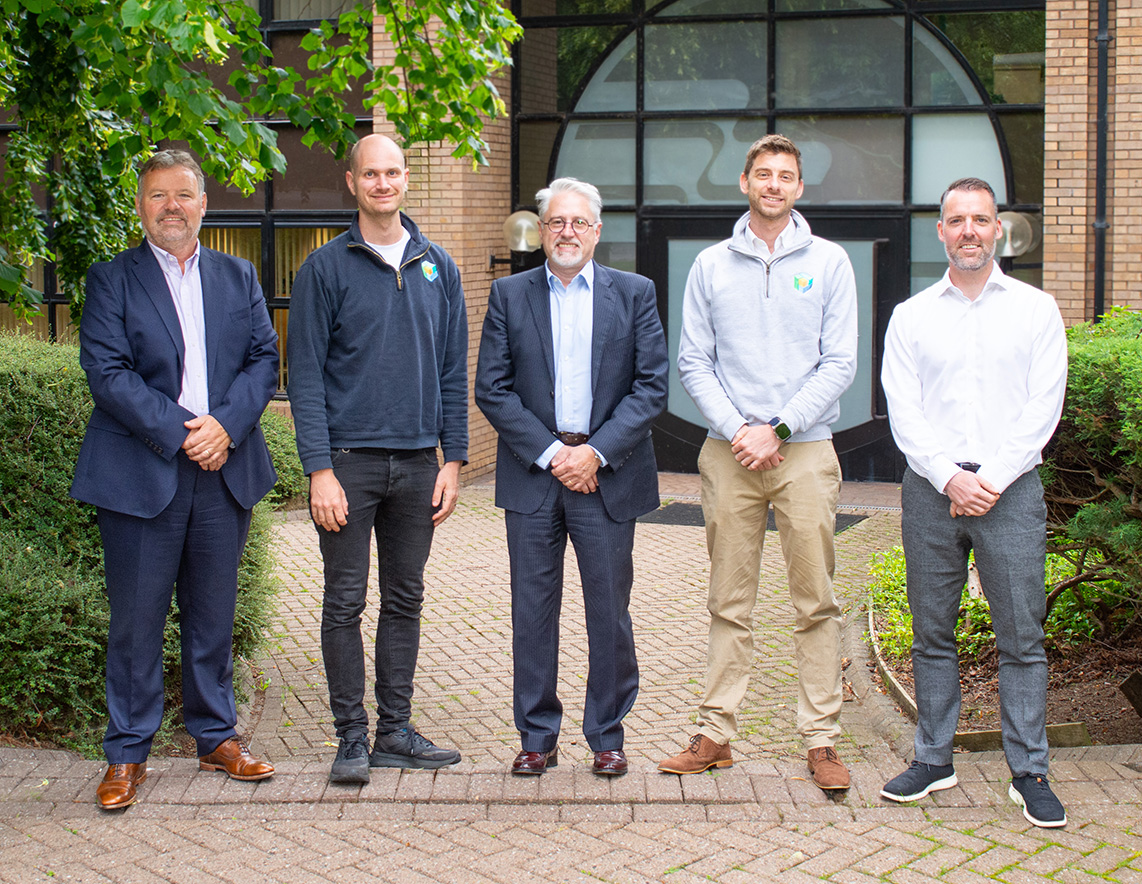
ROV Technology Leader Invests in Next-Generation Underwater Robotics Firm
Imenco Future Technologies, a global leader in remotely operated vehicle (ROV) technology, announced it has taken a strategic investment stake in Frontier Robotics, a specialist developer of advanced subsea robotics technologies, supporting its long-term innovation and growth strategy.
The investment represents a significant step in Imenco’s Future Technologies ongoing commitment to advancing subsea capabilities, enhancing operational efficiency and accelerating the development of next-generation solutions for offshore energy, defence, and emerging blue economy sectors.
Frontier Robotics has built a strong reputation for its pioneering work in subsea autonomy and perception technologies. Its technology roadmap is closely aligned with Imenco’s strategic focus on digitalisation, automation, and increased ROV system performance in complex subsea environments.
Strengthening Strategic Alignment
The partnership is expected to enable closer collaboration on product development, integration of complementary technologies, and faster commercialisation of innovative solutions. Furthermore, it will also support joint exploration of emerging market opportunities where advanced ROV capabilities and intelligent systems are becoming increasingly critical.
Daniele Petrone, CEO at Imenco Future Technologies said:
“This investment marks an important milestone in our strategy to partner with and support innovative companies that bring differentiated technological capabilities to the subsea market.”
We see strong alignment between our organisations, both in terms of technical vision and ambition to drive industry progress. Working more closely together will enhance our market leading position in subsea visual systems, adding perception technologies, autonomy and expanded AI capabilities to our recently launched MillieOne platform accelerating delivery of solutions that create real value for our customers.”
Jonatan Scharff Willners, Founder and CEO at Frontier Robotics said:
“We are delighted to welcome Imenco Future Technologies as a strategic investor, “Their deep domain expertise, global market presence, and commitment to innovation make them an ideal partner as we continue to grow and expand our technology portfolio. This investment will enable us to accelerate development and deliver even greater impact across the subsea sector.”
Supporting the Future of Subsea Operations
The investment underscores Imenco Future Technologies broader strategy of building an ecosystem of complementary technologies and partnerships to support the future of subsea operations. As the industry evolves toward more autonomous, data-driven and sustainable solutions, collaboration between established leaders and technology innovators is increasingly essential.
Frontier Technologies will benefit from Imenco’s global reach, operational experience, and established customer base, providing a strong platform to scale its technologies and bring innovations to market more rapidly.
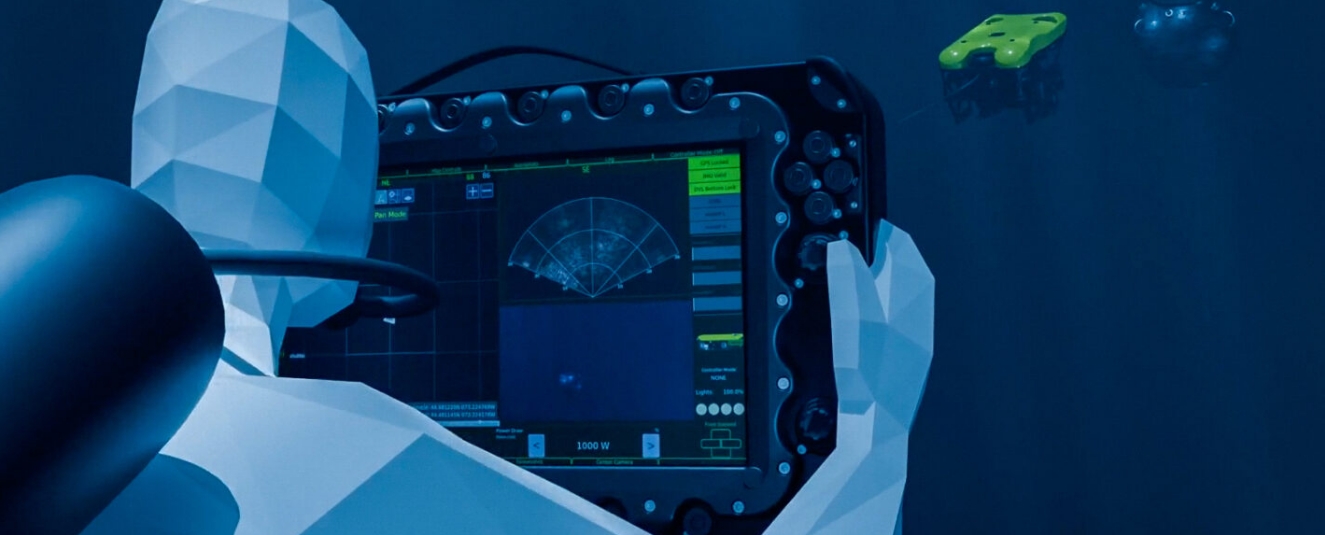
Greensea IQ is awarded $18 million contract by the US Navy for the Bayonet Underwater Controller (BUC) development and sustainment
 Greensea Systems, Inc., d.b.a, Greensea IQ, has been awarded an $18,154,710 Indefinite-Delivery/Indefinite-Quantity (IDIQ) contract to provide hardware, software, and engineering technical services for underwater controllers used to operate autonomous and remotely operated systems in maritime environments.
This seven year, sole-source award, made under the authority of 10 U.S. Code 3204(a)(1) further establishes Greensea IQ as a trusted leader in subsea autonomous solutions for the Department of War. The Naval Information Warfare Center Pacific, San Diego, California serves as the contracting activity.
“Greensea makes some of the industry's most mature robotic platforms and software suites,” says Bayonet General Manager, Fred Gaghan. “The Bayonet portfolio is making defense forces more capable in addressing critical challenges across a broad spectrum of the operational environment. The Bayonet Underwater Controller (BUC) will be an essential component for warfighters conducting Special Warfare, Explosive Ordnance Disposal (EOD), and other sensitive underwater operations.”
The BUC paired with EOD Workspace software, is built on Greensea IQ’s Core open architecture software and is part of the broader Bayonet product offering. Bayonet is a comprehensive technology stack that includes a scalable lineup of Autonomous Underwater Ground Vehicles (AUGVs), remote navigation packages, mission execution software, and training simulators. This product suite provides flexible capability spanning the most challenging environments from the surfzone through deepsea terrain, and is designed to deliver more efficient, and safer missions for the naval warfighter.
Kraken Robotics announces closing of strategic acquisition of Covelya Group Limited, updated 2026 guidance and appointments to Executive Team
Kraken Robotics Inc. (“Kraken” or the “Company”) (TSX-V: PNG, OTCQB: KRKNF) announced the closing of its previously announced acquisition of Covelya Group Limited (“Covelya Group”), for approximately $615 million, subject to closing adjustments (the “Acquisition”). Unless otherwise specified, all dollar amounts in this release are denominated in Canadian dollars.
MANAGEMENT COMMENTS
“This acquisition positions Kraken as a global provider of mission-critical, dual-use subsea intelligence solutions,” said Greg Reid, CEO of Kraken Robotics. “Since announcing the transaction, we have received positive feedback from customers who are looking forward to working with our combined engineering teams on integrated subsea technology solutions. We welcome the new employees to the team and look forward to the many benefits this combination can provide. Together, Kraken and Covelya Group bring complementary products, technological capabilities, and customer relationships that we expect will strengthen Kraken’s growth potential and long-term outlook. This positive long-term outlook is further supported by the expected increase in defence budgets globally, including growing investment in autonomous underwater systems.”
STRATEGIC RATIONALE
The Acquisition aligns with Kraken’s strategy to deliver value to customers through a portfolio of dual-use technologies and a culture of innovation. As previously announced, the strategic benefits to Kraken from the Acquisition include the following:
- Allows for deeper customer relationships in the fast-growing defence and maritime surveillance market.
- Expands product offering and Kraken’s total addressable market in subsea technology.
- Adds strategic locations for geographic expansion and improves business diversification.
- Bolsters technical capabilities with an experienced engineering team and highly advanced facilities.
- Financial accretion across key metrics, including $10 million of cost synergies within 24 months.
NEW PRODUCT ORDERS AND UPDATED 2026 FINANCIAL GUIDANCE
Since reporting its Q1 2026 results on May 28, 2026, Kraken and Covelya have secured additional product orders of approximately $13 million and $17 million, respectively. These awards bring announced orders in 2026 to approximately $110 million for Kraken and $182 million for Covelya Group. Gross profit margins associated with these orders are consistent with historical gross profit margins.
Kraken is updating its 2026 guidance to reflect the Acquisition’s July 2, 2026, closing date and the inclusion of Covelya Group, which was excluded from the Company’s prior guidance.
A summary table and a comparison to Kraken’s prior 2026 outlook is provided below. Revenue in 2026 is expected to be weighted toward the second half of the year.
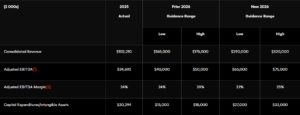
As previously outlined at announcement, the Acquisition is expected to be accretive across key financial metrics and is expected to generate low-to-mid double-digit EPS accretion in 2027, after including the full impact of expected cost synergies.
The Company continues to maintain a strong balance sheet, with minimal net debt following the drawdown of the New Credit Facility, as defined below, and financial flexibility to fund future growth opportunities.
[1] Adjusted EBITDA is a non-IFRS financial measure with no standard meaning under IFRS, and may not be comparable to similar financial measures disclosed by other issuers. See “Non-IFRS Measures” in this press release.
[2] Adjusted EBITDA margin is a non-IFRS financial ratio based on Adjusted EBITDA, with no standardized meaning under IFRS and therefore may not be comparable to similar measures presented by other issuers. See “Non-IFRS Measures” in this press release.
LEADERSHIP TEAM AND ORGANIZATIONAL STRUCTURE
As part of its integration with Covelya Group and its subsidiary companies, Kraken is implementing a new organizational structure and strengthening its leadership team.
The new structure will consist of Kraken Group, which will focus on financial and organizational governance, and a clearly delineated Kraken Robotics operating business, whose business units will focus on operational excellence, strategic execution, and financial performance. These changes are designed to combine the strengths and talents of both organizations while creating a more efficient and scalable platform to support long-term growth.
In conjunction with these organizational changes, Bernard Mills has been promoted to President of Kraken. Bernard brings extensive experience leading large organizations and driving operational performance. Prior to joining Kraken, Bernard served as CEO and Managing Director of Stelia North America, an advanced materials subsidiary of the Airbus Group. Before that, he was President of Ultra Sonar Systems, where he led a global organization of more than 850 employees.
Kraken’s new Corporate Group leadership will be comprised of the following:
- Greg Reid – Chief Executive Officer (CEO)
- Bernard Mills – President (formerly Kraken EVP Defence)
- Joe Mackay – Chief Financial Officer (CFO)
- Terra Penrose – Chief People Officer (CPO)
- John Salama – Chief Information Officer (CIO)
- Andrew Griffin – Chief Legal Officer (CLO) (formerly Kraken Director, Legal)
The Executive Leadership Team working with Bernard within the Kraken Robotics operating business will include:
- Simon Partridge – EVP Technology (formerly Chairman of Covelya Group)
- Graham Brown – EVP Products (previously Managing Director at Covelya Group’s Sonardyne International subsidiary)
- Gary Moynehan – EVP Enterprise Performance (previously CFO at Covelya Group)
- David Shea – EVP Strategy & Growth (previously EVP Products and CTO at Kraken)
- EVP Systems & Services, a newly created position that is currently vacant, with the Company in advanced stages of the recruitment process
Together, this team combines deep expertise across technology, operations, and growth initiatives to support the integration and future expansion of the combined company.
Nat Spencer, Chief Operations Officer (COO), will be leaving Kraken at the end of July to pursue a new opportunity. The Company thanks Nat for his many contributions to Kraken over the last several years and wishes him well in his future endeavours.
Kraken is establishing an integration plan with a dedicated team and will begin integrating employees, systems, finance, sales, and operations to realize potential revenue and cost synergies. As previously announced, Kraken is targeting approximately $10 million of cost synergies within the first 24 months.
CLOSING DETAILS AND SUBSCRIPTION RECEIPT CONVERSION
The approximately $615 million purchase price for the Acquisition, prior to closing adjustments, was comprised of approximately $480 million in cash and approximately $135 million through the issuance of 15,882,352 common shares of Kraken (each a “Common Share”) at a deemed issue price of $8.50 per Common Share to Covelya Group’s shareholder.
The cash portion of the purchase price was funded from the net proceeds of Kraken’s $402.5 million bought deal public offering of subscription receipts (the “Subscription Receipts”), which closed on March 12, 2026, interest earned on such net proceeds, and borrowings under the New Credit Facility.
In connection with the closing of the Acquisition, Kraken also closed amendments to its existing credit facility to create a new committed, secured, non-revolving term credit facility in the amount of $125 million (the “New Credit Facility”), increase its existing revolving credit facility from $35 million to $60 million, and to extend the term of the revolving credit facility to March 2031, among other amendments. The Company drew down the New Credit Facility in full, with the proceeds applied to pay a portion of the cash consideration for the Acquisition.
In conjunction with the closing of the Acquisition, each holder of Subscription Receipts is entitled to receive, automatically and without payment of any additional consideration or further action on the part of the holder, one Common Share for each Subscription Receipt held.
Trading in the Subscription Receipts is expected to be halted, the transfer register maintained by the subscription receipt agent will be closed, and the Subscription Receipts will be delisted from the TSX Venture Exchange (the “TSXV“) effective as of the close of trading today. The Common Shares to be issued pursuant to the terms of the Subscription Receipts are expected to commence trading on the TSXV tomorrow.
After giving effect to the Acquisition and the offering of the Subscription Receipts, the seller of Covelya Group owns approximately 4% of the issued and outstanding Common Shares, which are subject to a lock-up agreement providing for release one-third of such Common Shares on each of the dates that are 12, 18 and 24 months following the closing date of the Acquisition.
Kraken plans to report its Q2 2026 results in late August 2026 and its Q3 2026 results, which will include Covelya’s contribution, in late November 2026. With the Acquisition now complete, Kraken intends to apply to list its Common Shares on the Toronto Stock Exchange (“TSX”), subject to satisfying applicable TSX listing requirements and receiving TSX approval. The Company expects the process to be completed by year-end 2026 or early 2027.
NON-IFRS MEASURES
The Company has included certain non-IFRS financial measures and non-IFRS ratios in this press release, including Adjusted EBITDA, Adjusted EBITDA margin, gross profit, gross profit margin, Adjusted net income and working capital. Management believes that non-IFRS financial measures and non-IFRS ratios, when supplementing measures determined in accordance with IFRS, provide investors with an improved ability to evaluate the underlying performance of the Company. Non-IFRS financial measures and non-IFRS ratios do not have any standardized meaning prescribed under IFRS, and therefore they may not be comparable to similar measures employed by other companies. This data is intended to provide additional information and should not be considered in isolation or as a substitute for measures of performance prepared in accordance with IFRS.
In this news release, the Company uses the following non-IFRS financial measures and non-IFRS ratios with respect to the Company: Adjusted EBITDA and Adjusted EBITDA Margin. Explanations of the composition and usefulness of these measures and reconciliations of such measures to the most directly comparable IFRS measures disclosed in the Company’s financial statements can be found in the section entitled, “Non-IFRS Measures” in the Company’s management’s discussion and analysis (“MD&A”) for the financial year ended December 31, 2025, which section is incorporated by reference in this news release and is available on SEDAR+ at www.sedarplus.ca.
Multi-robot demo showcases new Plymouth subsea test range
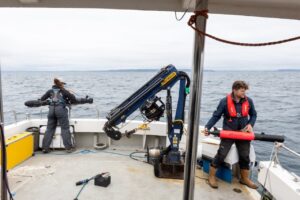
A new underwater trials site designed to accelerate UK marine autonomy and ocean sensing has completed its first major test thanks to a live, multi-marine surface and subsea robotic platform demonstration.
The Smart Sound Connect Subsurface (SSCS) project, part of Smart Sound Plymouth, led by the University of Plymouth, with Plymouth Marine Laboratory (PML), saw platforms from ACUA Ocean, ecoSUB Robotics, Seaber and Sonardyne working together above and below the surface.
The all-day collaborative demonstration enabled visitors from business, science, defence and national bodies to view the potential of the three-year, £1.2 million SSCS project.
Delivered by Sonardyne, the SSCS’ infrastructure extends Smart Sound Plymouth — already the UK’s premier marine autonomy testbed — and the Western Channel Observatory, through a seabed node array for absolute positioning and communications, alongside other intelligent sensors within a highly characterised environment.
Professor James Fishwick, Head of Innovation for Smart Sound Plymouth (at PML), said: “Smart Sound Plymouth is going from strength to strength. The addition of the subsurface network enables even greater integration between platforms and supports our state-of-the-art testing capabilities for autonomous vehicles and advanced technologies. It complements the high-speed military-encrypted network above the surface and helps provide a fully connected environment. This successful technology demonstration further reflects Plymouth’s place as a world-leading hub for marine autonomy.”
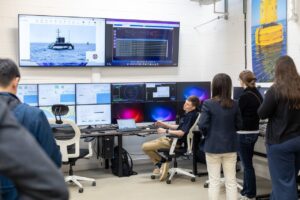
Dr Lilian Lieber, Senior Research Fellow at the University of Plymouth, said: “SSCS provides a unique opportunity to test new ocean observing technologies. For me, its value lies in turning prototypes and field-tested technologies into trusted data streams, accelerating ocean observing towards autonomous sensing and near-real-time insight. This helps turn ocean data into actionable intelligence for climate resilience, early warning and preparedness, while the infrastructure itself enables technology innovation and stronger industry collaboration.”
A key element of SSCS is the seabed node array, which provides absolute positioning and communications using passive Ultra-Short BaseLine (USBL) technology for testing underwater systems in a real-world highly characterised testing environment.
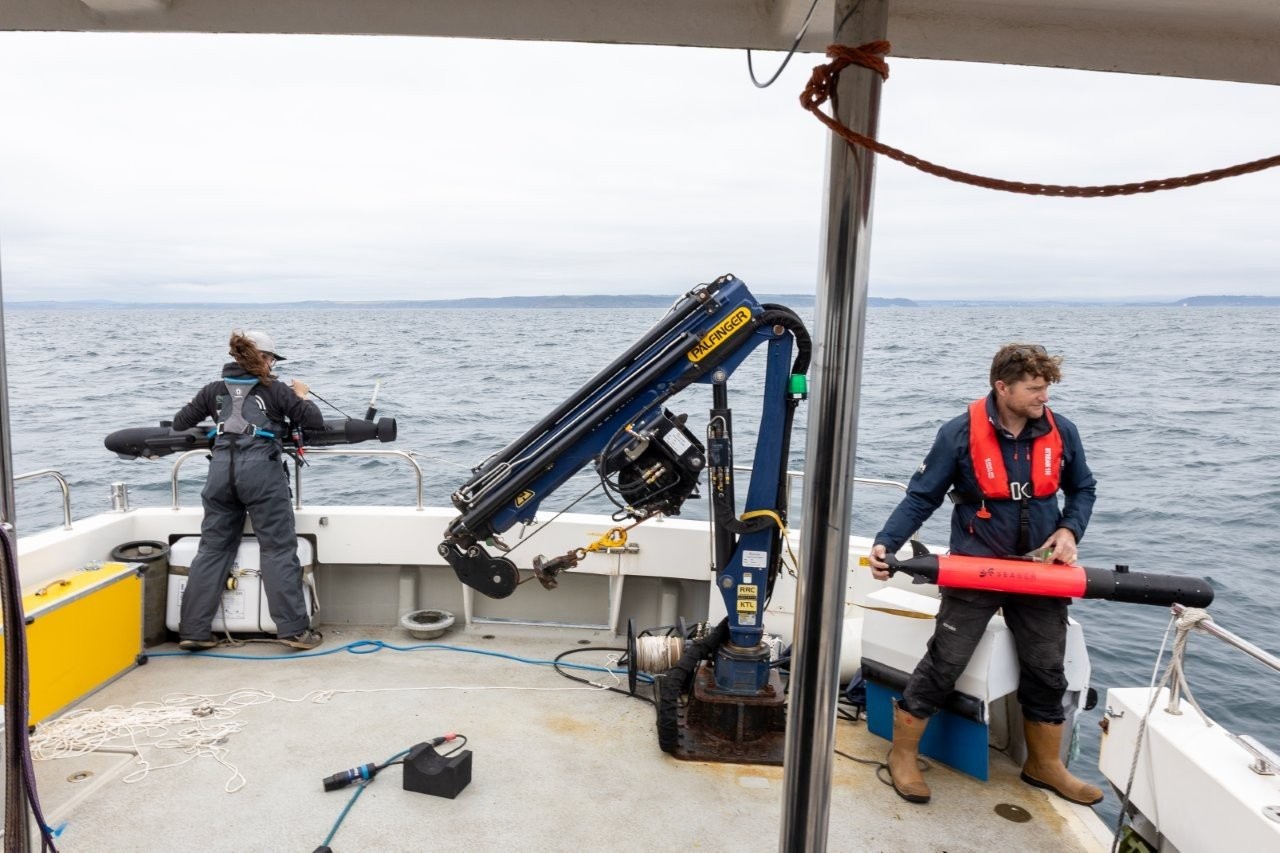
During the demonstration, both the University of Plymouth’s Seaber autonomous underwater vehicle (AUV) and an ecoSUB AUV navigated simultaneously using only the seabed node array.
At the surface, a PIONEER uncrewed surface vessel (USV) from Plymouth-based ACUA Ocean tracked and controlled an AUV from Southampton-based ecoSUB using a Sonardyne Ranger 2 Gyro USBL positioning system on the USV.
The USV also wirelessly harvested data from a permanently deployed Sonardyne Origin 600 acoustic Doppler current profiler (ADCP) in the SSCS, which also transmits real-time data to shore – and a live internet feed as part of the Western Channel Observatory – via the long-running L4 oceanographic monitoring station.
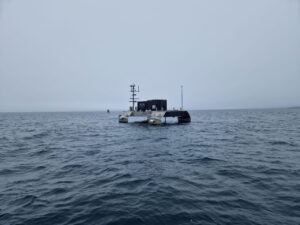
In addition, marine software engineering firm Marine AI showed the ability to continue navigating, even when GNSS drops out, using Sonardyne’s SPRINT-Nav, based on trials in the SSCS earlier this year.
The demonstrations were viewed live by guests from the UK and overseas from within PML’s onshore remote operations centre at its campus in Plymouth.
Geraint West, Business Development Advisor at Sonardyne, said, “This ability to test and accelerate marine autonomous system innovation in a known environment with the type of infrastructure we now have in the SSCS is a real boost not just for Plymouth.
“The demonstration had interest from around the UK and internationally, with visitors from North America and Asia and from a wide range of stakeholders, military, commercial, science and industry. It just shows the reputation Plymouth now has and continues to build for marine autonomy, thanks to the environment, ecosystem and collaboration we have in the city and in Plymouth Sound.”
ACUA Ocean’s John Hunnibell, Chief Product Officer, said, “This demonstration provided an excellent opportunity to demonstrate the persistent mission utility and seagoing characteristics of our USV PIONEER as a 'mothership' for nested robotics, data harvesting and data transfer at sea.
“Specifically, we used this event to demonstrate that the USV PIONEER can deliver subsea monitoring and security for critical underwater infrastructure by teaming with multi-static seabed sensor nodes. It was also a great way to develop our relationships with capable, credible technical partners: Sonardyne, ecoSUB, PML and the University of Plymouth in Smart Sound Plymouth.”
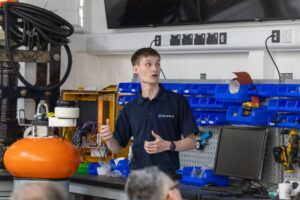
Iain Vincent, Director & General Manager at ecoSUB Robotics said, “Smart Sound and the SSCS environment has already been an extremely useful resource for ecoSUB Robotics. Most recently we have collaborated with Sonardyne on the development of a subsea AUV launch and navigation solution.
“Smart Sound provided the perfect place to test this technology, with easy access to open water, vessels and subsea nodes, and an outgoing and helpful community who support activity.”
The Smart Sound Connect Subsurface team is currently seeking additional research and development partners to collaborate in further trials of the SSCS testing environment.
It encourages anyone interested in testing new subsea vehicle operations, underwater data telemetry or any other use of the new infrastructure to contact Aaron Barrett, Lecturer in Autonomy at the University of Plymouth to learn how they can get involved.
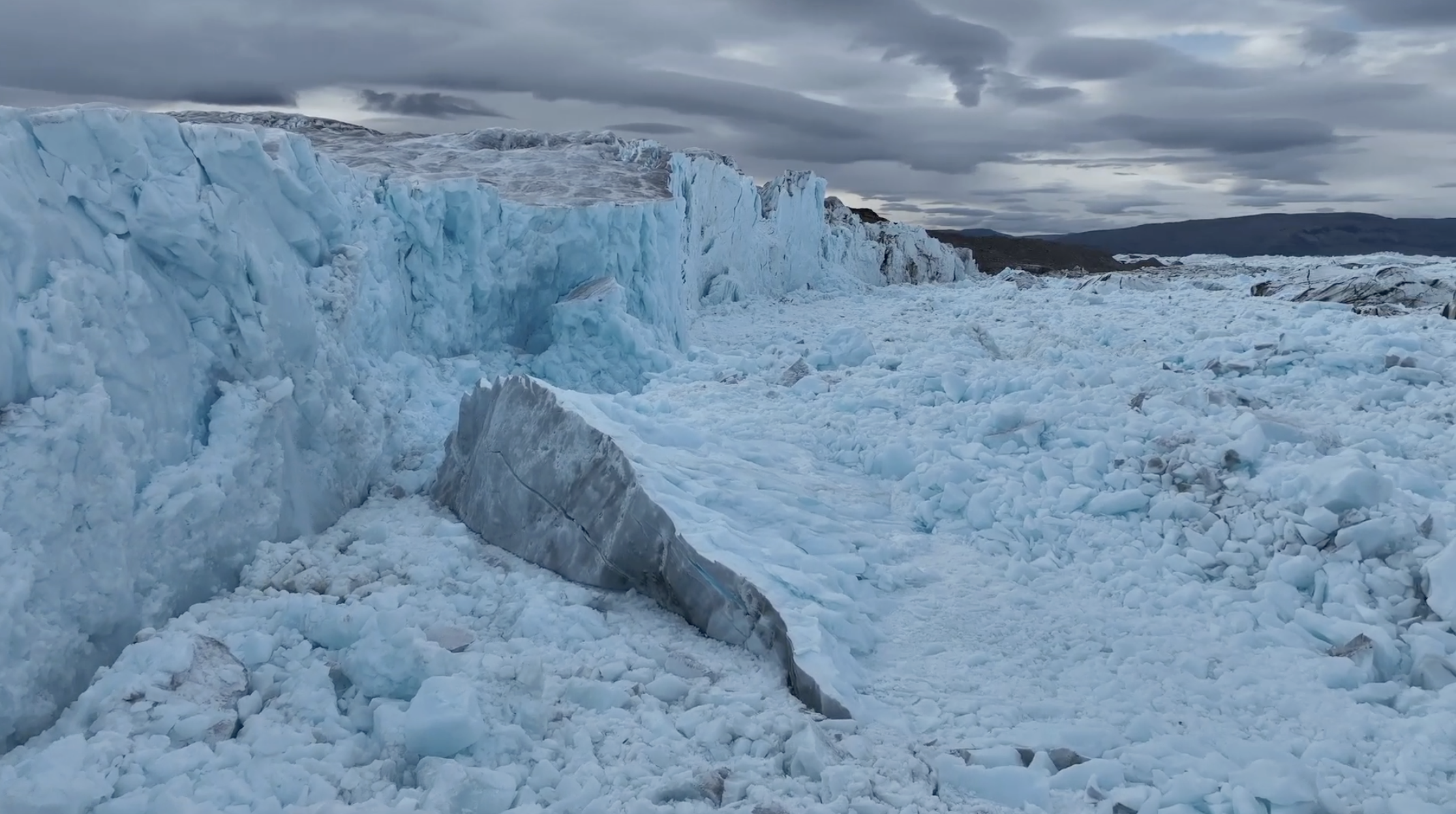
Historic expedition reveals hidden seafloor influence on Greenland glacier
The Swedish icebreaker Oden – one of the world's most powerful icebreakers – became the first vessel ever to reach and collect scientific data in the remote Victoria Fjord of North Greenland during the GEOEO North of Greenland 2024 Expedition.
Now, researchers have published the first scientific findings from the landmark expedition – revealing how previously unmapped seafloor features may explain in part why the ice tongue of C.H. Ostenfeld Gletsjer disappeared while neighbouring glaciers retained theirs.
The study focuses on C.H. Ostenfeld Gletsjer, one of three major outlet glaciers draining northern Greenland. While nearby Ryder and Petermann glaciers still retain floating ice tongues, C.H. Ostenfeld Gletsjer lost its ice tongue in the early 2000s – but the reasons for this difference have long remained unclear.
In 2024, an international team of researchers aboard Oden collected new bathymetric and oceanographic data from the previously unsurveyed fjord. The study found that warm Atlantic water is able to reach the margin of C.H. Ostenfeld Gletsjer through Victoria Fjord. Unlike neighbouring fjords, Victoria Fjord lacks a shallow protective sill that helps limit the inflow of warmer water towards the glacier front. The findings offer new insight into why the glacier evolved differently from its neighbours.
Martin Jakobsson, Professor of Marine Geology and Geophysics at Stockholm University, co-Head of Seabed 2030's Arctic and North Pacific Ocean Regional Center, and one of the chief scientists aboard Oden, said: "For years, we have sought to better understand why C.H. Ostenfeld Gletsjer evolved so differently from neighbouring glaciers. Reaching Victoria Fjord and collecting the first scientific data from this remote area gave us a unique opportunity to investigate that question.
"What makes these findings particularly exciting is that they show how features hidden beneath the ocean surface can influence what happens at the glacier front. It's a powerful reminder of how much there is still to learn about the ocean and why mapping the seafloor matters."
The expedition also produced the first detailed bathymetric measurements from Victoria Fjord. These newly acquired data have since been incorporated into updates of the International Bathymetric Chart of the Arctic Ocean (IBCAO), helping improve understanding of a previously unmapped part of the Arctic seafloor.
For Seabed 2030, the findings provide a powerful example of the value of ocean mapping. The shape of the seafloor influences how water moves through the ocean, including how warmer waters interact with glacier margins. By improving knowledge of the ocean floor, scientists can better understand processes that would otherwise remain hidden beneath the surface.
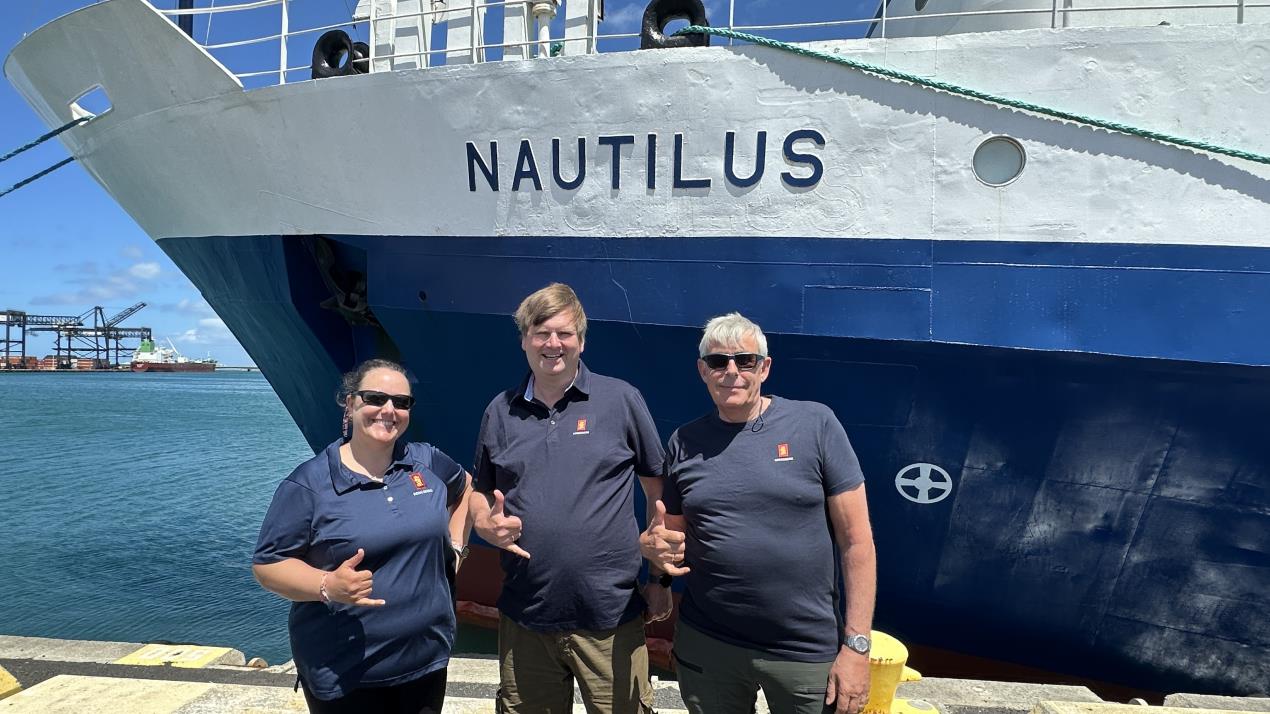
KONGSBERG accelerates seabed mapping developments with Ocean Exploration Trust expedition aboard Exploration Vessel Nautilus
KONGSBERG and the Ocean Exploration Trust (OET) are set to dive deeper than ever before in a new expedition to map vast areas of previously unexplored seafloor in the Central Pacific.
The Pacific Mapping (NA178) expedition, running 10–24 June, sees OET Exploration Vessel Nautilus deploying KONGSBERG's EM 304 MKII multibeam echo sounder for the first time. Three KONGSBERG engineers will be embedded aboard Nautilus for the full 14 days, using the mission as a critical real-world testing platform for advancing multibeam technology and helping to raise standards across the global mapping community.
Mapping the mystery
Despite covering more than 70% of the planet, huge swathes of the ocean remain uncharted at high resolution. The challenge is particularly acute in deep ocean environments, where access, cost and technical limitations typically constrain survey efforts.
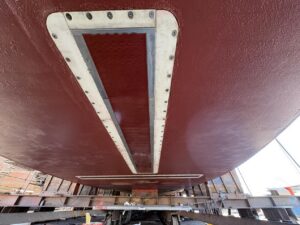
The EM 304 MKII is designed to tackle these pain points head-on. Capable of operating at full ocean depth, it combines wide swath coverage with consistently high resolution, enabling survey teams to map larger areas more efficiently without compromising data quality.
For OET, this translates into a significant step forward in capability, as explained by Derek Sowers, Mapping Manager, Ocean Exploration Trust: “The EM 304 MKII is optimised for features of interest we tend to explore, like complex canyons, seamounts, ridges, trenches, seafloor spreading centres, and subsea volcanoes. It allows us to map and reveal these amazing features in greater detail and sets us up for success for further exploration using our ROVs and other assets.”
The system is expected to transform mapping efficiency for OET, effectively doubling the area that can be surveyed compared to previous equipment, while reducing both time and operational costs in remote environments.
Real-world testbed
While the scientific expedition is critically important, it also provides KONGSBERG with a unique opportunity to test and refine the EM304 MKII in demanding, real-world conditions.
Operating onboard Nautilus, the system will generate live datasets across a range of seabed environments, allowing engineers to optimise both hardware performance and software functionality. These learnings will feed directly into ongoing improvements, benefiting future deployments worldwide.
Colleen Peters, Product Manager Mapping Software, KONGSBERG, explains: “We can simulate many configurations in the lab and on our test vessels, but not the realities of deep-water surveying. That is why it is essential to test in the same conditions our customers work in, so we can confirm new features perform as intended.
“Nautilus is an ideal platform for system testing because the team is committed to pushing new technology forward. It also runs an integrated mapping internship on every cruise, giving us a rare chance to see how first-time users interact with the software.”
The power of partnership
The deployment reflects a strong collaborative approach between industry, research organisations and funding bodies, with the system installed as part of a wider upgrade supported by the U.S. Navy’s Office of Naval Research.
For KONGSBERG, partnerships such as this are central to driving innovation. Working alongside organisations like OET enables the company to accelerate development cycles, validate performance in operational settings and contribute to broader scientific and technological progress.
Colleen Peters, Product Manager Mapping Software, KONGSBERG, concludes: “As ocean industries continue to expand, the need for reliable seabed data keeps growing. Seafloor mapping supports everything from research and environmental monitoring to subsea infrastructure and better-informed policies. The EM304 MKII helps meet that need with full-ocean-depth capability, broad coverage and high-quality data. We’re looking forward to showing what it can do onboard Nautilus with OET on its first mapping expedition since the upgrade.”
You can follow the Nautilus livestream here: https://nautiluslive.org/
BeyonC and HydroSurv target NOK 5 billion subsea survey market with integrated USV-ROV solution
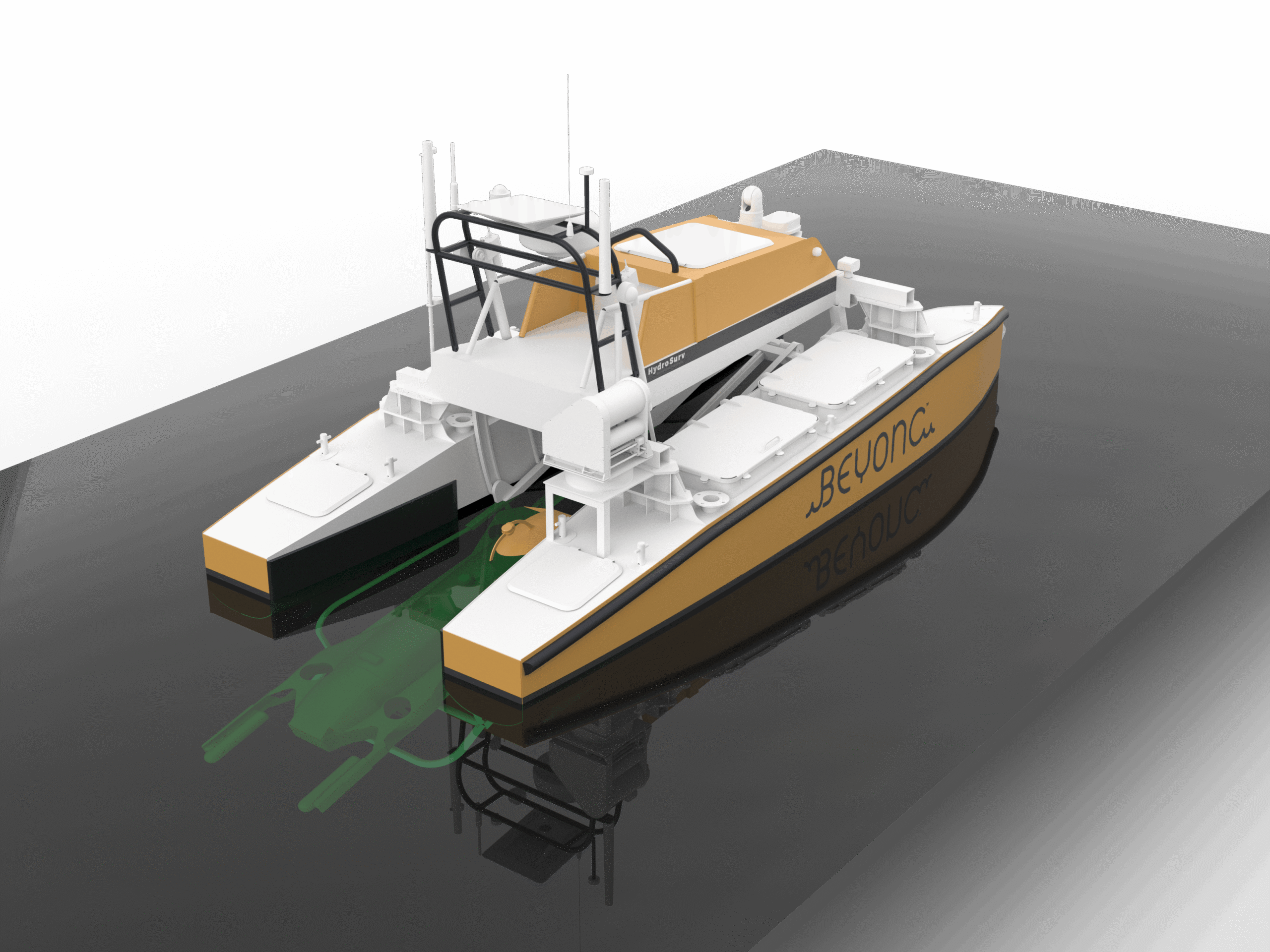
HydroSurv and BeyonC have finalised an agreement to deliver a REAV-60 Uncrewed Surface Vessel (USV) configured for the deployment and operation of BeyonC’s advanced Syncro pipeline survey ROV. The collaboration marks a significant step towards a scalable, low-emission operating model for shallow-water subsea survey.
The integrated USV-ROV system is designed to address one of the industry’s growing challenges: how to survey expanding subsea cable and pipeline infrastructure more frequently, more efficiently and with less reliance on conventional crewed vessels. By combining HydroSurv’s commercial-duty uncrewed surface platform with BeyonC’s purpose-built Syncro ROV, the companies aim to deliver high-quality subsea data while reducing cost, emissions and offshore personnel exposure.
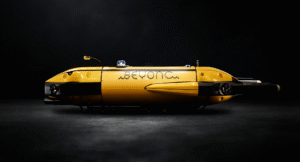
BeyonC AS, a Norwegian subsea technology and ROV specialist, has developed Syncro specifically for safe, repeatable and high-efficiency survey operations in shallow-water environments. Together, the companies have developed a bespoke Launch & Recovery System (LARS) to integrate Syncro into the REAV-60 surface platform. The agreement was finalised during Oceanology International 2026 in London, following completion of the initial design engineering.
Configured as a dedicated uncrewed host platform, HydroSurv has integrated a tether management winch and a system architecture that enables coordinated positioning between the USV and the ROV. The 2026 updates to the REAV-60 are designed to support precision station-keeping, automated ROV following and real-time connectivity between Syncro and the remote operating team, enabling controlled, repeatable and high-resolution pipeline and subsea cable surveys.
For BeyonC, the collaboration forms part of a clear commercial strategy to industrialise shallow-water subsea survey. The company estimates that the addressable market for recurring pipeline and subsea cable survey represents a NOK 5 billion opportunity, with an estimated need for approximately 70 operational Syncro systems to provide sufficient survey capacity across existing and expanding infrastructure.
By removing the need for conventional crewed support vessels in many shallow-water scenarios, the integrated robotic survey solution has the potential to reduce vessel day rates, cut emissions and make repeat survey of critical infrastructure commercially viable at scale. This is particularly relevant as subsea cable networks and pipeline infrastructure continue to expand, while operators face increasing pressure to document asset integrity, reduce operational risk and lower the carbon intensity of offshore operations.
David Hull, Founder and CEO of HydroSurv, said:
“Working in partnership with BeyonC, this project demonstrates what can now be achieved with mid-size USVs in support of inspection-class ROV operations. Syncro has been developed with a clear focus on specific shallow-water inspection requirements, and that clarity translates well into an integrated system. By combining this ROV with a commercial-duty surface platform, we’re able to deliver the stability, control and repeatability needed for reliable deployment without reliance on conventional vessels. It’s a practical example of how uncrewed systems are starting to take on defined operational roles within subsea inspection.”
Morten Hegdal, CEO of BeyonC AS commented:
“Subsea survey is entering a new phase. Capacity, cost and emissions now matter just as much as technical capability. We believe the market needs a more scalable way to survey shallow-water cables and pipelines, and Syncro has been developed for exactly that purpose. Integrating Syncro with HydroSurv’s REAV-60 gives us a platform that can move ROV-based survey beyond conventional vessel operations and towards a repeatable, lower-risk and commercially scalable model. For BeyonC, this is an important step in building the survey capacity we believe the industry will need in the years ahead.”
Building upon BeyonC’s early trials positioning the ROV with a small USV, the introduction of launch and recovery capability takes Syncro from remote positioning towards a complete uncrewed survey concept. The preliminary design phase began in December 2025, and construction of the REAV-60 has commenced, with the hulls expected to be completed in May 2026.
The collaboration reflects a shared ambition to accelerate the transition towards safer, more efficient and more sustainable subsea survey operations. As demand for repeat survey of cables and pipelines increases, HydroSurv and BeyonC aim to demonstrate how integrated surface and subsea robotic systems can deliver commercial survey services at scale.