
CASE STUDY: Autopilot for rim-driven thruster USV design
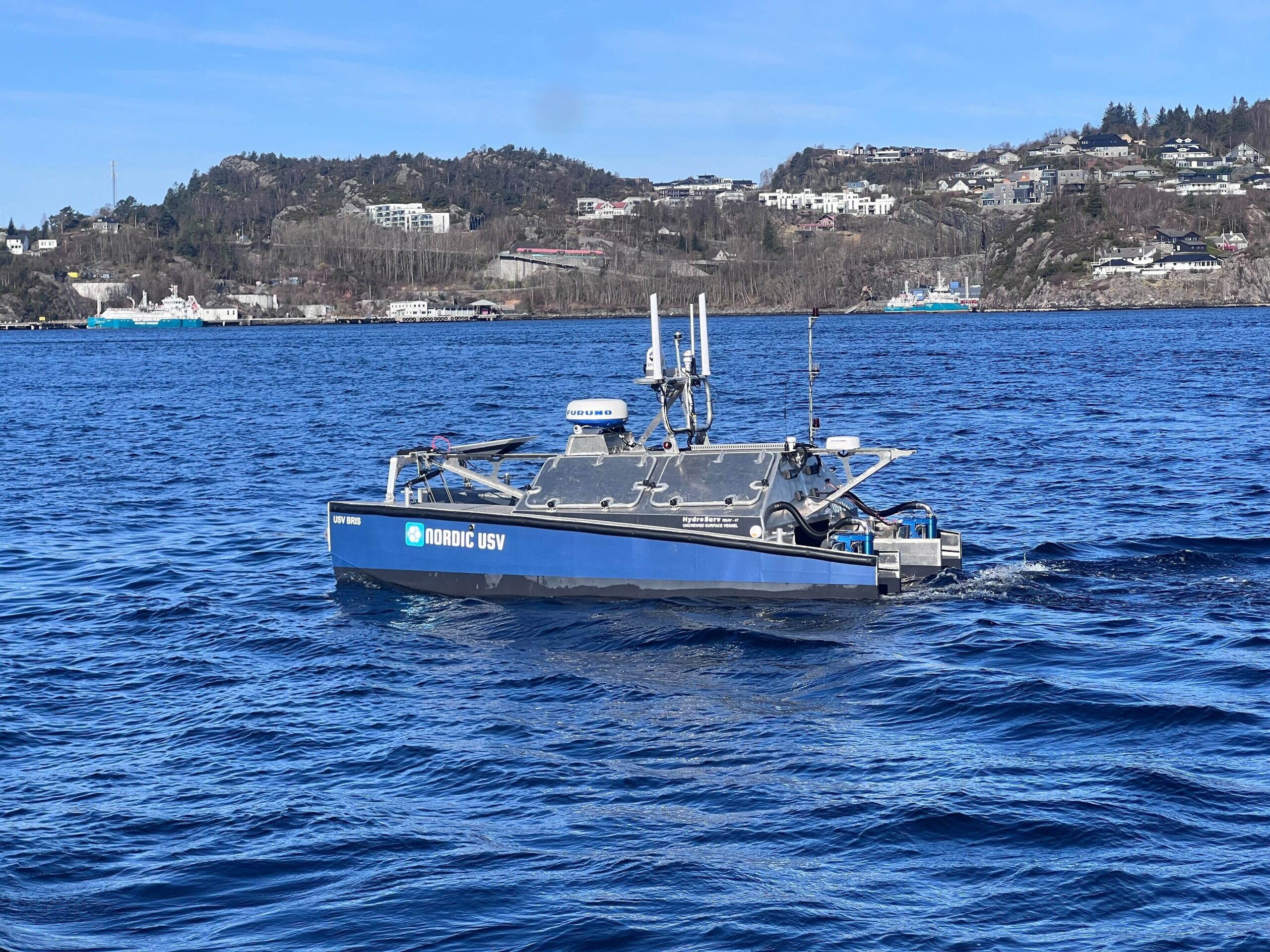
HydroSurv is a global provider of Uncrewed Surface Vehicle (USV) platforms for hydrographic, geophysical and oceanographic survey. The company, based in Exeter, United Kingdom, offers a range of electric and hybrid USVs from 2.5 to 6 metres for inland, nearshore and offshore survey operations.
In 2024, HydroSurv introduced its REAV-47 multi-purpose USV to meet growing customer demand for small to midsize seagoing USVs. The battery-hybrid REAV-47 is a compact, high-performance vessel for nearshore survey deployment, offering 90-hour endurance and featuring new rim-driven thruster propulsion technology from Netherlands-based Rim Drive Technology (RDT).
Having worked for six years with Dynautics on autopilot systems for other vessels in their range, HydroSurv approached the team again for the development and installation of updated autopilot technology to drive this new thruster type.
Challenges
Rim-driven thruster designs have advanced significantly over the past two decades, with new models giving powerful leverage and high torque at lower speeds than conventional motors. The hubless design of the impellers also minimises friction, which improves efficiency and reduces noise for electrically propelled boats. HydroSurv selected RDT propulsion for the new REAV-47 to reduce the risk of weed or fishing line entanglement, or tether fouling when towing instruments or hosting tethered ROV platforms - for which the company needed a customised autopilot solution.
Extensive experience in the development of CAN bus-based interfaces was critical to project success, and the system needed to be of modular design, so that the new interface could be installed without impacting the existing control system. HydroSurv was confident that Dynautics could deliver a tested and proven solution within its tight timescale.
Approach
Dynautics designs in a modular way and has worked extensively on the development of CAN bus interfaces. As with all its projects, the company made extensive use of automated simulation and testing, so that the new control system was thoroughly trialled prior to delivery to HydroSurv.
Dynautics created a test environment to run the thruster in its laboratory, with RDT helpfully providing comprehensive information on their product. Dynautics conducted inhouse water tank testing prior to planned sea trials by HydroSurv using twin thrusters on the vessel itself.
Solution
Dynautics delivered a fast turnaround solution with which to integrate new rim-driven thruster technology into its long-term client HydroSurv’s vessels. The solution dovetailed into HydroSurv’s existing systems, giving the team a clear development and delivery path to install the technology on future vessels, including the smaller REAV-25, developed to align with MGN 702 MiniMASS Code, and sharing much of the same technology as the REAV-47.
“Our partnership with Dynautics has been instrumental to HydroSurv’s product development journey since we entered the USV market in 2019. The third-generation REAV-47 and REAV-25 platforms are the result of close collaboration with our customers and draw on over five years of experience in delivering USV solutions that drive immediate value for survey contractors. We’re excited for a strong pipeline of USV deliveries in 2025, with Dynautics playing a key role in supporting this next phase of deployment.” David Hull, HydroSurv CEO
“It was a pleasure to work on yet another USV project with HydroSurv. The combination of the new thruster with independent steering gives the company another very capable craft. The REAV-47 is inherently scalable and will make a valuable addition to HydroSurv’s already comprehensive range of USV technology.” Henry Robinson, Dynautics CEO

Fugro to extend geotechnical surveys for Dogger Bank South offshore wind farms
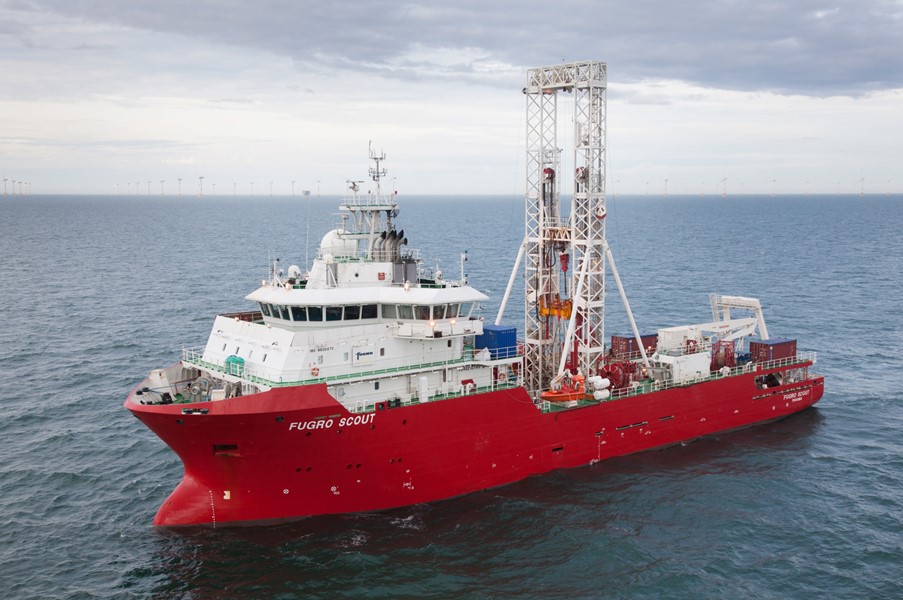
 Fugro has been awarded a contract to perform comprehensive geotechnical surveys for the eastern array of the Dogger Bank South (DBS) offshore wind farms, a major initiative led by RWE and Masdar to develop one of the UK's most powerful offshore wind energy projects. The detailed investigations will provide data on subsurface conditions at planned wind turbine locations, inter-array cable routes, and platform foundations, directly informing the safe and efficient design of the wind farms.
Starting in mid-May, Fugro will mobilise multiple geotechnical vessels to carry out the fieldwork 122 km off the northeast coast of England. This will include a range of techniques such as cone penetration tests (CPTs), vibrocores, and sampling boreholes. To ensure robust and rapid collection of deep seabed data, Fugro will use its advanced SEACALF® MkV Deep Drive® system. This technology enhances the efficiency and reliability of seabed investigations, contributing to faster project delivery and reduced environmental impact.
The project will also use VirGeo®, a collaborative cloud-based Geo-data platform, to centralise project information and streamline data delivery to all stakeholders.
Colin McAllister, Development Project Lead for DBS offshore wind farms, stated: “This year’s site investigation at the eastern array builds upon similar work completed at the western array in 2024. The level of detail obtained from these surveys is crucial in developing the most effective foundation designs for each location. The DBS projects are critical infrastructure projects and have the potential to supply 3 million homes with 3 GW of offshore wind generation capacity, supporting the UK Government’s clean power ambitions.”
John ten Hoope, Fugro’s Regional Business Line Director for Marine Site Characterisation in Europe and Africa, commented: “We are proud to continue our work on the Dogger Bank South offshore wind farms. Our detailed geotechnical investigations will provide a comprehensive understanding of the seabed conditions, crucial for the project's success. This ongoing collaboration underscores the trust RWE and Masdar place in our capabilities and highlights our commitment to advancing these significant renewable energy projects.”
This contract builds on previous work Fugro has completed for the DBS offshore wind farm including preliminary geophysical and geotechnical investigations, a shallow geotechnical survey on the export cable route, and a detailed geotechnical investigation of DBS west.
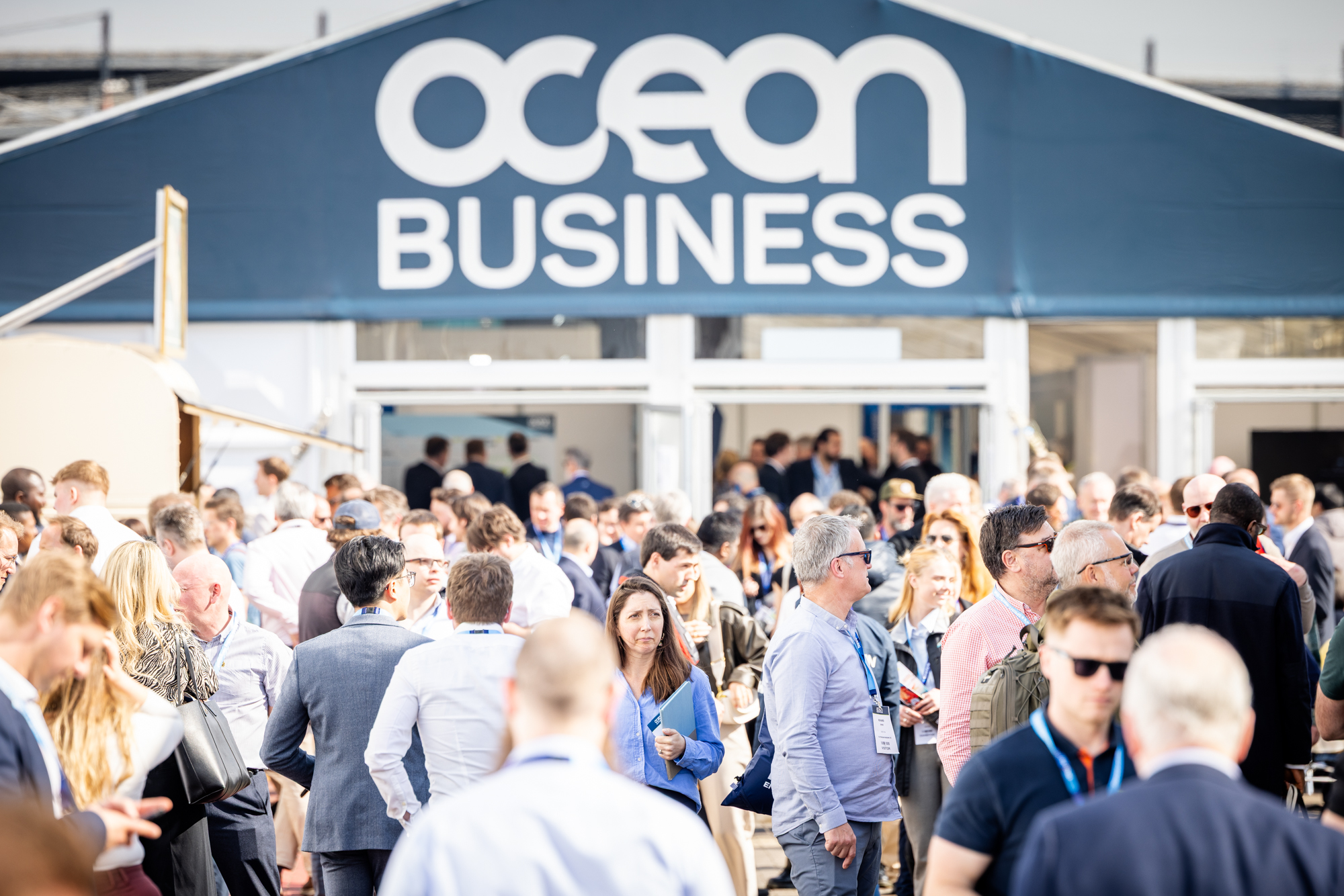
Record breaking Ocean Business 2025 is ‘best yet’!

The ocean science and technology world descended on Southampton in record numbers in early April for the biggest and busiest ever edition of Ocean Business.
Crowds of more than 10,650 - 23% up on Ocean Business 2023 - gathered at the National Oceanography Centre (NOC) over three days of game-changing innovation, exciting product launches and quayside demonstrations as Ocean Business 2025 welcomed visitors from more than 80 countries to the Solent.
Across the expanded exhibition space and action-packed dockside, deals were done, new partnerships forged, existing relationships reinforced and networks extended.
‘The best one yet,’ said Graeme McGhee of Scorpion Oceanics. ‘Head and shoulders above other expos,’ said Stuart Howard, founder of Kuro Animation. ‘So many visitors from the very beginning and amazing conversations on all three days,’ said Chris Wallace of Verlume.
The atmosphere fizzed with glimpses of the future but it all started with a dive into the past as keynote speaker Mensun Bound held his capacity audience rapt with tales from the 2022 international quest to locate Ernest Shackleton’s ship Endurance.
As the director of exploration on the Antarctic expedition, Bound recalled the moment when, with cutting edge Saab Seaeye Sabertooth ROVs and top subsea experts, they located the ship, preserved in the ice for 117 years, at a depth of 3,000m.
‘It was obviously something man-made,’ he said, ‘and the only man-made thing in the Weddell Sea was Endurance.’
Later in the show, Voyis Imaging explained how it helped recreate a high-resolution 3D model of the Endurance, deploying its Insight Pro Underwater Laser Scanner and the Observer Pro Imaging System.
Sister company Sonardyne also supported the Endurance mission, with its underwater navigation and positioning technology Sprint-Nav, and at Ocean Business it launched Sprint-Nav U for compact marine robotic platforms.
Sonardyne Marine Robotics Business Development Manager Aidan Thorn, who has been involved with Ocean Business for 20 years, said this year was the best yet: ‘The interest in our new Sprint Nav-U was fantastic, being able to launch the product at OB has expanded our reach to potential new customers and having on-water demos shows credibility in our product in action.’
He also engaged with the next generation of scientists, engineers and innovators at Ocean Careers, telling them that ‘a career in the marine industry increasingly means a career working with robots’.
Teledyne generated much excitement with the launch on day one of its compact navigator, the world’s ‘smallest and highest performing, fully integrated autonomous navigating solution’.
‘We couldn’t have asked for a better show launch, customers are loving the navigator and we’ve had so many existing and new contacts coming onto the stand,’ said Marketing Manager Guy Frankland.
Other news and launches included Planet Ocean announcing a collaboration with Sonardyne International, resulting in the successful integration and deployment of three gold standard instruments from its reseller partners, Sea-Bird Scientific, Sequoia and 4H-Jena.
Geo Acoustics launched its new Side Scan Sonar, which attracted enquiries from as far afield as Dubai, China, India and Italy; and RS Aqua, which announced a new UK distribution deal for US company SRS’s Fusion Hybrid ROV, said it was ‘still riding the wave after catching up with our partners, customers and old and new faces!’ at Ocean Business.
With more than 350 exhibitors plus over 180 hours of training and demonstrations on the dockside, on board vessels and in the classroom, this year’s show offered insights into everything from R3Vox’s Voxometer, described by chairman Jens Steenstrup as a super advanced acoustic platform that does what multi-beams used to do ‘but on steroids’; to Hydrophis, a ‘revolution’ in analysing underwater survey data, unveiled by Scottish firm Tritonia.
Some 24 companies shared space at the Canadian pavilion, seen as an economical way to meet everyone in one place and access markets around the world.
‘We’d like to bring even more next time,’ said Shelly Petten, Executive Director of Oceans Advance, who has been coming to the show for 18 years, representing Newfoundland and Labrador.
‘Canada is an export nation and the hope is to grow Canadian exports. We have a long trading history with the UK and, given the current US tariffs, we’re encouraging customers to target the European markets more.’
Cathy Williams, at the Atlantic Canada Opportunities Agency, added that Ocean Business is considered an anchor event for Canada. ‘We are well established at the show so the ocean tech world knows the best and brightest of our companies will be here.’
Exhibiting for the first time, meanwhile, Curtis Lee of Shenzhen headquartered QYSEA was delighted with the response to the company’s fish-shaped Fifish underwater robot, on display in the test tank to show off its hydrodynamic properties.
‘It’s a very relevant show for us with a very international draw. We’d seen in recent years our competitors and partners here so decided to come ourselves and have found the quality of the leads and the demand for our product has been very strong.’
Alongside the exhibition and demonstrations, speakers and expert panels drawn from across the sector shared ideas to help shape the future of ocean technology.
Dr Louise Butt of the Space South Central Enterprise Network spoke of the huge increase in maritime users of space technology, in particular with AI driven satellites. Over the next ten years, non-geostationary orbit satcomms is expected to surge from 20% to 90% and the number of vessels using at least one satcomm service will double, to 90,000.
And at the Doing Business with Defence session, the first event to be held in the NOC’s new Innovation Hub, Claire Budden, Deputy Director of Navy Commercial, spelt out the opportunities in the supply chain, with around £32 billion a year spent on defence contracts, likely to ‘accelerate rapidly’ as the government commits to spending 3% of GDP on defence in the next parliament.
Helping make Ocean Business a triumph was the Society of Marine Industries (SMI), whose chief executive, Tom Chant, said the exhibition ‘has long been a standout event on the industry calendar, and this year’s show proved exactly why’.
‘The ocean technology sector is at the heart of today’s most pressing challenges — from renewable energy and environmental monitoring to the growing role of sensors and autonomous systems in defence. The aisles were buzzing with activity, and the exhibitors were busy from dawn to dusk.’
Madeline Lee, Chair of Marelec 2025, held alongside Ocean Business, described the events as ‘dynamic’, with ‘creative, audience-interactive presentations’.
‘These included engaging talks and posters from students and early-career professionals, who showcased a wide range of innovations in marine electromagnetics – from magnetic navigation to controlled source EM imaging of rift-margins. We hope attendees left with valuable insights and connections to support their work.’
Show organiser Cheri Arvonio said Ocean Business 2025 had exceeded all expectations: ‘The team have been totally blown away by all the incredible feedback and we’re very proud to have created such a special show for the ocean community.
‘It was wonderful to see so many friends, Ocean Business regulars and emerging talent, reflecting the rapid pace of development in the industry.
‘For all three days there was a real buzz, inside and outside the main exhibition spaces, and with the added bonus of glorious sunshine!’
Ocean Business 2027 will take place at the National Oceanography Centre, Southampton, from April 6-8.

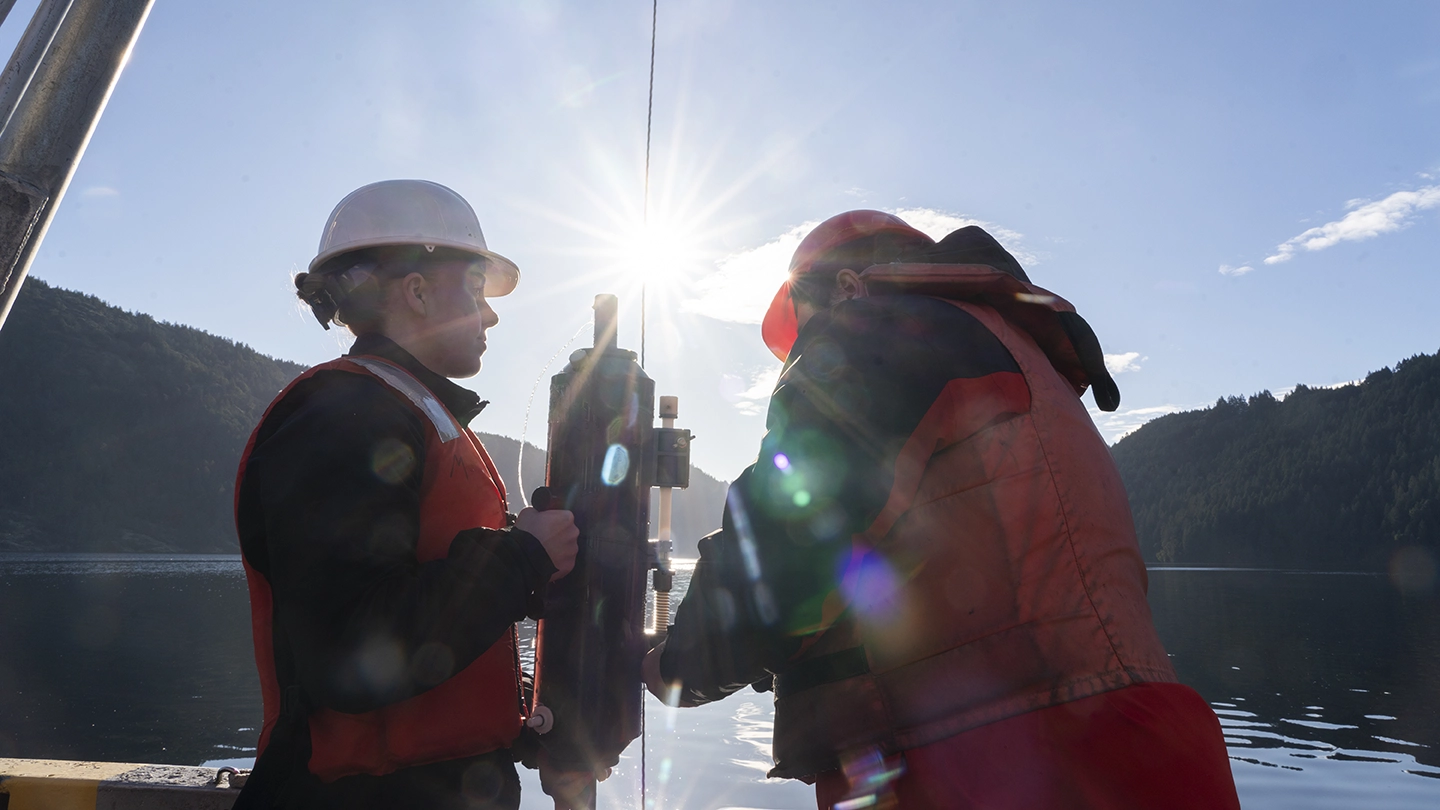
COAST and the University of Victoria Launch the BC Marine Energy and Decarbonization Hub
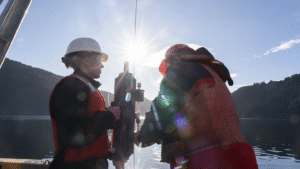 In a significant stride for the Canadian clean energy transition, two leaders in British Columbia’s ocean innovation sector have announced a joint initiative today that forges brand new pathways for the development and commercialization of cutting-edge marine renewable energy and decarbonization technologies in British Columbia.
The BC Marine Energy and Decarbonization Hub (the Hub) is a core initiative of COAST, Pacific Canada’s hub for the sustainable blue economy, delivered in partnership with the University of Victoria. The Hub is the culmination of three decades of community-centred clean energy research and innovation conducted at the University of Victoria by the Institute for Integrated Energy Systems (IESVic), Pacific Regional Institute for Marine Energy Discovery (PRIMED) and Accelerating Community Energy Transformation (ACET).
Recognizing both the hurdles and opportunities at the heart of Canada’s effort to decarbonize the ocean sector, these partners have joined forces to amplify their capacities and create new opportunities for high-impact ocean innovation.
Ultimately, the Hub stands to pave the way for a new wave of decarbonization technologies to take hold in British Columbia and Canada—which in turn will empower a rising class of ocean entrepreneurs to find new opportunities for innovation and improve outcomes across the board. As a result, the Hub will serve as a catalyst for new job creation and regional economic development, expanding the reach and deepening the impact of Canada’s clean technology industries.
The Hub leverages existing infrastructure and capacity to offer ocean sector companies the opportunity to test and demonstrate technologies in coastal and marine test sites related to:
• Marine renewable energy capture.
• Energy integration and management, including energy storage and grid integration technologies.
• Innovative distribution and/or uses of energy including production, storage and transmission of clean fuels.
As deadlines for Canadian emissions reduction and net-zero targets loom, it is a national imperative to create accessible pathways for the creation and adoption of renewable marine energies. However, the development of marine renewable energy alone is insufficient to comprehensively decarbonize Canada’s ocean industries.
The systems and supply chain surrounding ocean sector activities must also evolve: from storage capacity to energy distribution, maritime decarbonization must complement renewable energy development. To facilitate engagement with the most apt technologies, the Hub will issue Innovation Challenges in partnership with key regional stakeholders. Companies will respond to these calls for innovation and propose their technology as a potential solution. The first of these challenges will be issued in late 2025.
The BC Marine Energy and Decarbonization Hub is unique in that it seeks to address both aspects of this challenge, yielding complementary solutions with potential for integration all along the complex marine supply chain. British Columbia offers an ideal location for this effort, with the country’s largest maritime industry, the longest coastline of any province and over 70% of its population located in coastal areas (Province of BC, 2022).
Funding for the Hub comes from the federal (Pacific Economic Development Canada) and provincial government (BC Ministry of Energy and Climate Solutions) as well as the RBC Foundation, and will support the Hub's establishment and operation for four years (2025-2028). During this time, the Hub team will maintain and evolve crucial assets that support resource assessment, innovation and commercialization, project planning, stakeholder engagement and knowledge dissemination.

The Hydrographic Society UK & Ireland (THS:UKI) will be hosting HYDRO 2025 on behalf of the International Federation of Hydrographic Societies (IFHS)

This 3-day conference and exhibition brings together the international hydrographic community along with manufacturers and service providers to share experiences, knowledge, and innovations within the hydrographic and related industries.
The format of the HYDRO conference series includes an extensive conference programme with workshops, user seminars, and boat demonstrations running in parallel, as well as a fantastic exhibition.
THS:UKI look forward to welcoming you to the Rum Warehouse, Titanic Hotel, Liverpool, UK on 28-30th October 2025.
Delegate tickets are currently at the early-bird rate and available to purchase on THS:UKI website, here: HYDRO 2025 - The Hydrographic Society
All sponsorship and exhibition details can be found, here: HYDRO 2025 - The Hydrographic Society
The organising committee of HYDRO 2025 is pleased to invite you to submit an abstract for proposed presentations at the conference. We hope you will share your experiences and present your innovative ideas and technologies. Presentations focusing on innovation, applications and those featuring case studies would be of particular interest
Further information can be found, here: HYDRO 2025 - Call for Papers
Please return your booking forms to [email protected] to secure your space today!
NOC and Royal Navy renew MOU on autonomous maritime capabilities
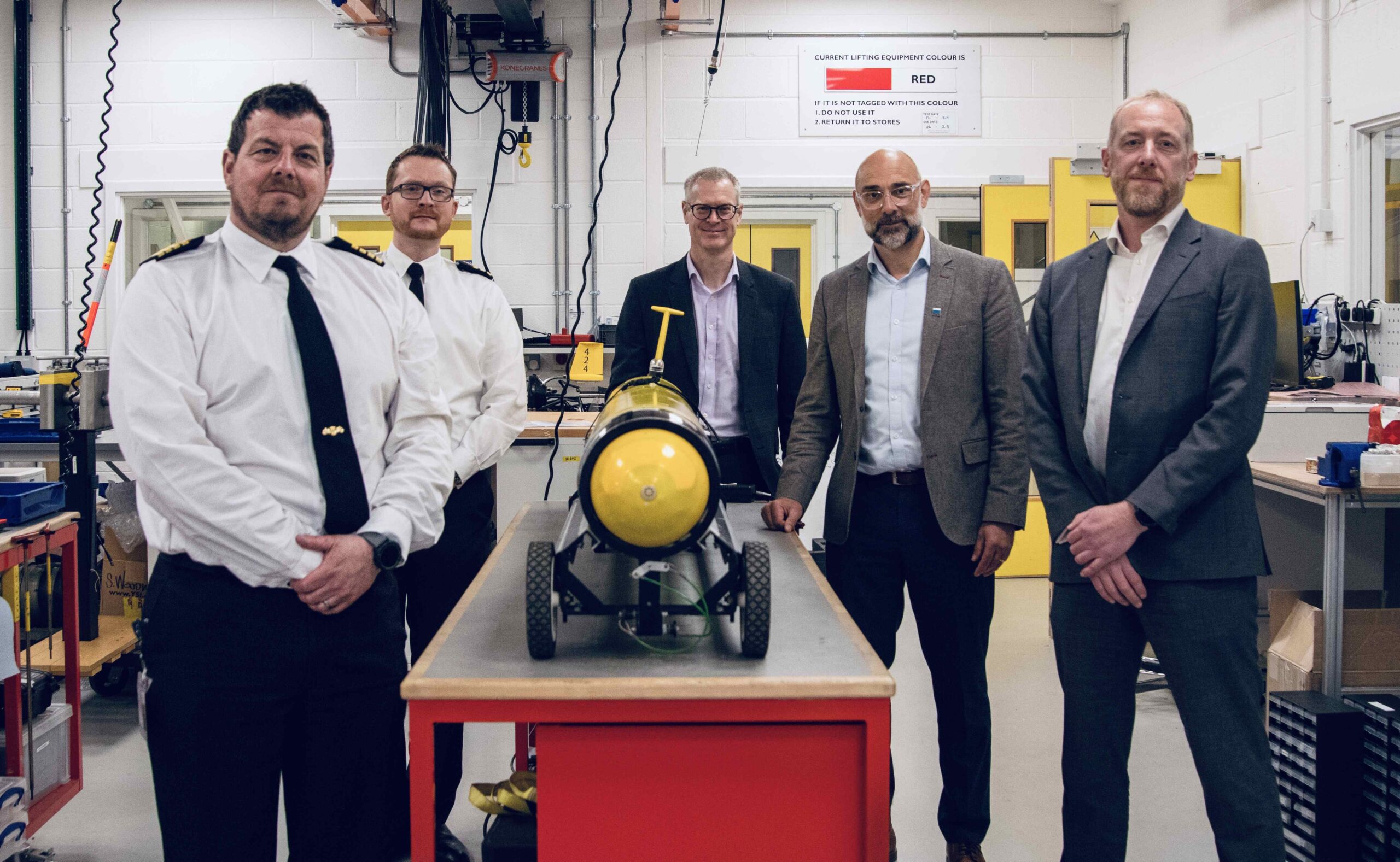
 The UK's National Oceanography Centre (NOC) has renewed a memorandum of understanding (MOU) with the Royal Navy, reinforcing a long-standing partnership in marine science and technology.
The MOU, which includes collaboration with the Defence Science and Technology Laboratory (Dstl), the Ministry of Defence (MOD)’s science and technology organisation, underscores a shared commitment to fostering innovation and advances in autonomous and robotic underwater systems.
With expertise from NOC Innovations, the applied research and commercialisation arm of NOC, the agreement will help enhance the UK’s leadership in marine science and technology.
A ceremonial signing took place during the Ocean Business conference and exhibition at NOC in Southampton in April this year.
“This agreement reflects our mutual dedication to harnessing cutting-edge autonomous technology for the benefit of marine science, industry, and national security,” said NOC Chief Executive Dr John Siddorn. “NOC Innovations is proud to continue supporting the Royal Navy in its efforts with our world-leading expertise in marine science and autonomy.”
“This MoU renewal cements our strong partnership with NOC, allowing us to explore new technological frontiers in autonomy that will help to modernise our operations and ensure that the operational decisions we make are based on the most up-to-date environmental data,” said the Royal Navy’s Captain Jim Lovell, Captain Jim Lovell - Navy Develop – Head of Underwater Battlespace Capability.
“The partnership will also support the Royal Navy’s training and operational readiness, leveraging NOC’s expertise in deploying autonomous platforms.”
Dstl’s Chief Executive Dr Paul Hollinshead said, “The partnership with NOC and the Royal Navy demonstrates our commitment to collaborative development of autonomous maritime capabilities. By combining Dstl's scientific expertise with NOC's marine autonomy knowledge, we're accelerating the development of underwater technologies that provide clear operational advantage for UK defence.
“Together, we're strengthening the UK's position at the forefront of sustainable oceanographic science and technology and ensuring our armed forces have access to the most advanced autonomous systems and environmental data for effective decision-making in complex maritime environments.”
Since the first MoU was signed in 2014 and subsequently renewed in 2021, the collaboration has supported a number of initiatives helping the UK expand its ability to develop ocean solutions and conduct advanced marine scientific research.
This includes facilitating a wider scope of collaborative projects and information sharing, while also exploring net-zero operations, positioning the NOC, the Royal Navy and Dstl at the forefront of sustainable oceanographic science and technology.
The partnership aligns with national and international initiatives, including the G7 “Future of the Seas and Oceans” programme.
NOC is a leader in marine autonomy with extensive expertise in developing and operating autonomous underwater vehicles including underwater gliders, the centre’s Autosub range, remotely operated vehicles and other robotic systems used for ocean exploration and research.
These innovations are critical to under-ice operations, deep-sea exploration and for national security applications.
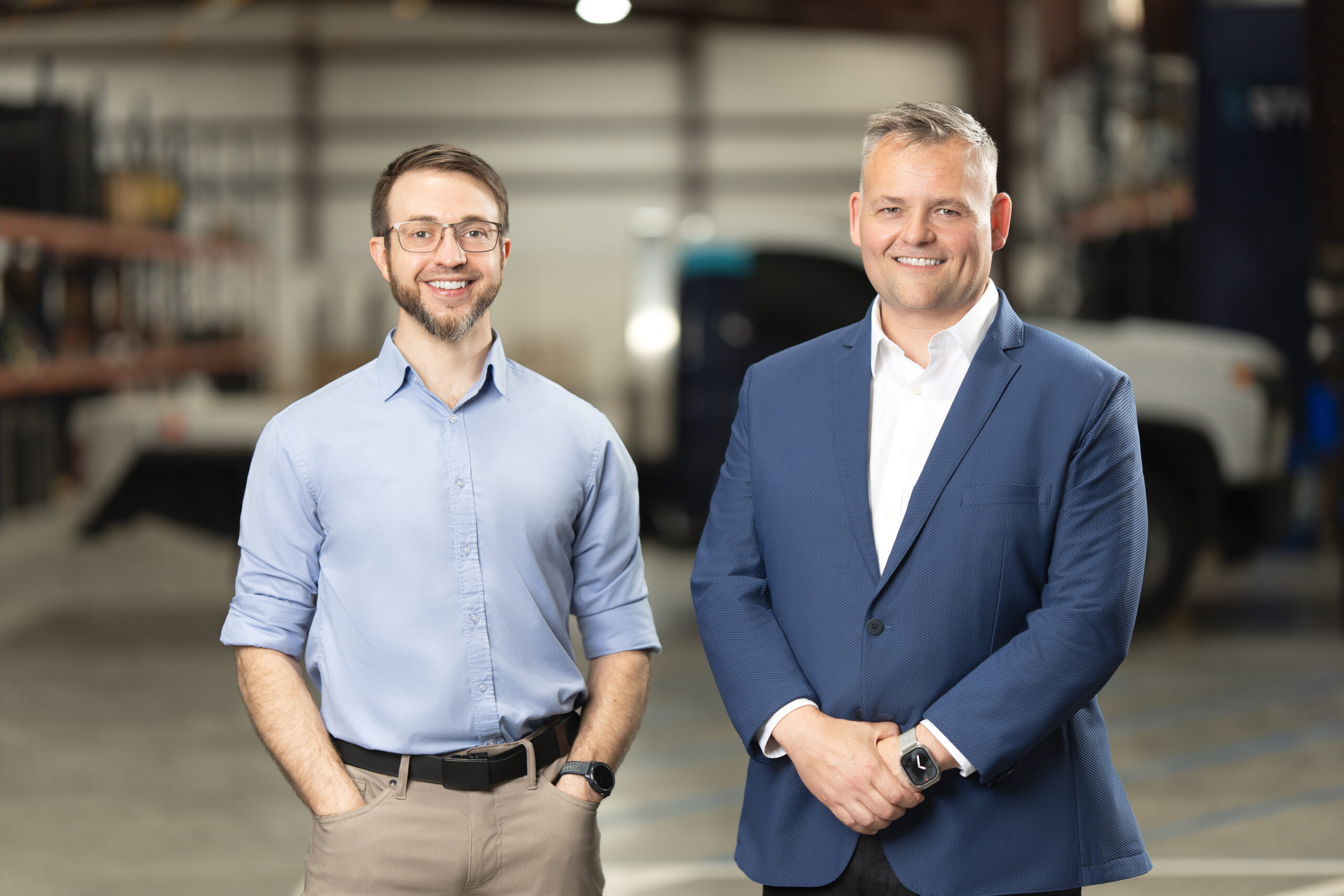
STR has strengthened its global technology and service offering by signing an exclusive technology and service partnership with SubC Imaging
 STR, a leading provider of advanced sensor technology and solutions for marine applications, has strengthened its global technology and service offering by signing an exclusive technology and service partnership with SubC Imaging, an original equipment manufacturer (OEM) of subsea cameras, digital video recorder products and data-as-a-service provider.
The agreement is in response to increasing industry demand for enhanced optical solutions and real-time inspection data of critical infrastructure across the oil & gas, offshore wind, marine science, power & comms and defence markets.
The new technology and service offering will be managed through STR’s global network. It will combine STR’s in-house camera systems, cathodic protection (CP), flooded member detection (FMD) equipment and inspection service offering with SubC Imaging’s leading camera systems, digital video recording (DVR) products, lights and lasers, and real time data streaming service.
The partnership will provide clients with complementary state-of-the-art product and inspection service offering for use on manned and unmanned platforms and vessels.
Steve Steele, STR CEO, said: “This is a significant partnership for us as part of our commitment is to provide clients with the very best sensor, inspection and data solutions through technology and service quality. This collaboration enables us to direct opportunities toward one another, where appropriate, and focus on the best optical and inspection solutions for our clients. We look forward to building a strong working relationship with Chad and his world-class team.”
Chad Collett, SubC Imaging CEO, said: “This partnership reflects SubC Imaging’s commitment to making advanced optical and data solutions more accessible to the global offshore market. STR’s rental expertise and strong international presence align perfectly with our goal of delivering flexible, high-quality technology that helps clients improve efficiency and data quality in the field.”
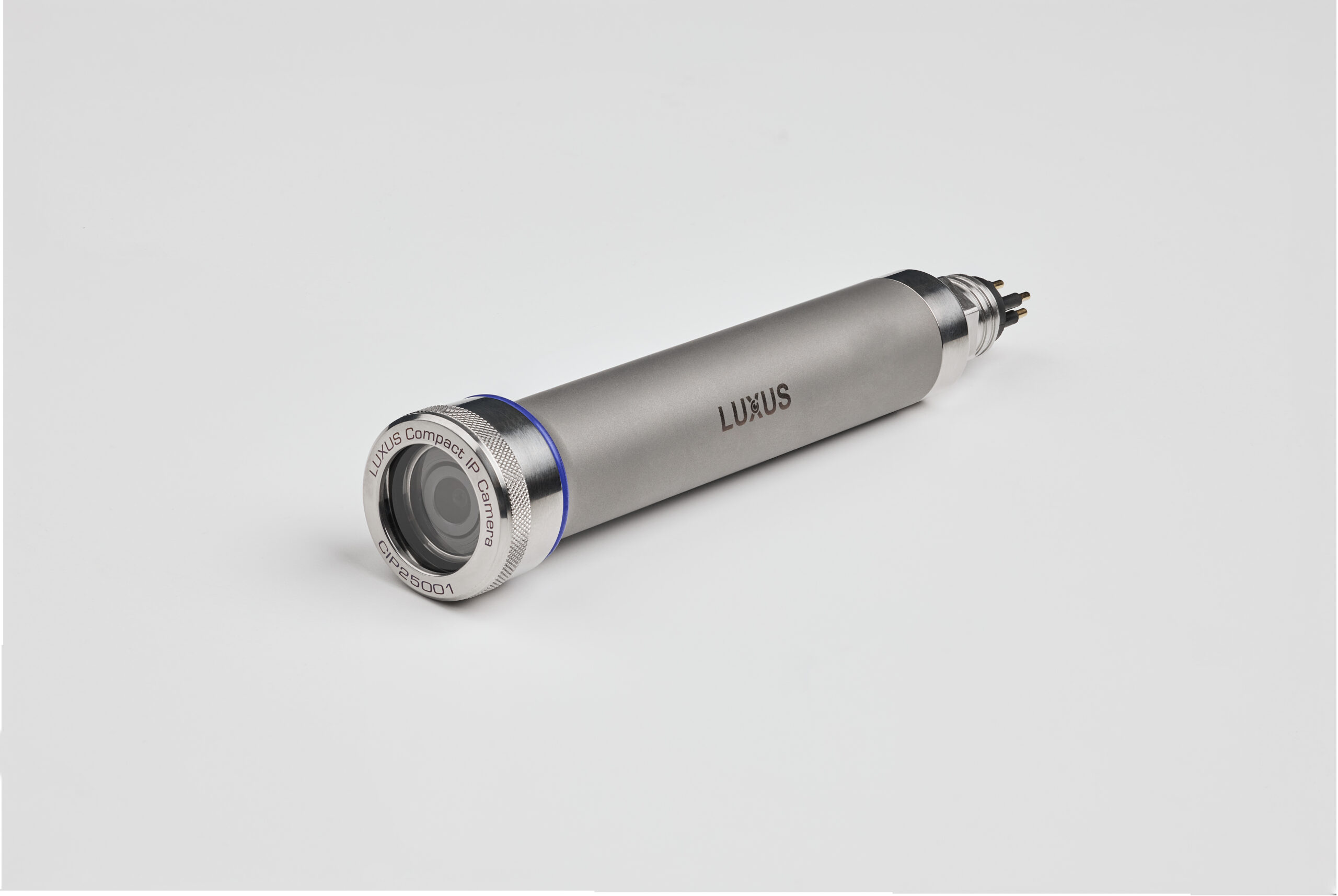
MacArtney introduces new and powerful LUXUS Compact IP Camera
We are thrilled to launch the LUXUS Compact IP camera, our latest innovation in underwater imaging technology. Small, robust, and easy to integrate, it is designed to meet the diverse needs of professionals across various industries.
The new LUXUS camera introduces IP capabilities, enabling direct network connection for remote viewing and management. This feature enhances versatility, simplifies integration into various systems, and improves usability in diverse underwater applications. A 12-24 VDC supply powers the camera and consumes only 3.5 W, making it energy-efficient for prolonged use.
"We are proud to introduce the LUXUS Compact IP camera, developed to meet the diverse needs of our customers. Its compact design is perfect for space-constrained applications, and its flexibility makes it an ideal choice for a broad range of users, including divers, civil engineers, and operators of ROVs and mounted templates," says Ron Voerman, Managing Director with MacArtney Benelux.
Small footprint, high performance
The increasingly streamlined design of underwater technology solutions demands advancements in instrumentation, equipment, and systems development. A primary focus during the development of the new camera was creating a compact housing without compromising performance, which MacArtney's skilled engineering team achieved with innovative design techniques.
Compared to previous models in the LUXUS range, the new Compact IP camera stands out with its smaller size and IP feature, offering enhanced integration capabilities and improved performance. The camera features a 1/2.8" Progressive Scan SONY STARVIS CMOS sensor, providing a resolution of 1920x1080 at 25fps (2mp).
The LUXUS Compact IP camera offers a horizontal angle of view of 95.0° in air and 72.0° in water, with a focus length of >0.5m (F2.0). It supports multiple control options, including ONVIF (S), and features fully automatic or manual gain and exposure settings. The camera's minimum illumination is 0.05 Lux, ensuring high-quality imaging even in low-light conditions. The housing is sandblasted titanium for enhanced durability and corrosion resistance, consistent with the other cameras in the LUXUS Compact range.
Positive user feedback
 "Feedback from early users has been overwhelmingly positive. Users have praised the camera for its ease of installation, compact size, and precise image quality," states Ron. “The standard depth rating of 4000 metres and the low power consumption are highly appreciated features, and the Subconn® Micro connector ensures compatibility with existing systems.”
The long-term goals for the LUXUS range include launching a small LED and IP camera with a higher data rate, superior image quality, and a
TrustLinkTM connector as standard.
The LUXUS Compact IP camera is ready for immediate deployment and is available from stock. For more information, please get in touch with your local MacArtney operation.
The Benelux operation
Established in 1998, MacArtney Benelux boasts an experienced and trained team led by Managing Director Ron Voerman. In 2022, the operation relocated to modern administration and technical facilities in Maassluis, near Rotterdam, a significant industrial and technological hub. The operation supports the markets in the Netherlands and Belgium.
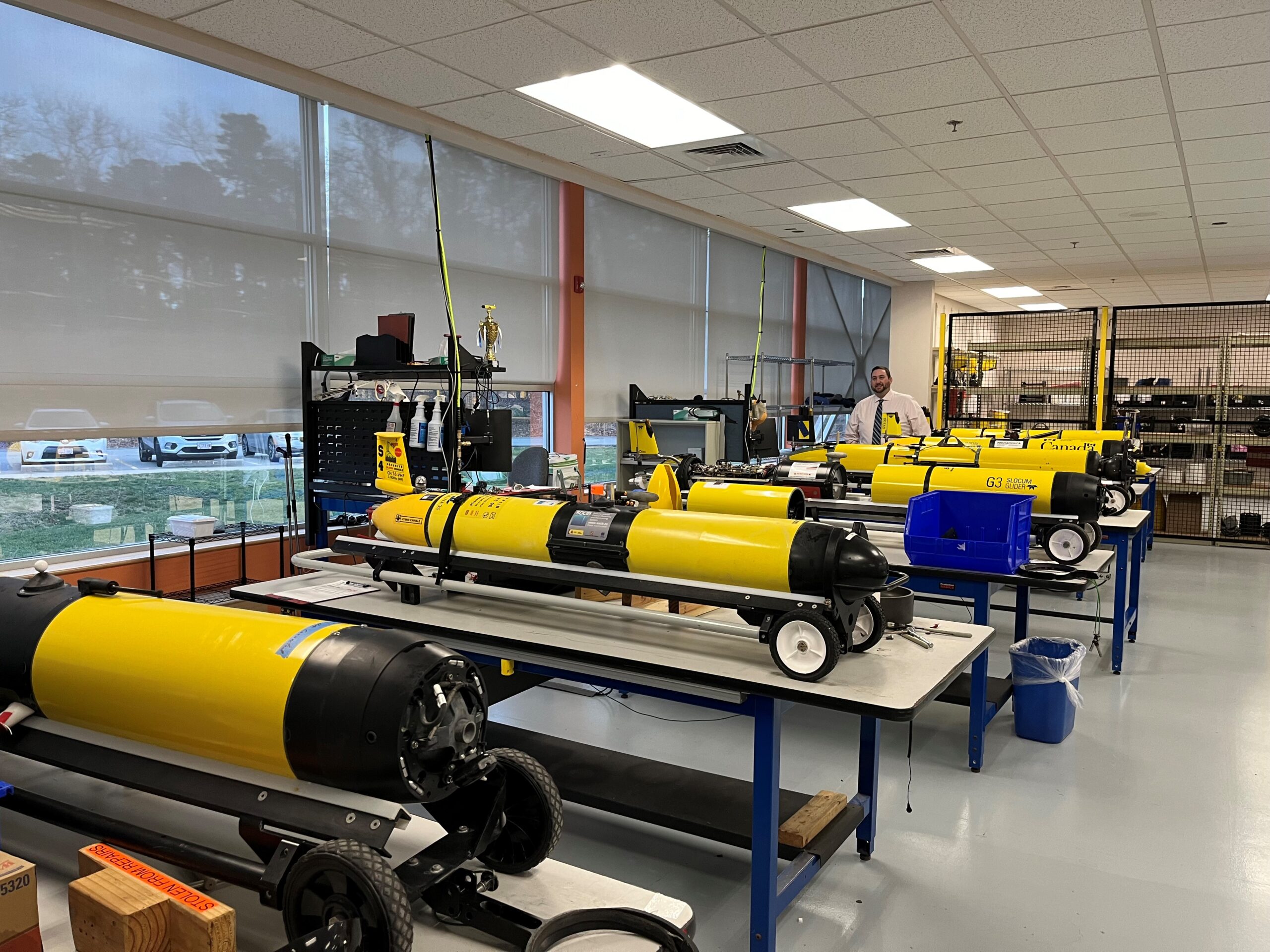
Teledyne Marine – Vehicles Unit Expands Customer Service and Support
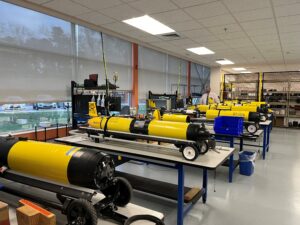 Teledyne Marine is excited to announce major advancements in customer service and support with significant investments in facilities, personnel, and global service locations.
Key highlights of this expansion include:
• Enhanced facilities and staff in Kopavogur, Iceland
• New AUV Repair Center in North Falmouth, Massachusetts
• New Service Center at Teledyne Raymarine in Fareham, England
• Expansion of the field engineering team
The demand for cutting-edge marine technology is on the rise, especially for applications in defense, security, oceanographic research, and environmental monitoring. Autonomous Underwater Vehicles (AUVs), gliders, acoustic underwater communications, and profiling floats are becoming indispensable work horses for these applications. Teledyne Marine is stepping up to meet this demand by delivering innovative solutions and prioritizing faster, more efficient service to optimize system availability, usability, and return on investment (ROI).
Facility Expansions: In August 2024, Teledyne Gavia, a world-class manufacturer of AUVs, significantly expanded operations in Kopavogur, Iceland. New facilities, additional staff, and the appointment of a Gavia Service & Support Manager address growing demand for both compact Gavia systems and larger Osprey and SeaRaptor AUVs. These upgrades reduce lead times, enhance production capabilities, and improve customer service efficiency.
North American Growth: Recognizing the increasing need for support in North America, Teledyne Marine opened a dedicated AUV Repair Center at its North Falmouth, Massachusetts facility. This center ensures faster repairs and shorter turnaround times to keep vehicles operational and effective for customers across the region.
Expanding Support in the UK: To better serve the growing UK customer base, Teledyne Marine is establishing a service center for APEX floats, Slocum gliders, and Gavia AUVs at the Teledyne Raymarine facility in Fareham, England. Scheduled to open in Q2 2025, this site will offer repair and field service capabilities, guaranteeing top-tier, local support for UK clients.
Strengthened Engineering Team: The North Falmouth service and engineering team welcomed new members, including two Glider Field Applications Engineers, an Acoustics Sales Support Engineer, and a Profiling Float Applications Engineer. These experts bring specialized knowledge and customer-focused dedication to bolster Teledyne Marine’s service capabilities.
Brian Maguire, Marine Chief Operating Officer and Vehicles BU General Manager, said, “We’re doubling down on our investment to provide exceptional service and support to our customers worldwide. These strategic investments reflect Teledyne Marine's dedication to addressing the evolving needs of our growing customer base and leaning in to make our customers successful.”
Sulmara grows global operations with three new offices and bolsters its global team by 25%
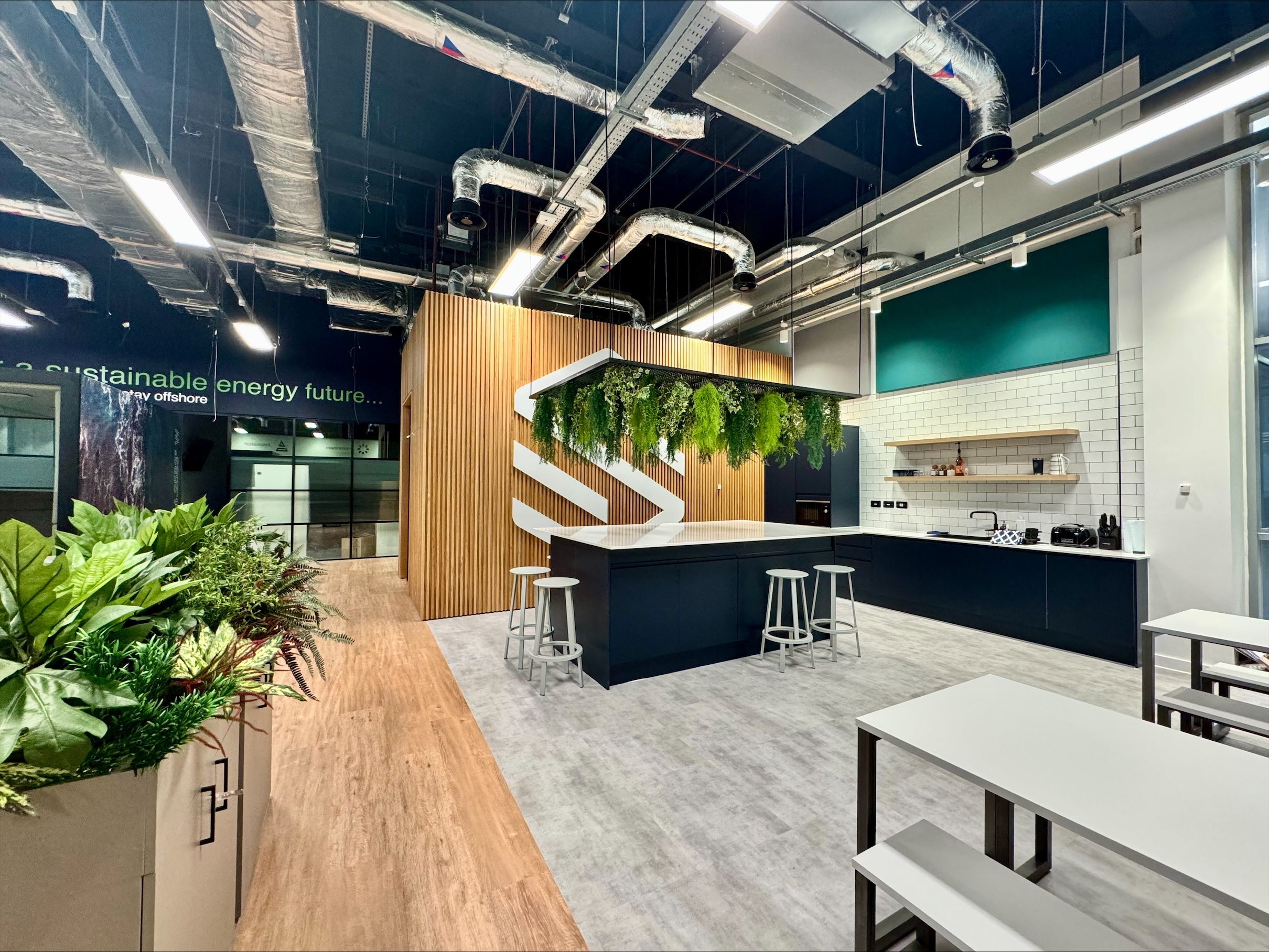
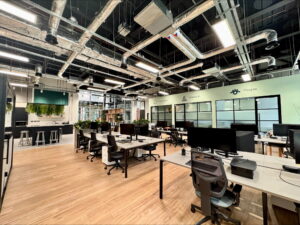 Leading independent subsea survey and inspection company Sulmara has reinforced its growing footprint by relocating to larger premises in Glasgow and Taipei, and opening a brand new office in Norwich, to support a global team which grew by 25% over the last year to 250 employees.
Sulmara’s new offices are located closer to key industry hubs, strengthening the firm’s ability to support local clients and projects. This includes bringing the company, which also has offices in Aberdeen, Singapore and Houston, closer to key suppliers who play a vital role in their operations.
Kevin McBarron, Chief Executive Officer at Sulmara, said: “We are experiencing another exciting period of growth at Sulmara. These recent moves, combined with our staff growth, will allow us to expand our service lines to incorporate more innovative solutions, enhance data capabilities and bring together strong expertise from across the sector, ensuring we continue to provide high-quality solutions to all our clients.”
“The new offices enable valuable operational improvements by building on Sulmara’s in-house capabilities in data processing and reporting. Dedicated data departments have been established to ensure greater control over data quality and further support the company’s delivery of high-value marine data.”
In Norwich, Sulmara’s new office in Broadland Gate will provide direct access to a strong talent pool in the East Anglia region, benefiting the company’s
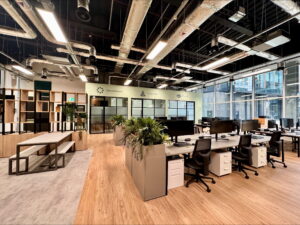
commercial and data processing teams. It will also enhance Sulmara’s ability to serve key clients in the area whilst leveraging regional expertise to continue driving innovation across their operations.
The relocation of Sulmara’s Glasgow headquarters to the city’s Atlantic Quay underpins its commitment to the region and Scotland’s renewables industry while strengthening ties with local stakeholders and regulatory bodies.
In Taiwan, Sulmara has moved to the Zhongshan District which, as well as improving proximity to several key clients, provides a high-quality working environment for the local onshore team. The offices will serve as a hub for data management and house the Remote Operations Centre (ROC) for running Uncrewed Surface Vehicle (USV) operations.
Mimi Leung, a key member of Sulmara’s Taiwan team, said: “In addition to enhancing our services, the move underlines our compliance with local regulations which require a strict survey and mapping license to conduct survey operations and manage associated data within Taiwan.”
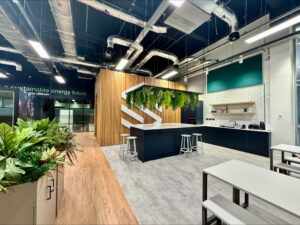 “The new Taipei City office will also provide local talent with the opportunity to thrive while supporting the development of our domestic supply chain and offshore wind industry.”
Since being founded in 2019, Sulmara has grown rapidly to more than $70m annual revenue and has seen staff numbers increase to 250, including 50 people in the past 12 months. To further support its growth trajectory, the company secured an $18.9m (£15m) investment in late 2024 from BGF, one of the largest and most experienced growth capital investors in the UK and Ireland.