SCS Ltd. signs distributor agreement with Blueye Robotics AS.
Subsea Commercial Services Ltd. (SCS) is proud to announce the securing of the exclusive Scottish distribution rights for Norwegian ROV manufacturer Blueye Robotics AS.
Founded in 2015, Blueye has its roots in the highly renowned Centre for Autonomous Marine Operations and Systems (AMOS) at The Norwegian University of Science and Technology. With over one thousand ROVs delivered to more than 50 countries worldwide, Blueye’s product offering is proven, very capable and technologically extremely evolved.
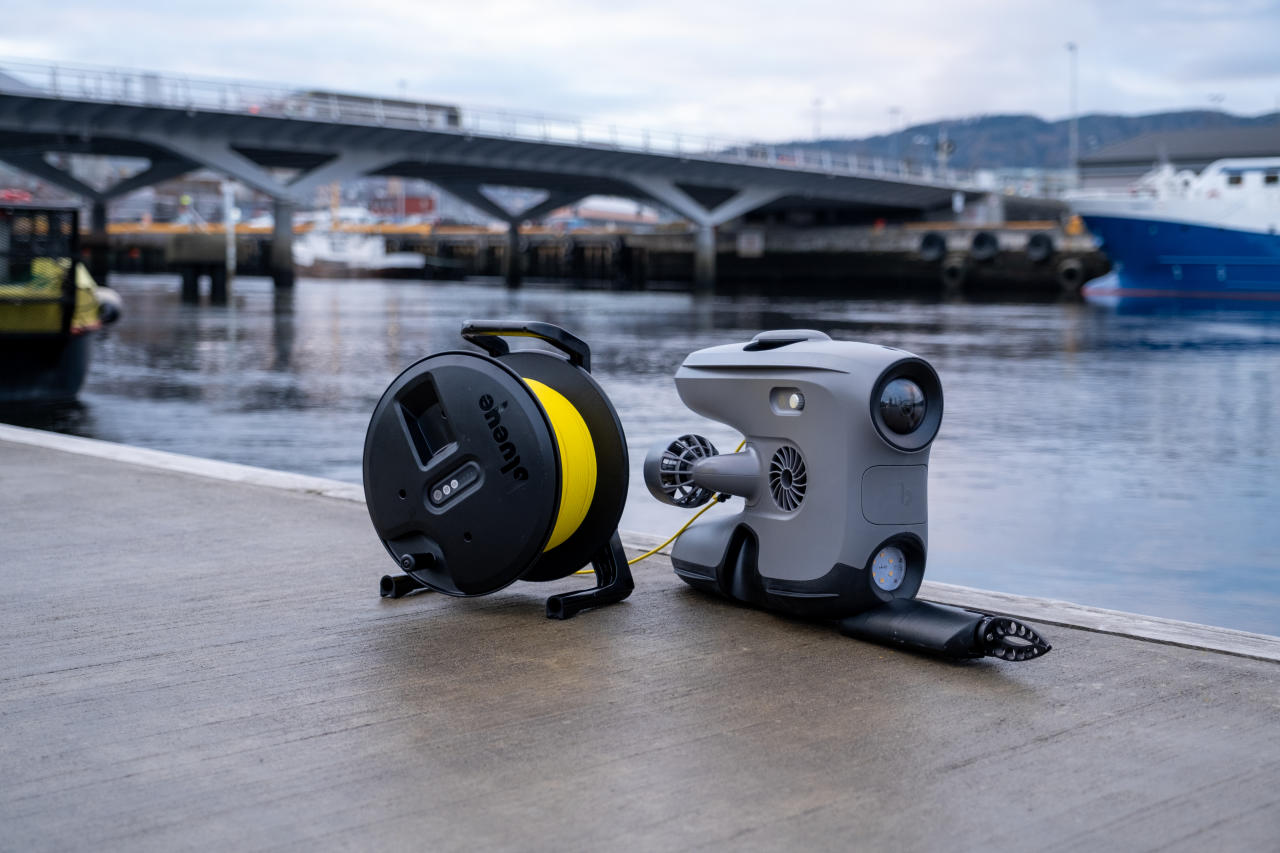
Callum Magee, SCS’s Managing Director, leans on his years of small ROV experience when stating: “Blueye has nailed it! If you wrote down a list of the limitations and frustrations involved in Mini-ROV operations, the Blueye X3 ROV removes everything on that list. For me, the integration of hardware and software sets the X3 apart. The lack of traditional ROV topside, enabled by networked devices and downloadable piloting, viewing and reporting software, coupled with the vehicle’s power and payload capabilities, make it’s the complete package”.
Deployed in underwater remote visual inspection and survey applications, the battery powered X3 is equipped with work enabling sensors, manipulators, sonars and positioning systems from a range of leading manufacturers. The X3 has no topside case or cables, with the ROV benefiting from an integrated Wi-Fi and Bluetooth hub which enables viewing and recording on personal devices. The vehicle is piloted via a wireless handheld controller, reducing risk and increasing flexibility on work sites, remote locations and vessels.
Christian Gabrielsen, CEO of Blueye is enthusiastic about the relationship: “We see Scotland as a key geographical region and are delighted to have teamed up with SCS. They have a great deal of experience and an extensive network in our primary market sectors and we’re looking forward to supporting their efforts in developing the Scottish market”.
SCS is organising a client roadshow across Scotland during the second half of November 2022 with live demonstrations of the X3 available upon request. Please contact SCS to book your time slot. SCS will also be exhibiting the X3 and other subsea solutions at Subsea Expo, February 2023, Aberdeen, Scotland.

IMAGE Project with Voyis, Cellula Robotics Ltd., Shift Environmental Technologies Ltd. and Fisheries and Ocean Canada
Voyis is excited to announce the development of the IMAGE project - Image Mapping & Analysis for Governance and Education, funded through Fisheries and Oceans Canada’s Ocean Management Contribution Program (OMCP).
This project will bring together many strong industry partners: Voyis, Cellula Robotics Ltd., and Shift Environmental Technologies Ltd. Together, these organizations will conduct Autonomous Underwater Vehicle (AUV)-based image mapping and interpretation of Canadian Marine Protected Areas (MPAs) to efficiently monitor, manage, and educate in ocean management.
The OMCP provides funding opportunities to eligible applicants to support marine conservation initiatives with an emphasis on outreach, monitoring and stewardship, as well as capacity building initiatives.
The Project
Marine researchers increasingly rely on remote video and images from underwater vehicles to monitor marine habitats like coral reefs, boulder fields, kelp forests, and other underwater habitats. With new high-resolution 3D data, high-speed imaging, and machine learning approaches, there is an opportunity to automate MPA surveys and use this data automatically by classifying and counting the abundance of various species over time.
Yearly datasets can be consistently collected and compared to infer environmental and population changes, possibly caused by climate change, pollution, or other external factors.
This project seeks to demonstrate that the Canadian Ocean Management can apply this autonomous monitoring approach on a wider scale. This objective can be accomplished by developing a robust commercial solution with Cellula’s Solus-LR AUV fitted with Voyis optical sensors, in addition to demonstrating surveys with local indigenous stakeholders who could become the future stewards of an MPA monitoring strategy.
The project has four main goals to be successfully completed:
- Goal 1 - Monitoring Solution Development: Design and integration of Voyis optical sensors into the Solus-LR to build an MPA monitoring and interpretation solution
- Goal 2 - Indigenous Training & Mission Planning: Engage and build the Indigenous community's technical ability to participate in marine environmental monitoring and ocean conservation planning
- Goal 3 - Survey & Analysis: Execution of survey operations and data analysis following developed mission plans
- Goal 4 - Governance & Education: Dissemination of collected data to improve education and inform new methodology and site establishment
Project Partners
Voyis will supply a laser scanning and imaging package for integration into Cellula's Solus-LR AUV to complete the first goal. Using Voyis' stills camera and LED panel, the project will improve the researcher's ability to monitor large areas of seafloor with high-resolution images and laser data with new automated image interpretation software. This high-resolution technology, combined with the new image interpretation software, will improve the localization of seabed features for future data comparisons using optical navigational aiding algorithms.
Solus-LR is a hydrogen fuel cell powered AUV with a submerged range of over 2,000 km. Solus-LR was developed by Cellula for Defence Research Development Canada under the Arctic all domain situational awareness program. Cellula will integrate the Voyis camera system and plan and execute the MPA survey missions.
To achieve the second project goal, Shift Environmental Technologies Ltd. will leverage its existing First Nations relationships to facilitate training of the indigenous community on AUV survey operations and gain input on selecting survey locations.
With the first two goals completed, Vpyis will be able to achieve the third one and complete the survey and data analysis, which will rely on all project partners working together.
And for the fourth outlined goal, an educational organization will join the consortium to build on its world-leading contributions to monitor remote MPAs. Along with Fisheries and Oceans Canada, they will use the high-resolution wide-area datasets collected in the project to drive improvements in ocean education programs, governance, and monitoring methodologies.
Contact Voyis to learn more about this project and all our environmental monitoring capabilities.
Video of DyeTector in Operation in Caspian Sea
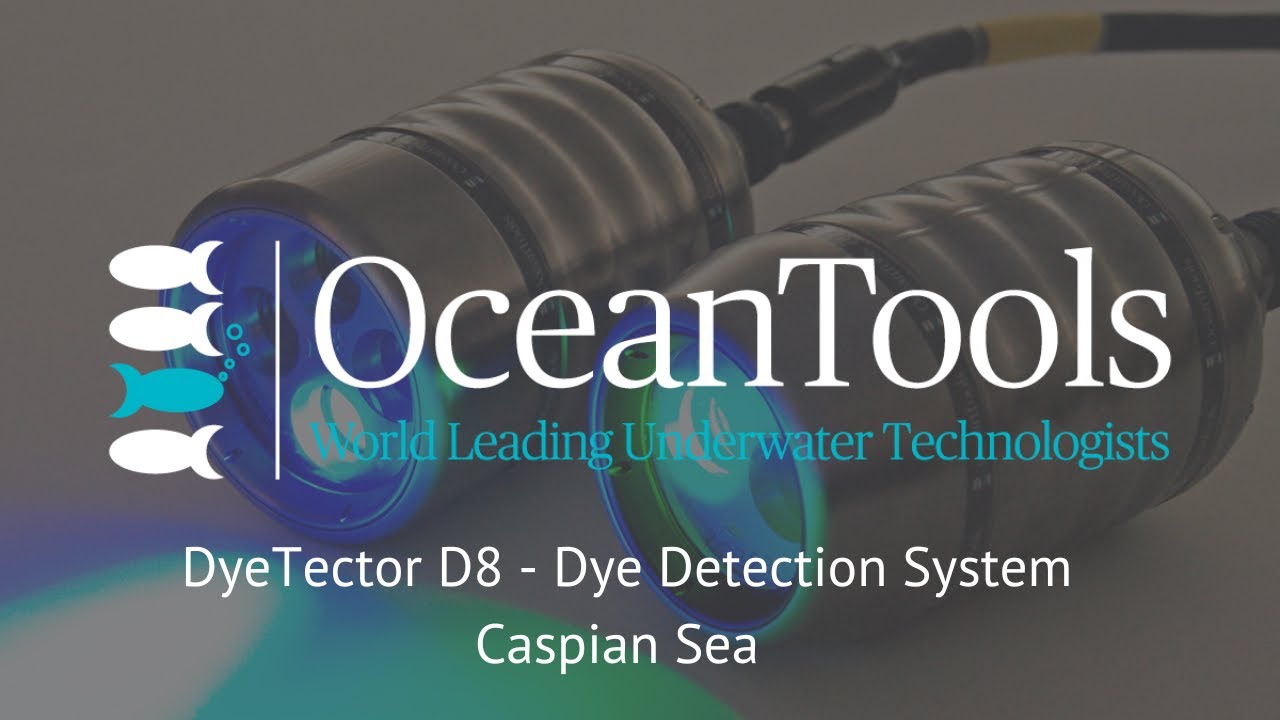
OceanTools Ltd is delighted to share video footage of the D8 DyeTector operating in the Caspian Sea. The footage provided by their customer UBOC in Baku shows the discharging of the 20” pipeline hydro test water at a depth of 60m. A successful leak test was undertaken at stable pressure and temperature. Shown in the video is the purge of the dye solution from the pipeline, carried out to check the correct functioning of the DyeTector. The excitation of the dye is clearly visible at the point where the purge water intersects with the ray of UV light.
Brian Hector, Technical Sales Manager at OceanTools said “We worked closely with the customer to provide the best solution for their requirements with the client choosing to use the D8 DyeTector along with OceanTools C-Dye 370 UV dye. The DyeTector and C-Dye performed flawlessly together so another successful job and another happy customer!”.
The customer, Ian McLeod Commissioning Manager of UBOC said “The original intent was to dewater into a purpose-built lagoon and then transport the pipeline hydro test water away to be disposed of. The cost of the lagoon would be $1million. As we finalized the design and construction, we realized we didn’t need to add a chemical cocktail into our hydro test water but we did still require to add a sea dye.
We looked into dewatering the marine pipeline into the Caspian at landfall but the Caspian Region Ministry of Ecology and Natural Resources would not permit us to add a normal fluorescent sea dye which typically is a fluorescent green, so we had to find a clear sea dye and that is where OceanTools came to our rescue in providing not only the colourless sea dye but the ROV mounted detection equipment. OceanTools kindly agreed to supply us with a sample of the dye that was tested in Baku and found to comply fully with local rules and regulations as required by MENR. I cannot say anything but good about the advice in product selection, service, product and detection equipment supplied by OceanTools”.
The D8 DyeTector employs high-power focussed LED light to create a concentrated beam that is tuned to a specific wavelength to cause maximum fluorescence of the dye. Detection electronics employ advanced amplification technology to amplify even the smallest amounts of fluorescence from the agitated dye molecules. DyeTectors are typically around 100 times as sensitive as the human eye.
Further details of the D8 DyeTector and the full range of leak detection systems can be found on the OceanTools website.
Click here to watch the DyeTector D8 in operation in Caspian Sea.
ECA Group and iXblue join forces and become Exail
Following the acquisition of iXblue by Group Gorgé at the end of September, ECA Group and iXblue announced that both companies will be operating under a new joint brand: Exail.
With this alliance, Exail becomes a global high-tech industrial champion specializing in cutting-edge robotics, maritime, navigation, aerospace and photonics technologies. Combining complementary technological expertise and geographical footprint with a strong legacy of innovation, Exail provides its global base of customers with cutting-edge in-house manufactured technologies ranging from components and sensors to products and complex systems.
Finalising this alliance between ECA Group and iXblue around a shared brand is strategic for Fabien Napolitano, CEO of iXblue:
"Joining forces under a joint brand allows us to become a major global player capable of addressing new and larger markets, but also to federate our 1500 employees around the same banner. Together, we will keep pushing back the frontiers of science to take our technological excellence to new heights. The new synergies created with Exail open up unlimited prospects for the development of new products and systems that will continue to push back technological limits and expand our customers capabilities.”
For Dominique Giannoni, CEO of ECA Group, this new joint brand will help respond to the major challenges of our time:
“Our world is facing many challenges, whether they are security, environmental or societal. At Exail, we are convinced that the development of disruptive technologies will enable us to rise to these new challenges. By mastering cutting-edge technologies, we are at the heart of our clients' most complex missions. Whatever the environment, our robust components, products and systems will provide them with the utmost performance, reliability and safety, while our global team will support them as they face the most complex challenges, from the deep sea to outer space. Together, we will continue to create innovative solutions that help explore new territories, and we look forward to continuing to serve our customers and partners with our new enlarged offer.”

Boxfish ROV future-proofed with autonomous capability
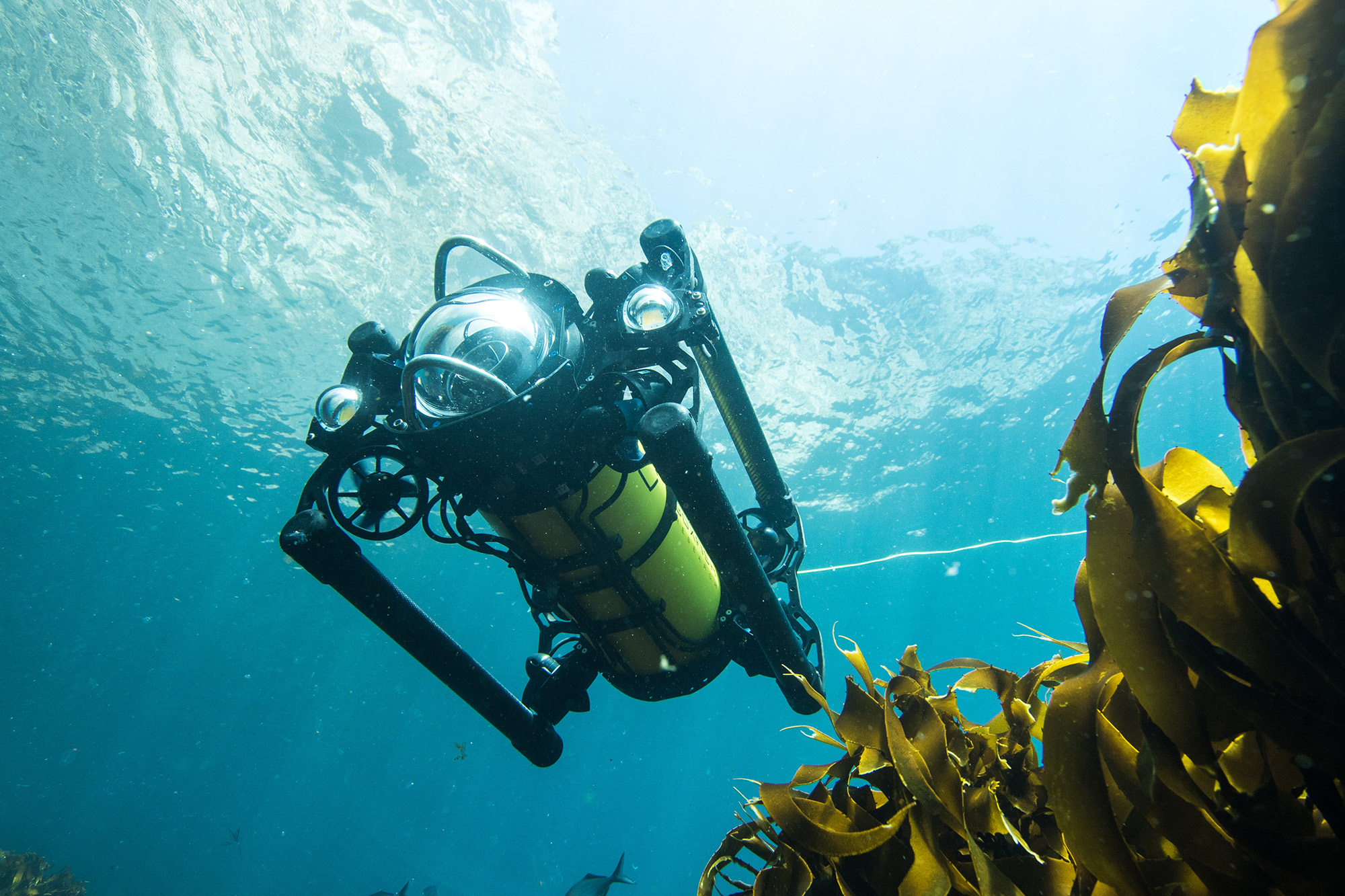
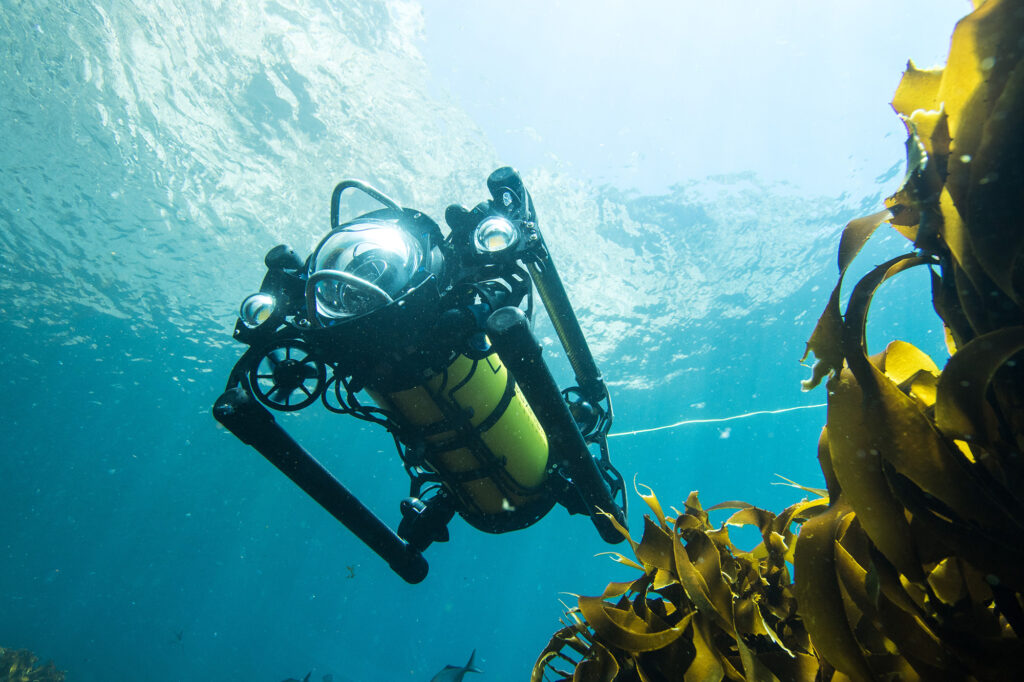
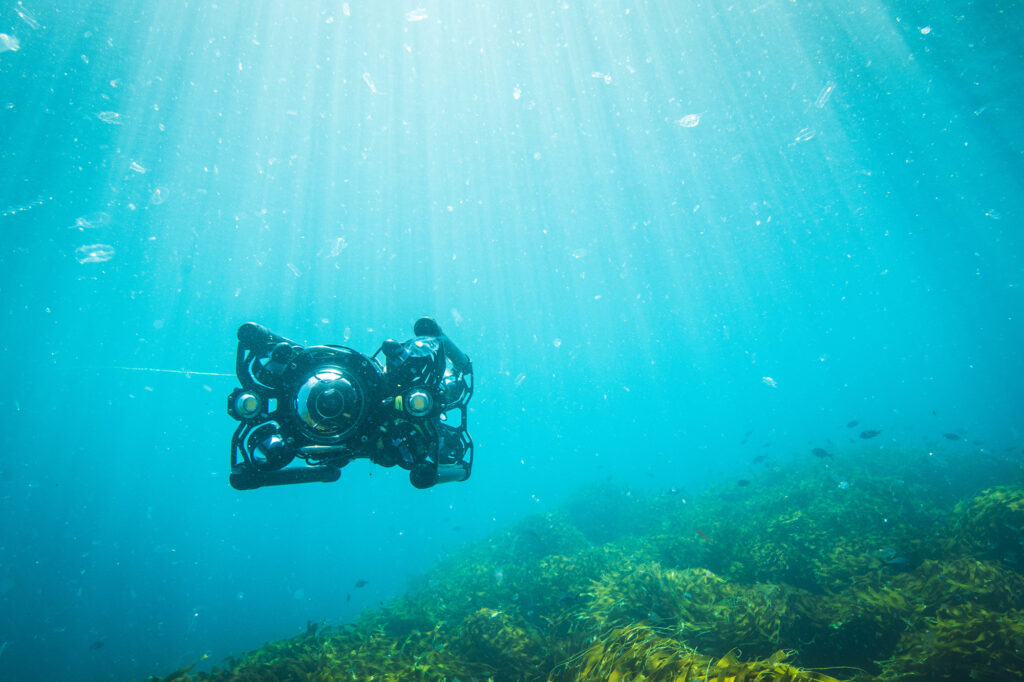
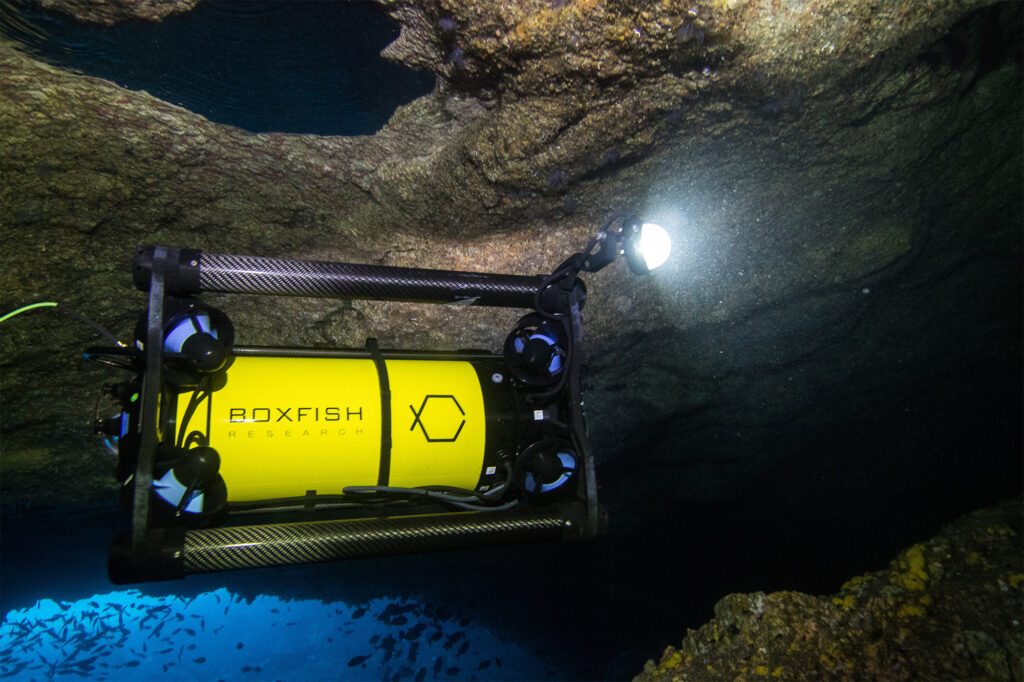
New Zealand underwater robotics company Boxfish Research announces that their remotely operated vehicles (ROVs) are now autonomous-capable, allowing customers to future-proof their vehicle investment. The capability to upgrade the Boxfish ROV platform to perform autonomous and semi-autonomous tasks promises to deliver better data, enhanced survey repetition and increased efficiency in underwater operations.
Robotic technology, automation and artificial intelligence are playing an increasing role in subsea operations and offshore industries with the growth of autonomous systems and unattended facilities. In industrial ROV operations, there is enormous scope to utilise autonomy to perform repetitive tasks, such as submerged asset inspections across time, subsea surveys, and scientific research.
Semi-autonomous ROV navigation can increase efficiency and minimise human errors in subsea asset inspection. For example, once an ROV operator has navigated an inspection route, the vehicle could repeat the examination autonomously, allowing an onshore operator to compare ‘identical’ video and sensor data across time to identify anomalies. Alternatively, operating in fully-autonomous mode, an upgraded Boxfish ROV could be pre-programmed by scientists to explore a body of water, systematically collecting research data via attached ROV sensors.
Boxfish Research is manufacturing its ROVs with an autonomous capability to ensure its clients benefit from this developing technology. The necessary support is now in place, making upgrading a Boxfish ROV in the future to a hybrid autonomous vehicle as simple as dropping in some new hardware and installing software.
“Boxfish Research is proud to continue its tradition of cutting-edge innovation by introducing an autonomous capability to their ROV platform,” says Craig Anderson, Co-Founder of Boxfish Research. “Our robust and flexible Boxfish ROV is the optimal underwater vehicle for hybrid autonomy due to its six-degree-of-freedom of operation, a large complement of sensor options and exceptional imaging capabilities.”
Expedition launching to study the Colossal Squid in Antarctica
A collaborative effort spearheaded by ocean non-profit KOLOSSAL is underway between a polar tourism vessel, underwater technologists, and marine biologists, to repeatedly deploy deep sea cameras into the Southern Ocean to try and uncover the biological mysteries of the colossal squid. The goal is to find and study the colossal squid before 2025, the hundred-year anniversary of the first discovery of the species. The groups have launched a crowdfunding campaign to support the expedition until Nov. 17 with the Experiment Foundation, and so far have reached 75% of their nearly $15,000 stretch goal.
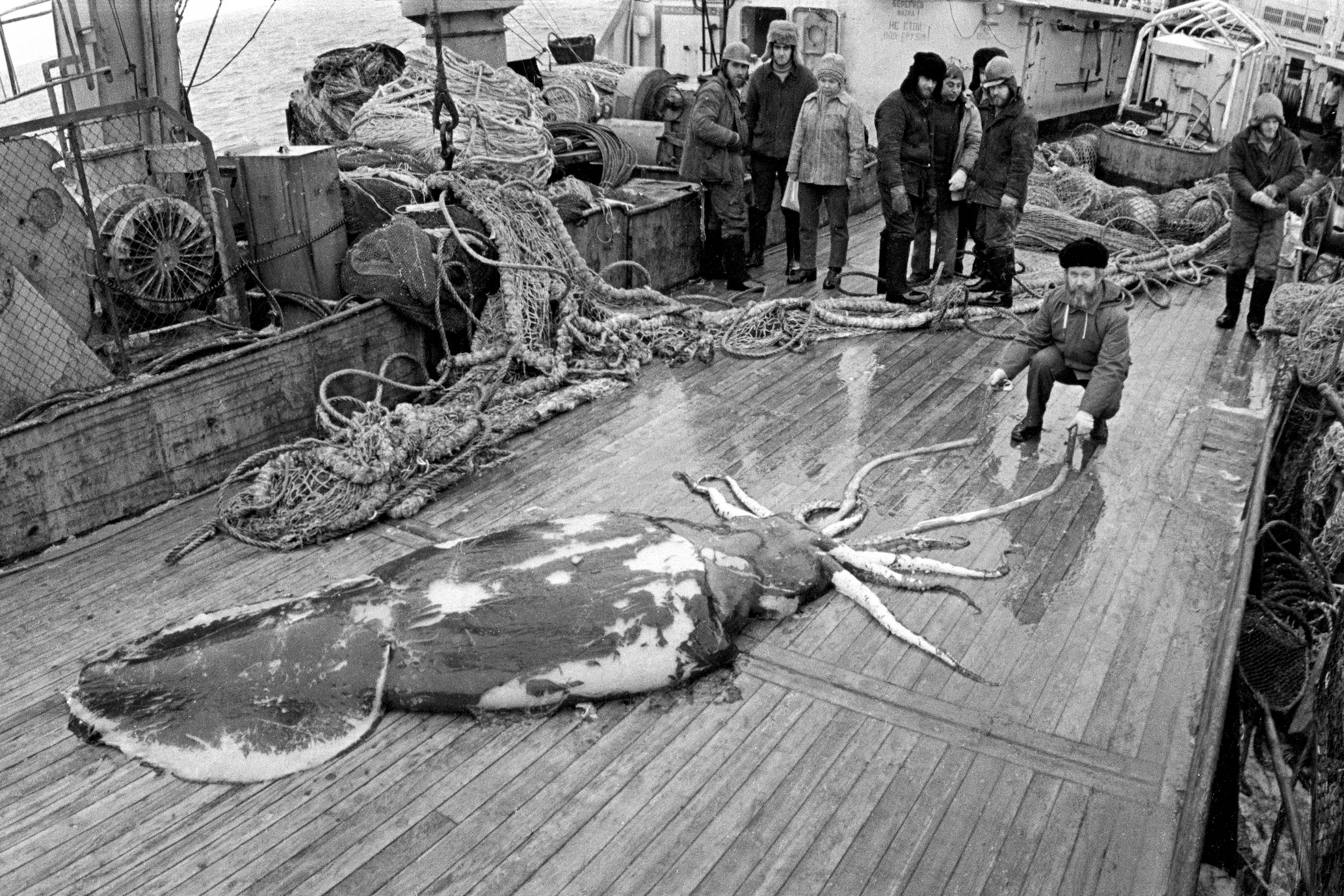
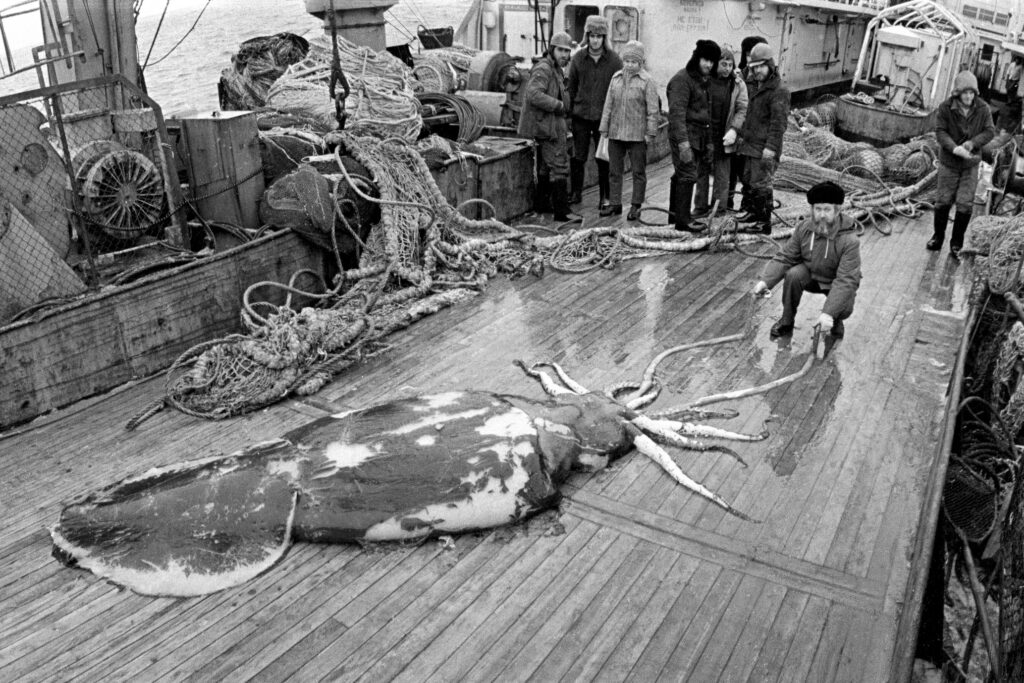
The colossal squid is the largest invertebrate in the world, and one of the largest ocean predators. It has the largest eye in the animal kingdom, about the size of a dinner plate. It could weigh as much as 750 kg (1,650 lb.) or more, and the total length is ~10-12 meters (~30-40 ft.). It is believed to live primarily in the deep sea in the Southern Ocean around Antarctica. Only a few whole specimens have been found, and it's never been observed in its natural habitat, the deep sea.
"The colossal squid is an oversized poster species for how little we know about the ocean," said Matt Mulrennan, Marine Scientist, an organizer of the expedition and Founder, CEO of ocean exploration nonprofit KOLOSSAL. "It's the largest invertebrate on our planet, with the world's biggest eye, hooked tentacles, and likely glows in the dark, does it get any cooler than that?"
The team is surveying locations in the Antarctic Peninsula onboard the tourism vessel Ocean Endeavour operated by Intrepid Travel to observe the colossal squid's behavior, and raise awareness about conservation priorities for the Southern Ocean. Some basic questions the expedition could answer about the colossal squid: How large do they grow? What is their most preferred habitat? Do adult females spawn near the surface? How does it use its massive eye (offense or defense)? Is it attracted to lighted displays? How does it use bioluminescence?
"We're thrilled that our technology will be used to attract and possibly capture footage of the elusive colossal squid, especially as we approach the 100-year anniversary of the first discovery of this species,' said Chad Collett, Founder, CEO, at SubC Imaging.
Groups Involved:
- KOLOSSAL - An ocean exploration and conservation non-profit based in Venice, CA.
- SubC Imaging - A global leader in developing innovative subsea cameras, systems, lights and lasers that generate complete imaging solutions.
- Intrepid Travel - The largest small group adventure company in the world.
- Fisheries and Marine Institute, Memorial University of Newfoundland - Canada's most comprehensive center for education, training, applied research and industrial support for the ocean industries.
- Chimu Adventures - A specialist travel operator with over 20 years of experience in Antarctica, the Arctic, and Latin & South America.
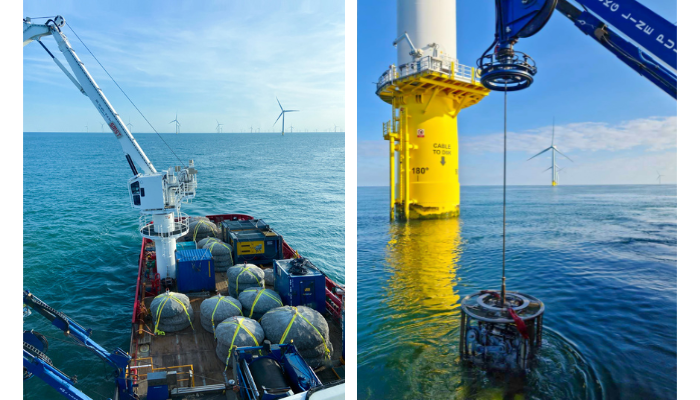
Rovco awarded contract at Galloper Offshore Wind Farm
Rovco, a leading global provider of subsea robotic and hydrographic survey solutions, has been awarded a contract for the provision of offshore rock bag deployment and installation at the Galloper Offshore Wind Farm in the Outer Thames Estuary.
The project scope covers the application of an operator engineered solution for the installation of rock bags, which need to be placed at precise locations on and around the Cable Protection Systems (CPS) on the wind farm, located 27km off the Suffolk coast.
Following previous subsea surveys, rock bag placement was selected from a number of options considered by the operator as the most suitable solution to eliminate or vastly reduce excess cable movement of the CPS, stabilising and prolonging the life of the array cables which carry the generated electricity from the wind turbines.
Rovco will deploy the DPII subsea support vessel VOS Star, on charter from Vroon Offshore Services, during the project. The vessel will be pre-installed with cutting-edge survey equipment and Rovco’s powerful Seaeye Leopard WROV which will be fully calibrated, and system tested for swift commencement.
The project is led by personnel from Rovco’s experienced offshore team and a dedicated onshore project manager who will be assigned to the project throughout, to ensure safe and efficient operations.
The 353MW Galloper Offshore Wind Farm has a site area of 180km2 with wind turbine generators located in depths between 26.5m-39.5m (LAT). Galloper’s 56 turbines will generate enough green electricity every year to power the equivalent of more than 380,000 average homes in the UK.
Sean Chenery, General Manager at Galloper Offshore Wind Farm said, “We selected Rovco to install the rock bag solution due to their knowledge, experience and competitiveness in subsea operations. Placing rock bags on live cables at water depths of 26m–39m with tight tolerances is where Rovco’s equipment excels.”
Simon Miller, Chief Revenue Officer of Rovco, and its sister company Vaarst, said, “Engineering solutions to extend the life of critical subsea infrastructure and ensuring uptime of these offshore assets and installations is crucial. This award by Galloper Offshore Wind Farm, to help them detect issues and implement their designed solution post engineering analysis, is testament to our team’s efforts across the company and real recognition of our growing presence in this market. We are thankful to Galloper for placing their trust in us to deliver an efficient, safe, cost-effective solution.”
“Rovco’s highly experienced team and our expertise in developing and providing subsea solutions for the offshore wind sector can help operators, detect, report, consult, design and implement mitigation programmes to limit the effects of existing issues, whilst minimising the risk of problems arising in the future and most importantly prolonging the life of major subsea components to extend operations.”
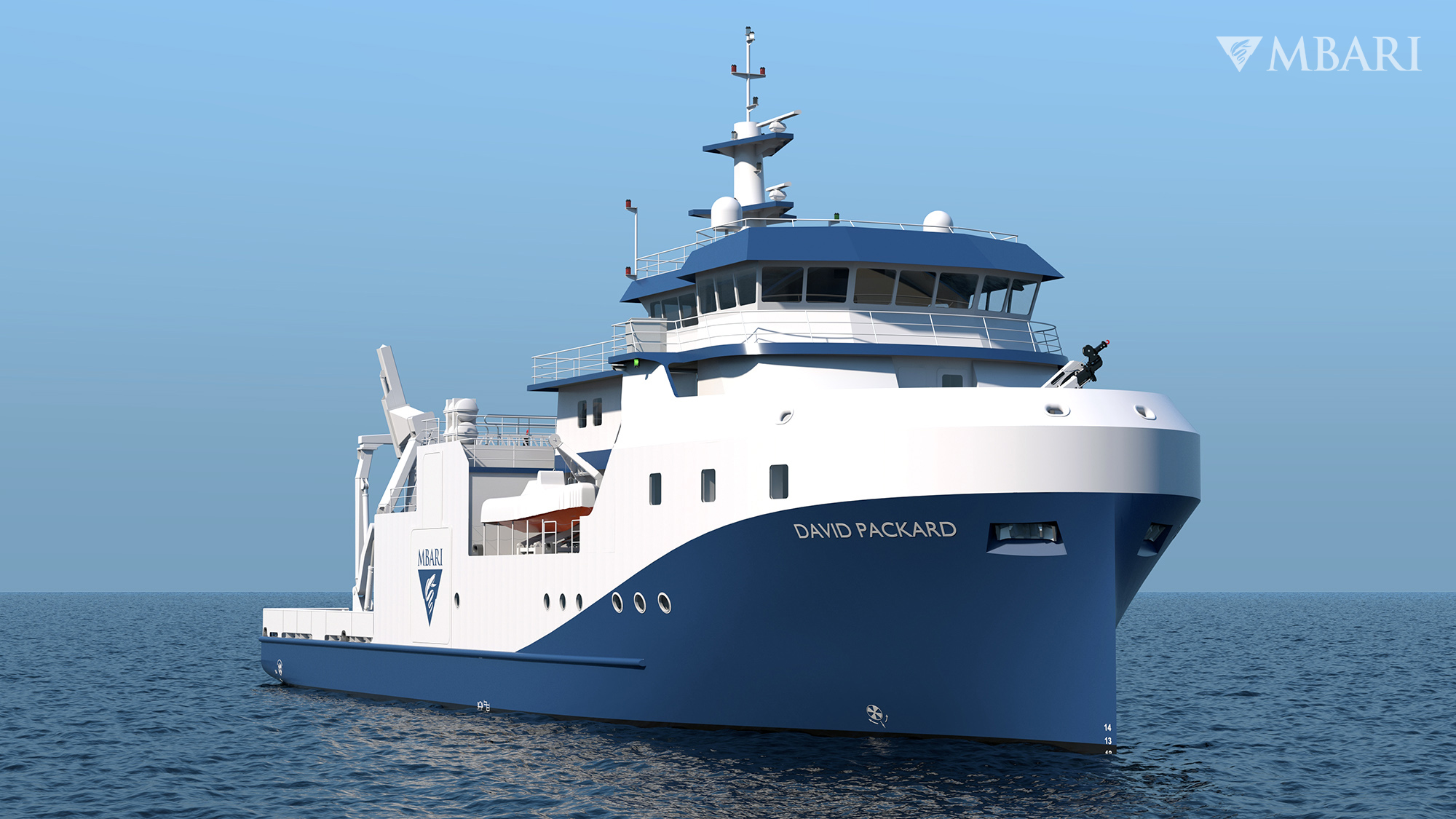
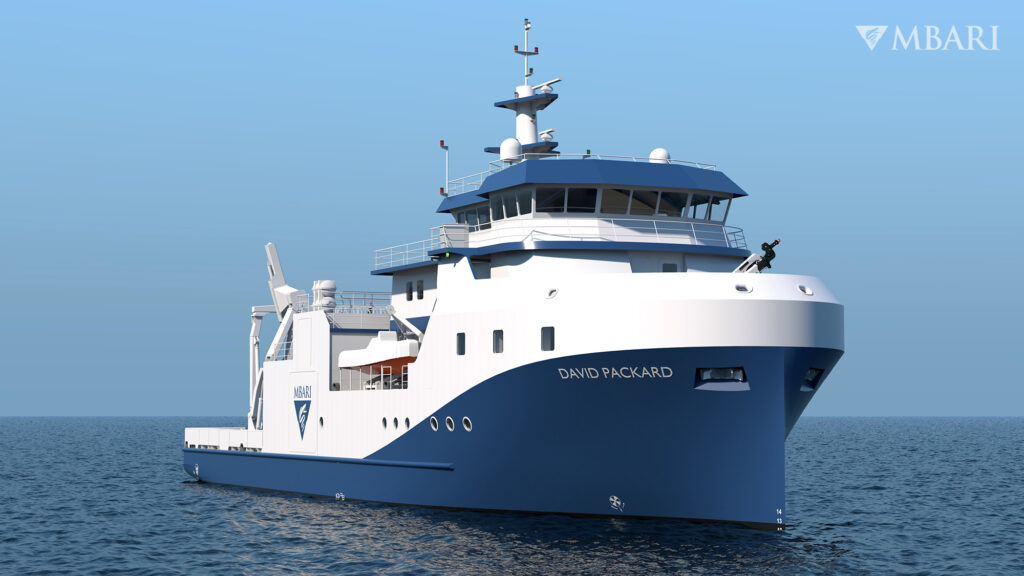
Sonardyne’s Ranger 2 USBL for MBARI’s state-of-the-art research ship
US oceanographic research centre Monterey Bay Aquarium Research Institute (MBARI) has chosen deepwater positioning technology from Sonardyne for its new, state-of-the-art scientific flagship the R/V David Packard.
The 50 m-long research vessel, named in honour of MBARI’s founder, David Packard, is being built to undertake a diverse range of missions in Monterey Bay and beyond, supporting the institute’s mission to advance marine science and technology to understand a changing ocean.
Once operational, the ship will accommodate up to 18 researchers and will enable MBARI’s continued exploration of the deep sea, from the midnight zone to the abyssal seafloor. The R/V David Packard will be the command center for the ROV Doc Ricketts, MBARI’s deep-diving remotely operated vehicle. The new research vessel will also be capable of deploying a variety of autonomous underwater vehicles (AUVs).
Underpinning this deep-water capability will be Sonardyne’s Ranger 2 Ultra-Short BaseLine (USBL) system, with an HPT 7000 transceiver, which will be integrated into the vessel via a Sonardyne deployment machine.
The choice means the R/V Packard is the latest in a line of MBARI vessels to utilise a Sonardyne USBL system for its science missions. In fact, MBARI was an early adopter of Sonardyne’s first USBL system, installing it on the institute’s very first research vessel, Point Lobos (retired in 2012), in the early 1990s. The R/V Western Flyer, MBARI’s current flagship vessel that will be retired this fall ahead of the arrival of the R/V David Packard in late 2023, was also fitted with Sonardyne’s first USBL system and has upgraded over the years to the latest, industry standard Ranger 2.
Ranger 2 is also the preferred USBL solution for many of the world’s leading ocean research institutes, where efficient use of vessel time and accuracy are paramount. It provides researchers with the ultimate flexibility, with its capability to track and communicate simultaneously with multiple scientific instruments, vehicles or towed platforms, at ranges up to 10,000 m. With Ranger 2, operations from seafloor geodesy through to AUV survey missions are supported, anywhere in the ocean.
“The ocean is vital to life on Earth. In the face of rising threats like climate change, MBARI's work is more important than ever. We depend on a suite of diverse research tools to study the ocean. Sonardyne technology will help coordinate these instruments to give us valuable insight into a changing ocean,” said MBARI Director of Marine Operations Michael Kelly.
Geraint West, head of science at Sonardyne, commented, “We’ve had a long-running and close relationship with MBARI, so we’re really proud to be part of the next chapter in their story. At Sonardyne, we strongly believe in the critical work that MBARI is engaged in, as a better understanding of our changing oceans is critical to the future well-being of our planet.”
The ship is being built at the Freire Shipyard in Vigo, Spain and the order for the Ranger 2 system for the R/V David Packard was placed via Spanish integration company/agent EMA, Sistemas de Monitorizacion.
Kraken receives $1.1 million Synthetic Aperture Sonar order for NATO Navy customers
Kraken Robotics Inc. (TSX-V: PNG, OTCQB: KRKNF), announces a $1.1 million purchase order from an unnamed customer for several of our AquaPix® synthetic aperture sonars (SAS). These systems will be integrated to Autonomous Underwater Vehicles (AUVs) for delivery to two distinct NATO navies. Delivery is expected in the first half of 2023.
Kraken’s AquaPix® is an off the shelf, configurable SAS that replaces high end sidescan systems at an affordable price, while delivering higher resolution, range, and area coverage rates (ACR). The increased range, resolution, and therefore higher useable ACR of SAS over traditional Side Scan Sonar systems significantly expand the capabilities of naval, scientific, and commercial applications. Kraken’s AquaPix is capable of 2 cm x 2 cm Ultra High-Definition SAS imaging at long ranges. AquaPix is uniquely positioned within the industry to bring this capability to the increasingly popular small, man-portable vehicle class. AquaPix is modular and has been integrated and deployed on over 20 different underwater vehicle platforms from shallow water to full ocean depth. Kraken’s SAS is modular and versatile, demonstrated by being one of only two companies in the world that has sold and integrated SAS into small, man portable vehicles, towed systems, and deep-water vehicles. This ability to cross several platforms enables military customers to streamline their Post Mission Analysis by having the same sonar resolution and ATR performance across their entire fleet of vehicles and mission requirements.
Groupe Gorgé acquires iXblue to bring ECA Group and iXblue together
Groupe Gorgé announced a major milestone with the acquisition of iXblue. This operation, that will bring ECA Group and iXblue together, will lead to the rise of a European high-tech industrial champion in the fields of robotics, maritime, navigation, aerospace and photonics. The two companies will benefit from a global workforce of 1,500 people and will achieve an annual turnover of €250 million. Together, iXblue and ECA Group will provide customers with a unique offer ranging from components to complex systems to support critical missions in severe environments.
"In addition to our complementary activities, both our companies share a common DNA centered around innovation and entrepreneurship. This acquisition by Groupe Gorgé, that puts iXblue and ECA Group under the same roof, will enable us to create new synergies and strengthen our capacity to invest in research and development to offer solutions that are always at the cutting edge of technology," rejoices Fabien Napolitano, President & CEO of iXblue.
Dominique Giannoni, CEO of ECA Group, adds: "With the combination of the technological expertise and global footprint of the two companies, we will provide unmatched value to our customers through our comprehensive portfolio of products and solutions. This operation consolidates our leadership in our markets and offers excellent growth prospects. The teams of our two companies have already started working closely together. We see great development opportunities that we are eager to share with our customers.”