Teledyne Marine Sales Manager presented with high honor
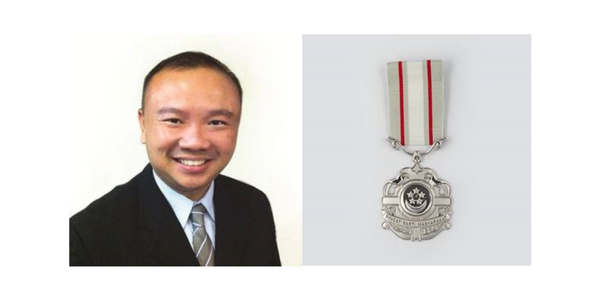
Teledyne Marine is pleased to announce that Mr. Alan Koong, Sales Manager for Teledyne Marine in Singapore, was recently awarded the Public Service Medal for commendable public service. Mr. William Egan, Vice President of Sales & Marketing for Imaging & Instruments at Teledyne Marine, responded to the announcement, “On behalf of everyone at Teledyne Marine, I am delighted to congratulate Alan on his well-deserved prestigious National Award.”
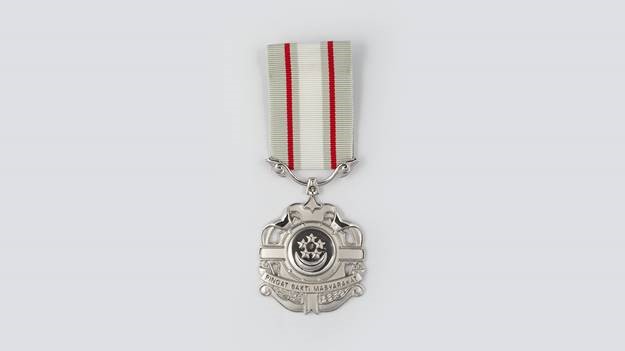
The Public Service Medal was initially instituted in 1973 for those who have rendered commendable public services in Singapore for their achievements in science, business, arts, sports, and professions of the labor movement. Mr. Koong was awarded the prestigious medal for his work in leadership as the Chairman of the Potong Pasir Community Emergency and Engagement Committee.
Mr. Koong has served on multiple grassroots community organizations. Under his leadership, he has recruited countless volunteers and worked in education and outreach to residents through first aid and life support courses. During the Covid-19 pandemic, he continued to serve the community by actively engaging the seniors through house visits and encouraging them to be vaccinated. He has spearheaded many grassroots events under Potong Pasir C2E. One of those successful events that were well received by residents is CPR and AED courses, now a flagship event held quarterly for the constituency. Besides providing lifesaving training to residents, Mr. Koong has organized several blood drives to educate and encourage residents to donate blood and save lives.
Mr. Koong has maintained strong relationships with Potong Pasir's community partners through several collaborations. During the pre-Covid period, he organized firefighting and fire evacuation drills in condominiums and worked closely with the Management Corporation Strata Title Councils. He continues to solicit feedback from residents and has initiated many events to educate the community and tenants on the importance of emergency preparedness. He has contributed significantly to Potong Pasir CCC activities, including the festive celebrations of the Chinese New Year, National Day, and Year End Celebrations. The award will be presented to Mr. Koong on November 27, 2022, during the Investiture of 2022 National Day Awards. The honor will be bestowed by the President of Singapore, Mdm Halimah Yacob.

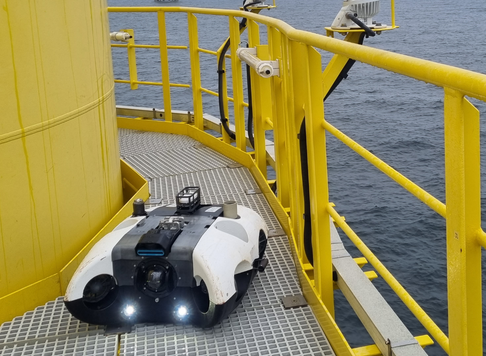
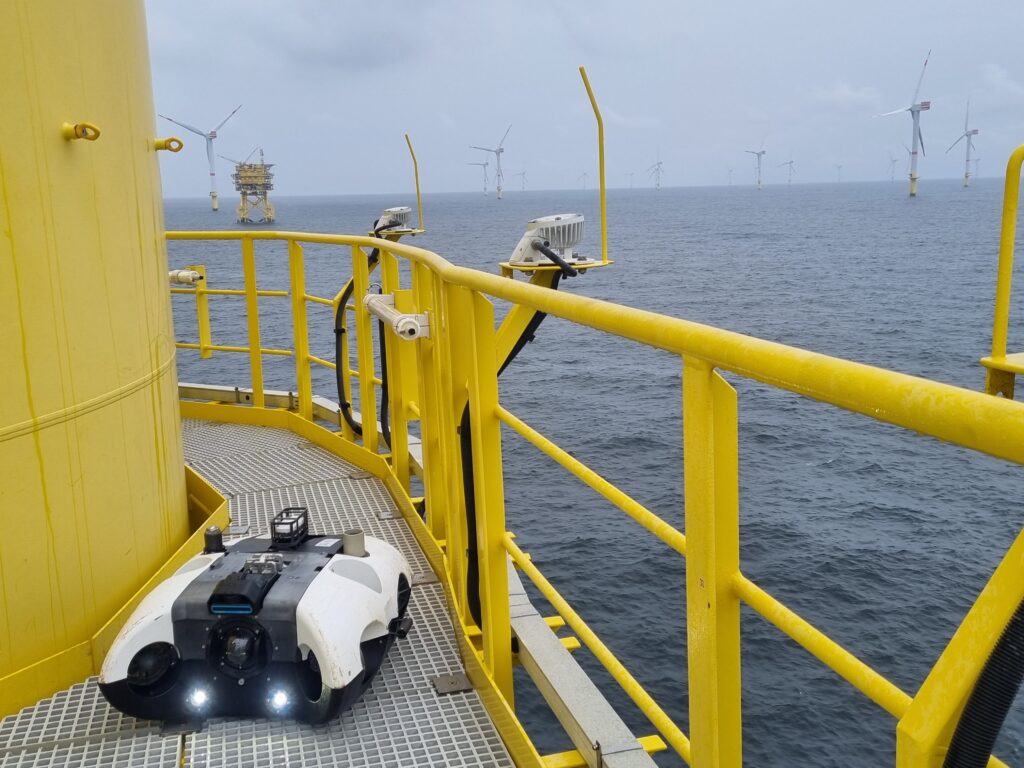
World's first HAUV featuring Adaptive Autonomy deployed at Nordsee One Offshore Windfarm
Trials of the state-of-the-art A.IKANBILIS Hovering Autonomous Underwater Vehicle (HAUV) conducted by Nordsee One GmbH and supported by manufacturer BeeX Pte Ltd and European partner Subsea Europe Services GmbH at the Nordsee One wind farm in the German North Sea have demonstrated true autonomous operation of an underwater inspection vehicle for the first time ever.
The trials, which took place this September, have proven an important milestone in the development and application of the unique A.IKANBILIS, which features an advanced AI powered Autonomy Engine that enables true ‘launch and leave’ operation for diverse underwater inspection tasks. With tethered or untethered operations, A.IKANBILIS optimises today’s standard recurring underwater inspection workflows, reducing associated equipment and manpower costs, while increasing capacity and safety.
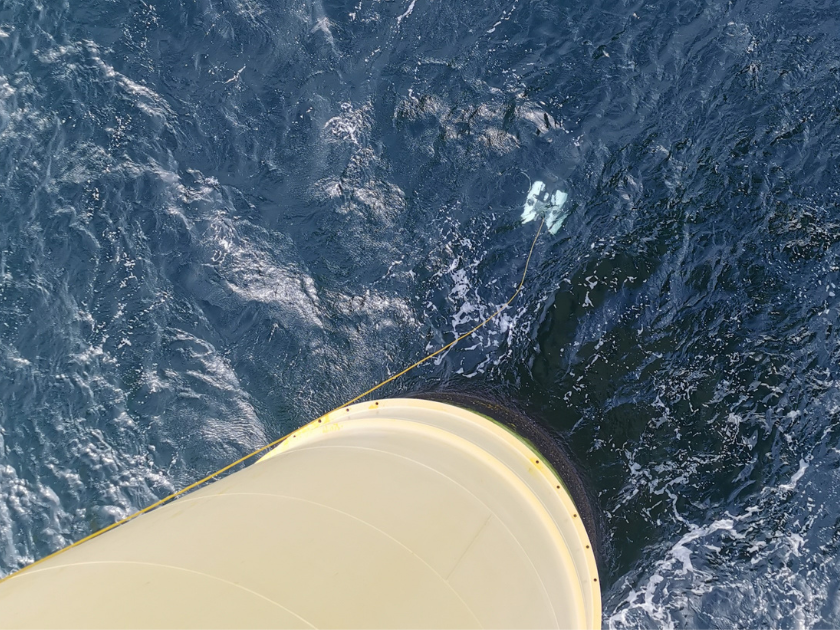
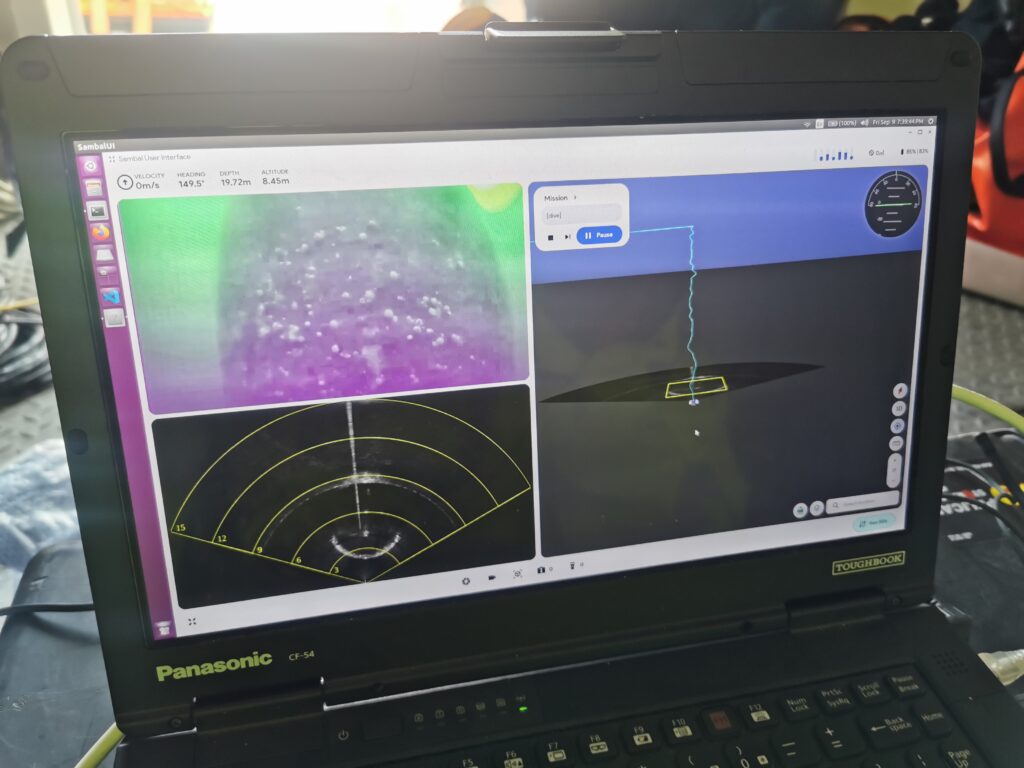
During the trials, the Nordsee One team tasked an A.IKANBILIS HAUV to inspect monopile foundations including Impressed Current Cathodic Protection (ICCP) anodes and Cable Protection Systems (CPS). On launch, the vehicle was able to complete its objectives without a human in the loop, autonomously choosing the safest, fastest and most effective way to approach its mission parameters. The ability to make these decisions without operator input is possible due to the AI continuously learning from the suite of tightly integrated sensors, allowing intelligent adaption to complex and changing environments, such as tides, currents and visibility.
The inspection was carried out flawlessly and independently of any large on-site support vessels usually required for ROV- or diver-based underwater inspections, and with minimal specialised personnel in attendance. The geo-referenced reporting of the monopile condition and 3D CPS inspection was provided to the client in near real-time via an integrated cloud-based platform, reducing the typical weeks long wait for traditional reports to mere seconds.
Jan Schmökel, Balance of Plant Engineer at Nordsee One GmbH, said: “While we hear a lot about remotely-operated and autonomous technologies for marine data acquisition and underwater inspection, this is the first time we have witnessed a platform actually think and react accordingly to ensure an optimal approach based on the prevailing conditions. The speed and quality of the data reporting are unprecedented, and we are delighted to be trialling these innovations to achieve maximum value at our windfarms.”
Grace Chia, Co-Founder and CEO of BeeX said: “The unprecedented growth in Offshore Wind is key in meeting the world's energy demands in a sustainable way. By 2025, we expect BeeX’s fully autonomous systems to help wind farm developers and operators reduce costs and risks to a fraction of today’s, from consenting to end-of-life. This successful deployment is the first step towards accelerating safer and clean energy for all, and we look forward to deployments at more windfarms across Europe."
Sören Themann, CEO of Subsea Europe Services, the European sales and service partner for BeeX said: “The successful tests at Nordsee One have proven the disruptive capabilities inherent to the BeeX business case. The unique Autonomy Engine enables cost-efficient, launch and leave, carbon-neutral autonomous operation that will help the wind energy industry to install and maintain a huge influx of underwater infrastructure planned before 2030. This first demonstration on an operational wind farm is the launchpad for mainstream application within a few short years, enabling more asset owners to lower their costs, risks and carbon footprint.”

ASL announces Dr. Philip Matthews as the 2022 Acoustic Zooplankton Fish Profiler Award winner
ASL Environmental Sciences is pleased to announce Dr. Philip Matthews as the winner of the sixth annual Acoustic Zooplankton Fish Profiler (AZFP) early career scientist award contest. Dr. Matthews is an Associate Professor in the Department of Zoology at the University of British Columbia (UBC) and runs the Comparative Respiratory Physiology and Biomechanics laboratory.
Dr. Matthews will be using a multi-frequency AZFP to understand the physiology and ecology of the deepest diving insect in the world—the Chaoborus edulis of Lake Malawi in southeastern Africa. He will be leading a team of two UBC graduate students, a fisheries research officer from Malawi and a UBC associate professor.
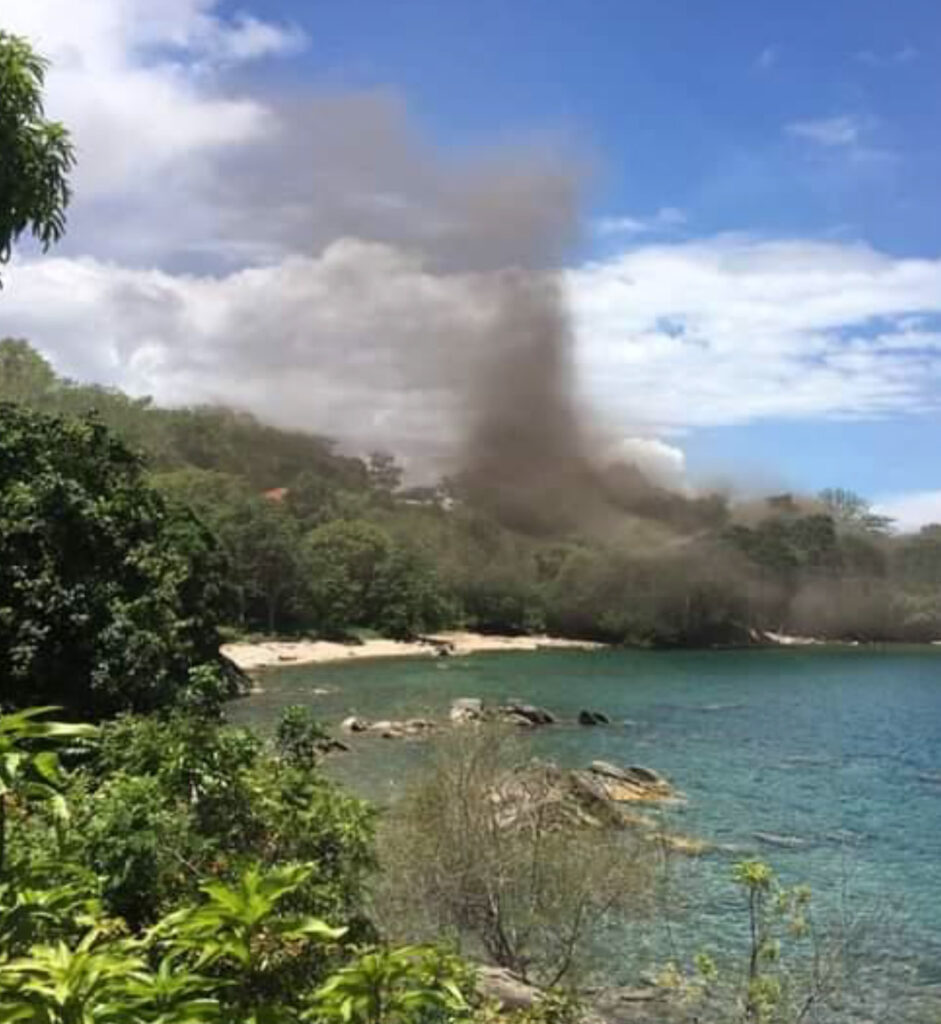
Lake Malawi is recognized as being rich in fish biodiversity with its waters teeming with more fish species than any other lake in the world. This lake is also home to Chaoborus edulis, remarkable Malawian midges that number in the billions and that regularly erupt from the lake surface forming vast twisting clouds that extend hundreds of meters above the lake (see figure). In their aquatic larval stages, this species has an unmatched diel vertical migration of well over 200 m where it dives deep into the lake’s hypoxic zone to escape fish predation during the day and ascends back to the surface at night.
To accomplish this impressive daily vertical migration, Chaoborus edulis larvae control their buoyancy with internal air-filled bladders. The complex mechanisms that govern this process have only recently been discovered through the ground-breaking research carried out by Dr. Matthews’ laboratory. Their work revealed that these midges use a pH-powered mechanochemical engine to regulate their buoyancy.
How deep this species dives, how their air-sacs can function at these depths, and how their daily mass migration influences the distribution of their zooplankton prey and predatory fish are all critical questions which remain unanswered. As the air-sacs present an acoustic target, tracking these migrations with a multi-frequency AZFP combined with a suite of water quality monitoring instruments will begin to reveal how this insect’s unique physiology is shaping the ecology of one of the most biodiverse lakes in the world. In addition, zooplankton net samples of the upper 100 m will be collected to examine the Chaoborus edulis’ physiology.
Applied Acoustics unveil new USBL line-up with promising results
Family-run subsea acoustics experts, applied acoustics, recently launched a new acoustic positioning offering which is their first combined Inertial Navigation (INS) and Ultra Short Base Line (USBL) system. The Pyxis system is free of acoustic calibration and can operate without the need of external GPS or Gyro compass, reducing mobilisation time and alignment errors.
The engineering team have been working hard improving the accuracy and performance of the entire Easytrak USBL product range. A new transceiver has been designed for the Alpha system, the 904C, which has increased the accuracy from 3.5% to 3% of slant range. The previous Nexus Lite system has been replaced with the Nexus 2 Lite, utilising the 2686 transceiver (previously part of the Nexus 2 system), which has increased the accuracy from 1% to 0.45% of slant range. And finally, the Nexus 2 and Pyxis omni-directional transceivers have been redesigned and now include 7 internal elements instead of the previous 5, further improving accuracy and all-round performance.
The Alpha system now has an upgraded 904C transceiver which has a rugged stainless housing and is smaller than the 903C predecessor. The compact form not only allows for less motion in free hanging applications which can improve the accuracy, but it can be deployed by a single person and transported easily making the 904C ideal for small ROV or diver tracking and mobilising on smaller vessels of opportunity. The 904C power supply and receivers have been redesigned, reducing noise and improving the detection of target signals which improves the repeatability of position. A new, more accurate compass allows for the compensation of motion to improve the accuracy when using the 904C standalone without external sensors.
Easytrak Nexus 2 Lite incorporates Sigma 2 Spread Spectrum technology to provide a secure acoustic link. By incorporating Sigma 2 technology, the wide bandwidth transmissions reduce the system’s susceptibility to interference. This provides users with an accurate and stable position which is easy and intuitive to operate. A geo-referenced graphical overlay can be offered as an optional extra, which is typically used when operating near shore or surrounding structures like wind farms.
The Nexus 2 and Pyxis systems, with the previous 2686/ 3781 type transceivers had a slant range accuracy of 0.45%, the new 7-element 2782/ 3782 omni-directional transceivers have further increased the slant range accuracy to 0.25%.
Paul Griffiths, Business Development Manager for Acoustic Positioning at applied acoustics said “Early signs are very exciting, as these products have now gone to market, and many of our customers are reporting back on the impact the improvements have made to their results. Launching Pyxis alongside these other improvements has been a long time in the making, and our engineers have been working tirelessly to keep our USBL range easy to use, reliable and with a range of options to suit different applications and budgets.”

Rovco enters US market with strategic appointment
Rovco, an experienced global provider of subsea robotics and hydrographic survey solutions to the marine renewable and wider energy sectors, has its sights set on supporting the energy transition in the US market with the strategic appointment of Mitchell (Mitch) Johnson as the company’s new Director – Americas.
Mitch joins Rovco at an exciting time as the company seeks to expand its international offering, bringing operational excellence, learning and expertise from its extensive portfolio of offshore wind projects across the UK and Europe.
Mitch brings significant experience to the new role. With skills in offshore operations and project management, he began his career as a marine surveyor before moving to San Diego where, as lead surveyor, he worked on new construction ship building for the US Navy. Having lived and worked in Dubai, Singapore and West Africa and with a strong focus on subsea robotic vehicles and entrepreneurship, Mitch’s previous role saw him head up Oceaneering’s global subsea inspection business unit.
Located in New York, Mitch is ready to expand Rovco’s global footprint and will be responsible for seeding and growing the business, drawing upon the company’s culture and vast offshore wind experience to establish operations in the US, supporting the country’s transition to renewable energy sources.
Speaking about his new appointment, he said: “I see a lot of opportunity to adapt the operational excellence practices used in traditional oil and gas markets and apply them to the new, emerging energy mix here in the US. Rovco is a key player in this market, and it is an exciting time to move into the US.
“I am looking forward to working with such a talented team and to leading the next phase of growth for Rovco. As a company with a strong reputation as a leader in technology-focused subsea solutions, now is the time to expand our global offering.”
Brian Allen, group chief executive, added: “Mitch’s appointment prepares Rovco for the next stage of growth. We have a vast portfolio of subsea projects past and present in the offshore wind domain, enabling us to bring extensive knowledge and learning to the US market. Combined with Mitch’s business acumen and intimate understanding of US legislation, this appointment supports our ambitious growth plans to expand into international markets using indigenous talent and supporting local supply chain objectives.”
This further growth and organisational shift comes on the back of a successful series B raise, co-led by Legal & General Capital alongside Equinor Ventures. This saw an initial £15.2m raise complete in April, which has since grown to over £20.5m as other investors from Europe, US and the Middle East joined the round.
Rovco is recruiting for a number of new positions. Further details on all job openings can be found here.

Sonardyne welcomes customers to new Singapore base
Marine technology company Sonardyne has officially opened its new South East Asia headquarters at Loyang Offshore Supply Base, Singapore.
The three-storey facility, which has been completely remodelled and refitted to meet Sonardyne’s operational needs, has extensive offices and warehouse space, workshop and test tank, as well as visitor, break out and recreation areas.
The building will also provide offices and test facilities for Sonardyne’s sister company, EIVA, both of whom are part of the Covelya Group companies.
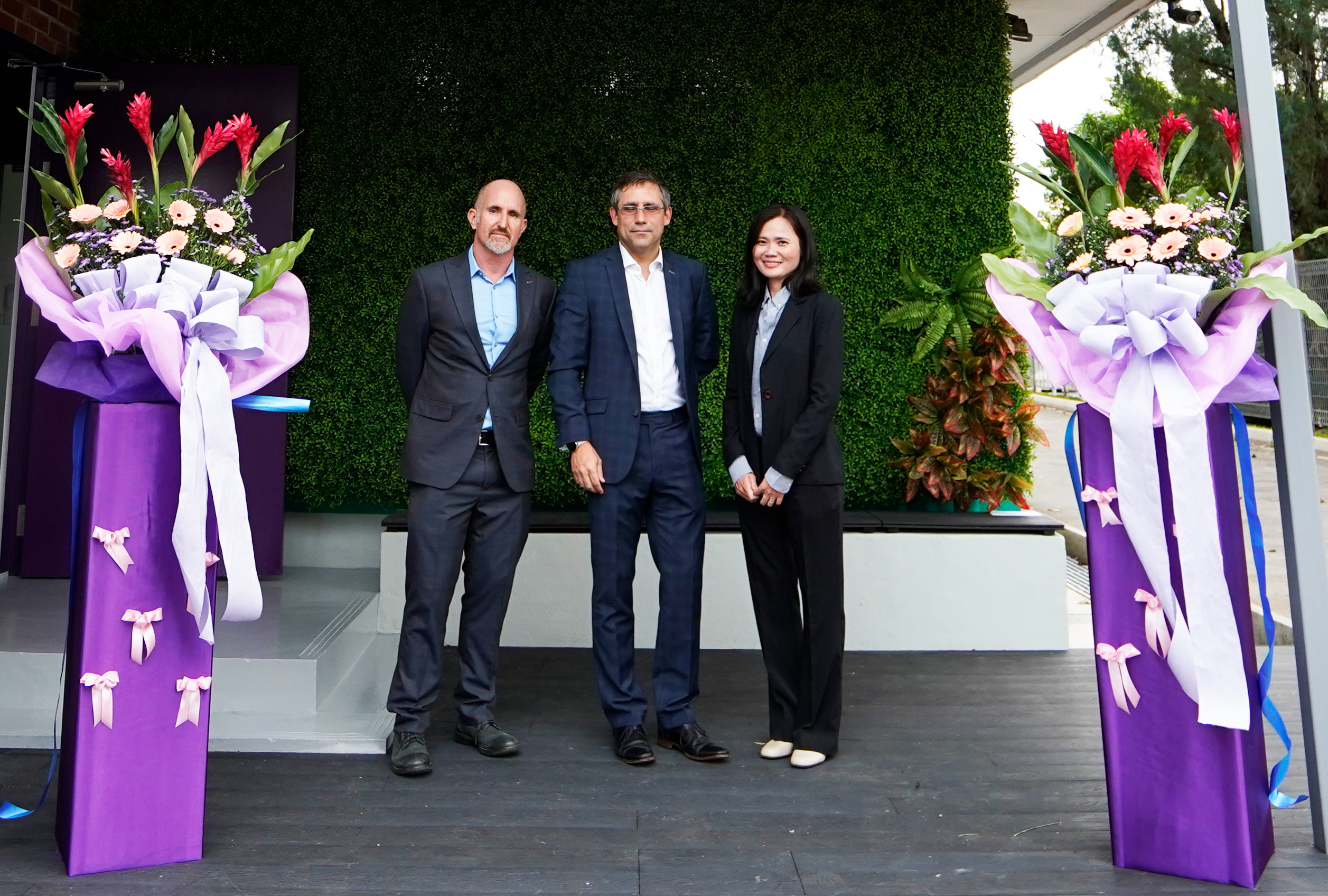
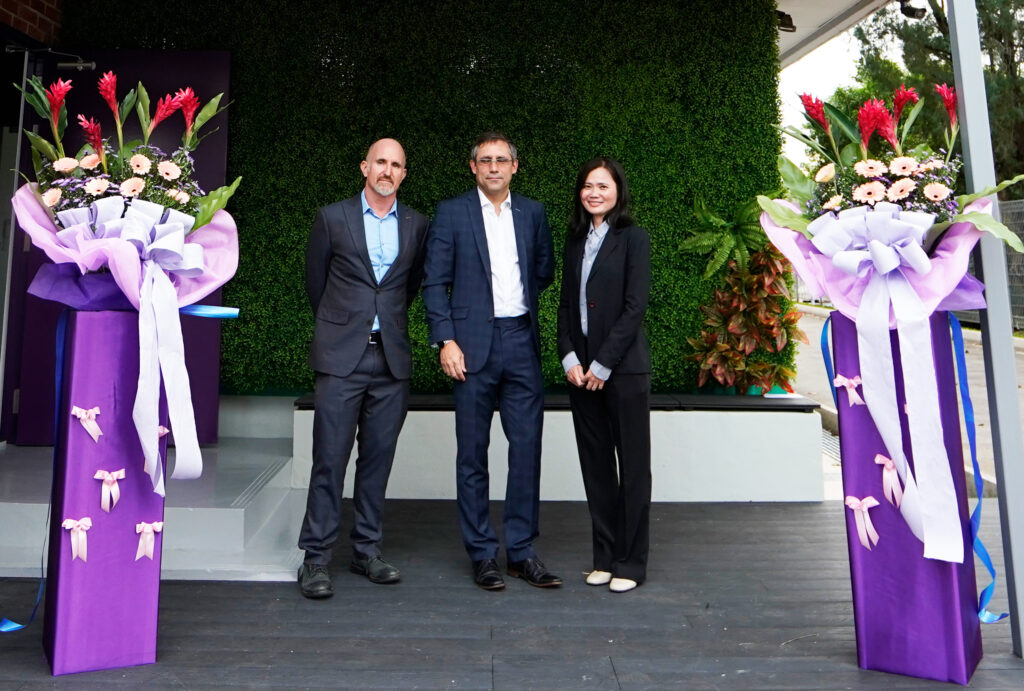
Leading the official ceremony to open the facility was recently appointed Director of Operations, Hwee Chin Cheng; Head of Sales, Jose Puig; and Sales Director, Steve Martin. The event also provided an opportunity for the company to celebrate its 50th anniversary with clients and partners from across the region.
Sonardyne was founded in 1971 and has had offices in Singapore since 1994.
Job Advert: Subsea7 hiring four new positions
Subsea7 is a global leader in the delivery of offshore projects and services for the energy industry. They make offshore energy transition possible through the continuous evolution of lower-carbon oil and gas and by enabling the growth of renewables and emerging energy.
Join the team today
Subsea7's Survey department in Aberdeen is pleased to offer four fantastic new career opportunities:
• Chief Surveyor
• Technical Skills Trainer, Survey & Inspection
• Associate Applications Support Specialist
• Associate Survey Support Technician
Work as part of a highly skilled team supporting global survey and inspection personnel. Access global career development opportunities. Enjoy hybrid and flexible working as part of their wider benefits offering.
To find out more head to their website at www.subsea7.com/careers.
MTS and SUT announce winner of the 2022 Captain Don Walsh Award for Ocean Exploration
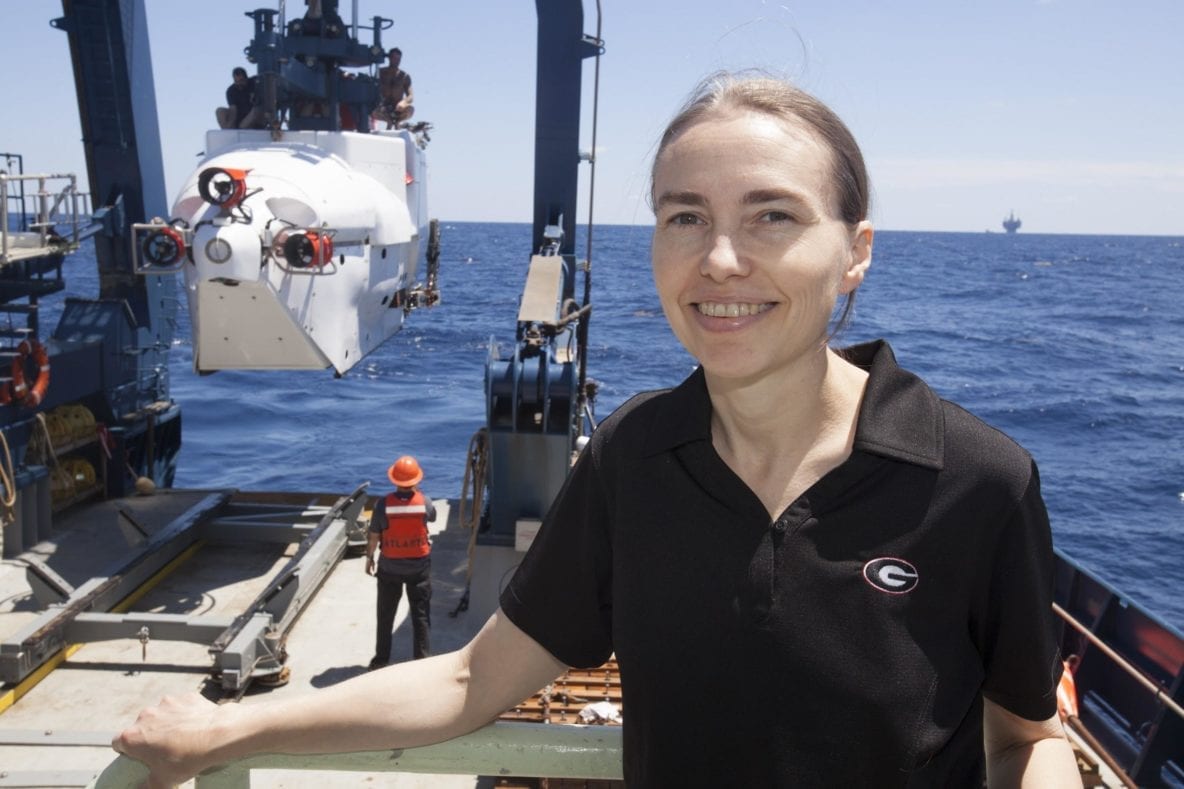
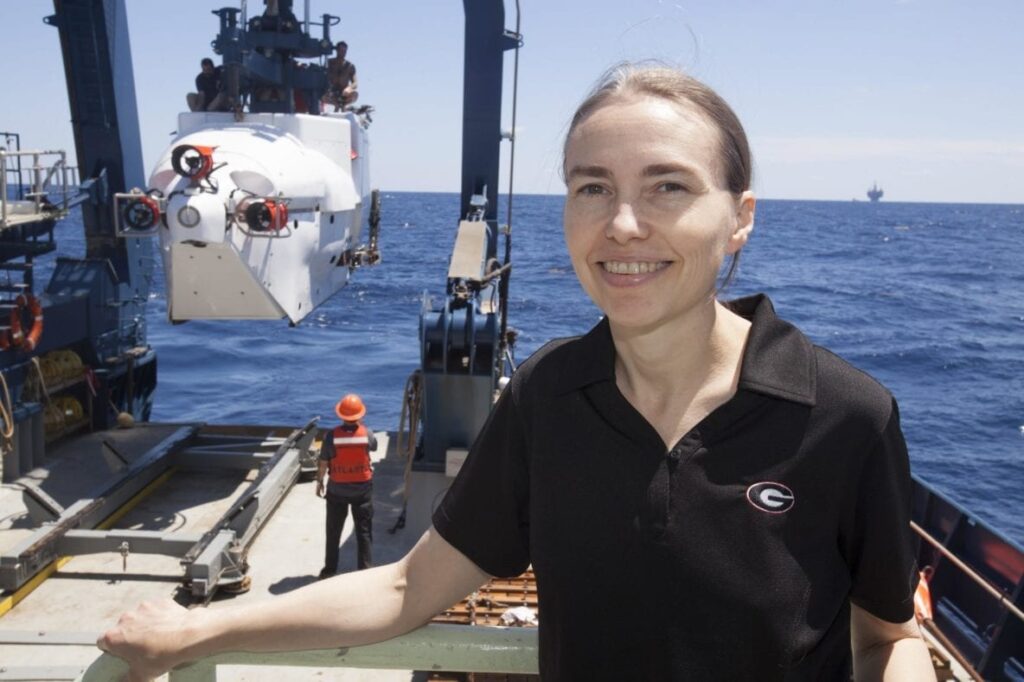
The Marine Technology Society (MTS) and The Society for Underwater Technology (SUT) are proud to announce that the 2022 Captain Don Walsh Award for Ocean Exploration has been won by the internationally recognised oceanographer Samantha (Mandy) Joye, a Regents’ Professor in the Department of Marine Sciences at the University of Georgia, USA, whose work has revealed unexpected connectivity between elemental cycles, unanticipated feedbacks between geological elemental and microbial dynamics, and fundamental controls on microbial populations and their activity.
Joye is an internationally recognized educator, deep ocean explorer, oceanographer, and environmental advocate. She is an expert in ocean biogeochemistry and microbial ecology and her work has focused on the Gulf of Mexico and the Gulf of California, and along the North American Atlantic Margin. Her interdisciplinary research focuses on deep water habitats and extreme environments and tracks the cycles and fate of hydrocarbons, nutrients, sulfur, metals, and trace gasses and interrogating the microbial communities that cycle these materials.
For the past two decades, Joye has studied natural seepage and chemosynthetic habitats in the Gulf of Mexico. She has led exploration missions across the Gulf of Mexico to discover and document otherworldly environments, including mud volcanoes, brine pools, and gas hydrate sites. Her research during the Deepwater Horizon oil spill environmental response significantly advanced the understanding of the critical role of microorganisms in degradation of oil and factors that enhance microbial degradation and optimize their environmental response.
Awarded jointly by the Marine Technology Society and the Society for Underwater Technology, this esteemed award is named after American oceanographer, explorer, retired naval officer, and marine policy specialist Captain Don Walsh. Walsh and co-pilot Jacques Piccard were aboard the bathyscaph Trieste when it made its daunting record descent on January 23, 1960 into the deepest point of the world’s oceans – the Challenger Deep in the Mariana Trench. The award recognizes outstanding, sustained, international contribution to the development, application, and propagation of marine technology toward the advancement of ocean exploration.
“I am so incredibly honored to receive the 2022 Don Walsh Award for Ocean Exploration,” Joye said. “Don Walsh’s contributions to marine technology and ocean science are unparalleled – he is an inspiration to me, and to so many others. I want to thank MTS and SUT for honoring me with this award, and for empowering our community to develop and deploy new technologies that enable ocean discovery.”
“Dr Joye’s contributions to the advancement of ocean exploration are significant and exemplify the qualities MTS and SUT are proud to recognize with this award. We are excited to see her innovative techniques and application of marine technology continue to impact the ocean community,” said Zdenka Willis, MTS President.
Moya Crawford, SUT’s President, added: “I am particularly struck by the relevance Dr Joye places on science and its interface with engineering. This form of collaboration is vitally important when working in our global ocean.”
The Award was instigated in 2020 – the inaugural winner was Dr. Edie Widder a MacArthur Fellow, a deep-sea explorer, and conservationist who combines expertise in oceanographic research and technological innovation with a commitment to reversing the worldwide trend of marine ecosystem degradation. This was followed in 2021 by a joint award to Victor L. Vescovo and Patrick Lahey for the 2019 Five Deeps Expedition and further dives of scientific and historical interest in subsequent years.
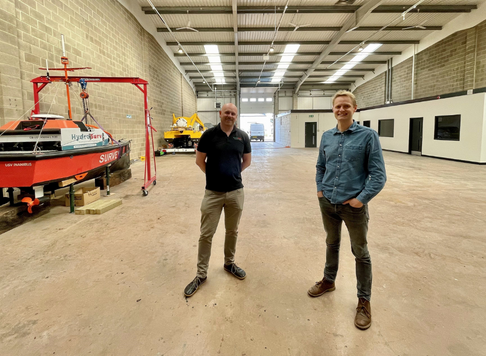
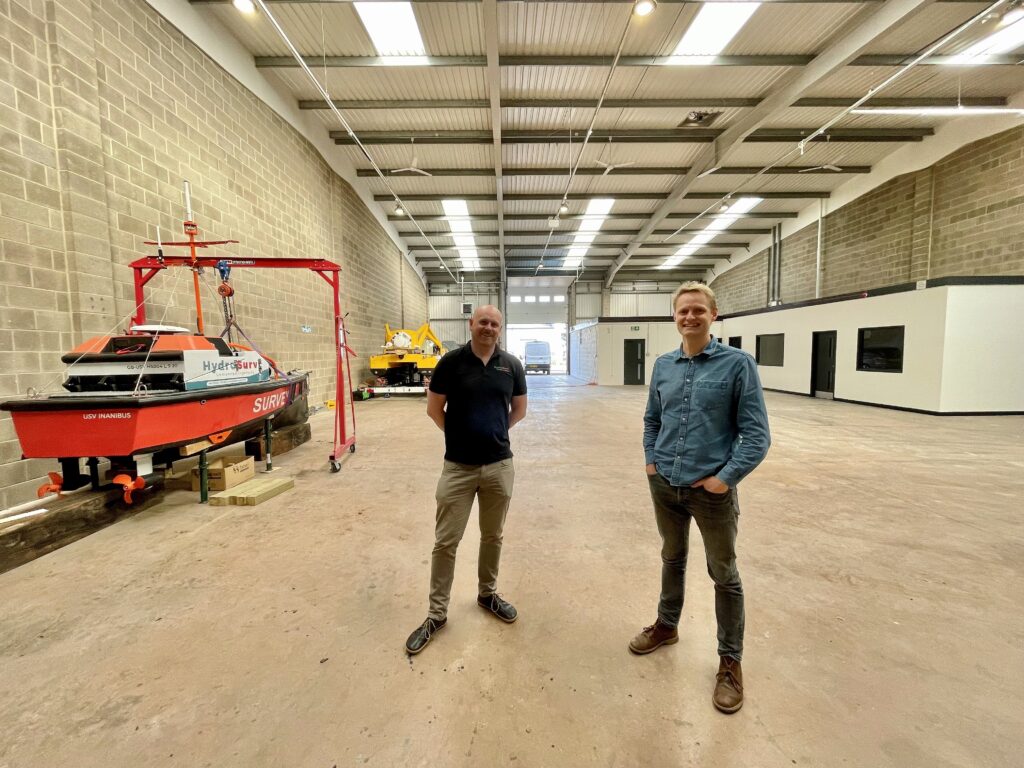
HydroSurv expands production facilities to meet demand for USVs
Exeter-based HydroSurv has moved into brand new facilities to deliver expansion in production capacity for its state-of-the-art Uncrewed Surface Vessels (USVs) for hydrographic and environmental data collection.
Located centrally in Exeter's Marsh Barton industrial estate, HydroSurv's new 6000ft² premises incorporate facilities for design, manufacturing and the final assembly of USVs from 2.8-8.6m in size, enabling the company to efficiently scale deployment of its technology.
The new base in Exeter currently hosts 15 employees, with the company expecting headcount to increase to more than 30 over the next 12 months.
Founder & CEO, David Hull said: "These new facilities mark our continued investment and commitment to the development and deployment of Uncrewed Surface Vessel technology. As our team has grown steadily over the past year, it was obviously only going to be a matter of time before we ran out of space. Everyone is excited and optimistic about the way the venture has grown, and these new workspaces will enable us to increase our efficiency and strengthen our production capacity for the future."
HydroSurv entered the ocean technology sector in 2019 as a new designer and builder of innovative USVs. The company has grown sustainably over the past three years and now operates offices in both the UK and Canada.
Kraken demonstrates KATFISH High Speed Towed SAS in Royal Navy WISEX demonstration
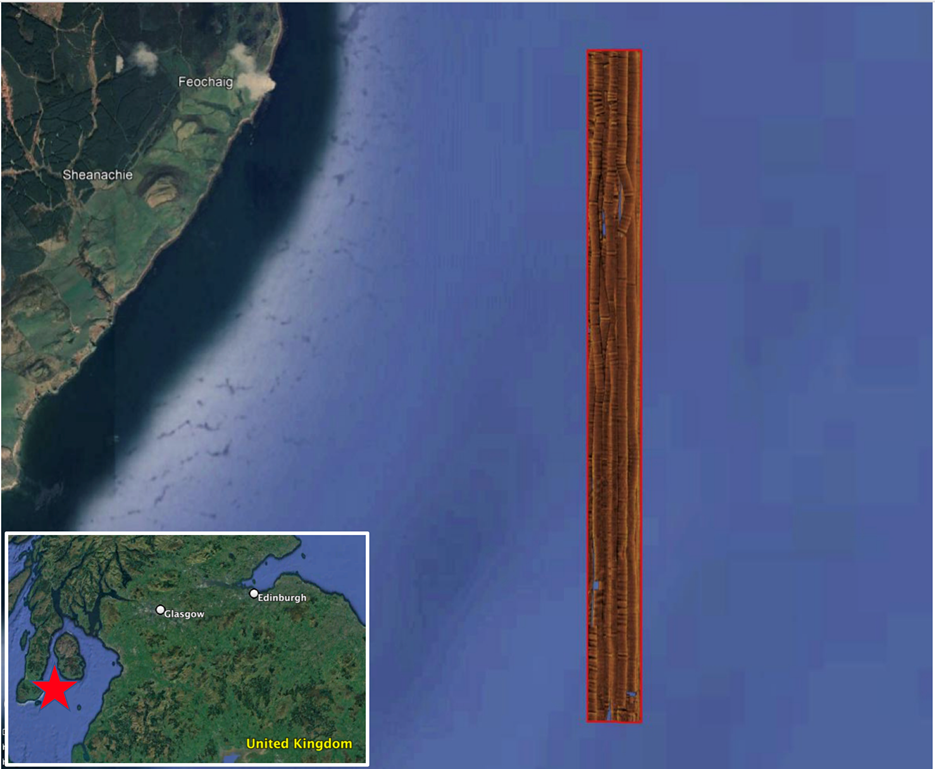
Kraken Robotics Inc. (TSX-V: PNG, OTCQB: KRKNF), Canada’s Ocean Company™, recently participated in the Royal Navy’s (RN) WILTON Industry Show and Experiment (WISEX) on the ranges in Kilbrannan Sound off Campbeltown, Scotland. WISEX provides an opportunity for industry to showcase new systems for consideration by the RN. With live demos and sea trials, the RN are better able to understand the demonstrated technology including software, sensors, and effectors necessary to implement a highly reliable Mine Hunting Capability (MHC).
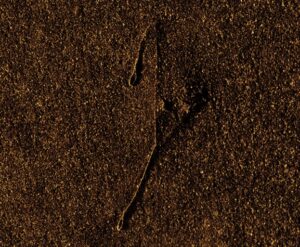
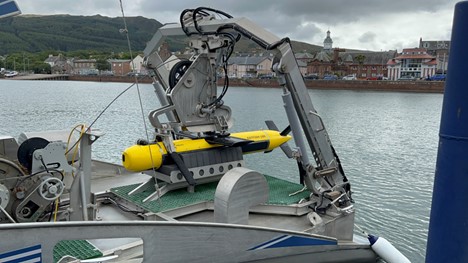
For these trials, Kraken teamed with Elbit Systems UK to demonstrate the KATFISH High Speed Towed Synthetic Aperture Sonar System integrated to their Seagull 12-meter Uncrewed Surface Vessel (USV). The goal of the trials was to survey two distinct ranges with dimensions of 600 m x 4 nm where the RN placed several Mine Like Objects (MLO) to be searched for by WISEX attendees. The ranges were selected to replicate real world search areas of complex bathymetry and strong currents. During the trials, the Kraken KATFISH was launched, operated, and recovered in varying surface conditions including Sea State 4. Live, high resolution SAS data was wirelessly transmitted to a shore-based operators station over several kilometers, where operators found all MLO targets in real time during the missions.
“The Royal Navy has established WISEX to allow industry to demonstrate their autonomous mine countermeasures systems, in the challenging naval exercise areas of the west coast of Scotland”, says Commander Ben Stait. “This demonstration is part of the Mine Hunting Capability programme, which is at the forefront of next generation maritime autonomous systems. The Royal Navy is grateful for Kraken Robotics participation and excited by the capability they demonstrated as the programme develops into its next phase.”
KATFISH™ is a high speed, actively stabilized Synthetic Aperture Sonar (SAS) towfish that operates at speeds up to 10 knots. The high-speed capability, and constant resolution of KATFISH™ greatly increases Area Coverage Rates (ACR) by providing more useable data for MCM missions than traditional Side Scan Sonars. KATFISH™ provides real time high-resolution ACR of up to 4 km2/hr with 3.3 cm x 3.0 cm* constant resolution across ranges up to 200 m per side with simultaneous 3D bathymetry. *1.9 cm x 2.1 cm constant resolution available with post-processing.
Along with increased ACR, the ability to transmit high resolution data wirelessly enables operators in remote stations to identify targets as the USV mission is underway, therefore reducing the overall MCM timeline.
Kraken has recently delivered KATFISH systems to the Royal Danish and Polish Navies and expects them to be operational in Q1 2023.