Impact Subsea launches Topside Control System and Advanced Subsea Multiplexer
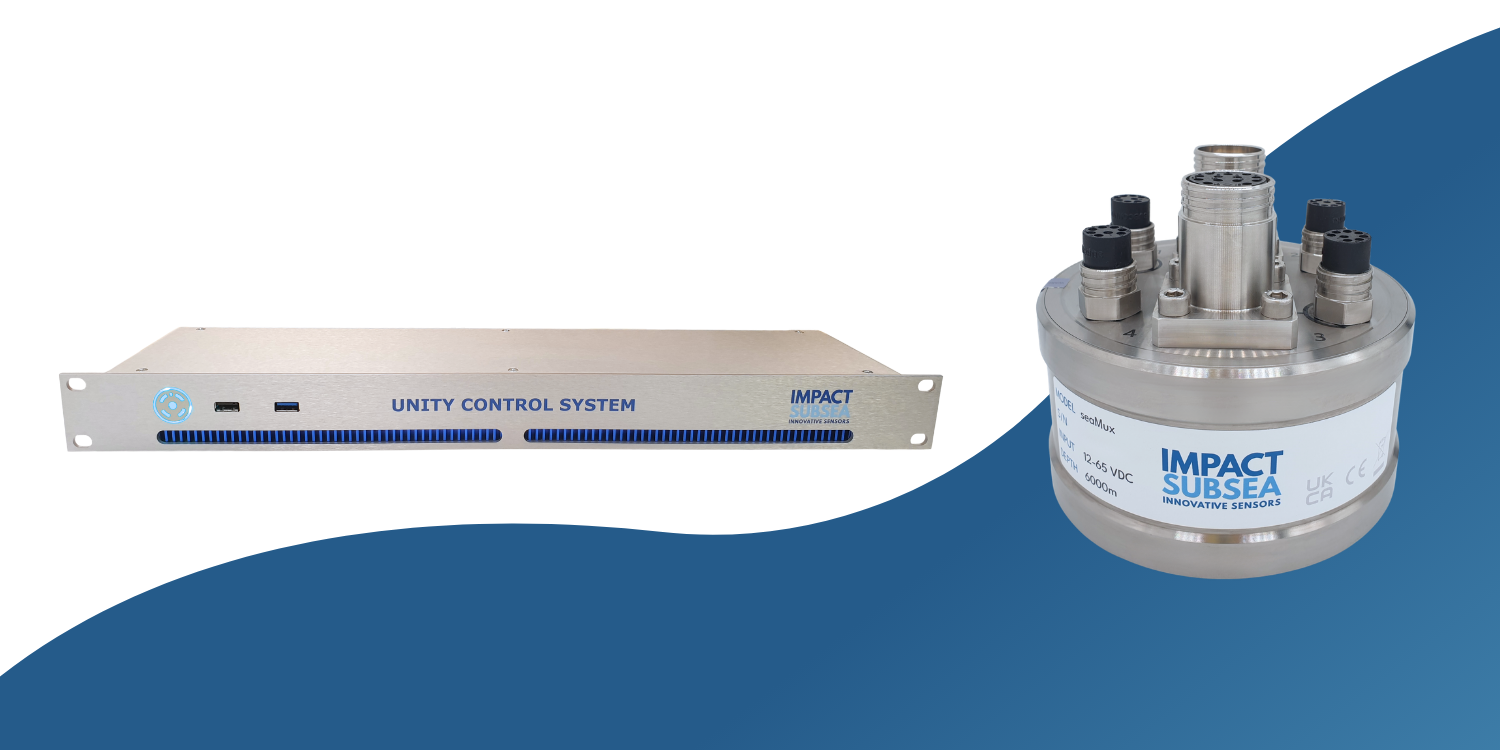
 Impact Subsea, a leading innovator in underwater technology, has announced the launch of Unity Topside Control System and seaMux Subsea Multiplexer.
Together, these two high-performance solutions are designed to streamline sensor integration, simplify telemetry and enhance data management for demanding subsea vehicle operations.
seaMux - Subsea Multiplexer
seaMux is a highly compact, titanium-housed subsea multiplexer engineered to support a wide range of underwater instrumentation, including sonars, profilers, altimeters, depth and Attitude and Heading Reference Systems (AHRS).
Rated for depths up to 6,000 meters, it is equally suited for shallow and deep-water applications.
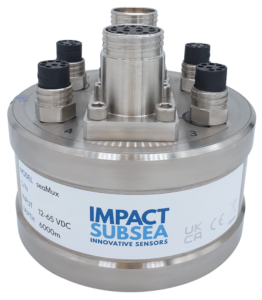
The system features four versatile communication ports, each supporting Ethernet, RS232 or RS485 protocols.
To ensure scalability, users can daisy-chain multiple seaMux units together or leverage RS485 multidrop and y-splice cables to host multiple serial sensors on a single port.
Each port is paired with a software-controllable 24VDC power output featuring real-time power monitoring.
Data transmission to the surface is incredibly flexible, utilising either standard Ethernet or high-bandwidth VDSL telemetry over a single screened twisted pair.
Unity - Topside Control System
To complement the subsea hardware, Unity Control System serves as the topside control interface for the underwater sensor suite.
Housed in a 1U high, 19-inch rack-mountable form, Unity runs Impact Subsea’s powerful seaView software.
seaView allows operators to easily view, log and manage sensor data while facilitating data flow in and out of seaMux and Unity.
 Mirroring the versatility of the subsea seaMux, the Unity system features four communication ports (each capable of providing RS232, RS485 or Ethernet) with software-controllable 24VDC power to manage local, topside connections.
A remarkable capability of the combined system is port bridging, which forms a seamless link between a port on seaMux and a port on Unity topside interface, allowing for the transparent throughput of any third-party data.
This allows Unity and seaMux to be used with a combination of Impact Subsea sensors and third party sensors. Or purely with third party sensors and instrumentation.
"seaMux is a compact and highly flexible subsea multiplexer," stated Ben Grant, Managing Director of Impact Subsea. "A complete sensor suite can be connected to seaMux and controlled from seaView running on Unity.
In addition to supporting Impact Subsea sensors, the system also allows connection of third party sensors and instrumentation.
Those looking for a compact and flexible subsea multiplexer and topside control system for use on underwater vehicles now have a new highly capable solution available to them".

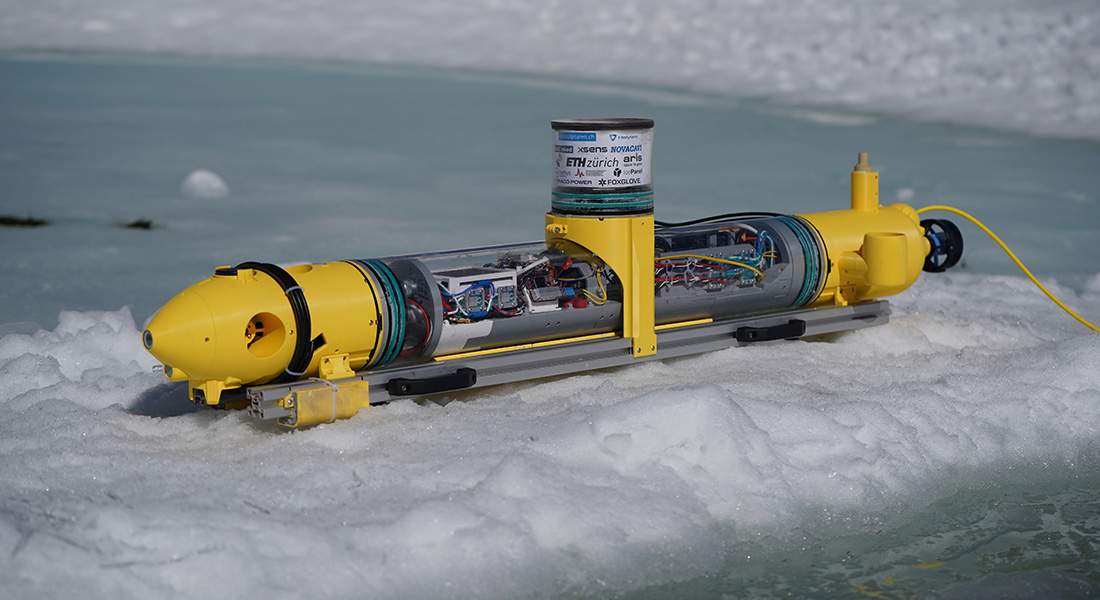
Novacavi supports the POLARIS project developed by ETH Zurich
 NOVACAVI is pleased to express its strong support for the POLARIS project, an innovative initiative led by ETH Zurich, one of the world’s leading universities for science and technology.
The POLARIS project involves the development of an advanced autonomous underwater vehicle designed for research applications in the fields of climate monitoring and security. One of the project’s main objectives is the accurate, non-invasive measurement of ice thickness from below. As the special vehicle moves beneath the lake surface, it continuously collects data, generating a high-resolution dataset capable of mapping the spatial distribution of ice thickness.
This pioneering approach enables the collection of highly precise data without the need to drill through the ice, thereby avoiding surface disturbance and significantly reducing risks for personnel operating in extreme environmental conditions.
Within this demanding operational context, NOVACAVI contributes to the project through the development of a neutrally buoyant cable, an integral component that ensures system reliability, enhances vehicle manoeuvrability, and supports overall mission safety.
“We are proud to support ETH Zurich in this groundbreaking endeavour,” said Francesca Faverio, Business Development Manager of NOVACAVI “The POLARIS project exemplifies the type of forward-thinking innovation that is essential to better understand and protect our environment, while ensuring safety and operational excellence in extreme conditions.”
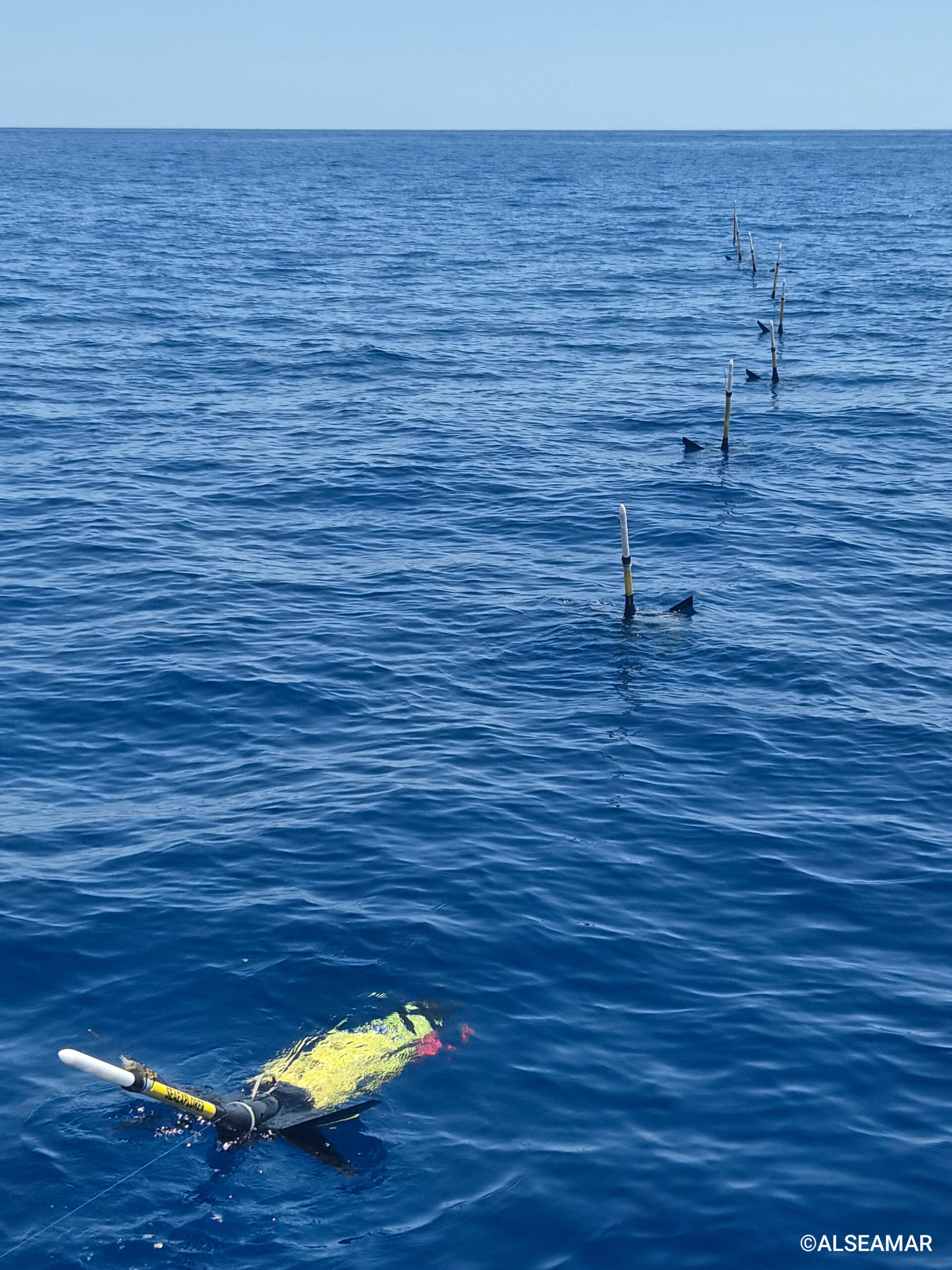
First fleet of 10 autonomous gliders deployed by the CNRS to explore Mediterranean marine ecosystems
 Ten autonomous underwater gliders were deployed in the Ligurian Sea in mid-June as part of Mission 6 under the "Deep Seabed" Priority Objective (Objective No. 10) of the France 2030 funding plan, entrusted to the CNRS.
This deployment marks the first milestone in the development of a multi-variable, multi-scale environmental data atlas for the northwestern Mediterranean Sea, based on the use of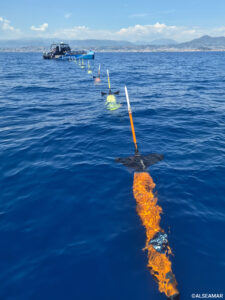 autonomous underwater gliders.
One of the ten strategic priorities of the France 2030 funding plan, "Investing in the Deep Seabed," was launched by the French government to strengthen the country's industrial competitiveness and accelerate the development of next-generation technologies. Among its objectives is the development of innovative technologies for deep-sea exploration, including highly autonomous exploration systems.
The Mission n°6, led by the CNRS, forms part of this initiative and is dedicated to creating a multidimensional environmental data atlas covering the northwestern Mediterranean and French Polynesia.
The mission aims to improve our understanding of the physical, biogeochemical and biological dynamics of marine ecosystems, as well as how they are evolving under increasing anthropogenic pressures such as maritime traffic, ocean acidification and climate change. It relies on an innovative approach combining coordinated fleets of autonomous underwater gliders, multi-parameter sensing technologies and intelligent mission management. This will enable researchers to investigate how ocean fronts and eddies influence the distribution of plankton communities, vertical nutrient and energy fluxes, and the impact of underwater noise on marine ecosystems. Particular emphasis will also be placed on biodiversity through the use of innovative monitoring technologies, including environmental DNA (eDNA) and in situ imaging.
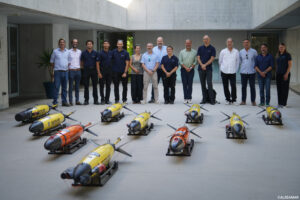
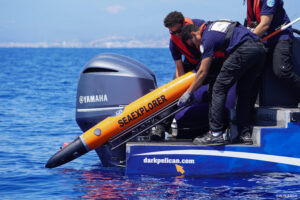 On June 17th 2026, the CNRS and ALSEAMAR—the industrial partner selected for the first phase of Mission n°6—deployed a fleet of ten SEAEXPLORER autonomous underwater gliders in the Ligurian Sea. Launched from the Institut de la Mer de Villefranche-sur-Mer, the gliders will operate for one month in an area characterized by intense hydrodynamic activity and located within a marine mammal sanctuary. Capable of diving to depths of up to 1,000 meters and transmitting data via satellite, the autonomous vehicles are equipped with acoustic and physical sensors to provide detailed observations of ambient underwater noise, ocean currents, eddies and their influence on marine ecosystems. The data collected will then be processed by the project's scientific teams and incorporated into the multidimensional environmental atlas.
The next phases of Mission 6 include deployments in the Gulf of Lion in 2028 to test innovative sensors, followed by a campaign in French Polynesia in 2028–2029, where autonomous gliders and autonomous underwater vehicles (AUVs) will operate in coordination to explore seamounts. Between 2029 and 2030, the resulting data and scientific findings will be integrated into the environmental atlas and widely disseminated, supporting France 2030's broader ambitions for ocean observation and preservation.
KONGSBERG delivers advanced technology suite for next-generation NIOZ research vessel Anna Weber-van Bosse
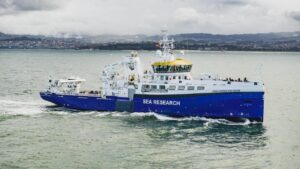
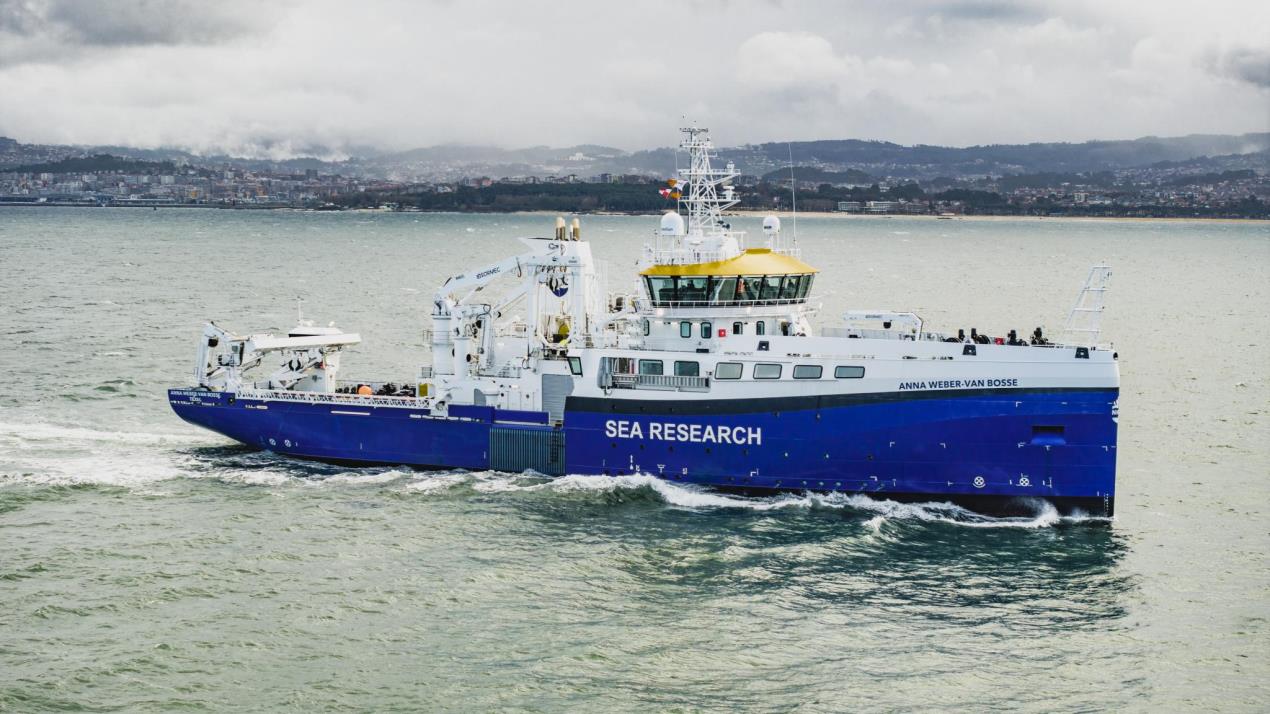
KONGSBERG has supplied a comprehensive package of advanced ocean science and navigation technologies for RV Anna Weber-van Bosse, the new ocean research vessel owned and operated by Royal Netherlands Institute for Sea Research (NIOZ).
Christened on the island of Texel in early March, the 80-metre newbuild has been outfitted with a range of innovations including HiPAP acoustic positioning systems, EM304 and EM2040 multibeam echosounders, TOPAS sub-bottom profiling technology, advanced echosounders for water column observation, and Seapath inertial navigation systems.
The solutions will deliver a vast range of high-resolution data, and operational stability, helping scientists conduct vital research into climate change, ocean circulation, marine biodiversity, and more.
Pushing the envelope
“RV Anna Weber-van Bosse marks a step-change in the ability of NIOZ to undertake research that pushes the envelope of ocean understanding,” comments Stene Førsund, VP Sales, Discovery division at KONGSBERG. “Naturally, we’re delighted to be on board as a trusted technology partner.
“Our solutions will work together to enable everything from mapping the deep seafloor to analysing geological structures beneath it, while ensuring researchers can accurately track complex ocean processes and environmental change. The fact that multiple, high quality data sets can be collected simultaneously will provide not only richer insights, but also more efficient, cost effective and sustainable operations. It’s a powerful proposition for a truly landmark vessel.”
Partnering for progress
The RV Anna Weber-van Bosse has been designed to house up to 30 scientists in ‘a floating lab’ capable of operating everywhere from tropical seas to the edges of Arctic ice. Equipped with sophisticated sensors, underwater robotics capability and real-time data connections, the vessel allows scientists to observe and analyse ocean processes with unprecedented accuracy. KONGSBERG has a key role to play.
The Norwegian-headquartered company’s technology will enable the team to build a comprehensive picture of the ocean environment, combining bathymetric mapping, geological imaging and acoustic sensing in single mission workflows. Meanwhile, advanced inertial navigation systems will ensure that, even in demanding conditions, data can be collected with absolute precision, confidence and safety.
Perfect platform
Speaking of the new vessel, Gert-Jan Reichart, department head Oceaanonderzoek at NIOZ, comments: “The arrival of RV Anna Weber-van Bosse could not be more timely. Our precious ocean environments are undergoing unparalleled changes and there is a pressing need to investigate and truly understand those developments. This vessel provides the platform to do just that."
“With that in mind, it was imperative to equip it with the optimal scientific and operational tools for the crucial job at hand. With Kongsberg Discovery’s solutions we are confident that is exactly what we have. I believe we have decades of exciting voyages, and discoveries, ahead on the horizon.”
RV Anna Weber-van Bosse, which is named after pioneering marine biologist Anna Weber-van Bosse (1852–1942), has been built to replace previous Dutch research ship RV Pelagia. NIOZ is celebrating its 150th year of operations this year.
To discover more please see https://www.kongsberg.com/
Teledyne Marine launches global photo & data contest 2026
 Teledyne Marine has launched its 2026 Photo & Data Contest, inviting customers from around the world to submit striking imagery and datasets captured using Teledyne Marine technologies.
The annual competition celebrates the innovative projects, expertise and adventures of the global marine community, encouraging participants to showcase Teledyne Marine products in action, whether deployed in the field, in the laboratory or in the office, through compelling photography or impressive data collected during real-world operations.
The contest is open from 1st July until 15th October 2026, with winners selected through a combination of public voting and judging by a panel of Teledyne Marine experts.
Award Categories and Prizes:
Participants can enter a maximum of 3 categories:
- Voters' Choice Award: The winner will be selected from the top 10 entries that received the highest number of public votes and will receive a grand prize of a HERO13 Black Ultra Wide Edition camera worth $480.
Best Data Award: Recognising outstanding sonar, ADCP or multibeam data collected using Teledyne Marine technology. - Adversity Award: Celebrating even the worst days when operating in challenging, extreme conditions.
- Moment of Zen Award: Highlighting inspiring images of individuals or teams using Teledyne Marine equipment in beautiful surroundings.
- Underwater Award: Awarded to the best underwater image featuring Teledyne Marine products or captured using Teledyne’s Bowtech cameras.
The winners of the four jury-selected categories will each receive a KODAK PIXPRO WPZ2 Rugged Waterproof Digital Camera.
How to Enter:
To participate, entrants simply need to upload their best photo or data sample via the official contest page before 15th October 2026.
Participants are encouraged to share their entries across social media by tagging @TeledyneMarine on Facebook and using #TeledyneMarine on LinkedIn to encourage friends, colleagues and the wider marine community to vote.
Entries must receive a minimum of five public votes to qualify for judging. Finalists will then be evaluated by a panel of Teledyne Marine experts, with submissions assessed equally on technical quality (50%) and the story behind the photo or dataset (50%).
Winners will be announced in October 2026 through a press release on the Teledyne Marine official website and across the company's social media channels.
William Egan, Senior Vice President Sales and Marketing, Teledyne Marine, said: "Last year we received an incredible range of submissions, showcasing the many ways our technologies are supporting marine research and operations around the world.
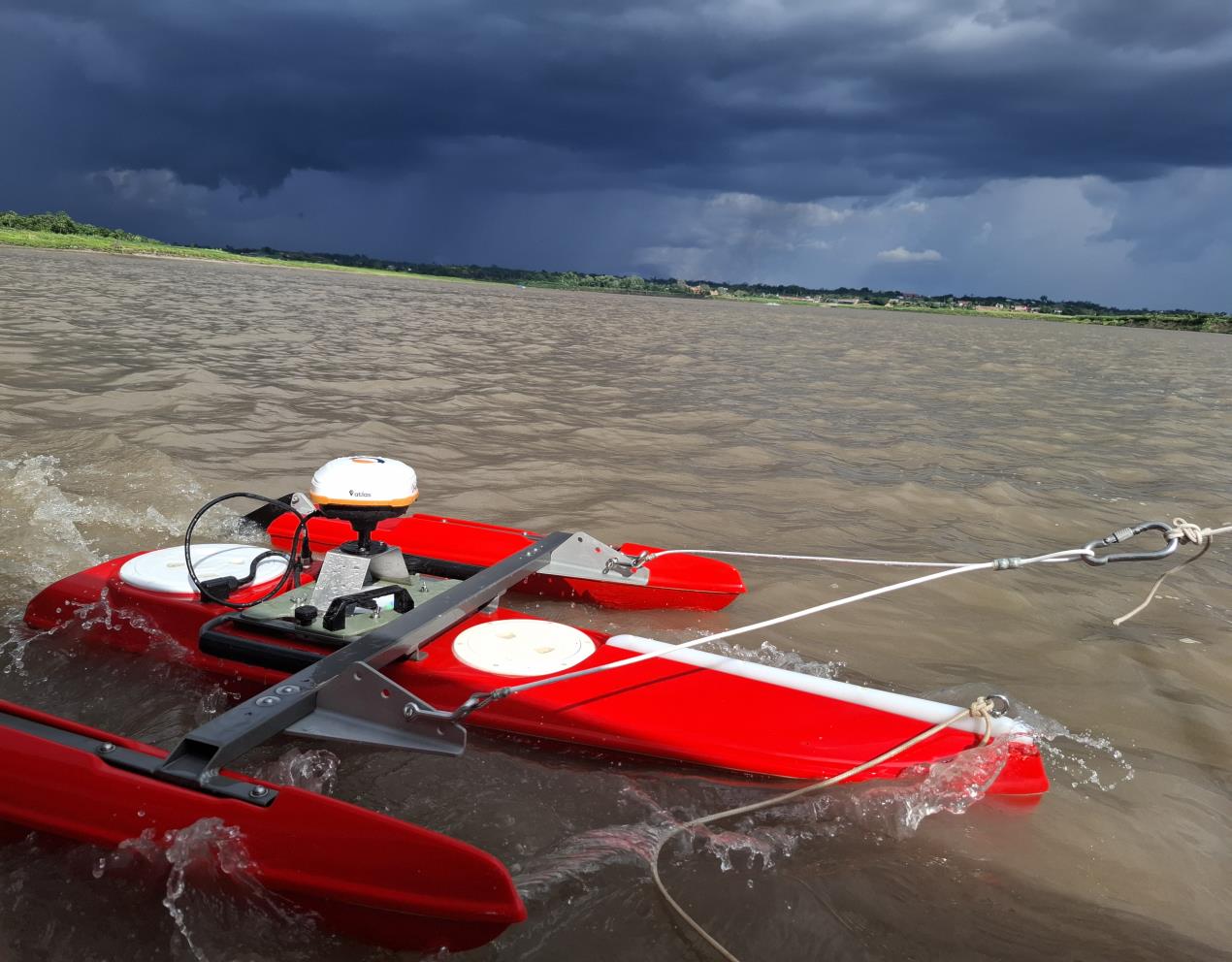
"Our 2025 Voter's Choice winner, Jonathan Valenzuela, captured a great photo of an approaching storm while collecting hydrological data with a Teledyne RiverPro 600 kHz ADCP, highlighting the challenges of scientific fieldwork. We’re looking forward to seeing this year's entries and the stories behind them."
Teledyne Marine reminds participants that government officials are not eligible to receive prizes in accordance with the contest rules.
For full contest rules and submission details, visit: https://woobox.com/qzrq35/rules
To learn more about Teledyne Marine, visit: https://www.teledynemarine.com/
ROV Technology Leader Invests in Next-Generation Underwater Robotics Firm
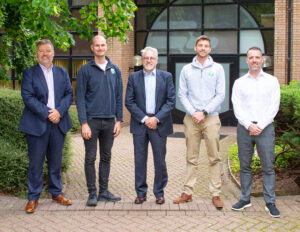
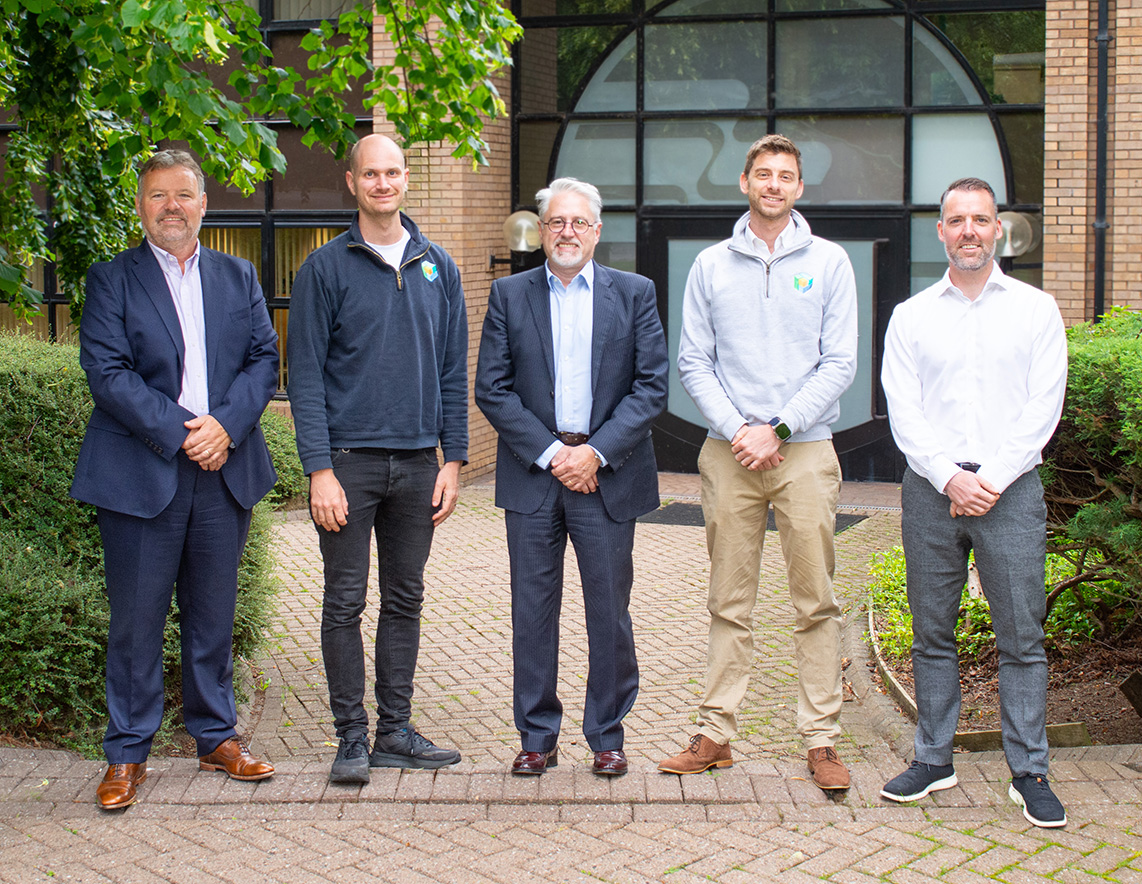
Imenco Future Technologies, a global leader in remotely operated vehicle (ROV) technology, announced it has taken a strategic investment stake in Frontier Robotics, a specialist developer of advanced subsea robotics technologies, supporting its long-term innovation and growth strategy.
The investment represents a significant step in Imenco’s Future Technologies ongoing commitment to advancing subsea capabilities, enhancing operational efficiency and accelerating the development of next-generation solutions for offshore energy, defence, and emerging blue economy sectors.
Frontier Robotics has built a strong reputation for its pioneering work in subsea autonomy and perception technologies. Its technology roadmap is closely aligned with Imenco’s strategic focus on digitalisation, automation, and increased ROV system performance in complex subsea environments.
Strengthening Strategic Alignment
The partnership is expected to enable closer collaboration on product development, integration of complementary technologies, and faster commercialisation of innovative solutions. Furthermore, it will also support joint exploration of emerging market opportunities where advanced ROV capabilities and intelligent systems are becoming increasingly critical.
Daniele Petrone, CEO at Imenco Future Technologies said:
“This investment marks an important milestone in our strategy to partner with and support innovative companies that bring differentiated technological capabilities to the subsea market.”
We see strong alignment between our organisations, both in terms of technical vision and ambition to drive industry progress. Working more closely together will enhance our market leading position in subsea visual systems, adding perception technologies, autonomy and expanded AI capabilities to our recently launched MillieOne platform accelerating delivery of solutions that create real value for our customers.”
Jonatan Scharff Willners, Founder and CEO at Frontier Robotics said:
“We are delighted to welcome Imenco Future Technologies as a strategic investor, “Their deep domain expertise, global market presence, and commitment to innovation make them an ideal partner as we continue to grow and expand our technology portfolio. This investment will enable us to accelerate development and deliver even greater impact across the subsea sector.”
Supporting the Future of Subsea Operations
The investment underscores Imenco Future Technologies broader strategy of building an ecosystem of complementary technologies and partnerships to support the future of subsea operations. As the industry evolves toward more autonomous, data-driven and sustainable solutions, collaboration between established leaders and technology innovators is increasingly essential.
Frontier Technologies will benefit from Imenco’s global reach, operational experience, and established customer base, providing a strong platform to scale its technologies and bring innovations to market more rapidly.
Greensea IQ is awarded $18 million contract by the US Navy for the Bayonet Underwater Controller (BUC) development and sustainment
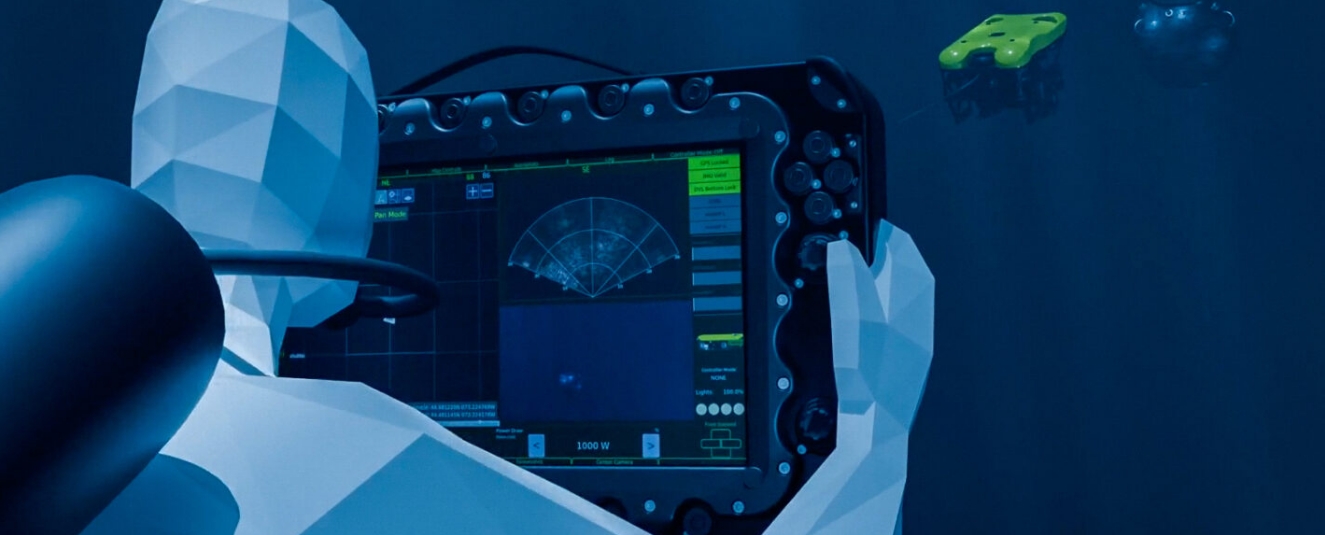
 Greensea Systems, Inc., d.b.a, Greensea IQ, has been awarded an $18,154,710 Indefinite-Delivery/Indefinite-Quantity (IDIQ) contract to provide hardware, software, and engineering technical services for underwater controllers used to operate autonomous and remotely operated systems in maritime environments.
This seven year, sole-source award, made under the authority of 10 U.S. Code 3204(a)(1) further establishes Greensea IQ as a trusted leader in subsea autonomous solutions for the Department of War. The Naval Information Warfare Center Pacific, San Diego, California serves as the contracting activity.
“Greensea makes some of the industry's most mature robotic platforms and software suites,” says Bayonet General Manager, Fred Gaghan. “The Bayonet portfolio is making defense forces more capable in addressing critical challenges across a broad spectrum of the operational environment. The Bayonet Underwater Controller (BUC) will be an essential component for warfighters conducting Special Warfare, Explosive Ordnance Disposal (EOD), and other sensitive underwater operations.”
The BUC paired with EOD Workspace software, is built on Greensea IQ’s Core open architecture software and is part of the broader Bayonet product offering. Bayonet is a comprehensive technology stack that includes a scalable lineup of Autonomous Underwater Ground Vehicles (AUGVs), remote navigation packages, mission execution software, and training simulators. This product suite provides flexible capability spanning the most challenging environments from the surfzone through deepsea terrain, and is designed to deliver more efficient, and safer missions for the naval warfighter.
Kraken Robotics announces closing of strategic acquisition of Covelya Group Limited, updated 2026 guidance and appointments to Executive Team
Kraken Robotics Inc. (“Kraken” or the “Company”) (TSX-V: PNG, OTCQB: KRKNF) announced the closing of its previously announced acquisition of Covelya Group Limited (“Covelya Group”), for approximately $615 million, subject to closing adjustments (the “Acquisition”). Unless otherwise specified, all dollar amounts in this release are denominated in Canadian dollars.
MANAGEMENT COMMENTS
“This acquisition positions Kraken as a global provider of mission-critical, dual-use subsea intelligence solutions,” said Greg Reid, CEO of Kraken Robotics. “Since announcing the transaction, we have received positive feedback from customers who are looking forward to working with our combined engineering teams on integrated subsea technology solutions. We welcome the new employees to the team and look forward to the many benefits this combination can provide. Together, Kraken and Covelya Group bring complementary products, technological capabilities, and customer relationships that we expect will strengthen Kraken’s growth potential and long-term outlook. This positive long-term outlook is further supported by the expected increase in defence budgets globally, including growing investment in autonomous underwater systems.”
STRATEGIC RATIONALE
The Acquisition aligns with Kraken’s strategy to deliver value to customers through a portfolio of dual-use technologies and a culture of innovation. As previously announced, the strategic benefits to Kraken from the Acquisition include the following:
- Allows for deeper customer relationships in the fast-growing defence and maritime surveillance market.
- Expands product offering and Kraken’s total addressable market in subsea technology.
- Adds strategic locations for geographic expansion and improves business diversification.
- Bolsters technical capabilities with an experienced engineering team and highly advanced facilities.
- Financial accretion across key metrics, including $10 million of cost synergies within 24 months.
NEW PRODUCT ORDERS AND UPDATED 2026 FINANCIAL GUIDANCE
Since reporting its Q1 2026 results on May 28, 2026, Kraken and Covelya have secured additional product orders of approximately $13 million and $17 million, respectively. These awards bring announced orders in 2026 to approximately $110 million for Kraken and $182 million for Covelya Group. Gross profit margins associated with these orders are consistent with historical gross profit margins.
Kraken is updating its 2026 guidance to reflect the Acquisition’s July 2, 2026, closing date and the inclusion of Covelya Group, which was excluded from the Company’s prior guidance.
A summary table and a comparison to Kraken’s prior 2026 outlook is provided below. Revenue in 2026 is expected to be weighted toward the second half of the year.
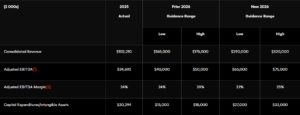
As previously outlined at announcement, the Acquisition is expected to be accretive across key financial metrics and is expected to generate low-to-mid double-digit EPS accretion in 2027, after including the full impact of expected cost synergies.
The Company continues to maintain a strong balance sheet, with minimal net debt following the drawdown of the New Credit Facility, as defined below, and financial flexibility to fund future growth opportunities.
[1] Adjusted EBITDA is a non-IFRS financial measure with no standard meaning under IFRS, and may not be comparable to similar financial measures disclosed by other issuers. See “Non-IFRS Measures” in this press release.
[2] Adjusted EBITDA margin is a non-IFRS financial ratio based on Adjusted EBITDA, with no standardized meaning under IFRS and therefore may not be comparable to similar measures presented by other issuers. See “Non-IFRS Measures” in this press release.
LEADERSHIP TEAM AND ORGANIZATIONAL STRUCTURE
As part of its integration with Covelya Group and its subsidiary companies, Kraken is implementing a new organizational structure and strengthening its leadership team.
The new structure will consist of Kraken Group, which will focus on financial and organizational governance, and a clearly delineated Kraken Robotics operating business, whose business units will focus on operational excellence, strategic execution, and financial performance. These changes are designed to combine the strengths and talents of both organizations while creating a more efficient and scalable platform to support long-term growth.
In conjunction with these organizational changes, Bernard Mills has been promoted to President of Kraken. Bernard brings extensive experience leading large organizations and driving operational performance. Prior to joining Kraken, Bernard served as CEO and Managing Director of Stelia North America, an advanced materials subsidiary of the Airbus Group. Before that, he was President of Ultra Sonar Systems, where he led a global organization of more than 850 employees.
Kraken’s new Corporate Group leadership will be comprised of the following:
- Greg Reid – Chief Executive Officer (CEO)
- Bernard Mills – President (formerly Kraken EVP Defence)
- Joe Mackay – Chief Financial Officer (CFO)
- Terra Penrose – Chief People Officer (CPO)
- John Salama – Chief Information Officer (CIO)
- Andrew Griffin – Chief Legal Officer (CLO) (formerly Kraken Director, Legal)
The Executive Leadership Team working with Bernard within the Kraken Robotics operating business will include:
- Simon Partridge – EVP Technology (formerly Chairman of Covelya Group)
- Graham Brown – EVP Products (previously Managing Director at Covelya Group’s Sonardyne International subsidiary)
- Gary Moynehan – EVP Enterprise Performance (previously CFO at Covelya Group)
- David Shea – EVP Strategy & Growth (previously EVP Products and CTO at Kraken)
- EVP Systems & Services, a newly created position that is currently vacant, with the Company in advanced stages of the recruitment process
Together, this team combines deep expertise across technology, operations, and growth initiatives to support the integration and future expansion of the combined company.
Nat Spencer, Chief Operations Officer (COO), will be leaving Kraken at the end of July to pursue a new opportunity. The Company thanks Nat for his many contributions to Kraken over the last several years and wishes him well in his future endeavours.
Kraken is establishing an integration plan with a dedicated team and will begin integrating employees, systems, finance, sales, and operations to realize potential revenue and cost synergies. As previously announced, Kraken is targeting approximately $10 million of cost synergies within the first 24 months.
CLOSING DETAILS AND SUBSCRIPTION RECEIPT CONVERSION
The approximately $615 million purchase price for the Acquisition, prior to closing adjustments, was comprised of approximately $480 million in cash and approximately $135 million through the issuance of 15,882,352 common shares of Kraken (each a “Common Share”) at a deemed issue price of $8.50 per Common Share to Covelya Group’s shareholder.
The cash portion of the purchase price was funded from the net proceeds of Kraken’s $402.5 million bought deal public offering of subscription receipts (the “Subscription Receipts”), which closed on March 12, 2026, interest earned on such net proceeds, and borrowings under the New Credit Facility.
In connection with the closing of the Acquisition, Kraken also closed amendments to its existing credit facility to create a new committed, secured, non-revolving term credit facility in the amount of $125 million (the “New Credit Facility”), increase its existing revolving credit facility from $35 million to $60 million, and to extend the term of the revolving credit facility to March 2031, among other amendments. The Company drew down the New Credit Facility in full, with the proceeds applied to pay a portion of the cash consideration for the Acquisition.
In conjunction with the closing of the Acquisition, each holder of Subscription Receipts is entitled to receive, automatically and without payment of any additional consideration or further action on the part of the holder, one Common Share for each Subscription Receipt held.
Trading in the Subscription Receipts is expected to be halted, the transfer register maintained by the subscription receipt agent will be closed, and the Subscription Receipts will be delisted from the TSX Venture Exchange (the “TSXV“) effective as of the close of trading today. The Common Shares to be issued pursuant to the terms of the Subscription Receipts are expected to commence trading on the TSXV tomorrow.
After giving effect to the Acquisition and the offering of the Subscription Receipts, the seller of Covelya Group owns approximately 4% of the issued and outstanding Common Shares, which are subject to a lock-up agreement providing for release one-third of such Common Shares on each of the dates that are 12, 18 and 24 months following the closing date of the Acquisition.
Kraken plans to report its Q2 2026 results in late August 2026 and its Q3 2026 results, which will include Covelya’s contribution, in late November 2026. With the Acquisition now complete, Kraken intends to apply to list its Common Shares on the Toronto Stock Exchange (“TSX”), subject to satisfying applicable TSX listing requirements and receiving TSX approval. The Company expects the process to be completed by year-end 2026 or early 2027.
NON-IFRS MEASURES
The Company has included certain non-IFRS financial measures and non-IFRS ratios in this press release, including Adjusted EBITDA, Adjusted EBITDA margin, gross profit, gross profit margin, Adjusted net income and working capital. Management believes that non-IFRS financial measures and non-IFRS ratios, when supplementing measures determined in accordance with IFRS, provide investors with an improved ability to evaluate the underlying performance of the Company. Non-IFRS financial measures and non-IFRS ratios do not have any standardized meaning prescribed under IFRS, and therefore they may not be comparable to similar measures employed by other companies. This data is intended to provide additional information and should not be considered in isolation or as a substitute for measures of performance prepared in accordance with IFRS.
In this news release, the Company uses the following non-IFRS financial measures and non-IFRS ratios with respect to the Company: Adjusted EBITDA and Adjusted EBITDA Margin. Explanations of the composition and usefulness of these measures and reconciliations of such measures to the most directly comparable IFRS measures disclosed in the Company’s financial statements can be found in the section entitled, “Non-IFRS Measures” in the Company’s management’s discussion and analysis (“MD&A”) for the financial year ended December 31, 2025, which section is incorporated by reference in this news release and is available on SEDAR+ at www.sedarplus.ca.
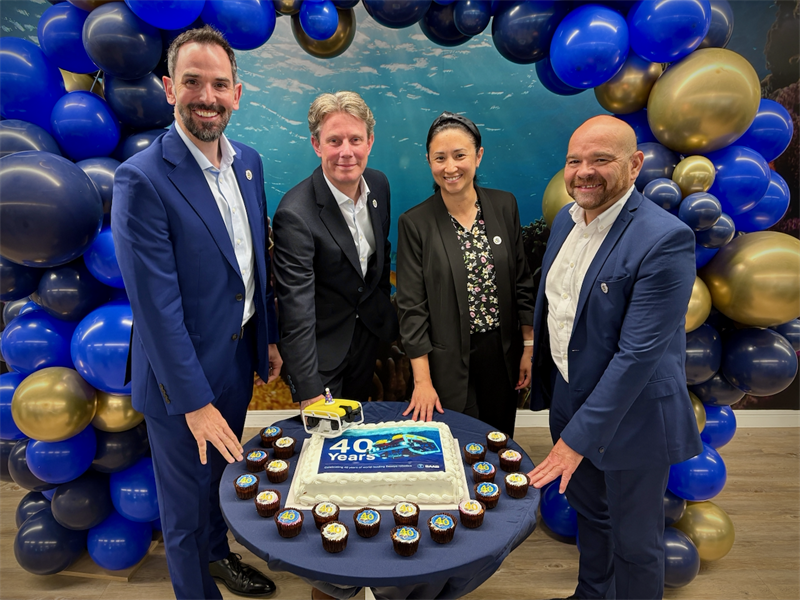
Saab UK marks 40 years of subsea robotics innovation
 Saab UK is marking 40 years of Seaeye subsea robotics, innovation and engineering excellence focused on improving safety and performance in underwater operations.
Founded in 1986 to address the risks of deep‑water offshore operations, Seaeye pioneered electric remotely operated vehicles (ROVs) that reduce human exposure in challenging subsea environments. This safety‑led approach has remained central to the company’s development and was further strengthened when Seaeye became part of Saab in 2007, supporting long‑term investment and global growth across commercial and defence markets.
Today, operating in the UK from its Fareham campus, Saab produces the world’s largest range of electric ROVs from a single manufacturer, with over 1,100 systems delivered to customers in 74 countries. Its systems are used across 13 industries, including critical undersea infrastructure, offshore energy and marine science, helping customers manage risk in complex and demanding environments.
Over the years, Seaeye vehicles have been used to support a huge range of applications, from surveying a long lost 18th Century ship wreck by the Colombian navy, to safely inspecting underwater energy infrastructure in crocodile infested waters in Indonesia.
Andy Fraser, Group Managing Director at Saab UK, said:
“Seaeye’s 40‑year history reflects a consistent commitment to practical innovation driven by the need to keep people safe below the surface. That achievement is rooted in the expertise, dedication and ingenuity of the people behind the technology, whose focus on real operational challenges continues to deliver trusted capability for customers around the world.”
Jon Robertson, Seaeye Managing Director at Saab UK, said:
“Our 40th anniversary is a celebration of the people and partnerships that have defined our success. Through innovation, dedication, and collaboration, our employees, customers, and suppliers have helped us grow, adapt, and lead. Thank you for being part of our journey – we look forward to shaping the future together.”
Saab’s focus on safety-led innovation is reflected in the breadth of the Seaeye portfolio, which ranges from high‑performance ROVs such as Seaeye SR20 all‑electric workclass ROV, Seaeye Leopard and Seaeye Cougar‑XTi, to the rapidly deployable Seaeye Falcon. Advanced solutions including Sabertooth – a hybrid AUV/ROV, and the eM1‑7 electric manipulator, further extend operational reach, dexterity and control, supporting safer and more efficient subsea operations across a wide range of environments.
As the subsea domain becomes increasingly strategic, Saab UK continues to invest in all‑electric systems, remote operations and next‑generation technologies to meet future challenges.
KONGSBERG and DRASS announce strategic partnership

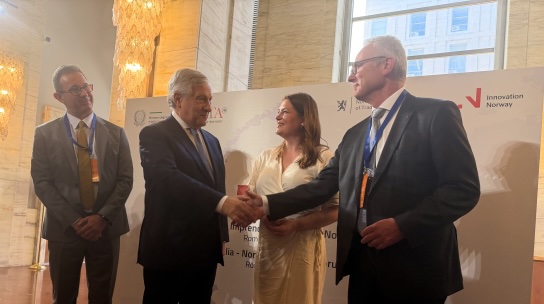
Growing demand for advanced underwater intelligence systems, particularly in sensing and robotics, is driving the next generation of highly autonomous underwater vehicles. This partnership is intended to address those evolving defense needs.
The partnership between KONGSBERG and DRASS will support the exchange of technologies, systems, payloads, and operational architectures, combining the companies’ complementary industrial strengths, technical expertise, and operational experience to develop advanced underwater solutions.
“Our goal is to develop highly capable, scalable, and interoperable underwater systems that meet changing operational and defense needs. This includes unmanned underwater vehicles (UUVs), maritime intelligence, surveillance, and reconnaissance (ISR) solutions, and manned-unmanned teaming (MUM-T),” says Espen Henriksen, Senior Vice President Uncrewed Platforms at KONGSBERG.
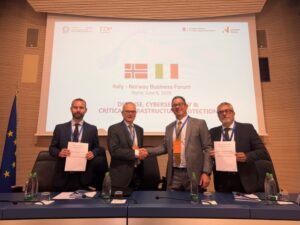
Both companies have strong maritime expertise. KONGSBERG leads in navigation systems, autonomous underwater vehicles, sonar, sensors, and systems integration. DRASS is known for large subsea platforms, pressure-tolerant battery modules, compact I.R./optronic periscopes, and payload integration.
“Together, we will build on our complementary strengths in unmanned underwater systems and take the next step into the future,” Henriksen says.
CEO Sergio Cappelletti at DRASS states: “These jointly developed solutions will create an integration bridge between DRASS’s compact submarines and manned underwater systems, and KONGSBERG’s unmanned surface vehicles and conventional UUVs.
By leveraging our respective expertise—particularly through the joint development of KONGSBERG and DRASS unmanned vehicles —we can advance interoperable underwater platforms and accelerate progress in this emerging field. Through this partnership, we are creating a unique operational environment, encompassing the broadest spectrum of assets and technologies for littoral waters and beyond."