
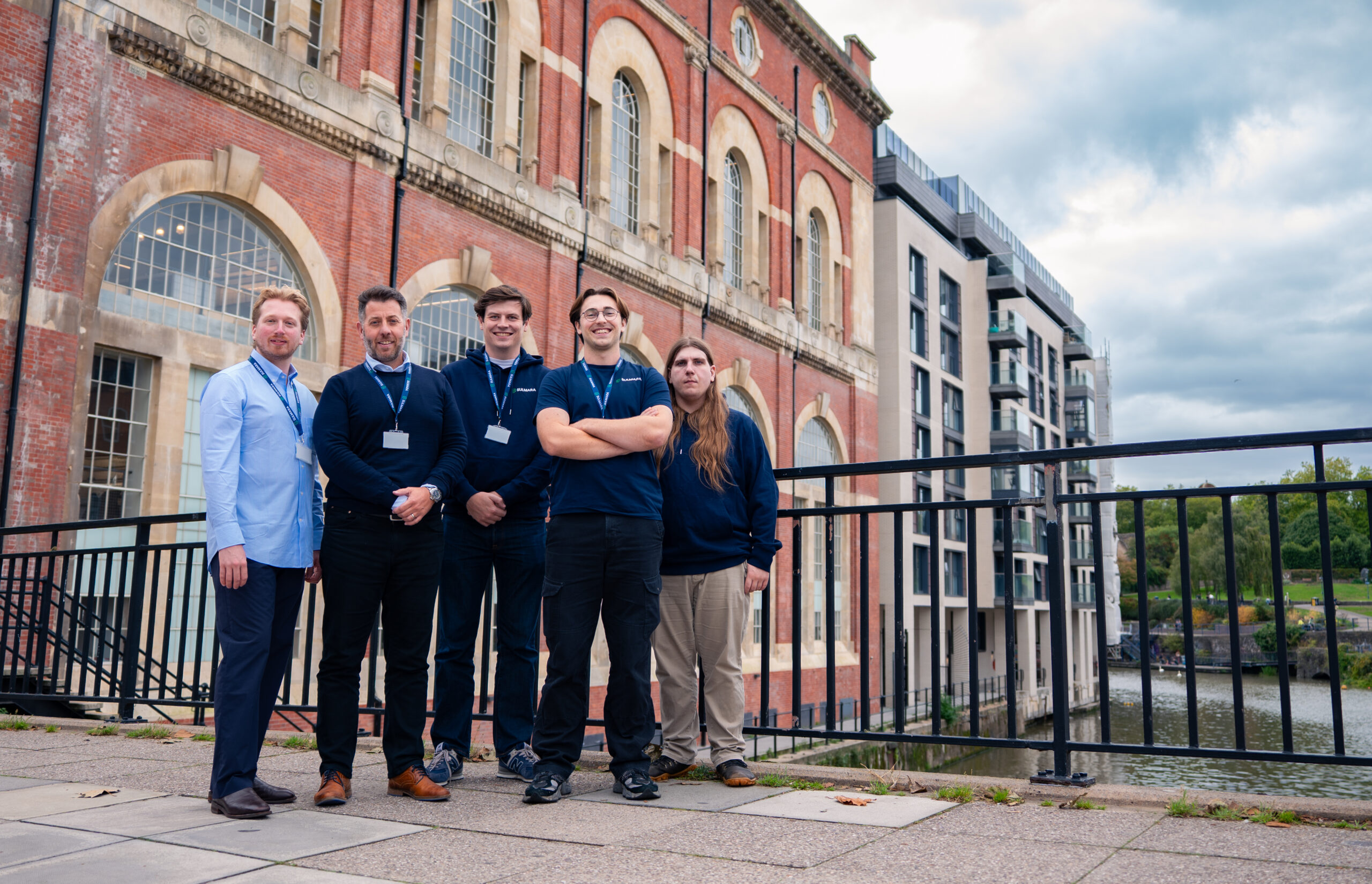
Sulmara expands to Bristol with new CIO and AI/ML Innovation Hub
 International subsea survey and inspection company Sulmara has opened a new office in Bristol, strengthening its technical leadership and accelerating innovation in subsea data solutions.
The new office is now home to a specialist team, focusing on enterprise data infrastructure, software development and data analytics driven by artificial intelligence and machine learning (AI/ML). They will help transform how offshore survey data is collected, processed, and delivered, and their work will reduce the number of people working offshore, improve survey accuracy, and shorten project timelines.
At the heart of this move is the appointment of Richard Goodwin as Chief Information Officer (CIO). Based in Bristol, Richard will lead Sulmara’s global technical development & operations, driving the integration of AI/ML, cloud, and automation into subsea survey workflows.
Richard brings more than 25 years of experience, including two decades at Capgemini where he held global senior leadership roles across AI/ML, infrastructure, security, and solution architecture. His background spans multiple sectors – including marine and subsea – giving him the expertise to tackle some of the industry’s toughest data and technology challenges.
“This is more than just a new office – it’s a highly experienced team ready to deliver from day one,” said Richard. “With AI and machine learning, we see a huge opportunity to transform underwater exploration – making it safer, faster, and more precise than ever before.”
 Kevin McBarron, CEO at Sulmara, added: “We’re really pleased to welcome Richard and the wider team to Sulmara as they settle into our new Bristol office. They bring a high level of technical skill, professionalism, and a collaborative spirit that aligns with how we work as a company.
“Having this team in place adds further depth to the expertise we offer our clients, and we’re genuinely looking forward to working together.”
The Bristol hub will focus on developing tools for tasks such as UXO identification, seafloor target picking, and boulder detection, all critical to reducing project risk and enabling greater adoption of remote technologies.
This expansion reflects Sulmara’s commitment to data-driven innovation and to providing clients with faster, safer, and more efficient subsea services.
To find out more about Sulmara, please visit www.sulmara.com.

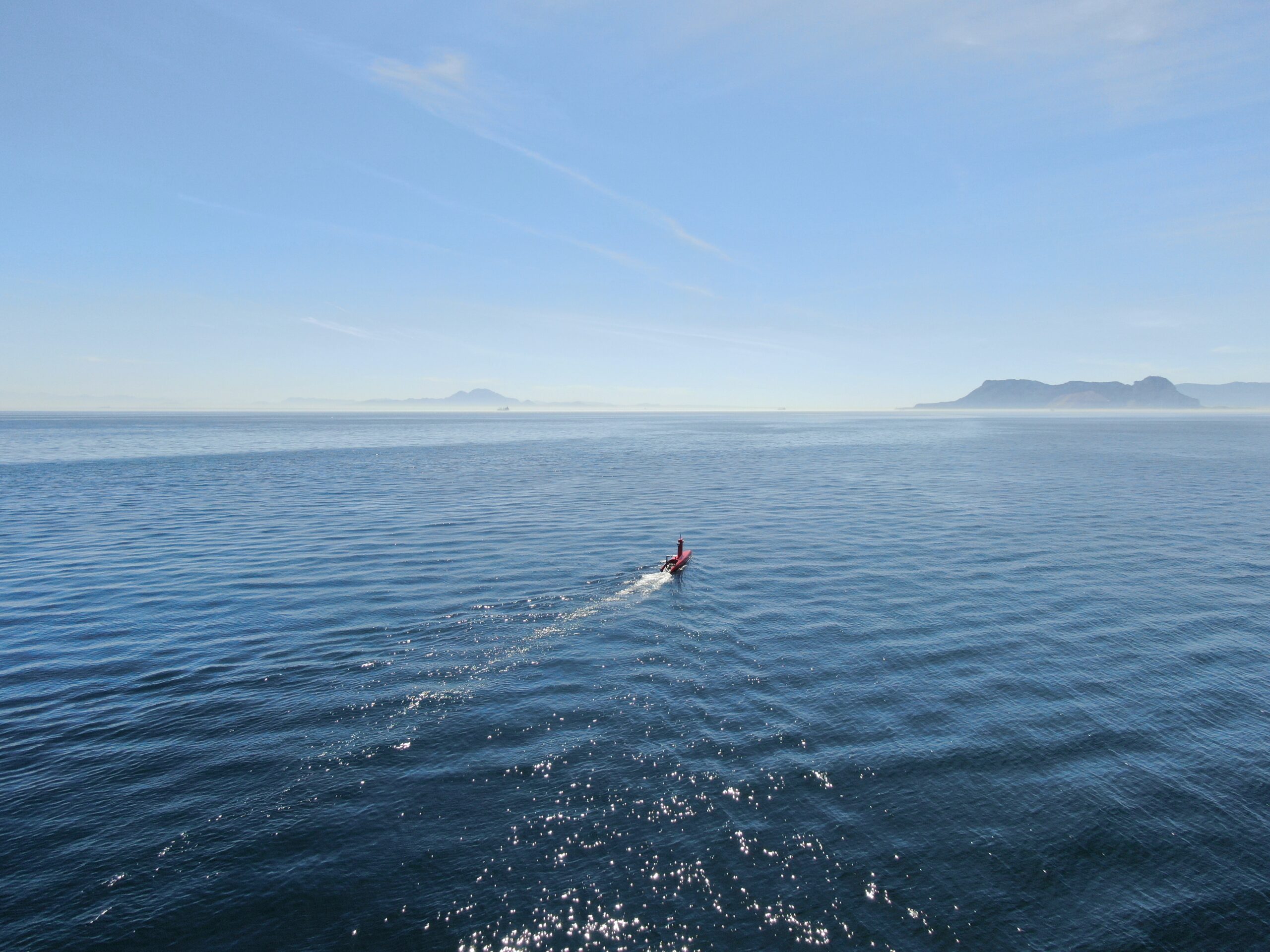
Exail achieves world first with 1,100-nautical-mile autonomous USV transit across Gibraltar Strait
 Exail has achieved a major milestone in maritime autonomy with its DriX O-16 transoceanic uncrewed surface vehicle (USV). The 16-meter platform has just completed an unprecedented 1,100-nautical-mile (2,000 km) transit from La Ciotat – France, to Troia – Portugal, to join NATO’s REPMUS 2025 exercise.
Sailing past the Balearic Islands and through the Strait of Gibraltar, one of the world’s busiest maritime passages, the DriX O-16 completed the voyage in six days without port calls. Operated in supervised autonomy from Exail’s Remote Operation Center (ROC) in La Ciotat, the mission demonstrated endurance, situational awareness, and reliable decision-making in dense traffic.
A decisive step in operational maturity
This long-range deployment confirms the robustness, safety, and operational readiness of Exail’s surface drone technology. More than a symbolic crossing, it provides concrete proof that large USVs can be remotely supervised across open waters and constrained sea lanes, arriving fully mission-capable in theater without heavy logistical support. During the transit, the DriX O-16 also conducted seabed mapping operations with a Kongsberg EM304 multibeam echosounder, further demonstrating its capacity to deliver valuable data while underway.“With this unprecedented long-range transit, Exail’s DriX O-16 shows that large USVs are now an operational reality,” said Sébastien Grall, Head of Maritime Autonomy Solutions at Exail. “As the first uncrewed platform to successfully execute such a mission, it sets a new benchmark in surface autonomy—safe, reliable, and mission-ready.”
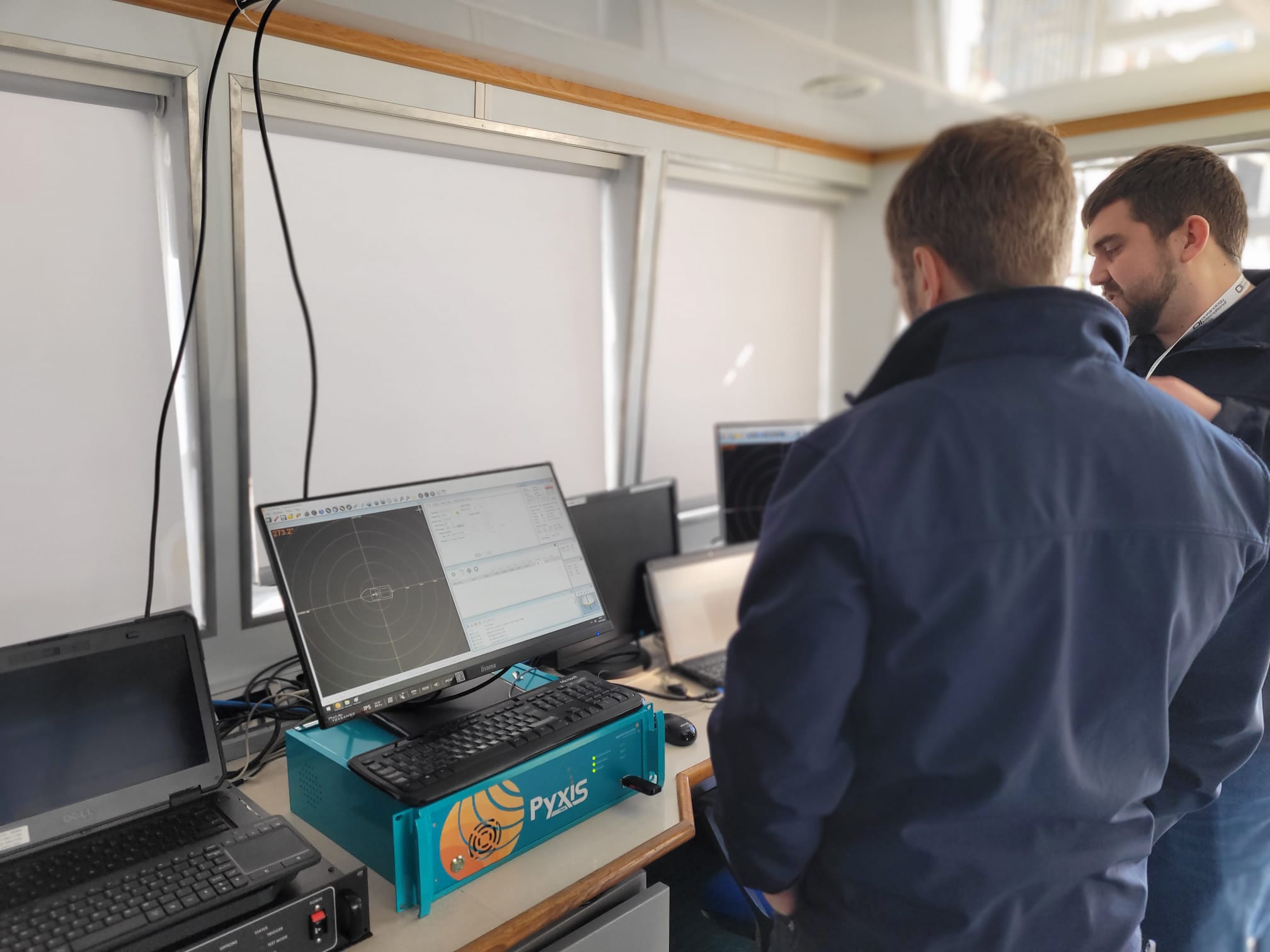
STR Expands Rental Fleet with applied acoustics Pyxis INS + USBL Systems
 applied acoustics has partnered with global subsea equipment rental specialist, STR, to enhance their USBL capabilities by adding applied acoustics Pyxis INS + USBL systems to STR’s inventory.
The Pyxis INS + USBL system is a fully integrated positioning solution that combines applied acoustics’ advanced and globally trusted USBL technology with a leading inertial navigation system (INS). This calibration-free USBL system generates exceptional subsea tracking data. With common interrogation frequencies, MiQ data telemetry and the ability to track 16 targets, the Pyxis system is ideal for a wide range of offshore applications, particularly unexploded ordnance (UXO) surveys.
Hollie Moran, Sales & Marketing Manager at applied acoustics, stated, “I am delighted that STR has added Pyxis systems to their rental equipment portfolio, allowing their customers to benefit from the advantages of our most accurate USBL system to date.”
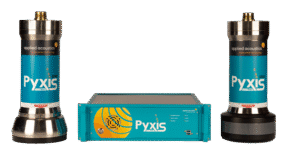 As a calibration-free system, the Pyxis INS + USBL is highly portable and ready to deploy from any vessel upon arrival at the work site. The MEMS-based INS does not fall under ITAR regulations, and the range-restricted option means the entire system can be shipped easily, without export control, to nearly any location worldwide. A key feature of the Pyxis system is that operators can deactivate the range restriction in the field under an export-controlled regime.
Raymond Forsyth, Group Technical Director at STR, added “STR is a leading subsea equipment and services provider to the offshore renewables, oil and gas and marine sciences markets.”
applied acoustics is an independent designer and manufacturer of highly regarded subsea electronic-acoustic products. Founded in 1989, the company has an established international client base covering many industry sectors, backed up by overseas offices and service centres and supported by a dedicated global distributor network.
Find more information on the Pyxis INS + USBL system here.
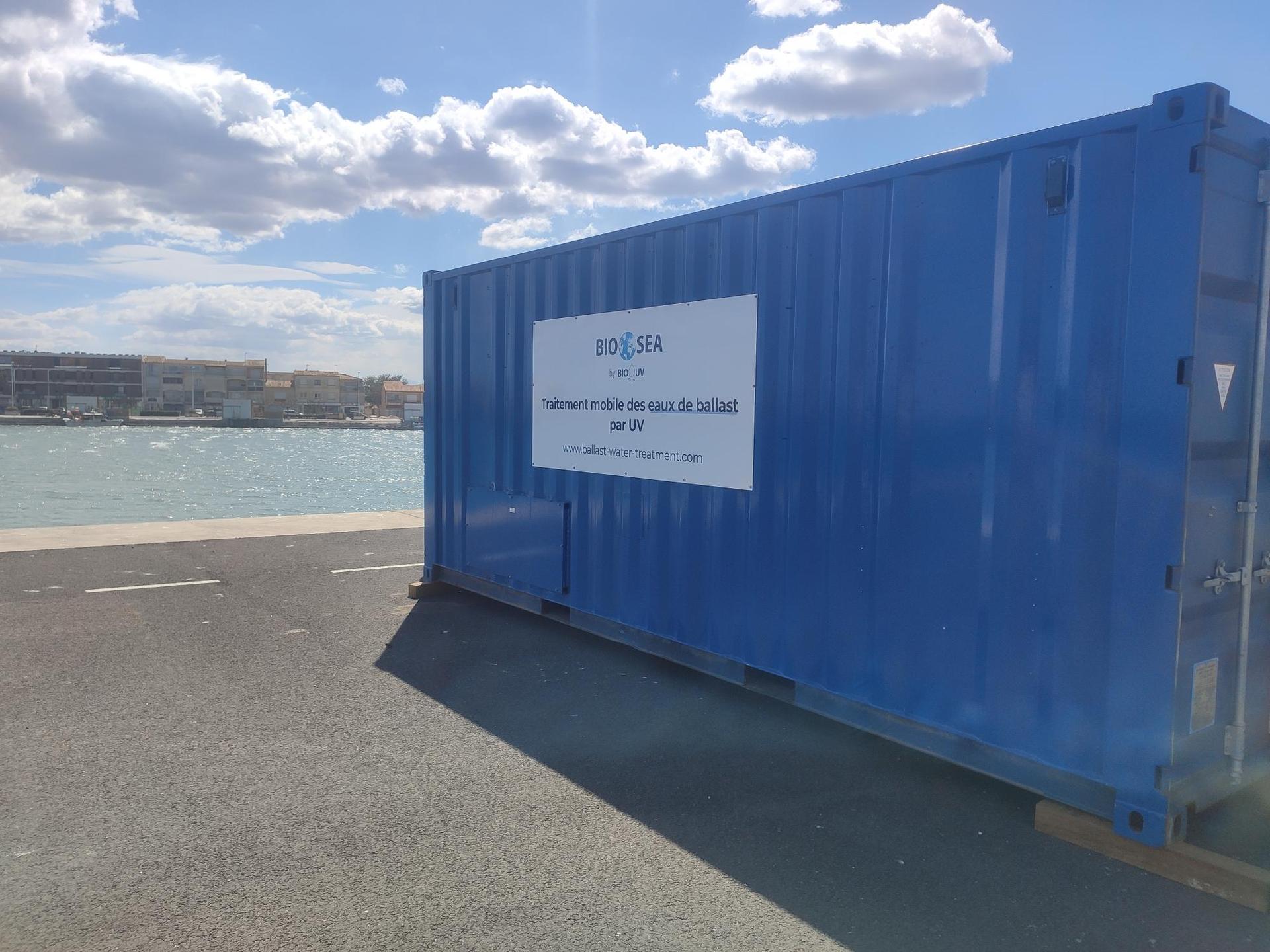
BIO-UV Group develops containerised ballast water treatment for floating offshore wind
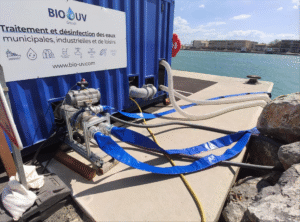 BIO-UV Group, the global leader in UV-based water treatment solutions, has successfully developed and tested a containerised ballast water treatment system designed initially for the floating offshore wind sector.
With the rapid development of floating offshore wind projects globally, ballast water compliance challenges have emerged because the movement of these floating platforms across territorial waters requires systems to prevent the spread of invasive marine species.
“While the maritime industry has made significant strides in ballast water compliance, the floating offshore wind sector is just beginning to recognise its obligations under the Ballast Water Management Convention. Our system offers a portable, scalable solution that meets these needs effectively,” said Charlene Ceresola, Project Manager at BIO-UV Group.
The initiative, funded in 2024 through the European Union’s ELBE EUROCLUSTER programme, was to adapt BIO-UV’s type-approved BIO-SEA for deployment in a standard TEU container, allowing operators to treat ballast water on-site during floating windmill assembly, transport, and maintenance.
Initial trials focused on a 300m3/h capacity containerised BIO-SEA B02-0340 unit installed at the Euroports-operated Port-la-Nouvelle, in France.
The main difference with onboard systems is the need to dispose of filter backwashed water at the place of discharge, which requires a separate waste treatment line. The prototype’s operation was evaluated through real-world testing, addressing challenges like connection compatibility, pressure drops, and on-site power limitations.
These tests validated the unit’s capability to provide the approved BIO-SEA dual-stage treatment – filtration and UV exposure – ensuring compliance with the regulatory requirement, as well as the ability of handling backwash effluents, transforming them into manageable waste for land-based disposal.
While biological trials were limited by external factors, such as sampling challenges and variability in water conditions, initial results showed promise. Discharge water has met the D-2 standard in all operations.
The first phase of the project, spanning January to June 2024, focused on engineering and testing the containerised solution. Phase Two, running from July to December 2024, expanded the scope to include market analysis and stakeholder engagement, laying the groundwork for future iterations.
“The modularity and portability of this solution make it ideal not only for offshore wind projects but also for emergency use by ships facing ballast water management system failures,” said Ceresola.
For instance, portable units could be leased or purchased and deployed on barges or in ports to assist vessels with inoperable ballast water management systems, ensuring compliance with environmental standards during unexpected breakdowns. This capability would fill a critical gap in current maritime operations, offering ports and shipping companies a reliable and effective contingency plan.
For the offshore wind sector, meanwhile, BIO-UV Group has provided the first commercial roll-out of a containerised unit this year under a “ballast as a service” rental scheme, enabling water treatment at any location.
The success of the ELBE project has already attracted interest from Mediterranean ports, including those participating in the EU’s Treasure program – a series of R&D projects aimed at improving harbour water management and other environmental efficiencies, said Ceresola.
“We can now provide ports and harbours with a practical, scalable solution that enables more industries to manage water responsibly. This project underscores our commitment to innovation and sustainability, paving the way for a cleaner, more resilient future.”
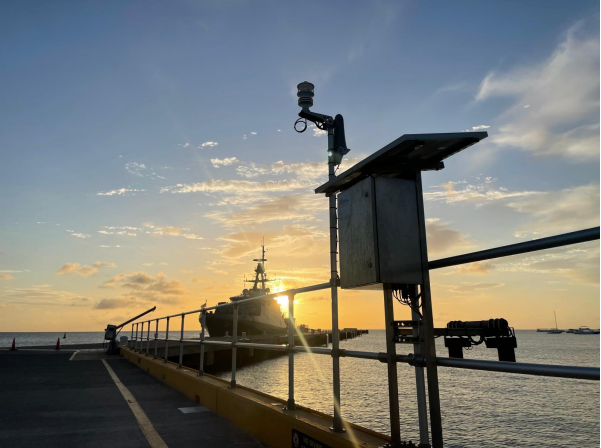
OceanWise and UKHO Continue to Strengthen Global Tide and Sea Level Data Coverage with New Installation on Grand Turk Island
 OceanWise, as part of its framework agreement with the UK Hydrographic Office (UKHO), has expanded global tide and sea level monitoring with the installation of a new Marine Environmental Monitoring Station (MEMS) in Grand Turk, part of the Turks and Caicos Islands.
This latest deployment builds on the successful roll-out of MEMS at sites across the Caribbean, South Atlantic, and Indian Ocean, further strengthening the UKHO’s global programme.
The MEMS tide gauge installed in Grand Turk will help fill a critical data gap in the region, providing high-quality, real-time sea level and tide data to support safe navigation, charting, and wider environmental applications.
“We’re proud to continue supporting the UKHO in this important programme,” said Caroline Levey, Managing Director at OceanWise. “The installation at Grand Turk demonstrates the practical benefits of collaborative data collection – helping to improve safety and resilience in coastal regions that are particularly vulnerable to changing ocean conditions.”
The Grand Turk installation represents another step in UKHO’s long-term commitment to improving access to accurate hydrographic data, particularly in remote or underserved locations. Each MEMS station contributes to global maritime safety, disaster preparedness, and evidence-based decision-making – and data from the stations are already being shared via the GLOSS (Global Sea Level Observing System) network.
OceanWise’s role in the programme includes the supply and configuration of equipment including tide gauges, met stations, commissioning, training, and the integration of real-time data into the OceanWise Port-Log platform, ensuring information is reliable, accessible to whoever needs it, and secure.
The Grand Turk installation is part of a wider strategic vision to support the International Hydrographic Organization’s S-100 framework and modernise the way sea level data is captured and shared worldwide.
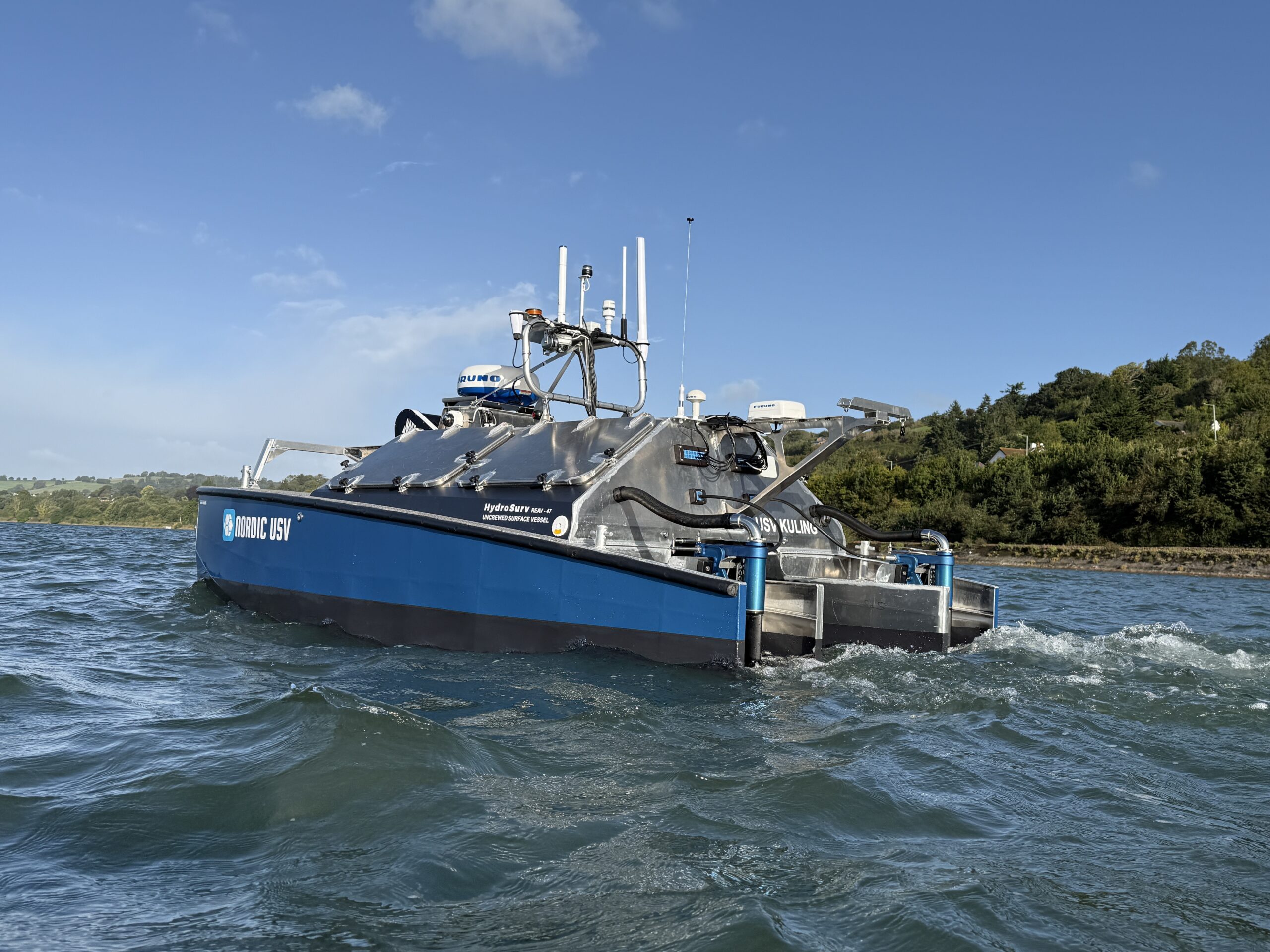
Nordic USV expands fleet with two additional REAV‑47 Uncrewed Vessels from HydroSurv
 Following the successful deployment of USV Bris, HydroSurv today announced the build and phased delivery of two additional REAV‑47 hybrid uncrewed surface vessels (USVs) to Nordic USV A/S in Norway. The expansion will see USV Kuling and USV Storm join the fleet to scale up autonomous survey operations along Norway’s coastline.
The first REAV-47 USV Bris, marked a major milestone in uncrewed marine operations. Since its deployment to Mo i Rana in northern Norway, Bris has been operated entirely remotely from Nordic USV’s control centre in Bergen which is 786 km from Nordic USV’s Bergen HQ. In a pioneering demonstration of remote autonomy, USV Bris recently completed a 320 km mission in 41 hours for Aqua Kompetanse AS, sailing between Ranfjorden and Velfjorden to map hydrographic conditions with no field personnel on site.
The vessel continues to support complex environmental and coastal monitoring missions with high-endurance, low-emission performance. Building on the success of USV Bris, HydroSurv has commenced on-water trials for USV Kuling, the second REAV‑47 in the fleet. Once complete, the vessel will be transported to Bergen, Norway. The third platform, USV Storm, is now in final production stages and will follow in delivery shortly thereafter. The expanded fleet will allow Nordic USV to respond to growing demand for sustainable, scalable survey operations throughout Norway’s coastal and fjord systems.
All vessels are based on HydroSurv’s commercial-duty REAV-47 platform, featuring a 72-hour hybrid-electric endurance capability and fully integrated payload systems for deepwater profiling, bathymetric mapping and remote operations. HydroSurv and Nordic USV continue to collaborate closely on future REAV‑47 variants. This next phase of partnership reflects both companies’ shared commitment to advancing low-impact, autonomous technologies that meet the evolving needs of the ocean science and monitoring sector.
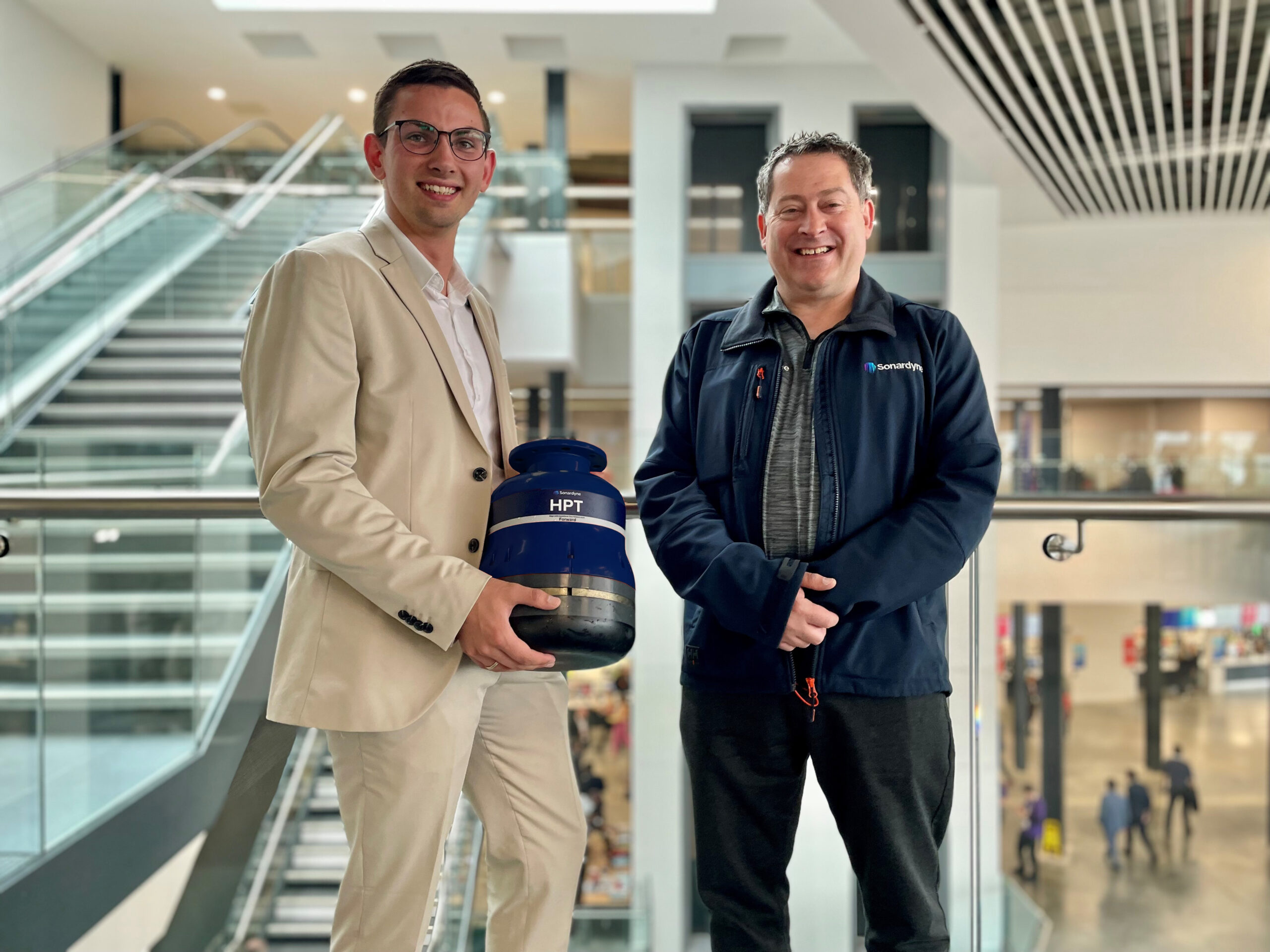
Stema Systems adds Sonardyne USBL to expand rental fleet
Underwater survey equipment rental specialist Stema Systems has ordered the first of what will be a growing fleet of Sonardyne technologies in its fast-expanding equipment pool.
The Netherlands-based company has ordered Sonardyne’s Mini-Ranger 2 Ultra-Short BaseLine (USBL) tracking system and multiple Wideband Sub Mini 6+ (WSM 6+) transponders as it looks to continue its expansion in Europe.
Stema’s Mini-Ranger 2 supports the company’s global rental customers across both renewables and oil and gas, providing survey-grade positioning for remotely operated vehicle (ROV) operations and towed system surveys.
The system is ideally suited for nearshore or offshore operations and can be easily deployed on smaller vessels, pipelay and construction barges or other vessels of opportunity requiring survey-grade positioning performance.
It is compact and easy to install, yet supports tracking, telemetry and control, with up to 10 targets simultaneously, with an operating range of 995 m, or to 4,000 m with the extended range version, which Stema has chosen.
“Sonardyne’s Mini-Ranger 2 USBL system is perfect for our customers’ operations, especially when they’re using a third-party vessel, providing ease of installation and high performance for everything from UXO surveys to structure inspection and much more,“ says Leon Hendriksen, Sales & Business Development Manager at Stema Offshore, a sub bottom specialist survey system integrator.
“We’re happy to be supporting Stema Systems’ growth and meeting its customers’ needs across the offshore energy sector,” says Alan MacDonald, Head of Sales, UK, Europe and Africa, at Sonardyne.
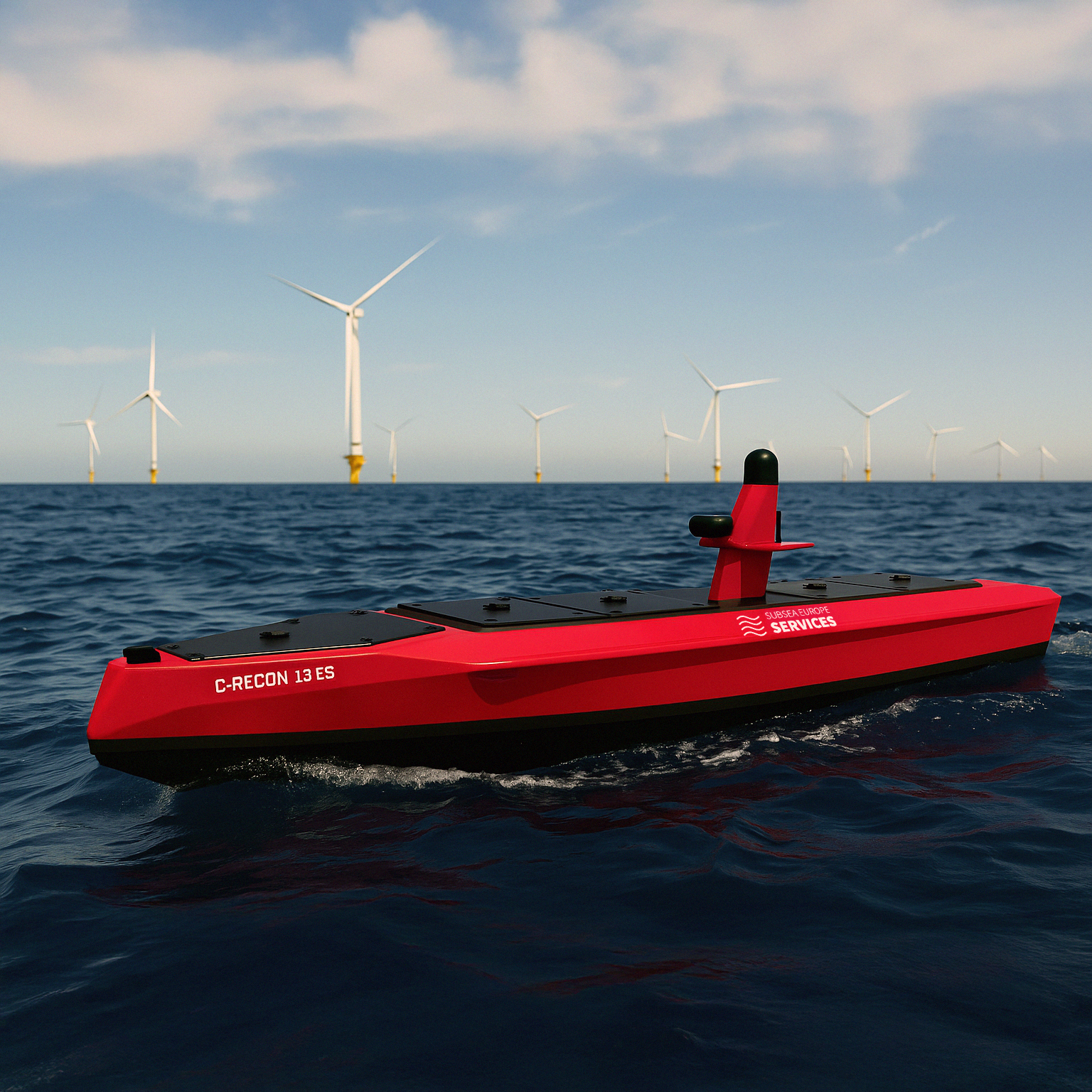
Subsea Europe Services enters USV market with sustainable, high-performance C-RECON 13-ES
 Subsea Europe Services (SES) GmbH, a leading provider of marine technology solutions for the offshore energy and ocean science sectors, has entered the Uncrewed Surface Vessel (USV) market with its first in-house developed platform, the C-RECON 13-ES.
Set to enter service in early 2026, the 4-metre, all-electric vessel is designed to simplify USV operations by combining performance, versatility, and zero-emission sustainability. Purpose-built for hydrographic surveys, environmental monitoring, and offshore asset inspection, the C-RECON 13-ES allows operators to cut survey costs, reduce risk to personnel, and expand access to areas where traditional crewed survey vessels are impractical or too expensive.
With a low-logistics launch capability from small vessels, marinas, or even directly off the beach, and a 200 kg payload capacity, the all carbon-fibre design balances practicality and ease of ownership. Zero emission, battery-powered propulsion enables safe and compliant operation in environmentally sensitive zones, a growing priority across offshore wind, oil and gas, and marine science projects.
SES has drawn on years of experience configuring and operating third-party USVs to develop a platform that directly addresses customer needs. Payload integration and sensor management, a frequent pain point when mobilising USVs, are simplified through SES’s proprietary C-KONTROL technology. This ‘plug and sail’ hardware backbone ensures the smooth installation of a wide range of survey and inspection sensors and accelerates launch readiness.
Additional innovations, such as SES’ tool-free C-Lock quick-mount deck system, universal C-Fit underwater payload interface and C-Caster profiling winch, further simplify vessel setup, helping operators maximise survey time and focus on high-quality data acquisition and delivery.
Available initially in a 4-metre (13 foot) length, the unique modular approach SES has taken to manufacturing the Q-RECON means that shorter and longer hull lengths can be accommodated by simply adding or removing ready-made hull sections, such as an extra battery pack or UAV hanger.
“Autonomy is not just about technology, it’s about enabling better business outcomes,” said Sören Themann, CEO of Subsea Europe Services. “With the C-RECON 13-ES, we’re providing a solution that helps European operators cut complexity, control costs, and deliver better results for their clients.”
SES has already helped bring advanced autonomous systems into commercial projects across Europe, from surveying busy ports to wind farm impact studies. With the launch of its own platform, SES is strengthening its position as a complete solutions provider, offering integrated payloads from leading manufacturers, training, and maintenance, but now also the vehicle that ties everything together.
Themann concluded: “C-RECON 13-ES represents the next stage in our growth. By building platforms in-house, we can deliver turnkey solutions that unlock the full value of autonomy for offshore energy, ocean science customers, and through our FLANQ business unit, defence.”
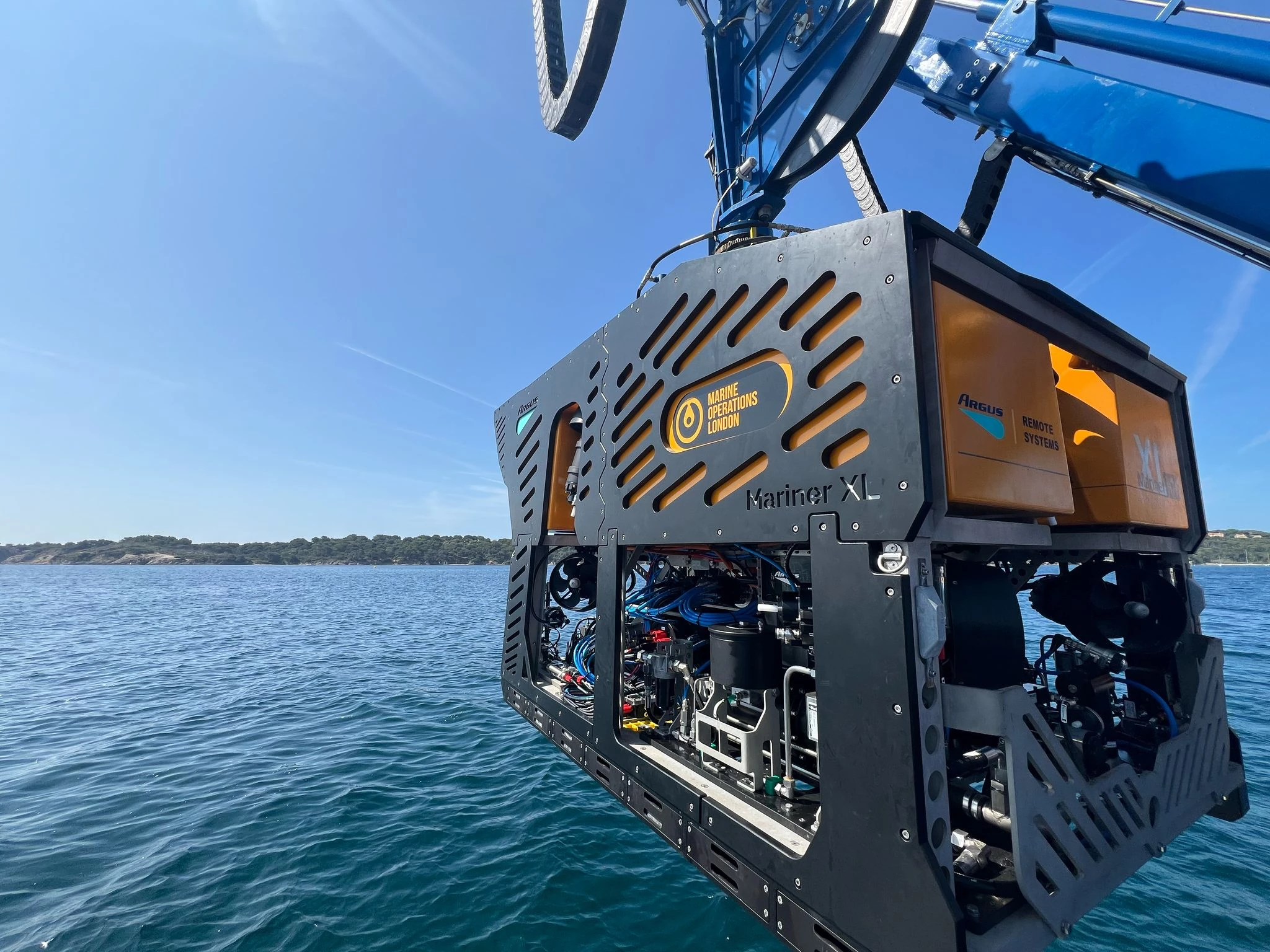
Exail to equip Deep Ocean Search with next-generation navigation and positioning systems for deep-sea missions
 Deep Ocean Search (DOS), a leading deep-sea exploration company, has selected Exail to provide the navigation and acoustic positioning capabilities required for its upcoming missions. As part of this collaboration, DOS will deploy Exail’s Rovins 9-DVL navigation system and Gaps M7 acoustic positioning system, enabling operations at depths of up to 6,000 meters.
Operating at such extreme depths in some of the world’s most challenging subsea environments requires highly precise, reliable, and autonomous systems to ensure safety, efficiency, and uninterrupted mission performance. Exail’s technologies are specifically designed to meet these demands, giving DOS the confidence to execute complex deep-sea operations under demanding conditions.
“These systems were chosen not only for their compact design and advanced capabilities but also for their proven track record in the marine industry,” said Sébastien Bougant, Ashore Manager at DOS. “The combination of Rovins 9-DVL and Gaps M7 will allow us to achieve new levels of precision and reliability in the most demanding subsea missions.”
Quentin Chiche, Regional Sales Manager at Exail, added: “We are proud to support DOS in pushing the boundaries of deep-sea exploration. By delivering the accuracy and autonomy required in such environments, we help operators focus on their mission objectives with full confidence in their navigation and positioning systems.”
 The Rovins 9-DVL will be integrated into DOS’ XL Mariner work-class ROV (Remotely Operated Vehicle), built by Argus in Norway. Combining Exail’s fiber-optic gyroscope technology with Nortek’s DVL (Doppler Velocity Log), Rovins 9-DVL ensures accurate seabed-relative navigation in GNSS-denied environments. By reducing drift and maintaining precise velocity tracking, it enhances the efficiency and predictability of subsea operations.
The Gaps M7 USBL system complements this by providing rapid deployment and omnidirectional long-range tracking, even in acoustically challenging conditions. Its pre-calibrated design ensures continuous real-time positioning of subsea assets, offering greater operational agility, minimized downtime, and enhanced control during demanding missions.
This collaboration highlights the strategic importance of reliable subsea technologies in enabling safe, efficient, and ambitious deep-sea operations. By equipping DOS with robust, field-proven solutions, Exail strengthens its role in advancing the future of deep-sea exploration and supporting mission success in the harshest marine environments.
Forum Energy Technologies Upgrades ROVs for Global Vessel Operator
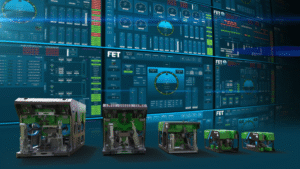 New enhancements to prolong lifespan of OEM systems
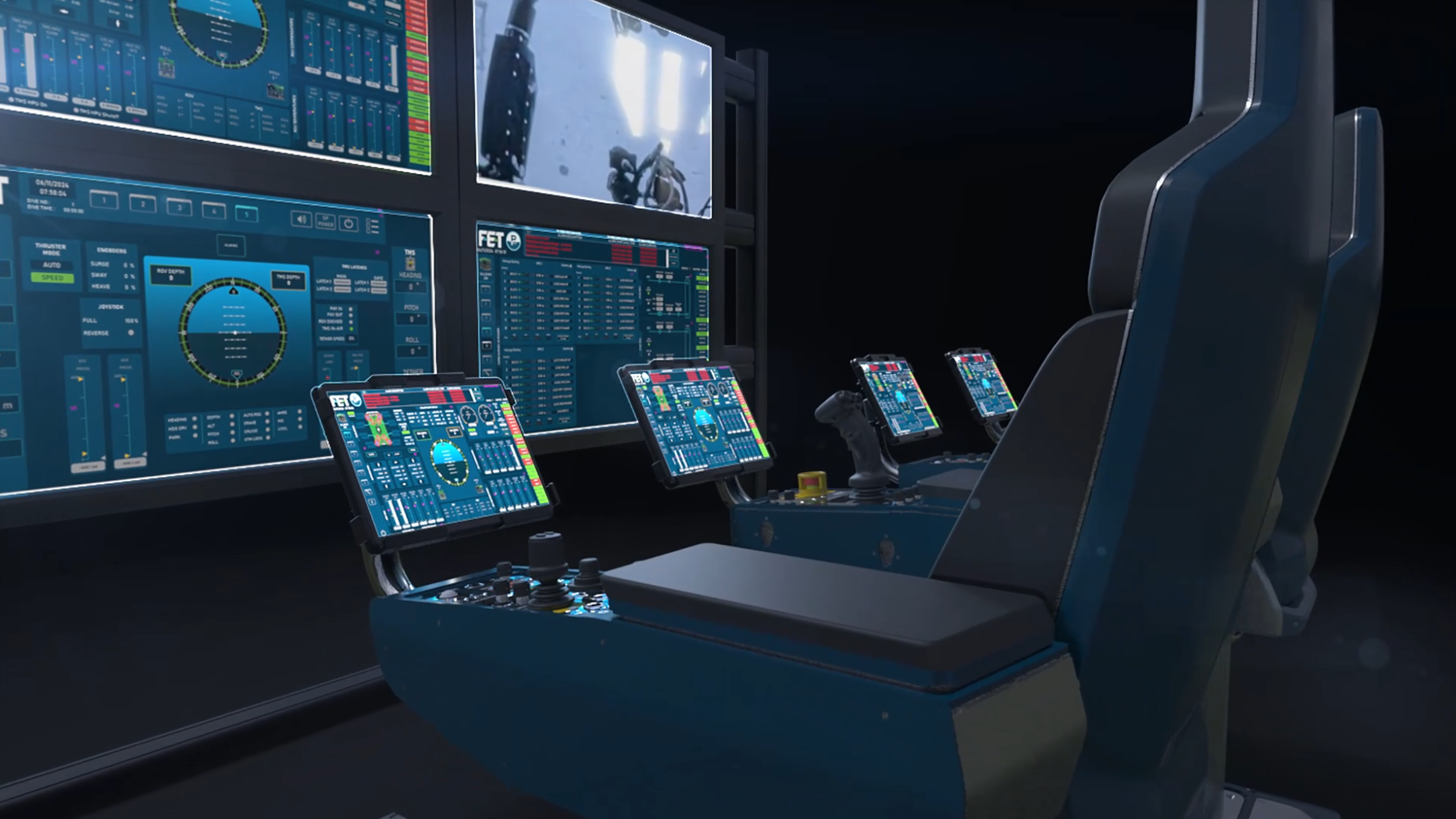
Forum Energy Technologies (FET) has been awarded a contract to upgrade two remotely operated vehicles (ROVs) for a global vessel operator, significantly enhancing the performance, efficiency and reliability of the systems.
The upgraded systems will be equipped with FET’s latest control system, ICE Unity, plus FET’s proven system architecture including hydraulic manifolds, junction boxes and thrusters. Once delivered the systems will receive FET’s class leading 24/7, 365 days a year support as well as a minimum of 10 years protection from obsolescence.
FET’s latest contract win follows a string of recent sales, including two XLX-C ROVs delivered to a UAE-based offshore construction firm and a Super Mohawk II ROV to a North American subsea organisation.
Kevin Taylor, FET Vice President – Subsea, said: “This project is a strong example of how collaboration can drive smart and effective subsea solutions, and we recognise the trust that this operator has put in us to undertake these ICE Unity improvements. By reducing offshore exposure, and supporting longer-term, more flexible projects, these vehicles are now futureproofed to deliver further safe and reliable scopes of work.”
As well as supplying new ROV models to market, FET has completed a series of ROV modernisation campaigns for clients, contributing to sustainability initiatives across the subsea sector.