IMCA Lifting & Rigging Seminar 2023 gearing for lift-off on 26 October
The International Marine Contractors Association (IMCA)’s one-day technical seminar exploring lifting and rigging returns to Amsterdam on Thursday 26 October 2023. This year’s event, the 11th in the series, focuses on “lifting in the new offshore environment”.
As in previous years, the Seminar – which is curated by IMCA’s own Lifting & Rigging Committee – welcomes industry experts from all over the world to explore a high-quality programme, featuring the latest tools, training and technological advancements in the sector.
With a focus on development and training, lift plan processes, monitoring and maintenance, attendees will hear from experts working at Boskalis, Bridon-Bekaert, Cranemaster, Delft University of Technology, Remazel, Seaway7, TechnipFMC, TWD and Vaisala, as well as from IMCA.
The agenda includes feedback from installation contractors, supplier sessions and discussions of new technology currently in development, and what these will mean for the future of the industry. Through practical and collaborative sessions, designed to showcase the challenges faced by contractors who perform offshore engineered lifts, attendees have the opportunity to shape the future of the sector with outputs directly feeding into the future activity of IMCA’s Lifting & Rigging Committee.
Mark Ford, Marine & Quality Manager at IMCA said: “IMCA is once again leading the lifting and rigging conversation through the specialist technical agenda of its one-day Seminar.
“Designed to provide delegates with the knowledge and understanding of the latest updates on the tools, training, and technology that they use on a day-to-day basis, attendance is vital for anyone working in lifting and rigging. The new offshore environment that we are collectively building embraces both oil and gas and renewables. With this comes a number of challenges, making this an event, not to be missed.”
IMCA’s Lifting & Rigging Seminar 2023 takes place at the Steigenberger Hotel, Schiphol Airport, Amsterdam, Netherlands on Thursday 26 October. Places are limited to ensure the smooth running of the event, so delegates are encouraged to book early to avoid disappointment. Tickets are available to both IMCA Members and non-members.
Find out more about the Seminar online

Job Advert: SAMS hiring for Robotics and Ocean Mapping Technician
Robotics and Ocean Mapping Technician
• Location: On-site at SAMS, Oban
• Contract Type: Permanent
• Working Pattern: Full Time (37hrs per week)
• Salary: £29,619 - £33,314 per annum
• Closing Date: Monday 7th August 2023
The Ideal Candidate
SAMS are looking for an enthusiastic individual who will enjoy the varied nature of the post and the challenge of working in scientific research. You will be flexible and organised, have excellent problem-solving skills, and take a pro-active approach in your work.
The ideal candidate will be proficient in the use of bathymetric software and GIS (Geographical Information Systems) and have some hands-on experience working with hydrographic instrumentation at sea. Ideally, they would be familiar with AUVs and other autonomous platforms or be willing to learn more about these amazing technologies.
The Role
Your primary role will be as lead technician for seabed mapping surveys and data processing. You will oversee the processing and analysis of seabed mapping datasets, such as seabed bathymetry and photographic imagery from Autonomous Underwater Vehicles (AUVs) and ship-based instruments.
You will be part of a team operating a wide variety of instruments and robots during fieldwork in the UK and abroad, including multibeam systems, side-scan sonars, AUVs, Remotely Operated Vehicles (ROVs) and ocean gliders. The post also includes some out-of-hours glider piloting and offshore seagoing, which attract additional monetary compensation.
Are you interested?
Full details can be found here
Applications must include CV and Cover Letter and should be sent electronically to [email protected] quoting Job Ref ‘D31/22.LD’ in the subject heading.
Closing date for applications is Monday 7th August 2023.
Please note, candidates must have the rights to work in the UK.
Change in leadership at Chelsea Technologies
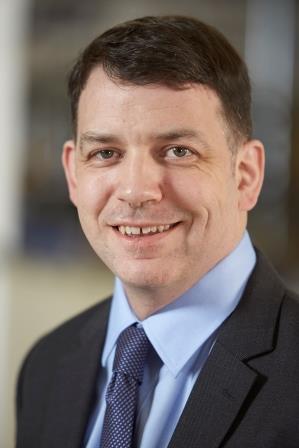
Chelsea Technologies, a leader in optical sensing technologies for oceanographic research and compliance monitoring, announced that Elizabeth Paull, Managing Director, will be stepping down from her role. Ian Hale, who brings 20 years of experience from a range of industries, including the marine and defence sectors, has been brought in to support Chelsea's management team while it seeks a permanent successor.
Elizabeth will take up a new role supporting the development of the wider Ocean Science strategy for parent company Covelya Group during the leadership transition period, allowing the Chelsea team to continue to benefit from her deep knowledge and experience of the Ocean Science marketplace.
Guided by Paull, Chelsea has pioneered the use of active fluorometry as a new tool for climate research and has developed biological sensing instruments with wide applicability in Ocean Science. She also navigated the company through the stormy waters of the Covid pandemic and led a change process that refocused the team back onto its Ocean Science roots.
Paull says, “I’m proud of the market and technology leadership Chelsea has undertaken and of the team’s accomplishment in repositioning the company for renewed growth within Covelya Group. The last few years have been challenging but I’m confident Chelsea is emerging as a strong player in the Ocean Science marketplace. I look forward to seeing new leadership build on what we have created.”
Stephen Fasham, Chelsea chairman and Covelya Group Chief Executive Officer, says, “Elizabeth has put Chelsea on a great course for the future and she leaves behind a strong team with a unique offering to Ocean Science. We are indebted to her for bringing the company safely through a turbulent period and for her vision in setting the right direction for the future. We are working closely with Ian and the Chelsea team to ensure a smooth transition, and we are confident that we will be able to build on the strong foundation that Elizabeth has laid.”
Chelsea Technologies was acquired by Covelya Group in 2018. The acquisition was the first step in Covelya Group’s long-term growth strategy to build a family of companies with complementary technologies and capabilities for the marine sector. Chelsea continues to benefit from strong commitment and financial backing from Covelya and is able to extend its reach through relationships with the other group companies, which now comprise Sonardyne International, EIVA, Wavefront Systems, Voyis and the most recent addition in defence company, Forcys.
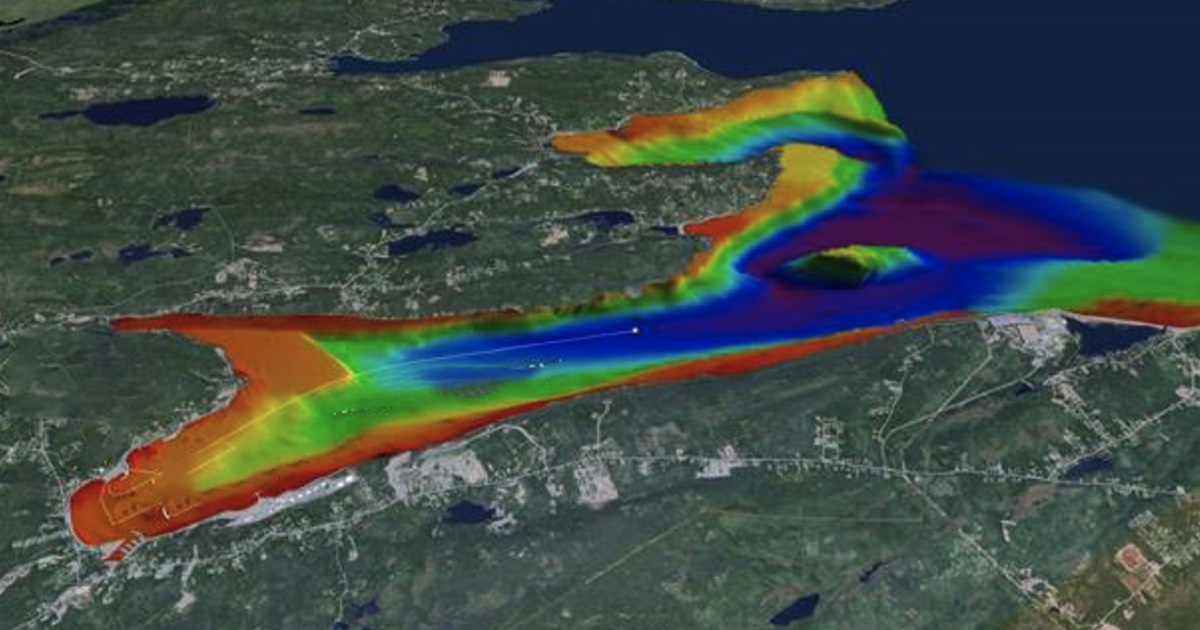
Canada’s renowned Marine Institute joins global endeavour to map entire ocean floor
The Nippon Foundation-GEBCO Seabed 2030 Project has announced a new partnership with the Memorial University of Newfoundland’s Fisheries and Marine Institute – a leading centre of excellence for marine research and education.
Seabed 2030 is a collaborative project between The Nippon Foundation and GEBCO to inspire the complete mapping of the world’s ocean by 2030 and to compile all bathymetric data into the freely available GEBCO Ocean Map – it is also a formally endorsed Decade Action of the UN Ocean Decade. GEBCO is a joint programme of the International Hydrographic Organization (IHO) and the Intergovernmental Oceanographic Commission (IOC), and is the only organisation with a mandate to map the entire ocean floor.
Memorial University is among Canada’s top research universities, with over 40 per cent of its research being ocean-focused. The university is a partner of the Ocean Frontier Institute - a collaborative research initiative bringing together researchers to tackle complex ocean challenges; and a member of Canada’s Ocean Supercluster – an industry-led cooperation accelerating the development of globally-relevant ocean solutions.
The Marine Institute is Canada’s most comprehensive centre for education, training, applied research and industrial support for the ocean industries, with studies available in the School of Fisheries; the School of Maritime Studies; and the School of Ocean Technology. The institute – which was established in 1964 and joined the university in 1992 – also boasts ‘The Launch’, the Institute’s new state-of-the-art marine living lab that offers a safe, reliable, near-Arctic environment to test new technology, train in harsh conditions and explore the next advancements in ocean research.
“The Marine Institute’s world-class expertise and research capabilities will greatly support our mission here at Seabed 2030,” commented Project Director Jamie McMichael-Phillips. “We look forward to working collaboratively with colleagues at the Marine Institute towards a more comprehensive understanding of the ocean floor, in order to ensure its sustainable use and management.”
Dr Paul Brett, vice-president, Memorial University (Marine Institute) and IOC appointed member of GEBCO said, “We are delighted to partner with Seabed 2030 in this groundbreaking initiative. Our institution has long been dedicated to advancing marine science and technology, and this collaboration aligns perfectly with our vision of fostering a sustainable ocean through knowledge and innovation.”
Sarah Walsh, Geomatic Specialist, with the Marine Institute’s Centre for Applied Ocean Technology, and Marine Institute graduate will lead the Institute’s work.
All data collected and shared with the Seabed 2030 project is included in the free and publicly available GEBCO global grid.
FET supplies electric observation-class ROV to the Memorial University of Newfoundland
Forum Energy Technologies (FET) secured a contract from the Memorial University of Newfoundland to supply an electric observation-class remotely operated vehicle (ROV) to its Fisheries and Marine Institute (MI), School of Ocean Technology.
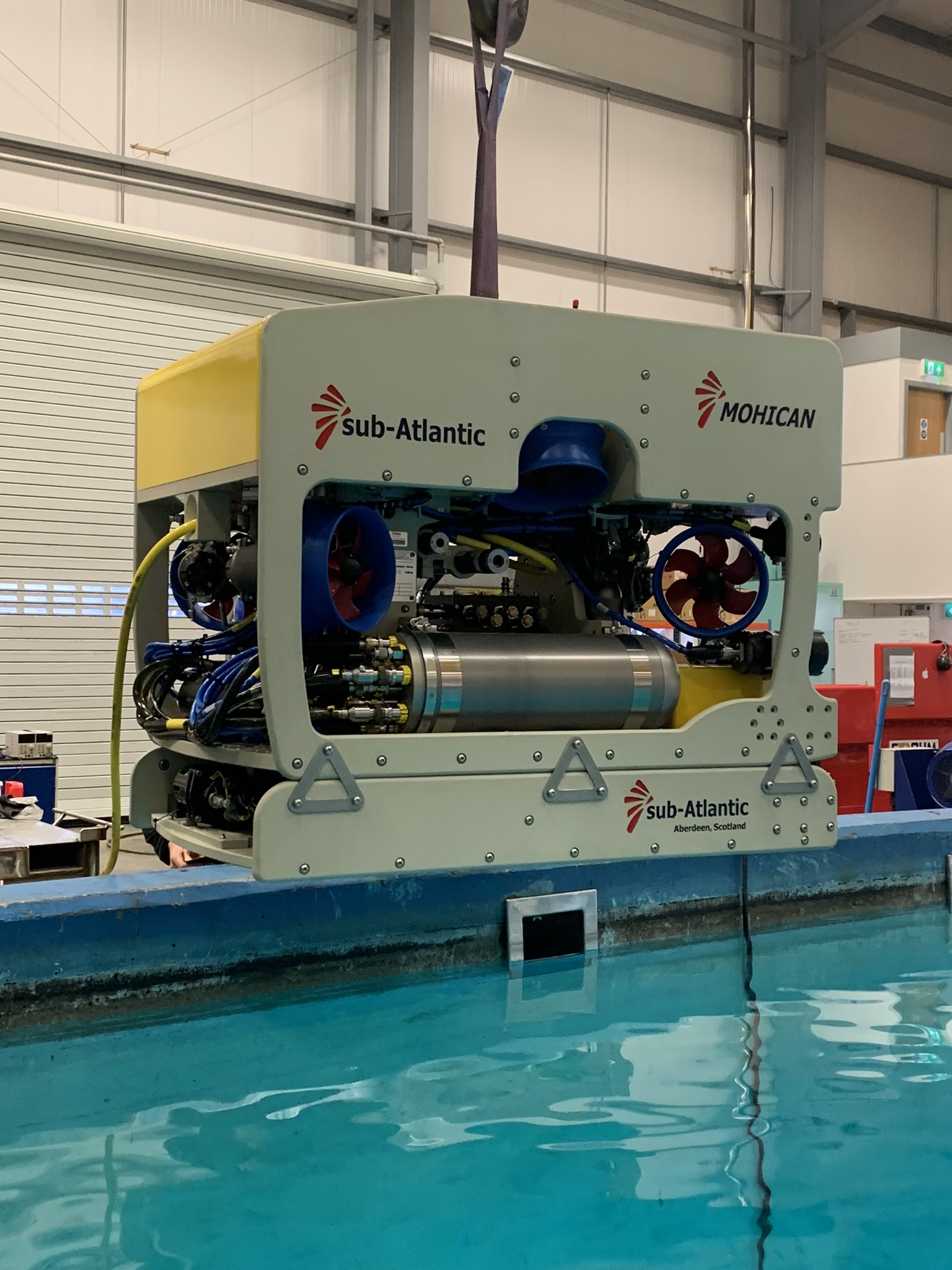
The primary function of the Sub-Atlantic Mohican ROV system will be to support ocean research, while it will also be used for pilot technician training. For ocean research operations, the ROV will be required to carry a payload skid for navigation, equipment and sensors, as well as be capable of manipulation and intervention.
The Mohican is equipped for inspection tasks, non-destructive testing, (NDT), light intervention, pipeline/cable/seabed survey, diver assist/safety, harbour and port security, scientific survey and data collection, renewable energy projects, civil engineering, long tunnel excursion and for inland waterways.
The ROV was manufactured at FET’s UK facility at Kirkbymoorside, North Yorkshire, and delivered to MI this year.
Kevin Taylor, FET vice president - subsea vehicles, said: “FET has a strong reputation as a single source for manufacturing and delivering high-quality, robust vehicles and associated auxiliary products which are suited to underwater industry applications. As well as defence, this includes oil and gas, renewables, telecommunications, mining, aquaculture and academia. This contract demonstrates the value our vehicles can also offer to scientific research projects.
“We are very proud that Memorial University recognises our capabilities and reliability. I am looking forward to seeing our system provide the required operational resilience and performance standards expected in such an important sector.”
Joe Singleton, interim Head for the School of Ocean Technology at the Marine Institute of Memorial University, said: “The acquisition of the FET Mohican ROV system vastly increases our capability to complete scientific observation and sampling research work up to depths of 2000 m. The ability to add additional sensors, cameras, and equipment to the payload makes it versatile for all anticipated expeditions. For our students completing the ROV Technician program, this comprehensive system provides a great experiential learning platform for maintenance, repair, integration, and operations.”
The Mohican ROV has a 2,000m depth rating and with TMS Garage system, is suited to inspection, survey repair, oceanographic research and subsea maintenance tasks. Ancillary tools and sensors can also be added to the vehicle for survey and light intervention work. The Mohican is equipped to a high specification with a four function manipulator arm for complex underwater procedures.
The ROV supplied also has precision measurement and navigation systems, HD & SD cameras, LED lighting and sonar for low visibility operations. Emergency location systems fitted include VHF beacon, combined with flasher.
The system was supplied complete with a 20’ control container, Launch and Recovery System and comprehensive spares package.
FET’s Sub-Atlantic range of ROVs are class leading and provide users with immense reliability and capability.
Exail and UNH open new Maritime Autonomy Innovation Hub
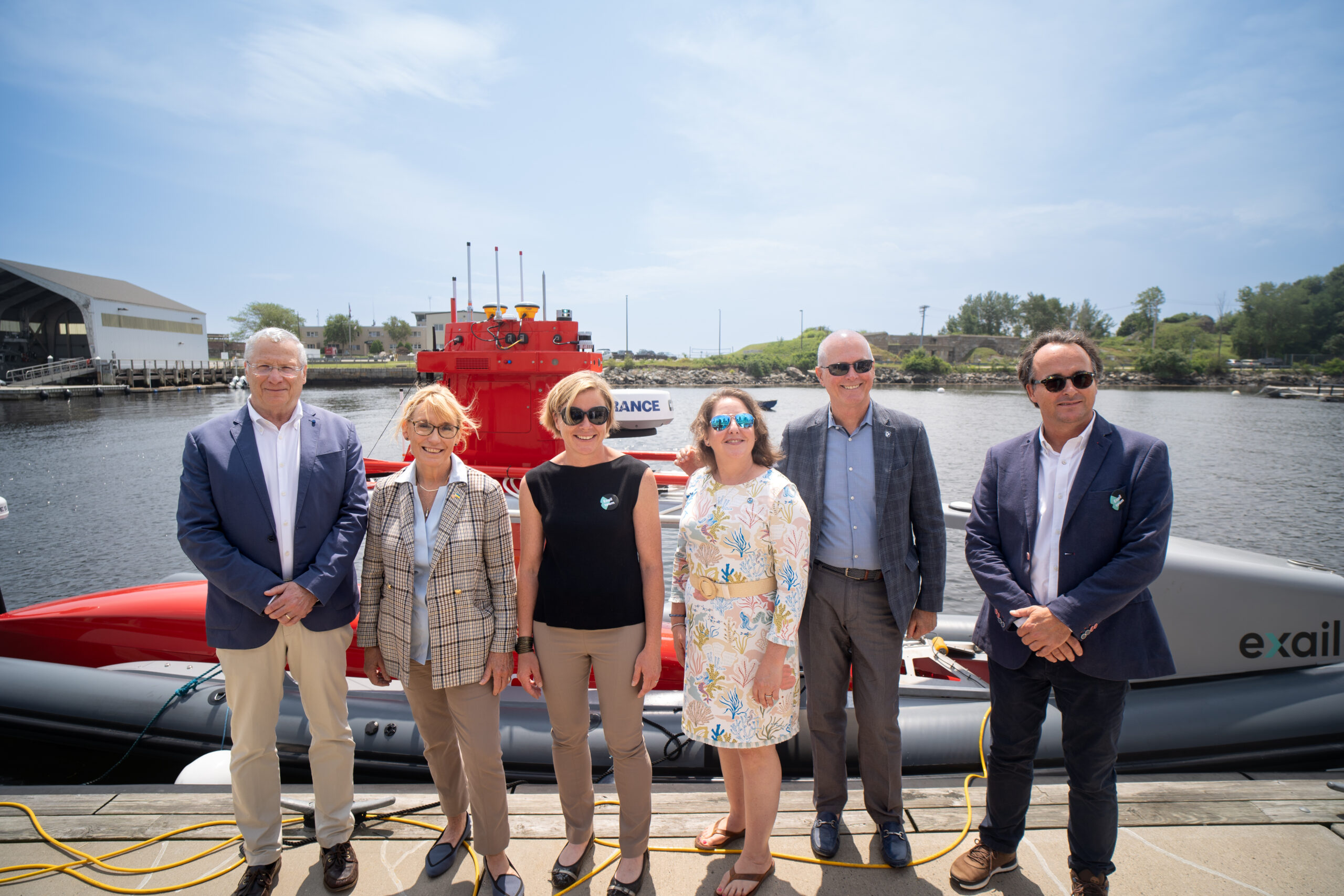
Exail, a global innovator in the field of maritime autonomy, has opened a new innovation hub that will engage in all aspects of marine autonomous operations to help meet the challenges of the growing blue economy.
Exail will be using the new center to deliver increased operational advantage to U.S. civil and government customers. This includes the U.S. production of its Uncrewed Surface Vessel (USV), DriX, the housing of a remote operation center to conduct worldwide remote autonomous operations, establishing local operations, maintenance and training facilities, and providing expertise on maritime autonomy while also training future generations on the use of autonomous vessels.
The new hub will be at the University of New Hampshire, a recognized leader in the field of ocean mapping research, and located within UNH’s Olson Advanced Manufacturing Center in Durham, to facilitate collaborative work with UNH’s Center for Coastal and Ocean Mapping (CCOM).
“We’ve been working together with UNH for the past six years pioneering uncrewed technologies, and we are now capitalizing on our common achievements with the opening of this new innovation hub.” States Marine Slingue, President at Exail, Inc. “We’re very proud and excited to take this next step in our U.S. adventure, and we would like to thank UNH, CCOM and NOAA, for their great support, leadership and vision on the use of uncrewed technologies that took us where we are today. We look forward to our continuous partnership with them and all the great work we achieve together to keep advancing maritime autonomy in the U.S.”.
”This exciting collaboration will not only be good for Exail and UNH students and researchers but also good for New Hampshire and the nation,” said Larry Mayer, director of the Center for Coastal and Ocean Mapping at the University of New Hampshire. ”We anticipate that it is just the start of bringing many of our other industrial partners and government colleagues to the state as we create a local engine for the new blue economy. ”
The opening of the new maritime autonomy innovation hub was celebrated on July 15th, in the presence of UNH President Jim Dean, U.S. Senator Maggie Hassan and Assistant Administrator of the National Oceanic and Atmospheric Administration (NOAA), Nicole LeBoeuf.
CSignum appoints David Leslie as Chief Revenue Officer
CSignum Ltd., the global leader in electromagnetic (EM) underwater communication that sends data through the water’s surface without cables, has announced the appointment of David Leslie as Chief Revenue Officer, responsible for business strategy and development, sales, and go-to-market for CSignum and its new RadiEM Modem™. Leslie reports directly to CSignum CEO Chris Brooks and is based in the Washington, D.C. area.
An industry expert with over 30 years in IT consulting, networking and telecommunications, Leslie has been advising CSignum on market positioning and possible new use cases for the revolutionary RadiEM technology that will help natural and manmade water industries modernise data networks, which have lagged networks above the water by 50 years. Leslie was most recently Chief Commercial Officer of Gadget Software and served as advisor as The Modern Data Company scaled operations to go to market. He has served as President and CEO of MedicAlert Foundation, as well as co-founded and led companies such as ZippSlip and Intersect Software Corp. He has held executive sales positions at Ericsson, Torrent Networking, Newbridge Networks, and UB Networks.
“David’s unique experience and abilities perfectly address where we are and what we need to do at CSignum to develop a new market with our extraordinary breakthrough in underwater EM data connectivity,” said CSignum CEO Chris Brooks. “He is adept at educating and evangelizing the technical benefits and the resulting positive business impact of this new wireless solution, which will work with and expand the capabilities of existing acoustic and optical deployments.”
“I’m delighted to be joining CSignum at a time when we will usher in a new era for modernized underwater digital networks,” said David Leslie, CRO at CSignum. “RadiEM is designed to work alongside acoustic and optical solutions and answers the need for more visibility into what is happening underwater.
Today, it allows customers for the first time to get data directly through the water surface, seabed, water column and subsea structures in challenging environments (turbid, aerated and biofouled waters and splash zones), which wreak havoc on cables and lie beyond the abilities of other communications systems. In the near future we expect RadiEM to serve as an intelligent gateway and act similarly to Bluetooth for all digital things underwater. The result will be to exponentially increase the amount of data we have access to and allow us to prioritize, filter and route data while managing bandwidth, quality of service and battery power consumption – just as networks function above water.”
CSignum is currently working with companies in natural water industries such as aquaculture, environmental monitoring, as well as wind and oil and gas subsea structures, and exploring the needs of manmade water industries such as irrigation, drinking water, and waste water systems. RadiEM is already successfully deployed in a multitude of use cases from AUV/ASV (HESS and Ocean Aero) and tidal water data recovery, to offshore structural and met ocean data transmission to real-time ADCP data. The EM-1 Modem is designed to work seamlessly with the standard interfaces of sondes, sensors, AUVs, ADCPs and dataloggers. EM signals are resilient and sustain their integrity where sound and light scatter at the surface and anywhere ambient light, line of sight, and noise interference is an issue. Because EM fields are also silent and invisible, they are more secure as well as safer for the environment and marine life.
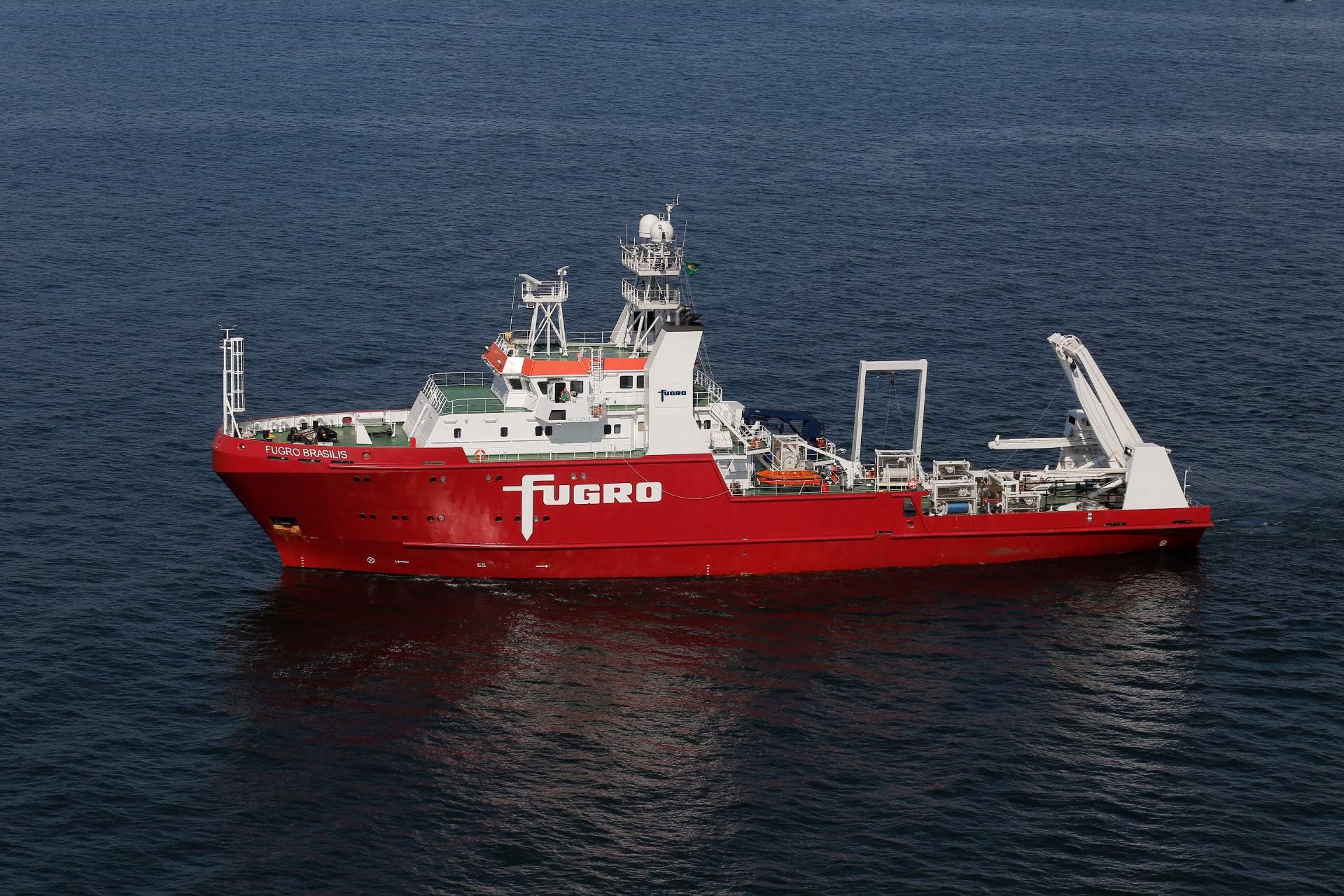
Fugro supports Curaçao’s ambition to become a regional leader in the production and export of green energy
The Government of Curaçao has asked Fugro to map the seabed of the island’s surrounding waters for future development of floating offshore wind farms. The Curaçao Government’s target is to realise 6GW in renewable energy capacity by 2035, which is more than the domestic need for energy, ultimately enabling the production and export of green hydrogen. This development is a hugely important step for Curaçao in its efforts to accelerate the transition to green energy and strengthen its economy. The survey work by Fugro follows on a feasibility assessment by research organisation TNO, which concluded that Curaçao’s territorial waters are some of the best in the world for large scale deployment of floating offshore wind.
Coordinated by Fugro's Americas team, the Fugro Brasilis will survey the area to improve the understanding of the local seabed, subsurface and marine environment. This geophysical reconnaissance survey will be used to create a comprehensive report on local conditions. This information empowers the Government of Curaçao in making first steps in determining best locations for floating offshore wind farms and preservation of the marine ecosystem.
Curaçao's ambition is to deploy the resources of the island in partnership with strategic alliances, gaining and maintaining a competitive edge through the production and export of hydrogen and other green carriers. The mega-project is developed in alliance with the Netherlands, providing the opportunity for Curaçao to position itself as a regional forerunner and potential supplier of sustainable energy to the Netherlands and other countries.
Ramon Chong, President of the Working Group Offshore Floating Wind of the Ministry of Economic Development of Curaçao, said: “We are pleased to bring Fugro on board. Their work will pave the way for Curaçao’s long-term investment in our green economic growth potential. Our aim is to increase our financial and economic competitiveness and accelerate our energy transition targets”.
“For island economies, climate change is already an existential reality. We are particularly happy to work closely with the Government of Curaçao to support their vision to lead in the production and export of green energy. Their ambition aligns strongly with our mission to contribute to a safe and liveable world”, said Fugro CEO Mark Heine.
The long-term investment is partly financed by the Sustainable Energy Generation and Climate Transition Incentive fund from the Government of the Netherlands.
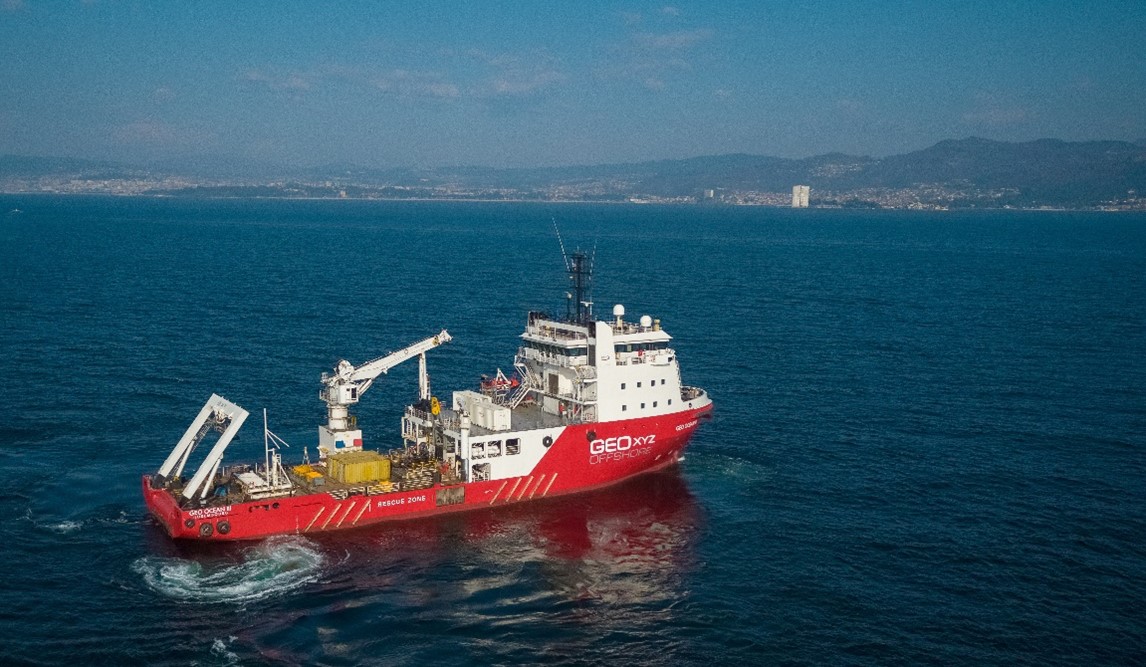
GEOxyz secures contract for UXO ID & clearance survey for OWF Dieppe le Tréport
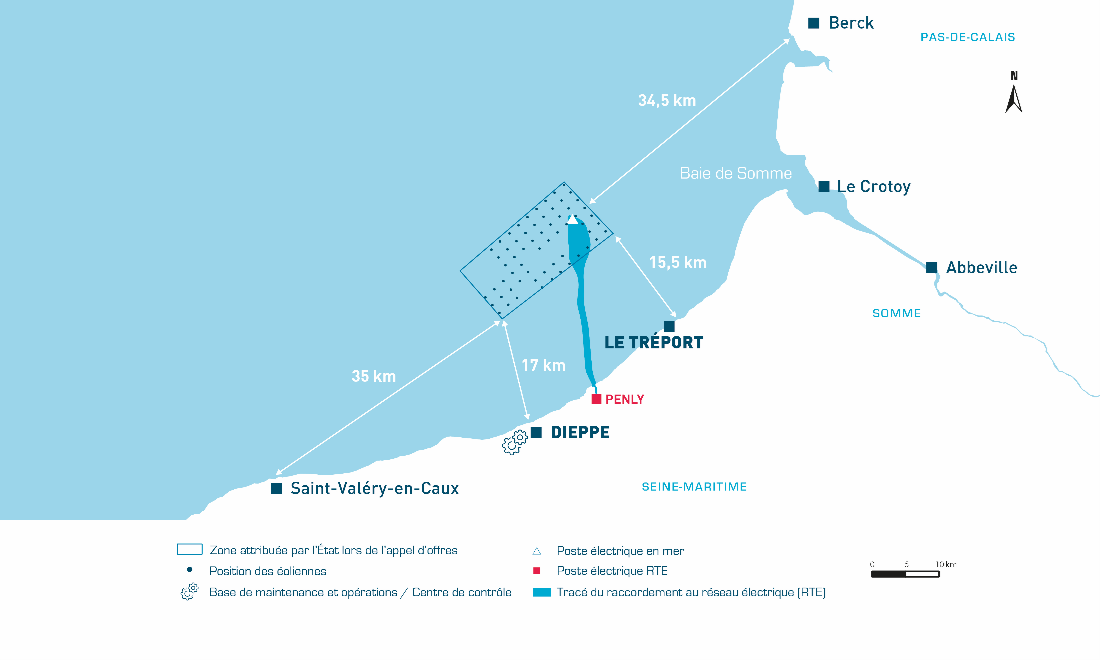
Les Eoliennes en Mer Dieppe Le Tréport (EMDT) OWF is a prominent renewable energy initiative comprising 62 offshore wind turbines with a combined capacity of 496 MW. Situated over 17 km from the Côte d'Albâtre (Dieppe) within a vast area spanning 110 km², this project aims to harness the region's wind resources to generate clean and sustainable electricity.
Previous surveys: 2018-2020
In preparation for the 2023 campaign, two geophysical UXO surveys were conducted in 2018 and 2020 within the Wind Turbine Generator (WTG) boxes and Inter-Array Cable (IAC) corridors of the wind farm. Based on the data collected, a target list of potential contacts, including buried or seabed-laid objects, was compiled.
EOD (Explosive Ordnance Disposal) experts meticulously assessed the survey data from 2018 and 2020, resulting in a refined target list distinguishing potential UXOs from other non-hazardous objects. Working in collaboration with EMDT, the comprehensive UXO Identification Survey will focus on approximately 175 to 215 priority UXO targets.
ALARP certificates
The campaign aims not only to clear confirmed UXO (c-UXO) but also to recover or relocate non-UXO objects, with the clearance of c-UXO falling under the jurisdiction of the French Authorities. Following the successful completion of the campaign, GEOxyz's UXO consultants will issue ALARP certificates, confirming the safety of the cleared area.
In addition to UXO identification and clearance, the scope of work encompasses the deployment of a dedicated guard vessel. This vessel will maintain constant on-site surveillance to mitigate any potential navigational hazards and promptly report any anomalies that could impact the ongoing works or the vessel's assigned responsibilities.
Roadmap
The p-UXO identification process will be executed in five systematic steps:
1. Pre-detection survey: Conducting a survey of the target area (5 m x 5 m or 10 m x 10 m) centered on the recorded position of the target. This step aims to determine the precise location, burial depth, size, and shape of the target, thereby optimizing the subsequent identification phase.
2. p-UXO identification: Skilled EOD experts will identify p-UXO targets and classify them as c-UXO (Confirmed UXO) or non-UXO.
3. c-UXO clearance: Providing the Groupe de Plongeurs-Démineurs (GPD) team with a comprehensive list of c-UXO, including their exact positions and depths, for removal. The survey vessel will undertake de-burial activities until approximately 50% of the object is uncovered. If requested, a marker buoy will be installed at the location. If a target is assessed not to be a UXO, it will be reported, and its removal or relocation will be decided, considering its potential impact during both the construction and the O&M phases.
4. Non-UXO target: Mobilizing the survey vessel equipped with suitable tools such as an orange-peel grab, remotely operated vehicle (ROV), or vessel crane to recover or relocate confirmed non-UXO objects.
5. Cleared area verification: Upon completion of UXO clearance, a thorough survey of the area will be conducted to confirm the absence of any other hidden p-UXO that might have been concealed beneath the removed UXO.
For this survey, GEOxyz will utilize its Geo Ocean III and Geosurveyor XVII.
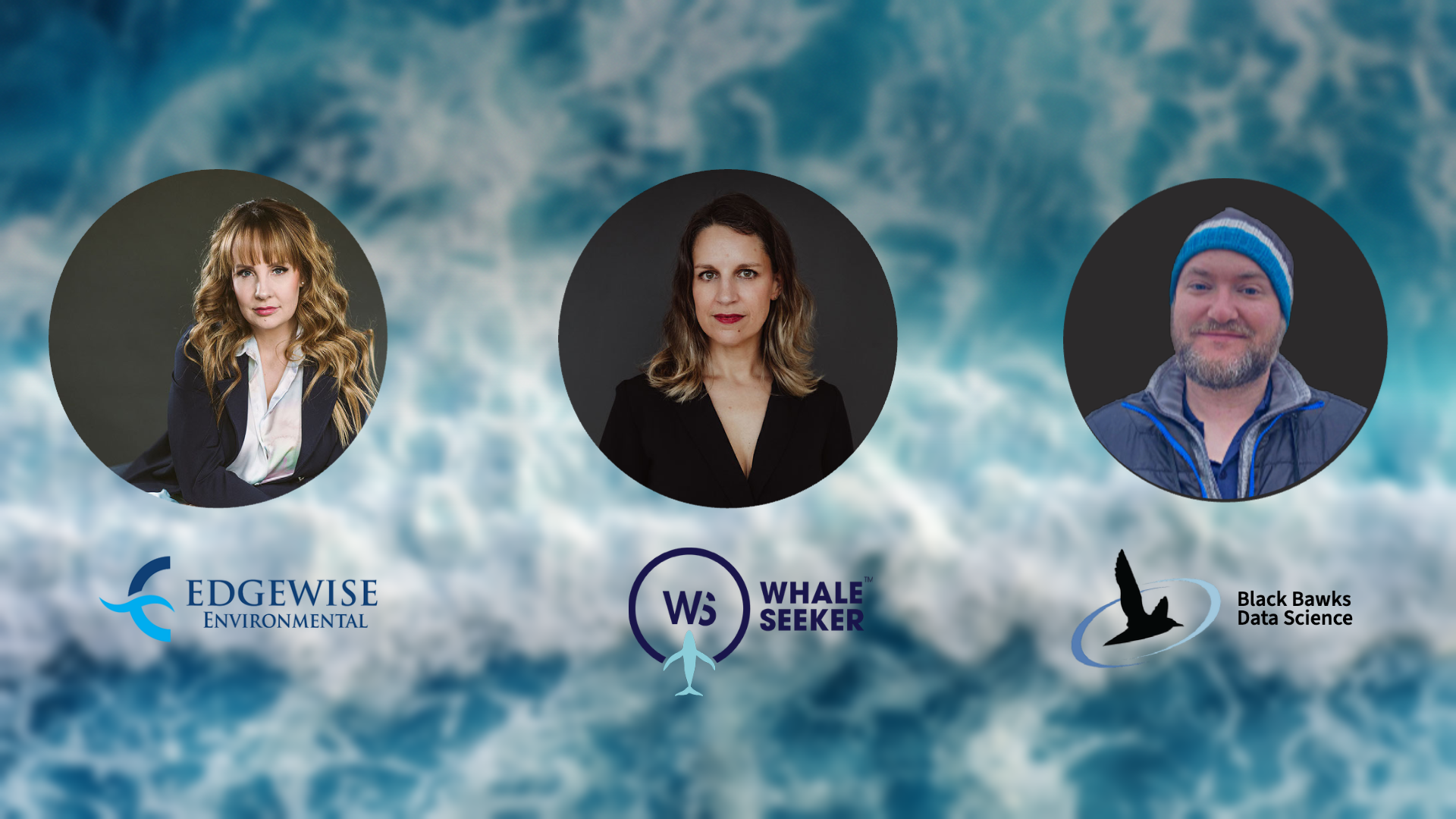
Whale Seeker, Edgewise Environmental, and Black Bawks join forces to make waves in marine conservation
Whale Seeker (Quebec, Canada), Edgewise Environmental (Newfoundland, Canada), and Black Bawks Data Science (Invergarry, Scotland) are thrilled to announce a collaborative project to advance marine conservation efforts.
By combining their unique strengths and expertise, these three innovative organizations are committed to maximizing the impact of their businesses in protecting marine biodiversity and promoting sustainable ocean practices.
Find out more about the partnership