Kraken demonstrates KATFISH High Speed Towed SAS in Royal Navy WISEX demonstration
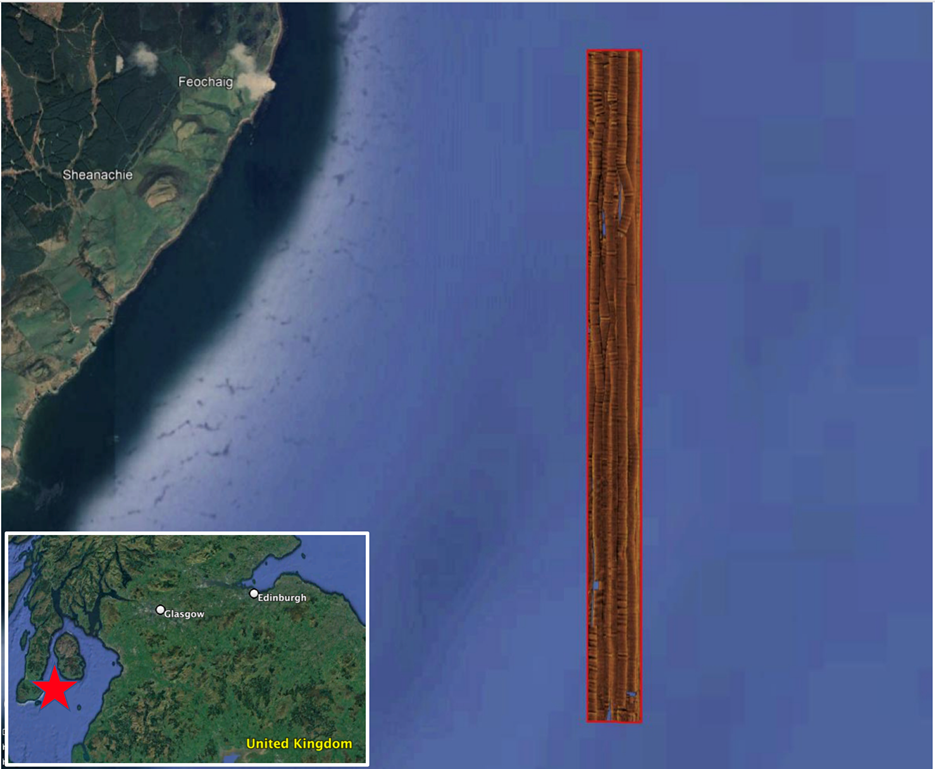
Kraken Robotics Inc. (TSX-V: PNG, OTCQB: KRKNF), Canada’s Ocean Company™, recently participated in the Royal Navy’s (RN) WILTON Industry Show and Experiment (WISEX) on the ranges in Kilbrannan Sound off Campbeltown, Scotland. WISEX provides an opportunity for industry to showcase new systems for consideration by the RN. With live demos and sea trials, the RN are better able to understand the demonstrated technology including software, sensors, and effectors necessary to implement a highly reliable Mine Hunting Capability (MHC).
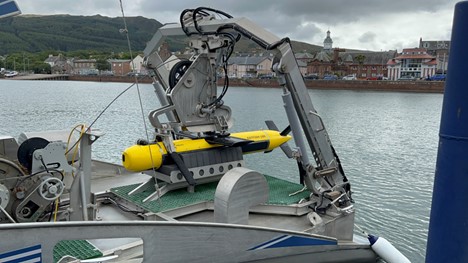
For these trials, Kraken teamed with Elbit Systems UK to demonstrate the KATFISH High Speed Towed Synthetic Aperture Sonar System integrated to their Seagull 12-meter Uncrewed Surface Vessel (USV). The goal of the trials was to survey two distinct ranges with dimensions of 600 m x 4 nm where the RN placed several Mine Like Objects (MLO) to be searched for by WISEX attendees. The ranges were selected to replicate real world search areas of complex bathymetry and strong currents. During the trials, the Kraken KATFISH was launched, operated, and recovered in varying surface conditions including Sea State 4. Live, high resolution SAS data was wirelessly transmitted to a shore-based operators station over several kilometers, where operators found all MLO targets in real time during the missions.
“The Royal Navy has established WISEX to allow industry to demonstrate their autonomous mine countermeasures systems, in the challenging naval exercise areas of the west coast of Scotland”, says Commander Ben Stait. “This demonstration is part of the Mine Hunting Capability programme, which is at the forefront of next generation maritime autonomous systems. The Royal Navy is grateful for Kraken Robotics participation and excited by the capability they demonstrated as the programme develops into its next phase.”
KATFISH™ is a high speed, actively stabilized Synthetic Aperture Sonar (SAS) towfish that operates at speeds up to 10 knots. The high-speed capability, and constant resolution of KATFISH™ greatly increases Area Coverage Rates (ACR) by providing more useable data for MCM missions than traditional Side Scan Sonars. KATFISH™ provides real time high-resolution ACR of up to 4 km2/hr with 3.3 cm x 3.0 cm* constant resolution across ranges up to 200 m per side with simultaneous 3D bathymetry. *1.9 cm x 2.1 cm constant resolution available with post-processing.
Along with increased ACR, the ability to transmit high resolution data wirelessly enables operators in remote stations to identify targets as the USV mission is underway, therefore reducing the overall MCM timeline.
Kraken has recently delivered KATFISH systems to the Royal Danish and Polish Navies and expects them to be operational in Q1 2023.

Parliamentarians call for Minister for the Ocean position in Government in an open letter to Prime Minister Liz Truss
In an open letter sent to the new Prime Minister Liz Truss, a group of 29 cross-party parliamentarians have requested that as one of the first actions in her new role, Truss considers creating a position for the Minister for the Ocean in Government. The letter asks that a standalone Ministerial position, dedicated to all ocean issues, is created in order to “further establish the UK as a global leader in ocean protection, conservation and research.”
The open letter references three key reasons as to why it is crucial that the Minister for the Ocean role is created in Prime Minister Liz Truss’s new Government.
Firstly, despite the vast importance of the ocean, and its relationship to several important policy areas including climate change, shipping, energy, research, defence, fishing and more, there is currently no standalone Minister for the Ocean role in the UK. The letter therefore calls for a “separate Minister position with direct and exclusive responsibility for all ocean issues” to fill this Ministerial gap.
Secondly, the letter highlights immediate policies related to the ocean which could be delivered by a specific Minister. These include climate change, but also wider issues such as marine military territory and green shipping.
Finally, the letter calls for a Minister for the Ocean position to be created in order to deliver an “integrated UK ocean strategy”, similar to what has been achieved already in space strategy. To ensure that the UK remains world leading in ocean research and conservation, which would include the UK meeting Global Ocean Alliance’s 30x30 target to protect 30% of the world’s oceans by 2030, the letter highlights the need for a standalone Minister to take direct responsibility on this campaign.
Sally-Ann Hart MP, Chair of the All-Party Parliamentary Group (APPG) for the Ocean, said:
“As Chair of the APPG for the Ocean, I am pleased to sign this open letter to the new Prime Minister Liz Truss, which calls for a distinct Minister for the Ocean role to be created.
I am delighted that nearly 30 cross-party parliamentarians have also signed this letter, which highlights the important reasons for this role to be created and shows the impact a Minister for the Ocean can have on a range of policy issues, including climate change, energy and shipping.
I hope that Prime Minister Liz Truss recognises the necessity of this position and prioritises it as one of the first actions in her new role.”
Sonardyne Ranger 2 acoustic tracking technology selected for new Irish research vessel
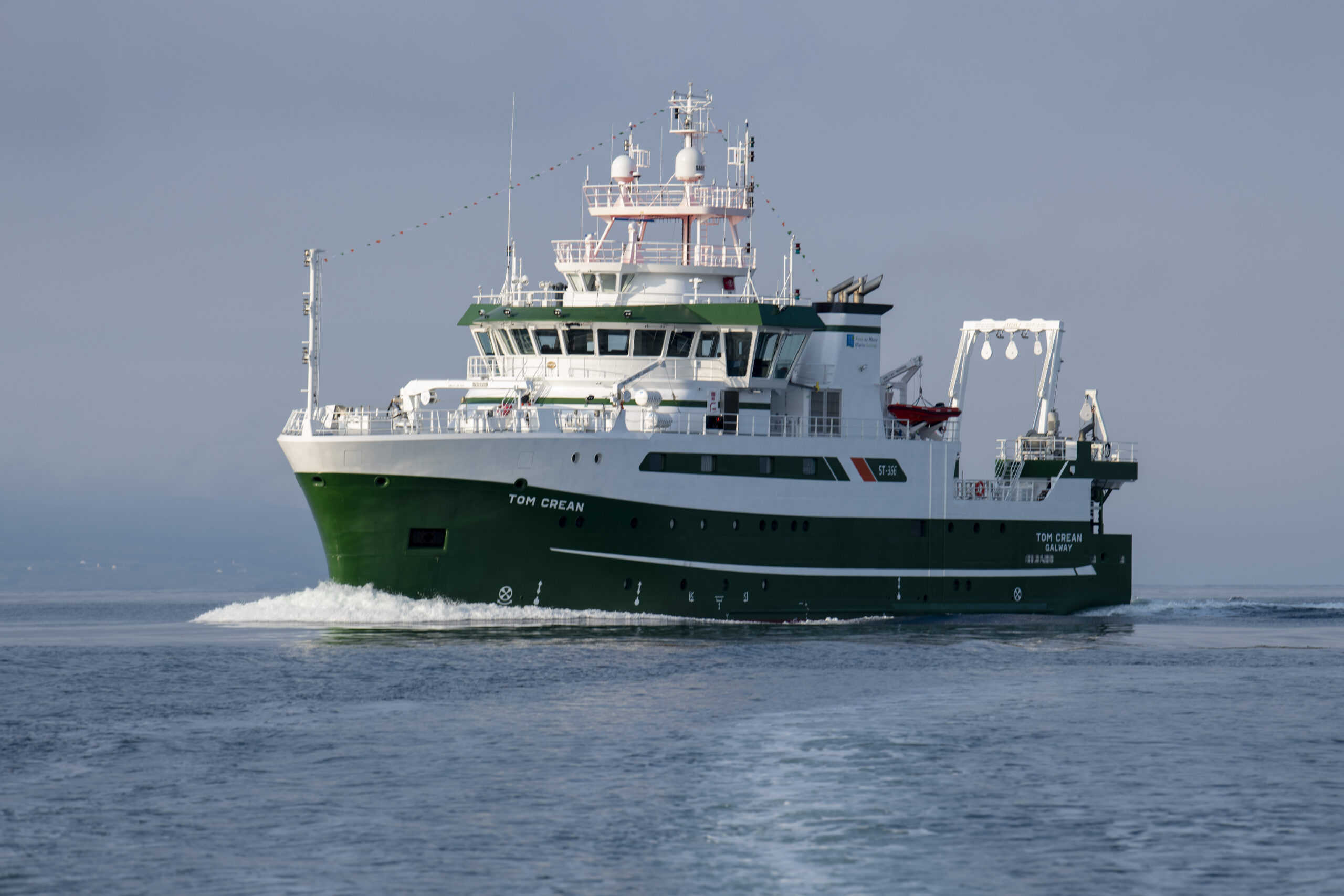
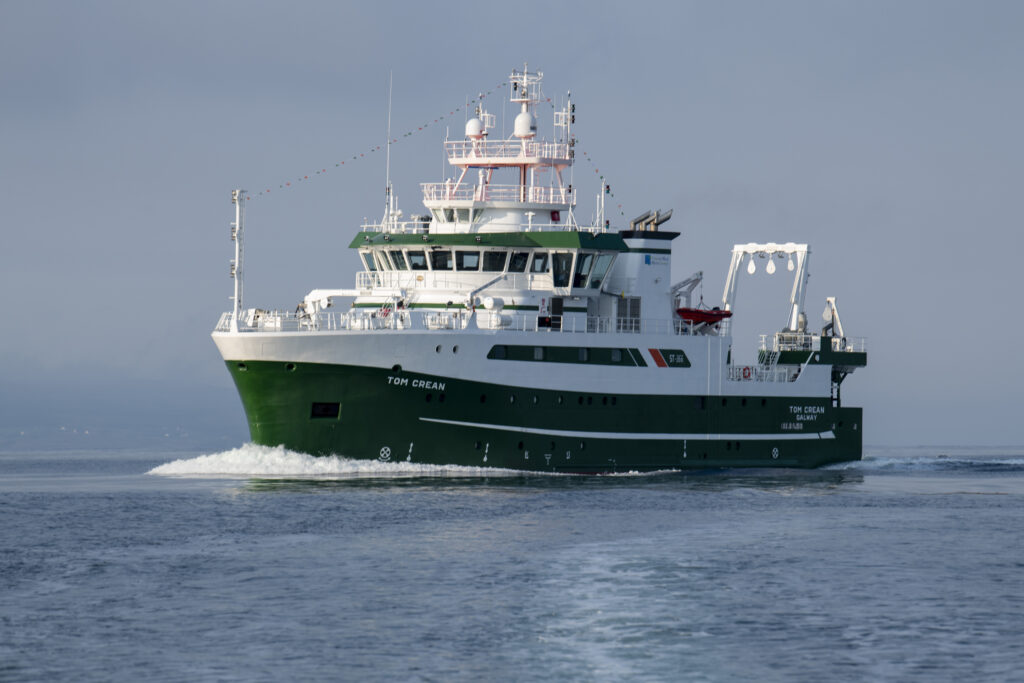
Ireland's new state-of-the-art multi-purpose marine research vessel RV Tom Crean has entered service equipped with Ultra-Short BaseLine (USBL) underwater positioning technology from ocean science company Sonardyne.
Delivered in July, the 52.8 m-long vessel delivers significantly enhanced capability to Ireland’s Marine Institute and other state agencies and universities.
The RV Tom Crean provides up to 3,000 scientist days per year for fisheries surveys, seabed mapping, deep water surveys, oceanographic and environmental research. The Ranger 2 USBL positioning system selected for the RV Tom Crean will play a key role in underpinning the delivery of these ocean services on a national level.
Ranger 2 can accurately track and simultaneously communicate with multiple underwater scientific instruments, vehicles or towed platforms, at ranges up to 10,000 m depending on its configuration.
For vessels equipped with a dynamic positioning system, Ranger 2 also can provide accurate and repeatable position referencing, in any water, without interrupting target tracking operations.
The equipment supplied to the RV Tom Crean includes a through-hull deployed HPT 5000 USBL transceiver, control room hardware and software, and a deep rated WSM 6+ transponder, a popular choice for tracking targets out to 4,000 m range.
In its primary role, the RV Tom Crean’s science crew will use Ranger 2 to precisely monitor the position of any underwater platform deployed from the vessel. This includes the Marine Institute’s remotely operated vehicle (ROV) Holland 1, autonomous underwater vehicles (AUVs), CTDs (conductivity, temperature and pressure sensors) and towed sleds and dredges, together with any equipment temporarily embarked to support science cruises.
Furthermore, the vessel will be able to share its underwater tracking and communications hardware with another of the institute’s vessels, the RV Celtic Explorer, because it also has Ranger 2 on board. The RV Celtic Explorer has used a Ranger 2 system to great advantage since 2011, so much so that the Ranger 2 for the RV Tom Crean was one of the first items of science equipment to be procured.
Aodhan Fitzgerald, Research Vessel Operations Manager at the Marine Institute, says, “The Sonardyne Ranger 2 USBL system on the RV Celtic Explorer has served us well over the past decade, supporting some exciting scientific research. Consequently, the installation of Ranger 2 on the RV Tom Crean is a big increase in capability and considerably increases our flexibility to support the diverse community that use our ships for research.”
Geraint West, head of science at Sonardyne, says, “Ranger 2 USBL is in service with national and not-for-profit ocean institutes the world over, supporting operations ranging from seafloor geodesy through to autonomous underwater vehicle (AUV) survey missions, in any ocean, in any water depth. Its capability and flexibility is invaluable to marine scientists and oceanographers where efficient use of vessel time and accuracy of observations are paramount.
“In a year when our Ranger 2 technology was used to help find the wreck of Ernest Shackleton’s Endurance in the Antarctic, it’s a timely entrance for the RV Tom Crean. He was one of Shackleton’s right-hand men and is often unsung outside of Ireland. Crean was known for his dependability, resourcefulness and inspiration to others – an inspired choice then for the Marine Institute’s new vessel.”
The RV Tom Crean was designed by Norwegian ship design consultants Skipsteknisk AS and built by Spanish shipyard Astilleros Armon Vigo S.A. It will be a modern, multipurpose, silent vessel, be able to go to sea for at least 21 days at a time, including in harsh sea conditions. The vessel replaces the 31 m Celtic Voyager, which was Ireland's first purpose-built research vessel when it was commissioned in 1997.
Seabed conservation project receives boost from Valeport
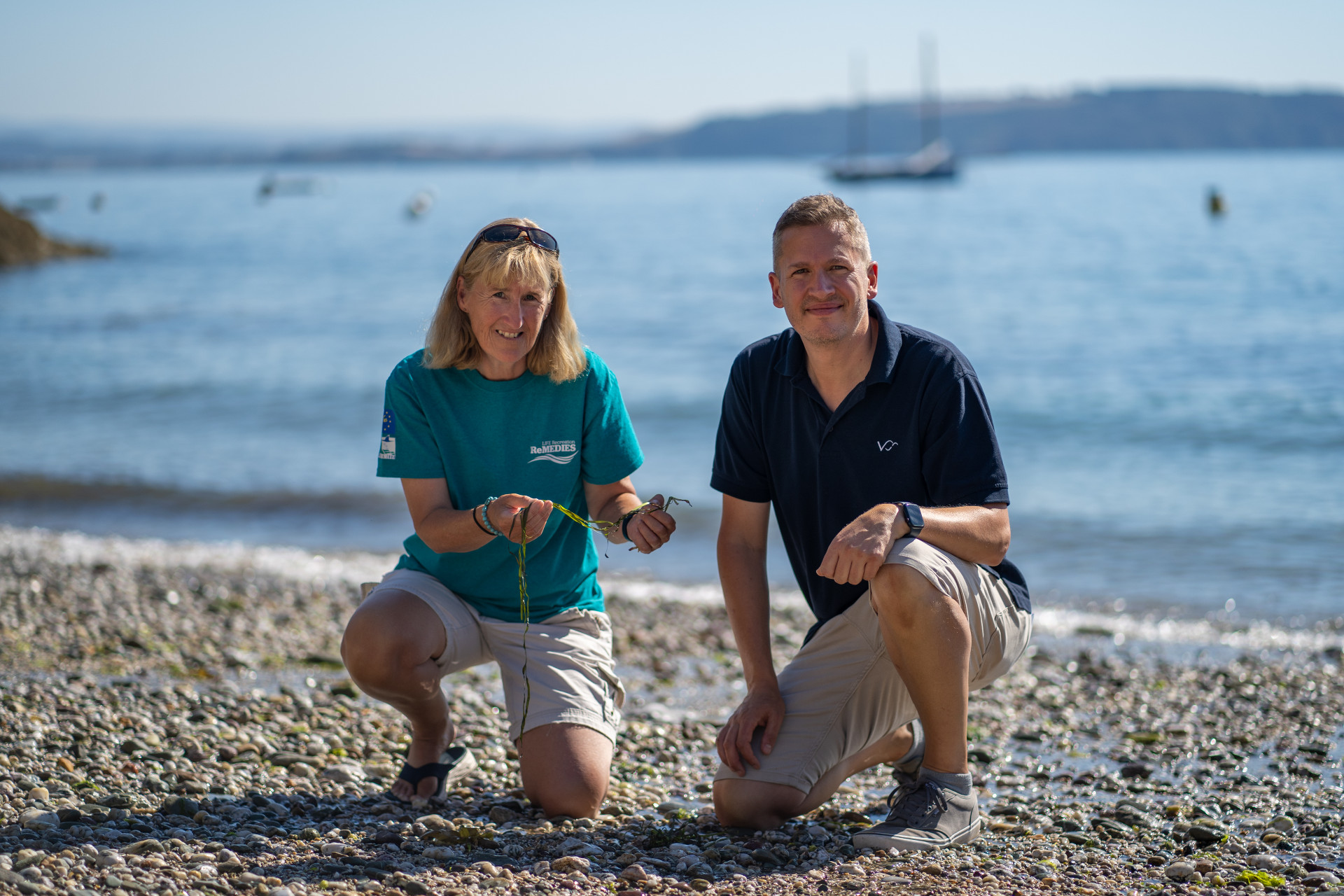
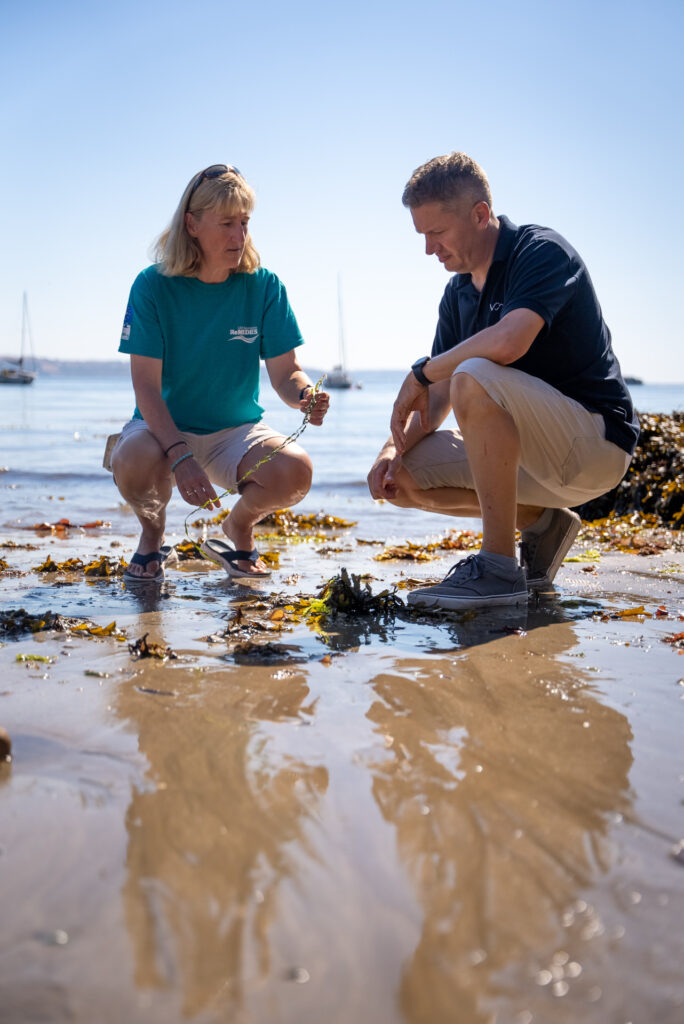
The largest seagrass restoration, education and innovation project in England, LIFE Recreation ReMEDIES, will receive support from environmental sensor manufacturer, Valeport, for the project’s final two years.
The marine conservation project which is led by Natural England, focuses on five Special Areas of Conservation along England’s south coast and Valeport’s sponsorship announcement coincides with an extension to the project which will now run until October 2024. The newly extended five-year ReMEDIES project seeks to protect and restore sensitive seabed habitats which are at risk and aims to plant a total of eight hectares of seagrass meadows – four hectares in Plymouth Sound and four hectares in the Solent Maritime Special Area of Conservation.
Seagrass meadows are increasingly being recognised for their essential carbon capture abilities – seagrass can be as effective at absorbing and storing carbon as woodlands. It also provides a vital nursery bed for juvenile fish and protected creatures like seahorses and stalked jellyfish, cleans surrounding seawater and helps stabilise the seabed which can help to reduce coastal erosion.
However, seagrass meadows are a globally threatened ecosystem – with estimates suggesting the planet loses an area of seagrass the same size as two football pitches every hour. At least 44% of the UK's seagrass has been lost since 1936. The delicate and endangered seagrass meadows in the UK are vulnerable to factors including wasting disease, pollution and physical disturbance such as anchoring, mooring and launching of leisure boats, as well as other shore- and water-based activities. In addition to planting new seagrass meadows, ReMEDIES is working to protect existing meadows by helping recreational users to minimise impacts on these sensitive habitats. The project is trialling Advanced Mooring Systems that help reduce impacts from recreational boating on the seabed, producing best practice guidance for boaters, seagrass location maps and conducting seagrass monitoring..
Commenting on the announcement of Valeport as a sponsor and the extension to the project timeline, ReMEDIES Project Manager, Fiona Crouch said: “We are delighted that Valeport has recognised the valuable work the partnership is undertaking to restore and conserve our seabed through their sponsorship of the project. It’s going to be a busy two years, we still have much to do, so it’s great to have Valeport supporting our efforts, thank you’.
Joining forces with the conservation project is a natural fit for the designer and manufacturer of high quality hydrographic and oceanographic instruments, Guy Frankland, Valeport’s head of marketing said: “The precision marine instruments we make are used for many purposes, including environmental monitoring and we’re proud to announce our sponsorship of such a crucial conservation project. We’re delighted to be on board to support this project until its conclusion in October 2024. Alongside assisting ReMEDIES’ Save Our Seabed programme with funding, Valeport is looking forward to getting involved in various activities as the partnership grows.”
For a number of years Valeport has been involved in supporting seagrass conservation, previously sponsoring a two-year seagrass protection and restoration project in Tor Bay and more recently Valeport has collaborated on a new, non-invasive method to monitor seagrass biomass on the seabed around England’s South West coast. The new technique, developed in partnership with Natural England, HydroSurv and the University of Plymouth is set to change the way seagrass meadows are monitored in the future; as the cost-effective platform allows surveys to cover much larger areas and enables rapid re-survey work as required.
LIFE Recreation ReMEDIES partnership to ‘Save Our Seabed’ is funded by the LIFE programme and led by Natural England in partnership with Marine Conservation Society, Ocean Conservation Trust, Plymouth City Council/Tamar Estuaries Consultative Forum and Royal Yachting Association/The Green Blue .
The project which launched in July 2019 has already achieved a number of significant milestones; 3.5 hectares of seabed has now been planted (comprising 2.5 hectares in Plymouth Sound and 1 hectare in Solent Maritime) with approximately 70,000 seagrass seed bags. During July and August this summer seagrass seeds were collected by divers from healthy seagrass meadows in the Solent and Cornwall. These seeds have been extracted and stored in the ReMEDIES cultivation laboratory at the National Marine Aquarium (NMA) in Plymouth until they are ready to plant. As part of ReMEDIES, the Ocean Conservation Trust (OCT) is also trialling planting seedlings directly onto the seabed. They are currently growing square ‘pillows’ of multiple seedlings in the lab at the NMA which will be transferred to the seabed within the Voluntary No Anchor Zone in Jennycliff Bay, Plymouth Sound. .
Information and key learnings from ReMEDIES will be shared with other marine conservation projects to help benefit seabed habitats across the UK and Europe.
Please see the short film about the #SaveOurSeabed project and Valeport here. Further details on Valeport’s support for seagrass conservation can be seen here.
Saab Seaeye partners with the Maldives Mission
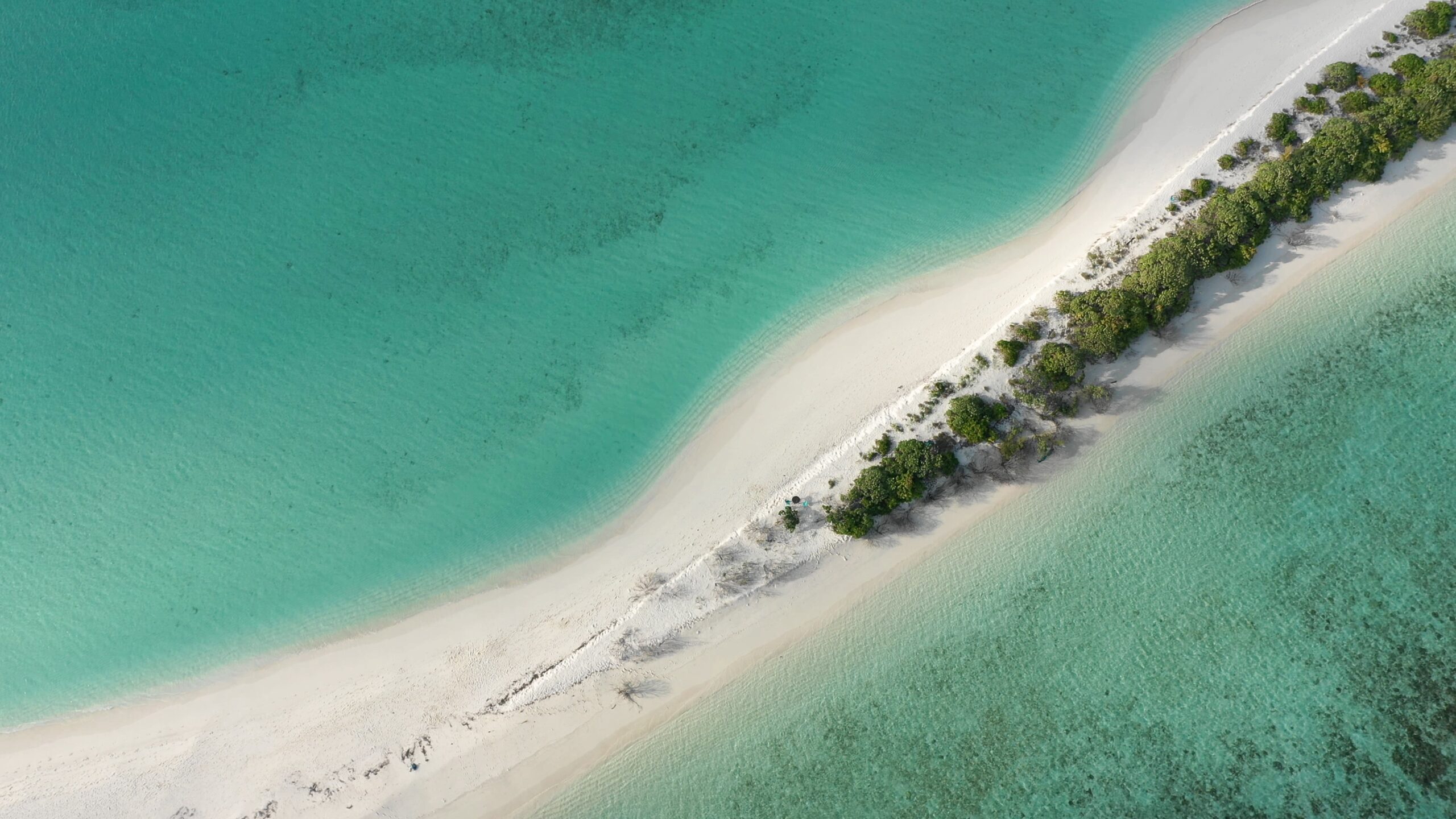
A Saab Seaeye Falcon underwater robotic vehicle will join a fleet of submersibles on the Nekton Maldives Mission to help the Maldives Government carry out the first systematic survey and sampling of the Maldives from the surface to 1000 metre depths.
As an official partner, Saab Seaeye has donated the use of a Seaeye Falcon to work alongside human-occupied submersibles, autonomous systems and research technologies.
The Maldives state is 99% ocean and 1% land, sitting on average 1.5 metres above sea level. As a result, the nation faces a growing threat from rising seas.
For the first time, the mission will establish a ‘baseline health check’ on the status of the Maldives ocean and provide data to scientists and policy makers worldwide to enable the protection of critical nurseries, spawning habitats and related ecosystems.
The Nekton Maldives Mission, 4th September to 7th October, will help create extensive new protected marine areas and ensure the ocean continues to provide for the Maldivian people.
Nekton is a not-for-profit UK-based research foundation working with the University of Oxford and a wide range of partners to accelerate the scientific exploration and protection of the ocean.
The Falcon is the world’s top robot in its class with a reliability record covering over a million hours underwater.
TDI-Brooks continues offshore wind momentum on the US East Coast
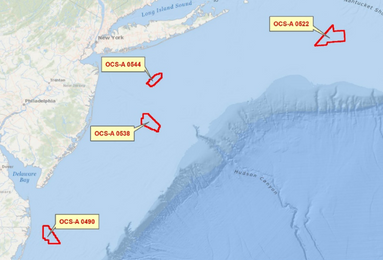
From the start of early Spring 2021, TDI-Brooks continues to drive forward in an emerging market performing marine site investigations for several of the offshore wind operators on the US East Coast. “TDI-Brooks operates four (4) research vessels on the spot market with two (2) US-flagged research vessels dedicated to the wind farm market on the East Coast. Our specialty is the survey, geotechnical and benthic components of these wind farm projects” Dr. Jim Brooks, President and CEO of TDI-Brooks stated.
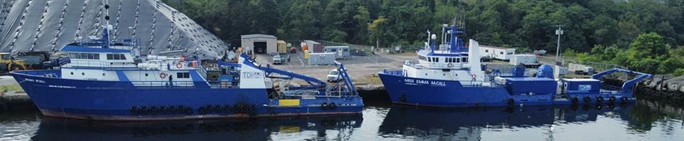
 In April 2021, TDI-Brooks re-mobilized its two (2) US-flagged research vessels (R/V Brooks McCall and R/V EMMA McCALL) to Fall River, MA to perform over the rest of 2021 several different Wind Farm projects located South of Long Island, New York and South of Nantucket and Martha’s Vineyard. These projects are on-going through December 2022 with the EMMA McCALL having some availability starting in early September. The picture below shows these two (2) vessels dockside at Fall River.
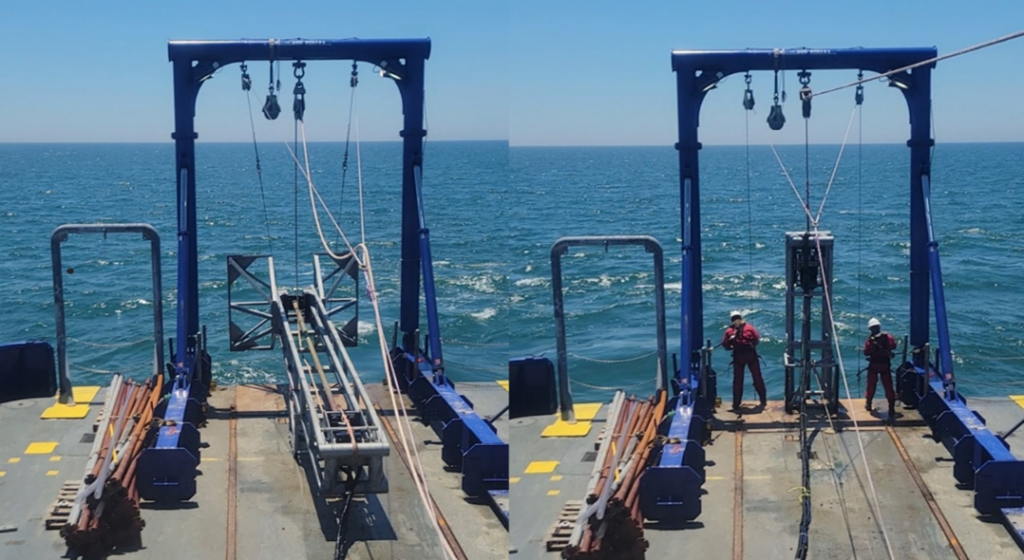
The geotechnical component along cable routes and within lease blocks consisted of deploying a variety of tools including their Feritech FT550 electric and TDI-Brooks designed pneumatic vibrocorer (pVC) systems along with their Datem Neptune 5,000 (N5K) and 3,000 (N3K) cone penetrometer test rigs (CPT). The picture below shows deployment of TDI-Brooks pVC. The benthic components were mostly ROV transects and grab sampling. Hundreds (100’s) of VCs, CPTs, ROV transects and grab/box core samples were acquired.
Upon completion of the geotechnical vibracoring, all samples are sent to the TDI-Brooks’ ISO-certified geotechnical and environmental laboratories in College Station, Texas for testing.
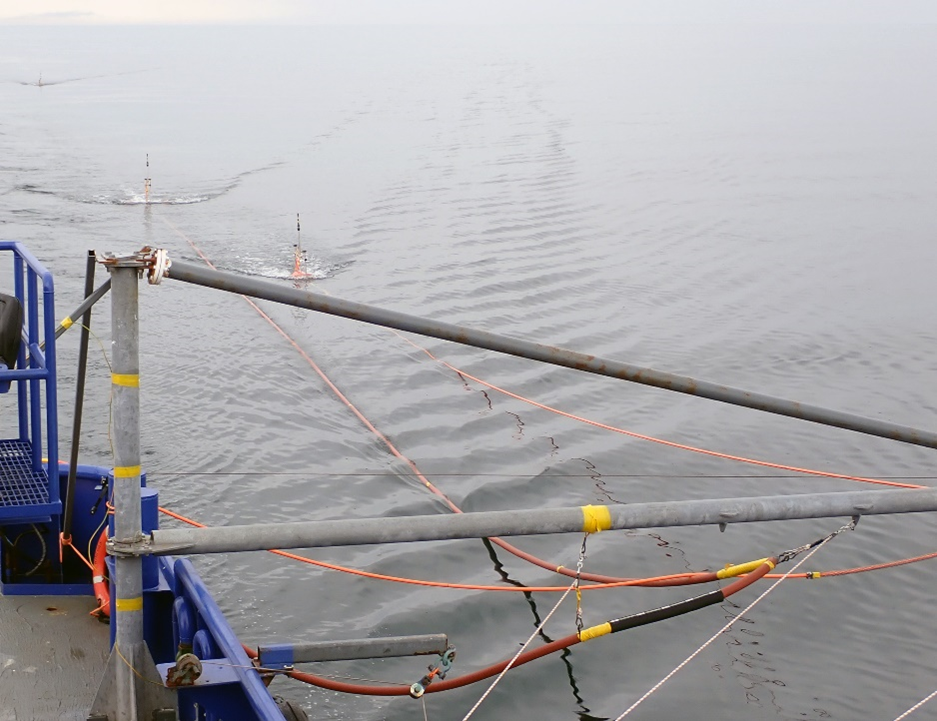
The geophysical projects consisted of sidescan sonar, TVG magnetometer, multibeam, USBL, parametric subbottom profiler and 2D ultra high-resolution (UHR) with single and multi-channel seismic systems to provide detailed seabed and shallow sub-surface data. The data generate supports the inter-array cables, route planning for project design via pre-lay route surveys and survey works during cable lay, including as-built surveys for cable detection (depth of burial). Geophysical and hydrographic surveys ascertain seabed bathymetry, morphology, classification, marine habitats and sub-seabed layers. The picture below shows the multi-channel streamer onboard the Brooks McCall.
Both vessels will be back in the field this month performing geotechnical and benthic sampling for another offshore wind operator off Massachusetts with follow-on work into 2023.
Ocean 14 Capital ‘blue economy’ impact fund receives €10 million from the Constitutional Reserve Fund of Monaco
The Ocean 14 Capital fund, focusing exclusively on the multi-trillion-dollar ‘blue economy’, has received a commitment for €10 million from the Constitutional Reserve Fund of Monaco to support its mission of funding sustainable solutions to improve ocean health.
With this backing, Ocean 14 Capital’s €150 million impact fund is on track to invest in 8 companies this year, and to grow its portfolio to between 20 and 25 businesses within three years.
Following the Principality of Monaco’s €10 million commitment from the sovereign wealth fund, the private equity firm has now raised €100 million since launching its growth-stage impact fund in December 2021.
Using the United Nations Sustainable Development Goal number 14: Life Below Water as a guiding principle, Ocean 14 Capital is searching for entrepreneurs and businesses with big ideas around aquaculture and alternative proteins, reducing plastic waste pollution, protecting ecosystems and marine flora, and ending overfishing.
The fund aims to act as a tidal surge to supercharge the blue economy, a sector using ocean resources for economic growth and preservation, which is expected to be worth $3 trillion by 2030, according to the OECD. At the same time, it will provide jobs to 40 million people (OECD;pg2).
Chris Gorell Barnes, co-founding partner of Ocean 14 Capital, said: “Oceans are the critical life-support system for life on earth. If we are to save the planet, there is clear evidence that if we don’t have a healthy & functioning ocean, we have zero chance. The ocean provides half the oxygen we breathe, it absorbs half the carbon, it feeds the world, it employs hundreds of millions of people. If it’s not functioning, it will be game over for humanity.
Philanthropy is doing a solid job, but institutions are realising that we need to overhaul the capital market to really stand a chance of averting the climate crisis.
That's why we launched Ocean 14 Capital to bring in the necessary capital to transform the blue economy and make it sustainable and regenerative, so that we can protect and restore the oceans health and make sure this vital economy can prosper.”
H.S.H. Prince Albert II of Monaco has a long history of supporting ocean conservation. His Foundation has invested over €90 million during the past 15 years to fund more than 700 projects, in a bid to promote ocean health and limit the effects of climate change.
Jean CASTELLINI, Minister of Finance and Economy of Monaco, said : “I believe that this investment will enable Ocean 14 Capital to deliver the innovation needed to meet our climate and sustainability goals.
The sustainable blue economy is now a key focus for us and this is a rallying cry for start-up and scale-up marine innovators globally to come forward and help avert the crisis in our oceans and return them to a healthy thriving state.”
First launched in December of 2021, Ocean 14 Capital’s impact investment fund has already made three investments this year.
A key source of protein to feed the globe, shrimp breeding technology specialist SyAqua is among the first beneficiaries of the fund.
Through cutting-edge genetics and nutrition methods, the business plans to transform archaic farming practices, making it more efficient, technology-enabled, circular and regenerative.
AION, a plastic management platform, has also received investment. The Norwegian business uses proprietary technology to offer ‘Circularity As A Service’ to large-scale industries, ensuring the plastic we already have is kept in use for as long as possible.
The Ocean 14 Capital fund will focus primarily on investing in growth-stage businesses. It is aiming that around two thirds of the fund will go to companies based in Europe, with the remainder aimed to be used to invest in the rest of the world.
Chris Gorell Barnes added: “We have the science, the network, the understanding of marine conservations; we’ve got experience of building multibillion dollar asset management businesses, and we’ve got industry know-how, in terms of investing in and executing within the industry.
We’re at a pivotal point in finance, and I think it’s going to be as revolutionary as the technology shift we’ve had in the last 20 years.
We’ll see how impact investing becomes totally transformational in terms of how capital is deployed, there will be a lot of new regulations coming in, driving institutional capital to invest in vehicles that are having a positive and measurable impact on the environment and society.”
The Ocean 14 Capital Fund previously completed a €80 million first close in December 2021, with backers including the European Investment Fund (EIF), Chr. Augustinus Fabrikker, Builders Vision, Minderoo Foundation, and British businessman Alex Beard and Swedish entrepreneur Niklas Zennström.
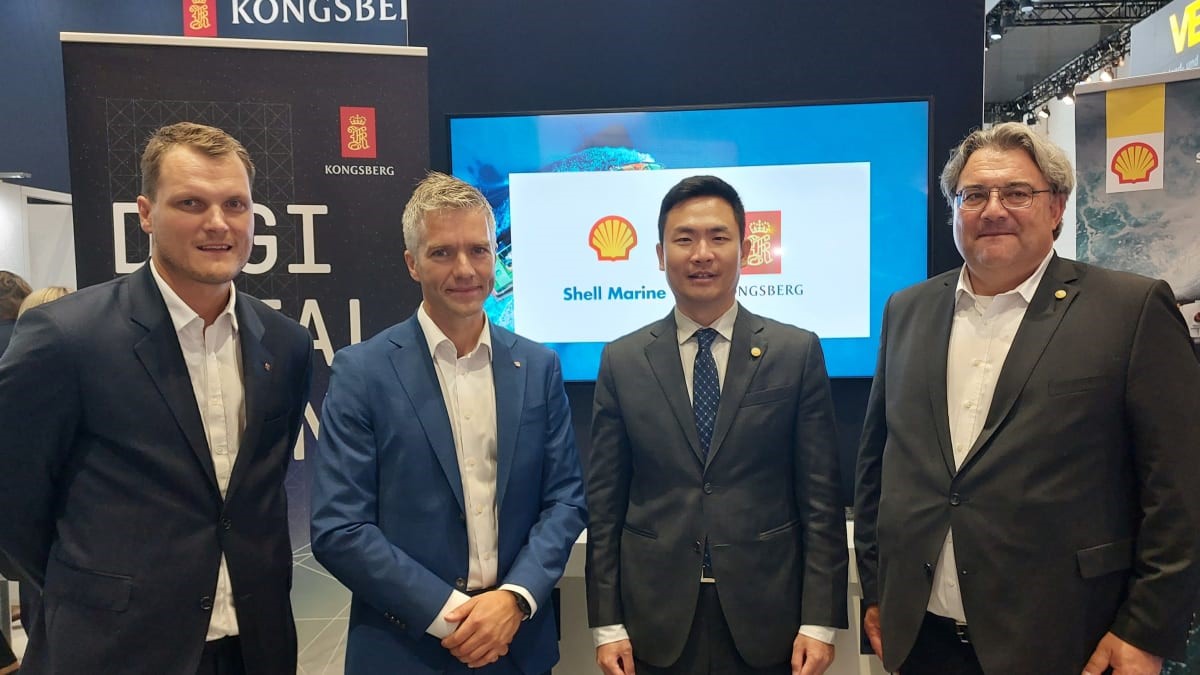
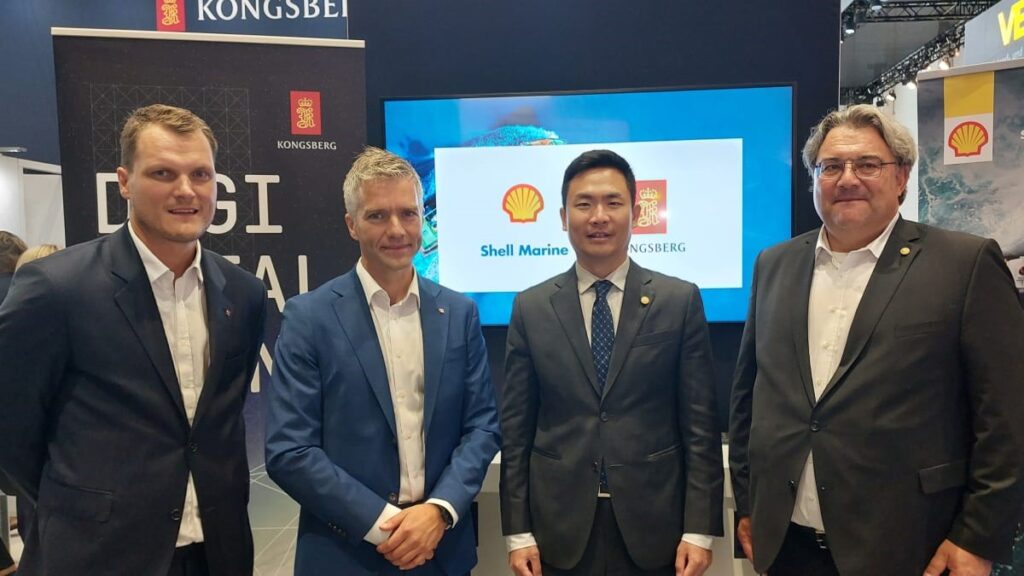
Kongsberg Digital and Shell Marine sign MoU to help decarbonize the maritime industry
Kongsberg Digital, a subsidiary of KONGSBERG, and Shell Marine signed an MoU to work together on new ways to accelerate decarbonization initiatives and assist the energy transition in the maritime industry.
During the international maritime trade fair SMM in Hamburg, Kongsberg Digital and Shell Marine signed an MoU to strengthen their service offerings to the maritime industry by developing joint solutions, enhancing their service portfolios, and identifying pilot projects to test their combined capabilities.
“The energy transition for the maritime sector will involve new types of fuel, new technology and new ways of working, as the industry pushes towards decarbonization. KDI and Shell both see the urgent need to support their maritime customers through the energy transition. In the short run, the marine industry needs to operate vessels in a more efficient manner through increased uptime and reliability, while ensuring environmental compliance.”, says Anders Bryhni, VP Digital Ocean Applications in Kongsberg Digital.
The new partnership will see KDI bring its digital data infrastructure solutions, applications and open ecosystems together with Shell’s portfolio of Technical and Digital Services, which improve performance and reduce running and maintenance costs for its marine customers.
“Partnerships and technical services play a key role in shipping decarbonization given the scale of the challenge ahead. Shell and Kongsberg have long worked closely to optimize vessel efficiency and operations, and I am pleased that this MoU further underscores this collaboration,” says Marcus Schaerer, General Manager Services & Technical Shell Marine.
The MoU strengthens a longstanding partnership between KDI and Shell in the energy sector. KDI provides Shell with its digital twin Kognitwin on several Shell assets, including the Nyhamna Gas facility in Norway.
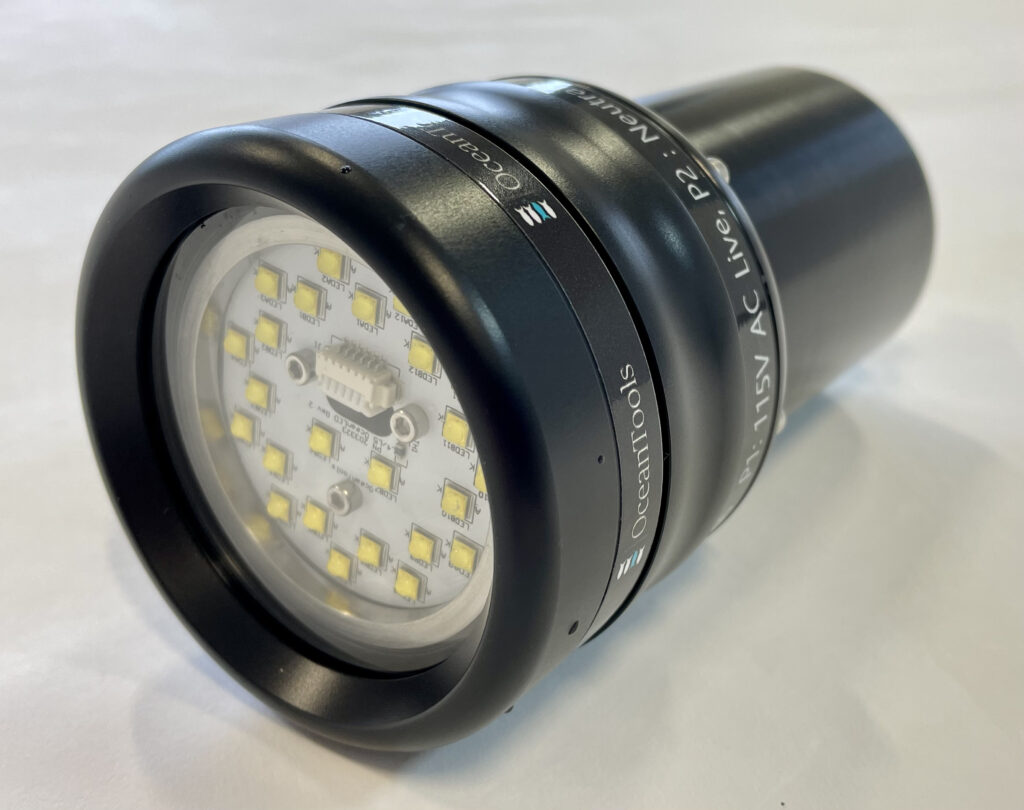
OceanTools release their new L6 Subsea Light
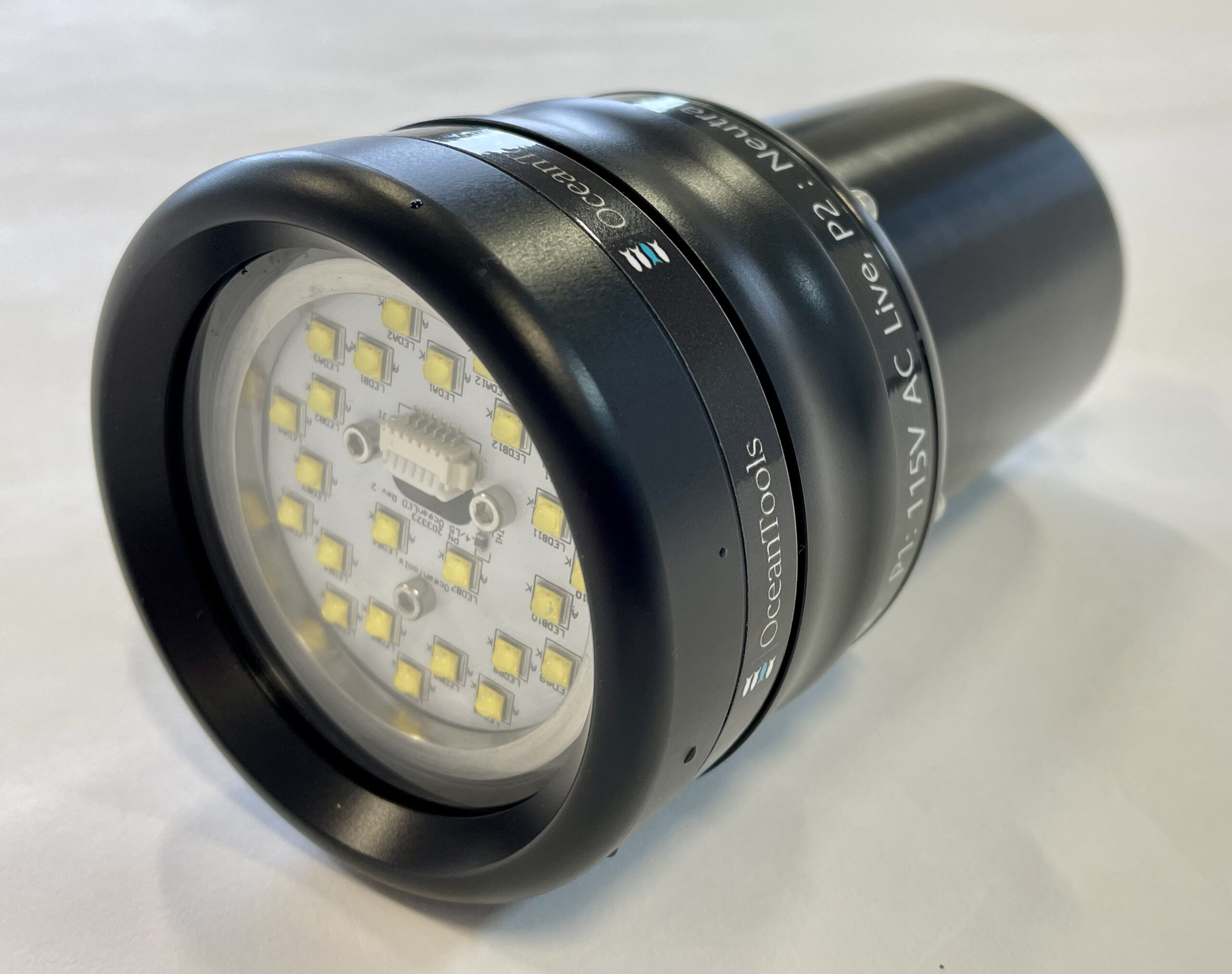
OceanTools, global supplier of underwater technology, add another AC lamp to their range of industry leading subsea lighting.
Available as either a floodlight or a spotlight the L6 lamp has been designed to be used on underwater vehicles and installations with a 120VAC/DC supply. The lamp offers up to 10,000 lumens of illumination with flicker free dimming using either RS232, RS485 or analogue control and a range of colour temperature options. Depending on the operating depth requirement, the L6 is available in Anodised Aluminium (4000m rated) or Titanium (8000m)
Brian Hector (Technical Sales Manager) at OceanTools, said:
“Product development at OceanTools is always customer led, we already have an order for multiple lamps in production for a global leader in offshore engineering projects to be fitted on their fleet of ROV’s”.
The L6 Subsea LED lamp is the latest addition to the OceanTools extensive range of pioneering underwater technology which includes not only lighting but also market leading DyeTection Systems and Subsea Cameras.
For more information on the L6 LED Subsea Lamp, click here.
Hydromea and Air Control Entech sign a service partnership agreement
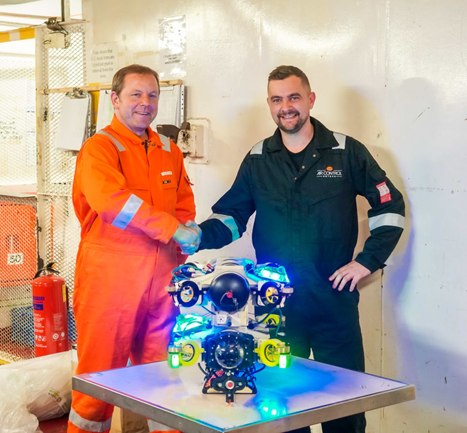
Hydromea, a Swiss underwater robotics company and Air Control Entech (ACE), a Scotland-based certified remote technology specialist, enter into a service partnership agreement to commercialize EXRAY™, the world’s first wireless ROV (remotely-operated underwater vehicle), for inspections at offshore floating platforms.
Under the deal, ACE will actively promote and use Hydromea’s innovative EXRAY™ wireless ROV for inspections of ballast water tanks at FPSOs (floating production storage and offloading) platforms in the North Sea and Latin American markets. Hydromea will benefit from ACE’s certified offshore inspection team, as well as existing and new service contracts.
Patent-pending EXRAY™ wireless ROV takes the underwater inspection technology one step further enabling the inspections of complex and dangerous flooded spaces more affordable and faster for asset operators. Hydromea achieves this by eliminating a tether between a pilot and an inspection vehicle. This brings a significant improvement in the dexterity of the vehicle and eliminates the risk of entanglement during an inspection mission of a complex submerged infrastructure. EXRAY™ was developed with the support of Net Zero Technology Centre in Scotland and TotalEnergies UK.
Alexander Bahr, co-founder and COO of Hydromea, says: “We have chosen to work with ACE in the offshore market segment because we feel the team has the right level of ambition and market intelligence. ACE is not just a service company, their team started off and continues as a bespoke robotics company, breaking boundaries in what’s possible. We look forward to working together with ACE on delivering more cost effective, efficient and safer asset integrity inspections, by replacing or reducing the amount of time personnel are placed within hazardous environments to carry out critical inspections with cutting-edge robotics.”
Kieran Hope, co-founder and COO of ACE, adds: “This partnership strengthens ACE’s position in the class accredited remote inspection space, creating a bespoke, more competitive offering, while reinforcing our position as a leader in the provision and creation of innovating robotic solutions in the offshore inspection market. Hydromea’s EXRAY™ wireless ROV is a true paradigm shift in underwater robotics and we are honored to be the first company taking it to our clients.”
Roger Esson, Head of Industry & Partner Network at NZTC, says: “It is great to see two technology companies, both supported by NZTC, joining forces to expand their services into new areas of the ROV market. It is this type of collaboration that will accelerate the use of the technologies required to deliver our net zero ambitions.”
Founded in 2014, Hydromea is a Swiss-based underwater robotics company helping its customers to have unparalleled underwater data connectivity and efficient remote inspection access to submerged assets.
Founded in 2016, ACE is a Scotland-based certified remote technology specialist, delivering solutions to many inspection challenges in the offshore energy space.