Fugro expands its presence in the Middle East with new facility in JAFZA
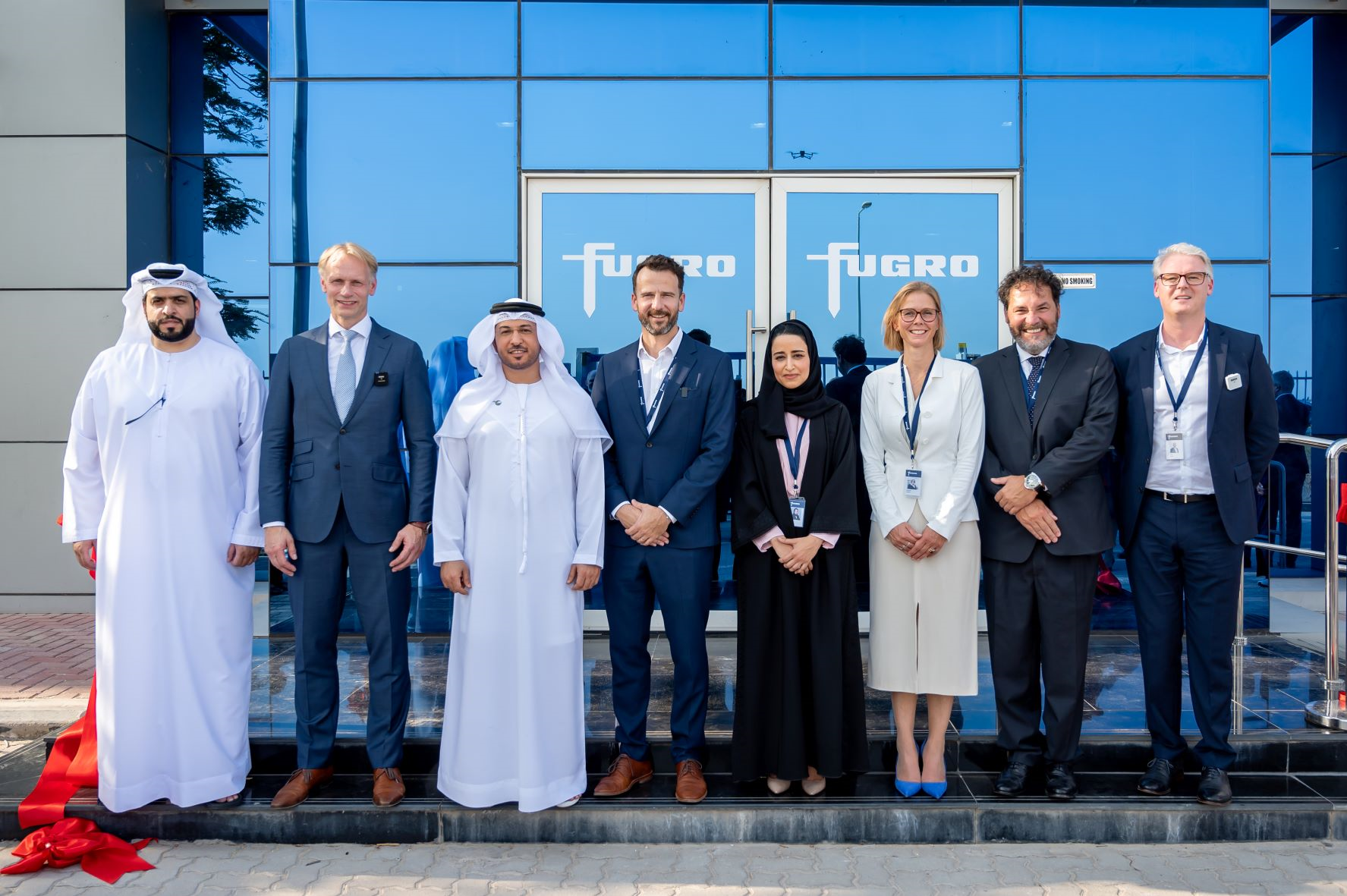
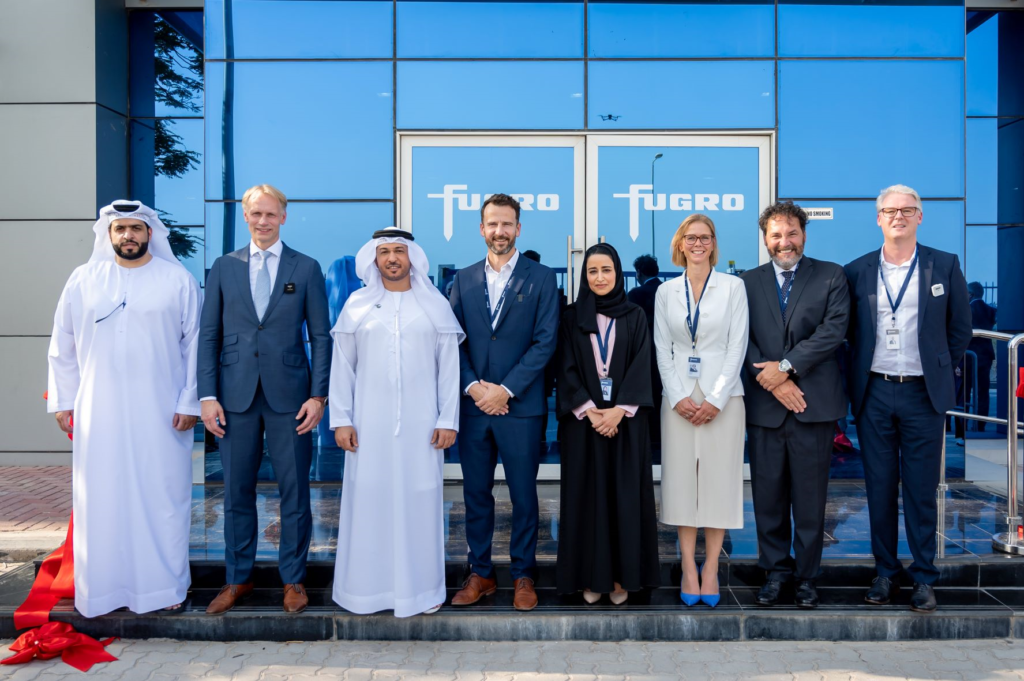
The leading global Geo-data solutions provider, Fugro has inaugurated a new facility in the Jebel Ali Free Zone (JAFZA) expanding its footprint in the Middle East and India region. With this new facility, Fugro reaffirms its commitment to offering expertise and advanced Geo-data solutions to the rapidly growing energy, infrastructure, and construction industries in the Middle East and India.
The new 28,000-square-meter facility will be the new base that advances collaboration between teams and act as a regional base combining expertise to support clients with advanced Geo-data solutions. The facility will also host a state-of-the-art Remote Operations Centre (ROC) expanding the company’s remote and autonomous capabilities, transforming the maritime sector.
Since entering the Middle East in the early 1970s, Fugro has established itself in multiple strategic locations across the region including Qatar, Egypt, India, and Saudi Arabia.
The new facility was inaugurated by the Fugro Board of Management Mark Heine and Barbara Geelen – and attended by the Council General of the Netherlands in Dubai, Abdulla Bin Damithan, the CEO & Managing Director DP World UAE and JAFZA.

Teledyne Marine Photo/Data Contest – Deadline Extended to Sept. 16
Teledyne have received a lot of great photos and want to see more! Submit your photos of Teledyne Marine’s products in action or data you’ve collected using their products before the extended September 16th deadline – or just visit the page to vote for your favourites.

AWARD CATEGORIES
• Voters Choice Award – Grand Prize
Teledyne Marine panel of judges select their favorite image from the 5 entries receiving the most public votes.
• Staff Favorite Award
Staff judges select their favorite entry.
• Best Data Award
Share your awesome multibeam, single beam, sonar, or ADCP data collected using Teledyne Marine gear.
• Teamwork Makes the Dream Work Award
Share photos of your team working together to make it all happen.
• Adversity Award
Share images from your worst days – fighting the elements, working in extremes, and/or dealing with challenges.
• Moment of Zen Award
Share photos of Teledyne Marine products and you or your team working in beautiful locations, enjoying tranquil moments, and/or celebrating those small achievements.
• Best Effects – New
Our mobile phones and computers are loaded with special effects to up your creativity and image impact. Give it a go!
• Down Under Award
Share those awesome underwater photographs that we all love. Photos can either show Teledyne Marine products in action below the surface, or can be images actually taken with their Bowtech cameras.
*You need at least 10 votes to compete in the categories above.
PRIZES
GRAND PRIZE (VOTERS CHOICE AWARD)
Teledyne have upped their game this year for the grand prize! Grand prize winner receives an awesome DJI Mini 3 Pro Advanced Mini Camera Drone ($900 value).
AWARDEES FROM ALL OTHER CATEGORIES select one of the following prize options to suit their interests:
• $200 Gift Card for Hotels.com – get back out there and travel again!
• $200 Patagonia Gift Certificate – eco friendly and stylish clothing for all your outdoor adventures
• $200 Bank Gift Card – treat yourself to the gift of your choice! (Note this option may not be available in all parts of the world).
HOW TO ENTER
STEP 1 – Upload your image(s) here along with supporting details.
STEP 2 – Share the image on your social media channels and encourage friends, family and industry associates to vote for your submission. Tag @teledynemarine on Facebook and Twitter – #TMPhoto2022.

Ashtead Technology announces acquisition of WeSubsea
International subsea rental equipment and solutions specialist Ashtead Technology has announced its intent to expand its mechanical solutions service offering with the planned acquisition of WeSubsea.
The transaction is expected to close during Q4 of 2022 and will be the Group’s sixth acquisition in the past five years, demonstrating its commitment to expanding its geographical presence and growing its capability and service offering to support customers globally.
Founded in 2010, WeSubsea is a specialist in subsea dredging technology solutions supporting customers globally from its operating base in Aberdeenshire, UK.
Allan Pirie, Ashtead Technology’s CEO, said: “WeSubsea is a pioneering technology business with an excellent reputation and strong customer service ethos. Their fleet of high-performance dredge systems and strong technical know-how will be a great strategic fit for our business and will complement our extensive range of dredging, cutting, coating removal and ROV tooling solutions and services.
“The acquisition is expected to be completed during Q4 and underlines our ambition to be a global leader in IMR and decommissioning through providing one of the widest subsea equipment and service offerings in these fields to support our customers’ operations across the offshore energy sector.”
The addition of WeSubsea to Ashtead Technology’s portfolio follows recent growth announcements, most notably the company’s IPO on the London Stock Exchange’s Alternative Investment Market (AIM) in November 2021.

CSignum Partners With Newcastle University in Technology Transfer of Underwater Digital Signal Processing Techniques
Research Project to Increase Wireless Radio Transmission Data Rates and Distances for CSignum HydroFi™ Modem Across the Water-Air Boundary
CSignum Ltd., the global leader in wireless underwater communications, asset digitization, and actionable insights for ocean and freshwater industries, announced it has completed a two-month research project in underwater wireless communications with Newcastle University, renowned for its leadership in underwater acoustic communications research.
CSignum is preparing in coming months to commercially test and launch its HydroFi Modem, the first reliable point-to-point wireless radio communications system that enables the transmission of data through the water-air boundary. Led by Newcastle University Professor Jeffrey Neasham and CSignum CTO Mark Rhodes, the knowledge exchange and research project focused on increasing the HydroFi™ Modem communications data rate and transmission distances from underwater to above water receivers, as well as improving battery life for real-world deployments.
“We were able to significantly improve the amount of fixed data we could transmit in a shorter time by using a faster data rate,” said CSignum CTO Mark Rhodes. “This means our modems are powered on for a shorter period and so will use less power to communicate a given data payload. This will be of great benefit in terms of how operators choose to allocate resources to remotely deploy and service the HydroFi modems and receivers in ocean observing, environmental monitoring, aquaculture, renewable energy, and oil and gas environments.”
“In addition, we improved the Hydrofi communication waveform, coding and receiver structure to deliver greater robustness against local sources of electromagnetic interference,” said Professor Neasham of Newcastle University. “All radio systems need to be compatible with the electromagnetic environment generated by local elements of integrated systems and natural atmospheric sources. Another strength of the HydroFi Modem is that it is not affected by rough sea states, turbid conditions, or shallow water splash zones.”
CSignum intends to continue its successful collaboration with Newcastle University to enhance future versions of the HydroFi radio modem and incorporate resulting breakthroughs into the technology roadmap. On completion of the project, the collaborative team identified some clear ideas for future development in the areas of power consumption and advanced DSP techniques, which will further extend the product performance envelope.
As a result, CSignum and Newcastle University efforts will build on their respective IP portfolios. CSignum currently has 22 granted and in-force patents, with further pending patents, in such areas as bi directional water-to-air and air-to-water wireless communications, automation, antenna design, remote command and control, adaptive bandwidth, redundancy and failover, and low power management. These technologies are designed to deliver sensor data through the water-air boundary, water column, seabed and subsea structures. As a result, operators in ocean observing, environmental monitoring, aquaculture, renewable energy, and oil and gas will be able to modernize their infrastructures with digitized, real-time data to make smart decisions.
BAR Technologies Officially Launches Pioneering new Offshore Wind Crew Transfer Vessel
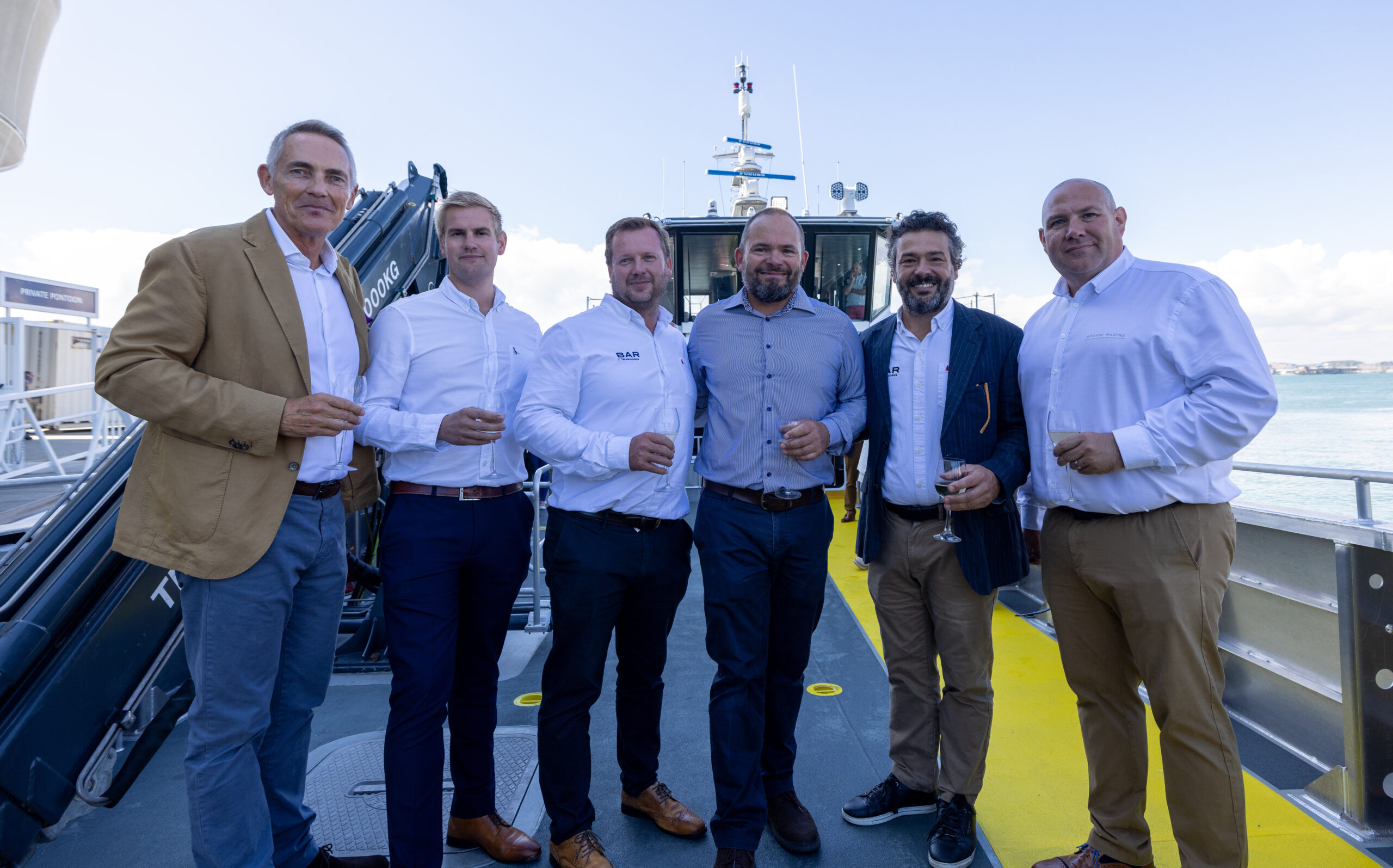
Innovative simulation-driven marine engineering consultancy, BAR Technologies, held the official launch of its first BARTech 30 crew transfer vessel (CTV) from its premises on The Camber, Portsmouth, yesterday. BAR Technologies, Chair, Martin Whitmarsh - also Chair of the Offshore Wind Growth Partnership – led his BAR Technologies colleagues to officially hand over the first vessel of its type to class leading OESV operator, Seacat Services.
As part of the launch, the vessel was officially named ‘Seacat Columbia’ by Ian Baylis, Founder, Seacat Services and Martin Whitmarsh. Guests attending the ceremony were given an in-depth tour of the vessel and shown some of the key features that provide the new craft’s superior efficiency and handling.
The BARTech 30 was designed to address the two most pressing challenges of the offshore wind industry: vessel efficiency - and therefore emissions reduction - and the comfort in transfer, and subsequent effectiveness, of offshore wind engineers.
In the first instance, many of the major offshore wind developers and owners are now beginning to look in earnest at the rates of fossil fuel consumption in wind farm service vessels. Secondly, any offshore engineering personnel beset by sea-sickness in travel to a project must be returned to port – meaning in practice that a vessel transporting up to 24 engineers must cease its transit to a project site – resulting in expensive downtime for the project owner.
With its 30m ProA design, and active foiling systems to correct for pitch and roll, the BARTech 30 is able to minimise vessel motion and fuel burn – leading to an average increase in stability across all sea states of up to 70% and a reduction in total emissions of 30% over a typical operational profile - making the vessel one of the first Low Emission Vehicles (LEVs) serving the UK’s growing fleet of offshore wind farms.
Additionally, with the vessel able to operate in more challenging conditions than the current catamaran designs, offshore wind turbines may be serviced over a greater number of sea states, ensuring wind farm owners have more opportunities to better and more cost effectively provide turbine maintenance.
“BAR Technologies was established to leverage the highest level of engineering expertise and understanding of hydrodynamics from the fields of Formula 1 racing and the Americas Cup respectively, to take on some of the biggest challenges in vessel efficiency and maritime decarbonisation”, said Martin Whitmarsh, Chair, BAR Technologies.
“Alongside our pioneering wind propulsion technology for the shipping industry, our latest developments in crew transfer vessel design, demonstrated by the BARTech 30, are helping to significantly mitigate the ‘last mile’ of carbon emissions in offshore wind development and construction.”
“We know that the offshore wind industry has led several innovations in cost reduction since its inception. We’re now able to take this efficiency drive one step further with a vessel design not only able to operate in wider offshore parameters and presenting new savings in servicing and maintenance, but, also combined with a significant reduction in fuel consumption.”
John Cooper, Chief Executive Officer, BAR Technologies commented: “Following our preview of the vessel at the Seawork maritime event in June, we’re thrilled to officially launch the BARTech 30 here at our home in The Camber in Portsmouth.”
“Having our first customer delivery is a key milestone in our development of the BARTech 30 programme, and we look forward to seeing further customer orders for the vessel fulfilled in the near future.”
“In taking this pioneering design to market, we’ve been able to bring in elements of collaboration from other South Coast marine designers and consultancies - and the Isle of Wight based vessel manufacturer - helping to secure a domestic supply chain for a key part of the UK offshore wind industry.”
As previously reported, alongside the order for two vessels from Seacat Services, innovative CTV operator High Speed Transfers has also ordered two BARTech 30s.
Saab Seaeye - Japan Goes 3D with Falcon
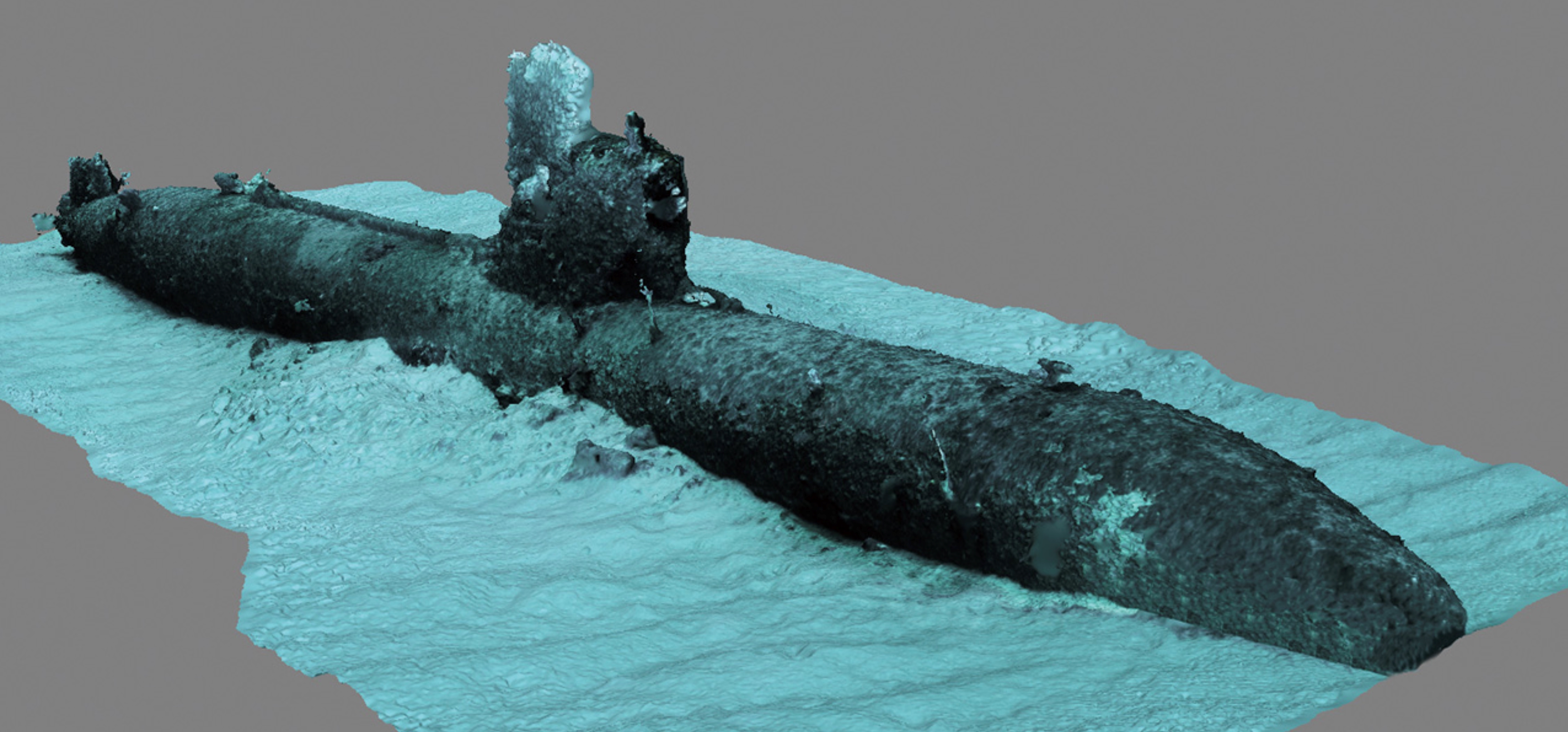
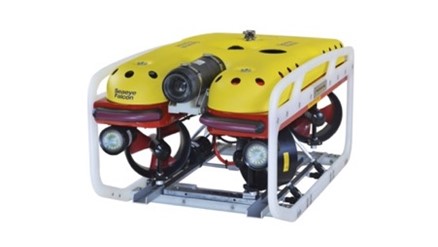
Japan’s 3D survey company, Windy Network, has chosen a Saab Seaeye Falcon underwater robotic vehicle for its global operations.
They intend deploying the Falcon on a wide range of missions, including academic research, marine archaeology, fishery surveys and construction installation studies, such as offshore wind energy sites. For such a variety of operational undertakings the versatile Falcon is an ideal choice, says Windy Network.
The Falcon can be fully loaded with cameras, sonars and tooling, yet will remain highly manoeuvrable and stay steady even in strong currents and turbulent waters.
Already the world’s top selling robot in its class, the Saab Seaeye Falcon’s success comes from being an easy to use, metre-sized, intelligent, powerful, five-thruster, multi-tasking vehicle with a reliability record covering over a million hours underwater.
It will join Windy Network’s fleet of remotely operated vehicles - a vital resource for an innovator in the research and development of 3D measurement systems and operator of Japan’s residential Ocean Research Training Facility.
As a marine survey 3D measurement company and developer, Windy Network aims to process huge amounts of acquired data with high accuracy and efficiency, corrected for ship vibration for a seamless display. Supporting Windy Network in their acquisition was Saab Seaeye’s distributor in Japan, Marimex.
SeeByte selected to develop future crewed-uncrewed teaming concept to increase trust in autonomous systems
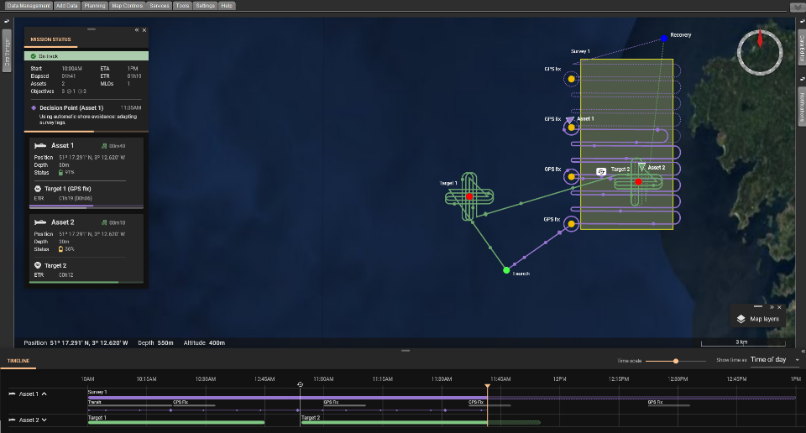
SeeByte, the global leader of smart software solutions for uncrewed maritime systems, have been selected by the Ministry of Defence’s Defence and Security Accelerator (DASA) to design and develop a proof-of-concept solution to improve communication and understanding between operators and uncrewed maritime systems.
The new concept will include tailoring the volume and content of messages received and predicting vehicles’ actions between communication updates. Most importantly, the engine will present any variation detected between the predicted and actual actions of the vehicle executed in-mission. This ultimately creates a higher level of trust between the software and the operator.
With limited or inconsistent communications, it can be exceedingly challenging for an operator to follow mission progress and this results in low confidence in the system with frequent mission aborts. When communication isn't present, using a system like this will allow an autonomous system to clearly explain its actions to the operator and provide accurate predictions on the current mission.
“Being selected to develop a system as stimulating as this is extremely exciting for everyone involved. We are in a good position to take this technology forward as part of our existing programs of work, and to receive relevant customer and end-user feedback along the way”, Alastair Cormack, Commercial Manager for SeeByte.
Investment in Sonardyne’s PIES shows confidence in marine seismic market
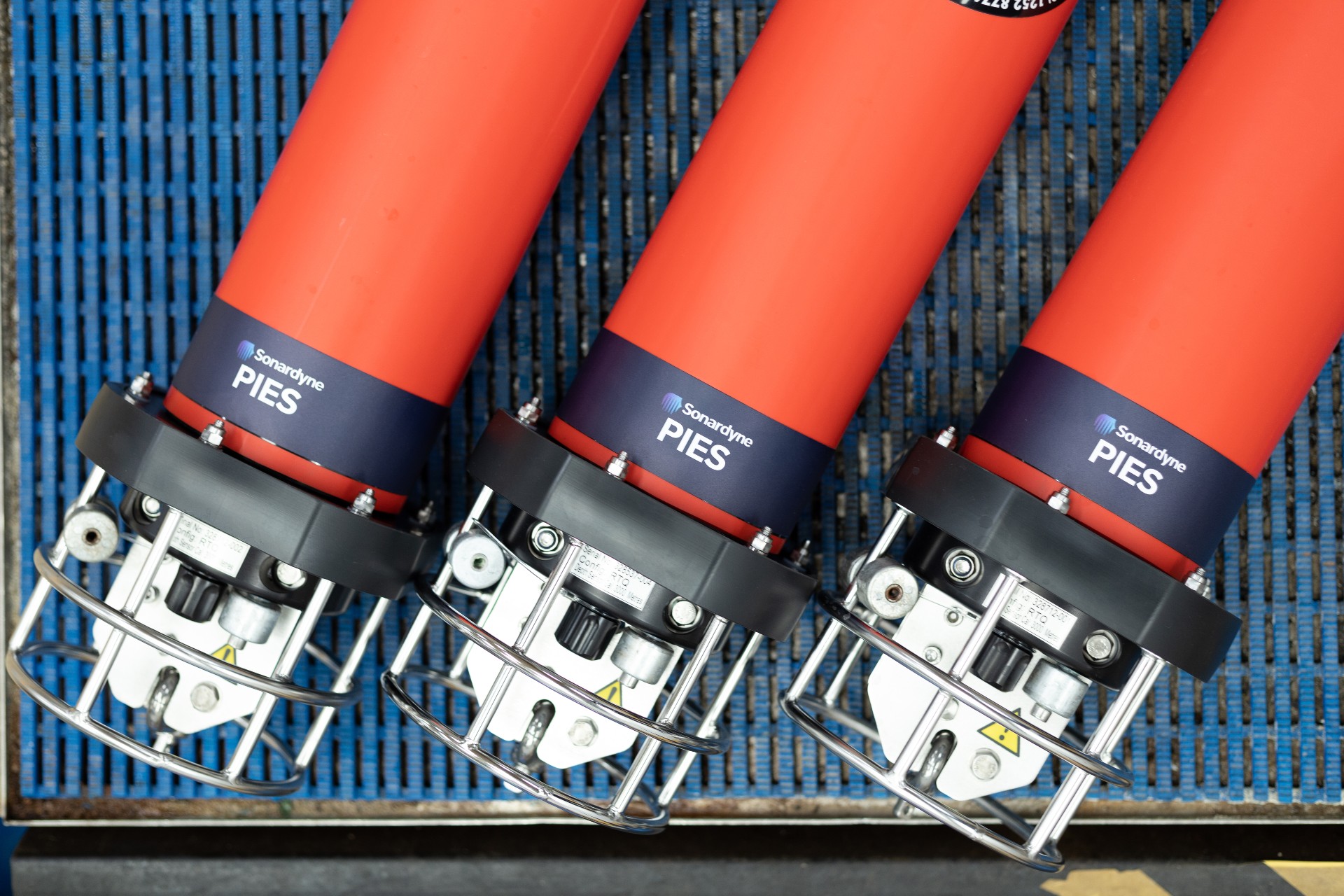
Marine technology company Sonardyne has seen an uplift in orders for its Pressure Inverted Echo Sounder (PIES) technology into the exploration and reservoir surveillance market in the first half of this year. The announcement was made on the opening day of the International Meeting for Applied Geoscience and Energy (IMAGE) in Houston where the company is exhibiting on booth #740.
Sonardyne’s PIES technology, which helps geophysicists to better understand the physical processes that occur in the deep ocean, has been acquired by a string of companies performing both towed streamer and ocean bottom node (OBN) deployments, highlighting increasing activity in the sector.
Among those investing in PIES are marine geophysics data and services company PGS Geophysical and ocean bottom nodal firm Magseis Fairfield. Geophysical services provider PXGeo has also ordered a number of Sonardyne’s PIES.
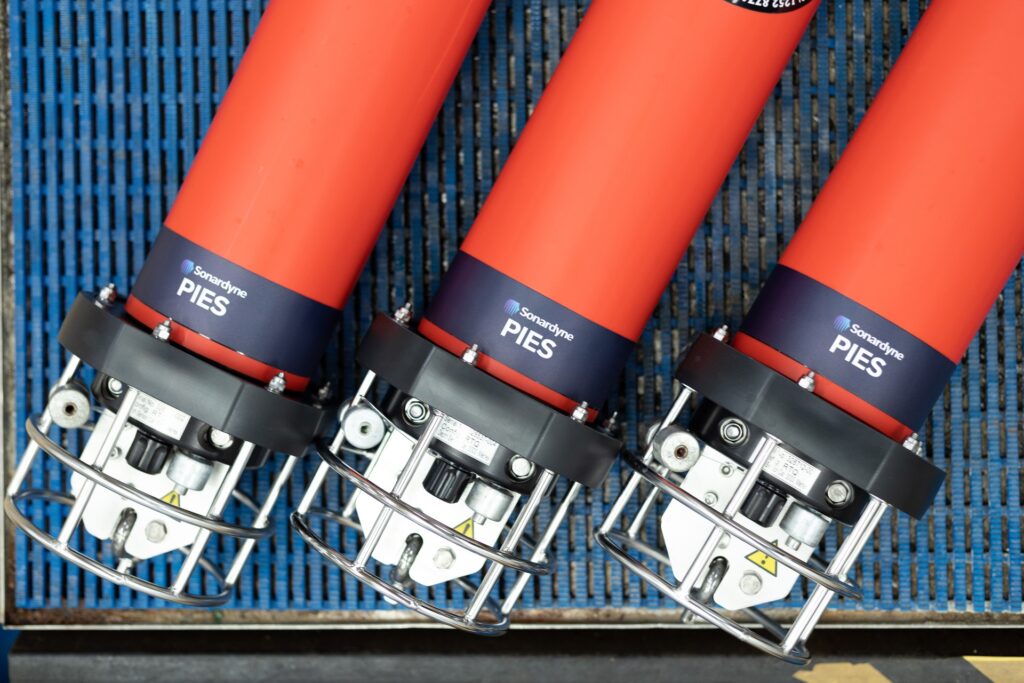
PIES is a long endurance, self-contained oceanographic instrument for precisely measuring average sound speed in the water column as well as water depth information. By collecting these observations as seismic data is being acquired, PIES helps to reduce uncertainty in the imaging data, helping to provide a clearer image and guide operational decisions.
“PIES continuously measure the two-way travel time of sound waves propagated through the water column from the seabed to the sea surface as well as the pressure (depth) at the seabed,” explains Sonardyne sales manager Trevor Barnes. “This data is used to calculate a continuous time history of the average water velocity and tidal variation throughout the entire water column. By doing this, these environmental variations can be removed from the reservoir imaging data, providing geophysicists with a clearer image of their reservoirs.”
PIES are regularly used across the marine seismic market as well as by oceanographic institutions interested in understanding the ocean. The instrument can be deployed on the seabed by ROV or freefall deployed from a surface vessel and configured for autonomous monitoring campaigns lasting several months to several years.
An embedded acoustic modem also allows users to retrieve data wirelessly on-demand, or adjust monitoring regimes, from crewed or uncrewed survey vessels. PIES can also be deployed in wired configurations, allowing a constant data feed to topside facilities.
OceanTools - Celebrating 25 years of Innovation
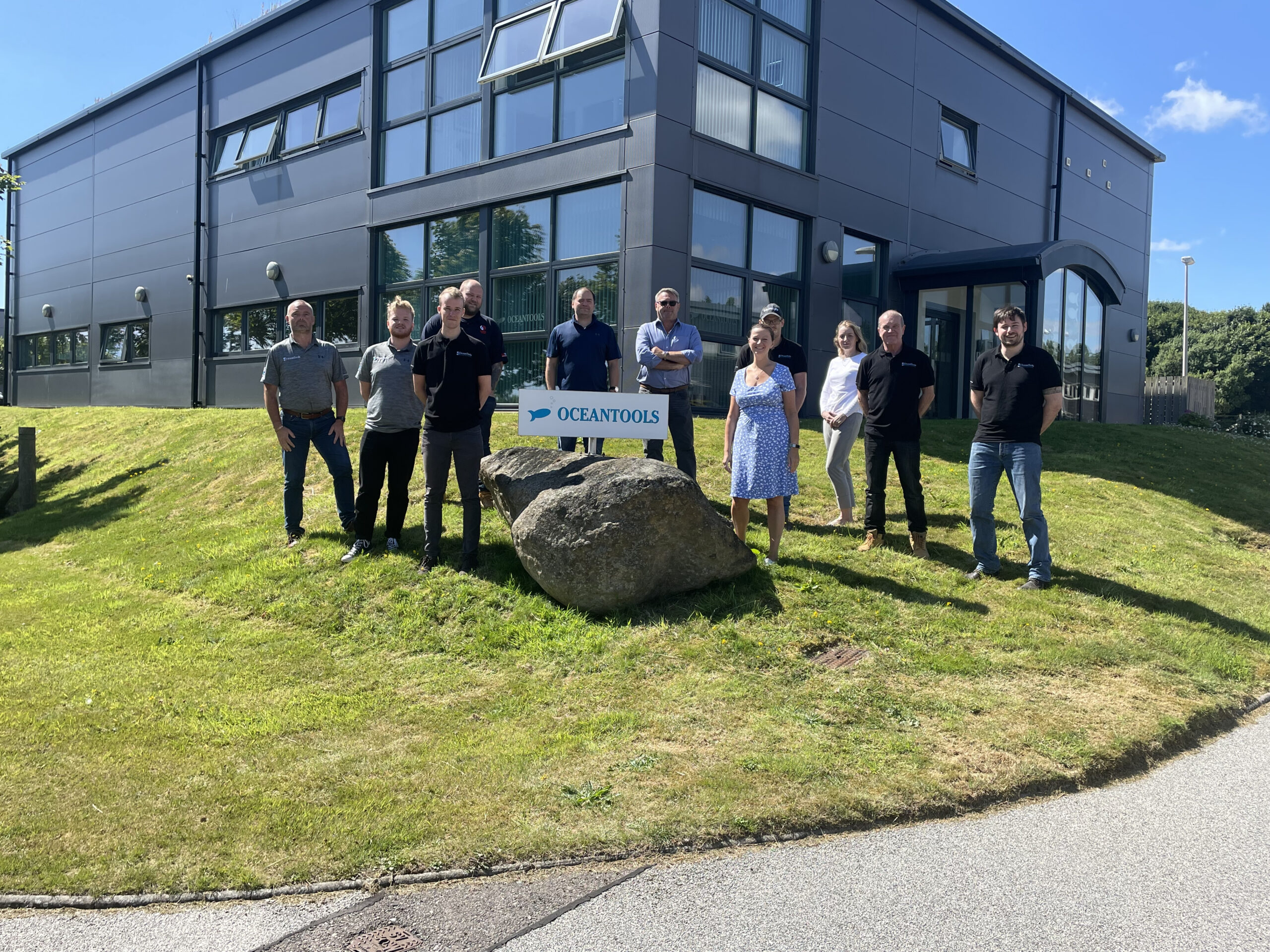
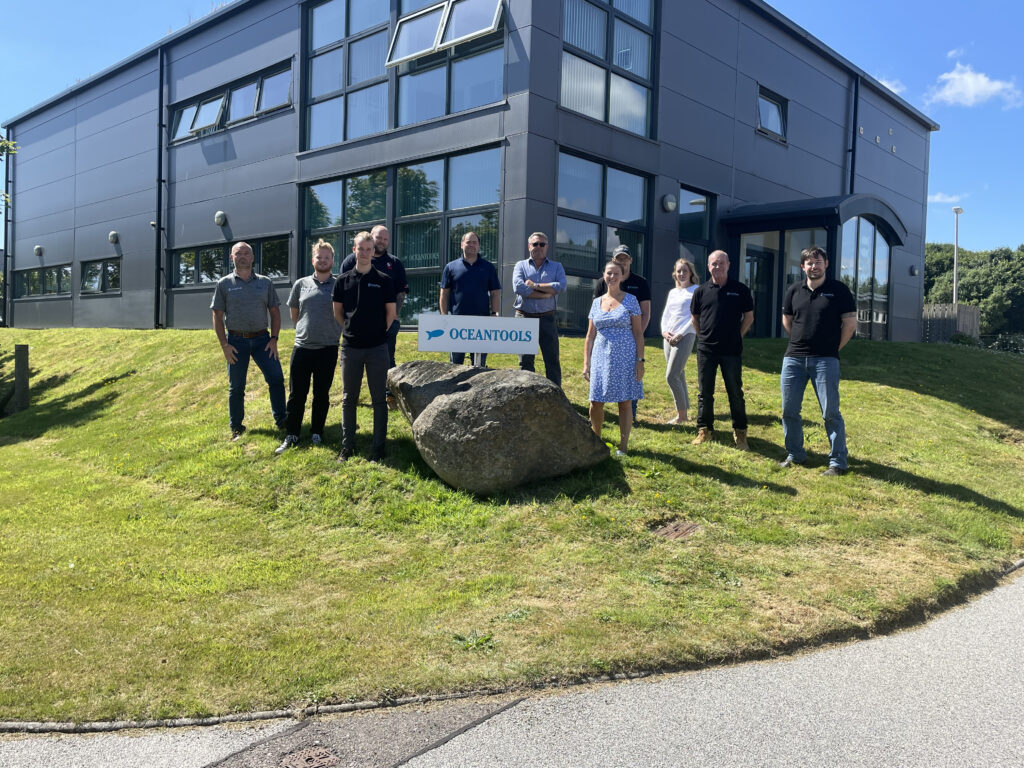
On September 1st OceanTools Limited celebrated their twenty fifth anniversary.
The company founder Kevin Parker says “OceanTools has come a long way since I cobbled together the industry’s first PC based video overlay system on my dining room table in 1997”. That overlay, having evolved over the years, is still in production in 2022 with several thousand units sold.
The company is now a world-leader in the production of subsea video cameras & lighting systems, manufactures the most sophisticated dye & leak detection system on the market and designs & builds advanced subsea pressure housings.
Export sales count for more than 50% of the company’s turnover with markets including oil & gas, scientific research, renewables, defence and trawling.
Innovation has been at the heart of OceanTools since its conception. The prolific product development team utilise the latest advances in engineering to ensure their place as market leaders in underwater technology. Brian Hector Technical Sales Manager at OceanTools, said “At OceanTools we harness all the latest technologies available to ensure our products lead the way and will continue to do so for the next 25 years which makes it a very exciting company to be a part of”
Find out more about the products and services offered by OceanTools from their Aberdeen HQ at https://www.oceantools.co.uk
Innovative Enhancements to FarSounder’s Local History Mapping
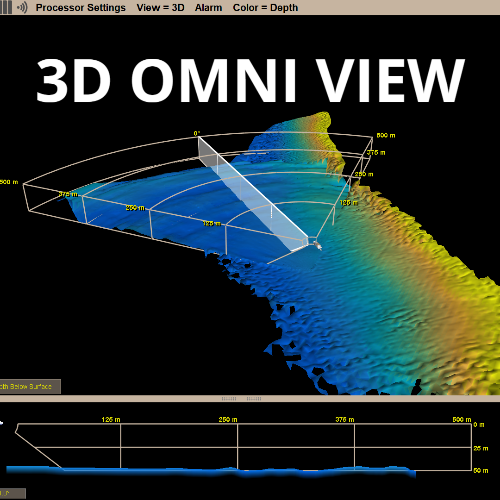
FarSounder has announced new enhancements to their SonaSoft™ Software featuring an expansion of their Local History Mapping™ (LHM) application. All models of the Argos™ Forward Looking Sonar system now have the ability to recall unlimited user-collected data (limited only by the amount of available hard drive space). LHM is an advanced, innovative software feature that allows users to generate a map of the seafloor as they navigate.
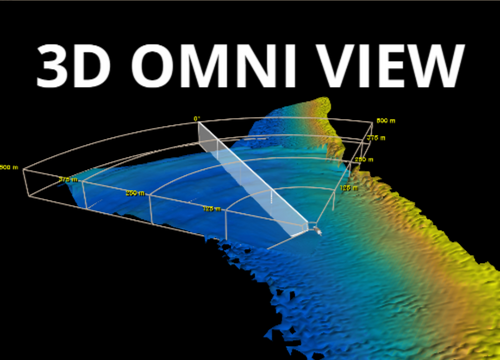
In addition to the expansive storage upgrade, another advancement is coming in Q4 2022. They are adding the ability to view LHM data in their 3D Omni View as well as their Chart View on the user interface. Uniquely, a single pass of the Argos sonar can map an expansive swath of the seafloor in real time. The LHM application displays this data as a 3D map of the seafloor, which is updated with every ping. Upon returning to a location where LHM data has been collected, the user will see the bottom history in both views along with the real-time data.
“The key purpose of an Argos sonar has always been improving situational awareness by detecting the seafloor depth and navigational hazards, in real-time, in front of the vessel. However, the enhancements of unlimited LHM storage and the display of this data in both the 3D Omni View and the Chart View allows the user to leverage their previously recorded data to further improve their knowledge of their environment and make well-informed navigation decisions.” - Heath Henley, Ph.D., Senior Applications Engineer at FarSounder.
The more information available about the environment below the surface, the easier it is to make sound navigation decisions. Users want the best possible real-time information to understand where is safe and where they should avoid sailing. Combining history and real-time data adds unprecedented value in keeping the vessel and its passengers safe.