
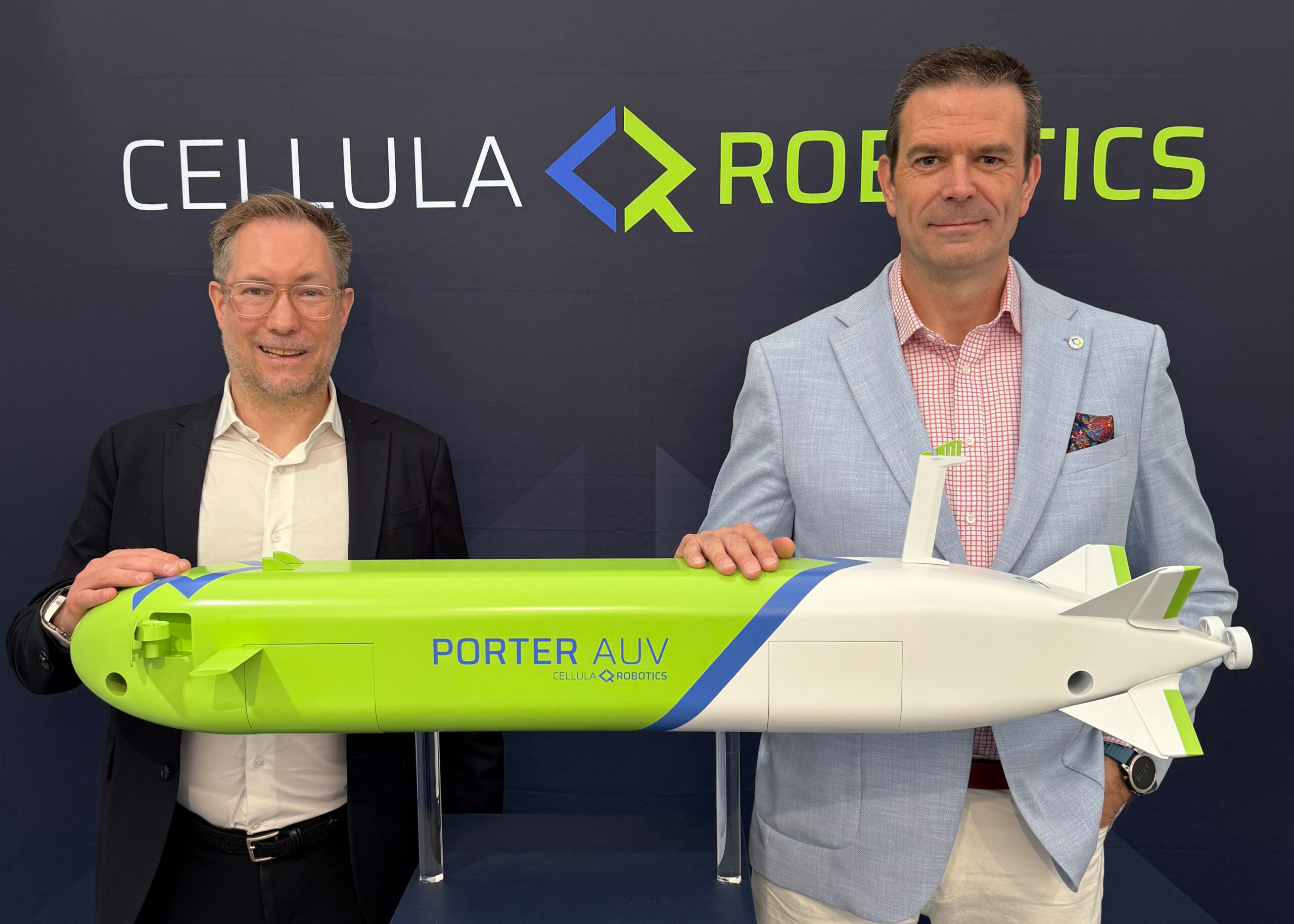
Cellula Robotics partners with Subsea Europe Services and FLANQ to expand AUV Market reach in Northern Europe
Cellula Robotics Limited has entered into a sales and representation agreement with Subsea Europe Services GmbH (SES) and its defence division, FLANQ. This strategic partnership will expand the market presence of Cellula’s advanced autonomous underwater vehicle (AUV) technologies across Northern Europe.
Under the agreement, SES will promote and represent Cellula’s full AUV portfolio—including the Envoy, Porter, and Guardian AUVs, the Subsea Warden Hovering AUV for ship signature management, and the Subsea Sentinel system for passive acoustic monitoring—in both commercial and scientific sectors. SES will focus on customers in academic research, offshore survey, and geophysical industries, while FLANQ will engage with defence, maritime security, and government clients.
This new partnership will support customers in Germany, Denmark, Norway, Sweden, Poland, Lithuania, Latvia, Estonia, and Finland, offering local expertise and direct access to Cellula’s underwater platforms and sensors.
Richard Mills, Chief Commercial Officer at Cellula Robotics said: “We have worked with SES and FLANQ co-founders, Sören Themann and Daniel Esser, for many years now. We’ve watched Subsea Europe’s strong, year-on-year growth and been impressed with their successful launch of FLANQ in 2024. Their laser focus on the customer’s mission and exceptional support and service, made today’s announcement a natural step. We have full confidence in their team’s professionalism and commitment to delivering for our organisation.”
Daniel Esser, Co-founder and Chief Commerical Officer of Subsea Services Europe and FLANQ added: “We’re excited to join forces with Cellula Robotics in Europe. They have an immensely impressive product portfolio – a portfolio which aligns perfectly with the challenges Europe is facing now across the maritime domain. Everything from trading challenges to protecting critical undersea infrastructure and strengthening sovereign defence capability.
As Richard has mentioned, Sören and myself know the Cellula leadership team very well, and we know they understand, respect and fully support their channel partners in the market. We know this team will excel together, by focusing on delivering reliable, solutions that deliver operational and domain advantage to our clients in energy, science and defence.”

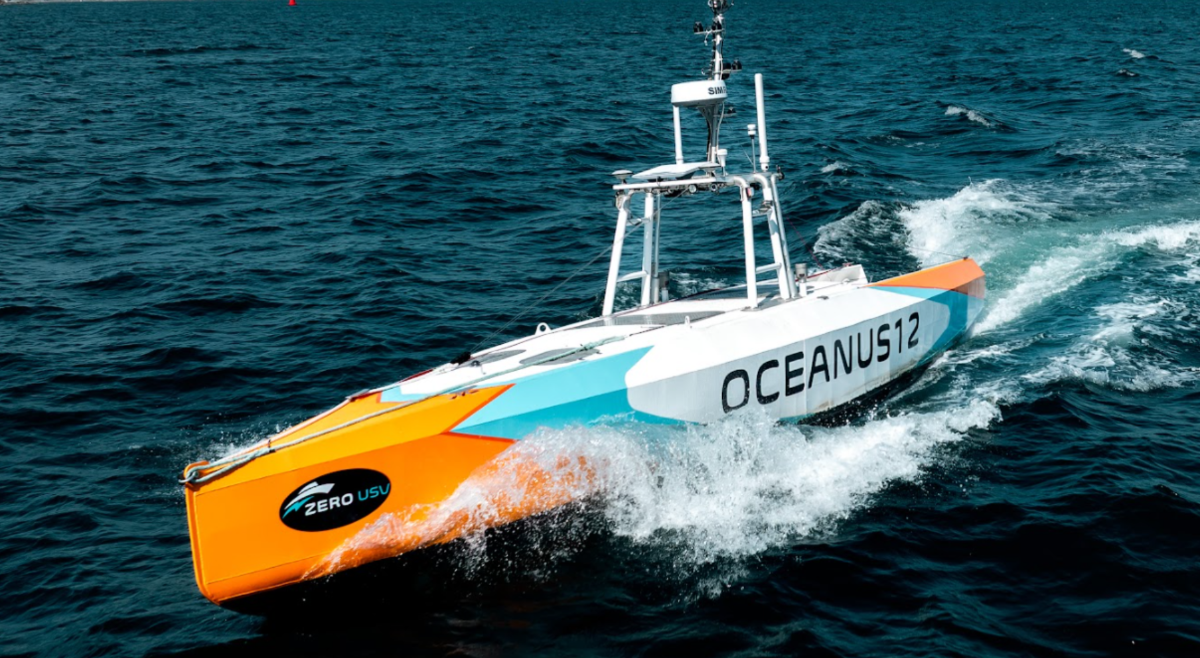
ZERO USV expands portfolio with new XLR Oceanus 12 for incredible 7500NM deployments
 Zero USV, pioneers behind the world’s first charter fleet for over-the-horizon unmanned surface vessels (USV), has today announced the expansion of its portfolio with the introduction of the new extra-long-range (XLR) Oceanus12, offering users even more options for high endurance maritime operations.
The original Oceanus12, launched earlier this year, is engineered to excel in voyages of up to 20 days or 2500 Nautical mile duration. However, the new XLR version builds on the hybrid electric technology developed for Oceanus12 and can increase overall mission duration to an incredible 7500 Nautical Miles or approximately 60 days with no outside assistance. It is also built for missions in remote areas or regions where access to traditional fuelling points is limited, ensuring that operations can continue uninterrupted.
The XLR Oceanus12 has all the power and onboard functionality of the core variant but boasts an increased overall length from 11.55m to 13m. While the original Oceanus12 has a fuel capacity of 1200 litres and approximately 2500 nautical mile range or a 20–25-day mission, the XLR can carry 4000 litres of fuel and travel more than 7500 nautical miles, the equivalent of 60+ day missions.
Matthew Ratsey, founder and managing director of Zero USV, said: “Uncrewed vessels are a force multiplier. The ability to conduct sustained operations at sea without the need for regular refuelling or crew-related logistics is becoming increasingly crucial as operational pressure on resources and time become more demanding. This is even more pronounced as international tensions rise, particularly in regions with contested maritime boundaries, heightening the need for reliable, high endurance long range USVs. In fact, they never been more critical.
“The Oceanus12 XLR is designed to meet these demands, offering unparalleled endurance for missions that require extended periods at sea, whether for surveillance, environmental monitoring, or strategic defence operations. By offering more flexibility and the ability to conduct longer missions, Zero USV’s XLR version responds directly to the strategic challenges of today’s global security environment.”
XLR Oceanus12 Specifications:
Green Credentials
- Twin Electric Hybrid Drive giving redundancy and efficiency
- Low Fuel Consumption
- Solar charging for house and emergency loads
Customisable Design
- Adaptable payload bay
- Sensor agnostic
- Quick change keel (sensor strut) allowing preloaded sensors to be swapped in/out with minimal downtime
Full Autonomy
- GuardianAI full stack autonomy software by MarineAI installed as standard
- Fully loaded autonomous sensor suite including HD Radar from Navtech.
- Remote control option
Over-the-Horizon
- Large fuel capacity for extended missions c. 7500Nm
- Six knot cruising speed with sprint speed of 10 knots (subject to payload)
Technical specification
- Length Overall: 13m
- Waterline Length: 11.40m
- Max Beam: 2.33m
- Displacement: 8 tonnes
- Hull Type: Monohull
- Hull Construction: Aluminium
- Installed Power: software limited to 40Kw, available 80Kw
- Speed: 6 knots cruising, 10 knots sprint
- Endurance: 7500+Nautical miles
- Fuel Capacity: 4000 Litres
- Payload: up to 1 tonne
- Draft: 1.76m
Record breaking Ocean Business 2025 is ‘best yet’!

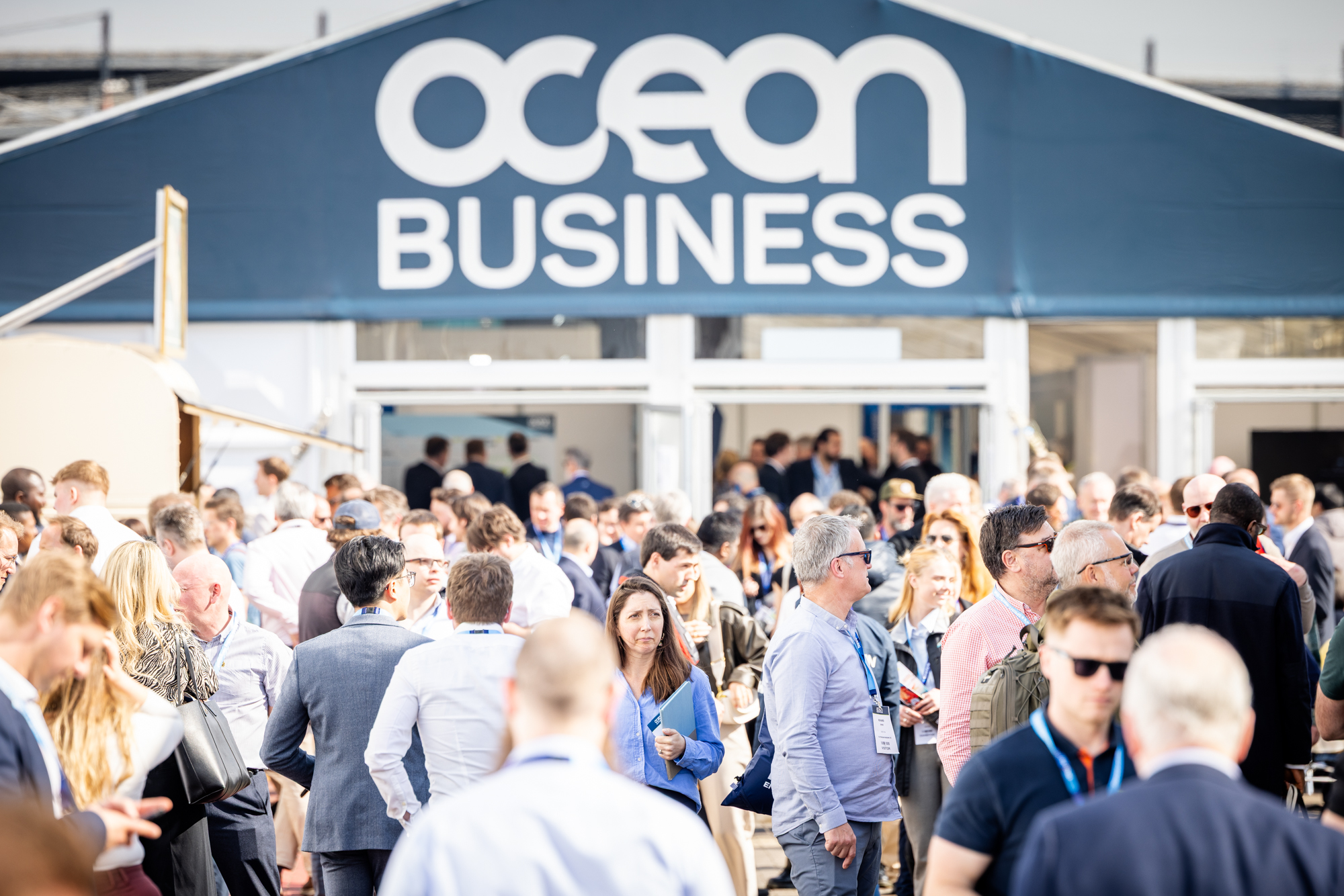
The ocean science and technology world descended on Southampton in record numbers in early April for the biggest and busiest ever edition of Ocean Business.
Crowds of more than 10,650 - 23% up on Ocean Business 2023 - gathered at the National Oceanography Centre (NOC) over three days of game-changing innovation, exciting product launches and quayside demonstrations as Ocean Business 2025 welcomed visitors from more than 80 countries to the Solent.
Across the expanded exhibition space and action-packed dockside, deals were done, new partnerships forged, existing relationships reinforced and networks extended.
‘The best one yet,’ said Graeme McGhee of Scorpion Oceanics. ‘Head and shoulders above other expos,’ said Stuart Howard, founder of Kuro Animation. ‘So many visitors from the very beginning and amazing conversations on all three days,’ said Chris Wallace of Verlume.
The atmosphere fizzed with glimpses of the future but it all started with a dive into the past as keynote speaker Mensun Bound held his capacity audience rapt with tales from the 2022 international quest to locate Ernest Shackleton’s ship Endurance.
As the director of exploration on the Antarctic expedition, Bound recalled the moment when, with cutting edge Saab Seaeye Sabertooth ROVs and top subsea experts, they located the ship, preserved in the ice for 117 years, at a depth of 3,000m.
‘It was obviously something man-made,’ he said, ‘and the only man-made thing in the Weddell Sea was Endurance.’
Later in the show, Voyis Imaging explained how it helped recreate a high-resolution 3D model of the Endurance, deploying its Insight Pro Underwater Laser Scanner and the Observer Pro Imaging System.
Sister company Sonardyne also supported the Endurance mission, with its underwater navigation and positioning technology Sprint-Nav, and at Ocean Business it launched Sprint-Nav U for compact marine robotic platforms.
Sonardyne Marine Robotics Business Development Manager Aidan Thorn, who has been involved with Ocean Business for 20 years, said this year was the best yet: ‘The interest in our new Sprint Nav-U was fantastic, being able to launch the product at OB has expanded our reach to potential new customers and having on-water demos shows credibility in our product in action.’
He also engaged with the next generation of scientists, engineers and innovators at Ocean Careers, telling them that ‘a career in the marine industry increasingly means a career working with robots’.
Teledyne generated much excitement with the launch on day one of its compact navigator, the world’s ‘smallest and highest performing, fully integrated autonomous navigating solution’.
‘We couldn’t have asked for a better show launch, customers are loving the navigator and we’ve had so many existing and new contacts coming onto the stand,’ said Marketing Manager Guy Frankland.
Other news and launches included Planet Ocean announcing a collaboration with Sonardyne International, resulting in the successful integration and deployment of three gold standard instruments from its reseller partners, Sea-Bird Scientific, Sequoia and 4H-Jena.
Geo Acoustics launched its new Side Scan Sonar, which attracted enquiries from as far afield as Dubai, China, India and Italy; and RS Aqua, which announced a new UK distribution deal for US company SRS’s Fusion Hybrid ROV, said it was ‘still riding the wave after catching up with our partners, customers and old and new faces!’ at Ocean Business.
With more than 350 exhibitors plus over 180 hours of training and demonstrations on the dockside, on board vessels and in the classroom, this year’s show offered insights into everything from R3Vox’s Voxometer, described by chairman Jens Steenstrup as a super advanced acoustic platform that does what multi-beams used to do ‘but on steroids’; to Hydrophis, a ‘revolution’ in analysing underwater survey data, unveiled by Scottish firm Tritonia.
Some 24 companies shared space at the Canadian pavilion, seen as an economical way to meet everyone in one place and access markets around the world.
‘We’d like to bring even more next time,’ said Shelly Petten, Executive Director of Oceans Advance, who has been coming to the show for 18 years, representing Newfoundland and Labrador.
‘Canada is an export nation and the hope is to grow Canadian exports. We have a long trading history with the UK and, given the current US tariffs, we’re encouraging customers to target the European markets more.’
Cathy Williams, at the Atlantic Canada Opportunities Agency, added that Ocean Business is considered an anchor event for Canada. ‘We are well established at the show so the ocean tech world knows the best and brightest of our companies will be here.’
Exhibiting for the first time, meanwhile, Curtis Lee of Shenzhen headquartered QYSEA was delighted with the response to the company’s fish-shaped Fifish underwater robot, on display in the test tank to show off its hydrodynamic properties.
‘It’s a very relevant show for us with a very international draw. We’d seen in recent years our competitors and partners here so decided to come ourselves and have found the quality of the leads and the demand for our product has been very strong.’
Alongside the exhibition and demonstrations, speakers and expert panels drawn from across the sector shared ideas to help shape the future of ocean technology.
Dr Louise Butt of the Space South Central Enterprise Network spoke of the huge increase in maritime users of space technology, in particular with AI driven satellites. Over the next ten years, non-geostationary orbit satcomms is expected to surge from 20% to 90% and the number of vessels using at least one satcomm service will double, to 90,000.
And at the Doing Business with Defence session, the first event to be held in the NOC’s new Innovation Hub, Claire Budden, Deputy Director of Navy Commercial, spelt out the opportunities in the supply chain, with around £32 billion a year spent on defence contracts, likely to ‘accelerate rapidly’ as the government commits to spending 3% of GDP on defence in the next parliament.
Helping make Ocean Business a triumph was the Society of Marine Industries (SMI), whose chief executive, Tom Chant, said the exhibition ‘has long been a standout event on the industry calendar, and this year’s show proved exactly why’.
‘The ocean technology sector is at the heart of today’s most pressing challenges — from renewable energy and environmental monitoring to the growing role of sensors and autonomous systems in defence. The aisles were buzzing with activity, and the exhibitors were busy from dawn to dusk.’
Madeline Lee, Chair of Marelec 2025, held alongside Ocean Business, described the events as ‘dynamic’, with ‘creative, audience-interactive presentations’.
‘These included engaging talks and posters from students and early-career professionals, who showcased a wide range of innovations in marine electromagnetics – from magnetic navigation to controlled source EM imaging of rift-margins. We hope attendees left with valuable insights and connections to support their work.’
Show organiser Cheri Arvonio said Ocean Business 2025 had exceeded all expectations: ‘The team have been totally blown away by all the incredible feedback and we’re very proud to have created such a special show for the ocean community.
‘It was wonderful to see so many friends, Ocean Business regulars and emerging talent, reflecting the rapid pace of development in the industry.
‘For all three days there was a real buzz, inside and outside the main exhibition spaces, and with the added bonus of glorious sunshine!’
Ocean Business 2027 will take place at the National Oceanography Centre, Southampton, from April 6-8.
Fugro leads large-scale seafloor mapping project to protect Florida’s coast
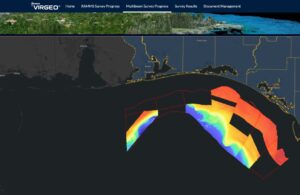
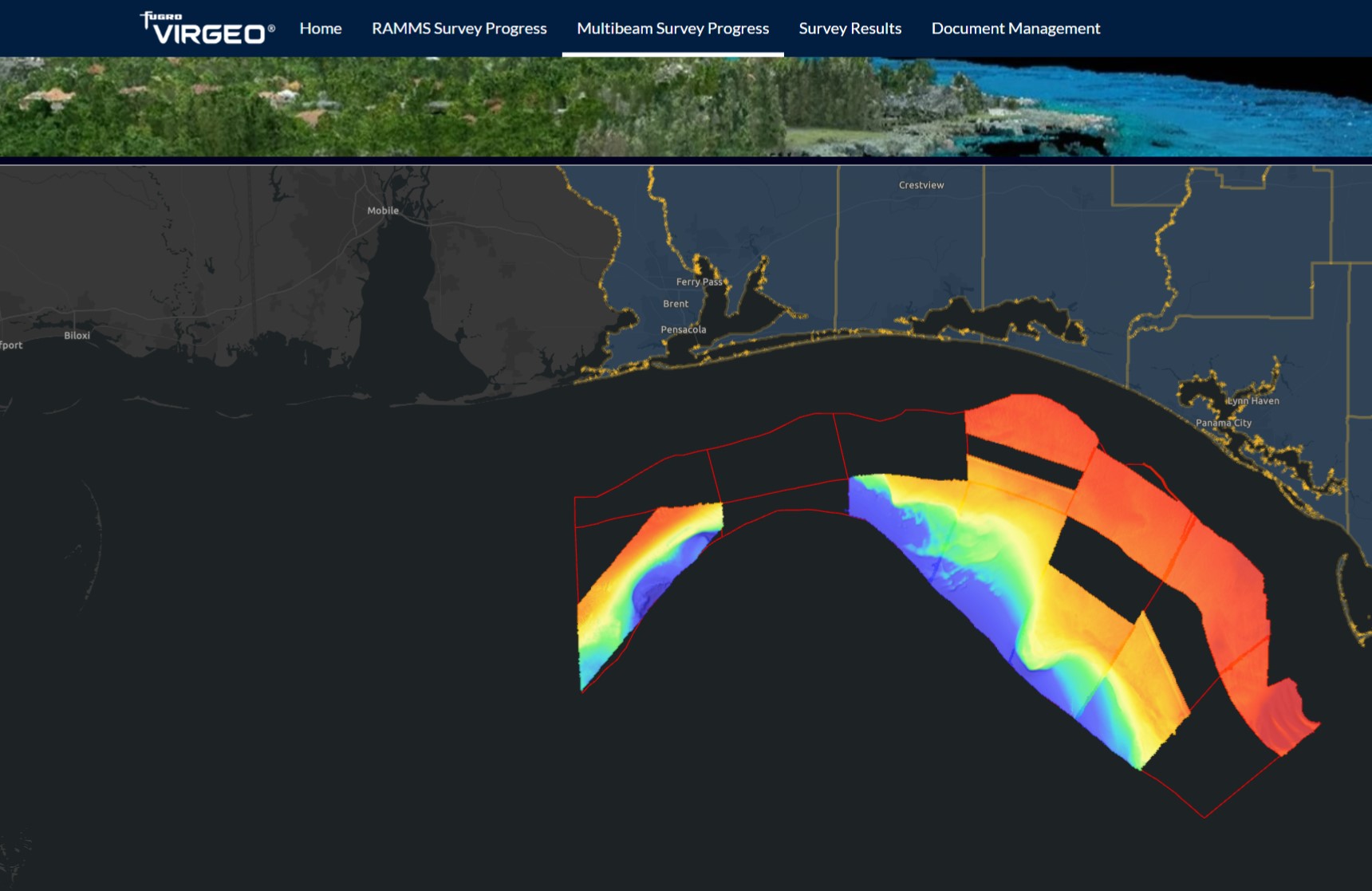
Fugro is significantly expanding its role in the Florida Seafloor Mapping Initiative (FSMI), a multiyear effort by the Florida Department of Environmental Protection (DEP) to map the state’s seafloor for improved coastal resilience, infrastructure planning and environmental protection. Building on its previous award of 14,000 square kilometres of airborne lidar data for the FSMI, Fugro is now conducting vessel-based surveys across 42,000 square kilometres offshore Florida.
This ambitious new data acquisition campaign covers five of the six Florida DEP programme regions, including the entire Atlantic Coast, the Florida Keys and portions of the Gulf Coast. Initially launched in Q4 2024 with a single survey vessel, the project has rapidly scaled to a multivessel operation. Field activities are being efficiently managed using Fugro’s innovative VirGeo® platform, which provides real-time project tracking and quality control information to both Fugro and Florida DEP.
The devastating impacts of the 2024 hurricane season highlight the critical need for proactive coastal planning in the state. By collaborating with partners like Fugro who have large-scale mapping capabilities, the FSMI is set to deliver essential data to adapt to Florida’s evolving coastline and safeguard its communities and economy.
“We’re proud to contribute to the FSMI, an investment in Florida’s future and a programme that sets an example for other coastal regions,” said Mark MacDonald, Director of Hydrography for Fugro in the Americas. “The programme’s fit-for-purpose data collection, deployed at scale, directly supports more effective coastal adaptation and mitigation strategies, maximising benefits to the state.”
Fugro is conducting 65% of the FSMI’s vessel-based programme. This significant contribution underscores Fugro’s expertise and commitment to advancing coastal resilience. Data collection is expected to be completed in late 2025, with final deliverables in 2026.
FET to Supply ROV to UK Ministry of Defence’s Salvage Experts
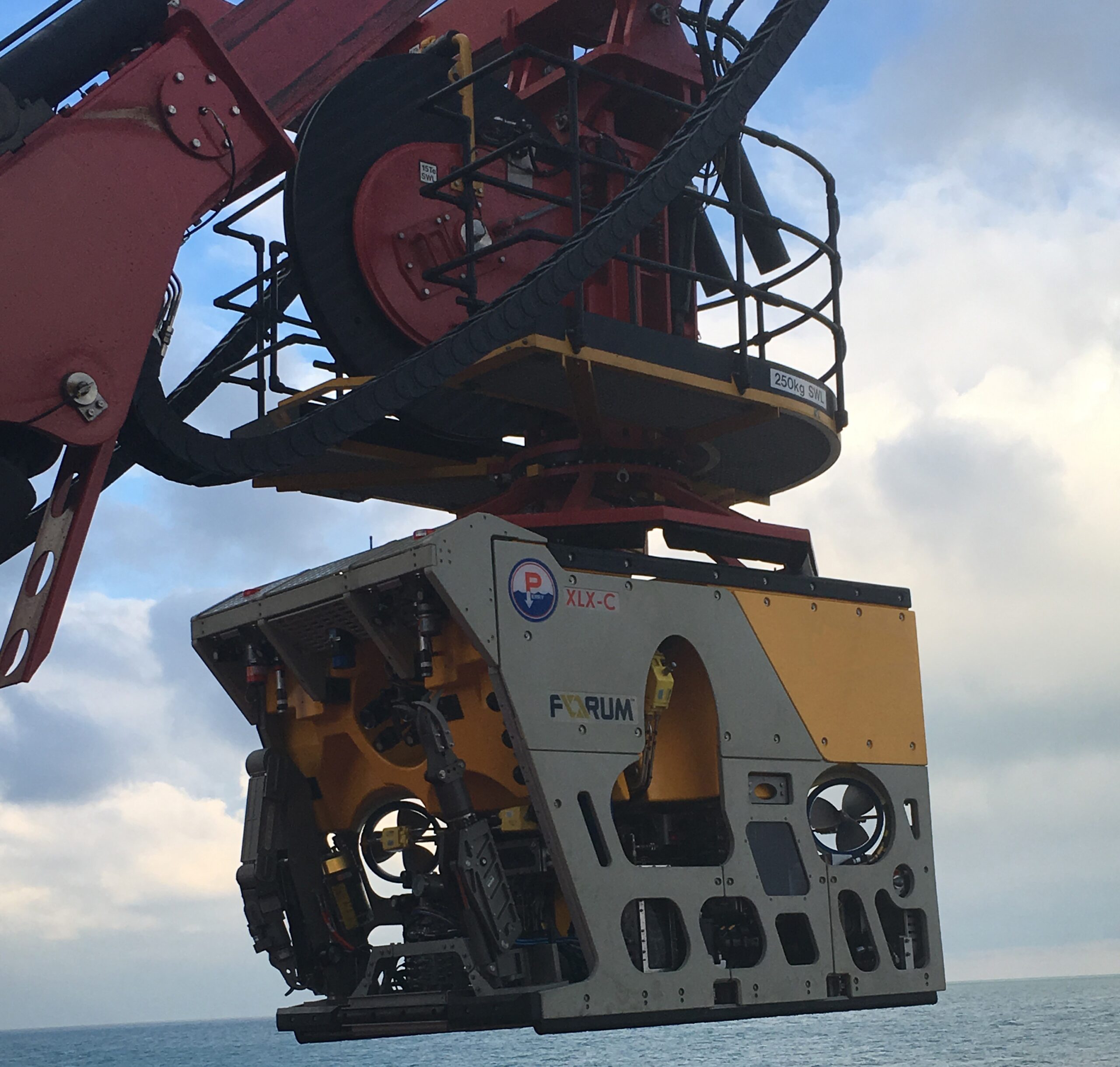
 Forum Energy Technologies, Inc. (FET) today announced that its subsea division secured a contract from the UK Ministry of Defence’s highly specialised Salvage and Marine Operations (SALMO) unit, to supply a remotely operated vehicle (ROV).
ROVs are large adaptable underwater robots with mechanical arms - of similar dexterity to human arms - designed to carry out a variety of tasks, both through the water column and on the seabed. They can also be fitted with a large range of sensors and tools for specific tasks.
The ROV earmarked for SALMO will complement and increase the UK’s existing marine defence salvage and emergency response capabilities. It will be used for a variety of in-water tasks including wreck surveys and salvage response, and can be deployed from various vessels.
The FET ROV system, acquired following a voluntary transparency notice issued this July, is being manufactured at the company’s UK facility at Kirkbymoorside, North Yorkshire. It will be delivered in 2025 with sea trials carried out in the UK.
The contract also includes a two-year support solution, spares package, vessel integration and sea trials support, a training package and the potential for upgrades and additions.
A previously supplied FET ROV was deployed by SALMO in January 2024 to successfully recover the bell of USS Jacob Jones from the depths near the Isles of Scilly after 107 years. The first US Navy destroyer to be sunk during wartime, the ship was torpedoed by a German submarine in 1917 whilst returning to home port after successfully escorting a convoy to Brest. Sixty-six crew members were lost in the attack.
Kevin Taylor, FET’s Vice President Operations - Subsea, said: “We are extremely pleased that FET has been selected again by SALMO for an additional ROV system. This is one of the most versatile systems on the market and has the capabilities required for the tasks that it will undertake for the SALMO team. We look forward to delivering the solution on time next year.”
Andy Liddell, Head of SALMO, said: “A momentous amount of work has gone into preparing what has been a complex contract in a very short time. The project team have pulled together and demonstrated a holistic and agile route to procurement. It was a great feeling to sign the contract and move us into the next stage.”
FET has previously supplied ROVs and submarine rescue vehicles to major navies around the world and has also built emergency life support store (ELSS) pods for the Hellenic Navy. Its products are suited across underwater industry applications, including defence, traditional and sustainable energy, telecommunications, mining, aquaculture and academia.
GeoAcoustics Ltd adds Australia’s autonomous solutions provider No Humes to growing global Channel Partner list
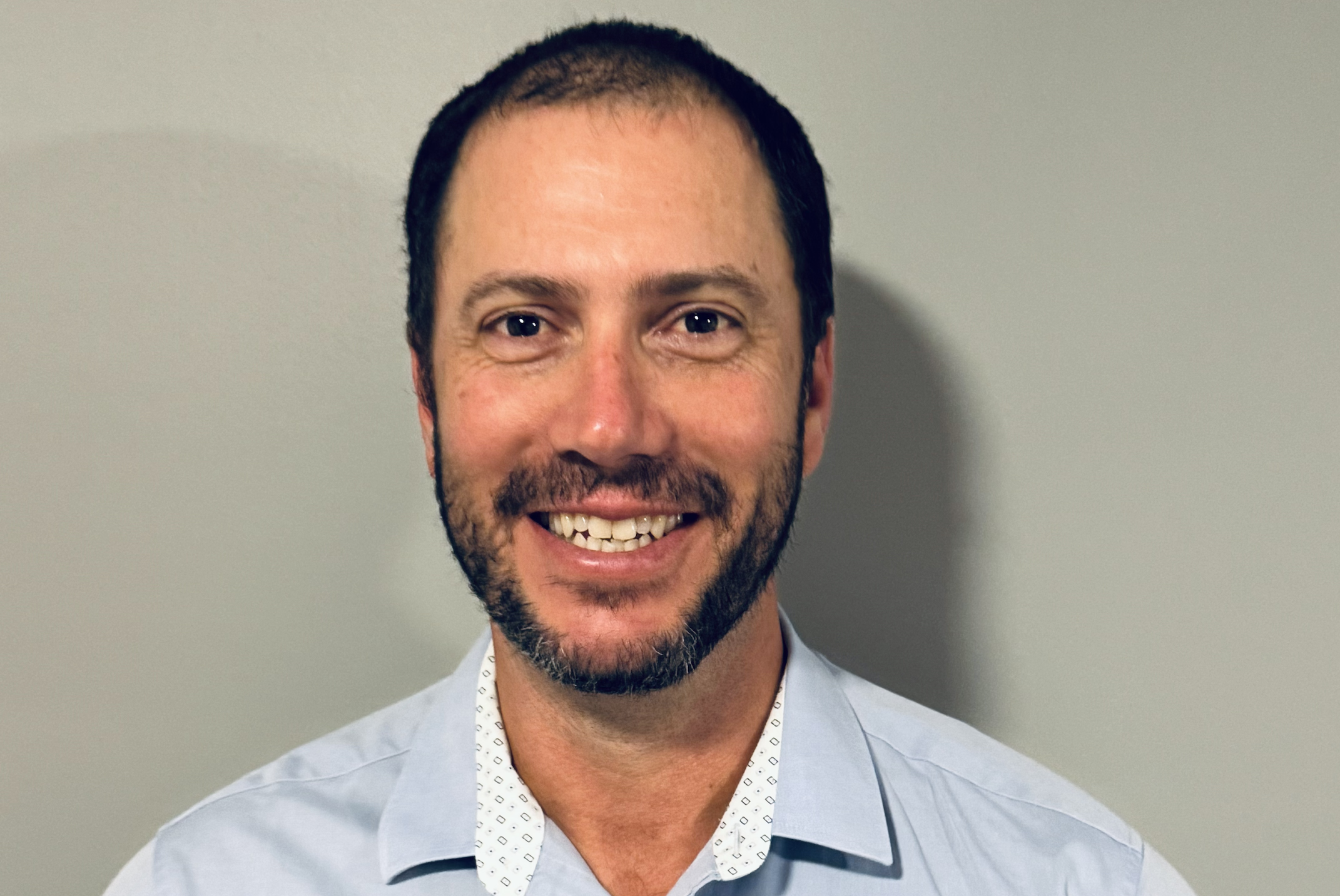
Hydroacoustic technology manufacturer GeoAcoustics Ltd has appointed No Humes as its first Channel Partner dedicated to the Australian and New Zealand markets. GeoAcoustics now has more than 50 Channel Partners serving customers in 69 countries.
The new channel partner agreement covers the entire GeoAcoustics portfolio of bathymetric sonars, side scan sonars and sub-bottom profilers, with the Brisbane-based No Humes offering GeoAcoustics technology as part of its own integrated autonomous solutions as well as selling direct to commercial and scientific customers. With more than 25 years of experience, No Humes (www.nohumes.com) is a leading technical advisor and systems integrator specialising in autonomous solutions for Australia’s blue economy. The company has been a part of the growth of Uncrewed Surface Vehicles (USVs) over the past decade, identifying hydrospatial and geophysical applications as ideal for its cutting-edge autonomous developments.
“The precision and repeatability offered by autonomous platforms are fundamental attributes of delivering high-quality survey data, so it makes sense that we join forces with respected sensor manufacturers like GeoAcoustics Ltd in order to offer our customers the best of both worlds,” said Cory Brooks, Managing Director at No Humes.
Having applied autonomous systems for diverse applications from mission planning to optimising navigation solutions and testing datasets, No Humes plans to deliver real-time survey data processing with advanced AI software for the GeoSwath 4 bathymetric sonar as part of its portfolio. The company will also support sales and service of the Pulsar and GeoPulse ranges in Australia and New Zealand.
“Becoming a GeoAcoustics Channel Partner offers us several advantages. We gain access to high-end products known for their build quality and reliable data for scientists. Their ease of use and deployment streamlines the entire integration process, coupling leading-edge autonomous technology and AI generated live data processing to ensure No Humes can meet the evolving needs of the scientific community,” added Brooks.
“We are looking forward to getting closer to our Australian customers together with the help of the highly experienced No Humes team,” said Richard Dowdeswell, Chief Commercial Officer, GeoAcoustics Ltd. “Our partnership agreement is a significant boost for the entire portfolio in the region, but we are especially looking forward to working with No Humes on new autonomous platform projects that will deliver new efficiencies using our AI technology for bathymetric surveys.”
Teledyne Valeport Welcomes Major Equipment Investment from NOR Offshore Rental to Boost UK and Global Operations

Teledyne Valeport, a leader in oceanographic and hydrographic instrumentation, is pleased to announce a substantial investment from NOR Offshore Rental (NOR), as NOR makes a significant new order for Valeport technology for its subsidiary, in Aberdeen, NOR LTD.
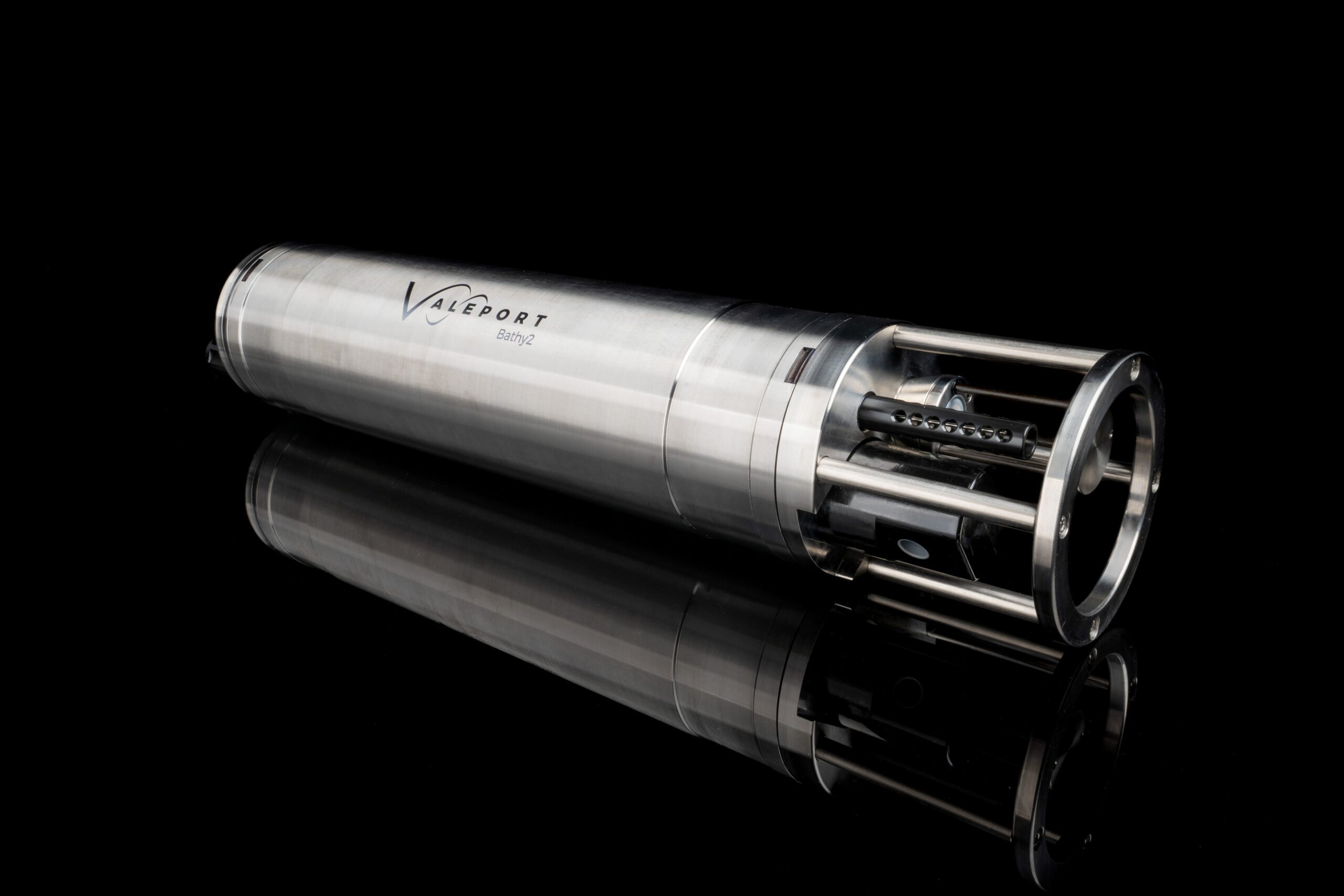
As part of a global growth strategy, NOR has expanded its equipment pool with a selection of Valeport precision instruments, including the Bathy 2, Midas SVX2, miniSVS, miniIPS2, and Model 106. These investments are designed to enhance NOR’s ability to meet the growing demand for its services and equipment both in the UK and worldwide.
This strategic investment will equip NOR LTD with the same state-of-the-art capabilities available from NOR's headquarters in Norway, allowing the company to mobilise equipment and services with greater speed and efficiency from both sides of the North Sea.
The move underscores NOR's commitment to providing clients with the best marine technology available and streamlining operations across its global network.
NOR’s Chief Commercial Officer, Jostein Jansen, emphasised the importance of this investment in Valeport’s equipment:
“The addition of Teledyne Valeport’s technology to our rental pool enables us to offer advanced solutions to our clients. This investment is a significant step forward in our efforts to align our UK subsidiary with the same comprehensive quality offer we deliver from our headquarters. With expanded capabilities in Aberdeen, we are confident we can serve our clients with greater speed, efficiency, and reliability.”
As part of this expansion, NOR LTD will be relocating to a larger facility in Aberdeen—triple the size of their current premises— to further support their growth in the region.
This larger footprint will enable faster mobilisation of equipment, improved logistics, and strengthened service delivery to support their clients in the North Sea and beyond.
Kevin Edwards, Chief Commercial Operations at Teledyne Valeport, welcomed the investment:
"NOR’s continued investment in our instruments reflects the trust they place in the quality and precision of our technology. We look forward to supporting NOR as they grow their operations and continue to serve their clients globally with the best in marine instrumentation."
This investment forms a core part of NOR’s larger strategy to meet the increasing global demand for its services. Alongside expanding its presence in the UK, NOR is also investing in Valeport equipment for deployment in key regions worldwide, further reinforcing their role as a leading provider of advanced offshore rental solutions.
For more information about Teledyne Valeport and its range of solutions, please visit www.valeport.co.uk.
For more information about NOR, please visit www.offshorerental.no
ASL Awarded Subcontract to Assess Metocean Data Needs for Offshore Wind Development in Atlantic Canada
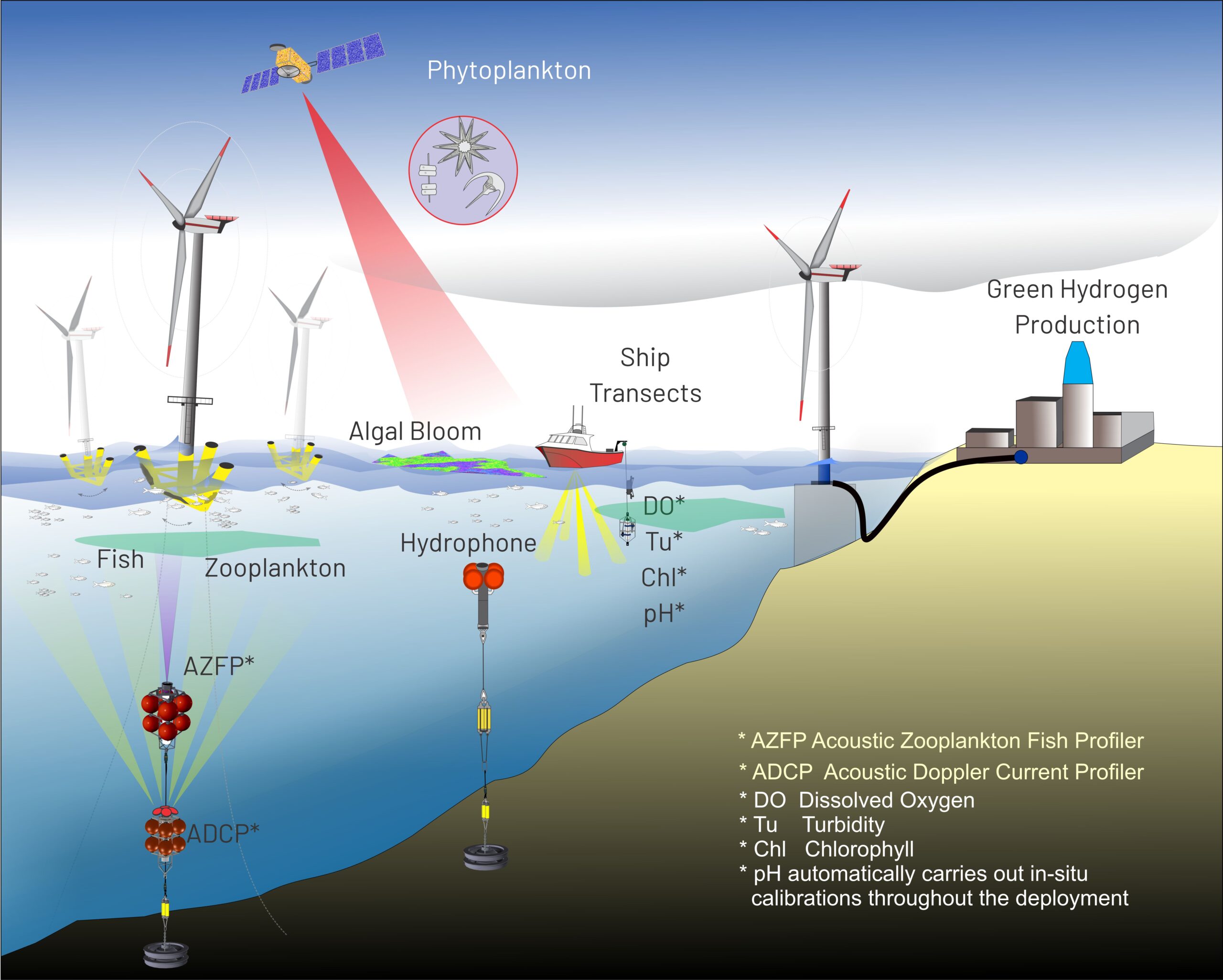
ASL Environmental Sciences Inc. is pleased to announce that it was recently awarded a research and development subcontract from Gavin & Doherty Geosolutions Ltd., of Dublin Ireland, as part of a metocean data needs assessment for the development of offshore wind projects in Atlantic Canada for Natural Resources Canada. ASL was selected as a subcontractor for its 45 years+ of expertise in sea ice, icebergs, and freezing spray accretion as well as a history of delivering successful metocean-ice studies to clients.
The primary objective of the work is to identify all types of
data needed to enable successful offshore wind project development in Atlantic Canada. Following a review of existing datasets, and a dataset gap analysis, we will be making recommendations for specific appropriate measures to collect necessary datasets. The analysis focuses on Nova Scotia and Newfoundland and Labrador, where near-term offshore wind development is more likely. The study also keeps in mind the broader Atlantic Canada region, with future data needs for projects in the Gulf of St. Lawrence, Prince Edward Island, New Brunswick, and Quebec.
The final report is intended to support the development of public measurement campaigns that can be leveraged by a variety of stakeholders to ensure that informed decisions are made in pursuit of developing Canada’s offshore wind industry over the coming years. The outcomes of this work will be of interest to regulators, industry, engineers, and the broader offshore wind community alike. For more information on this work, contact Dr. Matthew Asplin at [email protected] or Sahar Tavangar of GDG at [email protected]
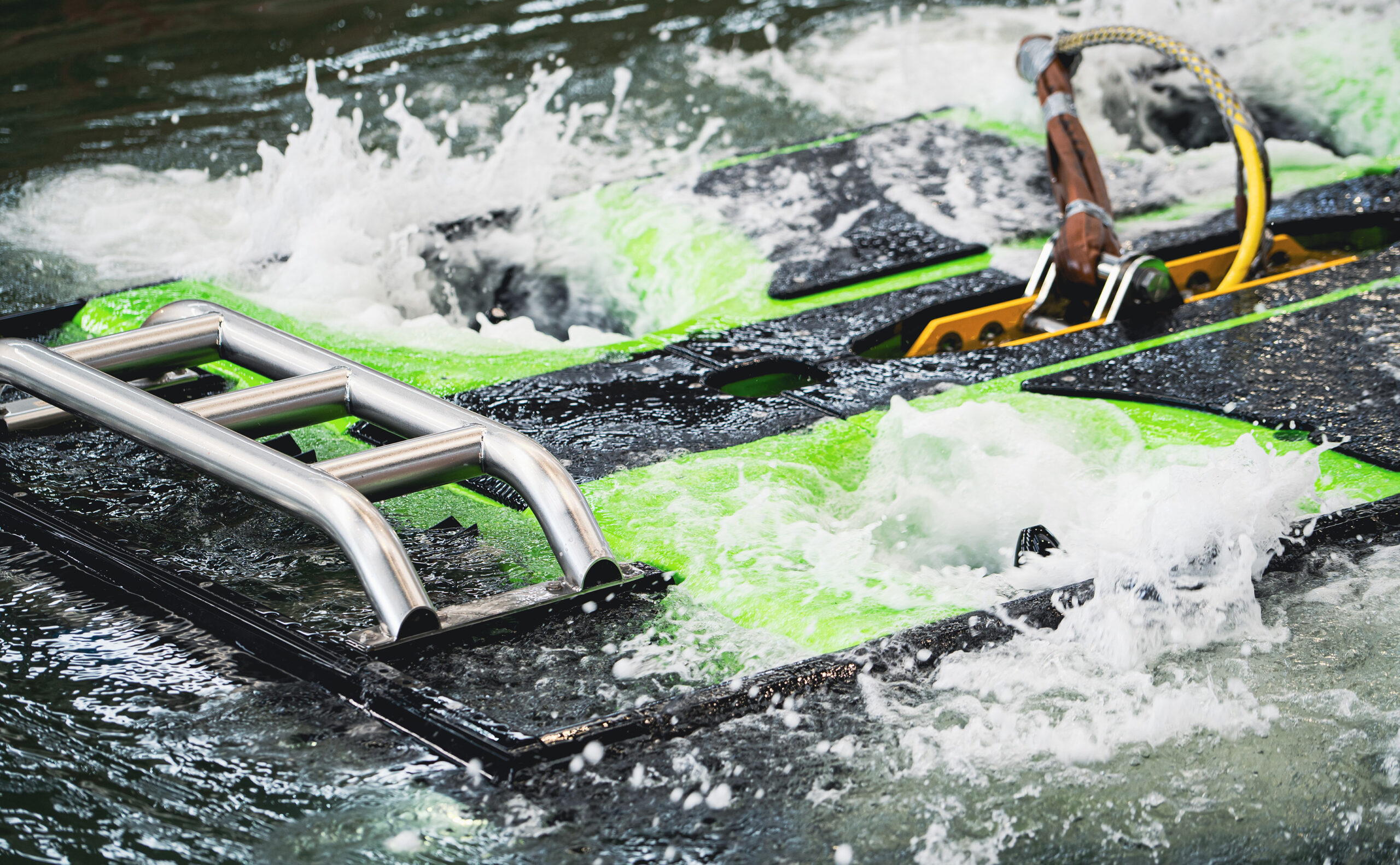
Saab’s Seaeye SR20 eWROV succeeds in milestone water trials
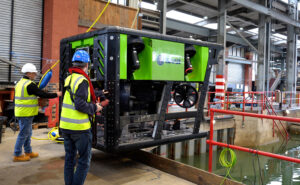 Saab UK announces that the Seaeye SR20 eWROV, its most advanced fully-electric work-class remotely operated vehicle, has successfully completed inshore water testing.
The SR20 successfully completed a dedicated period of water trials last month, marking a significant milestone for the robotic vehicle’s development.
The testing was a key part of the verification and validation work package, testing against the specification, measuring performance, and stressing the Remotely Operated Vehicle (ROV) as a system. In particular, the SR20 demonstrated its high degree of precise manoeuvrability and dexterity, using both manual joystick control and automation. This testing has paved the way for sea trials which will take place in spring 2025.
Andy Fraser, Managing Director at Saab UK, said:
“The SR20 going to water trials is a huge milestone in Saab UK’s journey to take electric ROV capabilities to the next level, focusing on eco-responsibility and greater efficiency. We’re thrilled that the trials were a success and I look forward to seeing what the next step is for this ground-breaking vehicle.”
The SR20 is Saab UK’s highly capable and environmentally-conscious work-class underwater vehicle, which is designed for operational concepts such as resident deployment and over-the-horizon control. The all-electric vehicle, which uses limited oil (reducing its environmental footprint), sets itself apart with its exceptional thrust and performance, electric manipulators, and impressive efficiency compared to hydraulic systems.
Ocean Infinity is the SR20’s launch customer, transforming operations using innovative technology as they develop a fleet of uncrewed robotic vessels.
Kraken Robotics Demonstrates New KATFISH Autonomous Launch and Recovery System to Navy Customers
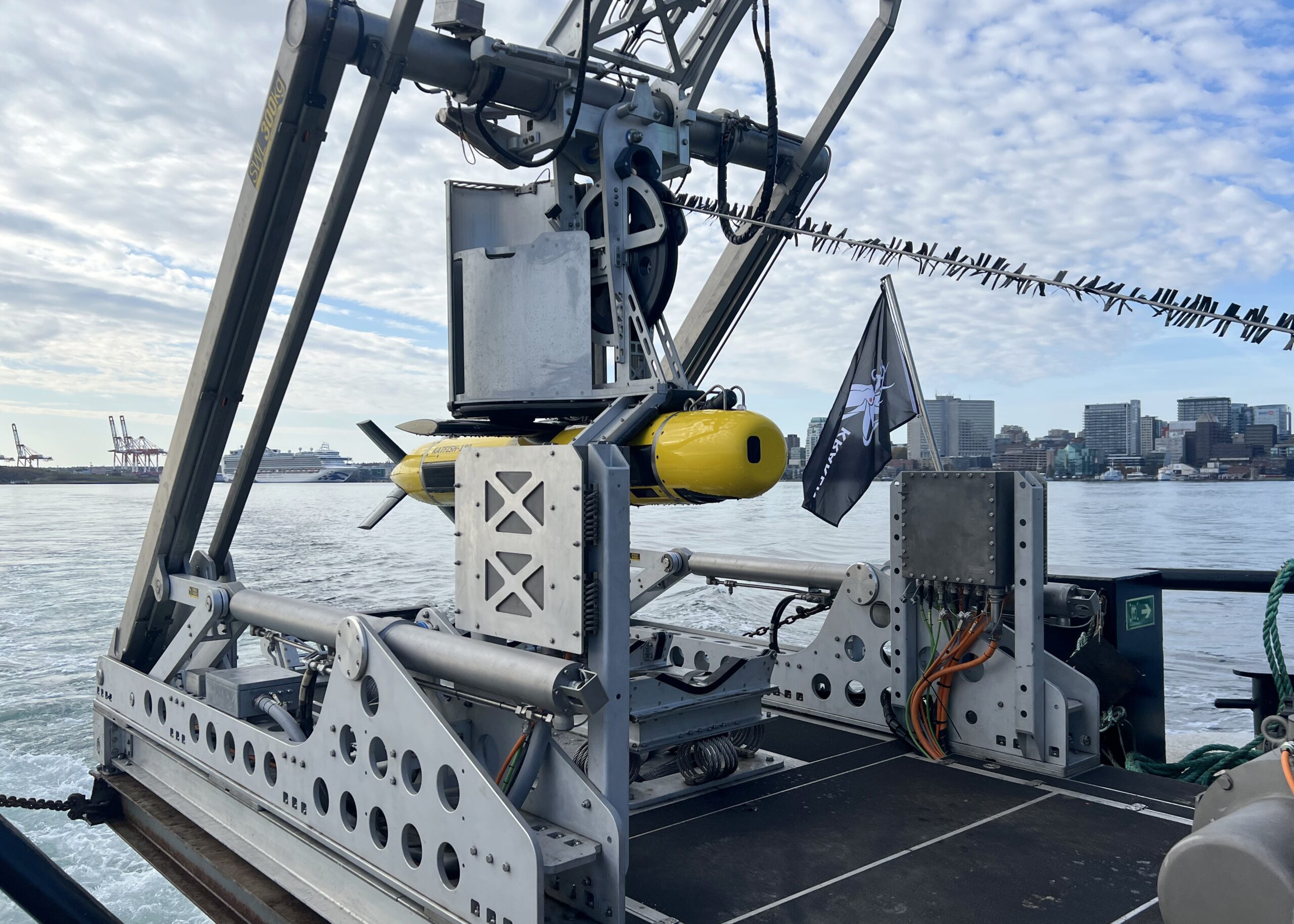
Kraken Robotics Inc. announces the completion of demonstrations for its new Autonomous Launch and Recovery System (ALARS) for KATFISH™ towed synthetic aperture sonar (SAS). The Company performed demonstrations for more than 40 naval customers and partners from October 21-25, 2024 in Halifax Harbour, Nova Scotia.
“This was a great opportunity to both test our new ALARS and demonstrate KATFISH for key naval clients,” said Greg Reid, President and CEO of Kraken Robotics. “The ocean is an unforgiving environment, and the highest risk to technology and personnel is during launch and recovery. Demo participants were able to witness our technology in action, observing both the advanced autonomy of the ALARS as well as the high-resolution real-time SAS data from KATFISH while aboard the vessel.”
The new ALARS was built to fit a 20-foot International Organization for Standardization (ISO) container footprint to increase interoperability with different vessels, allowing for rapid mobilization and demobilization on multi-role platforms. The system enables autonomous launch and recovery of KATFISH up to Sea State 5.
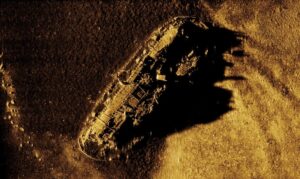
During the demonstrations, participants were able to view the KATFISH SAS data live-streaming onboard the vessel, detecting, classifying, and identifying various seafloor contacts in real-time, including high-resolution imagery of the Governor Cornwallis shipwreck.
High-resolution SAS data and command and control information were also streamed wirelessly back to shore and displayed to the attendees of Canadian Naval Mine Countermeasures Symposium taking place at HMCS Scotian in Halifax, Nova Scotia the same week.
“The ability to stream live, high-resolution seafloor data to analysts and mine warfare officers in real-time, from both manned and unmanned platforms, is a critical enabler for modern navies,” said David Shea, Executive Vice President and CTO of Kraken. “Kraken was excited to be able to provide a live demo simultaneously in-person and for a remote audience, showing how remote operation and intelligent autonomy helps get humans out of the minefield. These capabilities are standard with the KATFISH system and are being continuously improved as our NATO customers deploy them in operations every day. We look forward to getting this new ALARS out into the field with our customers.”
Kraken’s new ALARS will be delivered to an Asia-Pacific naval customer by the end of the year.