
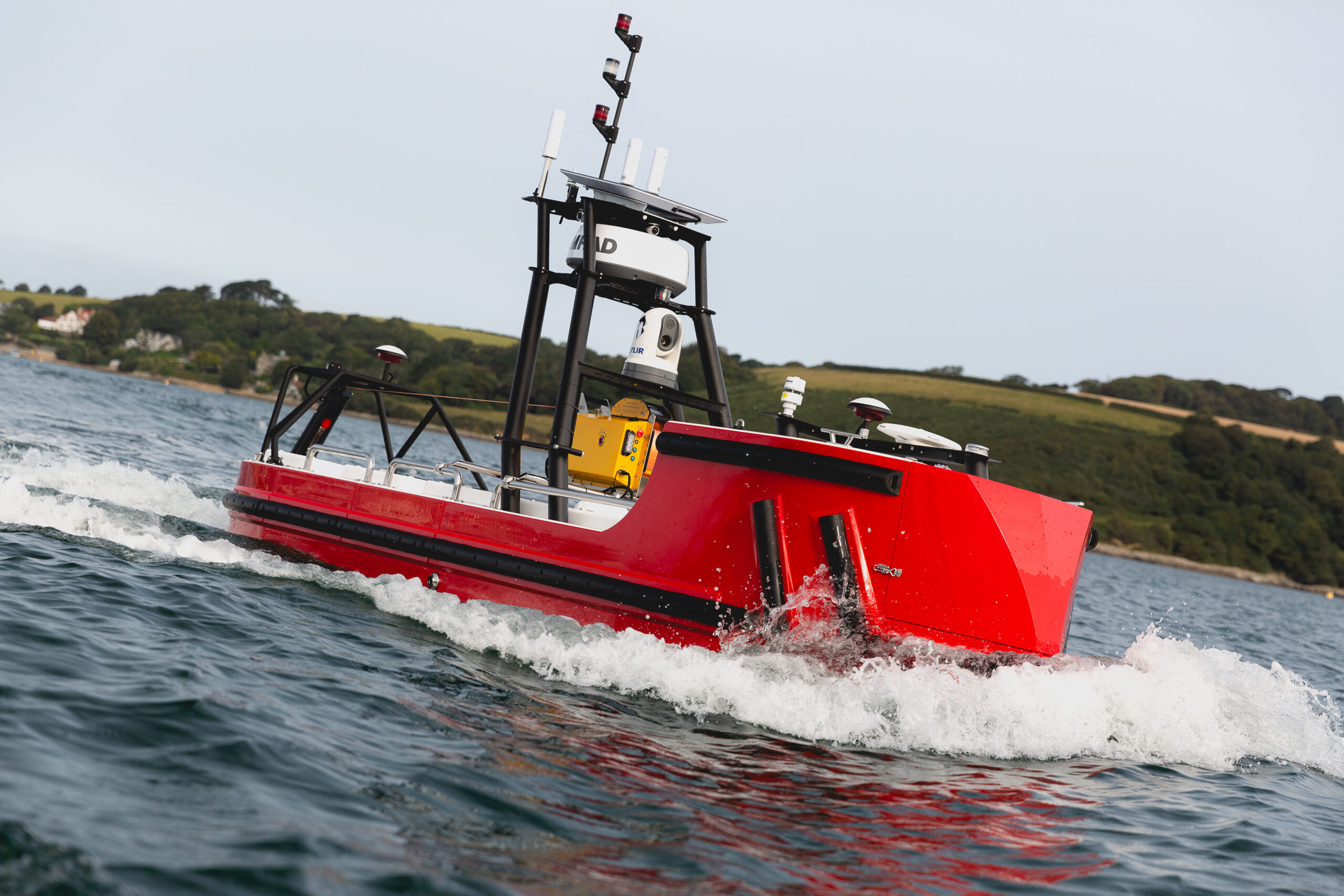
USV marine data acquisition specialist Uncrewed Survey Solutions unveils its rebrand alongside new messaging and enhanced offerings
The UK’s innovative specialist marine data acquisition provider and USV manufacturer, Uncrewed Survey Solutions (USS) has unveiled its new corporate identity, alongside new messaging and enhanced offerings.
Formerly Unmanned Survey Solutions, the company and the maritime sector has evolved since its inception, therefore the corporate revitalisation reflects the rapid development and of the business, the sector and associated technology, particularly across Maritime Autonomous Surface Ships (MASS).
Uncrewed Survey Solutions (USS), builds and operates its own fleet of Uncrewed Surface Vessels (USV), and delivers customised marine data collection projects and missions primarily across the hydrographic and geophysical domains.
The utilisation of USS’ specialist innovative Accession and Inception class USVs, enables customers to swiftly transition from traditional crewed vessel solutions to more safer, highly efficient, and greener operations.
James Williams, USS’ CEO comments, “Having been involved in the marine acquisition and USV market since its advent, it was timely that the business underwent this revitalisation of its branding, messaging and identity. This has been achieved in line with the evolving nature of the industry, and as a reflection of how our offering to meet customers’ needs have evolved since our business’ inception.”
He continues, “As a pioneering technology-based business that solely uses USVs to facilitate high quality marine data acquisition and management, we are delighted to unveil Uncrewed Survey Solutions (USS) as our new brand on the eve of implementing our genesis and growth strategy.”
Uncrewed Survey Solutions (USS) new website showcases USS’ own range of designed and self-manufactured survey USVs, together with USS’ comprehensive suite of marine data acquisition and management solutions.
Visit the new website at www.uncrewedsurveysolutions.com to find out more.

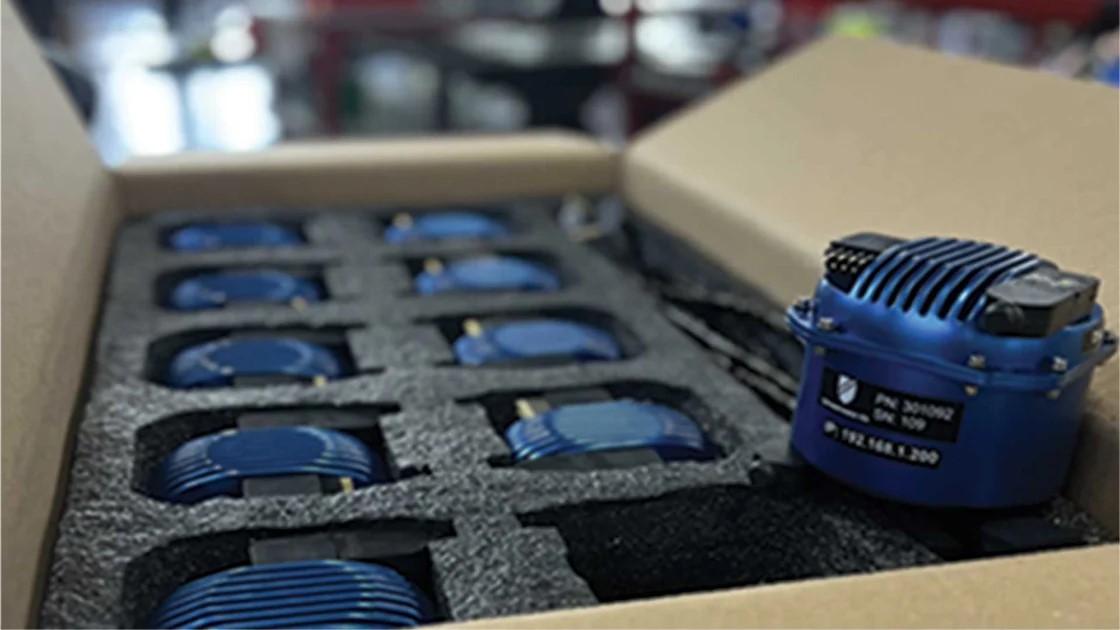
Greensea IQ Secures $2.79M Contract for IQNS with EOD Edge Upgrade for U.S. Navy MK20 Defender ROV Platform
Greensea IQ, a leader in subsea robotics and defense solutions, is proud to announce the award of over $2.79M contract through the Defense Logistics Agency (DLA) and Darley of Itasca, IL, as part of DLA’s Tailored Logistics Support Program. This contract will supply the U.S. Navy with the IQNS system, enhanced with the EOD Edge Upgrade, to improve the capabilities of the MK20 Defender Remotely Operated Vehicle (ROV) platform as part of the Navy’s Maritime Expeditionary Standoff Response (MESR) initiative.
The IQNS system is being delivered over the next 4-6 months, providing cutting-edge navigation and autonomy solutions to the U.S. Navy’s expanding fleet of MK20 Defender ROVs. The system was specifically designed to integrate seamlessly with the existing platform, offering a critical upgrade to enhance Explosive Ordnance Disposal (EOD) missions with greater precision and operational efficiency.
The IQNS with EOD Edge Upgrade was rigorously tested in partnership with the Navy earlier this year and has proven to meet the demanding requirements of the fleet expansion.
“Our team worked closely with the U.S. Navy throughout 2024 to ensure the IQNS would fulfill the operational needs of the MESR program. The successful testing and validation demonstrate the value of this system in providing advanced capabilities for our nation’s defense forces,” said Paco Santana, VP of Business Development, Defense at Greensea IQ.
The IQNS represents Greensea IQ’s continued commitment to innovation in the field of subsea robotics, offering unmatched performance in navigation and autonomy for military and defense applications.
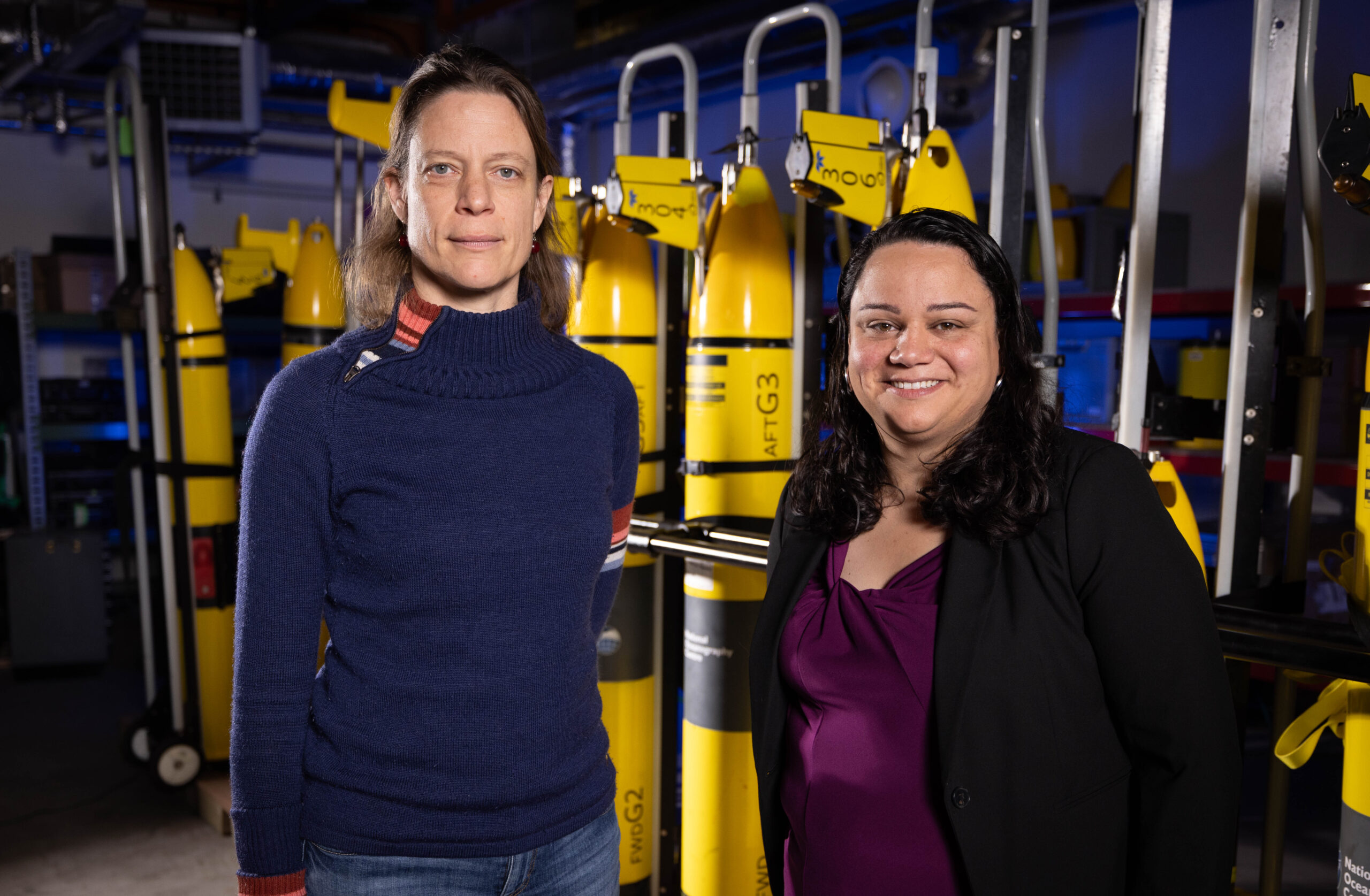
Chief scientists appointed to connect marine science and robotics
Two new chief scientists have been appointed to the National Oceanography Centre’s (NOC) Marine Autonomous Robotic Systems (MARS) Group.
Dr Veerle Huvenne and Dr Filipa Carvalho will work to increase engagement with the marine science community, raise awareness of the robotics available to them and seek input on future technological developments.
These appointments into MARS mark a significant commitment by the UK's National Marine Facilities (NMF), delivered by NOC, to strengthen links between science and engineering. A key element of NMF is the UK’s National Marine Equipment Pool, which MARS supports with its deep expertise on autonomous and robotic systems for use in marine research.
In their new roles, alongside their existing science commitments, Dr Huvenne and Dr Carvalho will work closely with the UK marine science sector to promote greater adoption and integration of MARS technology across the field.
They will also provide scientific insight for the advancement of MARS technologies, showcase accessibility and increase awareness of these technologies and foster a user community to share knowledge, expertise and best practices.
“We are excited to welcome Dr Huvenne and Dr Carvalho to the MARS team,” says Dr Alexander Phillips, head of MARS. “Their experience and dedication to marine science will play a pivotal role in bridging the gap between MARS innovations and the broader research community, driving forward our mission to enable cutting-edge marine research with autonomous technologies.
“We are looking forward to championing community-driven engagement and providing the scientific input that’s essential to the continued development of MARS technologies,” says Dr Huvenne.
“By focusing on user accessibility and community-building, the chief scientists will help to make MARS resources more visible and impactful for all UK marine scientists,” adds Dr Carvalho. “Our goal is to increase the use of marine robotics, driven by science need.”
Dr Huvenne is a marine geoscientist with more than 20 years of experience in the study of complex deep-sea environments such as cold-water coral reefs, submarine canyons, hydrothermal vents or seamounts. She is currently Associate Head of Ocean BioGeosciences at NOC.
Dr Carvalho is an oceanographer interested in biophysical interactions and the biological carbon pump and uses data from underwater gliders as well as other autonomous platforms, remote sensing and shipboard oceanographic data in her work.
Discover more: https://noc.ac.uk/facilities
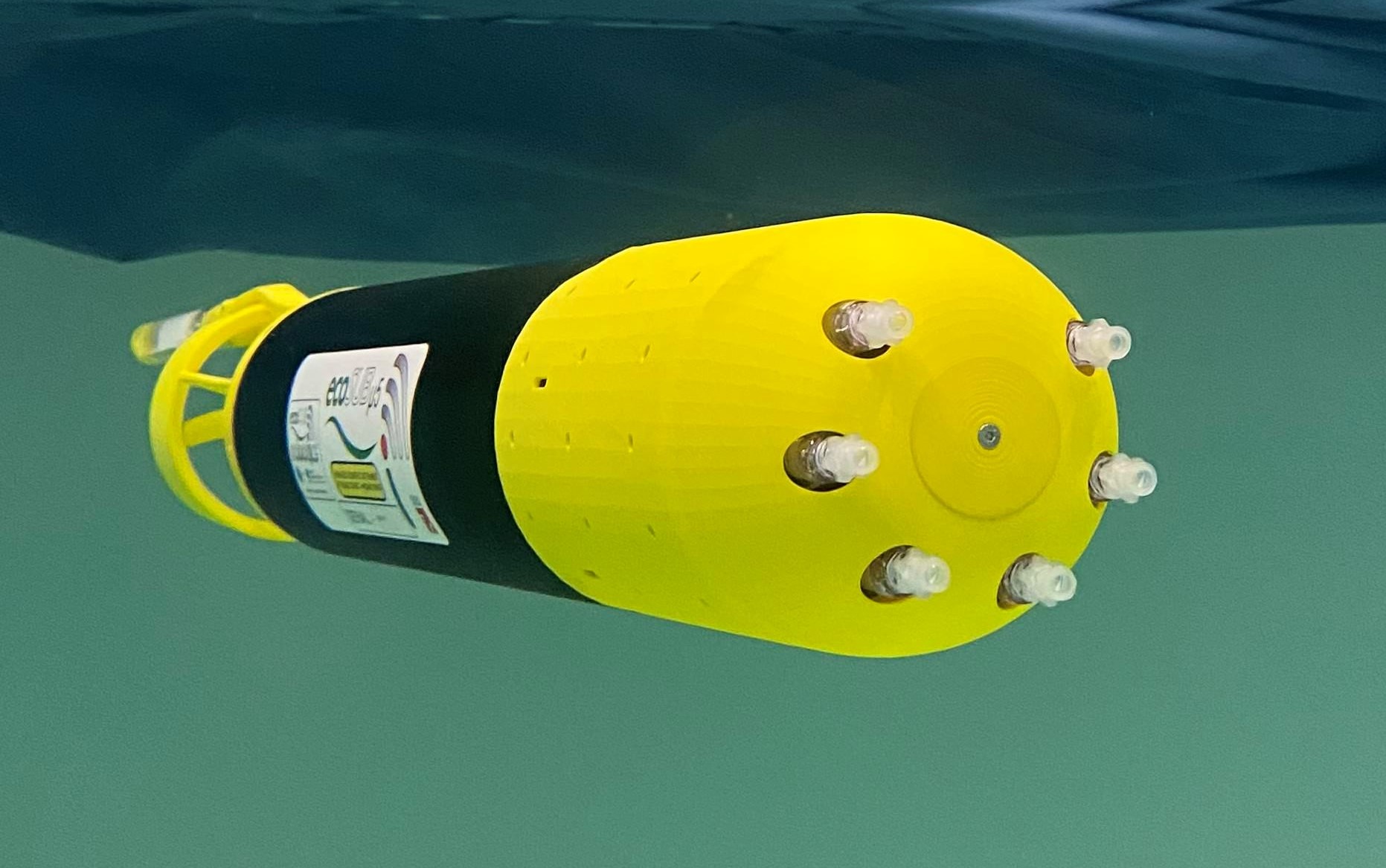
The University of Southampton and ecoSUB Robotics Sign Licensing Agreement to Revolutionize Underwater Sampling Technology
 The University of Southampton has today announced a ground-breaking licensing agreement with ecoSUB Robotics to bring an innovative underwater water sampler to market. Developed by researchers at the University of Southampton in collaboration with engineers from ecoSUB Robotics, this advanced water sampler is designed to facilitate autonomous collection of water samples, even at depths of up to 2,500 meters.
This versatile sampler, available in multiple configurations, can be seamlessly integrated with any of ecoSUB’s autonomous underwater vehicles (AUVs). The new capability provides marine researchers, environmental agencies and others, with the unprecedented ability to collect water samples autonomously and, if necessary at depth, significantly expanding the scope of underwater exploration and analysis.
Traditional underwater data collection has relied heavily on sensors, which often have limitations when it comes to detecting specific water parameters such as DNA, RNA, heavy metals etc. The new sampler overcomes this limitation, enabling users to capture physical water samples for laboratory analysis. This development allows researchers to assess parameters that are currently inaccessible through standard sensor technology, providing a richer and more detailed picture of underwater environments.
Dr. Adrian Nightingale, at the University of Southampton, commented on the significance of this achievement: “Our collaboration with ecoSUB Robotics has been instrumental in bringing this advanced sampler to market. This is a significant step forward for marine science, as it provides a practical and scalable new solution for water sampling at depth and inhospitable environments.”
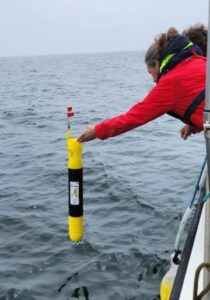 Terry Sloane, Managing Director at ecoSUB Robotics, highlighted the benefits of the sampler for the ecoSUB fleet, saying: “The water sampler is a welcome addition to our ecoSUB vehicles, increasing their functionality for a wider range of underwater data collection missions. With this tool, we can support our customers in gathering critical data in ways that were previously not possible. This partnership reinforces our commitment to providing cutting-edge, robust, and versatile AUV solutions. The unique ability of ecoSUB to dive vertically, presents researchers with a new way of obtaining water column data using a combination of traditional sensors as well as water samples.”
The sampler, opens new avenues for applications including environmental monitoring, marine biogeochemistry, oceanography, and offshore operations, where detailed water quality data is essential. In addition to providing this tool for the ecoSUB fleet, ecoSUB Robotics aims to continue its collaboration with the University of Southampton on future technologies that push the boundaries of what’s possible in autonomous underwater exploration.
This collaboration underlines the University of Southampton and ecoSUB Robotics’ shared commitment to advancing technology and addressing critical challenges in marine science and industry. With this innovative water sampler, users worldwide can now access a deeper understanding of underwater environments.
UK future marine infrastructure in focus at MATS
The future direction of the UK’s marine research infrastructure and how to succeed in taking on solo global ocean challenges are on the keynote billboard for this year’s tenth Marine Autonomy and Technology Showcase (MATS), organiser the National Oceanography Centre (NOC) has announced.
The event will run from November 5-7, at NOC’s dockside facilities in Southampton, with the NOC operated research vessel RRS James Cook due to be alongside.
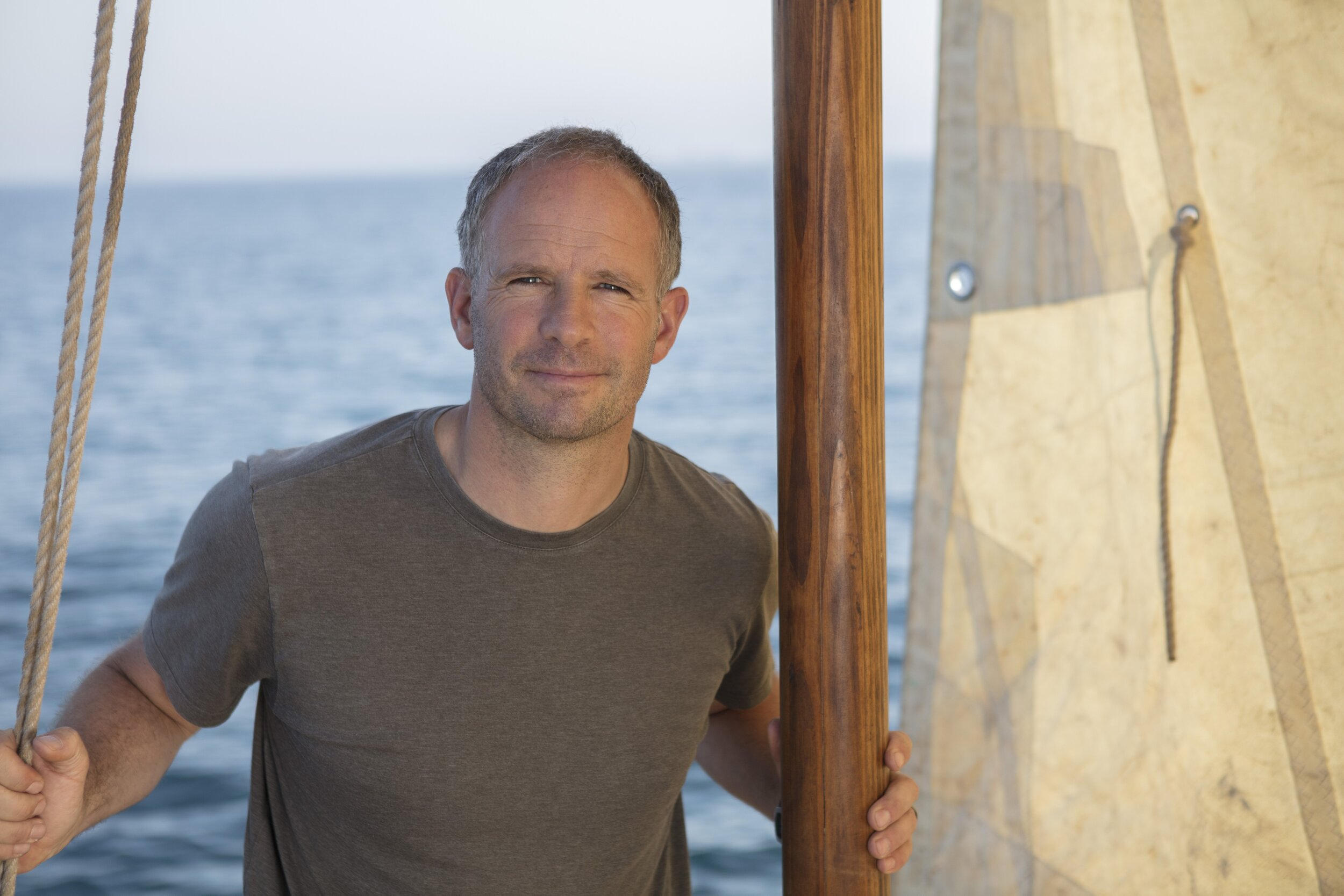
Confirmed keynote speakers include NOC CEO Dr John Siddorn, who will outline his vision for NOC, after taking over the reins earlier this year.
He is joined by Dr Katherine Hill, Lead Scientist on NERC’s Future Marine Research Infrastructure (FMRI) programme, who will focus on work done so far exploring marine science aspirations for 2040, to guide future investment in the UK’s Marine Research Infrastructure.
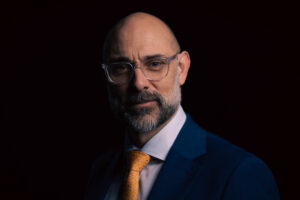
They will be joined by Conrad Humphreys, who will bring his unique inspirational insight as British yachtsman, business owner, adventurer and explorer, including being the youngest entrant in the Whitbread Round the World Yacht Race (now Volvo Ocean Race) and sailing solo in the Vendée Globe.
Alongside the keynotes, MATS technical sessions will tackle critical themes on marine autonomy including the blue economy, robotics and remote data, artificial intelligence and next generation autonomous platforms while visitors will have the chance to meet a wide range of companies and organisations in the exhibition area.
Mark Hamson, NOC Innovation Centre manager, says, "We are incredibly proud to be hosting our 10th Marine Autonomous Technology Showcase. The focus on the future of the UK’s marine research infrastructure is vital, and we’re excited to bring together such a remarkable line up of speakers and sessions.
“It’s an opportunity to not only reflect on where we are now but also to look ahead and explore the innovations that will shape the future of ocean research."

Dr Hill adds, “I’m looking forward to sharing our insights so far as part of our consultation on shaping future marine infrastructure and opportunities for strengthened partnerships with industry. At its core, FMRI is focused on maximising information value for investment in marine research infrastructure by bringing observations and digital tools together in new and innovative ways.
“This brings both challenges and opportunities. There is no single ideal solution. However, we have an opportunity to consider the niche roles of different technologies in our observation toolkit. How do uncrewed surface vessels work in complement with satellites? How are sensors developed complementary to model parameterisation? How to we bring the combined toolkit together to drive integration and maximise impact?”
Huw Gullick, Associate Director of NOC Innovations, adds: “We’re delighted to also have Conrad with us, to bring into the marine autonomy world some of that inspiration and drive he has shown in the amazing ocean journeys he’s undertaken and how he’s translating that into business today.”
In addition to the keynotes and technical sessions, MATS includes a drinks reception sponsored by the NOC Innovation Centre on Tuesday, 5 November, and an evening social event sponsored by Exail on Wednesday, 6 November.
For more information about MATS, the programme, registration and further sponsorship opportunities, click here.
Unmanned Survey Solutions Commissions New USV featuring Robosys’ VOYAGER AI maritime autonomy
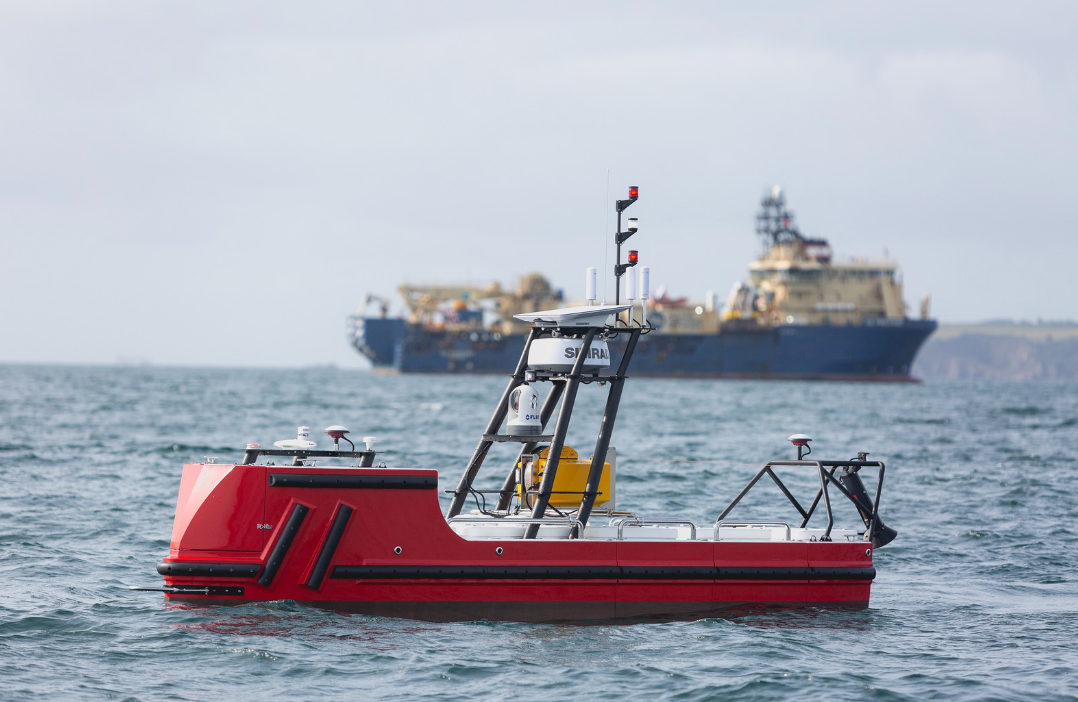
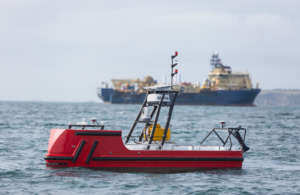 Unmanned Survey Solutions (USS) has unveiled and commissioned its latest Accession class Unmanned Surface Vessel (USV) featuring Robosys Automation’s ground-breaking VOYAGER AI Survey advanced maritime autonomy suite.
The USS Accession class vessel is pioneering, eco-friendly, repeatable and reliable for offshore Beyond Line of Sight (BLoS) operations.
Meticulously designed for high performance, endurance, versatility and low emissions, the Accession excels due to its modular payload system, exceptional stability, and advanced hybrid battery systems, with diverse capabilities as a sensor agnostic platform for the integration of a vast array of mission-specific instruments.
USS’s growing fleet of game-changing hybrid USVs are built with ambition and capacity for tomorrow yet are proven and commercially viable as the optimal solution for rapid deployment today.
Working with leading global clients in the maritime sector, USS is successfully mobilising, deploying and remotely operating its advanced vessels in offshore, coastal and inland waters for maritime data acquisition projects including offshore renewable energy industries, oil & gas, dredging and construction, ports and harbours, and defence & security, as well as for scientific and environmental purposes.
Robosys' groundbreaking VOYAGER AI SURVEY delivers Remote Control and Autonomous Navigation with Autonomous Collision Avoidance, Obstacle Avoidance, combined with Anti-Grounding features enabled by integration of S-57 ENC charts. Specifically designed for the marine survey sector, it also boasts a software Autopilot with Widget control, Heading & Track Control, and Route(s) & Waypoint(s) Planning & Following, with Approach, Harbour and Tidal modes. The integration also sees over 200 PLC channels integrated in to the single, integrated, VOYAGER AI User Interface.
James Williams, USS CEO comments,” Choosing Robosys as a strategic partner for the main control and autopilot system onboard the Accession class USVs has resulted in a step change in our operational capabilities.
He continues, “Robosys’ support and attention to detail has been exemplary. We look forward to working with them on new vessels builds over the coming years as the adoption of USVs becomes standard in the maritime industry”.
Discover more at www.robosysautomation.com.
Teledyne RD Instruments Releases Workhorse Proteus ADCP
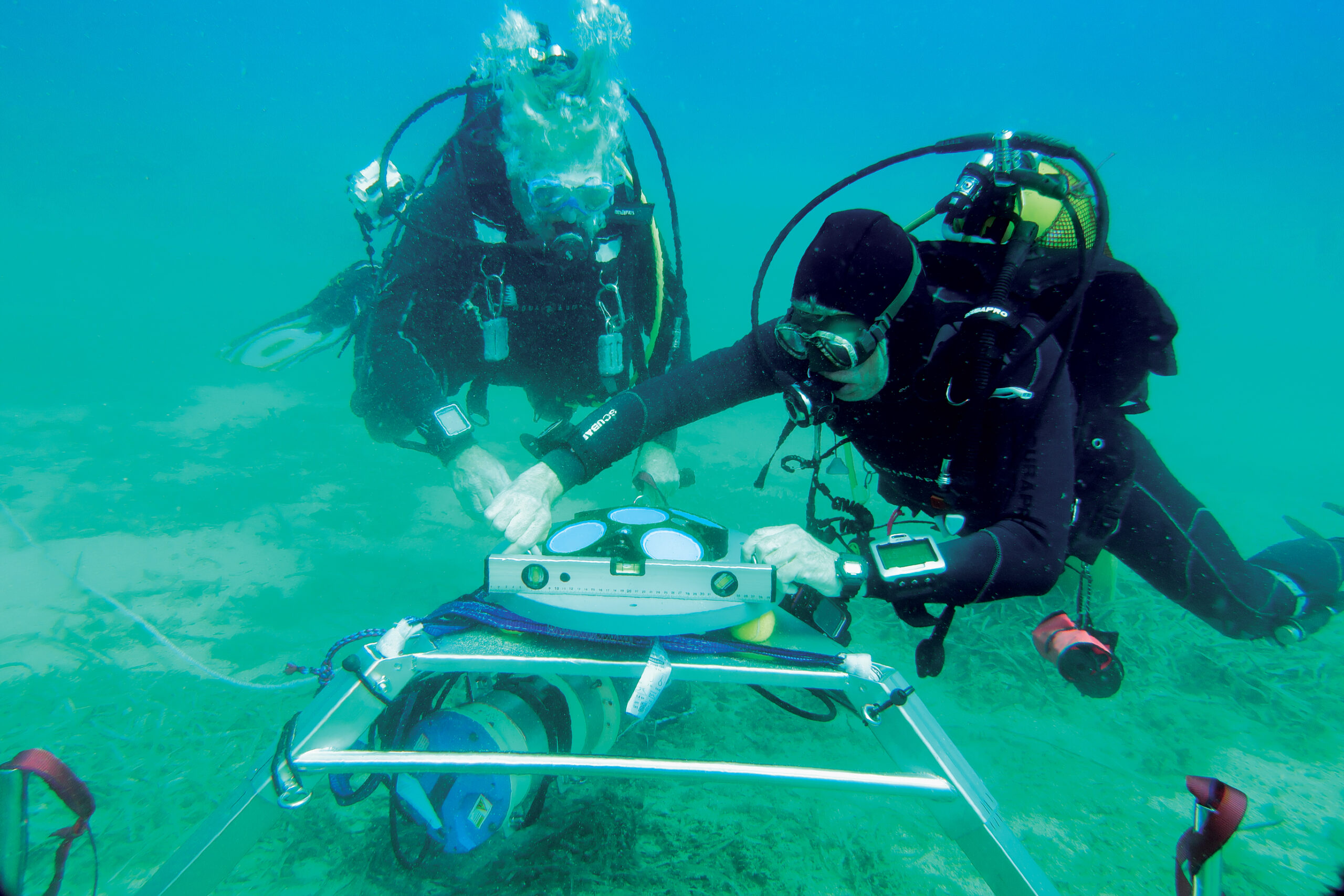
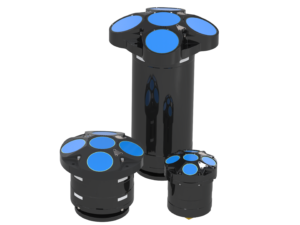 Teledyne RD Instruments (RDI) is pleased to announce the introduction of Workhorse Proteus, the latest and most technologically advanced edition of its industry-standard Workhorse ADCP’s. RDI developed the industry’s first commercially available ADCP in 1982.
With the processing horsepower to simultaneously sample at multiple spatial and temporal scales, Proteus can unlock a new understanding of waves, turbulence, and the changing currents below the surface. Its technical advantages deliver the most data possible with a single instrument. Its features include the Proteus Advanced Doppler Sonar Platform (ADSP) - the most advanced Doppler processing platform; Catalyst Processor for fast processing; new RDI AHRS and dynamic bin mapping; elegant planning software; five beams for direct measurement of ocean’s vertical velocity; versatile deployment options; robust, repeatable broadband techniques; and multiple communication options.
Grant Jennings, Product Line Director of RDI, commented on the new product: “RDI’s engineering and product development team have harnessed our 40 years of Doppler sonar experience to design the perfect ADCP. Our engineers are the best in the industry, and I am thrilled with the final product we will offer our customers.”
MBARI upgrades deepwater AUV fleet with Exail Phins Compact C7 Inertial Navigation System
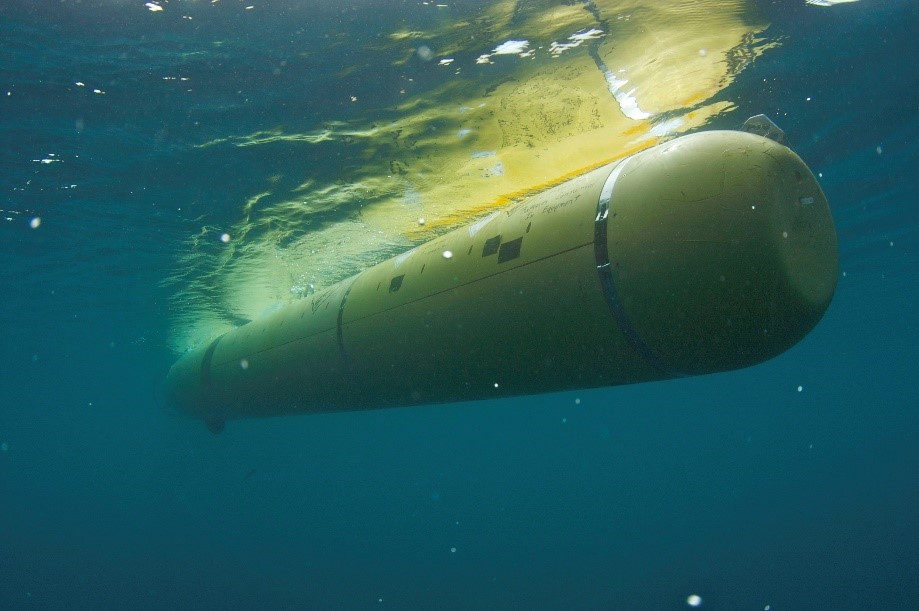
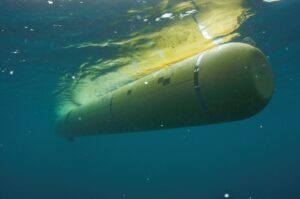 The Monterey Bay Aquarium Research Institute (MBARI), a leading institution in oceanographic research, has selected the Exail Phins Compact C7 Inertial Navigation System (INS) to upgrade its deepwater Autonomous Underwater Vehicle (AUV) fleet.
Built on advanced Fiber-Optic Gyroscope (FOG) technology, the Phins Compact C7 INS was chosen for its ability to deliver survey-grade navigation at depths of down to 6,000 meters. Its compact OEM design allows for seamless integration with MBARI’s existing AUVs, while its compatibility with additional navigation tools enhances overall accuracy, meeting MBARI’s operational needs.
“MBARI’s advanced underwater vehicles gather important data about our changing ocean. Our seafloor mapping operations required a navigation system that could provide state-of-the-art precision and reliability in extreme conditions,” said Erik Trauschke, Autonomous Systems Operations Manager at MBARI. “Its ability to integrate with a Teledyne RDI Doppler Velocity Log (DVL) offers us added flexibility, allowing for a customized INS-DVL configuration.”
“We are delighted that MBARI has chosen our Phins Compact C7 INS for their deepwater AUV fleet,” said Shayan Haque, Business Development Manager at Exail. “It has been a true collaborative effort with everyone involved at MBARI. We are excited to see our systems contributing to their ongoing exploration and research efforts.”
The acquisition of Exail's systems came after a significant period of collaboration between MBARI and the Exail support team, who worked closely to develop a customized solution tailored to MBARI's AUVs and the specific requirements of their deep-sea missions.
"The technical exchange with Erik Trauschke and his team was extremely thorough, and we were aligned from day one. We provided a loaner unit for MBARI to assess the system's performance and assisted in designing their customized mounting bracket. This close collaboration highlights our commitment and ability to support our clients in developing bespoke solutions for their specific needs," said Patrick Lieffering, Support Operations Manager for the Americas at Exail.
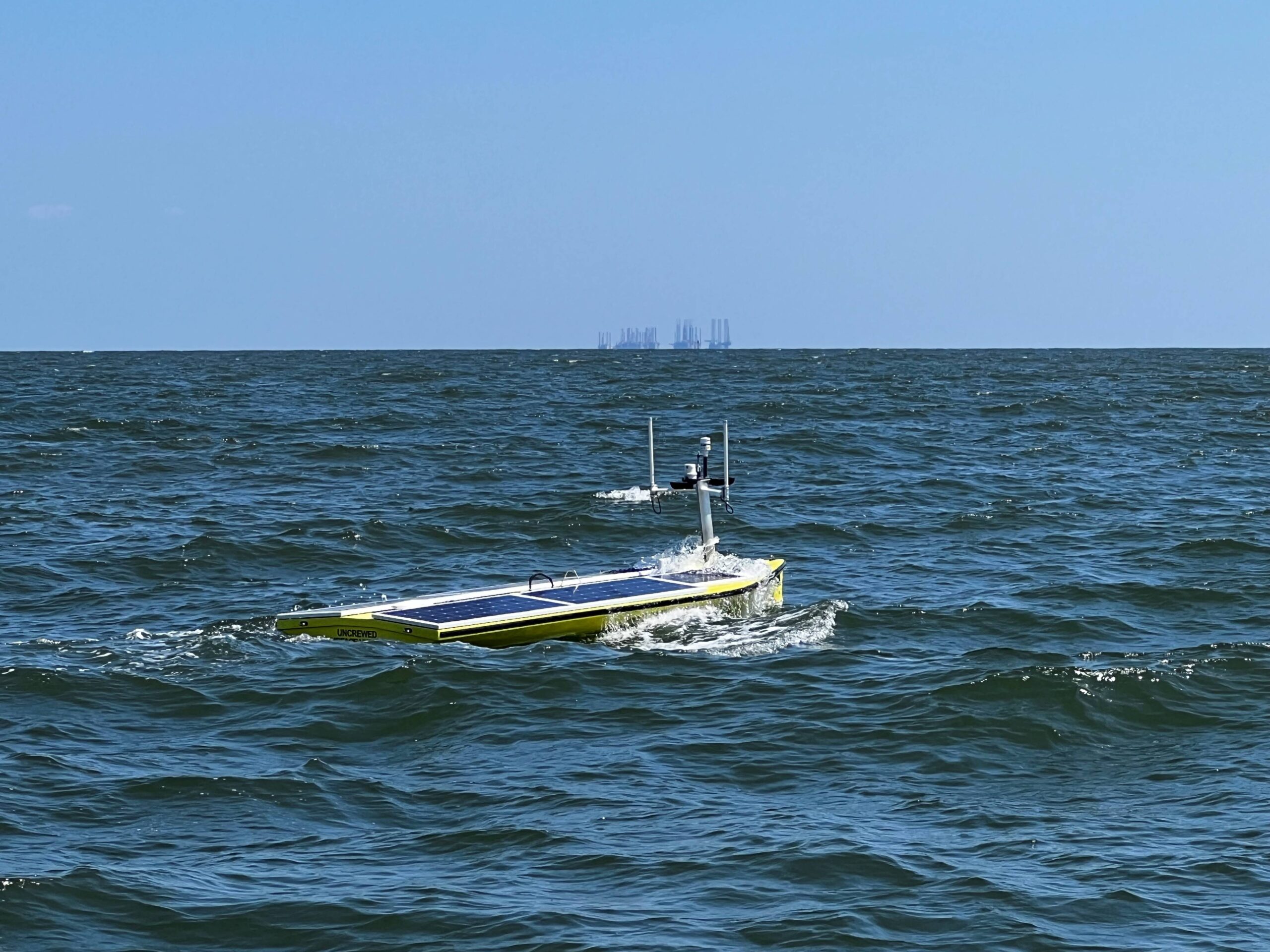
Important oceanographic data from Atlantic Ocean currents in the U.S. Gulf of Mexico has been gathered fully remotely, thanks to Sonardyne technology and an uncrewed surface vehicle (USV) supplied by SeaTrac Systems
A number of Sonardyne Origin 65 Acoustic Doppler Current Profilers (ADCPs) and Current Pressure Inverted Echo Sounders (CPIES) are positioned on the seabed in the Gulf of Mexico gathering long term data on the Loop Current System (LCS).
Understanding the LCS is important for oceanographers as it has a wide-reaching impact on many areas including the disruption of subsea operations, hurricane intensity and changes to nutrient and food cycles important to marine life. However, sending manned vessels offshore to gather this LCS data incurs risk to crews and high operational costs, as well as generating greenhouse gas emissions.
SeaTrac recently launched its SP-48 USV from the Louisiana Universities Marine Consortium (LUMCON) in Cocodrie, LA and remotely piloted it 580 nautical miles with an HPT 7000L transceiver onboard to acoustically gather the data from the ADCPs and CPIES.
The use of the solar and battery powered USV reduced the environmental impact and cost of sending a crewed vessel for the mission whilst allowing for 24hr operations with no manual intervention or personnel onboard.
Aidan Thorn, Business Development Manager for Marine Robotics at Sonardyne, commented: “The use of a fully solar powered USV for a data gathering operation of this scale is a key moment in marine robotics. The Gulf of Mexico presents some of the most challenging ocean currents for any vessel, not-least an uncrewed one. One of the key reasons SeaTrac was chosen to partner with us on this project was their willingness to rise to the challenge and we are delighted with the results. USV’s are a great platforms for collecting data from our seabed nodes and profilers through the integration of our acoustic communication technologies. We look forward to continued work with SeaTrac on this project and hopefully many others.”
Three further sets of data will be gathered over the next 18 months using the same uncrewed methods before the project completes.
Hobie Boeschenstein, Director of Operations and Business Development, at SeaTrac said: “We’re delighted to be working with Sonardyne on this project. Our SP-48 USV provides a complete system for maritime observation, data collection and reconnaissance. Powered by the sun with high-reserve batteries, it can operate in both near-shore and offshore environments through varying weather and sea conditions, as this mission has demonstrated. It can undertake missions lasting from several hours to several months and is designed to support a wide range of customer payloads. Sonardyne’s technology and company ethos is a great fit for ours and we look forward to supporting them in many future missions.”
Further details of the project and the data collected will be announced in due course as more information is gathered.
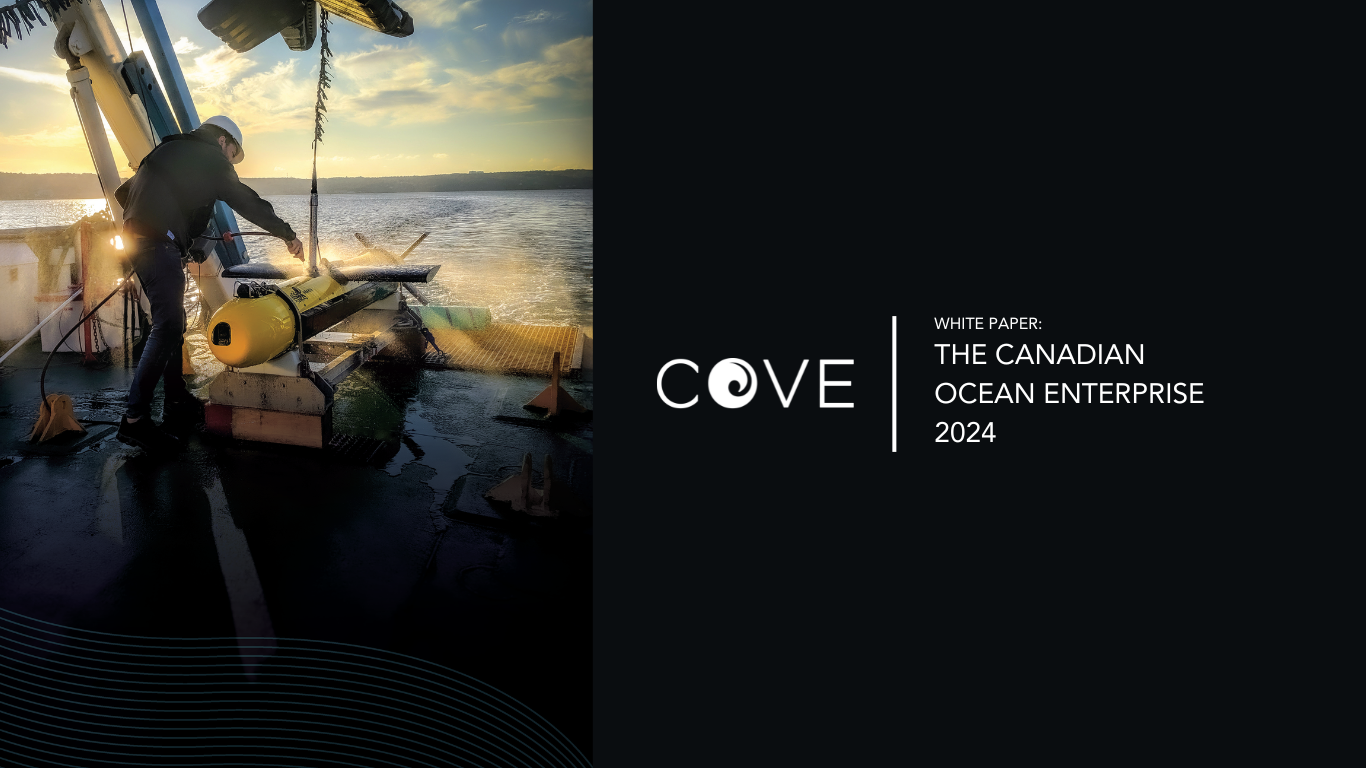
COVE's 2024 Ocean Enterprise Report Reveals Significant Growth in Canada’s Marine Sector
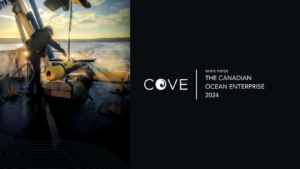 Canada’s New Blue Economy Flourishes as Innovation, Employment, and Revenue Surge in Canada’s Ocean Enterprise, with Promising Developments in AI and Sustainability.
The Canadian Ocean Enterprise has seen remarkable growth, as revealed in COVE’s newly published 2024 Ocean Enterprise White Paper. This report sheds light on the rapid evolution of Canada’s ‘New Blue Economy,’ a business cluster driven by knowledge-based activities that harness marine resources for economic growth. These companies are playing an increasingly crucial role in addressing global challenges like food security, climate change, and energy provision.
The 2024 Ocean Enterprise White Paper outlines substantial growth across key areas—company numbers, revenue, and employment—since the first study conducted in 2020.
From 2022 to 2024, the number of Ocean Enterprise companies surged from 160 to 209, marking a 31% increase. This continues the upward trend observed between 2020 and 2022. Nova Scotia, in particular, emerged as a leader, with its Ocean Enterprise companies growing from 49 to 75—a 53% rise, now housing one in three of Canadian companies identified under this review. While most provinces saw gains, Alberta remained steady.
Key findings from the 2024 report include:
- British Columbia, Newfoundland and Labrador, and Nova Scotia account for 75% of Canada’s Ocean Enterprise.
- Canada's Ocean Enterprise revenue is estimated between $1.8 billion and $2.0 billion, with employment exceeding 8,000 people—representing a 33% increase in jobs and 58% revenue growth since 2020.
- Artificial Intelligence is primarily used for Data Analysis & Management, and Research & Development, with expected growth into environmental monitoring and predictive maintenance, though challenges like ROI uncertainty, technical expertise gaps, and data privacy concerns may slow adoption.
- The maritime sector continues to face challenges in attracting venture capital due to long development cycles and high capital costs, which are misaligned with investor expectations.
"Canada’s Ocean Enterprise is demonstrating exceptional growth, with increased innovation and job creation reflecting the significant potential of this sector," -- said Melanie Nadeau, Chief Executive Officer of COVE. "The 2024 White Paper emphasizes the sector’s resilience and continued progress, even amid global challenges such as the pandemic. With advancements in AI and a strong foundation in marine technology, Canada is well-positioned to lead the global Blue Economy and drive its evolution towards greater sustainability and prosperity. COVE remains committed to advancing innovation and enhancing our global impact in marine technology.”
COVE began tracking the Ocean Enterprise sector in 2020, releasing its first benchmark study, followed by a 2022 bi-annual report. Prior to this, there was no standardized way to measure the scope of companies driving marine innovation in ocean sensing and monitoring, a key contributor to industries across the Blue Economy.
The study aligns with methodologies used by the Marine Technology Society (MTS) in the United States and the Society for Underwater Technology (SUT) in the United Kingdom, supporting global efforts to assess the impact of marine technology on the Blue Economy.
For more details and to access the full report, visit https://coveocean.com/research-insights/canadian-ocean-enterprise/