Fugro awarded geotechnical survey contract for TotalEnergies’ NSE 1 offshore wind farm development
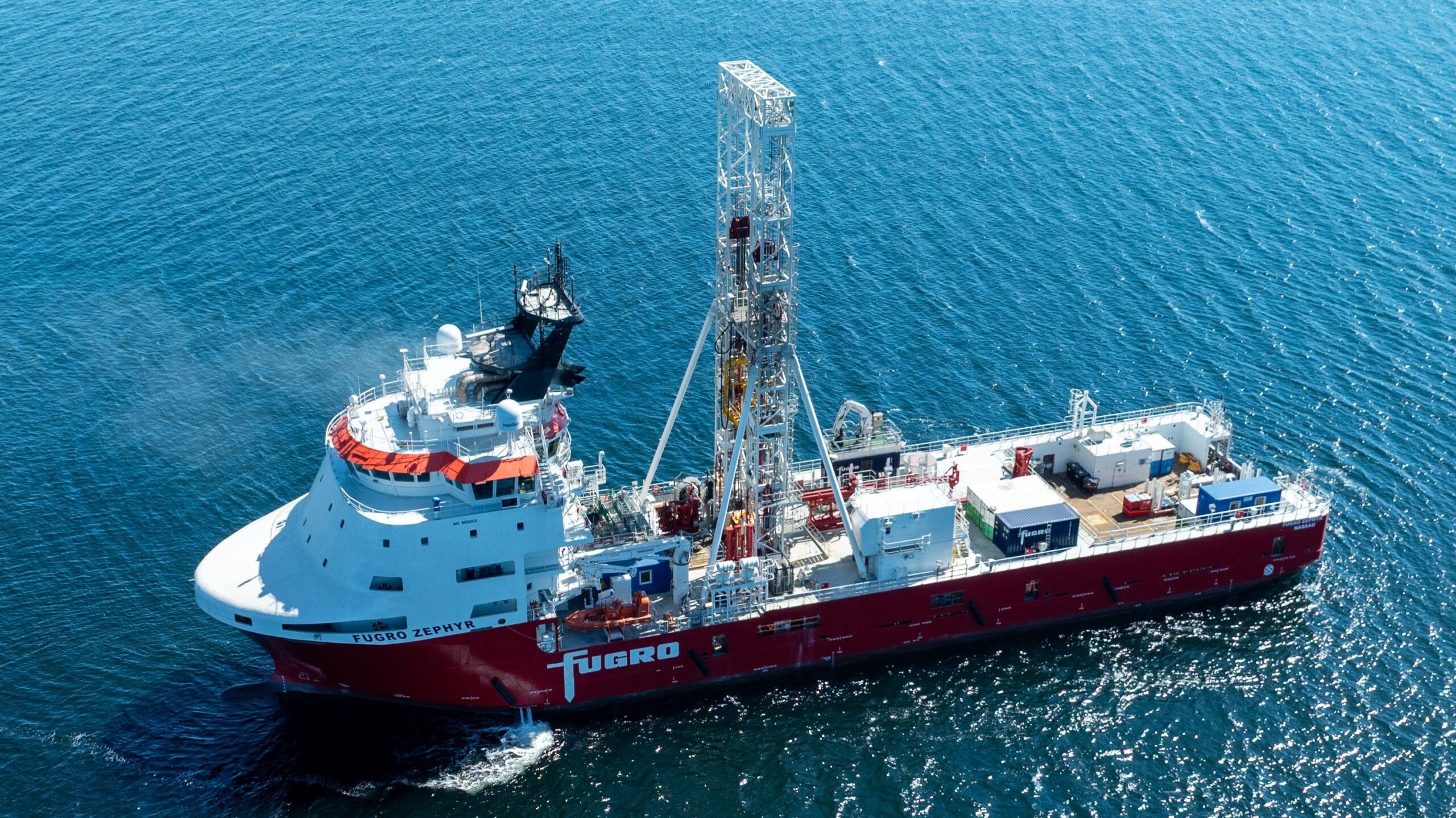
Fugro has been awarded a contract to perform comprehensive geotechnical surveys for the NordSee Energies 1 (NSE 1) offshore wind farm, a major renewable energy project being developed by TotalEnergies on the North Sea N-12.1 site. The investigations will provide essential insights into seabed conditions at planned wind turbine locations and inter-array cable routes, directly informing the safe and efficient design of turbine foundations.
With a planned capacity of 2 GW, NordSee Energies 1 is expected to make a significant contribution to Germany’s offshore wind expansion in the North Sea and strengthen Europe’s long-term energy security and decarbonisation efforts.
Fieldwork is already underway, with Fugro mobilising a fleet of five specialist vessels to carry out the surveys approximately 170 km off the German coast, across an area of around 200 km². The campaign includes investigations at around 140 locations, reaching depths of up to 50 metres below the seabed. To support safe, efficient and high‑quality data acquisition across the site, Fugro is deploying advanced technologies including its SEACALF® Mk V seabed cone penetration testing system.
Following the fieldwork, an extensive laboratory testing programme will be carried out at Fugro’s laboratories in Wallingford, UK, and Louvain, Belgium. The resulting Geo-data will be delivered through VirGeo®, Fugro’s cloud-based Geo-data platform, and used to understand soil behaviour across the different turbine loading areas, as well as to inform the design, installation, and protection of the inter-array cables.
“With a five‑vessel programme, this is one of the largest offshore wind investigations we’ve undertaken in Europe,” said Remmelt de Jong, Fugro’s Regional Business Line Director for Marine Site Characterisation in Europe and Africa. “By combining advanced technology with expert analysis, we’re ensuring TotalEnergies receives the foundation data needed to keep this project on schedule and support Europe’s clean energy ambitions.”
TotalEnergies was awarded concessions by the German Federal Network Agency in 2023, 2024 and 2025 for the construction of four wind farms in the North and Baltic Seas and is participating in two offshore wind projects together with RWE, resulting in an awarded offshore wind pipeline with a total capacity of 7.5 GW.

Teledyne Demonstrates Autonomous System for Anti-Submarine Warfare to NATO Members in the North Atlantic
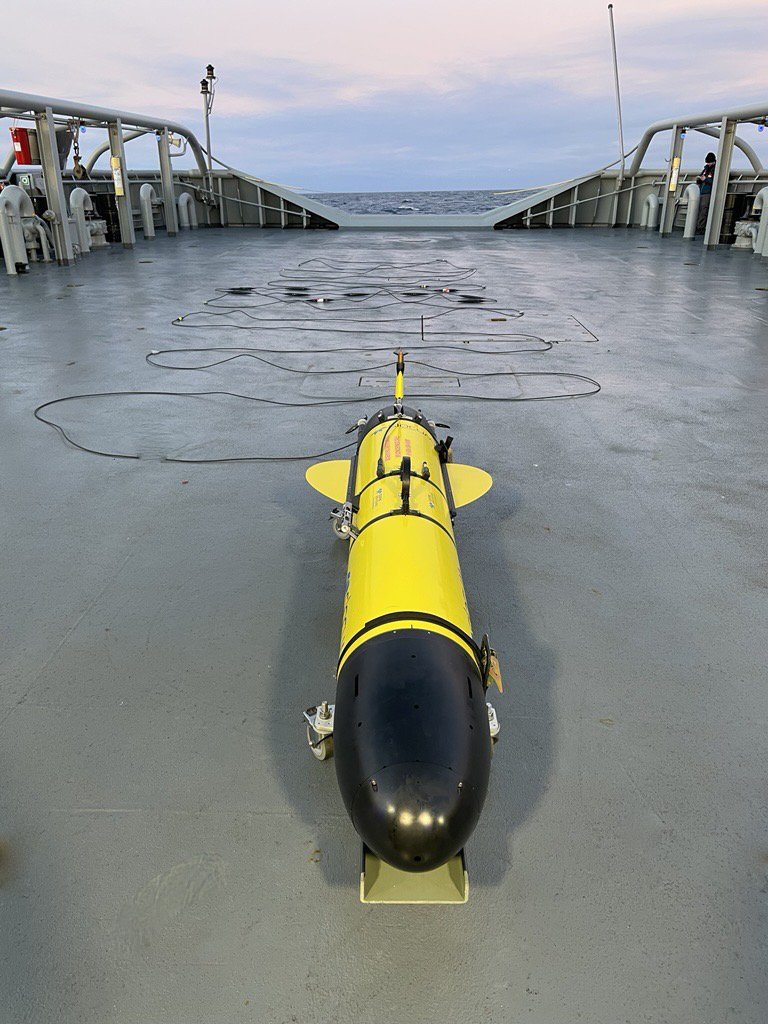
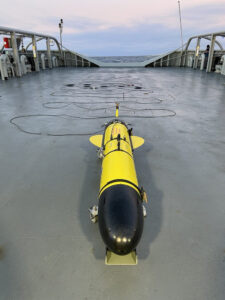 Teledyne Technologies Incorporated (NYSE:TDY) today announced that, from January 17 through January 22, it conducted an Anti-Submarine Warfare (ASW) demonstration in Icelandic waters using its state-of-the-art autonomous underwater vehicles:
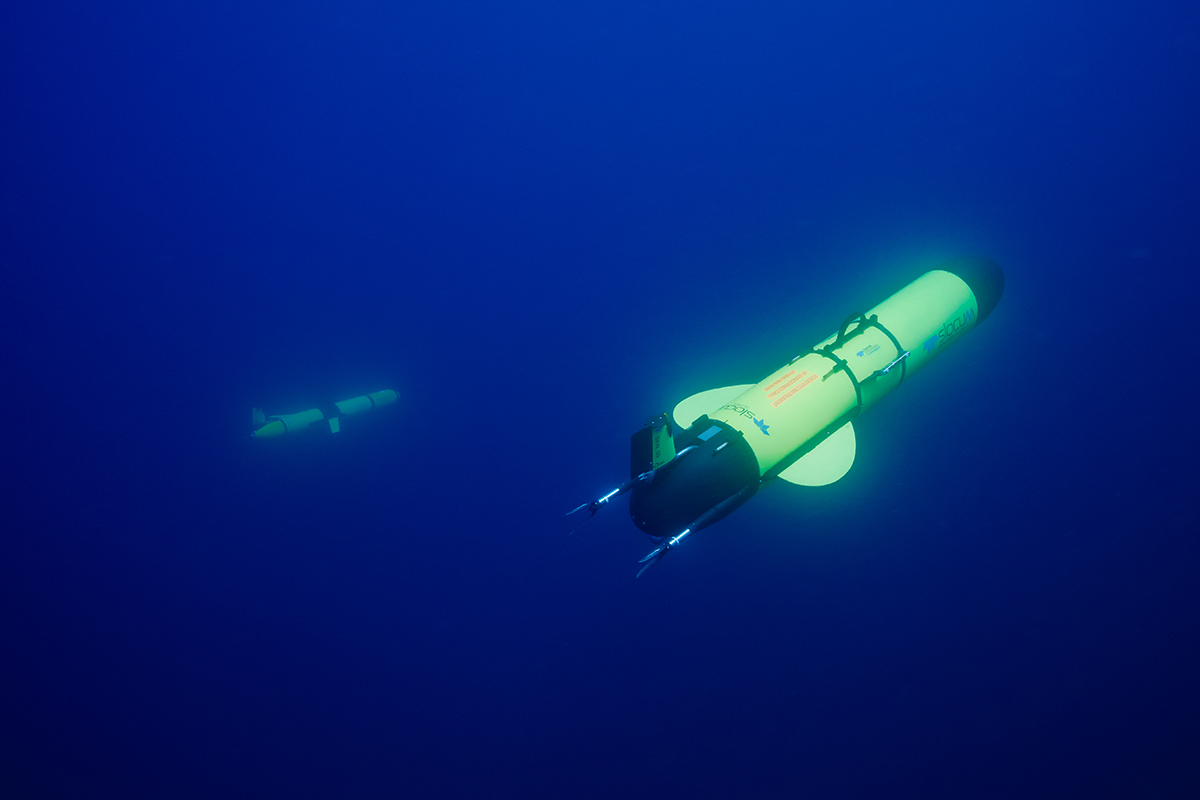
- Slocum Sentinel Glider with a 60-meter-long passive acoustic towed array
- Slocum G3 Glider with integrated Teledyne Benthos acoustic communications
- Two Advanced Profiling Explorer (APEX) floats fitted with ambient noise Passive Acoustic Monitoring
Several NATO members were in attendance to witness the trials which were conducted from the Teledyne Gavia facility located in Kópavogur, Iceland. “We are pleased to be demonstrating this technology which helps address a critical issue for global security,” said George Bobb, President and Chief Executive Officer of Teledyne. “We are excited to show what is possible with proven, mature, commercial technology currently in use by NATO militaries.”
With assistance from the Icelandic Coast Guard, the Teledyne team was able to deploy the autonomous underwater gliders into the North Atlantic in the strategic Greenland – Iceland gap from the Coast Guard Ship ICGV Þór. The Sentinel Glider towed a passive acoustic thin-line hydrophone array specifically designed to identify surface and subsurface vehicle noise in the water. The silent autonomous gliders, transversing the water column to 1,000 meters and equipped with the sensitive passive acoustic array, create a formidable barrier for subsea adversaries.
In addition to acoustic payloads, Teledyne demonstrated the ability for its glider to acoustically exfiltrate data from a sea-bottom node, deployed as part of the demonstration. Simulated mission data was recovered from the node in real-time and later transmitted via satellite to the shore-based Mission Operations Control Centers in Iceland and the United Kingdom. “This result showcases our ability to meet a large percentage of existing requirements for conducting ASW with autonomous systems in the North Atlantic,” said Dan Shropshire, Vice President of Business Development for Teledyne Marine Vehicles and project lead. “The combination of our platforms with advanced sensor technologies, including the use of artificial intelligence and machine learning, allows us to bring a force multiplier to militaries world-wide, but at a fraction of the operational expense.”
In addition to the technical demonstration, Teledyne highlighted the ability to establish a Remote Operations Center with help from its long-time partner at the National Oceanographic Centre (NOC) in the United Kingdom, where Teledyne has a European Glider service and repair center. The gliders were piloted in tandem with Iceland from the NOC. Data was retrieved and displayed from the subsea node for use simultaneously at both Operations Center locations. “Teledyne already has a large footprint in the UK with 18 principal facilities and approximately 2,600 employees,” said Brian Maguire, Teledyne Marine Chief Operating Officer. “We are investing even more significantly to bring autonomous technology to the Ministry of Defense and the Royal Navy.”
Kongsberg Maritime - a global technology partner
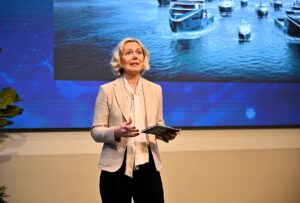
As previously announced, Kongsberg Gruppen ASA (KONGSBERG) will demerge Kongsberg Maritime as a separate publicly listed company. The decision was approved at an Extraordinary General Meeting in KONGSBERG on 22 January 2026, and Kongsberg Maritime is planned to be listed on Euronext Oslo Børs in April 2026.
As part of the preparations for the demerger and stock exchange listing of Kongsberg Maritime, the incoming CEO, Lisa Edvardsen Haugan, presented the company to investors and analysts in Oslo today, stressing that Kongsberg Maritime is not a new company.
“As we soon become independent, we bring with us 200 years of company history — both from Kongsberg Gruppen and through maritime heritage from the companies that today make up our global group, with more than 8,000 employees in 35 countries. Our systems and solutions are installed on one third of the global fleet — on more than 30,000 vessels worldwide.”
“At Kongsberg Maritime, we are ready to take the next step and stand on our own. We are uniquely positioned to take part in the value creation ahead in the global maritime sector. We have the people, the expertise, and the innovative capacity needed to solve the technological challenges the maritime industry will face in the years to come”, Edvardsen Haugan said.
Industry in transition
Kongsberg Maritime is an innovative global technology partner to a maritime industry in transition. The industry is facing increasing commercial and regulatory demands for modernization, and more efficient and safer operations.
“Kongsberg Maritime and the rest of the Norwegian maritime cluster have great strategic importance for the country, and we will work to strengthen that significance. At the same time, we will continue expanding our global footprint and follow our customers wherever they operate, because more than 80% of our revenue comes from the global market”, Edvardsen Haugan said.
More than 80% of all goods in the world are transported by sea, and the maritime sector plays a key role as ocean areas are being used for an increasing number of purposes.
Growth opportunities
Lisa Edvardsen Haugan said there are major growth opportunities across most segments, including naval – where Kongsberg Maritime has already delivered more than 20 different vessel designs and equipped more than 1000 naval vessels.
“Kongsberg Maritime has seen solid growth for several years. We have a strong order backlog — now at NOK 28 billion — and it continues to grow year by year”, said Haugan.
General Oceans Invests in Turbulence Solutions Specialist ReynKo
 General Oceans Inc., a subsidiary of General Oceans AS, has entered into an investment agreement with ReynKo Inc., a US based turbulence solutions specialist. The SAFE (Simple Agreement for Future Equity) is a commitment to invest up to USD 4 million.
General Oceans AS is the parent company of multiple underwater technology brands including Oslo based Nortek, UK companies Tritech and RS Aqua, Australian Reach Robotics, and Klein Marine Systems and Strategic Robotic Systems (SRS) who both operate out of the US. General Oceans has a history of successful acquisitions and investments, with a recent acquisition being ocean technology distributor, RS Aqua in 2024.
ReynKo provides engineering solutions for modelling and control of turbulent fluid flows. Their software offers an algorithmic solution to one of the greatest mysteries in physics, the turbulence problem, and will use the investment to move to a commercial offering that can be utilised across multiple industries including the Marine Industry, Aviation and Formula 1.
About the investment, Atle Lohrmann, Founder and President of General Oceans, said:
“It is genuinely mind-boggling to meet people who claim to have found a mathematical solution to the full Navier–Stokes equations. This is a scientific challenge that has occupied some of the greatest minds for nearly two centuries, and many of our colleagues in the oceanographic community will remember encountering these equations during their education—usually in the context of approximations and carefully defined boundary conditions. We believe the work they have done could fundamentally change many aspects of fluid modelling. Practically speaking, significant effort will be required to translate these mathematical expressions into a numerical toolbox that can be embedded in new or existing modelling software. We are proud to be associated with what may prove to be a historic development, and we look forward to following their journey. Who knows - perhaps in a few years we may be knocking on their door to help solve some of the many hydrodynamical challenges we find within our group companies.”
The relationship between General Oceans and ReynKo began when Atle Lohrmann mentored the founders as part of the Creative Destruction Lab programme.
“We are thrilled to be working with General Oceans as they bring deep experience and expertise from the maritime sector, which is not only one of our beachhead markets but a vital industry for the world. As a fellow scientist, Atle understands the importance and implications of solving the turbulence problem. His insights are strategically aligned with our company and working with him has been a pleasure.“ said Justin Beroz, CEO and co-founder of ReynKo.
For more information about General Oceans visit www.generaloceans.com and for more information about ReynKo visit www.reynko.com.
RWE secures contracts for difference for 6.9 gigawatts of offshore wind capacity
 RWE secures contracts for difference for 6.9 gigawatts of offshore wind capacity in UK Allocation Round 7 and agrees a long-term partnership with KKR
- RWE has been awarded Contracts for Difference at a strike price of £91.20 per megawatt hour for its Norfolk Vanguard East and Norfolk Vanguard West, its two Dogger Bank South and the Awel y Môr offshore wind development projects, with a combined capacity of 6.9 gigawatts
- RWE and KKR join forces to develop, construct and operate the Norfolk Vanguard East and Norfolk Vanguard West projects
- KKR acquires a 50% equity stake in each of the Norfolk Vanguard projectsEssen/Swindon, 14 January 2026
The UK government has announced the results of the Contracts for Difference (CfD) Allocation Round 7 (AR7) for offshore wind. In the competitive auction, RWE’s Norfolk Vanguard East and Norfolk Vanguard West projects, as well as its two Dogger Bank South projects, all of which are located in the British North Sea, and its Awel y Môr project located in the Irish Sea secured 20-year CfDs at a strike price of £91.20 per megawatt hour (MWh), in 2024 prices, inflation-indexed, as confirmed by the UK Department for Energy Security and Net Zero (DESNZ). In total, RWE has been awarded CfDs for 6.9 gigawatts (GW) of capacity.
RWE, one of the world’s leading renewable energy companies, and KKR, a leading global investment firm, have agreed on a long-term partnership to jointly realise the Norfolk Vanguard East and Norfolk Vanguard West projects. Under the agreement, KKR will acquire a 50% equity stake in each project, with both partners jointly developing, constructing and operating the wind farms. Closing of this transaction is subject to customary approval and expected in summer 2026.
Markus Krebber, CEO of RWE AG: “We are delighted to have been successful in securing long-term offtake contracts for five projects in AR7. In addition, we are excited to join forces with KKR as our strategic partner in the Norfolk Vanguard East and Norfolk Vanguard West offshore wind projects. By combining KKR’s investment know-how in large-scale, complex infrastructure projects with RWE’s extensive offshore wind expertise, we are well positioned to jointly realise these major projects. With the Dogger Bank South projects and our renowned partner Masdar, we are experiencing firsthand the value of strong partnerships. And at Awel y Môr, we are proud to collaborate with Stadtwerke München and Siemens, who bring their expertise and commitment to our shared success. With the successful outcome of AR7, and the agreed partnership with KKR, RWE has reached key milestones in executing its UK offshore wind development pipeline.”
Norfolk Vanguard East and Norfolk Vanguard West
The Norfolk Vanguard East and Norfolk Vanguard West projects have been awarded contracts today totalling 3.1 GW. Located 50 to 80 kilometres off the coast of Norfolk, once operational, the projects will be able to generate enough electricity to power around 3 million UK homes.
RWE has launched the process to raise non-recourse project finance debt for the projects. Closing of the partnership transaction and the project financing, as well as the final investment decision (FID), are targeted for summer 2026. Commissioning of the projects is expected for 2029 (Norfolk Vanguard West) and 2030 (Norfolk Vanguard East).
Going forward, RWE and KKR will assess opportunities to extend their collaboration to additional projects.
Dogger Bank South
The Dogger Bank South (DBS) offshore wind farm projects are being developed in the shallow waters of Dogger Bank in the North Sea, which is located over 100km off the northeast coast of England. DBS comprises two separate sites, DBS East and DBS West, and today contracts have been awarded to the two projects. The two DBS projects have a combined generation capacity of 3 GW which, once operational, will be capable of producing enough electricity for the equivalent of approximately 3 million UK homes annually. In December 2023, Masdar (49%) and RWE (51%) joined forces to deliver DBS. On behalf of the partners, RWE is leading the development, construction and operation. Commissioning of the projects is expected in 2031 (DBS West) and 2032 (DBS East).
Awel y Môr
Awel y Môr Offshore Wind Farm is being developed as an extension to the existing Gwynt y Môr Offshore Wind Farm. It is located approximately 10.5km off the north Wales coast in the Irish Sea. The project has an estimated generation capacity of 0.8 GW which, once operational, will be capable of producing enough electricity for the equivalent of approximately 870,000 UK homes annually. The Awel y Môr offshore wind development project is jointly owned by RWE (60%), Stadtwerke München (30%) and Siemens (10%). RWE is leading the development of the project on behalf of the project partners. Commissioning of the project is expected in 2031.
RWE – a leading global player in offshore wind
RWE is one of the world’s leading companies in offshore wind. The company currently operates 19 offshore wind farms in five countries with a total installed capacity of 6.2 GW – RWE’s share in these projects amounts to 3.3 GW. Furthermore, RWE currently has four offshore wind projects under construction in four countries: Sofia off the coast of Northern England, Thor in Denmark, OranjeWind off the Dutch coast and Nordseecluster north of the German island of Juist. Once completed, these projects will have a combined generation capacity of 4.8 GW, with RWE’s share amounting to 3.1 GW.
From data to direction as Miros shapes maritime decisions in 2026
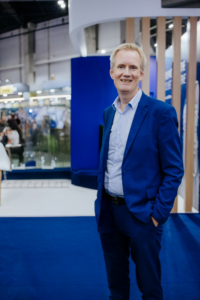
As the offshore and maritime sectors enter 2026, we look out across an industry standing on the edge of a profound shift. For years, operators asked for better visibility of the ocean’s behaviors. Today, the conversation has moved far beyond that.
As these industries push deeper into an era defined by digitalization, predictive intelligence and increasing operational complexity, the ability to understand the ocean in real-time is no longer sufficient enough for those at the forefront of next-generation maritime operations.
Climbing the insights ladder
The industry leaders of 2026 will be defined by their ability to transform insight into operational confidence, moving from a world where operators react to conditions to one where they plan ahead with greater confidence.
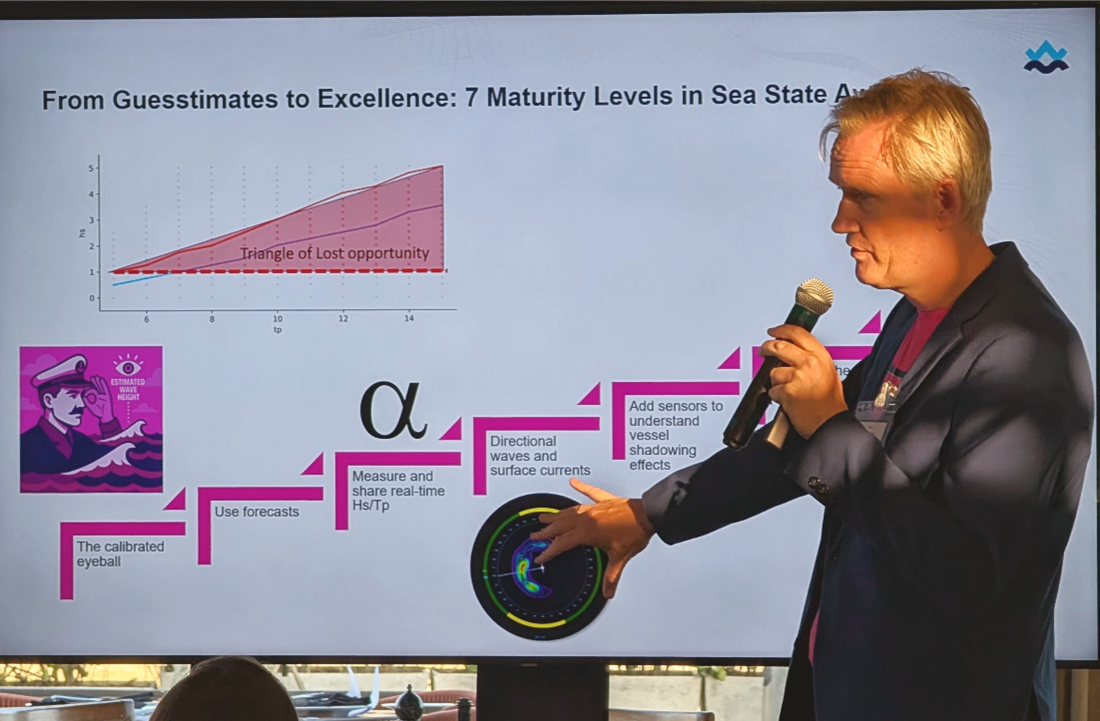
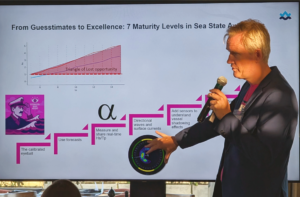
Picture, for example, a ‘sea state insight ladder’, which illustrates the different maturity levels of sea state understanding in offshore operations. An organization relying solely on visual observations would sit on the lowest rung. Further up the ladder are those that integrate forecasts and real-time measurements and at the top rung are operators leveraging predictive insights from tools such as PredictifAI. Essentially, the further an organization moves up this ‘ladder’, the more informed and timely its decisions become, reducing uncertainty and improving safety.
This shift is reshaping expectations across offshore energy, commercial shipping and even defense, where the reliability and integrity of environmental data are becoming strategic assets. In 2026, I expect to see more and more operators moving further up this ladder as real-time and predictive ocean intelligence becomes central to operational planning.
What does this mean for Miros?
Operators no longer need to plan around worst-case scenarios, instead, they can make confident data-driven decisions based on actual conditions. This offers personnel a level of foresight that fundamentally changes safety and efficiency, particularly in high-risk offshore environments.
AI and machine learning strengthen our work in oil spill detection (OSD). Cloud-based OSD monitoring lets you detect, track and respond instantly across multiple sites with secure, real-time, fully traceable data to keep operations efficient and compliant.
Integrity is a critical foundation throughout this process. Beyond detection and response, operators must be able to trust their data and demonstrate accountability. The ability to verify what happened, when it happened and how the organization responded is essential not only for regulatory compliance and reporting, but for protecting the environment and maintaining operational credibility. Fully traceable data creates a single source of truth that supports the reasoning behind decision-making.
The future lies in combining high-quality data with insights that help operators understand how conditions are evolving and how their assets may respond. This approach delivers clear benefits across the offshore value chain, enabling better-informed planning and operational decisions. Capabilities such as real-time RAO’s and vessel motion prediction can be enabled through our technology as part of this broader picture.
The future of maritime technology
Across all of these conversations, one idea keeps coming back. That is, vessel operators cannot rely on yesterday’s technology to meet tomorrow’s demands. It is a straightforward sentiment, but it captures the essence of where the industry is heading.
Real-time data is still the most important step, but it is no longer enough. The future lies in combining that data with predictive intelligence that helps operators understand how conditions will evolve, and especially how their assets will respond.
Underpinning all of this is our commitment to cloud-based solutions. The cloud is not simply a storage location for data. Cloud-based solutions ensure up-to-date records, data integrity and enable collaboration between offshore and onshore teams.
The cloud keeps everyone aligned around a single source of truth, which is essential when predictive decision support becomes part of everyday operations. Without the cloud and without the integrity of reliable real-time measurements feeding into it, AI loses its grounding and predictions lose their value.
Paying for what you need
Looking ahead, the way we engage with customers is just as important as the technology itself. Our sea-state-as-a-service model allows customers to avoid the risk of owning, operating and maintaining the kit. They simply pay for every time the system is used – think of it like how you pay for your electricity. In 2025, we saw a notable uptake of this model in the key markets of Norway and Brazil.
What’s on the horizon for Miros?
As we enter 2026, Miros is committed to elevating operational capabilities across offshore energy, shipping and emerging markets. By pairing proven measurement technologies with advanced AI and cloud infrastructure, Miros is helping the industry move beyond observation toward anticipation. The mission remains the same, but the horizon continues to expand.

A jolly good fellowship: IMarEST improves access to top accolade
 A new fellowship standard from the Institute of Marine Engineering, Science and Technology (IMarEST) has been launched. The refresh aims to make the Institute’s highest level of recognition more accessible and inclusive for marine professionals worldwide.
Fellowship of the IMarEST is the highest level of membership, awarded to individuals who have demonstrated sustained, high-level achievements in marine-related engineering, science, or technology.
The accolade acknowledges leadership, influence, and impact across the marine sector, whether through organisational leadership, professional engagement, giving back, or outstanding research and innovation. IMarEST Fellows also serve as ambassadors, helping to inspire the next generation of marine professionals and members.
Applicants don’t need to hold senior titles; what matters is the impact they’ve made over a sustained period. The new standard and streamlined application process support this aim by cutting out excess steps and ensuring the criteria reflect the purpose of fellowship.
For instance, applicants can now be recognised for their research, enabling many academics to apply for the first time. Also, the criteria are now much simpler to help those with busy jobs and out-of-work commitments to become fellows.
IMarEST Fellows are valued for the credibility they bring, as existing fellow Stephen Hall explains: "As an experienced marine professional mostly working with the international science and policy community but lacking a PhD, my IMarEST Fellowship and Chartered Marine Scientist accreditation have given me an enhanced professional profile especially when working with industry.”
Naomi Taylor, membership and professional services director at the IMarEST, said: “It’s time for a new era for our fellows. We want to make it easy for marine professionals to be recognised for their achievements. Fellowship of the IMarEST is the pinnacle of professional recognition in our industry, and we encourage anyone who thinks they might be eligible to apply.”
IMarEST Fellowship membership costs between £119 and £341 a year, depending on the applicant's country of residence. Apply now at www.imarest.org/fellow.
Teledyne Marine Investment in UK Support for MoD ISS Agreements
 Teledyne Marine is proud to announce the recent award of In Service Support agreements (ISS) for Slocum gliders and Gavia AUVs from the Royal Navy. The ISS agreements facilitate UK service, repair and operational support of Teledyne unmanned systems currently in use by the Royal Navy and ensure quicker maintenance turnaround times and high operational availability of those systems.
The ISS agreements provide enhanced maintenance coverage for Slocum gliders and APEX floats used by the Plymouth based METOC Information Warfare Group (MIWG), Gavia AUVs used by the Hydrographic Exploitation Group (HXG), and the Gavia systems with the Portsmouth based Mine Threat Exploitation Group (MTXG). To support these ISS agreements and the RN installed base, Teledyne Marine has invested in additional UK maintenance and field support staff located in Fareham and Plymouth and opened a repair and support facility in Fareham co-located with Raymarine. Furthermore, a Plymouth facility is being added with a planned opening in Q1 of 2026 to better support His Majesty’s Naval Base (HMNB) Devonport’s Teledyne unmanned systems users and for engagement with the National Centre for Marine Autonomy.
Proven Performance: Teledyne Marine is a leading provider of unmanned underwater vehicles (UUVs) with two main production facilities located in North Falmouth, MA and Kopavogur, Iceland along with a network of international service centers. As of January 2026, Teledyne has delivered over 12,000 APEX floats, approximately 1,275 Slocum gliders (with over 600 to NATO naval users), and Gavia AUV systems have been purchased by 18 navies. Teledyne unmanned systems are operational with numerous NATO and AUKUS navies including the Royal Navy.
UK Presence: Teledyne currently has over 2,700+ employees in the UK at 17 main sites and is committed to supporting current and future UK defense priorities with proven technology and local expertise.
Next Geosolutions signs a LOI with Saipem for the provision of “sat diving” services in the middle East Region
Next Geosolutions, through its subsidiary Rana Subsea, signs a LOI with Saipem for the provision of “sat diving” services in the middle East Region.
The agreement is worth approximately USD 150 million and has a planned duration of 36 months. In parallel, and in line with the LOI, NextGeo Solutions is expanding its fleet with the addition of the “ng supporter,” a new unit specialized in the execution of complex subsea operations. The value of the investment amounts to USD 112 million.
Next Geosolutions (“NextGeo” or the “Company”), one of the leading international players in marine geoscience and offshore construction support services for the energy sector and listed on Euronext Growth Milan market, in line with the growth strategy outlined since the listing and in light of recent M&A transactions, announces that through its subsidiary Rana Subsea S.p.A. (“Rana”), the Company has signed a Letter of Intent (“LOI”) with Saipem S.p.A. (“Saipem”) for the provision of “SAT diving” services in the Middle East region. The start of operations is scheduled for Q2 2026, with a continuous duration of 36 months and three additional six‑month extension options. The agreement has a total base value of approximately USD 150 million.
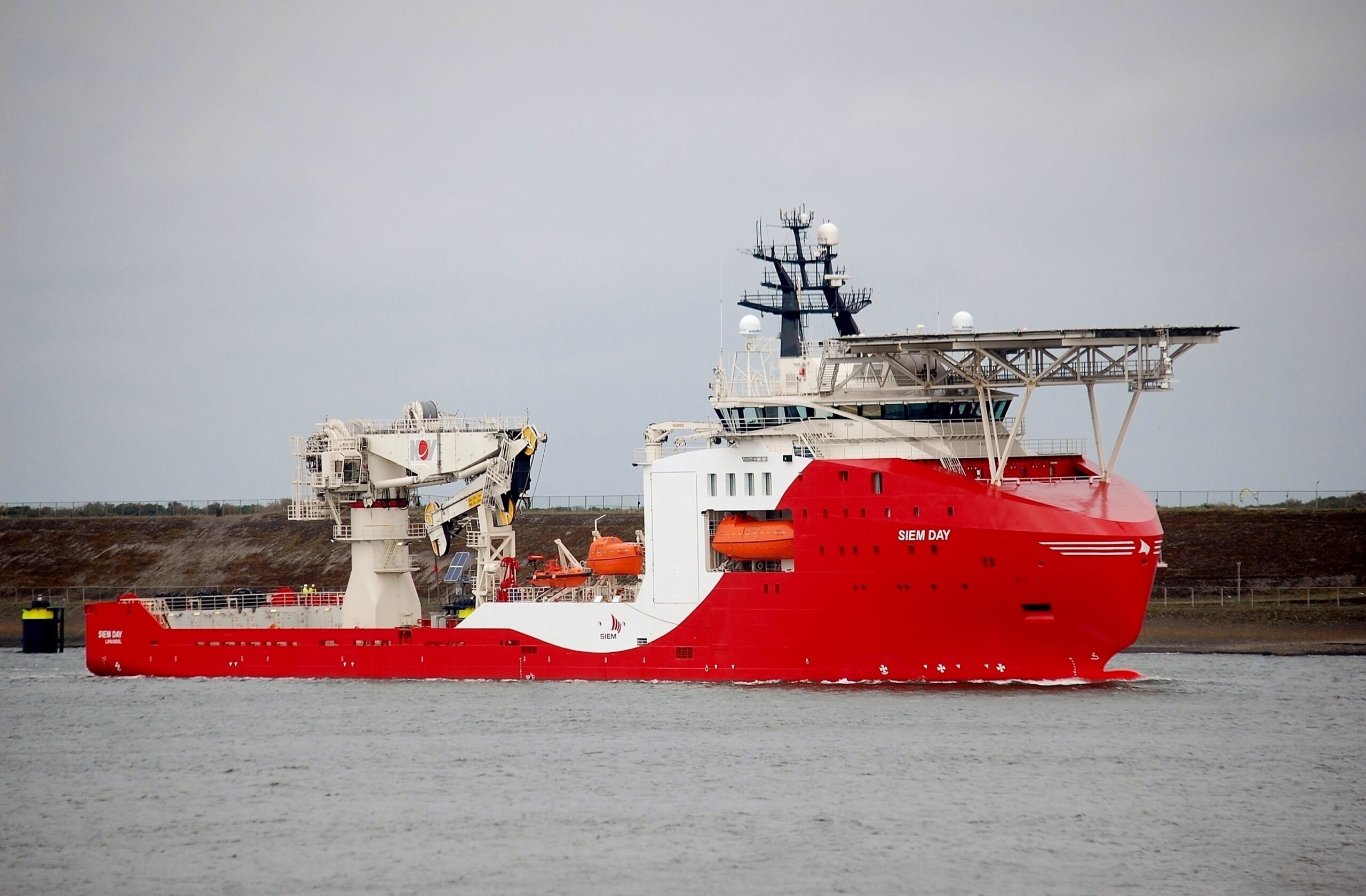
At the same time, Next Geosolutions announces the addition of a new offshore vessel to its fleet, through the acquisition of the “Siem Day”, IMO No. 9660102, from the Norwegian company Siem Day II AS (“Siem”), for a total purchase price of approximately USD 112 million. The vessel, classified as an Offshore Subsea Construction Vessel (OSCV) and to be renamed “NG Supporter”, will be deployed for the execution of the contract with Saipem as well as for other complex subsea operations, Construction and Installation Support activities, and Inspection, Maintenance & Repair (IMR) services, primarily within the Oil & Gas market. The investment for the vessel’s acquisition will be financed through a combination of equity and a bank financing, which is currently being defined.
Attilio Ievoli, Chairman of NextGeo, added: “The acquisition of the NG Supporter marks a pivotal milestone in the Group’s strategic growth path. This transaction also stems from an international vision, developed thanks to our presence in the UK, one of the main reference countries for the global offshore market. The addition of this new asset provides added value to support the growth and diversification of our activities in our target markets, further expanding our capabilities in the highly complex subsea segment and enabling us to respond even more effectively to the needs of clients and to current and future international projects.”
Built in 2013, the “NG Supporter” is equipped with a Dynamic Positioning Class II (DP2) system, has an overall length of approximately 121 meters and a beam of 22 meters. With a deck area of 1,300 m², a 250-ton offshore crane with Active Heave Compensation (AHC) system, 7.2 x 7.2-meter Moonpool, a bow helideck and accommodation for 110 people on board, the “NG Supporter”, built in a Norwegian shipyard, represents a vessel of high quality standards, capable of delivering complex offshore services while ensuring safe and efficient operations.
The acquisition of the “NG Supporter” represents a highly strategic milestone for the Group. In addition to enhancing its operational capabilities, it enables the Group to strengthen its presence in a niche market characterized by growing demand and a limited availability of vessels with comparable technical features. This investment is part of the Group’s broader strategy to reinforce its fleet of specialized vessels and serves as a key enabler for participation in, and execution of, complex offshore projects.
The LOI with Saipem, in addition to establishing the dedicated deployment of the new vessel “NG Supporter”, also includes the use of a proprietary modular saturation diving system, a highly qualified technical team, and technologically advanced equipment, including options for Work Class Remotely Operated Vehicles (ROVs) and a Hyperbaric Reception Facility (HRF).
The LOI enables NextGeo to secure a significant level of revenue visibility over the next 3–5 years, while also enhancing the predictability of future cash flows. The combination of highly specialized operational capabilities, the full operational flexibility of the vessel, and its multi‑year utilization further positions the Group within a market segment characterized by high barriers to entry, reinforcing its role as a provider of strategic offshore services in the technically complex Oil & Gas sector.
The signing of this LOI further strengthens the cooperation between the NextGeo Group and Saipem, continuing a well‑established industrial partnership with one of the leading global operators in the offshore sector.
Giovanni Ranieri, CEO of NextGeo, stated: “The Letter of Intent signed with Saipem enables us to start the year under the best conditions, with new volumes and an expanded presence in international markets—particularly in the Middle East, which today represents the area with the highest potential for the subsea industry. At the same time, we are proud to announce the acquisition of the NG Supporter, a vessel built to the highest quality standards and capable of delivering complex offshore services. We are confident that it will strengthen our fleet with a highly specialized asset, enhancing our ability to meet the requirements of increasingly complex projects in challenging operational environments. We continue to pursue selective and sustainable growth, built on the integration of assets, technology, and expertise, with the objective of creating long‑term value for our stakeholders and reinforcing our presence in key international markets.”
Alessandro Buffa, CEO of Rana Subsea, added: “The signing of this LOI marks a turning point that enables us to enter operationally into a region characterised by strong structural demand for long‑term subsea services. At the same time, this award demonstrates how our integration within the NextGeo Group allows us to successfully pursue opportunities of greater scale than in the past, supporting our clients in more complex projects and concretely expanding our competitive perimeter.”
Kongsberg Maritime formally on its way to becoming a stand-alone company
 At an extraordinary general meeting of Kongsberg Gruppen on Thursday afternoon, the separation of Kongsberg Maritime was formally approved by the shareholders. The plan is to list the world-leading maritime company on the Oslo Stock Exchange on April 23.
Kongsberg Gruppen ASA, as we know it today, will continue as two companies. The business areas Kongsberg Defence & Aerospace and Kongsberg Discovery will form the new KONGSBERG, while the business area Kongsberg Maritime will be spun off as its own company, independent of the group.
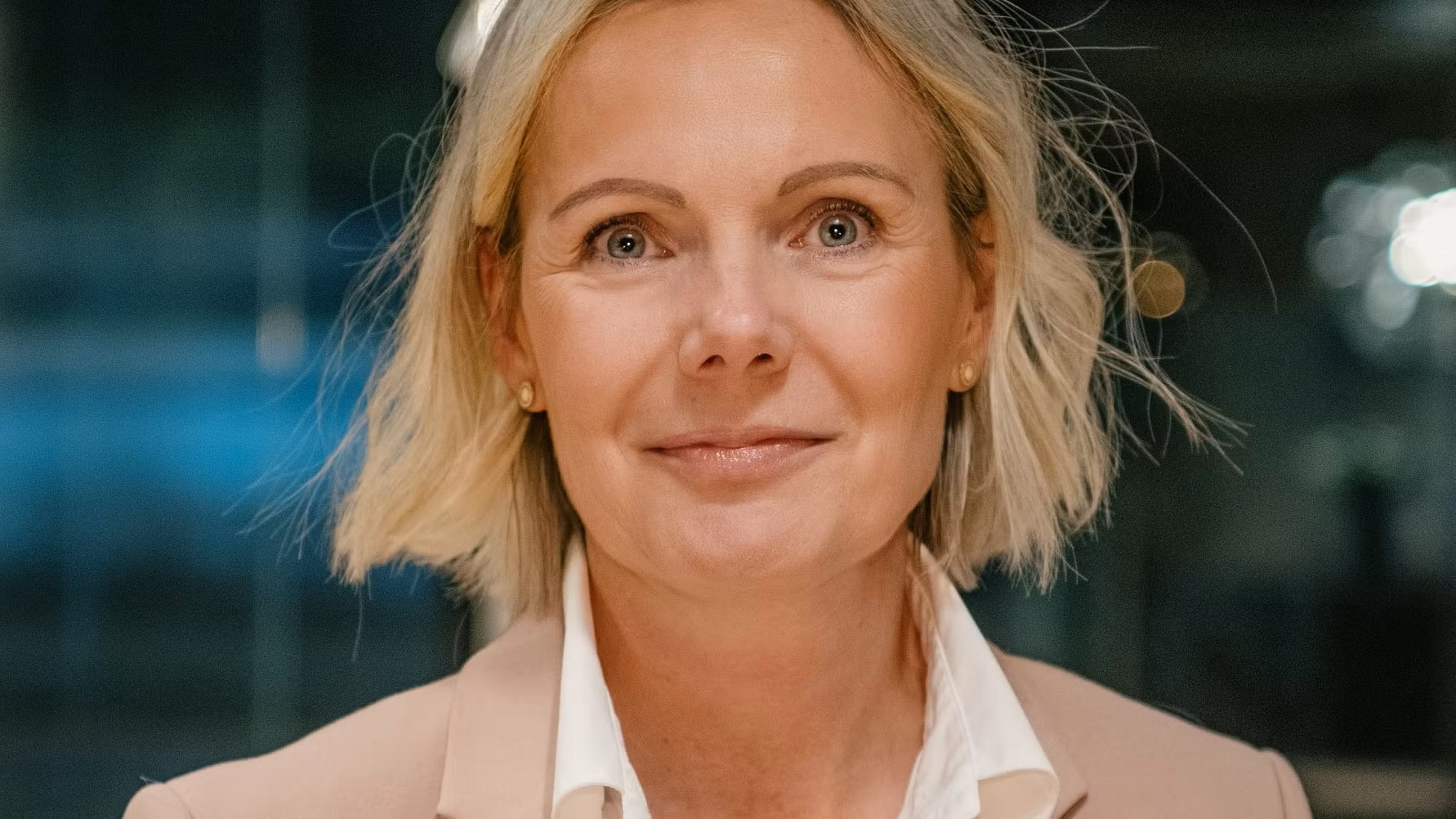
“This was one of many milestones we will go through, and it was good to have this step confirmed. At Kongsberg Maritime, we are ready to take the next step and stand on our own feet. We are uniquely positioned to take part in the upcoming value creation in the global maritime sector. We have the people, the knowledge, and the innovation power needed to solve the technological challenges the maritime sector will face in the coming years,” says Lisa Edvardsen Haugan, incoming CEO of the new company.
Since the split was announced on October 30, 2025, Kongsberg Maritime has been working to strengthen the organization to prepare it as best as possible for a future as an independent company. A new management team is in place, the divisional structure has been changed, and critical functions have been strengthened.
“Going forward, we will continue to build on our already leading position and seize new business opportunities, including in the growing market for solutions with both civil and defence applications,” says Edvardsen Haugan.
She adds that the company's headquarters will remain in Norway.
“Kongsberg Maritime and the rest of the Norwegian maritime cluster have great strategic importance for the country, and we will work to strengthen that significance. At the same time, we will continue to expand our footprint and follow our customers wherever they are, since over 80% of our revenues come from the global market.”
On the ownership side, the Norwegian state has stated its intention to maintain its majority share of 50.004% of the shares in both the new KONGSBERG and Kongsberg Maritime.
“I am very pleased that the Norwegian government recognizes the importance of retaining its ownership in the company and look forward to an active and good dialogue going forward,” says Lisa Edvardsen Haugan.
Here is the full protocol from the general meeting on January 22.
The new board of directors for Kongsberg Maritime consists of Chair Per Arthur Sørlie and members Margareth Øvrum, Ivar Hansson Myklebust, Kristin Holth, and Anders Bade.
This is an experienced and competent group that is now starting the work of becoming an independent board for the future Kongsberg Maritime ASA. Chair Per Arthur Sørlie is currently the deputy chair of the board of Kongsberg Gruppen ASA and, through that work, has very good knowledge of Kongsberg Maritime.
Kongsberg Maritime is a leading technology partner for the maritime industry. From advanced offshore vessels to cruise ships, and from fishing vessels to complex naval vessels, we strengthen the entire maritime industry with groundbreaking technology and solutions. Together with customers and research partners, we solve technological challenges and make smart improvements to existing fleets and offshore installations. Our customers include shipping companies and shipyards operating in various maritime segments. Kongsberg Maritime has more than 8,000 employees in 35 countries and is present in the markets where our customers operate.