
Gabler has expanded its European in-service support capabilities
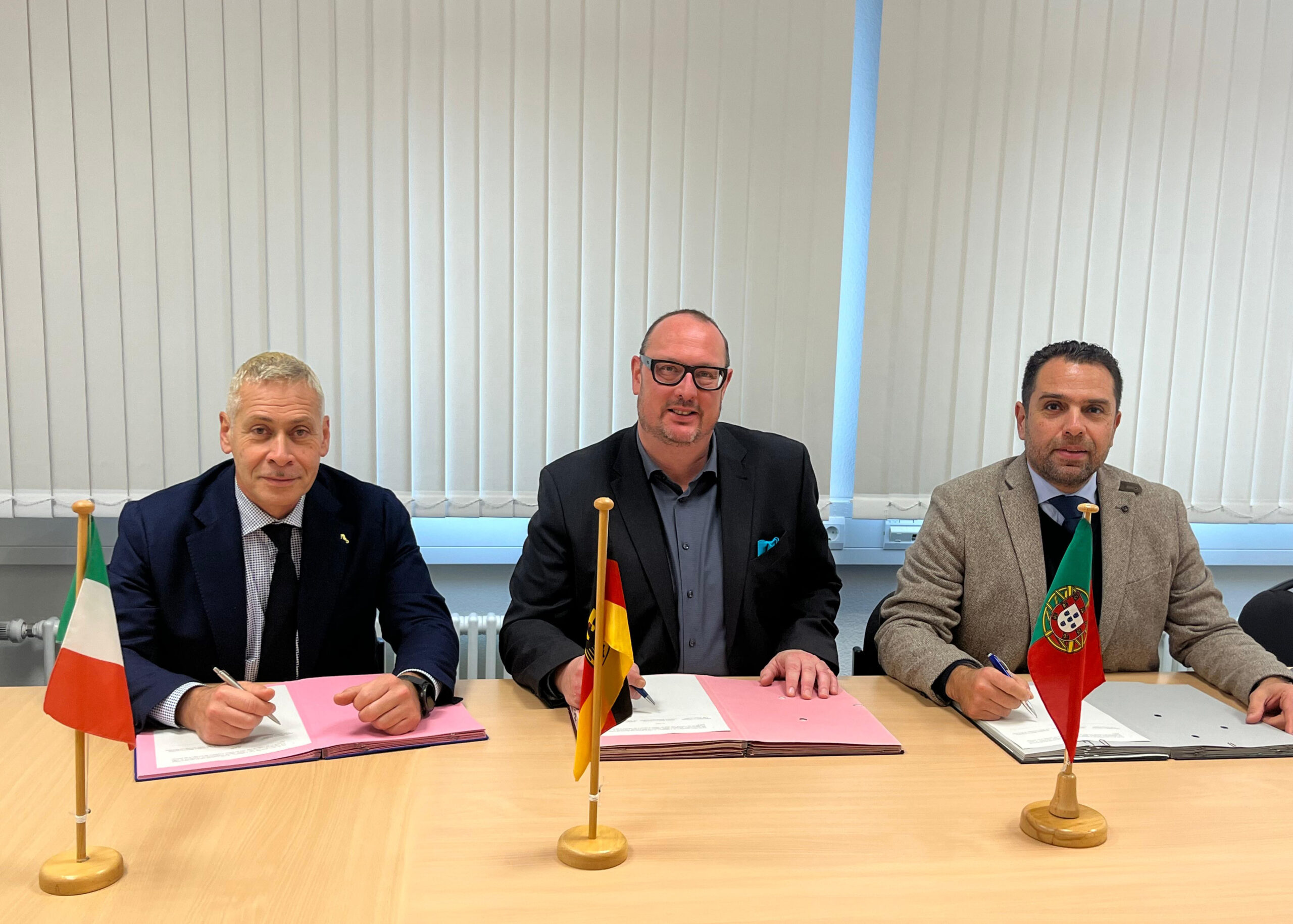
 Gabler, a leading manufacturer of submarine technologies, has expanded its European in-service support capabilities through a trilateral framework agreement covering German, Italian and Portuguese naval fleets.
The framework agreement was formally signed last week at the Liaison Office of Germany's Federal Office for Equipment, Information Technology and In-Service Support of the Bundeswehr (BAAINBw) in Lahnstein, near Koblenz.
It builds upon Gabler's existing German Navy contract with BAAINBw, signed in June 2025, and now extends support services to the Italian Navy's U212A-class submarines - expanding the partnership established in 2016 - and for the first time to the Portuguese Navy's 209PN-class submarines.
"This comprehensive contract extension represents a strategic milestone for Gabler in Europe," said Thorsten Klemann, Regional Sales & Contract Manager at Gabler, who led the contract negotiations. "Building on our nine-year partnership with the Italian Navy's U212A fleet, we're now extending that proven support model to include Portugal's 209PN submarines. Combined with our German Navy contract signed earlier this year, we're deepening our position as a trusted submarine support provider across multiple European NATO navies."
The ceremonial signing was carried out by Captain Stefano Russo, Head of Italian Navy Liaison Office, Commander Pedro Alexandre da Silva Melo, Head of Submarine Common In-Service Support Portuguese Office, and Thorsten Klemann, Regional Sales & Contract Manager at Gabler.
Covering both the modern U212A air-independent propulsion submarines and the proven 209PN diesel-electric class, the agreements address multiple operational submarine platforms within a coordinated support structure, demonstrating Gabler's commitment to reliable, long-term partnerships in the European naval sector.

Kraken Robotics and TKMS ATLAS UK Demonstrate KATFISH USV Launch and Recovery System on an in-service UK Royal Navy ARCIMS USV
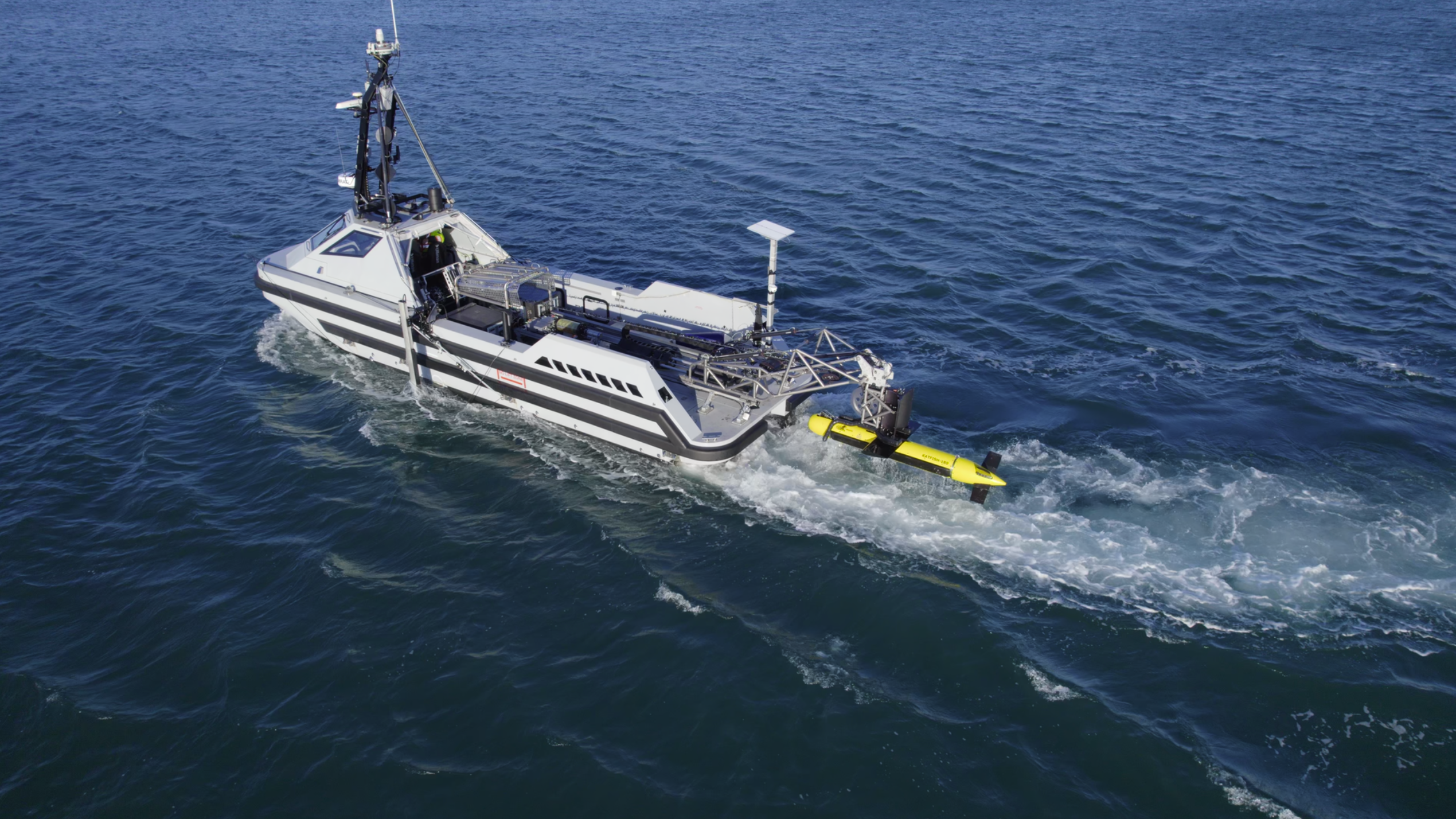
 Kraken Robotics Inc. (“Kraken” or the “Company”) (TSX-V: PNG, OTCQB: KRKNF) announces the successful demonstration of its KATFISH Unmanned Surface Vessel Launch and Recovery System (USV-LARS) from TKMS ATLAS UK’s (ATLAS UK) 11-meter ARCIMS USV. The systems offer a comprehensive autonomous survey package for maritime security missions including mine countermeasure operations and critical underwater infrastructure inspection. Together, ARCIMS and KATFISH USV-LARS provide the industry’s first air-deployable, 300-meter depth rated autonomous towed SAS survey system.
“With the surge in unmanned systems for defence, naval forces need the best technology available to protect national security,” said Greg Reid, President and CEO of Kraken Robotics. “With its ability to safely and autonomously launch and recover KATFISH from USVs, our USV-LARS allows small naval platforms to collect KATFISH’s high resolution synthetic aperture sonar (SAS) data, significantly increasing their capabilities and acting as force multipliers.”
The LARS footprint was designed to fit ATLAS UK’s ARCIMS common deck interface, enabling rapid rerole and seamless integration with the platform. Testing was successfully conducted up to sea state three, validating system robustness and operational readiness.
This joint integration marks a major step forward in delivering agile, modular, and cost-effective mine countermeasure capabilities for modern naval operations. By combining ARCIMS’ proven USV with Kraken’s cutting-edge towed synthetic aperture sonar and recovery system, navies can deploy advanced technologies faster and more efficiently, strengthening maritime security in increasingly complex environments.
The system was demonstrated off the coast of Portland, UK November 18-19 for NATO navies. Attendees witnessed the ARCIMS USV autonomously navigate and plan missions with the KATFISH towed system collecting high resolution SAS and bathymetric surveys in very shallow water. Data was live streamed via satellite communications to the command center on shore, enabling real-time classification of contacts by operators.
Wesley Galliver, Head of Surface Ship Systems Division, TKMS ATLAS UK said “This achievement demonstrates what can be accomplished when innovation and collaboration come together. Integrating ARCIMS with KATFISH and LARS in such a compressed timeframe sets a new benchmark for delivering operational capability to our customers. I am delighted with the results and proud of what the combined teams achieved.”
Kraken’s KATFISH collects high resolution synthetic aperture sonar data at up to a 200-meter range per side at a depth of 300 meters, with real-time data streamed at 3 cm x 3 cm resolution. Kraken’s KATFISH USV-LARS was designed specifically for small vessels, with an all-titanium construction for low magnetic signature and low weight.
KATFISH and USV-LARS were rapidly mobilized on the ARCIMS, with integration, testing and the demonstration happening over a period of just two weeks. Together, ARCIMS and KATFISH USV-LARS provide the industry’s first air-deployable, 300-meter depth rated autonomous towed SAS survey system.
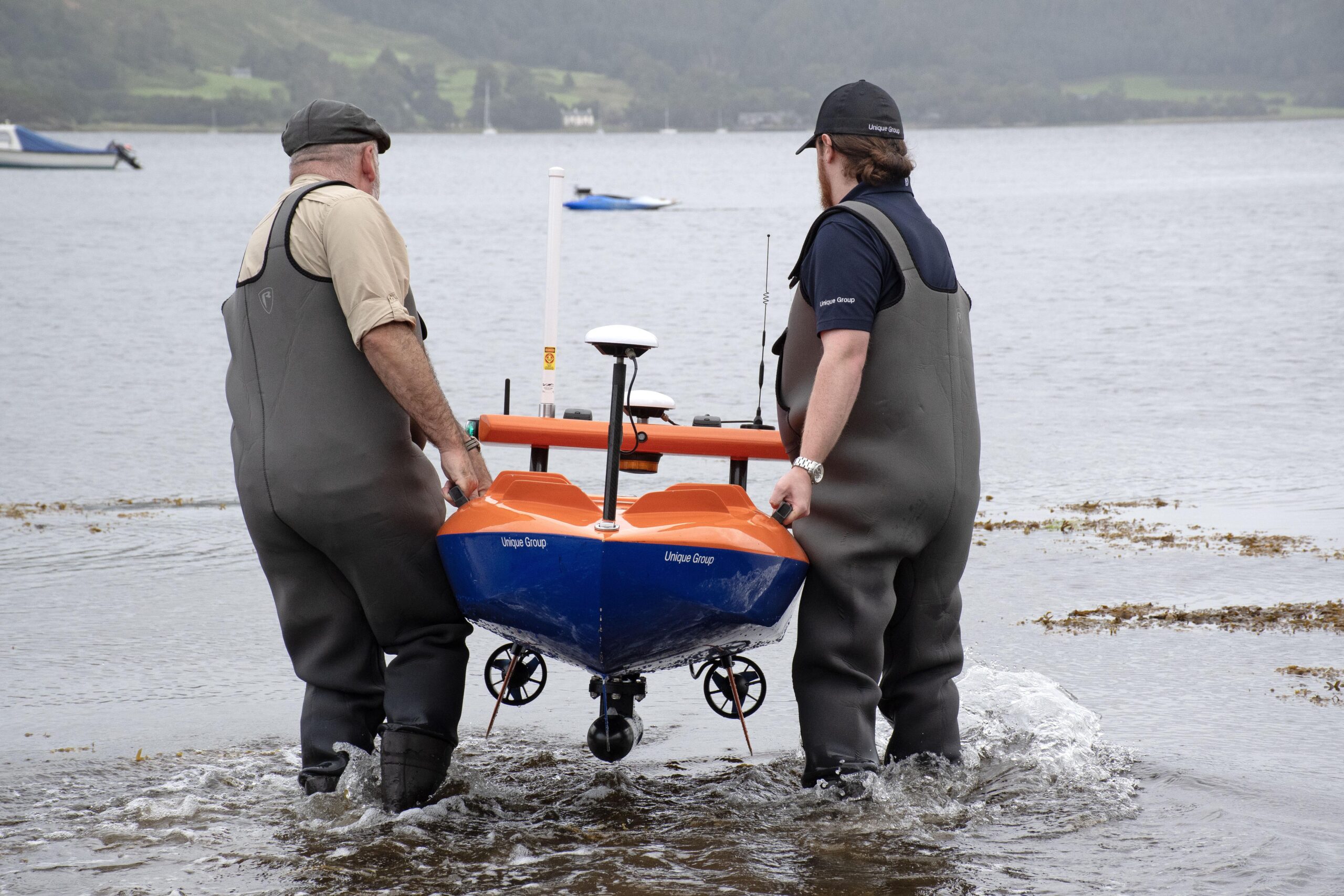
Marine robotics will aid restoration efforts on Scottish loch
 Restoration efforts on a Scottish loch have been boosted by experimental techniques using sea-going robotics that can identify the most suitable reintroduction sites.
Loch Melfort on the Kilchoan Estate, south of Oban, Argyll, has an ongoing oyster restoration project and is a sanctuary for the critically endangered flapper skate.
A collaboration involving scientists and robotics engineers from the Scottish Association for Marine Science (SAMS) Enterprise team, Unique Group and the University of Glasgow is currently planning a major survey of the loch, following a successful trial of autonomous surface vehicles.
The aim of the survey is to use the marine robotics to accurately survey the loch in order to build a habitat suitability model, which will inform the most effective site for reintroducing European flat oysters. The model will also indicate where flapper skate are most likely to lay their eggs.
Researchers on the project say a successful habitat suitability model for Loch Melfort, which has a shoreline measuring more than 22 kilometres, could pave the way for similar models to be built for similar habitats elsewhere.
Dr Phil Anderson, who heads up the Scientific Robotics Academy at SAMS Enterprise, said: “Marine and airborne robotic systems can completely transform the way we conduct and monitor restoration projects in Scotland.
“These systems can give us more coverage of an area, more quickly, collecting data that we’ve previously needed humans to record – such activity requires a lot of people over a long period of time.
“Although the potential of robotics is therefore clear to see, there is some hard work to be done in fine-tuning how that will be done. That’s what we are working on now with these Loch Melfort trials and we are fortunate to have a fantastic collaboration that draws on different expertise, covering engineering, physics and biology.”
 Researchers will use sensors on board the robotics to measure the velocity, or speed, of the currents and sonar to help map the bathymetry of the loch. The survey is planned for early next year, with the data from the trial currently being examined to help inform the next steps.
Marnik van Cauter, Charity Director at Kilchoan Melfort Trust, said: “It is rewarding to see how our mission to restore the once-abundant native oyster population in Loch Melfort has brought together a network of expert organisations, helping to develop tools that will support marine restoration and conservation projects not only here at Kilchoan, but hopefully across Scotland.”
Unique Group Vice President for Survey Chris Blake said: “Unique Group is proud to support the Kilchoan Melfort Trust, SAMS and the University of Glasgow in advancing marine rewilding efforts at Loch Melfort. By deploying our fully electric Uni-Mini Unmanned Surface Vessel (USV) with Ping DSP technology, we delivered high-resolution bathymetry in ultra-shallow and environmentally sensitive areas that are inaccessible to traditional vessels.
“This collaboration provided the detailed seabed insights needed to guide habitat suitability modelling and support the long-term restoration of native European flat oyster populations. We look forward to continuing our partnership on initiatives that enhance sustainability, protect marine ecosystems and drive positive environmental impact.”
Dr Anna McGregor, senior lecturer in Ecology & Environmental Change at University of Glasgow said: “Oysters require a specific set of conditions to grow well, and after supporting Kilchoan Estate’s excellent oyster restoration work for several years to collect data on some of the biological aspects, I’m very excited to be working together with SAMS Enterprise and Unique Group to take that work a step further.
“Having the additional data available from the survey capabilities brought together through this collaboration fills in several key parameters about the physical environment that should enable us to create a much more complete picture about where oysters grow best.”
Voyis and EIVA Introduce Geo-Located Camera-Based Mapping to Voyis VSLAM Powered by EIVA NaviSuite
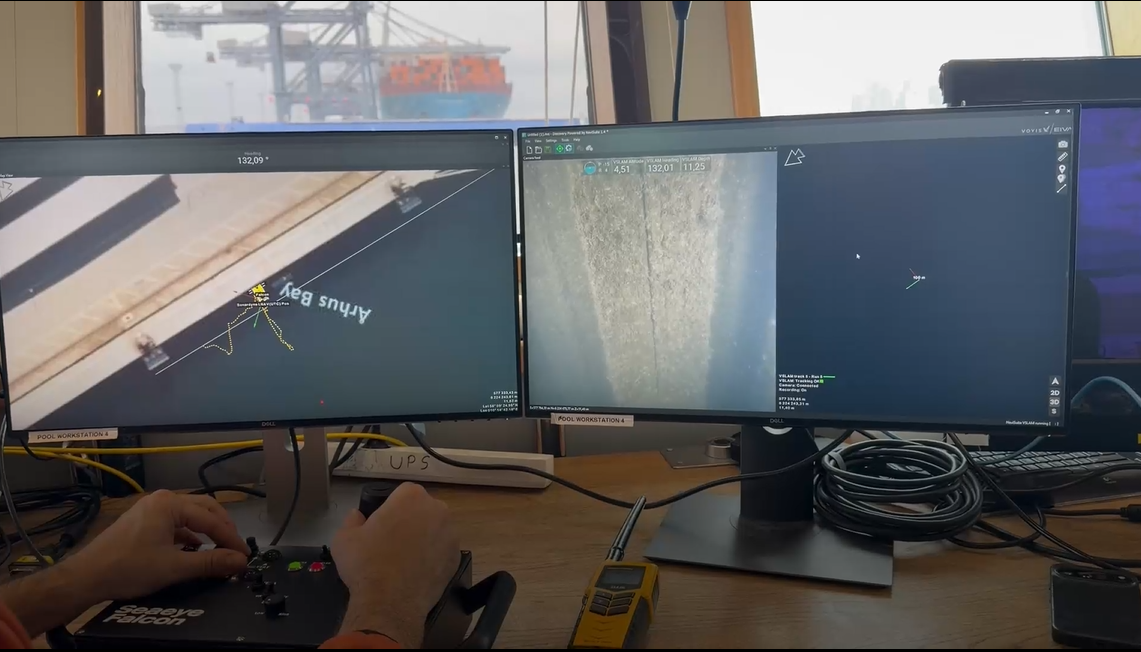
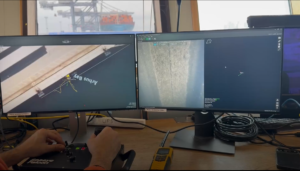 Voyis and EIVA Voyis and EIVA, both part of the Covelya Group, announced a major update to Voyis VSLAM Powered by EIVA NaviSuite. This technical advancement brings absolute geo-located mapping to real-time camera-based 3D reconstruction for subsea inspection and metrology. This new capability enables VSLAM-generated point clouds to be projected directly into global coordinates, from the moment an inspection mission begins.
This marks the first time that real-time visual mapping is natively aligned to global geodetic frames, bridging the gap between camera-based navigation and established industry survey standards.
Extending EIVA’s Trusted Geodesy to Camera-Based Mapping
For more than 40 years, EIVA’s NaviSuite geodesy computational tools have underpinned professional subsea survey and inspection workflows. The new update extends these same trusted geodetic capabilities directly into Voyis VSLAM Powered by EIVA NaviSuite, enabling visual point clouds to adhere to the same coordinate handling, consistency, and reliability expected in offshore operations.
By embedding NaviSuite’s geodetic engine, users can now define geodetic settings, including selecting coordinate systems from the full EPSG Library, before data acquisition begins. This ensures that every 3D point generated by the VSLAM solution is immediately tied to a known global reference frame.
A New Standard: Absolute Geo-Located Mapping from the Start of a Dive
Voyis VSLAM Powered by EIVA NaviSuite reads the initial global position from a connected INS, such as a Sonardyne SPRINT-Nav, and places the map into the selected geodetic frame at mission start. This global placement is preserved throughout the dive, even after relocalisation or loop closure events. While the VSLAM engine continues refining local map geometry, its global alignment remains stable.
This advancement transforms how pilots and surveyors interact with real-time camera-based 3D reconstruction:
- Situational awareness improves, with the ability to load background maps, reference charts, or seabed models directly beneath the live VSLAM point cloud.
- A priori models, such as CAD drawings of subsea structures, can be overlaid for immediate comparison and navigation.
- Inspection targets and points of interest can be marked in absolute coordinates and revisited across dives, days, or vessels.
- ROV navigation becomes more intuitive, enabling safer manoeuvring, cleaner tether management, and easier return-to-start positioning.
Operational Impact: Consistency, Efficiency, and Repeatability
The updated VSLAM solution elevates visual mapping from a purely relative model to a globally consistent dataset, enabling:
- Cross-dive continuity: Operators can resume inspections exactly where they ended, with the VSLAM map already aligned to the global frame.
- Faster data interpretation: Global positioning simplifies correlation between inspection data, engineering drawings, and historic survey datasets.
- Improved mission efficiency: Aligning to known structures and reference frames reduces redundant coverage and streamlines planning.
- Enhanced safety: Pilots benefit from live context by seeing real-time visual data within the surrounding geospatial environment.
This step significantly reduces the operational burden traditionally associated with reconciling visual reconstructions against external positioning data, making camera-based inspections more robust and survey-ready.
Seamless Integration Across NaviSuite
Once collected, point clouds generated by Voyis VSLAM Powered by EIVA NaviSuite can be further managed through NaviModel, where users can re-project datasets into alternative reference frames as project needs evolve, ensuring compatibility with engineering standards and long-term inspection archives.
A Foundation for Future Subsea Autonomy
With this recent update, Voyis and EIVA strengthen their shared vision of delivering reliable, survey-aligned perception systems for the next generation of subsea robotics. This update reflects the Covelya Group’s commitment to advancing survey-aligned perception systems for next-generation subsea robotics. By unifying real-time visual mapping with trusted geodetic frameworks, this release lays the groundwork for more autonomous, higher-confidence underwater operations across offshore energy, defence, and marine science.
Clear Water Systems to advance blue-green algae mitigation with USV-first solution using HydroSurv’s REAV-35
 HydroSurv today announced a new vessel order from Clear Water Systems Limited, supporting a groundbreaking technology development project that addresses one of the most critical environmental challenges facing freshwater ecosystems - harmful blue-green algae (cyanobacteria).
The pilot project, funded under a Small Business Research Initiative (SBRI) for the Department of Agriculture, Environment and Rural Affairs (DAERA), focuses on mitigating harmful algal blooms (HABs) in Lough Neagh, Northern Ireland’s largest inland lake. Over recent years, Lough Neagh has faced increasing prevalence of cyanobacterial blooms, which threaten aquatic life, and the water quality for local communities.
As part of the project, Clear Water Systems is developing a novel in-line water treatment system designed for targeted, mobile disruption and toxin reduction of blue-green algae directly in situ. The company’s SlipStream processor will be used to evaluate treatment approaches for HAB scums, with the objective of exploring the potential for reductions in algal concentration and potential toxin reduction.
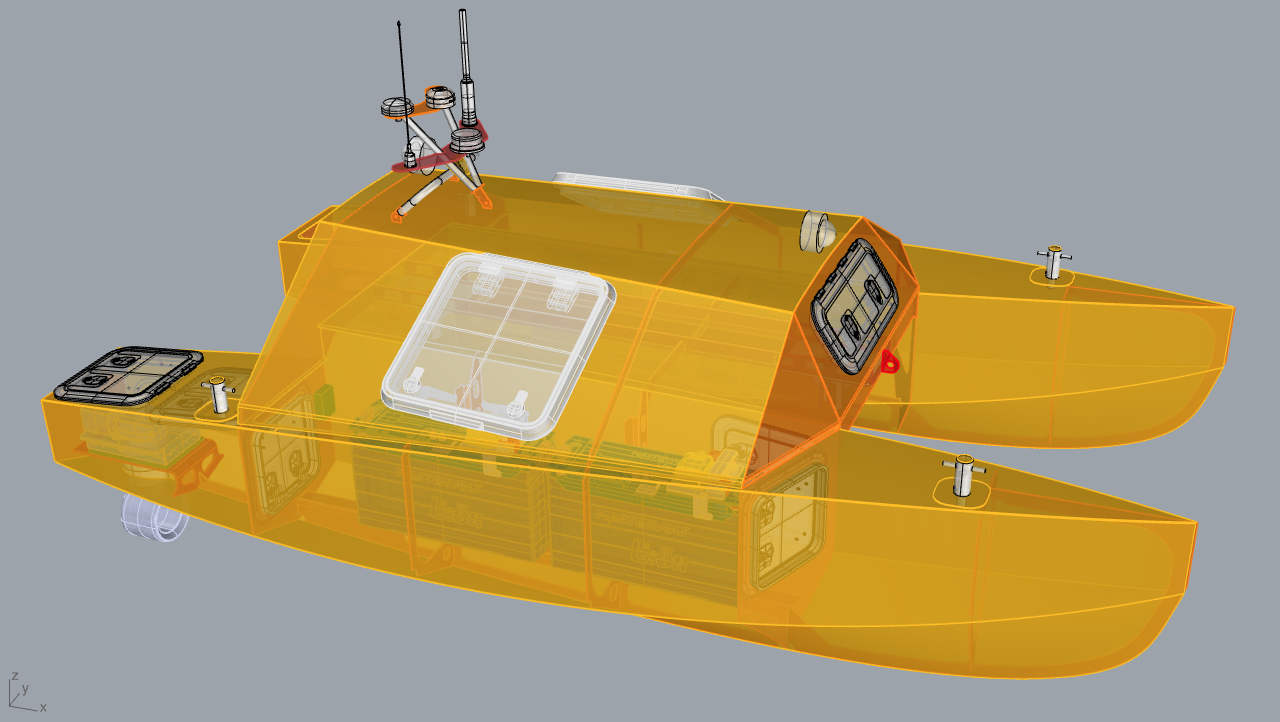
To enable in-field testing and large-scale deployment, Clear Water Systems sought a zero-emission, uncrewed vessel platform capable of operating efficiently and safely within sensitive freshwater environments. To support in-field testing, HydroSurv is providing its REAV-35 Uncrewed Surface Vessel (USV), offering a capable and adaptable platform for hosting specialist environmental payloads, including Clear Water Systems’ SlipStream processor, during trials.
The 3.5 metre electric vessel features a 24kWh battery-electric powertrain driving twin 5kW steerable pod drives from Rim Drive Technologies, delivering quiet, emission-free operation with exceptional manoeuvrability and endurance. The REAV-35 builds upon HydroSurv’s established family of USVs proven in environmental monitoring and water quality applications across the UK.
“We’re delighted to be supporting Clear Water Systems in their SBRI project for DAERA, tackling the vital challenge of harmful algal bloom mitigation. Like Clear Water, HydroSurv is founded on principles of environmental stewardship and responsible innovation, so this collaboration feels like a natural fit. The SlipStream processor represents a groundbreaking approach to cleaner, healthier ecosystems - we’re proud that our Rapid Environmental Assessment Vessel can provide a proven platform to help bring this important technology to the field.”
Richard Boyd, Managing Director of Clear Water Systems Limited, said:
”Harmful algal blooms represent a growing challenge for freshwater ecosystems, and addressing them requires careful testing of new, mobile approaches in real-world conditions. Working with HydroSurv gives us access to an industry-leading USV platform, backed by proven operational experience in offshore and challenging environments, which supports the scale and complexity of the challenge at Lough Neagh. Their professionalism and sector experience allow us to deploy and evaluate our SlipStream processor using a reliable, zero-emission vessel, while maintaining a strong focus on environmental sensitivity and robust field trials. This collaboration is an important step in building the evidence base needed to inform future freshwater management solutions.”
This initiative marks a significant step toward climate resilience and ecological restoration, showcasing how technology-driven collaboration can harness innovation and autonomy to enhance freshwater management for the benefit of communities and environments alike.
CADDEN becomes the official distributor of CHASING ROVs in France
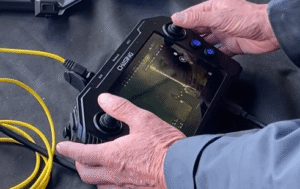 CADDEN, a major French player in the manufacture, distribution, integration and support of advanced technological solutions for geosciences, hydrography and robotics, announces that it is now an official distributor of
CHASING underwater drones in France.
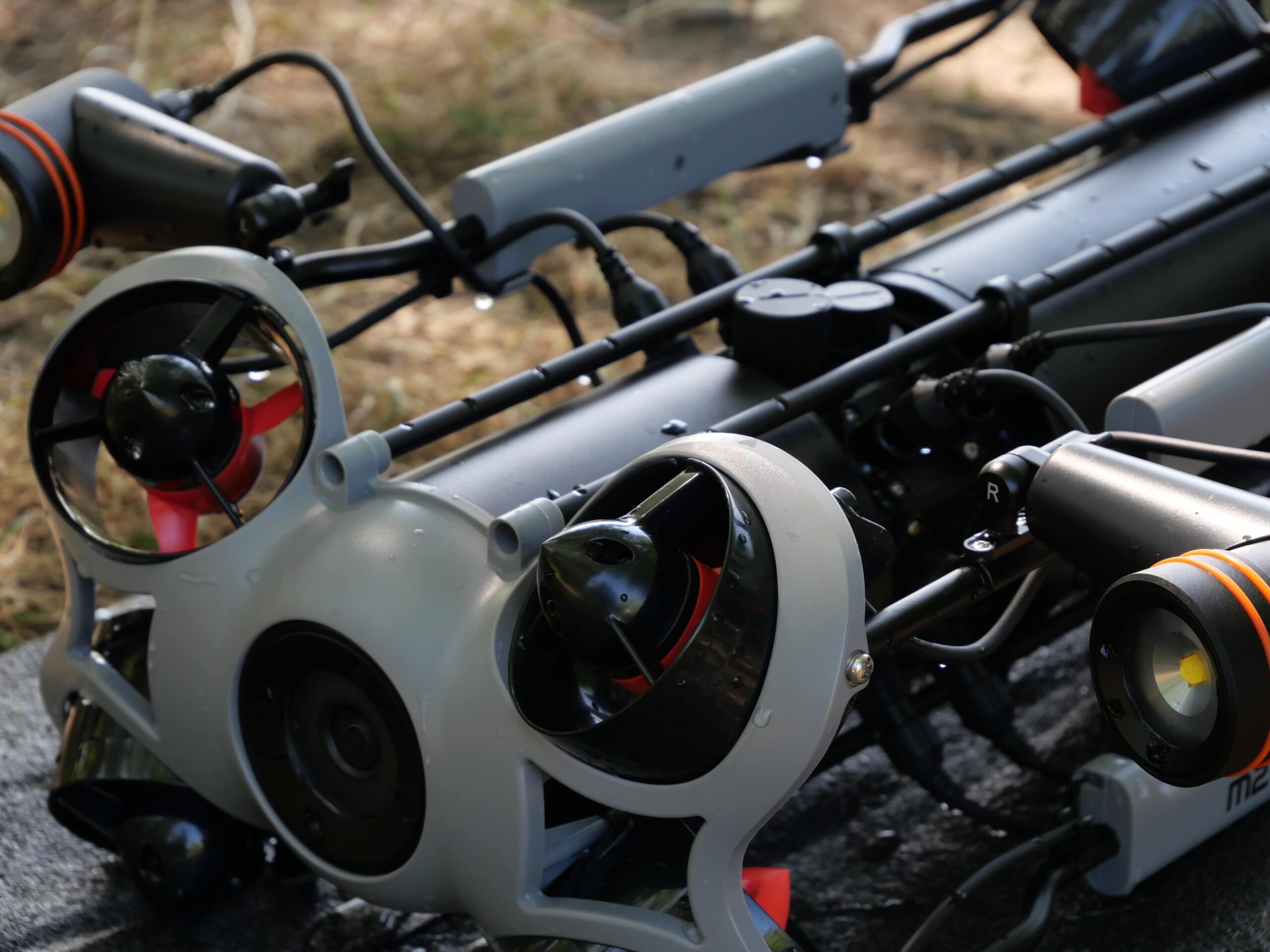
This new strategic partnership allows CADDEN to expand its portfolio of robotic ROV solutions (Remotely Operated Vehicles), by offering remote-controlled underwater vehicles adapted to numerous scientific uses.
ROVs suitable for multiple underwater applications
CHASING ROVs are recognized worldwide for their quality, performance and maneuverability. The range includes lightweight off-road ROVs as well as more sophisticated models for inspection (pipes, docks, pipelines, wrecks, etc.), observation, scientific research, aquaculture or underwater maintenance operations.
These systems combine:
- Precise control and omnidirectional movements.
- High-resolution cameras with powerful lighting.
- Variable depth operation capabilities.
- Accessories and expansion options to adapt to business needs.
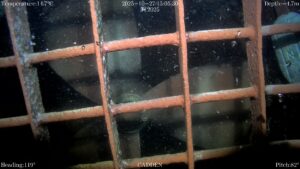 This diversity of applications makes them valuable tools for those involved in hull inspection, aquaculture, search and rescue missions or even underwater exploration, offering an excellent balance between performance, portability and ease of use.
A strong complementarity with the CADDEN offer
This partnership is part of CADDEN’s strategy to offer a comprehensive technological offering to its customers by integrating trusted robotic systems within its product ecosystem. By distributing the CHASING ROVs, CADDEN develop its catalog to meet the growing needs of its customers in the maritime, scientific, naval engineering and technical inspection sectors.
“We are excited to add CHASING ROVs to our portfolio. Their technological approach and the versatility of their ROVs perfectly complement our mission: to provide our customers with reliable, innovative solutions adapted to the requirements of field operations,” declares Gilles DANDEC, Founder of CADDEN."
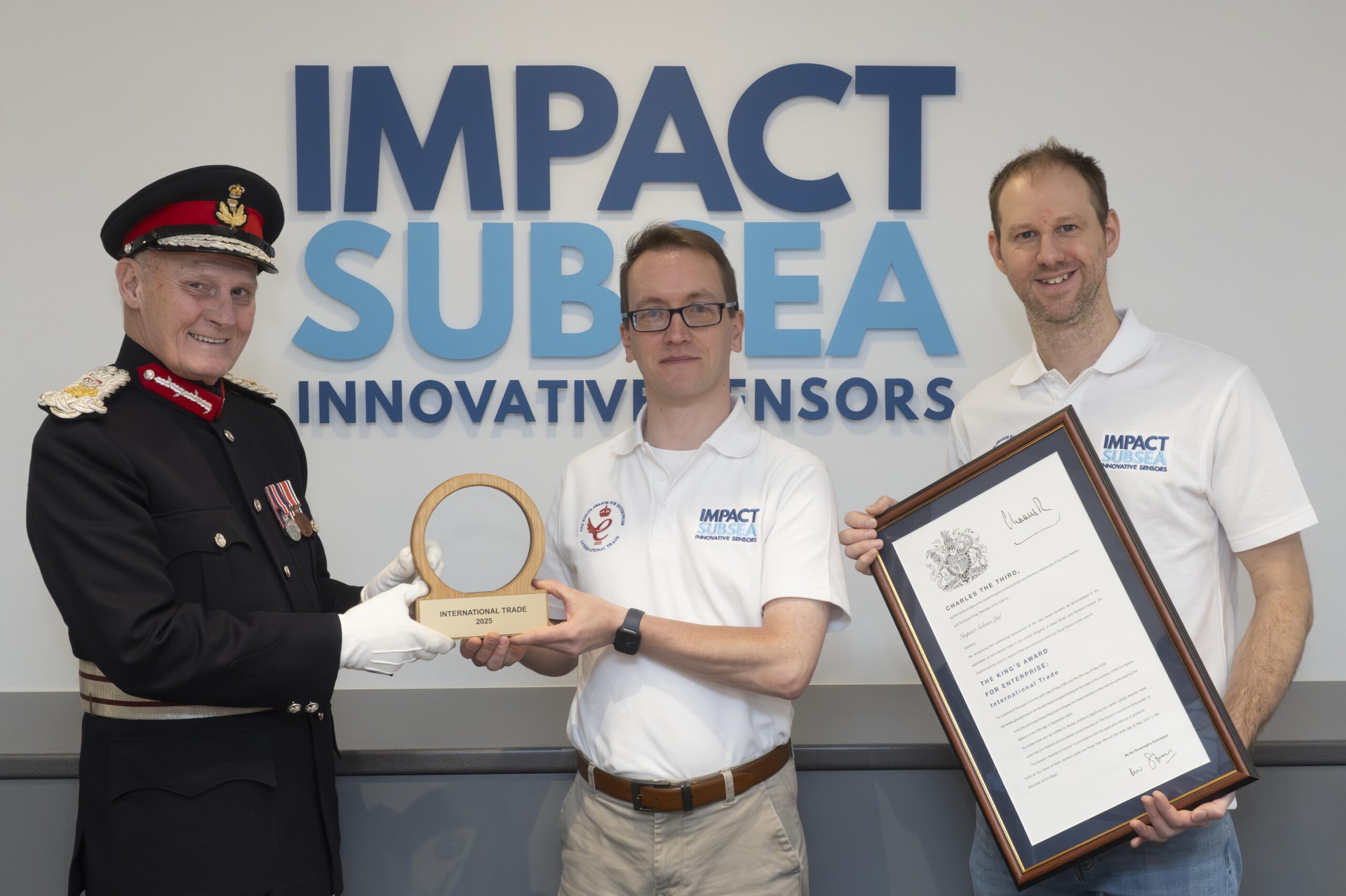
Impact Subsea Presented with the King’s Award for Enterprise in International Trade
 We had the honour of welcoming the Lord-Lieutenant of Aberdeen, Dr David Cameron, to present our King’s Award for Enterprise in International Trade, one of the highest accolades a UK business can receive.
Formerly known as the Queen’s Award, this prestigious recognition celebrates outstanding achievement across innovation, international trade, sustainable development and social mobility.
Earlier this year, we were informed that we were among the 116 organisations acknowledged for contributions to International Trade, across 197 total organisations recognised with a King’s Award.
This milestone follows our 2021 Queen’s Award for Innovation, highlighting our continued commitment to excellence, global growth and supporting the UK subsea industry on the world stage.
Today’s presentation is not just a company achievement, it’s a celebration of the hard work, passion and dedication of our entire team.
This royal recognition follows a decade of rapid expansion, marked by our 10-Year Anniversary Celebration, where we reflected on our journey from a small Scottish start-up to a global subsea technology provider.
Here’s to continued innovation, collaboration and international impact.
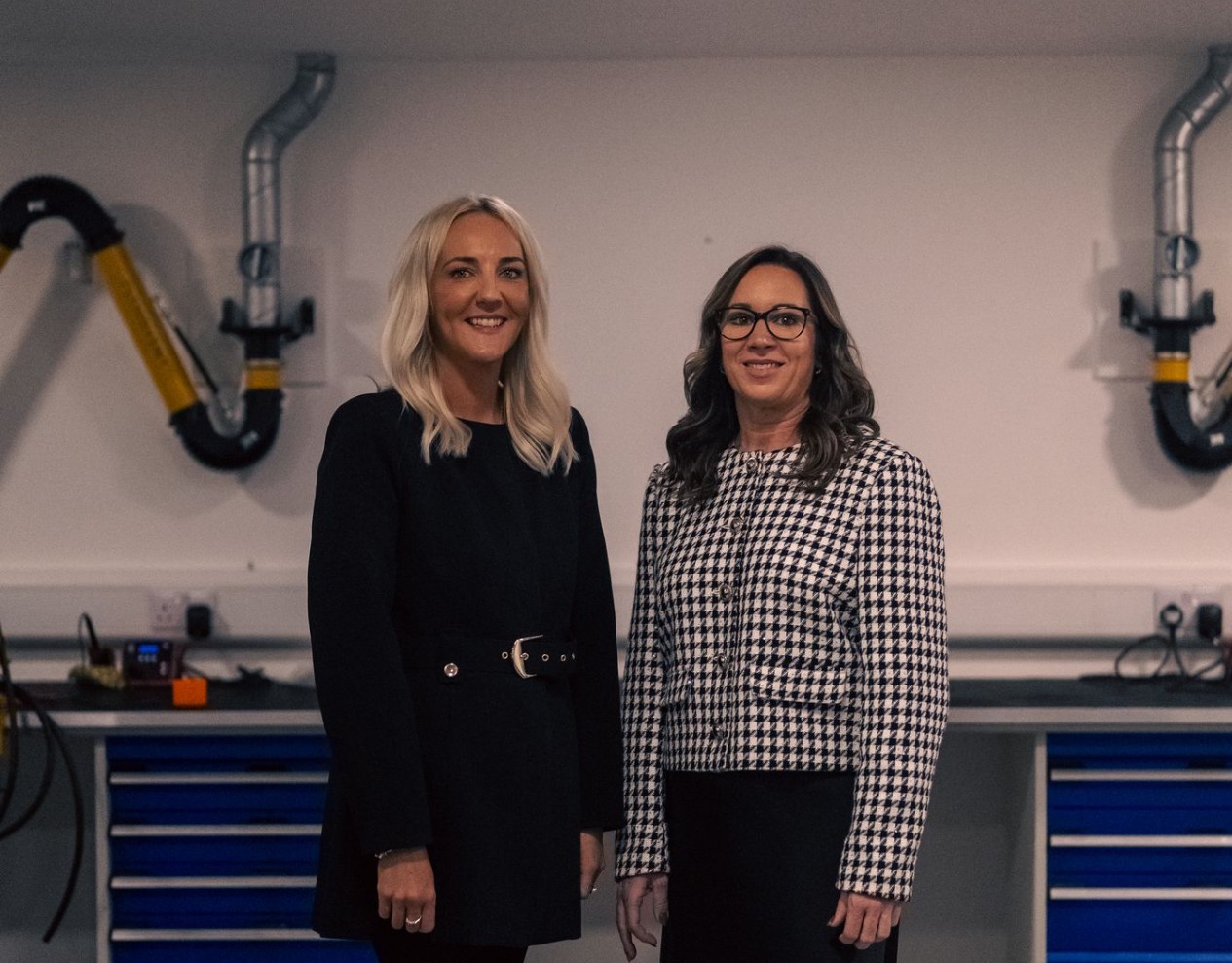
Subsea Supplies forms strategic partnership with DRIFT Offshore to strengthen subsea support for US market
 Subsea Supplies has announced a strategic partnership with DRIFT Offshore to enhance subsea operations for its growing US customer base. This collaboration will provide customers across the region with faster access to Burton subsea connectors and cable assemblies, combined with DRIFT Offshore’s technical expertise from its base in Florida.
The partnership represents a joint $250,000 investment in machinery, tooling, stock and test equipment to support expanded operations. By providing local stock availability and faster response times, it will reduce downtime and enhance supply-chain reliability across the energy sector.
DRIFT Offshore’s 5,000 sq ft repair and engineering facility in South Florida, which opened this year, will now manufacture and distribute Subsea Supplies products. As part of the partnership, Subsea Supplies is helping to establish the moulding facility and providing in-house training for DRIFT personnel, ensuring the site delivers the same industry-leading quality and reliable service that customers depend on.
Pauline McCann, operations director at Subsea Supplies, said: “This partnership is a significant step forward in how we support our US customers. We have worked closely with DRIFT Offshore and have seen first-hand the quality of its work, commitment to service, and understanding of offshore operations. By combining our product expertise with DRIFT Offshore’s on-the-ground capability, we’re giving customers faster access to the right equipment, backed by a team that can provide real, practical support when it matters most."
Meghan Bowers, co-founder and managing director at DRIFT Offshore, added: “This collaboration with Subsea Supplies builds on a strong history of successful teamwork and shared values between our companies. Subsea Supplies was looking for a US partner with strong operational credibility and a genuine commitment to customer service. With our technician-led approach and purpose-built facility, we are proud to be the ideal choice to represent their products and provide local support to customers.”
Subsea Supplies and DRIFT Offshore will be available to discuss the partnership at the 2025 International WorkBoat Show in New Orleans this week from the 3-5 December.0
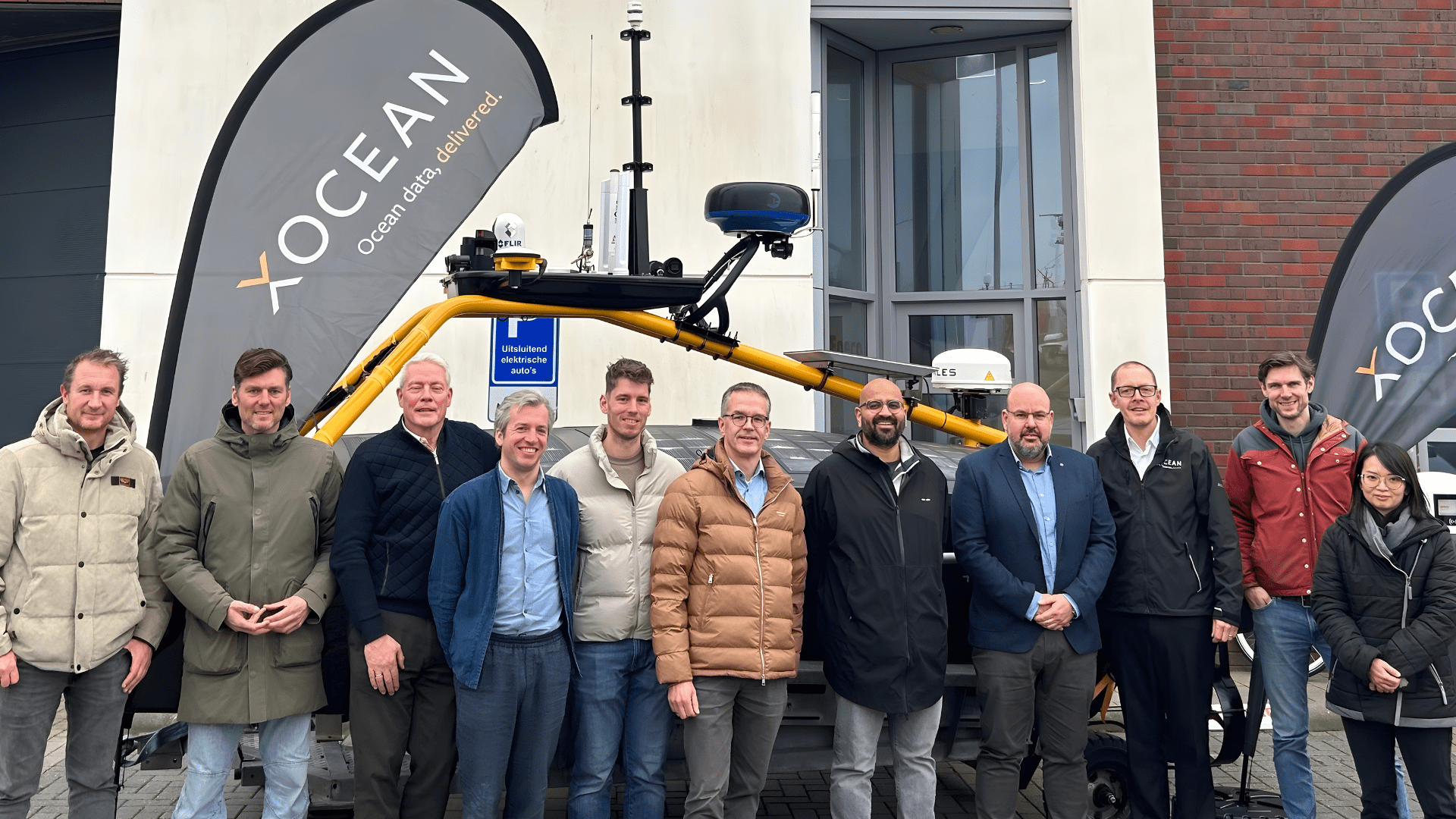
Six Dutch North Sea Wind Farms Award Survey Inspection Contracts to XOCEAN
 Five-year contract will see XOCEAN deliver low-carbon bathymetric survey services across six Dutch offshore wind farms, supporting safe, efficient, and sustainable operations.
Six Dutch offshore wind farms have awarded a series of five-year survey contracts to XOCEAN, a global leader in ocean data acquisition. The agreements were coordinated by Eneco on behalf of the participating wind farms – Borssele 3&4 (Blauwwind), Borssele 5 (Two Towers), Eneco Luchterduinen, Hollandse Kust Noord (CrossWind), Hollandse Kust West VI (Ecowende), and Prinses Amaliawindpark (Eneco). Together, these six wind farms comprise 303 turbines generating clean energy for millions of Dutch homes.
Under these contracts, XOCEAN will deliver bathymetric survey services across the six offshore wind farms. The work includes the acquisition of high-resolution data to assess the condition of monopile foundations, inter-array cables, and export cable assets. This data will support ongoing maintenance programmes and contribute to maximizing asset uptime and long-term performance.
XOCEAN will deploy its remotely operated Uncrewed Surface Vessels (USVs) – an innovative, low-carbon approach to ocean data collection. This technology offers significant advantages in safety, efficiency, and environmental performance compared to traditional survey methods.
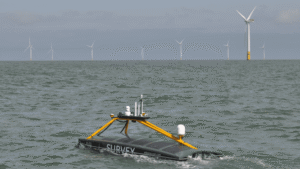 By leveraging its growing fleet of USVs, XOCEAN will help these offshore wind farms reduce operational carbon emissions while enhancing survey quality and repeatability. The company’s advanced methodologies and data analytics will enable asset owners to make informed maintenance decisions with reduced risk and downtime.
James Ives, CEO, XOCEAN said:
“We are delighted to be supporting the Dutch offshore wind sector through this long-term partnership coordinated by Eneco. By deploying our low-carbon USV technology, we look forward to delivering high-quality subsea data while significantly reducing operational emissions and enhancing the overall sustainability of offshore operations.”
Remco Streppel, Head of Operations at Eneco, said:
“As operator of these Dutch offshore wind farms, Eneco is committed to safe and sustainable operations. Through this framework with XOCEAN, we combine innovation and responsibility—using low-carbon technologies to maintain assets efficiently and with minimal environmental impact.”
The award builds on XOCEAN’s growing portfolio of offshore wind projects across Europe, Asia-Pacific, and North America. With more than 1,600 successful missions completed globally, XOCEAN continues to expand its role in supporting the energy transition through safe, sustainable, and data-driven operations.
Kongsberg Maritime Marks 50 Years of Dynamic Positioning Innovation
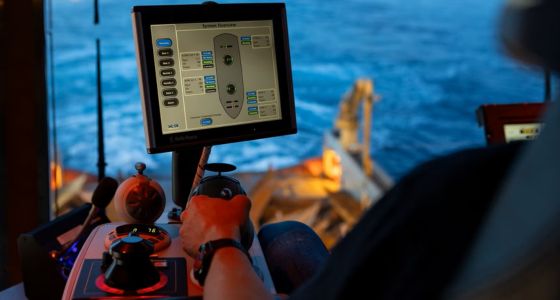
 Kongsberg Maritime is marking a major milestone: 50 years since the introduction of its first Dynamic Positioning (DP) system, a Norwegian innovation that transformed offshore operations and set new standards for safety and efficiency at sea.
The story began in the mid-1970s, when offshore operations in the North Sea faced harsh conditions and dangerous anchoring practices. A breakthrough came in 1977 with the successful live test of the world’s first Norwegian DP system on Stolt-Nielsen’s vessel Seaway Eagle. This pioneering technology allowed vessels to maintain position without anchors, using sensors and thrusters to counteract wind, waves and currents in real time. It was a revolution that made offshore work safer and more precise.
“If it hadn’t been for DP, there would have been no oil adventure,” says Vegard Sæterlid, Head of Positioning and Manoeuvring at Kongsberg Maritime. “Dynamic Positioning changed everything. It gave operators the ability to work safely in some of the harshest conditions on earth, and it opened the door to an entirely new era of offshore operations. What started as a bold idea in the 1970s is now a technology that underpins thousands of vessels worldwide and continues to evolve for the future.”
Jonny Hauge, SVP Bridge and Remote Systems, added: “Today we are celebrating a piece of industrial history in Norway. DP began with a few customers and became the most important technology for starting the oil adventure. From the beginning to what we see today, our customers rely on us for everything from subsea infrastructure to sustainable operations like offshore wind. We are still in the lead and guiding our customers toward success.”
Since then, Kongsberg Maritime has remained at the forefront of DP innovation. Today, more than 4,000 of its systems operate worldwide on offshore vessels, semi-submersible platforms, wind-farm service ships and aquaculture vessels. The latest generation, K-Pos, combines advanced sensor data with power management and intuitive user interfaces, enabling operators to maintain position efficiently while reducing fuel consumption and emissions.
Dynamic Positioning is now a cornerstone of modern maritime operations, supporting everything from offshore energy projects to research and autonomous vessels. It is also a key enabler of future concepts such as remote and unmanned operations, helping the industry achieve greater sustainability and safety.
As Kongsberg Maritime celebrates this 50-year legacy, the company continues to drive innovation for the next era of offshore operations, ensuring that DP technology remains synonymous with reliability, efficiency and progress.