PXGEO secures two OBN seismic acquisition contracts with Petrobras
 PXGEO has been awarded two significant contracts from Petrobras-led consortia, to deliver seismic data acquisition and monitoring services in the Santos Basin, offshore Brazil. The deal further extends the business’ presence in Brazil.
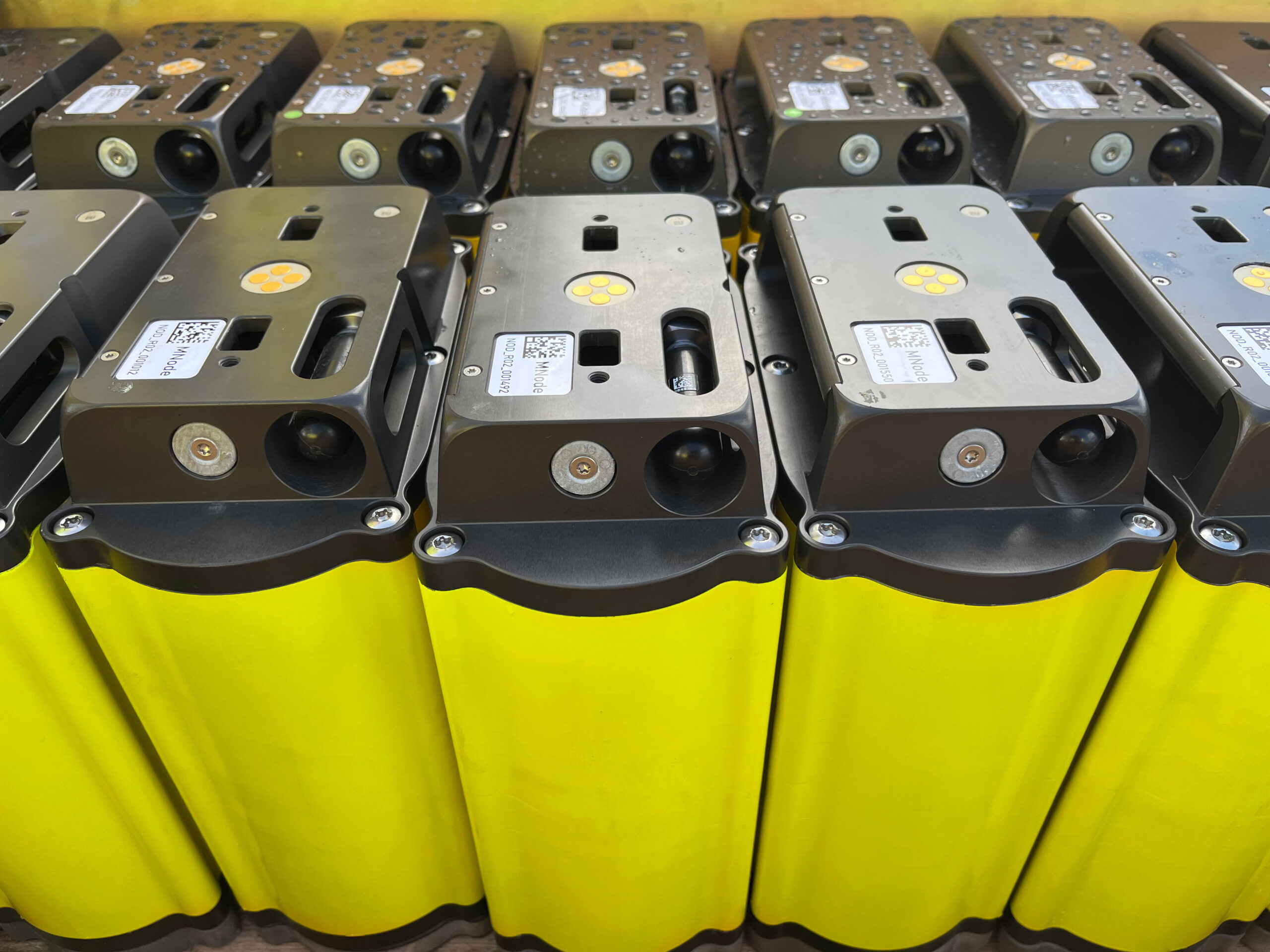
The projects will run consecutively in 2026 with PXGEO deploying its proprietary MNode 4C ocean bottom node (OBN) technology as part of the scope. The company’s MNode technology delivers a 300-day battery life, enabling extended deployment time, which is well suited for larger, more complex surveys. The enhanced operating time means surveys can run uninterrupted for extended periods, reducing the need for frequent retrieval and redeployment and projects with timelines challenged by high levels of environmental standby.
Brent O’Brien, Head of Sales - Americas at PXGEO said: "These latest contracts are a significant win for PXGEO as we consolidate our presence in Brazil with MNode technology benefiting Petrobras and its partners.
“OBN technology is widely recognized for delivering the seismic clarity needed to tackle intricate geology. Operators can better identify bypassed hydrocarbons, track fluid movement within the reservoir, and monitor compaction with confidence. Armed with these insights, our customers can make informed decisions to optimize reservoir performance and maximize recovery rates in both new and mature fields, knowing that MNode endurance allows them to design and execute projects with optimal timing and cost control.”
Charles ‘Chuck’ Davison Jr, PXGEO CEO said: “PXGEO has been at the forefront of the transition to OBN in Brazil and these projects demonstrate the capability and innovation we continue to successfully deliver. As reservoirs grow more complex and exploration pushes into deeper waters, so does the need for high-resolution seismic surveys.
“Over the past four years, we have completed six surveys in the region, where our reputation for quality and reliable delivery is continuing to grow as operators see the value our technology unlocks. This work is a testament to the dedication and skills of our people as well as our commitment to R&D and reinforces our position as a trusted partner in safe, efficient and innovative seismic solutions for the energy sector.”

Cornwall Marine Network hits milestone of 5,000 new jobs
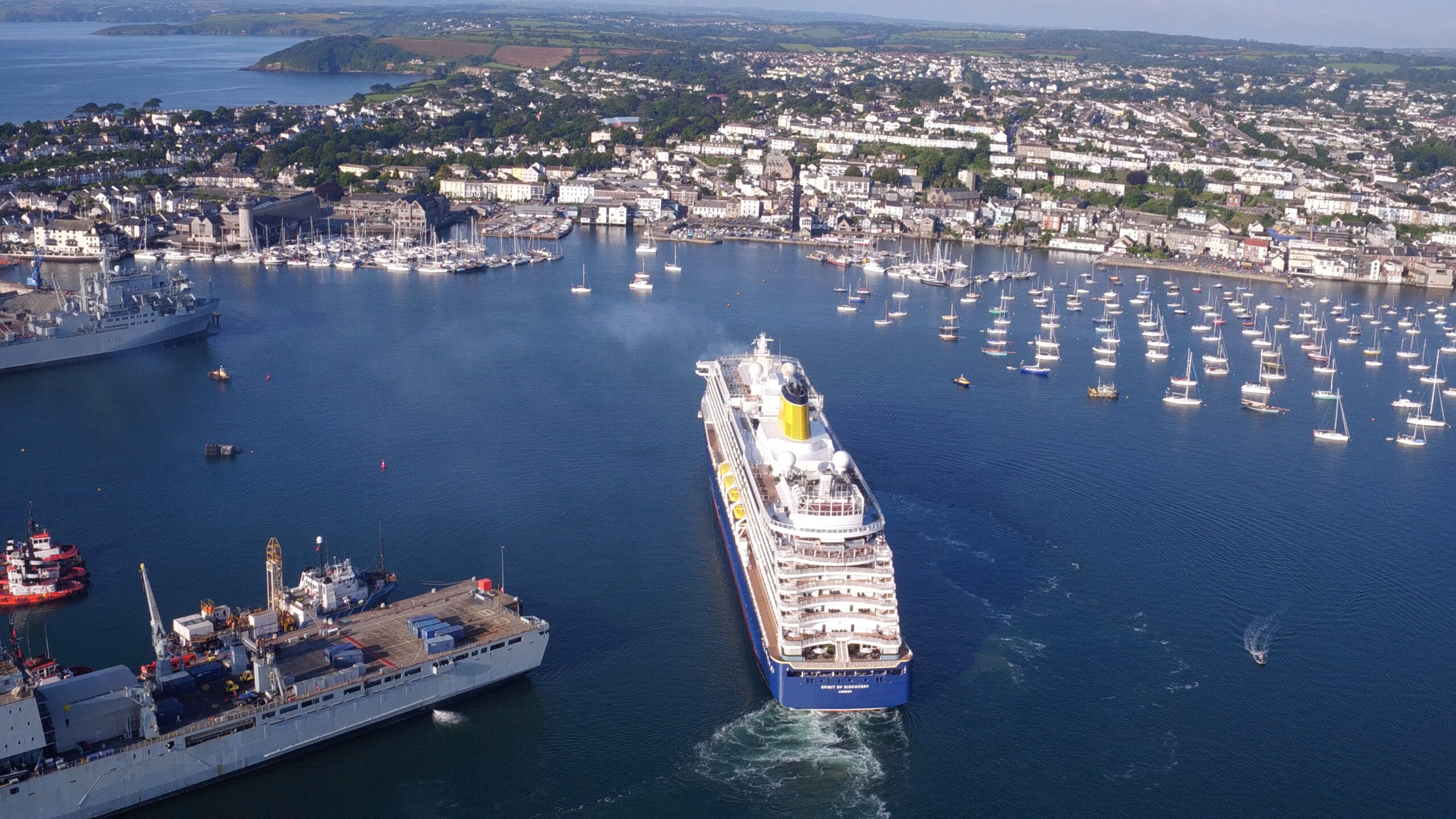
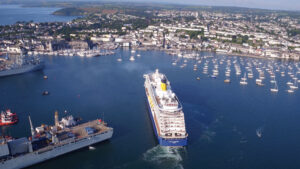 Cornwall Marine Network has hit a significant milestone as it announces it has created 5,000 new marine sector jobs in the region.
Cornwall Marine Network is a not-for-profit marine trade organisation that supports marine businesses in Cornwall UK through a unique combination of innovation support, skills training and apprenticeships as well as securing grant funding to help businesses grow.
CEO Paul Wickes MBE said: “There is no other privately owned non-profit marine network in the UK or Europe that has achieved the size, scale and impact that we have. Since 2005, we have attracted more than £42 million of direct investment into Cornwall’s marine sector and as a result we have supported businesses to create 5,000 new jobs through our funded projects and our pioneering apprenticeship scheme. We have also worked in partnership with national colleagues and over 90 European project partners to share best practice.”
Chris Shirling-Rooke MBE, CEO of Maritime UK, said: “This is a monumental achievement for Cornwall Marine Network and a powerful example of the vital role regional clusters play in the UK's thriving maritime sector. Hitting the milestone of 5,000 new jobs is a testament to the dedication, innovation, and impact of their work. I congratulate the team for their amazing work in driving economic growth and skills development in the region. We at Maritime UK are delighted to see this success.”
Richard Parkinson, CEO of Inyanga Marine Energy Group, based in Cornwall, said: “Cornwall Marine Network has helped us secure funding to seize the fast-growing global opportunities in renewable ocean energy. Our innovative tidal energy technology, HydroWing, is set to deploy in projects around the world, including at Morlais in Wales and the first tidal energy plant in Southeast Asia. We are also expanding in Canada and France.”
Another business supported by Cornwall Marine Network is Keynvor MorLift Ltd (KML), Falmouth-based marine contractors specialising in shoreline, coastal and offshore services and operations. Awarded a capital grant by Cornwall Marine Network in 2016, KML purchased Falmouth Wharves, a rare deep-water site in Falmouth Harbour which enabled the company to grow significantly, initially creating 39 new well-paid jobs. As the company has continued to expand, a further 50 jobs have been created.
KML Managing Director Diccon Rogers said: “Acquiring the site at Falmouth Wharves was the catalyst for our subsequent national and international growth and we will always be grateful for the support from Cornwall Marine Network which has been pivotal to our success.”
Jayne Kirkham, Member of UK Parliament for Truro and Falmouth, said: “Cornwall Marine Network is a vital catalyst for Cornwall’s marine sector, helping to deliver the UK government’s ambitions for economic growth. Their outstanding achievements have already created over £700 million of Gross Value Added to Cornwall’s economy and they are continuing to raise the bar. For example, their new pre-apprenticeship scheme, which delivers training to young people at marine employers’ premises while they are still at school, is a groundbreaking scheme that will nurture the talent of the future.”
Paul Wickes adds: “Because Cornwall Marine Network is owned by its 370 marine business members, any profits are put back into initiatives to drive growth for these businesses. Hitting the milestone of 5,000 new jobs is very much a joint achievement.
“It is also proof that our business model works. We are looking forward to working with partners to roll our exciting model out across the UK and further afield.”
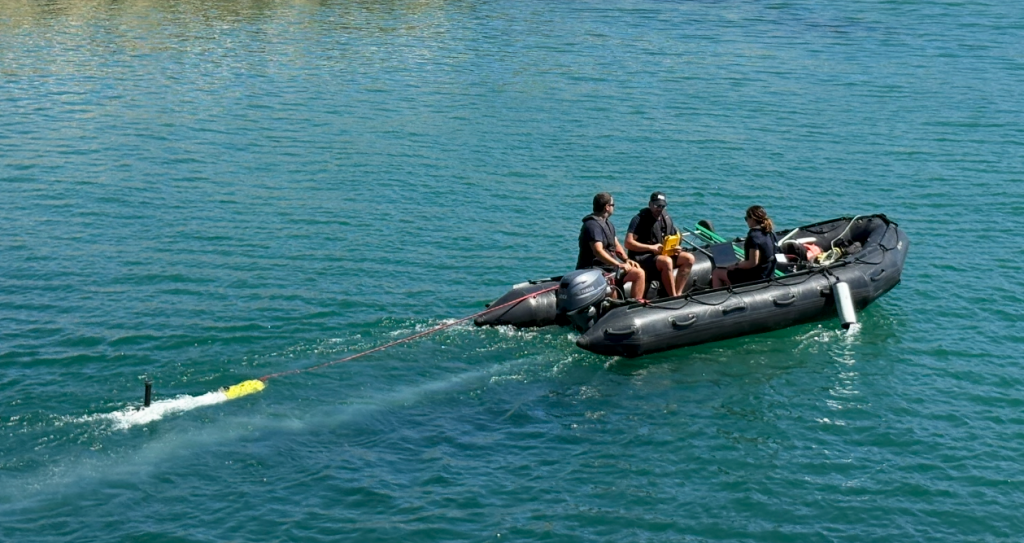
IQUA Robotics participation in REPMUS 2025
Robotic Experimentation and Prototyping using Maritime Uncrewed Systems – exercise took place one more year in Lisbon’s southern coastal area during September 2025, hosted by the Portuguese Navy. With the participation of multiple NATO countries, this experimental setup allows different market stakeholders to test their technologies in several realistic scenarios.
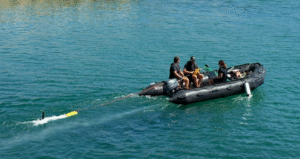
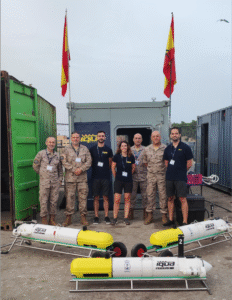
For the fourth year in a row, IQUA Robotics participated in REPMUS25 at the invitation of the Spanish Navy. The company deployed its SPARUS II UUV in two key exercises: mine countermeasures (MCM) and critical underwater infrastructure (CUI). Besides, the team collaborated with the Spanish Navy, the US Navy and Thales Group to test interoperability capabilities in the framework of STANAG 4817.
Setup
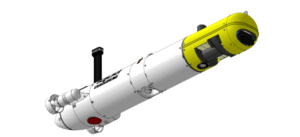
This year, IQUA participated in REPMUS with SPARUS II equipped with a forward-looking sonar (FLS) from Blueprint Subsea, a multibeam echosounder (MBES) from Norbit, and a vision system developed by IQUA Robotics in the payload area.
The vehicle used had the following advanced capabilities:
- Automatic target detection on low-frequency FLS images.
- Real-time planning of reacquisition trajectories upon a detection.
- Multimodal contact mapping: acoustic imaging with high-frequency FLS, 3D profiles with the multibeam sonar, and optical imaging of inspected contacts.
- Onboard generation of optical maps of inspections for rapid review at the end of a mission.
- STANAG 4817 for interoperability.
- Semi-automatic APP-11 report generation.
MCM scenario: detection, reacquisition and identification
Motivation
Mine Countermeasure (MCM) operations are critical for ensuring the safety and freedom of navigation in both military and civilian maritime domains. Advanced MCM capabilities enable the detection, classification, and neutralization of these threats, reducing operational risk and protecting human lives and assets.
With the increasing complexity of mine designs and the expanding use of unmanned systems, there is a growing need for innovative technologies that combine efficient area coverage, accurate target identification, and rapid decision-making. Autonomous vehicles equipped with multimodal sensors and intelligent algorithms offer a transformative approach to MCM, enabling faster and more effective detection and classification of underwater threats.
Approach
IQUA Robotics’ SPARUS II vehicle tested its approach for mine detection and identification, by conducting multiple surveys in the designated naval mine warfare areas of REPMUS25 exercise.
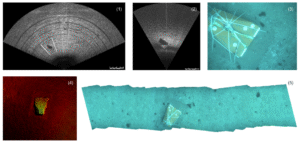
The MCM approach is designed to combine detection and reacquisition in a single mission. For each task, a predefined survey trajectory was programmed to cover the area while scanning with the FLS at low frequency. An automatic detector was responsible for identifying potential contacts in the incoming FLS images, pausing the predefined trajectory, and replanning in real time a reacquisition manoeuvre to collect close-range data on the potential contact, including optical camera images, high-frequency FLS images, and multibeam profiles. After each reacquisition, the vehicle resumed the predefined path and continued scanning for additional potential contacts until the trajectory was completed. With this approach, by the end of the mission, the vehicle has collected all the necessary information to perform identification of the detected objects.
The onboard capability to generate optical maps of the inspections proved to be particularly useful. This allowed the reacquired areas to be quickly reviewed as soon as the vehicle surfaced, enabling the confirmation of potential contacts at a glance without the need to download all the inspection images and identify the ones that passed over the target in question.
CUI: detecting, tracking and mapping
Motivation
Monitoring underwater critical infrastructure is essential for national security and economic stability. Subsea cables, pipelines, and energy systems form the backbone of global communications, finance, and energy supply, making them prime targets for sabotage or disruption. Their remote and often complicated locations, combined with the technical complexity and high costs of reaching underwater areas, make them difficult to protect and, as a consequence, highly vulnerable.
Advanced technical monitoring—using sensors, autonomous underwater vehicles, sonar, and real-time data analytics—enables early detection of tampering, natural hazards, or system failures. These capabilities allow for rapid response to minimize damage and maintain operational capacities. As undersea technologies evolve, safeguarding these assets through technical innovation also becomes a critical element of geopolitical competition, ensuring nations can protect vital networks, deter threats, and preserve trust in the systems that underpin modern society.
Approach
IQUA Robotics’ SPARUS II vehicle tested its approach for cable detection and tracking in the designated shallow CUI area during the REPMUS25 exercise.
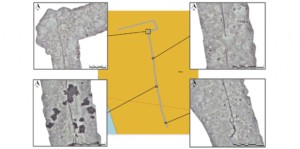
In this edition, unlike previous years where sonar-based detectors were used, a new optical detector and tracker was evaluated for the localization and mapping of a cable within the designated area using camera images.
An initial low-density “lawn-mower” survey was programmed to cover the area, with the goal of crossing and locating the cable. At a certain point during this mission, the vehicle detected the cable in the incoming images, and tracking was automatically activated without human intervention. The vehicle then followed the cable in one direction until reaching its end, adjusting along slight bendings to maintain it in sight. Subsequently, the mission was repeated with the tracking behavior in the opposite direction, achieving a complete mapping of the cable. After the mission, all collected data was used to generate a map where all the cable can be seen. A total length of 280m was automatically tracked and mapped.
STANAG 4817 interoperability
Motivation
The primary motivation for STANAG 4817 is to enable multi-domain control of unmanned systems across NATO by establishing a common, interoperable framework for command and control (C2) of unmanned aerial, surface, and underwater vehicles (UxV). This standard facilitates the coordinated operation of diverse unmanned platforms by a single operator or a distributed network of operators, which is crucial for complex, multinational operations in compromised environments and for improving mission effectiveness, data sharing, and overall interoperability within the alliance.
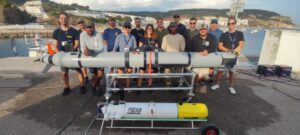
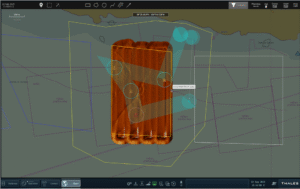
In this year’s REPMUS, the SPARUS II UUV was upgraded to use the latest available STANAG 4817 protocol specification, enabling not only status reporting but also allowing it to be tasked by third-party assets. STANAG 4817 interoperability was successfully validated through two separate tests with the United States Navy and the THALES Group, in which SPARUS II acted as the vehicle for target reacquisition and identification.
Approach
In the first case, the US MK18 REMUS vehicle was used to scan two areas with potential targets. During the operation, a reacquisition task in the first area was issued via the 4817 protocol. Upon reception at IQUA’s control station, a mission was automatically generated for SPARUS II to reacquire the designated contacts. A key aspect of this collaboration was the rapid response time and task parallelization: in less than 20 minutes from task reception, SPARUS II had reacquired the two contacts and captured optical images confirming their nature, while the detection vehicle continued scanning the remaining assigned areas.
Similarly, a collaboration was carried out with THALES. Using their M-Cube Mission Management system, SPARUS II was tasked with reacquiring four contacts in a specific area. The task was received while the vehicle was in transit, and IQUA’s system automatically planned a reacquisition trajectory to cover all contacts.
Summary
IQUA Robotics successfully participated in REPMUS 2025, deploying its SPARUS II UUV in mine countermeasures (MCM) and critical underwater infrastructure (CUI) exercises. Once again, collaboration with the Spanish Navy enabled us to participate and achieve successful results. SPARUS II, equipped with advanced sonars and a vision system, demonstrated automatic target detection, real-time reacquisition planning, multimodal contact mapping, and onboard optical map generation in MCM scenarios. For CUI, a new optical detector and tracker enabled autonomous cable localization and mapping, with 280m of cable successfully tracked. Additionally, IQUA Robotics validated STANAG 4817 interoperability by integrating the SPARUS II with US Navy’s MK18 REMUS and THALES Group’s M-Cube system for target reacquisition and identification, showcasing rapid response and task parallelization in a multinational setting.
Fugro completes surveys for Italy’s Rimini offshore wind farm development
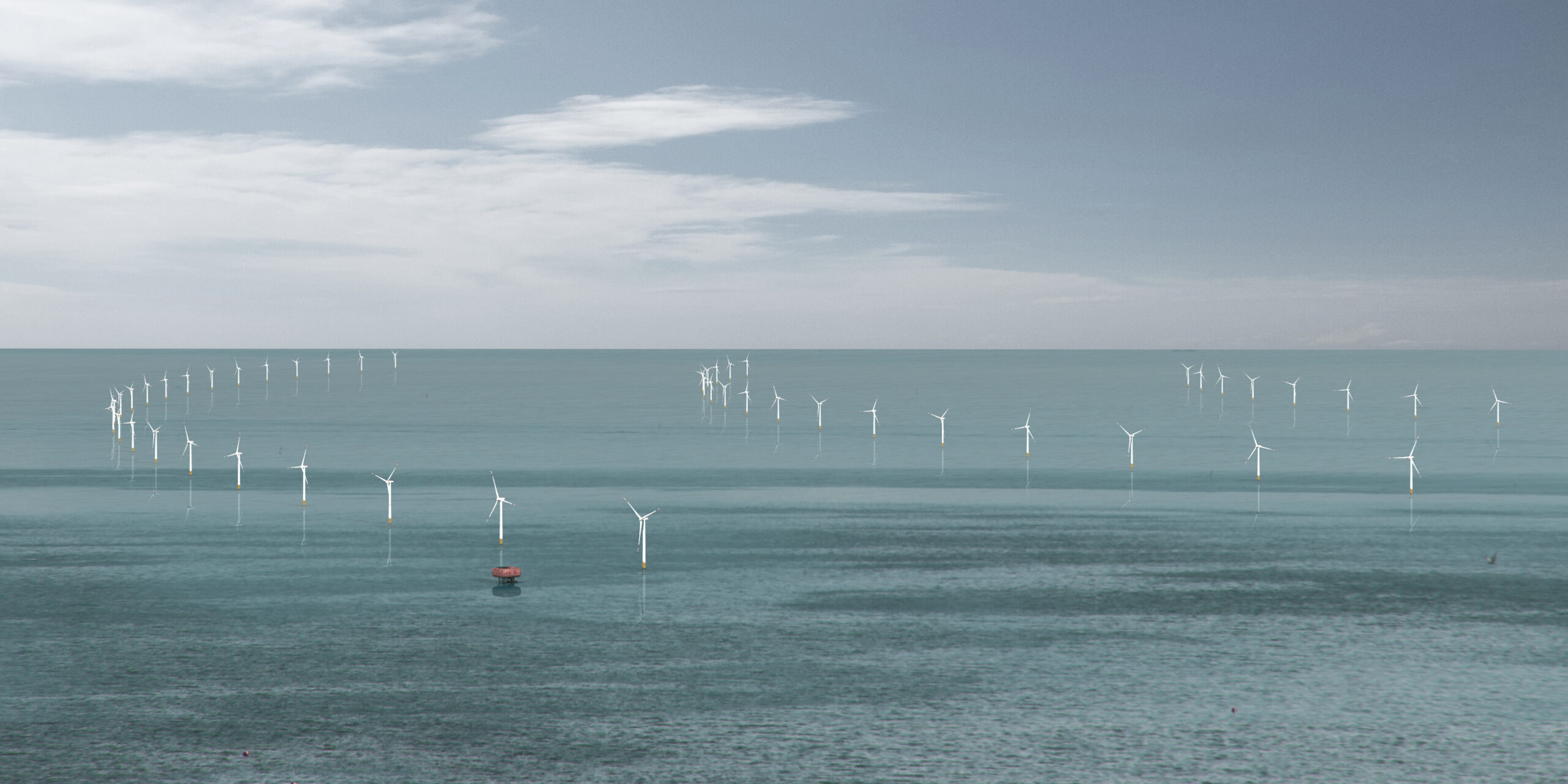
 Fugro has completed geophysical and archaeological surveys for Energia Wind 2020 to support the development of the Rimini offshore wind farm. As one of Italy’s first fixed-bottom offshore wind initiatives, the 330 MW project represents a major step forward in the country’s energy transition. Fugro’s Geo-data will be key to selecting optimal cable routes and informing engineering designs for the wind farm’s infrastructure, helping reduce project risks and enabling safe, efficient, and environmentally responsible development.
Successfully delivered in October 2025, the survey covered both the wind farm site and the export cable corridor, located approximately 12 nautical miles off the coast of Rimini in the Adriatic Sea. Fugro deployed two dedicated vessels to accelerate data acquisition and ensure efficient coverage of the area. This dual-vessel strategy enabled high-resolution mapping of the seabed and subsurface conditions, using ultra high-resolution shallow seismic data and geophysical investigations, while also identifying and preserving potential archaeological features critical to the project's planning and permitting process.
“Fugro delivered a highly professional and efficient survey and consultancy service, meeting all our technical requirements within the planned timeline and budget. Their expertise and responsiveness were key to the success of this phase of the project,” said Gabriele Felappi, CEO of Energia Wind 2020.
Daniela Taliana, Fugro’s Country Manager for Itay, added: “We are extremely proud of our close collaboration with Energia Wind 2020 and of our contribution to the development of one of Italy’s first fixed-bottom offshore wind farms. This project marks an important step in the country’s renewable energy journey, and Fugro is committed to supporting its success through world-class expertise and high-quality Geo-data acquisition.”
This contract reinforces Fugro’s growing presence in the Italian offshore wind sector and its dedication to enabling sustainable energy infrastructure across Europe.
Teledyne Marine Vehicles Expands Direct-to-Customer Service and Support in the United Kingdom
 Teledyne Marine Vehicles is proud to announce a major expansion of its direct-to-customer service capabilities in the United Kingdom, reinforcing its commitment to delivering world-class support to its regional customer base.
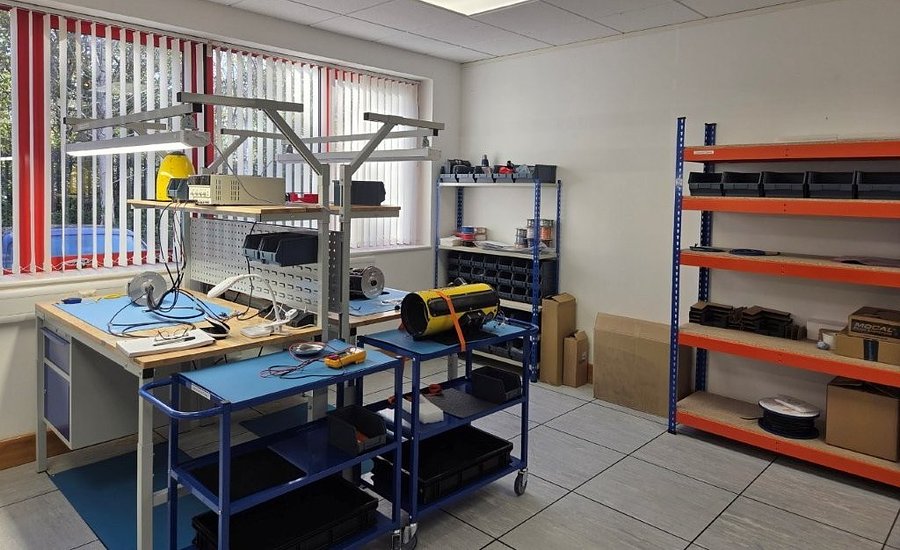
As part of this strategic investment, Teledyne has opened new repair facilities in Fareham, co-located with Teledyne Raymarine, augmenting the existing Slocum glider facility in Southampton at the prestigious National Oceanographic Center. The Fareham facility will support Teledyne’s full range of unmanned underwater vehicles, including Teledyne Gavia AUVs, Teledyne Webb Research’s Slocum gliders, and APEX profiling floats.
To better support the Royal Navy and other UK customers, Teledyne has also hired dedicated service staff for the Raymarine Centre in Fareham and field support personnel in Plymouth, ensuring responsive expert assistance and the ability for Teledyne field staff to forward deploy with users.
“This expansion is a reflection of our long-term commitment to the UK market,” said Brian Maguire, General Manager of Teledyne Marine Vehicles. “By investing in local infrastructure and talent, we’re enhancing our ability to support customers directly and efficiently, while also deepening our engagement with the scientific and military communities that rely on our technologies.”
Teledyne’s investment in the UK underscores its long-term commitment to the region and its customers, providing faster turnaround times, improved service accessibility, and deeper technical engagement.
For more information about the Teledyne Gavia AUV product line, please visit Gavia AUV.
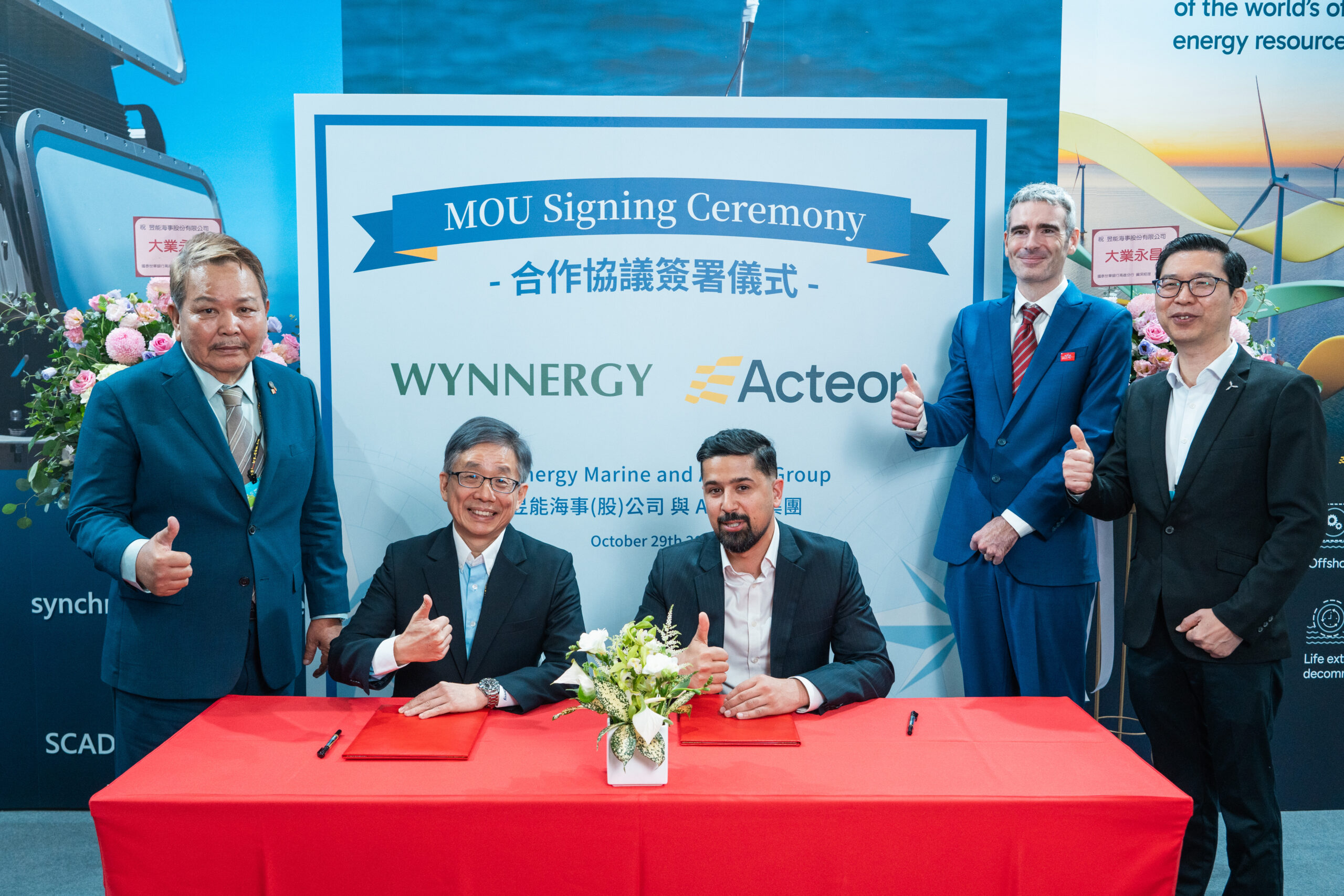
Acteon and Wynnergy sign strategic MoU to accelerate offshore renewable projects
 Acteon, the expert in offshore infrastructure, and Wynnergy Marine, a Taiwan-based marine solutions provider, have signed a strategic Memorandum of Understanding (MoU) to jointly deliver renewable energy projects across the region.
This partnership supports offshore wind growth in Taiwan by providing integrated solutions that combine subsea services and local marine vessels, enabling stronger local–global collaboration. Together, the companies combine Acteon’s expertise in geophysical and geotechnical site investigations, offshore foundation construction, structural health monitoring, decommissioning and digital asset integrity management with Wynnergy’s strengths in vessel operations, marine logistics, local equipment supply and regulatory navigation. The alliance will deliver integrated solutions for site surveys, subsea Balance of Plant (BOP) operations and maintenance (O&M), and Double Big Bubble Curtain (DBBC) services.
“This alliance marks a strategic milestone in our support of the global energy transition. By integrating our technical capabilities with Wynnergy’s local presence, we can deliver greater value, operational reliability and measurable impact to the renewables sector,” said Paul Smith, Executive Vice President at UTEC, Acteon’s Geo-services business line.
“We are delighted to partner with Acteon to accelerate offshore innovation and sustainability. This collaboration reflects our shared vision for a cleaner energy future and commitment to excellence in marine operations,” said Harry Sheng, President at Wynnergy Marine.
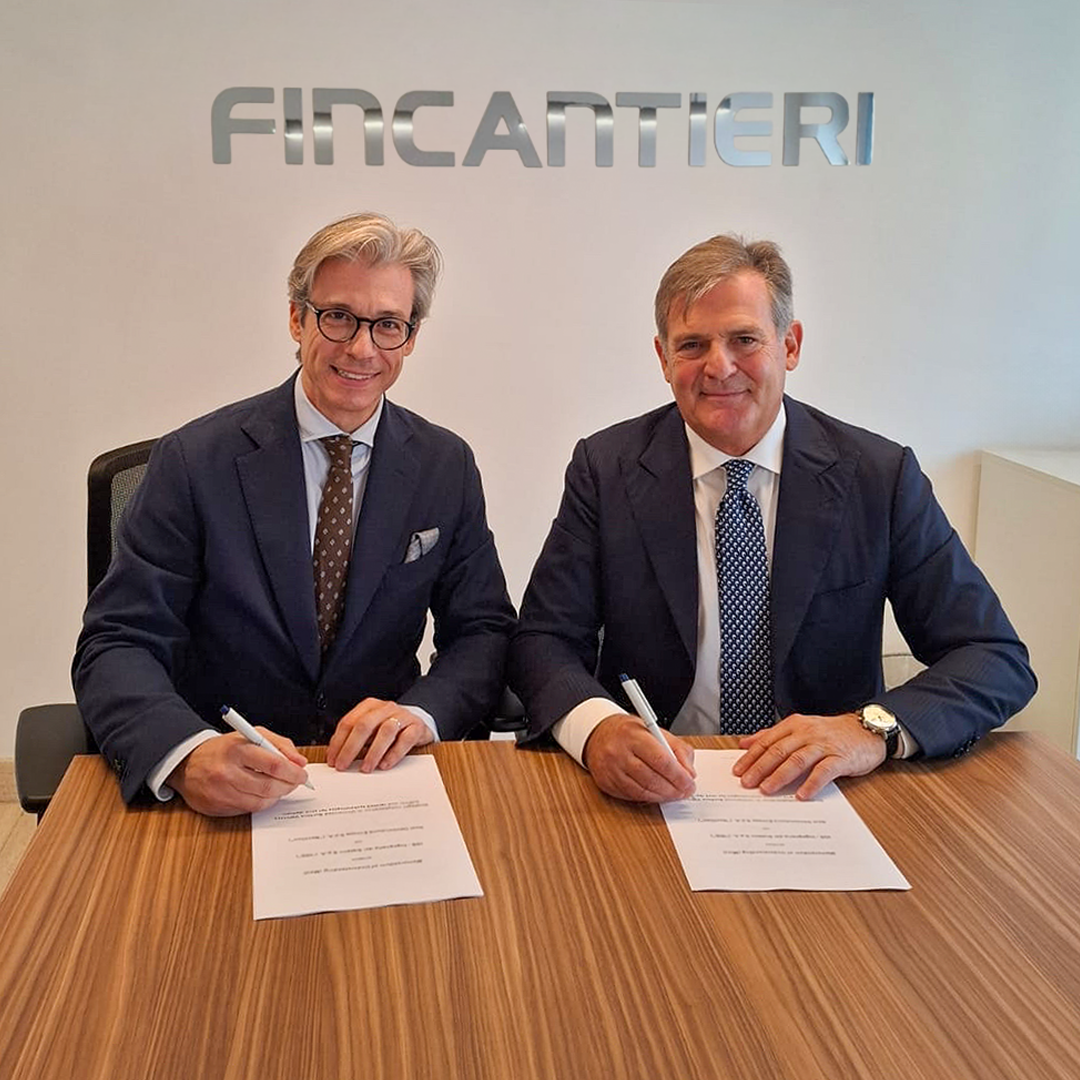
Fincantieri Group: IDS and Next Geosolutions sign a memorandum of understanding for the new development of autonomous vehicles
 Fincantieri, through its subsidiary IDS – Ingegneria dei Sistemi, and Next Geosolutions Europe S.p.A. – one of the leading international groups in the field of marine geosciences and offshore construction support services, and listed on Euronext Growth Milan – have signed a Memorandum of Understanding (MoU) to establish a strategic collaboration for the development of Unmanned Surface Vehicles (USVs) and related technologies for civil applications in the Oil & Gas and Renewable Energy sectors.
The agreement was signed by Matteo Marchiori, CEO of IDS, and Giovanni Ranieri, CEO of Next Geosolutions.
Through this agreement, the two companies will combine their respective expertise to define the requirements and specifications for new USV platforms, optimized for open-sea operations and activities such as environmental monitoring, inspection, and offshore infrastructure integrity control.
The collaboration will specifically focus on the evolution of the SAND (Surface Advanced Naval Drone) project, developed by IDS, and on the development of a new USV model designed to meet the operational needs of major offshore market players. By integrating advanced technologies, automation systems, and efficient energy solutions, the two companies aim to enhance performance, endurance, and safety at sea—while simultaneously paving the way for concrete commercial developments. The new-generation vehicles will be directly employed by Next Geosolutions and subsequently introduced to the international market, underscoring the tangible industrial value of this partnership.
Dedicated working groups will be tasked with identifying the most effective solutions to make offshore operations more flexible and sustainable, combining IDS’s technological know-how with Next Geosolutions’ applied expertise in marine surveying and services. With this project, Fincantieri enters a strategic and rapidly evolving segment—the marine survey domain—closely linked to the development of subsea energy and telecommunications infrastructure, where autonomous technologies are a key enabler for improving operational efficiency and safety at sea.
The agreement will also strengthen the operational capabilities of USVs, which will be able to operate in synergy with traditional vessels through dedicated launch and recovery systems, thus increasing mission efficiency and productivity. The companies will also explore the joint development of a new USV, specifically designed to meet Next Geosolutions’ operational requirements. This new vehicle may include custom functionalities, modular systems, and mission-specific payloads for offshore survey activities.
Through this initiative, Fincantieri Group consolidates its position as a key player in the development of autonomous technologies and robotic systems aimed at enhancing safety, sustainability, and digitalization in maritime operations, reaffirming its commitment to innovation in the blue economy and energy transition sectors.
Pierroberto Folgiero, CEO and General Manager of Fincantieri, stated: “This agreement further confirms the tangible progress we are making to systematize existing technologies across both the civil and defense sectors, with the goal of providing integrated solutions in the underwater domain. We aim to meet the needs of major offshore operators in the Oil & Gas and Renewable Energy industries. Thanks to the system-engineering capabilities of our subsidiary IDS, we are positioning ourselves as a hub for aggregation, integration, and acceleration of the competencies required for the development of the new underwater domain”.
“This collaboration with IDS marks another important step forward in our path toward innovation and the sustainability of offshore operations. We strongly believe that the integration of USV systems can deliver a real competitive advantage in terms of operational efficiency, cost reduction, and minimization of environmental impact”. - commented Giovanni Ranieri, CEO of NextGeo.
Unique Group Secures Multi-Million Dollar Contract with CCC Underwater Engineering for State-of-the-Art LARS Systems
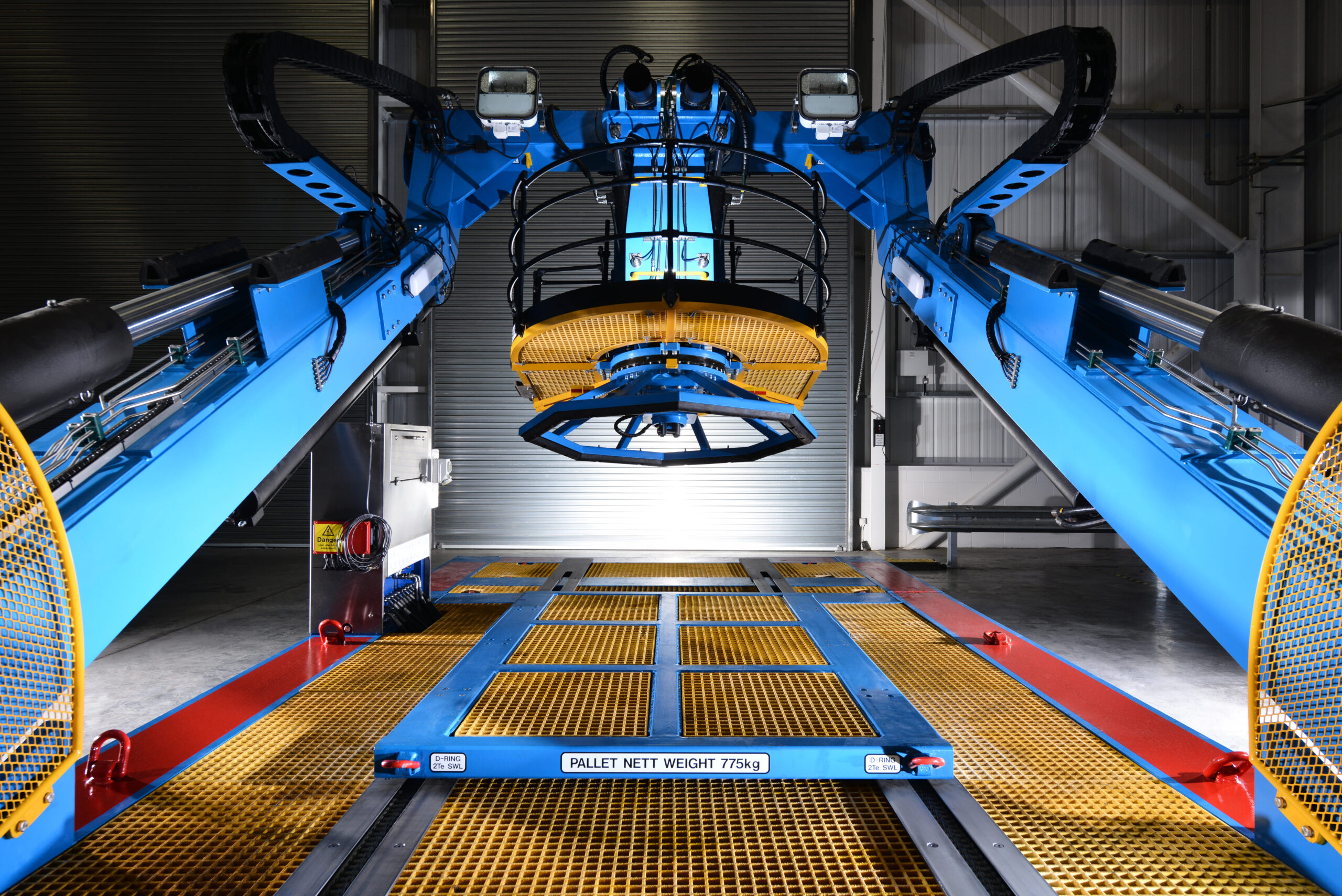
 Unique Group, global leaders in subsea technologies and engineering, has been awarded a prestigious multi-million-dollar contract by CCC Underwater Engineering. As part of the agreement, Unique Group will deliver two Launch and Recovery Systems (LARS) for two Work Class ROV’s to be deployed on CCCUWE’s new flagship DPIII DSCV “Wadad Aletheia”, currently operating in the Arabian Gulf region.
The systems will be engineered and designed by Unique Group’s Subsea Innovation division in the UK and manufactured at Unique Group’s state-of-the-art facility in the UAE, ensuring the highest standards of quality and local capability. Delivery of the LARS is expected by Q1 2026.
The awarded solution is an Active Heave Compensated (AHC) LARS, featuring a fully electric winch control system and classed to DNV standards, enabling safe and reliable operations in complex offshore environments.
“We are proud to partner with CCC on this milestone project,” said Rakesh Bangera, Head of Sales, Unique Group. “This award demonstrates our ability to combine global engineering expertise with regional manufacturing strength, delivering advanced subsea systems that meet the most rigorous international standards.”
“We look forward to working with Unique Group on this important project,” said Tavis Letherby, ROV / Survey Manager, CCCUWE. “Our two companies share a long history of collaboration, and with Unique’s proven global track record in offshore and subsea innovation, combined with their strong regional manufacturing capability, they are a trusted partner to deliver these critical systems for our latest DPIII DSCV.”
Global Underwater Hub Conference to dive into future of Subsea Robotics
 Call for speakers open for ocean robotics event
Global Underwater Hub’s (GUH) annual Underwater Robotics Conference is returning to Aberdeen for another year – and companies are being asked to share their expertise in the development of subsea robotic technologies.
Taking place in the event auditorium at GUH’s premises in Westhill on Thursday, 27 November, this one-day event will bring together individuals with a vested interest in the development and application of underwater robotic technology.
Underwater robotics have become an essential tool within the energy sector and are used in many marine operations, including oil and gas, offshore renewables, defence, ocean science and aquaculture. The conference programme has been developed in collaboration with GUH’s recently established Underwater Robotics Forum, which includes representatives from leading subsea service providers, technology manufacturers and inspection tooling specialists.
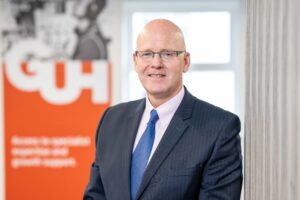
Neil Gordon, Chief Executive of the GUH, said: “Our Underwater Robotics Conference is a regular marker for the rapid pace of change in the sector. Technological development is increasing dramatically, and we must be prepared for the future.
“Delegates at the Underwater Robotics Conference 2025 will have the opportunity to hear directly from the leading figures in subsea robotics who are charting the course of innovation. This is particularly important as artificial intelligence and autonomous and remotely operated vehicle technologies open up a wealth of possibilities, creating new efficiencies and supporting the wider energy transition.”
To highlight the progress made across the year, GUH is looking for individuals and organisations to present at the conference.
Delivering a presentation at the event is an opportunity for those working in the underwater robotics and autonomous and unmanned underwater vehicles space to showcase their expertise and lead the debate on the future of the industry.
Those interested in applying should submit a 200–300-word abstract that highlights successful case studies on how robotics hardware or peripherals have been used to help resolve an underwater problem, or identifies challenges faced by operators or developers that could be overcome by using robotics technology.
Insurance firms, regulators and permitting bodies are also invited to present in order to examine considerations for the use and application of underwater robotics.
The deadline to submit an abstract is Friday, 31 October at 3pm. Discounted registration rates for the event are available for GUH members. Conference bookings will close for attendees on Friday, 21 November at 12pm.
To register to attend the Underwater Robotics Conference or to submit an abstract, visit https://www.globalunderwaterhub.com/events/event/?id=Underwater_Robotics_Conference_2025204340094
To enquire about sponsorship opportunities at the event, contact [email protected]
How CMS GeoScience overcomes the challenges of working in busy ports
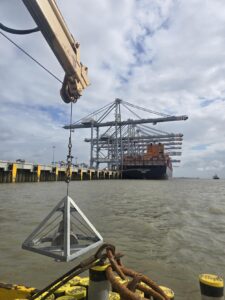 CMS GeoScience is proud to announce the recent work we completed as part of the expansion of one of the UK’s busiest container terminals, DP World London Gateway.
We undertook a geotechnical survey for the Port of London Authority (PLA) and DP World London Gateway. Work was carried out across three days in September on the project's Berths 5 and 6 to acquire essential environmental and geotechnical data for regulatory compliance and project design.
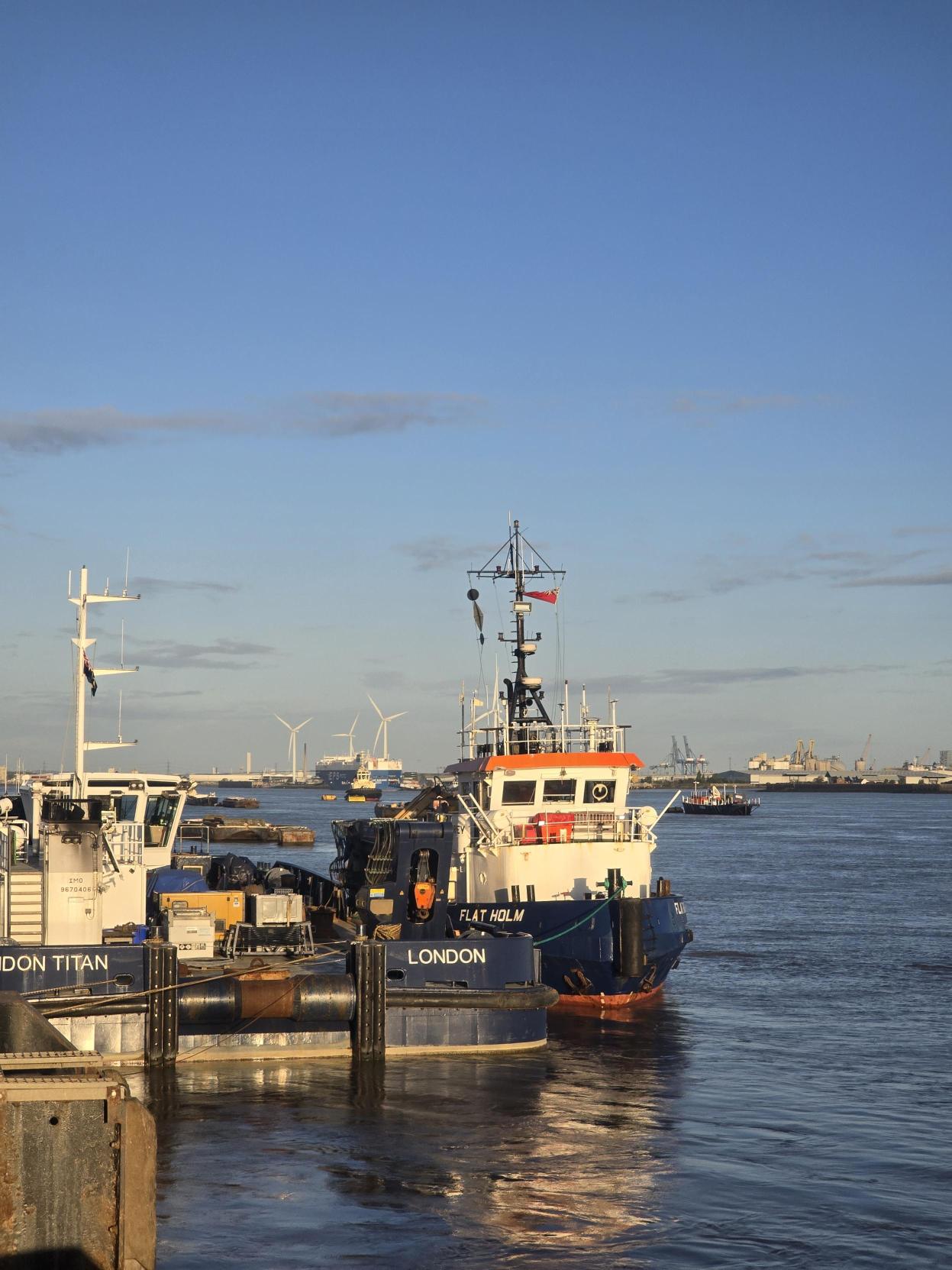
“The Port Of London Hydrographic Service chartered CMS Geoscience‘s MV Flatholm as a turn-key solution platform to complete a coring and sampling campaign at 21 sites for our client at London Gateway, Thameshaven,” said Jim Powell, Hydrographic Operations Manager at PLA.
The nature and location of the site meant several logistical and safety challenges needed to be overcome. Tide and weather played a big part. Specific time constraints meant the job had a specific window and a tight deadline.
The survey site was located directly opposite Berth 4, an active and busy container terminal. Our team had to operate with strict adherence to PLA navigational controls and exclusion zones, while continuously coordinating with the port’s vessel traffic services. The PLA supported our work with planned vessel movements to allow team to work around marine traffic.
It was essential to design a sampling campaign that could accurately delineate potential hotspots for regulatory bodies. To add to this, the survey had to account for the potential of residual UXO, and strict adherence to our UXO encounter procedures onboard.
This dynamic and high-risk environment demanded not just technical expertise, but a strong commitment to operational safety.
Our team, operating from the MV FlatHolm, executed a meticulously planned vibrocore sampling campaign over three days. We acquired 21 vibrocore samples and 21 surface grab samples, as well as over 160 sets of sub samples, gathering the necessary geotechnical and environmental data to inform the project.
As with every project we work on at CMS GeoScience, the work was carried out with exacting precision, with every sample handled under rigorous protocols, fully documented, and stored in line with MMO/CEFAS standards. Our daily chain-of-custody transfer ensured the integrity of every single sub-sample.
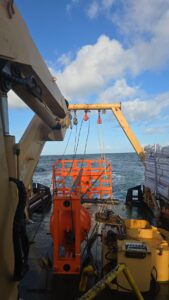 We maintained continuous communication with port operations, navigating the heavy marine traffic and tidal constraints with seamless coordination. Working closely with the PLA ensured that all project objectives were met safely and efficiently.
We also worked with the PLA on logistics to arrange moorings, the collection of sample containers, the delivery of samples each day, adherence to chain of custody, so a big thanks goes to them.
“Throughout, CMS were flexible and adaptable to changing weather windows enabling a timely mobilisation to the Thames within a narrow weather window to execute the works on time and to budget,” added Jim Powell.
“Great collaborative attitude from the office and field teams made for a smooth operation and we look forward to working with you again in the future.”
We were able to adjust our schedule to complete work at the critical time. We managed to mitigate downtime by working with the PLA to ensure vessel time was optimised, which also reduced costs. We’re happy to report that the project was a success.
We acquired all vibrocore and grab samples across Berths 5 and 6. This data will be critical in ensuring compliance with both PLA and MMO regulations, providing the assurance needed for the client’s project to move forward.
Most importantly, the entire operation was completed incident-free, testament to our team’s ability to deliver crucial data with the highest standards of safety, professionalism, and integrity, even in challenging marine environments.