
Carnivorous “Death-Ball” Sponge Among 30 New Deep-Sea Species from the Southern Ocean
Thirty previously unknown deep-sea species, including a carnivorous “death-ball” sponge, have been confirmed from one of the most remote parts of the planet by The Nippon Foundation–Nekton Ocean Census and collaborators. The discoveries follow two 2025 research cruises with Schmidt Ocean Institute and were verified at the Southern Ocean Species Discovery Workshop hosted by Universidad de Magallanes, Punta Arenas, Chile (August 2025).
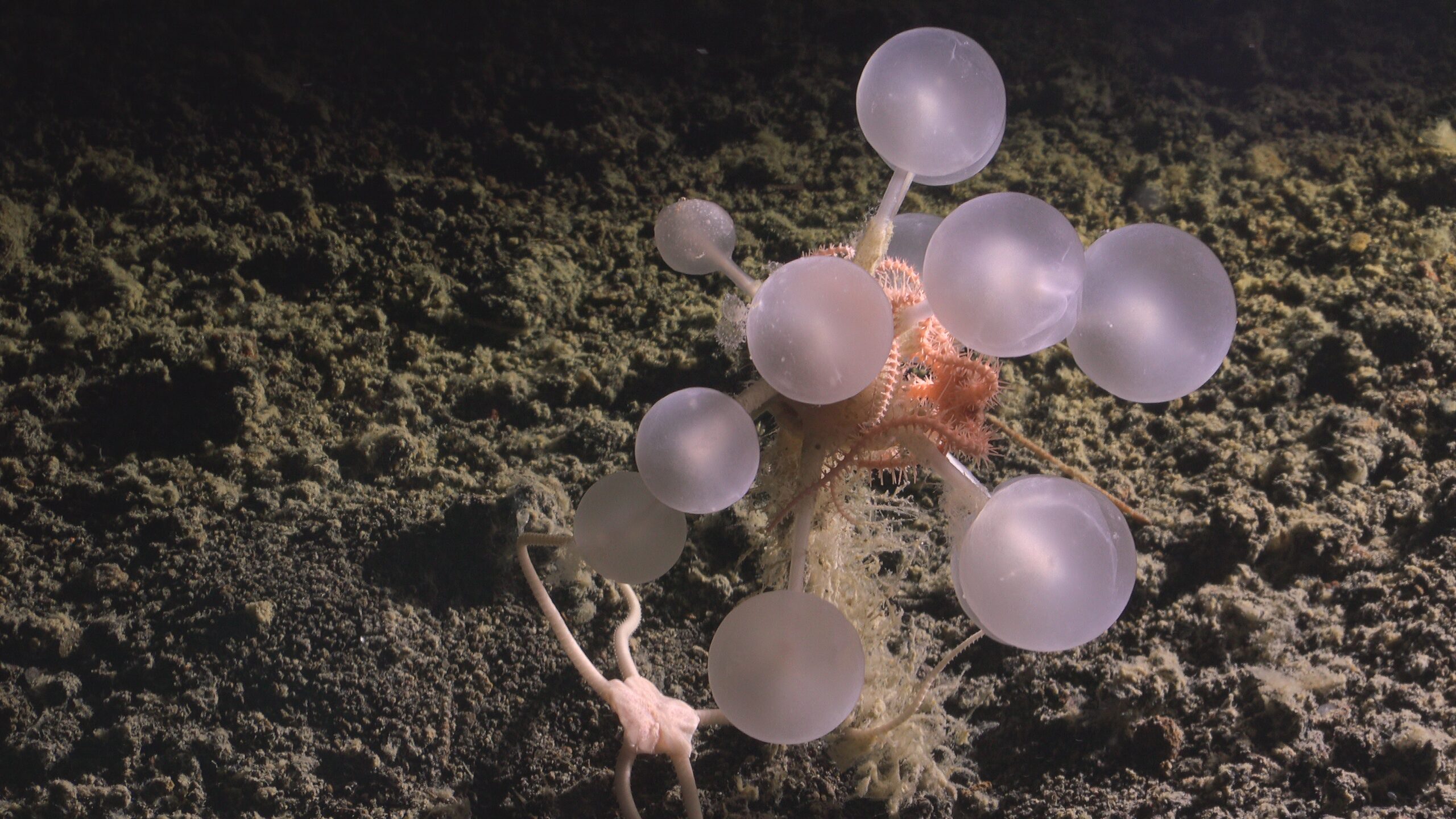
With Halloween on the horizon, a standout discovery is a new predatory sponge (Chondrocladia sp. nov.). Its spherical form is covered in tiny hooks that trap prey, a clear contrast to the gentle, passive, filter-feeding undertaken by most sponges. ‘Zombie worms’ (Osedax sp.) were also observed. Although not thought to be new to science, these worms have no mouth or gut and rely on symbiotic bacteria to break down fats inside the bones of whales and other large vertebrates.
“Accelerating species discovery is not a scientific luxury, it is essential for public good,” said Mr Mitsuyuki Unno, Executive Director of The Nippon Foundation, who leads Ocean Census with the Nekton Foundation. “Ocean Census is a program with the goal to reveal the unknowns of our world. Through its expeditions, we have seen another groundbreaking species discovery that benefits the world’s scientists, policymakers and communities.”
Searching for New Species in the South Sandwich Islands was an Ocean Census Flagship expedition onboard Schmidt Ocean Institute’s R/V Falkor (too) using ROV SuBastian to survey volcanic calderas, the South Sandwich Trench, and seafloor habitats around Montagu and Saunders Islands. The team collected nearly 2,000 specimens across 14 animal groups (phyla), alongside thousands of high-definition images and hours of video. Highlights include new hydrothermal vents at ~700 m with chemosynthetic communities, vibrant coral gardens, evidence of explosive undersea volcanism, and the first confirmed footage of a juvenile colossal squid.
In addition, three researchers from the Ocean Census Science Network supported an expedition onboard R/V Falkor (too) in the Bellingshausen Sea. When iceberg A-84 (≈510 km²) calved from the George VI Ice Shelf in January 2025, the ship pivoted to the newly exposed seabed, becoming the first to investigate an area previously sealed beneath ~150 metres of ice.
 “The Southern Ocean remains profoundly under-sampled. To date, we have only assessed under 30% of the samples collected from this expedition, so confirming 30 new species already shows how much biodiversity is still undocumented,” said Dr Michelle Taylor, Head of Science at The Nippon Foundation-Nekton Ocean Census, “By coupling expeditions with species discovery workshops, we compress what often takes more than a decade into a faster pathway while maintaining scientific rigour by having world experts involved.”
The Southern Ocean expeditions also revealed new armoured and iridescent scale worms (Eulagisca sp. nov.), previously unknown species of sea stars (Brisingidae, Benthopectinidae and Paxillosidae); new crustaceans, including isopods and amphipods, with material under review that may represent a new amphipod family; and rare gastropods and bivalves adapted to volcanic and hydrothermal-influenced habitats. Additional possible new species, among them black corals and a potential sea-pen genus, are undergoing expert assessment.
“Advanced tools — from precise seafloor mapping to high-definition ROV imagery — allow us to explore and gather data from places never seen before by humans,” said Dr Jyotika Virmani, Executive Director, Schmidt Ocean Institute. “The goal we share with Ocean Census to accelerate discoveries has resulted in the first confirmed sighting of a juvenile colossal squid and new species, and exemplifies what becomes possible when technology, ship time, and a global science network work as one.”
At the Southern Ocean Species Discovery Workshop, an international team of taxonomists fast-tracked species verification by triaging, imaging and comparing specimens on site, using targeted DNA barcoding where needed. This ocean-to-lab model is a newer, faster, and more collaborative approach to species discovery for the global community, addressing a common reality in taxonomy—limited funding and capacity mean samples can sit unprocessed for years.
“This is exactly why the Ocean Census exists—accelerating the discovery of ocean life and making it openly available,” added Dr Taylor, who is also a world-leading expert in deep-sea corals and senior lecturer at University of Essex. “Each confirmed species is a building block for conservation, biodiversity studies, and untold future scientific endeavours.”
Polar deep-sea ecosystems remain profoundly under-sampled yet are central to understanding evolution, biogeography and resilience in our rapidly changing climate. The Ocean Census’ accelerated species discovery model generates open, high-quality biodiversity evidence to support taxonomy, conservation planning, and future research. All confirmed records meeting the Ocean Census ‘Discovered’ criteria will be curated in the open access Ocean Census Biodiversity Data Platform.
Images: New iridescent scale worm and Sea pen species found during the expedition.
Credit: The Nippon Foundation-Nekton Ocean Census/Schmidt Ocean Institute © 2025

Subsea Supplies expands Aberdeen base and secures exclusive European distribution agreement with Innerspace
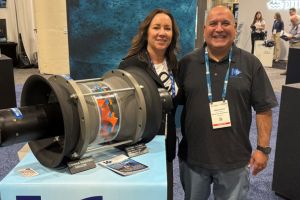
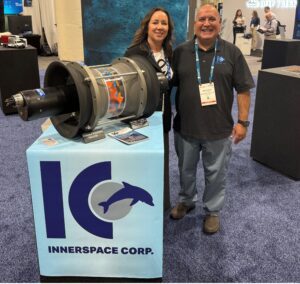 Subsea Supplies has signed a new contract with Innerspace to become its exclusive UK and European distributor and certified service center for its full line of electric and hydraulic thrusters. Distribution will be managed from the company’s newly expanded Aberdeen facility, where the workshop has grown by a third to accommodate increasing project activity.
The agreement allows Subsea Supplies, a trusted supplier of market-leading offshore and underwater technology equipment, to bring faster access to advanced thruster technology to its customers across Europe, with local inventory reducing delivery times and downtime for operators.
Additionally, as a certified full-service center, the company will also provide regional support through repairs, overhauls, diagnostics, and upgrades - enhancing reliability, technical expertise, and providing a dedicated on-the-ground service for its customers.
Pauline McCann, operations director at Subsea Supplies, said: “The subsea industry is changing fast, and this partnership gives our clients quicker access to advanced thruster technology with the reassurance of local service.
“We’re proud to partner with Innerspace as its first official distributor as we recognise the benefits and efficiencies its technology will provide for our clients. Now, with our increased workshop space and stockroom availability, we can cut lead times and costs to customers whilst streamlining the product offering with our in-house repairs and auditing.”
This partnership is Innerspace’s first official distributor agreement, advancing its strategy to expand global support capabilities and broaden its market presence.
Omar Rafeh, vice president of Innerspace said: “As our first official distributorship, it’s a pivotal step in expanding our operational reach and strengthening our international growth strategy. By collaborating with a reputable and established UK-based company like Subsea Supplies, we’ve unlocked localised inventory, technical expertise and faster customer response times in the UK, Europe and beyond.”
Continuing its drive for growth in its 25th year, Subsea Supplies has also invested in a new neoprene moulding machine, grown its technical team and added additional store space to aid increased production and stockholding.
The company has also launched a new website to house its enhanced product offering to customers and showcase its capabilities.
Mrs McCann continues: “It’s an exciting time for the company and our growth is a testament to our commitment to innovation and focus on partnerships that allow us to evolve and serve customers globally.”
The expansion follows the company’s record-breaking financial year, reporting a turnover of £10 million in 2024. Subsea Supplies provides advanced offshore and subsea technology, serving the ROV, AUV, ocean science, and defence sectors.
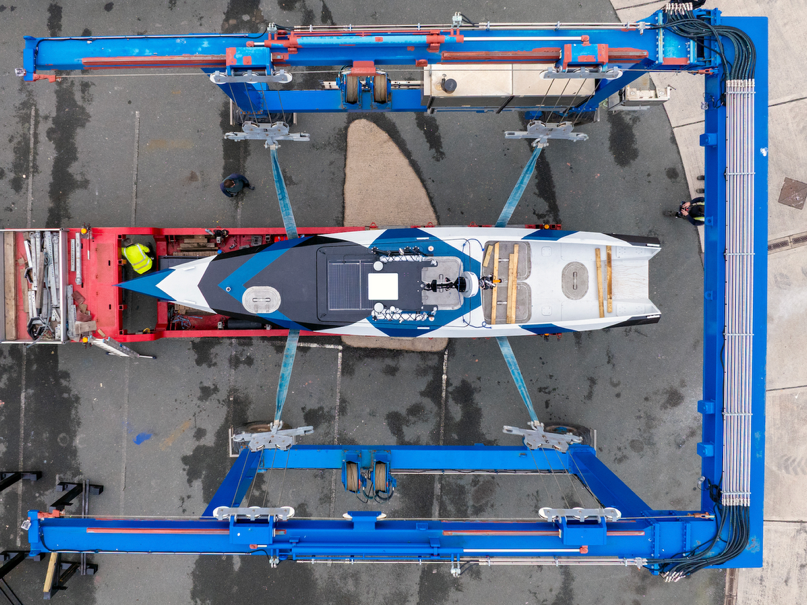
ZeroUSV expands autonomous fleet with third Oceanus12 in ‘dazzle’ livery
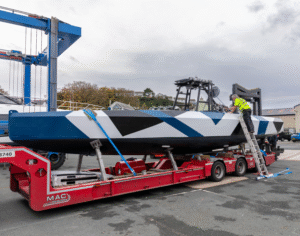 British autonomous vessel pioneer, ZeroUSV has completed its third Oceanus12 Uncrewed Surface Vessel (USV), marking a key milestone in expanding its growing autonomous fleet, available for outright purchase or charter.
The new vessel, features striking geometric livery inspired by the dazzle camouflage used by the Royal Navy in the early 20th century. Designed not for concealment but to distort visual range finding and course estimation, the historic pattern has been reimagined to celebrate the fusion of naval heritage and modern maritime innovation.
The completion of the third Oceanus12 reinforces ZeroUSV’s commitment to long range autonomous vessels and accelerates the provision of a COTS (Commercially off the shelf) USV solution which can be set up with integrated payloads for UWW (Underwater warfare ops) in the defence sector or hydrographic survey equipment for the commercial Hydrography market. Oceanus12 is truly use platform, agnostic of its mission.
Matthew Ratsey, managing director of ZeroUSV, said: “Inspired by the bold dazzle camouflage of the First World War, a geometric pattern designed to distort perception and conceal a ship’s course, Dazzle fuses naval heritage with the forefront of modern maritime innovation. Following on from our significant success with her sistership at Exercise REPMUS it seemed appropriate and timely to use this paint scheme for our next vessel off the production line.”
The Oceanus12 is controlled using software from MarineAI’s GuardianAI autonomy suite, delivering COLREG-compliant navigation, adaptive decision-making, and remote mission control, as well as integration of third party payloads.
Key Specifications:
• Hull: 11.55m aluminium monohull (2.33m max beam)
• Propulsion: Twin electric-hybrid drive • Endurance: 2,500+ nautical miles at 6 knots
• Payload: 1-tonne adaptable bay with quick-change sensor deployment strut
• Green Credentials: Extremely low-fuel electric hybrid system with solar charging for added redundancy.
Currently being commissioned and shortly entering sea trials, Oceanus12, hull number 3 will join the operational fleet alongside ZeroUSV’s first two Oceanus12 vessels which are currently in operation in Plymouth UK, and with Leeway Marine in Halifax, Canada.
BMT and Teledyne Marine announce Memorandum of Understanding
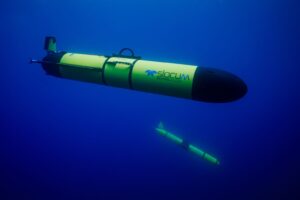
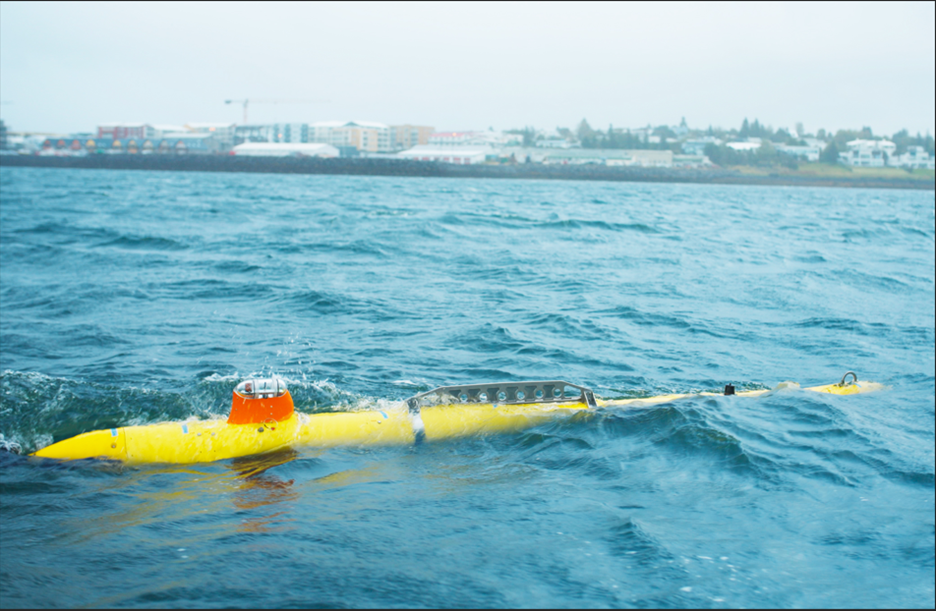
BMT is delighted to announce a Memorandum of Understanding (MoU) with The Teledyne Marine Vehicles group which includes Iceland-based Teledyne Gavia and North Falmouth, MA based Teledyne Webb Research, laying the foundation for strategic alignment and close collaboration on future projects in the maritime autonomy space.
This MoU builds on an established relationship, through which BMT has provided specialist technical consultancy to Teledyne Marine Vehicles in support of underwater autonomy programmes in both the UK and internationally. This includes expertise in through-life support and cyber security, as well as the delivery of a Safety and Environmental Case Review (SECR) for the UK Ministry of Defence, ensuring the platform’s operational safety and environmental compliance.
Will Alexander, BMT’s Maritime Autonomous Systems Lead, explains:
“BMT and Teledyne Marine bring extensive complementary expertise into this market, empowering us to think innovatively and overcome challenges as the strategic shift to integrate autonomous systems across naval operations continues at pace.
As an independent consultancy with deep domain expertise, BMT offers comprehensive technical support in maritime autonomous systems across the asset lifecycle. From the design stage through development, testing, assurance and operation we support customers leverage new technology to deliver cost effective, safe and sustainable marine operations.”
Teledyne Marine has established itself as a market leader in the production of Autonomous Underwater Vehicles (AUVs), including the Gavia, Osprey, and SeaRaptor class AUVs and Slocum gliders and APEX floats, which are currently in use with the UK Royal Navy and deployed widely with other military, commercial, and scientific users worldwide.
Arnar Steingrimsson, VP of Sales, Marine Vehicles, of Teledyne Marine, adds:
“We greatly value the close working relationship that Teledyne has had with BMT on successful UUV projects for the UK Ministry of Defence and other NATO members. Industry collaboration is the key to managing today’s rapidly evolving market dynamics and meeting increased demand from naval users. Teledyne looks forward to building on the work to date with BMT to better serve our joint NATO and international unmanned systems customers.”
Paul Haycock, BMT’s Senior Account Manager – Defence Industry, concludes:
“This collaboration reflects both companies’ shared commitment to addressing today’s challenges to shape a more innovative and resilient future. With a wealth of combined underwater domain experience, we are perfectly positioned to help our customers address evolving threats, enhance their operational capabilities and leverage maritime autonomy for reconfigurable, cost-efficient, scalable and adaptable fleet operations.”
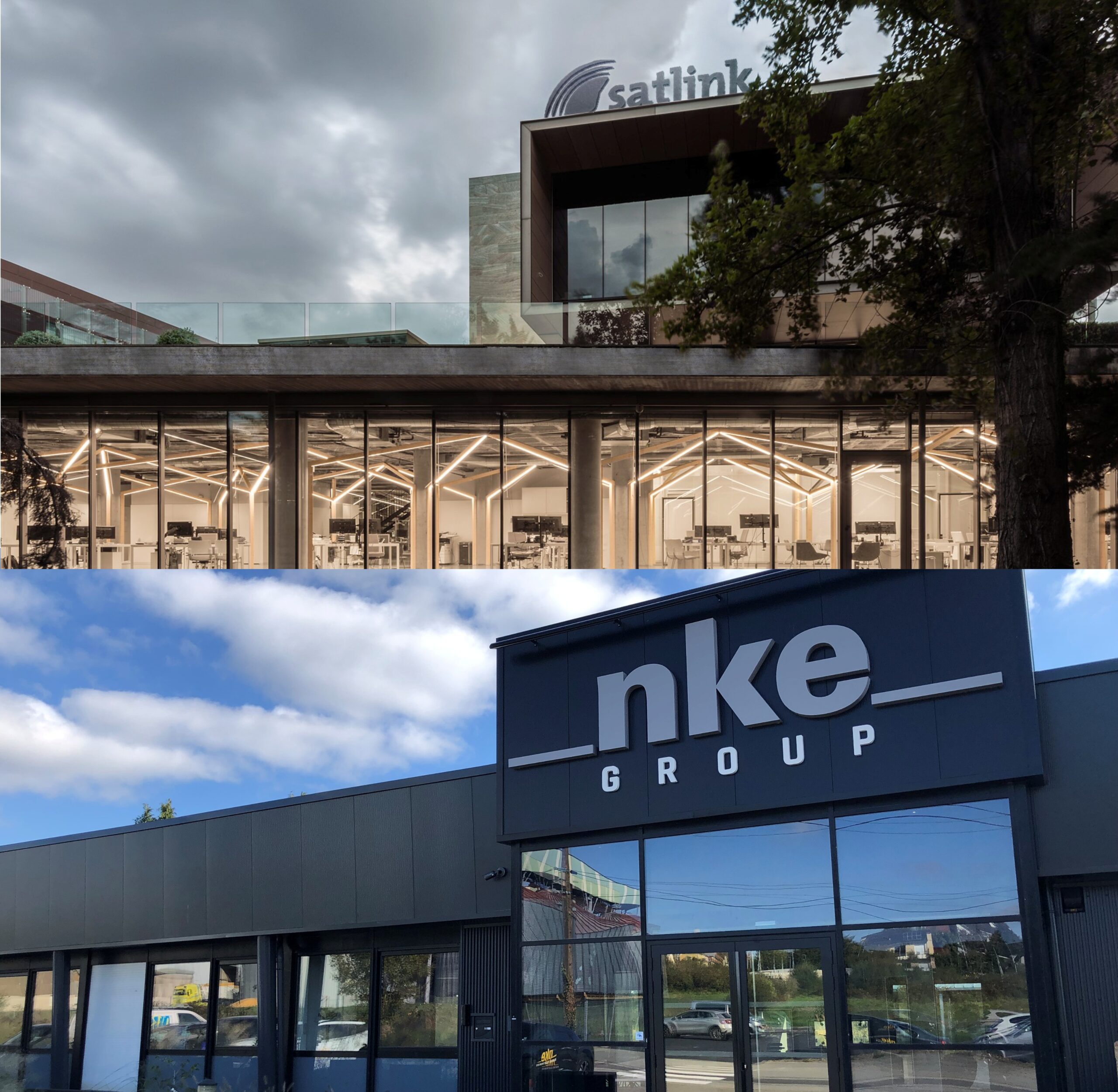
Satlink integrates nke Group and consolidates its position as a global leader in ocean technologies
 Satlink, the global leader in proprietary ocean technology solutions, has integrated nke Group (“nke”), a French company with over 40 years of experience in providing innovative end-to-end custom manufacturing instruments for both water quality measurement and monitoring in oceans and fresh waters, and navigation. Headquartered in Hennebont (Brittany, France), nke is a key partner to thousands of private and public customers across the world.
This transaction brings together two of the most established players in the sector and stands as one of the most significant milestones in the ocean tech industry in recent years, creating the largest independent European ocean tech platform.
Present in more than 130 countries, with 13 offices across Europe, the Americas and Asia, and a global network of local partners, Satlink serves over 10,000 organizations –including governments, research institutions, industry partners, and NGOs– and will reach €100 million sales in 2025, consolidating its position as a worldwide reference in maritime technologies.
With this combination, Satlink further accelerates the development of data-collection and analysis solutions, enabling a better understanding and management of the oceans and their resources, ensuring their long-term sustainability. nke complements these capabilities with its renowned technological expertise in water monitoring, including major contributions to the Argo program, among others. Together, Satlink and nke create a unique platform that combines world-class instrumentation with advanced data analysis, integrated science-based and proprietary solutions to better understand, protect, and manage the oceans’ resources.
 nke will continue to operate under its own brand, preserving its identity and trusted customer relationships. nke’s leadership team will remain unchanged, ensuring business continuity and preserving the company’s DNA. The integration also includes Aquaread, a UK-based manufacturer of portable and fixed water quality monitoring instruments and part of nke, which expands Satlink Group’s reach into inland and coastal water monitoring.
The CEO of nke, Mr. Alain Boschet, will invest in the Satlink Group alongside the existing shareholders, namely Apheon, Artá Capital, Mr. Faustino Velasco and the rest of the Satlink management team.
Faustino Velasco, Founder and Executive Chairman of Satlink, said: "We are thrilled to welcome the entire nke team, with whom we partner to further accelerate our innovation capabilities, expand our portfolio of solutions, and ultimately improve ocean knowledge and sustainability through proprietary technology. The integration strengthens our global reach and, most importantly, onboards an extraordinary team that shares our values and
ambition to make a difference".
Alain Boschet, CEO of nke, added: "Joining forces with Satlink represents a unique opportunity to accelerate growth and expand our international presence while further enhancing our R&D capabilities. We are confident that this step will bring nke to the next level and are very excited with this new chapter alongside Faustino and the overall team."
Record Number of Participants Deployed Kraken Robotics’ Synthetic Aperture Sonar at REPMUS 2025
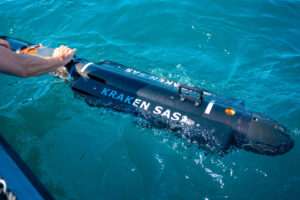
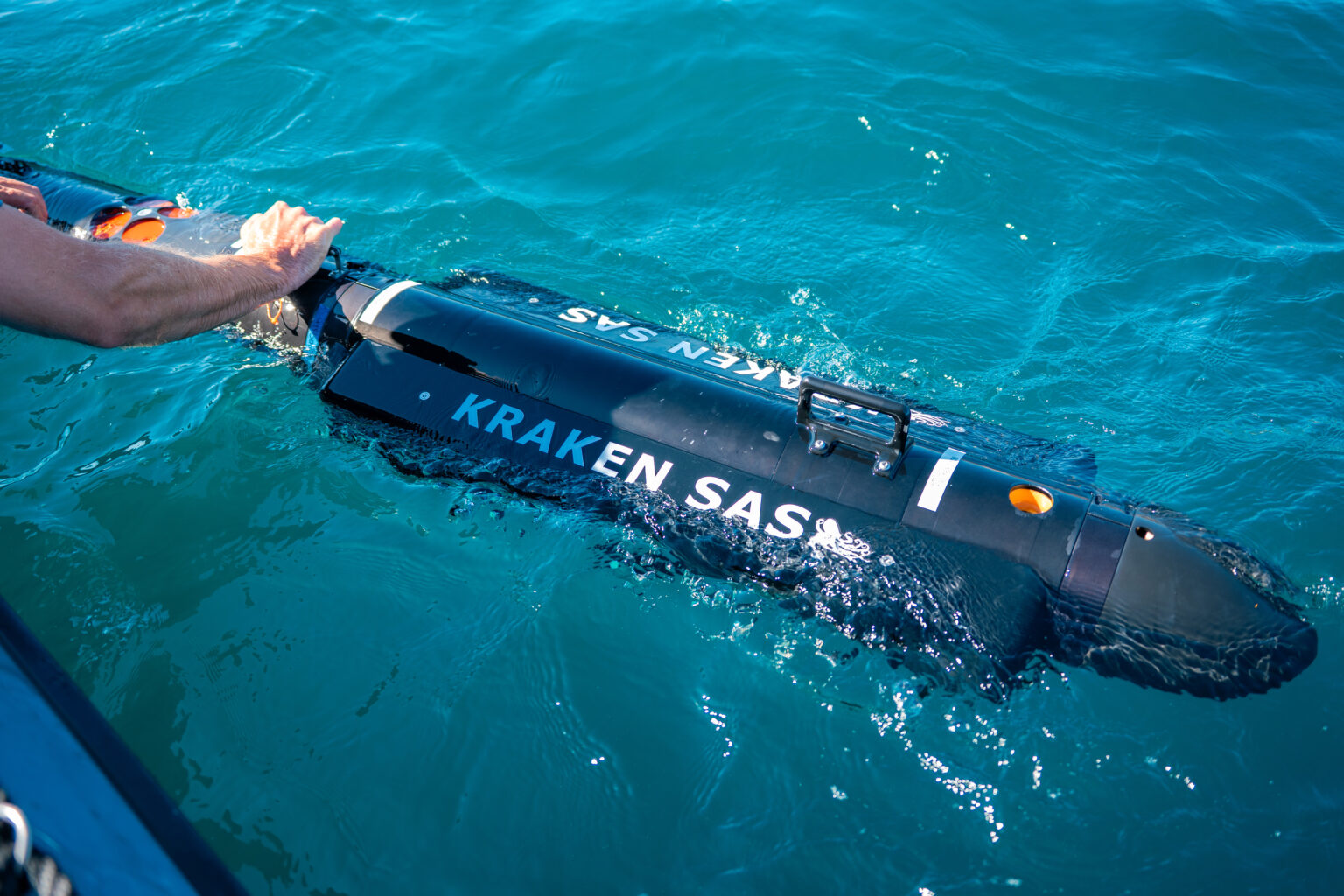
Kraken Robotics Inc. (“Kraken” or the “Company”) (TSX-V: PNG, OTCQB: KRKNF) announces that a record number of participants used its synthetic aperture sonar (SAS) technology at the annual Robotic Experimentation and Prototyping with Maritime Unmanned Systems (REPMUS) exercise in Portugal. Seven international naval teams and three uncrewed underwater vehicle (UUV) manufacturers deployed Kraken SAS for maritime security exercise applications including mine countermeasure operations and critical underwater infrastructure inspection, demonstrating interoperability across platforms, nations, and mission objectives in the underwater domain.
“This year we saw Kraken SAS usage at REPMUS double compared to last year, with ten teams leveraging Kraken systems,” said Greg Reid, President and CEO of Kraken Robotics. “Hands-on operational trials like REPMUS are invaluable—they let us collaborate with operators under real conditions so we can refine product roadmaps and continue to deliver the best solutions for tomorrow’s missions.”
This marks Kraken’s fourth consecutive year supporting REPMUS, with an increasing number of participants using Kraken SAS each year, from one in 2022 to 10 in 2025. This year, Kraken SAS was integrated across four different types of UUVs, from small-class to large-class.
Kraken personnel provided shore-side integration and data support, collaborating with users on best practices for efficient and accurate operations. Systems captured data at a constant 3 cm x 3 cm resolution, revealing mine-like objects and subsea cables as small as 5 cm diameter.
The 2025 REPMUS exercise brought together more than 30 nations, 2000 participants, and 250 autonomous assets to test naval interoperability in realistic operational environments.
Watch footage here
Sonardyne presented with dual King's Awards by HM Lord-Lieutenant of Hampshire
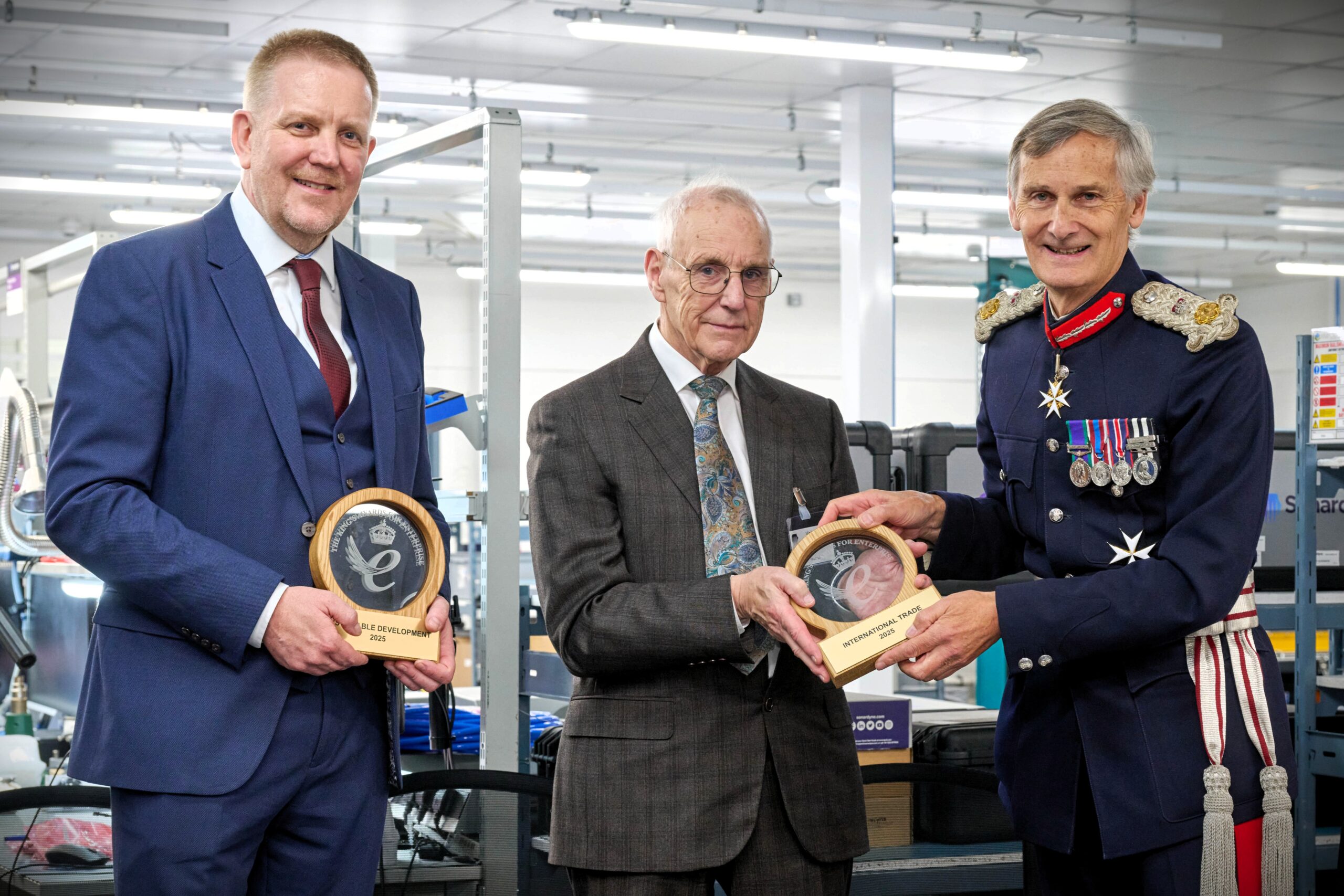
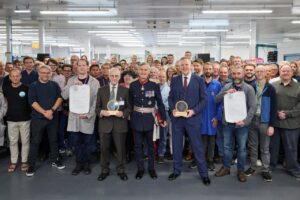 Global underwater technology company Sonardyne International has been formally presented with its two prestigious King’s Awards for Enterprise in a ceremony at its Hampshire, UK, headquarters.
The King's Awards for Sustainable Development and International Trade were presented by HM Lord-Lieutenant of Hampshire, Mr Nigel Atkinson, on Friday, October 10.
The King’s Award for Enterprise is the most prestigious award for UK businesses. Receiving two in one year highlights the company's excellence across different, yet interconnected, areas of its operations.
Graham Brown, Managing Director of Sonardyne, commented on the occasion: “It was a great honour to welcome the Lord-Lieutenant of Hampshire to our headquarters to formally receive our two King’s Awards. This achievement is a testament to the dedication, ingenuity, and collaborative spirit of our entire team worldwide.
"These awards validate our long-standing commitment to pushing the boundaries of technology while championing sustainable practices and fostering strong international partnerships.”
The Lord-Lieutenant said, “It was my pleasure to present the two awards on behalf of His Majesty The King to acknowledge the continued growth and development of Sonardyne.”
The Award for Sustainable Development acknowledges the company's success in achieving carbon neutrality for its UK operations and its role in developing technologies that support the sustainable use of the world’s oceans.
The Award for International Trade celebrates Sonardyne's remarkable 83% growth in overseas sales over three years, demonstrating the global trust in its innovative solutions for the offshore energy, ocean science, and maritime security sectors.
It is just over three decades since Sonardyne’s first Queen’s Award, received in 1995, for Technological Innovation, recognising the pioneering development of its Seismic Integrated Positioning System. Sonardyne then also received Queen’s Awards for Enterprise in Innovation in 2014, for underwater digital acoustic communications technology, and again in 2021, for seabed deformation monitoring technology.
MacArtney and Teledyne ODI accelerate connector service across Europe
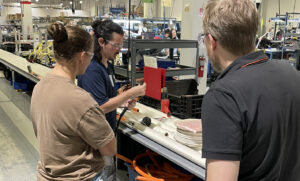
European operators now benefit from faster, certified subsea connector servicing through MacArtney’s expanded partnership with Teledyne ODI. With shorter lead times and full lifecycle support, MacArtney helps customers minimise downtime and maximise the lifespan of critical underwater systems.
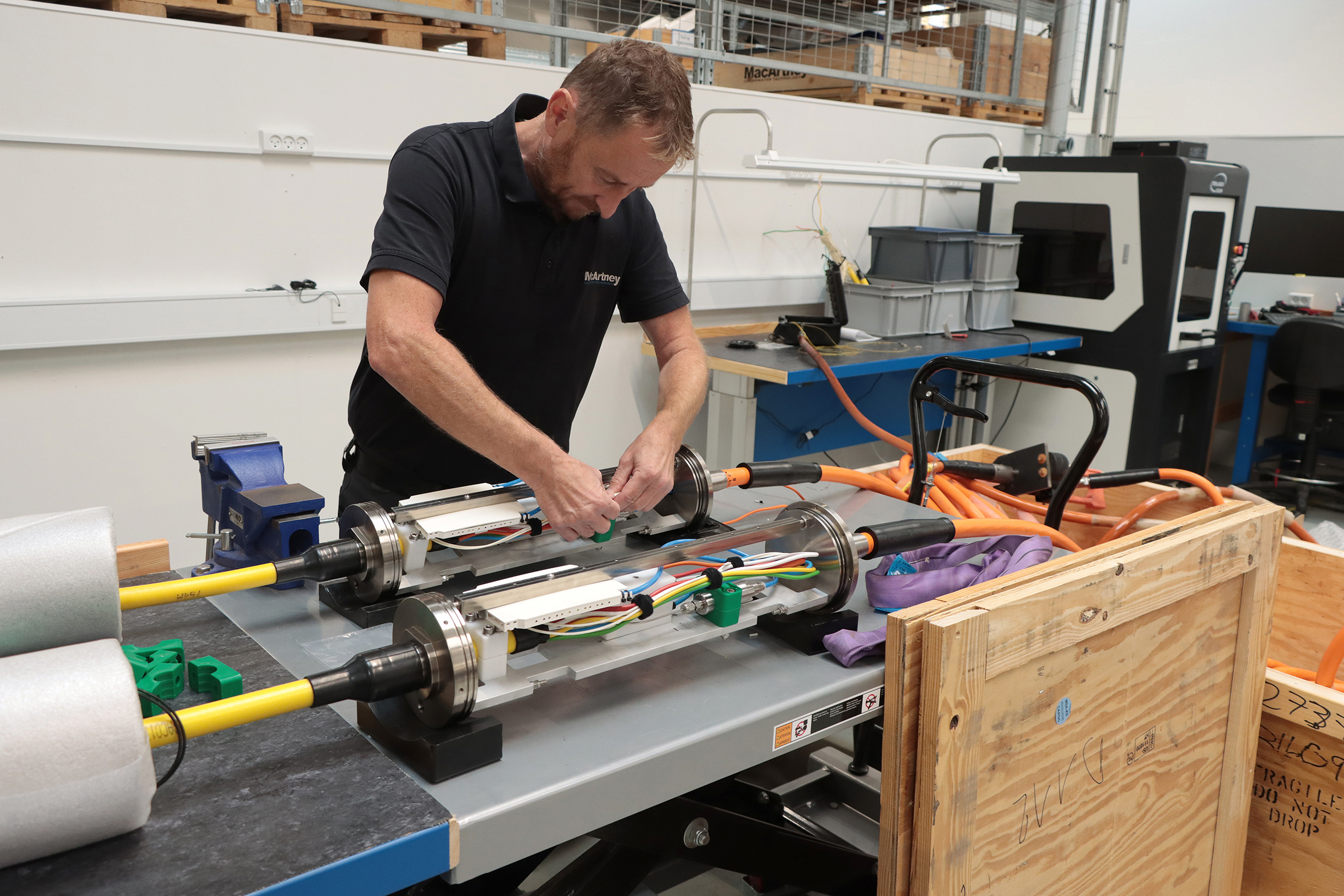
Approved servicing is carried out at MacArtney’s dedicated workshop in Norway, now offering authorised refurbishment services on Teledyne ODI connector systems. As part of MacArtney’s European offering, this location brings inspection, fault diagnosis, and repair capabilities closer to operators across the region, enabling more responsive support for those working with Teledyne ODI products.
Comprehensive support for Teledyne ODI systems MacArtney’s servicing covers individual Teledyne ODI connectors, complete cable assemblies, and integrated systems. By addressing performance at both the component and operational levels, such as underwater frames and sensor packages, MacArtney helps operators maintain equipment integrity and avoid costly replacements.
“Extended lead times have challenged the market, and this new partnership will help customers maintain and service their connectivity systems in a timely manner,” says Bjørn Tormod Akselsen, Managing Director at MacArtney Norway. “To meet demand more effectively, MacArtney stocks an agreed volume of key components for Teledyne ODI servicing. This ensures availability and supports more predictable delivery schedules, helping European operators keep their systems running reliably.”
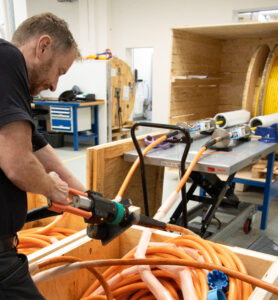
Beyond repairs – specialised connector services In addition to standard repairs, MacArtney offers specialised services for complex connector systems and integrated applications. These include assemblies with moulded solutions tailored for test connectors and short-life subsea applications. Test connectors play a vital role in verifying system integrity before deployment, enabling operators to simulate real-world conditions and ensure reliable performance without risking permanent damage to equipment. The MacArtney options with moulded solutions will complement the Teledyne ODI product offering, adding flexibility to meet unique operational needs.
Strengthening connectivity in European waters This expanded service offering reinforces MacArtney’s role as a full-lifecycle connectivity partner for the European subsea industry. Delivered through our approved Norwegian facility, the programme is part of a broader strategy to provide consistent, regionally accessible support for Teledyne ODI systems and beyond.
The initiative also supports MacArtney’s broader connectivity portfolio, which includes SubConn®, OptoLink™ and TrustLink™ connectors. Together, these solutions enable reliable, responsive, and technically capable performance across a wide range of subsea applications, from marine and offshore to ocean science and defence.
MacArtney’s Teledyne ODI connector servicing capabilities will be fully operational and ready to support European operators from the first half of 2026. For further information, please contact your local MacArtney representative.
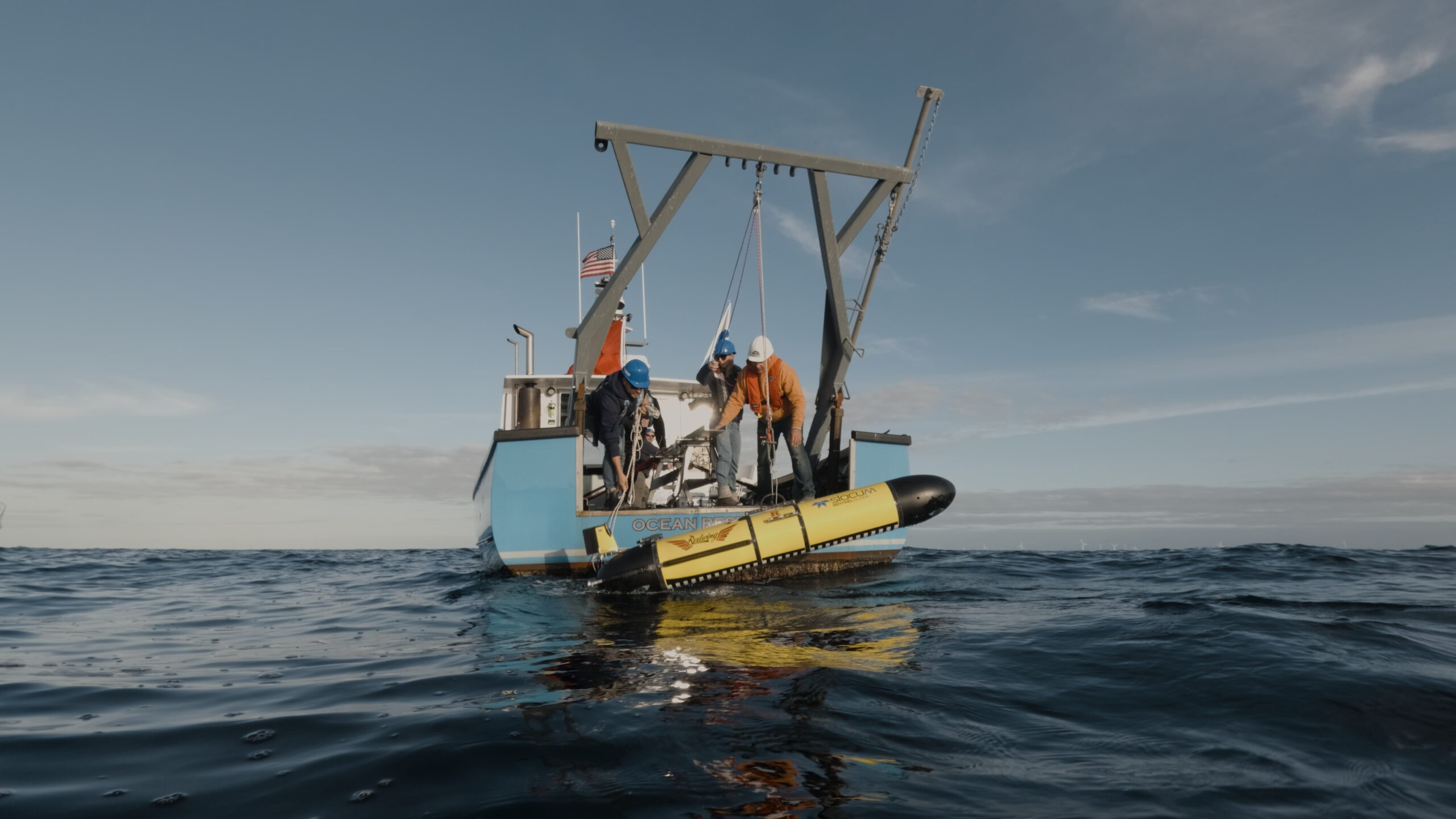
Redwing Glider Successfully Launched in Historic Global Ocean Mission
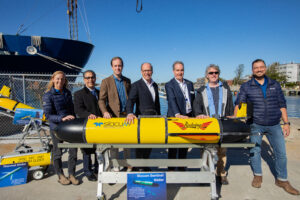 Teledyne Marine has successfully launched the next-generation Slocum Sentinel glider, ‘Redwing’, into the Atlantic Ocean on Saturday, Oct. 11, approximately 43 miles southeast of Woods Hole, Mass. The launch, which is a collaboration with Rutgers University, took place aboard the Ocean Researcher, a 41-foot research vessel under clear skies and one- to three-foot seas.
The Teledyne Marine team on board included Shea Quinn, Sentinel Mission Project Lead; Cordie Goodrich, Sentinel Mission Lead Pilot; and Sal Fricano, Glider Applications Engineer and Pilot.
Redwing is embarking on the five-year Sentinel Mission, where it will become the first autonomous underwater vehicle (AUV) to circumnavigate the globe.
Brian Maguire, COO at Teledyne Marine, explained: “We are humbled by the scale of this mission. To send a glider around the globe, every detail must be world class — the design, the hardware and software, the support, and the people executing the mission. This is our moonshot!”
Maguire added: “This mission is what Teledyne Marine is about. We’re sensing at the edge, analyzing and distributing data at the speed of decision making; doing this with highly engineered products that solve tough, real-world challenges.
“This is not just a technical achievement. It’s a testament to what happens when bold customers, brilliant engineers, and relentless operators come together with a shared purpose: to explore, to protect, and to understand our oceans.
“We have fielded over 1,000 Gliders. As Sentinel begins its journey, it carries the legacy of learning from every mission our customers have run with our gliders.”
 Shea Quinn, Sentinel Mission Project Lead at Teledyne Marine, added: “Beyond the attempt at the first ever global circumnavigation by an AUV, this mission will demonstrate that we now have the capability to send autonomous systems to the most remote areas of the ocean,” said Quinn. “We can use them for months or years at a time to gather valuable scientific data to take the next step in ocean data gathering and hopefully inspire more people to become involved in the study of our oceans and the technologies that enable it.”
Monitoring the launch remotely, Rutgers oceanographer and science co-lead Scott Glenn reflected on the moment Redwing left the dock at the Woods Hole Oceanographic Institution on Friday, Oct. 10, after a celebratory launch event: “It brought me a sense of relief. That we are as prepared as we are going to be, and the best way to move the technology forward now is to spend time at sea. I felt that same calmness that I have felt many times before when a glider mission begins, as our focus changes from preparation for all that can go wrong, to ocean exploration and the many new opportunities for discovery.”
Redwing’s journey will take it across the Gulf Stream towards Europe, then south to Gran Canaria, onward to Cape Town, across the Indian Ocean to Australia and New Zealand, through the Antarctic Circumpolar Current, and eventually back to the Atlantic via the Falkland Islands, Brazil, and the Caribbean.
The mission is a collaboration between Teledyne Marine and Rutgers University. Engineers from Teledyne, alongside more than 50 students from Rutgers University - who have been instrumental in developing flight tools and navigation software - will work in unison to help track and keep Redwing on its time critical flight path. A combined mission control will be split between Teledyne and the Center of Ocean Observing Leadership (COOL) room at Rutgers, where data will be analyzed throughout the five-year mission.
The mission aims to revolutionize ocean data collection, improve weather forecasting and our understanding of the causes of extreme weather events, and inspire the next generation of ocean scientists and engineers.
The Sentinel Mission’s progress will be updated on www.teledynemarine.com/sentinelmission and can be followed on Instagram: https://www.instagram.com/sentinel_mission
The sea launch footage can be accessed here
Exail expands presence in the Baltic Sea with first DriX H-8 delivery to Orlen Petrobaltic
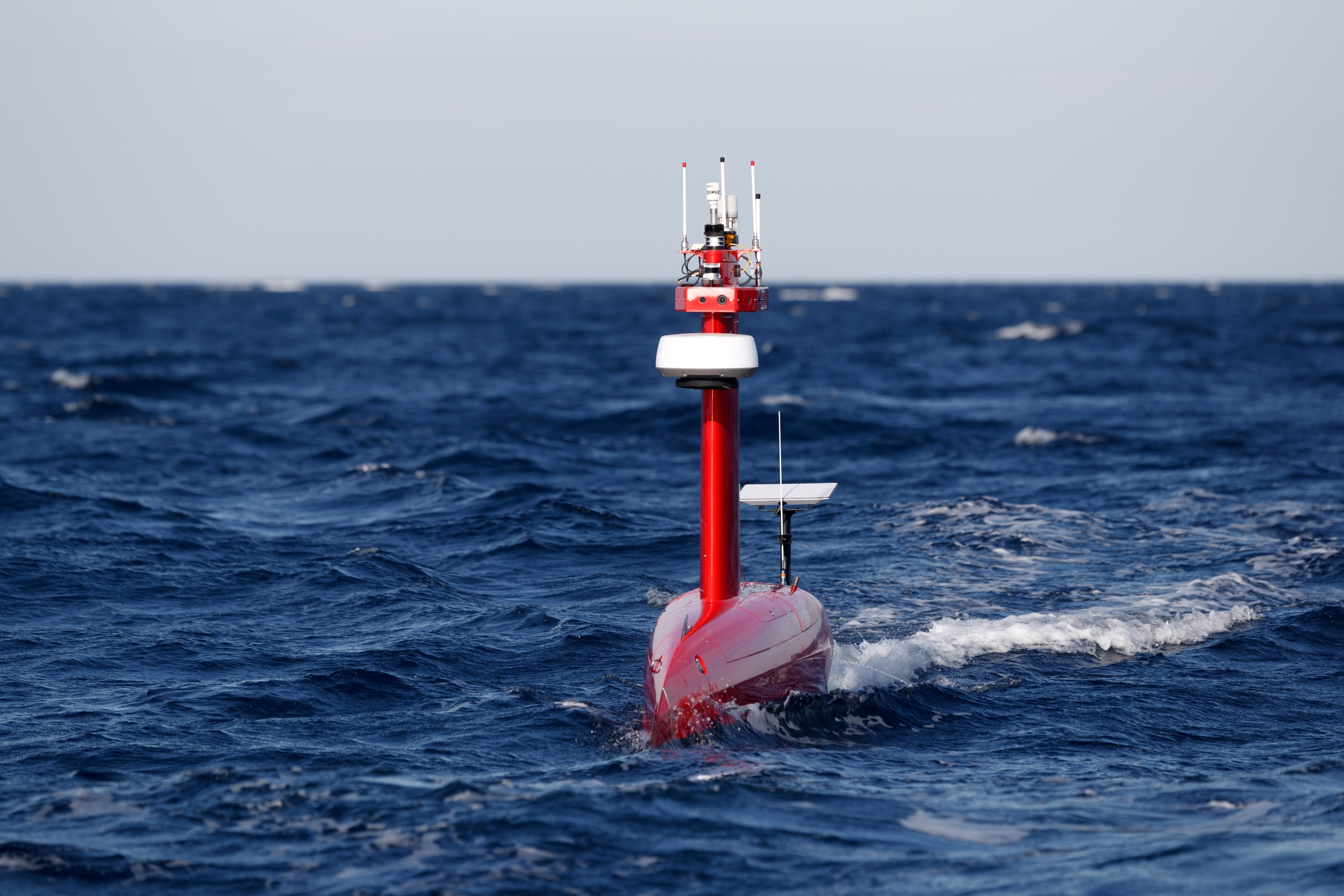
 Exail, together with its partner Thesta, has delivered a DriX H-8 Uncrewed Surface Vessel (USV) to Orlen Petrobaltic. This marks the very first commercial deployment of DriX in Poland, where the complex maritime environment of the Baltic Sea demands innovative and resilient solutions for offshore operations.
The Exail’s DriX H-8 USV is known for its robustness, endurance, and ability to deliver high-quality hydrographic and geophysical data. With its autonomous capabilities and ability to operate in challenging offshore conditions, the DriX H-8 offers a safer, more efficient, and environmentally friendly alternative to traditional crewed vessels.
Orlen Petrobaltic will deploy the DriX H-8 in the Baltic Sea to support offshore platform activities. For this project, the DriX H-8 will be equipped with a Norbit B51S multibeam echosounder (MBES), integrated on the platform for the very first time. This new configuration provides Orlen Petrobaltic with a next-generation hydrographic survey capability, enhancing data quality and efficiency while operating in the Baltic Sea’s demanding conditions.
“Deploying DriX H-8 in the Baltic Sea for the first time is another illustration of how Exail pushes the boundaries of uncrewed maritime operations,” said Jens Higgen, Regional Sales Director at Exail. “Together with Orlen Petrobaltic, we’re proud to shape a new standard for offshore data acquisition and autonomy.”