
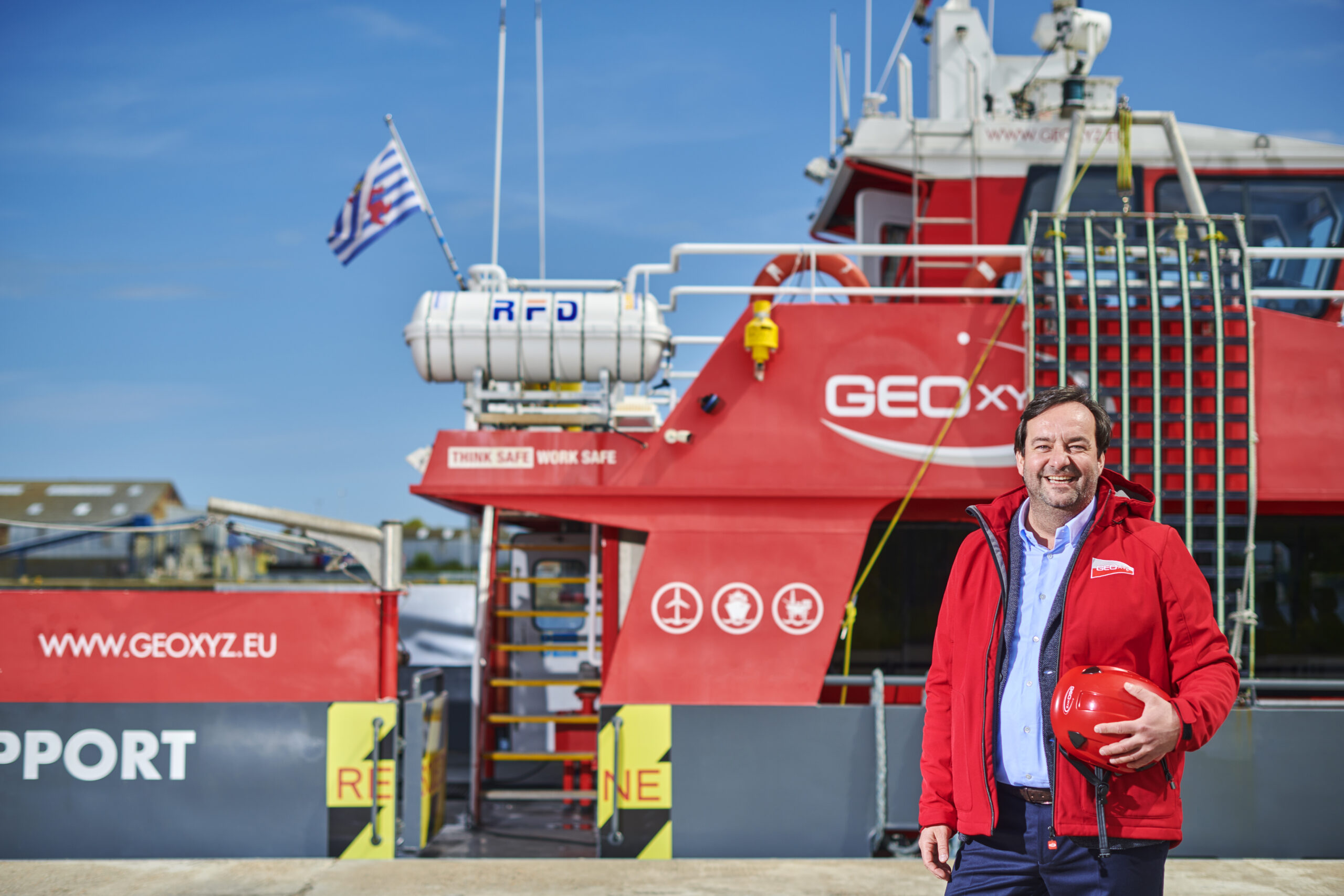
GEOxyz signs a memorandum of agreement with "Starfix" Nigeria
 GEOxyz is pleased to announce that we have signed a Memorandum of Agreement with Starfix Geosolutions Services, a well-established Nigerian company active in geomatics, geophysical, geotechnical and positioning services.
Through this agreement, GEOxyz and Starfix will collaborate on upcoming offshore survey opportunities in the Nigerian market, with a particular focus on supporting oil and gas projects. The agreement represents an important step in GEOxyz’s global expansion strategy, building on our track record of delivering safe, reliable and innovative survey solutions worldwide.
Both parties strongly believe that cooperation and partnership are key to supporting the growth of the Nigerian offshore energy sector.
This collaboration will allow both parties to align expertise, innovative technology, class leading vessels and local knowledge in order to deliver high-quality, data-driven solutions for the region’s leading operators.

OS Energy adopts Sonardyne's SPRINT-Nav DP for vessel positioning
 Offshore service provider OS Energy has adopted Sonardyne’s SPRINT-Nav DP high-grade dynamic positioning (DP) reference system to support its marine renewable energy projects in the North and Baltic Seas.
SPRINT-Nav DP will enable OS Energy to maintain DP integrity, even in shallow water and GNSS-compromised environments that are increasingly characteristic of offshore wind construction and maintenance activities.
Housed within a single, pre-calibrated unit, the easy to integrate system allows operators ride out GNSS disruption, maintaining safety, accuracy and DP certification.
It does this thanks to its integrated high-grade inertial navigation and Doppler velocity log (DVL) technology, providing the capability to acquire accurate seabed-referenced positioning, even when other position reference systems (PRSs) fail.
Germany-based OS Energy is a specialised offshore service provider with more than 15 years' experience in offshore wind, offering vessel management, survey, inspection and environmental monitoring.
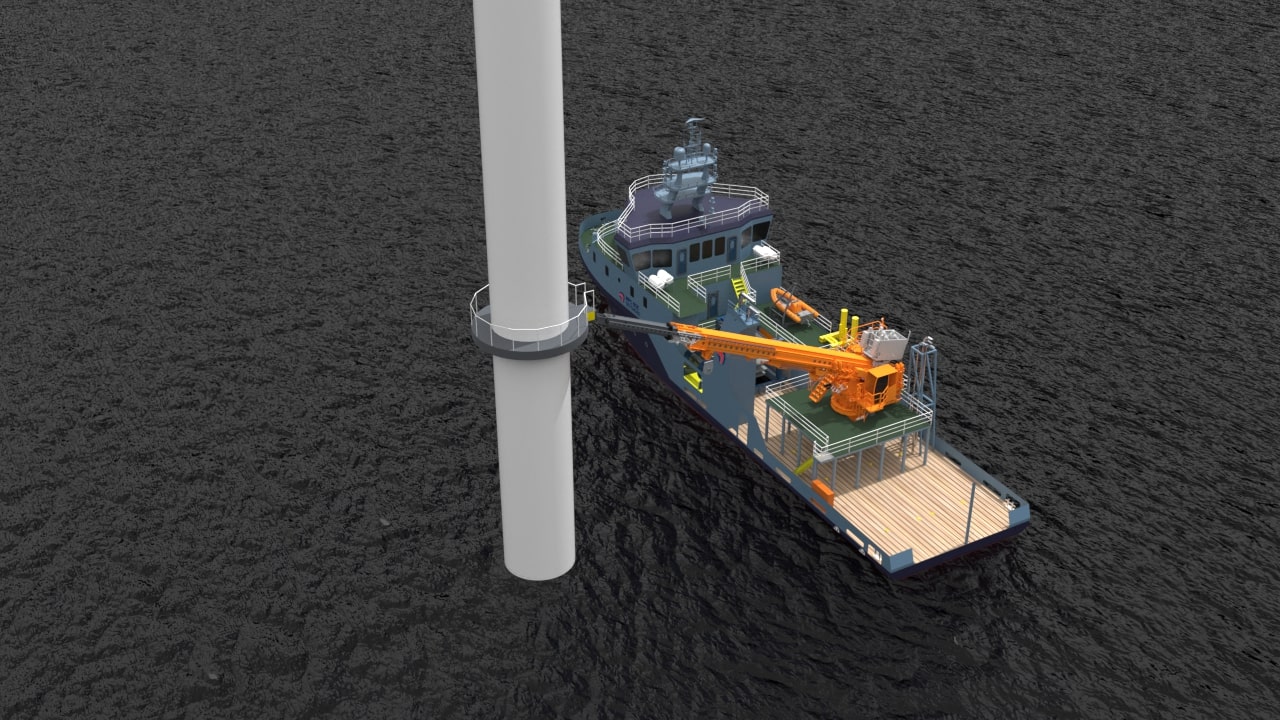
The SPRINT-Nav DP units will be deployed on the newbuild offshore survey and service vessels (OSSVs) that OS Energy has designed specifically for working within wind farms in the North and Baltic Seas.
The innovative DP2 OSSV design integrates a hybrid powertrain and distribution system capable of operating on zero-emission alternative fuels.
OS Energy has confirmed three with options for a further three vessels. The first vessel is being built at the Danish Esbjerg Shipyard with delivery expected in 2026.
OS Energy’s Managing Director Vincent Nuernberg says, “The technical capability provided by SPRINT-Nav DP aligns directly with our mandate to deliver secure and efficient marine operations for offshore wind. As projects grow in technical complexity and regulatory scrutiny, reliable DP systems underpin safe and repeatable outcomes in the field.”
"We're seeing operators experiencing persistent challenges around position reference system availability and GNSS signal interference, especially near turbine arrays and marine infrastructure," says Duncan Rigg, Business Development Manager, vessel systems, at Sonardyne.
"By ensuring uninterrupted DP operations, using SPRINT-Nav DP, our customers can stay on-task, maintain compliance with industry standards and, ultimately, enhance project delivery."
Image Caption: An artist’s render of one of OS Energy’s offshore survey and service vessels (OSSVs). Image from OS Energy.
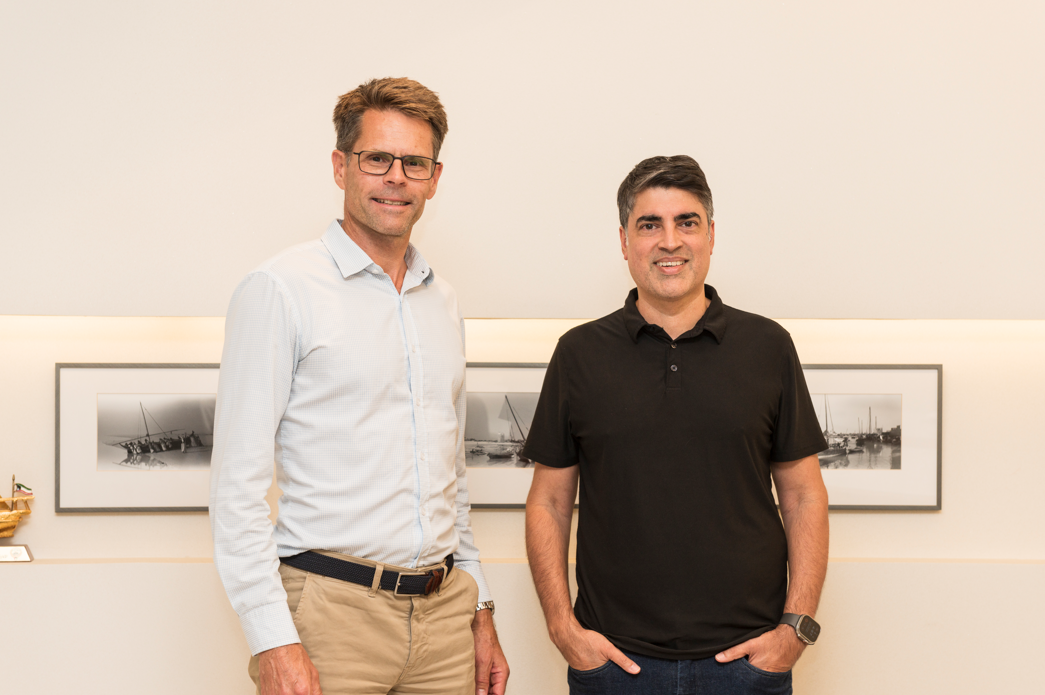
Miros Expands Strategic Partnership with Elcome to Strengthen Regional Presence
 Miros, an industry leader in real-time ocean insights for environmental monitoring and offshore operations, has signed an extended agreement for service, sales and distribution of products and as-a-service solutions with leading maritime systems and services provider Elcome International.
The partnership expands the agreement entered into by the two companies in 2023 and extends Elcome’s distribution of Miros’ comprehensive range of real-time sea state sensor and measurement solutions across the Gulf Cooperation Council (GCC) countries, to additionally cover neighboring countries and regions.
The agreement covers the full range of Miros’ wave sensors and systems as well as Miros Oil Spill Detection solutions. It will also include digital business enabled by secure Miros Cloud and ‘as-a-service’ offerings.
Marius Five Aarset, CEO of Miros AS said: “We aim to improve safety, performance and efficiency of maritime operations in the region by monitoring the sea surface and making data securely available to key stakeholders, whether that is automated Oil Spill Detection or sea condition measurements. Over the last two years, we have enjoyed developing our partnership with the team at Elcome, and this extended agreement strengthens our collaboration. Together we have developed a new customer base across the region, and we are excited to explore new opportunities through this expanded agreement.”
Jimmy Grewal, Managing Director of Elcome International, said: “Elcome's leadership in maritime technology integration positions us uniquely to deliver comprehensive solutions that harness real-time ocean and atmospheric data for critical decision-making. Our partnership with Miros exemplifies our commitment to executing integrated projects that serve government agencies and enterprises with the precise, actionable intelligence they need. Together, we're not just providing sensors – we're delivering complete monitoring ecosystems that enhance safety, efficiency, and environmental stewardship across the maritime domain.”
Miros’ portfolio of sea state measurement solutions provides accurate, real-time data for weather-sensitive operations at sea, as well as offering input to asset integrity systems and coastal monitoring. Its dry-mounted, radar-based sensors provide maritime and offshore operators with the local sea state data they need to make informed decisions, mitigate any safety risks, reduce fuel consumption and carbon emissions.
Miros has pioneered real-time, radar-based ocean surface measurement and monitoring for more than 40 years, setting industry standards and revolutionizing how the world engages with the ocean.
Experience the power of real-time ocean insights with Miros and Elcome at Stand 160 at the Saudi Maritime & Logistics Congress, 1–2 October 2025, Dhahran Expo, Dammam. Discover how data-driven decisions can transform operations.
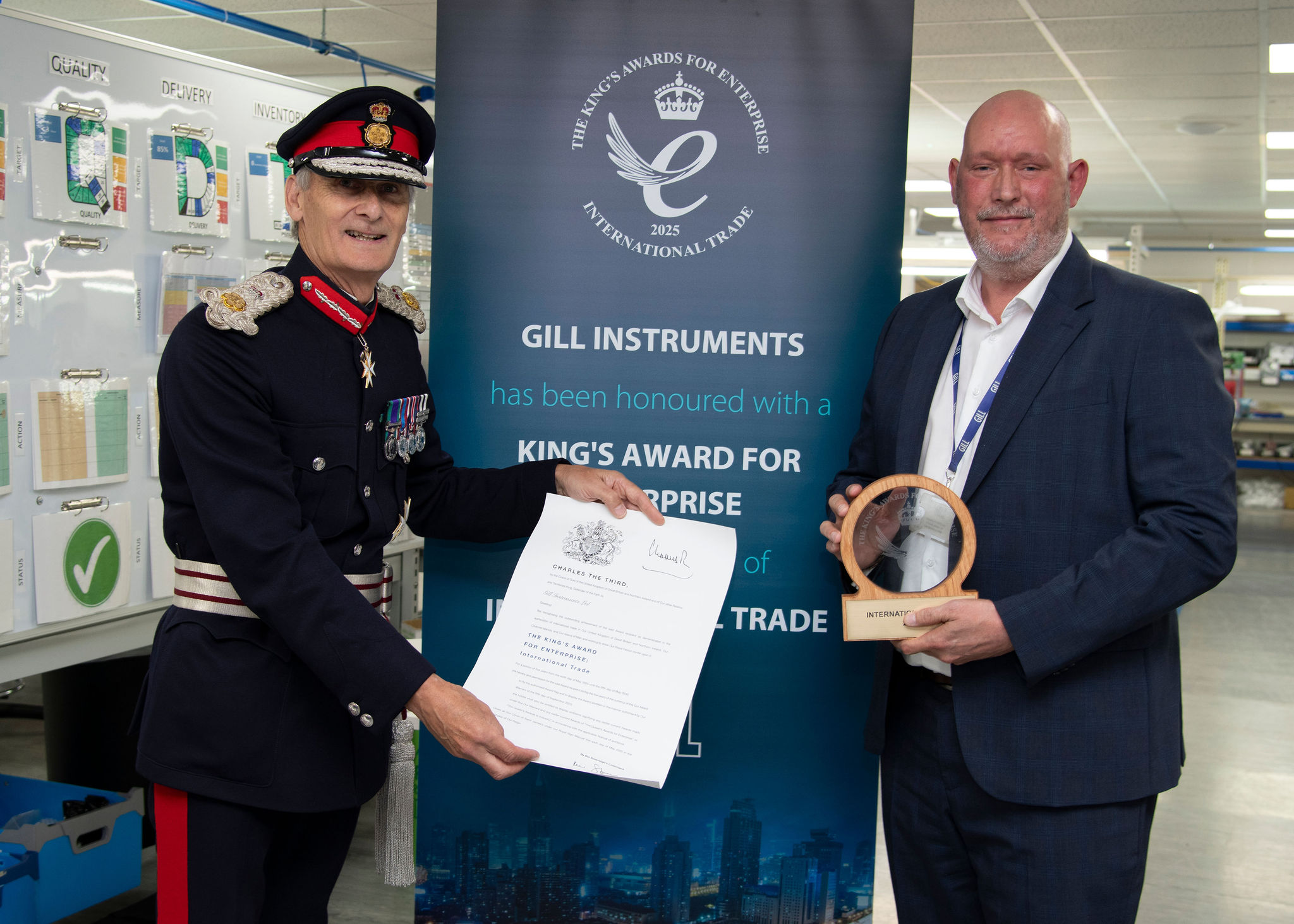
HM Lord-Lieutenant of Hampshire presents Gill Instruments with prestigious King’s Award for Enterprise
 Gill Instruments, a leading designer and manufacturer of meteorological measurement equipment, was officially presented with the King’s Award for Enterprise in International Trade by His Majesty’s Lord-Lieutenant of Hampshire, Nigel Atkinson Esq, during a ceremony at the company’s headquarters in Lymington on Friday 19 September.
The award recognises Gill Instruments’ exceptional contribution to international trade in its field and outstanding growth over the last three years.
The Lord-Lieutenant was joined by local dignitaries including Simon Tufnell, Deputy Lieutenant, and Councillor Colm McCarthy, Mayor of Lymington & Pennington. The special guests were given a tour of the company’s manufacturing facilities, meeting the teams whose innovative spirit and dedication have been key to the company’s success.
Alan Brooke, CEO, of Gill Instruments, commented:
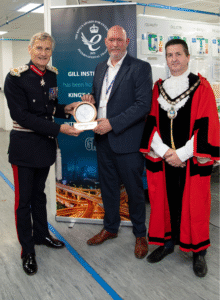 “We are deeply honoured to receive the King’s Award for Enterprise in International Trade and to welcome the Lord-Lieutenant to present it in person. On behalf of everyone, I would like to thank the Lord-Lieutenant for sharing this special day with us, and above all to thank our staff whose hard work and dedication have made this achievement possible. As we celebrate 40 years in business, this award is a proud milestone that reflects our continued commitment to delivering high-quality products and services to customers worldwide. While we have grown from a family business into a global organisation, our core values remain unchanged and will continue to inspire us for the future.”
Founded in 1985 in Lymington, Gill Instruments began as an innovative engineering company specialising in ultrasonic air flow measurement. Today, the company supplies advanced ultrasonic wind sensors and weather stations to customers in over 70 countries, serving a variety of applications and markets including meteorology, process control, utilities, agriculture, marine and transport.
The King’s Awards for Enterprise, formerly known as The Queen’s Awards for Enterprise, were renamed in 2023 to reflect His Majesty The King’s desire to continue the legacy of Her Majesty Queen Elizabeth II in celebrating outstanding UK businesses. Successful businesses are able to use the esteemed King’s Awards Emblem for the next five years.
Forum Energy Technologies Secures Work-Class ROV Order
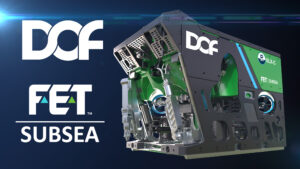 Forum Energy Technologies (FET), a global leader in subsea robotics, has secured a contract with long-term client DOF for the delivery of a work-class remotely operated vehicle (ROV) and supporting tether management system. The order is scheduled for delivery in late 2025. The equipment will support DOF’s extensive subsea operations in Brazil.
This latest generation XLX-C24 ROV system features the advanced ICE Unity Control system and will be delivered with full remote operations capability, reflecting FET’s continued investment in enhancing remote inspection technologies. The ROV system, known for its robust construction and high-specification performance, continues to serve as a dependable asset in challenging offshore environments.
DOF operates one of the largest fleets of FET XLX ROVs globally and has consistently turned to FET for its subsea vehicle needs, citing the durability, reliability and high level of support.
Kevin Taylor, Vice President at FET Subsea, said: “This contract reflects the continued confidence DOF places in our subsea technologies and service. The XLX-C24 represents the very latest in ROV performance, and we are proud to support DOF in their ongoing Brazil operations.”
“FET continues to experience significant growth in subsea robotics, underpinned by increased demand across the energy sector. This agreement highlights the company’s strategic focus on delivering reliable, next-generation systems that enable safe and efficient offshore operations.”
FET is globally recognised for its portfolio of high-performance ROVs, launch and recovery systems (LARS) and control solutions supporting industries from oil and gas to renewables, defence and deep-sea exploration.
World-first: Underwater Autonomous Glider to circumnavigate the globe
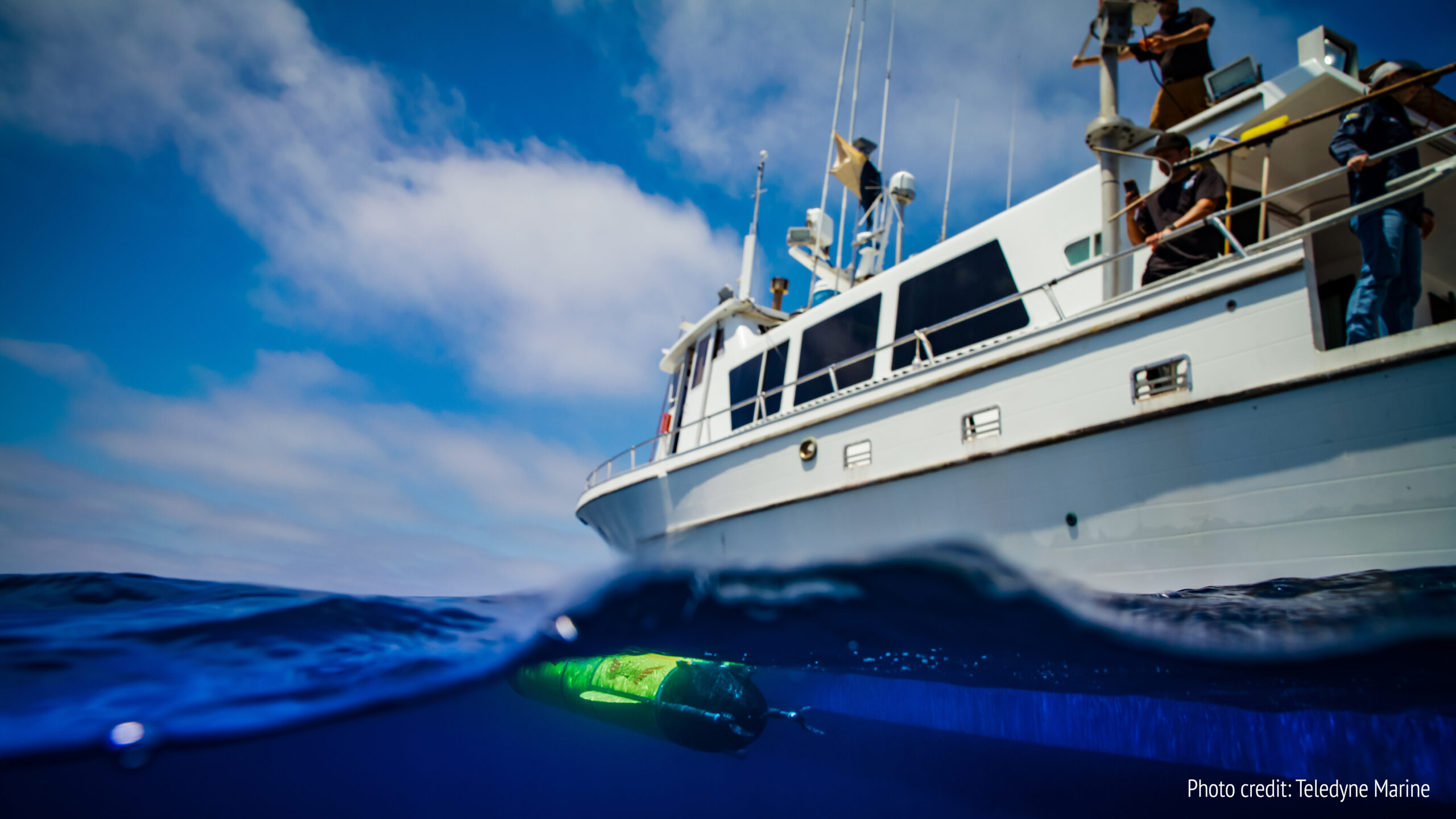
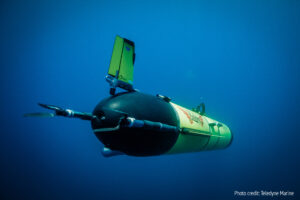 In a world-first for marine science and technology, Teledyne Marine in collaboration with Rutgers University-New Brunswick, will conduct a pioneering mission to circumnavigate the globe with an autonomous underwater glider.
Using Teledyne’s ‘Redwing’, the most advanced commercial subsea glider ever developed, the near five-year Sentinel Mission departs on 10 October 2025 following a ceremony at Woods Hole Oceanographic Institution (WHOI), which operates the second largest glider fleet in the world.
Launched from the edge of the continental shelf south of Martha’s Vineyard, Massachusetts, the next generation Slocum Sentinel Glider will gather unparalleled levels of data on ocean currents, sea temperature and their impact on weather systems and the planet. This data will help refine weather models and improve hurricane intensity forecasting. The data will also help to inform ocean policy and conservation efforts.
“This is a truly historic mission,” says Brian Maguire, COO at Teledyne Marine. “It will pave the way for a future where a global fleet of autonomous underwater gliders will be able to continuously sample our oceans. These gliders will deliver early warnings of extreme weather and will track the impact of shifting ocean currents so that we can refine long-term weather projections in a way that scientists have dreamed of for decades.
“It will also prove that long-range, next-generation, low energy autonomous underwater vehicles (AUVs) are capable of carrying more complex, heavier, and increasingly energy hungry sensors on missions that we could only have imagined previously.”
A legacy realised
The culmination of a vision first imagined by glider inventor Doug Webb — who pioneered autonomous ocean vehicles at Teledyne Webb Research — the Sentinel Mission serves as both a tribute to Webb, who passed away in 2024 at the age of 94, and a response to the urgent need for global ocean monitoring.
Specially built for the mission ‘Redwing’ – an acronym for Research & Education Doug Webb Inter-National Glider – will surf global ocean currents on its epic mission gathering critical ocean data from under-sampled, remote regions of the globe.
A global flight path
Redwing’s first leg will see it ride the Gulf Stream south of Martha’s Vineyard toward Europe, before sweeping south to stop at Gran Canaria off the coast of North West Africa. Its next leg will take it to Cape town in South Africa, before crossing the Indian Ocean to stop at Perth in Western Australia, then on to Wellington, New Zealand. It will then navigate the Antarctic Circumpolar Current — the most powerful current on Earth — taking it on its longest leg to the Falkland Islands. From here there will be possible stops in Brazil and the Caribbean before heading back to Cape Cod in the U.S.
Providing vital data
Transmitting information via satellite when it surfaces every 8-12 hours, Redwing will share vital data on ocean temperature, salinity, currents, and ocean health via the National Oceanic and Atmospheric Administration’s (NOAA) global monitoring system. This will ensure that scientists, oceanographers, meteorologists, universities, and even schools worldwide will be able to access real-time results internationally, building interest in the mission.
Inside the Sentinel Redwing
Built for endurance
The Sentinel Redwing is a new class of sea glider, purpose-designed for ultra-long missions across some of the harshest seas on Earth. Specially engineered with extended battery capacity and additional sensor capability, it can travel up to 15,000 kilometres on a single leg.
Depth and performance
Redwing will dive to depths of 1,000 metres before returning to the surface to transmit data every 8-12 hours. Using only gravity and buoyancy for propulsion, it flies in a sawtooth pattern through the water, conserving energy for years-long deployments.
Smart design
Redwing’s carbon fibre hull flexes under pressure, compressing slightly during descent, while its buoyancy is adjusted via an oil pump and pitch battery system. This ingenious design allows Redwing to “surf” rather than fight ocean currents, travelling at an average speed of 0.75-1 knots as it efficiently propels its way forward, enabling it to travel vast distances, staying deployed for longer.
Payload and sensors
At 2.57m long and 0.33m in diameter, Redwing carries a payload of up to 3.5kg, including:
- CTD sensor (conductivity, temperature, depth/density)
- Altimeter to avoid the seafloor
- Attitude and compass sensors for navigation
- And a fish monitor from Dalhousie University, tracking tagged marine life such as sharks and whales
Shea Quinn, Sentinel Mission Project Lead and Slocum Glider Product Line Manager, explains: “As we travel through the layers of the ocean, which move over and under each other in different directions, we’ll gather data on water temperature and density, and we’ll pick up pings from tagged marine life. “We’ll be able to see what’s happening at the surface and deeper underwater where huge patches of cold water and warm water move. This data will help us to show, for example, where a hurricane is going to go next and how intense it’s going to be. We’ll also build a better knowledge about the impact of ocean currents on our weather patterns, informing global ocean models of the future, and our understanding of long-term climate change.”
Supported by partners from Spain, Gran Canaria, South Africa, Australia, New Zealand, Brazil, the UK, and the U.S, the mission is a truly international undertaking.
 Collaborating with academia
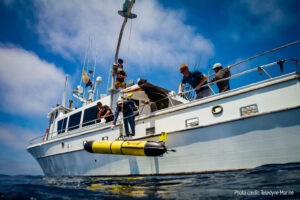
Teledyne Marine engineers will work closely with more than 50 Rutgers University students at the Center for Ocean Observing Leadership (COOL), who have helped programme the navigation software that will guide Redwing across the oceans. Together, they will track Redwing from their shared mission control bases and will keep it on its flight path, making necessary adjustments each time it surfaces throughout the 73,000km journey.
“This is a pivotal moment for ocean science,” said Scott Glenn, Distinguished Professor in the Department of Marine and Coastal Sciences at Rutgers. “We’re deploying an autonomous glider that will travel the world’s oceans, gathering data. And we’re doing it with students, educators and international collaborators every step of the way.”
Oscar Schofield, Distinguished Professor in the Department of Marine and Coastal Sciences at Rutgers, added: “There’s no doubt in my mind that this mission will not only shape our understanding of the oceans and their impact on the climate in a new way, but it will also change the future of autonomous ocean exploration.
“Fittingly, it will also realise a piece of science-fiction written by Henry Strommel of Woods Hole Oceanographic Institution that appeared in Oceanography Magazine in 1989. This foresaw an international race between three Slocumb Sentinel gliders to circumnavigate the globe first, and a time when there would be a fleet of underwater gliders taking part in missions around the world.”
The Sentinel Mission’s progress will be updated on www.teledynemarine.com/sentinelmission and can be followed on Instagram: https://www.instagram.com/teledynemarinevehicles/
Robosys Automation Secures Landmark Offshore Wind Vessel Retrofit Contract
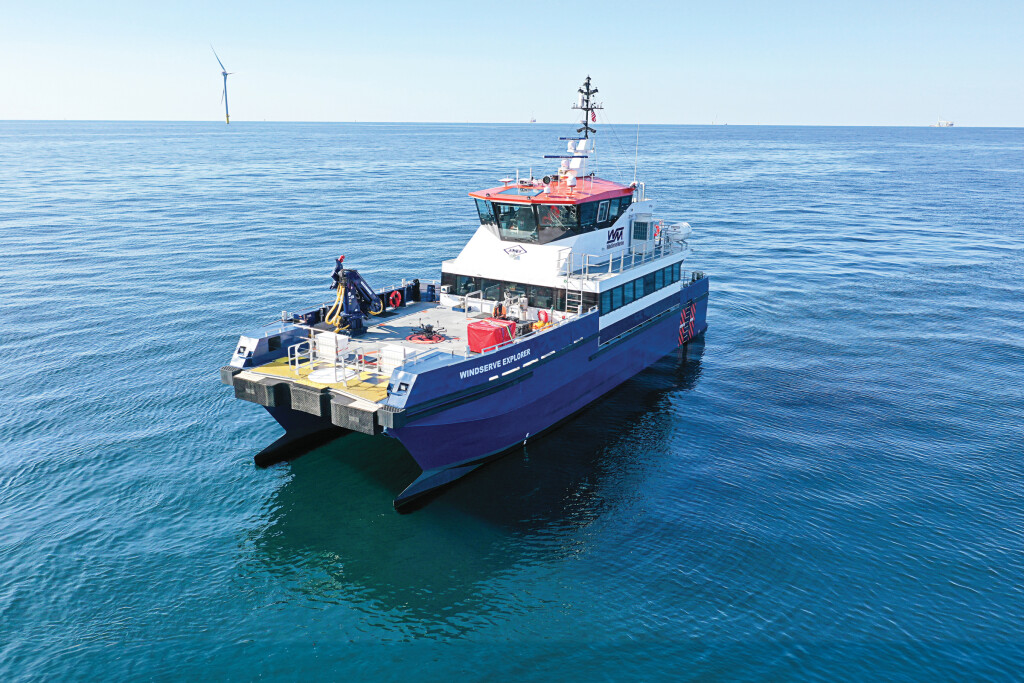
Robosys Automation, a global leader in maritime autonomy, vessel control systems, and smart shipping solutions, has announced that it has secured a new contract to retrofit a 26-metre Damen 2610 Fast Crew Supplier (FCS) Twin Axe High Speed Support Vessel (HSSV), with its flagship VOYAGER AI advanced maritime autonomy software.
The vessel, built in 2015 to Lloyd's Register classification standards, is powered by twin Caterpillar C32 engines with direct drives and is equipped with an Alphatron autopilot, Böning control system, Bosch Rexroth ship controls, and a Hydrosta bow thruster system.
This integration will be the second such type using of Robosys’ VOYAGER AI into a CTV (Crew Transfer Vessel) having first retrofitted a similar Damen 26m CTV with the VOYAGER AI Autonomous Navigation System (ANS) in 2019.
These onboard systems will be seamlessly integrated with Robosys' VOYAGER AI, enabling Remote Control as well as enhanced safe Autonomous Navigation and safe and smart decision-making capabilities using integrated Electronic Navigation Charts (ENCs) ie. ECDIS for route/path planning and re-planning validation plus COLREGS based Collision Avoidance.
The contract, awarded by an undisclosed European client, involves a comprehensive retrofit to ensure optimal performance of the VOYAGER AI platform in real-world offshore support operations, including crew transfers, logistics, and dynamic positioning tasks.
Nigel Lee, Chief Strategy Officer at Robosys Automation, commented: “This project represents a significant leap forward not only for Robosys but for the offshore renewables industry. The integration of VOYAGER AI into this Damen FCS 2610 vessel highlights the confidence in remote and autonomous smart vessel technologies to enhance safety, operational efficiency, and sustainability, within offshore wind operations.”
VOYAGER AI offers scalable levels of autonomy, ranging from decision-support to fully autonomous operations, and is built to integrate with existing vessel control systems with minimal disruption.
Lee continues: “The integration of Robosys’ VOYAGER AI into the Damen 2610 marks a major step forward in enhancing the safety, efficiency, and sustainability of our customer’s offshore operations. As the offshore wind industry continues to evolve, embracing advanced autonomy is a natural progression to meet future demands, for safer and cleaner seas.”
This adaptability was key in securing the retrofit contract, with VOYAGER AI complementing the vessel’s legacy systems while opening the door to remote and autonomous operations.
With global demand for offshore wind accelerating, this deployment demonstrates how intelligent autonomy solutions can play a critical role in future-proofing vessel operations and supporting net-zero ambitions.
Robosys Automation s a provider of advanced maritime autonomy, vessel control systems, and smart shipping solutions. Its VOYAGER AI software suite supports a wide range of surface and sub-surface vessel operations, from ports and naval defence to offshore energy and commercial shipping. Find out more at www.robosysautomation.com.
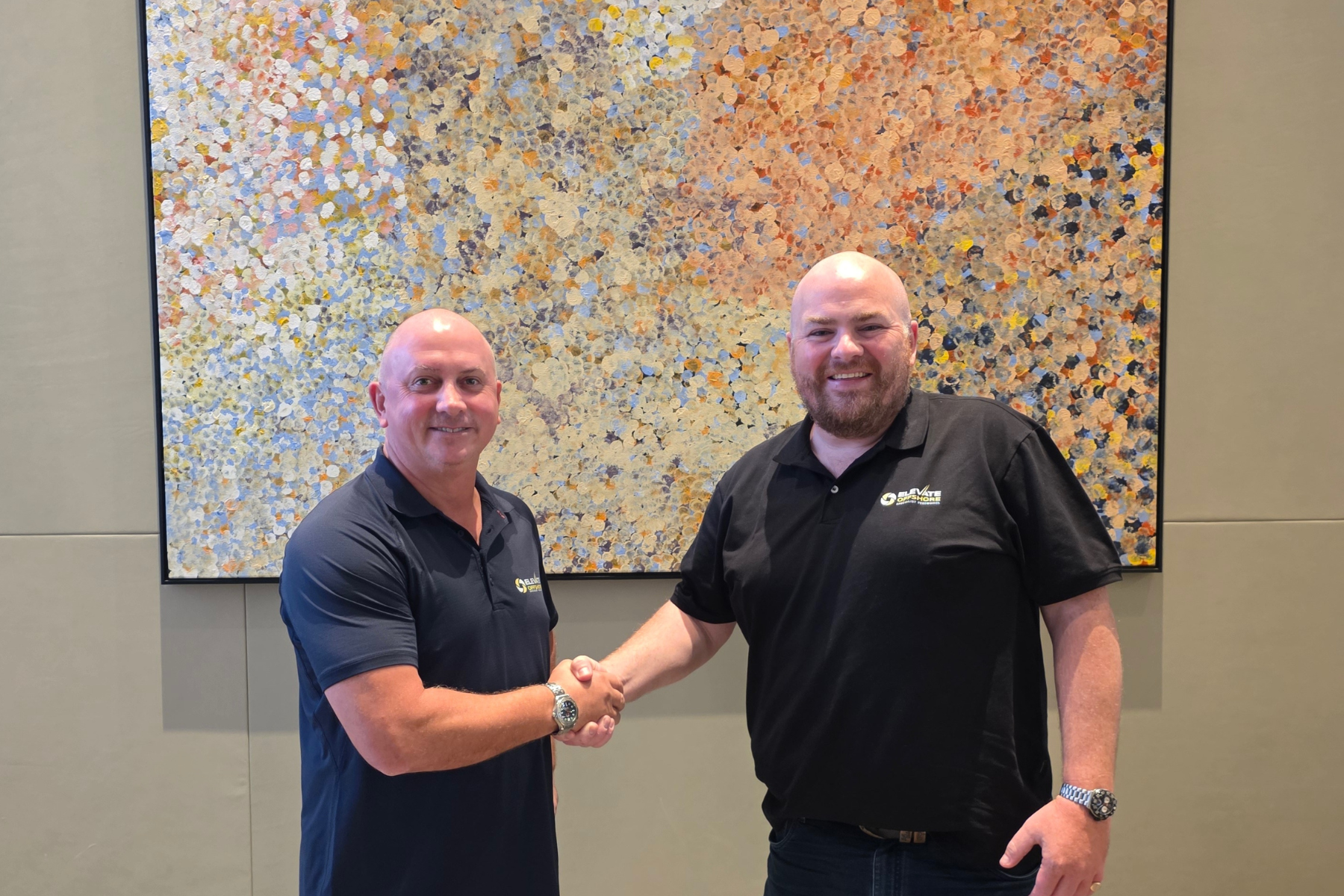
Elevate Offshore strengthens global footprint with new presence in Australia
 Elevate Offshore has launched operations in Australia, marking a strategic expansion for the company. The new base will be led by Gwilym (Gwil) Conran, who has been appointed General Manager for the region.
Australia is a significant market for the offshore energy sector, with major infrastructure, resources, and subsea projects shaping regional demand.
Elevate Offshore supplies specialist personnel to the global offshore industry, working as a trusted partner within project teams. Its open and accountable culture has earned a reputation for responsiveness, quality, and reliable expertise.
Andrew Blears, Managing Director of Elevate Offshore, commented, "Australia has always been an important market for us, and to fully support our growing client base, we need a local presence. Establishing a base here allows us to be closer to clients, ensure compliance with local regulations, and create opportunities for Australian personnel. This step is about building strong, lasting partnerships on the ground."
He added, "I'm delighted to welcome Gwil to the leadership team. His deep industry knowledge, leadership experience in Australia, and overall character make him the ideal person to grow our operations here."
Gwil will be based in Perth, supported by Elevate Offshore's Singapore office, with plans to expand a dedicated team around him as operations develop. Services in Australia will include project management, engineering, ROV teams, offshore inspection, and offshore survey.
With over 20 years of experience spanning the geospatial, surveying, and utilities sectors, Gwil has held senior commercial and operational leadership roles with leading Australian companies. His career spans major infrastructure, resources, and offshore energy projects, alongside responsibility for group operations across multiple geospatial businesses.
Gwil said, "Since its inception, Elevate Offshore has stood out in the offshore energy sector for its quality and differentiation. Leading the company's presence in Australia is both an honour and a responsibility. Being locally based gives us the knowledge and perspective to understand the market more acutely, break into new sectors, and strengthen our commercial insight - all while building on our international strengths."
He added, "My initial focus will be on our clients - delivering safe, efficient outcomes on existing projects and building strong foundations for the future. Developing a local team and culture is also a priority, always aligned with our global standards. Collaboration and trust are at the heart of how I lead, and my door is always open to our clients, colleagues, and partners."
Elevate Offshore's flexible model, supported by its existing teams, enables the company to grow in step with client demand. The Australian base enhances the company's ability to deliver safe, efficient, and high-quality offshore operations both locally and worldwide.
ASL and Sofar Ocean Engage in Strategic Marketing and Distribution Partnership
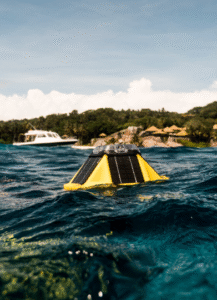 ASL Environmental Sciences Inc. is proud to announce a new strategic marketing and distribution partnership with Sofar Ocean, bringing innovative oceanographic solutions to Canada and Alaska. This collaboration strengthens ASL’s position as a trusted supplier of advanced ocean monitoring technologies while enhancing Sofar’s reach in northern markets.
At the center of this partnership is the Sofar Spotter Platform a compact, solar-powered metocean buoy that delivers real-time data on waves, winds, sea surface temperature, barometric pressure, and more. Rugged yet portable, the Spotter Buoy connects researchers and operators to their data 24/7 via satellite or cellular networks, with intuitive access through the Spotter dashboard and API. ASL currently offers several Spotter Buoys in its lease pool and provides customized mooring solutions to integrate these buoys into site-specific coastal and offshore studies.
In addition, ASL is also featuring its Acoustic Zooplankton Fish Profiler-nano (AZFP-nano) as a new integration option to the Spotter Platform. As part of the Sofar's Smart Mooring system, the lightweight and portable AZFP-nano delivers subsurface acoustic backscatter data that provides critical insights into zooplankton and fish populations. Through Sofar’s Bristlemouth hardware interface, AZFP-nano data can now be transmitted in near real-time, giving researchers unprecedented access to subsurface biological data alongside Spotter’s metocean measurements.
This partnership highlights ASL’s commitment to providing cutting-edge ocean observing technologies and flexible mooring designs tailored to client needs. By combining Sofar ’s proven Spotter Platform with ASL’s innovative acoustic tools, researchers can now unlock new opportunities for integrated, real-time ocean monitoring.
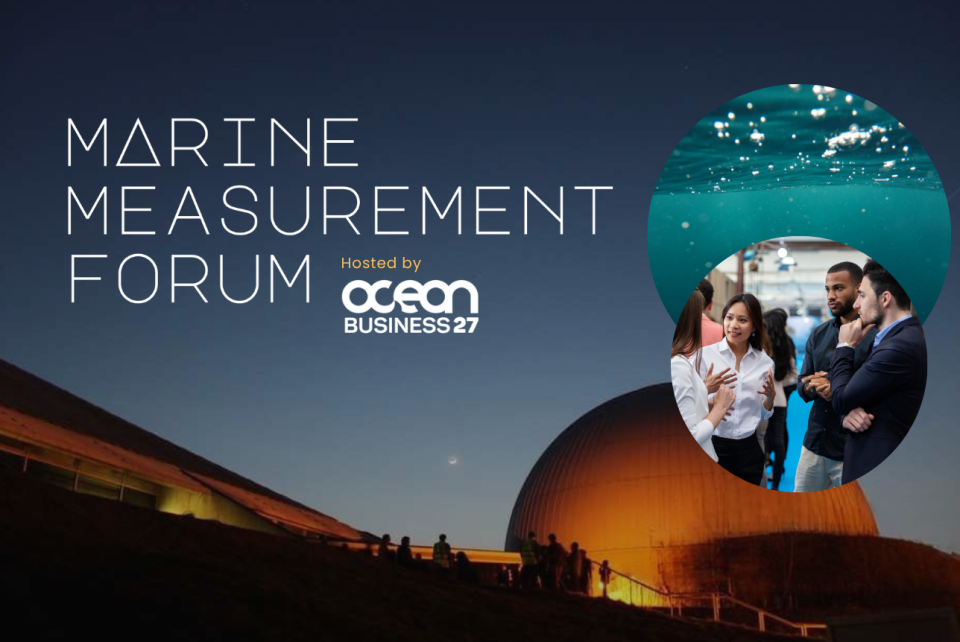
Marine Measurement Forum Announces Exciting New Venue: Winchester Science Centre & Planetarium
The Ocean Business team are delighted to be hosting the 70th edition of the Marine Measurement Forum, fondly known as the MMF, taking place on the 28th January 2026.
The conference will bring together professionals from across the marine sector under the spectacular dome of one of the UK’s leading science engagement venues - the Winchester Science Centre & Planetarium. Powerfully connecting two largely unexplored realms, particularly as the need for satellite and space technology for navigation and remote data collection is ever increasing.
January's event will highlight how knowledge-sharing between ocean and space science is essential to providing answers, and to help us better understand our planet.
The call for speakers will be issued shortly, contributors from all corners of the marine and space sectors are encouraged to apply.
For event updates make sure you sign-up here.
We look forward to seeing you there!
Your Ocean Business Team