BIO-UV GROUP helps BWTS operators remain D2 compliant with new performance arrangement
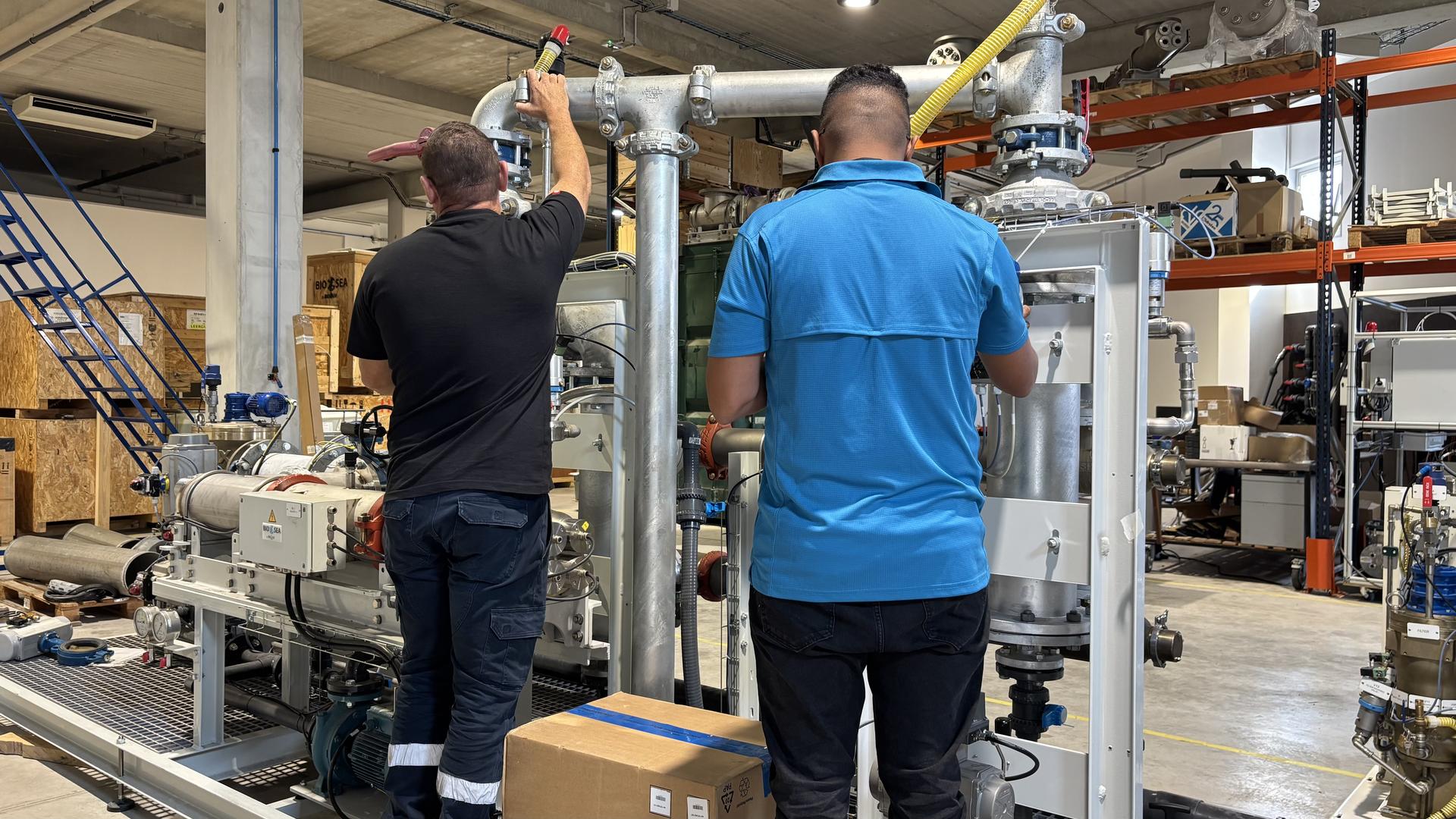
 Leading water treatment specialist BIO-UV Group has introduced a new Compliancy & Performance Agreement (C&P Agreement) solution for shipmanagers looking to ensure their BIO-SEA ballast water treatment systems remain regulatory compliant and operationally tip-top.
The new service agreement aims to address the challenges ship operators face maintaining regulatory compliance amid increasingly stringent ballast water management inspection regimes and operational demands on ship crews.
With over 30% of vessels failing D-2 compliance tests despite having installed type-approved systems, the C&P Agreement provides a vital framework for proactive system maintenance and support.
Too many shipowners still see ballast water treatment systems as ‘install-and-forget’ solutions,” said Jean Philippe Picard de Muller, who heads up BIO-UV Group’s Service Division. “In reality, ballast water treatment systems require continuous maintenance and well-trained crews to operate them effectively. Neglecting these essentials not only threatens compliance but also risks damaging marine ecosystems.”
BIO-UV Group says that key maintenance procedures, such as air and water filter cleaning, UV lamp replacement, and sensor calibration, are often overlooked. Even fully operational systems can fail if crew members are not properly trained to manage daily checks or identify irregularities such as pressure drops or unusual noises.
“Routine checks are essential,” J.P Picard de Muller said. “Crews need to verify valves are in the correct position, and any condensation is drained.
"Our Compliancy & Performance Agreement is the first line of defence against compliance failure by ensuring ship operators receive the technical support and spare parts they need to keep their BIO-SEA systems performing efficiently, in top condition.”
The C&P Agreement includes an annual onboard visit by BIO-UV Group’s expert technicians, who perform a thorough inspection and calibration of critical system components, including sensors and flow meters. The agreement also covers crew demonstrations and basic onboard training to reinforce operational confidence. Ship operators also benefit from special pricing on essential spare parts and additional services.
“This helps operators stockpile critical components and avoids costly delays linked to supply chain uncertainties or third-party dependencies,” said J.P Picard de Muller. “There is also an option for system maintenance during dry-dock periods allowing owners to align system upgrades with planned vessel downtime.”
For a fixed yearly fee per vessel, shipowners receive proactive annual onboard visits, calibration of critical sensors, verification of system functions, inventory checks, and crew training.
IMO data reveals that 77% of shipowners report operational issues with their BWMS, citing crew knowledge gaps as a leading cause, while Port State Control officers are increasingly questioning crews on system operation and compliance procedures.
Charlène Ceresola, BWT Project Manager at BIO-UV Group advised that if a crew can’t demonstrate competence, even a fully functional system may not pass inspection. “Shipowners do need to prioritise continuous training, covering not only system operation but also troubleshooting and emergency procedures,” she said.
Indeed, port authorities have increased inspections to enforce the D-2 discharge standard, with reports indicating more than 30% of ships failing D-2 compliance inspections, often due to operational errors such as mixing treated and untreated water, regrowth of organisms, and inconsistent system use.
Regulators are also tightening administrative requirements. Nearly 60% of ballast water-related deficiencies stem from poor record-keeping.
In February 2025, updated IMO guidelines BWM.2/Circ.80/Rev.1 entered into force providing clarity with examples of entries and mandating more detailed records of all ballasting and deballasting operations, including system treatment status, actions in challenging water conditions and any non-compliant discharges.
“A well-maintained record book is as important as a well-maintained system,” Charlène Ceresola stressed. “Shipowners must audit documentation regularly to avoid detentions.”
Adding to the complexity, some systems installed years ago now face sustainability challenges.
“When manufacturers exit the market, shipowners risk being left without spare parts, software updates, or technical support,” said Charlène Ceresola. “This jeopardises compliance even if the system was type-approved at the time of installation.”
BIO-UV Group advises shipowners to stockpile essential spare parts, establish support agreements with OEM, and consider system updates or upgrades during dry-dock periods.
“Non-compliance can lead to ship detentions, substantial fines, and reputational damage. Meeting ballast water regulations is not just about ticking boxes,” Charlène Ceresola said. “Shipowners must act now to ensure their systems are reliable, their crews are trained, and their documentation is complete.”

Project Management for Marine Survey Course Returns in September
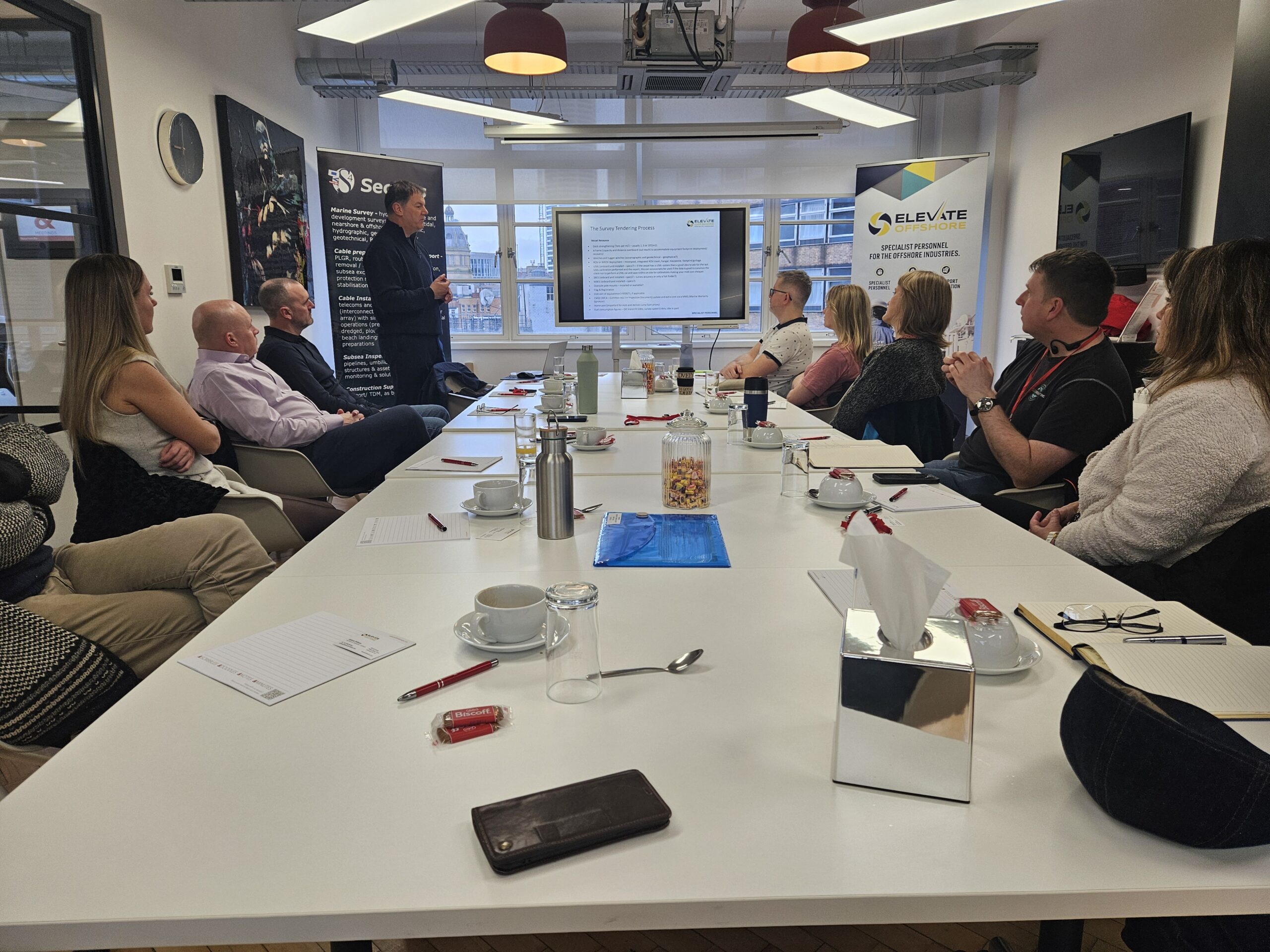
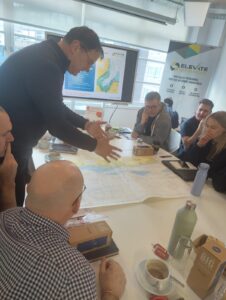 When we first teamed up with Suffolk Survey & Subsea Services Ltd (S4) earlier this year, our aim was simple: to offer training that genuinely makes a difference. Following the success of our first course in February, we’re pleased to announce that it will return to Birmingham in September 2025.
The Project Management for Marine Survey course isn’t just another training session. It’s a practical opportunity to step away from day-to-day operations, gain new insights, and strengthen the skills that matter offshore. Whether you’re already managing projects or preparing to take the next step, this course provides an opportunity for reflection, connection, and growth, leaving you feeling confident and well-prepared for the challenges ahead.
Location: Somerset House, 37 Temple Street, Birmingham B2 5DP
Dates: 16–18 September 2025
Cost: £849 (excluding travel and accommodation)
Bookings and enquiries: [email protected]
Where It All Began
In February 2025, eleven professionals joined us from across the offshore industry. Each participant brought a wealth of experience and left with new knowledge, renewed confidence, and a clearer sense of direction.
Led by Arron Burrows, Director at S4 and a highly respected figure in the sector, the course offers a unique opportunity to learn from someone with decades of hands-on experience in offshore survey and project delivery. With over 38 years of experience in hydrographic survey, inspection, telecoms, renewables, and more, Arron’s approach is grounded, straightforward, and informed by years of working offshore.
“Arron is very approachable and personable,” said Chris Cain, one of our attendees. “A great few days and lots to take away and apply to my career.” This positive feedback from past attendees is a testament to the quality and value of the course, leaving you reassured and confident in your decision to join us.
For Phillip Wilding, the course offered direction and momentum: “The content clearly and concisely bridged experiences from offshore projects, enabling me to continue personal development into offshore PM roles. I would highly recommend it.”
What You’ll Learn
Returning to Somerset House in central Birmingham, this three-day course will cover essential project management topics, including:
- Communication and professionalism
- Project planning, resourcing, and cost control
- Client liaison and document management
- Risk assessments, PRINCE2 principles, and contract awareness
The sessions combine structure with flexibility. There’s space to discuss, question, and share your own experiences. The focus is always on what’s useful with tools you can take back and use straight away.
“It felt more like a conversation than a lecture,” one participant said. “There was room to speak openly and learn from others in the room.”
As with our previous course, it won’t just be about the classroom. On Wednesday evening, we’re planning an informal networking and entertainment event in the Flight Club as part of the experience, providing participants with an opportunity to connect, share ideas, and unwind in a relaxed setting. It’s a valuable opportunity to build industry relationships that last well beyond the course itself.
Why We’re Running It Again
Because there’s real value in this kind of learning—practical, focused, and grounded in the offshore environment, the feedback from February’s course was overwhelmingly positive. It was clear that more professionals are seeking training that addresses the realities of working offshore.
Anthony Williams, Technical Manager at Elevate Offshore, shared his perspective on the company’s commitment to training: “At Elevate Offshore, we firmly believe that success in the offshore sector hinges on cultivating knowledge, skills, and expertise. We dedicate ourselves to helping our people and industry contractors develop through high-quality training and meaningful career growth opportunities. By offering courses like this, we ensure that offshore professionals have access to the training they need to advance their careers and thrive in an ever-evolving industry.”
To reserve your place or learn more, contact [email protected]
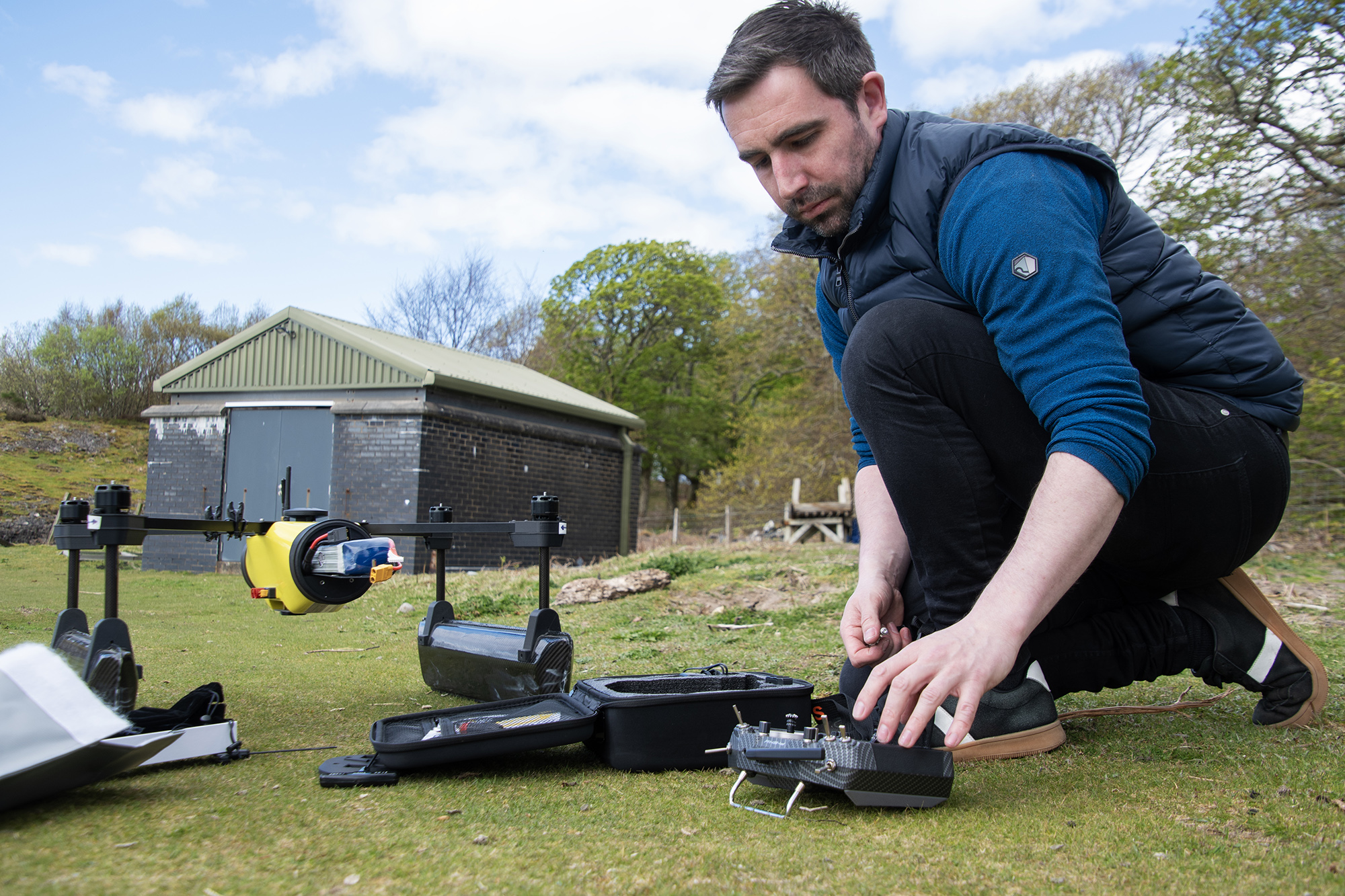
Training course can help UK become leader in environmental monitoring
 Robotics scientists who say the UK could become a global leader in environmental monitoring by embracing technology already available have launched a new course to train others.
The Scientific Robotics Academy, based at the Scottish Association for Marine Science (SAMS) in Oban and part-funded by the UK government through the UK Shared Prosperity Fund, will demonstrate the capabilities of a range of robotics systems during its training course between 3rd – 5th September.
The course, Environmental Monitoring using Multi-Platform Technology, is designed to benefit those with a responsibility for environmental monitoring, including landowners, planners, NGOs and third sector organisations and researchers.
SAMS robotics lead Dr Phil Anderson said: “Scotland, and the wider UK is ideally placed, in terms of location and technology readiness, to become the global leader in environmental monitoring.
“The Scientific Robotics Academy is pioneering marine robotics education and innovation to prepare the next generation of users of autonomous platforms. We also exist to engage current engineers in conversations about robotics platform and sensor needs and challenges of the marine science and environmental management community.
“On the course, users will learn about the preparation and application of robotic platforms and sensor technology to monitor and manage rapidly changing environments. The way we monitor the environment is changing too and we want to make sure the people with this very important role have the skills they need.”
The hands-on training will be delivered by experts in their field and provide a comprehensive overview of environmental monitoring spanning terrestrial, coastal and marine activities.
The course will cover practical elements from mission planning and legislative requirements to sensor types and data processing.
Argyll and Bute Council has supported the development of the Scientific Robotics Academy through access to the Shared Prosperity Fund.
Councillor Math Campbell-Sturgess, Argyll and Bute Council’s Policy Lead for Business Development, said: "UKSPF funding has been invaluable in enabling us to deliver additional support for local businesses, people and skills and further investment in our communities.
“Argyll and Bute is ideally located to position Scotland as a pioneering force for innovation through robotics testing and training. Innovation partnerships, such as Limosaero's visit to SAMS to test sensors on their solar powered drone at Oban Airport, has further demonstrated the growing capability of technology to improve connectivity with remote island communities, and deliver time- and cost-savings for users.
“Bridging the gap between those that develop these advancing technologies and the end users has never been more important, and the robotics academy is the perfect enabler.”
The three-day course, Environmental Monitoring using Multi-Platform Technology, has been CPD-recognised by IMarEST – the Institute of Marine Engineering, Science and Technology. For more information on the upcoming course and to apply for a place, see: Courses — Scottish Association for Marine Science, Oban UK
As well as offering additional person discounts for multiple places purchased, thanks to the generous support of BlueFloat Energy | Nadara Partnership, there are also six part-sponsored places on the course. Details for this can also be found on the course webpage (https://www.sams.ac.uk/robotics/academy/sponsored-places/).
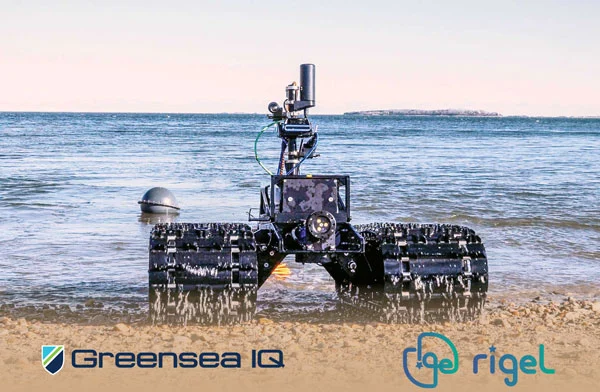
Greensea IQ Appoints Rigel SrL as Exclusive Bayonet Representative for Italy
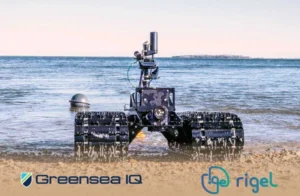 Greensea IQ, a leader in subsea robotics and autonomous systems, is pleased to announce the appointment of Rigel SrL as its exclusive sales representative in Italy for the Bayonet line of Autonomous Underwater Ground Vehicles (AUGVs).
Based in Rome, Rigel SrL brings more than 50 years of experience delivering advanced electronics, robotics, and automation systems to Italy’s maritime, defense, and industrial sectors. This partnership marks an important step in expanding Greensea IQ’s presence in Europe and introducing its Bayonet surf-zone and nearshore robotics solutions to the Italian market.
“Rigel SrL has earned a strong reputation as a trusted provider of advanced technologies to government and commercial customers in Italy,” said Rob Howard, Chief Growth Officer of Greensea IQ. “We’re proud to partner with a company that shares our commitment to innovation, reliability, and mission success. With Rigel, we’re confident the Bayonet product line will find a strong foothold in one of Europe’s most dynamic maritime regions.”
The Bayonet AUGV family is designed specifically for operations in the surf zone and shallow water, enabling autonomous seabed mobility for applications such as mine countermeasures (MCM), UXO detection, coastal surveys, payload delivery, and amphibious reconnaissance. Built on Greensea IQ’s robust, open architecture platform, the Bayonet systems deliver true autonomy, precise navigation, and modular payload integration.
“It’s a privilege to bring Greensea IQ and their groundbreaking Bayonet technology to the Italian market,” said Emanuele Orlandi, Business Development Director at Rigel Srl. “With Italy’s extensive coastline and increasing focus on maritime security, environmental monitoring, and subsea innovation, there’s a clear need for agile, field-proven solutions like Bayonet. We’re excited to drive forward deployments that raise the bar for safety, reliability, and operational excellence in complex nearshore domains.”
The agreement reinforces Greensea IQ’s commitment to strengthening its global reach by aligning with experienced regional partners who understand the unique operational challenges and opportunities of their local markets.
Are you passionate about the marine environment and eager to work with advanced technology?
 Role: Metocean Technician
Location: Dun Laoghaire, Co Dublin, Ireland
Salary: Competitive, based on experience
Join Our Team as a Metocean Technician!
TechWorks Marine is a leader in metocean solutions, supporting key projects in renewable energy, oil & gas, and marine infrastructure. We’re looking for a practical, detail-oriented individual to join our growing team.
As a Metocean Technician, you will play a vital role in our operations. Your responsibilities will include:
· Equipment Preparation: Assembling, configuring, and testing metocean instruments and sensors before deployment.
· Equipment Maintenance: Conducting regular maintenance, including organising and performing calibrations, and servicing all metocean equipment to ensure optimal performance.
· Deploying and Recovering Equipment: Installing, recovering, and servicing oceanographic and meteorological equipment (e.g., ADCPs, wave buoys, weather stations).
· Troubleshooting: Diagnosing and repairing equipment issues both onshore and offshore.
· Data Management: Collecting, processing, and performing quality control on metocean data.
· Reporting: Preparing clear technical reports and data summaries.
· Fieldwork: Participating in offshore campaigns and other field activities.
· Safety First: Ensuring compliance with health, safety, and environmental standards.
What We’re Looking For
· Experience: Previous experience with metocean equipment and data acquisition systems is essential.
· Education: A degree or diploma in Oceanography, Marine Science, Engineering, or a related field (or equivalent practical experience).
· Technical Skills: Strong problem-solving abilities and comfort with IT tools for data handling.
· Adaptability: Willingness to work offshore, travel, and adapt to varying schedules.
· Team Player: Excellent communication and collaboration skills.
· Certification: Valid offshore survival and medical certificates (or willingness to obtain).
Why Join TechWorks Marine?
· Impactful Work: Contribute to significant projects in critical marine sectors.
· Growth: Opportunities for professional development and training.
· Dynamic Environment: Work in a challenging and rewarding field, with a supportive team.
Ready to apply? Please send your CV and a brief cover letter to [email protected] by 15th August 2025.
We are an equal opportunity employer and encourage applications from all qualified individuals eligible to work in the European Union.
Oceanus12 sets sail for Canada as ASV Viper marking milestone in autonomous maritime operations
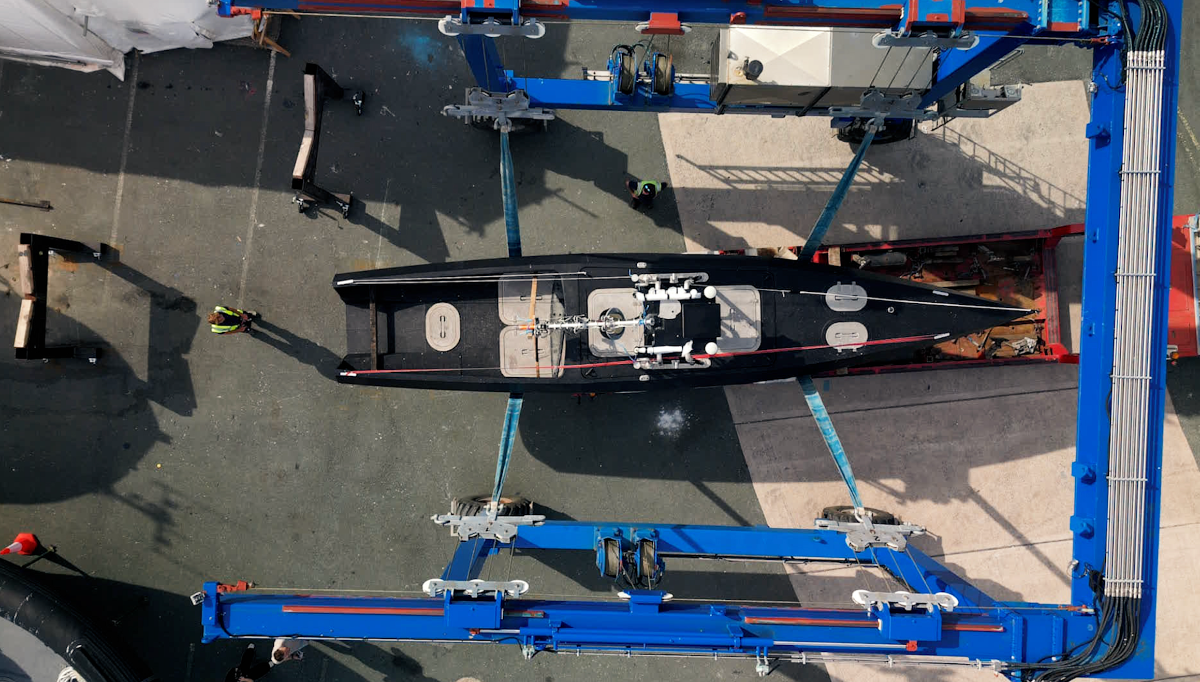
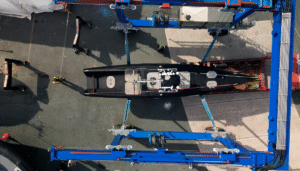 One of Zero USV’s Oceanus12 uncrewed surface vessel has officially left UK waters following successful trials in Plymouth, bound for Canada where it will join Leeway Marine’s operational fleet under its new name: ASV Viper.
Renamed and readied for service, Viper marks a significant moment for ZeroUSV as the first vessel to be deployed internationally under its franchise model, and the first step in bringing high-endurance, over-the-horizon uncrewed capability to North America.
The partnership sees Leeway Marine appointed as ZeroUSV’s first international franchisee, with exclusive rights to operate the Oceanus12 in Canada and the wider region on a charter basis. Designed from the keel up for extended autonomous missions, the Oceanus12 features a hybrid-electric twin propulsion system, advanced autonomy from AI software leaders, Marine AI, and a mission-flexible platform suitable for defence, survey, and border security operations.
Matthew Ratsey, founder of ZeroUSV, said: “We’re proud to see ASV Viper heading into service, particularly with Leeway Marine, who have deep operational experience and knowledge, making them the ideal partner to take Zero USV to North America.
“This is a meaningful step in our global expansion, and one that shows the increasing demand for high-performance, uncrewed platforms that don’t rely on costly ownership models.”
Based in Halifax, Nova Scotia, Leeway Marine is one of Canada’s largest offshore charter operators, with a strong presence in defence and survey markets. ASV Viper will be the first autonomous vessel of its kind in the region, opening new possibilities for persistent maritime operations without crew onboard.
ZeroUSV’s model enables customers to access turnkey autonomous capability through charter, supported by its own Remote Observation Centre (ROC) – reducing complexity, time to deployment, and risk.
Viper is expected to enter operational trials in Canadian waters later this summer.
Teledyne CARIS and UK Hydrographic Office Partner to Transform Hydrographic Processing and Nautical Charting

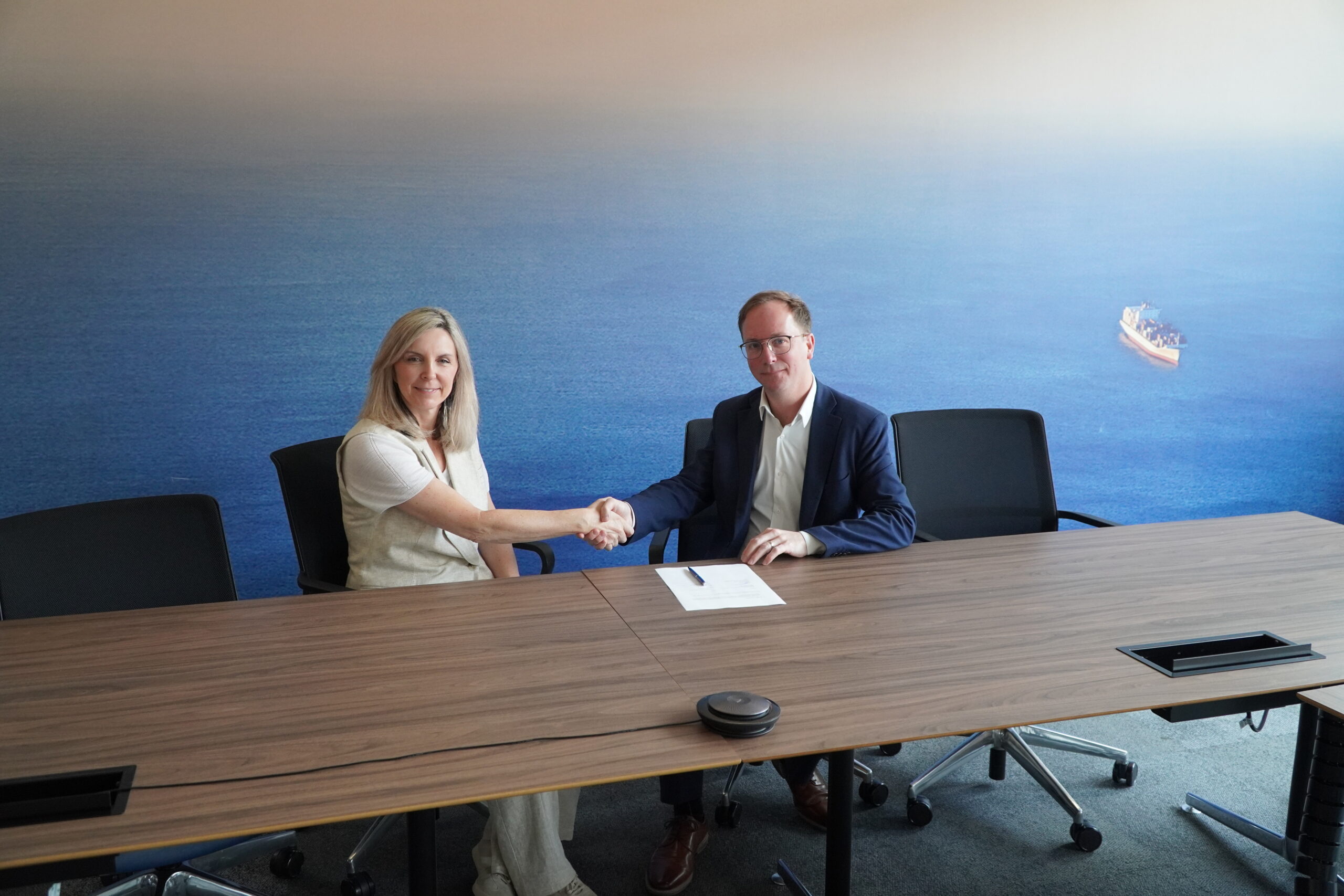
Teledyne CARIS and the UK Hydrographic Office (UKHO) have launched a multi-year strategic partnership aimed at transforming the way hydrographic data is processed, and nautical charts are produced. This marks a significant step forward for the global hydrographic community and promises to deliver direct benefits to the UKHO and users of its ADMIRALTY products and services through collaborative enhancements to the CARIS software suite.
The partnership includes a three-year initiative that aims to evolve existing systems such as CARIS HPD, Bathy DataBASE, and HIPS and SIPS – which have been collaboratively refined over the past two decades. Rather than replacing these systems, these efforts will propel them into a next-generation suite of cloud-based services and intuitive web applications that reflect the evolving needs of geospatial users.
The initiative officially kicked off on June 9, marked by an on-site visit from the CARIS team to the UKHO headquarters. This strategic partnership forms part of a broader five-year enterprise license agreement and builds on a decades-long history of successful collaboration between the two organizations.
The partnership will enable the UKHO to process hydrographic data more efficiently and effectively, ensuring it can deliver continued support to hydrographic offices, mariners and wider users of hydrographic data across the world. Dave Tomaney, Chief Data Officer at the UKHO, commented “Our partnership with Teledyne CARIS will enable us to transform the way we process hydrographic data that is critical to producing our navigational products and services – relied on by mariners worldwide. By harnessing technology to improve data management and processing, we can continue our work with other hydrographic organisations to support navigational safety and the sustainable use of our oceans - not just benefitting the UKHO, but the wider maritime geospatial community too.”
The initiative will focus on streamlining the ingestion of survey data and the production of charts through automation, cloud storage, and user-friendly interfaces that preserve a rich data interaction experience.
“This partnership is rooted in the true spirit of collaboration, with government defining relevant use cases and CARIS customizing tailored, agile solutions.,” said Andy Hoggarth, Vice-President of CARIS. “By evolving our tools and workflows, we’re laying the groundwork for UKHO and CARIS to be at the forefront of global hydrography.”
With regular onsite collaboration planned over the coming years, the initiative underscores the mutual benefits of public-private partnerships and highlights innovation leadership in both Canada and the United Kingdom.

Next Geosolutions sign 5-year global agreement for offshore geoscience services with TotalEnergies
 Next Geosolutions (“NextGeo” or the “Company”), is pleased to announce the signing of a five-year Framework Agreement on Legal Term and Conditions with TotalEnergies for the provision of Offshore Investigations Services.
This agreement is intended to establish a long-term, non-exclusive relationship to support TotalEnergies’ global offshore projects by leveraging NextGeo’s technical expertise and operational capabilities, as well as enhancing process efficiency and standardizing contracting practices.
Operations will be carried out using NextGeo’s advanced fleet of offshore units. This agreement strengthens NextGeo’s position as a trusted partner for subsea investigation campaigns and marks a strategic expansion into key global regions.
Giovanni Ranieri, CEO of Next Geosolutions, added: “Being awarded a long-term framework agreement by TotalEnergies represents a major milestone for our Company to seize new business opportunities. This agreement gives us the opportunity to further expand our international presence."
Exail to equip Petrobras FPSOs with Quadrans AHRS in Brazilian offshore project
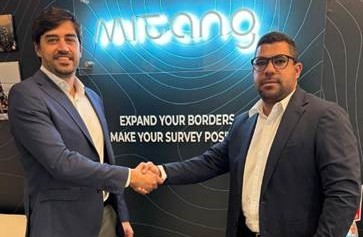
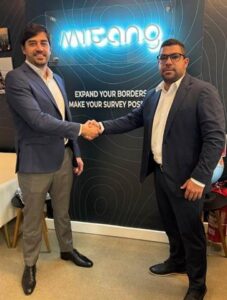 Exail, a global leader in inertial navigation technologies, has secured a contract with Brazilian offshore services company Mitang to deliver 30 Quadrans Attitude and Heading Reference Systems (AHRS). These units will be installed on Floating Production, Storage and Offloading units (FPSOs) operated by Petrobras off the coast of Brazil.
The Quadrans AHRS provides real-time measurements of pitch, roll, and heading, with a heading accuracy of 0.23° seclat RMS. This level of precision is essential for monitoring platform stability and ensuring safe, uninterrupted operations during complex offshore activities, including in areas where GNSS coverage may be limited or intermittent. Its robust, maintenance-free design delivers dependable performance in harsh marine environments, supporting operational continuity and helping to reduce lifecycle costs. In addition, the system’s fast start-up capability allows for rapid deployment and swift recovery following power cycles or system interruptions, further enhancing offshore efficiency. Backed by Exail’s local technical support in Brazil, the solution meets Petrobras’ stringent operational requirements, ensuring smooth integration and ongoing service.
"This collaboration with Exail reinforces our commitment to operational excellence and safety in Brazil’s offshore sector, said Diego Fernandes, CEO of Mitang. By integrating Quadrans technology on Petrobras FPSOs, we are enhancing real-time monitoring capabilities that are critical for managing complex rig moves with greater confidence and precision."
"We are honored to contribute to this important project with Mitang and Petrobras, said Thiago Montanari, Sales Director at Exail. Our Quadrans AHRS exemplifies cutting-edge innovation in offshore navigation, delivering reliable, maintenance-free performance that supports the highest standards of safety and operational efficiency in challenging marine environments."
This new contract further solidifies Exail’s position as a trusted provider of advanced inertial navigation solutions in the global offshore energy sector. It underscores the company’s commitment to delivering reliable, high-performance technologies that meet the rigorous demands of offshore operations worldwide.

Miros secures new shipping contract for novel VTI vessel performance technology

Miros, a global leader in real-time ocean insights and maritime innovation, has announced a significant commercial shipping contract for its Vessel Technical Index (VTI) service, marking a bold step forward in transforming vessel performance monitoring across the shipping sector.
This third and newly signed agreement, with a prominent yet undisclosed shipping company, cements Miros' position as a trusted partner in the maritime market. With over 40 years of expertise delivering high-precision ocean insights to offshore industries, Miros is now accelerating the shipping sector’s journey toward safer, sustainable, and more efficient vessel performance.
The Vessel Technical Index is a new metric that can be used to evaluate a vessel’s technical performance in relation to a reference baseline, such as its newbuild condition, and is a new recommended practice from DNV.
A VTI analysis identifies the actual performance of a vessel by removing the effects of the weather, loading condition, and other operational factors. The Miros VTI service running in Miros Cloud delivers unmatched accuracy by utilizing Miros’ industry-leading speed-through-water (STW) and wave measurements. With hourly updates, this enables the right decisions to be taken at the right time.
This helps shipowners and operators address some of their most critical performance challenges confidently. They can evaluate a vessel's real-time performance with greater accuracy or determine the ideal timing for hull or propeller cleaning. Ship performance can also be clearly documented in charter agreements, and the actual impact of energy-saving devices can be measured with precision.
Gunnar Prytz, Miros’ Chief Technology Officer (CTO), said: “Miros’ VTI significantly reduces the guesswork in vessel performance. This new approach will allow operators to plan hull and propeller maintenance based on real vessel status.
“Unlike traditional vessel performance analyses which are typically based on low-accuracy wave and STW data, the Miros VTI powered by accurate, real-time sea state measurements delivers high-frequency and high-fidelity insights that can be up to ten times faster, ten times more accurate and ten times more valuable than the standard industry applications used in the shipping industry, making voyages more predictable and profitable”.
Marius Five Aarset, Miros CEO, added: “As the shipping industry faces increasing pressure to reduce emissions and comply with tightening regulations, Miros' Vessel Technical Index positions itself as a critical tool for sustainable success. Calculating energy use, removing external force impact, and comparing it to pure water resistance in real-time, the technology streamlines the process by generating high-quality insights that enhance operational efficiency while reducing costs. At Miros, we are proud to partner with our shipping customers on their journey toward cleaner, data-driven seas, helping to identify and verify considerable performance gains in real-time.
As the shipping industry embraces greener and more intelligent operations, the need for actionable, real-time performance data has never been greater. Backed by over four decades of experience in advanced radar systems for real-time ocean monitoring, Miros brings proven expertise to a rapidly evolving maritime landscape.
The Vessel Technical Index (VTI) solution meets this demand by standardizing performance visibility and enabling data-driven fleet management. It delivers measurable results that help reduce fuel consumption, lower emissions, and improve cost efficiency, supporting shipping partners in achieving operational trust, profitability, and sustainability.