OceanTools Ltd announce collaboration agreement with TMI-Orion Dynamics
OceanTools Ltd, Aberdeen Scotland, announce the signing of a Collaboration Agreement with TMI-Orion Dynamics, headquartered in Montpellier France, for OceanTools to sell their EMA-5 Electric Manipulator Arm. Furthermore, OceanTools will assist with the manufacture of the arm in their state-of-the-art CNC machine shop and electronics workshops.
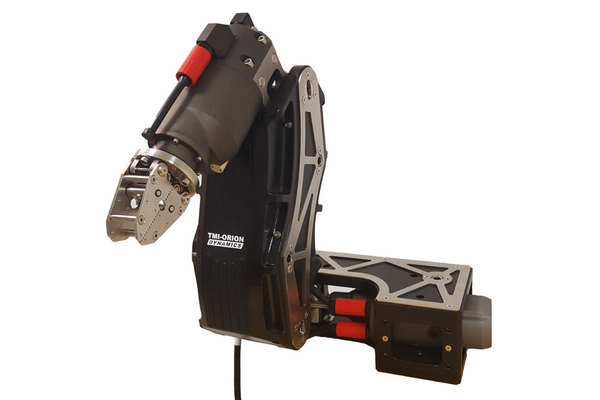
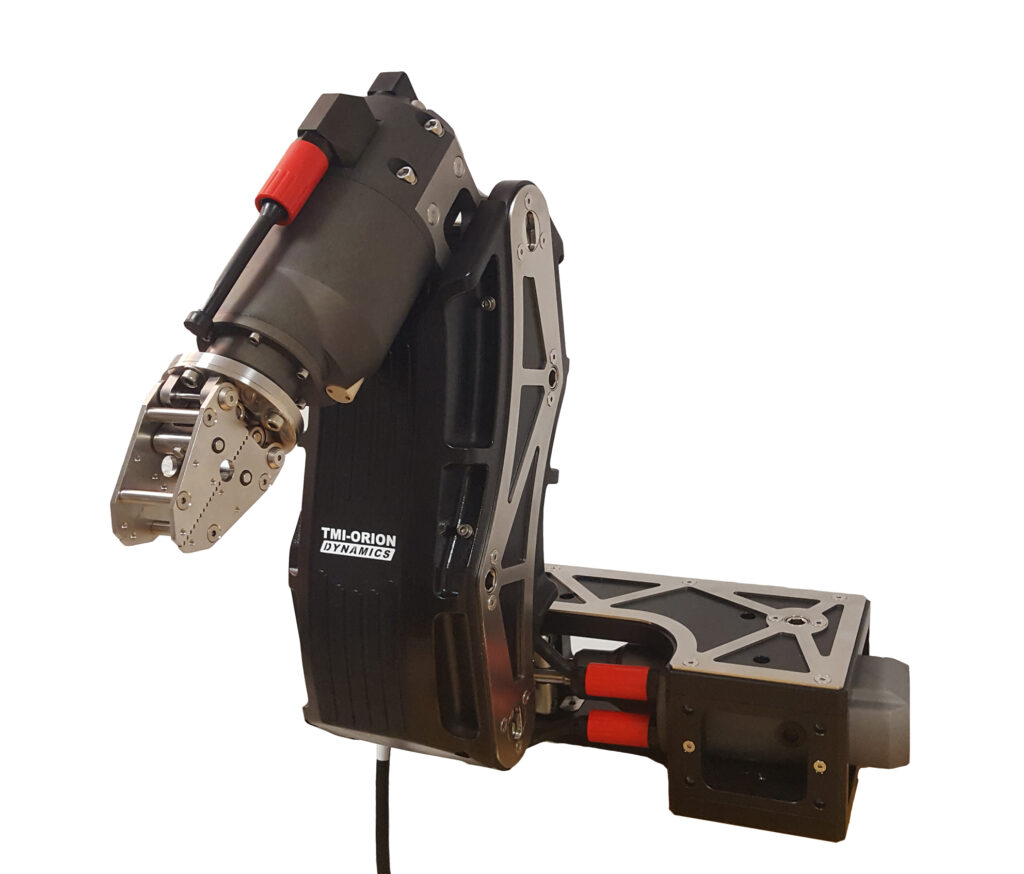
The EMA 5 is a high-performance, rugged, compact, and reliable multi-function electric manipulator arm designed for underwater operation on observation class ROVs. The EMA 5 electric manipulator arm, developed by TMI Orion Dynamics is a five-function manipulator module offering slew, elevation, elbow bend, jaw rotation, and jaw open/close. The compact design has an embedded electronic controller, with no additional pod required. Monitoring software is available for remote operation, or a TMI Orion Surface Control Unit can be ordered separately. The EMA 5 can be controlled with a gamepad. Cartesian mode is available, with set positions. Applications include underwater precision manipulation, scientific and environmental sample collection and subaquatic tooling and grabbing.
Jean-Marie Vachette, Subsea Robotics Sales Manager for TMI-Orion Dynamics commented “ We are pleased with this collaboration with OceanTools, a company known for its expertise in the world of offshore and underwater robotics, but also to have found a very professional partner with whom to collaborate on topics such as manufacturing, assembly and testing.
Kevin Parker, Managing Director of OceanTools added, "We are absolutely thrilled and delighted to be working with TMI-Orion Dynamics. The EMA-5 is a well-proven rugged and dependable manipulator for which we see tremendous potential. We’re very well positioned to not just sell the arms but also to machine much of the arm as well as offering a great service and support facility. We will also be adding EMA-5 arms to our equipment rental pool."
The EMA5 Electric Manipulator, which will be marketed as the EM5 to fit in with OceanTools product naming protocol, is the latest addition to OceanTools’ extensive range of pioneering underwater technology, including tools and market-leading subsea cameras, lighting, and dye detection systems.

Tom Chant, Chief Executive of the Society of Maritime Industries, awarded MBE
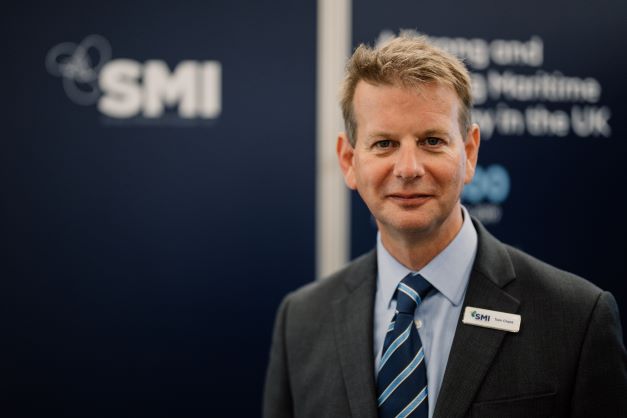
SMI are delighted to be welcoming in the New Year with some fantastic news. Tom Chant, Chief Executive of the Society of Maritime Industries, has received an MBE in King Charles III first New Year Honours list for his services to the maritime industry.
Tom said: “I am of course delighted to have been awarded this honour. It really is an achievement for all the team at SMI as I certainly don’t do it all myself! This gives us a great mandate to continue the work we are doing and do even more in 2023 and beyond.”
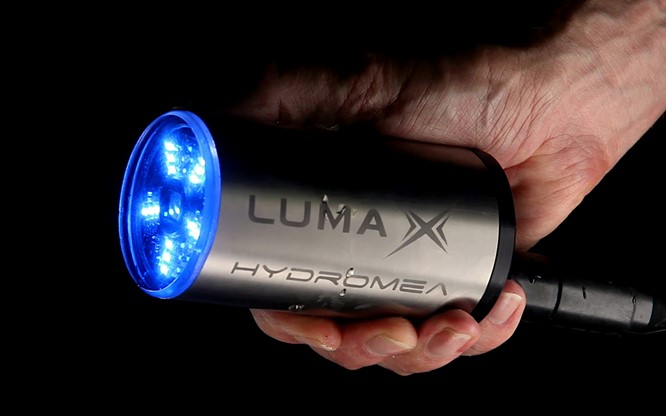
Hydromea is leading the development of the global wireless optical communication standard
Hydromea is leading the development of the global underwater wireless optical communication standard for bandwidths up to 10Mbps within the Subsea Wireless Group (SWiG), of which Hydromea has been a member since 2019. The Subsea Wireless Group (SWiG) is an international industry network of manufacturers and users of subsea wireless communication equipment (radio frequency, acoustic, free-space optic, inductive power, hybrid) and it promotes their interoperability.
Hydromea is an emerging leader in the field of wireless optical communication systems that can send data through water at speeds of up to 10Mbps using dispersed LED light. This assures wide-angle communication coverage as opposed to laser systems that require fine alignment. Hydromea’s technology enables wireless, high-speed, low-latency communication between two or more communication nodes at depths down to 6’000 meters. Currently, there is no industry standard, which makes the deployment of such systems less attractive for the end users.
Felix Schill, co-founder and CTO of Hydromea, said: “We are very proud that our work on underwater wireless technology earned us a prominent place within the Subsea Wireless Group and that the industry players have entrusted us with leading the development of the standard.”
Chevron, Equinor, and TotalEnergies became members of SWiG to drive interoperability of underwater wireless technologies in the energy sector. They welcome initiatives that take a lead on development of industry standards. This will positively affect the adoption of underwater wireless technology by the industry.
Shreekant Mehta, SWiG project manager, added: “Hydromea have been a key party in the development of SWiG standards. In co-operation with an operator, they are drafting an open standard that will facilitate interoperable 1-10mbps FSO (free-space optical) communications for the industry. This standard will be donated to SWiG for review and will significantly accelerate the SWiG timeline. End users will be able to deploy high speed FSO technology that adheres to a SWiG standard. Standardisation initiatives require collaboration and cooperation between vendor competitors. We are lucky in SWiG to have a high level of cooperation between vendors. Hydromea are a great example of this collaborative spirit.”
Founded in 2014, Hydromea is a Swiss-based autonomous underwater robotics company delivering solutions that allow customers to have unparalleled access to subsea data and underwater assets. Ultra-fast and high-volume, real-time data transfer brings a paradigm shift in our quest to explore the ocean and understand its impact on the subsea economy.
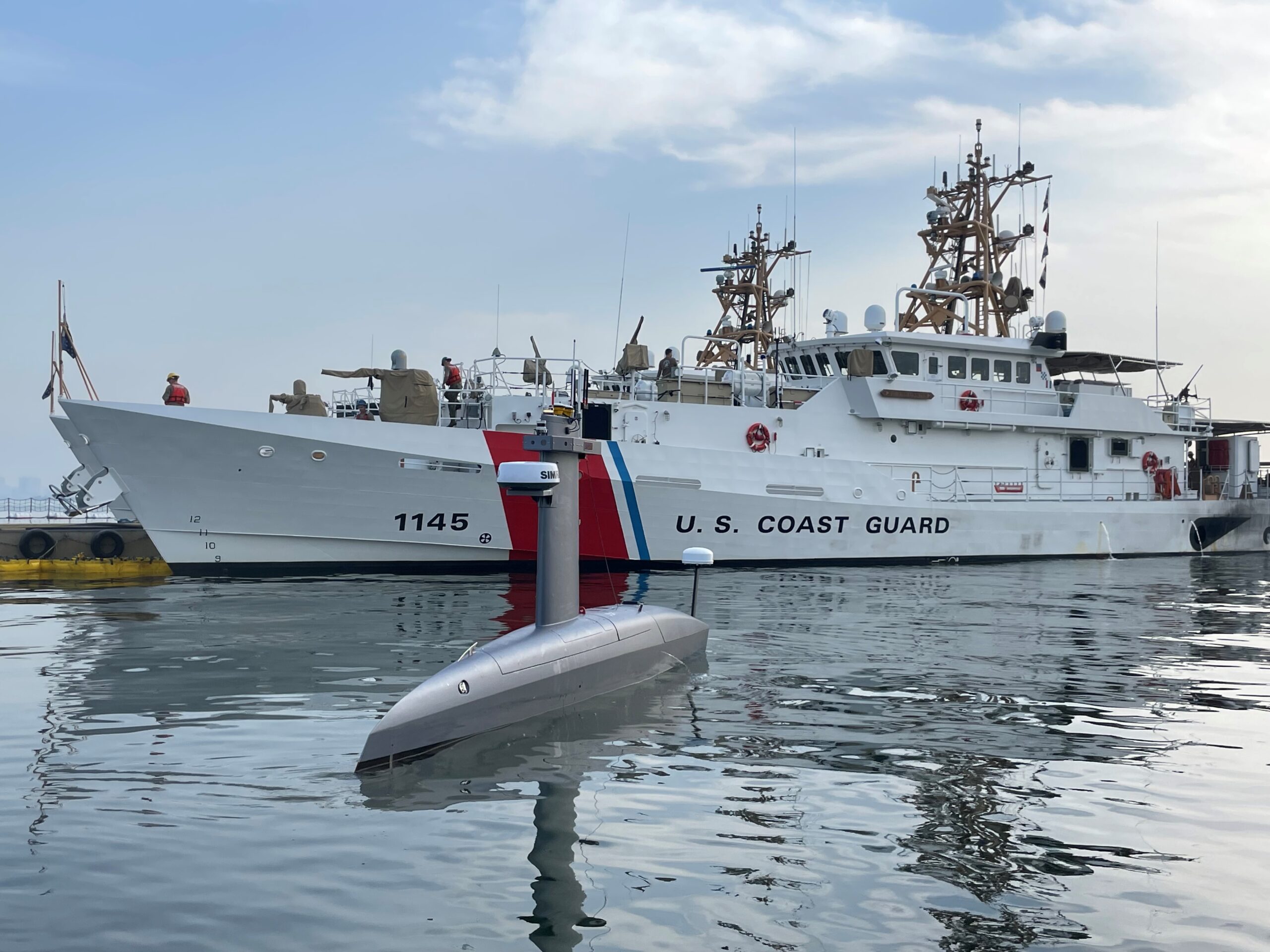
Exail’s DriX Unmanned Surface Vehicle takes part in Digital Horizon 22 military exercise organized by US Navy in Bahrain
Exail, formerly iXblue, recently took part in the Digital Horizon Unmanned & Artificial Intelligence Exercise in Bahrain, organized by the US Navy. The U.S. Navy’s 5th Fleet held the three-week exercise in December to test new unmanned technologies, as part of its plans to establish the world’s first Unmanned Surface Vehicle (USV) fleet of one hundred drones in the Gulf by the end of the summer.
The current geopolitical situation means that manned assets are in increasing demand elsewhere, leading the Navy to look to the latest unmanned technologies to expand its capabilities. Vice Adm. Brad Cooper, commander of U.S. Naval Forces Central Command, U.S. 5th Fleet and Combined Maritime Forces, set up Task Force 59 last year to speed new tech integration across the 5th Fleet, and seek alternative, cost-effective solutions for conducting Maritime Domain Awareness (MDA) missions. Maritime Domain Awareness can be defined as the effective understanding of military and non-military events in the maritime environment that could impact the security, safety, economy, or environment of a nation or a region.
Exail’s DriX USV was among the fifteen USVs and Unmanned Aerial Vehicles (UAVs) selected to participate in the exercise, which staged a Maritime Domain Awareness (MDA) mission. The USVs and UAVs were tasked with gathering data on the surface in order to detect and identify potential threats. One of the main requirements was for the drones to communicate with each other using a common OPS system. The complementarity aspect of the different drones was also important, as the 5th Fleet aims to leverage the different capacities of each drone to cover a wide array of competencies in order to produce a Common Operating Picture of what is occurring in a specific zone of water.
With its highly hydrodynamic monohull and drop keel, DriX showed high reliability with excellent seakeeping and speed results, accomplishing its mission of gathering data on the surface and proving its capacity to successfully integrate third party radar and cameras. The ability of DriX to integrate within a military communications network was successfully proven, thanks to its wide range of communication means (including Certus, 4G, Wifi and Silvus). The USV further meets requirements in terms of communications redundancy, crucial for minimizing risk during military operations, and is fitted with an advanced collision avoidance system that ensures robust and safe autonomous navigation at sea.
Guillaume Eudeline, Exail’s Naval Autonomy Market Director said:
“We’re very happy about the feedback from the TF59 on DriX’s performance. We’d like to thank the US Navy 5th Fleet for their support throughout the exercise and in particular Capt. Michael Brasseur and his staff. For the first time DriX integrated a multiple-unmanned collaborative military organization, alongside some of the industry’s best. It was a real success and we are proud to have collaborated in this group effort, which showed what unmanned technologies can bring to MDA.”
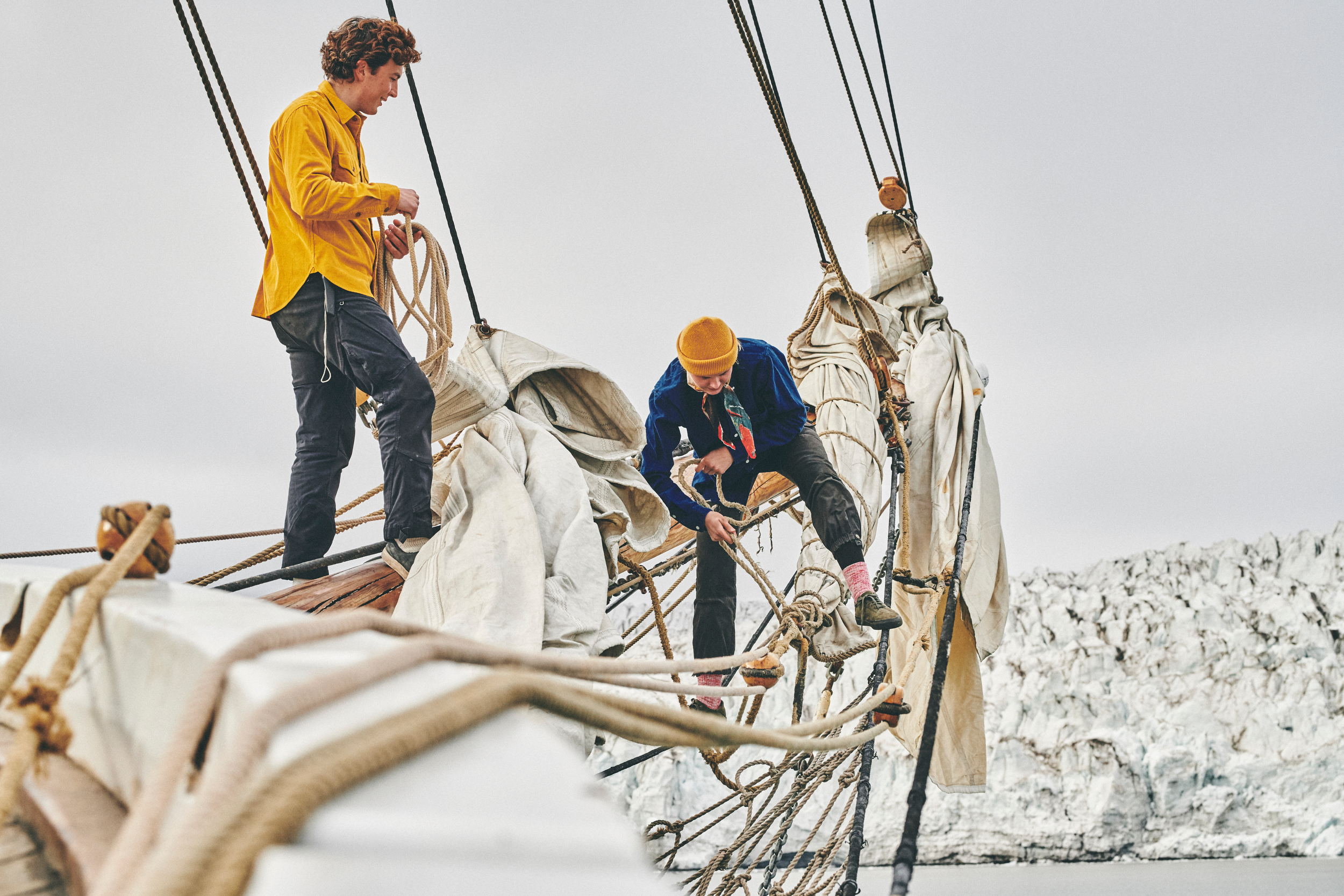
Celebrated explorer, Jim McNeill, invites intrepid individuals on high latitude Ocean Warrior citizen science expedition
Ocean Warrior Project's #Resolute Expedition is a pioneering, high Arctic waters expedition, which is looking for intrepid travellers.
The expedition has the patronage world-renowned yachtswoman, Tracy Edwards - who skippered the first all-female crew to sail around the world - and will set sail in June 2023 on a journey from Svalbard, via London and Plymouth, and on to the ultimate destination of Resolute Bay, Nunavut, Northern Canada, before its return journey.
Just 144 intrepid travellers will be given the unique opportunity to join the Ocean Warrior Project #Resolute Expedition, which will be split into eight legs lasting between nine and 31 days, covering a total distance of 10,000 nautical miles.
Up to 18 guests will join each leg, travelling from Svalbard to Plymouth, followed by legs to Iceland, South Greenland, Resolute Bay via Baffin Island and back to Nuuk, then on to West Greenland, Nararsuaq in South Greenland, Reykjavik, and finally back to Plymouth via the Faroe Isles.
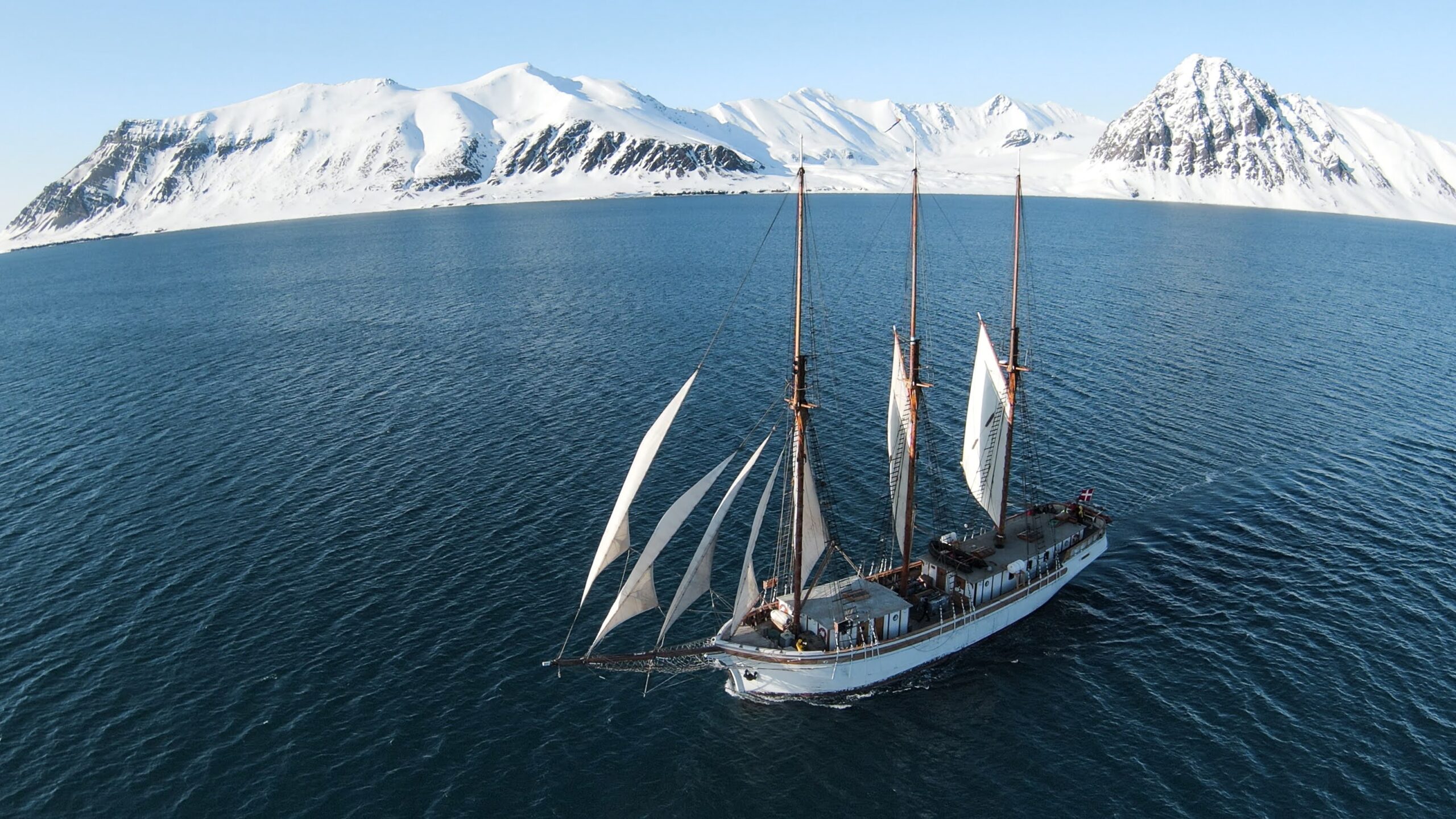
Sleeping on board in the comfort of this iconic vessel, participants joining the journey will help sail the wind powered SV Linden in what will be one of the most sustainable and important expeditions of its kind ever undertaken.
Designed by one of the world's most experienced and respected explorers, Jim McNeill, the voyage's goal is to monitor the pulse of the planet using citizen science. This will be implemented by would-be explorers sailing and staying on board Europe's largest three-masted wooden Schooner, SV Linden; itself modelled on a ship of the same name from the 1920s.
This citizen science focussed voyage will collect critical 'ground truthing' scientific measurements to help deliver 'the holy grail of oceanography': understanding how much carbon is stored in our oceans, and how this is impacting on acidification, pollution, and species in our oceans. Jim's past work on ground truthing has helped the likes of NASA build a better understanding of the Polar Regions.
Dr Rowena Stern, Marine Biological Association, commented on the expedition, saying: "The MBA researchers are working on marine microbes. These marine microbes are the first to respond to the rapidly changing arctic environment. All arctic marine animals depend on these vital marine microbes either directly or indirectly. We urgently need information on ice melt and dynamics of these microbial communities to better understand food webs and to calculate predictions for the future of the arctic ocean. In Ocean Warrior's expedition we will be using new technology to instantly record scientific data in these extreme environments. We will take photographs of algae from the surface of the sea ice, which are an indicator of ice melting capacity. By using field microscopes, we can photographically capture the types of algae growing on sea ice, and images can immediately be saved to cloud platforms for expert analysis. This allows us to explore diversity of algae in some of the more isolated environments that most scientific expeditions cannot reach. Along our four-thousand-mile sea voyage to the arctic we will be using the plankton indicator to capture the diversity of plankton life at the surface.”
Individuals interested in joining the #Resolute Expedition need to apply before the end of February.
While no previous experience is required, aspiring explorers will need to show initiative, resilience, tenacity, and good humour, all of which will be required on the journey, and will be assessed during a series of challenges on an optional pre-selection weekend, the first of which will be held on 10 February.
Successful participants can also look forward to experiencing extraordinary seascapes and to making a real scientific difference to our understanding of the health of the planet's oceans.
Explorers on the voyage will also learn new and potentially life-changing skills, including:
• guidance on fundraising to help pay for the expedition
• on-vessel training in sailing and the use of scientific equipment to measure the pulse of the planet
• training in maritime safety, resulting in a certificate in Standards of Training, Certification and Watchkeeping; (STCW: A V1/1-1 and 1-4); required by all crew on commercial vessels over 24 metres
• team building and resilience in the face of adversity
Commenting on the Ocean Warrior #Resolute Expedition, Jim McNeill explained: “My goal is to share the gift of exploration with individuals from all walks of life, helping those from ordinary backgrounds achieve the extraordinary.
“Adventurous travellers, be they students on a gap year, individuals on a sabbatical, professionals sponsored by companies, or retirees looking for a new challenge, will join my crew and ten lucky inner-city would-be explorers who I'll be sponsoring personally on this scientifically significant and life-changing endeavour. They will enjoy an unparalleled experience at the same time as making an invaluable difference to our understanding of the health of our oceans, through the collection of data for scientific bodies.”
Depending on the length of the leg, prices range from £8,000 for the shortest ten-day leg, through to £18,000 for the longest 31-day leg. A deposit of 25% is required, followed by full payment by 1st
May, giving individuals time for fundraising. Tickets for the optional selection weekend cost £200.
The Voyage - detail
Leg 1: Svalbard to London, and on to Plymouth – 22 days (25 June-16 July): £14,000
Leg 2: Plymouth to Reykjavik – 11 days (17-27 July): £8,000
Leg 3: Reykjavik to Nuuk – 12 days (28 July-9 August): £10,000
Leg 4: Nuuk to Nuuk via Baffin Island and Resolute Bay – 31 days (10 August- 10 September): £18,000
Leg 5: Nuuk to Upernavik – 10 days (11-20 September): £9,000
Leg 6: Upernavik to Narsarsuaq – 10 days (21-30 September): £8,000
Leg 7: Narsarsuaq to Reykjavik – 10 days (1-9 October) £8,000
Leg 8: Reykjavik to Plymouth – 15 days (10-24 October) £8,000
To find out more information about Ocean Warrior Project, the #Resolute Expedition, its selection process, and how to join as a self-funded, or fundraised participant, visit https://www.warrior-ocean.com/ or https://www.ice-warrior.com/.
Turkish USV’s integrated with FarSounder’s Argos Forward Looking Sonar
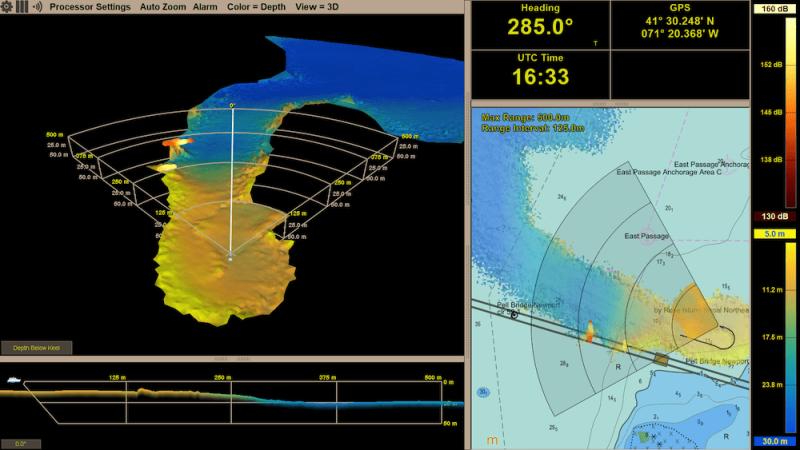
FarSounder Argos 3D Forward Looking Navigation Sonars have been included in the navigation control system for two Unmanned Surface Vessels (USV) built in Türkiye. The vessels have comprehensive automation technologies enabling them to sail autonomously. The addition of the Argos systems will help them carry out their missions safely. Promar Deniz Malzemeleri A.S., FarSounder’s dealer in Türkiye, was instrumental in securing this sale.
Argos sonars interface with the vessel navigation and control systems, providing vital information about the current state of the environment in front of the vessel and below the water line. This gives the vessel an invaluable level of situational awareness. The systems do all the data processing and provide the vehicle control system with the information needed to make intelligent navigation decisions and make real time course alterations.
“The real time, 3D information of what is under the water ahead of the vessel is valuable for any navigator. However, it is even more crucial to safe navigation for systems when no human operators are in the loop,” said FarSounder CEO, Matthew Zimmerman. “With this in mind, FarSounder developed our SDK to incorporate and integrate Argos data into a USV’s navigation system.”
The need for safety in this developing subset of the marine industry is prevalent as unmanned vessels are at risk of collision with the limitations of traditional navigation methods and technologies. Argos sonars provide the vessel the information it needs to avoid danger via machine interface giving the team confidence in the vessel safely achieving its mission.
Echoview Software launches the latest release of Echoview with cutting-edge artificial intelligence
Echoview Software is thrilled to release Echoview 13, the latest update to the most powerful hydroacoustic data processing software commercially available for water column research in both marine and freshwater environments.
This latest release was developed in conjunction with ongoing consultation with users and industry partners to ensure that Echoview® is directly meeting the needs of those working with echosounder and sonar data.
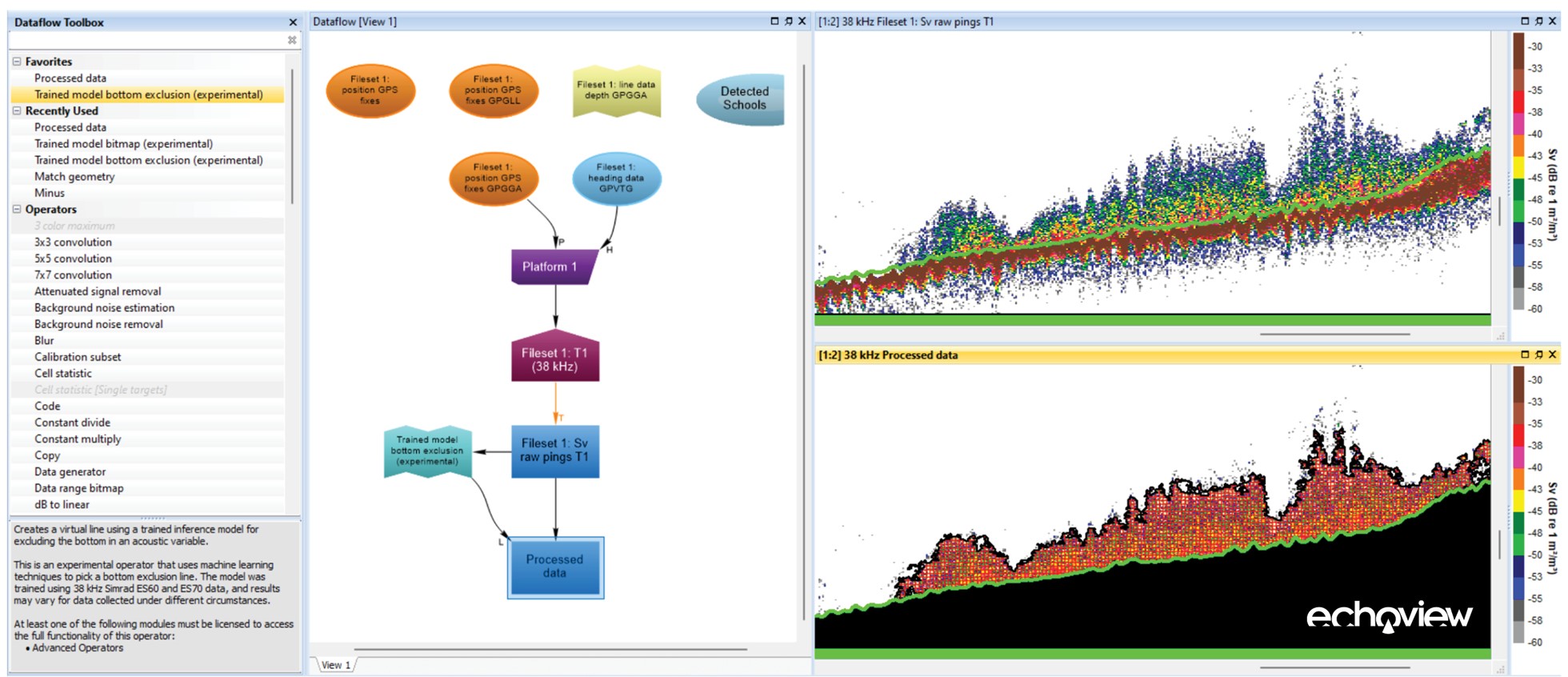
Echoview 13 includes breakthrough machine learning capabilities, representing a significant step forward for efficiency in hydroacoustic data processing.
CEO of Echoview Software, Brett Merritt said, “Our commitment to delivering major advances to our customers is reflected in the breadth of compelling new features in Echoview 13, including new operators and automation tools, and support for multiple new hardware file formats.”
“However, this release is particularly exciting as it marks our debut into machine learning. We are thrilled to collaborate with the Commonwealth Scientific and Industrial Research Organisation (CSIRO), Australia’s foremost scientific research institute, to create AI models for hydroacoustic data processing.”
Echoview Software’s Product Manager, Briony Hutton, said that this work was motivated by a need to make particular data processing steps simpler and easier, starting with automatic exclusion of unwanted bottom signal in water column analyses.
“In specific situations users needed to edit or manually draw bottom exclusion lines in echosounder data, such as when fish schools are closely associated with the seafloor. This requires expertise and can take considerable time when working through large volumes of survey data.”
“By leveraging cutting-edge outcomes from other fields such as medical research and imaging, we were able to implement appropriate AI technologies to find a solution.”
CSIRO supplied large quantities of labeled data, which was then used to train Echoview to recognize similar features in other data.
“Applying Echoview 13’s new capabilities to CSIRO’s data demonstrated that this feature is performing well on data that wasn’t used to train the model, and is also very easy to use. Users are not required to refine complicated algorithm parameters or request expert knowledge to achieve their goals.”
“Practically applied, our users can now reduce the amount of time needed for manual line editing, and more easily and accurately evaluate the biomass of fish schools on the seafloor in their stock assessments. This will be meaningful for many applications, including environmental studies and research associated with commercial fishing activities.”
“Our skilled development team has created a reliable, robust tool using AI that demonstrates the viability of machine learning for feature detection in Echoview. The expertise gained in developing this tool for bottom exclusion can now be applied to finding other features in hydroacoustic data. We look forward to collaborating further with CSIRO and others in the industry to make this happen,” said Briony.
Tim Ryan, Team Leader, Acoustics and Pelagic Ecosystems at CSIRO said, “CSIRO has multi-decadal acoustic recordings within Australia’s EEZ (Exclusive Economic Zone) and the Southern, Indian and Pacific oceans. To date analysis has been highly focused due to the large amount of human interaction needed to produce a reliable product. Hence we are very excited by these advances in AI.”
“When combined with Echoview’s automation capability there is the prospect of both mining extensive historic data sets and handling the vastly larger data volumes that will be generated in the future. This will enable a ‘big data’ approach to extracting information to help understand productivity and pelagic ecological processes in our changing oceans,” said Tim.
Echoview 13 also includes new support for Blueprint Subsea Oculus, R2Sonic water column data, Simrad omnisonars and fishery sonars in netCDF format, NORBIT Winghead and WBMS, Teledyne Odom MB2, Nortek Signature GPS data, and more. Echoview Software collaborates with an unrivaled range of hardware manufacturers, now boasting compatibility with data recorded by more than 75 echosounders and sonars across 17 brands.
Other key highlights in Echoviews newest release include:
• New and expanded operators, particularly for understanding and mitigating data noise
• Dataflow toolbox
• Easy, publication-quality image exports
• Performance boosts
• New automation capabilities and tools
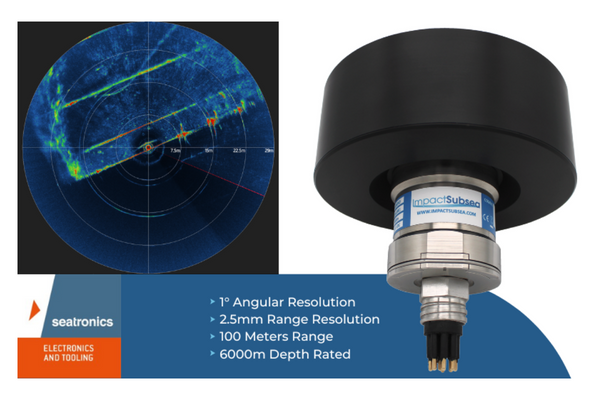
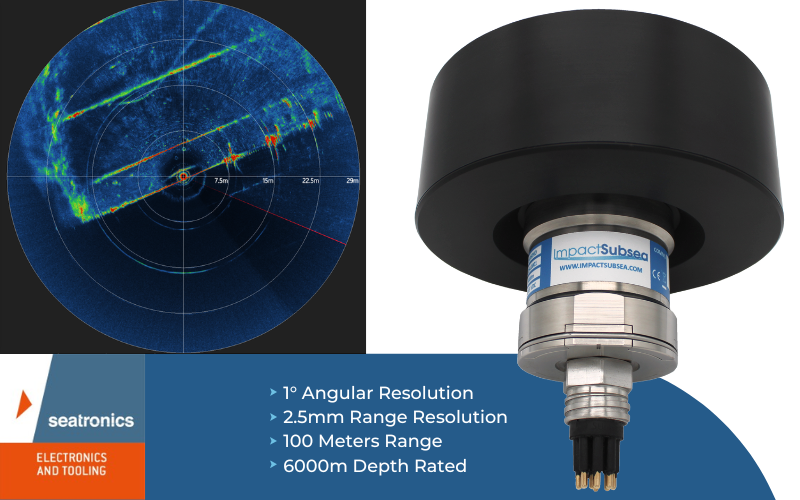
Seatronics select the ISS360HD Imaging Sonar from Impact Subsea
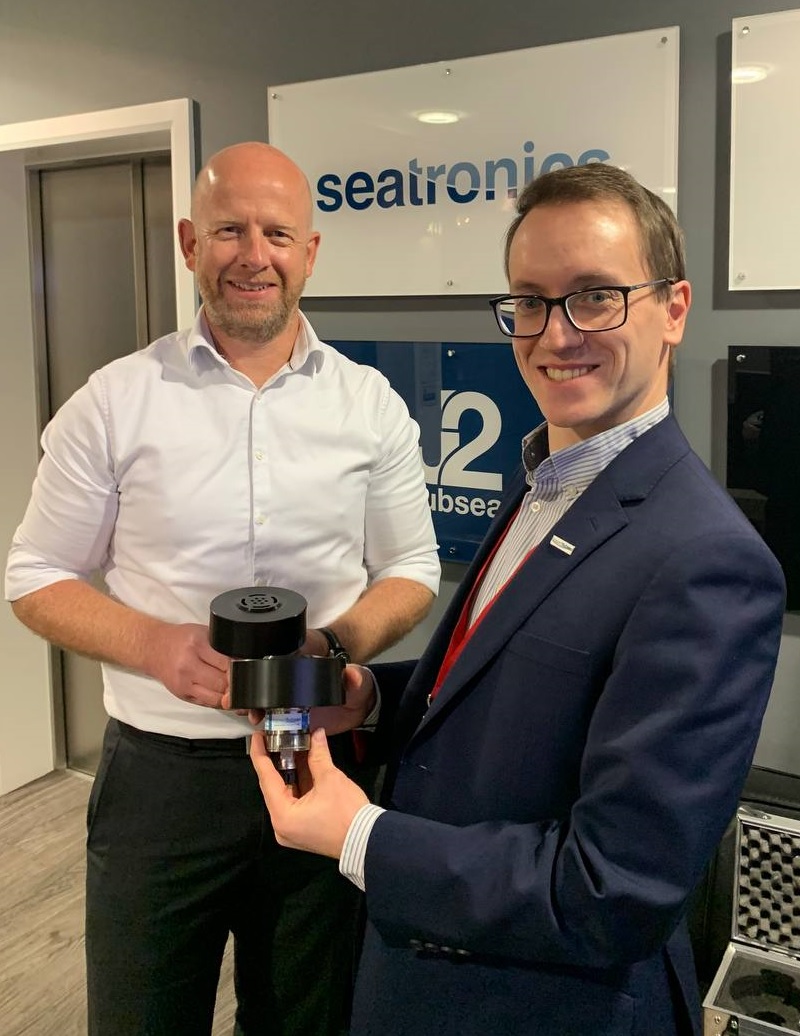
Impact Subsea has provided several ISS360HD Sonars to Seatronics, a brand in Acteon’s Data and Robotics Division.
The ISS360HD Imaging Sonar provides a step change in performance in the scanning imaging sonar market. Providing a 2.5mm range resolution combined with a 1° angular resolution enables exceptionally high definition imagery from a highly compact sonar. With a range capability in excess of 100 meters the ISS360HD can suit a range of AUV, ROV and standalone underwater applications.
Richard Main, Regional Manager UK Seatronics commented “We have a focus to provide the best in class technology to the subsea industry. Having added ISS360 sonars earlier in the year to our rental pool we are delighted to now also add the ISS360HD. The ISS360HD will provide our customers with high resolution sonar imagery for large work class vehicles as well as observation class vehicles”.
Ben Grant, Managing Director, Impact Subsea commented “We have worked with Seatronics for many years and with the addition of the ISS360HD; now all Impact Subsea sensors can be hired from Seatronics. We have seen a high demand for the ISS360HD since launch and are delighted to continue to work with Seatronics to support that demand”.
Kite flying with the Saab Seaeye Falcon
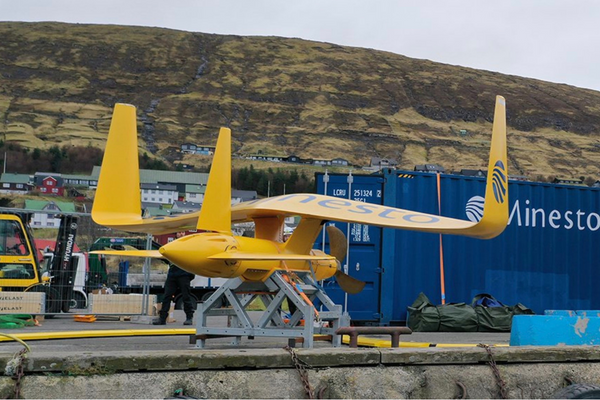
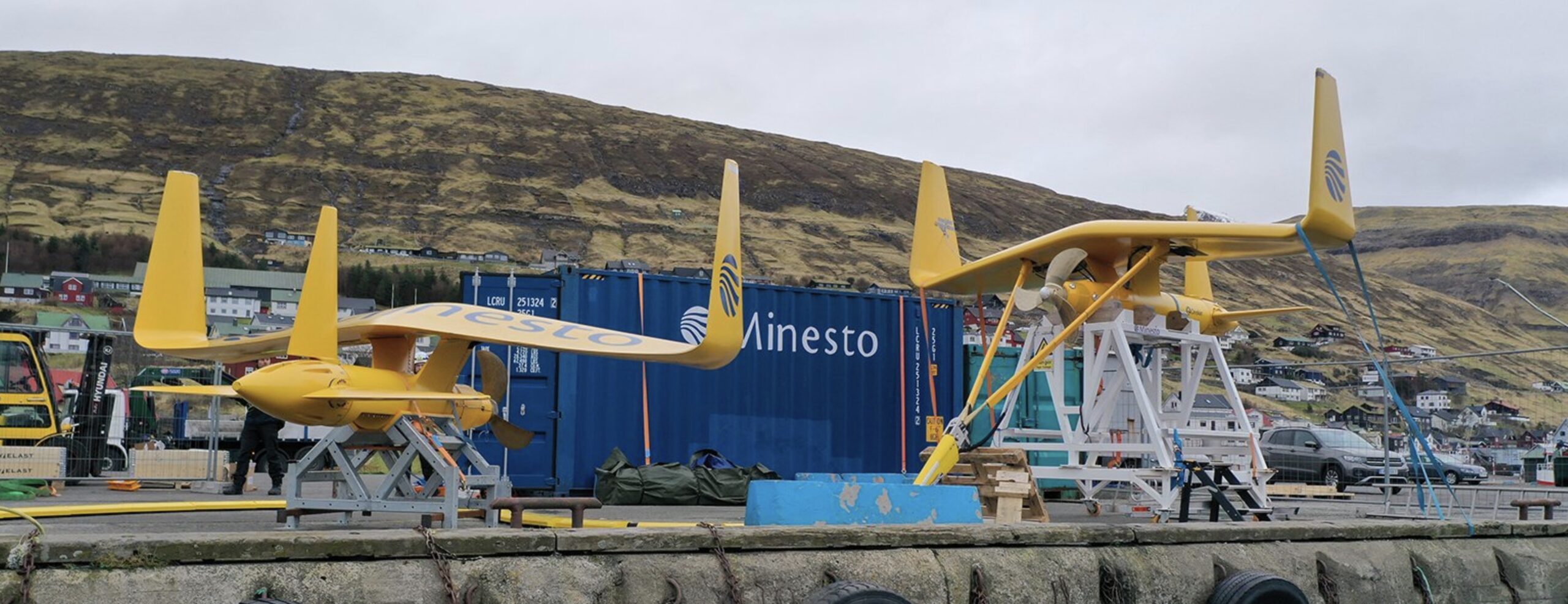
Flying kites underwater to generate electricity is an innovative renewable energy concept being installed in the Faroe Islands, supported by SJH Diving and their new Saab Seaeye Falcon.
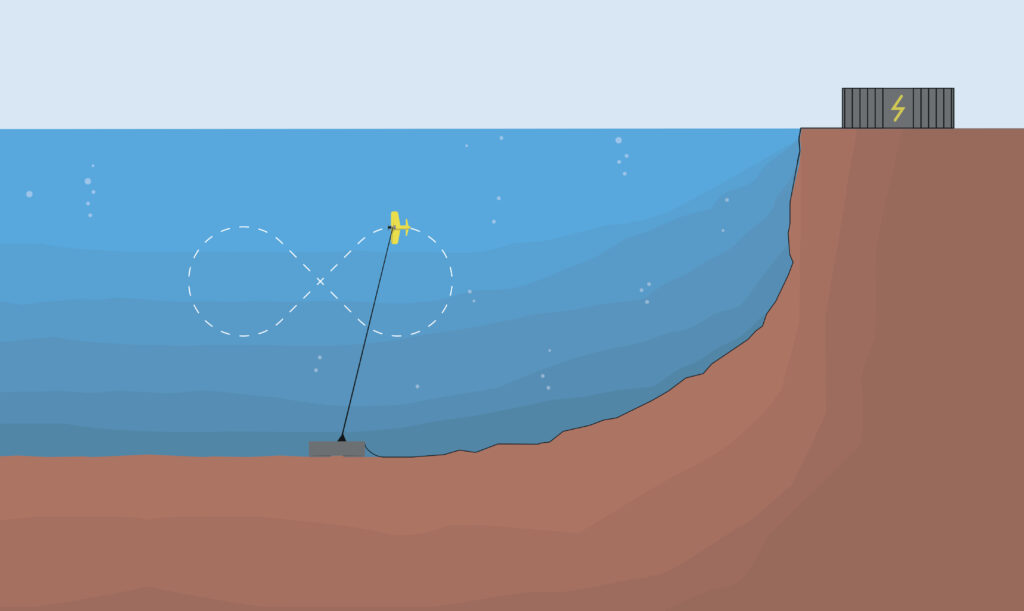
The subsea kite turbine is a unique concept created by developer Minesto to generate electricity in tidal streams and ocean currents using the principle of flying a stunt kite in the wind.
By swooping through the water in a constant figure of eight motion on a tethered cable, the kite turbine accelerates through the water considerably faster than the actual flow speed.
The electricity generated from a kite turbine is several hundred times greater than from a stationary turbine.
In support of multiple kite installations, Faroes-based SJH Commercial Diving will deploy their Seaeye Falcon underwater robot for inspecting power-cable runs along the seabed to the shore and inspecting and cleaning foundation points.
Símin Jákup Højsted of SJH Diving says the Falcon was the best choice for strong currents compared to five competitive makes of vehicles.
SJH Diving has been involved with the project for over two years.
Minesto is a marine energy technology developer founded in 2007, since when it has successfully developed its unique marine energy technology called Deep Green.
The ability to also operate at low velocities makes Minesto's Deep Green the only technology to be cost-efficient in both tidal and ocean currents.
Mastering currents has helped the Falcon become the world’s top selling robot in its class, along with its being an easy to use, small, intelligent, powerful, and multi-tasking with a reliability record covering over a million hours underwater.
SJH’s Seaeye Falcon comes with a multi-beam sonar, single function and five function manipulators, a cathodic potential probe and a fully-kitted cleaning skid.
Kraken receives $0.8 million international Robotics as a Service (RaaS) contract
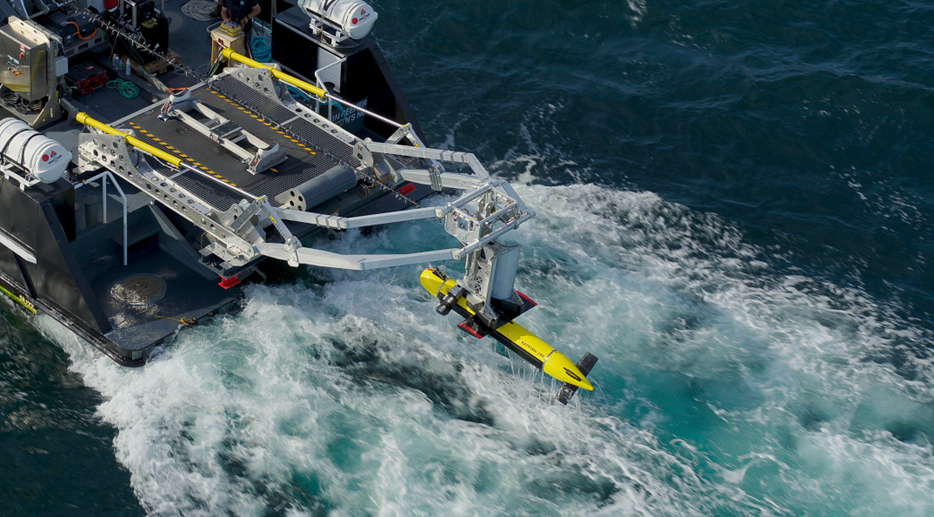
Kraken Robotics Inc., is pleased to announce that it has received an international Robotics as a Service (RaaS) contract for the high- resolution inspection of the critical sea routes and critical marine infrastructure. The initial contract is valued at $0.8 million and will be undertaken in Q1/2023 using the KATFISH™ high-speed towed synthetic aperture sonar (SAS) system coupled with Kraken’s Automated Launch and Recovery System (ALARS) on a vessel of opportunity. For confidentiality reasons, the location of the contract cannot be disclosed.
KATFISH is a high-speed, actively stabilized Synthetic Aperture Sonar (SAS) towfish that operates at speeds up to 10 knots. The high-speed capability, and constant resolution of KATFISH significantly increases Area Coverage Rates (ACR) by providing more useable data at longer ranges and higher fidelity than traditional Side Scan Sonars. KATFISH provides acoustic seabed imagery with a range-independent resolution of 3 cm x 3 cm and area coverage rates (ACR) of up to 4 km2/hour, with swaths of up to 400 meters, including simultaneous full swath 3D bathymetry. With post-processing, 1.9 cm x 2.1 cm constant resolution imagery is available.