
Dead Sea coastal erosion research may help protect coastlines worldwide
Coastal erosion is reshaping our world, threatening homes, industries and culturally important places.
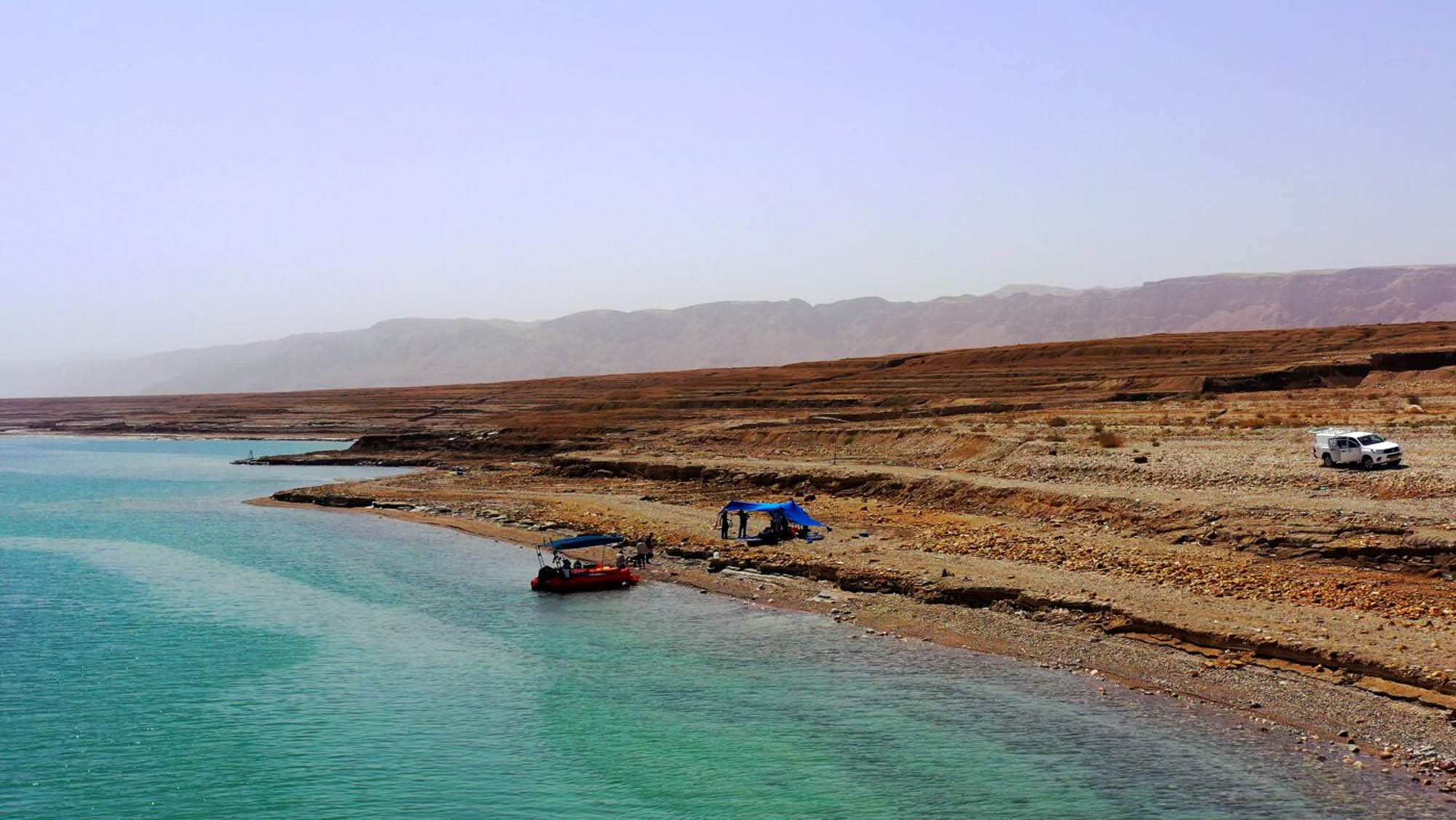
By taking advantage of the unique conditions in the Dead Sea and leveraging modern ADCP technology from Nortek, scientists in Israel are exploring how wind-driven waves and currents shape the coastlines and transport sediments along shores.
This research could contribute to improving the design of boulder-based breakwaters, placed offshore to absorb wave energy and mitigate erosion across the world.
Every year, around 24 percent of the world’s sandy shoreline erodes away , causing significant financial loss from damage to property and infrastructure. With around 40 percent of the global population living within 100 km of the coast, erosion presents a real and immediate challenge. Coastal erosion is a costly affair. In the USA, for example, coastal erosion causes an estimated US$500 million in property loss and damage every year.
Cutting-edge environmental research in Israel is taking advantage of new technologies and the unique environment of the Dead Sea to better understand the processes behind coastal erosion and sediment transport.
“Understanding coastal erosion and the transport and sorting of coarse sediments along shores is highly important for assessing coastal stability,” says Haggai Eyal, a PhD candidate at the Hebrew University of Jerusalem. He is supervised by Professor Nadav Lensky from the Geological Survey of Israel and Professor Yehouda Enzel from the Hebrew University of Jerusalem.


RTS invests in Impact Subsea Sensor solutions
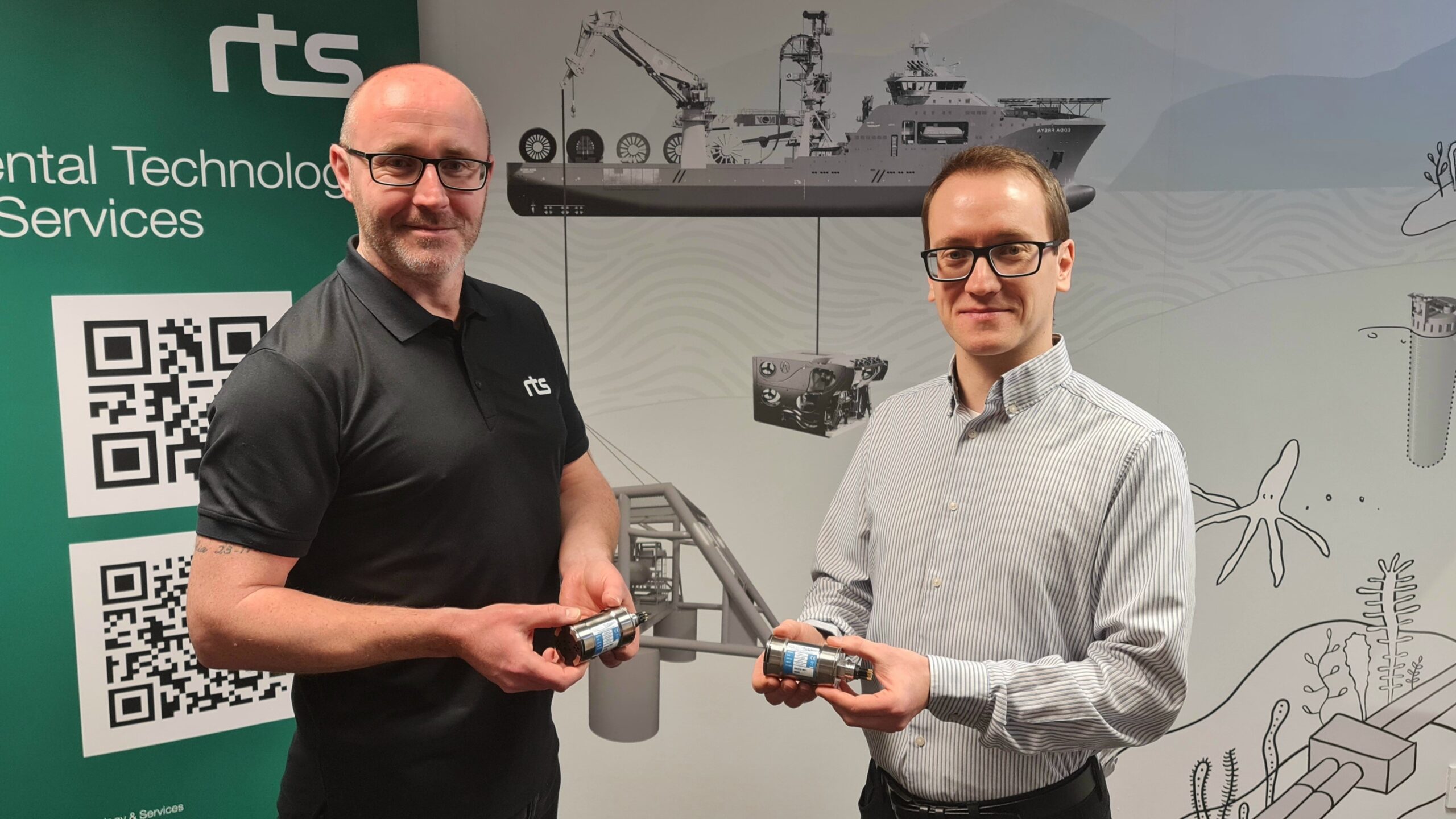
Rental Technology & Services (RTS) have made a significant investment in Impact Subsea ISA500 Altimeters and ISD4000 Depth Sensors.
The investment is to compliment RTS’ rental portfolio with high performance sensor solutions and provide rental stock for the newly opened Aberdeen base. The ISA500 provides long range, high accuracy, underwater distance measurements while the ISD4000 provides survey grade depth and temperature readings.
Dale Townend, UK Technical Manager, RTS, commented:
‘’I’ve always been impressed with the range of products Impact Subsea offers and I’m excited that we can invest and add these to our rental portfolio.
Their commitment to innovative technology matches what we offer to our client base therefore it makes sense for us to add the ISD4000 and ISA500 to match our clients’ requirements and demand”.
Ben Grant, Managing Director, Impact Subsea further commented:
“We are pleased to work with RTS with the provision of underwater Altimeters and Depth sensors. We see an ever growing demand for rental solutions and welcome RTS’ investment and commitment to offer Impact Subsea sensor solutions to their clients”.
RTS is an international provider of electronic engineering equipment for the underwater industry. The company provides technical solutions to the world’s major offshore companies involved in fish farming, renewables, inspection, seabed mapping and subsea construction projects.
Impact Subsea manufactures a range of underwater sensor solutions for AUV, ROV and standalone operation. Their range includes high performance Altimeters, Depth Sensors, Attitude & Heading Reference Systems, Sonars and Flooded Member Detection systems.
Miros strengthens its solution offering for offshore wind
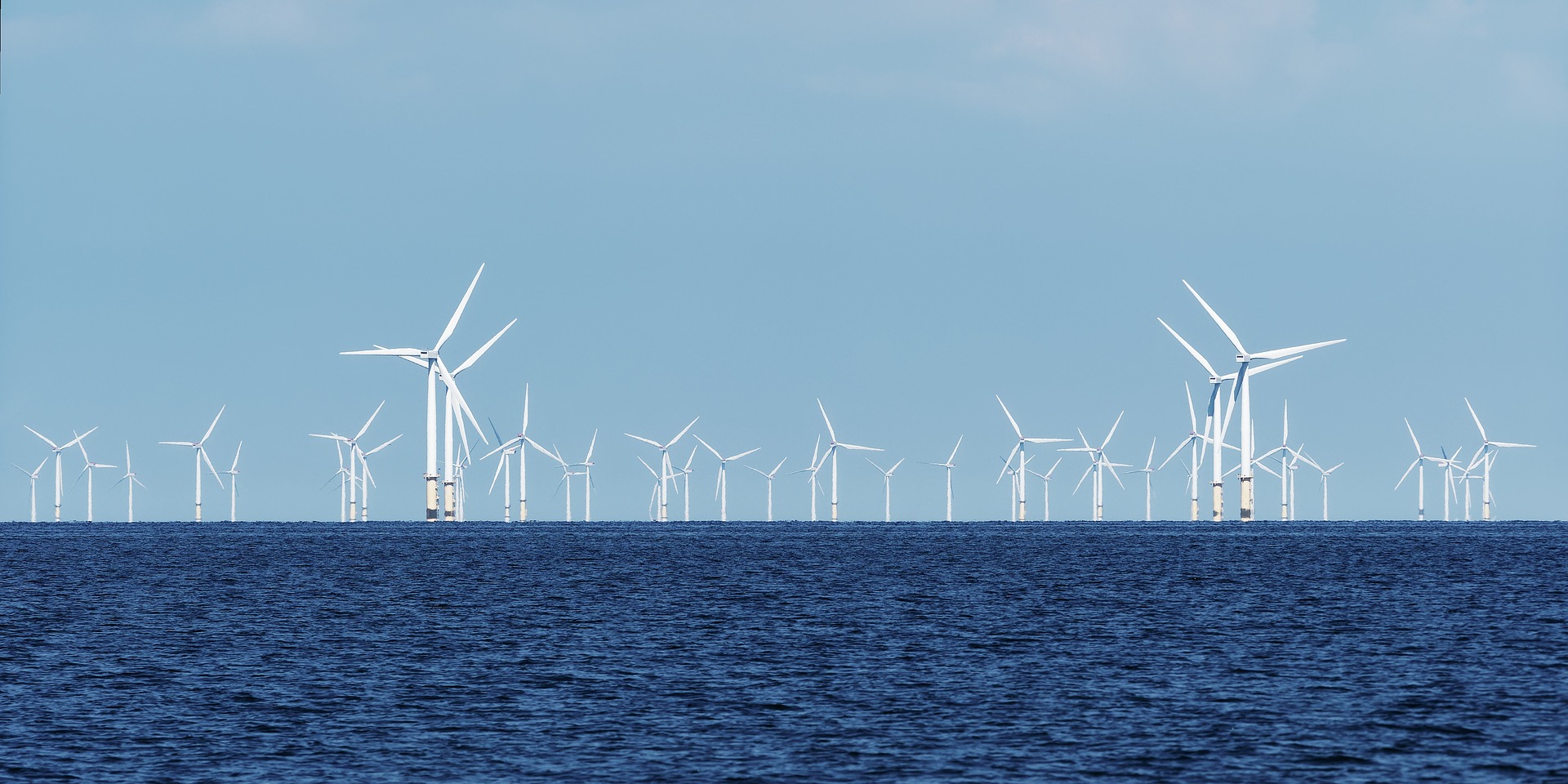
Miros, the ocean insights leader, has released new applications to optimise operational efficiency and reduce downtime in offshore wind projects.
With a fast expansion in offshore wind parks’ area coverage, the operational teams require accurate real-time information without switching between many displays. The company’s real-time cloud service now includes a unique offshore wind map that enables operational teams to effectively visualise sea state and weather data received from individual turbines across a site. In addition, it grants operators a global view of their wind farms removing the need to access multiple dashboards.
Miros has also launched Data Explorer, a new solution allowing the easy creation of purpose-oriented all-in-one sharable dashboards to analyse real-time and historical data from one or multiple offshore wind sites.
Data Explorer removes the need to access and maintain several data sources. Decision-makers get an immediate complete preview of the most crucial information empowering them to make the best sense of the data, analyse trends, and easily share historical and real-time sea-state insights with different stakeholders.
The offshore wind map and Data Explorer are easy to use and intuitive tools to help operations and maintenance teams to significantly reduce energy consumption levels and emissions caused by cancelled offshore operations due to uncertainties around weather conditions and site access. This supports organisations to reach their environmental and sustainability targets.
A recent Miros study with Trios Renewables and the University of Strathclyde provided evidence of the potential benefits of direct wave measurements for offshore wind farms, estimating that minimising turbine downtime by using live data can save offshore wind operators approximately one million pounds per year.
Maggie McMillan, Miros’ VP - Renewables said: “Accurate, reliable data is critical to driving environmental impact reduction efforts and developing more effective strategies to reduce operational cost.”
“One of the key challenges facing offshore wind operators is accessing turbines at the optimum time to ensure crew safety and operational efficiency and to avoid lost production. Our solutions support operators to access and interpret the right data, at the right time, and in the right way, which is essential to enable informed decision-making for their assets.”
Aurelia Paraschiv, IoT Product Manager at Miros, added: “Analysing data can be a costly and often overwhelming process. Our Data Explorer solution is secure, robust, and intuitive to configure, making it useful in all situations from daily operations to long-term life extension studies, especially for stakeholders engaged in time-sensitive tasks needing to impart critical information quickly.”
Fugro’s uncrewed surface vessel provides TAQA with safer and more sustainable offshore inspections
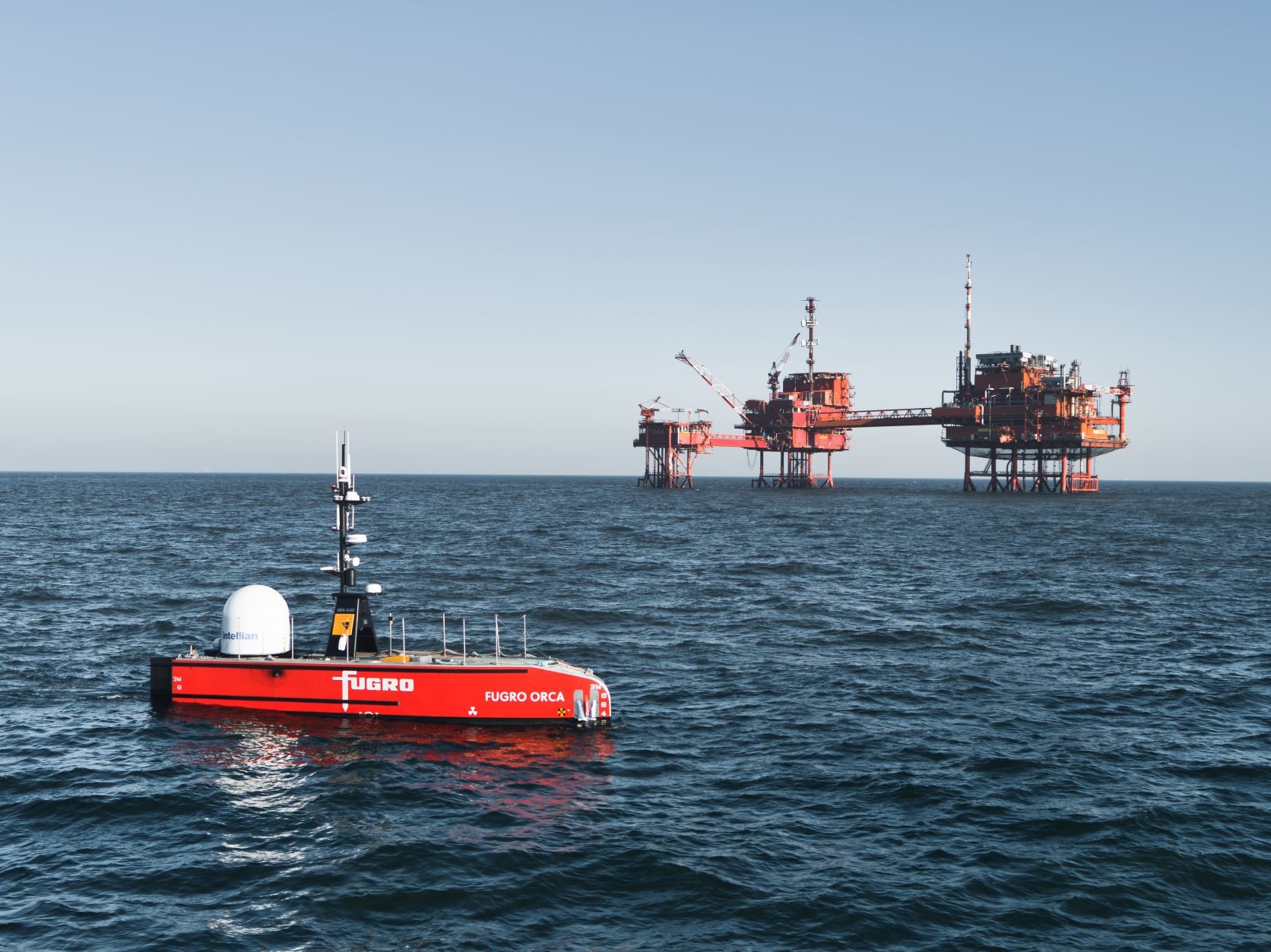
Fugro has completed its first fully remote offshore survey inspection in the North Sea for energy company TAQA using one of its Blue Essence® uncrewed surface vessels (USV) with Blue Volta® electric remotely operated vehicle (eROV). The complex project, in Europe’s busiest part of the North Sea, involved the inspection of two platforms and over 40 kilometres of pipeline off the coast of the Netherlands.
The inspection investigated the mobility of the seabed, pipeline depth measurements, visual inspections and cathodic protection measurements within the 500-metre zone to ensure the integrity of TAQA’s assets. During operations, both Blue Essence® USV and Blue Volta® eROV were remotely controlled via satellite link by operatives at Fugro’s remote operations centres (ROC) in the Netherlands and Aberdeen. The acquired Geo-data was accessed in near real-time and used to inspect the offshore assets and surrounding seabed environment.
This project forms part of Fugro’s wider strategy towards more uncrewed operations for greater agility, sustainability and safer offshore inspections. Remote operations enable employees to work onshore in ROCs rather than in high-risk offshore environments, the carbon footprint of the USV is
up to 95 % less than conventional support vessels and the client has access to near real-time data resulting in faster and more informed decision making.
TAQA’s Netherlands Country Manager René Zwanepol: “We are very pleased to have been able to cooperate with Fugro on this innovative approach and gain experience with a new technology, and to unlock the potential it holds for us. This campaign has proven to bring many benefits, especially environmental, safety and cost savings. It is definitely the way forward for us for future campaigns.”
Gordon Kennedy, Regional Director of Marine Asset Integrity at Fugro, said: “I’m so proud of the successful collaboration with TAQA and the Dutch authorities which made it possible to accomplish this survey. Fugro is committed to developing new remote and autonomous technologies that will accelerate the transition towards safer and cleaner inspections and more efficient Geo-data acquisition. In addition, USVs present an exciting solution for offshore wind farm monopile and cable inspections as well as quay walls and other underwater structures.”
Habitat-saving algorithm helped by Seaeye Falcon
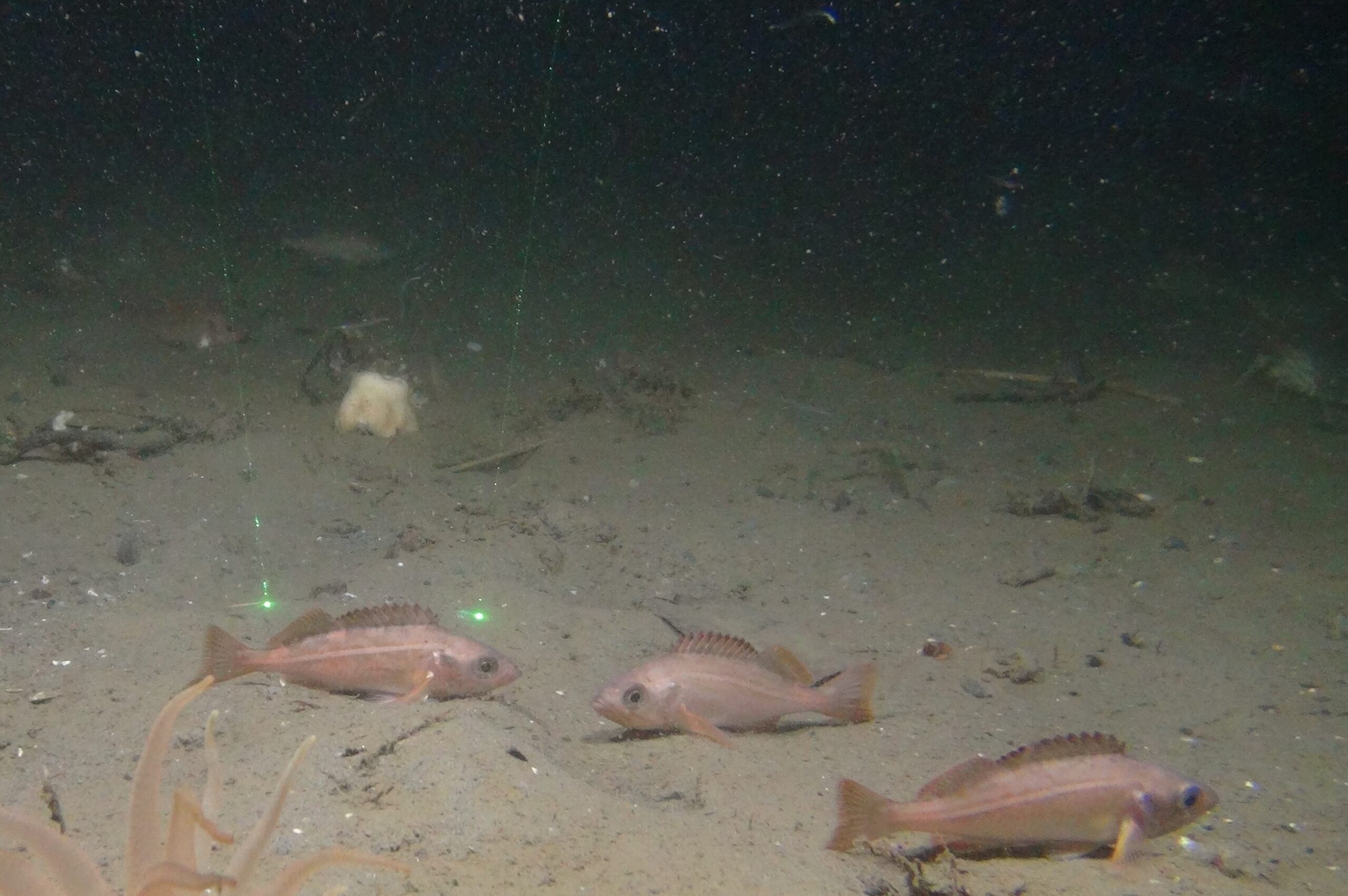
Scientists at the Washington Department of Fish and Wildlife (WDFW) have acquired a second Saab Seaeye Falcon underwater robot. The Seaeye Falcon is used to conduct surveys of marine fish and invertebrates in Washington’s Puget Sound, where some rockfish populations were fished to levels that threatened extinction.
The surveys are used primarily to monitor the recovery of rockfish listed under the United States Endangered Species Act, but also provide information on the unique geological features in Puget Sound. The WDFW has also used their Falcon to survey the habitat surrounding U.S. Navy bases in Puget Sound to meet Federal permitting requirements, locate and recover lost equipment and conduct special studies of sea urchins and sea cucumbers.
The new Seaeye Falcon is a 300m rated system and equipped with a high-definition fibre-optic video system capable of collecting higher resolution imagery than WDFW’s original Falcon, which has seen over 4000 hours of use since 2007.
“The HD imagery collected with the new vehicle will greatly improve our ability to detect small and cryptic rockfishes, leading to more precise estimates of abundance, and will be used to train machine-learning algorithms being developed to partially automate the video review process, which is expected to substantially improve survey and post-processing efficiency,” explains research scientist Robert Pacunski.
Not pushed around
“The Falcon can precisely manoeuvre amongst the cracks and crevasses of complex underwater rock formations favoured by rockfish and has the power not to be pushed around by the current,” says Robert Pacunski.
Specialised equipment fitted to the Falcon includes a pair of parallel lasers and a stereo camera for assessing individual fish size and the density of fish in a measured field of view. An Imagenex multi-frequencing gyro-stabilised sonar is used to identify target habitats and avoid uncharted obstacles (for example, derelict fishing gear, subsurface electrical and telecommunications cables). Depending on survey needs, the vehicle can be fitted with a conductivity-temperature-depth meter to collect data in real-time for examining linkages between physiochemical water quality parameters and fish distribution/abundance.
The world’s most successful system in its class, the Falcon’s winning concept comes from packing five powerful thrusters and an intelligent distributed control system into an easily manhandled metre-sized vehicle that can adopt different tools, cameras and sensors for undertaking numerous intricate and demanding tasks in strong currents.
Assisting the acquisition of both Saab Seaeye Falcons was the local distributor in North America, Jack Roberts of Symphotic TII Corporation.
Ashtead Technology signs rental agreement with Maritime Robotics
International subsea rental equipment and solutions specialist Ashtead Technology has signed a multi-year rental agreement with Maritime Robotics, a leading provider of unmanned technology solutions.
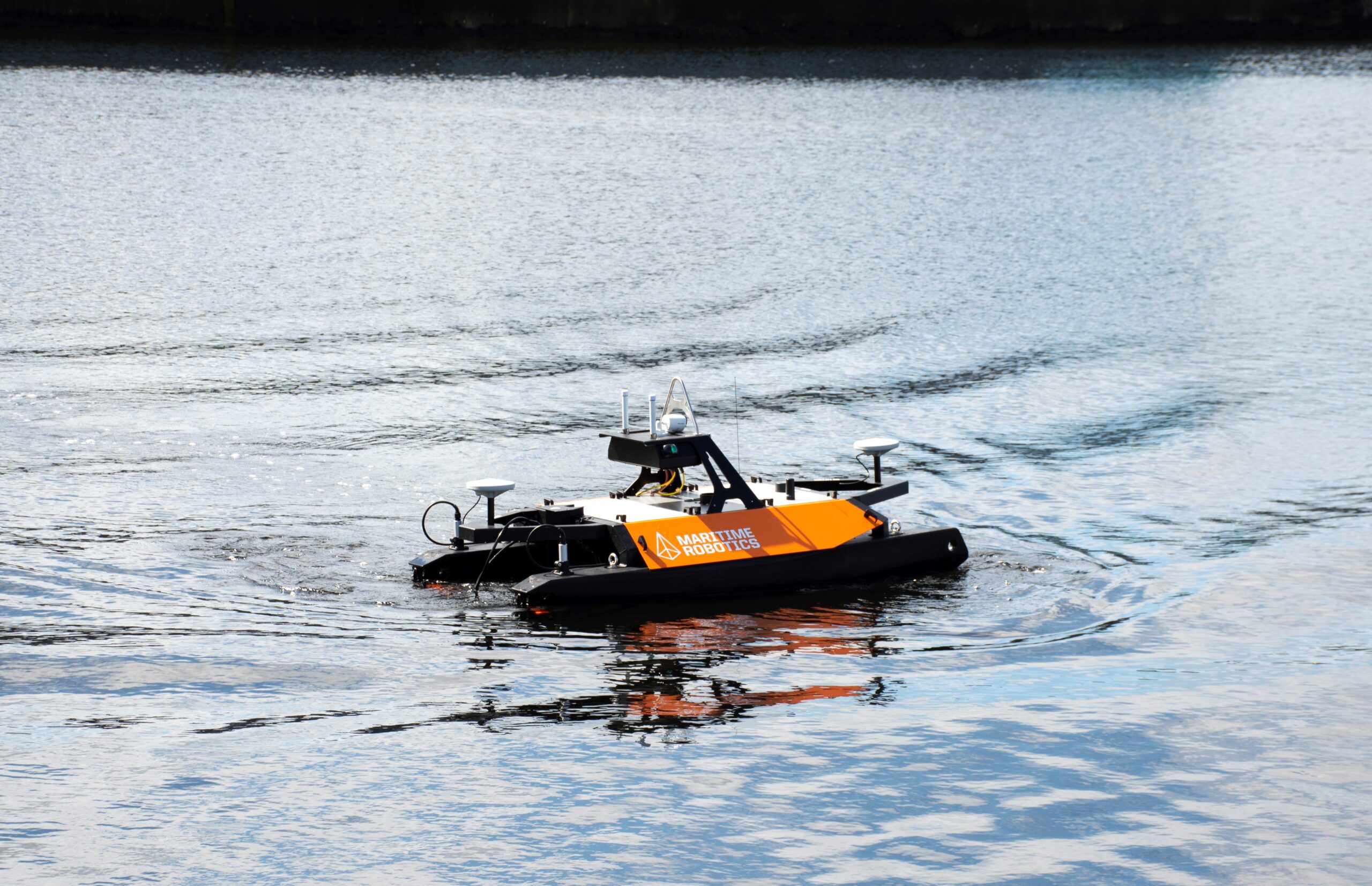
Under the terms of the agreement, Ashtead Technology will be a rental partner for Maritime Robotic’s Otter Unmanned Surface Vehicles (USVs) for high-quality maritime data acquisition.
The Otter is the smallest member of Maritime Robotic’s USV family with a footprint of only 200 x 108 x 81.5 cm and a weight of 55 kg. The Otter's robust catamaran design and the tightly integrated survey sensors makes this system a cost-effective, turn-key solution for bathymetric surveys in sheltered waters.
Phil Middleton, Ashtead Technology’s Head of Survey & Robotics, said: “This investment marks our first step into the supply of autonomous technology solutions for unmanned offshore survey operations. Autonomy is a key enabler for risk reduction, cost efficiency and reduced environmental impact and at Ashtead Technology we endeavour to ensure that our portfolio of rental equipment continues to meet our customers’ current and future operational requirements."
“We are excited about developing our partnership with Maritime Robotics and look forward to seeing these systems performing well in the field for our customers.”
Kristoffer Fortun, Chief Sales Officer at Maritime Robotics, said: “This agreement reinforces our commitment to growth and the continued development of our autonomous data acquisition solutions. Ashtead Technology is a progressive business with a first-class reputation, and we are delighted to be working together to continue building momentum for our equipment globally.”
Royal NIOZ acquires three new Teledyne Webb Slocum gliders
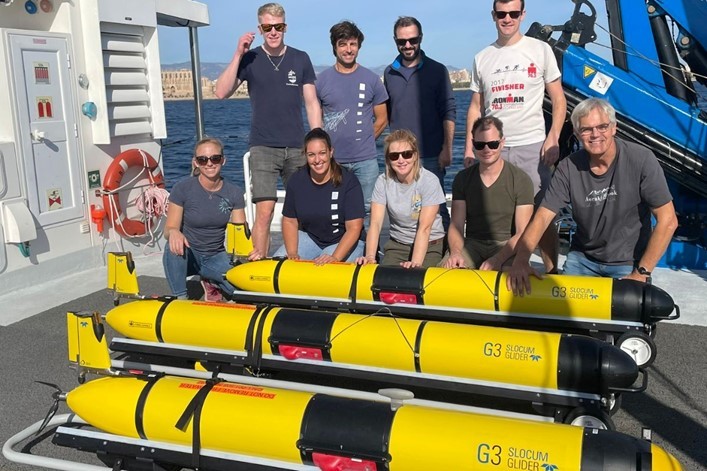
Teledyne Marine announces selling and delivering three Webb Slocum gliders to the Royal Netherlands Institute for Sea Research (NIOZ). NIOZ conducts multidisciplinary applied marine research to address major scientific questions about our oceans and seas. After completing a competitive tender procedure, NIOZ acquired three Teledyne Webb Research G3 Slocum gliders. NIOZ Scientists, engineers, and ship technicians recently underwent operational and maintenance training on the systems with field support staff from Teledyne Webb Research and the UK’s National Oceanographic Center (NOC), which are Teledyne’s European Slocum Service Center. This training was conducted in Spain at SOCIB facilities in preparation for the glider science project to be undertaken initially by the RV Pelagia in the North Sea in the spring of 2023.
The Nose project will study the absorption of CO2 in the North Sea. Slocum gliders were acquired with a grant from the NWO Large-scale Scientific Infrastructure (NWO-GWI), awarded in 2020 to a broad nationwide marine research consortium of universities, institutes, and TO2 institutions.
“After tendering, we opted for cooperation with Teledyne Webb Research in the United States of America. For us, the G3 Slocum Glider proved to be a flexible platform with long endurance and an acoustic data transfer capability.” Marck Smit, NIOZ Sea Research
NWO-NIOZ Royal Netherlands Institute for Sea Research is the national oceanographic institute. It principally performs academically excellent multidisciplinary fundamental and frontier applied marine research addressing important scientific and societal questions pertinent to the functioning of oceans and seas. NIOZ serves as a national marine research facilitator (NMF) for The Netherlands scientific community and stimulates and supports multidisciplinary fundamental and frontier applied marine research, education, and marine policy development in the national and international context.
Maritime UK to inspire girls to consider STEM careers in Maritime
Maritime UK is to deliver a nationwide ‘roadshow’ to inspire girls to consider Science, Technology, Engineering and Maths (STEM) careers in the maritime sector.
Maritime UK has been awarded £100,000 in grant funding from the Merchant Navy Welfare Board (MNWB) to deliver a Maritime Roadshow for Girls throughout 2023. The roadshow will aim to encourage Key Stage 3 girls to choose STEM subjects and to give the students greater awareness of career opportunities across the maritime industry.
Each roadshow, held across all nations and regions of the UK, will offer students the chance to take part in speed networking with a Maritime UK Industry Ambassador and will feature a series of hands-on STEM activities. Students will receive information about the maritime sector and the schools will be supported with follow-up activities to increase the impact of the event. The events are designed to support the schools with their careers education, information, and guidance (CEIAG) programmes.
Events are being planned across the UK with activity scheduled in Hull, Liverpool, Aberdeen, Cornwall, Fleetwood, Southampton, Wales, London, Belfast, Barrow, and the Midlands. The first Roadshow event will take place in Hull on 7th March during National Careers Week (6th – 11th March 2023).
Maritime UK’s roadshow builds upon the previous activity by the 1851 Trust, who ran a similar roadshow. The series saw 1,400 girls from 90 schools taking part. An impressive 70% of whom said that they felt inspired to think differently about their future careers.
Jess Huxley, Maritime UK Programme Executive (Careers & Outreach), said:
“The maritime industry is going through huge changes as we work towards Maritime 2050. It is vital that we have a pipeline of future talent from all regions and all backgrounds to fill the demand. This will only be possible by making young people aware of the opportunities available. It is widely recognised that females are underrepresented in STEM careers, therefore it is important to give female students a space to explore all the options available to them."
“I look forward to a year of inspiring girls to consider STEM careers in the maritime sector and to continuing the events in the future!”
Stuart Rivers, Chief Executive of the MNWB, said:
“Working in the maritime sector is hugely rewarding, with fantastic career prospects.
“The sector has so much to offer and it’s crucial that the next generation are aware of the opportunities available - and this roadshow is a great step to achieving that. It will also pave the way to encouraging more women to join the industry which has always been male dominated. Latest figures show out of the world’s 1.2 million seafarers only two per cent are women, and that desperately needs to change.
“It is hoped this project, long term, will inspire more women to join the maritime sector, so we look forward to watching the impact it has.”
Maritime UK is keen to work with as many partners from across the sector as possible to make the roadshow series a success and will be running 30-minute information webinars on how to get involved with the Maritime Roadshow for Girls during National Apprenticeship Week (6th – 12th February 2023).
Registration for the webinars can be found here:
• Webinar for industry
• Webinar for schools
Maritime UK has partnership opportunities available for the Maritime Roadshow for Girls. Please contact Janet Fallon for further information.
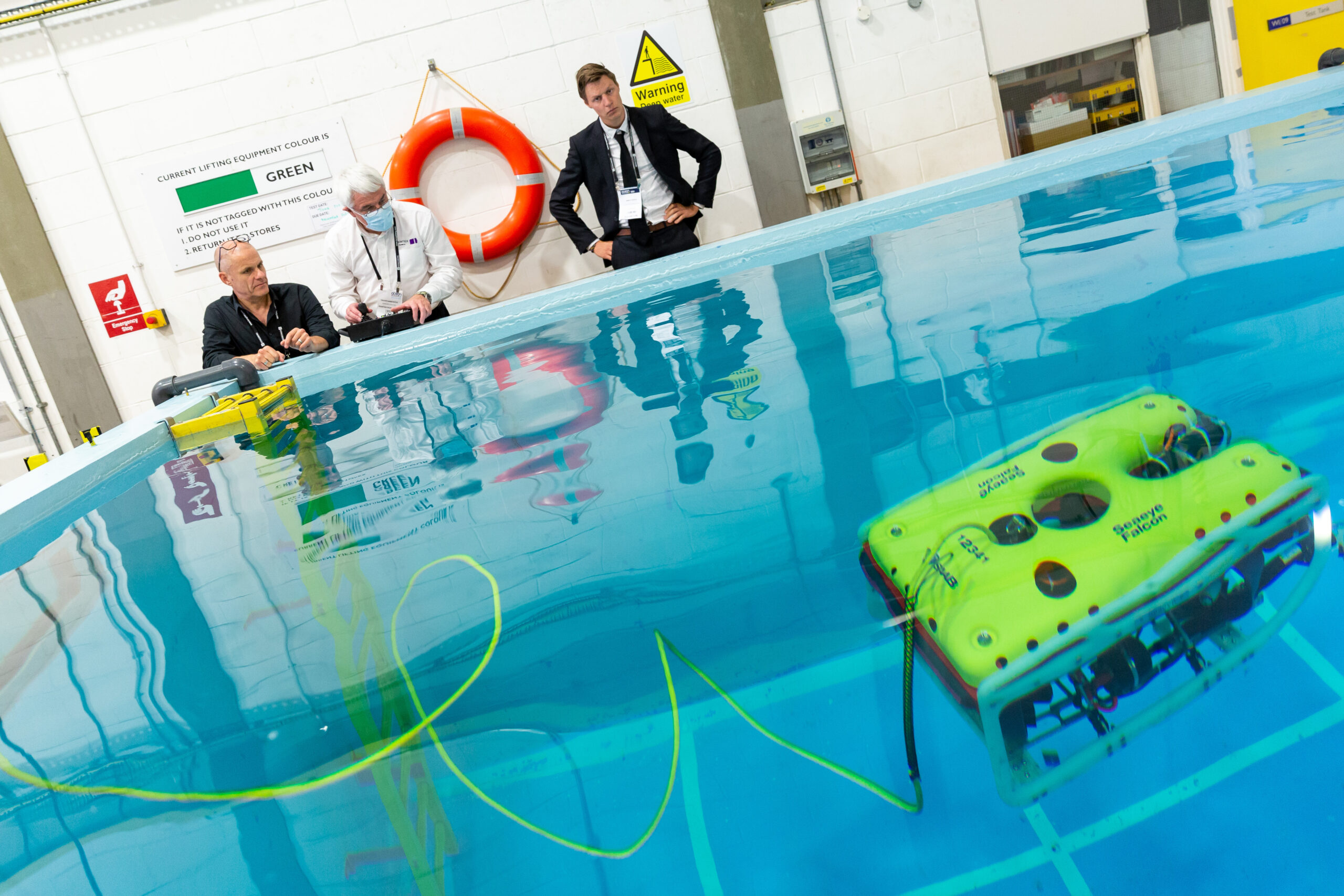
Unrivalled hands-on demo opportunities at Ocean Business 2023
With less than three months until Ocean Business 2023, more details can be revealed about the Training and Demonstration programme, one of the main attractions of the global technology and science exhibition for marine industries.
The three-day show, which runs from April 18-20 at the National Oceanography Centre in Southampton, is open to all visitors for free by registering online at www.oceanbusiness.com.
This year’s Training and Demonstration programme marks a year of exciting progress and development in the ocean environment.
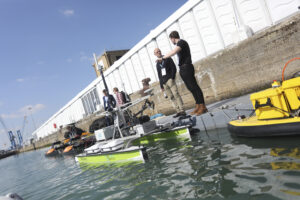
Visitors will have the opportunity to observe cutting edge technology close up and meet the top innovators in the sector, with 130-plus hours of demonstrations on the dockside, on board vessels, in the test tank, and in the classroom.
A major draw will be the latest in autonomous vehicles, with a number of ROVs, USVs and AUVs in action, from Singapore, the US, Norway, Spain, Ireland and the UK.
Highlights include first time OB exhibitor Aquatic Drones, demonstrating how cost efficient its zero emission Autonomous Surface Vessel (ASV) is for surveys focusing on inland waterways, hydro dams, ports, coastlines and offshore wind projects.
Advances in AUV technology will be the focus of Singapore’s BeeX, with a vehicle that can autonomously inspect platform structures using a positioning system from UK company Sonardyne.
And EvoLogics will demonstrate excellence in underwater search and reconnaissance, deploying a combination of USVs, AUVs, sensor stations, object recognition technology, and underwater data and positioning networks.
Meanwhile, on board Callista, the National Oceanography Centre’s purpose-built research vessel, Chelsea Technologies will present its next generation instrumentation, LabSTAF, to measure phytoplankton primary productivity.
Also on the dockside - which will be fitted with a 33m floating pontoon to accommodate the mobilisation of autonomous vehicles - Maritime Robotics will stage demonstrations of its fleet of Otter Pros, with both the Norbit and Kongsberg multibeam systems, the ultimate in unmanned survey platforms.
Test tank and classroom training and demonstration sessions will cover everything from Teledyne’s marine interconnect technology advancements to EdgeTech’s 3D sub-seabed imaging sonar, eBOSS.
Ocean Business 2023 provides unrivalled access to today’s transformational ocean technology - from the most sophisticated collision avoidance systems, to sustainable environmental monitoring, to breakthroughs in robotic and lean crewed fleets.
With more than 300 manufacturers and service providers already booked for the sold-out exhibition, this year’s event promises to attract record crowds from around the world, offering unbeatable networking opportunities.
Terry Sloane, Managing Director of Planet Ocean and ecoSUB Robotics, said: ‘Planet Ocean and ecoSUB love being at Ocean Business. As one of the original companies involved in the stakeholder discussions when Ocean Business was just an idea, we are delighted that it has become a ‘must attend’ on the international ocean show calendar.
‘As a company that partners with more than 20 overseas manufacturers, it’s a great opportunity to connect with them without burning huge amounts of carbon, as well as meeting with our customers, old, new and future. When you add in the training and demonstration opportunities, Ocean Business clearly comes out top.’
Cheri Arvonio, Event Director at show organiser Diversified Communications, said: ‘Our Training and Demonstration programme this year is packed with innovation and ideas to future-proof your business.
‘We’re expecting some exciting product launches and can’t wait to welcome a line-up of sector leading ocean people, sharing their wealth of scientific, technological and engineering expertise.’
All training and demonstration sessions are free to attend and visitors can book in on a first come first served basis at the show, or in advance by contacting the company hosting the session.
To see the full Training and Demonstration programme, please visit: www.oceanbusiness.com.
Nominations now open for SMI Marine Science and Technology Business Person of the Year Award
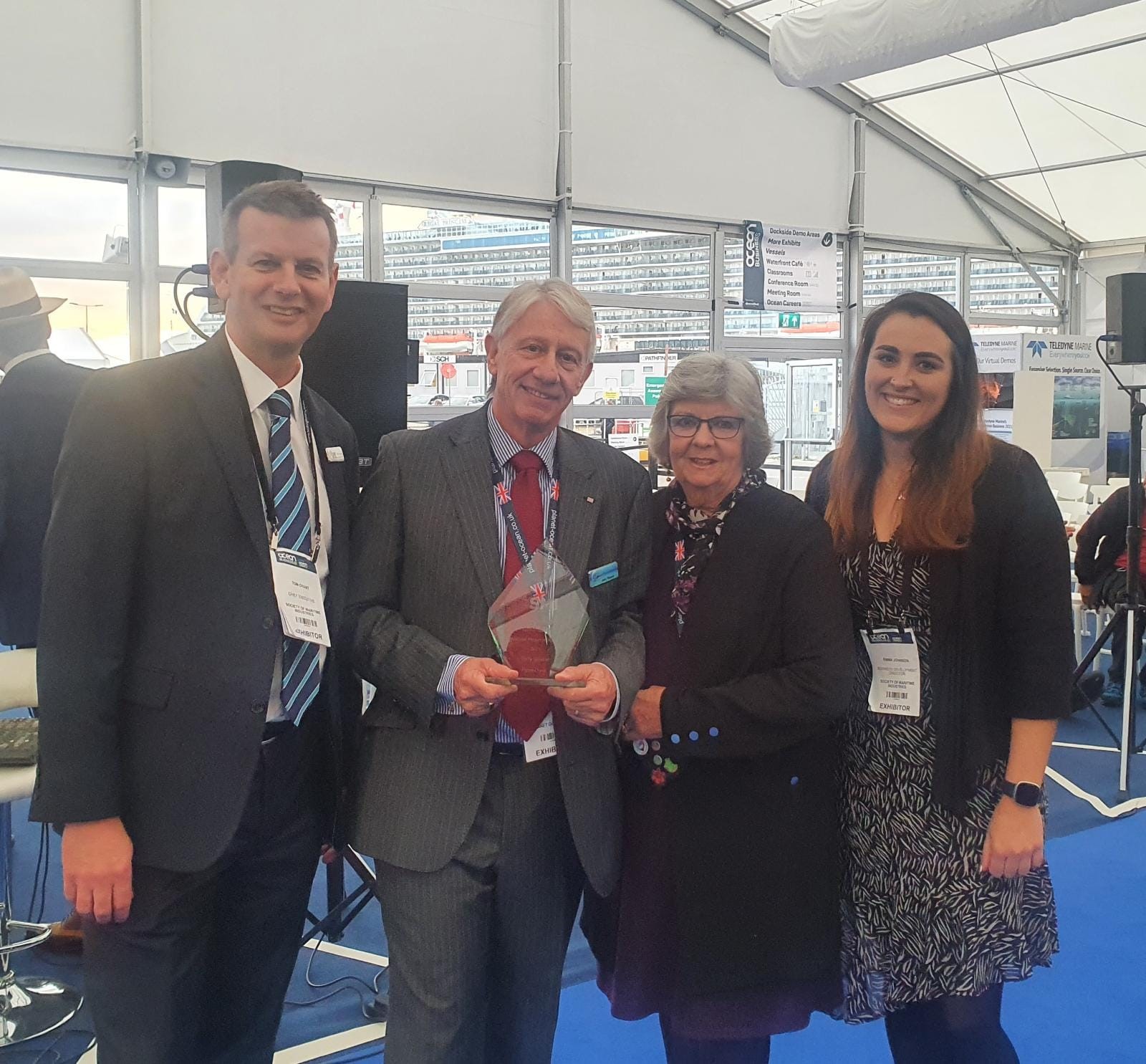
Nominations are now open for the SMI Marine Science and Technology Business Person of the Year Award. The Business Person of the Year Award recognises individuals who demonstrate outstanding entrepreneurial spirit, strategic business thinking and are regarded as leaders in their field. This award also acknowledges and celebrates the personal and generous contributions by a business person and the difference their involvement makes to the Marine Science & Technology (MST) community overall. Individuals entering into this category can be self-employed or employed by a business.
The award will be handed out at Ocean Business 2023 in Southampton in April.
In order to nominate someone, please fill in this form.