South West England innovators collaborate to develop enhanced solutions for seagrass monitoring
A new, non-invasive method to measure and monitor seagrass biomass on the seabed around England’s South West coast is being developed as part of an ongoing, collaborative project.
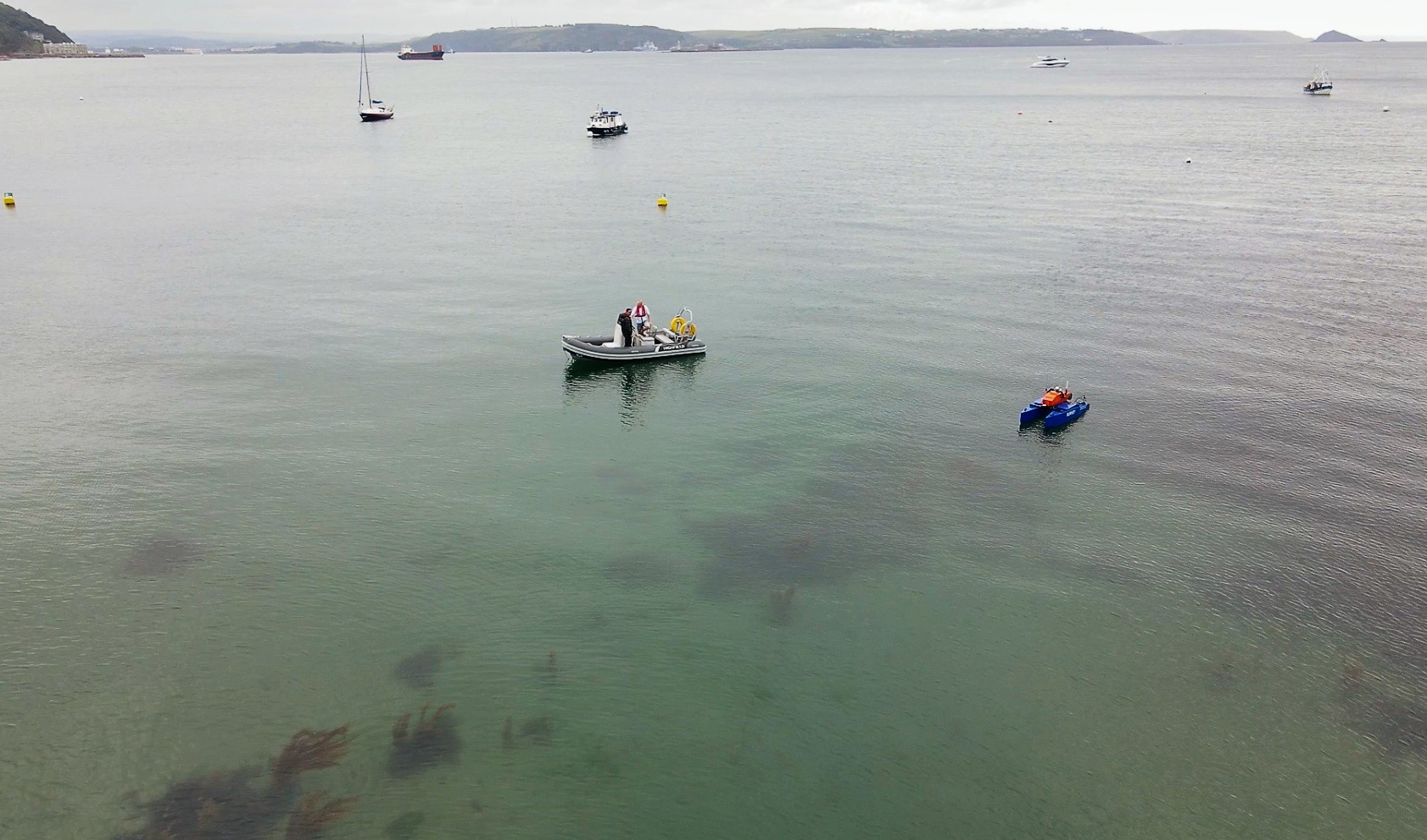
The innovative new technique is currently being trialled by local companies HydroSurv and Valeport, working with the University of Plymouth and Natural England, and supported by a grant of more than £266,000 from Innovate UK’s Smart Grants programme.
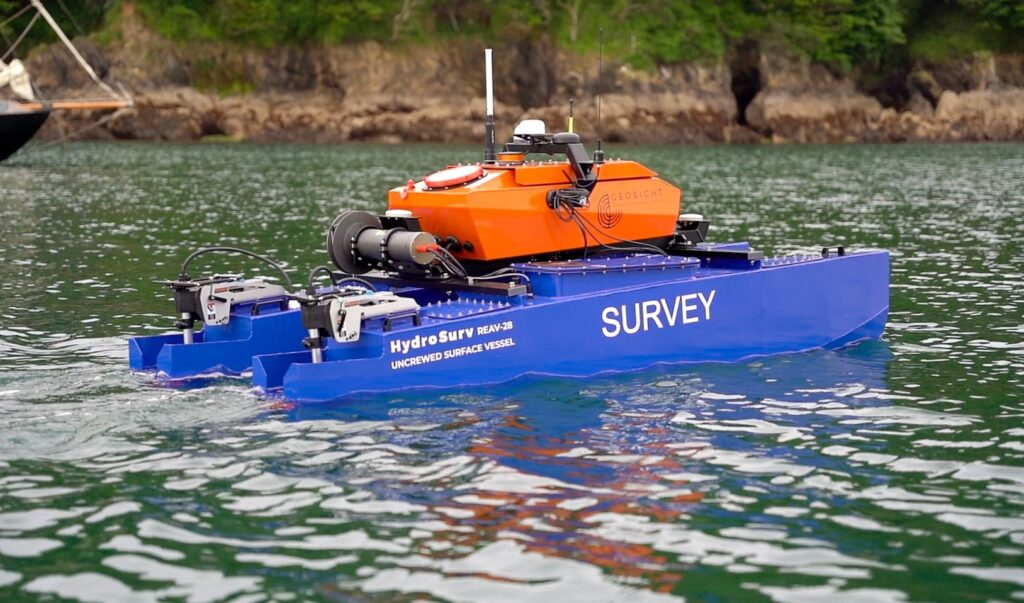
It builds on the concept of the acoustic reflectivity of seagrass providing valuable information to characterise submerged aquatic vegetation. A full-stack solution consisting of a Valeport VA500 altimeter installed onto a HydroSurv REAV-28 Uncrewed Surface Vessel (USV), specifically developed for this project, provides a non-invasive, cost-effective platform to survey seagrass sites. A large, validated signal library and deep learning algorithm, developed by the University of Plymouth, deciphers the survey data to predict seagrass distribution. The data is visualised and interpreted within a cloud application created by HydroSurv.
The USV platform facilitates accurate repeat surveys that can be compared to monitor temporal changes in seagrass coverage for the planning of protection and regeneration projects at biodiversity-rich worksites. The full solution, which was demonstrated successfully to project stakeholders for the first time in May this year, is set to change the way seagrass meadows are monitored in the future, complementing traditional diver surveys to cover much larger areas and enable rapid re-survey work as required.
Fiona Crouch, Natural England ReMEDIES Project Manager said: “To effectively conserve and restore seagrass meadows we need innovative solutions to enable cost effective, repeatable surveys of established meadows, plus areas being restored through projects such as ReMEDIES, to monitor change. I’m really excited to see where this new technology will take us in supporting our seagrass conservation efforts.”
HydroSurv, Valeport and the University of Plymouth form part of a fast-emerging South West England maritime innovation cluster. The project partners are engaging with the Environment Agency and Natural England to develop the solution further, with a second phase of demonstrations planned for September.
David Hull, Founder and CEO of HydroSurv said: “Staying true to our values of ocean and environmental stewardship, the work being carried out within this collaborative project will directly translate into impact addressing UN Sustainable Development Goal 14, ‘Life below water’. The ability to provide blended, non-invasive solutions that rapidly acquire, process and visualise the coverage and density of seagrass meadows is central to improving our understanding of these vital ecosystems and delivering regular and repeatable resurveys in-stride with the needs of coastal practitioners.”
The VA500 altimeter, which uses state of the art signal processing, was customised by the instrument manufacturer for this project.
Jim Gardiner, Research Scientist at Valeport said: “The VA500 altimeter was developed to deliver reliable underwater range measurements in a compact, robust package. Working with University of Plymouth and HydroSurv, custom firmware was developed to deliver low noise, high quality, correlated acoustic profiles at up to 10Hz to enable deeper analysis, exploration, mapping and classification of the acoustic information gathered by the VA500.”
Dr Tim Scott, Associate Professor of Ocean Exploration at the University of Plymouth, said: “As part of the project, the application of deep learning algorithms for the acoustic detection and characterisation of seagrass beds has introduced improved accuracy and efficiency over more traditional techniques. When combined with the advantages of lightweight autonomous survey platforms, this new combined survey solution introduces a step-change in accurate and repeatable seagrass mapping.”
Seagrass meadows are a crucial part of the marine ecosystem and are increasingly being recognised for their essential carbon capture abilities. As well as being as effective at storing carbon as woodland, seagrass also provides vital habitat for young fish, seahorses and jellyfish. It additionally cleans surrounding seawater and helps to stabilise the seabed, thereby reducing coastal erosion.
The UK has lost around half of its seagrass since the mid-1930s due to factors ranging from seagrass wasting disease (SWD) and pollution to physical disturbance from the anchoring, launching and mooring of leisure boats. The £2.5 million LIFE Recreation ReMEDIES partnership ‘Save Our Seabed’, led by Natural England and funded by the EU LIFE Programme, was launched in July 2019 to protect and restore these sensitive habitats.

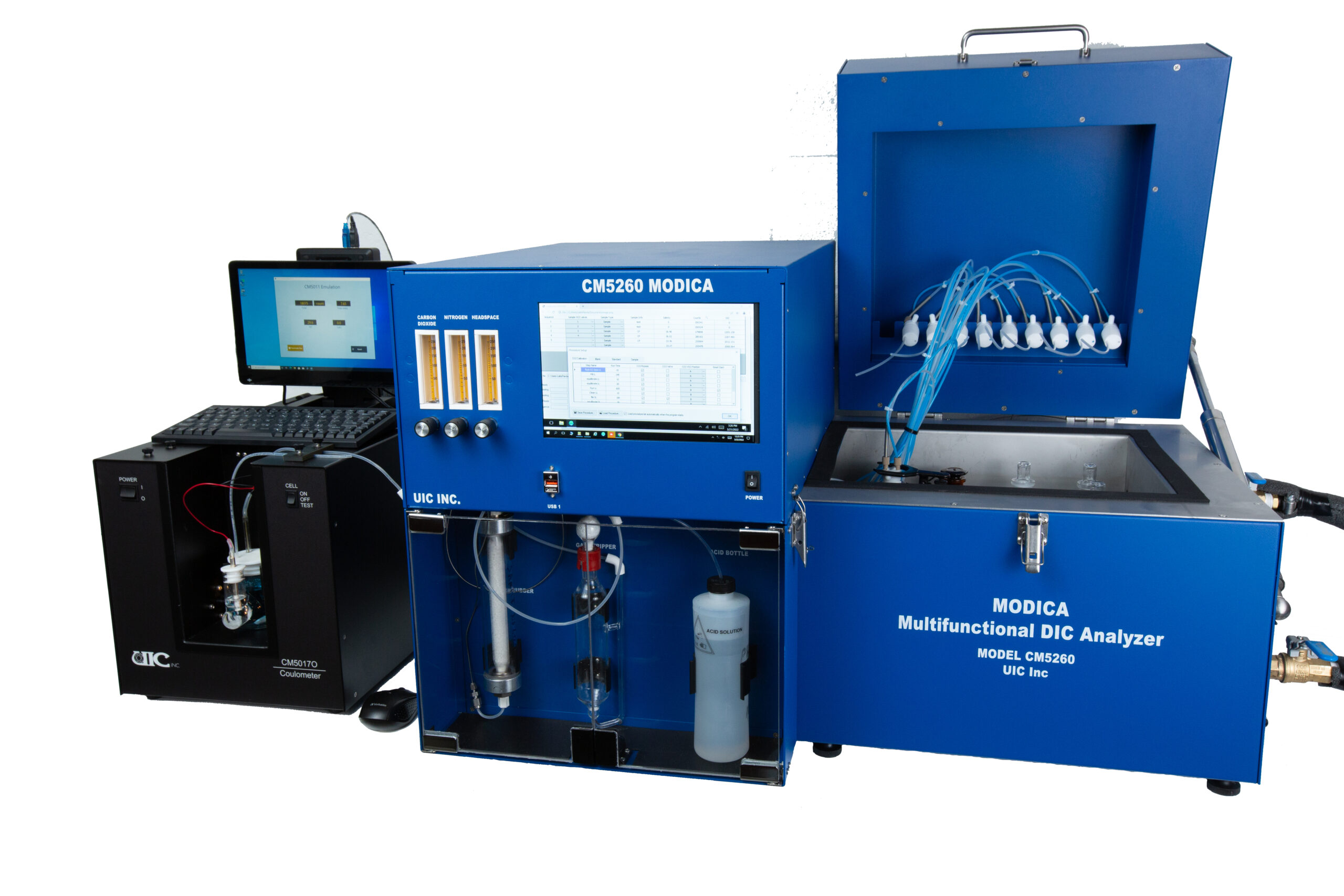
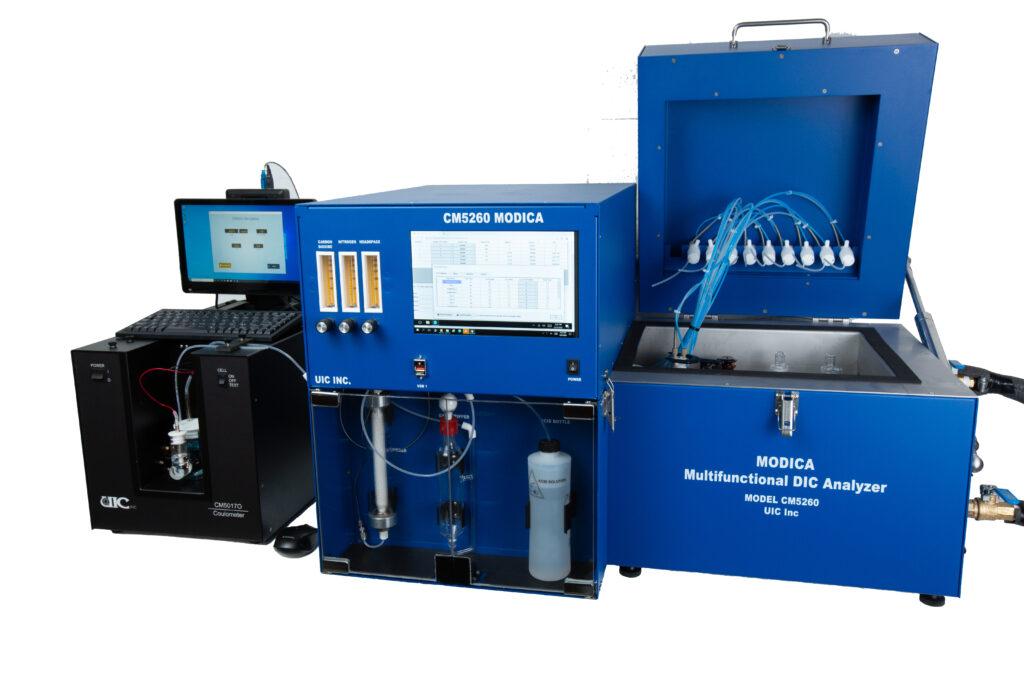
UIC Inc. introduces new automated Analyzer for Dissolved Inorganic Carbon (DIC) in seawater
The MODICA (Multifunctional Dissolved Inorganic Carbon Analyzer) is UIC’s newest addition in the line of reliable and precise instruments for carbon measurements in water samples. MODICA is combined with their CM5017O coulometer to provide highly accurate, absolute determination of dissolved inorganic carbon (DIC). MODICA retains all SOMMA's main design characteristics, such as headspace sample introduction and pure CO2 calibration with enhanced capabilities.
Different from SOMMA, MODICA is a multi-sample, multi-detector and multi-parameter capable instrument. MODICA can automatically process up to ten samples using predefined routines that include blank, CO2 calibration, CRM and samples in single batch run. MODICA has a built in computer and salinity sensor.
The powerful and reliable software enables users to set and go, making DIC measurements easy and fun. As an option, MODICA-pH is a dual-parameter instrument that measure both DIC and pH. The pH channel is based on spectrophotometric pH measurement using purified mCP dye. For those who have a Picarro CRD instrument, MODICA could link to a Picarro instrument so both DIC and C13 data can be obtained in single run with high precision.
Please see here a detailed PowerPoint of MODICA's capabilities. If you would like more information, please reach out to the sales department at [email protected]
A New Standard In Acoustic Flooded Member Detection
Impact Subsea has released a new generation of underwater, Flooded Member Detection system: ISFMD V3.
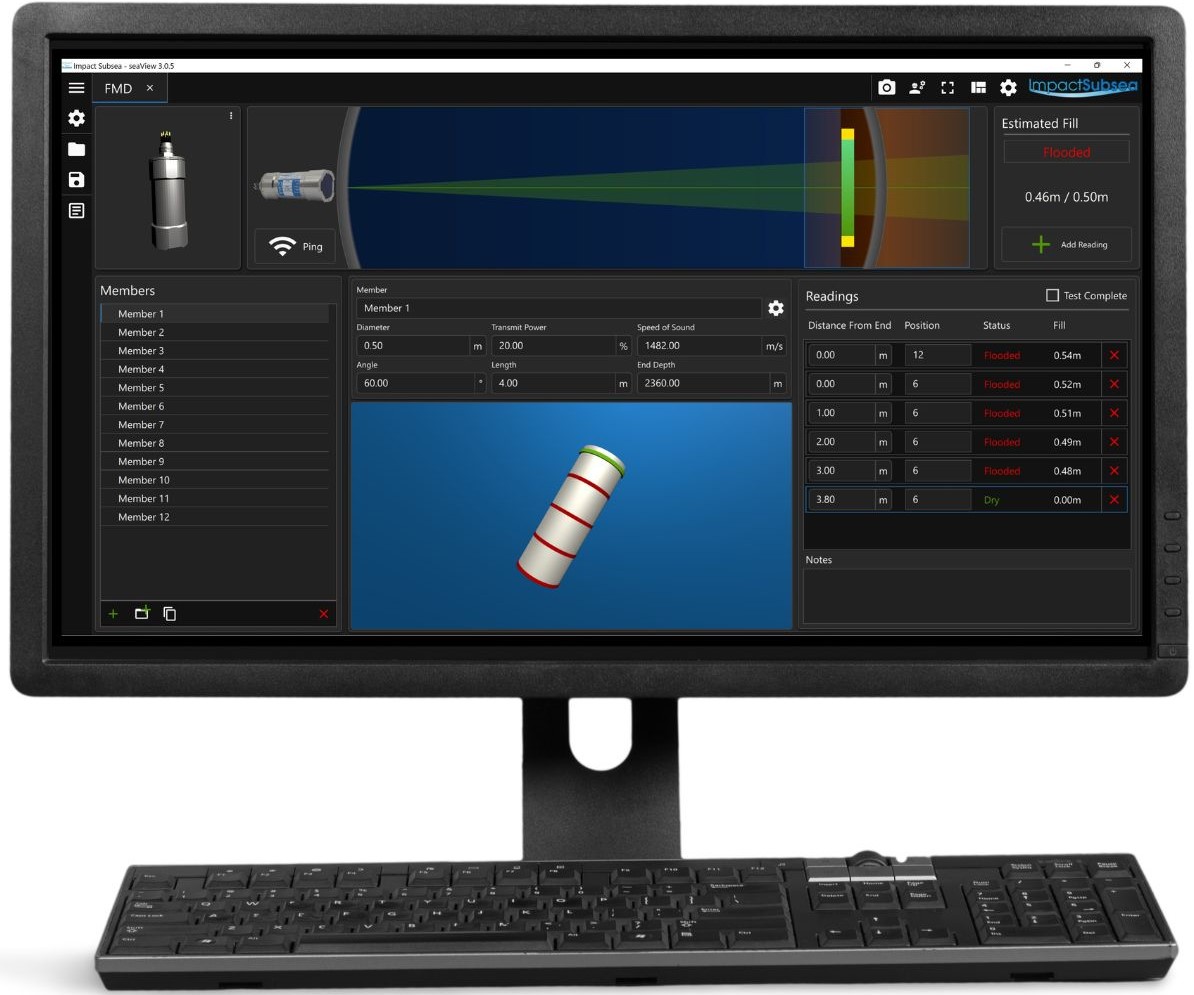
ISFMD V3 provides a highly intuitive yet simple to use flooded member detection system for deployment by divers or remotely operated vehicles.
The system provides capability to test and store results for multiple members at a time. Multiple members can be preconfigured prior to commencing the survey with details of diameter, length and angle. Multiple readings can be logged per member, including at different test positions around the member.
Members are automatically classified as flooded, part flooded or dry, using an advanced digital correlation detection technique. This technique allows acoustic returns to be detected even if the return is below the ambient noise level. This approach to detecting an acoustic return ensures exceptionally high accuracy and reliability in readings.
Commenting on the launch, Ben Grant, Managing Director, Impact Subsea stated: “Having worked closely with users of our original ISFMD system, V3 has been created to provide the ultimate, acoustic based Flooded Member Detection system. The user interface provides a high level of feedback in terms of probe position, acoustic readings and organisation of the complete FMD survey”.
The ISFMD V3 system operates by transmitting an acoustic pulse into an underwater member. If there is a liquid inside the member the pulse will transfer through the member, bouncing off the opposite member wall and back to the probe. If however the member is full of air the signal is attenuated and will not bounce back to the probe.
The use of acoustics to determine the presence of a liquid inside the member is a safer and logistically more simple solution than alternative gamma radiation based Flooded Member Detection systems. Moving away from the traditional analogue detection methods, used in some alternative acoustic based Flooded Member Detection systems, provides a step change in the system performance and reliability.
Users of the original Impact Subsea ISFMD system will benefit from a free upgrade to V3 as part of the company’s commitment to lifelong support of its products.
Full details of the ISFMD V3 system can be found here. A video overview of the new system software can be viewed here.
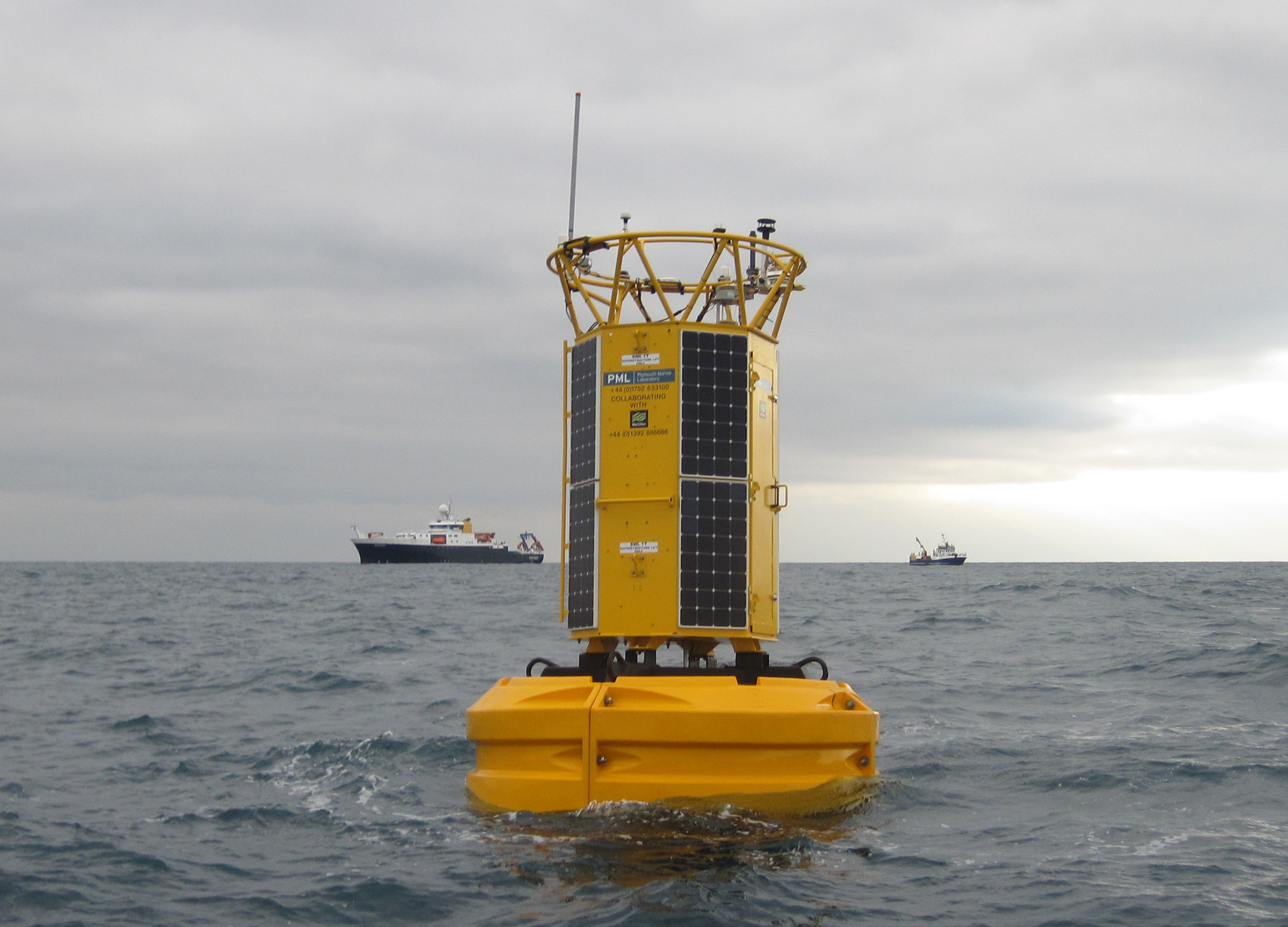
UK Met Office selects Sonardyne acoustic releases for mooring weather buoys
Acoustic release transponders from ocean science technology company Sonardyne have been chosen by the UK’s Met Office to secure its network of moored buoy Marine Automatic Weather Stations (MAWS) in the North Sea and Atlantic Ocean.
Under a call-off agreement, Sonardyne’s RT 6s and deck topside command units will be used to support deployment and retrieval of the MAWS buoys from their locations as far north as the Faroe-Shetland Channel and down to the southwestern approaches and the English Channel in the south.
The Met Office’s MAWS buoys are a key part of its Marine Observing Network, which gathers essential observations, including wind speed, air and water temperature, and wave height and period.
They contribute to an international network of World Meteorological Organisation (WMO) and the International Maritime Organisation (IMO) coordinated marine observations, which provide critical data for weather forecasting, atmospheric modelling and work on climate science, by the Met Office and other organisations.
Because many of the buoys are moored in more harsh North Atlantic waters, they have to be designed to withstand extreme conditions, including significant wave heights recorded at above 18 m. They also have to be serviced every two years, so the Met Office needs a safe and reliable mechanism to allow for easy release from and then redeployment to their seabed moorings.
Sonardyne’s RT 6 family of release transponders, operate using a secure acoustic signal from the sea surface, to activate a release mechanism connected to a seabed anchor. Moored instrument strings and oceanographic buoys can then be retrieved onboard a vessel for servicing or redeployment.
To support the MAWS deployments, each buoy will be fitted with two releases installed in a load amplification frame, providing a working load limit (WLL) of 15 tonnes. This configuration provides both equipment redundancy and the WLL needed to withstand harsh ocean conditions. Operators will command and control their RT 6s using Sonardyne’s newly developed Deck Topside. Rugged and portable, Deck Topside features a high brightness screen, inbuilt GPS receiver for recording deployment locations and a battery life of eight hours. A cabled, over-the-side dunker provides the secure acoustic communication link between the surface and RT 6s.
The Met Office expects the first deployment using their new Sonardyne equipment to be on the ‘K7’ buoy, which will be reinstalled about 150 km west of the Shetland Islands in 700 m water depth by the Northern Lighthouse Board’s lighthouse tender NLV Pharos.
Mark Hemnell, Marine Engineering Manager at the Met Office says, "The Met Office open ocean buoy network is often where forecast weather systems meet our measurement systems. Data from the buoys are used along with observations from many other sources to initiate model runs from which the UK's weather forecasts are derived. Met Office buoy moorings are designed to withstand the worst that the Atlantic can throw at them for deployments of four to six years. They take advantage of the properties of synthetic materials to do this, and it is our intention to remove all these materials from the ocean at the end of a deployment. Tandem release assemblies will ensure that this can be done reliable and safely, reducing our impact on the marine environment."
“Deployed far from shore in deep water, at significant operational cost, and exposed to some of the severest weather that the North Atlantic can generate, it’s vital that the Met Office’s buoys are moored securely for years at a time. Consequently, the selection of our RT 6 acoustic releases is a significant vote of confidence our technology,” adds Geraint West, Head of Science at Sonardyne.
“Acoustic release transponders have featured in Sonardyne’s product portfolio throughout our 50 years, so we’re delighted that, in our 50th year as a company, the UK’s national weather service has invested in UK technology, manufacturing and through-life support to help deliver their vital services.”
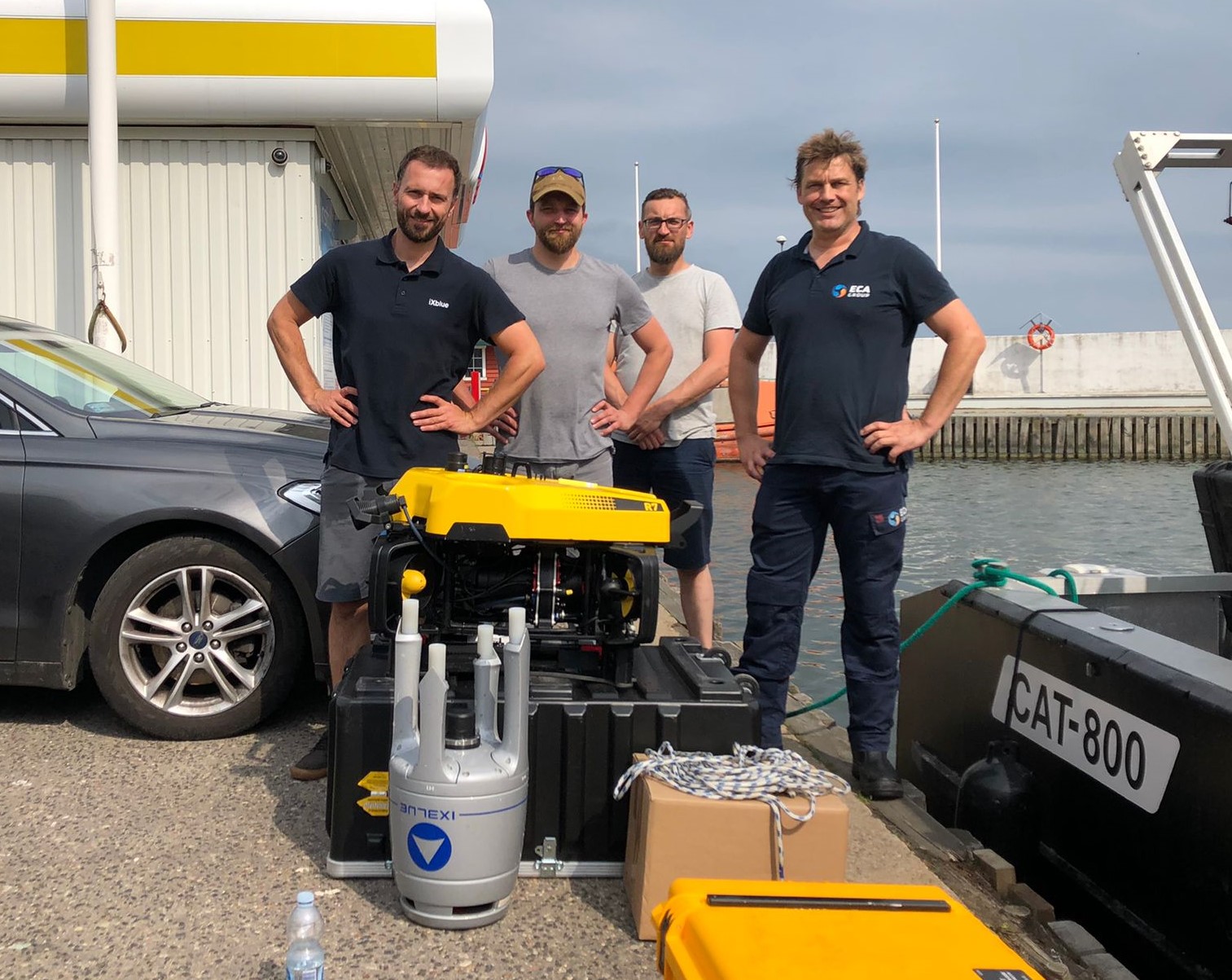
iXblue and ECA Group demonstrate successful subsea asset tracking to Polish Naval Academy
iXblue and ECA Group recently demonstrated successful subsea asset tracking in shallow waters using iXblue Gaps M7 USBL (Ultra Short BaseLine) positioning system and ECA Group new R7 ROV (Remotely Operated Vehicle).
Hosted by their local partner THESTA, a Polish company providing maritime navigation services and communication systems for the defense sector, the demonstration was organized for the Polish Naval Academy and NAVSUP 2022 attendees with the aim of showing that accurate positioning of underwater targets is possible in a potentially hostile and fast-approaching environment, in coastal regions characterized by shallow waters and often limited access.
As part of the mission scenario, ECA Group’s R7 ROV investigated objects and structures submerged in the shallow waters of the Baltic Sea in Gdynia harbor. iXblue Gaps M7 USBL acoustic positioning system was deployed to geolocate the R7 ROV and correct its trajectory in real time. A fixed transponder was also placed several hundreds of meters away from the vessel, at only 5 meters deep. The trials were carried out in water depths of 7 to 10 meters, surrounded by many docks and vessels causing significant acoustic echoes.
Despite challenging acoustic conditions, the positioning of the ROV and the transponder was stable and accurate. Extremely efficient in shallow waters, Gaps M7 ensured excellent horizontal tracking capabilities with omnidirectional coverage and 200° acoustic aperture. With no calibration required, it was easy to deploy and ready to use, saving precious operational time on the field.
The ROV inspection was successful despite the low visibility. Such environments make the use of traditional cameras impossible, but the HD acoustic inspection camera performed remarkably, providing high-resolution data with superior localization accuracy. The R7 combines the compactness and maneuverability of mini-ROVs with the performance and power of professional observation-class ROVs. It embeds a wide range of fast-equipped payloads and operates well under harsh sea conditions, making it the perfect ally of Navies for quick and efficient subsea interventions.
“The R7 ROV along with the Gaps M7 USBL acoustic positioning system is able to transmit information accurately, even in noisy and difficult acoustic environments. They both enable fast operation as well as regular and quick position updates, even in very shallow waters, which is a definite asset for the navies, given their need for a fast, clear and concise picture of the battlespace to quickly maneuver naval forces in the field.” says Cezary Majchrowicz, Technical Director at THESTA.
Teledyne RD Instruments Announces Expanded Sales Network in China
Teledyne RD Instruments (TRDI) has announced a restructure of their distribution network in China to improve service for local customers.
TRDI has expanded their existing relationship with Xiamen Lawlink Development Co., Ltd., located in Xiamen, China. Xiamen Lawlink will now distribute TRDI’s full line of ADCPs for water resources applications. To maximize their reach, they will continue to work with five existing regional representatives: Guangzhou Hestoon Electronic Technology Co., Ltd., Yellow River Hydro Science Co., Ltd., Jiangsu NAIWCH Co., Ltd., Nanjing Hengshui Technology Co., Ltd., and Wuhan Long Ya Technologies Co., Ltd.
TRDI has appointed Anda Strong as a new distributor for their Marine Measurement ADCP product line. Anda Strong, located in Beijing China is a long established distributor for TRDI’s sister company, Teledyne RESON, and has over 10 years of experience with the sales and service of coastal, deep water and vessel mounted ADCPs.
The TRDI office in Shanghai will continue to support and work closely with Xiamen Lawlink, Anda Strong and the regional distributors to maintain and grow the market in both the Water Resource and Marine Measurement markets in China.
Stephen Apsey, Teledyne RDI’s General Manager, adds “We are pleased to be represented by such professional local organizations, and believe our local customers are in very good hands. We look forward to continuing to strengthen our position and support for customers in this region.”
BIO-UV Group Reports Robust Growth for Bio-Sea Ballast Water Treatment Systems
French water treatment specialist BIO-UV Group has reported a 38% growth in BIO-SEA ballast water treatment system sales in the first half of the year, compared to the same period 2021.
Despite a year impacted by various geopolitical factors, the publicly listed company sold more than 100 BIO-SEA BWTS units in the first six months of the year. Demand is forecast to “remain very high” throughout the year, continuing into 2024.
The company reported half year revenues across the group’s maritime activities of €9.51M, with a current orderbook valued at €5.1M.
Commenting on the robust results, Benoît Gillmann, Founder, Chairman and CEO of BIO-UV Group, said: "In the current context affected by all kinds of tensions and inflation, BIO-UV Group's performance in the first half of 2022 is remarkable. Once again, I would like to thank the Group's teams who delivered an excellent performance with very solid fundamentals.
“We continue to make progress in our maritime business development strategy. With increasing temperatures and climate change likely to result in further changes to the marine eco system, an effective and properly maintained ballast water treatment remains a vital priority for the global shipping fleet. BIO-UV Group will continue to deliver relevant and competitive solutions to ensure shipowners are equipped with the best UV water treatment technology available.”
Last year, the BIO-UV Group introduced a new M-Series BIO-SEA ballast water treatment system for flow rates up to 2100m3/h, and earlier this year announced it now has the capability to offer complete turnkey BWTS services.
The company has ballast water treatment units for flow rates from 13m3/h up to 2100m3/h installed on a wide range of vessel types, including containerships, bulk carriers, multi-cargo vessels, cruiseships, passenger ferries, offshore vessels, naval ships and mega-yachts.
New Batch of C-Vision Encrypt Systems Supplied to Asian Navy
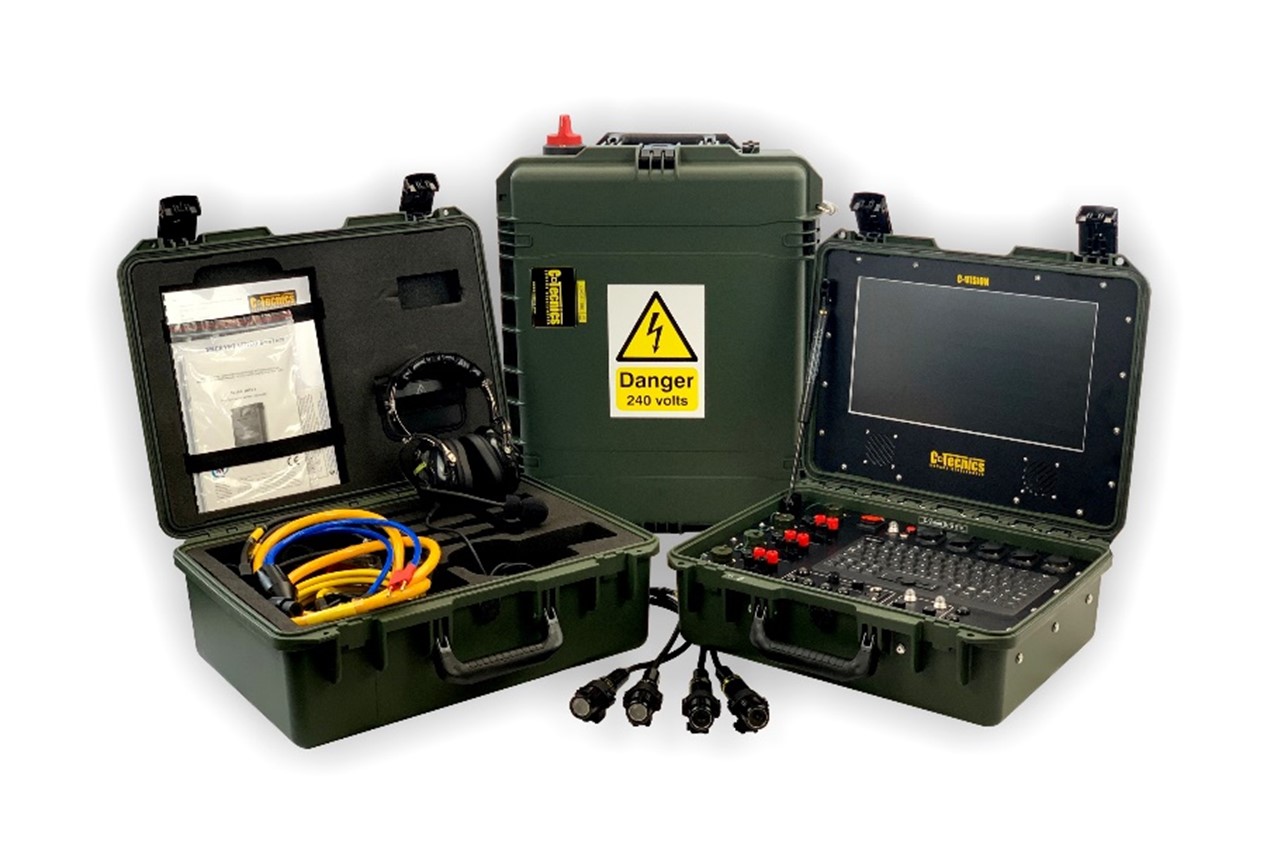
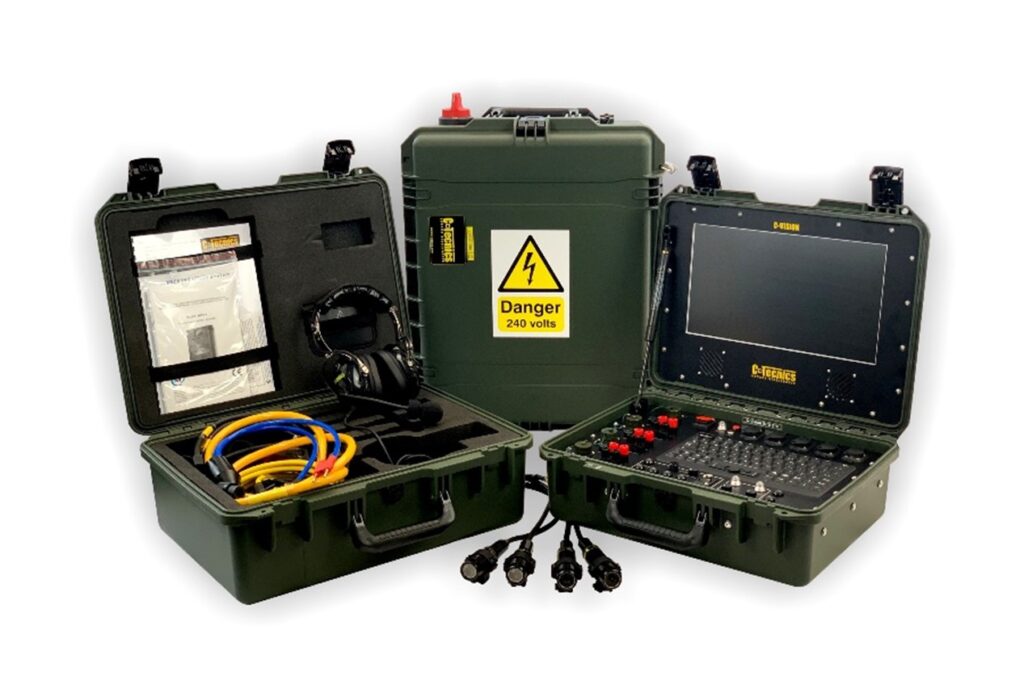
C-Tecnics, Aberdeen-based subsea video systems manufacturer, have just supplied a batch of ten brand-new C-Vision Encrypt portable video and communications sets to a Navy based in southern Asia.
The project, administered by one of their trusted distributors, saw their team of technicians work tirelessly to meet a strict deadline while maintaining their highest level of quality.
Scott Younger, Technical Manager of C-Tecnics, stated, “it’s excellent. A great order for us. The ‘Encrypt’ was designed specifically for this type of dive team and we are all pleased that they chose to invest in our product. Time was against us, but we knew we were capable. Our skilled staff put in the work and cut no corners. This opportunity to support yet another international Navy with our products was one we couldn’t turn down”.
Within the scope was to supply ten complete C-Vision Encrypt sets which included the C-Vision topside video and communications console. The C-Vision is a highly portable, PC-based video and communications recording system. This unique Encrypt model is equipped with file encryption software which ensures that all recordings within the system are secured by AES-256 (256 bit) encryption and only accessible by way of an encryption key. Further enhancements include a 4-wire, or full round robin, communications system and hard-wearing MILSPEC connectors which are built to last. Also included in the scope were underwater cameras, lights, various mounts, portable power packs to support remote operations, and cable deployment reels.
The Encrypt is being used by a number of Navy dive teams worldwide and has been recognised and coded for classification by NATO.
KW Group Ltd – ASME Certification Authorisation
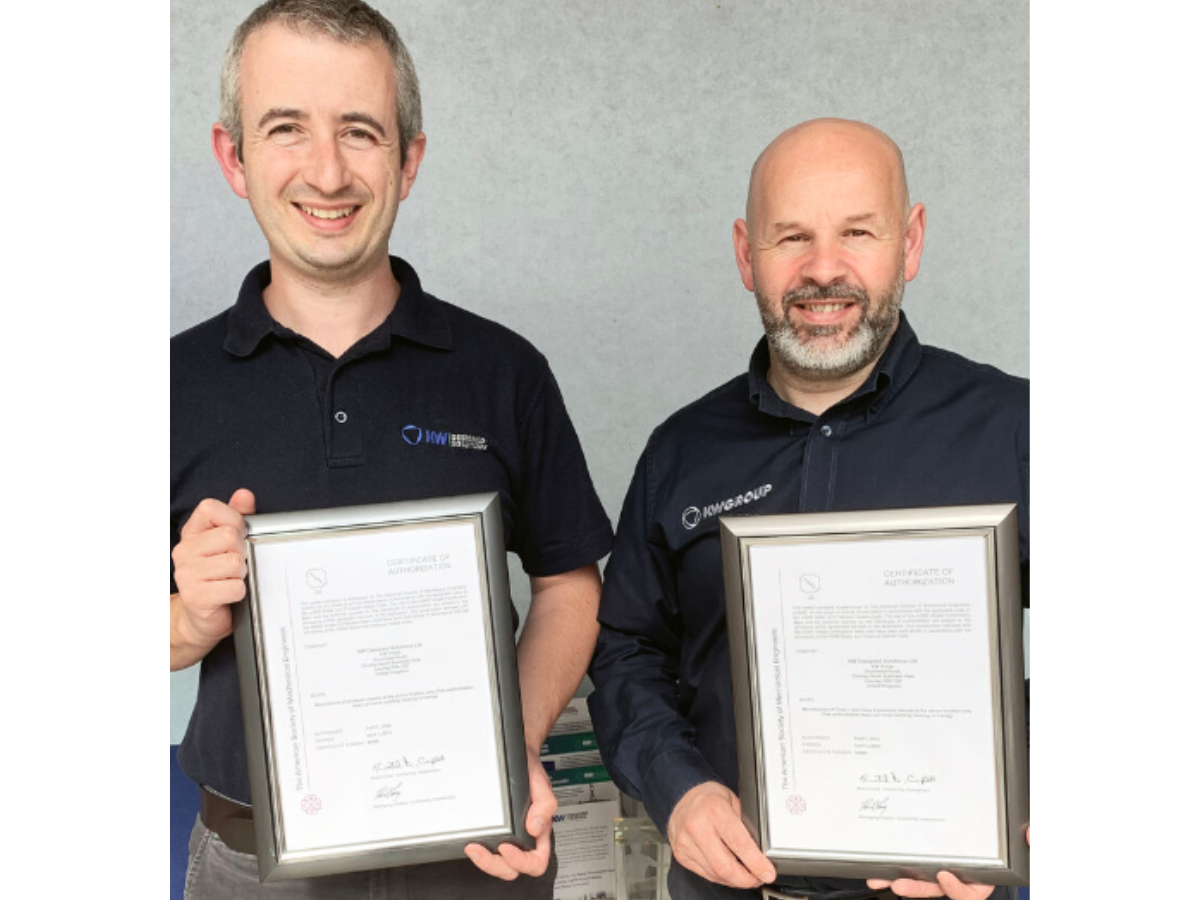
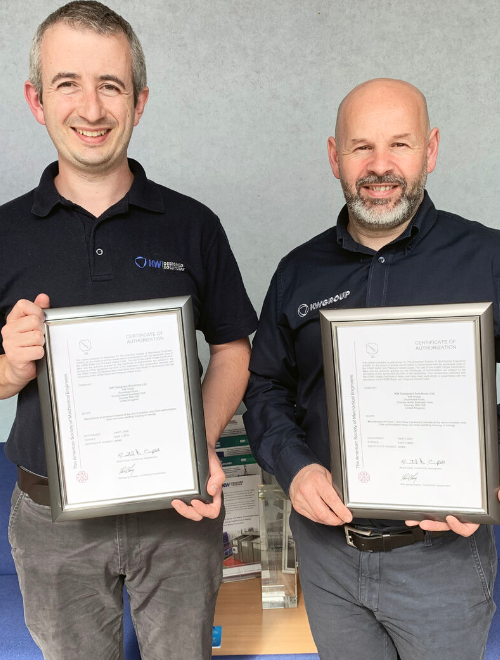
The engineering team at KW Group Ltd have proudly received the ASME (The American Society of Mechanical Engineers) Mark.
The mark is recognition that our certified quality assurance program for the U2 and U3 Pressure Vessels has followed all aspects of the applicable ASME Code or Standard and met the rigorous requirements of ASME’s Conformity Assessment Certification program.
This is a fantastic achievement, successfully becoming just one of six pressure vessel companies in the UK with a Division 2, U2 stamp, but also the only Division 3, U3 stamp high pressure vessel company in the UK, with only 46 globally!
KW’s engineers equipped with their extensive skills and knowledge have been rewarded, having followed the key steps to comply with ASME certification, which included navigating through a lengthy, intensively thorough preparation, application, assessment and authorisation process.
The ASME review team spent a number of days onsite at KW’s premises, scrutinising quality management processes in detail, ensuring that the implementation of the ASME code in full and checking that we produce the highest quality pressure vessels in strict accordance with the ASME Boiler and Pressure Vessel Code.
As part of the Joint Review, the ASME team also witnessed a successful hydrostatic pressure test on our demonstration item at 1250 bar, carried out in their purpose built environmental and pressure testing facility.
Now relishing the challenge of implementing all the things that have been learned in the process as an evaluated and approved ASME certified company. The engineers are now building the first production pressure vessels to the code, using the ASME stamp to demonstrate their commitment to both safety and quality.
Any pressure vessel stamped with the ASME Single Certification Mark will have been built strictly in accordance with the provisions of the ASME Boiler and Pressure Vessel Code.
KW provide customers with a vital service, ensuring their pressure testing systems provide the safest working environment, taking the wellbeing of their customers extremely seriously, adhering to the exacting international standards. This certification opens up a huge opportunity for KW to be able to supply ASME U stamped pressure vessels to Division 2 and 3 to the United States of America and Canada.
The team continuously focuses on improvement and supporting high pressure testing requirements designed for complex challenging applications globally.
Russell Bannerman CEng MIMechE, Engineering Manager. “ASME Certification has been a huge but incredibly satisfying challenge. I’m incredibly proud of the team to have demonstrated our complete commitment to quality and to have that recognised independently by ASME.”
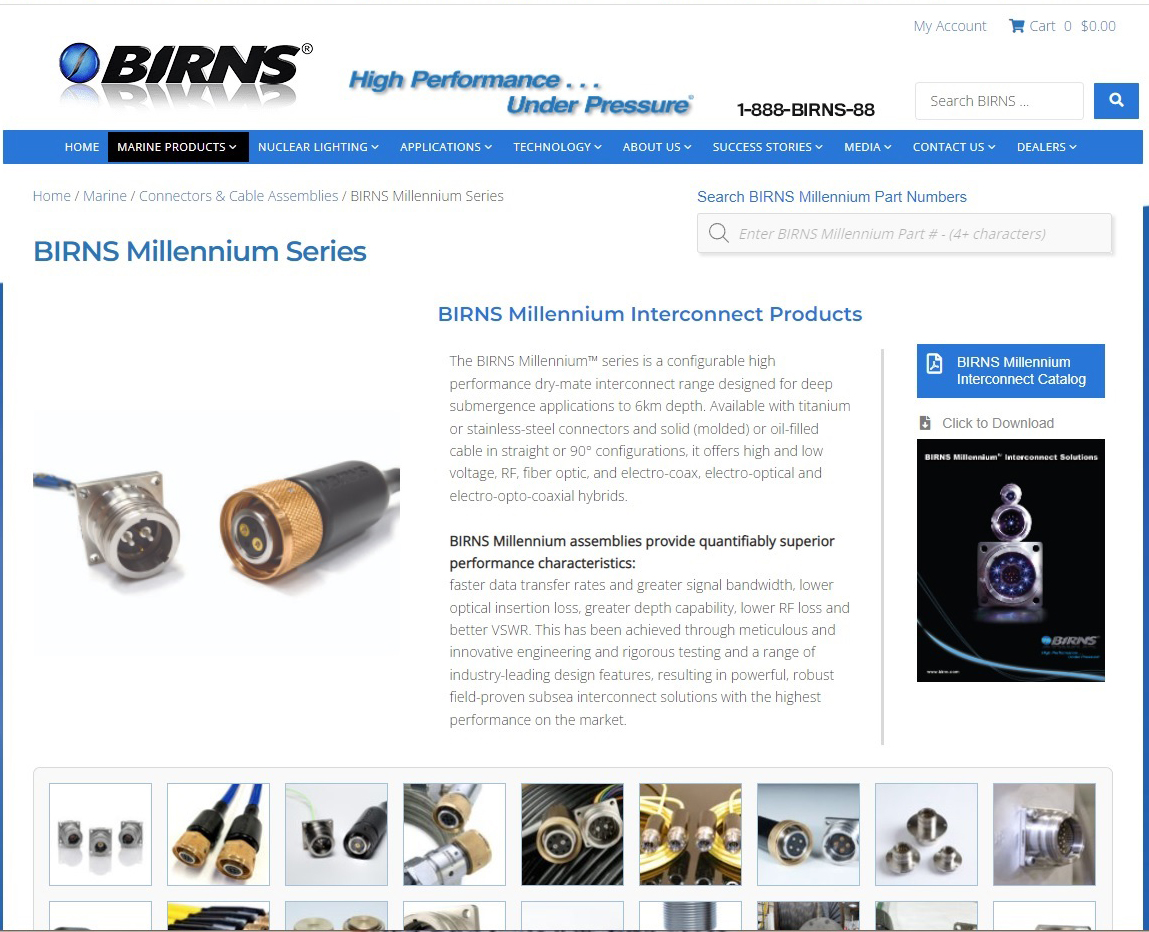
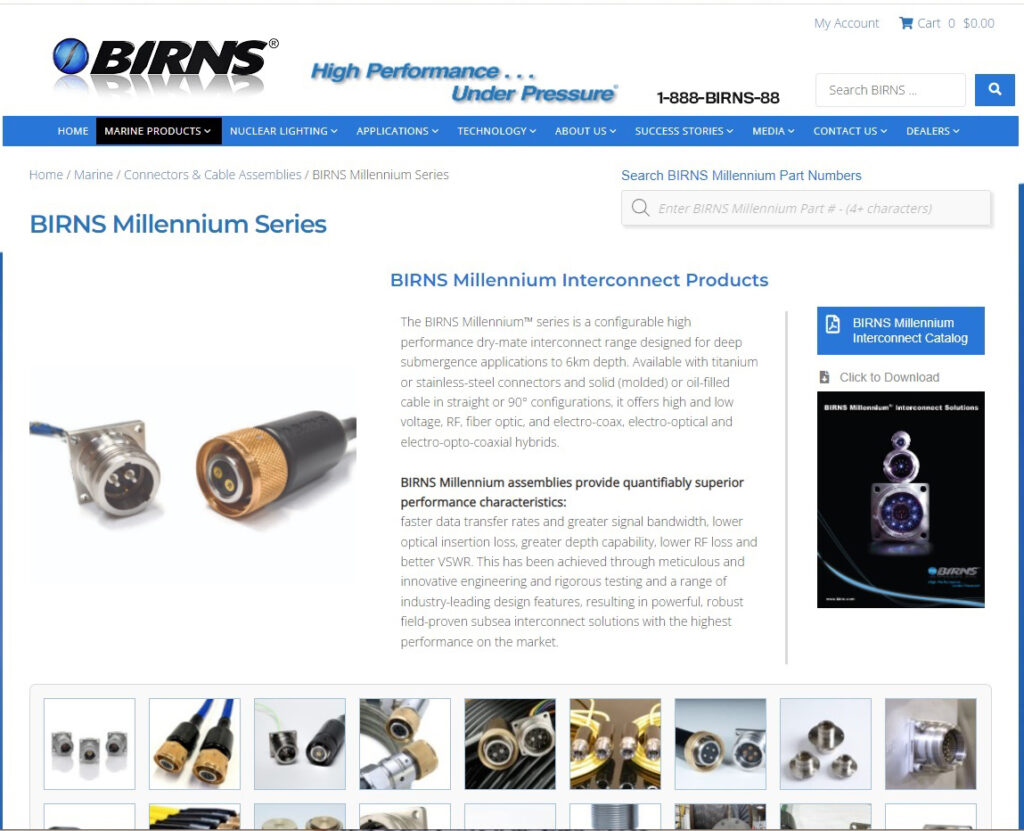
BIRNS Introduces New Interactive Ecommerce Site for BIRNS Millennium™ Connector Kits
BIRNS, Inc. has announced a new enhanced capability website that will allow customers worldwide to directly and quickly specify and order BIRNS Millennium™ connector kits online. The company has made significant site design investments, making the experience educational and intuitive, and providing tools that give a clear, swift path to selecting what is needed for a specific requirement. In addition to connector kits, the new site includes related high- and low-pressure caps, mounting nuts, O-rings and installation tools, along with associated wiring worksheets and downloadable configuration drawings.
“This exciting new ecommerce capability will provide around the clock support and access to our customers, along with invaluable, easily navigable product information that will make the buying decision seamless,” said Bruce Meredith, Technical Sales Manager for BIRNS. “We believe that this will continue to set BIRNS connectors apart in terms of comprehensive technical information, ease of purchase and particularly in lead times.”
BIRNS introduced ABS Product Design Assessment (PDA) certified NPT penetrators via ecommerce last year, and shares that custom orders and cable assemblies will still be ordered directly through the BIRNS sales department.