Network Rail Environmental Monitoring Install - Reedham Bridge
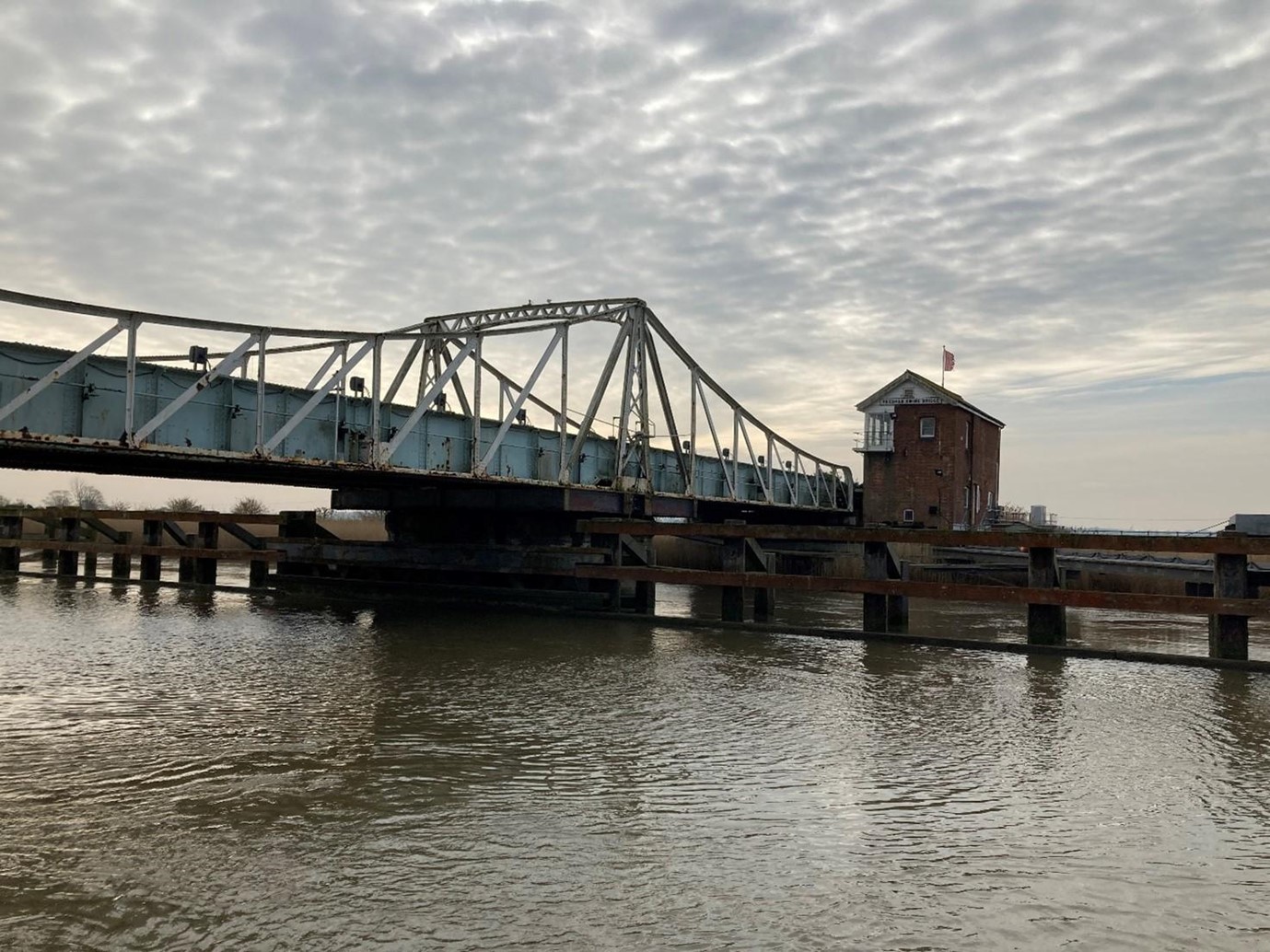
UK based, Environmental Monitoring specialists, OceanWise Ltd have been selected to deliver a project with Network Rail which involves installing environmental monitoring equipment, and delivering ongoing accurate realtime tide and wave data, to support operational decision making and improve safety at their Reedham Bridge site.
The historic Reedham Bridge based in Norfolk is a swing bridge which crosses the river Ware near to Reedham railway station. Originally commissioned by Sir Samuel Morton Peto in the 1840s is operated from the 1904 Reedham Swing Bridge signal box and carries the railway line between Norwich and Lowestoft.
Ralph Bostock, Monitoring Business Manager comments: “The ongoing development of marine environmental monitoring has led to many exciting new challenges for OceanWise. Working with Network Rail is a perfect
opportunity for us as it not only allows us to further develop our expertise with a new customer, it also allows us to deploy our systems and services in a new type of marine environment.”

Seabed 2030 Enters New Partnership with Terradepth in a Collaboration That Will Boost Project’s Crowdsourcing Initiatives
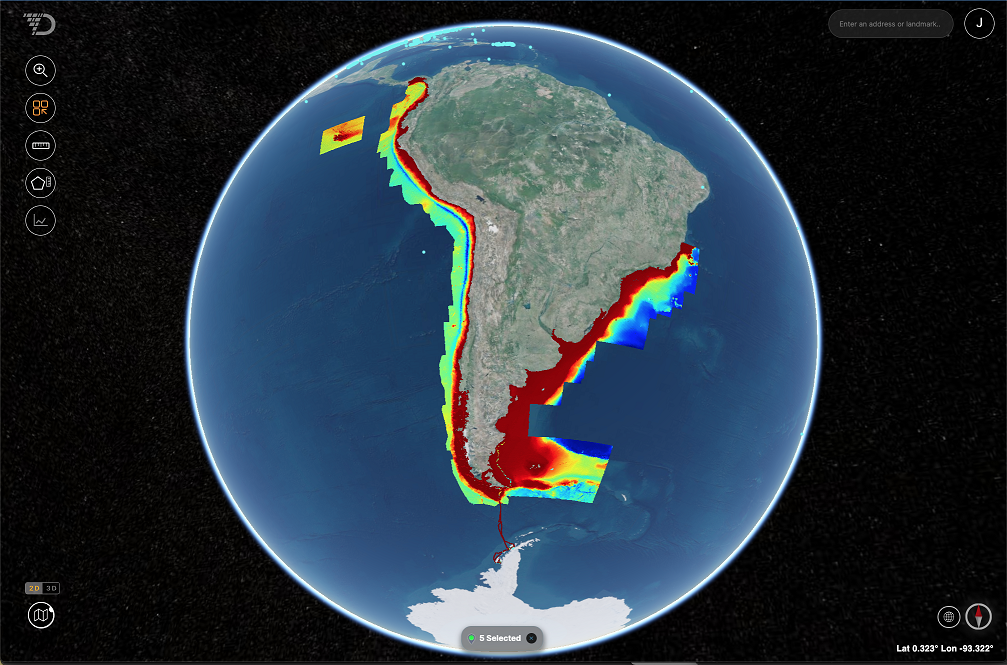
Terradepth and The Nippon Foundation-GEBCO Seabed 2030 project have announced a new partnership which will utilize Terradepth's geospatial data portal known as Absolute Ocean. Seabed 2030 will use Absolute Ocean as a data visualization and exploration tool as part of the international effort to map the entire ocean floor. The announcement was made on the heels of the 2022 United Nations Ocean Conference in Lisbon, Portugal.
Seabed 2030 is a collaborative project between The Nippon Foundation in Japan and the General Bathymetric Chart of the Oceans (GEBCO) with the mission of inspiring 100% mapping of the ocean floor and making it freely available to all by 2030. GEBCO is a joint program of the International Hydrographic Organization (IHO) and the Intergovernmental Oceanographic Commission of UNESCO (IOC-UNESCO). Seabed 2030 comprises five Data Centers – four Regional Centers and one Global Center – which are responsible for coordinating and assembling mapping data.
In addition to producing and delivering global GEBCO products, the Seabed 2030 Global Center is also a Trusted Node for receipt of citizen-sourced data in support of IHO’s Crowdsourced Bathymetry (CSB) initiative which encourages government, academic and privately owned vessels, including superyachts and fishing boats, to participate in increasing our knowledge of the ocean by sharing depth measurements from navigation instruments.
Terradepth’s Absolute Ocean portal will provide Seabed 2030 with a secure platform to allow data contributors to visualize their contributions in an interactive way and explore how they relate to other open-source data in the platform.
“Our Absolute Ocean platform will enable Seabed 2030 to expand their ocean data management and outreach efforts to a global audience of explorers, researchers, educators, and ocean enthusiasts, without requiring subject matter expertise to explore or interpret the data” said Jason Schwartz, Terradepth Vice President of Corporate Development.
Seabed 2030 will process CSB data for onward contribution to IHO’s Data Center for Digital Bathymetry (DCDB). Seabed 2030’s recent partnership with the International SeaKeepers Society will provide some of the first potential users of the platform with custom data loggers being operated by ocean-going vessels to capture georeferenced bathymetric points during their travels.
“Our partnership with Terradepth will greatly enhance the work we do to support IHO’s CSB initiative, which is a fundamental strand of Seabed 2030’s mission,” commented Dr Helen Snaith, Head of Seabed 2030’s Global Center. “The Global Center are excited to use the Absolute Ocean platform as an invaluable tool bringing us one step closer to completing the puzzle of the world’s seabed.”
Absolute Ocean is a browser-based portal for the storage, discovery, and sharing of Trusted Node data as well as data collected by other third parties. Terradepth developed Absolute Ocean as a cloud-based ocean information management platform where layers of marine data can be studied using the power of Machine Learning technology. Powerful visualization and analysis functions allow users to examine seafloor data in 2D and 3D from a variety of perspectives, scales, and time periods, increasing operational efficiency and the quality control process.
“For applications spanning environmental monitoring, coastal development, and offshore energy production, Absolute Ocean gives stakeholders across organizations the tools necessary to make sense of their associated underwater environments,” said Terradepth’s Schwartz.
Terradepth will roll out the commercial version of Absolute Ocean in summer 2022 with multiple subscription levels. Clients will be able to load their own geospatial marine data sets onto the secure platform as well as access the thousands of ocean data files currently included in the platform database – side-scan sonar, synthetic aperture sonar, multibeam bathymetry, satellite-derived bathymetry, LiDAR, sub-bottom profiles, magnetometer readings, and satellite imagery.
Absolute Ocean also serves as the data delivery platform for the geophysical and hydrographic survey solutions Terradepth offers to a rapidly growing client base in the Environmental, Telecommunications, Construction, Energy, and Maritime industries. To capture seafloor data for these commercial clients, Terradepth operates a fleet of Autonomous Undersea Vehicles (AUVs), which can be configured with multiple sensors for seabed site verification, pre-construction surveys, pipeline/cable inspection, dredging/trenching support, habitat mapping, mineral exploration, hazard identification, and unexploded munitions detection.
Global Underwater Hub to grasp “greatest opportunity for subsea in our generation”
Subsea Capability Crucial to UK Capitalising on Floating Offshore Wind
The Global Underwater Hub (GUH) says floating offshore wind represents the greatest opportunity for the £8billion subsea industry in the UK this generation and must not be missed.
The new strategic, intelligence-led organisation, set up to transform the UK’s underwater industry into one of the largest and fastest-growing industries in the country, is building a robust case for government to support the industry as an enabler with the greatest potential to deliver UK capability that will place the UK at the forefront of floating offshore wind.
Through the UK Government’s Floating Offshore Wind Manufacturing Investment Scheme (FLOWMIS), up to £160 million will be made available to scale-up the deployment of floating offshore wind and to invest in key areas where the UK has competitive advantage.
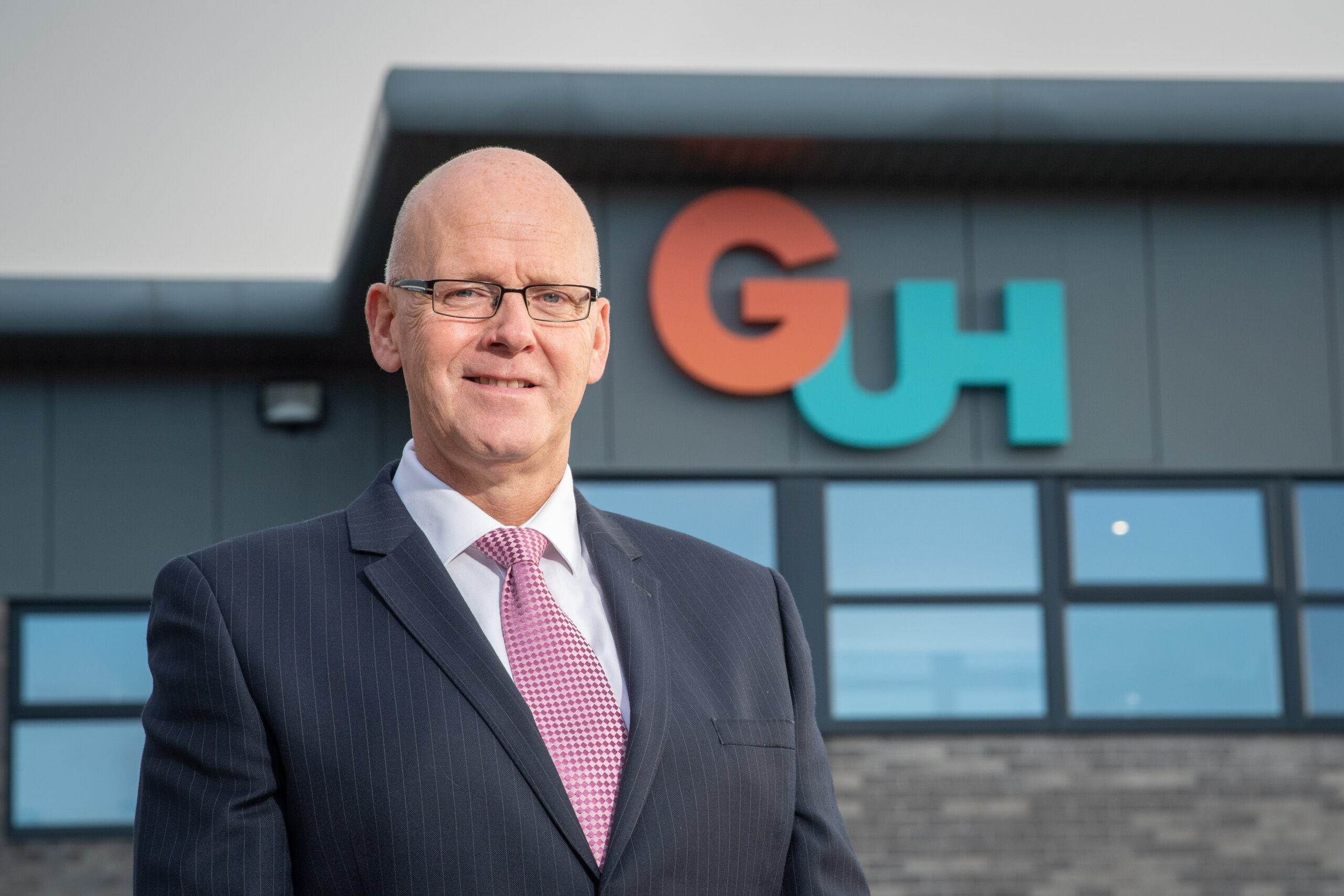
Chief executive of GUH, Neil Gordon, said: “With our world-leading status and marketshare, the subsea industry clearly has competitive advantage. The underwater elements of manufacturing, assembling, installing and then operating and maintaining floating offshore wind projects are eminently transferable from offshore oil and gas, where subsea expertise was, largely, honed and refined.
“From floating foundations to mooring and anchoring systems, as well as dynamic power cables, the subsea industry will be integral to delivering floating wind. And it’s not just these largescale fabrication and manufacturing elements, it’s also all the skills and technologies, components and sub-components which will be required further down the line and which we have in abundance in the UK.”
GUH is working closely with government agencies to identify the key areas of expertise and technology in which it should invest.
Mr Gordon added: “It’s crucial that the UK and Scottish governments know how to support the industrial investment required to ensure the UK supply chain meets the ambition and pledges made by the successful bidders in Scotwind and the upcoming INTOG (Innovation and Targeted Oil & Gas) seabed leasing round.”
GUH has called on the underwater industry to participate in the UK Government’s Request for Information, which closes on the 15th of July. Determined the country doesn’t lose out as it did with fixed offshore wind, the UK Government has issued the request to port developers, floating wind foundation designers and fabricators, component and sub-component manufacturers, floating offshore wind developers and EPCI contractors. The responses will inform government of both the opportunities available and the capabilities and capacity in the supply chain and allow them to gauge where investment can have the biggest impact.
The British Energy Security Strategy’s ambition to deliver up to 50GW of power from offshore wind by 2030 includes 5GW of floating wind, which is anticipated to rapidly increase beyond then.
“By becoming a first-mover in floating offshore wind at scale, the UK will be well-placed to capitalise on the plethora of floating wind projects that will swiftly follow around the globe,” said Mr Gordon.
“The scale of what is planned in UK waters, through Scotwind, is unprecedented and signals one of the biggest industrial opportunities for decades.”
Crown Estate Scotland outlined almost £25billion of planned investment into the Scottish economy across ScotWind projects. The total financial investment in the supply chain across these projects is £66 billion, of which £25 billion is ring-fenced to be spent in Scotland. Eleven of the 17 projects will be using floating wind turbines and almost 80% of the £25 billion invested in Scotland will be dedicated to floating wind.
“And this is before we factor in INTOG, which will attract bidders to apply for the rights to build offshore windfarms for the purpose of decarbonising oil and gas production in the North Sea by providing clean, green energy to electrify platforms,” said Mr Gordon. “It is anticipated that, due to the urgency in meeting North Sea Transition Deal targets, INTOG projects could get underway first and pave the way for Scotwind projects.”
Another major task for GUH is making sure that the underwater industry has visibility of these projects and to facilitate relationships between them and the developers leading on these.
“But we’re not just a go-between, GUH will be the go-to organisation, not only for subsea companies looking to capitalise on the opportunity but also for government in terms of knowing where and when to invest in order to build out capability and capacity and accelerate the massive scale-up that will be required to take full advantage of the biggest industrial opportunity in the North Sea in decades.”
Aquatec Invests in Canadian Expansion
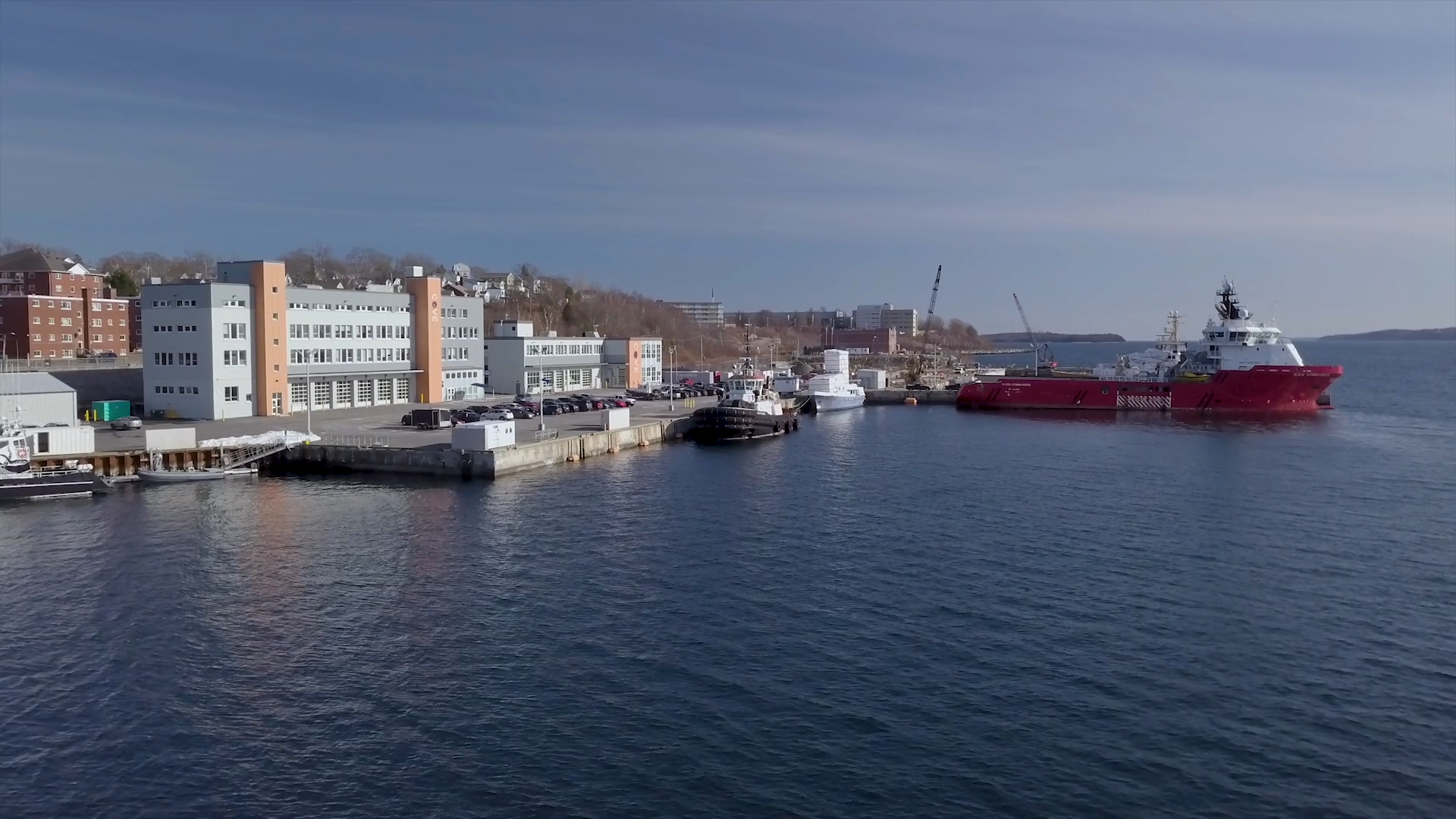
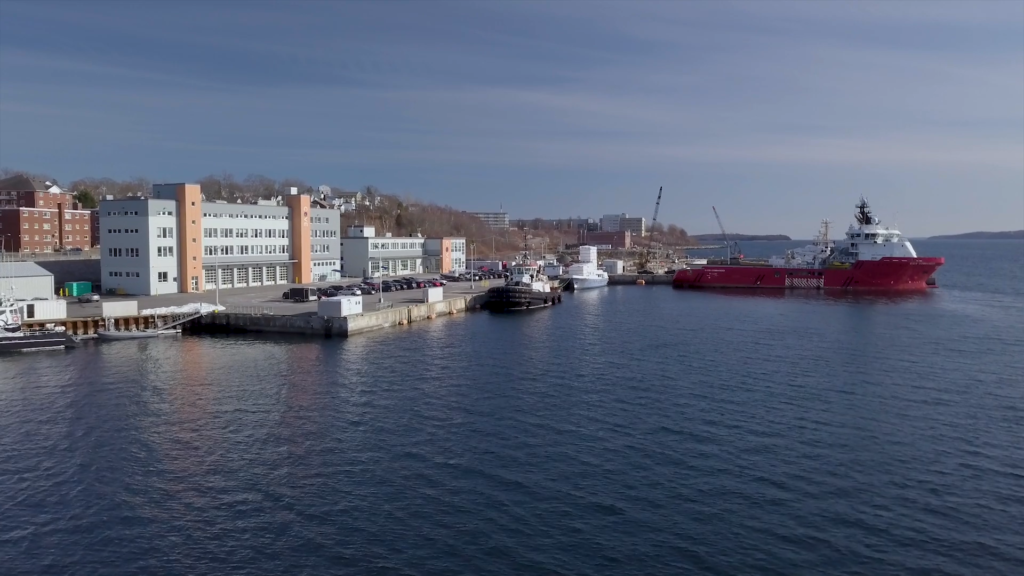
British through-water communications and subsea integrity specialist Aquatec expands its operations to Canada and establishes a presence at COVE, the Centre for Ocean Ventures & Entrepreneurship in Dartmouth, Nova Scotia.
Now also trading from Nova Scotia under its new Canadian registered denomination—Aquatec Subsea Inc.—the award-winning company is investing in its North American expansion and taking strategic actions to consolidate its operations. Aquatec, which also conducts its commercial activities in Canada through its official representative Romor, has recently joined renowned local trade associations and business hubs, such as Canada’s Ocean Supercluster.
Today, shortly after a successful trade mission, which included a scheduled UK Innovate Edge networking programme, presence at the H2O Conference & Exhibition, and a live demonstration of its Sediment SolvedTM division’s capabilities at COVE’s Demo Day, Aquatec announced its decision to make high-tech ocean technology hub COVE its official Canadian office space.
The Centre for Ocean Ventures & Entrepreneurship in Dartmouth, Nova Scotia, provides Aquatec direct access to its modern harbour-side facilities but, most importantly, the opportunity to synergise the firm’s 32-year know-how with a community of over 300 other ocean-related companies.
Andy Smerdon, Managing Director of Aquatec, has said: “After a very productive beginning of 2022, where Aquatec’s potential was recognised consecutively in the UK with Global Underwater Hub’s Best Small Company accolade, and in the US, with Offshore Technology Conference’s Spotlight on Technology, as well as ASME’s Albert Woelfel Best Mechanical Engineering Achievement awards, we decided to push on forward our subsea solutions in the Canadian market. We have an excellent relationship with our local representative Romor, and after evaluating COVE’s outstanding offering, investing in Nova Scotia was our next logical step.”
“We are proud to welcome Aquatec to the COVE community. COVE provides a great location for international ocean technology companies to grow in a climate supportive of innovation. Their tenancy at our Nova Scotia facility further strengthens the Canadian workforce and ocean ecosystem to support the growth of the blue economy.” – said Melanie Nadeau, CEO of COVE.

Seabed 2030 announces increase in ocean data equating to the size of Europe and major new partnership at UN Ocean Conference
Lisbon, 29 June 2022 – The Nippon Foundation-GEBCO Seabed 2030 Project, an international effort to chart the world’s entire ocean floor, has announced an increase in ocean data equating to the size of Europe.
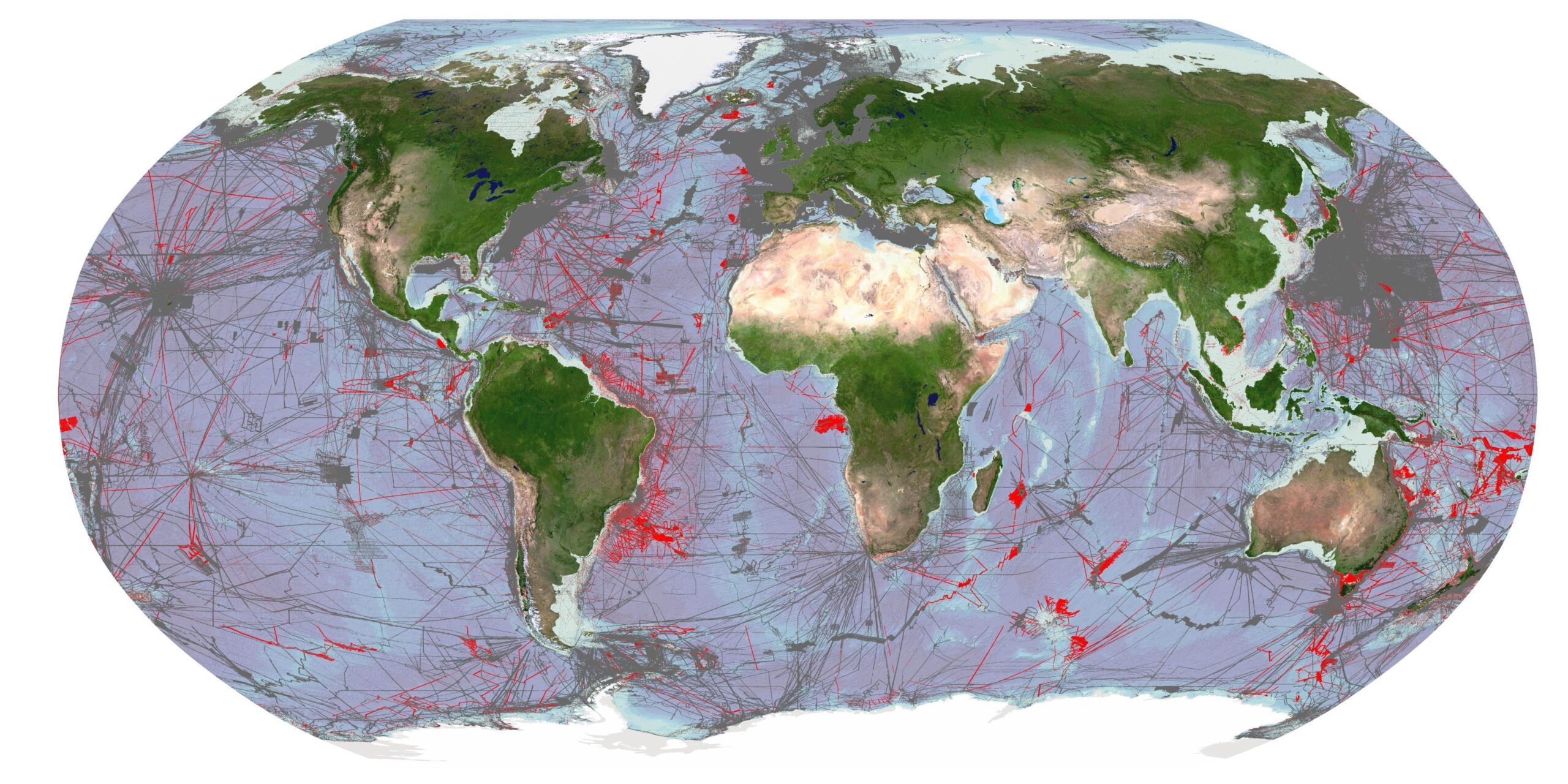
The latest GEBCO Grid figure now stands at 23.4 per cent, reflecting an increase of 10.1 million square kilometres of new bathymetric data from last year’s figure. This increase is equivalent to an area around the size of Europe, and slightly larger than the Sahara - Earth’s largest hot desert.
Seabed 2030 is a collaborative project between The Nippon Foundation and the General Bathymetric Chart of the Oceans (GEBCO) to inspire the complete mapping of the world's ocean by 2030, and to compile all bathymetric data into the freely available GEBCO Ocean Map. GEBCO is a joint programme of the International Hydrographic Organization (IHO) and the Intergovernmental Oceanographic Commission of UNESCO (IOC-UNESCO), and is the only initiative with a mandate to map the entire ocean floor.
The latest figure was announced by Mr Mitsuyuki Unno, Executive Director of The Nippon Foundation, at Seabed 2030’s Official Side Event at the second UN Ocean Conference, held in Lisbon. Seabed 2030 was launched five years ago at the first ever UN Ocean Conference in New York.
Mr Unno said: “In just five years Seabed 2030 has led the way in ocean mapping to achieve 23.4% of the seafloor mapped to a high resolution.
“Despite covering over 70 per cent of the planet, our knowledge of what lies beneath the blue surface has been severely limited. Without this crucial information we cannot possibly set about having a sustainable future - a complete map of the ocean floor is the missing tool that will enable us to tackle some of the most pressing environmental challenges of our time, including climate change and marine pollution. It will enable us to safeguard the planet’s future.”
A complete map of the seabed is needed for a host of reasons, not least for the future of humanity. The ocean drives global systems that make Earth habitable for us - oxygen, drinking water, much of our food, and the climate are ultimately regulated and provided by the sea. Ocean floor topography also helps identify underwater hazards and inform sustainable marine resource management and infrastructure development.
Seabed 2030 Project Director Jamie McMichael-Phillips welcomed the data increase: “It is encouraging to see this growth in bathymetric data despite the challenges facing ocean mapping, which were undeniably exacerbated by the pandemic.
“As we make headway with the Ocean Decade, we look forward to accelerating our efforts to recoup time and effort lost last year. The progress we have made since 2017 is commendable, but we are mindful of the task still ahead - and eager to realise it.”
The Ocean Decade - of which Seabed 2030 is a flagship programme - is a major initiative by the UN to mobilise governments, the private sector, scientists, and civil society to co-design and co-deliver transformative knowledge-led actions to reverse the decline in the health of the ocean and make a change in the sustainable management of the marine environment. IOC-UNESCO is the UN body tasked with leading the implementation of the Ocean Decade.
“The Ocean Decade is about closing the persistent knowledge gaps we face in the ocean community once and for all, because we cannot manage what we cannot measure. Mapping the seafloor is at the basis, at the root, of this effort. The sine qua non for creating fail-safe, inclusive, and protective mechanisms for sustainable cohabitation between society and nature within the deep ocean – our last frontier,” said Mr Ariel Troisi, Chair of IOC-UNESCO.
Seabed 2030 also announced a major new partnership with the United States’ National Oceanic and Atmospheric Administration (NOAA) at the Side Event. Seabed 2030 actively seeks partnerships to collate all existing data into the definitive GEBCO map, and to identify areas where there are no data to inform future mapping expeditions.
NOAA's mission is to understand and predict our changing environment, from the deep sea to outer space, and to manage and conserve US coastal and marine resources. The agency is part of the U.S. Department of Commerce, and holds key leadership roles in shaping international ocean, fisheries, climate, space and weather policies.
Signed by Seabed 2030 Head of Partnerships Mr Stephen Hall and Dr Rick Spinrad on behalf of NOAA, the Memorandum of Understanding (MOU) formalises collaboration that has already begun between the two parties. It will also greatly expand our understanding of the world's ocean.
Dr Spinrad’s involvement with NOAA dates back to 2003, when he served as Head of its National Ocean Service for two years, and Head of its Office of Oceanic and Atmospheric Research for seven years. He was Chief Scientist from 2014 to 2016, before being nominated by US President Joseph Biden last year to serve as the Under Secretary of Commerce for Oceans and Atmosphere, which includes serving as the Administrator of NOAA.
“The ocean covers more than 70 per cent of the planet,” said Dr Spinrad. “With the development of new tools and technologies for mapping and measuring its floor, we have a better capacity to understand its physical structure, and the life it supports, and therefore better understand our full planet. That knowledge can help us make better, more sustainable decisions — locally, nationally, and globally.”
Mr Hall said “We are delighted to announce our latest partnership with NOAA. The expertise offered by this well-established institution and its scientists will play an invaluable role in taking us one step closer to the finish line.
“We intend to hit the ground running with the time remaining and signing this significant MOU at our event here in Lisbon is a testament to exactly that. Every minute counts.”
All data collected and shared with the Seabed 2030 Project is included in the freely available GEBCO global grid – the most complete bathymetric dataset of the world’s ocean floor.
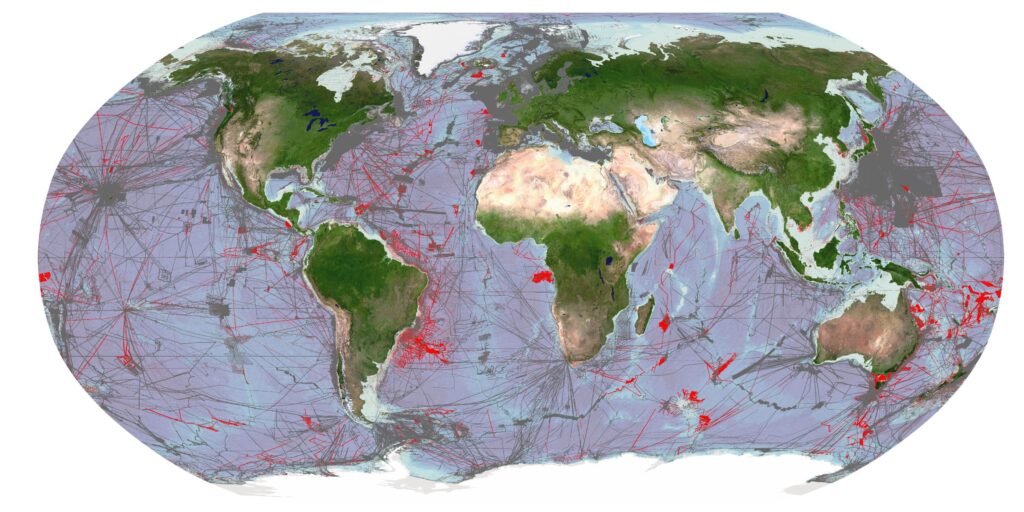
Credit: The Nippon Foundation-GEBCO Seabed 2030 Global Center (GDACC) on behalf of Seabed 2030
TDI-Brooks adds Rich Hendren Ph.D. to the Executive Leadership Team
Rich will be joining the TDI-Brooks executive leadership team as the Vice President of Operations Integrity and Quality Development.
Rich retired from the U.S. Navy after over 30 years of service in submarines, submarine support, and shore installation management. Transitioning to civilian life, he gained additional management experience in the professional training, maritime, petroleum, and hydrographic survey industries where he built a history of leading teams to success in complex operations often in challenging environments. His strong background in operations, process control, safety, security, and quality management will help us meet the challenges of flawless operations.
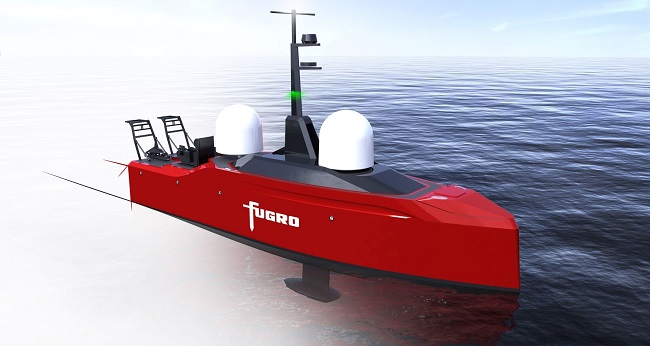
Fugro expands its USV fleet with the development of the ‘Blue Prism™’ for autonomous and sustainable geophysical surveys
Fugro has signed a contract with Kooiman Engineering and Van Oossanen Naval Architects for the naval design of Blue Prism™, Fugro’s next generation of uncrewed surface vessels (USVs). Specifically engineered for operations in both coastal and offshore environments, the Blue Prism™ will combine an ultra-low carbon footprint with high quality data collection, weather resilience and endurance characteristics.
Available to clients in 2023, Fugro’s Blue Prism™ will acquire bathymetry and sub-bottom data of the highest accuracy using hull mounted sensors, whilst also having the ability to tow multiple geophysical sensors. Capable of beyond line of sight operations, it will be the first low carbon autonomous vessel to combine these advanced vessel characteristics and sensors. Together with Fugro’s smart data management software, the speed and endurance of the Blue Prism will reduce risk and accelerate project delivery in offshore wind, hydrographic charting and coastal resilience.
Perry van Oossanen, Managing Director and Naval Architect at Van Oossanen Naval Architects, said: “We are thrilled to be part of this exciting project in which the best technics in Dutch ship building are combined in this new uncrewed ultra-efficient vessel. To re-think the design and lay-out of a vessel without a crew is a dream come true for a naval architect.”
Maarten Kooiman, Director of Kooiman Engineering, said: “The collaboration between Kooiman and Van Oossanen has already led to innovative solutions, and we are pleased to be able to help Fugro take the next step in uncrewed vessels.”
Frank Koopman, Fugro’s Global Director Marine Site Characterisation, said: “Autonomous vessels play an important role in the future of the maritime survey sector by improving safety, reducing carbon emissions, and delivering high quality data more efficiently. We chose to work with Kooiman Engineering and Van Oossanen Naval Architects because of their extensive track record in innovative ship design and hydrodynamics and we look forward to working with them on this exiting project as we are determined to grow our fleet of USVs for safer, more sustainable marine operations.”.
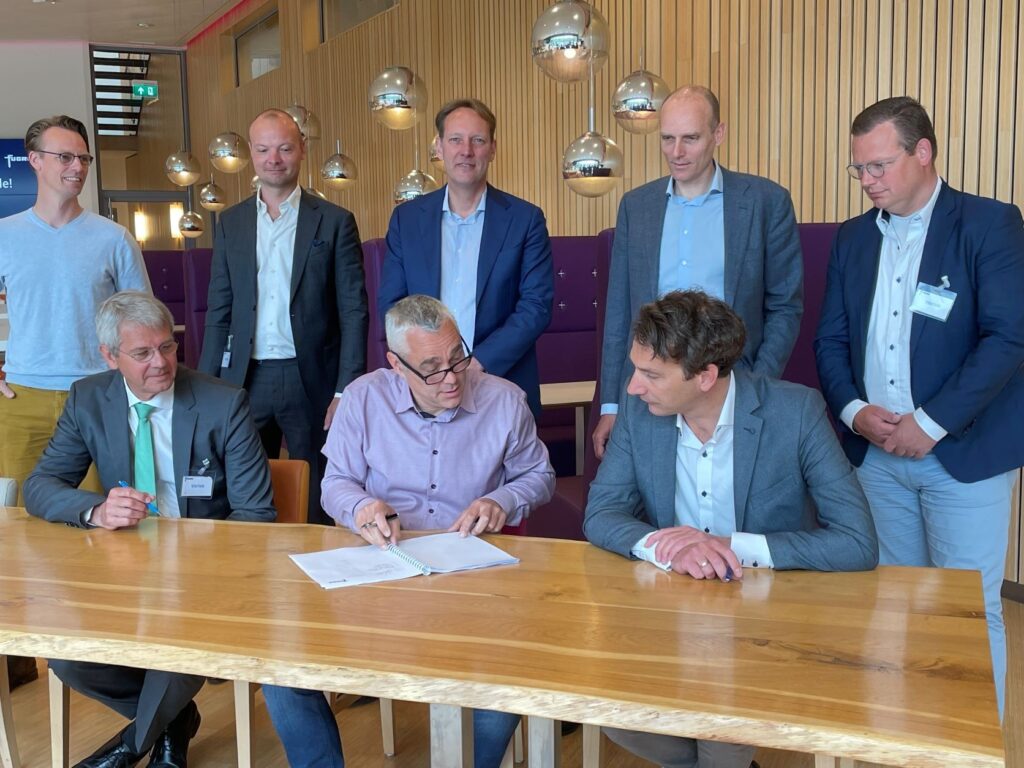
Top row (left to right): Mark Schuler, Maarten Kooiman, Frank Koopman, Wim Herijgers, Niels Moerke
Bottom row (left to right): Rinus Kooiman, Peter Looijen, Perry van Oossanen
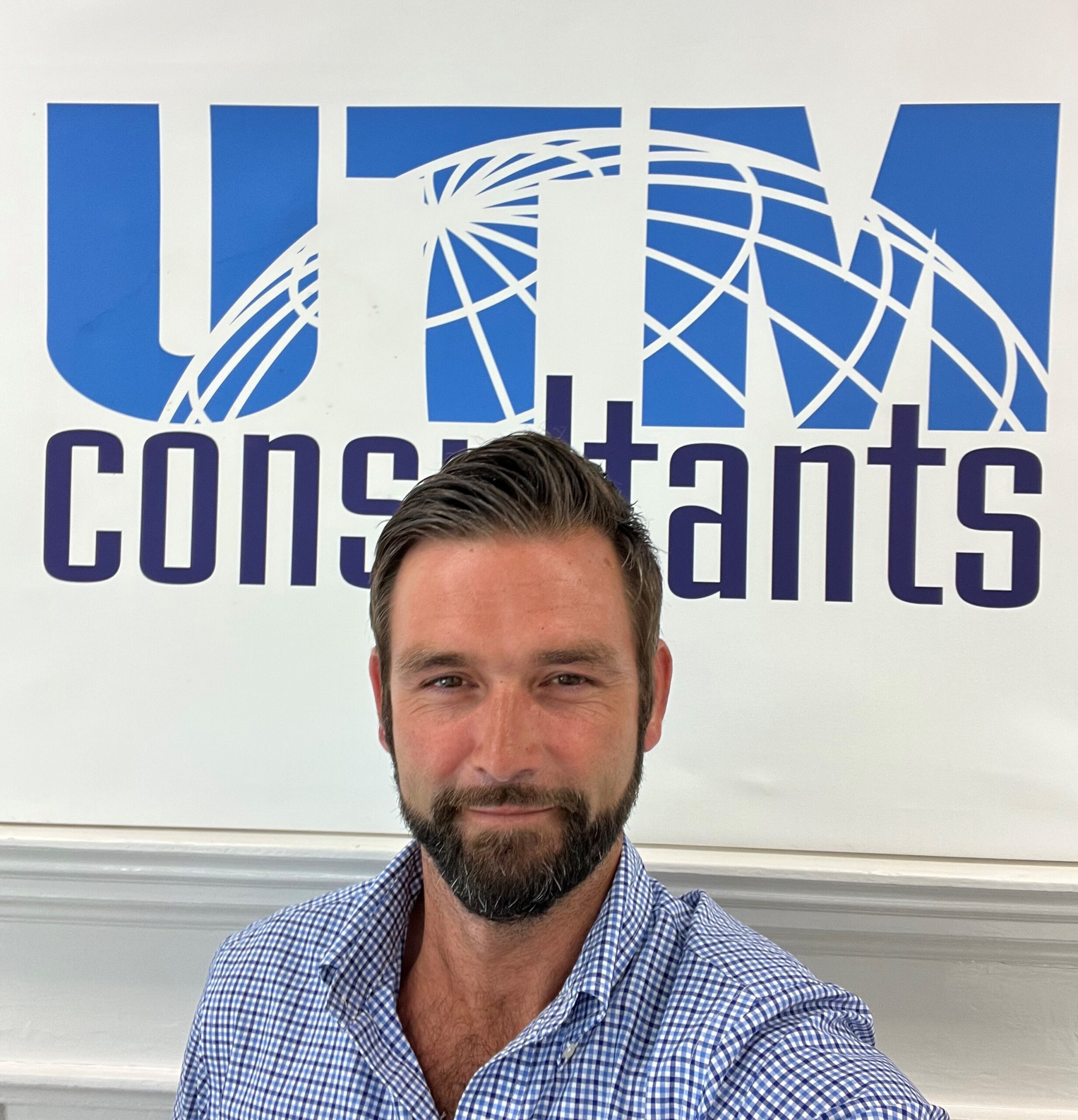
UTM Consultants announce the appointment of Alexander Meeks as Managing Director
UTM Consultants are pleased to announce the appointment of Alexander Meeks as Managing Director. Alex has been the Operations Director since the business was founded by Richard Tozer and Alex in 2016. The company has since grown to a position where it is considered by clients and our consultants to be one of the more professional and reliable suppliers of contract personnel to the offshore energy markets.
Commenting on the appointment, UTM’s Co-founder, Richard Tozer: “The future growth of UTM looks positive with a strong and committed staff base now being in place and Alex now leading from the front. Like many businesses, we have had to develop and change the way we operate through several periods of tough global events. UTM is committed as a business to the continued investment in the training and development of our employees to assist us all in achieving our professional and personal goals. It is our employees and the way that we work and deliver our services that are the strength of our business. As we grow new opportunities arise, and we are always looking for committed industry personnel to join us and help drive the business forward.”
Alex added, “It’s an honour to have been appointed as Managing Director at UTM Consultants, especially at such an exciting time for the company. We are seeing a marked increase in global activity with significant growth in the offshore renewable energy markets, this growth presents further expansion plans for the company. With strong foundations for this growth, I am confident that we can continue to build on this success and drive our strategic vision forward.”
IMCA adds U.S. offshore wind expertise to Business Development Team
The International Marine Contractors Association (IMCA) has appointed Dustin Varnell to its Business Development team. Based in Rhode Island, Dustin will focus on the U.S. offshore wind energy market, complementing the work of Bruce Gresham, IMCA’s Director of Client Engagement in the U.S.
Allen Leatt, IMCA CEO stated: “As a Master Mariner on dynamic positioned (DP) vessels Dustin is very familiar with IMCA’s work in the field, which is very beneficial in representing the association to existing and new member companies in the U.S. wind industry. We look forward to closely engaging with industry in the Northeast U.S. and helping to support the production goal of 30GW by 2030 in a safe and efficient way.”
Dustin Varnell has 20 years’ experience in offshore energy and marine operations. He spent over 15 years offshore as a ship's officer working internationally on large-scale projects in Asia, the Gulf of Mexico, and Brazil. Dustin is a Master Mariner, an experienced DP operator and holds many industry credentials and certifications. His shipyard and vessel construction experience include projects in Japan, Singapore, and various locations in the United States.
He has spent the last four years in construction and operational planning in the developing U.S. offshore renewable energy industry. He is passionate about the development of offshore renewables and the implementation of marine technology to improve safety.
Fugro’s innovative Blue Snake™ system achieves success on its first offshore wind project
Fugro has successfully completed a contract for the Netherlands Enterprise Agency (RVO) to perform a geotechnical site investigation at the IJmuiden Ver (Noord) V and VI wind farm sites as part of the geophysical survey package. Working from a third-party vessel, Fugro deployed its new Blue Snake™ geotechnical system to conduct 25 co-located cone penetration tests (CPT), thermal cone penetration tests (T-CPT) and high performance corer (HPC) tests.
Michel Vrolijk, Consultant Offshore Wind Energy at RVO, said: “Supporting our partners to innovate is one of the ways to jointly improve our site characterisations for offshore wind. With the 21 GW planned on the Netherlands’ Offshore Wind Energy Roadmap 2030/31, offshore site investigations need to speed up as well. Therefore, RVO is pleased with the implementation of Fugro’s Blue Snake™, because of the ability to perform a vibrocore in combination with a CPT in a single deployment. The short fixed distance between the CPT and vibrocore will also allow for better correlation between data, this could improve data interpretation”.
The Fugro Blue Snake™ is an innovative system that integrates CPT and sampling technology, achieving enhanced data quality, safety and efficiency. The tests are taken consecutively, at a fixed distance, enabling high-quality data acquisition and improved data correlation. With the integrated testing approach and the significant reduction of manual and crane handling, productivity is improved whilst health and safety risks are reduced.
The IJmuiden Ver V and VI areas are in the northern part of the IJmuiden Ver wind farm zone and will be able to accommodate around 2 GW of offshore wind capacity, on top of the 4 GW of capacity already planned in the IJmuiden Ver zone.
Sven Plasman, Fugro’s Principal Commercial Manager, said: “Having the support and commitment from a client such as RVO is highly appreciated. Their willingness to trial our new innovative equipment, resulted in the successful delivery of Geo-data in a safe, sustainable and efficient manner. We look forward to its continued success with the Blue Snake™ earmarked for projects throughout Europe.”
Watch the Fugro Blue Snake™ video for more information.