New Tools Added to TDI-Brooks’ Shallow Water Geotechnical Kit
TDI-Brooks’ has brought online a shallow water (<75-m) pneumatic vibracore (pVC) to supplement its other electric VC options (Feritech FT550 and Rossfelder P-5). The pVC is a light weight (4,600-lb in air), high power vibracorer. The pVC can be used for cores up to 6-m in length (and down to 9-m or 12-m with frame extension). The topside display informs the winchman of the exact penetration of the barrel into the soil at any point during the vibrating insertion. The pVC has been deployed successfully on the US East Coast >200 times for offshore wind farm (OSWF) projects.
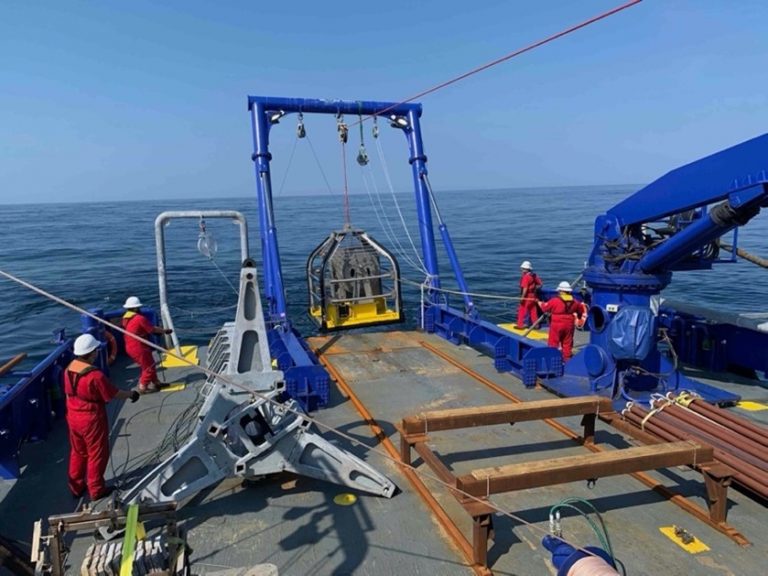
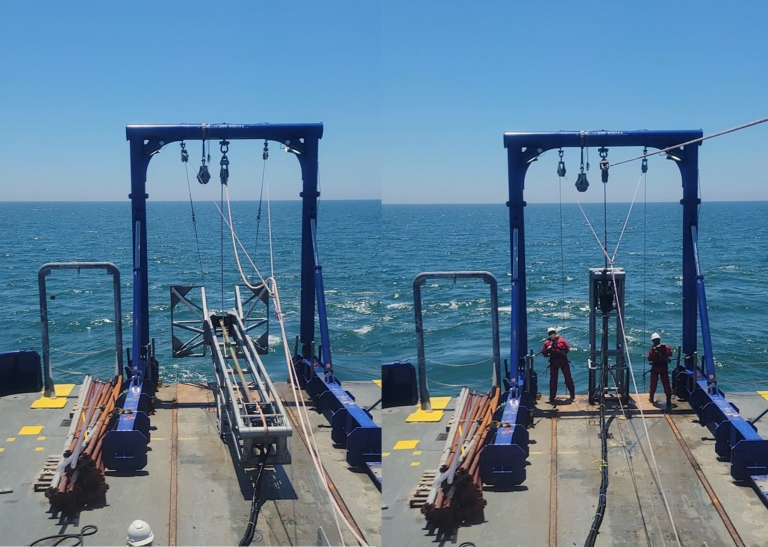
The two (2) pictures below show its deployment off the stern of TDI-Brooks’ research vessel, the R/V BROOKS McCALL, operating off the NE US.
Additionally, TDI-Brooks has added a second Datem Neptune Seabed CTP to its inventory with now includes both N3K and N5K units. The picture below shows the deployment of the N5K off the stern of the R/V BROOKS McCALL.
In early 2023, TDI-Brooks will bring on-line for our shallow water geotechnical kit a Manta-200 CPT.
More details on our Seabed Geotechnical Services HERE.

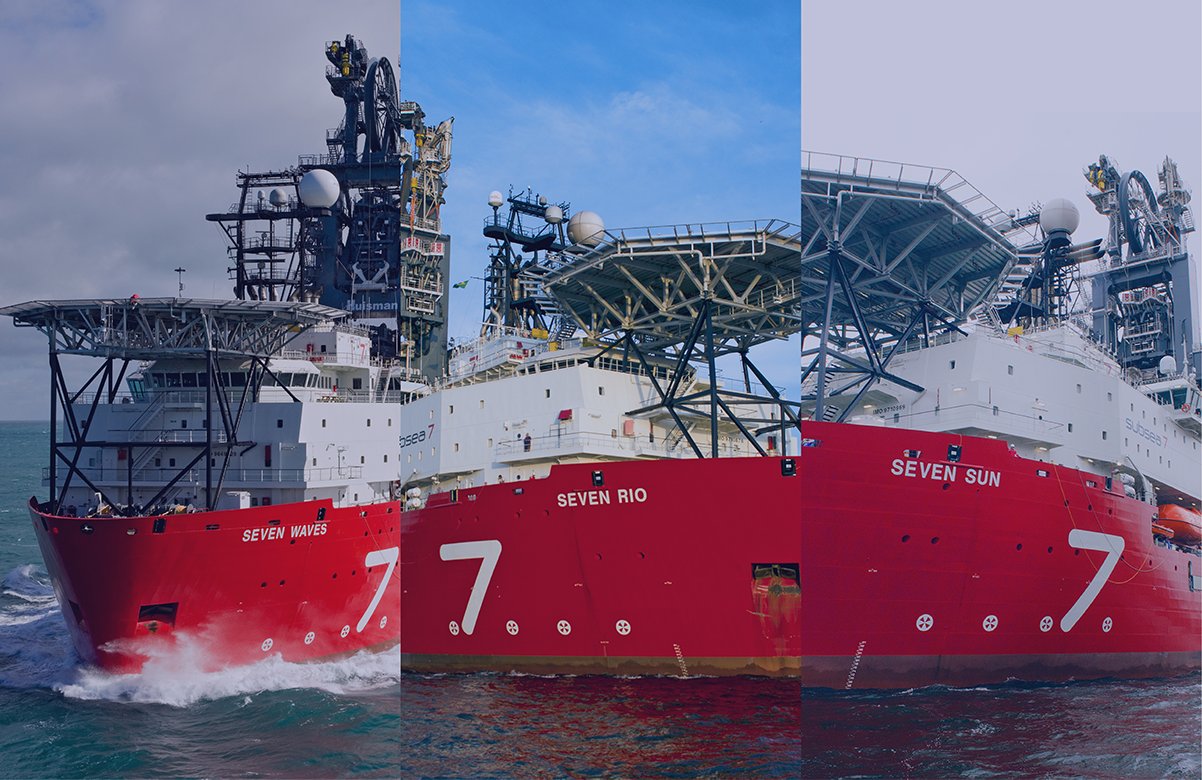
Miros wins trio of sensor contracts with Subsea 7 pipelay support vessels
Miros Group has secured a trio of three-year agreements with Subsea 7 to install its internet of things (IoT) dry-sensor WaveSystem.
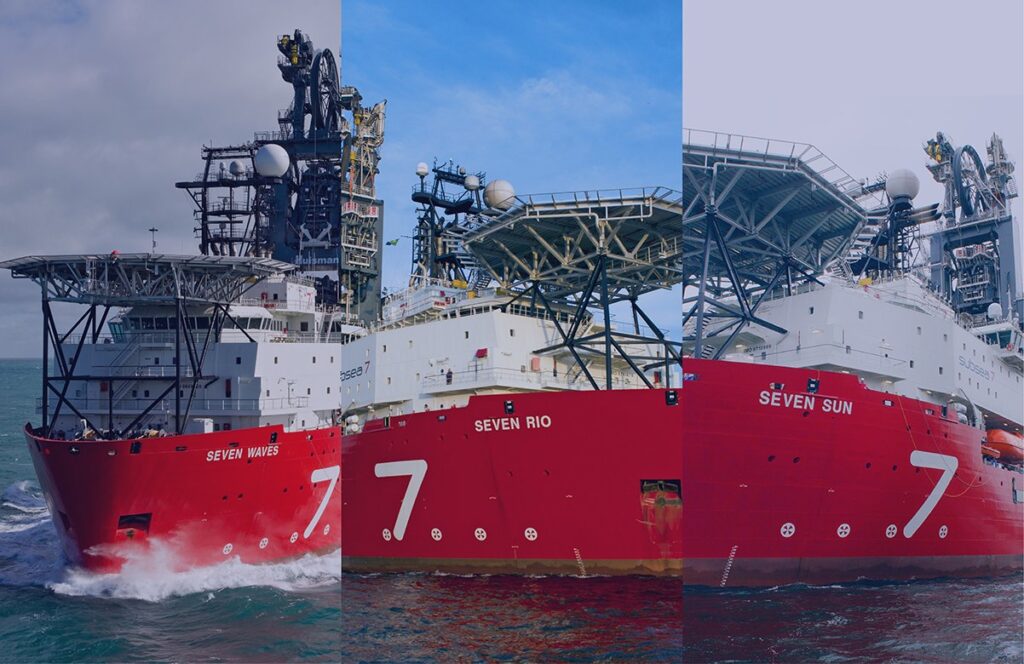
As part of project requirements for the monitoring of wave and current to a water depth of 10m, WaveSystem will be installed on three of Subsea 7’s pipelay support vessels - Seven Waves, Seven Rio and Seven Sun – alongside access to Miros Cloud services delivering real-time sea state data. The award for Miros follows an agreement between Subsea 7 and Petrobras in Brazil for new long-term, day-rate vessel contracts.
Each contract comprises a three-year period plus a subsequent one-year option. The contracts are due to commence between Q1 and Q3 2022.
Andrew Wallace, Miros’ VP Offshore Solutions commented: “We are thrilled to expand our services further to Subsea 7 by equipping Miros WaveSystem to the Seven Waves, Seven Rio, and Seven Sun vessels.
“This is a testament to Miros' expertise and reliability in delivering accurate wave measurements via our cloud-based graphical user interface (GUI) Miros.app. Providing Subsea 7 access to real-time wave and current data which can be shared across departments is an important function for both onshore and vessel-based personnel and key to ensure safe and efficient operations at all times."
Filipe Salvio, Operations Manager at Subsea 7 added: "The cloud-enabled WaveSystem onboard our three pipelay support vessels allows us to deliver the best service to our customer independently of offshore weather conditions. This system provides us with accurate wave, current and speed through water data granting us to work safe, precise and highly effective at all times”.
Fugro and Ocean Industries Concept Lab unify offshore control systems for safe remote operations
Research teams from Fugro and the Ocean Industries Concept Lab (OICL) at Oslo School of Architecture and Design have been exploring how best to harmonise maritime design by integrating digital innovation in next-generation workplaces for safe remote operations. Simplified, standardised control interfaces will enhance training, remove the potential for error and enable operators to successfully perform remote operations.
Fugro and OICL have been exploring the application of the open-source OpenBridge user interface design system to streamline available solutions at sea and on land. Although remote operations are bringing important new efficiencies to the maritime industry, if they require the integration of multiple systems from different suppliers, they can be very complex to use. With the expanding pool of assets being utilised from Fugro’s remote operations centres this standardised interface will ensure consistency and promote safe and efficient operations.
OICL’s Professor, Kjetil Nordby said: "The collaboration with Fugro has allowed us to accelerate the expansion of the OpenBridge platform to new maritime applications. In addition, we have a strategy of supporting all ocean industries workplaces at sea and on land, and direct collaboration with industry leaders such as Fugro helps us accelerate OpenBridge growth.”
Peter Looijen, Fugro’s Director of Innovation in Europe said: “As Fugro continues to deliver innovative solutions, ensuring a common control interface promotes multi-asset operations. Through our work with OICL we have improved business efficiencies and witnessed the positive impact of next-generation user interface integration.”
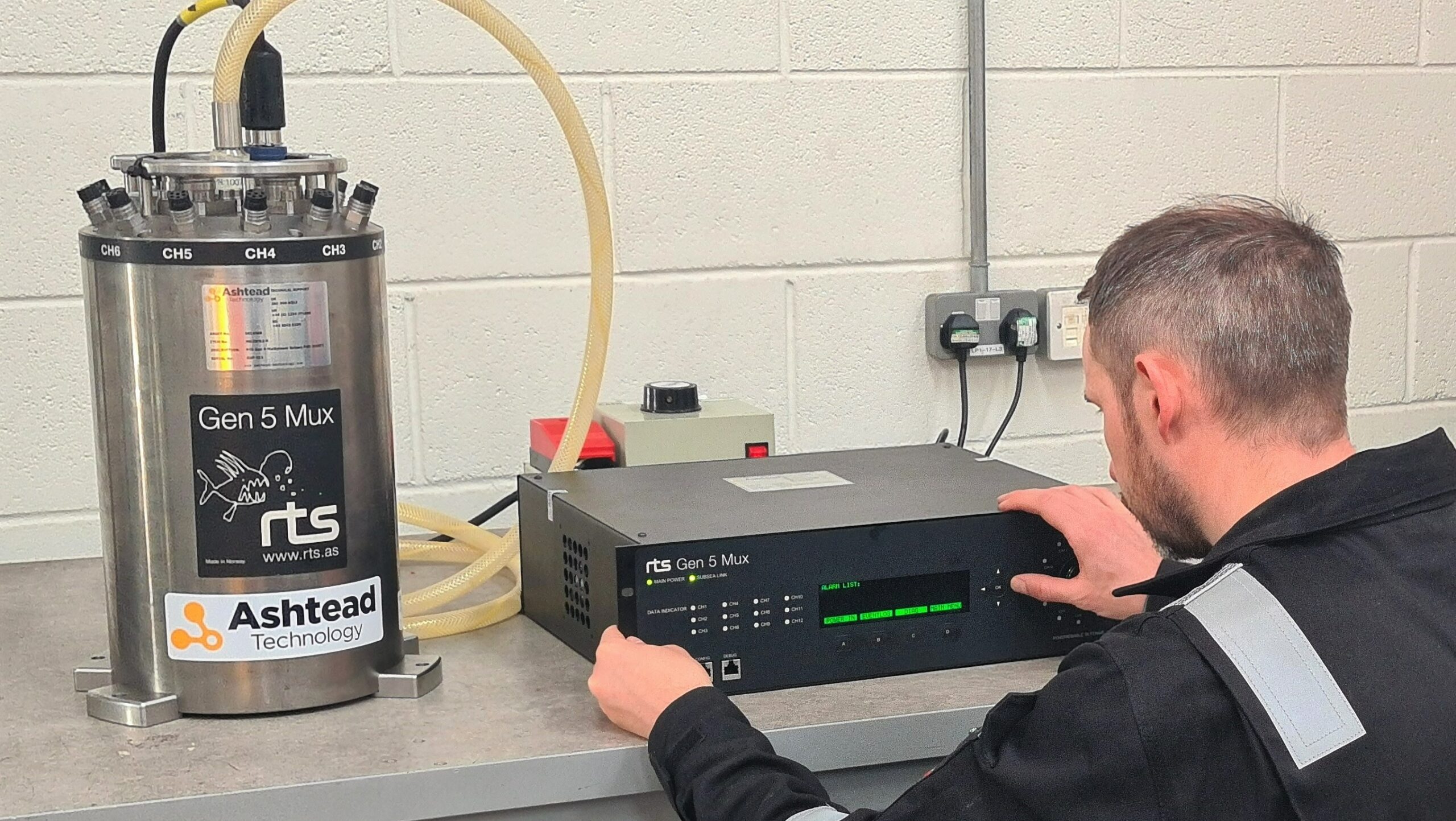
Ashtead Technology signs rental agreement with RTS and invests in new technologies
International subsea rental equipment and solutions specialist Ashtead Technology has signed a rental agreement with Norway-based RTS, an international provider of electronic engineering equipment for the underwater industry.
Under the deal, Ashtead Technology will have access to RTS’s owned equipment fleet to better support customers globally. In addition, Ashtead Technology has purchased an initial ten Gen 5 multiplexer systems which will have the capability to upgrade to Gen 6 specification. As a result, Ashtead Technology will be the first company to supply the Gen 6 product line, when available.
The Gen 5 is one of the most versatile survey multiplexer systems in the market offering accurate, flexible and robust subsea data transfer combined with user-friendly interfacing and 850W of power capacity subsea. The systems come in innovative titanium subsea housing, ideal for challenging marine environments.
The RTS Gen 5 multiplexer systems are now available to rent throughout Ashtead Technology’s nine international technology and service hubs.
Phil Middleton, Ashtead Technology’s Survey and Robotics Director, said: “This latest investment demonstrates our continued commitment to the global subsea rental market by ensuring we can offer the broadest range of best-in-class subsea equipment to support our customers’ projects worldwide. Furthermore, it means that we are the only equipment rental company able to supply subsea multiplexers from all leading manufacturers.
“We look forward to building a long-term partnership with RTS and working together to bring the latest innovations to our customers.”
Tore Hafte Staalesen, RTS Managing Director, said: “We are delighted to partner with Ashtead Technology which demonstrates their ongoing commitment to leading edge technology and innovative solutions that deliver robust performance, reliability and differentiation to their customers. This new rental agreement is an important strategic opportunity for RTS as we continue to grow our business internationally in all key energy markets.”
Fugro develops innovative site investigation solution for Arklow Bank Wind Park
Fugro has successfully completed fieldwork on a geotechnical site investigation for SSE Renewables’ Arklow Bank Wind Park Phase 2. This offshore wind park will support Ireland’s climate action target of producing 7 GW of offshore wind energy by 2030 and is located approximately 6 to 13 km off the coast of Ireland, in an area known for its unpredictable metocean conditions. Fugro developed a bespoke casing system designed for the offshore site conditions to enable survey work to be completed with minimal downtime. The acquired Geo-data will be used to understand the site’s subsurface conditions and support foundation designs and installation.
Fugro also engineered a full suite of purposely designed conductor casing handling devices to remove manual intervention, improving health and safety of deck crew and ensuring deployment efficiency within the short slack water windows.
Laboratory testing is currently underway, building on the site testing completed in Fugro’s offshore laboratory, allowing all acquired samples to be analysed efficiently with the resulting Geo-data used to inform foundation designs. When complete, the 800 MW wind park will be capable of powering almost 850, 000 homes with green energy and offset 830 billion kilograms of carbon emissions each year.
John O’Sullivan, SSE Renewables’ Arklow Bank Wind Park Phase 2 Project Manager said: “The successful completion of this ground investigation campaign is another key milestone for the Arklow project. It has enabled us to gain a much clearer understanding of the seabed conditions within the lease area. This enhanced site characterization greatly supports our ongoing design development works in the lead up to the first offshore energy auction,”
Matthew Chappell, Fugro’s Service Line Director of Site Investigations said: “By working closely and collaboratively with SSE Renewables and DEME, who provided the Neptune liveaboard jack-up barge, we were able to deliver the perfect solution for the Arklow Bank Wind Park site investigation. Our experience in marine operations and geotechnical surveys allowed us to develop an innovative solution for the site conditions and is certainly something we’re proud of. Our Geo-data will not only reduce project risk and uncertainties but will help inform future developmental phases of the project.”
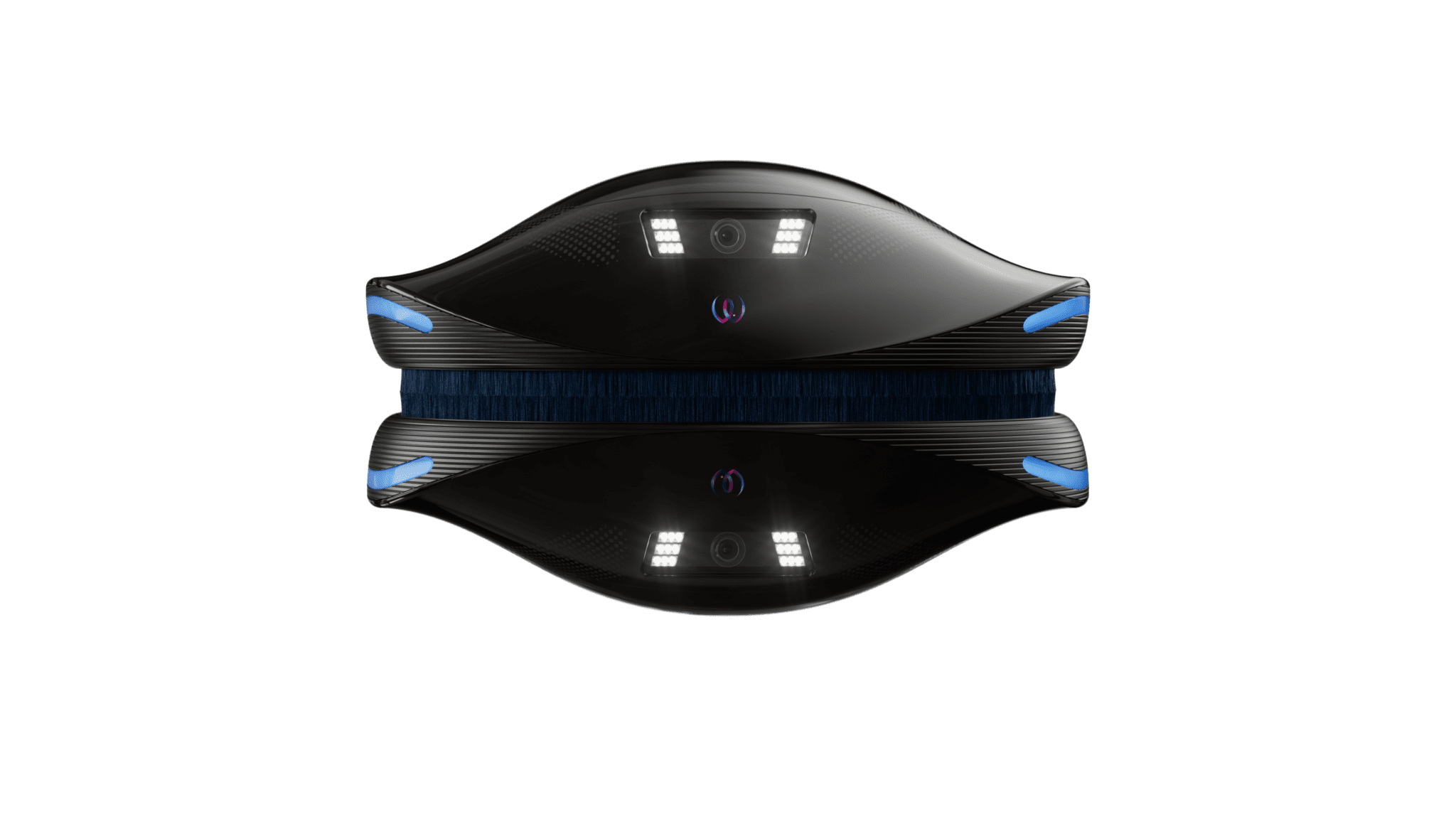
Watbots, with over 600 robots on pre-order, orders new M16 modems from Water Linked
Watbots, one of the most exciting aquaculture tech start-ups to watch this year, has appointed Water Linked as their supplier of underwater communication technology. This newly developed iteration of the M64 modem, called the M16, will enable the Watbot, the most advanced fish cage cleaning robot on the market, to communicate natively with the base station without signal interference.
Watbots is working to redefine the aquaculture net cleaning process with the development of a unique, autonomous robot. A critical requirement for this innovative concept is that there is a reliable acoustic connection between all the robots working in the farm and their base station. While Water Linked already had a highly reliable acoustic solution, known as the M64 modem, this unit had a number of limitations with regard to Watbots’ needs. Watbots required the modem to be smaller, operate on lower power, offer increased range, have no export restrictions, and provide the highest level of dependability in a data connection.
With up to 12 robots working in a fish farm at any given time, ensuring that there is no interference created by multiple robots communicating at the same time is of high importance. The M64 modem has a proven track record operating in the most challenging of environments and was the basis in the development of the recently released Water Linked CageSense™ solution.
Watbots carried out trials of the Modem M64, which combined with reviewing the CageSense™ performance data provided them with the assurance that Water Linked could meet their needs and develop a new modem that would work to meet their specific requirements.
The first delivery of the new M16 modem will take place early in 2023.
Håvard Lillebo, Chief Executive Officer of Watbots, commented: “A robust communication is critical to our solution and working closely with a proven technology innovator such as Water Linked provides the reassurance required for this key part of our unique solution. We feel this partnership will benefit both companies and reaffirm Norway as a leader in bringing exciting new technology to the underwater industry.”
The M16 will benefit from the latest advances that have been integrated into CageSense™ and will provide the subsea industry with an unrivalled acoustic modem for use in the most challenging of environments.
The improved benefits of the Modem M16:
- Smaller physical size
- Lower power consumption
- Increased range
- Improved multi-modem operation
- No Export restrictions
Watbots has secured an order in excess of 600 robots and will take delivery of the first M16 modems in Q1 2023.
Scott McLay, Chief Commercial Officer of Water Linked, stated: “We are all very excited to work with Watbots, a company that aims to set the next industry standard for daily net cleaning and inspection. This requirement has given Water Linked the opportunity to further develop our acoustic modem platform and set a new standard in robust underwater communication.”
While the M16 Modem has been developed with the intention that it will be fully integrated into Watbots’ proprietary platform with a bulkhead seal interface, Water Linked will be offering a variation that can be used where a customer would prefer a watertight cable interface.
Ocean Tracking Network receives $38.5 million in funding from the Canada Foundation for Innovation
The Ocean Tracking Network (OTN), headquartered at Dalhousie University, has been awarded a grant of $38.5 million from the Canada Foundation for Innovation’s (CFI) Major Science Initiatives (MSI) Fund, bringing the total amount awarded to OTN for its 2017-2029 funding cycle to $65.6M. OTN is the only MSI in Atlantic Canada.
The MSI Fund supports the unique operating and maintenance needs of some of Canada’s leading research facilities — both physical spaces and virtual networks — to serve researchers as they continue driving science and innovation and developing solutions for some of today’s most complex and important societal issues. The funding announced today includes an investment of more than $628 million to support 19 national research facilities at 14 institutions across the country.
OTN is a global aquatic research, data management and partnership platform — collaborators around the world are using OTN’s global infrastructure and analytical tools to document the movements of more than 300 keystone and commercially and culturally valuable aquatic species in the context of changing ocean and freshwater environments.
Since 2008, OTN has been deploying innovative ocean monitoring equipment and marine autonomous vehicles (gliders) in key aquatic locations around the globe and has since expanded to include remotely operated vehicles and side scan sonar technology.
OTN is fostering collaboration at a global scale and transforming aquatic species research into knowledge that benefits both Canada and the world. This includes monitoring the global movements and behaviour of sharks to better inform and protect beachgoers, supporting community-driven efforts to track and sustain commercial species, and assisting in the design of marine protected areas (MPAs) and transboundary fisheries management practices as well as many other projects on highly valued aquatic species.
Since 2017, the reach and impact of OTN has grown exponentially. The network has more than doubled in its registered users and networked investigators. Detection data from network collaborators has increased four-fold, from 250 million to over 1 billion records, while marine gliders have travelled over 138,936 kilometers–over three times the earth’s circumference.
“This significant investment from CFI will allow OTN to maintain and advance its headquarters operations and activities, while remaining agile and adaptable to emerging science priorities in Canada and internationally,” said Dr. Sara Iverson, OTN’s scientific director. “Over the next six years, the funding will allow OTN to expand the core operations and activities that underpin the network’s mandate, including continuing to deliver on our world-class marine glider program, expanding subsea robotics activities, and supporting the integration of satellite-derived animal movements data into the OTN Data Centre. OTN will also continue to help Canada meet its commitments to the United Nations (UN) Decade of Ocean Science for Sustainable Development (2021-2030).”
OTN will also build further technical support and capacity for its marine glider program — the first and most expansive of its kind. Along with conducting general ocean monitoring and servicing equipment at sea, the program uses hydrophone-equipped gliders to detect the calls of critically endangered North Atlantic right (and other) whales and transmit the animals’ locations in near real-time to regulatory bodies and vessels in the region. This work is helping to greatly reduce the risk of right whale ship collisions and is supporting the protection of critical habitats, such as the Roseway Basin off southeastern Nova Scotia.
“The amount that remains undiscovered about the ocean and the species that call it home is vast. As the impacts of climate change ripple through the waters that surround us, it is becoming increasingly urgent to address this knowledge gap,” says Dr. Alice Aiken, Dalhousie’s vice president research and innovation. "With support from CFI, OTN’s cutting-edge research, technological innovation and global partnerships are helping to build the knowledge we need to revolutionize our understanding and stewardship of aquatic species around the world.”
With the funding awarded, OTN will be able to:
- Grow and maintain OTN’s headquarters, infrastructure and operations
- Continue to meet the growing demands of its Canadian and international user communities
- Bolster communication of data and outcomes in support of Canadian and international science and sustainable management of shared aquatic resources
- Facilitate leading-edge research with Canadian-made technologies
- Support the UN Sustainable Development Goals
A full list of the CFI funded projects is available at https://www.innovation.ca/news/msi-august-2022.
FarSounder Partners with Propspeed for Biofouling Solution
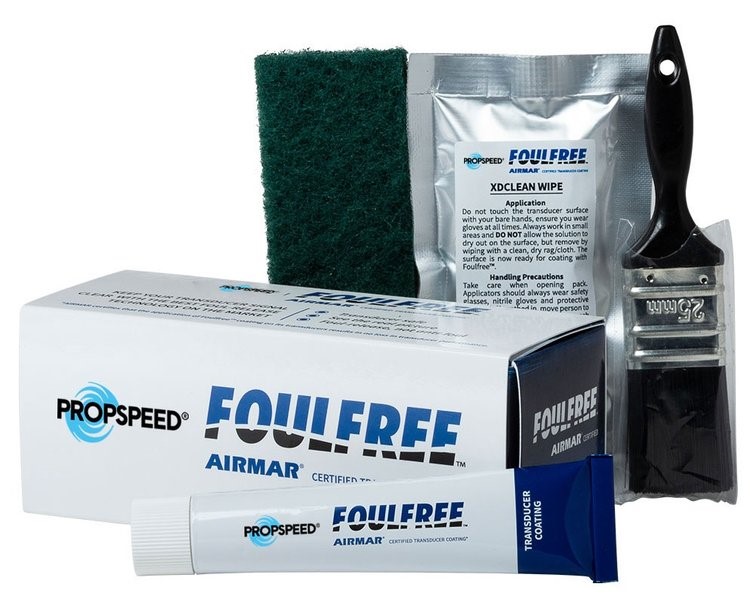
FarSounder has approved Propspeed FoulFree as an acceptable coating for the Argos sonar array face to limit biofouling. As a result, the companies have come together to offer the first application of FoulFree at no charge with each new Argos purchase.
FoulFree is a specialized foul-release coating that is biocide free and not harmful to marine life. Designed to limit the adhesion of biofouling, this product is certified by Airmar and results in no loss in transducer performance once applied. For a limited time, all new orders of Argos forward facing sonars are eligible for a complimentary FoulFree Application Kit. FarSounder customer should request the kit at time of order, and it will be included in the Transducer Module’s package.
Keeping your Transducer Module’s array face clean from marine growth is important for optimal sonar performance. While simple cleaning methods can be used to remove growth, applying a coat of FoulFree to the urethane can significantly reduce the amount of fouling to be cleaned.
The accumulation of biofouling can cause damage to the mechanics of a vessel over time, including a sonar array face. FoulFree is one solution that has been tested and proven to not be harmful to marine life or ship mechanics. This makes it an ideal product for environmentally continuous mariners and companies like FarSounder.

Partrac awarded 2 new EIA (Marine and coastal physical processes impact assessment) projects
Marine Environmental Impact Assessment (EIA) is a fundamental requirement of any proposed infrastructure development project in the marine sector. To ensure that a project can progress and obtain regulatory approval and consent, a fundamental understanding of the potential impacts of the development upon the physical aspects of the marine and coastal environment is a pre-requisite (physical processes impact assessment); this part also underpins many other aspects of a Marine EIA such as chapters on benthic habitats and marine contamination. The physical aspects includes due consideration of the impacts upon the wave climate and tidal regime, together with impacts on sedimentary processes and geomorphology. For the new generation of large scale floating offshore wind (FLOW) this assessment may also need to consider the impact upon water column processes and stratification; and scouring due to multiple anchorage arrays.
Over recent years Partrac’s consultancy division has completed numerous physical processes impact assessments in marine & coastal settings for Nationally Significant Infrastructure Projects (NSIPs), that include offshore wind, the nuclear sector, and a number of other proposed interconnector and coastal infrastructure developments. Our expertise in this technical area includes a full suite marine modelling (hydrodynamic, sediment transport and morphodynamic) capability and we maintain very good relationships with UK Regulatory authorities that have been developed over time. We pride ourselves on providing a consistently high quality service and navigate our clients through the consenting process from early scoping stage - to full EIA (including expert witness / representation at DCO hearings) - to discharging of consent conditions.
Partrac have recently been awarded two contracts for the provision of marine and coastal physical processes impact assessment, one in support of the Scotwind development and one in the Irish sector. We continue to successfully support major engineering and environmental consultancies, as part of their teams, to deliver our specialists inputs to scoping studies, comprehensive baseline chapters, impact assessments and ES summaries.
For further information on capabilities in this area contact Technical Director Kevin Black [email protected] 0798 400 6258.
Uncrewed vessel returns from first volcano caldera survey in Tonga loaded with ‘astounding’ data
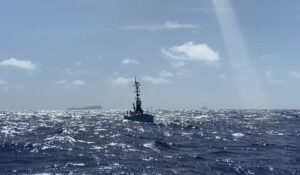
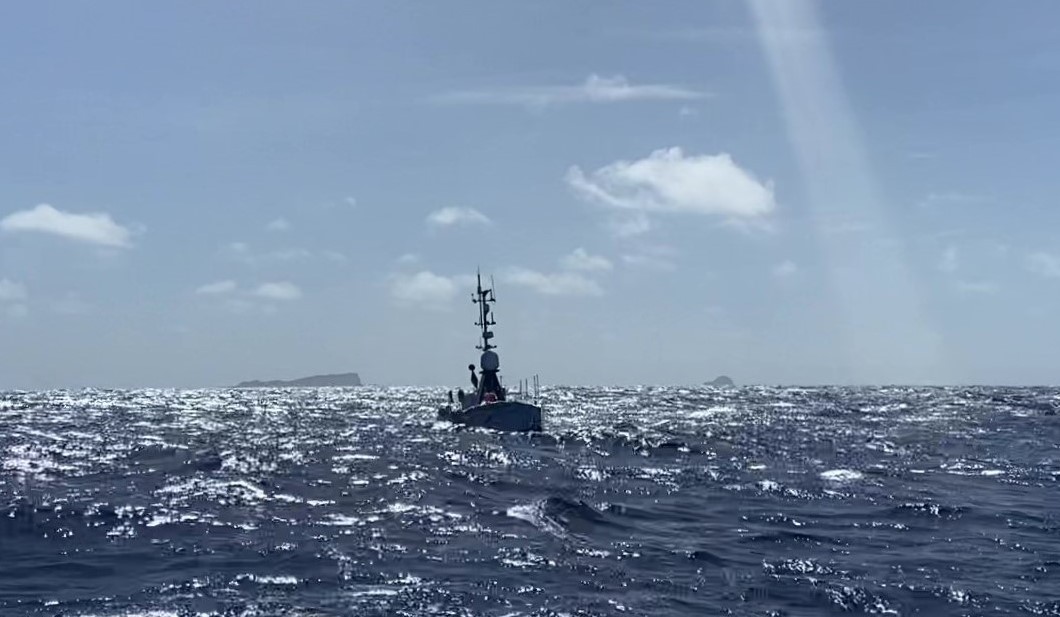
SEA-KIT International’s Uncrewed Surface Vessel (USV) Maxlimer has returned from an initial survey mission inside the caldera of the Hunga-Tonga Hunga-Ha'apai (HT–HH) volcano carrying a plethora of data and imagery to fill important gaps in current understanding and knowledge of the seamount and water above it.
For the ongoing second phase of the NIWA/Nippon Foundation Tonga Eruption Seabed Mapping Project – TESMaP, funded by The Nippon Foundation, USV Maxlimer is equipped with a Multibeam Echo Sounder (MBES) to acoustically measure depth and state of the seabed. Importantly, the vessel also has new winch capability for deployment of multiple sensors down to 300 metres to obtain direct water column measurements.
Data collected using a Conductivity Temp Depth (CTD) instrument, deployed using the winch, is providing important temperature and salinity information as well as dissolved oxygen and turbidity readings. A Miniature Autonomous Plume Recorder (MAPR), designed to detect chemicals in the water that are common in hydrothermal plumes, is recording light-backscattering for suspended particle concentrations, oxidation reduction potential, temperature and pressure from multiple winch dips and tows. The MAPR project is a joint initiative between NOAA in the USA and GNS Science in New Zealand.
On this survey mission, clear signs of continuing volcanic activity were seen inside the crater, with high particle concentrations in the water that are consistent with earlier observations of ash in the water column. The water in the caldera was also found to be homogenous between 150 and 300 metres depth, suggesting strong mixing inside the caldera. The previously observed oxygen minimum was not as distinct.
Sharon Walker, Oceanographer at NOAA’s Pacific Marine Environmental Laboratory said: “Early data shows ongoing activity within the caldera, though it is too early to tell if it is due to continuing eruption but at a reduced intensity, or hydrothermal venting driven by cooling lava, or both.”
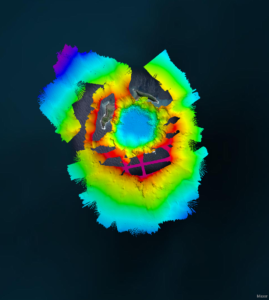
Maxlimer is returning to the caldera this week for a more detailed survey to fill gaps and better target volcanic plumes and hydrothermal vents with the CTD and MAPR.
Dr Mike Williams, Chief Scientist-Oceans at NIWA said: “The primary objective of phase 2 is to map the caldera and the hydrothermal vents within it and Maxlimer is crucial in achieving that. It is incredibly exciting to be able to look down into the caldera and see volcanic plumes. We now know that at its deepest point it is around 850 metres deep, so more than the height of two and a half Eiffel Towers. The data and imagery that Maxlimer has brought back is astounding and is helping us to see how the volcano has changed since the eruption.”
The 12-metre USV is being remotely controlled on its caldera missions from SEA-KIT’s base in Essex, United Kingdom, where a team of four operators work shifts for round-the-clock NIWA-Nippon Foundation Tonga Eruption Mapping Project operation. A global team of surveyors and scientists based in Australia, Egypt, Ireland, Mauritius, New Zealand, Poland and the USA are collaboratively monitoring and reviewing the data collected.
The UK’s Maritime Minister, Robert Courts, said: “I’m delighted that maritime technologies produced here in the UK are being used to understand the effects of the tragic Tonga volcanic eruption, all whilst being controlled remotely 16,000 kilometres away in the UK. This research will help protect the 680 million people living in coastal areas by providing a better prediction of similar natural disasters in the future and ensure that we are prepared if this does happen again.”
USV Maxlimer is also scheduled to map areas where telecommunications cables were damaged following HT–HH’s violent eruption in January 2022. During Phase 1 of the project, the crew of NIWA’s research vessel, RV Tangaroa, discovered that the severed domestic internet cable was buried under 30 metres of ash and sediment. Project and local stakeholders hope to gain a better understanding of the extent of the damage and how it was caused - likely due to fast-moving pyroclastic flows – from Phase 2. SEA-KIT’s USV may also be deployed to survey alternative sites suitable for replacement cables if needed before returning to the UK.
Ben Simpson, SEA-KIT CEO, said: “Maxlimer was the first SEA-KIT X-class USV to be built. There are now numerous X-class vessels working commercially around the world, but this project clearly demonstrates how crucial this technology is as a low-risk, non-invasive solution to reach, survey and understand places that are challenging or unsafe for people to access. Maxlimer experienced 3 metre seas on return from this first mission, which proves yet again how robust the design is. Demonstrating that this kind of work can be done using less than 2% of the fuel of a typical survey vessel is also a significant step on the industry’s path towards net zero emissions.”
Knowledge gained from the project will be invaluable to the Tongan authorities in preparing and planning for future possible eruptions.
The Nippon Foundation’s Executive Director Mitsuyuki Unno said: “Maxlimer’s technology has enabled our Nippon Foundation-GEBCO alumni to not only gain hands-on experience but also to come together as a team. We look forward to sharing the results of this voyage in the coming months and to exploring ways in which the findings can benefit the people of Tonga.”
Lucy Joyce, British High Commissioner to the Kingdom of Tonga, said: “I’m delighted to see SEA-KIT’s Maxlimer Uncrewed Surface Vessel working here in Tonga. The assessment of the Hunga-Tonga Hunga-Ha’apai caldera and the waters and seabed around it is of huge interest and importance to all of us here in Tonga who lived through the huge explosion and tsunami in January.”
Seabed data gathered by USV Maxlimer will also be contributed to The Nippon Foundation-GEBCO Seabed 2030 Project, a United Nations Ocean Decade endorsed programme, which aims to map the entire ocean floor by 2030.
Jamie McMichael-Phillips, Seabed 2030 Project Director, said: “The use of USVs is paramount to Seabed 2030’s mission of a complete map of the entire ocean floor. By surveying areas that may not be accessed by personnel for safety reasons, USVs, such as SEA-KIT’s Maxlimer, will greatly assist us in our ambitious goal.”
Findings from the TESMaP project will be presented at the American Geophysical Union (AGU) Fall Meeting in Chicago this December, a highly influential event dedicated to the advancement of Earth and space sciences.