
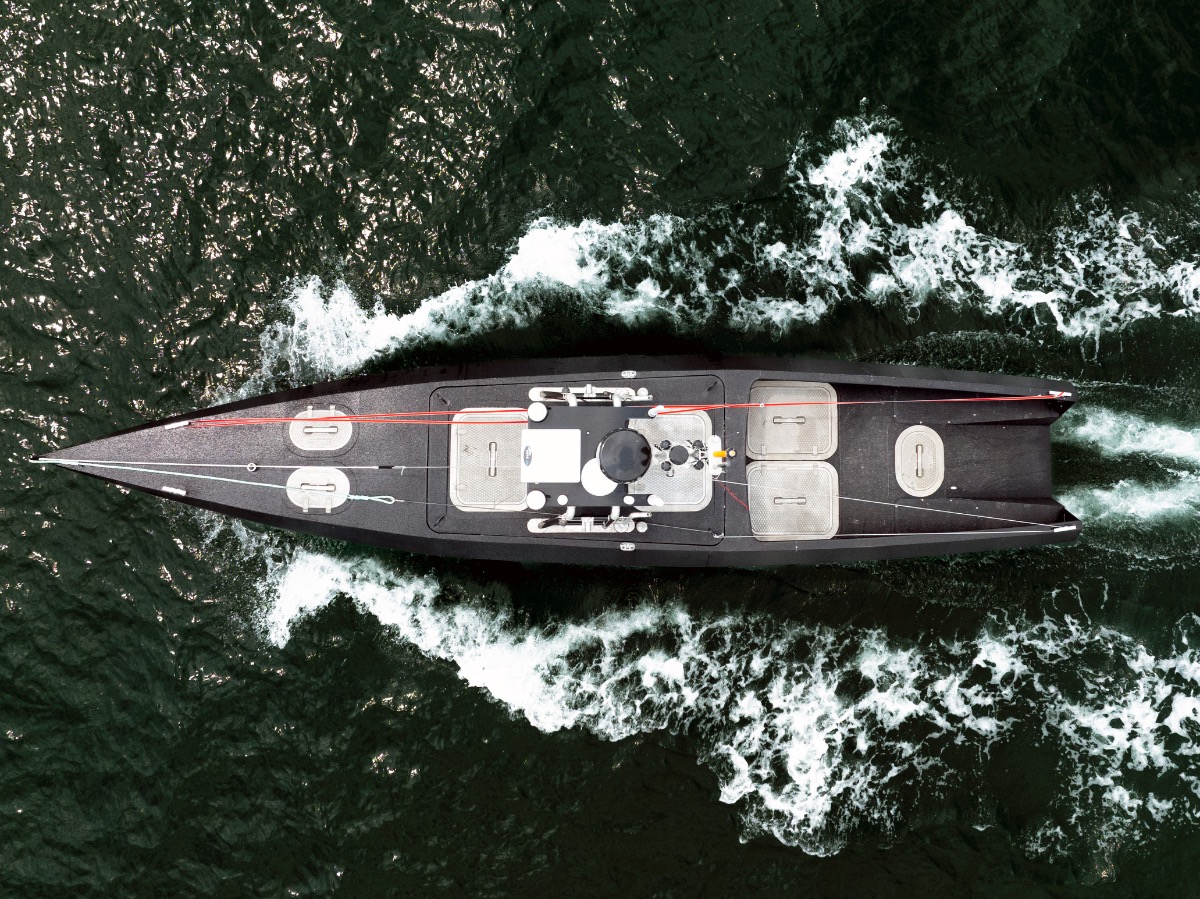
ZeroUSV has launched a Slocum glider from an autonomous USV for the first time in a demonstration supporting the Royal Navy’s Atlantic Bastion programme
 The milestone demonstrates how autonomous USV can act as launch and support platforms for long-endurance underwater systems, reducing the need for larger crewed ships during subsea operations.
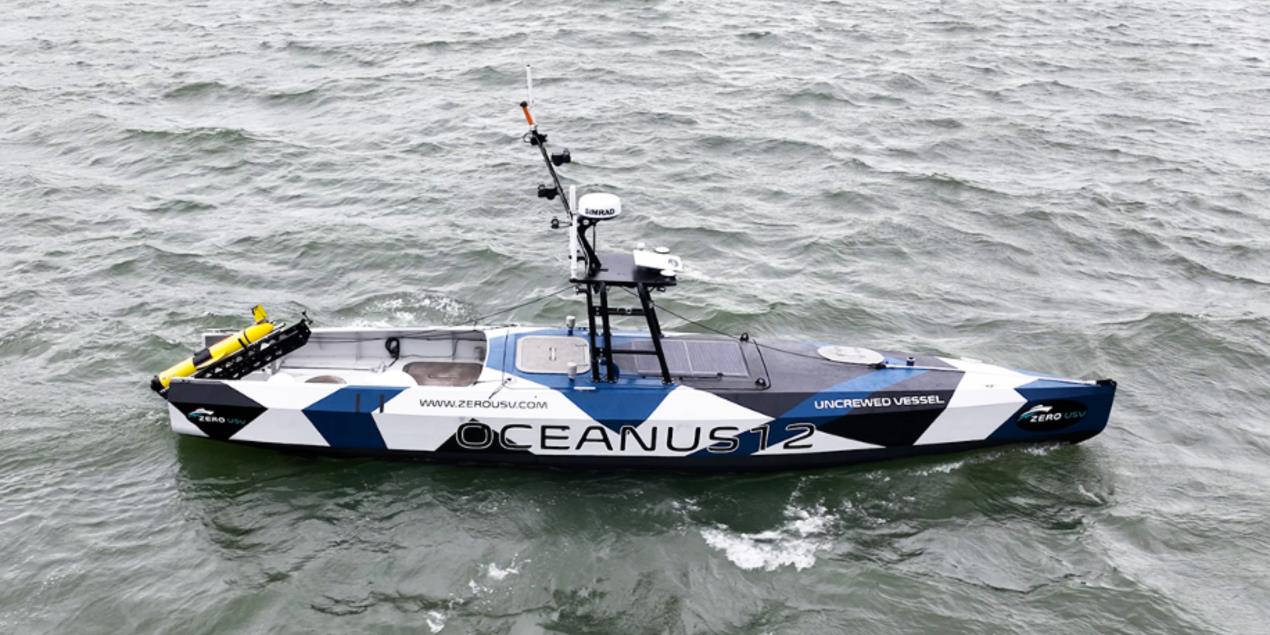
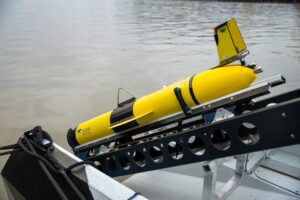
The launch of the Teledyne Slocum Glider was conducted from a ZeroUSV Oceanus12 USV, which operated as the autonomous host platform for subsea technology provided by Teledyne Marine.
The trial showed how autonomous vessels can launch and support long-endurance underwater systems without the need for larger crewed ships.
Atlantic Bastion forms part of a wider UK MOD effort to explore how autonomous systems can support maritime security tasks, including subsea monitoring and the protection of critical undersea infrastructure. The programme is expected to involve multiple industry teams as capability is developed and refined.
Two Oceanus12 USVs were deployed during the demonstration as part of the wider trial activity. The event brought together several partners to explore how autonomous USVs, subsea vehicles and specialist sensors can be integrated for maritime security and subsea operations.
Matthew Ratsey, Managing Director and Co-Founder of ZeroUSV, said:
“This is an incredible milestone. For the first time, the world has seen the launching and operating of an ocean glider from an uncrewed vessel, which opens up new possibilities for persistent subsea monitoring and long-endurance operations at sea.
“This ushers in a new operational model for persistent, distributed ocean data collection, directly relevant to defence ISR, ASW and REA missions, as well as commercial and scientific oceanographic applications.”
The demonstration also reflects wider collaboration across the autonomous maritime sector. Teledyne Marine and MSubs recently announced a strategic partnership focused on integrating autonomous surface vessels, underwater vehicles and advanced sensing technologies for future naval programmes. The Oceanus platform provides a flexible host for these systems, enabling a range of subsea capabilities to be deployed from autonomous vessels.
Arnar Steingrimsson, Vice President of Sales, Marine Vehicles at Teledyne Marine, said:
“The ability for our Slocum gliders to be rapidly and safely deployed into an operating area from another unmanned platforms is a major capability enhancement and opens the door for more effective and focused use of gliders and USVs especially for time sensitive defence applications like ASW, ISR or REA. We look forward to continued cooperation with MSubs and Zero USV in realizing game changing marine capability.”
The Oceanus class is designed as a modular autonomous vessel capable of supporting a wide range of sensors and subsea systems, including sonar, survey equipment and autonomous underwater vehicles. A larger platform, Oceanus17, is also in development and will offer increased payload capacity and endurance for longer missions.
ZeroUSV plans to continue demonstrating its autonomous vessel technology during 2026, including displaying the Oceanus17 platform at SeaWork in Southampton in June.

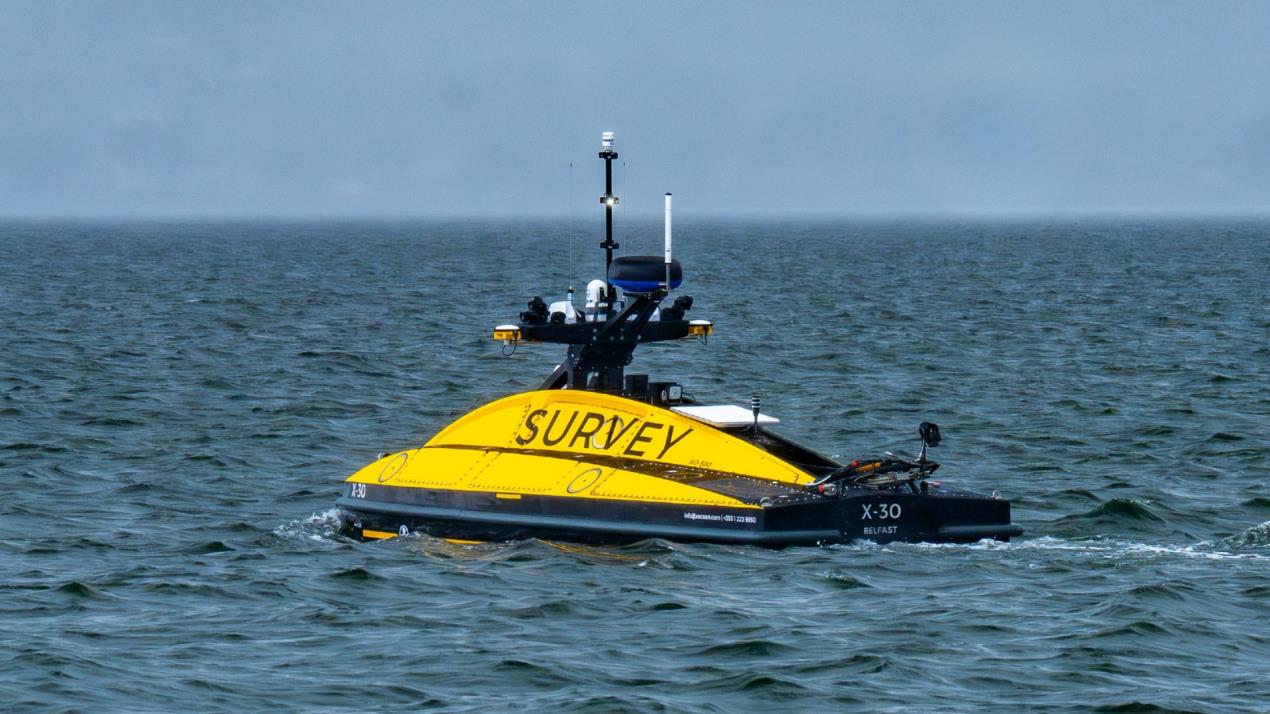
XOCEAN’s X-30 achieves ROUV certification under the UK Workboat Code Edition 3
 The certification marks one of the first of its kind for an operational platform.
Lloyd’s Register (LR) has certified XOCEAN’s X-30 Remotely Operated Uncrewed Vessel (ROUV) to the UK Maritime and Coastguard Agency’s Workboat Code Edition 3 (WBC3), including the Annex 2 requirements for ROUVs.
The certification makes X-30 one of the first uncrewed vessels to achieve full compliance with the updated WBC3 framework, with the Annex 2 ROUV requirements introduced in late 2023 to regulate the design and operation of ROUVs in UK waters.
Developed and operated by XOCEAN, based in Ireland, X-30 is designed for uncrewed ocean survey operations, collecting high-resolution data to support offshore energy, environmental and seabed mapping projects.
Certification to this standard has proven challenging across the industry, with only a small number of vessels successfully completing the process to date. The achievement follows LR’s authorisation by the MCA in 2025 as the first Certifying Authority for Annex 2 ROUV certification, and builds on its certification of the ACUA Ocean Pioneer, the first vessel to achieve compliance with WBC3 Annex 2.
The certification of X-30 builds further momentum in the industry and is expected to inform the process for future XOCEAN vessels, including its sister vessels currently progressing through build.
Jordan McRuvie, Specialist – Unmanned Marine Systems at Lloyd’s Register, said: “Certification of X-30 is a major achievement for XOCEAN and one that we’re proud to have supported. Alongside recent steps forward in the industry, this further demonstrates that certification of small, complex ROUVs under WBC3 is achievable when developers, certifying authorities and the MCA work in close partnership. This project shows how technical innovation can align with regulatory assurance for the safe introduction of uncrewed systems in real-world operations, and we look forward to continuing to support current and future partners with their certification journeys.”
Shep Smith, CTO, XOCEAN said: “Securing WBC3 certification for X-30 is an important step forward for our fleet and for the wider uncrewed vessel industry. The collaboration with Lloyd’s Register has shown that robust, safety-led certification is possible, paving the way for wider adoption of uncrewed technology in support of sustainable offshore operations.”
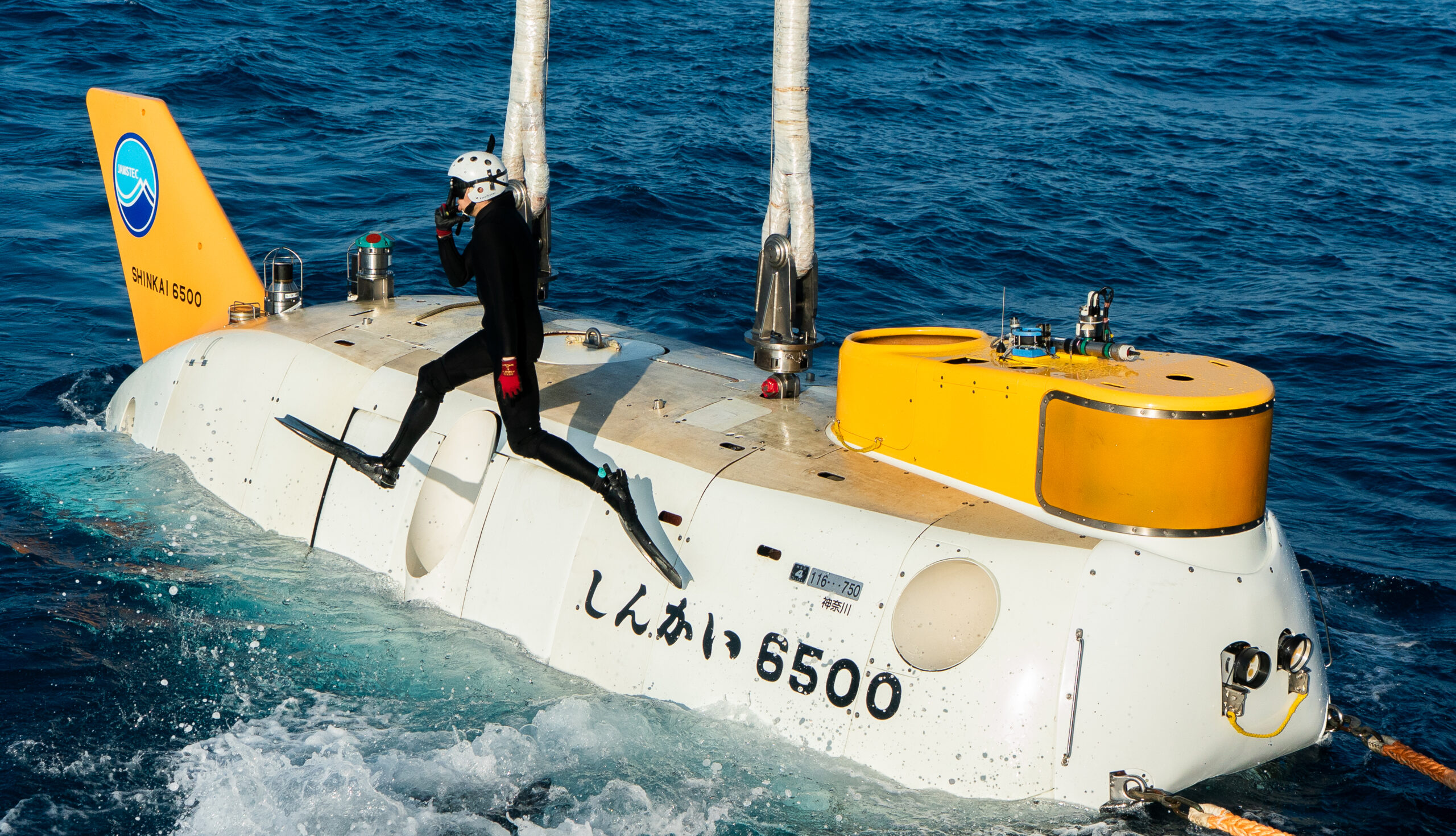
Japan’s Deep Ocean Reveals Dozens of New Species from Landmark 2025 Nippon Foundation–Nekton Ocean Census – JAMSTEC Expedition
 Japan has led a major international effort to explore and document new life in the deep ocean. Following the Nippon Foundation–Nekton Ocean Census Expedition in June 2025, partnering with the Japan Agency for Marine-Earth Science and Technology (JAMSTEC), scientists have confirmed the discovery of 38 new species and identified 28 further potential new species across two of Japan’s most understudied deep-sea regions: the Nankai Trough and the Shichiyo Seamount Chain.
The June 2025 expedition, conducted aboard JAMSTEC’s research vessel Yokosuka and supported by the famous Shinkai 6500 manned submersible collected >528 specimens, all catalogued, imaged, and preserved for future morphological and molecular analyses. In October 2025, taxonomists from Japan and around the world convened at JAMSTEC Headquarters (Yokosuka, Japan) for a dedicated Species Discovery Workshop, confirming the status of these new and potentially new species and coordinating next steps for the publication of scientific papers.
“The discoveries made in the Nankai Trough and the Shichiyo Seamount Chain remind us how little of our ocean has truly been explored. By supporting missions like this, The Nippon Foundation is helping to open a new frontier of knowledge for Japan and for humanity. Each new species discovery is a step toward understanding, valuing, and ultimately safeguarding our shared ocean.” — Mitsuyuki Unno, Executive Director of The Nippon Foundation
 Among these discoveries are two breakthrough studies: a comprehensive survey in the journal Ecosphere, led by JAMSTEC researcher Dr Chong Chen, revealing a five-fold increase in biodiversity at Nankai Trough cold seeps, and research in The Zoological Journal of the Linnean Society led by Dr. Naoto Jimi, which demonstrates the remarkable evolutionary history of symbiotic sponge-dwelling worms, which have evolved to live ‘in a glass castle’.
“This is about Japan leading global ocean science,” said Dr Akinori Yabuki, Principal Investigator. “Deep-sea discovery requires long-term commitment and world-class technology, and Japan is one of the few nations that are uniquely positioned to drive this work.”
Nankai Trough: Landmark Survey of Cold Seeps Reveals Five-Fold Increase in Deep-Sea Biodiversity
A major new study has revealed a five-fold increase in known biodiversity in the Nankai Trough, one of Japan’s most geologically active deep-sea regions located 500–600 km southwest of Tokyo. The expedition was led by JAMSTEC scientist Dr Chong Chen with a team of expedition scientists. Up from just 14 previously known animal species inhabiting cold seeps, it documented 80 animal species, making this the most comprehensive biological survey of the region ever undertaken.
The Nankai Trough paper is published on Ecosphere Journal and can be read free of charge here: https://doi.org/10.1002/ecs2.70451
80 seep-associated animal species, including:
- 33 molluscs – including snails, clams, and a glisten-worm
- 23 annelids - including lugworms
- 11 arthropods - crustaceans such as crabs, shrimp and amphipods
- 5 nemerteans - ribbon worms
- 4 echinoderms - sea stars, brittlestars, and sea cucumbers
- 3 cnidarians - Zooanthid, anemone and hydroid
- 1 bryozoan - Bryozoa
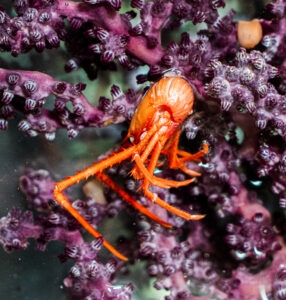 The results include numerous range extensions, new national records, and previously unknown species associations, revealing the Nankai Trough has an exceptionally rich biodiversity.
Shichiyo Seamount Chain: Japan’s ‘Offshore Mountains’ Yield New Species and Rare Sponge Symbiosis
Southeast of Tokyo and 500–700 km offshore, the Shichiyo Seamount Chain rises from the northwestern Pacific as a series of submerged volcanic peaks. Prior to the 2025 expedition, many of these remote seamounts have remained largely unexplored from a biological perspective. During the landmark Ocean Census: JAMSTEC–Shinkai expedition, researchers aboard the Shinkai 6500 conducted the biological dives in this region, revealing rich ecosystems, including new coral gardens and seafloor areas densely covered with sponges.
Life in a glass castle
During the dive, a large glass sponge observed at Shichiyo Seamount was found to play an important biological role for certain polychaete worms. This study formally describes and names two new species of polychaete worms—Dalhousiella yabukii and Leocratides
watanabeae—which were found living symbiotically within the same glass sponge. Glass sponges construct an intricate, mesh-like skeleton out of silica, the same material used to make glass. Living within this structure is akin to residing in a "glass castle," as the rigid, translucent framework provides a protected cavity for symbiotic animals.
Although these worms share a single "glass castle," phylogenetic analysis suggests their symbiotic lifecycle evolved independently. A paper detailing these findings has been published in the Zoological Journal of the Linnean Society and can be accessed at the following link: https://doi.org/10.1093/zoolinnean/zlag028
Beyond these symbiotic worms, the Shichiyo seamount dives also revealed:
- Five new species of squat lobsters, including deep-sea species belonging to the genus Munidopsis.
- Newly observed octocorals, nemerteans, amphipods, gastropods, and kinorhynchs.
- Several species previously thought to be rare or absent from Japanese waters.
Together, these findings position the Shichiyo Seamount Chain as a region of special interest for Japanese marine science, with rich biodiversity hidden across terrain that had remained unvisited by researchers until now.
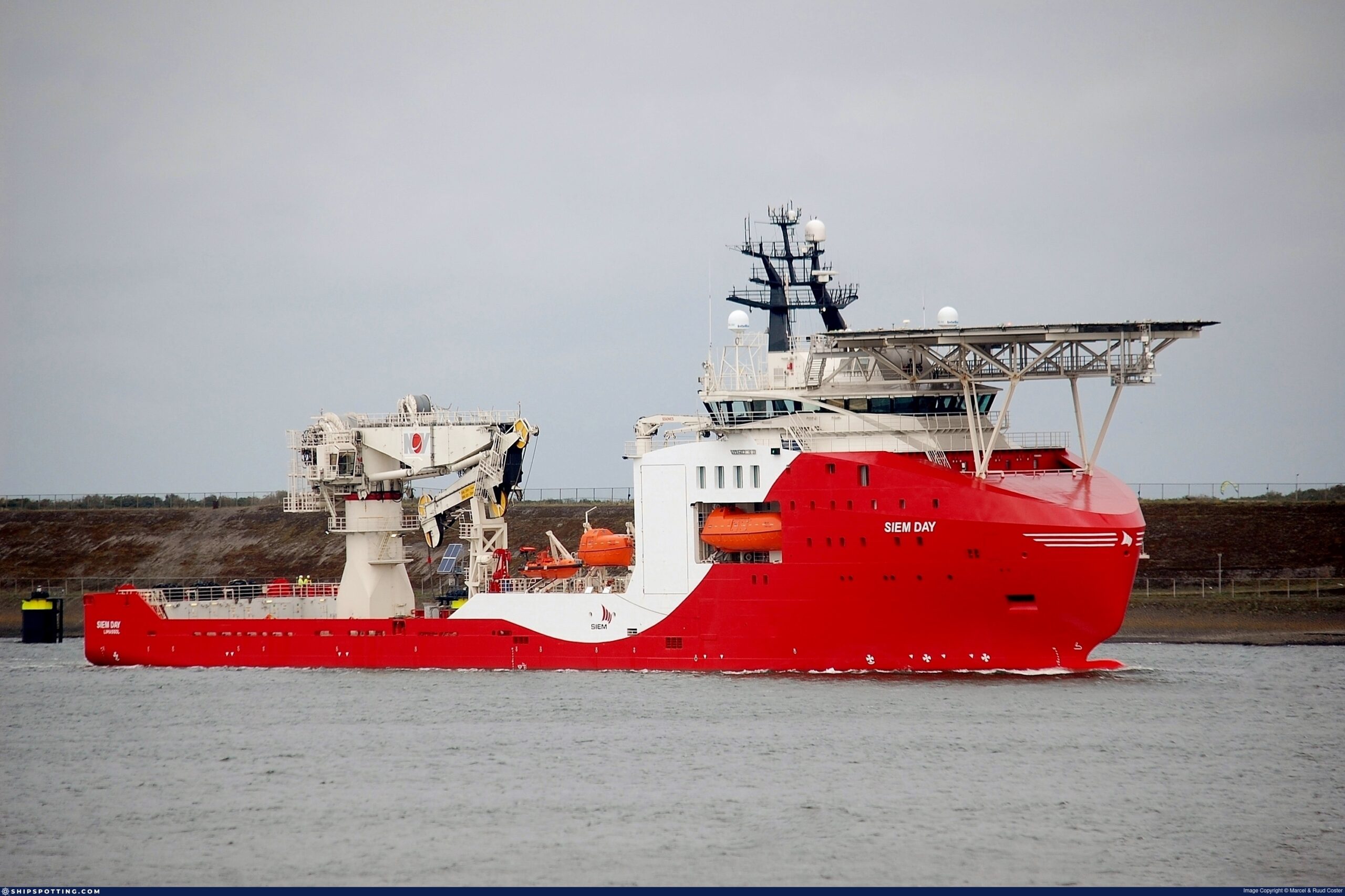
Next Geosolutions has partnered with Intesa Sanpaolo and Cassa Depositi e Prestiti (CDP) to finance the acquisition of a new offshore support vessel, the “NG Supporter"
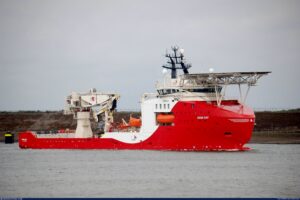
The company’s total investment amounts to USD 112 million. The two financial institutions supported the transaction with financing equal to 70% of the total investment
Next Geosolutions, one of the leading international groups in marine geosciences and offshore construction support services, primarily in the energy sector, announces the execution of a financing agreement to support the acquisition of the new offshore vessel “Siem Day” from the Norwegian company Siem Day II AS, subsequently renamed “NG Supporter”, for a total value of approximately USD 112 million. The expansion of the Company’s fleet had already been announced on January 15, 2026 (see press release), concurrently with the signing of the Letter of Intent (LOI) with Saipem.
Intesa Sanpaolo and Cassa Depositi e Prestiti supported the transaction with financing covering 70% of the total investment, with a repayment term of 10 years. In particular, Intesa Sanpaolo, acting as lead bank, underwrote 60% of the financed amount, while CDP contributed the remaining 40%, further consolidating its role as a strategic partner in the development of high-tech and industrial projects. This initiative falls within the broader framework of CDP and Intesa’s efforts to support the growth of Italian companies with a strong international focus.
Giuseppe Maffia, CFO of NextGeo, stated: “We are very pleased to have completed this important financial transaction, which enables us to strengthen our partnership with Intesa Sanpaolo, which has historically supported NextGeo’s development plan, and to further reinforce our collaboration with CDP, which is playing an increasingly key role in our growth and in strengthening NextGeo’s presence in international markets”.
This transaction not only allows NextGeo to expand its fleet with a highly specialized asset, but also represents a concrete example of collaboration between the banking system and institutions to enhance the country’s competitiveness on a global scale, supporting investments in strategic sectors such as offshore energy.
Attilio Ievoli, Chairman of NextGeo, commented: “In this transaction, the support of institutions such as Intesa Sanpaolo and CDP has been fundamental to the acquisition of an asset like NG Supporter, a vessel that represents a true added value for the diversification of our activities across our reference markets. Its technical features and onboard systems make NG Supporter a strategic asset in the subsea sector, enhancing the Group’s capabilities in delivering offshore construction support services. In this context, its addition to our fleet marks a concrete step forward in our industrial growth path and in strengthening the Group’s positioning in international markets”.
Giuseppe Nargi, Regional Director for Campania, Calabria and Sicily at Intesa Sanpaolo, stated: “Through this transaction, Intesa Sanpaolo reaffirms its mission to support world-class excellence emerging from Southern Italy. Thanks to ongoing investments and the strategic vision of many companies, we are progressively witnessing a narrowing of the gap with Northern Italy. The transaction with Next Geosolutions – a company we have supported over time also through extraordinary finance – demonstrates how our bank is able to deploy a unique advisory model, leveraging a network of cross-functional expertise to assist companies undertaking competitive growth paths. Following the recent success of the IPO, carried out together with IMI Corporate & Investment Banking, Next Geosolutions continues to demonstrate a consistent growth trajectory and stands as clear evidence of our ongoing support for the local industrial system”.
Manuel Palmiero, Head of Business Relations for South-West Enterprises at CDP, commented: “This financing, carried out in partnership with Intesa Sanpaolo, represents an important transaction to support the development of companies in Southern Italy that innovate, compete, and aim to expand decisively into international markets. The acquisition of the new offshore vessel is a concrete step in this direction, as it enhances NextGeo’s operational capacity, and we are proud to support such virtuous companies along their growth path”.
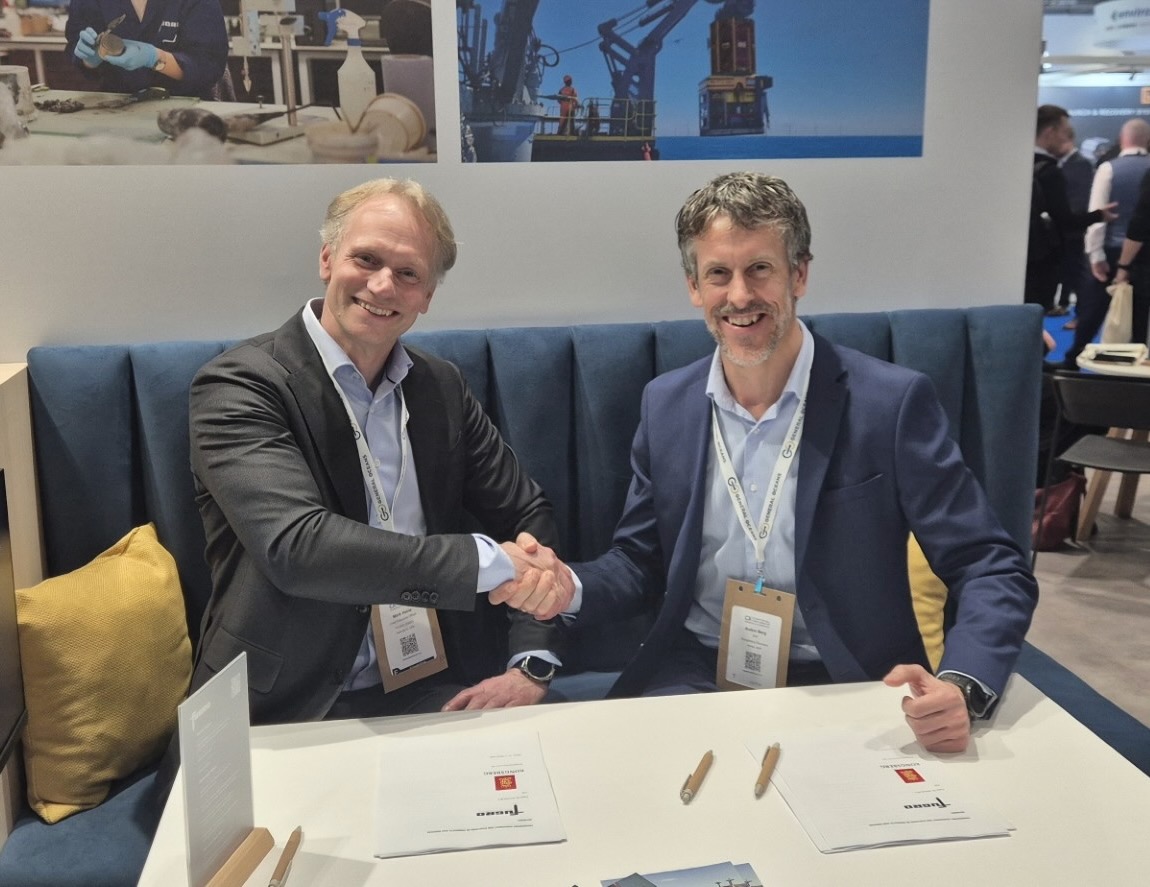
Kongsberg Discovery and Fugro consolidate partnership with Main Supplier agreement
Kongsberg Discovery and Fugro have signed a new framework agreement that strengthens a decades-long technology partnership between the two companies. The contract, confirmed at Oceanology International in London, positions Kongsberg Discovery as a key supplier of advanced hydroacoustic and positioning technologies across Fugro’s global fleet, including the company’s expanding portfolio of uncrewed surface vessels (USVs).
Integrated approach
Fugro is widely recognised as the world’s leading Geo-data specialist, delivering insights that support energy production, the energy transition, large-scale infrastructure development and climate resilience. Its operations span offshore and onshore environments worldwide, with increasing emphasis on sustainable survey solutions and remote operations.
The new agreement reinforces Kongsberg Discovery’s position as a preferred technology partner for Fugro, providing continued access to the company’s high-end solutions – such as the EM2042 multibeam echosounder and Seapath motion and GNSS positioning systems, which have been selected for integration across Fugro’s new generation of autonomous survey platforms. Working together, the assets and technology will deliver high-quality, precise hydrospatial data and optimally efficient, safe and sustainable remote operations.
Shared commitment
Auden Berg, EVP, Kongsberg Discovery, says the agreement reflects a shared commitment to advancing subsea technology while maintaining the highest standards of data quality.
“Fugro has been a valued partner for many decades and together we have helped shape the evolution of modern hydrospatial surveying,” Berg comments. “This new framework agreement takes that collaboration to the next level. By combining Fugro’s operational expertise with Kongsberg Discovery’s advanced sensor and positioning technologies, we can continue delivering the reliable, high-quality data that Fugro’s customers depend on for informed decision making and understanding of complex marine environments.”
Empowering autonomy
Although the agreement is wide-ranging in reach, Fugro’s decision to expand its USV fleet, as announced at Oceanology International, is a natural focal point. The Dutch multinational, which employs approximately 10,000 people in 52 countries, has built an advanced network of Remote Operations Centres (ROCs) to enable USV tasks, helping dramatically reduce emissions (by up 95%), with enhanced safety and 24/7 operational efficiency. Kongsberg Discovery technologies are central to these developments, supporting the precise navigation, seabed mapping and underwater positioning required for autonomous success.
In addition to multibeam echosounders and Seapath INS, Fugro will continue to utilise a broader portfolio of Kongsberg Discovery systems including HiPAP underwater acoustic positioning and communication technology. Together, these solutions provide the high-accuracy situational awareness needed for complex offshore survey projects.
Unlocking value
Mark Heine, Fugro CEO, says the strengthened partnership reflects the company’s confidence in Kongsberg Discovery’s technology and expertise.
Heine comments: “Our focus is on delivering high‑quality Geo‑data and clear insights that help customers reduce risk and make well‑informed decisions throughout the life of their projects. Kongsberg Discovery’s systems play a key role in supporting our global survey operations, enabling us to operate efficiently while maintaining consistent and reliable outcomes in increasingly complex marine environments. This framework agreement supports our shared ambition to advance more efficient and sustainable survey operations. We are pleased to continue working closely with Kongsberg Discovery as we build on this long‑standing collaboration for the benefit of our customers worldwide.”
To discover more please see https://www.kongsberg.com/discovery/
EdgeTech Introduces the Trace Micro-UUV, ROV and USV Based Side Scan Sonar System
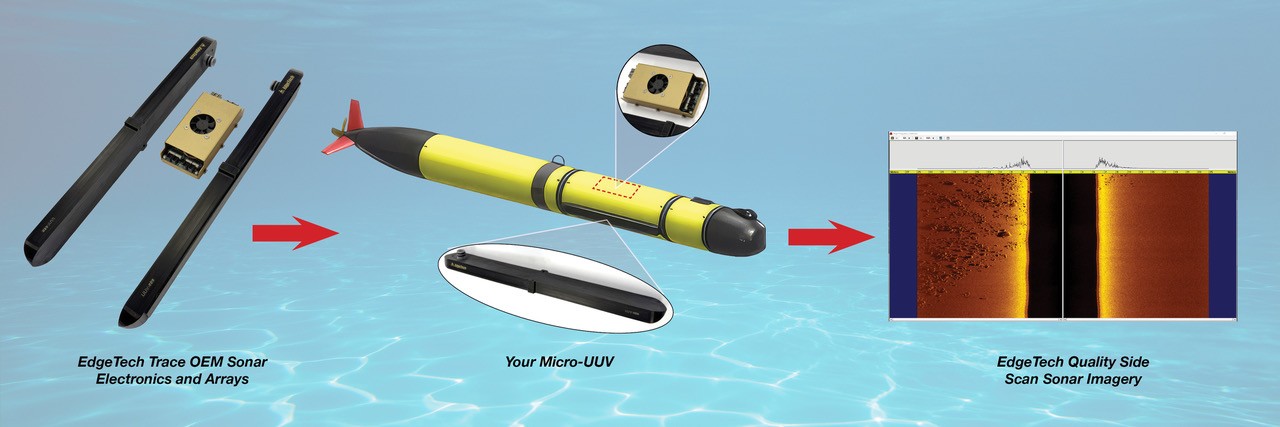
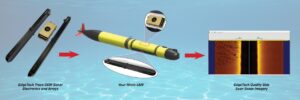 EdgeTech, the leader in high resolution sonar imaging systems, and acoustic release solutions has recently expanded their OEM side scan sonar product offering to meet the needs of small and micro sized autonomous vehicles.
EdgeTech designed the new Trace OEM side scan sonar specifically with micro-UUV, small ROV and shallow water USV in mind. The Trace system is a small form factor (13cm x 7cm), low power, high quality EdgeTech OEM side scan sonar solution for small and micro vehicles.
The dual frequency Trace system can be configured to operate at a range of frequency pairs including: 540/1600 kHz or 540/850 kHz or 850/1600kHz with standard cabled arrays or customized vehicle-specific arrays. The system is ideal for shallow water survey applications, providing an excellent combination for range and resolution. With an average power draw of only 7-10W the 12-24 v DC system has been optimized for size, power and weight. Integrators can choose RS232 communications for navigation devices and other sensors. External triggering is also available. The Trace system has an ethernet interface to connect to the host platform and comes with a common EdgeTech command and control interface. EdgeTech’s high quality sonar data is streamed from the Trace system for storage on the host platform.
2026 marks 60 years of EdgeTech leading the way in high resolution sonar imaging systems, sub-bottom profilers, on-demand (ropeless) fishing systems and acoustic release solutions. The Trace system being the latest in a long line of industry leading products.
For more information please visit: https://www.edgetech.com/product/trace-mico-uuv-rov-and-usv-based-side-scan-sonar-system/
Teledyne and M Subs Announce Strategic Collaboration
 Teledyne Marine, a global leader in maritime unmanned underwater vehicles and marine technologies, and M Subs, a UK-based innovator in marine unmanned systems and associated autonomy, are pleased to announce the signing of a Memorandum of Understanding (MOU) to establish a strategic collaboration.
This partnership aims to leverage the complementary expertise of both organizations to develop and execute business opportunities related to the UK Royal Navy and other international naval programs. The collaboration will focus on integrating advanced technologies, including vehicle platforms, autonomy systems, sonars, acoustic communications, cameras, lighting, and subsea connectors, to deliver cutting-edge solutions for maritime operations.
Efforts are already underway on cooperation with Teledyne SeaBat multibeam sonars successfully integrated and demonstrated on Zero USV platforms at REPMUS 2025. In addition, work has commenced on the deployment of Slocum gliders and Osprey class AUVs from Zero USV systems with demonstrations in the UK and Iceland planned in Q1 and Q2 of 2026.
Key highlights of the partnership include:
- Support for Royal Navy Programs: The collaboration will focus on advancing projects with the UK Royal Navy including possible joint cooperation for Atlantic Bastion and MHC Block 2 while leveraging M Subs and Teledyne’s significant UK presence and capability.
- Joint Business Development: Teledyne and M Subs will work together to identify and pursue mutually beneficial opportunities globally.
- Shared Expertise: Both parties will combine their technological capabilities to enhance unmanned systems and autonomy solutions for maritime applications.
 Brian Maguire, Teledyne Marine Chief Operating Officer and Vehicles General Manager, stated, “This collaboration represents a significant step forward in advancing maritime technologies. By combining our expertise, we aim to deliver innovative solutions that meet the evolving needs of the UK and international markets.”
Brett Phaneuf, Director of M Subs, added, “It has been a pleasure to work with Teledyne to integrate the myriad sensors and devices they bring to bear on the marine and defense space; they have proved nimble and forward leaning in our work together, necessary qualities from flagship companies partnered with small SMEs for us to be successful in the future when serving the nation…it’s also been a great deal of fun!”
The partnership between Teledyne and M Subs is set to drive innovation and deliver impactful and operationally relevant solutions with high technology readiness levels for defense and commercial applications.
Proven Performance: Teledyne Marine is a leading provider of unmanned underwater vehicles (UUVs) with two main production facilities located in North Falmouth, MA and Kopavogur, Iceland along with a network of international service centers. As of January 2026, Teledyne has delivered over 12,000 APEX floats, approximately 1,275 Slocum gliders (with over 600 to NATO naval users), and Gavia AUV systems have been purchased by 18 navies. Teledyne unmanned systems are operational with numerous NATO and AUKUS navies including the Royal Navy.
UK Presence: Teledyne currently has over 2,700 employees in the UK at 18 main sites and is committed to supporting current and future UK defense priorities with proven technology and local expertise.
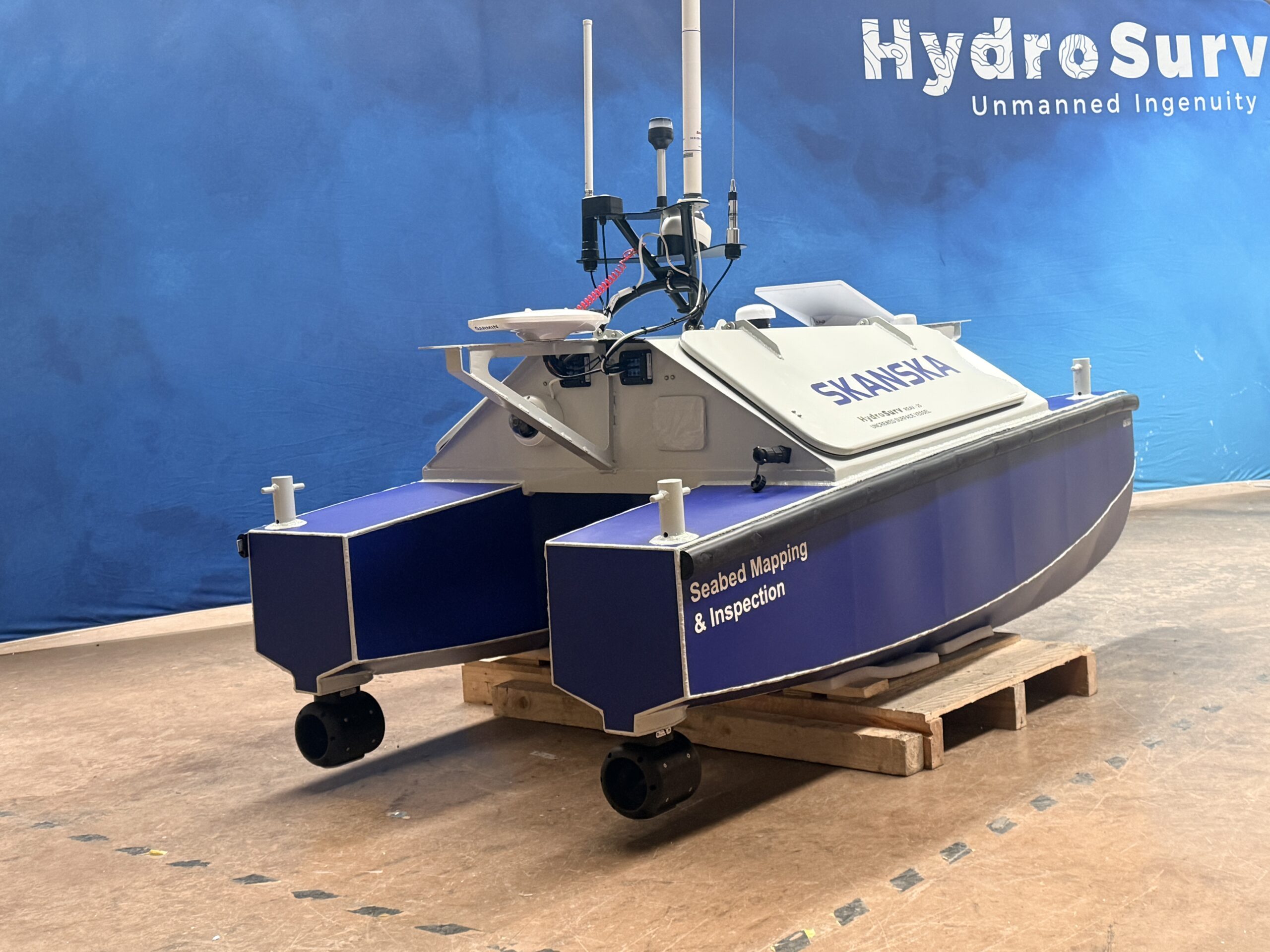
HydroSurv delivers REAV-25 to strengthen Skanska Norway’s uncrewed survey operations
 HydroSurv has announced the sale and delivery of its latest REAV-25 Uncrewed Surface Vessel (USV) to Skanska Norway AS, marking a significant milestone in Skanska’s expansion of uncrewed survey capability for infrastructure projects across the country.
Skanska is a leading civil engineering and construction company with a substantial portfolio of works spanning inland waterways, ports and harbours, and coastal environments. Supporting the successful delivery of these projects is Skanska’s in-house survey and inspection unit, where the REAV-25 will play a key role in strengthening inland hydrographic survey operations.
The USV will be primarily deployed to deliver high-resolution bathymetric surveys using a Norbit iWBMS multibeam echo sounder, supporting the design, construction and long-term maintenance of infrastructure located over, under and alongside the water. The acquisition reflects Skanska’s growing adoption of uncrewed technologies to improve data availability, operational efficiency and safety, while reducing the environmental footprint of survey activities.
Designed for zero-emission day operations, the REAV-25 is a sheltered-water, multipurpose USV capable of supporting a wide range of hydrographic and environmental data collection campaigns. The vessel is equipped with twin 2.5 kW rim-driven thrusters, minimising the risk of entanglement or damage during shallow-water operations, and is powered by a 6-kWh lithium battery system enabling full-day endurance. As a commercial-grade platform, the REAV-25 features HydroSurv’s Virtual Watchkeeper Vessel Control System (VCS) alongside the Dynautics Spectre autopilot.
David Hull, Founder and CEO of HydroSurv, said:
“We’re extremely proud to have been selected by Skanska to support the delivery of this new REAV-25 USV for survey operations in Norway. The portability and flexibility of the platform allows rapid mobilisation and the repeatable collection of high-quality survey data, aligning well with Skanska’s operational and project delivery requirements.
Stuart Duncan, Team Lead (Seabed Mapping & Inspection) at Skanska Survey Norway AS, said:
“We contacted several companies and looked at various USV solutions in this now crowded workspace, but HydroSurv really shone as a company that Skanska felt it could do business with. We have been impressed throughout this process and look very much forward to receiving and working with our REAV-25. The compact vehicle is ideal for our current area of growth, and moving personnel from the field to the office will make us far more competitive to our clients.”
The USV, named Saga, will complete trials in the UK in March 2026 and is expected to enter operational service with Skanska in Norway in early spring.
Greensea IQ Introduces Post-Mission Analysis Toolset
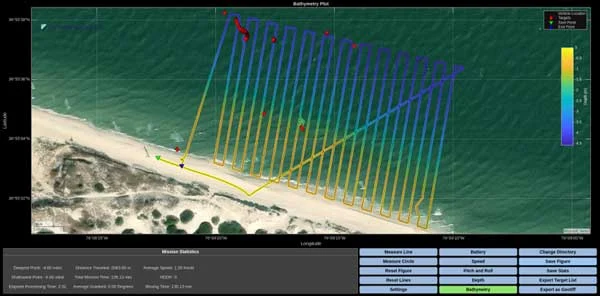
 Greensea IQ today announced the release of a new post-processing software toolset called Bayonet Insight for its maritime robotics software products deployed to defense forces. Bayonet Insight supports all software deployed on Bayonet Autonomous Underwater Ground Vehicles (AUGVs), EOD Edge and EOD Workspace deployed on Mission Specialist Defender ROVs by VideoRay (an AeroVironment company), RNAV diver navigation systems by STIDD Systems, Bayonet Underwater Control (BUC) systems, and Greensea’s EverClean ship maintenance and inspection robots. The tool was developed in response to a clear and persistent need from operators: faster access to mission insight while it still matters.
Bayonet Insight enables operators to process raw mission data immediately, during a mission or after recovery, and produce valuable intelligence products that can easily be distributed or uploaded into battlespace management platforms such as TAK. The post-mission analysis toolset allows the generation of numerous products, including bathymetry maps, geo-referenced mission summaries, contact reports, sonar and video exports, and plots of any telemetry channel within the system. This type of intelligence traditionally takes hours of processing after a mission using a variety of tools, delaying reporting, decision-making, and follow-on tasking.
“This tool was built in response to clear market demand from operators,” said Luis Mejia, Senior Solutions Manager at Greensea IQ. “Immediate data distributed to all stakeholders is critical to operational efficiency.”
Developed as a standalone application and distributed with all Greensea software, Bayonet Insight allows users to load mission data files and automatically organize critical telemetry, mission events, sensor data, sonar data, and video into a structured workspace. From there, operators can quickly generate plots and data products as well as 2D and 3D bathymetric visualizations. Interactive tools allow users to inspect specific points along a mission track, capture synchronized sonar and video snapshots, and extract precise measurements and coordinates.
One of the most significant benefits is the ability to export georeferenced bathymetric images and mission data directly as GeoTIFFs, enabling seamless integration with mission planning, reporting, and GIS systems in a single workflow.
Bayonet Insight has already been demonstrated in live operational settings, where it successfully enabled rapid data product generation and on-time intelligence for mission stakeholders and decision makers. Its development reflects Greensea IQ’s continued focus on pairing advanced autonomy and robotics with practical, operator-driven software solutions. This software will be available to customers with current EVERGREEN subscriptions.
“This isn’t software built in isolation,” Lu Mejia added. “It’s a direct result of listening to the people doing the work and understanding how critical speed and clarity are once a mission ends.”
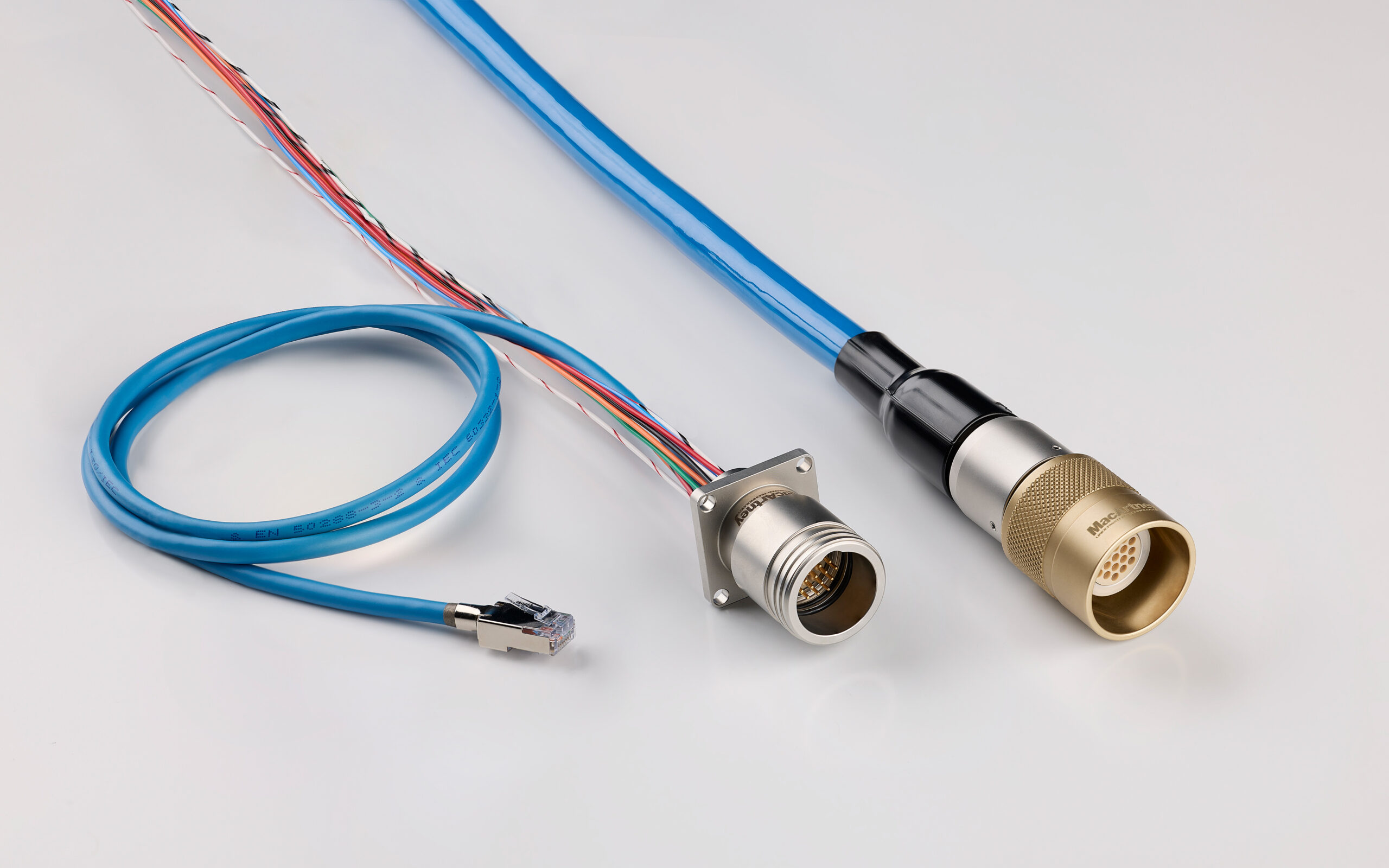
New TrustLink™ Data introduces high‑speed clarity at depth with assured 10Gbit/s to 6,000 metres
TrustLink™ Data is a complete harness solution that delivers assured 10Gbit/s data transmission across cable assemblies up to 10 metres, tested and qualified to operate at 600 bar. Designed for modern sensors, sonar platforms and real-time underwater operations, it preserves signal integrity throughout the connection for advanced systems in marine and offshore, ocean science and naval applications.
Sensors, real‑time telemetry and high‑resolution imaging now generate far more data than earlier generations, placing greater demands on the subsea link that carries information into the wider setup. As applications grow in complexity, system manufacturers and users developing and integrating advanced subsea technologies require connectivity that preserves speed, consistency and signal quality even in environments where pressure, movement and electrical interference are present.
A complete high-performance harness solution built around TrustLink TrustLink Data addresses this with a complete harness solution designed for reliable high-data-rate transmission. It combines a 19-contact connector, a specifically designed MacArtney data cable and controlled termination to perform as a single integrated unit. Within this configuration, the core transmission section functions as a cable harness composed of CCP–Cable–CCP, while the complete TrustLink Data assembly includes FCR/BCR terminations at each end.
Paul Anthony, Global Business Development Manager: “Underwater applications require clean, uninterrupted data to perform reliably. When you picture real-time sonar tracking the seabed with clarity, the quality of the connection delivering that information becomes essential. TrustLink Data provides this through a complete harness solution that carries both power and data with confidence and speed. It integrates easily with new or existing platforms, providing a robust, practical solution that reduces uncertainty and supports critical decision-making.”
Enhanced performance below the surface The development of TrustLink Data reflects two years of focused engineering, built on extensive research, stepwise prototyping and repeated testing across multiple cable configurations. MacArtney’s in‑house pressure‑testing capabilities enabled validation under realistic subsea conditions and guided precise refinements to the cable, connector and termination assembly.
Every termination is handled by MacArtney technicians who have undergone dedicated technical training and internal certification, ensuring the required precision. The result is a harness solution shaped by thoroughness and verified through rigorous testing for reliable high-data-rate transmission and stable signal handling down to 6,000 metres.
Designed for integration across high-bandwidth applications Tested to the RFC 2544 and ITU-T Y.1564 standards, it supports demanding subsea applications, including sonar systems, imaging platforms, advanced sensors, ROVs, AUVs, and long-term monitoring solutions. Its stable, predictable performance provides a dependable foundation for mission-critical equipment across the underwater domain.
Added value for a data-driven underwater world As subsea systems push toward higher bandwidth and greater autonomy, traditional copper-based interfaces are reaching their limits because their electrical and physical characteristics do not meet the data volumes demanded by today’s modern subsea infrastructures.
TrustLink™ Data strengthens the data acquisition chain, where clarity and signal integrity have a decisive influence on overall operational performance. Available through MacArtney’s global operations from April, it offers a robust connection for the next generation of underwater technologies.