

New global survey calls for greater coordination of seabed mapping activities
A new survey has given a major boost to efforts to map the entire seafloor by the end of the decade. Nearly 800 professionals representing 90 countries shared views on the value of seabed mapping and where activities to map using modern digital methods should be focused, as well as identifying some key challenges that need to be addressed in order to achieve the ambitious goal.
The findings are released as the UN Ocean Decade endorses a range of new global Actions covering activities across the world’s ocean basins. A new Call for Decade Actions is also set to launch today – the second of a series that will be launched every six months as part of the Ocean Decade.
The survey – commissioned by The Nippon Foundation-GEBCO-Seabed 2030 Project and managed by Blue Economy company NLA International – drew responses from across the scientific, academic, philanthropic and business communities, as well as from government and defence officials. Headline findings included:
• 40% of online respondents considered the main benefit of mapping the ocean floor to be ‘to advance scientific understanding of seabed characteristics’, with 11% highlighting the need ‘to monitor environmental challenges over time’.
• Bathymetric data (81.67% of respondents) was the most desired geospatial information, followed by environmental data (69%), oceanographic data (65.33%) and classification of seabed features (63.33%).
• Respondents were interested mostly in water depths less than 200m (33.57%) and greater than 5750m (31.12%).
• An overwhelming majority of respondents (58.31%) would want access to any data sets via an online marine data portal.
The survey aimed to develop a more consolidated global view of seabed mapping needs in order to move towards an agreed list of strategically important priority areas for further action. It also achieved its secondary aim of finding new data that could immediately feed into the emerging global map, with respondents identifying 154 potential sources of new data to be explored. Each new data set collected will help to develop models that can more accurately predict climate and weather patterns, tides, wave action, sediment transport, tsunami wave propagation and underwater geo-hazards.
There was universal recognition from survey respondents for the urgent need to map the world’s seabed, and equally compelling praise and support of the Seabed 2030 project’s objectives. However, some challenges were also identified. Many felt that current survey/environmental strategies and initiatives could do more to align within a more joined-up, coordinated approach. A consistent message emerged that scarce resources are not being used efficiently as they could be as too many programmes are seen to operate in isolation. In particular, seabed mapping programmes run by industry and environmental bodies were identified as not complementing national hydrographic office strategies.
Commenting on the findings, Seabed 2030 Project Director Jamie McMichael-Phillips said:
“We were completely bowled over by the volume and quality of the responses to our survey. The results have provided us with three new areas of value. First of all, it’s great to have identified over 150 new data sources, and our teams are already working to bring that bathymetric data into the master database. Secondly, we now have a previously non-existent base list of areas the global community would like to see surveyed, and the reasons why they feel it is important to do so. This provides us with a really robust platform from which to develop a more targeted list of priority activity areas to help us drive towards our target.
“Of equal importance was the rich level of detail the survey respondents provided in a wide range of additional comments. When viewed collectively, these provide a compelling, bottom-up picture of what more needs to be done – where links may have been overlooked, where partnerships need to be strengthened, where and how new effort needs to be applied in order to have the maximum impact. We look forward to revealing how we will respond to these ideas in due course. I would like to thank every single person who completed the survey, and the many organisations who helped us attract such a fantastic response in order to develop a strong global perspective.”
The survey was supported and promoted by a significant number of international bodies and agencies, examples of which included the Intergovernmental Oceanographic Commission (IOC); Baltic and International Maritime Council (BIMCO); United Kingdom Hydrographic Office (UKHO); and the European Marine Observation and Data Network (EMODnet).
The survey findings will now be converted into a draft global priority list for seabed mapping activities that reflects all maritime sectors and users of seabed bathymetric data. This draft priority list will be shared with the world’s hydrographic, oceanographic and policy agencies in order to move jointly towards an internationally recognised and supported prioritised list for seabed mapping that reflects potential cross-sector environmental, social and economic benefits across all areas.
The survey findings come amid a flurry of high-level global activity for the Seabed 2030 Project, which has been endorsed as an official Action of the UN Ocean Decade. Recently launched initiatives have also included forming partnerships with innovative data-gathering technologies and the signing of a Memorandum of Agreement with the New Zealand Government. The Seabed 2030 Project has already had a significant impact on the amount of the ocean floor that has been mapped to modern standards – steadily progressing the figure from six per cent in 2017 to 20 per cent in 2021.

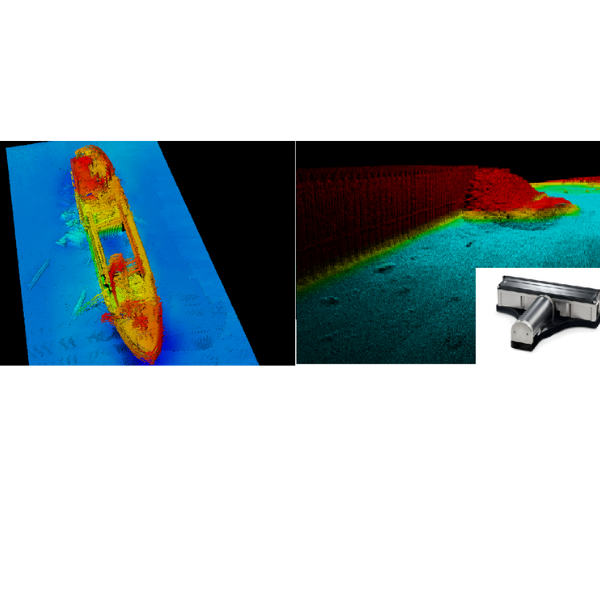
Manor Renewable Energy selects Teledyne RESON T51 multibeam as part of continued investment in survey department
Manor Renewable Energy (MRE) continues its investment in the company’s survey capability with the comprehensive refit of survey equipment onboard the Manor Brunel, MRE’s permanently mobilised survey vessel. The Brunel has undergone a series of engineering upgrades at the Manor Marine yard in Portland, Dorset in addition to the installation of a cutting-edge suite of hydrographic survey technology from Teledyne Marine.
MRE is excited to announce the order with Teledyne Marine for the revolutionary RESON Seabat T51 multibeam echosounder, offering a step change in the acquisition of high-resolution bathymetric data. The order also included an E20 singlebeam echosounder, SVP70 sound velocity probe and an upgrade to the vessel’s Applanix POS MV Wavemaster Inertial Navigation System. The installation of the T51 to take place in December 2021 completes the upgrade to the Manor Brunel.
Alex Richards, Survey Manager at MRE said,
“This investment in the department is a bold statement for the company; the introduction of a high specification, dedicated survey platform to the market will enable MRE to further extend its range of services to the industry.”
“We are delighted that MRE have chosen to partner with Teledyne in order to upgrade their new vessel, the Manor Brunel,” commented Ed Cheesman of Teledyne Marine. “The T51 marks a real advance in multibeam technology offering high resolution data across a wide swath using a dedicated 800kHz array. It is great to see Alex and the team set out from the beginning investing in the right tools to deliver the best results.”
Falcon across Turkey
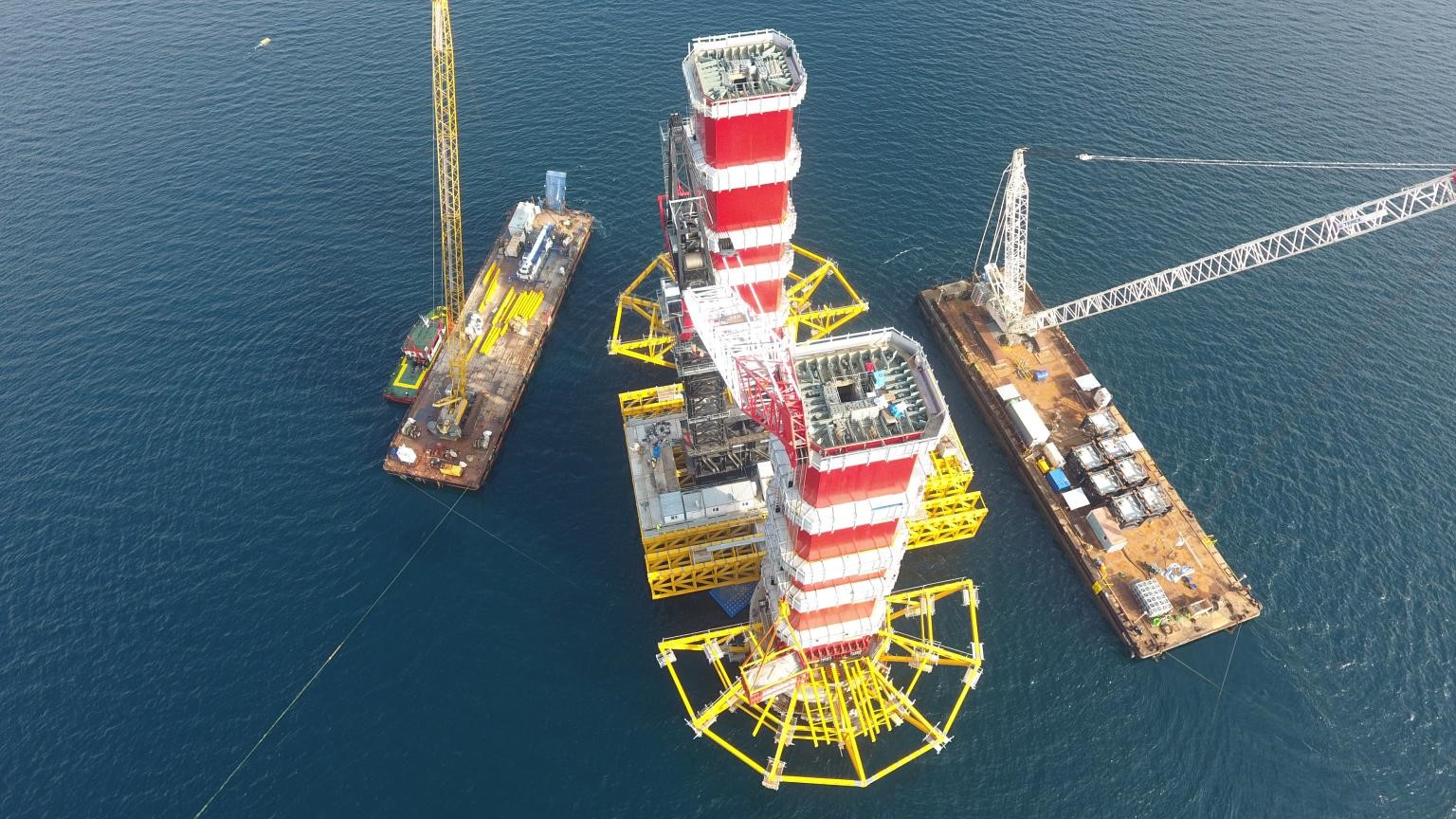
Turkey’s marine operations company, ARAS Marine, has chosen for its expansive operations the deep-rated Saab Seaeye Falcon as a key underwater robotics resource.
The versatility of the Falcon will support the wide range of projects undertaken by ARAS in both International and Turkish territorial waters.
These projects range from marine construction and offshore supply services, to seismic research support, emergency response and salvage and wreck removal.
Equipped for the wide array of tasks ahead, ARAS’s 1000m depth-rated Falcon comes complete with a fibre optic upgrade, manipulator, soft rope cutter, cameras, Tritech sonar and Applied Acoustics’ USBL system.
ARAS can add further systems any time as the Falcon can handle an array of cameras, sensors, tooling and complex systems typically found on much larger robotic vehicles.
The ease of adding systems comes from the Falcon’s iCON™ intelligent distributed control architecture. Module-focused iCON™ endows each device with its own microprocessor for individual control - a concept that also makes it future-flexible for evolving technologies.
As the world’s top selling robot of its class, the Falcon’s 20-year success comes from being a portable, metre-sized, intelligent, powerful, five-thruster, highly manoeuvrable, multi-tasking, easy to use vehicle, depth rated to 1000 metres.
With a reliability record covering over a million hours underwater, including deep tunnel work, the Falcon can remain stable in turbulent waters and strong currents whilst undertaking both robust and precision tasks.
ARAS see the Falcon as an ideally adaptable resource for their expanding future.
The contract was negotiated through Saab Seaeye’s Turkish distributor, Aspiro.
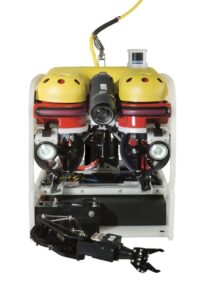
Falcon – the world’s top selling robotic vehicle can be equipped with a wide range of tools, cameras and sensors.
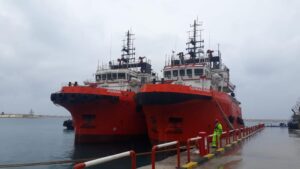
ARAS has a wide array of resources for an extensive range of projects.
Sustainable ocean data company transforming market with €8m investment and ambitious carbon reduction plans
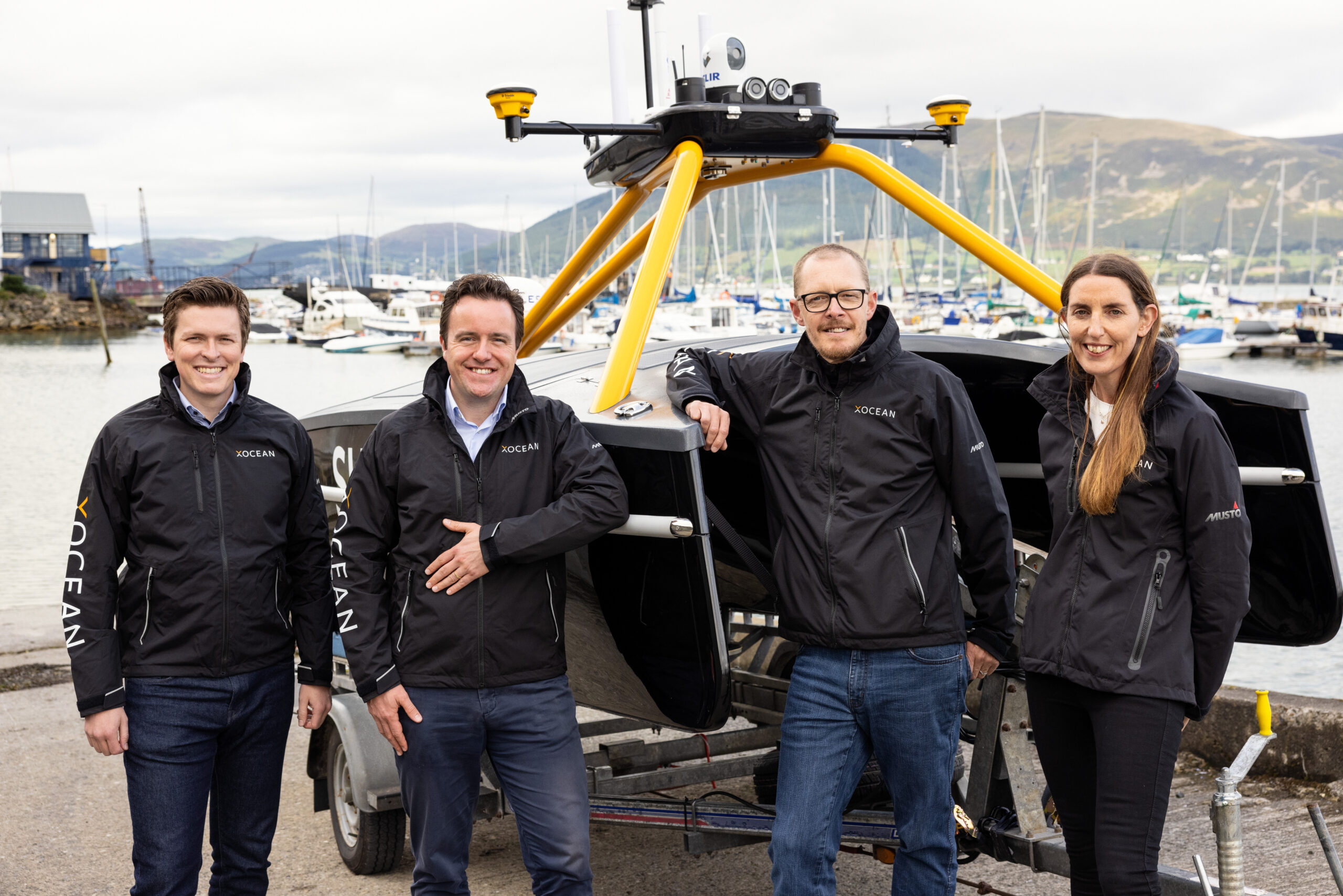
Irish based international ocean data company, XOCEAN, has received an €8m investment to accelerate its growth and deliver its exciting ambitions. Valued in excess of €100 million, carbon neutral XOCEAN is driving down emissions in the offshore industry and is delivering on its sustainability goal of displacing the emission of one million tons of carbon.
The multi-million-euro investment led by VentureWave Capital, who launched their “Impact Ireland” fund in June 2020, perfectly aligns with XOCEAN’s mission. The fund works with high growth companies to invest and build global ‘technology for good’ that will deliver real societal benefits.
Having tripled its revenue growth for two consecutive years, XOCEAN is no longer just an industry disrupter but a serious contender within the market. The new funding will accelerate their growth, seeing XOCEAN continue to scale up operations. With ambitious plans to increase headcount from over 100 staff to 350 in the next 24 months whilst tripling the size of their fleet to over 60 Uncrewed Surface Vessels (USVs), the business will displace the emission of one million tons of carbon within the next five years alone, whilst simultaneously improving safety by avoiding over five million seafarer exposure hours.
XOCEAN Chief Financial Officer, Karen May, said:
“This really is a milestone for the business, 2021 has been a great year for XOCEAN with really strong revenues and financial performance. We look forward to investing the funds now to accelerate our market growth and retain our leadership position in this new and fast-growing industry.”
The company uses its proprietary marine robotic technology to collect ocean data sustainably across a range of industries including Offshore Wind. Already a key player in the market, XOCEAN has successfully delivered over 100 projects accumulating over 35,000 hours of operation. The business continues to drive the development of new products with an ambitious technology roadmap, which integrates new capabilities whilst maximising the efficiency of the platform and pushing the boundaries of the technology.
With only 5% of the world’s oceans mapped, XOCEAN serves the growing demand for carbon-neutral data collection using in-house developed remotely operated uncrewed vessels. As the offshore wind sector continues to accelerate, XOCEAN's work will contribute to that development, empowering the global shift to renewable energy and enhanced understanding of the oceans.
VentureWave’s Chairman and Managing Partner, Alan Foy, who will join the XOCEAN Board, said: “We are delighted to be working with James and Karen. The ocean data collection market is a major emerging market opportunity with substantial growth forecast. XOCEAN has world class technology that delivers an eco-friendly, safer and more intelligent way of addressing this need. With operations already across four continents, they are well positioned to capture a significant share of that growth.”
XOCEAN’s Founder and CEO James Ives said:
“Our mission is to deliver the data that powers the sustainable development of our oceans. Our aim is to do this in a safe, economic and ultra-low impact way. Today we are delivering this for clients across a range of industries including the renewable energy sector and government agencies across the globe from North America to Europe to Asia-Pacific. We are delighted that Alan and the VentureWave team have chosen to join us on this exciting journey”
Kieran McLoughlin, VentureWave Capital Managing Partner said,
“We are thrilled to partner with another impact-driven business, XOCEAN. The investment will meet a number of the UN’s Sustainable Development Goals including Climate Action and Life Below Water. Together with James and the Management Team, we have set several impact goals for the next few years including displacing the emission of one million tons of carbon and supporting the development of over 100 gigawatts of offshore wind.”
The €8 million Series A investment round, led by VentureWave Capital, included existing XOCEAN shareholders Chris Huskilson and Enterprise Ireland as well as other private investors in Ireland and Canada.
Underwater cable for floating energy Archipelago
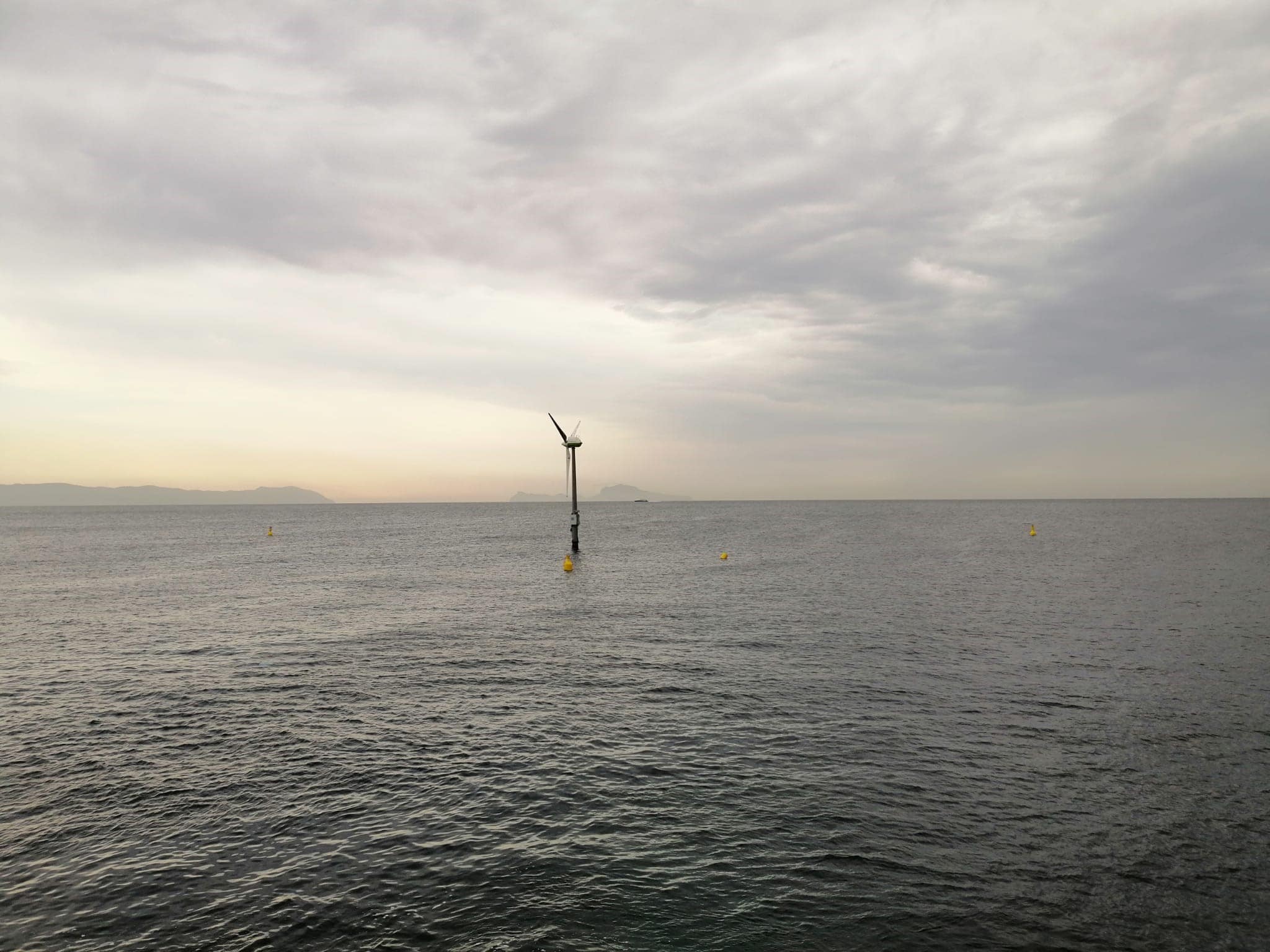
NOVACAVI has specially developed a hybrid underwater cable with optical fiber for the first sea-scale prototype of floating energy archipelago, an innovative idea for a sustainable use of marine renewable energy of CNR-INM (Institute for Marine Engineering).
With a reinforced configuration, this cable has been designed for the first laboratory at sea in Italy at the port of Naples (co-managed by CNR-Diitet and Unicampania university). It will integrate the part of transmission of electricity from land to platforms at sea, the part of transmission of electricity generated at sea to land and the part of digital signal transmission while at the same time it will guarantee excellent resilience to the forces to which it subjected.
NOVACAVI is proud to contribute to the realization of this Electrical System Research project funded by MiSE and coordinated by the Department of Engineering Diitet of the CNR, a strategic research project for the industrial system of the offshore renewable energy sector.
Specialist in custom cable design & manufacturing for advanced technology since 1975, NOVACAVI develops any cable solutions with engineering expertise, comprehensive knowledge of materials and a high degree of manufacturing.
For more details, please contact [email protected] or visit www.novacavi.it/news/
Valeport joins Ocean Infinity’s Armada
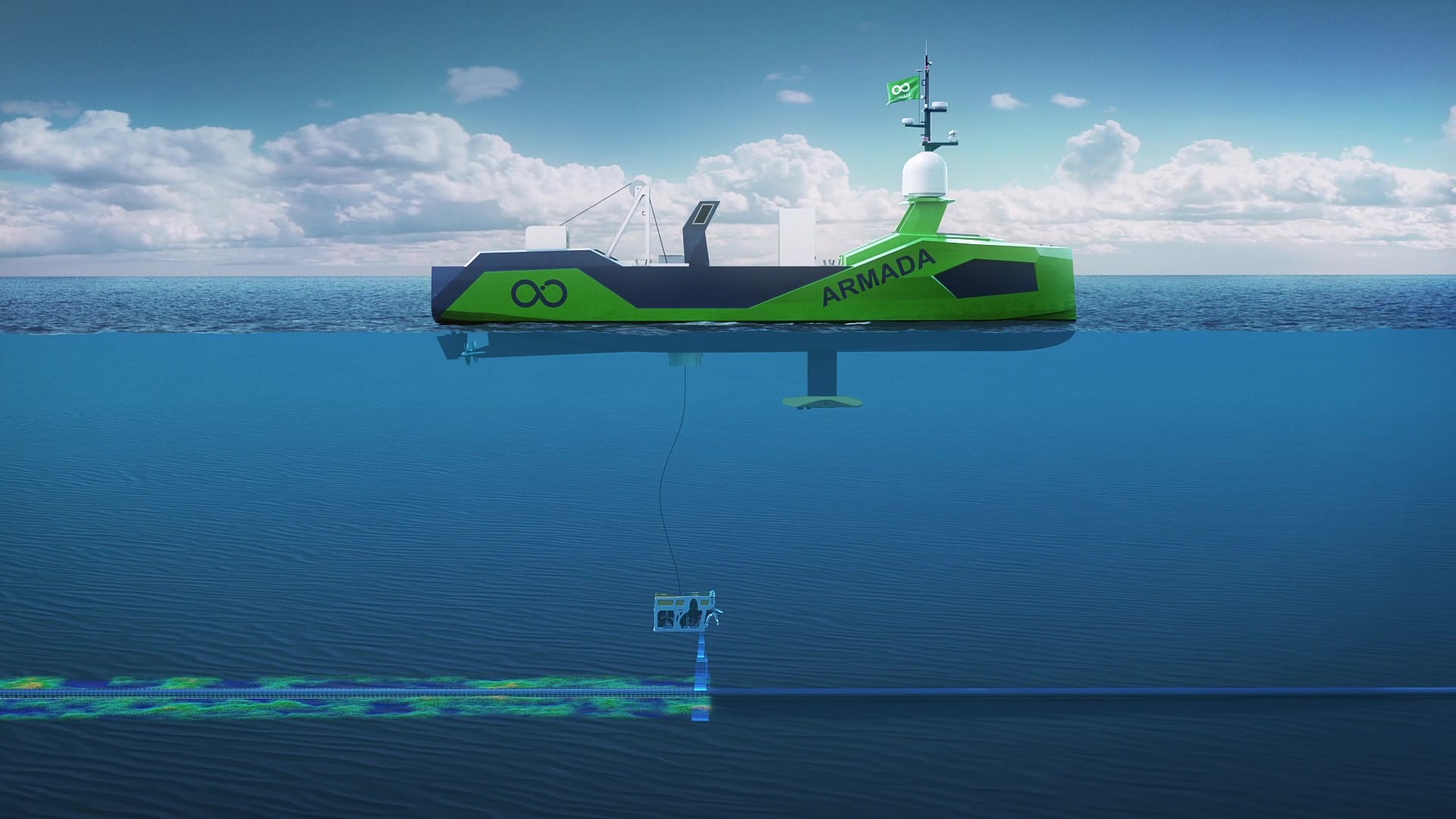
Valeport sensor technology has been selected by Ocean Infinity to provide sound velocity and bathymetric data for their pioneering Armada Fleet, the world’s most environmentally sustainable fleet of ocean-going, robotic vessels.
The Armada Fleet, capable of remotely operated uncrewed operations, is widely recognised as breaking new ground in the remote and autonomous seabed data industry. Integrating a suite of Valeport’s highly accurate sensors and profilers to a selection of the fleet’s uncrewed vessels, will provide important data to support operations for Ocean Infinity.
 Valeport’s miniSVS will be mounted on the vessels beside the multi-beam echosounder in the sensor gondola, to provide surface Sound Velocity correction. Through the water column, the Midas SVX2, powered by the vessel, will deliver the Sound Velocity data of an SVP with the Salinity and Density data from a CTD. The Midas SVX2 has also been combined with the VA500 altimeter to provide range data for the vessels. Selected to interface with the Edge Tech side scan sonar and Saab Seaeye Leopard ROVs, the Valeport uvSVX will be integrated onto the vessels to deliver Sound Velocity, Temperature and Salinity combined with range data from the VA500 altimeter and precision depth from the miniIPS2.
The compact and robust instruments will be fitted across a selection of six vessels in the fleet including the 21m and 36m vessels, to assist their offshore data acquisition and ROV work in both shallow and deepwater operations.
Ocean Infinity selected Valeport for the Armada Fleet on the back of their previous experience using the leading hydrographic and oceanographic instrument manufacturer’s sensors and profilers. Valeport has already delivered the first instalment of instruments to Ocean Infinity’s facility in Southampton UK and further deliveries will be made throughout 2021 and 2022.
The robotic vessels in Ocean Infinity’s Armada Fleet use low emission technology, with an Armada robotic vessel emitting 90% less CO2 than a conventional survey vessel.
“The Armada Fleet is an exciting demonstration of uncrewed, and sustainable, seafaring technology and we are very proud that Valeport technology is involved in this innovative project.
“These exceptionally efficient vessels undoubtedly will play an important role in the future of data acquisition and maritime activity, and the stable, high accuracy data performance from our instruments can play its part in helping to underpin this”, commented Kevin Edwards, Head of Sales at Valeport.
“Working with Ocean Infinity engineers is an interesting project and we are pleased to offer them the solution required”, concluded Kevin.
The Armada Fleet will serve a wide range of industries by being fully equipped to perform a multiplicity of offshore data acquisition and intervention operations down to a depth of 6,000 meters. Expected to be deployable from 2022, Ocean Infinity will control and operate the Armada Fleet from its onshore facilities in Southampton, UK and Austin, Texas, .
Valeport has supplied the subsea sector for more than 50 years and continues to innovate in the design and manufacture of precision instrumentation for the hydrographic and oceanographic communities.
For more information contact: www.valeport.co.uk and www.oceaninfinity.com
Global Underwater Hub appoints industry heavy-hitter as first chair
The £13million UK and Scottish Government-backed, Global Underwater Hub (GUH) has appointed its first chair.
Andrew Hodgson will take up the role as Subsea UK transitions into a new strategically-focused organisation that that will transform the UK’s £8bn underwater industry into one of the largest and fastest-growing industries in the country, generating £45bn in revenues by 2035. This will accelerate the drive to net-zero and create high value sustainable jobs and exports.
 The GUH will harness opportunities in a rapidly-growing global market, create a step-change in the growth and internationalisation of UK underwater expertise, technologies, services and skills and drive innovation to accelerate the energy transition.
Mr Hodgson will lead the board of the new organisation as it works across all sectors of the industry, providing underwater companies with the market information, connections, access and specialist expertise they need to capitalise on the opportunities presented by the energy transition and the blue economy.
A member of Subsea UK’s board from 2010 to 2017, Mr Hodgson also headed up Subsea North East (England).
He is a recognised strategic business leader, with a reputation for delivery in periods of significant organisational change and brings a wealth of corporate, private and public sector experience to the GUH which will be crucial in this formative period.
His career has spanned international technology, engineering and manufacturing, built on a sound financial background. His significant board experience includes nine years as chair and vice-chair of the North East (of England) Local Enterprise Partnership. He has won a number of business accolades, including the Queen’s Award for Industry three times, and was awarded an OBE in 2015 for Services to Manufacturing and the North East of England Economy.
The GUH will build on SSUK’s 18 successful years of championing the subsea industry and its globally recognised role as the industry’s leading voice.
With extra resources, through an injection of £13 million from UK and Scottish Governments, Subsea UK is transitioning into the GUH with the launch and official opening planned for later this year.
Having successfully diversified SMD, one of the world’s leading suppliers of ROVs for the subsea sector, from an almost 80% oil and gas focus to more than 80% revenues in other sectors whilst significantly growing the business, during his nine-year tenure as chief executive, Mr Hodgson said he understands the challenges of both organisations and sectors in transition.
“The underwater industry in the UK is strategically important, as evidenced by government support for the Global Underwater Hub. With a rapidly growing global market and a world-leading position, the industry has the potential to grow exponentially, helping achieve net-zero and creating new, high-value jobs and exports.
“We want to see the UK continuing to lead the way around the world and capturing a larger share of the opportunities in the blue economy by addressing the challenges for our future generations, whether that be reversing climate change, husbanding our mineral resources or monitoring and safeguarding our ocean environments.
“The biggest challenge we face, but also the greatest opportunity, will come from cross-sector collaboration. The GUH will be uniquely positioned to connect the different institutions and companies with the market opportunity to deliver the underwater solutions of the future.
“It will be incumbent upon us to make sure that sectors such as defence, offshore renewables, and oil and gas all work together, collectively furthering their knowledge and improving their global offering.
“We have major strengths in each of those spaces with world leading technology and expertise. The world is demanding change and, in helping bring that about, we can gain economic advantage not just for the industry but for the country as a whole. It’s an incredibly exciting time to be part of that and I am thrilled to be steering this new organisation in meeting its ambitious objectives and delivering transformational change.”
For further information please contact Zoe Ogilvie on [email protected]
Unique Group adds iXblue Gaps M7 USBL to its US pool of rental equipment
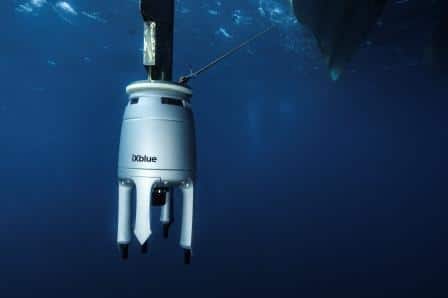
"USBL positioning systems have been highly sought after by clients due to the increase in geophysical projects in the US. Such projects push the vertical-horizontal tracking range and accuracies to extremities, with an understanding of these requirements Unique Group has invested in the iXblue Gaps M7 USBL and added it to our rental pool so that clients can choose the best solution for their projects. Gaps M7 is an integrated solution that makes USBL (Ultra Short Base Line) underwater positioning extremely simple to operate from any vessel of opportunity, using a portable and truly pre-calibrated USBL head coupled with internal INS (Inertial Navigation System) and GNSS.”
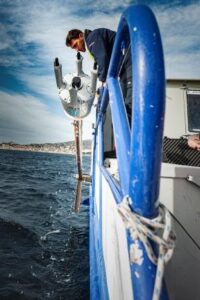
"We would like to thank Unique Group for their renewed trust and continued support in our subsea navigation and positioning technology. We are also pleased to see that our Gaps M7 USBL systems continue to provide highly accurate subsea positioning for their clients across the Americas.”States Euan Mackay, Business Development Manager at iXblue, Inc.

Remote Hydrography Conference & Exhibition - THS UK Announce a Second Call for Papers
Following the rescheduling of this conference and it being extended from two to three days (22-24 February 2022, Dubiln), the organising committee are pleased to invite potential speakers to submit their abstracts for proposed papers to be presented at this conference. Submissions may address any subject relating to the conference theme.
All abstracts will be peer-reviewed, and authors notified before the final programme is announced in October. Presentations will be selected based on relevance to the conference theme, originality and quality. Presentations focussing on innovation or application and those featuring case studies would be of particular interest to the target audience.
Abstracts are particularly welcome from students and recent graduates; it is the intention of the organising committee to have a dedicated student presentation session.
Successful authors will be offered discounted registration at the conference, although THS UK will not be able to cover the cost of travel, accommodation, or subsistence.
The deadline for submission of abstracts is 30th September 2021, full details of how to submit your abstract can be found here Second Call For Papers - The Hydrographic Society UK (ths.org.uk).
Topics under consideration at this three-day conference include, but are not limited to:
The latest innovations in and novel applications of:
- Autonomous and unmanned aerial, surface and underwater survey platforms
- Satellite-Derived Bathymetry (SDB)
- Crowdsourced Bathymetry
- Artificial Intelligence (AI) and machine learning in data gathering, analysis and visualisation
- Forward Looking Sonar (FLS) for real-time data gathering and enhancing navigational safety
- Remote command and support services for offshore survey operations
- Potential future developments and applications of these technologies
- The use of collaborative fleets or swarms of autonomous systems
- Challenges and solutions for the verification and quality control of remote data collection
- Initiatives such as the Nippon Foundation-GEBCO Seabed 2030 project; UK's Overseas Territories Seabed Mapping Programme and LINZ Hydrographic Risk Assessment model developed for the SW Pacific SID
Full details of the conference, exhibition, networking events and sponsorship opportunities can be found here Remote Hydrography Conference & Exhibition - The Hydrographic Society UK (ths.org.uk).

Operations Engineer - Blue Ocean Seismic Services
Role: The Blue Ocean Seismic Services Operations Engineer will primarily be responsible for preparation, offshore execution, data processing, and final reporting of offshore trials and surveys. This role will initially report to the HSE and Technical Compliance Manager. You will be working on a variety of projects with rapid deployments and tight schedules.
Position type: Full time
Reporting to: HSE and TCM
Travel required: Yes
Location: Farnborough area, UK
BOSS background:
Blue Ocean Seismic Services LTD is an innovative tech start up with strong shareholders including BP and Woodside. Our vision is to disrupt the Marine Seismic industry through the development of a large-scale autonomous ocean bottom seismic data acquisition system, resulting in a step change reduction in the cost, time and HSSE risks required to acquire high quality OBS data. We help our clients to reduce their carbon emissions and their carbon footprint.
We are developing a revolutionary, integrated seismic acquisition system based around long endurance, self-repositioning robotic ocean bottom nodes.
These nodes are capable of multiple autonomous re-positions to allow rolling of the receiver array without having to recover and redeploy nodes. This, in combination with automated handling systems, rapid deployment/recovery and intelligent system control, allows for optimisation of seismic acquisition survey operations to minimise duration and cost, and removes the requirement for ROV support.
Required Experience & Qualifications
• Bachelor’s degree or tertiary qualification specifically Hydrographic Surveying or similar
• Valid offshore medical and BOSIET certification
• Equipment-related requirements: HiPAP USBL (in particular Sonardyne Ranger 2); interfacing with DGNSS systems
• Competent with GIS packages, creating survey grids, performing datum transformations
• Experienced operator of maritime survey/navigation packages
Desirable Qualifications & Experience • Ocean Bottom Node (OBN) seismic acquisition experience
• Experience as a senior member of an offshore survey team
• Comfortable assisting with the assembly of mechanical and electrical components
General responsibilities:
• Be prepared to travel within the UK and beyond if required
• Project manage the day-to-day preparations for upcoming offshore trials and surveys
• Co-ordinating with vessel owners, third party subcontractors, partners and clients, governmental agencies and stakeholders
• Be involved in the installation/calibration/operation of USBL systems during trials and surveys
• Take a leading role in the offshore trial and survey teams
• Adhere to company HSEQ policies, procedures and general code of conduct
• Further develop company procedures for trial and survey operations to facilitate continuous improvement
• You will support the engineering team with the organization behind the installation of test equipment or behind tests to be performed at third party facilities or at sea.
• You must also be comfortable working with remote teams and possess the ability to facilitate technical sessions to troubleshoot project development issues and remove barriers to program success.
To apply, please send CV and cover letter to [email protected]