
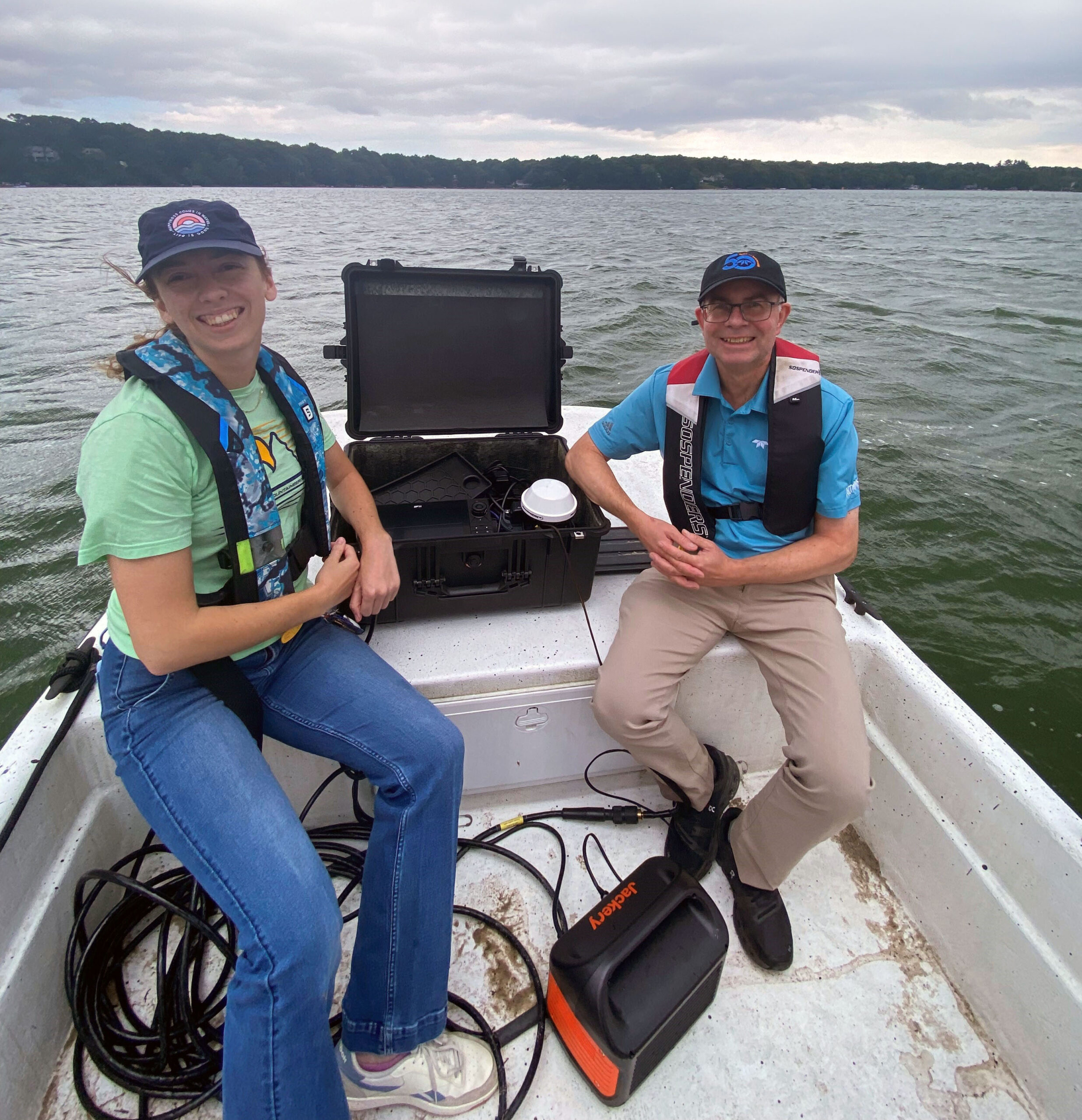
The National Fish and Wildlife Foundation Awards Grant to Teledyne Benthos - Grant to Advance Ropeless Fishing Technology
Teledyne Marine is pleased to announce that, Teledyne Benthos, a pioneer in underwater communication technology, has been awarded a $975,000 grant from the National Fish and Wildlife Foundation (NFWF) to advance on-demand, or ropeless, fishing technology. Ropeless fishing provides lobster and crab fisheries a means to recover fishing gear remotely, through subsea acoustic communication, thus reducing, or removing, the need for ropes, lines, and surface buoys.
This grant will support the development and advancement of ropeless fishing technology, crucial to promoting sustainable fishing practices while reducing marine life entanglements. Teledyne Benthos, EdgeTech, Inc., and the Sea Mammal Education Learning Technology Society (SMELTS) have been at the forefront of developing and testing ropeless fishing gear since 2018. The funded project is focused on modifying commercial equipment to enable these organizations to collaborate on a common user interface and associated acoustic transducer for vessel or portable use. The focus will be the interoperability between transponders and acoustic modems developed by Teledyne Benthos and EdgeTech. Gear marking will also be improved through directional measurements, enabling a common interface with Teledyne Raymarine chart plotters, and enhance usability, making ropeless fishing gear more accessible to end users.
Teledyne Benthos acoustic modems are the backbone of the ropeless fishing system. They facilitate reliable subsea communication that provides the information needed to deploy and retrieve gear without the traditional ropes and lines that can entangle marine life, including North Atlantic right whales and other cetaceans.
Developing a universal deck box used with an associated transponder will allow for a robust method for gear marking and retrieval. The transponders emit acoustic signals that are then detected by the vessel's deck box, enabling precise location marking and ensuring a seamless operation between Teledyne Benthos and other devices. The integration of a chart plotter provides a user-friendly interface that is designed to meet the practical users’ needs in real-world conditions, making it efficient for everyday use.
Teledyne Benthos will continue to work with deck box and transducer developers to test ropeless fishing gear by addressing interoperability requirements and improving gear marking technology to provide a viable and sustainable alternative for the fishing industry.
Teledyne Marine’s Chief Engineer, Bob Melvin, stated, “We are excited to be taking a significant step forward in innovative fishing technology. We are committed to providing the fishing industry with reliable and efficient tools while continuing to protect marine life and be responsible stewards of the ocean environment.”
This project is made possible through a grant from the National Fish and Wildlife Foundation and will be executed in partnership with Edgetech and SMELTS.

Fugro strengthens commitment to UN Global Compact Ocean Stewardship Coalition
Fugro is now a patron of the UN Global Compact Ocean Stewardship Coalition, deepening its commitment to responsible business practices and ocean sustainability. As a patron, Fugro will join the Ocean Leaders Group, a high-level advisory body that shapes the coalition's strategic direction and policy recommendations.
The UN Global Compact Ocean Stewardship Coalition is a platform for ocean-related industries, academic institutions, financial actors, governments and UN institutions to collaborate on advancing the Sustainable Development Goals (SDGs) and the UN Decade of Ocean Science for Sustainable Development. The coalition aims to bring the business voice to UN processes, broaden principle-based sustainable ocean business, advance the business community’s leadership towards the 2030 Agenda, drive science-based ocean-climate action, and scale up blue finance.
Fugro has been a member of the coalition since 2021, aligning its strategies and operations with the Ten Principles of the UN Global Compact and the Sustainable Ocean Principles. Fugro also supports the coalition's workstreams on ocean data, ocean mapping, and ocean health, contributing its industry leading expertise and data to improve the understanding and management of the ocean.
Mark Heine, CEO of Fugro, stated, “We are excited to strengthen our commitment to the UN Global Compact Ocean Stewardship Coalition by joining the Ocean Leaders Group. We look forward to further expand our collaboration with global leaders and influencing the ocean agenda at the highest level. Together, we can drive meaningful change and ensure the long-term health and resilience of our oceans.”
Greensea IQ Announces Contract Award to Continue Development of Autonomous Expeditionary Maritime Response Vehicle for the U.S. Navy
 Greensea IQ, is proud to announce an extension to its prototype (Other Transaction Agreement) with the Defense Innovation Unit and U.S. Navy following the successful completion to Phase 3 of the Autonomous Expeditionary Maritime Response Vehicle (AEMRV) prototype last fall. The objective of this contract modification is to demonstrate a production-ready edge processing configuration of Explosive Ordnance Disposal (EOD) Workspace, called EOD Edge, deployed in Greensea’s IQNS, with the autonomy and Automatic Target Recognition (ATR) components. This contract extension signifies a closer step to providing this enabling technology to U.S. Navy EOD Technicians.
IQNS provides an NVIDIA edge processor, integrated fiber optic gyro, aiding navigation sensors, and Greensea’s patented navigation solution for small underwater robots. IQNS is designed as an upgrade solution for systems currently running Greensea’s defense software suite and is used throughout Greensea’s own robot product line. Greensea is augmenting IQNS for this program with advanced autonomy capabilities for acquiring, classifying, and eventually neutralizing subsea threats while maintaining a significant standoff for EOD personnel. This new development is capable of upgrading the existing fleet of VideoRay Defender ROVs currently employed by the Navy and other defense forces.
The Phase 4 objective of this contract focuses on further developing EOD Edge to incorporate advanced AI features such as target classification using sonar and “operator assist” autonomy while in an untethered or long-range standoff configuration. These enhancements significantly improve the operational capabilities of ROVs, such as the VideoRay Defender, currently used by EOD forces and creates scale and safety for personnel charged with clearing threats from maritime environments.
“We are really excited about this opportunity to continue working with DIU and the Navy in the AEMRV program,” said Ben Kinnaman, Founder and CEO of Greensea IQ. “I believe in this mission and I believe in the role technology can play in creating safety and scale for these critical operations. The concepts of autonomy and AI foster ideas of futuristic robots replacing humans and the way we work on the ocean. In reality, autonomy and AI, at almost any stage of development, can aid humans and how we work on the ocean. In this case, these technologies will keep warfighters safe, provide them a greater reach, and give them an opportunity to do more with less. It is awesome the DoD is pursuing this common-sense application of cutting-edge technology.”
The upgraded VideoRay Defenders, with EOD Edge, will provide a robust solution for underwater EOD tasks. The integration of sonar-based target classification and operator assist autonomy enables more accurate threat detection and neutralization.
The technologies productized under this program will bring upgrades to Greensea’s EOD Edge software package, the edge processing solution for EOD Workspace, and an integrated solution with navigation and processing through IQNS. A lighter weight deployment through IQNS Mini will also be available. IQNS with EOD Edge will be available in Q4 2024 on Greensea’s Bayonet product line of Autonomous Underwater Ground Vehicle (AUGV) robots and for the VideoRay Defender in defense applications.
Greensea IQ has a long history of developing innovative solutions for the maritime defense industry. This contract modification builds on previous successful collaborations and demonstrates Greensea IQ’s commitment to advancing the state-of-the-art in marine robotics and automation.
For more information about Greensea IQ and its defense portfolio, please visit www.greenseaiq.com
A new type of hydrographic survey solution developed for UK MoD has passed FAT
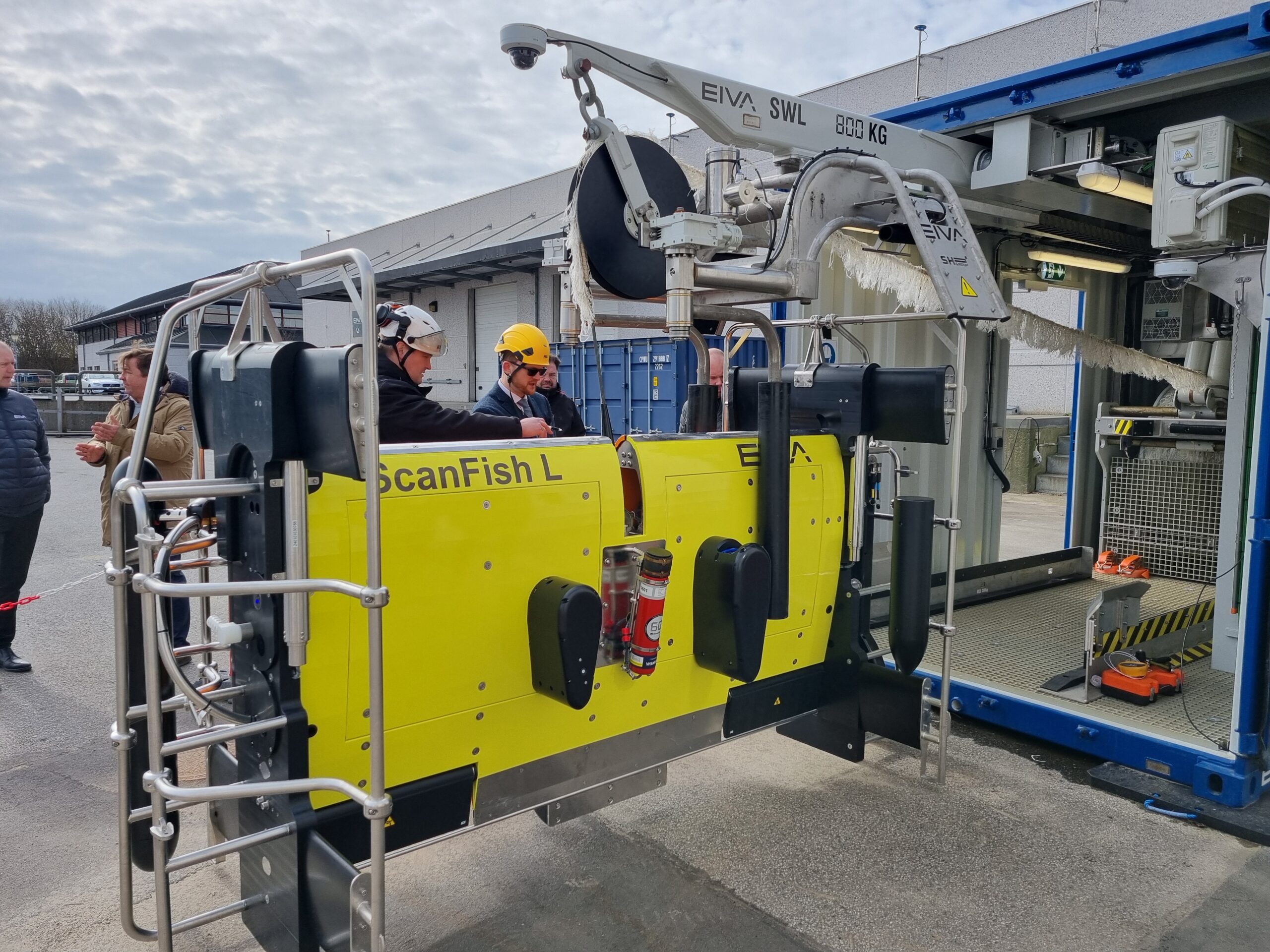
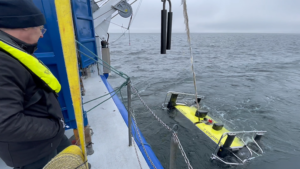 The first of its kind, a containerised remotely operated towed vehicle (ROTV) solution, developed for the UK Ministry of Defence (MoD), has now successfully completed Factory Acceptance Tests (FAT) – just 6 months after the contract was awarded to Danish subsea engineering specialist EIVA. Through containerisation, this new type of survey solution enables hydrographic surveys with multiple acoustic survey sensors and instruments to be performed from many different host platforms with very short deployment time.
‘The agility with which this total solution has been developed showcases that by combining our efforts with several strong players in the market, we can leverage our many years of experience. Together, we make way for new possibilities in defence and other maritime markets,’ explains Christian Thomsen, CEO of EIVA.
The components of this survey solution include SH Group’s 20’ Cube container module and launch and recovery system for EIVA’s ScanFish L ROTV, which is equipped with Sonardyne’s SPRINT-Nav Mini hybrid INS/DVL and Voyis’ Observer Pro optical camera and Insight Pro laser scanner. Two dedicated computer workstations are built into the container and equipped with EIVA's NaviSuite software for efficiently processing and analysing the collected data.
‘After visiting EIVA headquarters for the FAT, we were extremely happy with the system developed. The EIVA team have worked hard to deliver a capability that will expand the survey capability of our ships, enhancing survey operations and features within our Future Military Data Gathering programme. We look forward to the next steps including commission testing and training with the Royal Navy’s specialist Hydrographic teams.’ said Lieutenant Commander Mark Butcher Royal Navy.
EIVA is working with Forcys, a global maritime defence company and EIVA’s sister company in Covelya Group, to ensure the solution aligns with the current requirements of Navies for portability, flexibility, scalability and standardisation.
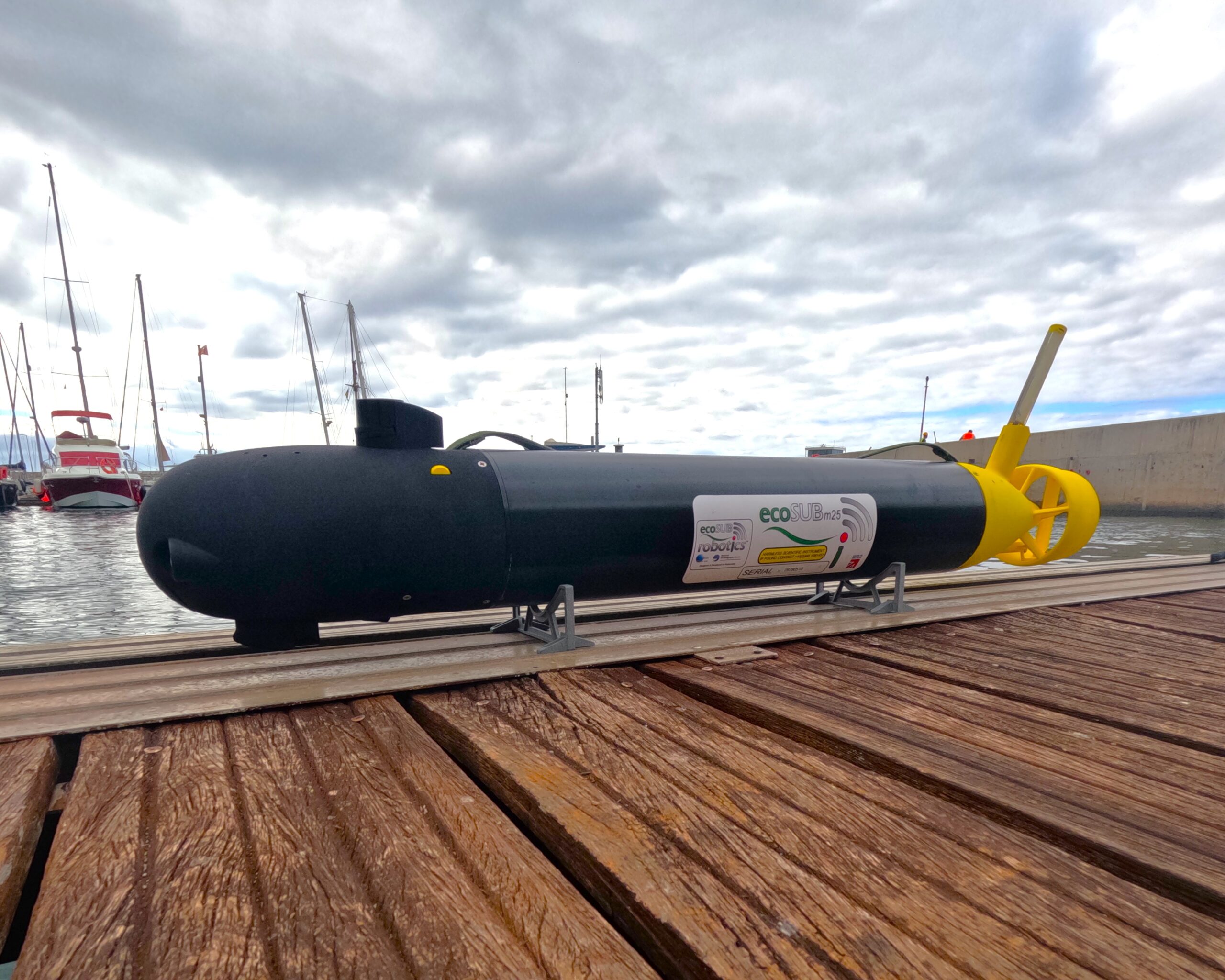
ecoSUB AUV dives to new depths – 2,000m mission
 During a recent deep water trials campaign in Madeira, an ecoSUm25-Science Autonomous Underwater Vehicle (AUV) was launched and successfully completed a spiral behaviour to provide vertical profiling of the water column down to 2,000m depth, and back again.
The ecoSUBm25-Science AUV is a disruptive technology, based on the extremely affordable ecoSUBm series AUV platform, it weighs just 12kg and is depth rated to 2,500m. Whilst most deep rated AUV technology is based on large and expensive platforms, costing millions of dollars, the ecoSUB platform is in the tens of thousands, providing a step-change in accessibility to autonomous ocean data collection for the marine science community and others.
The ecoSUBm25-Science AUV was equipped with a CTD and a Chelsea Technologies TriLux sensor, providing measurements of Conductivity, Temperature, Chlorophyll, Turbidity and Phycoerythrin. The m25 platform is also capable of hosting sensors to measure Dissolved Oxygen, CDOM, pH, Oil in Water, as well as navigation sensors such as altimeters and DVL, along with acoustic coms for underwater communications. 
The 2,000m depth mission was completed on 30 July 2024. Launch and recovery was from Observatoio 1, a fast RIB research vessel, kindly provided by the Oceanic Observatory of Madeira, who generously supported the trials providing workshop and vessel support. This mission marks a world-AUV-first, industry leading 2,000m deployment for a micro-AUV system – proving real world technology to aid ocean data collection.
Furthermore, on board navigation and mission parameters maintained a launch point and recovery point separation of just 125 meters, demonstrating the systems ability to maintain a straight down and straight up capability. Total mission length was 1h 40m. Maximum depth recorded was 2,002 meters.
For more information about the ecoSUB family of affordable AUV systems please visit and contact us via www.ecosub.uk. View a short video of the mission here https://www.youtube.com/watch?v=c4K7T8Ij7KM
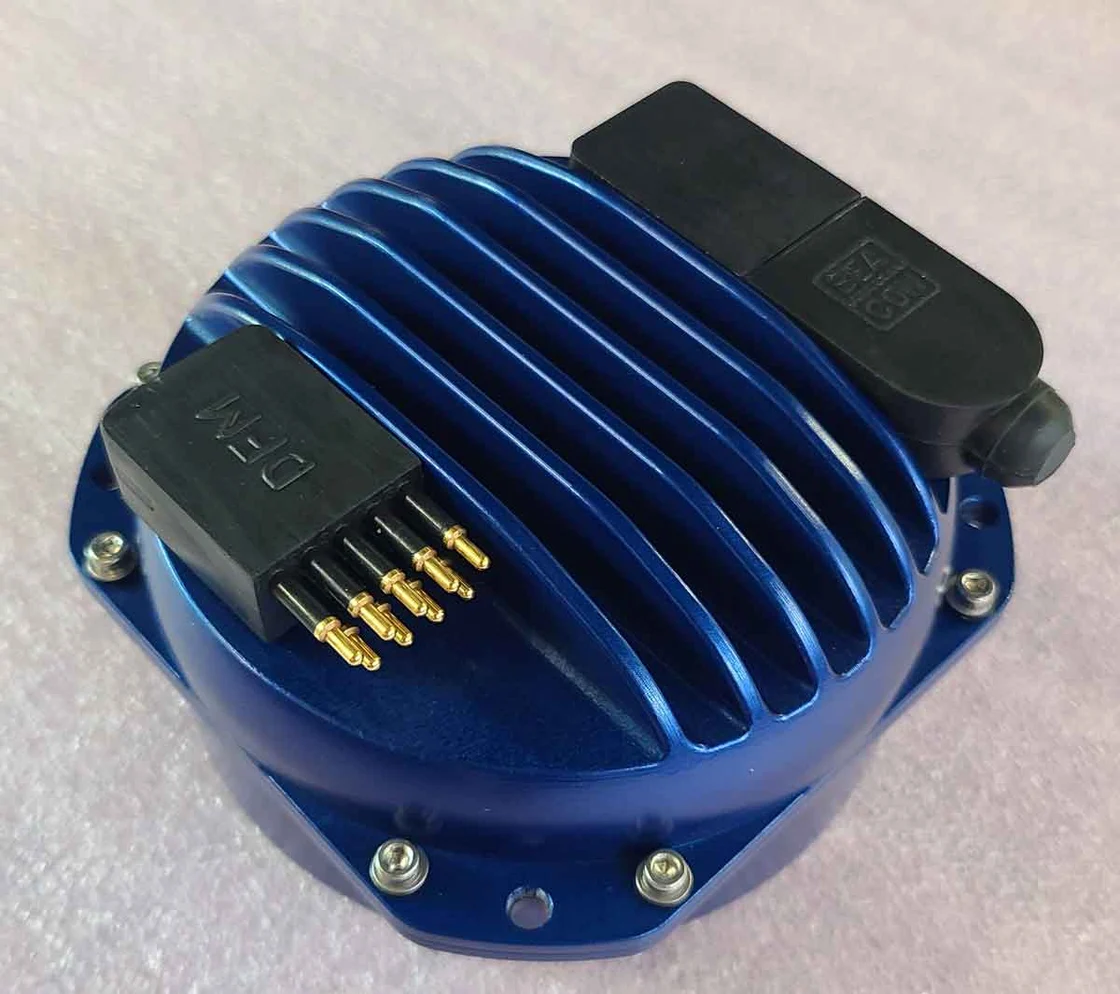
Greensea IQ Unveils Subsea Edge Processing Systems with Integrated Navigation: IQNS and IQNS Mini
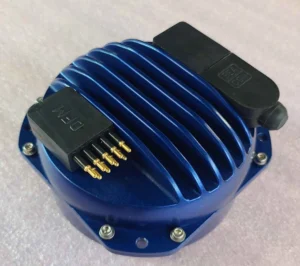
Greensea IQ, a leader in advanced technology for ocean robotics, is proud to announce the launch of two ground-breaking products: IQNS and IQNS Mini. These advanced edge processing systems are designed to elevate the capabilities, scale, and scope of underwater robots in defense applications using EOD Workspace with superior GNCC (Guidance, Navigation, Command, and Control) and onboard AI/ML (Artificial Intelligence/Machine Learning) processing.
Introducing IQNS: An Edge Processing Solution with Onboard GNCC and AI/ML
Greensea IQ’s latest model in the Inertial Navigation System (INS) product line, the IQNS, enhances the popular GS4 INS with advanced edge processing, vehicle control, and integrated inertial navigation. Designed for small vehicle applications, IQNS is a compact sensor and processing solution for Greensea’s EOD Edge software package. IQNS provides superior GNCC capabilities with sonar integration and onboard AI/ML processing for ATR, Obstacle Avoidance, and Target Tracking.
EOD Edge is the latest upgrade of the EOD Workspace software system used worldwide by multiple defense organizations for automating the search, detection, and neutralization of subsea threats. EOD Edge moves processing to the robot in an edge processor (“Brain”) adding local navigation, command, and control to the ROV. This allows the ROV to use different communication schemes with the operator (lossy tethers, lower bandwidth comms, ACOMMS, etc.) while providing stable operation. This also allows the implementation of contingency behaviors and safety features on the robot. With a local processor, the software system can easily scale towards greater autonomy, perception, and payload operation without having to scale the communications method.
Key features of the IQNS include:
- Full Inertial Navigation Solution: Onboard sensor package with aiding from additional sensors such as DVL, USBL, and GPS, the IQNS ensures accurate positioning and navigation with Greensea’s patented navigation algorithms.
- Single-axis Fiber Optic Gyro (FOG): Provides exceptional heading stability, making the IQNS a robust choice for precise underwater operations, intervention, and payload operation.
- Edge processing system from NVIDIA supports perception processing and Advanced AI/ML capabilities: Capable of onboard Artificial Intelligence and Machine Learning processes, the IQNS supports Automatic Target Recognition (ATR), Obstacle Avoidance, and Target Tracking using sonar or video.
- Superior Navigation and Control: With enhanced edge processing capabilities, the IQNS ensures precise and reliable navigation for underwater robots, even in challenging environments.
- Autonomy: IQNS provides positioning, mission, and task autonomy with integration options to common battle space integration platforms.
IQNS Mini: Compact and Powerful
The IQNS Mini is tailored specifically for small underwater vehicle applications, offering the same advanced EOD edge processing features and capabilities as the IQNS but in a more compact form factor. The IQNS Mini provides an edge processor-only version of the IQNS system without onboard navigation sensors. This system was designed to add scalable processing power to the IQNS or to add edge processing to underwater robots in the smallest form factor possible. The IQNS-Mini was designed to fit above the DVL on the VideoRay Defender.
The IQNS serves as the autonomy and navigation engine for Greensea IQ’s Bayonet AUGV product line, proving its capabilities through rigorous sea trials and field testing.
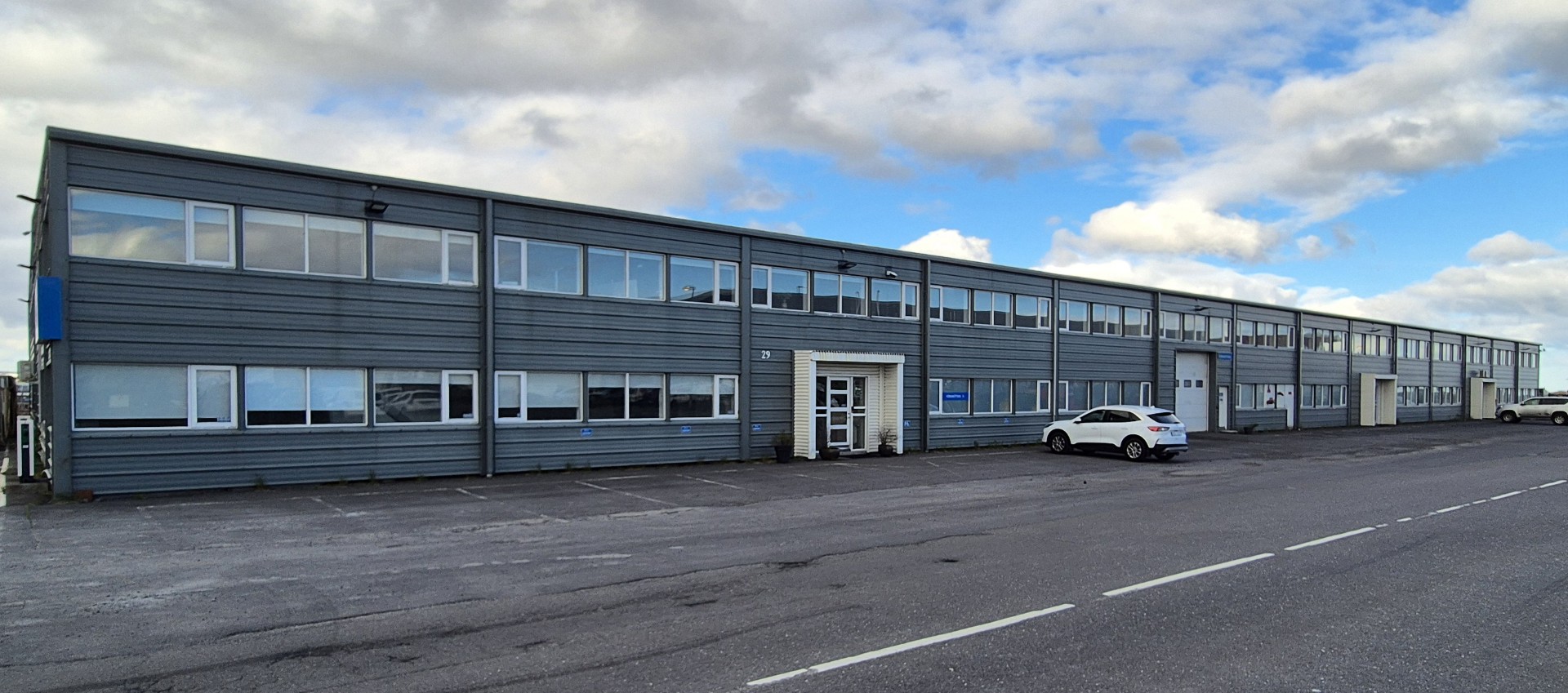
Teledyne Gavia expands Engineering and Production facilities in Kopavogur, Iceland
 Teledyne Gavia announces the significant expansion of its Engineering and Production facilities in Kopavogur, Iceland, in response to the increased demand for both low logistics Gavia class systems and larger the Osprey and SeaRaptor Autonomous Underwater Vehicles (AUVs).
To meet this growing demand, Teledyne Gavia has more than doubled the size of its manufacturing facility and significantly increased its staff in engineering, manufacturing, and support roles. These enhancements will bolster operations both at the Gavia facilities in Iceland and for support positions servicing the North American market in North Falmouth, Massachusetts.
Teledyne Gavia has a long-standing history of innovation in AUV technology, having manufactured the Gavia 1000m rated AUV since 2003. In 2018, the company added the SeaRaptor 6000m AUV to its fleet. By 2022, Teledyne Gavia released the Osprey 2000m rated AUV and is currently working on an air deployed Gavia variant expected to launch in late 2024. The company has also enhanced the low-logistics Gavia AUV by incorporating high-capability imaging sensors such as the Teledyne RESON T20 multibeam and the Kraken MINSAS sonars. This diversified fleet allows users to explore deeper waters globally, covering greater distances in a shorter timeframe.
Stefan Reynisson, Vice President and General Manager of Teledyne Gavia, stated, “Teledyne Gavia is pleased to be able to respond to customer requests for added capacity and capabilities and shorter lead times. The response to a diversified product line and additional sensors has been very positive. The goal is to meet the ever-changing needs of Teledyne Gavia’s customers.”
Teledyne Gavia continues to benefit from its strategic location in Kopavogur, Iceland. The facility offers convenient access for in-water testing and easy access to the harbor, supporting Teledyne’s ongoing commitment to innovation and excellence in subsea technology.
TDI-Brooks completes geotechnical project off Mexico
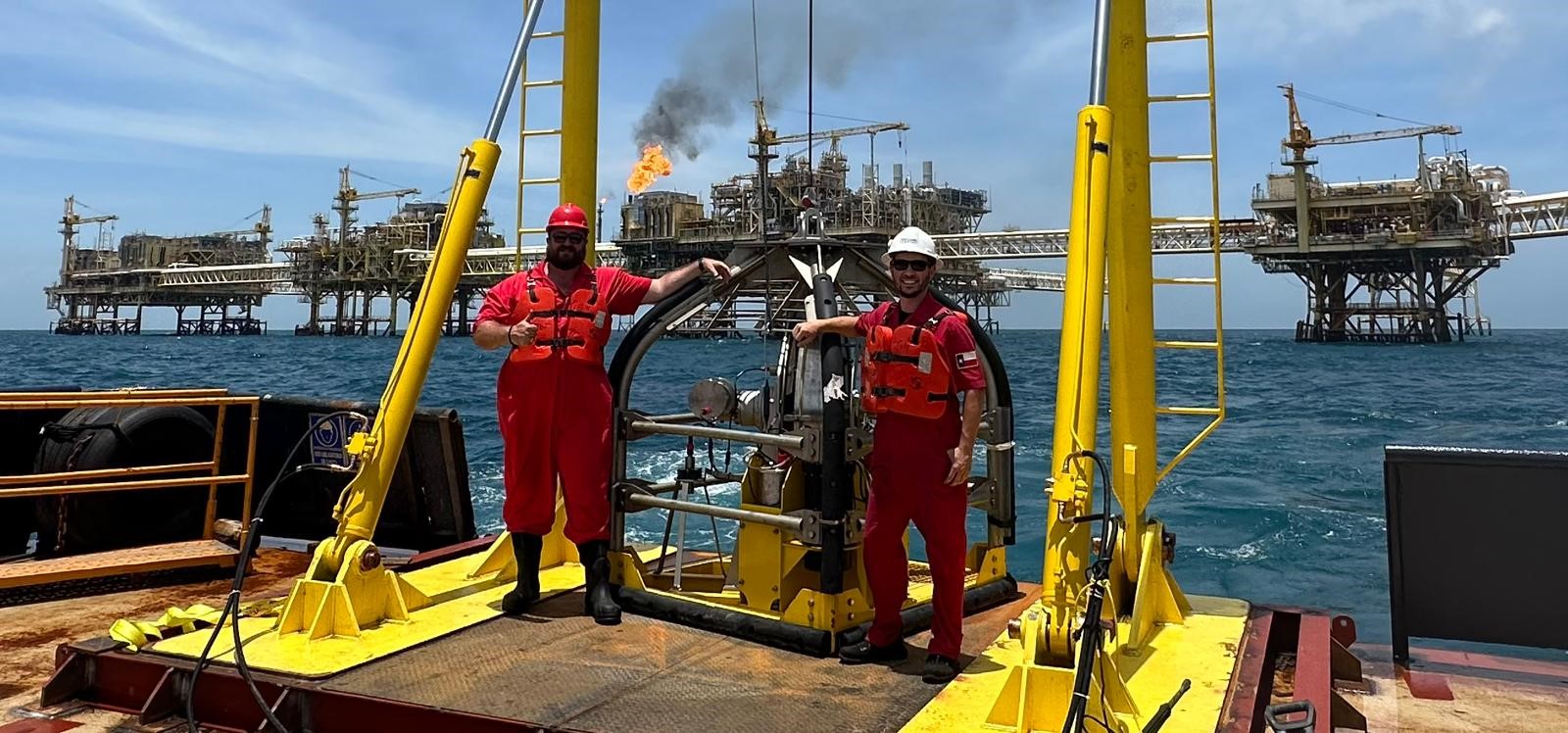
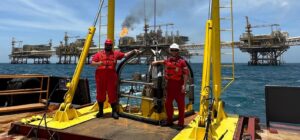 TDI-Brooks has successfully and safely executed a third-party geotechnical coring project for Geohidra. This operation took place in the Southern Gulf of Mexico, near Ciudad del Carmen, aboard the MV LAGUNA AZULE. During this campaign, TDI-Brooks conducted a total of thirty-two (32) Cone Penetration Tests (CPTs) using their Neptune 3000 miniature coiled rod CPT system, achieving penetration depths of 4-6 meters in water depths ranging from 30 to 40 meters.
The TDI-Brooks Datem Neptune 3000 Miniature Coiled Rod CPT System is designed for Cone Penetration Testing and boasts a push capability of 10kN. This lightweight system is suitable for deployment in water depths of up to 3000 meters and is engineered to endure the most challenging marine conditions. The coiled tubing CPT system is easily mobilized, and its compact design allows the Neptune 3000 to be self-contained, making it deployable from even the smallest survey vessels where space is often limited. This CPT unit is frequently utilized for pipeline surveys by oil and gas operators, as well as for cable route surveys in offshore renewable energy projects.
TDI-Brooks offers an extensive selection of marine geotechnical survey services, encompassing offshore, nearshore, and inland areas. Our team employs a wide array of advanced instruments to guarantee precise soil sampling and measurement. The following portable geotechnical took kits are available for use on a 3rd party vessel:
- Light coring kit: PC, BC operations. Available Winch, Control House, Track, A-frame components additionally.
- Heavy coring kit: PC, BC, JPC, CPT operations. Available Winch, Control House, Track, A-frame components additionally
Ocean Aero selects Forcys payloads to enhance underwater domain capabilities
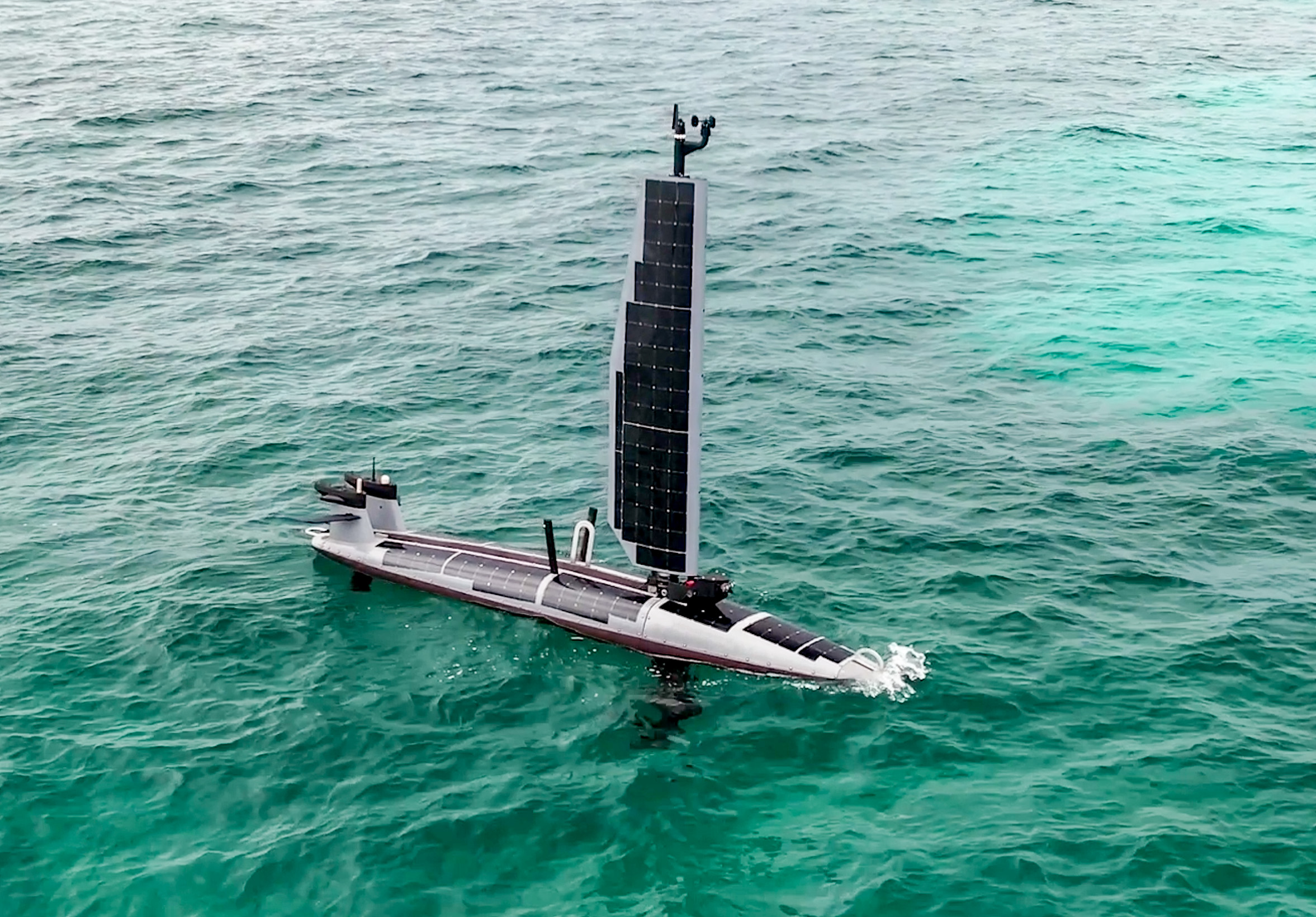
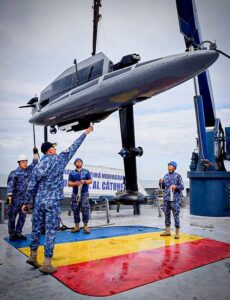 Forcys is excited to announce they have been selected by Ocean Aero as a payload provider for their world-leading autonomous underwater and surface vehicle (AUSV), the Triton.
The Triton is the world’s only environmentally powered AUSV. Completely solar and wind powered, it can travel at speeds of up to 5 knots and can submerge for up to 5 days at 2 knots.
A true multi-domain workhorse, the Triton can be used as a force multiplier for defense operations, offering easy logistics, launch, and recovery while evading detection using autonomous avoidance and deep diving capabilities.
Forcys will be supplying Ocean Aero with SPRINT-Nav Mini, the world’s smallest hybrid acoustic-inertial navigation technology from its technology partner Sonardyne and Solstice, the leading multi-aperture sonar (MAS) for Autonomous Underwater Vehicle (AUV) systems, from its technology partner Wavefront Systems.
Forcys’ General Manager and Head of Global Sales, Dan Zatezalo welcomes their selection: “We are thrilled that Ocean Aero has chosen us as their payload provider for defense applications. Their revolutionary technology is a great complement to our offer, and we think their customers are going to love the results. We look forward to working with them in driving the autonomous ocean defense technology sector forward.”
Bob Marthouse, COO from Ocean Aero said; “A key differentiator in our selection process is the performance to power ratio. We need to maximize the value from our payloads while managing the power consumption to sustain our mission goals. This is where the technology from Forcys makes a significant difference. On our last mission, everyone was highly impressed with the Solstice MAS.”
With Forcys’ marine defense market expertise, alongside its access to many technology partners, and Ocean Aero’s many applications for the Triton, the partnership looks set to be a revolutionary and fruitful one.
Miros supports pipelay operations for pioneering CCS project in Norway
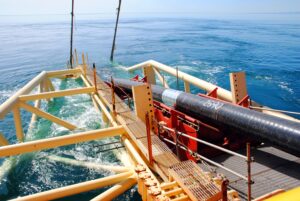
Ocean insights provider optimizes vessel operations across Norway’s Northern Lights project
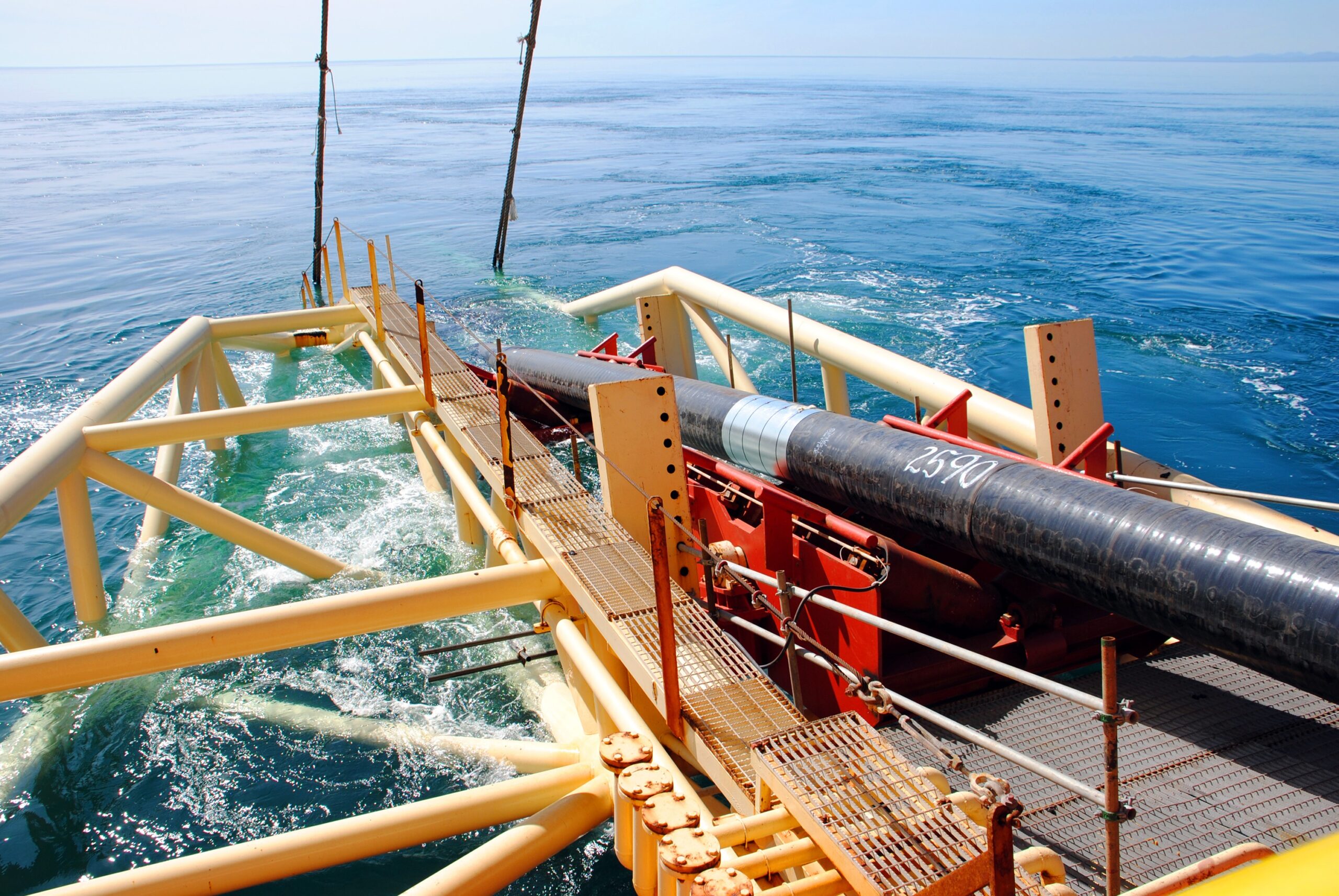
Miros has successfully supported the laying of a 109km pipeline for the trailblazing Northern Lights CO2 transport and storage (CCS) project. By deploying a cloud-enabled WaveSystem and an additional RangeFinder wave radar on project vessels, Miros provided accurate sea state measurements in real-time, ensuring efficient and safe pipelay operations.
Northern Lights is Norway’s first licence for CO₂ storage on the Norwegian Continental Shelf and is a key part of the landmark “Langskip” (Longship) CCS initiative. It is being developed by some of the energy sectors biggest players and will play a major role in helping the country, and Europe more generally, to hit its decarbonization goals.
Comprised of Miros’ Wavex and RangeFinder technology, the WaveSystem enables safe and highly reliable offshore operations. By conveniently sharing sea state data through the Miros Cloud platform (miros.app), project vessels were able to confidently navigate the offshore environment and successfully complete their mission on time.
Miros sales executive, Chris Moncrieff, said: “To allow our customers to navigate sudden changes in offshore conditions with confidence, Miros' systems reliably provide accurate and up-to-the-minute sea state measurements round-the-clock. Easy system installation and automatic calibration make data quickly accessible and securely sharable across the project team, facilitating the highest situational awareness at any time.”
“Accuracy is key for laying pipelines; by utilizing the WaveSystem the project was able to deploy key infrastructure accurately and safely. The measured real-time ocean data helped the vessels stay on track precisely and avoid letting the project be affected by changing wave and weather conditions.”
Miros chief executive, Marius Five Aarset, added: “As the industry looks towards more sustainable maritime operations and the delivery of projects to reach net zero goals, Miros is proud to provide real-time data to facilitate the realization of both these goals. Our ongoing work with long-standing maritime industry partners, for projects across the energy sector, speaks to our vast experience providing accurate and reliable ocean insights to optimize operational efficiency while minimizing environmental impact.”