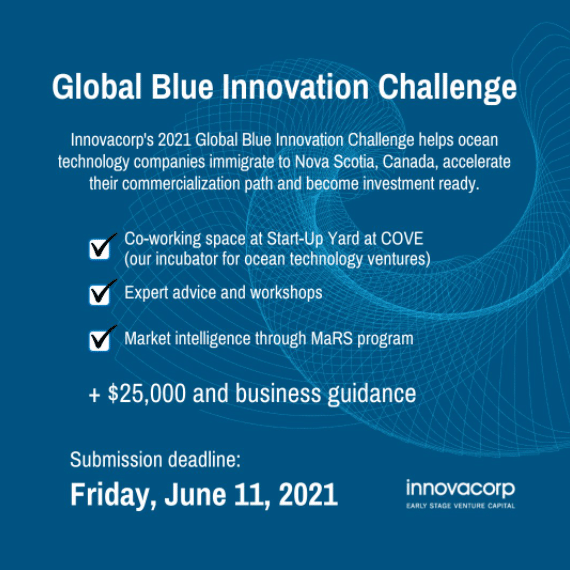
Innovacorp launches Global Blue Innovation Challenge
Ocean technology start-ups outside Canada, build your company in Nova Scotia! Innovacorp can help you get a start-up visa and grow your business. Apply for the Global Blue Innovation Challenge by Friday, June 11: bit.ly/2M0vHb0

MacArtney strengthens its board of directors with a new profile from the offshore wind industry
The MacArtney Group will be welcoming a new face to its board of directors: Trine Borum Bojsen, Chief Operating Officer, Copenhagen Offshore Partners.
Trine Borum Bojsen brings a wealth of global experience from the offshore wind industry. Trine Borum Bojsen has an M.Sc in Engineering and more than 25 years of experience within marine infrastructure with special emphasis on offshore wind farms. Throughout her impressive career, she has built up strong management and strategic skills.
Trine looks forward to joining the board at MacArtney and says:
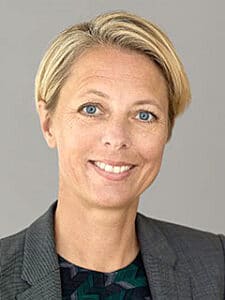
“MacArtney has an impressive history and a clear ambition to stay relevant in the market. I look forward to contributing to the continued success of MacArtney.”
Prior to joining Copenhagen Offshore Partners, a position she has held since 2019, Trine Borum Bojsen held senior management posts at Ørsted and also served on a number of boards and key committees within the company, including its working environment committee and sustainability committee.
MacArtney’s board of directors is now composed of Niels Erik Hedeager (Chairman), Glenn MacArtney, Henrik Uhd Christensen, Marco MacArtney and Trine Borum Bojsen.
For more information, please visit: www.macartney.com
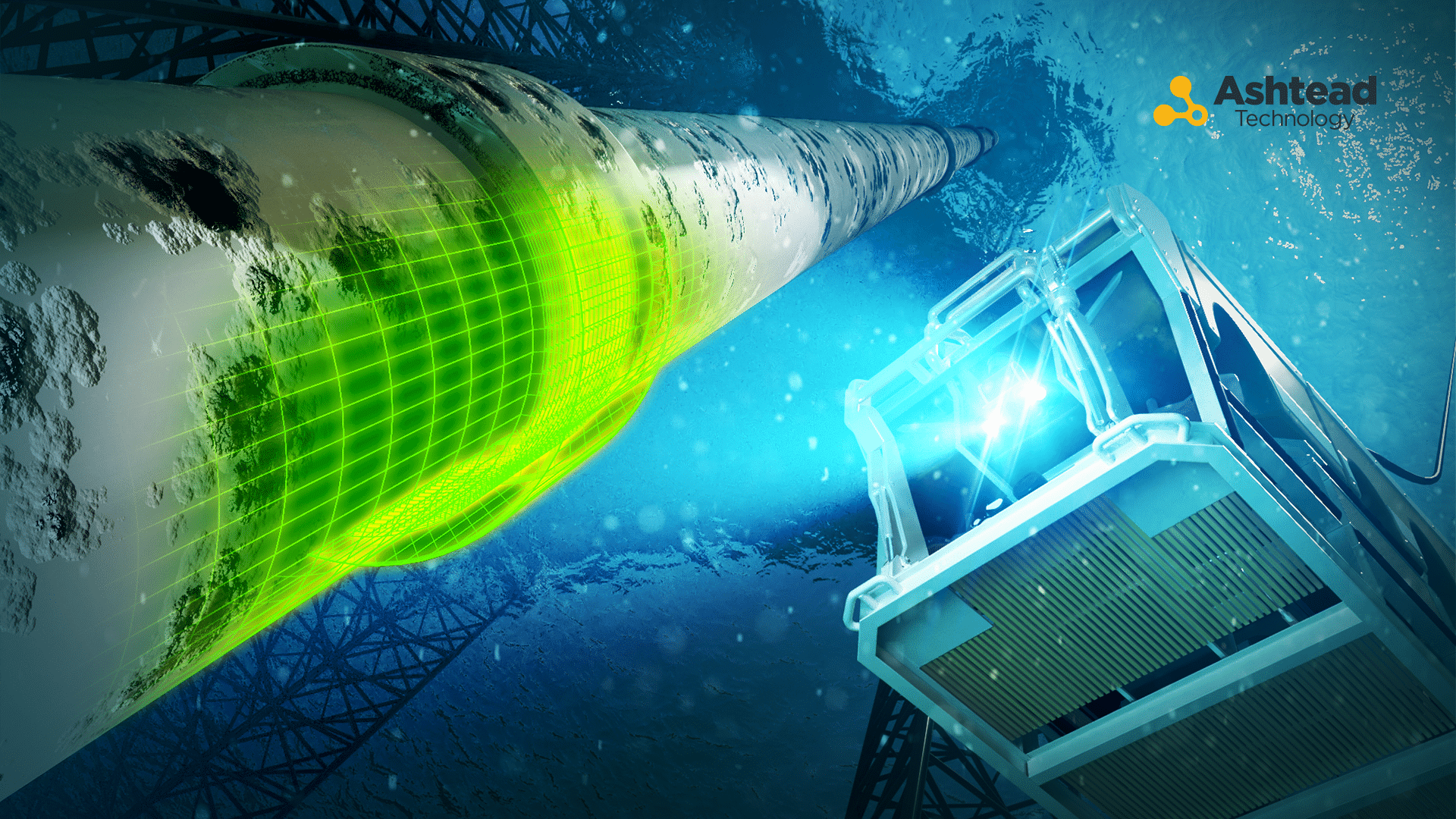
Ashtead Technology awarded funding through Canada’s Ocean Supercluster for Unmanned Digital Twinning Project
Welaptega, an Ashtead Technology company, has launched a $500,000 (USD) initiative to develop a product to enable digital twinning of underwater infrastructure without the need for offshore personnel.
Funding for the Unmanned Digital Twinning Project has been awarded by Canada’s Ocean Supercluster, an industry-led, national ocean cluster that’s growing the ocean economy in a digital, sustainable, and inclusive way.
In collaboration with Whitecap Scientific, SubC Imaging, and Nova Scotia Community College SEATAC division, the new digital twinning technology will develop an intuitive bridge between Welaptega’s and Whitecap Scientific’s technology systems. Upon successful launch of the project, conventional offshore ROV and vessel crew will be able to confidently collect high quality image data for post-processing digital twins, guided by real-time 3D reconstruction, to give feedback on image quality and coverage.
Tyler de Gier, General Manager of Welaptega, said: “We’re excited to be at the forefront of transitioning high-quality digital twinning services from the domain of specialists to conventional ROV and vessel crew. Furthermore, we’re able to achieve this through collaboration between Atlantic Canadian companies, providing ongoing employment opportunities and strengthening Atlantic Canada’s export industry.”
Sam Bromley, CEO of Whitecap Scientific, said: “This project is a shining example of how the Ocean Supercluster can bring together two complementary, world-leading companies in underwater 3D inspection to accelerate technological and product advances for the industry. We are proud to work with Welaptega, SubC Imaging, and SEATAC, to extend the ease of use, flexibility, and computational intelligence of Whitecap Scientific’s live ROV3D scanning system to Welaptega’s high-precision photogrammetry workflows.”
Digital twins digitise replicas of physical assets, used for integrity management, simulations, and the general visualisation of remote infrastructure to maintain the economic viability of assets, increase safety and reduce risk.
De Gier, added: “The flexible product created through this project will allow our clients to cost-effectively digitise their high value, safety critical assets without the need for offshore photogrammetry specialists, facilitating a transition to unmanned operations without jeopardising service quality.”
Together with members and partners, the Ocean Supercluster is accelerating the development and commercialisation of globally-relevant ocean solutions, and advancing Canada’s position as a global leader in ocean.
Commenting on the latest project award, Kendra MacDonald, CEO of Canada’s Ocean Supercluster, said: “It’s when we work together to solve shared challenges in the ocean, that we achieve the greatest outcomes. We are thrilled to see companies come together from across the region, in collaboration with academia to help bring a new digital twinning solution to ocean industries for the management of infrastructure at sea with a solution built in Atlantic Canada.”
For more information, please visit: www.ashtead-technology.com

New GAJT-410MS protects against RF interference and jamming in marine environments
GAJT-410MS delivers safe marine navigation as part of your assured PNT solution
With the increase of interference and jamming in marine environments worldwide, Hexagon | NovAtel is proud to release GAJT-410MS, the latest addition to their proven GPS Anti-Jam Technology (GAJT), into the commercial and defense marine markets. This low size, weight and power (SWaP) variant protects civil and military operations from interference and jamming, with jammer direction-finding capabilities for enhanced situation awareness in the marine environment.
Interference, both benign and malicious, is a challenge facing civilian and military operations. Commercial marine applications like shipping, tankers and bulk carriers are under threat from interference targeting their navigation and cybersecurity. Without assured positioning, these vessels can drift off-course and place the vessel, crew and cargo at risk. Nearshore marine applications like survey, construction and piloting require reliable positioning for uninterrupted operations in crowded waterways and RF environments. Interference mitigation and jammer direction-finding for advanced situation awareness ensure users acquire assured positioning, navigating and timing (PNT) while identifying and limiting risk from interference sources.
The GAJT-410MS provides dynamic protection on both GPS L1 and L2 bands, as well as Galileo E1, QZSS L1 and L2 and SBAS L1 to combat intentional and unintentional interference. If a vessel experiences jamming, the device’s direction-finding capabilities provide improved situation awareness of their RF environment to identify and locate the source of the jamming signals. This commercial off-the-shelf, non-ITAR solution is easy to install or retrofit onto existing fleets, enabling assured PNT for continuous operations, cybersecurity and safe navigation at sea.
“Assured navigation and cybersecurity defenses are growing priorities for marine users as global threats from interference and jamming increase,” said Dr. David Russell, marine segment portfolio manager for Hexagon’s Autonomy & Positioning division. “The GAJT-410MS is an anti-jam solution protecting vessels from interference and jamming disruptions to ensure continuous operations wherever your application takes you. With GAJT, your position, navigation and timing are protected and assured.”
The GAJT-410MS is the latest iteration of proven, high-performance anti-jam products from NovAtel. It includes flexible mounting options, jammer presence and direction-finding capabilities for advanced situation awareness.
For more information on the GAJT-410MS and the GPS anti-jam technology product line, visit novatel.com.
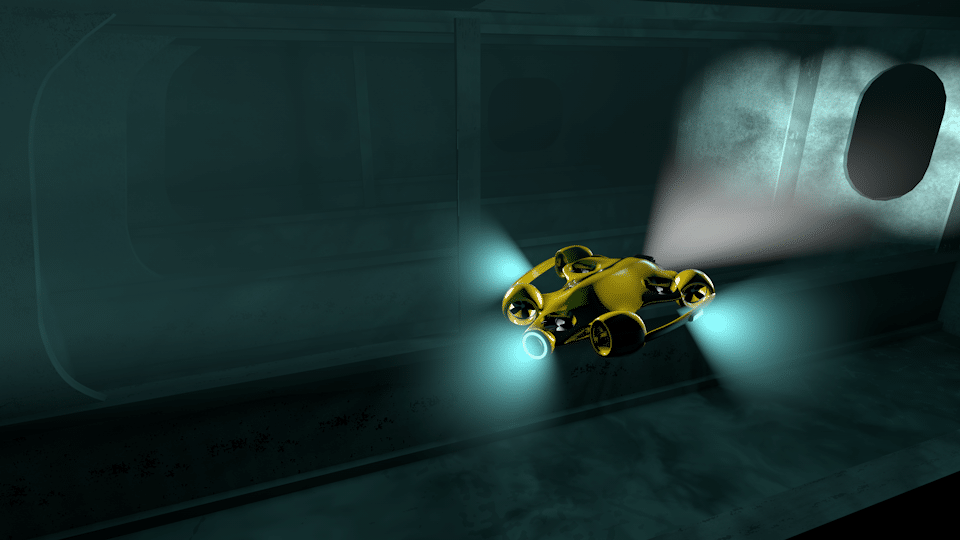
Hydromea unveils the world’s first wireless compact underwater drone providing live HD video feedback
Hydromea unveiled the prototype of world’s first wireless underwater drone in a pool demo today. The drone can fit into a backpack, can be remotely controlled, and sends HD video back in real time without any physical connection to the pilot. The drone will deliver significant benefits in a number of inspection scenarios in confined flooded spaces, such as hydropower dams, closed waterways and ballast tanks on ships, reducing the cost and time-to-results, eliminating safety risks of dangerous inspections performed by humans today.
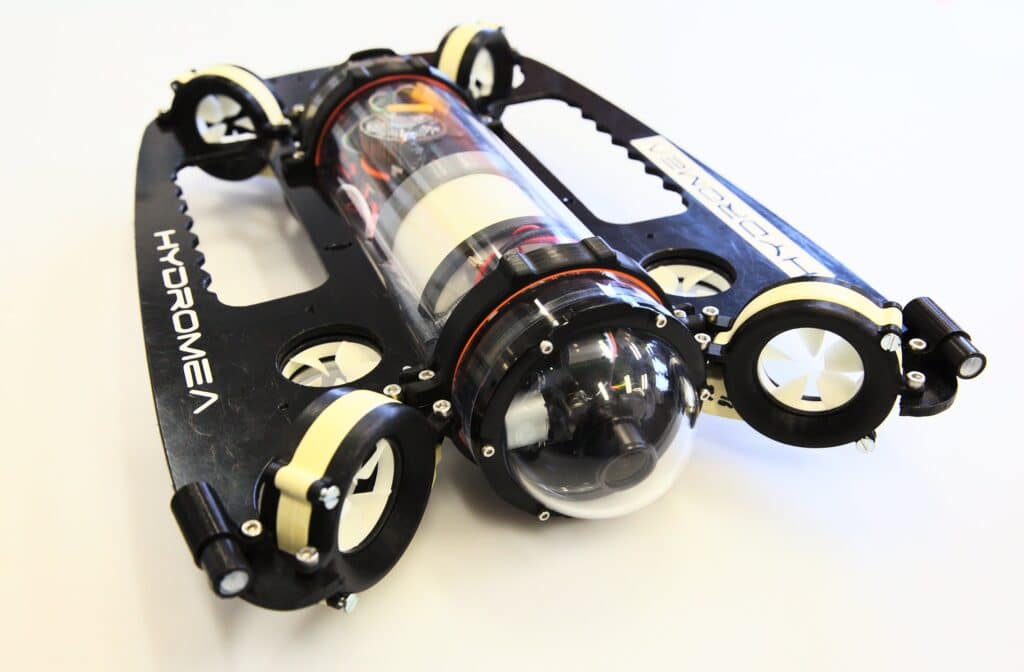
Igor Martin, co-founder and CEO of Hydromea, said: “Up to now, portable underwater vehicles always relied on a cable for communication. Our underwater drone works without a cable and sends full HD video stream back in real time. This eliminates any risks of getting stuck in complex flooded spaces, usually associated with cabled vehicles.”
Felix Schill, co-founder and CTO of Hydromea, added: “Since radio signals do not travel under water, Hydromea had to develop a new technology to control the drone: a wireless optical system which uses light to transmit high-bandwidth data. With our unique technology that is robust and miniaturized, we can finally cut the cord and unleash the freedom of portable robotics underwater.”
Founded in 2014, Hydromea is a Swiss-based autonomous underwater robotics company delivering solutions that allow customers to have unparalleled access to subsea data and underwater assets. Ultra-fast and high-volume, real-time data transfer and harvesting bring a paradigm shift in our quest to explore the ocean and understand its impact on the subsea economy.
For more information, please visit: www.hydromea.com
SeeByte’s ATR supports Royal Danish Navy and Polish Navy onboard Kraken Robotics’ KATFISH™
SeeByte, the global leader in developing smart software solutions for unmanned maritime systems, is pleased to announce they have partnered with Kraken Robotic Systems Inc (“Kraken”), a world leader in Synthetic Aperture Sonar or SAS, a revolutionary underwater imaging technology. to integrate their Automatic Target Recognition (ATR) System onto the Kraken KATFISH™ Towed Synthetic Aperture Sonar (SAS).
The KATFISH™ towed SAS, complete with SeeByte’s embedded ATR capability will be delivered to the Royal Danish Navy and Polish Navy to support their mine countermeasure activities.
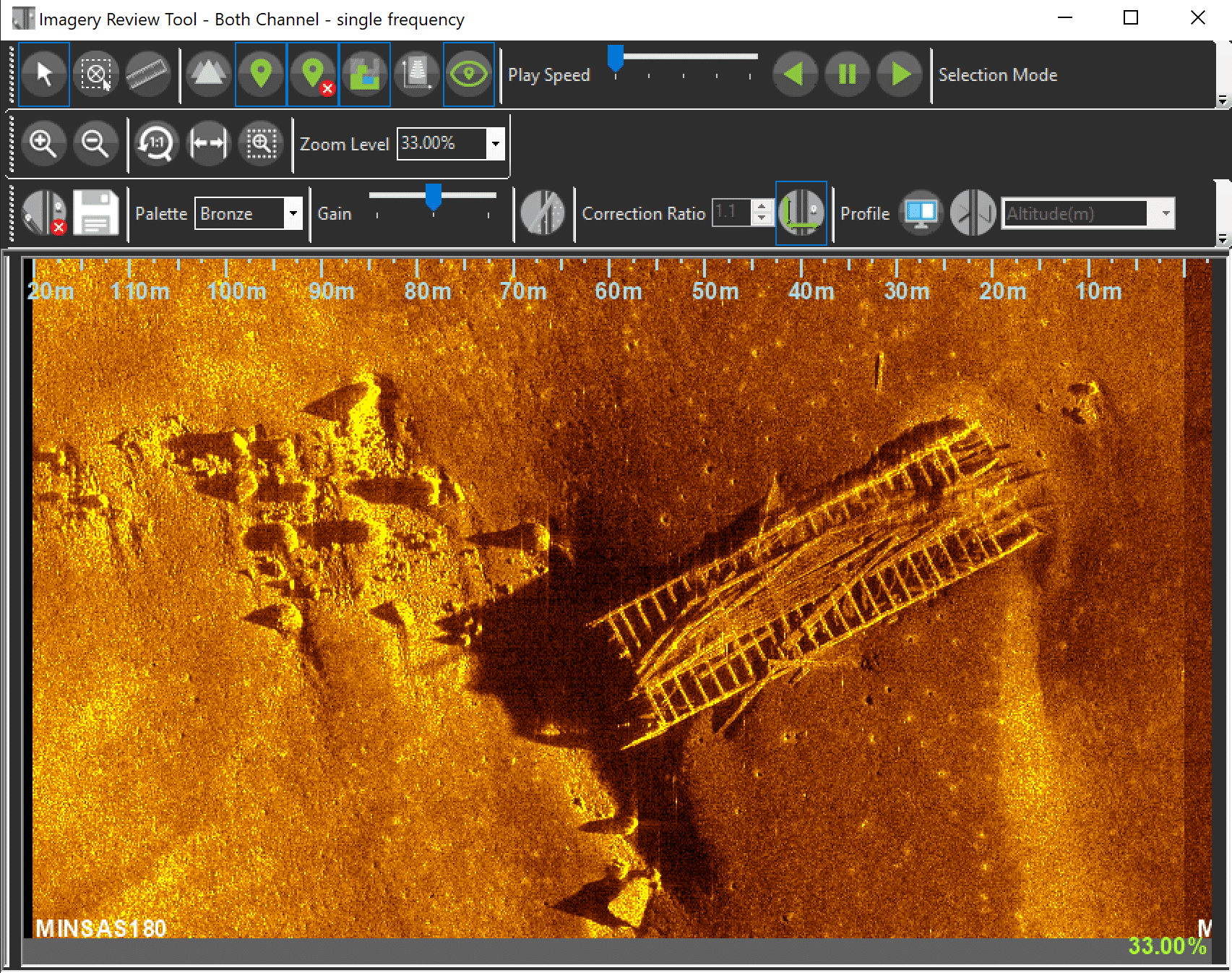
KATFISH is a high speed, actively stabilized towed Synthetic Aperture Sonar vehicle designed to be deployed from manned or unmanned surface vehicles. KATFISH provides ultra high resolution, high accuracy sonar imagery, real time and in mission, covering larger survey areas in less time compared to legacy systems. Integrating the KATFISH with SeeByte’s robust ATR solution allows for improved real-time target detection and classification, reducing post mission analysis requirements and enabling operators to review greater quantities of high-definition data in less time.
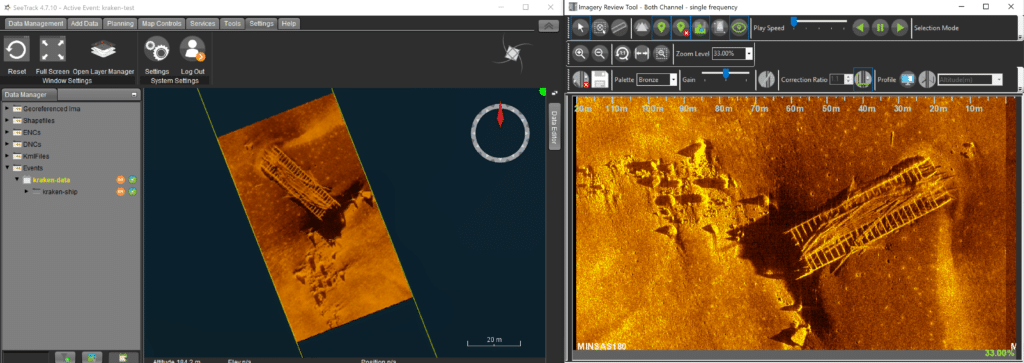
SeeByte’s Chief Technology Officer, Scott Reed said, “We are delighted to be partnering with Kraken Robotics to integrate our proven SeeTrack ATR System with Kraken’s KATFISH minehunting solution, for delivery to end customers in the Royal Danish Navy and Polish Navy. Our ATR System is designed with flexibility in mind, offering a range of options from embedded ATR to a complete set of tools that fit into the Post Mission Analysis workflow. This integration with the KATFISH™ will allow Kraken’s naval customers to intuitively work with the output produced by the ATR to support their MCM efforts.”
With offices in Edinburgh, Scotland and San Diego, US, SeeByte provides clients in the global maritime industry with the most advanced software solutions to enhance the capabilities of their unmanned systems. SeeByte’s open architecture technology provides enhanced capability, autonomy, and value to maritime systems and their users.
Kraken Robotics Inc. is a marine technology company dedicated to the production and sale of software-centric sensors, subsea batteries and thrusters, and underwater robotic systems. The company is headquartered in Mount Pearl, Newfoundland with offices in Dartmouth, Nova Scotia; Toronto, Ontario; Bremen & Rostock, Germany; Boston, Massachusetts; and a newly formed office in Copenhagen, Denmark. Kraken is ranked as a Top 100 marine technology company by Marine Technology Reporter.
For more information, please visit: www.seebyte.com

CM Sourcing are recruiting a Client Manager
Location:
Taunton, UK
Reports To:
Operations Director
Job Overview:
Working within the Operations Team, the Client Manager is responsible for liaising with a small group of clients and understanding their freelance staffing requirements. They will then be responsible for sourcing the appropriate contractor for the role and overseeing negotiations and all aspects of the resulting contracts.
Responsibilities and Duties:
Liaising with clients, working closely with them to source the best possible freelance personnel to fulfil their requirements.
Building relationships with individuals in the freelance community, understanding their needs and placing them on appropriate projects.
Negotiating rates and terms to ensure both the client and the contractor are fully satisfied with the final contract.
Work closely with the operations assistants to ensure contractors arrive on site promptly and in accordance with the client’s needs.
Assist with travel arrangements and other ad hoc bookings (Such as training courses) to ensure the smooth running of the project.
Be on call over weekends where needed i.e. crew changes/emergency travel.
Attending industry events to network with new and existing clients and contractors.
Qualifications / Experience:
Ideally has 5-10 years of experience within the offshore survey industry. All backgrounds will be considered (onshore/offshore, technical/crewing/commercial).
To apply, please visit: https://www.cmsourcing.global/jobs/
The earliest round-the-world marine research voyages give new insights on climate change
For the first time, scientists have used ocean measurements taken on research voyages almost 150 years ago to learn more about how human activity has impacted climate change.
Scientists from the National Oceanography Centre (NOC) and the Scottish Association for Marine Science (SAMS) have made the first combined study of water density measurements from the British HMS Challenger and Prussian SMS Gazelle round-the-world research expeditions in the 1870s to draw parallels with modern-day measurements. The two ships, which circled the world independently provided new insights into the ecologies and ethnologies of remote and rarely-visited communities and of the biology, geology, physics and chemistry of the oceans.
Their two contributions have been brought together to give an insight into the impact of the industrial age on Earth’s climate. The study is the first global-scale analysis of salinity from these two expeditions and the first observational evidence of changes in the global water cycle since the late 19th century.
With no baseline measurement for salinity pre-1950s, Dr John Gould from NOC and Professor Stuart Cunningham of SAMS have converted these density measurements into salinity and were able to show that the planet’s water cycle has increased in intensity, just as the global temperature has risen.
The findings, published in the journal Nature Communications in Earth and Environment, confirm that there has been an increase in evaporation from saltier parts of ocean, such as the Atlantic, and more rainfall in fresher areas. In effect, changes in the salinity pattern of the oceans have been used as a global-scale rain gauge.
Now this trend has now be found to extend back to the 1870s, early in the industrial age, and to have been 50% less intense before the 1950s than since that decade.
The water cycle is extremely sensitive to environmental changes. A rise in global temperature of just one degree Celsius will result in a 7 – 8% increase in water vapour in the atmosphere.
Earth’s average temperature has warmed by over 1°C since the 1950s, and this accelerates the water-cycle. Patterns and intensity of rainfall over land are changing: deserts are expanding; the UK is suffering more intense rainfall and flooding.
NOC Emeritus Scientist, Dr John Gould, said, ”When we started this study we did not know whether these measurements, taken with simple instruments, would be good enough to be of scientific value. In fact they have given us an insight almost into the pre-industrial age. In the 1870s atmospheric CO2 levels were 285 ppm (parts per million), hardly changed from 1000 years before. They are now approaching 420ppm. Our results provide an early baseline against which future changes in the water cycle can be compared”.
SAMS oceanographer Prof Stuart Cunningham said: "Our blue planet is fundamental to Earth’s water cycle, which is the processes of evaporation, precipitation and river run off, transferring water between the oceans, the land and vegetation. Studying how the ocean’s surface salinity pattern is changing tells us about changes in Earth’s water cycle and is vitally important to humans and our survival.
"The ocean, and the way it moves, is the main influence on our global climate. If we are to predict what our weather and climate will look like in decades to come, we must better understand our blue planet."
For more information, please visit: www.noc.ac.uk

XOCEAN Expand Global Fleet USV Operations with €1.7M EU Grant Funding
XOCEAN has secured a grant of €1.7m from the European Maritime and Fisheries Fund (EMFF) and CINEA through the Blue Economy Window program to bring to market XOCEAN’s innovative, high-performing, low-carbon Uncrewed Surface Vessels (USV) aimed at the commercial ocean data collection sector.
The funding will support the product market launch in Europe, North America and Asia resulting in over a thousand direct and indirect jobs in 3 years.
XOCEAN’s pioneering USV platform offers significant benefits including safety with operators remaining onshore, efficiency with 24/7 operations and environmental with ultra-low emissions (emitting 1,000 times less carbon than traditional survey vessels) which together leads to significant economic savings.
To date, XOCEAN has operated in 14 countries, delivering over 100 projects including seabed surveys on 16 offshore wind farms for clients such as SSE Renewables and Ørsted. In the last 12 months, XOCEAN has doubled the size of its team to 82.
Commenting on the funding, James Ives, CEO, XOCEAN said “We are delighted to be partnering with the European Maritime and Fisheries Fund of the European Union on this project. Our USV platform has demonstrated itself to be a safe, reliable and low carbon solution for the collection of ocean data. This project will support our technology development and ready our business for large scale market growth.”
For more information, please visit: www.xocean.com
Introducing the Solent MEZ - Connect. Collaborate. Deliver.
The Solent Maritime Enterprise Zone (Solent MEZ), established December 2019, is an umbrella organisation comprising a consortium of the Royal Navy, industry (including small and medium sized enterprises), government and academia working collaboratively in creating a centre of excellence for maritime research, innovation, education, skills and training. The Solent MEZ consortium connects networks regionally and nationally, collaborates on key maritime initiatives to support the maritime sector in its broadest sense. Through an enterprise approach it partners with other regions, maritime clusters and cross-sectors to benefit maritime businesses and institutions. With the mantra ‘Connect. Collaborate. Deliver.’, the Solent MEZ optimises the enterprise approach to tackle key maritime issues. The Solent MEZ’s ‘Connected and Autonomous Maritime’ initiative is capitalising on this and has enabled cross-sector, cross-region collaboration supported by the Catapult network. This initiative will benefit from the Solent’s strengths in marine autonomy, robotics, innovative engineering solutions, advanced manufacturing and smart port initiatives.
The Solent MEZ team is growing and currently includes Captain Allan Youp Royal Navy (Head of the Solent MEZ and responsible for the strategic engagement and operations), Jordan Thomas (Business Manager and business development lead for the innovation, technology & research space) and Andy Stewart (secondee from BAE Systems and is the skills, careers & apprenticeship lead). The team will drive forward an enterprise approach to the prosperity and growth agenda across the region and beyond.
Jordan, who recently joined from L3Harris, says “The Solent has an ecosystem of ground-breaking maritime technological companies due to the world leading scientists, engineers, manufacturing, innovators and regulators conveniently located here. Opportunities to connect with different organisations and industries, collaborate on exciting and innovative projects whilst delivering socio-economic benefits, presents an exciting challenge. Working with highly skilled marine professionals, positive disruptive technology and cutting-edge capabilities, there are a plethora of opportunities available that the Solent MEZ consortium can pursue and tackle as part of the Maritime 2050 strategy and more.”
If you would like to learn more, please feel free to contact the team regarding your area of interest. Contact e-mails are provided below:
Topic |
Contact |
|
| Head of the Solent MEZ - Strategic Engagement and Operations | Captain Allan Youp RN | [email protected] |
| Solent MEZ Business Manager and Innovation, Technology & Research lead | Jordan Thomas | [email protected] |
| Skills, Careers & Apprenticeships lead | Andrew Stewart | [email protected] |