Monitoring the seabed and cultivating a community
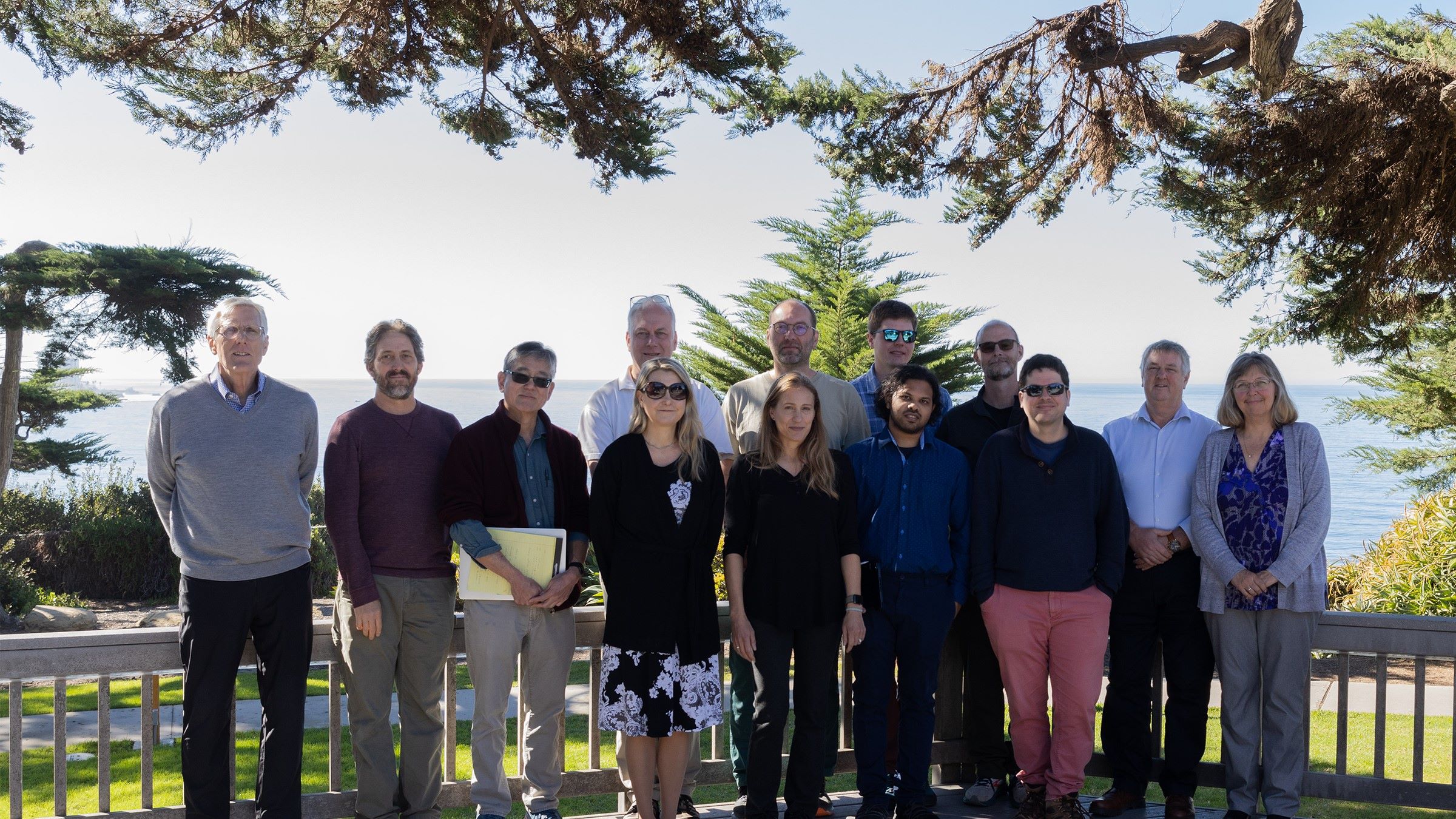
It’s not often you get all the right people in one room. At the end of last year, Sonardyne managed just that. It held a two-day Seabed Deformation Technical Workshop bringing together some key members of the Sonardyne academic user community in the USA and Canada to share insights, experiences and how our GNSS-A and AZA instruments can be further improved to meet their future needs.
These included; Ocean Networks Canada, U.S. Geological Survey (USGS), Georgia Institute of Technology, Woods Hole Oceanographic Institution and the University of Washington, as well as Sonardyne's hosts Scripps Institution of Oceanography in California. As well as providing the stunning backdrop for this event, they furnished instruments for the workshop form the large pool of equipment that they support this community with.
GNSS-A and AZA are two independent technologies that are providing scientists with a ground-breaking new toolset for measuring seabed deformation caused by plate tectonic movements:
• GNSS-A involves accurate (centimetric) global reference framework (principally horizontal) positioning of Fetch transponders on the seabed using an Uncrewed Surface Vehicle (USV).
• AZA is a technique to accurately measure pressure (and thus vertical elevation) of a Fetch transponder. It does this by correcting for the inherent drift of the pressure sensor. This is also being increasingly used by scientists studying ocean circulation, for whom long term pressure measurements are critical.
Each attendee shared their latest research projects and plans with the group, helping the attendees cross pollinate ideas and discuss the challenges they are facing.
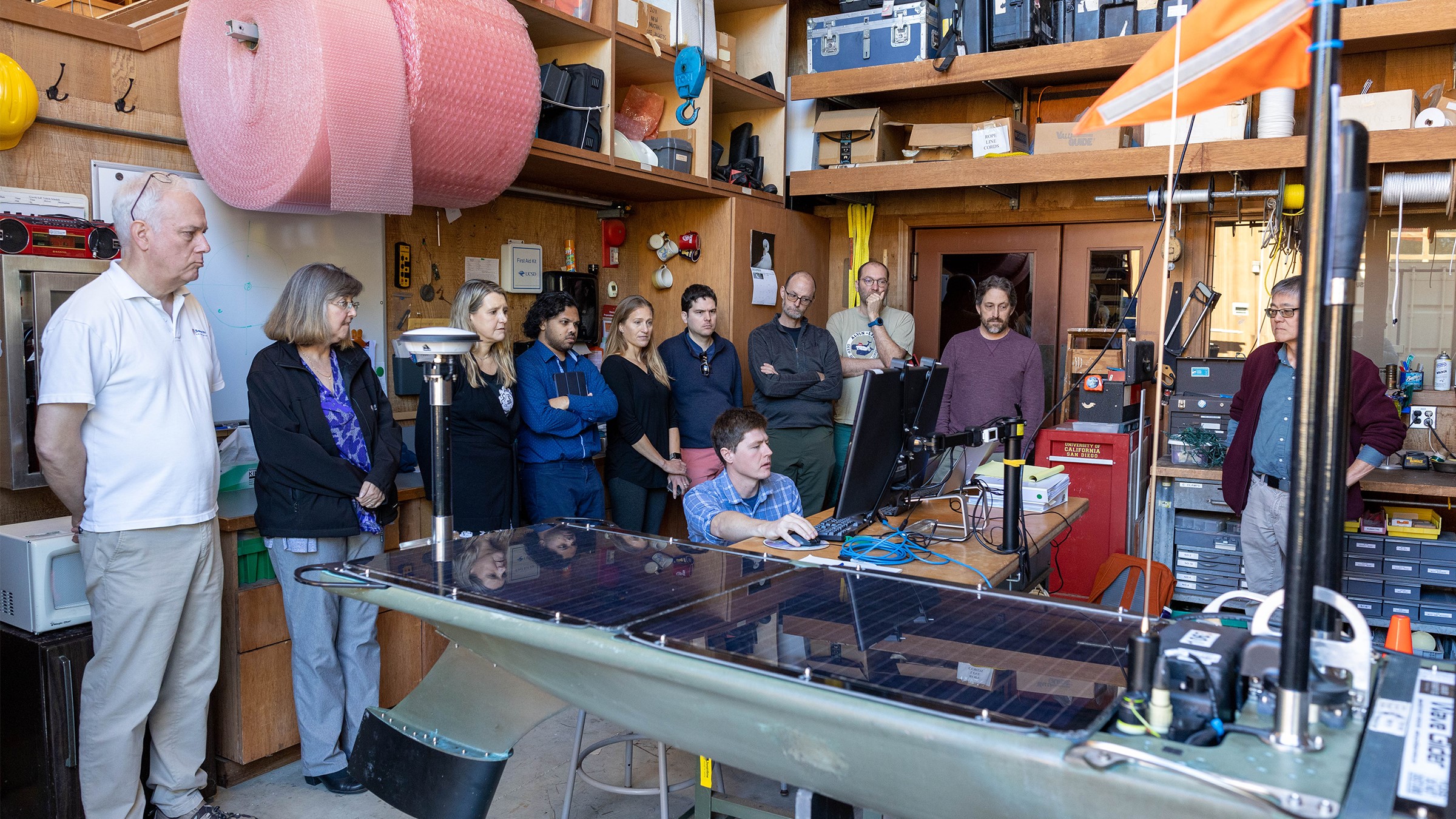
The core of the workshop, comprising in-depth technical insights and demonstrations was supplied by Sonardyne’s, Nick Street and Guy Hebden the Queens Award-winning seabed deformation technology from inception and Guy, from Sonardyne's applications group, has first-hand experience of product deployment and managing remote operations.
This kind of community interaction is invaluable to ensure that our technology continues to push forward to meet the demanding needs of its scientific users into the future.
The USA and Canada academic sectors provide many collaborative partnerships for Sonardyne and they are some of the most prolific and high profile users of its products across a wide range of research fields.
“It’s humbling and very rewarding to see how key our technology is to answer some of the most critical questions about seabed deformation and how this relates to earthquake and tsunami risks. It was no mean feat to pull this collection of world-leading institutions from the US and Canadian academic community together for two days, but the feedback has been so positive that we’re already being asked when we’ll do it again. In fact, it’s encouraging us to look across other parts of our technology portfolio to identify other workshop opportunities that will help foster a collaborative community between us and our academic users.” Geraint West. Head of Science. Sonardyne International.
The high volume of interactive Q&A and discussion between the attendees provided valuable insight into how Sonardyne's products are currently used and how they can be developed to further enhance future research. As a result, Sonardyne is investigating the potential for further workshops to foster more user collaboration and communities in future.
Engineering a bright future: Impact Subsea's Aberdeen headquarters showcases commitment to growth
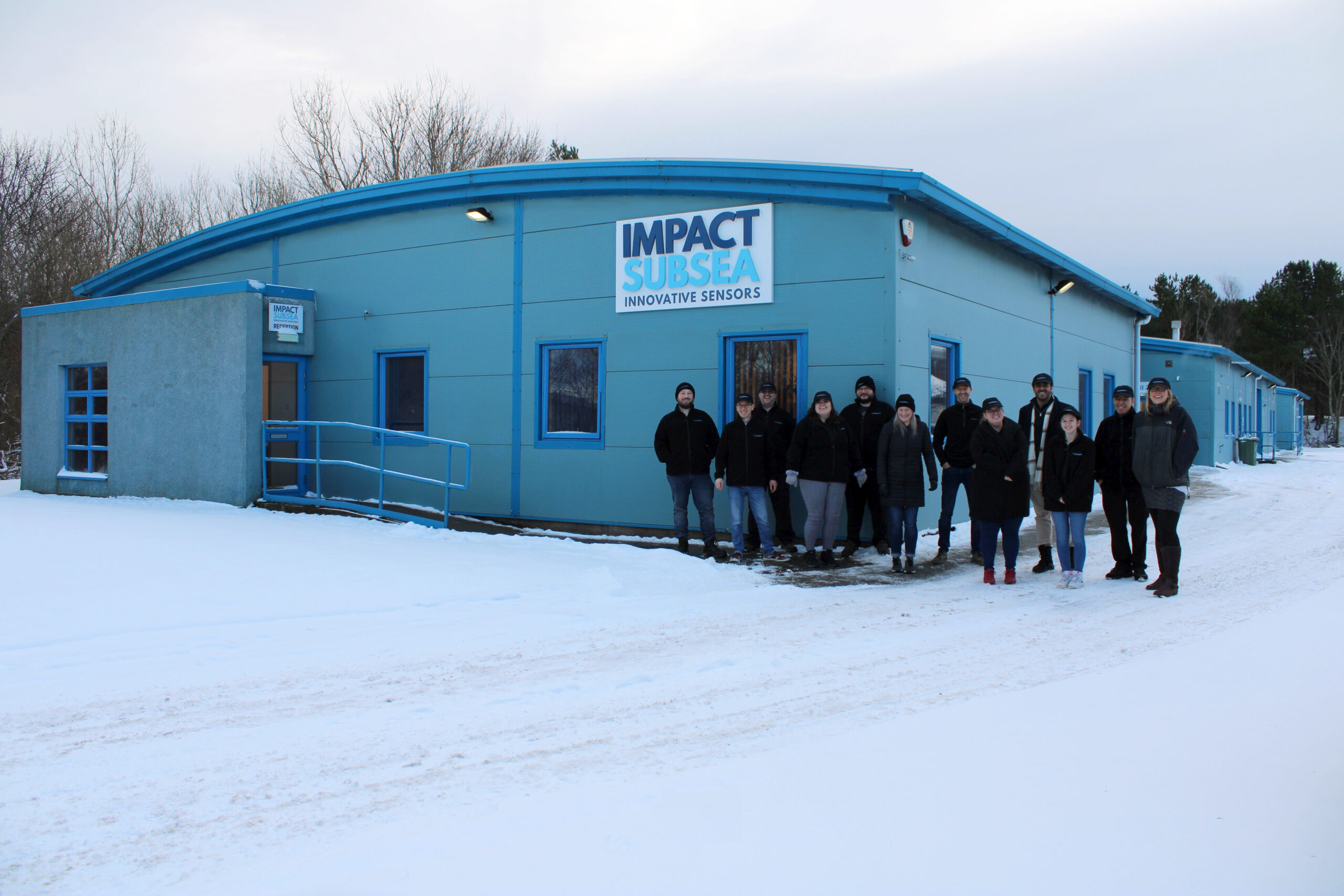
Impact Subsea, a company specialising in underwater sensors, recently opened a new chapter in its growth trajectory with the move to larger headquarters in The Aberdeen Energy Park, United Kingdom.
The company's headquarters, located at Silverfield House, provide ample space to support the company's sustained growth. Silverfield House provides 12,000 sq ft of modern office, production, training, calibration and demonstration space.
With its previous base situated in Ellon, Aberdeenshire, the move to Aberdeen will serve as a more centralised hub to streamline the company's operations.
Managing Director Ben Grant was pleased with the move, saying;
"To support the continued growth of Impact Subsea, we are delighted to announce the acquisition of larger premises. Our new premises not only enable continued support to users of our sensors but provide a strong base to take on new employees and launch further innovative underwater sensors."
Alastair Mclennan-Murray, Technical Director, shared the same sentiment, noting that;
“The new headquarters will facilitate the development, prototyping and production of sensors in line with the product development road map. Mclennan-Murray concluded, "The year ahead is going to be an exciting one as we release new technology to challenge the status quo of existing solutions in the market."
Impact Subsea’s NEW Address:
Silverfield House,
Aberdeen Energy Park,
Claymore Drive,
Bridge of Don,
Aberdeen,
AB23 8GD,
United Kingdom.
All telephone and e-mail contact details will remain the same.
Preserving our ocean’s ecosystems: New IMCA Guidance supports industry to take action
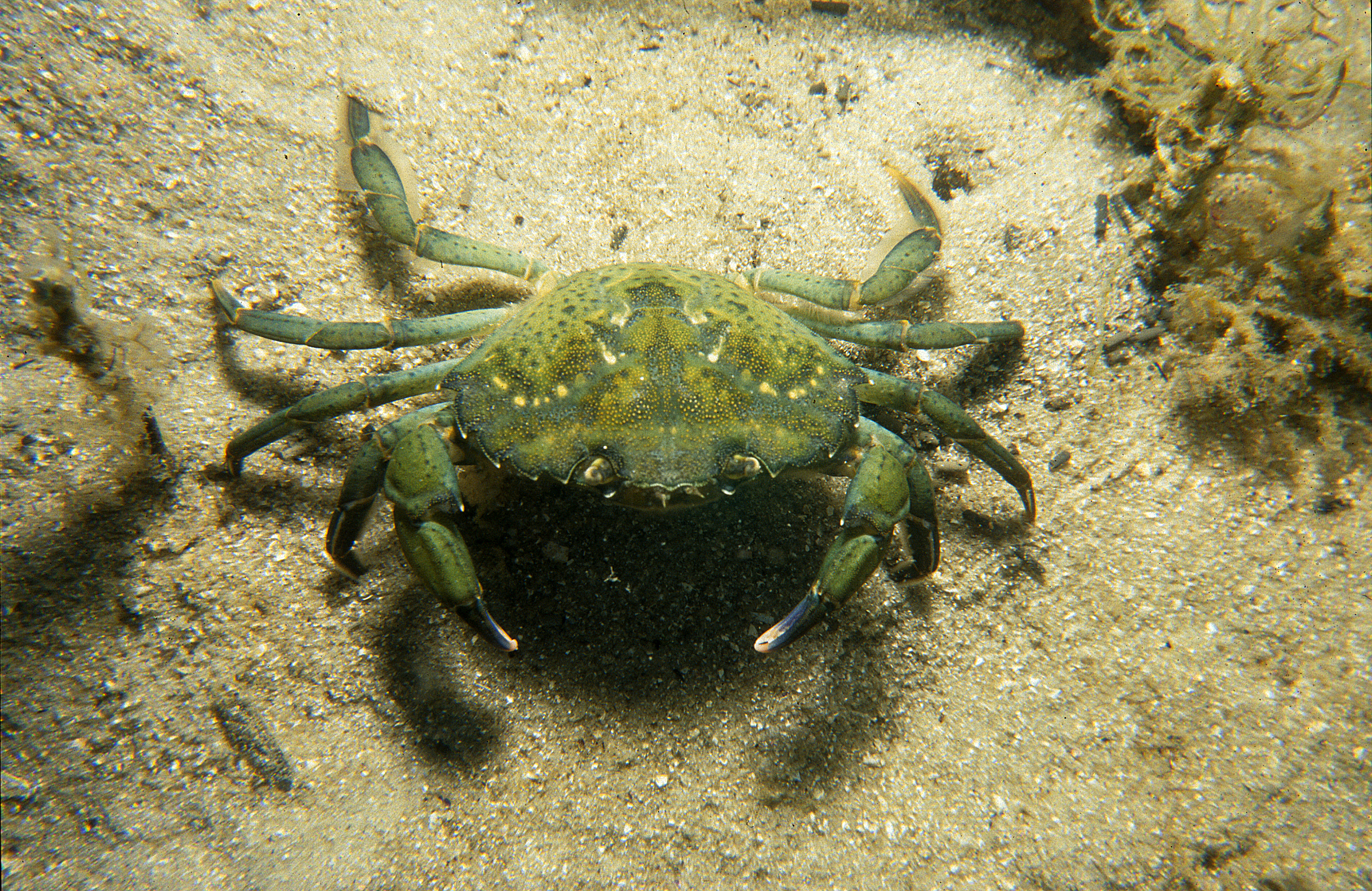
Invasive species are organisms that spread to areas outside their native range posing a threat to native flora and fauna and are seen as a major cause behind the global decline in biodiversity.
Marine invasive species can negatively impact ecosystems in several ways, they can: Eat or parasitise often defenceless native species which in some cases, can lead to their extinction; Outcompete native species for food, light, or spawning sites and, if left unchecked, can dominate habitats and smother native species; Bring new diseases; and cause negative economic impacts.
The transfer of marine invasive species through the movement of vessels from one region to another has long been recognised as a significant environmental risk, with the International Maritime Organization’s (IMO) first guidance on the issue published in 2004.
More recently, the UN Biodiversity Conference to support the Implementation of Sustainable Goal 14 has emphasised the urgent need for enhanced protection and conservation of marine ecosystems, and the topic of ballast water management, has formed part of the 80th session of the IMO’s Marine Environment Protection Committee (MEPC) last summer.
To support Members to take proactive measures to mitigate the harm caused by invasive species on marine environments, IMCA has produced new Guidance, Mitigation of Marine Invasive Species: Biofouling and Ballast Water (IMCA ES002), which aims to provide guidance to minimise transmission, and highlights best-practices to follow through detailed case studies from DeepOcean, Fugro, TechnipFMC, and SBM Offshore.
Representatives of these companies, along with Global Maritime, made up the Life Below Water workgroup which helped IMCA to draft the document.
Commenting on the publication of the new IMCA Guidance, Mary Ntamark, Technical Adviser – Environmental Sustainability, said: “Through the vessels they own and work with, IMCA Members are in a unique position to positively address challenges to oceanic biodiversity from invasive species and minimise the impact of biofouling and poor ballast water management.”
“I’d like to thank the Life Below Water workgroup for their input into the document, and for their support throughout the drafting process. The end-result is Guidance which not only outlines practical and tangible steps, but one which will enable the creation of company-wide strategic approaches.”
“The challenges to global biodiversity in our seas are both urgent and significant, and our Guidance will help Members to play their part and mitigate their environmental impact.”
Polish Navy adds new T20-S module to GAVIA AUV
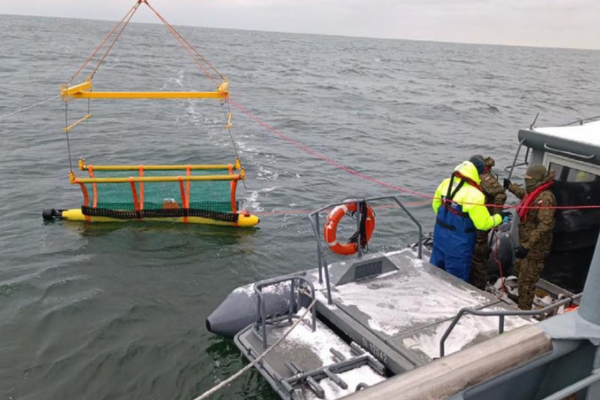
Teledyne Gavia is pleased to announce that the Polish Ministry of Defence (MOD) is bolstering its underwater survey capabilities by procuring the Teledyne RESON SeaBat T20-S Module for the group's GAVIA Autonomous Underwater Vehicles (AUVs). These AUVs have been successfully employed by the Polish MOD for mine countermeasures (MCM) since 2014 and currently comprise a fleet of four (4) GAVIA AUVs, each equipped with extensive capabilities.
The SeaBat T20-S Multibeam Echo Sounder (MBES), operating at 400kHz, delivers high-resolution bathymetric data with remarkable positional accuracy, aligning with the IHO standards for hydrographic survey. The T20-S Module empowers the automated detection of pipelines, enabling tracking and inspection by the AUV. This capability will be instrumental in the Polish Navy's critical underwater infrastructure inspections, a crucial aspect of modern seabed warfare. Moreover, the T20-S Module offers valuable backscatter data for mine classification. It comes with the latest Teledyne PDS Cube software to streamline operations, facilitating raw data visualization, post-processing, mosaicking, and export directly into the onboard Command-and-Control system of the Kormoran Class MCMVs.
Since GAVIA AUVs have a modular design, these vehicles do not need to return to Teledyne Gavia for the T20 upgrades. Instead, the Polish MOD will receive new modules that can be user installed into their existing AUVs in Poland. The adaptability of GAVIA AUVs has made them a trusted choice for EOD/MCM operations.
With the addition of the Teledyne RESON SeaBat T20-S MBES Module, the GAVIA AUVs will excel at gathering extremely high-resolution bathymetric data, even during extended submerged missions at survey speeds ranging from two to five knots. Their sensor suite, including imaging sensors like EdgeTech 2205 side scan sonars with Teledyne BlueView MB2250 Microbathymetry Gapfilling Modules, ensures these AUVs are perfectly suited for mine countermeasures (MCM), bathymetric survey, and search and rescue (SAR) operations in continental-shelf waters and beyond.
GAVIA AUVs in Poland are provided through Enamor Ltd (Gdynia, Poland), Teledyne Gavia's official representative, for ongoing support and supply. Enamor is a leading research and production company deeply involved in technology projects in Poland, including navigation, communication, hydrography, and automation. Enamor has recently been appointed as a regional Service Center for AUVs in Europe following the training of their engineers and technicians at Teledyne Gavia.
The expansion of GAVIA AUV capabilities in Poland underscores the Polish MOD's confidence in their performance for MCM and beyond. These AUVs have demonstrated their value in EOD/MCM, SAR, critical underwater infrastructure inspections, and hydrographic survey missions.
Underwater sensor manufacturer, Impact Subsea, reveals new brand identity
Impact Subsea has revealed a new brand identity incorporating an updated logo, icon and look. The new logo is an evolution of the original while the icon is based on a unique mechanical design feature found in every Impact Subsea sensor.
Ben Grant, joint founder and Managing Director commented;
“When Alastair and I founded Impact Subsea nine years ago, we had a vision to create a range of ground breaking underwater sensor technology. Impact Subsea has grown every year since founding and we are delighted to continue to lead our highly capable team through a time of significant growth.
As the company continues to evolve and mature, it became imperative to revise our brand identity to reflect the growth and development that Impact Subsea has achieved.”
He also highlighted that the company has significant plans for further growth;
“We have a new ground-breaking sensor solution arriving Q1 this year and have invested heavily in staff and facilities to continue to provide excellent support and service to our user base.”
Impact Subsea has a clear vision for its new brand identity centred on its strong name and reputation for designing innovative technology.
The company, based in Aberdeen, United Kingdom, has supplied its cutting-edge underwater technology solutions to the defence, energy and scientific sectors worldwide.
The IMarEST welcomes new Chief Executive
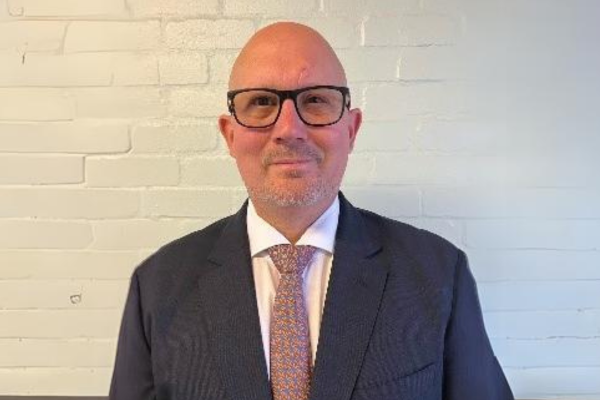
The Institute of Marine Engineering, Science & Technology (IMarEST) has announced the appointment of Chris Goldsworthy as the new Chief Executive. Chris replaces Gwynne Lewis who is retiring, having been in the position since 2020.
Chris is a Fellow of the IMarEST and former Cyprus Branch Chair. He embarked on his career as an Engineer Cadet with P&O Containers, where he spent 16 years at sea, achieving the rank of Chief Engineer Officer. He transitioned to shore-based roles in 2005 as a Technical Superintendent, and his journey has led him to technical, fleet, management and director positions. Throughout his career, he has overseen diverse fleets, nurtured strong teams, and provided strategic leadership to boards and executives, exemplifying his technical acumen and leadership prowess.
Chris Goldsworthy, IMarEST Chief Executive says: “It’s an honour to take on this role for the Institute that I have been a passionate member of since I started my career. The Institute is unique in bringing together engineers, scientists and technologists in the sector and I am looking forward to working with our members to solve some of the biggest challenges we have ever faced, to shape a more sustainable future for the marine sector.”
Kevin Daffey, Chair of the IMarEST Board of Trustees, says: “I am delighted to welcome Chris to the role of Chief Executive of IMarEST and working with him and the team over the coming years. I would also like to thank Gwynne who has been an exceptional CEO, serving with dedication since mid-2020. Under his leadership, we have witnessed remarkable achievements, including the recruitment of a talented executive team, and the successful implementation of new IT infrastructure. Gwynne's instrumental role in revitalising our Institute's finances and fostering operational excellence cannot be understated. The Trustees express our heartfelt gratitude for his contributions and wish him a fulfilling and well-deserved retirement.”
The IMarEST is a registered charity and the international professional body and learned society for all marine professionals. It is the largest marine organisation of its kind and promotes the scientific development of marine engineering, science and technology, providing opportunities for the exchange of ideas and practices, aiding in the development and upholding the status, standards and knowledge of marine professionals worldwide.
Training supplied by ROMOR, Applied Acoustics and Oceanbotics accepted by DND
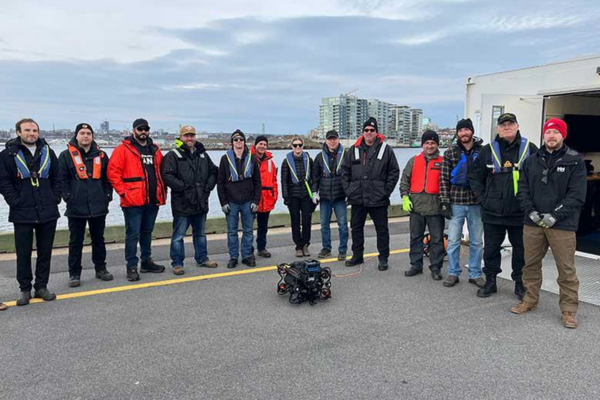
ROMOR and technology partners, Applied Acoustics and Oceanbotics, conducted a 4-day training seminar at The COVE for the Nexus 2 USBL and SRV-8 ROV.
Darrin Verge, President of ROMOR, chose The COVE as it provided an ideal space for the training which consisted of real-world deployment and practical use of the systems.
Day 1 included introductions from the 14 trainees representing FMF Cape Scott Engineering Group and underwater acoustics, mechanical, electrical and weapons experts from the dockyard. Day one training was held at a local survival training centre.
Trainee teams used the SubNav operating systems and an xBox controller to fly the SRV-8. That afternoon the teams activated the system’s sonar and practiced locating suspended objects in the pool. The team enjoyed recovering objects (hoops and rings) using the manipulator arms (the Grabber).
Day 2, training teams flew the SRV-8 at The COVE, operating the system inshore, learning ROV tether handling and more advanced operating procedures of the SRV-8 drone ROV.
Day 3, the SRV-8 was deployed near and under a Canadian Frigate. Trainee teams were introduced to real-world applications, where the SRV-8 would be used to inspect vessels.
Trainees greatly appreciated the opportunity to operate the system under the Frigate and showed enthusiasm and commitment, working through snow, wind and cold conditions.
Some highlights from the group include:
“We never seen that before”, “We never got the divers to do this kind of thing before”, “This system was able to do exactly what we needed to do without having to bring in a human diver.”
Day 4 saw the group back at The Cove with instructors from Applied Acoustics, Ben Darling, (Support Engineer) and Gavin Willoughby, (Director of Business Development).
Trainees started in the classroom followed by dock training on the Applied Acoustics Nexus 2 USBL system. The group had lots of questions on best practices, system capabilities, specifications and performance.
Ben Darling, from Applied Acoustics provided operational and technical training on the Nexus 2 USBL which included a 30m cable (topside) and underwater transceiver.
“Thank you to ROMOR Ocean Solutions and all those that attended the event. Canada has been very welcoming.” Ben Darlin, Support Engineer, Applied Acoustics
Training wrapped up with the technical team from ROMOR attaching an underwater acoustic beacon to the SRV-8. Trainees had the opportunity to fly the outfitted ROV around and through the underwater Stella Maris Platform.
The SRV-8 was acoustically tracked by the Nexus 2 transceiver deployed on a mechanical pole on the pier.
The complete system and training supplied by ROMOR, Applied Acoustics and Oceanbotics was accepted by the Department of National Defence.
“We want to thank everyone who participated in this training event, especially our technology partners who provided expert knowledge & advice on the Nexus 2 USBL and SRV-8 ROV. “ Darrin Verge, President, ROMOR Ocean Solutions
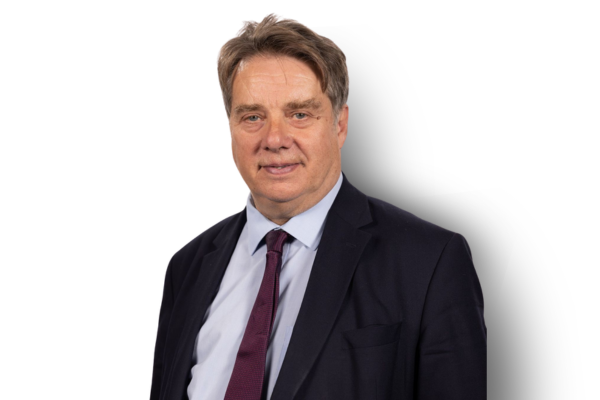
National Oceanography Centre’s CEO Professor Ed Hill to retire
Professor Ed Hill CBE will retire as Chief Executive Officer of the National Oceanography Centre (NOC) in 2024, after more than twenty years since he was first appointed Director of NOC.
Professor Hill, physical oceanographer by background, was appointed as Executive Director in 2010, previously holding the position of Director at NOC and the Proudman Oceanographic Laboratory (Natural Environment Research Council).
Since then, he has led the organisation to become one of the world’s top oceanographic institutions. In particular, Professor Hill steered NOC through its transition to become an independent, not-for-profit research institute, an evolution completed in 2019. Professor Hill was also appointed a Commander of the Most Excellent Order of the British Empire (CBE) in 2020 for services to ocean and environmental sciences.
Professor Hill said: “It has been a huge privilege for me to lead the National Oceanography Centre and to work over the years with so many fantastic colleagues in this wonderful institution as well as across the UK and worldwide. Four years after becoming an independent organisation, and with NOC in such very strong scientific and financial health with a great leadership team, I feel now is the right time for me to pass the baton on to someone with a fresh pair of eyes – and I feel very confident in doing so”.
Professor Hill will continue to actively lead NOC until a successor is in place, maintaining our reputation for excellence. The National Oceanography Centre has engaged the services of Odgers Berndtson for the search for a new Chief Executive Officer, for more information please visit their website.
Mobile laboratories set to revolutionise ocean species discovery
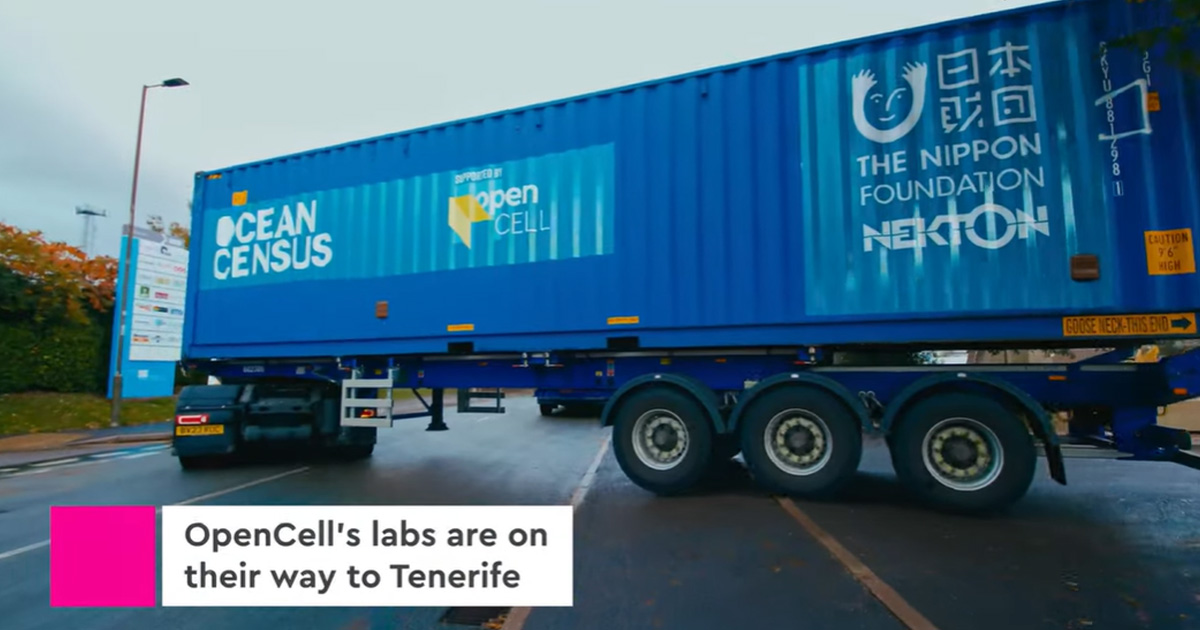
Tenerife's Radazul Port has welcomed two state-of-the-art mobile shipping container laboratories, a pivotal component of an innovative toolkit being developed by Ocean Census and OpenCell. These laboratories will play a central role in an ambitious mission to meticulously explore and document ocean life.
Ocean Census, the pioneering open network launched by The Nippon Foundation and Nekton, has partnered with OpenCell Labs as part of a global effort to accelerate the pace of ocean species discovery. OpenCell’s mobile laboratory systems will enable marine scientists to conduct shoreside taxonomy on location, helping to support the delicate preservation and recording process at the moment of recovery.
This landmark partnership, rooted in innovation and a shared vision for a sustainable future, will leverage cutting-edge cyber-taxonomy, which will take place in the state-of-the-art mobile laboratories, in a global effort to identify 100,000 new species over the next decade. The two laboratories will be deployed on the upcoming Ocean Census Macaronesia Expedition based out of Radazul Marina in Tenerife.
The collaboration between OpenCell and Ocean Census exemplifies a joint effort to demobilise resources from pandemic-related activities and redirect them toward urgent environmental concerns.
"During the global pandemic, we united on a global scale to use our skills and knowledge to address one of humanity's most critical crises. Now, we apply this expertise in collaboration with Ocean Census to tackle another pressing emergency – the biodiversity crisis."
Helene Steiner, CEO of OpenCell comments:
The first usage of the containerised laboratories provided by OpenCell will be on the Ocean Census Macaronesia - Tenerife Submersible & Diver Expedition. This expedition is a significant undertaking aimed at exploring the rich, yet largely uncharted marine environments of Tenerife, Canary Islands, Spain.These state-of-the-art mobile labs will enable researchers to conduct on-site analyses, enabling scientists to immediately process, document, and analyse samples.
“These mobile laboratories will not only streamline the process of species identification and data gathering but also enhance the efficiency of research conducted in remote and often challenging marine environments. The use of these advanced laboratories in the Ocean Census Macaronesia Expedition is a prime example of how the programme is integrating cutting-edge technology with field research to accelerate the understanding and preservation of marine biodiversity.” Daniel Moore, Ocean Census Expedition Science Manager
The integration of advanced facilities and skills is critical to the Ocean Census mission to uncover life within the ocean’s biodiversity hotspots and contribute to global conservation strategies.
Teledyne announces the 2023 Marine Photo and Data Contest winners: Celebrating excellence in marine imagery
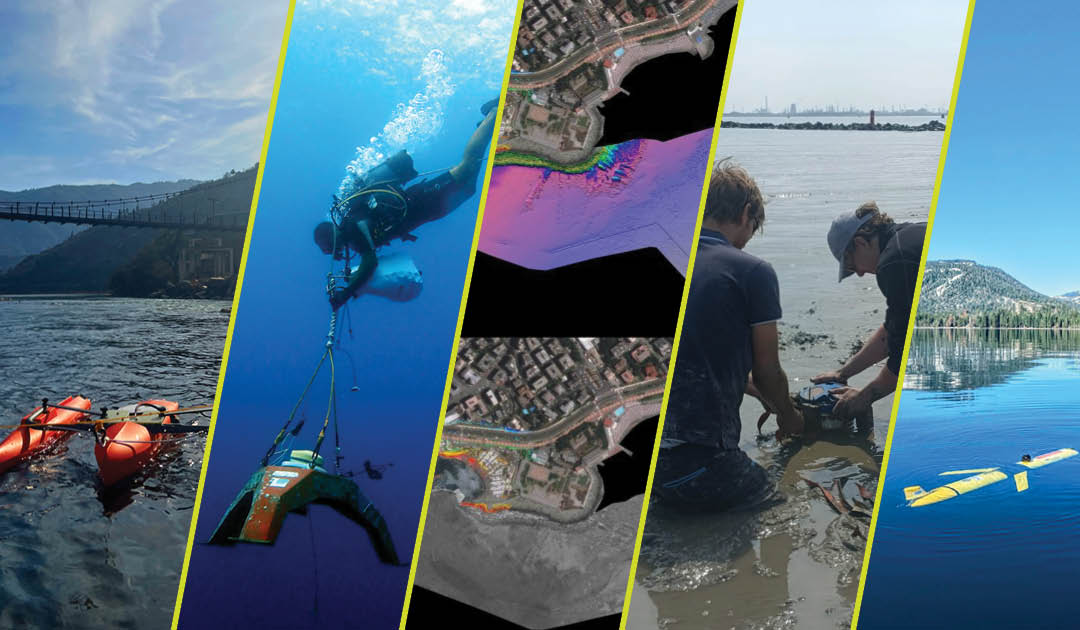
Teledyne is thrilled to announce the 2023 Marine Photo and Data Contest winners. With an overwhelming response from participants around the world, this year's competition showcased the incredible talent and dedication of marine professionals and enthusiasts.
The Teledyne Marine Photo and Data Contest received an abundance of remarkable entries across five distinct categories, highlighting the diverse and dynamic world of marine exploration, innovation, and challenges.
Selecting the winners from a pool of extraordinary entries was daunting, as the quality and creativity on display were exceptional. The Teledyne judging panel was deeply impressed by all participants' dedication, ingenuity, and artistry.
Each winner has been informed directly and will receive prises recognising their outstanding contributions to the marine photography community.
Teledyne extends its heartfelt congratulations to all the winners and our sincere appreciation to everyone who participated in the 2023 Marine Photo Contest. Your dedication to capturing the marine world's beauty, challenges, and triumphs inspires us all.
Click here to view the winners.
