
Exail to equip Deep Ocean Search with next-generation navigation and positioning systems for deep-sea missions
 Deep Ocean Search (DOS), a leading deep-sea exploration company, has selected Exail to provide the navigation and acoustic positioning capabilities required for its upcoming missions. As part of this collaboration, DOS will deploy Exail’s Rovins 9-DVL navigation system and Gaps M7 acoustic positioning system, enabling operations at depths of up to 6,000 meters.
Operating at such extreme depths in some of the world’s most challenging subsea environments requires highly precise, reliable, and autonomous systems to ensure safety, efficiency, and uninterrupted mission performance. Exail’s technologies are specifically designed to meet these demands, giving DOS the confidence to execute complex deep-sea operations under demanding conditions.
“These systems were chosen not only for their compact design and advanced capabilities but also for their proven track record in the marine industry,” said Sébastien Bougant, Ashore Manager at DOS. “The combination of Rovins 9-DVL and Gaps M7 will allow us to achieve new levels of precision and reliability in the most demanding subsea missions.”
Quentin Chiche, Regional Sales Manager at Exail, added: “We are proud to support DOS in pushing the boundaries of deep-sea exploration. By delivering the accuracy and autonomy required in such environments, we help operators focus on their mission objectives with full confidence in their navigation and positioning systems.”
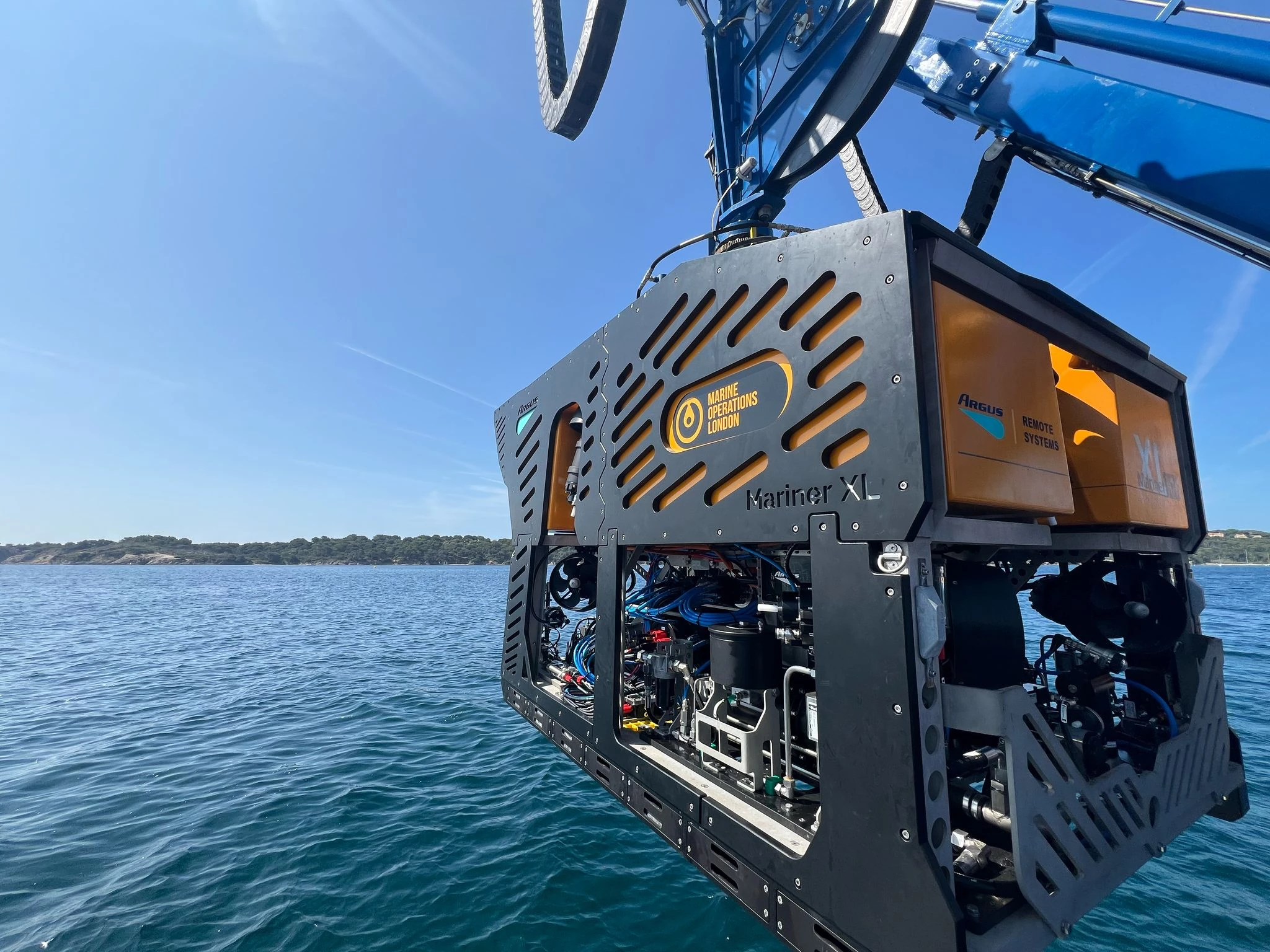
 The Rovins 9-DVL will be integrated into DOS’ XL Mariner work-class ROV (Remotely Operated Vehicle), built by Argus in Norway. Combining Exail’s fiber-optic gyroscope technology with Nortek’s DVL (Doppler Velocity Log), Rovins 9-DVL ensures accurate seabed-relative navigation in GNSS-denied environments. By reducing drift and maintaining precise velocity tracking, it enhances the efficiency and predictability of subsea operations.
The Gaps M7 USBL system complements this by providing rapid deployment and omnidirectional long-range tracking, even in acoustically challenging conditions. Its pre-calibrated design ensures continuous real-time positioning of subsea assets, offering greater operational agility, minimized downtime, and enhanced control during demanding missions.
This collaboration highlights the strategic importance of reliable subsea technologies in enabling safe, efficient, and ambitious deep-sea operations. By equipping DOS with robust, field-proven solutions, Exail strengthens its role in advancing the future of deep-sea exploration and supporting mission success in the harshest marine environments.

Forum Energy Technologies Upgrades ROVs for Global Vessel Operator
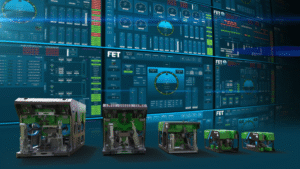 New enhancements to prolong lifespan of OEM systems
Forum Energy Technologies (FET) has been awarded a contract to upgrade two remotely operated vehicles (ROVs) for a global vessel operator, significantly enhancing the performance, efficiency and reliability of the systems.
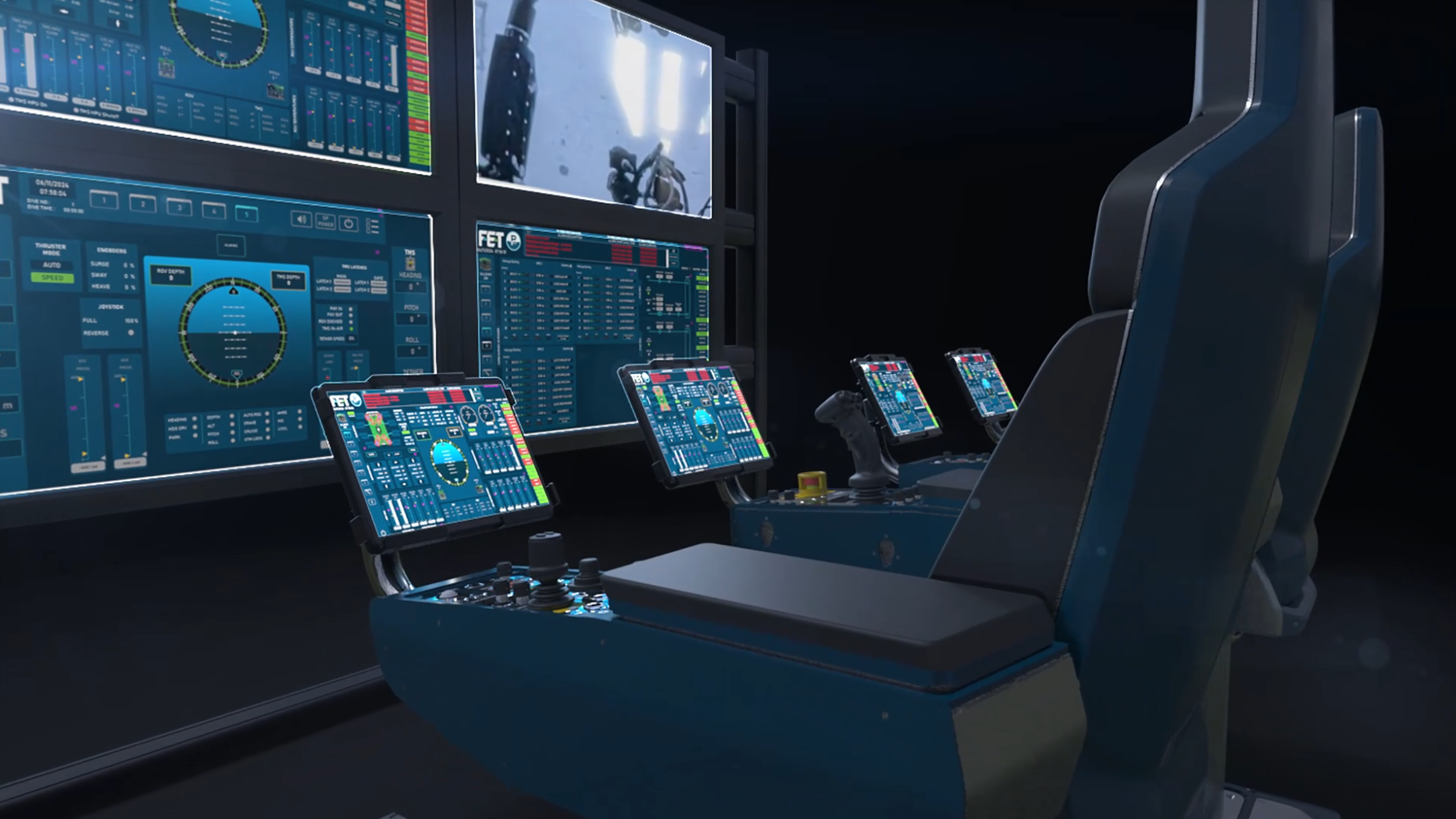
The upgraded systems will be equipped with FET’s latest control system, ICE Unity, plus FET’s proven system architecture including hydraulic manifolds, junction boxes and thrusters. Once delivered the systems will receive FET’s class leading 24/7, 365 days a year support as well as a minimum of 10 years protection from obsolescence.
FET’s latest contract win follows a string of recent sales, including two XLX-C ROVs delivered to a UAE-based offshore construction firm and a Super Mohawk II ROV to a North American subsea organisation.
Kevin Taylor, FET Vice President – Subsea, said: “This project is a strong example of how collaboration can drive smart and effective subsea solutions, and we recognise the trust that this operator has put in us to undertake these ICE Unity improvements. By reducing offshore exposure, and supporting longer-term, more flexible projects, these vehicles are now futureproofed to deliver further safe and reliable scopes of work.”
As well as supplying new ROV models to market, FET has completed a series of ROV modernisation campaigns for clients, contributing to sustainability initiatives across the subsea sector.
‘Ears in the ocean’ to boost global safety and sustainability as Kongsberg Discovery rolls out passive acoustic technology
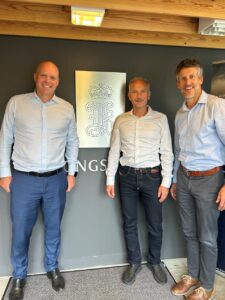
Kongsberg Discovery is targeting a global roll out of advanced passive acoustic technology, helping markets such as the oil, gas and naval sectors detect operational anomalies from the outset, safeguarding critical subsea assets and environments. The push comes with the full integration of Bergen, Norway’s Naxys Technologies into the company, following on from its acquisition in January this year.
Transforming subsea awareness
Kongsberg Discovery is a world leader in advanced ocean sensors and robotics, while Naxys has forged a position as Norway’s leading innovator in passive acoustics, serving the nation’s thriving energy sector.
Its established passive hydrophone technology provides continuous acoustic monitoring, detecting changes in flow conditions, structural integrity, and potential leaks, as well as other anomalous subsea noises and vibrations.
As Martin Wien Fjell, President Kongsberg Discovery explains, the solutions – which can be easily installed on underwater equipment, or utilised as mobile arrays for marine and infrastructure inspection – can “transform awareness” of what’s happening below the waves, delivering compelling benefits for diverse user groups.
Minimising downtime, maximising efficiency
“Since its formation in 1999, Naxys has refined robust, high performance technology that gives customers ‘ears in the ocean’, helping them identify and address issues with speed, safety and precision,” Fjell comments. “This has been a real success in Norway, enabling customers to minimise the impact of offshore structures on surrounding ecosystems, while supporting efficient production, reducing downtime and optimising costs.
“These are benefits that, with this full integration, Kongsberg Discovery can now bring to the global marketplace. In today’s highly regulated operating arenas, where responsible environmental monitoring is essential, this passive technology is a gamechanger. It can detect leaks far ahead of conventional systems, save millions of dollars in unplanned downtime, deliver precise critical infrastructure inspections, and help protect fragile ocean ecosystems by monitoring radiated noise from human activity and detecting nearby marine mammals. Together with our existing solutions, we now believe we can offer the market a uniquely comprehensive level of subsea awareness.”
Diverse applications
The passive acoustic solutions are as flexible as they are effective. For example, the sensors can be easily installed on subsea structures as permanent leak detection systems, or on equipment such as subsea pumps and compression systems, continuously analysing performance to inform maintenance and operational decisions.
Used as scalable array configurations, on ROVs or other mobile assets, the solutions can monitor and inspect installations, or be utilised for monitoring targets, surveillance or protecting infrastructure such as harbours. With a growing emphasis on reducing noise within the ocean environment, Naxys technology can also help users monitor and manage their own operational noise footprint.
“The variety of applications speaks volumes of the market potential here,” Fjell concludes, “with a real opportunity to deliver added value for customers in the Oceanographic and Marine sectors, in addition to the Energy industry.
“It’s not just the environments that our customers operate in that creates challenges, but also the evolving legislations and increasingly dynamic risk picture. This technology is tailored to meet those needs, helping users stay ahead, and in control, as they work to enhance safety, sustainability and standards in our oceans.”
Kongsberg Discovery, which has operations and facilities across the globe, will maintain and build its new Bergen presence, catering for regional oceanographic research, marine and energy customers.
To discover more please see https://www.kongsberg.com/discovery/
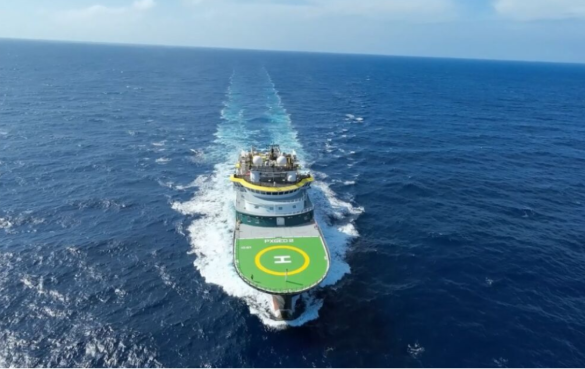
PXGEO wins two-year geophysical contract to support Malaysia Upstream Activities
 First contract in Malaysia for seismic data acquisition and marine geophysical specialist
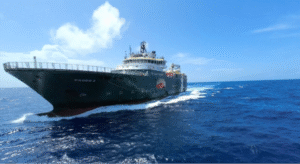
PXGEO has secured its first contract in Malaysia to deliver offshore seismic data acquisition services under a two-year agreement. This includes a minimum commitment of 365 days of acquisition activity over the contract term utilizing the PXGEO 2 seismic vessel which will mobilize this month (August).
The campaign will play a key role in supporting Malaysia’s drive to unlock new hydrocarbon resources and accelerate upstream exploration aligning with the Malaysia Petroleum Management (MPM) aspiration.
The contract highlights PXGEO’s growing portfolio of E&P organizations around the world. It also reflects the company’s proven track record in advancing exploration efforts and supporting strategies to boost production and ensure long-term energy resilience.
Around 50 multi-disciplined PXGEO personnel will support the scope, delivering multiple surveys using 2D and 3D towed streamer technology, with the flexibility to incorporate ocean bottom node solutions if required.
Charles ‘Chuck’ Davison Jnr, CEO and Executive Chairman of PXGEO, said: “Winning work in a new geography with a new client is an exciting development for our business. We’re proud to play a role in Malaysia’s latest exploration campaign, where reliable high-quality seismic data is essential for guiding drilling and development decisions. This operator’s continued investment in international expertise reflects its commitment to driving upstream efficiency and unlocking new resource potential.
“This contract reflects the confidence major energy companies continue to place in our skilled people, performance and technology, further reinforcing our position as a partner of choice in high-resolution seismic acquisition. With a strong portfolio and growing momentum for advanced subsurface insight, we remain well positioned to support global exploration strategies.”
PXGEO employs a 400-strong workforce across strategic global locations, including its Dubai headquarters and offices in Paris, Houston, Linköping, Oslo and Rio de Janeiro, along with a dedicated offshore workforce.
Exail secures sale of DriX H-9 long-range Uncrewed Surface Vessel to leading Global Hydrographic Authority
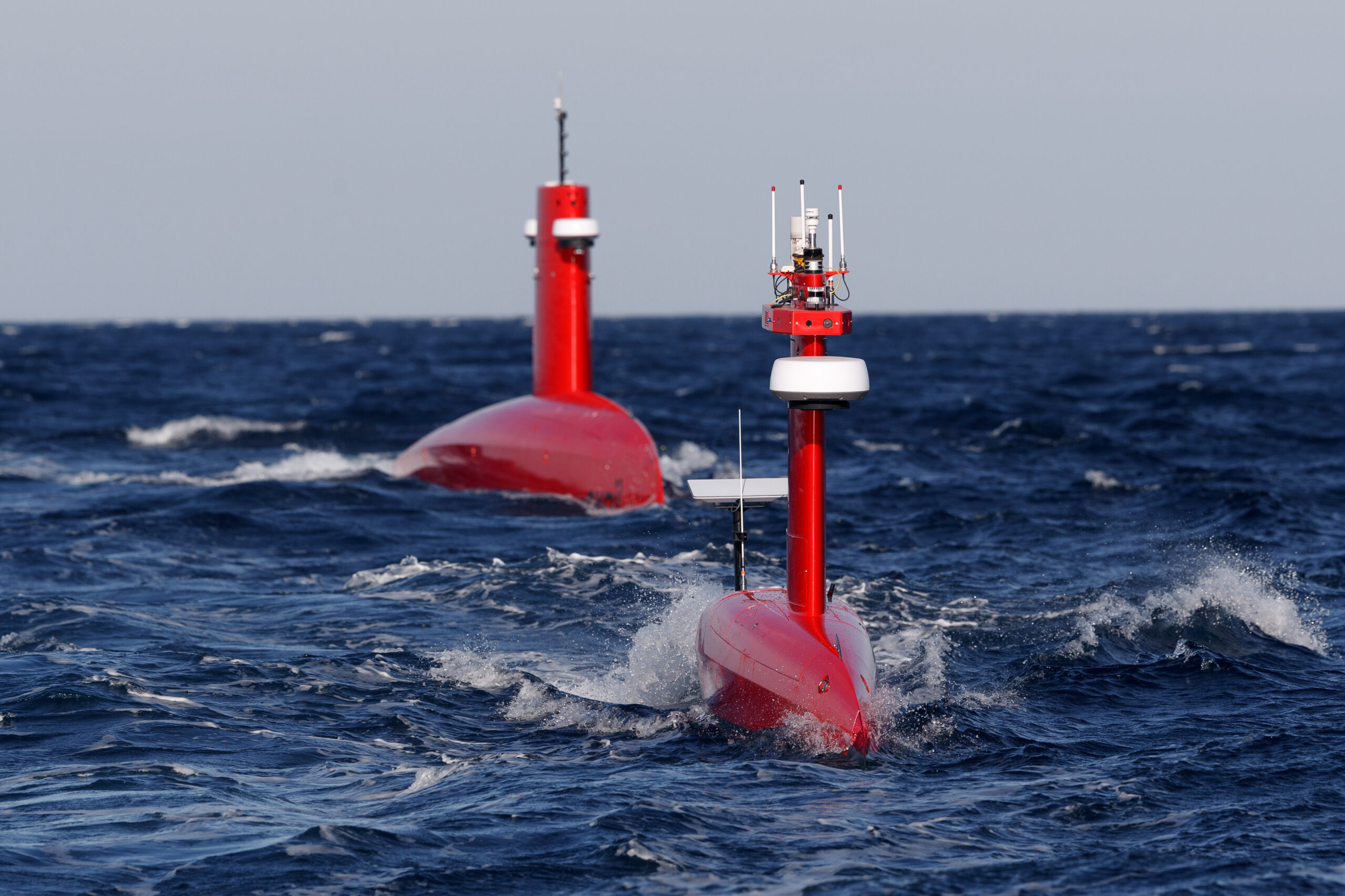
 Exail has secured the sale of its new long-range Uncrewed Surface Vehicle (USV), the DriX H-9, to a leading global hydrographic authority. This milestone marks the successful expansion of Exail’s portfolio of autonomous solutions for both commercial and defense markets, reinforcing its position as a key player in the rapidly growing USV sector.
Building on the success of the DriX H-8, the new H-9 model delivers up to 20 days of autonomous endurance, increased payload capacity and enhanced flexibility to support a wide range of maritime missions. Designed to address the growing demand for persistent, over-the-horizon (OTH) surveys, the DriX H-9 minimizes offshore logistics while extending operational reach, key requirements in sectors such as offshore energy and subsea infrastructure and naval surveillance.
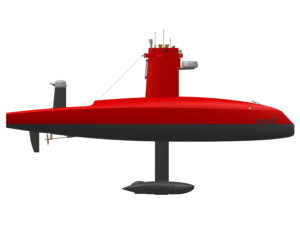
The H-9 can carry multiple geophysical sensors simultaneously, such as side-scan sonar, magnetometer, multi-beam echo sounder and sub-bottom profilers. Its aft launch and recovery system enables deployment of towed sensors and inspection class remotely operated vehicles (ROVs), supporting tasks such as seabed mapping and infrastructure inspection. An adaptable mast allows integration of additional sensors such as optical systems and advanced communications equipment, for maritime domain awareness missions.
Like the DriX H-8, the H-9 features a gondola architecture optimized for hydroacoustic sensors, ensuring high-quality, stable data collection. A common architecture framework across the DriX Series further simplifies fleet integration, enabling shared spares and streamlined maintenance.
“With this sale of the H-9, alongside the recent success of the DriX O-16, the DriX series is becoming a true reality at sea — enabling operations from shallow to deep waters, with expanding endurance, the ability to embark a wide range of sensors, and the capability to launch and recover various assets,” said Sébastien Grall, Head of Maritime Autonomy activity. “With its maturity, reliability, and widespread adoption by both civilian and military customers worldwide, the DriX Series continues to set the standard for high-performance USV operations and strengthens Exail’s leadership in the rapidly evolving autonomous maritime systems market.”
The DriX H-9 is scheduled to be delivered in 2026. As global interest in autonomous maritime technologies accelerates, Exail is affirming its strategic position in the USV market, delivering robust, mission-ready platforms that meet the evolving needs of operators worldwide.
DriX Series
Since its introduction in 2017, the DriX USV has amassed over 500,000 nm of operations in some of the world’s most challenging maritime environments. Trusted by leading hydrographic agencies, navies, and offshore operators across the five continents, DriX has been deployed for missions ranging from seabed mapping to environmental monitoring, subsea infrastructure inspection, rapid environmental assessment (REA) or Intelligence, Surveillance, Reconnaissance. Its proven performance and operational reliability have established it as one of the most widely adopted high‑end USVs in the industry.
UK Marine Autonomy Company ZeroUSV deploys vessel to Nato's largest UxS testing exercise in Portugal
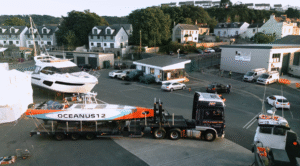
UK maritime innovator, ZeroUSV has deployed one of its uncrewed surface vessels (USV) to Troia, Portugal, joining NATO’s largest exercise for autonomous naval systems alongside more than 20 allied nations and global defence primes.
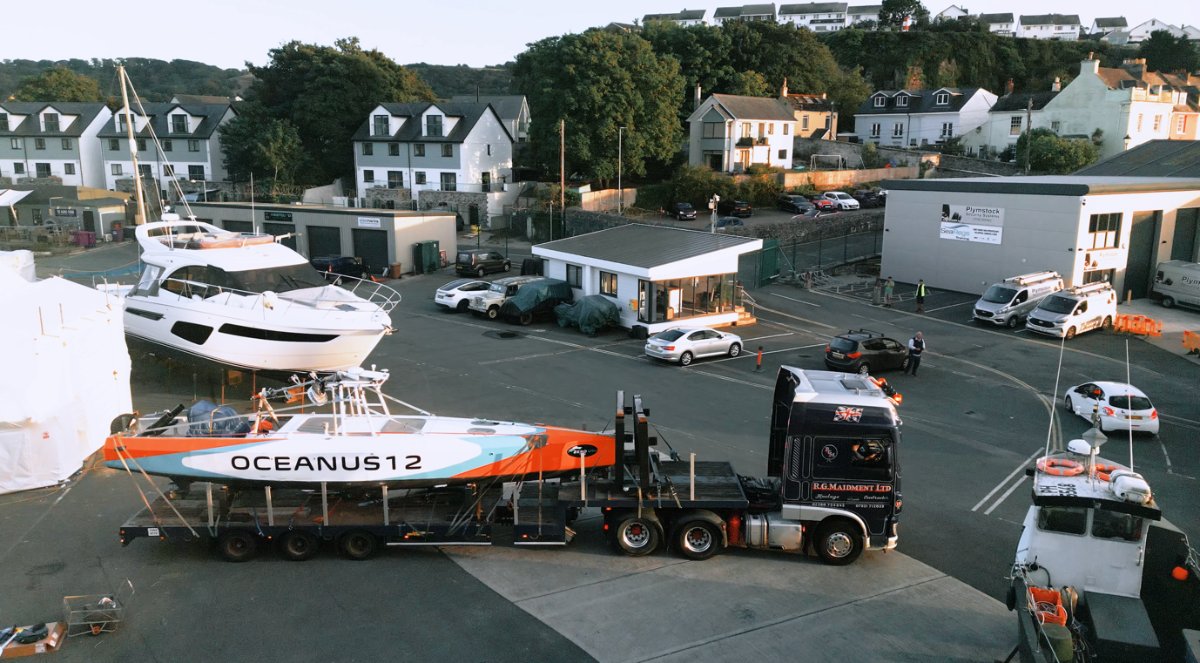
The Plymouth-based firm has been competitively selected by the Royal Navy to send one of its 12metre “Oceanus12 class” USV’s to REPMUS_Dynamic Messenger (DYMS) 2025, a three-week exercise programme hosted by the Portuguese Navy off the Tróia Peninsula and Setúbal Bay. Exercise REPMUS (Robotic Experimentation and Prototyping using Maritime Uncrewed Systems) is a Portuguese led proving ground for maritime autonomy integrated with NATO’s Exercise Dynamic Messenger (DYMS), where navies, defence contractors and technology providers test how uncrewed and crewed fleets can operate together in live missions.
ZeroUSV’s pioneering Oceanus12 platform, designed, developed and engineered at the company’s base in Plymouth, is a groundbreaking dual use (defence & civil) USV incorporating a bespoke high voltage electric-hybrid drive train, and full system redundancy not seen on this size and type of vessel before.
The Oceanus12 has been designed for extended duration over the horizon autonomous operations. The level 4, fully autonomous AI-enabled vessels, each with a range of up to 2500 nautical miles, are mission agnostic but typically are used to integrate payloads such as hydrographic survey equipment through to advanced surveillance and communications systems and are designed to operate for extended periods without crew while relaying data back to ship or shore in real time.
In preparation for REPMUS_DYMS, Oceanus12 has received a significant hardware and sensor upgrade package. The most obvious addition is a custom automated winch, which has been loaded with a thin line towable acoustic array from Optics11 in Holland. ZeroUSV has also rapidly designed and built a prototype sonobuoy launch system – “SOIL” (SOnor Intgrated Launch system) as a very first step in being able to demonstrate capability for launching the Royal Navy’s acoustic sonobuoys, another world first for an autonomous USV. The Ocenaus12 will be tasked with deploying the sonobuoys at the start of the daily exercises in conjunction with those from a crewed support vessel.
Teledyne’s T50 extended range deep water multibeam has been fitted to the gondola/keel and will be used to collect military bathymetric data as part of its extensive CONOPS, while the latest Navtech HD radar has been integrated into the MarineAI, Guardian software stack, increasing the situational awareness for the smallest of objects at up to one km of range.
2025 has been a breakout year for ZeroUSV, with the launch of Oceanus12 vessels one and two in the spring, the sale and purchase of vessel two to Leeway Marine in Halifax, Canada in July and with vessels three and four in advance stages of construction and scheduled for commissioning with potential customers lining up to have access to the latest USV tech.
There has also been significant interest from both UK and overseas navies and commercial operators in the offshore energy sector, but REPMUS_DYMS will be the first time its technology is demonstrated directly to NATO decision-makers, and alongside vessels developed by the largest defence contractors in the world.
Matthew Ratsey, founder and managing director at ZeroUSV, said: “Deploying to REPMUS is a fantastic opportunity for us, REPMUS_DYMS provides the backdrop and opportunity for us to be able to ‘spread our wings’ and really show the world how far USV technology has developed over the past few years.
“It’s really where technology stops being talked about as theory and starts being proven at scale. Our vessel is designed to be deployed on long duration over the horizon missions without the need to put sailors’ lives at risk, we now have the chance to show that in live NATO operations.”
In looking forward to zeroUSV’s contribution, the lead planner for the underwater component of REPMUS_DYMS, Mr Ian Danbury OBE, said: “Exercises like REPMUS_DYMS bring navies, researchers and industry together to test uncrewed technology in demanding missions. The involvement of companies such as ZeroUSV ensures NATO can see how emerging systems integrate with conventional fleets and where they can add real value, this is very much the future”
Zero’s vessels will remain in Portugal throughout September for integration, live exercises and the closing showcase. The 12metre vessels on board software system has been developed by autonomy software pioneers, Marine AI.
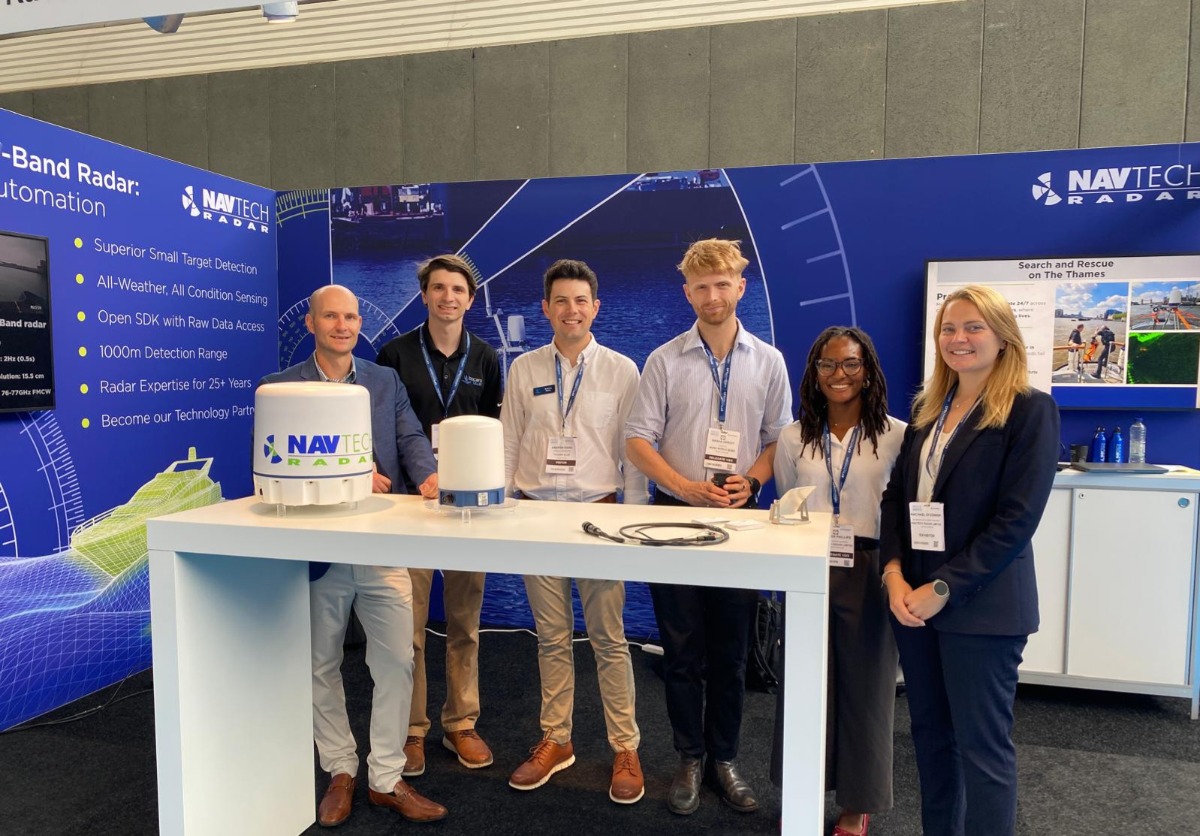
Navtech Radar and Tocaro Blue: strategic partnership sets industry benchmark for sensor perception
Navtech Radar, designer and manufacturer of high-precision W-band Radar systems, announced a strategic partnership with Tocaro Blue, a developer of Machine Learning (ML) powered Radar processing solutions. This collaboration combines Navtech's cutting-edge Radar hardware with Tocaro Blue's advanced machine learning Radar processing software to deliver a transformative marine navigation and collision avoidance sensor.
Traditional marine Radar is most effective at ranges exceeding 100m and is typically used to detect threats miles away from the vessel; it also struggles to reliably detect small objects on the water. Navtech’s unique W-band Radar offers unparalleled short-range sensing, highly relevant for use on maneuverable unmanned vessels.
The partnership combines Navtech's state-of-the-art W-band Radar technology, featuring an impressive 1000m range, centimeter-level resolution and a precise 1.8-degree beam width, with Tocaro Blue's ProteusCore™ object detection, classification, and tracking solution. With this combination of technologies, Perception Engineers can expect a sensor that offers near field awareness in all weather conditions, processed with machine learning for an automated, fusion-ready output.
“The opportunity to collaborate with Tocaro Blue is an exciting moment for the marine industry. The partnership enables the creation of a robust, all-weather maritime perception system that delivers unprecedented situational awareness, object detection, and classification performance - redefining capability standards in the maritime domain; A critical step in supporting the transition toward increased autonomy in the marine environment.” Sam Wood, Segment Lead from Navtech Radar
"Our collaboration with Navtech Radar creates an unrivaled solution for the maritime industry," Andrew Rains, Senior Sales Director from Tocaro Blue. "By combining their exceptional sensing capabilities with our novel ML-based processing technology, we're enabling vessels to comprehend their environment with remarkable clarity and track targets with high accuracy."
This partnership addresses the growing demand for autonomous and semi-autonomous marine vessels, where mission critical perception systems are essential for safe operation. The combination of Navtech's hardware and Tocaro Blue's processing software creates a comprehensive solution that supports advanced navigation applications across coastal & port monitoring, autonomous work boats, commercial shipping, and mission-critical maritime defense operations.
Navtech’s Radar system excels in providing high-resolution returns, offering mariners detailed environmental awareness previously unavailable in traditional S- and X-band Radar systems. Tocaro Blue's ProteusCore™ Radar Processing software is immediately compatible with Navtech’s Radars, bridging the gap between Navtech’s high-resolution returns and inputs for your perception system or autonomy stack.
For more information about this partnership and the integrated Radar solutions, contact Navtech Radar and Tocaro Blue through their respective corporate communications channels.
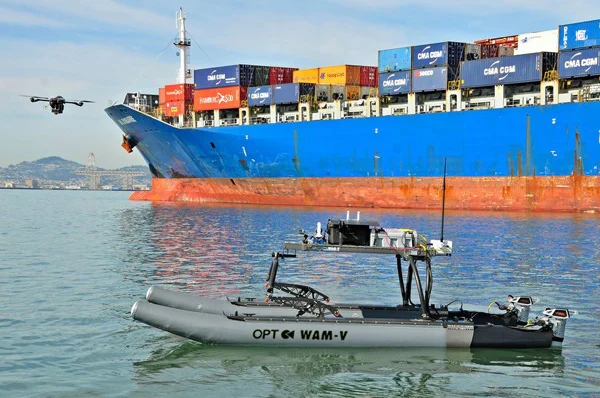
Greensea IQ and Ocean Power Technologies announce strategic collaboration to advance autonomous hull maintenance
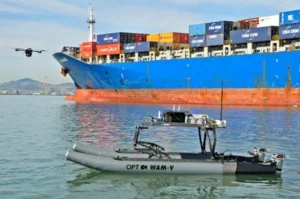 Greensea IQ and Ocean Power Technologies (OPT) have entered into a strategic collaboration to integrate Greensea IQ’s EverClean robotic hull grooming system with OPT’s WAM-V® Unmanned Surface Vehicle (USV) platform. The joint effort aims to develop a fully autonomous launch and recovery system to enable more efficient and environmentally responsible hull maintenance operations.
The collaboration will pair the proven performance of Greensea IQ’s EverClean robot—an in-water system that proactively removes biofouling from vessel hulls—with OPT’s modular and autonomous WAM-V® surface vehicles. Together, the companies will develop and test a system that can operate independently of traditional support vessels, unlocking new opportunities for persistent hull maintenance in commercial and defense markets.
“This collaboration with OPT accelerates our vision for a fully autonomous hull maintenance solution,” said John Dunn, Chief Operating Officer at Greensea IQ. “By combining EverClean with WAM-V®, we’re building the foundation for scalable, unmanned operations that reduce fuel costs, improve vessel performance, and eliminate the need for toxic coatings.”
The joint effort will focus initially on system design, integration, and prototype testing, with the goal of commercial deployment across key maritime sectors, including maritime, energy, defense, and scientific research.
“Greensea IQ’s EverClean technology is a natural complement to our WAM-V USVs,” said Jeremiah Mendez, Vice President of Operations at Ocean Power Technologies. “Together, we are advancing a solution that enhances vessel efficiency and promotes cleaner oceans through robotic innovation.”
This collaboration underscores the growing demand for sustainable, autonomous technologies that address critical challenges in maritime operations.
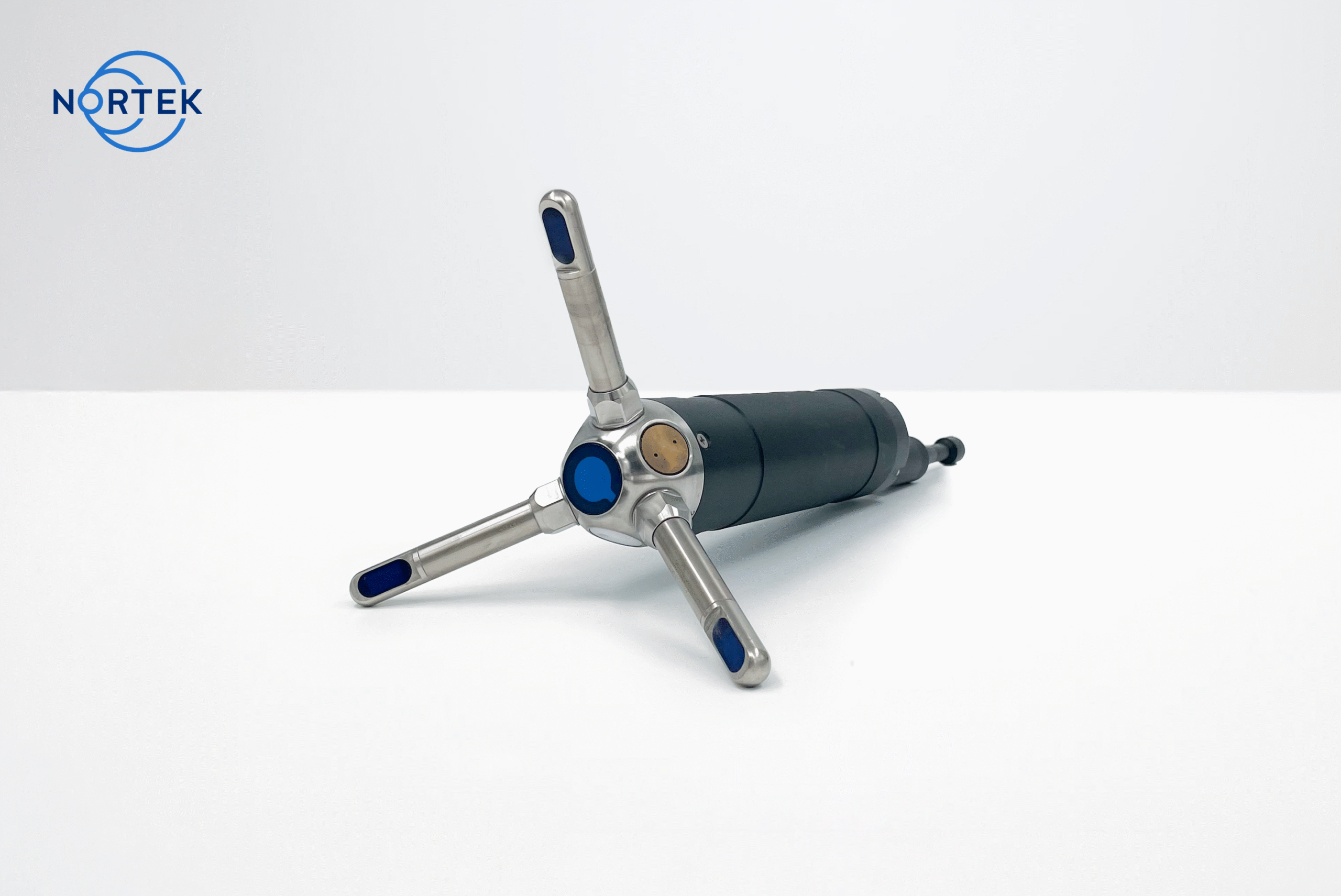
Nortek launches Generation 2 Vector velocimeter
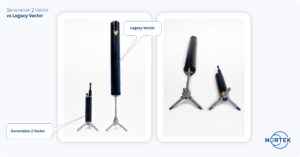 Nortek is excited to announce the Generation 2 version of the Vector velocimeter is now available. The Generation 2 Vector is designed for researchers interested in gathering high-resolution current measurements and capturing turbulent flow. The Generation 2 version offers a smaller form factor, lower power consumption, and new features including an echosounder mode.
Smaller form factor, greater flexibility
Nortek’s legacy Vector was introduced in 1999. The Generation 2 version has several key upgrades in both design and performance from the legacy version, designed with flexibility in mind. Its much smaller form factor enables deployments in areas previously inaccessible to the Vector, and compatibility with multiple battery canister options removes the need for internal batteries and allows users to choose a power solution appropriate for their application.
Additionally, the Generation 2 Vector includes an interface box, allowing the instrument to communicate via both Ethernet and serial using a single cable. Finally, following Nortek’s tradition, the Generation 2 Vector offers an LED which blinks at the user-defined sampling rate while collecting data, providing peace of mind during deployment.
Field-tested performance made possible by modern upgrades
Modern electronics and broadband processing improve the instrument’s precision for a given power consumption, making longer deployments possible on the same amount of battery power.
A short-range echosounder has also been added, enabling users to image structures in the water column. This is especially useful to those investigating sediment transport or changes in bottom morphology.
Enabling the next generation of high-resolution current measurement
The Generation 2 Vector opens doors for oceanographers and marine researchers looking to capture turbulence, measure currents in hard-to-access environments, or operating in large flumes. Contact Nortek with any questions about the capabilities of the Generation 2 Vector velocimeter.
Learn more at www.nortekgroup.com
Saab’s 600th Seaeye Falcon expands DISA International fleet
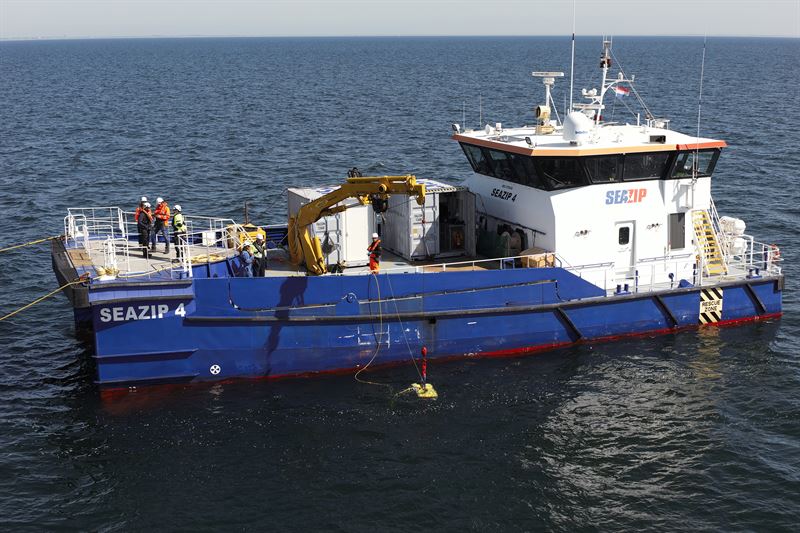
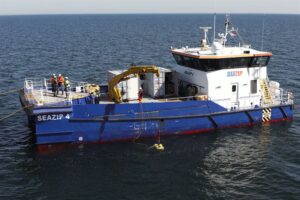 Saab UK announces the delivery of its 600th Seaeye Falcon subsea vehicle produced in Fareham, UK. This specific Falcon was built for international subsea specialist DISA International. The latest addition joins DISA’s growing fleet of Saab Seaeye vehicles and contributes to DISA’s high-performance inspection and survey operations across Europe.
The newly delivered Falcon is already at work supporting offshore wind energy operations in Germany, where it is conducting balance of plant inspections and general visual inspections (GVI). The vehicle will soon be deployed to further projects in the Netherlands and Belgium, playing a key role in offshore inspections and measurement tasks.
This latest purchase brings DISA’s fleet of Saab Seaeye vehicles to eight, including the Panther XT Plus, Cougar, Lynx and multiple Falcons.
The Falcon’s versatility extends beyond offshore wind. DISA routinely deploys its Falcons for harbour inspections, near-shore structural surveys, and RAC (Remote Area Compliance) inspections – demonstrating the vehicle’s adaptability in a variety of working environments.
Jon Robertson, Managing Director at Saab Seaeye, said
“DISA International’s decision to continue investing in the Seaeye Falcon is a testament to the trust our customers place in the reliability, performance and flexibility of our systems. Delivering our 600th Falcon to a long-term partner like DISA International is a suitable milestone in the manufacturing of British designed and built subsea vehicles.”
Didier De Graaff, Managing Director at DISA International, said:
“The Falcon is our go-to vehicle for operations from smaller vessels. It’s compact, easy to set up, and can be launched with an onboard crane, making it ideal for rapid mobilisation. Performance-wise, we’ve always been very satisfied.”
DISA International has significantly expanded its subsea vehicle capabilities over the past six years. The addition of this 600th Falcon highlights both the organisation’s growth and the strong partnership between the two companies.