Greensea IQ Appoints Rigel SrL as Exclusive Bayonet Representative for Italy
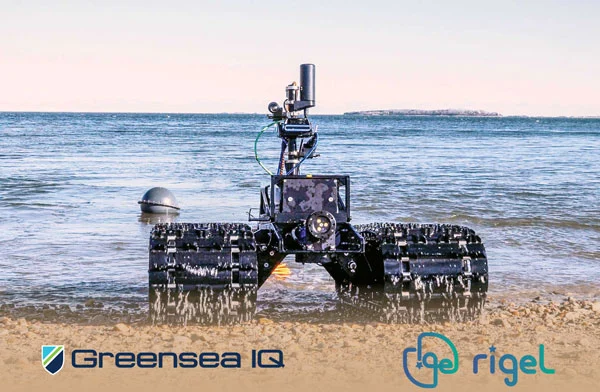
 Greensea IQ, a leader in subsea robotics and autonomous systems, is pleased to announce the appointment of Rigel SrL as its exclusive sales representative in Italy for the Bayonet line of Autonomous Underwater Ground Vehicles (AUGVs).
Based in Rome, Rigel SrL brings more than 50 years of experience delivering advanced electronics, robotics, and automation systems to Italy’s maritime, defense, and industrial sectors. This partnership marks an important step in expanding Greensea IQ’s presence in Europe and introducing its Bayonet surf-zone and nearshore robotics solutions to the Italian market.
“Rigel SrL has earned a strong reputation as a trusted provider of advanced technologies to government and commercial customers in Italy,” said Rob Howard, Chief Growth Officer of Greensea IQ. “We’re proud to partner with a company that shares our commitment to innovation, reliability, and mission success. With Rigel, we’re confident the Bayonet product line will find a strong foothold in one of Europe’s most dynamic maritime regions.”
The Bayonet AUGV family is designed specifically for operations in the surf zone and shallow water, enabling autonomous seabed mobility for applications such as mine countermeasures (MCM), UXO detection, coastal surveys, payload delivery, and amphibious reconnaissance. Built on Greensea IQ’s robust, open architecture platform, the Bayonet systems deliver true autonomy, precise navigation, and modular payload integration.
“It’s a privilege to bring Greensea IQ and their groundbreaking Bayonet technology to the Italian market,” said Emanuele Orlandi, Business Development Director at Rigel Srl. “With Italy’s extensive coastline and increasing focus on maritime security, environmental monitoring, and subsea innovation, there’s a clear need for agile, field-proven solutions like Bayonet. We’re excited to drive forward deployments that raise the bar for safety, reliability, and operational excellence in complex nearshore domains.”
The agreement reinforces Greensea IQ’s commitment to strengthening its global reach by aligning with experienced regional partners who understand the unique operational challenges and opportunities of their local markets.

Oceanus12 sets sail for Canada as ASV Viper marking milestone in autonomous maritime operations
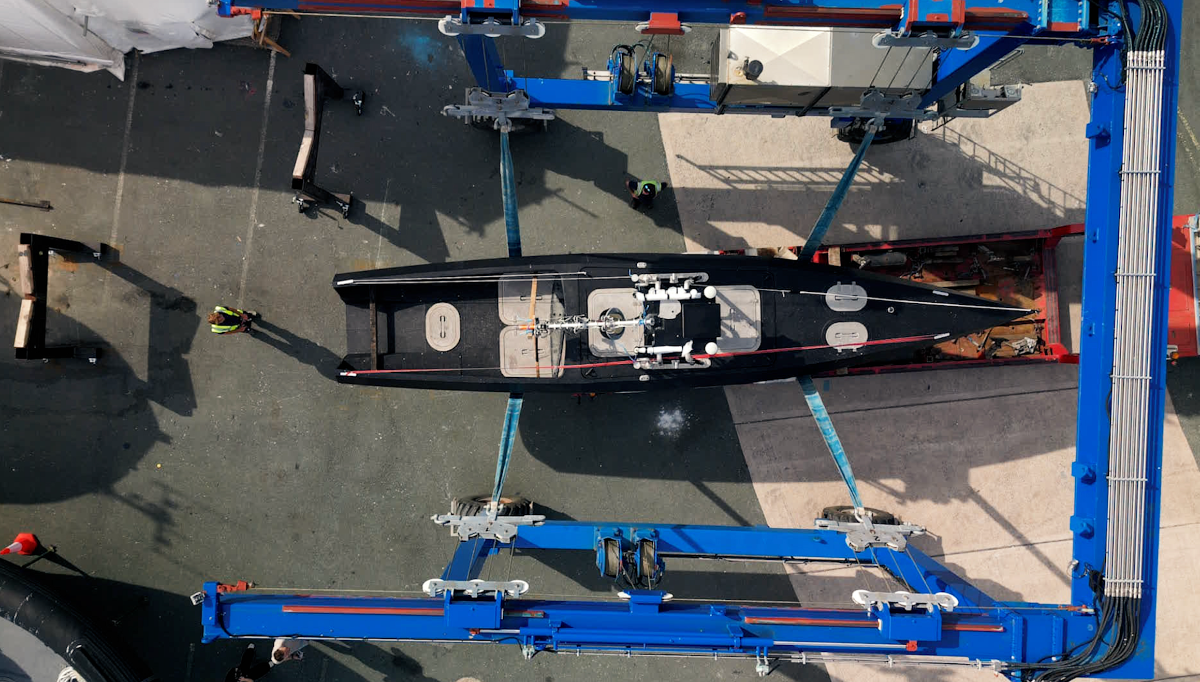
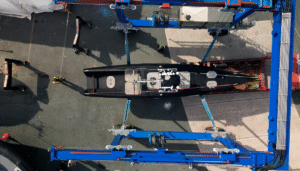 One of Zero USV’s Oceanus12 uncrewed surface vessel has officially left UK waters following successful trials in Plymouth, bound for Canada where it will join Leeway Marine’s operational fleet under its new name: ASV Viper.
Renamed and readied for service, Viper marks a significant moment for ZeroUSV as the first vessel to be deployed internationally under its franchise model, and the first step in bringing high-endurance, over-the-horizon uncrewed capability to North America.
The partnership sees Leeway Marine appointed as ZeroUSV’s first international franchisee, with exclusive rights to operate the Oceanus12 in Canada and the wider region on a charter basis. Designed from the keel up for extended autonomous missions, the Oceanus12 features a hybrid-electric twin propulsion system, advanced autonomy from AI software leaders, Marine AI, and a mission-flexible platform suitable for defence, survey, and border security operations.
Matthew Ratsey, founder of ZeroUSV, said: “We’re proud to see ASV Viper heading into service, particularly with Leeway Marine, who have deep operational experience and knowledge, making them the ideal partner to take Zero USV to North America.
“This is a meaningful step in our global expansion, and one that shows the increasing demand for high-performance, uncrewed platforms that don’t rely on costly ownership models.”
Based in Halifax, Nova Scotia, Leeway Marine is one of Canada’s largest offshore charter operators, with a strong presence in defence and survey markets. ASV Viper will be the first autonomous vessel of its kind in the region, opening new possibilities for persistent maritime operations without crew onboard.
ZeroUSV’s model enables customers to access turnkey autonomous capability through charter, supported by its own Remote Observation Centre (ROC) – reducing complexity, time to deployment, and risk.
Viper is expected to enter operational trials in Canadian waters later this summer.
Miros secures new shipping contract for novel VTI vessel performance technology
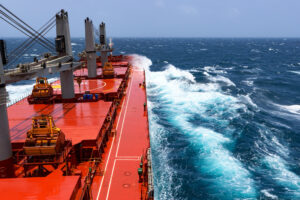
Miros, a global leader in real-time ocean insights and maritime innovation, has announced a significant commercial shipping contract for its Vessel Technical Index (VTI) service, marking a bold step forward in transforming vessel performance monitoring across the shipping sector.
This third and newly signed agreement, with a prominent yet undisclosed shipping company, cements Miros' position as a trusted partner in the maritime market. With over 40 years of expertise delivering high-precision ocean insights to offshore industries, Miros is now accelerating the shipping sector’s journey toward safer, sustainable, and more efficient vessel performance.
The Vessel Technical Index is a new metric that can be used to evaluate a vessel’s technical performance in relation to a reference baseline, such as its newbuild condition, and is a new recommended practice from DNV.
A VTI analysis identifies the actual performance of a vessel by removing the effects of the weather, loading condition, and other operational factors. The Miros VTI service running in Miros Cloud delivers unmatched accuracy by utilizing Miros’ industry-leading speed-through-water (STW) and wave measurements. With hourly updates, this enables the right decisions to be taken at the right time.
This helps shipowners and operators address some of their most critical performance challenges confidently. They can evaluate a vessel's real-time performance with greater accuracy or determine the ideal timing for hull or propeller cleaning. Ship performance can also be clearly documented in charter agreements, and the actual impact of energy-saving devices can be measured with precision.
Gunnar Prytz, Miros’ Chief Technology Officer (CTO), said: “Miros’ VTI significantly reduces the guesswork in vessel performance. This new approach will allow operators to plan hull and propeller maintenance based on real vessel status.
“Unlike traditional vessel performance analyses which are typically based on low-accuracy wave and STW data, the Miros VTI powered by accurate, real-time sea state measurements delivers high-frequency and high-fidelity insights that can be up to ten times faster, ten times more accurate and ten times more valuable than the standard industry applications used in the shipping industry, making voyages more predictable and profitable”.
Marius Five Aarset, Miros CEO, added: “As the shipping industry faces increasing pressure to reduce emissions and comply with tightening regulations, Miros' Vessel Technical Index positions itself as a critical tool for sustainable success. Calculating energy use, removing external force impact, and comparing it to pure water resistance in real-time, the technology streamlines the process by generating high-quality insights that enhance operational efficiency while reducing costs. At Miros, we are proud to partner with our shipping customers on their journey toward cleaner, data-driven seas, helping to identify and verify considerable performance gains in real-time.
As the shipping industry embraces greener and more intelligent operations, the need for actionable, real-time performance data has never been greater. Backed by over four decades of experience in advanced radar systems for real-time ocean monitoring, Miros brings proven expertise to a rapidly evolving maritime landscape.
The Vessel Technical Index (VTI) solution meets this demand by standardizing performance visibility and enabling data-driven fleet management. It delivers measurable results that help reduce fuel consumption, lower emissions, and improve cost efficiency, supporting shipping partners in achieving operational trust, profitability, and sustainability.
Ocean science inspires next generation of marine experts, onboard government Research Vessel
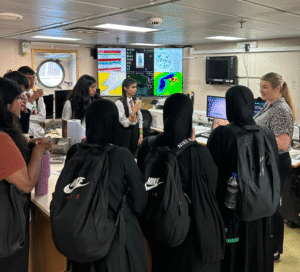
Nearly 150 students from Norfolk, London and across the UK explored cutting-edge marine research onboard the 74-metre-long Research Vessel Cefas Endeavour. Initiative opens doors to diverse careers in ocean science while showcasing vital research tackling food security, climate change and pollution. Part of wider efforts to increase diversity in marine science careers, addressing sector's inclusion challenges.
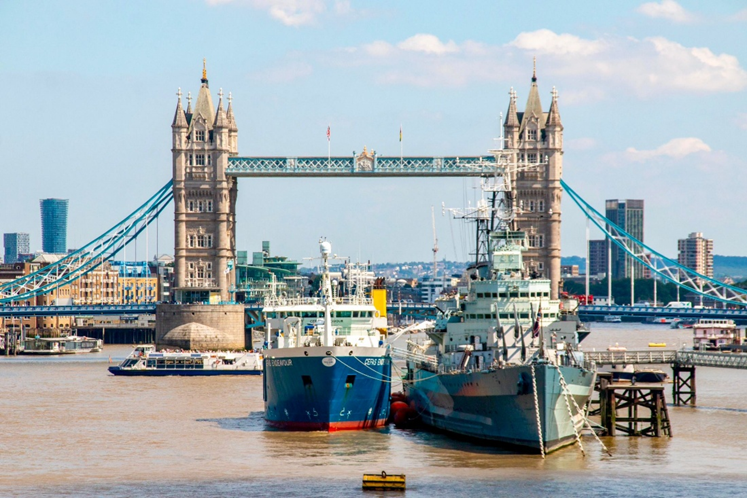
Potential future marine scientists from across London and Norfolk have gained hands-on experience of ocean research during visits to the government's 74-metre-long sea-going marine laboratory. RV Cefas Endeavour was temporarily moored alongside HMS Belfast on the River Thames, 1-2 July to offer a unique open-doors experience to selected young people.
Over 80 schoolchildren and 60 university students explored the state-of-the-art RV Cefas Endeavour this week, learning how marine scientists address critical ocean challenges including climate change, biodiversity loss and pollution.
The visits, organised alongside the Future Ocean 25 conference taking place nearby, gave young people direct access to working scientists while showcasing career opportunities in a field crucial to a sustainable economy, improved environment, health and well-being.
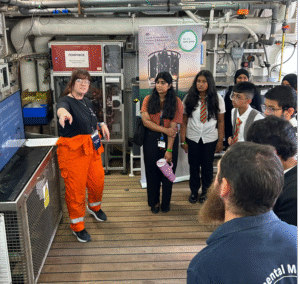
Students engaged with researchers to discover how the Centre for Environment, Fisheries and Aquatic Science (Cefas) supports aquatic food security, clean energy, water health and nature recovery. They experienced research equipment first-hand, including smart buoys for data monitoring, underwater cameras, and sediment sampling technology. They also learnt about marine litter monitoring; about the use of AI in Remote Electronic Monitoring (REM) for fishery data collection; how we collect fish stock assessment data; mapping of Marine Protected Areas using sonar and water quality surveys.
The initiative forms part of Cefas' ongoing commitment to increase diversity within aquatic sciences, encouraging students from all backgrounds to pursue careers in this vital field, which recent studies show are among the least diverse university courses in the UK. *
Little Ilford School's teacher, Mr Obembe said, “It’s been a really educational opportunity for students to be onboard the Cefas Endeavour and to meet real marine scientists. It’s especially good for our students to get insights into different career pathways which I think is a game changer for them.”
Professor Grant Stentiford, Cefas Chief Scientist, said: "The ocean plays a critical role in providing human societies with the essentials of life but is facing challenges in how we manage it sustainably. Participants at the Future Ocean 25 event are all working to address these challenges. The opportunity for young people to come onboard a scientific research vessel and hear about some of this work will hopefully not only inspire the next generation of aquatic and marine scientists but more broadly highlight just how important a healthy ocean is for our own health and prosperity."
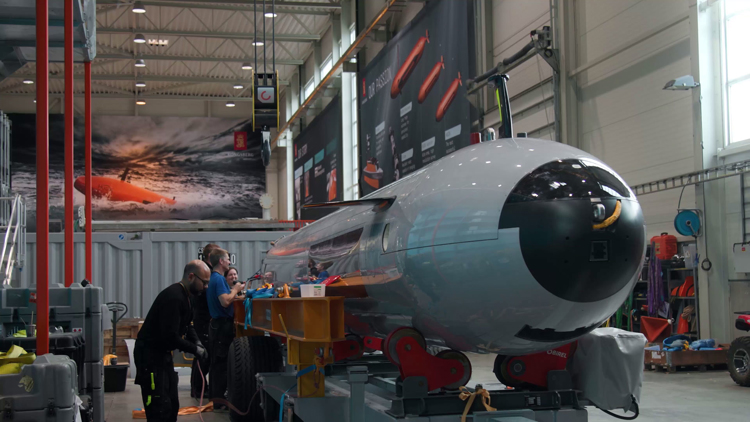
Kongsberg Discovery has decided to start production of HUGIN, an autonomous underwater vehicle, in the U.S.
Kongsberg Discovery has decided to start production of HUGIN, an autonomous underwater vehicle, in the U.S. This strategic decision reflects the commitment to supporting the growing demand for advanced subsea technology in the U.S. market.
Kongsberg Discovery is a global leader in advanced robotics and sensor technology, enabling the mapping, monitoring, and surveying of the ocean environment. This is achieved using advanced hydroacoustic, optical, and scientific sensors, connected to sophisticated data networks and visualisation tools. The company has now decided to start producing autonomous underwater vehicles in the U.S.
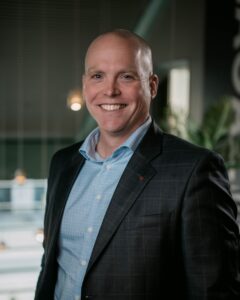
"This strategic decision reflects our commitment to support the growing demand for advanced subsea technology in the U.S. market. By establishing domestic production capabilities, we aim to strengthen our U.S.-based supply chain and enhance our responsiveness to the evolving needs of our government and commercial customers. This demand has increased as global tension has risen”, says Martin Wien Fjell, President of Kongsberg Discovery.
Utilize opportunities
Kongsberg Discovery have already delivered HUGIN to the U.S. Navy and other organizations within the government, commercial and academic sectors.
Due to increased demand from the defense sector and growing recognition of our unmanned underwater vehicles' (UUV) capabilities among U.S. Navy customers, a strategic decision has been made to expand investment in the United States. According to Fjell, the company’s ongoing development has resulted in systems that address a range of high-priority naval requirements.
“Kongsberg Discovery plan to start the HUGIN production at our existing facility in Lynnwood, Washington. The future production facility is yet to be decided,” he says.
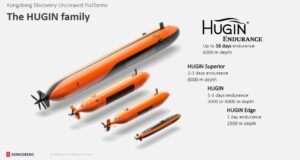
Increased attention from defense
Today, there are 12 navies using HUGIN in real-world missions such as Intelligence Preparation of the Operational Environment, Mine Counter Measure, Subsea and Seabed Warfare, and seafloor mapping operations.
“We are excited to bring our many years of AUV experience in support of the U.S. military. This is a major project that supports the management’s decision to invest in a production and assembly facility for HUGIN in the US,” Fjell continued.
Strong footprint in the US
In the United States, Kongsberg Discovery U.S. (formerly Kongsberg Underwater Technology LLC) has been the exclusive supplier and integrator of Kongsberg Discovery (KD) sonar equipment used for oceanographic survey and research missions, from the shallowest to the deepest parts of the oceans. KD U.S. has installed and maintained this equipment on new or repurposed vessels for projects each year since 1989. Currently, the sonar mission systems on over 30 ships in the U.S. government and academic fleets are supported throughout their lifespan, including the T-AGS 60 class and T-ARC, as well as achieving significant commercial success. In addition to science mission sonar packages, KD U.S. has provided the U.S. government with uncrewed platform solutions.
KONGSBERG have around 900 employees at 15 locations in the U.S. and Canada. All business areas are represented in the U.S., and the strategy going forward is to further increase its presence in North America.
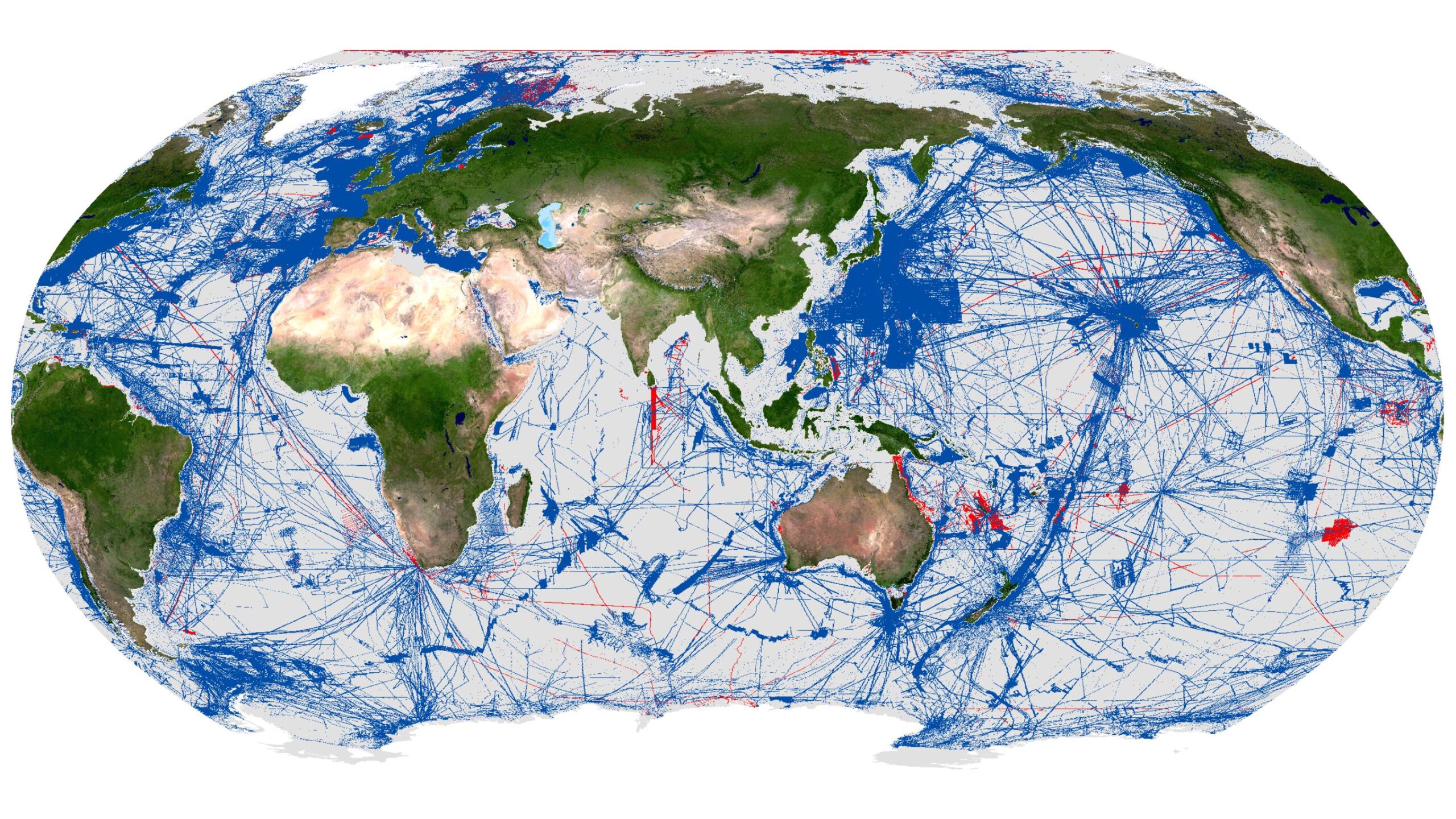
Seabed 2030 announces millions of square kilometers of new seafloor data on World Hydrography Day
New data contributions add over four million square kilometers of seabed to the definitive map of the ocean floor in the last year
On World Hydrography Day, The Nippon Foundation-GEBCO Seabed 2030 Project has announced that 27.3% of the world’s ocean floor has now been mapped to modern standards. The increase in data represents more than four million square kilometres of newly mapped seafloor – an area roughly equivalent to the entire Indian subcontinent.
This milestone comes at a pivotal moment. Just last week at the third UN Ocean Conference in Nice, the global ocean community united in a call for urgent, inclusive and transformative action – recognising the ocean’s central role in addressing some of the planet’s greatest challenges, from climate resilience to food security. Yet despite covering more than 70% of Earth’s surface, the ocean remains our least understood environment.
Established by the International Hydrographic Organization (IHO), World Hydrography Day raises awareness of the critical role hydrography plays in advancing our understanding of the ocean. This year’s theme, ‘Seabed Mapping: Enabling Ocean Action’, highlights how bathymetric data underpins the blue economy – supporting sustainable marine energy, coastal tourism and fisheries – and contributes to global efforts to protect biodiversity and tackle climate change.
Seabed 2030 is a collaborative project between The Nippon Foundation and the General Bathymetric Chart of the Oceans (GEBCO), which seeks to accelerate the complete mapping of the world’s ocean floor and compile all the data into the freely available GEBCO Ocean Map. As a flagship programme of the Ocean Decade, Seabed 2030 is helping to close one of the largest data gaps in ocean science.
From improving tsunami early-warning systems to guiding the installation of undersea cables and identifying biodiversity hotspots, seafloor data enables informed, real-world action.
Over the past 12 months, Seabed 2030 has welcomed data contributions from 14 new organisations – including first-time contributions from five new countries: Comoros, Cook Islands, Kenya, Mozambique and Tanzania. With data now contributed by over 185 organisations worldwide, the project continues to galvanise global support towards a fully mapped ocean floor.
Commenting on the latest milestone, Seabed 2030 Project Director Jamie McMichael-Phillips said: “Mapping the seafloor is not just a scientific exercise – it’s a global imperative, foundational to everything from climate action and coastal resilience to sustainable development.
As we reach the midpoint of the UN Ocean Decade – a defining moment for ocean action – I urge governments, industry, research institutions and individuals alike to contribute to this global effort. Together, we can deepen our scientific understanding of the ocean and help secure the future of the blue planet.”
Executive Director of The Nippon Foundation, Mitsuyuki Unno, said: “The Nippon Foundation is committed to building on the achievements made through Seabed 2030 by continuing to support global collaboration to acquire bathymetric data, the promotion of innovative ocean mapping technologies, and the training of future ocean mappers.”
Chair of GEBCO Evert Flier added: “The progress captured in this update reflects the extraordinary value of global collaboration. Every contribution strengthens the GEBCO Grid – helping to complete the picture of the ocean and deliver benefits for science, society and the planet.”
All data collected and shared with the Seabed 2030 project is included in the free and publicly available GEBCO global grid. A joint programme of the IHO and the Intergovernmental Oceanographic Commission (IOC) of UNESCO, GEBCO is the only organisation with a mandate to map the entire ocean floor.
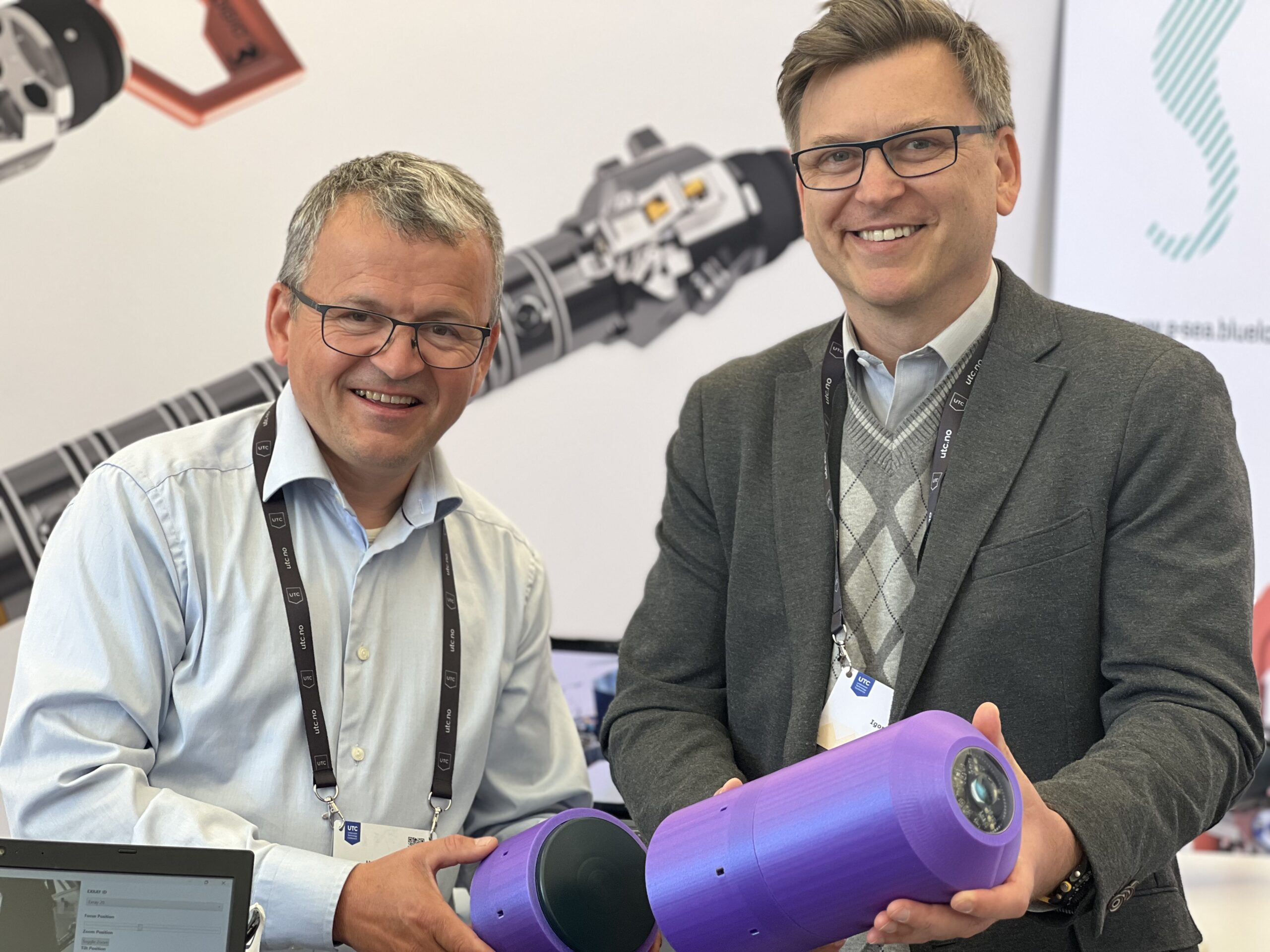
Blue Logic and Hydromea Announce Groundbreaking Partnership to Accelerate Subsea WLAN Deployments for Offshore Oil & Gas and Critical Undersea Security Sectors
 Hydromea, a leader in high-speed wireless subsea optical communication, and Blue Logic, a pioneer in underwater inductive power and data transfer, today announced a strategic partnership to revolutionize wireless communications beneath the waves enabling human in the loop remotely piloting an underwater drone without an umbilical. This collaboration integrates Blue Logic’s advanced inductive technology with Hydromea’s free-space optical (FSO) solutions, enabling unprecedented speed, reliability, and flexibility in subsea WLAN deployments for critical data offloads and wireless remote control of Unmanned Intervention Drones (UIDs).
A New Era for Subsea Wireless Communications
The partnership brings together two commercially proven technologies: Blue Logic’s Subsea USB® inductive connectors, which provide robust underwater power and data transfer without galvanic contact, and Hydromea’s LUMA™ optical modems, which deliver real-time, high-bandwidth communication through water at speeds up to 10 Mbit/s. The combined solution allows for seamless data flow and accurate remote operation of subsea assets, reducing deployment risks around critical subsea assets for service companies and asset owners. This partnership also dramatically reduces time to market for this combined solution in highly regulated environments by negating the need for expensive certifications.
Key Benefits of the Partnership
-
Accelerated WLAN Deployments: The integration of inductive and FSO technologies enables rapid, flexible setup of subsea wireless networks, supporting real-time data streaming and remote control of UIDs.
-
Extreme Deployment Flexibility: The combined system works across a wide range of subsea environments, from splash zones to depths of 6,000 meters, and is suitable for both new installations and legacy infrastructure retrofits.
-
Enhanced Reliability and Safety: Inductive technology eliminates the risk of corrosion and short circuits, while Hydromea’s optical communication ensures high-speed, low-latency data transfer and remote control without requiring direct line of sight.
-
Ready for Deployment: Both technologies are fully commercial and can be deployed today, offering immediate value to offshore operators and defense organizations.
Executive Quotes
“This partnership is a win-win for both companies and the industry at large. By combining our strengths, we are making advanced subsea wireless technology more readily deployable and significantly reducing the risks for UID service companies and asset owners. Our goal is to empower the offshore and defense sectors with the tools they need to operate more efficiently and safely underwater,”
— Igor Martin, CEO and co-founder, Hydromea
“With this partnership, our induction packs now seamlessly pass LUMA™ data through while keeping LUMA™ modems charged. This breakthrough means that subsea vehicles and infrastructure can stay powered and connected for longer, enabling continuous operations and real-time monitoring. The result is greater efficiency, safety, and sustainability for our customers,”
— Helge Sverre Eide, CO-Founder, Blue Logic
Industry Impact
The Blue Logic and Hydromea partnership is set to transform subsea monitoring operations in the offshore energy, defense sectors, and ocean research. By enabling wireless, real-time communication and remote control of UIDs, the combined solution will reduce reliance on supply vessels, lower operational costs, and minimize the carbon footprint of underwater missions. The technology is already proven in commercial deployments and is ready to support the next generation of subsea digitalization.

APPG launches new inquiry into sustainable ocean policy

The All-Party Parliamentary Group for the Ocean has launched an inquiry into what can Sustainable Ocean Policy Deliver for the UK? This will be the APPG’s first inquiry since the General Election and will focus on:
- Demonstrating the untapped potential of the ocean in delivering key government priorities.
- Promoting the understanding of the ocean as a driver of innovation.
- Identify opportunities for policy coherence and cross-departmental collaboration in ocean governance.
- Highlight the enabling role of marine science, data, and innovation in maximising ocean-based solutions to inform policy making.
- Promote integrated approaches to marine environmental protection, recognising sustainability as a foundation for future ocean investment.
- The APPG will accept written evidence until 23.59 on the 18th of July. There will be up to two oral evidence sessions held with dates to be announced in due course. The APPG hopes to publish the report in the Autumn.
Respondents are asked to submit evidence and any questions to: [email protected]
When emailing the APPG, please also indicate your interest in providing oral evidence, and note that all responses limited to 500 words per question. This inquiry will cover Great Britain, Northern Ireland and British Overseas Territories.
The full questions and terms of reference for the inquiry are below.
Commenting, Sarah Champion MP, Chair of the APPG for the Ocean said:
“I am delighted to launch the APPGs first inquiry of this parliament.
“Our oceans have a vital role to play in delivering on the Government’s key priorities both nationally and internationally and it is vital that a sustainable and deliverable oceans policy lies at the heart of Government’s agenda.
“We look forward to hearing from all interested parties about how to tackle the challenges that we face, conserve our ocean and crucially, how we can maximise the role of marine science, ocean research and innovation, and a sustainable blue economy to meet our UK and International objectives.”
Inquiry Questions
1. Building a Sustainable and Inclusive Blue Economy
How can the UK grow a sustainable blue economy that delivers long-term jobs, prosperity, and innovation?
- What is the potential economic value of the UK's marine industries?
- What are the barriers and opportunities to scaling blue economy sectors, including renewable energy, sustainable fisheries, marine technology, and coastal tourism?
- What infrastructure and investment are needed to support ocean innovation
- How can the UK ensure marine conservation and protection is upheld during future ocean initiatives?
2. International Leadership
How can the UK maintain and strengthen its leadership in global ocean governance?
- What future role can the UK play in global marine conservation and ocean diplomacy? What is needed to achieve this?
- Does, and if so how, the UK's international commitments, agreements or frameworks (e.g., UN Ocean Decade, BBNJ Treaty, Commonwealth Blue Charter) support domestic policy?
- How can the UK promote sustainable ocean finance and knowledge-sharing internationally?
3. Climate Change and Net Zero
What is the role of the ocean in meeting the UK’s climate and Net Zero goals?
- How can ocean-based climate and net zero solutions (e.g., offshore wind, blue carbon habitats) contribute to the UK’s targets?
- How can sustainable ocean management contribute to the UK’s Net Zero goals and wider environmental targets?
- What is the role of ocean conservation (e.g., marine protected areas, habitat restoration) in building long-term climate resilience?
- How can marine research and science support adaptation and resilience in the face of climate change?
- What are the benefits and challenges to the ocean and coastal waters from human interactions including tourism, leisure cruising and recreation including water sports?
4. National Security and Ocean Resilience
How does the ocean contribute to the UK’s national security and resilience?
- What are the emerging risks and threats linked to ocean health and national infrastructure, and how can these be overcome?
- How do ocean observations support the protection of the UK marine assets?
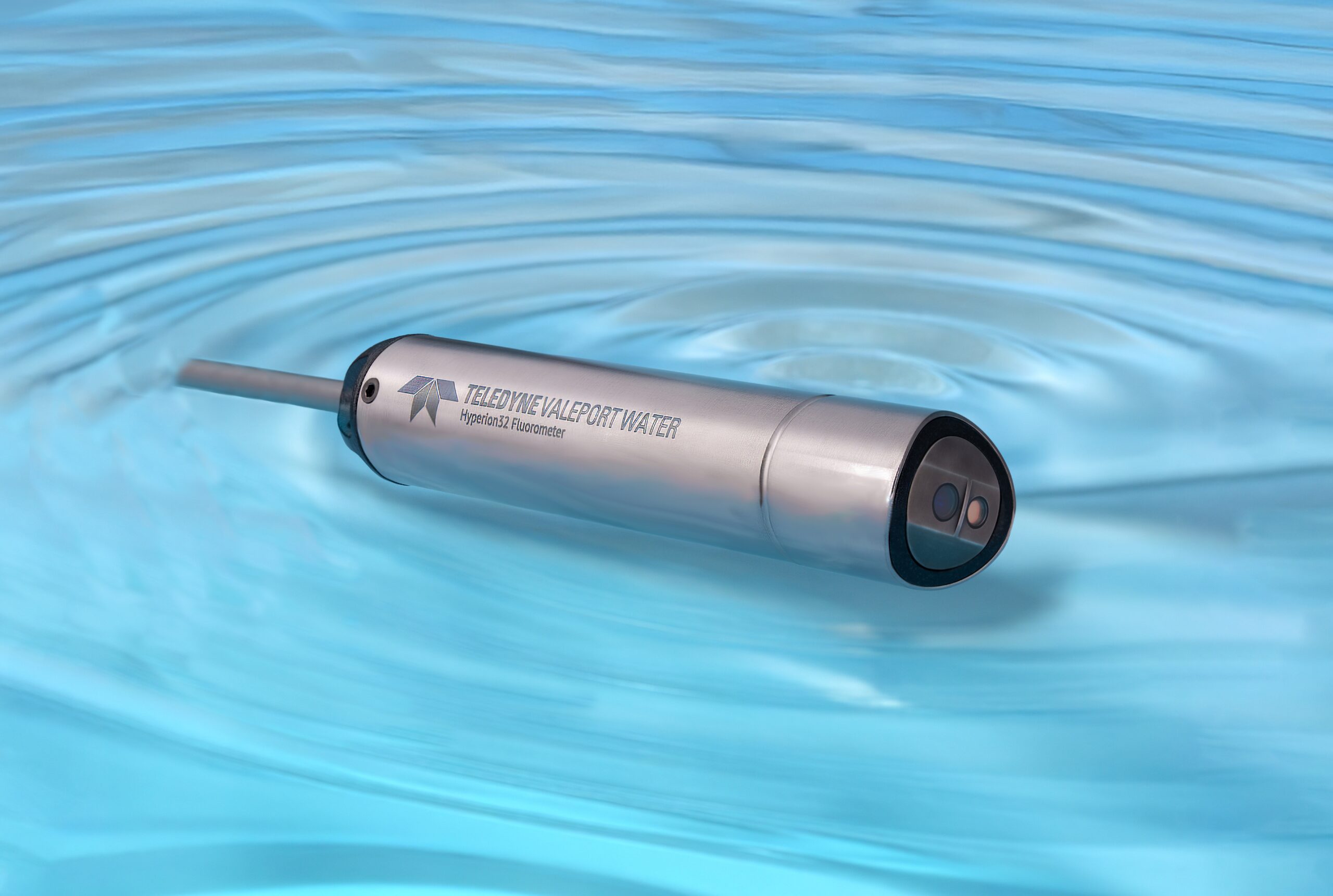
Teledyne Valeport Water Expands Hyperion Range with Hyperion32 – Optimised for Shallow Water
 UK-based environmental monitoring instrument manufacturer, Teledyne Valeport Water, is pleased to announce the release of the Hyperion32, the latest addition to its Hyperion range of high-performance optical instruments.
Designed specifically for inland water and shallow marine environments, the Hyperion32 is depth-rated to 50 metres offering a cost-effective alternative for users who don’t require deep-sea capability. Its streamlined 32 mm diameter housing also offers a lighter, more compact form factor, making it ideal for a broad range of water quality monitoring applications where space, ease of deployment are key considerations.
The Hyperion range, named after the Titan god of light, is an industry leading suite of optical sensors, packaged in Teledyne Valeport’s signature Titanium housings, offering precise measurement of an ever-increasing number of parameters. With the Hyperion32, Teledyne Valeport Water delivers the same trusted optical performance found in the original Hyperion, now optimised for shallow marine, inland and industrial water operations.
The Hyperion32 is a versatile sensor ideal for a wide range of users, including: environmental monitoring, academic research, agriculture, municipal water management, industrial compliance, conservation, aquaculture, and civil engineering—anywhere precise shallow water data collection is essential.
“With Hyperion32, we’ve responded directly to the needs of users operating in shallower waters,” said Nick Smedley, Business Manager at Teledyne Valeport Water. “This new sensor offers the same trusted optics as our deep-water Hyperion, in a smaller, lighter, and user-friendly form. It’s a practical solution for professionals who require precision and reliability—without investing in deep-sea capabilities they don’t need. The launch underscores our ongoing commitment to hydrometry and marks an exciting expansion of the Hyperion family. It offers users the flexibility to choose the right model for their needs, without compromising on quality or performance.”
Key Features and Benefits of Hyperion32:
1. 32 mm housing diameter for improved deployment flexibility and reduced drag
2. 50 m depth rating for inland and coastal operations
3. Integral cable and snag-free design for simplified recovery
4. Ideal as a standalone sensor or as part of a multi-sensor array and data logging system
5. Proven performance in field testing with streamlined workflows
For more information on Hyperion32, visit www.valeportwater.co.uk or contact [email protected]
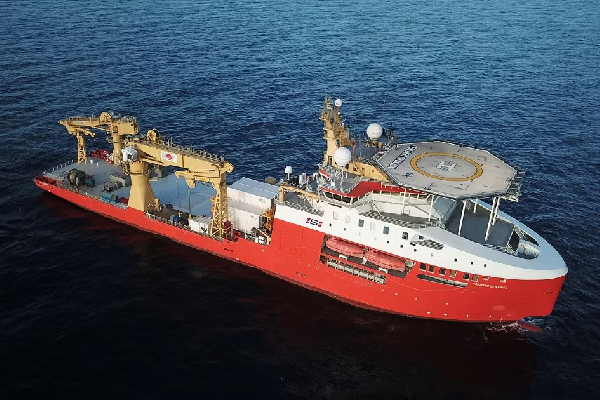
Kongsberg Maritime and offshore leaders launch ground-breaking Remote DP Operations pilot
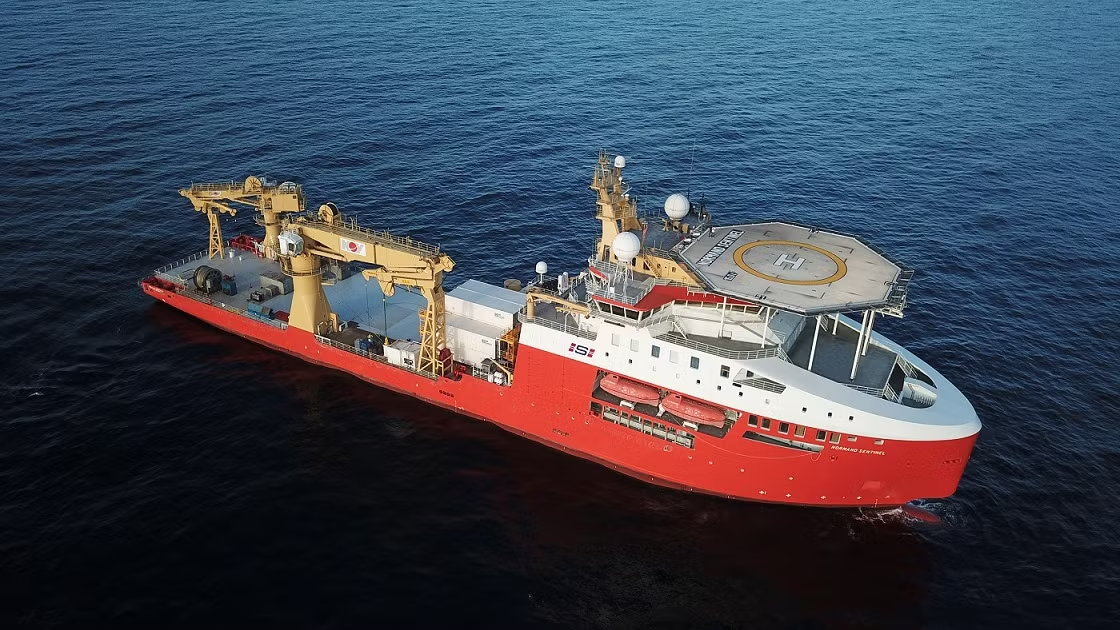
Announced on 4th June at Nor-Shipping in Oslo, a pioneering partnership between Kongsberg Maritime, Solstad, Østensjø, DeepOcean, and Remota will see the launch of a pilot project to explore the potential for remote Dynamic Positioning (DP) operations in the offshore sector.
The pilot, set to begin later this year aboard the offshore vessel Normand Sentinel, will explore how remote technology can enhance operational flexibility and expand recruitment opportunities within the maritime industry. By enabling DP operations to be conducted from shore, the project aims to attract a wider and more diverse recruitment base.
The shore-based DP operator will work from a Remote Operations Centre (ROC) operated by Remota, supported by advanced connectivity and cybersecurity infrastructure.
This initiative represents a step toward smarter, more sustainable maritime operations. By leveraging cutting-edge remote technology, the project aims to enhance operational flexibility and unlock new efficiencies in offshore operations.
In its first phase, the pilot will involve two vessels: Solstad’s Normand Sentinel and Østensjø’s Edda Freya. Both vessels will maintain full onboard DP teams to ensure safety and provide comparative data. The project will also explore the viability of remote DP2 operations and assess a more flexible model for future operations.
Lisa Edvardsen Haugan, President of Kongsberg Maritime, said: “Together with our experienced, forward-thinking, and innovative partners Solstad, Østensjø, DeepOcean, and Remota, we aim to challenge established norms in the maritime industry through innovative remote technology, collectively addressing future challenges with proven technological solutions.”
Lars Peder Solstad, CEO of Solstad, added: “Together with DeepOcean and Østensjø, we are partnering up with Remota and Kongsberg Maritime to challenge the established by use of remote technology. By combining new technologies with operational experience, we see the opportunity to transfer functions such as DP operations from offshore to onshore.”
Kristian H. Vea, CEO of Østensjø, commented: “True progress starts with the right mindset—and the right partners. This collaboration places us at the forefront of remote offshore operations, reinforcing our commitment to advancing smarter, more sustainable maritime solutions.”
Øyvind Mikaelsen, CEO of DeepOcean, said: “These great partners, aligned in our goals, and combining the best available technologies, will result in supporting DeepOcean’s vision of being the world-leading ocean service provider and staying at the forefront of remote and uncrewed operations, enabling efficiency gains for offshore energy operators.”
Sveinung Soma, CEO of Remota, concluded: “When developing and proving remote DP operations with renowned partners as Østensjø, Solstad, DeepOcean and Kongsberg Maritime, Remota will be in position to offer DP from Remote Operation Centres to the wider DP market. Our customers will benefit from lower operating costs and higher crew utilisation and flexibility.”
The partnership is formalised through a Memorandum of Understanding (MoU).