
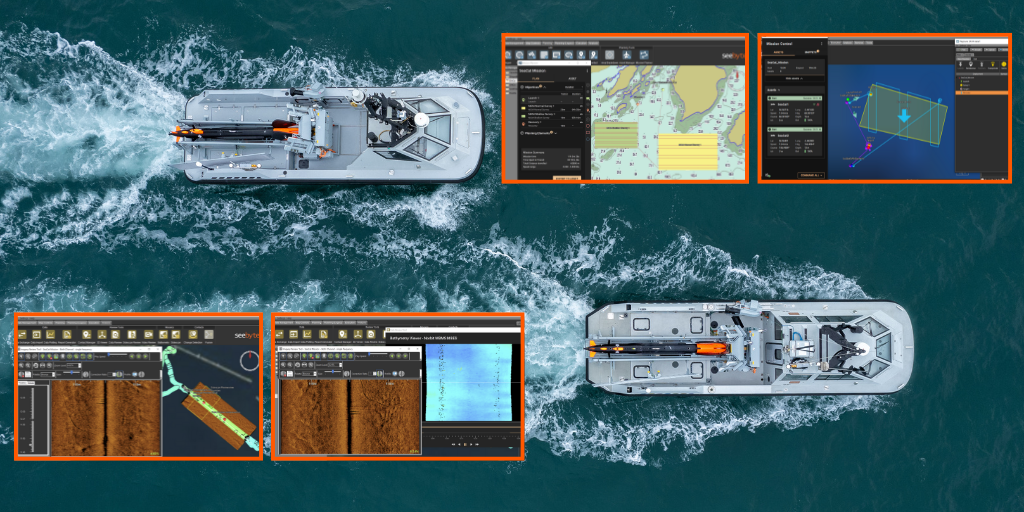
SeeByte awarded three-year contract to continue its UK Mine Hunting Capability programme support
SeeByte Ltd (SeeByte) has been awarded a three-year contract by Defence Equipment & Support (DE&S), part of the UK Ministry of Defence, to provide its suite of C2, mission-level autonomy, target recognition, support, and development services to the Mine Hunting Capability (MHC) Delivery Team and related programmes in support of the Royal Navy.
The contract has a three-year initial term with options to extend the duration up to (2) additional years. The base contract award is £2.4M with the potential for future flexible tasking orders up to a maximum of £50M over the full contract term.
This multi-year award directly continues services first procured by DE&S in March 2022 and will secure the supply, support, and evolutionary development necessary to maintain the Royal Navy’s integration with SeeByte software which is now widely fielded in different applications by the Royal Navy and its NATO allies and works collectively and collaboratively to optimise the operation and effectiveness of its autonomous vehicles (both surface and underwater).
This also includes continued support and maintenance services for software products currently fielded by UK government agencies. These include their Multi Domain C2, Mission Level Autonomy and Automatic Target Recognition (ATR) solutions that are already fielded, operationally proven and in-service with the UK, US and NATO Navies.
Andy Lapsley, Mine Hunting Capability Team Leader at DE&S, said:
"The awarding of this contract strengthens our support for the Royal Navy and underpins our collective mission to make the disposal of sea mines safer, more efficient and effective, through enhanced capability.
The world-class software products offered by SeeByte will ensure that our ships and submarines are protected by cutting-edge autonomous mine hunting systems, enabling them to move freely at sea, and directly contributing to the continued prosperity and security of our nation."
Matt Fitchett, MHC Programme Director at SeeByte said:
“SeeByte are proud to have supported the MHC Programme over the last 2 years delivering C2 and Autonomy software solutions to enable operational integration of the heterogenous Maritime Autonomous Systems in use by MHC, with this new contract we look forward to delivering further enhanced capability to the MHC Programme and the Royal Navy”.

Greensea IQ and Seaward Marine Services Agree to a Strategic Multi-year Agreement to Enhance Marine Industry Services
Greensea IQ, the innovator behind EverClean, the premier always-clean hull service, and Seaward Marine Services, a leader in global ship husbandry, today announced a groundbreaking five-year agreement. This alliance aims to expand each company’s service offerings by integrating their expertise in underwater hull cleaning (UWHC) technologies and services across the marine industry.
Under this strategic collaboration, Greensea IQ and Seaward will combine their extensive experience and capabilities to deliver a unique and comprehensive solution for UWHC. Seaward will integrate Greensea IQ’s proactive EverClean service into its portfolio, enhancing its current offerings with cutting-edge technology. Concurrently, Greensea IQ will broaden its service range by incorporating Seaward’s diverse marine services, facilitated by skilled divers.
Greg Lee, President of Seaward Marine Services, expressed enthusiasm about the agreement, stating, “This relationship with Greensea IQ is a natural fit with Seaward’s 50+ year commitment and passion for exceptional service in UWHC. We look forward to working with the Greensea IQ team.”
This agreement enables both companies to offer a more integrated and complete suite of services to their customers, establishing a new benchmark in ship husbandry solutions.
John Dunn, COO of Greensea IQ, also commented on the alliance: “Greensea IQ is equally thrilled to embark on this partnership with Seaward Marine Services. Their longstanding dedication to excellence in underwater hull cleaning perfectly aligns with our mission to provide cutting-edge solutions in hull maintenance and maritime service technology. We eagerly anticipate the collaboration ahead, combining our expertise to deliver unparalleled service to our clients and the industry."
For more information about Greensea IQ and Seawards’ partnership, please visit their respective websites or contact either media contact directly.
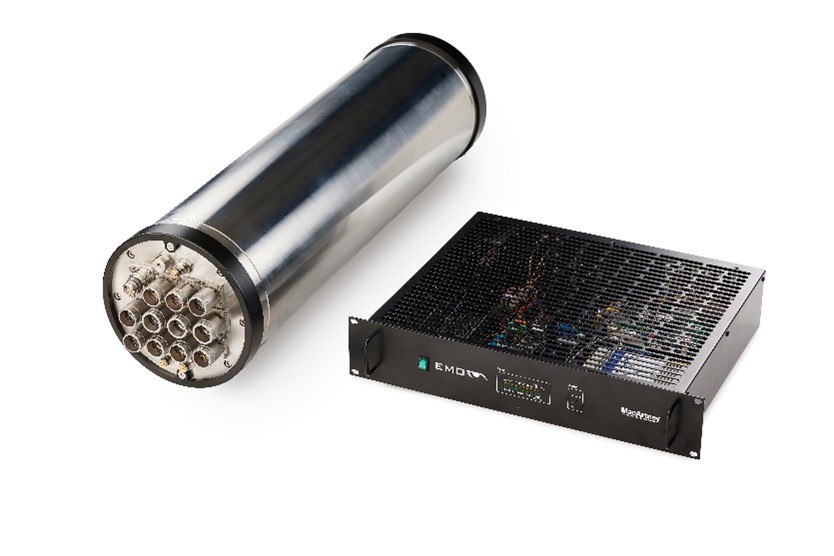
Empowering subsea connectivity with MacArtney's cutting-edge EMO Omni solution
The customisable EMO Omni multiplexer meets the evolving needs of underwater operations, from offshore energy projects and marine research to environmental monitoring. Offering unmatched adaptability and operational efficiency, it is an essential tool for today's subsea operators.
Built on the tried and trusted MacArtney EMO and NEXUS platforms, the new HD fibre optic video and multibeam EMO Omni multiplexer represents a significant advancement in underwater data acquisition, enhancing the performance and scope of subsea projects.
Positive initial customer feedback confirms that it confidently meets the growing demand for adaptable, robust telemetry solutions. Notably, end-user requests for bespoke multiplexers that deviate from the standard portfolio in terms of size or features further validate its market relevance.
Andrew Palmer, the General Manager of MacArtney Canada, highlights, “With the EMO Omni, we've expanded our lineup of dependable multiplexers, aiming to design a flexible product addressing varied industry demands worldwide. This achievement reflects our operations' adept collaboration across borders, illustrating our ability to oversee the entire product development process internally while benefiting from our global cohesiveness for success.”
Seamless connectivity and data efficiency
Uninterrupted connectivity beneath the waves is paramount for achieving operational goals and optimising data utilisation.
The compact EMO Omni ensures seamless data collection and analysis, enabling informed decision-making and streamlined operations. High data output and real-time communication capabilities support multiple instruments and sensors with integrated diagnostics and remote monitoring features.
This functionality enhances operational efficiency and minimises manual interventions, ensuring consistent connectivity and efficient data transmission and management in diverse underwater environments.
Customisation at its core
At the core of the EMO Omni lies its highly customisable nature, tailored to meet the unique requirements of each operation and adaptable to a diverse range of subsea applications within offshore energy, naval projects, ocean science, marine research, and environmental monitoring.
The EMO Omni's adaptability extends to system integration, power supply, and material requirements, drawing on decades of MacArtney's industry experience and exceptional workshop capabilities. Swift customisation, including bespoke harness cables, is readily available globally through our local workshops.
The connectors mounted will typically be from MacArtney brands, such as SubConn®, OptoLinkTM and TrustLinkTM. However, the versatility offers flexibility in choosing from a wide selection available at MacArtney.
Focus on ease-of-use
Focusing on long-term performance and user-friendliness, such as intuitive interfaces, the EMO Omni aims for minimal downtime through ease of maintenance, efficient troubleshooting, and quick issue resolution. It seamlessly integrates with existing systems, enhancing subsea project performance and mission success.
MacArtney's newest multiplexer addition is available globally via local operations in North America, Europe, and the Asia Pacific.
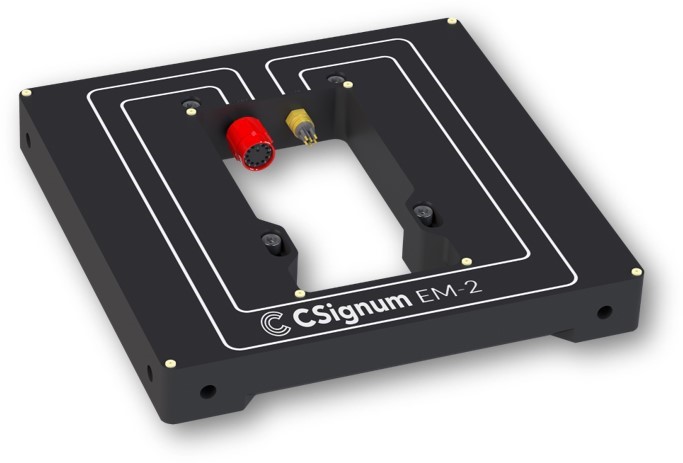
CSignum Launches EM-2 Wireless Underwater Communications for Maritime Security, Water Quality Monitoring and Energy Applications
CSignum, a leader in underwater and underground data networking, is proud to announce the launch of its latest innovation, the EM-2 wireless platform for IoT sensor data and control from above the surface to below.
The EM-2 interfaces to many common underwater sensors to wirelessly communicate data from under the water to above the surface or directly on land.
EM-2 represents a breakthrough in wireless communication technology employing electromagnetic fields to pass data through water, ice, concrete, and rock to overcome the limitations of traditional wireless technologies. By harnessing electromagnetic field signaling (EMFS), data can be transmitted from below the water's surface or underground to above-surface devices with unparalleled reliability.
With bidirectional data transfers of up to 200 meters, EM-2 ensures successful deployment in both saltwater and freshwater environments.
EM-2 is a vital asset for the reliable transmission and retrieval of sensor data essential to monitor and protect resources and critical infrastructure across a variety of key sectors including:
Maritime Security & Defence: EM-2 offers a robust solution for enhancing maritime security by providing real-time data transmission from below the water's surface to above-surface devices. This enables continuous monitoring of critical infrastructure such as ports and offshore structures, ensuring early detection and response to security threats.
Water Quality Monitoring: EM-2 revolutionizes water quality monitoring by facilitating wireless communication across the air-water boundary in both fresh and saltwater scenarios. It ensures reliable transmission of data from underwater sensors to above-surface devices, enabling timely assessment and management of environmental conditions in inland and coastal waterways, around offshore structures, and aquaculture installations.
Offshore Wind & Energy Applications: EM-2 presents a game-changing solution for offshore energy applications by enabling seamless communication between subsea infrastructure and topside facilities. This enhances operational efficiency and safety in offshore energy operations, including wind farms and oil and gas platforms as well as inshore hydropower facilities.
Underground Applications: EM-2 extends its capabilities to underground applications, providing reliable data transmission through various layers, including buried structures. This makes it invaluable for monitoring and controlling underground infrastructure such as tunnels, storm drains, and underground utilities.
"EM-2 represents a quantum leap in underwater and underground communications technology,” said Jonathan Reeves, CEO at CSignum. “With its ability to transcend the barriers of traditional methods, EM-2 empowers industries to explore, monitor, and protect our waterways and subsea environments with unprecedented efficiency and reliability."
EM-2 establishes a wireless communication link that transcends the limitations of acoustic, optical, and cabled underwater communications. It enables real-time data transmission from beneath the surface to shorelines or riverbanks, and even through ice or underground locations.
With bidirectional data transfers of up to 200 meters, EM-2 ensures successful deployment in both saltwater and freshwater environments. Its unique electromagnetic field-based communication method enables effective data transmission through mixed media scenarios.
Benefits of the EM-2 include:
Resilience: Unaffected by biofouling, turbidity, or environmental noise, ensuring consistent performance.
Flexibility: Easily integrated with various sensor packs and compatible with industry-standard data interfaces.
Environmental Compatibility: No adverse effects on aquatic life, making it ideal for sustainable monitoring solutions.
Diverse Environments: Operates through water, ice, rock and soil.
The versatility of EM-2 lends itself to diverse applications including Internet of Underwater Things, ship monitoring, offshore structural monitoring, inland and coastal environmental monitoring, underground data monitoring, and defense and security operations.
Monitoring and assessing ecological health are essential components in combating and mitigating problems in critical inland and coastal waterways. Remote sensing observations utilizing EM-2 provides rapid, accurate data to assess and act on ecosystem changes.
Traditional methods of underwater communication face numerous challenges, from cable entanglement and unreliable communications to signal degradation. EM-2 offers a reliable, cable-less alternative, providing flexibility in deployment and superior performance across various environmental conditions.
CSignum remains committed to advancing underwater and underground data transmission. Future plans include enhancing range, data rate, and battery life, while providing cellular/satellite backhaul and CSignum Cloud data analytical services.
For inquiries and further information, please visit www.csignum.com.
Using wave measurement technology to protect Vietnam’s coastal population
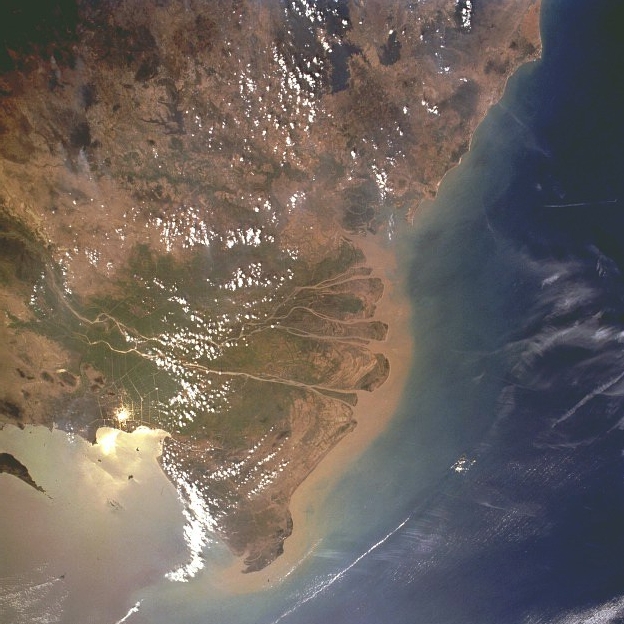
The Mekong Delta in Vietnam is home to over 20 million people and acts as a globally important agricultural area. The health and longevity of this important ecosystem is being threatened by rising sea levels and coastal erosion.
Researchers rely on advanced wave measurement devices from Nortek to validate ocean models and provide accurate data for the development of coastal erosion defenses.
The Mekong Delta encompasses the southern tip of Vietnam and is home to some of the world’s most fertile land. Over past decades, this area has faced increasing environmental pressure.
Upstream dams and sand mining reduce the flow of sediments that feed the delta, causing it to recede. Farmers pumping water from the ground create additional stress on the delta. Together with these activities, the creation of infrastructure such as buildings and roads is compacting the once loose (unconsolidated) sediments, causing the delta to sink.
Climate change and rising sea levels also affect the delta.
The Mekong Delta is just 0.8 m above sea level on average, placing it in a particularly precarious position, at risk of being overtaken by rising sea levels, even without the pressure created by dams and groundwater pumping.
Should our greenhouse gas emissions continue unabated, estimated sea level rises of 75 cm to 1 m could see almost half the delta lost to the sea by 2100, threatening the livelihoods of the approximately 20 million people who live there.
Coastal protection is essential for staving off rising sea levels, protecting the coast from erosion caused by powerful waves during the monsoon season, and minimizing seawater intrusion. However, barriers such as wooden fences and concrete breakwaters haven’t proven adequate.
To find a more effective solution, Jonas Bauer, a PhD student at the Karlsruhe Institute of Technology (KIT), and colleagues from KIT have joined forces with Vietnamese institutions to better understand the sea and coast at the very southern end of the Mekong Delta.
Understanding wave progression to develop effective coastal protection systems
“It’s important to lower the wave energy at the coast, but the challenge is to ensure that sediments brought in from the ocean currents can still deposit along the coast,” says Bauer.
“If you build something that stops the wave energy going through but blocks the sediments, it will just add to the erosion problem.”
Bauer says that to develop suitable countermeasures, they need to understand wave progression as it moves toward the coast.
Evaluating ocean models against real-world wave measurement data
Models of the ocean are useful for predicting how different coastal defense measures may perform when faced with storms, in part by contributing to the researchers’ understanding of how the waves will move toward the coast. To ensure the models’ predictions are accurate, they must be validated and calibrated against real-world measurements.
Using a combination of Signature and AWAC ADCPs to measure the movement and dynamics of waves as they travel towards the coast during the monsoon season, the researchers verified the accuracy of two different ocean models and assessed their limitations.
“We used a Signature ADCP and an AWAC to look at the wave conditions during the peak of the monsoon season,” Bauer adds.
The team deployed the instruments along two transects stretching from the coast into deeper waters. They placed the AWAC offshore, approximately 25 km from the coast, and the Signature ADCP 2 km from the coast.
Predicting the behavior of waves with more confidence
With verifications from the in-situ measurements in place and model limitations known, the researchers can be more confident in using the models to predict the behavior of waves as they move toward the coast under different scenarios. This will allow them to explore various coastal protection options that can help slow down the erosion of the Mekong Delta’s coastline.
“With this information and the other research gathered over the years, we can really start to develop countermeasures to protect the Mekong Delta from drowning and keep people safe,” says Bauer.
Advancing ocean research capabilities
Recent technological improvements enable the latest version of the AWAC wave measurement instrument to meet the next generation of user needs. Nortek has utilized modern electronics and processing techniques to prolong deployments with this instrument, increase robustness, maximize data collection and simplify instrument maintenance.
The Signature1000 ADCP is Nortek’s “academic powerhouse” because of the many capabilities it packs into a small and easy-to-deploy instrument. The Signature1000 allows scientific researchers to measure currents, waves, turbulence and even biomass. This ADCP can measure several of these parameters at the same time, so users don’t have to sacrifice one type of measurement to make another.
ADCPs like these are a key tool for researchers aiming to protect valuable coastal areas such as the Mekong Delta.

Unique Group acquires Subsea Innovation to strengthen engineering and consulting expertise
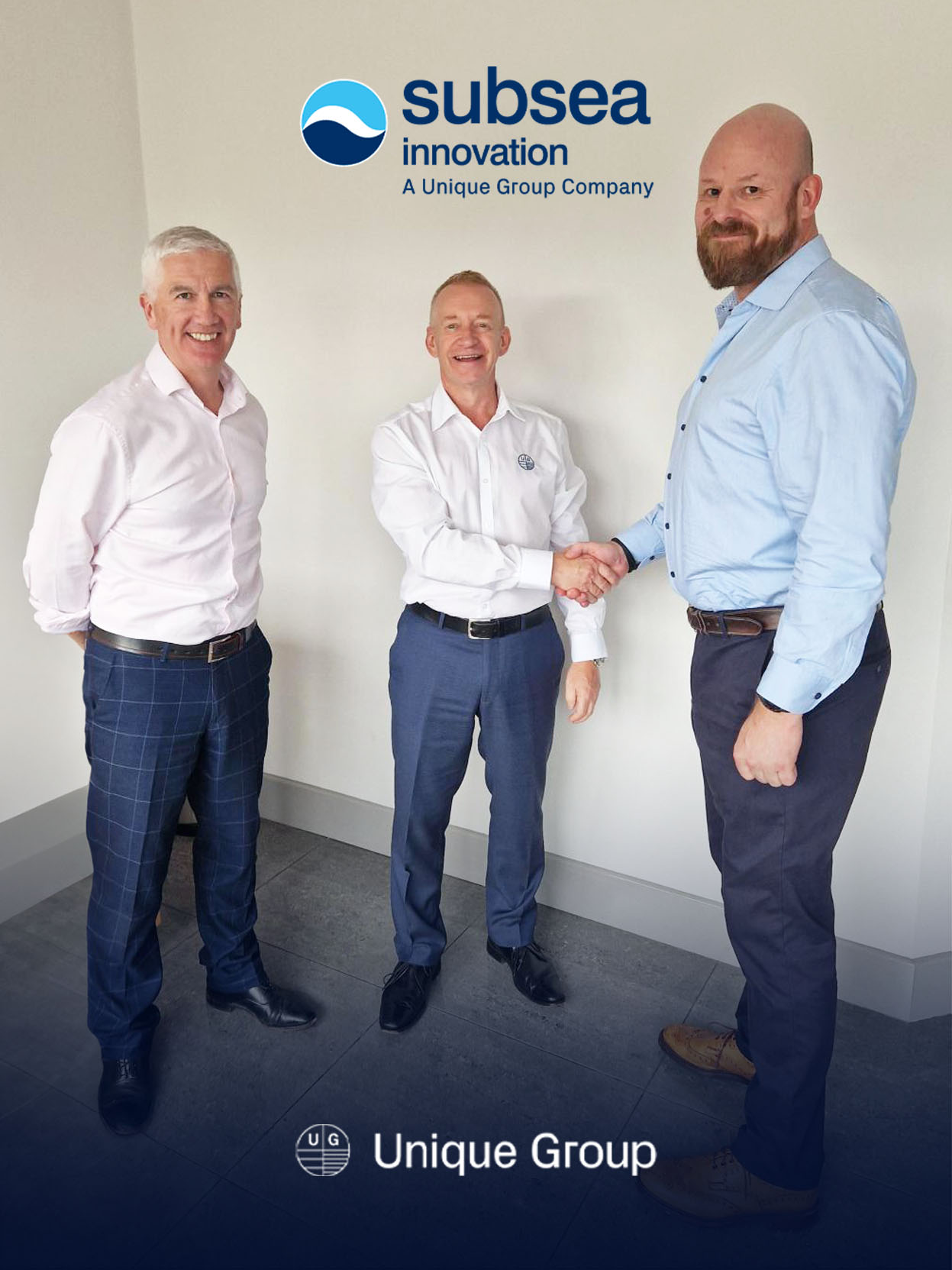
Unique Group, global leaders in subsea technologies and engineering, has announced the strategic acquisition of subsea technology and equipment manufacturer, Subsea Innovation. The deal elevates Unique Group’s global engineering capabilities, enhances its portfolio and further strengthens the organization’s focus on engineering excellence and technology development.
Headquartered in the United Arab Emirates, Unique Group has a global workforce of over 600 employees across 18 locations. Renowned over three decades for the company’s excellence in subsea technologies including Survey Equipment, Diving & Life Support, Buoyancy & Water Weights, Unmanned Surface Vessels, and Lifting & Mooring solutions. This new acquisition transforms the UK into a major engineering hub for Unique Group, complementing existing manufacturing locations in South Africa, the Middle East, and Isle of Wight, in the UK.
Subsea Innovation Limited, based in Darlington (UK), which was part of Tekmar Group plc, has a strong global track record of delivering technically complex projects for four decades, excelling in engineering, building and delivering over 450 complex engineered equipment, specializing in offshore deck equipment including launch and recovery systems, engineering consulting, emergency pipeline repair systems, and tailored solutions for subsea and renewable solutions. This acquisition fits seamlessly with Unique Group’s offerings, thus significantly boosting the technology growth focus for the Group, along with its ability to provide an integrated package for clients.
Sahil Gandhi, Chief Executive Officer at Unique Group commented: “This acquisition underlines our commitment to innovation and engineering expertise. We have ambitious development plans, along with our existing solutions to our wider customer base. Subsea Innovation's impressive track record, combined with Unique Group's strengths, positions us to deliver unparalleled solutions in the dynamic landscape of offshore energy and subsea sectors.”
Dave Thompson, Subsea Innovation’s Managing Director, and his engineering design team, has a wealth of experience in developing leading engineering solutions and products for some of the world's most challenging environments. Following the acquisition, Thompson will assume the role of Group Engineering Director at Unique Group, bringing his hands-on expertise to steer the company towards new heights in product development and engineering. He added: "We are excited to become a part of Unique Group, and this is a significant leap forward in our journey to redefine industry standards. With the combined technical and commercial synergies of Unique Group and Subsea Innovation, we are poised to significantly grow globally and develop new solutions, that can make subsea operations efficient and safer for clients."
Unique Group and Subsea Innovation are positive about the prospects this strategic acquisition brings and together, they look forward to charting new standards in the global subsea industry.
Ocean Census Arctic Deep: Expedition launched to reveal undiscovered life in the Arctic depths
The Ocean Census Arctic Deep Expedition is set to redefine our understanding of the biodiversity of the deepest Arctic Ocean marine habitats. Led by The Nippon Foundation-Nekton Ocean Census Alliance, UiT (The Arctic University of Norway), and REV Ocean, this groundbreaking expedition brings together a multidisciplinary team of 36 scientists and media experts from 15 leading academic institutions to discover, research, and document this underexplored region.
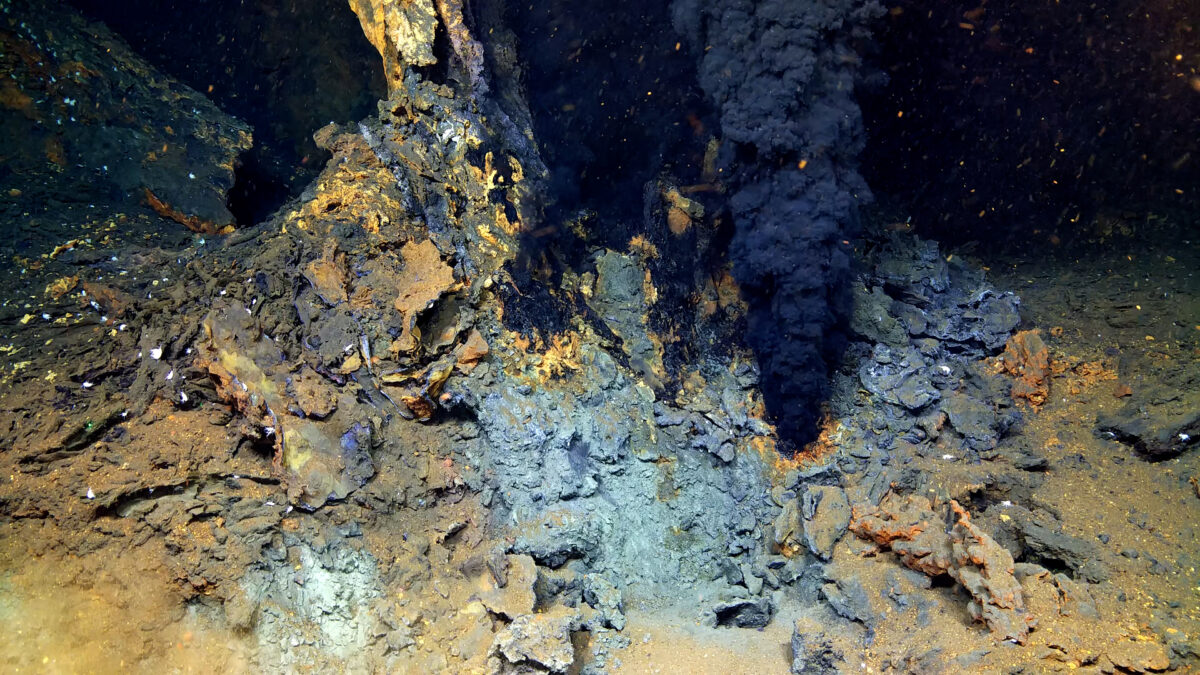
Prof. Alex Rogers, Science Director at Ocean Census, said: “Ocean Census has a rare opportunity to delve into some of Earth's most extreme and uncharted habitats – from hydrothermal vents, abyssal plains, and mid-ocean ridges to seamounts and gas and oil seeps. These remarkable environments harbour an abundance of undiscovered life forms, and we anticipate uncovering hundreds of new species, ranging from sponges to corals, sea anemones, snails, small crustaceans and animals which feed off chemical energy like beard worms."
"In our relentless pursuit to unveil the mysteries of the ocean depths, the Ocean Census Arctic Deep Expedition stands as a testament to our commitment to marine discovery and conservation. Through collaborative efforts and cutting-edge technology, we strive to shed light on the undiscovered life thriving in the Arctic depths, paving the way for a deeper understanding of our planet's precious ecosystems," said Yohei Sasakawa, Chairman of The Nippon Foundation.
Departing from Tromsø, Norway, on May 3rd aboard the Institute of Marine Research’s RV Kronprins Haakon, the Ocean Census Arctic Deep Expedition is the first leg of UiT’s EXTREME24 mission. Equipped with REV Ocean’s 6000-metre-rated ROV Aurora, the expedition will sample and film the remote and enigmatic marine environment of the Fram Strait passage between Greenland and Svalbard. The research area encompasses a wide range of deep-sea habitats, including the Knipovich Ridge, Dumshaff Abyssal Plain, Jøtul vent field, Svyatogor Ridge, Alta Seamount, and Molløy Deep - the deepest point in the Arctic Sea at 5550 metres. Some of these unique habitats are being targeted for deep sea mining.
Prof. Giuliana Panieri, Professor at UiT and expedition leader, said “I am excited to collaborate with a team of scientists and students from across the globe and with important institutions during this expedition, and proud that the knowledge we've gathered at UiT thus far has been instrumental in meticulously planning this voyage. The insights we gain will not only advance scientific understanding but will also be crucial for developing strategies to protect our planet.”
Following the expedition, in October 2024, a taxonomic workshop will be hosted by Ocean Census and UiT at their university labs in Tromsø to accelerate the species discovery and taxonomic work from the specimens collected. The resulting curated collection will be housed at the Arctic University Museum of Tromsø, providing a valuable resource for future research endeavours and contributing to the global understanding of marine biodiversity in the region.
Nina Jensen, CEO of REV Ocean, said "We are excited to support UiT and Ocean Census on the Extreme24 cruise to the Arctic and Barents Sea. This is a unique opportunity to explore some of the most remote and uncharted regions of our planet, while making the best use of REV Ocean´s Aurora ROV."
Ocean Census, a 10-year international scientific endeavour endorsed by the UN Ocean Decade, is dedicated to transforming the discovery of ocean life. Spearheading collaborative efforts with partners such as UiT, REV Ocean, and the Ocean Census Science Network community, this initiative was founded to address the critical knowledge gap surrounding marine biodiversity.
Launched in 2023 by The Nippon Foundation and Nekton, Ocean Census operates as an open Alliance of scientists from over 280 institutes and numerous government, scientific, business, technology, civil society, and philanthropic partners, working collectively to use pioneering technological advancements to tackle an issue with profound global significance.
With an estimated 1-2 million marine species awaiting discovery, Ocean Census champions and coordinates a diverse, global network to enhance oceanic exploration and understanding. Using innovative techniques, such as ‘cyber taxonomy’ to accelerate species discovery, Ocean Census has set an ambitious milestone of 100,000 species discoveries over the next 10 years. Entering its second year, The Arctic Deep expedition promises to build on the momentum of previous expeditions to areas like the Bounty Trough in New Zealand and the Macaronesian Archipelago, which have led to over 350 new species discoveries and counting.
With an emphasis on immersive and inclusive storytelling, Ocean Census will have an award winning team of videographers, photographers and visual artists onboard. For regular expedition news throughout, follow @oceancensus on social media.
FET secures contract to supply work-class ROV to Mexican subsea organisation
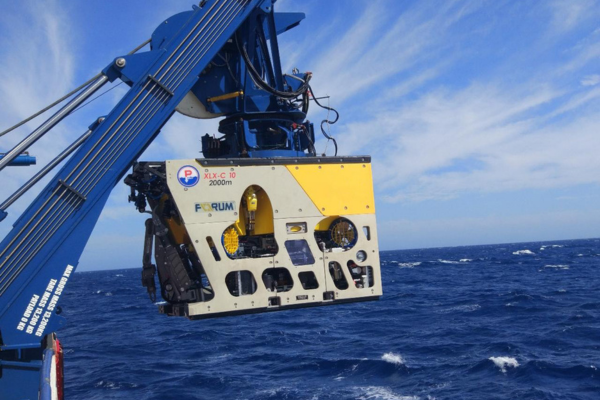
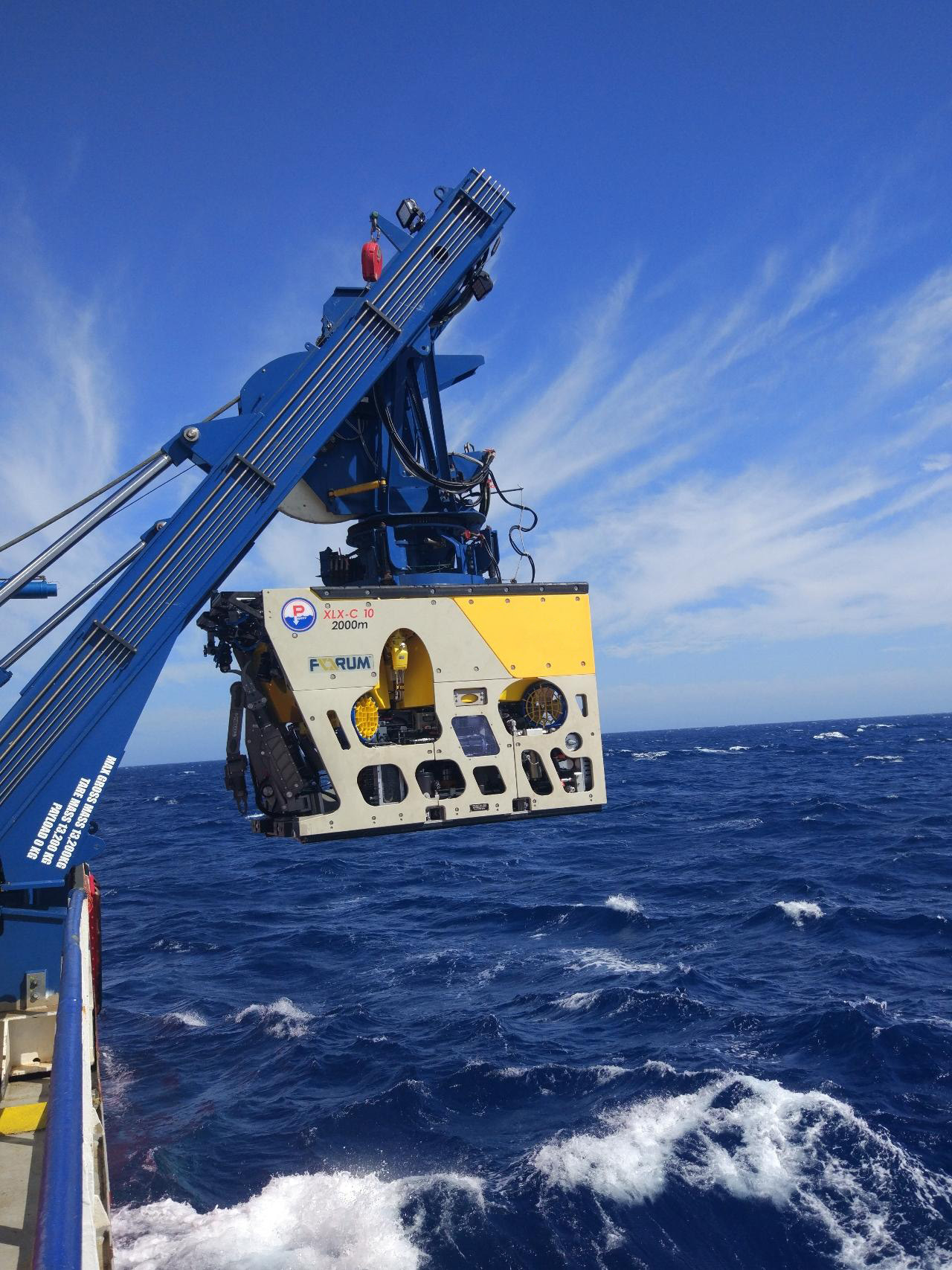
Forum Energy Technologies, Inc. has announced its Subsea Technologies product line secured a contract from AQUA Exploracion for one of its Ultra Compact Perry XLX-C work-class remotely operated vehicles (ROV). The XLX-C will be equipped with a comprehensive spare parts package to optimize performance and reliability.
The ROV will complement and increase the company’s existing capabilities and will be used to enhance subsea exploration, inspection, and intervention operations in challenging environments. The Perry XLX-C ROV has advanced features and a robust design, making it ideal for tasks such as pipeline inspections, underwater structural assessments, seabed mapping, and deep-sea equipment installation and maintenance. Additionally, the ROV's versatility allows for efficient deployment in various underwater projects, ranging from offshore oil and gas exploration to renewable energy installations like offshore wind farms. Its integration into our fleet underscores our commitment to providing cutting-edge solutions for our clients while maintaining the highest standards of safety, efficiency, and environmental responsibility.
The contract is an example of FET's commitment to recycling systems and refurbishment capabilities. The XLX-C work-class ROV was originally manufactured at FET’s UK facility at Kirkbymoorside, North Yorkshire and will be sent to the factory for a thorough refurbishment and re-testing, ensuring it meets the highest standards. Additionally, it will be equipped with a comprehensive spare parts package to optimize its performance and reliability.
The ROV has a 2,000m depth rating and, coupled with compact Dynacon LARS design, is ideally suited for inspection, survey repair and subsea maintenance tasks. Ancillary tools and sensors can also be added to the vehicle for survey and light intervention work. It is equipped to a high specification with a seven-function manipulator arm for complex underwater procedures.
Kevin Taylor, FET’s Vice President – KMS and Subsea Robotics, said: “Our range of Perry ROVs are the most long-established and recognisable vehicles in the subsea industry due to their quality, reliability and flexibility. We are extremely pleased that our ROV has been chosen to support AQUA Exploracion. The XLX-C WROV is one of the most versatile models on the market and has the capabilities required for the tasks that it will undertake for AQUA Exploracion. FET has a robust strategy of providing first-class engineering, after market support and service to offshore contractors from our operating centres located in key regions. We look forward to the on-time delivery of the system later this year and to continuing to support AQUA Exploracion’s global operations.
Luis Gamez, AQUA Exploracion, Commercial Director, said: “A momentous amount of work has gone into preparing what has been a complex contract in a very short time, but our dedication and collaborative efforts have ensured its successful completion. This partnership with FET’s Subsea Technologies product line marks a significant milestone for AQUA Exploracion, reaffirming our commitment to acquiring top-of-the-line equipment to bolster our capabilities in serving our clients' needs efficiently and effectively. We are confident that the integration of the XLX-C work-class ROV into our operations will not only elevate our performance in subsea exploration and intervention but also enhance our reputation as a leading provider of integrated subsea solutions. We look forward to the continued success of this collaboration and the positive impact it will have on our future endeavors."
FET is known globally for manufacturing high quality, robust ROVs and associated auxiliary products for a number of underwater industry applications ranging from oil and gas to renewables, defence, mining and telecommunications, mining, aquaculture and academia.
ASL partners with Edgewise Environmental
ASL Environmental Sciences Inc. (ASL) and Edgewise Environmental Consultancy Ltd. (Edgewise) have partnered to offer the North American offshore marine energy sector a comprehensive full-service team of ocean specialists. With a cumulative 60+ years of ocean experience and extensive on-water experience on all three of Canada’s coastlines, they strive to deliver innovative multidisciplinary solutions for your marine energy project needs.
- Comprehensive physical oceanography studies
- Sea ice studies
- Biological oceanography studies
- Marine mammal and seabird observation
- Passive acoustic monitoring (PAM)
- Environmental Training
ASL stands as Canada's largest company specializing in physical oceanography. Since 1977, ASL has been actively involved in supporting marine energy initiatives from the tropics to the Arctic. ASL offers a range of oceanographic instrumentation, an extensive lease pool of metocean instrumentation, and subsea mooring design and deployment. The company has also expanded its services to include direct surface wave measurements in shallow and deep waters via moored buoys, complementing its subsea offerings.
Edgewise Environmental is a certified women-owned Canadian marine environmental consultancy focused in marine mammals, seabirds and underwater noise mitigation solutions. As architects of change, Edgewise is driving marine environmental advancements through specialized consulting and training, strengthened by cutting-edge research and technology. Edgewise delivers environmental services and products to clients across various industries nationwide. Examples of past projects include mitigation and monitoring during geophysical and geotechnical surveys, wildlife data management for large scale energy projects, literature reviews for federal regulators focused in renewable energy, and Indigenous engagement for wildlife monitoring programs.
Exail enhances offshore operations with Octans AHRS advanced technology
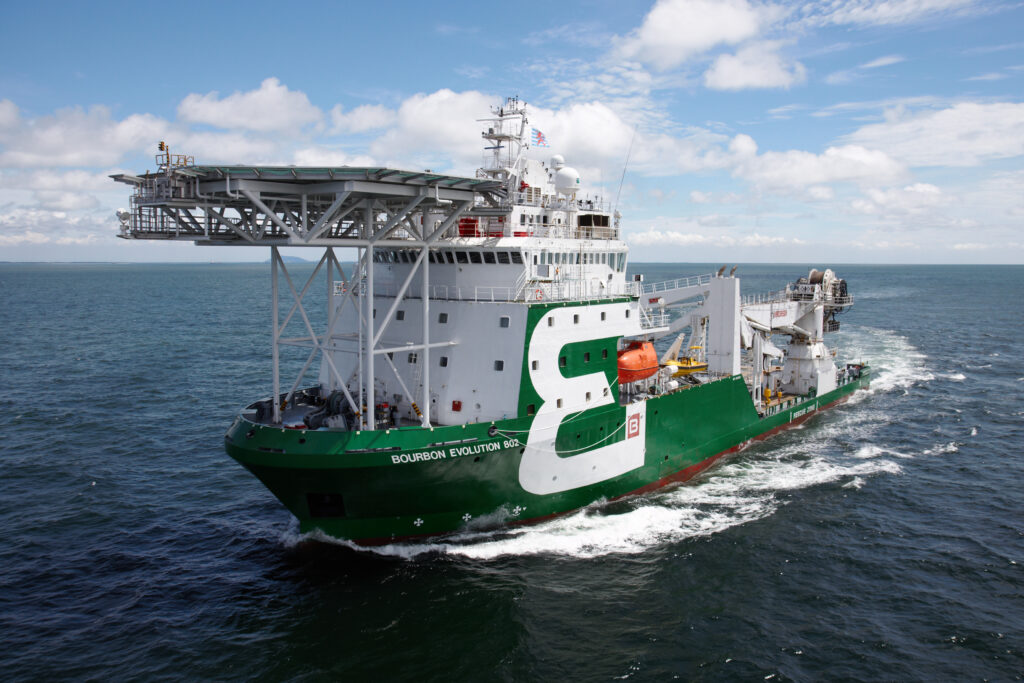
Exail, a global leader in surface navigation, has secured a contract with Bourbon, a leading French maritime services provider, to supply several units of Exail Octans Attitude and Heading Reference Systems (AHRS) for integration into Bourbon Subsea Services subsidiary's fleet. These units will be installed on multiple Bourbon Evolution 800 Series multi-purpose support vessels (MPSVs) dedicated to subsea operations at depths down to 3,000 meters.
IMO-HSC certified, the Octans AHRS will enhance Bourbon vessels’ efficiency in installation, maintenance, and repair tasks for the oil and gas, and offshore wind industries. Providing highly accurate measurements for roll, pitch, and heave, Octans will serve as a survey-grade surface gyrocompass and motion sensor, seamlessly integrated into the vessels' Class 3 dynamic positioning (DP3) system. This integration will ensure precise positioning and stabilization over underwater structures, ensuring the safe deployment of cranes, Remotely Operated Vehicles (ROVs), and supporting efficient survey and saturation diving operations.
“With the deployment of ROVs and the execution of complex subsea operations, DP3-type dynamic positioning is essential on our vessels. Additionally, to support survey services such as positioning, inspection, and metrology, a high level of specification demands the best-in-class motion sensors for safe operations. That's why we've selected Exail's Octans, renowned for its globally recognized levels of performance, precision, and reliability.” said Stephan Midenet, CEO of Bourbon Subsea Services.
"We are thrilled to contribute to enhancing the efficiency and safety of Bourbon's fleet operations and would like to thank them for their trust. We are confident that the Octans AHRS, built on Exail’s trusted Fiber-Optic Gyroscope (FOG) technology and already installed on thousands of surface platforms worldwide, will meet expectations and rise to the challenge of ambitious projects in the oil and gas and offshore wind industries" said Calixte Genin, Regional Sales Manager at Exail.