
Sercel extends its OBN portfolio to operate in all seabed survey water depths
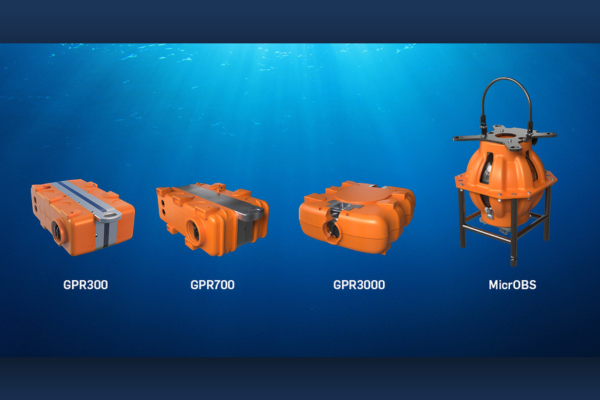
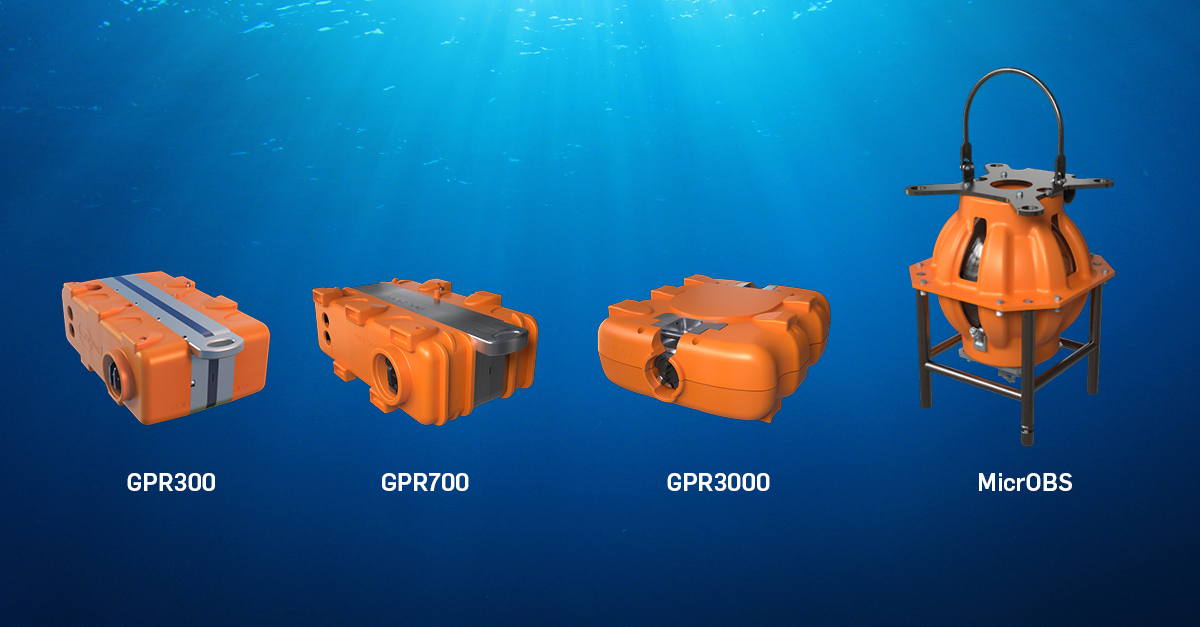
CGG announces that Sercel now has a complete portfolio of seabed nodal solutions for all water depths down to 6,000 m to meet growing industry demand for ocean bottom node (OBN) seismic surveys. Based on Sercel’s unique QuietSeis® broadband digital sensor technology, the full OBN portfolio includes the GPR300, the GPR700, the GPR3000 and the MicrOBS.
The GPR300 nodal solution was specifically designed for seismic acquisition in shallow water down to 300 meters. Since its launch in 2021, over 50,000 nodes have been successfully deployed in the field and have consistently demonstrated their outstanding efficiency and added value for the clearest subsurface images.
Building on the success of the GPR300, the GPR700 was unveiled yesterday at the IMAGE 2023 convention in Houston. The GPR700 extends OBN survey operations to the limits of the continental shelf at depths of up to 700 meters.
In response to growing requirements for deepwater exploration, Sercel is now also announcing a GPR3000 nodal solution for high-density OBN surveys down to depths of 3,000 meters.
To complete Sercel’s OBN offering, the MicrOBS sparse nodal solution is ideally suited for sparse deepwater OBN operations down to 6,000 meters.
Emmanuelle Dubu, Sercel CEO, said: "We are delighted to now offer a full range of nodal solutions to the seismic industry. The common denominator and key differentiator of this portfolio is QuietSeis, the most accurate seismic sensor in the industry. Its extremely low-noise performance delivers high-fidelity, high-quality broadband datasets for high-precision subsurface imaging. With our comprehensive portfolio of high-tech OBN solutions — all seamlessly integrated into our new MetaBlue marine survey management solution — we are uniquely positioned to support our customers in their offshore exploration and monitoring projects, whatever the depth."

Greensea Systems, Inc. transforms into Greensea IQ: A unified vision for ocean robotics
Ocean robotics pioneer Greensea Systems Inc., is delighted to announce its transformation into Greensea IQ, marking a strategic move that unites its former subsidiaries; Bayonet Ocean Vehicles and Armach Robotics, into a new business entity. This restructuring reinforces Greensea IQ as a leading force in the use of uncrewed and autonomous systems to better help improve human-kind’s interactions with, and understanding of, our oceans.
Greensea IQ CEO, Ben Kinnaman, articulated the driving force behind this transformation, stating, "The three arms of Greensea IQ collectively embody the overarching idea of maximising the capabilities of ocean robotics.
This empowers us to explore deeper into the world's oceans, enhancing both persistence and reach, all while ensuring efficiency, safety, and productivity." This shared ethos forms the cornerstone of Greensea IQ's new identity, and serves as the guiding principle that binds its components together in a collaborative pursuit of oceanic advancement.
Greensea IQ's innovative technologies are poised to revolutionize maritime industries globally. EverClean, for instance, offers autonomous hull cleaning services that enhance ship performance, fuel efficiency, and reduce carbon emissions. With a successful commercialization phase, EverClean has proven the economic viability of its technology, and plans are in place to scale the service to a multitude of ship types in the coming years.
Additionally, Greensea IQ's advancements in the defense and environmental spheres are gaining traction. The EOD Workspace software platform offers autonomous capabilities for mine detection and classification, reducing the risk to personnel in hazardous environments. Furthermore, the company's robotics technologies are finding applications in offshore renewables, performing surveys for pre-construction work and beach landings, where traditional solutions struggle.
The restructure also prepares the company to strategically expand its operations to better serve clients across the globe with likely expansion into Europe, South America, and Southeast Asia, allowing the provision of closer service depots for robot deployments, and more effective customer support.
This reorganisation not only underscores Greensea IQ's commitment to innovation but also highlights its ambition to better align business growth with environmental sustainability.
OPENSEA, Greensea IQ’s hardware-agnostic open framework for the development and deployment of cutting-edge robotics technologies, can be considered the common thread that ties together all of the company’s activities. It encompasses essential interfaces and utilities vital to the robotics and unmanned systems community that Greensea IQ has worked deeply within.
The OPENSEA library's scope is comprehensive. Evolving from this library, the OPENSEA application suite consists of a multitude of distributed independent applications. These applications synergistically function as fundamental building blocks, seamlessly interacting within the OPENSEA network. Their collective capabilities form a scalable, adaptable, and modular system.
Greensea IQ's former strategic investments in established subsea hardware technology providers culminated in the launch of Armach Robotics in 2021, and Bayonet Ocean Vehicles in 2022.
Armach Robotics pioneered EverClean, a proactive and autonomous in-water robotic cleaning solution providing always clean hulls for shipowners. Now operating under Greensea IQ the 'Robot as a Service' product, EverClean ensures the ship is always operating at peak performance by maintaining an always clean hull. Ben Kinnaman equates the EverClean approach to cleaning our teeth: “We don’t wait until we have dental problems before we start daily cleaning. The small platform EverClean robots allow an approach of regular preventative hull cleaning”. Thanks to OPENSEA, the EverClean robot has many tools at its disposal to plot the most efficient route thus avoiding over working and preserving coatings, plus after each cleaning operation, an accurate georeferenced hull condition survey is provided.
The Bayonet series of Autonomous Underwater Ground Vehicles, or AUGVs, also leverage the power of OPENSEA to navigate, identify objects, and process data most efficiently, and add another unique platform to Greensea IQ’s range of products going forward. The Bayonet AUGVs are engineered to excel in the surf zone. They offer the flexibility to incorporate diverse environmental, oceanographic, hydrographic, benthic, and industry-specific sensors. This adaptability caters to a myriad of commercial and military applications in the surf zone and beyond.
To introduce this transformative shift to the public, Greensea IQ will unveil its new identity and showcase the combined capabilities at the upcoming Defence & Security Equipment International (DSEI) show in London, UK. The event, scheduled from 12-15 September will serve as a platform to highlight Greensea IQ's vision and the groundbreaking products it offers.
Miros secures a solid increase of new ‘as a service’ contracts for WaveSystem
Miros, the Ocean Insights experts, continues to successfully grow its sea state as a service offering after securing numerous contracts with new clients during the first half of this year.
The new as a service (aaS) contracts span the global offshore vessel market, with particular emphasis on the key markets of UKCS, Norway and Brazil.
The projects will see the Miros WaveSystem deployed across vessels, providing real-time sea state data, helping to monitor vessel stability during heading sensitive operations for increased operational safety and facilitating operability improvements. WaveSystem will support offshore work, including cable and pipe lay, offshore installations, new floating production storage and offloading (FPSO) projects and drillship activities during well decommissioning.
The IoT-enabled WaveSystem combines the directional sea state measurements from Miros Wavex® and motion-compensated wave measurements as well as draught data from Miros RangeFinder. WaveSystem consistently provides precise ocean insights exactly when and where operators require them, ensuring all stakeholders involved benefit from heightened operational awareness.
The real-time data that has been gathered and tailored to the requirements of the operator by WaveSystem allows for enhanced decision-making through an understanding of the environment and weather windows. The flexible and scalable approach makes this aaS solution incredibly user-friendly, easy to handle and integrate with other systems.
With an aaS subscription, equipment remains Miros-owned, meaning that the client does not need to take on the risk of owning, operating, and maintaining the kit throughout the duration of the project. Hence the focus stays solely on the operational benefits rather than the hardware.
Andrew Wallace, Miros’ VP Offshore Solutions, said: “We are very proud of all the new contract wins in the first half of the year. It’s great to see our ever-evolving technology gaining momentum across such a wide range of offshore vessel operations and this clearly demonstrates the requirement for reliable and robust ocean insights”.
“With the precision, reliability, and robustness of Miros' sea condition measurements, complemented by our convenient as a service subscription model, clients experience remarkable enhancements in their operations. This, in turn, results in reduced energy consumption and improved efficiencies, contributing to the achievement of broader industry objectives. This aspect holds immense significance for stakeholders in both the maritime and energy sectors. We eagerly anticipate witnessing the profound impact of our high-quality solutions and supporting applications as they pave the way toward a sustainable market.”
These new WaveSystem projects are followed by the extension of several existing aaS contracts with vessel operators offshore Norway, UK and the Gulf of Mexico for Miros Cloud, Data Connector, RangeFinder and Wavex® to reliably support and optimize maritime operations with relevant ocean insights.
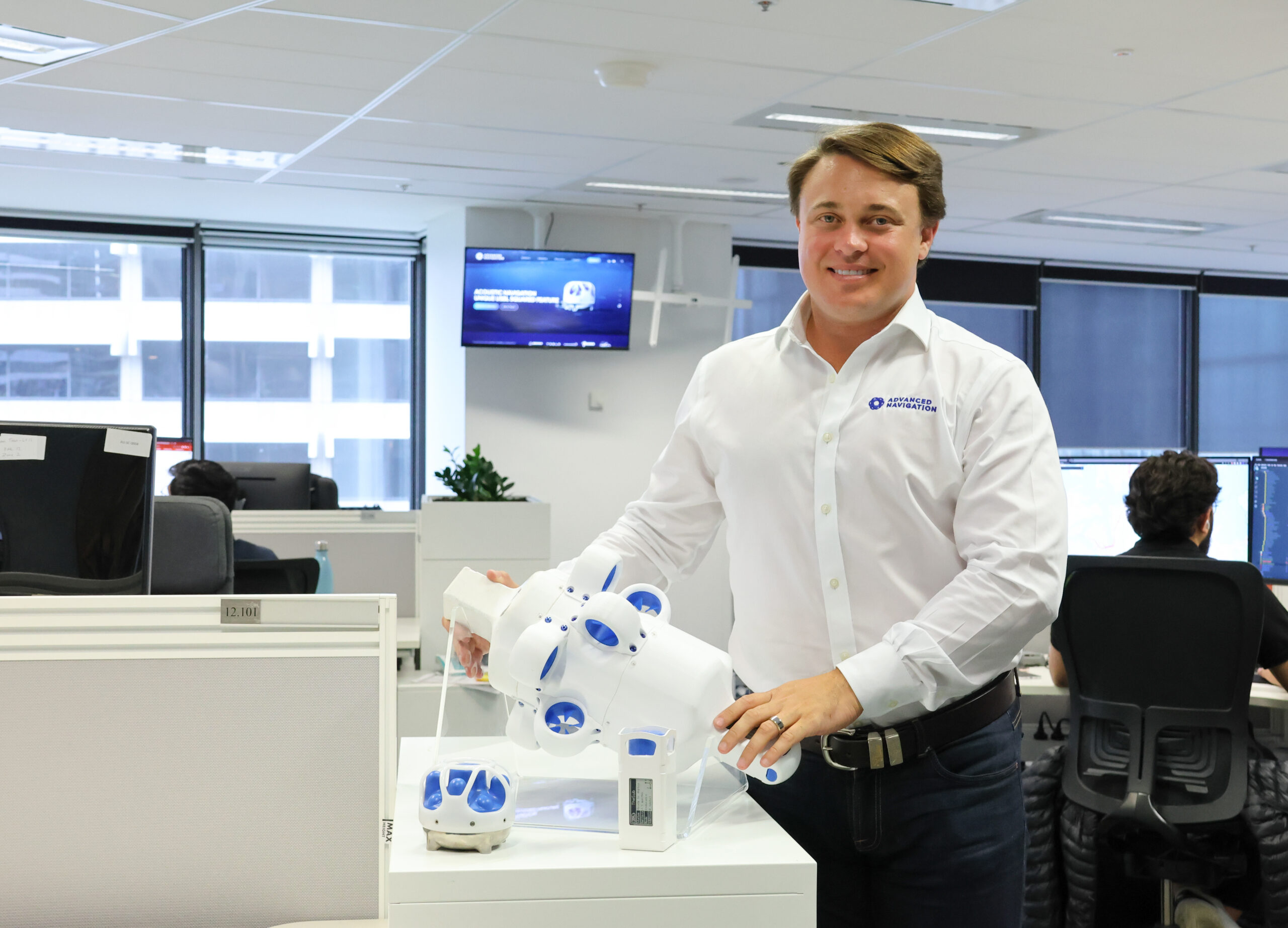
Advanced Navigation opens up ocean intelligence with Australia’s largest subsea robotics centre
Advanced Navigation, the world’s most determined innovator in artificial intelligence (AI) for robotic and navigation technologies, is announcing the largest subsea robotics facility in Australia, located in Balcatta, Western Australia (WA). The high tech manufacturing and R&D facility will accelerate the production of the company's revolutionary underwater technologies, including its autonomous underwater robot, Hydrus.
“Now more than ever, there is a need to open up the earth's oceans, to make data and knowledge more accessible to global communities, research institutions and governments. Western Australia has always been an exploration hub for ocean discoveries.
The new subsea centre will help Advanced Navigation meet the growing demand for high-grade underwater data, bringing new and existing solutions to market far more quickly and efficiently. With the goal to grow our subsea team threefold, we are confident this investment will deepen and advance our understanding of the oceans." said Xavier Orr, CEO and co-founder, Advanced Navigation.
Ocean Intelligence with Advanced Manufacturing
The subsea centre is located on a massive 5.5 acre site. The facility is split between development and manufacturing for high volume production and continued research and expansion of subsea navigation and robotics technologies. This includes the growth of its underwater AI division.
Advanced Navigation is a proud stalwart for independent, in-house design and vertical integration that has ushered in many innovations, including extreme miniaturisation of pressure-tolerant electronics, sophisticated sonar technologies and AI-based autonomous systems. The new centre also includes full testing facilities with several marine simulation environments to ensure reliable performance and the highest quality production.
Reshaping the Blue Economy with Brilliant Minds
Advanced Navigation's break-through underwater navigation and robotic technologies are utilised across the blue economy, supporting research, aquaculture, offshore renewable energy, transportation, surveillance, biotechnology and high-tech services.
The company's recent autonomous underwater robot Hydrus continues to revolutionise undersea research, survey and exploration by making data capture far simpler and vastly more accessible. The Hydrus design synthesises numerous cutting-edge navigational, sonar, propulsion and data capture technologies with highly developed and sophisticated artificial neural network (ANN) intelligence.
With support from prominent research institutions including the University of Western Australia (UWA), Curtin University and philanthropic organisation Minderoo, Advanced Navigation continues to establish sustainable technologies to foster the growth of the blue economy, nationally and internationally.
“It’s exciting to see Advanced Navigation continue to grow its team of engineers in Western Australia. At UWA we are researching how natural and artificial reef structures can protect coastlines by dissipating wave energy - Hydrus is a key tool in mapping and surveying these underwater structures. The technology makes more efficient use of our funds and ultimately scales up our ability to collect high-resolution data,” said Justin Geldard, Coastal and Ocean Researcher, University of Western Australia Ocean Institute.
Future of the Autonomy Revolution
The subsea centre is just one of several investments made by Advanced Navigation as it continues to expand its global reach and capabilities. The company has established headquarters in Sydney with research centres throughout Australia, including Brisbane for aerial drone technology, Canberra for photonic and laser technology and Newcastle for quantum sensing.
In addition to novel autonomous subsea robotics, Advanced Navigation delivers AI-enhanced navigation technologies for land, sea, air and space applications. The company is committed to developing innovative products and systems that will be catalysts of the autonomy revolution.
Rovco wins survey contract with Flotation Energy for Cenos floating offshore wind farm
Rovco, a global provider of technology-enabled project solutions to the offshore renewable energy sector, has been contracted by Flotation Energy to carry out a geo-environmental survey at its planned Cenos floating offshore windfarm, 200 kilometres off the north-east coast of Scotland.
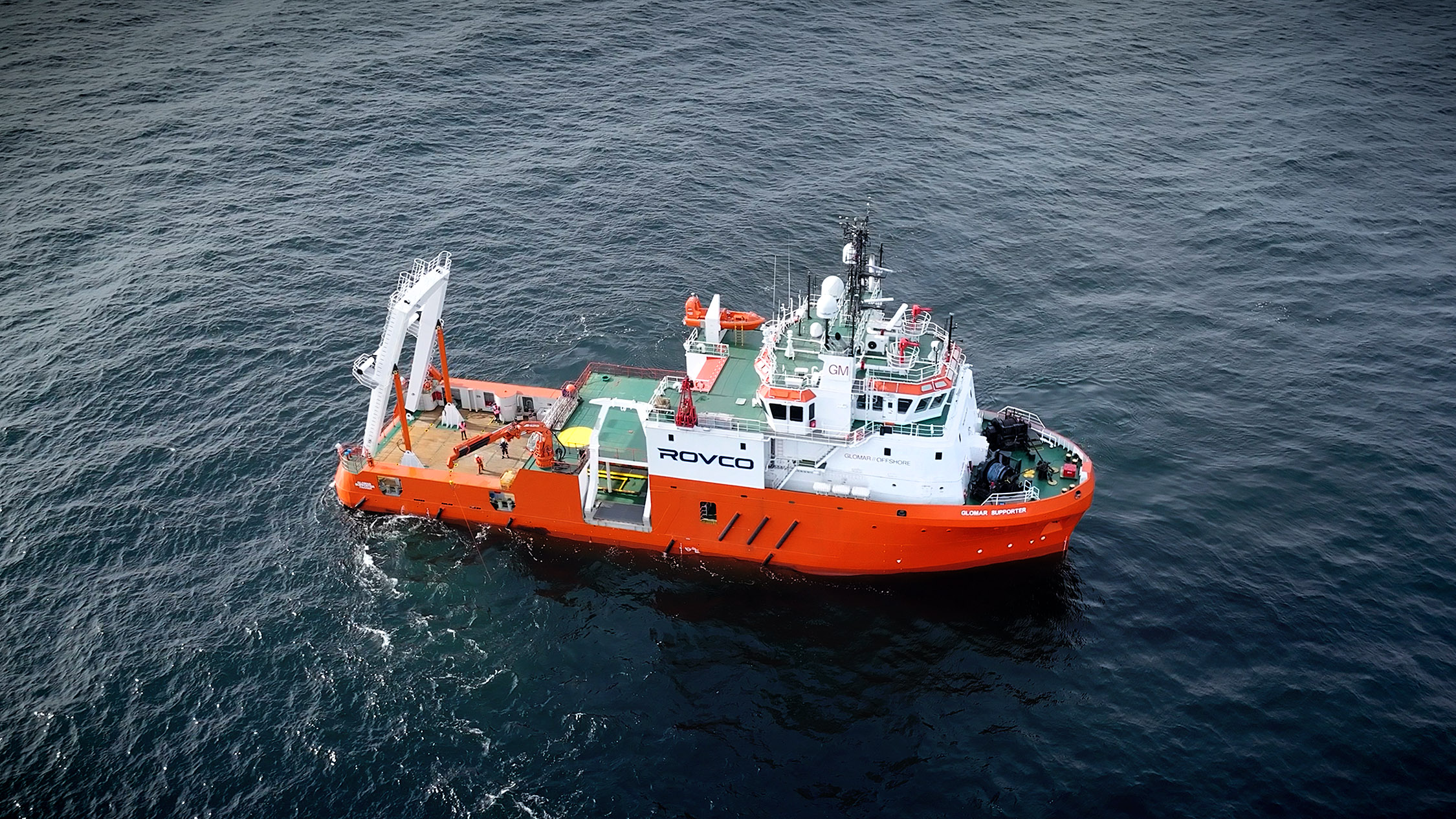
Located in the Central North Sea, the 1.4GW Cenos floating wind development will cover approximately 333km2. Rovco, having recently launched a dedicated marine site characterisation business line, will deploy its multi-purpose, custom-reconfigured DP2 survey vessel, the Glomar Supporter, to carry out the work.
It is expected that the project will comprise subsea studies of the floating wind turbine generators, mooring line anchor locations, inter-array cables, fixed foundation substation areas, and the portion of export cables that fall within these locations.
Rovco’s scope of work involves the acquisition of geophysical and benthic information to provide detailed data to inform environmental impact assessment (EIA) consents and the engineering processes from engineering to early front-end engineering and design (FEED) study.
The geophysical element of the workscope requires the acquisition of multi-beam echo sounder, side scan sonar, magnetometer, sub-bottom profiler, and multi-channel seismic data along with associated analysis, processing, interpretation, and reporting.
Flotation Energy’s partner on Cenos is Norwegian-offshore wind company, Vårgrønn; a joint venture between energy company Plenitude (Eni) and investor HitecVision. The joint venture secured a lease earlier this year as part of Crown Estate Scotland’s INTOG (Innovation and Targeted Oil & Gas) round.
Craig Davis, Director of Site Characterisation for Rovco, said: “We’re extremely pleased to be working with Edinburgh-based Flotation Energy on this project. The company has been a significant contributor towards the building of a strong offshore wind industry in the UK and beyond.
“Our dedicated site characterisation division was launched specifically to provide the full range of survey solutions to offshore wind projects such as Cenos, in order to take it from pre-construction to first energy as swiftly, efficiently, and cost effectively as possible. Having access to the full range of tools, equipment, and technology on the Glomar Supporter, along with our highly experienced and specialist team, will be instrumental in helping Flotation Energy meet its timescale for this project utilising a local supply chain partner.”
Dan Wright, Supply Chain Manager at Flotation Energy, commented: “Having secured Rovco’s extensive offshore renewables experience to support the subsea studies will add immense value to our Cenos project and also reaffirms our commitment to building a robust local supply chain for our offshore wind projects. By focusing our efforts on creating flexible and collaborative partnerships with Scottish-based companies such as Rovco, we can provide opportunities to establish a floating wind supply chain ready to deliver for Scotwind licensing projects and beyond.”
“The successful delivery of our survey campaign with Rovco enables us to maintain our fast-track delivery schedule for Cenos, a project that will decarbonise North Sea oil and gas assets and remove over 2 million tonnes of CO2 a year, helping to support Scotland towards its 2045 Net Zero targets.”
Launched at the turn of the year, Rovco’s marine site characterisation business unit was established to help address a critical industry shortage of companies with the all-round capabilities and expertise to support a rapidly emerging market during the earliest phases of offshore wind farm development.
At its heart is the multi-purpose DP2 survey vessel, Glomar Supporter. On long-term charter from Glomar, the vessel underwent an extensive rebuild and refurbishment in 2021 and has been reconfigured to permanently carry an entire suite of state-of-the-art survey sensors and equipment, aimed at providing the highest quality data capture, reporting and technology-enabled solutions for a streamlined and efficient site characterisation offering. This package offers complete flexibility while on site, to adapt and respond to different challenges in a single offshore trip.
Hydroacoustic technology manufacturer celebrates 45th anniversary with litter pick and staff day
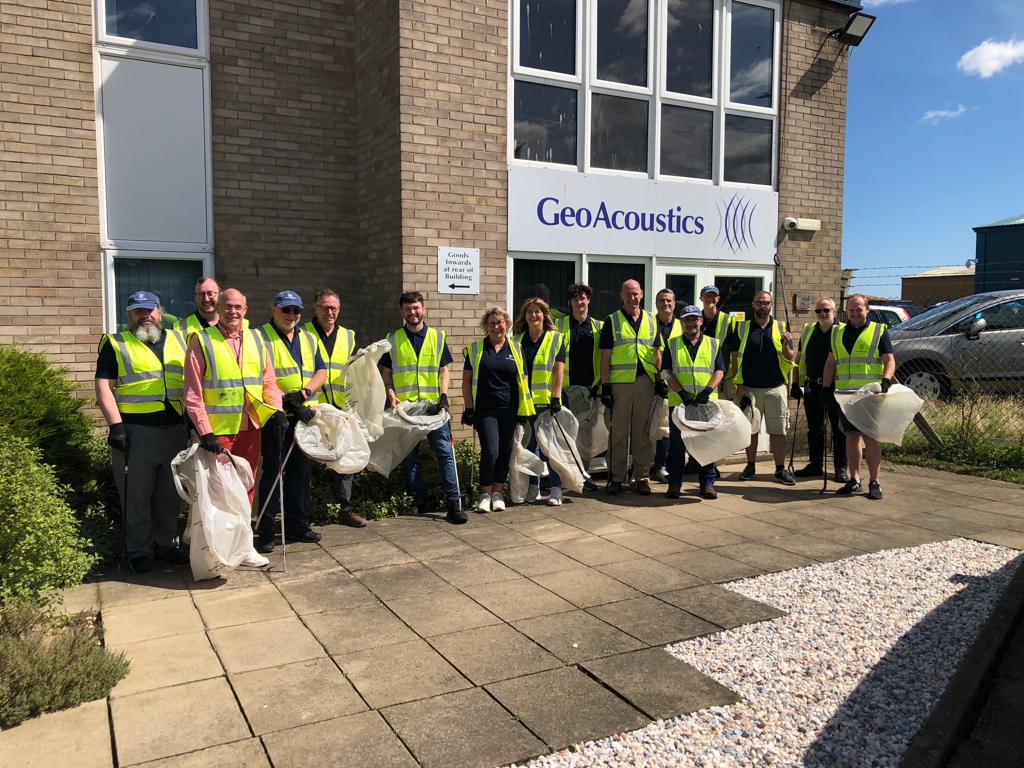
GeoAcoustics Ltd, an award winning global marine technology company founded and based in Great Yarmouth, marked 45 years in business. The milestone was celebrated as part of its annual Company Day, a tradition started in 2021 that combines teambuilding and fun for GeoAcoustics’s staff and their families.
Yesterday’s activities included a defibrillator refresher training session and some light-hearted but challenging teambuilding exercises, as well as for the first time, a staff litter pick.
Great Yarmouth council provided the equipment needed to mobilise the entire GeoAcoustics team on its mission to clean up the area surrounding the company’s HQ at the Gapton Hall Industrial Estate, including the streets and alongside the meadow adjacent to the building.
“The team did a fantastic job during the litter pick with a noticeable difference to the look and feel of the area by the time we were finished, so I’d like to thank them all for putting in such a great effort,” said General Manager, Linda Dowdeswell.
Family members joined the Company Day later in the afternoon for a barbecue and a circus skills workshop, which returned after proving successful with all ages at last year’s company day. This was followed by a lively, entertaining and very well received show put on by the circus performers.
2023 is a milestone year for GeoAcoustics Ltd. In addition to celebrating its 45th anniversary this week, GeoAcoustics reported that it had been honoured as one of 148 organisations in the UK to receive the first ever King’s Award for Enterprise in April.
Linda Dowdeswell attended a special event at Buckingham Palace for the award winners in June, where she was lucky enough to meet His Majesty The King and mingle with members of the Royal Family in attendance as well as many of the other award winners from around the UK.
“We were delighted to receive the award for our international trade performance,” said Linda. “It was a special event, and I was honoured to attend Buckingham Palace on behalf of the amazing team that makes GeoAcoustics as a company worthy of such a prestigious award.”
GeoAcoustics Ltd was founded as ORE Ltd by Dave Stone and Dick Stafford in 1978 as a leasing company for offshore research equipment. Today it is recognised as one of the leading manufacturers of innovative products that use the principles of sound in water to provide data about the seafloor and below it, for both commercial and scientific organisations.
TDI-Brooks increases vessel capacity and welcomes R/V NAUTILUS
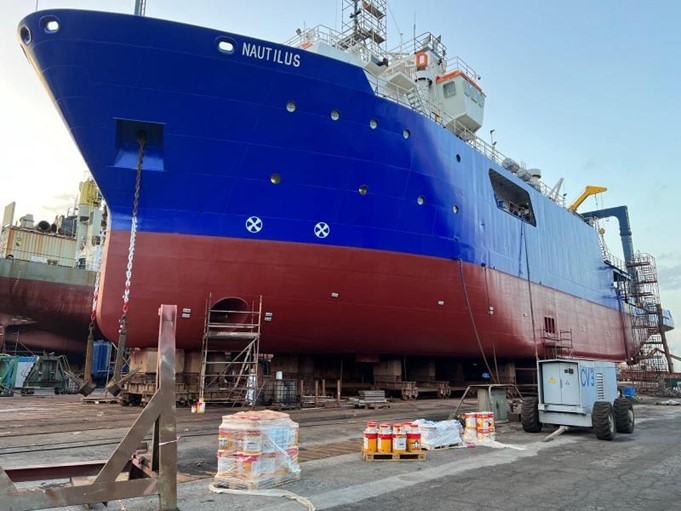
TDI-Brooks increases its vessel capacity by adding a 75-meter DP2 vessel, R/V NAUTILUS (formerly Nautical Geo), to its fleet. The market for subsea services remains strong, coupled with increased demand from clients and the need for increased capabilities. The vessel can potentially offer a variety of offshore assistance with subsea services, construction aid, exploration, production, ROV and diving support, and scientific marine research and survey mapping, along with military support.
This vessel is currently about 60% through its retrofit period in Las Palmas. It will finish its shipyard period in late September and then transit to Trinidad for several geotechnical coring projects. One of these programs will involve spud can analyses utilizing the recently delivered Manta-200, deployed through the NAUTILUS mid-ship moonpool. TDI-Brooks continues to focus on the growing offshore wind market along with other scientific survey programs.
The NAUTILUS is a versatile vessel with (1) North American MCK-1240 upper forecastle deck STBD side SWL 7.1 ton crane, large accommodation (46 berths) and deck capacity. The vessel will be outfitted with TDI-Brooks’ complete geotechnical tool kit including a suite of innovative geotechnical tools for soil sampling and measurement. These include 0.5 and 1 meter box corers (BC), 6 and 9 meter piston corers (PC), 20 meter jumbo piston corers (JPC), cyclic t-bar instrument (TBAR), piezocone penetrometers including a 40 meter CPT-Stinger and 10 meter Gravity CPT tool (gCPT), newly acquired Geomil Manta-200 CPT, Neptune 3K & 5K vibracorers and TDI-Brooks’ designed pneumatic vibracorer. The Nautilus will have a Teledyne RESON full ocean depth multibeam echosounder (MBES) for surveys to ~2,500m water depth for performing hydrographic marine, surface geochemical “seep-hunting” (SGE) and seabed heatflow surveys (HF).
The NAUTILUS will be operated within a robust Safety Management System whereas all of TDI’s vessels are regularly vetted by client marine assurance groups and are a part of the OCIMF Offshore Vessel Inspection Database (OVID). TDI’s mission is to “safely deliver high-quality oceanographic services, including acquisition, sampling, analysis and scientific interpretation, to the marine environmental, geochemical, geotechnical and survey marketplace.”
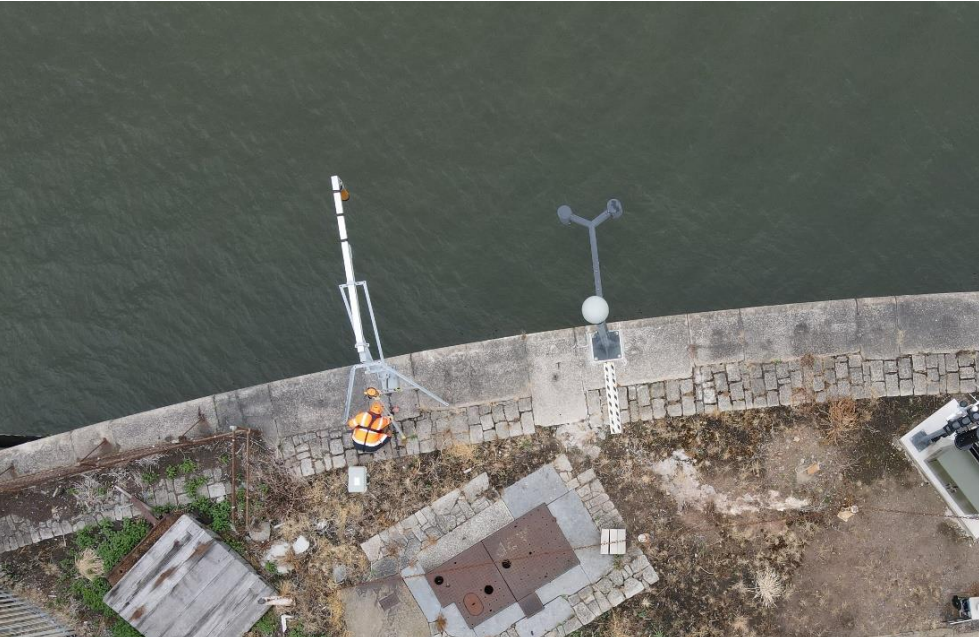
Data quality back on track and helping to deliver UK sea level rise figures
Despite ever-increasing global recognition on the importance of sea level data to inform decision makers on climate and environmental policies, there was insufficient data to update the UK sealevel index in both 2020 and 2021 (Kendon et al. (2022).
However, data quality and reliability are now back on track and the tide gauge network is at a high enough standard to calculate this vital statistic. Importantly, the Environment Agency (EA) have been able to submit mean sea level values, for the purposes of tracking sea level rise, in 2022.
What has changed?
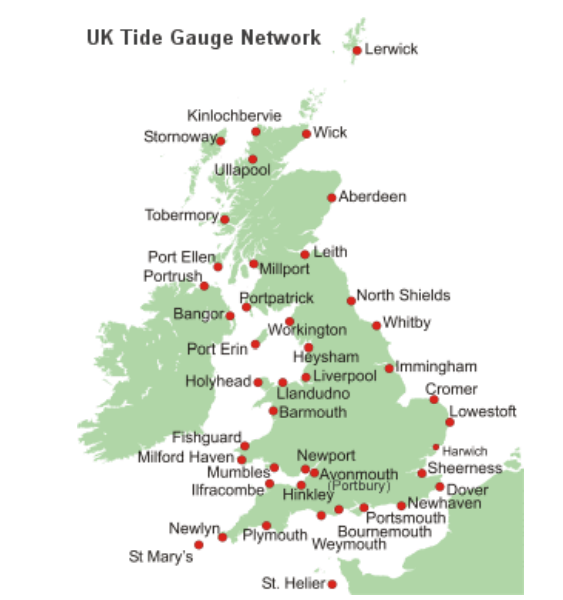
In late 2021 OceanWise were awarded the Environment Agency’s contract to maintain and update the United Kingdom’s National Tide Gauge Network (NTGN) which underpins coastal flood forecasting around the UK and comprises a network of 42 tide gauges sited at key locations.
On taking on the contract OceanWise became responsible for ensuring the real-time stream of high-quality data from the network, whilst sympathetically maintaining the legacy sensors to maintain the long-term data record. OceanWise achieve this by providing maintenance, systematic improvements and quickly responding to any ad hoc faults that might arise.
As OceanWise's CFO, Dr Mike Osborne explains, “We are delighted to have been given the responsibility of maintaining the NTGN on behalf of the nation. We have particularly enjoyed working with the EA and NOC to upgrade the network, using our expertise and experience in sensor, and data acquisition and management technologies, whilst at the same maintaining and enhancing the legacy ‘bubbler’ based systems to improve the reliability and quality of the data overall“.
Fugro’s metocean survey for Salamander offshore wind farm project supports the UK’s net-zero future
Salamander, a joint venture between Ørsted, Simply Blue Group and Subsea 7, has appointed Fugro to conduct a comprehensive metocean survey for the proposed Salamander offshore wind farm project. Located 35 km off the coast of Peterhead, Scotland, the 100 MW project will use innovative floating offshore wind technologies to help Scotland and the UK progress towards a net-zero future.
Scheduled to begin in September, the survey will run for approximately twelve months and gather essential meteorological, oceanographic, and environmental data. These insights will inform the project's design, operations, and maintenance strategy, as well as support the planning application process.
To facilitate the survey, two floating SEAWATCH® Wind Lidar Buoys and a Wavescan® buoy will be deployed. These technologies will measure wave height, wind and current speed and other region-specific metrics, enabling a comprehensive assessment of the site's characteristics and seasonal conditions.
The metocean survey forms part of a series of surveys to be conducted by Salamander before starting the Environmental Impact Assessment (EIA) and Habitat Regulations Assessment (HRA). The project team aims to submit the necessary consent applications by early 2024.
Huw Bell, Project Director for Salamander said: “As a pioneering floating offshore wind project, there are technical factors which must be key considerations as we begin to develop the Salamander site.
“It’s crucial that we understand the influence of the environmental conditions our turbines will be required to operate under. The metocean survey conducted by Fugro will not only be an asset in terms of deciding our windfarm design, but also any future operations and maintenance schedule.”
Jørn Erik Norangshol, Fugro’s Regional Service Line Director for Metocean, Monitoring and Forecasting for Europe and Africa added: “We are proud to be selected as the metocean survey supplier for the Salamander project. Our advanced solutions will provide insights and data crucial for the successful development of this project, including optimised design, enhanced safety measures, and ultimately contributing to the realisation of a sustainable and efficient offshore wind farm."
The Salamander floating offshore wind farm will generate enough green energy to power up to 100,000 Scottish homes. It will also provide insights and best practices for future commercial-scale developments in Scottish waters, ahead of the larger-scale ScotWind buildout.
The launch of OceanTechJobs.com : the first OceanTech focused recruitment business
OceanTechJobs.com has officially launched. This new online platform and recruitment business is focused on Ocean Technology only, with the sole purpose of connecting job seekers with the world’s leading OceanTech employers.
OceanTechJobs.com is set to change the way professionals access the job market, apply for the latest roles, and to thrive in our important Ocean Technology Sector. With a user-friendly interface and powerful search tools, the platform makes finding the perfect OceanTech job simpler and more efficient than ever before.
Ocean Technology employers can advertise roles through OceanTech Jobs, and can also utilise our Executive Search (head-hunting) services to find the best ocean people, at the right time.
OceanTechJobs.com was founded by career Ocean Technologist Martin Stemp (also CEO of RS Aqua ) and career technical recruiter Matt Rickett.
KEY FEATURES of OceanTechJobs.com:
- Comprehensive Job Listings: OceanTechJobs.com boasts an extensive database of job openings across the ocean technology sector, including: marine robotics, ocean engineering, renewable energy, ocean science, with positions ranging from graduate to executive roles. Receive Job Alerts you’re informed about the latest opportunities in Ocean Technology.
- Executive Search for Businesses: We solve the challenges of finding the right people at the right time, to thrive within your ocean technology organisation. Perfect for hard to fill positions, and for when you want to be discrete.
- Company Insights: Gain valuable insights into leading companies and organisations at the forefront of ocean technology. Learn about company culture, mission, projects, and growth prospects to make informed career decisions.
- Community Engagement: Connect with like-minded professionals, experts, and enthusiasts through forums and networking events. Engage in discussions, seek guidance, and expand your professional network to foster personal and career growth.
- Blog and Career Advice: The platform features a regularly updated blog offering expert advice, industry trends, and tips for career advancement in the ocean tech sector.
Founder's Statement:
"OceanTechJobs.com was born out of a passion for ocean technology and innovation. We recognised a need for a specialised service that connects talented individuals with the unique opportunities presented by ocean-related industries. Our goal is to encourage people to join our thriving sector, to bridge the gap between job seekers and employers, and to enable the next wave of advancement in ocean technology. "
Martin Stemp, Founder and CEO of OceanTechJobs.com