
FET Subsea Technologies launches new ROV tooling rental offering
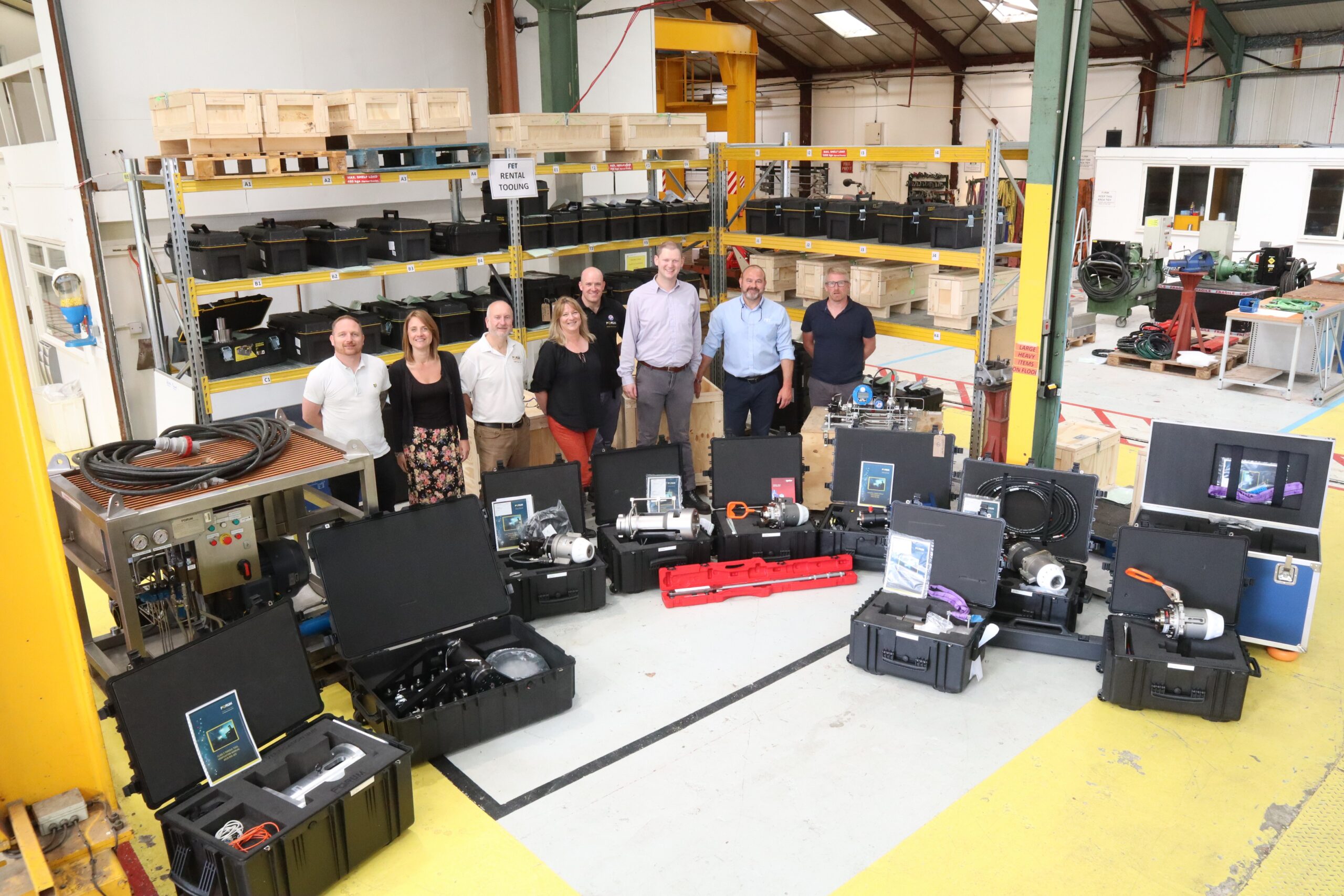
Forum Energy Technologies (FET) has introduced a new tooling rental offering for remotely operated vehicles (ROVs) in response to the changing demands of the subsea sector.
With increasing ROV asset investment across hydrocarbon and offshore renewable energy, as well as defence sectors, FET’s new rental offering is designed to address the need for readily available tooling equipment in the development, operation, and maintenance of upcoming offshore projects.
Available immediately for rental are torque tools, linear actuator override tools (LAOTs), isolated hydraulic power units (IHPUs), and associated accessories.
The fleet of tooling will initially be manufactured and managed at FET’s UK facility in Kirkbymoorside, North Yorkshire. FET, which already has an existing rental fleet in Brazil, will also expand the availability of equipment to Europe, Asia and elsewhere in the Americas.
FET will continue to design and manufacture and sell its established line of standard tooling and reconfirms its commitment to also developing new and customisable tooling products specific to client needs.
James Foster-Rain, Subsea Tooling Manager, at FET said: “With this latest business investment and development, we are excited to offer a comprehensive range of high-quality subsea tooling specifically to meet the demands and needs of subsea operations.
"Our robust experience in the market lends itself to understanding and devising industry advancements and, with our team of experts, we are well placed to introduce significant benefits and savings. At FET, we provide the latest technologies to aid clients in their projects, and play our part in creating a more sustainable and secure energy future.”
As a global expert for manufacturing quality subsea equipment, FET’s product enhancement builds on its existing position as a provider of smart solutions. In April, FET supplied two light work-class ROVs to a major Asian Navy, while another four have been delivered to DOF Subsea this year.
FET’s KMS and Aberdeen offices will service the UK and European markets, its US offices for North American inquiries, and its Singapore office for pricing, deliveries or to schedule a more detailed discussion of the available offering in the Asia-Pacific region.
For clients in Brazil, local partner UnderOcean will provide rental service and support.

Robosys and Landau Marine announce collaboration at DSEi unveiling AI driven full stack maritime autonomy for naval operations
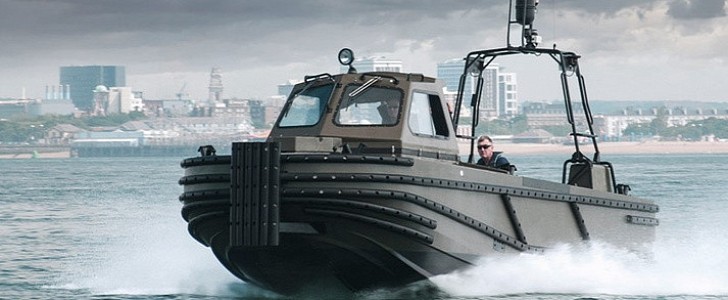
AI based Maritime Autonomy & Navigational specialist, Robosys Automation and leading UK specialist installer and integrator, Landau Marine, have announced at DSEi in London (UK), a new pioneering collaboration that enables full stack maritime autonomy for both new-build and retrofit vessels and naval craft.
Robosys’ Voyager AI software enables crewed, lean crewed, optionally unmanned, and fully unmanned vessel operations at the switch of a button. It delivers efficient Remote Control and reasoned Autonomous operations from a remote operations centre (ROC) or ground control station (GCS), either ashore or afloat from a mothership.
UK headquartered Landau Marine supplies installation, integration, and maintenance services for numerous defence clients; including NavyX, the Royal Navy’s Autonomy & Lethality Accelerator. Landau capabilities encompass all aspects of technology integration linked to vessel design and construction, with a particular focus on zero emission technology and decarbonisation initiatives.
The new collaboration between Landau and Robosys brings together a leading UK integrator-installer-service provider with a proven AI maritime autonomy software developer, to enable customers to swiftly convert their vessels to fully autonomous and/or lean-crewed operations.
Integration of Robosys Automation’s Voyager AI Vessel is a full stack autonomy solution that is complemented by artificial intelligence combined with decision-aids, enabling fully autonomous unmanned surface vessels (USVs). Suited for surveillance, surveying, warfare, and patrolling duties, Voyager AI is vessel, propulsion, and sensor systems agnostic.
Roger Cerrato, Sales Director at Landau commented at the DSEi launch event, “Landau helps customers install and best utilise new technologies such as Robosys Automation’s Voyager AI suite. This new partnership with Robosys reflects the Landau ethos, being to provide innovative installation and integration solutions that are beneficial to our customers, our business, and our world, in efficiency, economic, and environmental terms.
Cerrato continues, “We are dedicated to supporting our commercial and defence customer base in their requirements for more innovative and effective solutions, such as retrofitting a crewed vessel to become an autonomous craft at speeds of up to 45 knots, delivering many benefits including helping to drive the net zero agenda.
Nigel Lee, CSO of Robosys Automation comments, “We are delighted to be working with Landau Marine. This partnership will provide an end-to-end solution for all customers looking to integrate Voyager AI to a new build or as a retrofit to an existing workboat or craft, as Landau’s facilities and team are second to none.”
Robosys’ Voyager AI suite of integrations include proven full autonomous capabilities, combined with collision avoidance, anti-grounding, and smart object avoidance, and loss of communications features, amongst others. Voyager AI will operate with a broad array of naval craft, barges, pilot boats, and workboats, and is particularly effective in those 3 to 24 metres in length. Voyager AI is in operation on board naval vessels, surveillance craft, survey vessels, and pilot boats, naval tugs, and workboats.”
“The use of Voyager AI significantly extends a traditional vessel’s lifespan through straightforward and swift retrofitting. This enables increased cost-effective, safer, and environmentally focused outcomes for those who wish to continue using their existing craft, but now with the added benefits of crewed, lean-crewed, optionally uncrewed, and uncrewed options, dependent on the specific challenge.”
Robosys’ Voyager AI Vessel solution offers IMO Degree 4 autonomy, which is ideal for the defence sector as it can be retrofitted to almost any vessel or workboat. Robosys Automation’s systems offer remote control as well as advanced and intelligent autonomous navigation, with platform and payload control which can be integrated to most vessel systems, together with collision avoidance, and systems monitoring options, delivering a proven and trusted full-stack maritime AI autonomy solution.
Underwater Contracting orders six more SAAB Seaeye ROVs
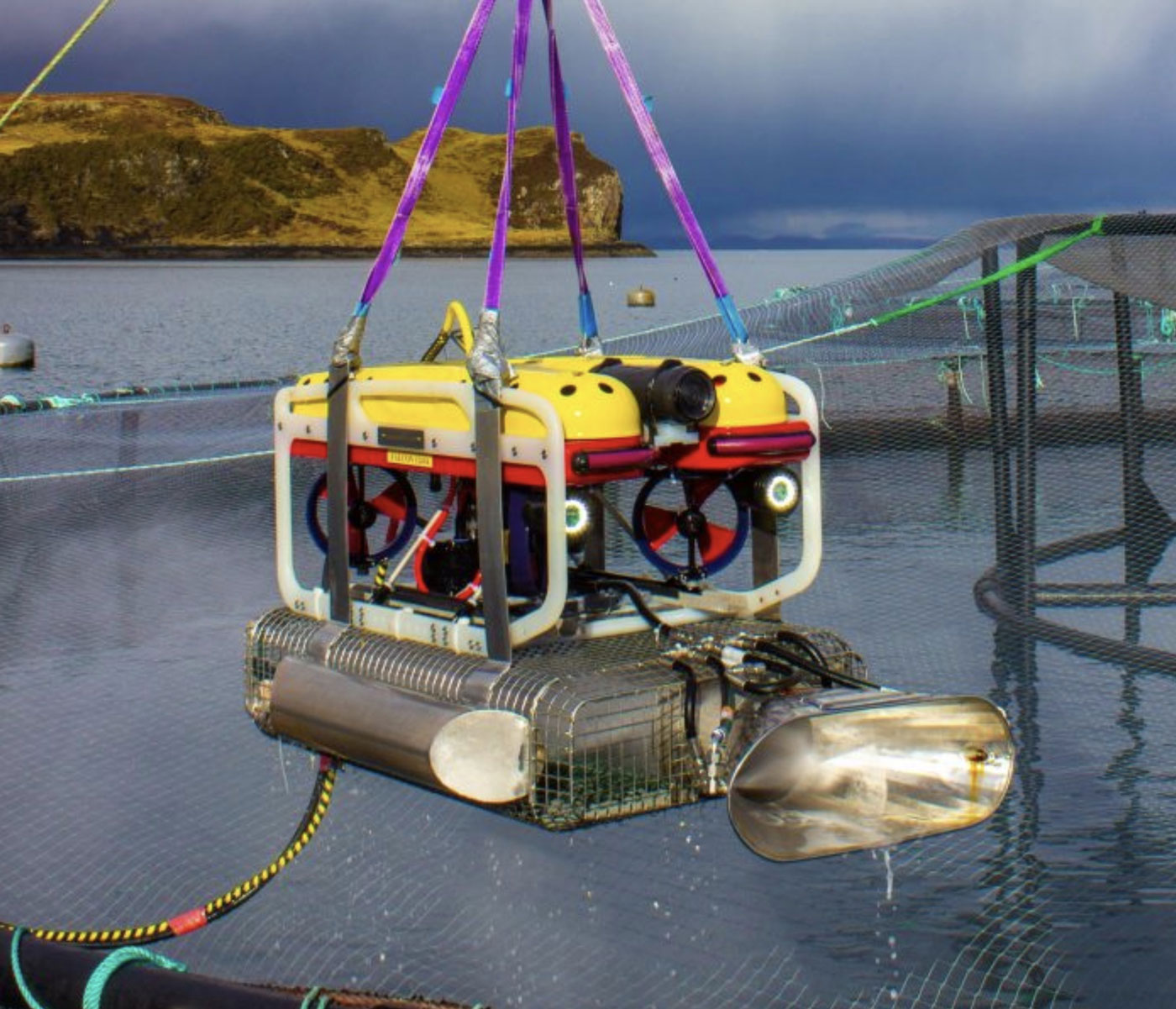
Owners of the world’s largest fleet of Saab UK’s Seaeye Falcons, Underwater Contracting (UCO), has ordered a further six Falcons, boosting its fleet to 33 vehicles.
This follows the award of further major contracts in the aquaculture, renewable, and oil and gas sectors to UCO that will see the Falcon fleet working continuously over multi-year contracts providing a range of services in Europe, North America and Australia.
Specialists in ROV operations, UCO has successfully deployed Seaeye Falcon underwater vehicles since 2018 across three continents covering various sectors of industry.
In that time UCO has productively utilised the power and intelligence of the Falcon system when designing and developing industry-leading technologies, including their FOOVER Mortality Recovery system, NETFIX Net Repair system and G-LANCE Cage Cleaning system, inspection cleaning tools.
UCO chose the Falcon as the world’s top selling underwater robotic vehicle in its class and for its versatility.
The Falcon is designed and manufactured at Saab UK’s Fareham site.

Underwater living: Deep dive site to become £100m research hub
DEEP, an ocean technology and exploration company, is investing £100m in the former National Diving and Activity Centre (NDAC) in Tidenham, Gloucestershire.
It says its aim is for a "permanent human presence" under oceans from 2027. The quarry will also be used to test out equipment like submersibles.
DEEP said the Tidenham site, which covers 50 acres, will be a "core part of a regional ecosystem in the South West of England" for development exercises for the company and others.
Steve Etherton, DEEP President, said: "We need to preserve the oceans. To do that we need to understand them.
"Through our innovative technology DEEP will enable scientists to operate at depth for extended periods of time and we hope, in some small way, will contribute to our understanding of this life-giving environment."
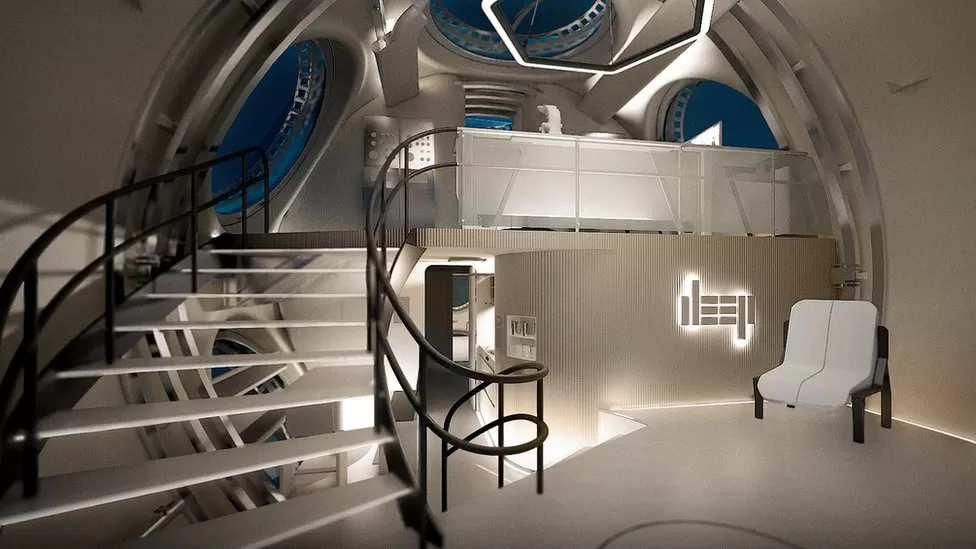
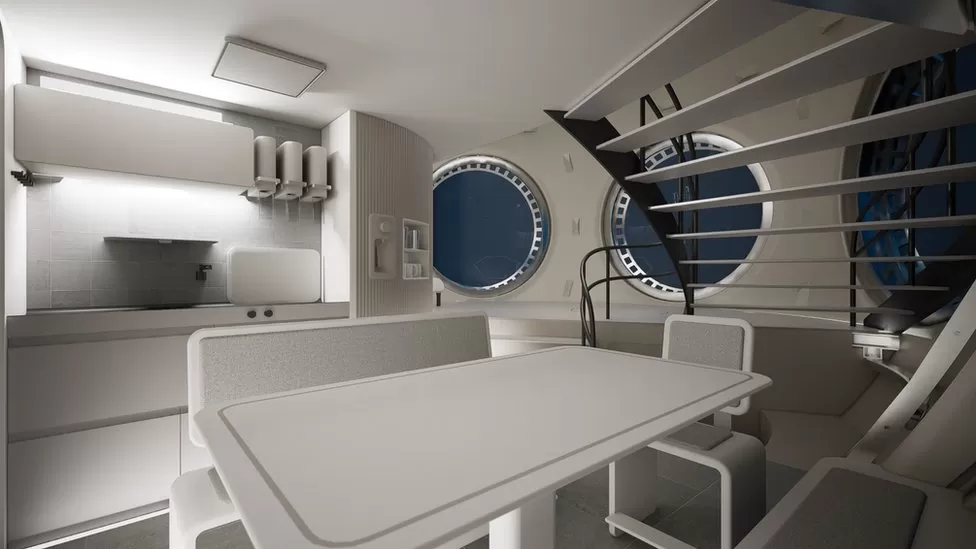
The company said it initially wants to develop technology that will allow scientists to live underwater at depths of up to 200m for up to 28 days at a time.
The company says it wants to develop "habitats" which could allow humans to live under the oceans.
The Tidenham location was selected because of the "unique cluster of relevant marine-engineering, diving, hyperbaric and submersible expertise, and links with the wider UK commercial and technical diving industry," it added.
When consulted over the plans, Forest of Dean District Council was told DEEP wanted to employ 100 people.
'Just the beginning'
The site had originally opened as the NDAC in 2003 and offered a range of above-ground activities but was best known for its many underwater attractions, installed at a range of depths down to 76m.
The quarry's maximum depth of 80m made the location popular not only with recreational scuba divers but also with technical, free and military divers.
But the site closed permanently last year, following enforced periods of inactivity during the Covid-19 pandemic.
Developing the site at Tidenham is "just the beginning" the company said.
DEEP believes it will have established a system of "semi-permanent" underwater human habitats by 2027.
Mike Shackleford, President, Global Services of DEEP said: "DEEP's facilities already house our prototyping and pre-production capabilities as well as advanced material testing infrastructure not found elsewhere in the UK, and this is just the beginning."
The company said it hoped the Tidenham campus would be "fully operational" by 2027.
Boxfish Research renames to Boxfish Robotics
Boxfish Research announces the official renaming to Boxfish Robotics. The decision reflects the company's evolving focus and product line, emphasising its commitment to underwater exploration and robotics technology.
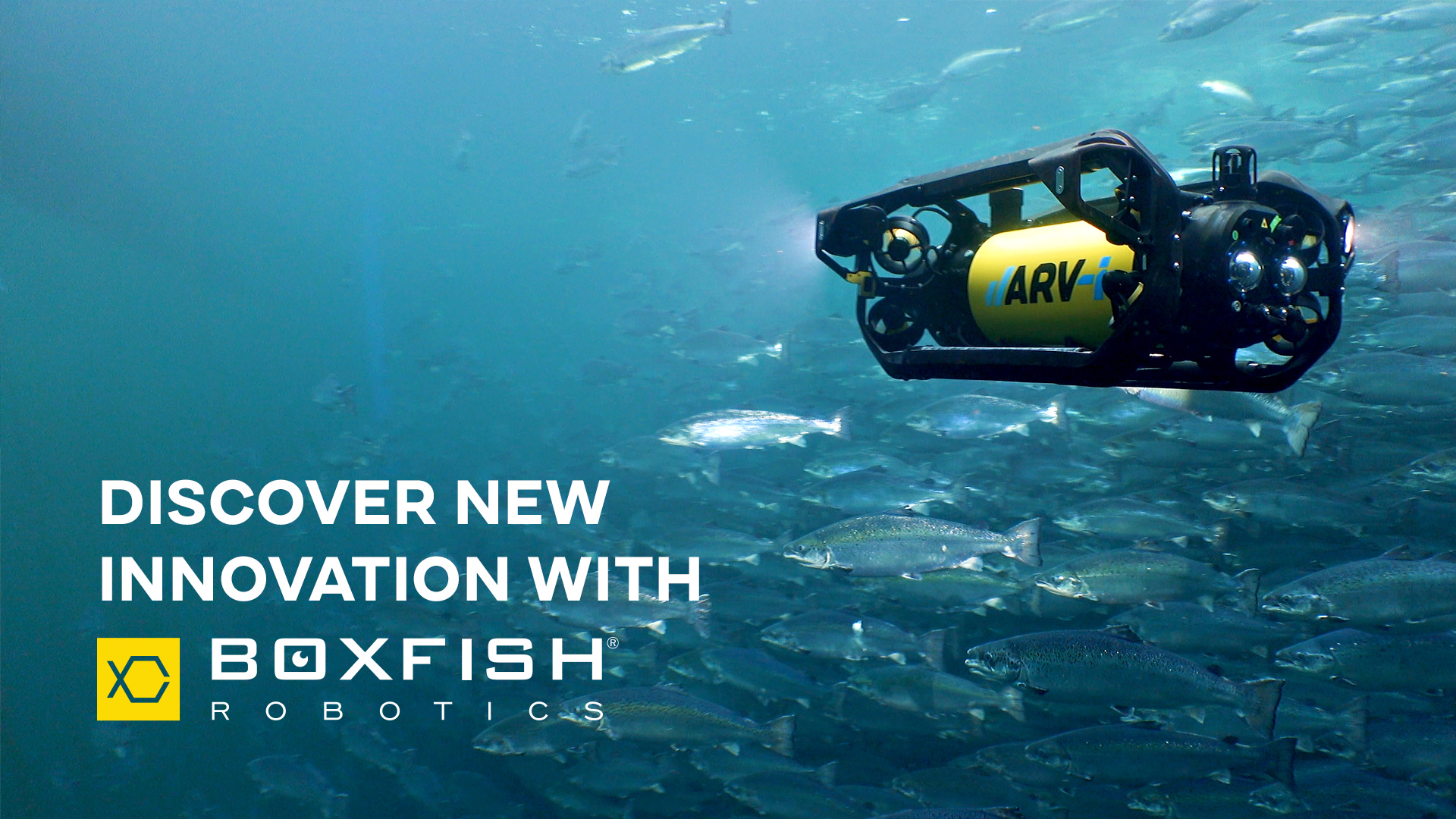
As Boxfish product portfolio advanced, with a diverse range of robotics systems, both tethered and untethered, Boxfish recognised the need for a name that better represents its current scope and aspirations. Hence, Boxfish Robotics emerged as the ideal identity to embody its innovation-driven vision.
The original name, Boxfish Research, was rooted in ties to scientific exploration. At that time, Boxfish focused on offering 360 cameras, ROVs and custom solutions, catering to its esteemed clientele in marine research and served its exploration and research endeavors.
Boxfish Robotics' mission remains: to lead the underwater robotics revolution with unparalleled innovation, excellence clarity in underwater imagery, and a commitment to sustainable ocean exploration.
"As Boxfish Robotics, we are delighted to announce the renaming, symbolising a transformative phase in our operations. Boxfish Robotics embodies our passion for innovation and dedication to the future of our oceans.
Through our advanced robotics systems, we aspire to empower researchers, explorers, and industry professionals worldwide, facilitating a deeper understanding and responsible interaction with the underwater world." – Craig Anderson, Co-founder of Boxfish Robotics.
Miros and Belga Marine expand partnerships to boost ocean insights as-a-service solutions in Brazil
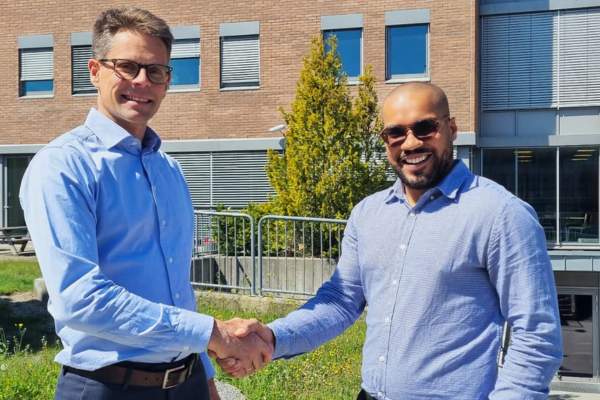
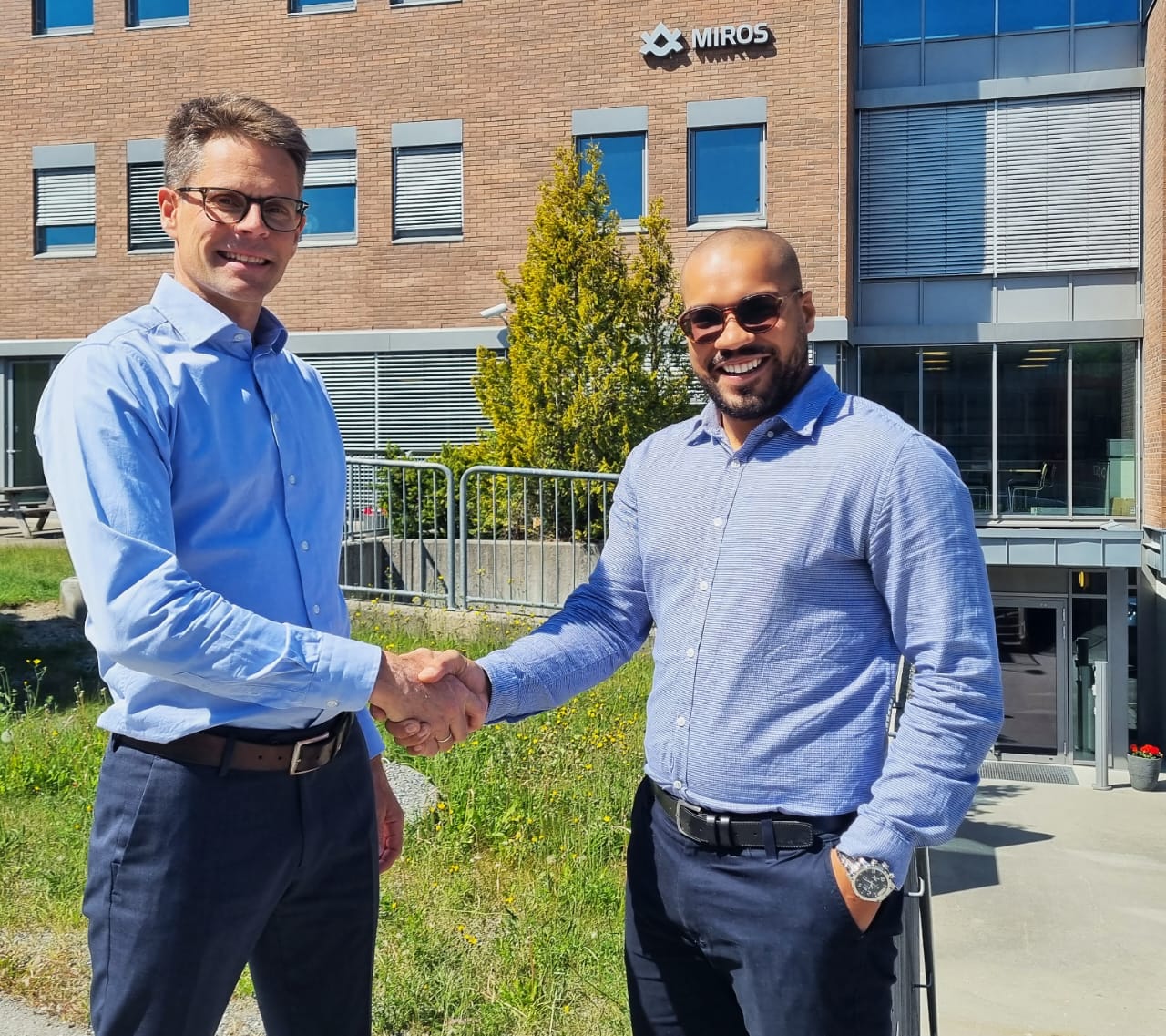
Miros and Belga Marine sign partner agreements to strengthen their close long-term collaboration and extend their partnership for local service, sales and distribution of products and as-a-service solutions in Brazil. The agreements also extend the target markets to the whole region of South America.
“For more than eight years, Miros and Belga Marine have successfully worked together providing reliable ocean surface measurements to the Brazilian market.
We are thrilled to continue the partnership with these new agreements offering the software as a service solution to maritime and energy companies in Brazil and South America”, says Alexandre de Carvalho, Sales Director at Belga Marine.
By confirming our close cooperation with Belga Marine, our partners in Brazil, we establish a clear focal point for all Miros related activities in the region.
Being it traditional wave radars, oil spill detection solutions, or cutting edge sea state as a service solutions increasingly applied in Brazilian waters, - all now well served with field services and sales and distribution capabilities”, says Marius Five Aarset, Chief Executive Officer at Miros.
Sea state as a service (SSaaS)
The sea state as a service (SSaaS) offering is an all-inclusive, scalable subscription plan including Miros dry, IoT-enabled sensors, and the Miros Cloud service for easy data access.
This plug-and-play subscription plan is a cost-efficient advantage for clients who can get access to the software without making big investments immediately.
Key players in the Brazilian market have already shown interest in Miros’ SSaaS offerings which strengthen Miros’ position in the Brazilian market and make Brazil an important market for future growth.
MacArtney supplies storage and handling system for 15 km spare cable at Esbjerg Harbour
By the end of 2023, a high voltage direct current electricity link - Viking Link - will be able to facilitate electricity exchange between Great Britain and Denmark. MacArtney Offshore Wind Solutions collaborated with Energinet to develop the long-term onshore cable handling and storage solution for the Danish site.
MacArtney met the requirements set by Energinet and was entrusted with supplying a comprehensive storage system fulfilling all defined specifications, including the crucial necessity of 40 years of operational reliability.
Thus, parallel with the preparations for Viking Link - the world's longest cable connection, spanning 765 km between Great Britain and Denmark - MacArtney has been working on an onshore storage and handling system for the requisite spare cable.
Complete harbour set-up
The whole project involves a long-term maintenance plan with a 15 km spare cable that must always be available for prompt replacement in case of cable damage.
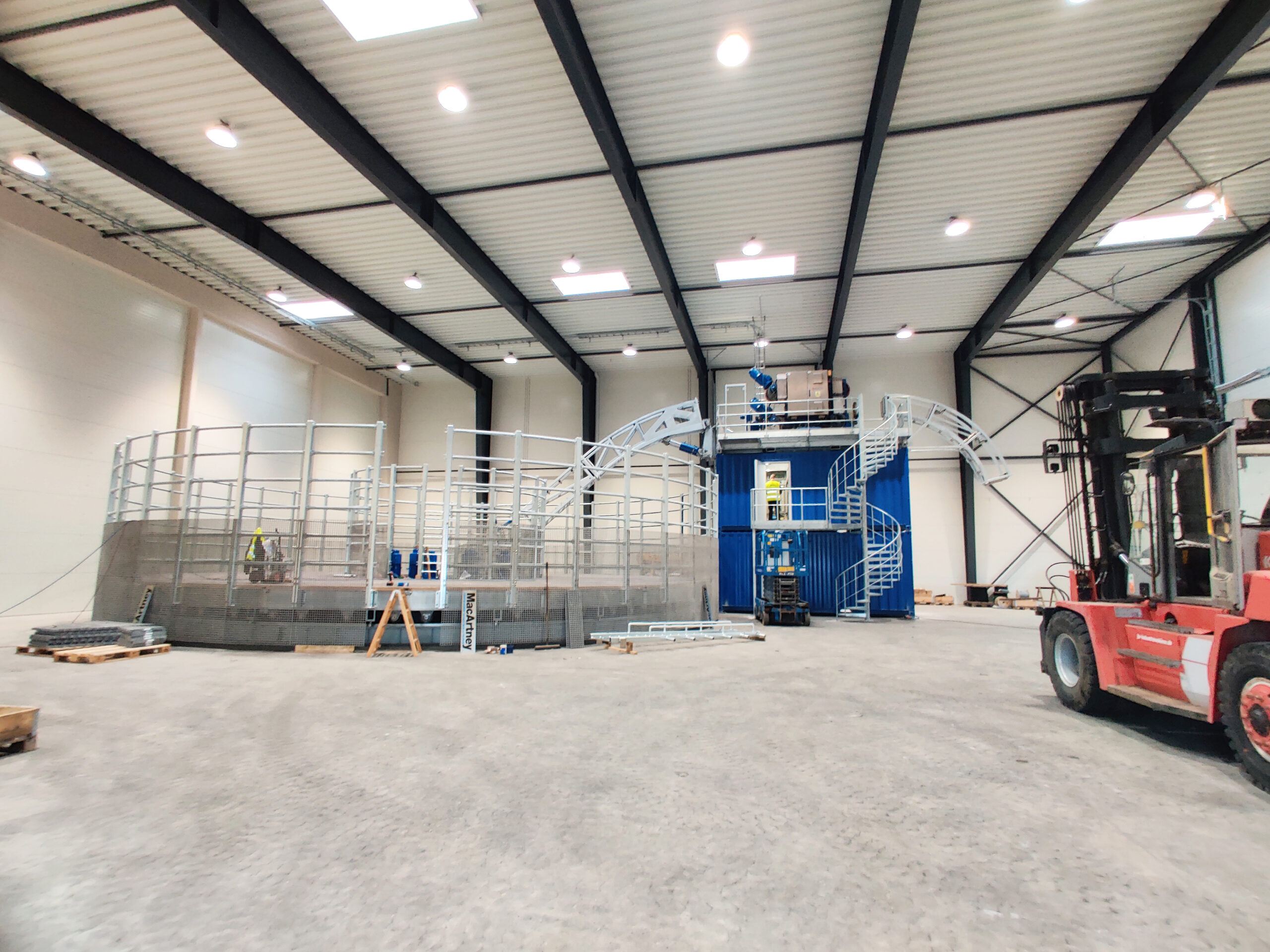
Renowned for its expertise in delivering secure handling solutions for demanding applications throughout the entire project lifecycle, MacArtney fitted a complete electrically driven modular CEMAC solution comprising a cable carousel, cableway, spooling tower, and track tensioner. All combined in one control unit for automated spooling. The set-up is installed in a purpose-built warehouse at Esbjerg Port.
Operational for 40 years
To meet Energinet's requirement for a 40-year operational lifespan, MacArtney has implemented a bi-weekly operation, ensuring regular motion and control of all moving parts. The process has been automated, eliminating the need for operator involvement and simplifying the maintenance procedure.
Essential success factors
Project Manager Michael Fly Poulsen - onboarded in August 2022 - underlines that agility and having all competencies in-house is the key to success in this prestigious project.
"The advantage of having all knowledge resources in-house - from construction and technical capacities to mechanical and electronic engineering - is the key to success for this cooperation. We have team members who understand each step of the process. We are agile and able to work out the optimal solution based on expertise and dialogues on obtaining the best interaction between mechanics and software."
On top of that, MacArtney focused on project management and a continuous joint adaption of expectations, securing close cooperation with Energinet on developing the 100% customised solution.
Viking Link facts
Viking Link will include approximately 765 km of high voltage direct current (DC) cables supporting the promotion of renewable energy utilisation, access to sustainable electricity generation, and enhanced security of electricity supplies.
Danish partner - MacArtney client Energinet - is an independent public enterprise owned by the Danish Ministry of Climate, Energy and Utilities. It holds, operates and develops the transmission systems for electricity and gas in Denmark. The Viking Link project is a joint venture between Danish Energinet and British National Grid.
Successful pilot project verifies the application of autonomous surface and subsea platforms for wind farm operations & maintenance
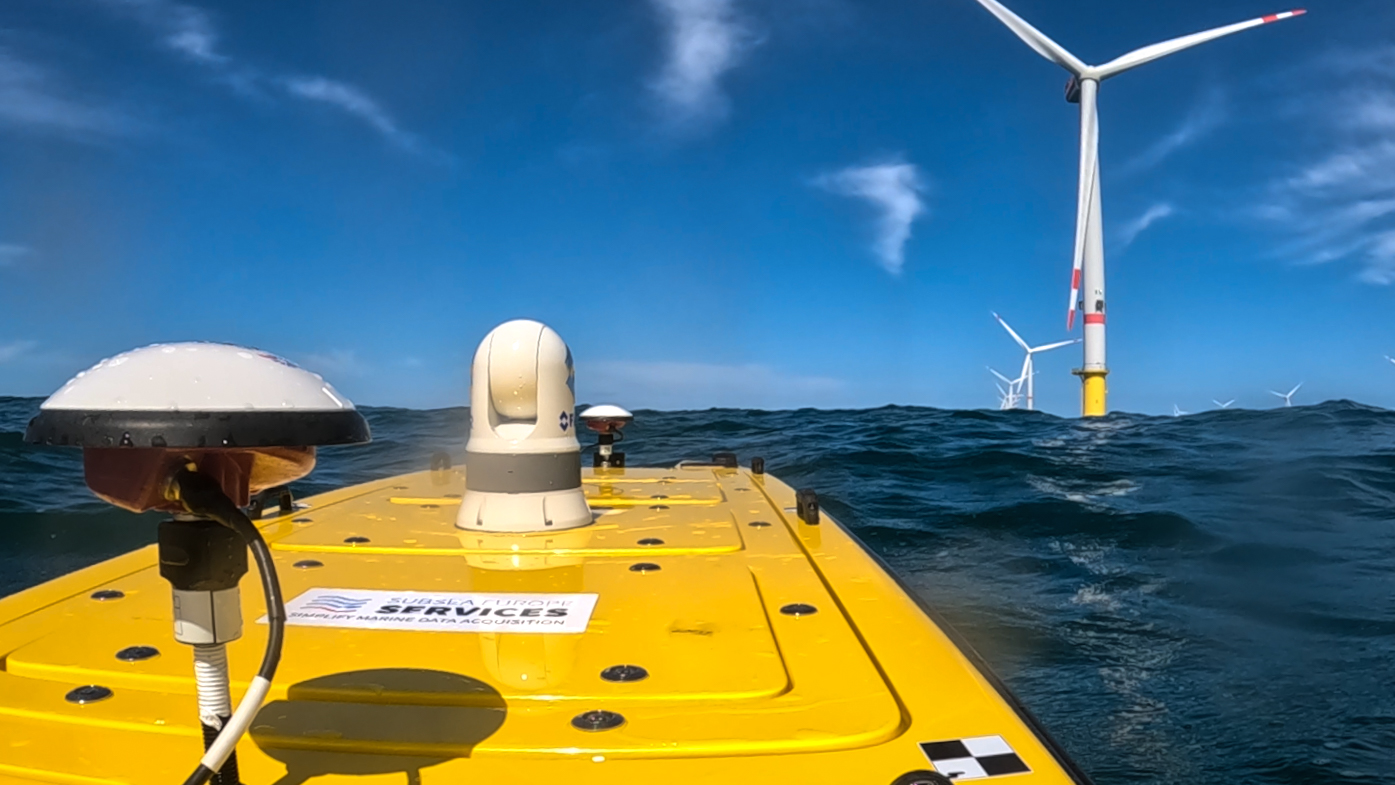
Teams from wind farm owner Northland Power and marine technology company Subsea Europe Services have successfully concluded a pilot project to apply state-of-the-art Uncrewed Surface Vessels (USV) and Autonomous Underwater Vehicles (AUV) to marine survey and underwater inspection operations at the Deutsche Bucht Offshore Wind Farm, located in the German North Sea.
The July 2023 project was commissioned to verify performance and further develop the operational workflows of Subsea Europe Services’ Autonomous Surveyor USV for multibeam surveying and A.IKANBILIS Hovering AUV (HAUV) for subsea inspections such as scour and marine growth surveys, when deployed from a Service Operations Vessel (SOV) mothership already resident for Operations & Maintenance (O&M) at the wind farm.
The so-called ‘mothership concept’ was proven successful throughout the pilot, with seamless integration of the various teams and equipment working aboard the Albert Betz SOV resulting in a wider weather window for marine survey and underwater inspection operations, with launch and recovery up to Sea State 3 and data acquisition according to the specified requirements.
“Supported by the great teamwork of everybody on board, the additional personnel, equipment and workflows for managing and using the USV and AUV for marine surveying and underwater inspections blended in well with the overall operations of the SOV, demonstrating that the ‘mothership concept’ works in a live scenario,” said Jan Schmökel, Balance of Plant Engineer, Northland Power.
“Our goal is to utilise assets that are already in place within the offshore wind farm O&M framework in order to improve the availability of marine data and significantly reduce the cost of acquiring it,” adds Sören Themann, CEO, Subsea Europe Services GmbH. “Both Autonomous Surveyor and A.IKANBILIS performed well, acquiring actionable data within similar time frames as conventional vehicles including crewed survey vessels and work class ROVs, both of which are more costly to manage and operate.”
While Subsea Europe Services continues to fine tune and further automate workflows based on the experiences of the pilot project, both Autonomous Surveyor and A.IKANBILIS are available for offshore wind farm deployment right now. Full commercial readiness of a combined turnkey USV/HAUV solution for major projects and permanent mothership deployment is expected by Q1 2024.
Northland Power is 100% owner of Deutsche Bucht offshore wind farm, which is located 95 km west of Borkum in the German Exclusive Economic Zone (EEZ). Deutsche Bucht has an operating capacity of 252 MW, meeting the annual energy needs of 300,000 people and reducing the annual CO2 emissions of Germany by 700,000 tons.
Arctic-bound: Valeport supports The Ocean Warrior project that prepares to expand the frontiers of marine science with its foundation expeditions
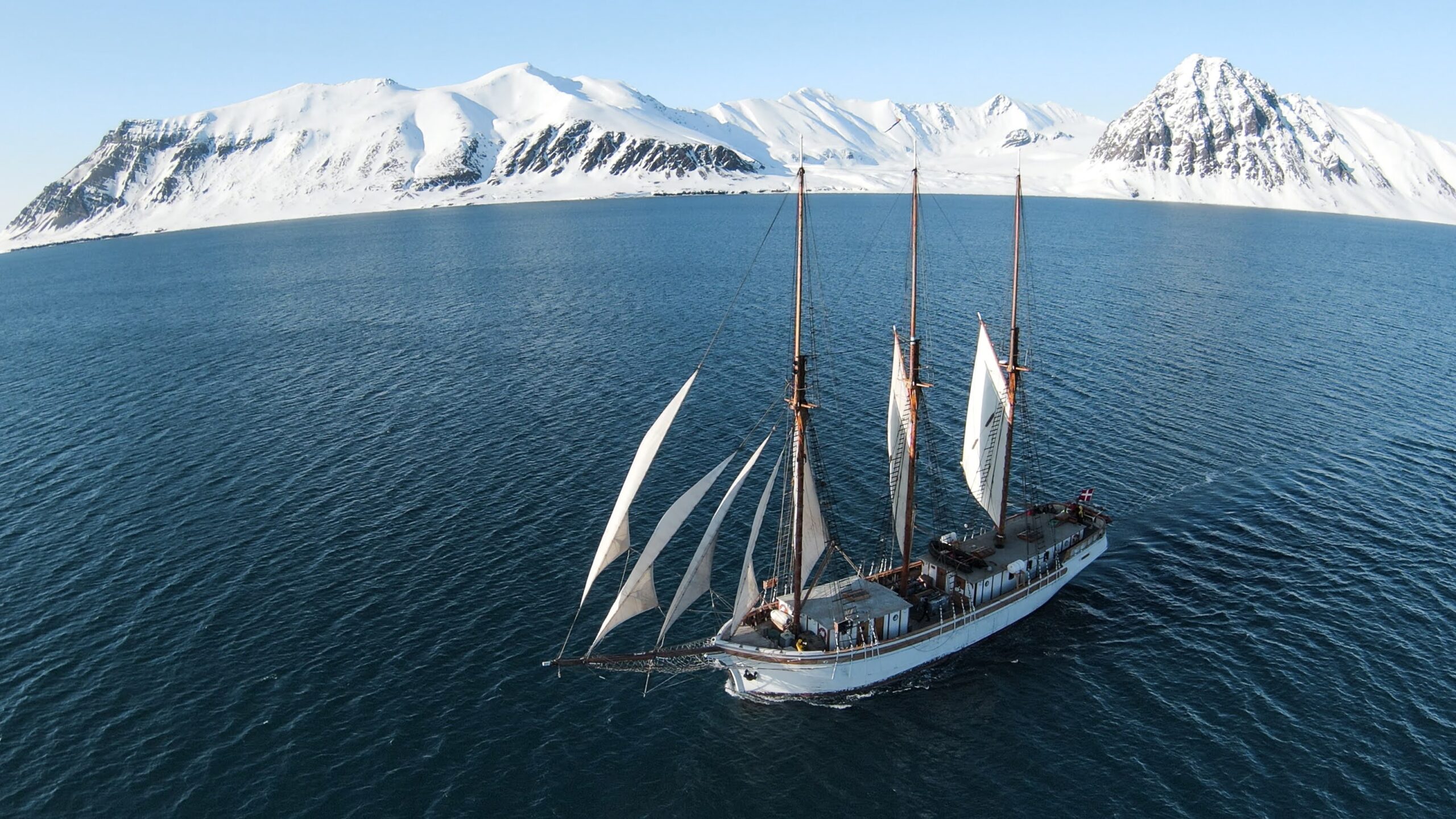
A unique voyage to build a greater scientific understanding of the marine environment in the Arctic and the impacts of global climate change will see a team of scientists and ‘citizen scientists’ setting sail from Svalbard at the start of September aboard Europe’s largest wooden schooner.
Ocean Warrior is the brainchild of internationally-renowned explorer, Jim McNeill, who has been running scientific expeditions to the Arctic for over two decades and has acted as a consultant for natural history programmes such as the BBC’s Frozen Planet.
Designed to collect critical scientific measurements from remote areas of the Arctic Ocean in order to build up an improved picture of the changes taking place due to climate change and other factors, Ocean Warrior will also help to ‘ground-truth’ data collected via satellites.
For the first ten-day leg of the expedition (departing Svalbard on September 1st with a subsequent departure on September 11th), the 18-strong team, including crew members, scientists and citizen scientists are tasked with building an understanding of the vessel and her capabilities, in order that the potential for scientific data capture can be maximised. The expedition aims to install and test scientific and technological equipment such as weather stations, FerryBox, CTD, Bathymetry, Communications, and Safety. Additionally, an online dashboard will be created to convey the findings and capture stories through digital and broadcast content capture.
The project is being supported by Plymouth Marine Laboratory (PML), a world leader in the field of marine research, Valeport, (which designs and manufactures oceanographic and hydrographic instrumentation), Mole Energy, Dartmoor Brewery and Henri Lloyd.
Travelling to seldom-visited areas of the Ocean each year between June and October, Ocean Warrior intends to cover 10,000 nautical miles each year, over the next ten years, collecting data on a range of key ‘indicators’ – in areas such as water quality, plankton, eDNA, salinity and ocean acidity.
This will help scientists gain a clearer understanding of the pace of changes taking place, their impacts on marine ecosystems, and what the future may hold for the Arctic region and the wildlife, populations and economies which depend upon it.
"Our quest is to help scientists put a better, more immediate 'finger on the pulse of our planet’ by exploring the extreme environments on Earth in the greatest detail. These are the indicators of change and by measuring, benchmarking and monitoring over a 10-year period we should be able to detect changes, both good and bad. Through the citizen science aspect of the explorations we’re also enabling people from different walks of life to come and be part of something that will generate highly important scientific research." said Jim McNeill. ”I am so honoured and delighted to have Icarus and his team at PML spearheading the science. As one of the centres of excellence, worldwide, I look forward to pushing boundaries together.”
Prof. Icarus Allen, Chief Executive of PML, who will be part of the team for the first leg of the expedition, said:
“We’re delighted to be the scientific partner aboard Ocean Warrior and are extremely excited about the prospect of delivering research with her over a sustained time period. To support a sustainable future for the Ocean we need to be in a position to monitor the changes which are happening. Ocean Warrior will be a valuable addition to this pursuit and I’m looking forward to seeing how we can develop the project over the years ahead.”
Guy Frankland, Head of Marketing at Valeport, said:
“We understand the pressing importance of expeditions such as this, and are proud to be supporting Ocean Warrior with the provision of our leading-edge marine sensing and monitoring equipment. On board the project team will be using our SWiFT CTDplus profiler to gather important data. High quality, precision data is fundamental to the expedition’s success, enabling the team to measure and benchmark environmental change as the project develops.“
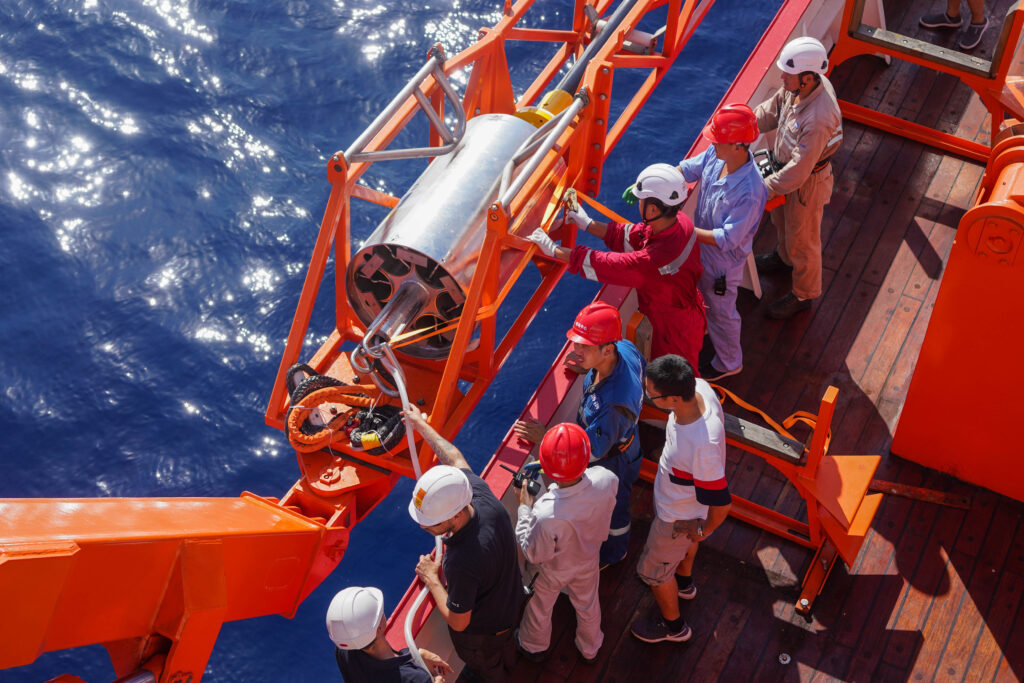
OSIL Piston Corers dominate on major global research vessels
Ocean Scientific International Ltd (OSIL) Piston Corers are the preferred piston coring system on board major research vessels across the globe. OSIL produce a range of Giant, Standard and Mini Piston Corer systems, which are now in use on research vessels worldwide that are equipped for the study of global sedimentology. The success of the Giant Piston Corer has also been highlighted by international news agencies following a record-breaking International Ocean Discovery Program (IODP) expedition in Japan.
Piston Corers operate in a very similar manner to traditional gravity coring systems, with the exception of the piston itself, which acts as a plug on the coring barrel array once the corer has been fully deployed into the sediment that, together with the core catcher, holds the sample more securely inside the core liner than in a regular gravity corer system and prevents sediment slump. The piston designed by OSIL also reduces internal friction within the core liner and prevents clumping of the sample, ensuring that the OSIL systems deliver a more well-defined sediment sample.
Piston Corers are one of the most important basic tools used in the study of marine sediments, and OSIL offers customisable systems (including Launch and Recovery Systems and Winches) from 2m to 60m in length.
These systems are in use on board research vessels in the USA, Japan, Australia, India, South Korea, Turkey, Norway, China, Brazil, Spain, the Philippines, Nigeria, Singapore, Italy, France and the UK, amongst other countries, and can be included in new vessel build specifications or retrospectively fitted on-board.
OSIL are experts in the manufacture, global supply and operation of sediment corers up to full ocean depth, with particular experience in oil, gas & renewables, marine mining, scientific research and coastal engineering, and a worldwide customer base.