Seabed 2030 and Ocean Census announce partnership uniting efforts to map the seabed and discover ocean life
A new partnership has been announced between The Nippon Foundation-GEBCO 'Seabed 2030' Project and The Nippon Foundation-Nekton ‘Ocean Census’ - the largest programme in history dedicated to species discovery in the ocean.
With the shared goal of unravelling the mysteries of the deep and enabling sustainable management practices, the partnership between Seabed 2030 and Ocean Census will greatly strengthen the future of ocean science and marine conservation.
Both programmes have been initiated and supported by The Nippon Foundation, Japan’s leading philanthropic organisation which works to solve global issues through social innovation.
“The partnership between Ocean Census and Seabed 2030 marks a pivotal moment in ocean scientific exploration and marine conservation. By integrating seafloor mapping data with a deeper understanding of where and what lives in our ocean, we can gain a holistic understanding of ocean ecosystems, their role in oxygen production, climate regulation and food security. In combination, we will be able to identify areas of high conservation priority so we can develop effective strategies to safeguard ocean life - the life that makes all life on Earth possible,” explained Yohei Sasakawa, Chairman of The Nippon Foundation.
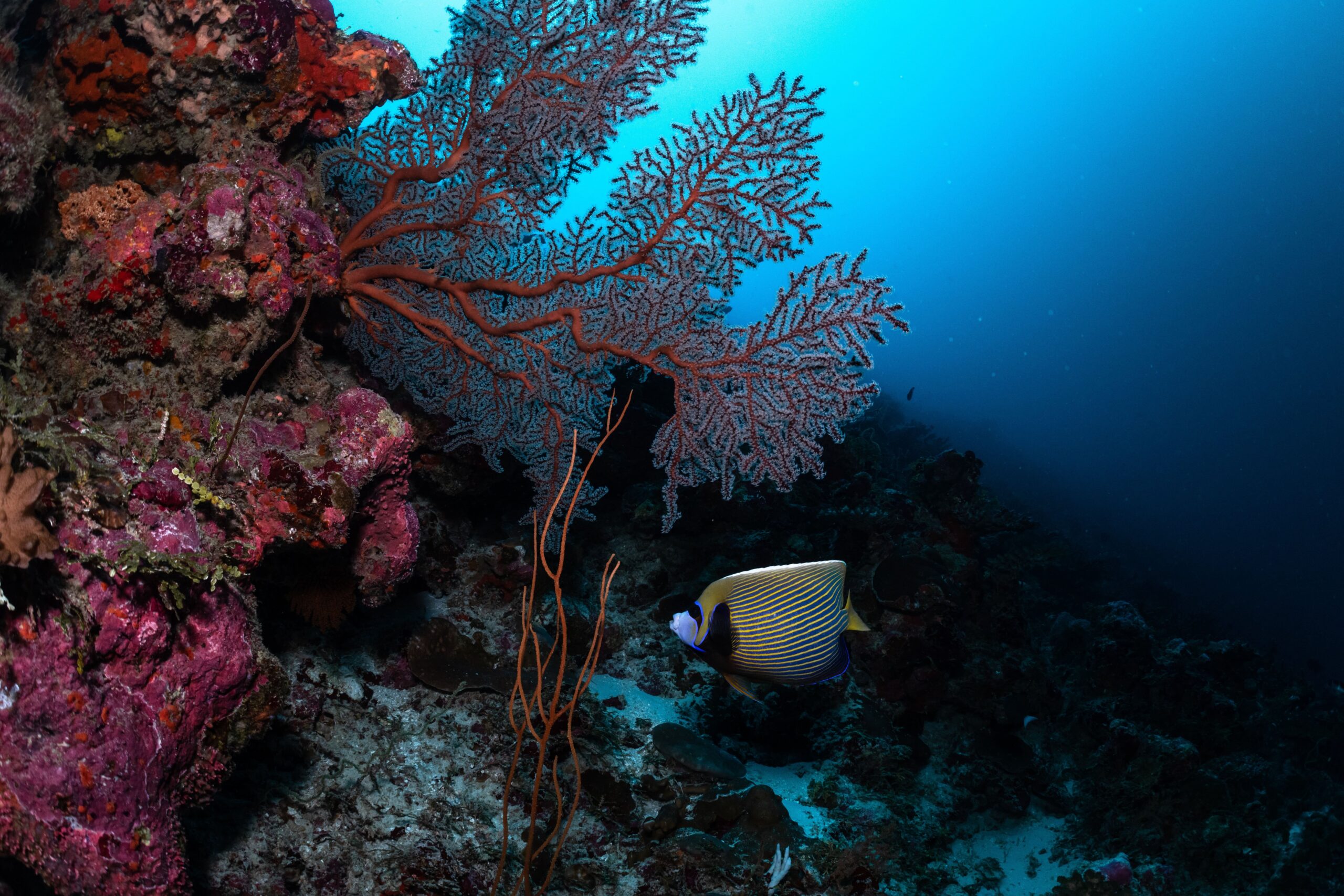
The Nippon Foundation and Nekton launched Ocean Census in April this year, with the aim of revolutionising our understanding of marine life. Scientists maintain that we have discovered slightly more than 10 per cent of the species that live in the ocean, despite it being home to an estimated 2.2 million species. The rate of discovery has remained relatively unchanged since the 1800s, with approximately only 2,000 new ocean species described per year.
However recent technological advances in high resolution imaging, DNA sequencing, and machine learning mean that scientists can now considerably accelerate the process, and Ocean Census has set itself the ambitious target of discovering 100,000 new species over the next decade.
This will be achieved through expeditions to the ocean’s biodiversity hotspots, with species discovered on expeditions sent for imaging and DNA sequencing at Ocean Census Biodiversity Centres. Ocean Census is being undertaken by a coalition of partners uniting the resources and expertise of science, media and civil society with government, philanthropy and business.
Seabed 2030 is a collaborative project between The Nippon Foundation and GEBCO to inspire the complete mapping of the world’s ocean by 2030 and to compile all bathymetric data into the freely available GEBCO Ocean Map – it is also a formally endorsed Decade Action of the UN Ocean Decade. GEBCO is a joint programme of the International Hydrographic Organization (IHO) and the Intergovernmental Oceanographic Commission (IOC), and is the only organisation with a mandate to map the entire ocean floor.
“Seabed 2030 has been at the forefront of spearheading the global effort behind mapping the world’s ocean floor for over half a decade now,” commented Oliver Steeds OBE, Director of Ocean Census.
“Coordinating the efforts of Ocean Census and Seabed 2030 will serve to accelerate our scientific understanding of the ocean, and help us to safeguard ocean life for future generations” continued Steeds.
Seabed 2030 Project Director Jamie McMichael-Phillips said: “This partnership will leverage the respective strengths of both parties in pursuit of a unifying and essential goal – to better understand the planet and ensure its sustainable management.
“Ocean Census’ mission seamlessly aligns with Seabed 2030’s goal. Together, we can help fill in the critical gaps in our knowledge and ensure policymakers and stakeholders are able to make evidence-based decisions that protect and safeguard the ocean for generations to come.”
This partnership is a testament to the collective commitment of Seabed 2030 and Ocean Census to unite and inspire global efforts in mapping and preserving the world’s ocean. All data collected and shared with the Seabed 2030 project is included in the free and publicly available GEBCO global grid.

First underwater drone crossing of the English Channel
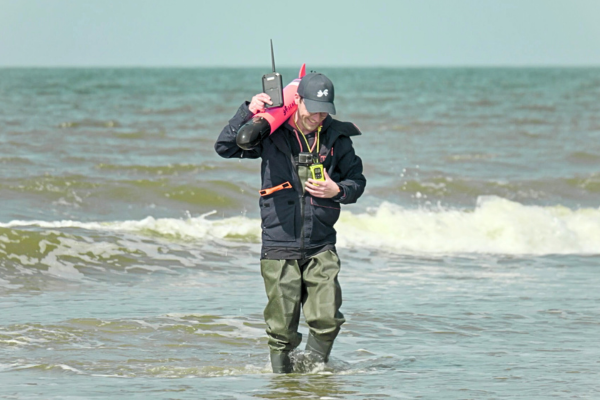
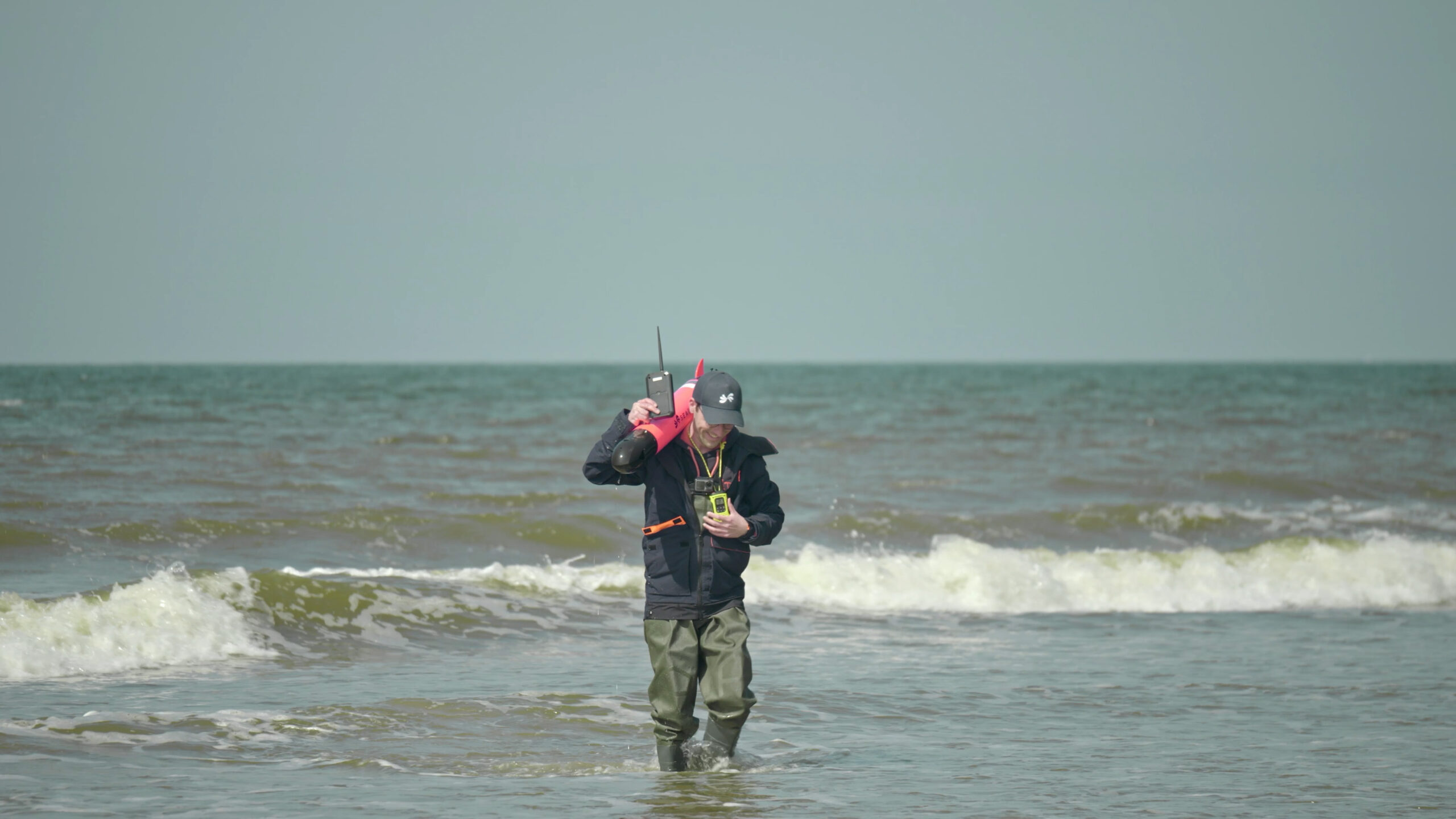
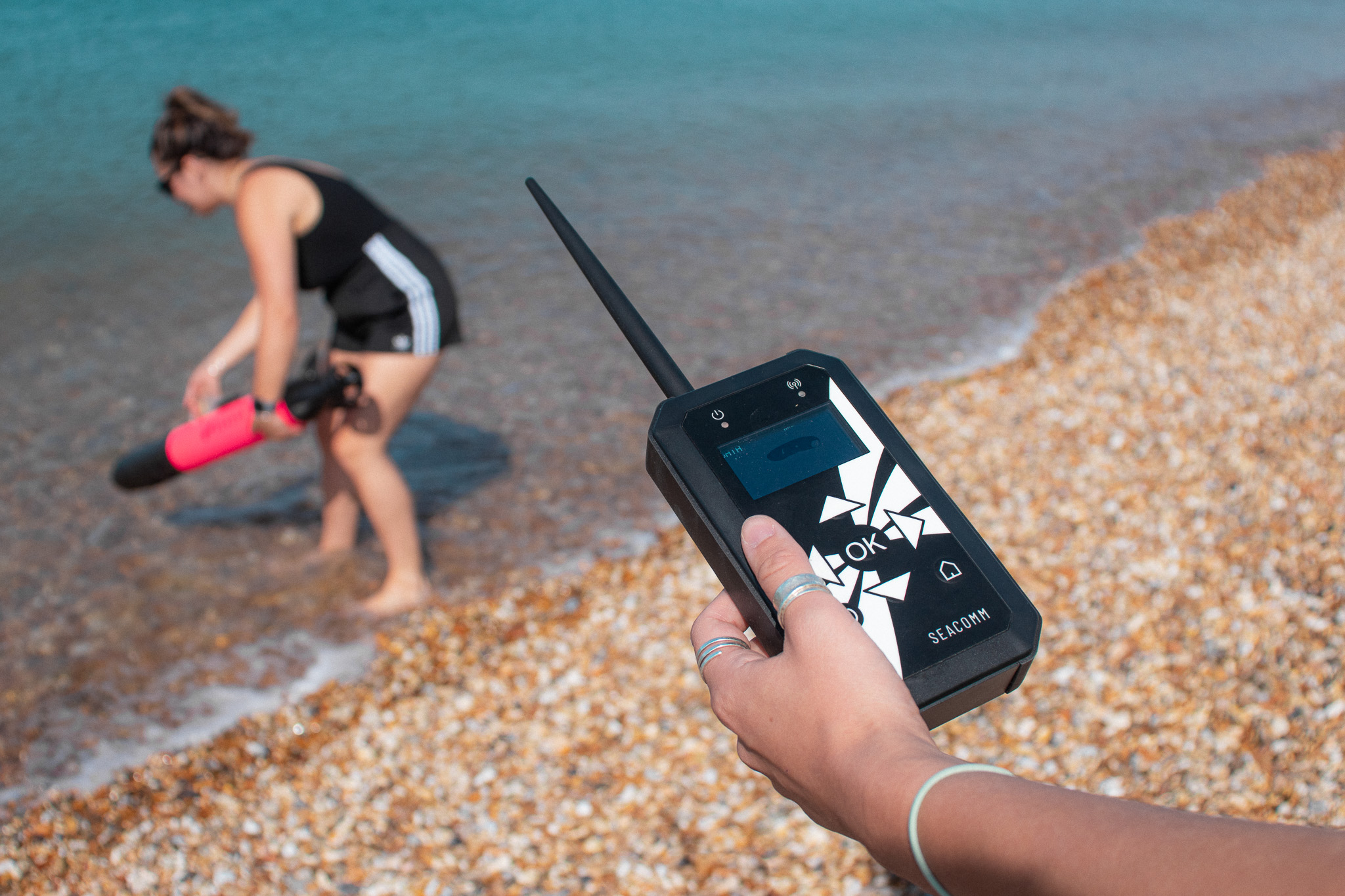
On the 29th of April 2023, the YUCO became the first micro–Autonomous Underwater Vehicle (AUV) to successfully cross the English Channel from Folkestone, England, to Wissant, France. The pioneering crossing, a partnership between RS Aqua and SEABER, took less than 8 hours.
This small but mighty AUV measuring just under one metre in length, weighing 10 kg, is the first of its kind to have battled its way through the highly variable weather conditions and strong currents in the Channel – also considered to be one of the busiest shipping lanes in the world. To maintain accurate navigation and keep the mission on track, the YUCO resurfaced a total of three times during the crossing to re-establish its location using GPS.
“Prior to the introduction of micro-AUVs, collecting scientific data in coastal environments always had challenges - be it spatial coverage, funding, time, weather, or types of data that could be collected” explains Nathan Hunt, Ocean Scientist at RS Aqua. “With the introductions of micro-AUV platforms like YUCO, data collection has become vastly more attainable and accessible to a wide range of users, from large energy corporations to smaller research institutes. The YUCO Channel crossing has further highlighted the reliability and endurance of the platform, helping bridge the gap between large-scale metocean monitoring, and small-scale coastal research.”.
The aim of this mission was to demonstrate the reliability and endurance of the YUCO on the 39km underwater route from England to France. The navigation and battery capacity of the YUCO were both put to the test. The success of the channel crossing is a huge testament to the YUCO’s impressive capabilities – the YUCO stayed on course and completed its mission with 35% battery power remaining.
Micro-AUV's are becoming more popular as they are more portable, easy-to-use, and affordable for consumers compared to more traditional AUV technologies.
“The YUCO micro-AUV Channel crossing is a world first. At RS Aqua we are committed to enabling the further discovery of our oceans, and the whole team are extremely excited and proud to have made this happen in partnership with SEABER.” added Martin Stemp, Managing Director at RS Aqua.
CMS Geoscience: Playing our part in protecting and restoring our seagrass meadows
Blue Meadows is a project dedicated to protecting and restoring the vital seagrasses which grow in our seas. Seagrass meadows are a haven for biodiversity, defend our shorelines by anchoring sediments and absorb and store vast amounts of carbon.
CMS Geoscience are committed to supporting the important work being carried out by the Ocean Conservation Trust, to explore the seagrass meadows and discover how much carbon is being stored.
It has been carrying out seabed sampling projects around the South Coast to provide the vital samples needed for the Trust’s scientific partners to analyse and try to work out how much carbon is stored, how quickly, and where it is most prolific.
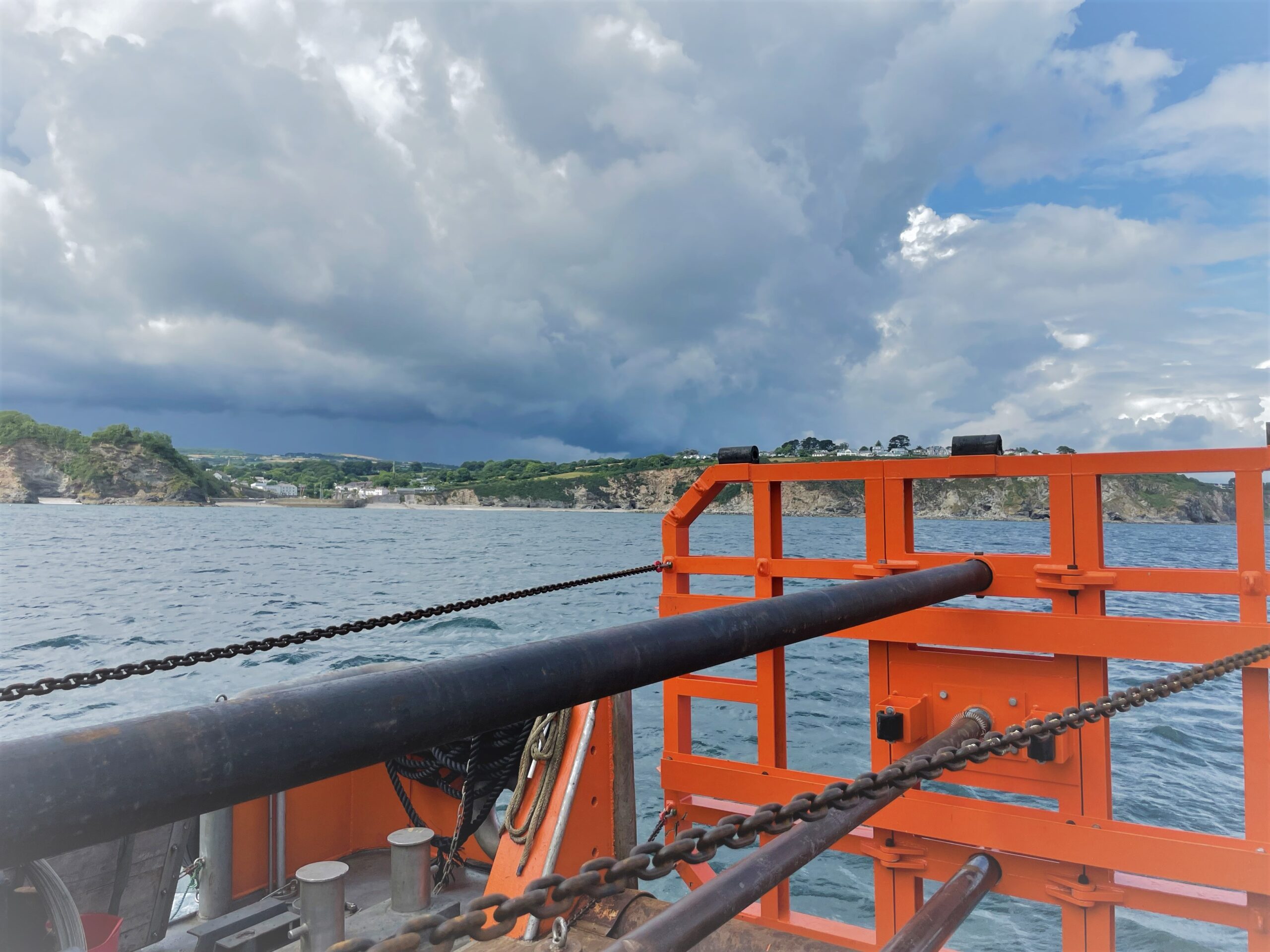
The CMS team were working in Mounts Bay, Penzance and St Austell Bay on two sites of interest, collecting 3m cores samples which will now be sent to specialist labs at Exeter and Plymouth Universities for detailed analysis to measure carbon content, seabed composition and a whole host of other useful data for this project. The results will contribute to the Cornwall County Council led Blue Natural Capital project, funded by Defra and EAs Natural Environment Investment Readiness Fund (NEIRF).
The team mobilised early Monday morning in Penzance Harbour and collected nine core samples from the Mount Bay seagrass meadows, before the vessel departed and steamed to Fowey. The team drove down to rejoin the vessel the following day and collected another nine samples in the St Austell meadows, which are one of the largest and most interesting in this region. The samples were unloaded at the end of each day and carried on their journey to the labs for analysis. Having successfully completed the site investigations for Blue Meadows, the vessel and CMS team then headed off to Dartmouth to start another scope of work.
It was a very mobile, fast moving and demanding week for team of geologists and operators, requiring them to be flexible and able to adapt to constantly changing environments. They delivered the results clients were hoping for and CMS are very proud of the high level of professionalism shown throughout the week by the whole team.
CMS Geoscience will continue to provide support and resources to the Blue Meadows initiative in the coming years and are proud to be playing a vital part in this important project, helping to protect and revitalise this precious resource hidden in plain sight beneath the water.
You can find out more about the project and how you can play a part by visiting the Ocean Conservation Trusts, Blue Meadows website, or visiting the National Marine Aquarium in Plymouth where you can see the seagrass plants being nurtured.
TDI-Brooks International Inc. Completes Final Report for Deepwater Atlantic Habitats II
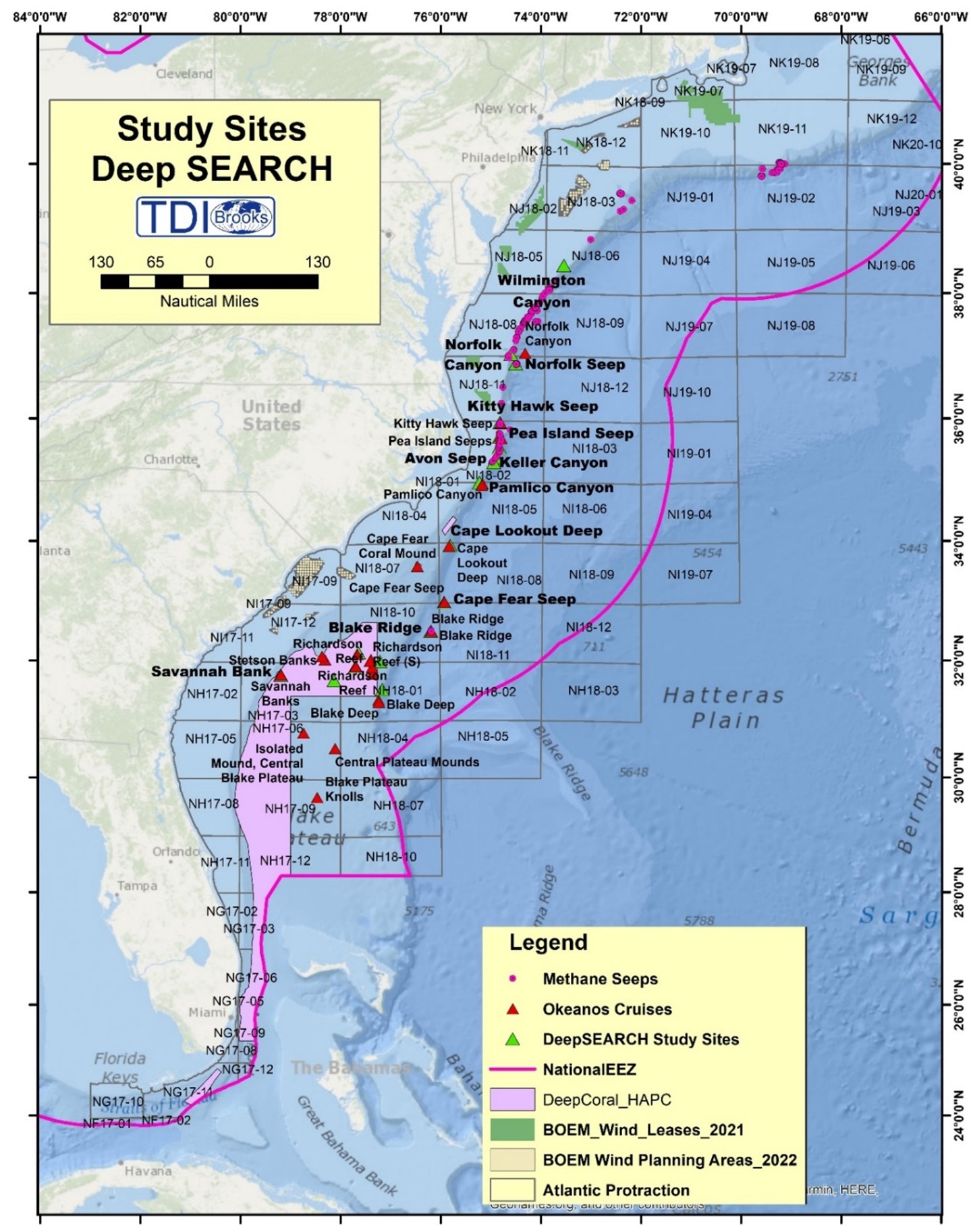
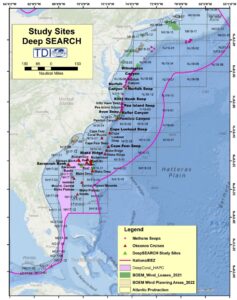
TDI-Brooks International, Inc. recently completed the final report for Contract M17PC00009, issued by the U.S. Department of the Interior, Bureau of Ocean Energy Management [BOEM]), titled “Deepwater Atlantic Habitats II: Continued Atlantic Research and Exploration in Deepwater Ecosystems with Focus on Coral, Canyon and Seep Communities.” This report is the final deliverable of the BOEM contract called Deep SEARCH, conducted in partnership with the U.S. Geological Survey. Initially, the study was a five-year, collaborative scientific research program focused on the outer continental shelf between Virginia and Georgia. The COVID crisis extended the program for another 18+ months. The region’s deep-sea coral, cold-seep and canyon communities as habitats of focus were surveyed. The overarching goal was to improve understanding of the functional role of these three habitat types in order to advance scientific knowledge and inform future management decisions. The intended application of the new science was to develop better predictive capacities for the community types encountered.
The sites were studied during five directly supported cruises, with detailed site descriptions of the geological, physical, chemical and biological conditions encountered. The results from six additional cruises conducted through collaboration with the ADEON project and NOAA-OER also contributed to the Deep SEARCH database The research results, analyses and findings include the oceanographic, geological and geochemical setting of canyons, seeps and coral environments, deep-sea soundscapes, community structure and trophic function from microbes to fishes, population connectivity, life history of selected species, habitat suitability modeling deep-sea corals and seeps and educational outreach to the public.
- The newly named Richardson Reef Complex is now understood to be one of the largest cold-water coral reef complexes in the world. Furthermore, the Richardson Reef Complex is part of one of the largest coral mound provinces in the world, the Million Mounds, which extends from Richardson in the northeast and south across the entire Blake Plateau, and down along the Florida coast to the Jacksonville Mounds.
- The seeps along the continental shelf edge, visited for the first time, are remarkable for their extremely high rates of methane release and oxidation. Their chemistry fuels biological productivity that appears to also support local pelagic communities.
- Pamlico Canyon was found to be home to a very high diversity coral assemblage, to have high overall diversity of infauna and to exhibit some of the highest densities of sediment infauna observed at this depth.
- Deep SEARCH data indicates high connectivity among all habitat and community types. For example, interactions between the diel vertical-migrating mid-water community and the benthic zone of the Richardson Reef Complex, as well as those of midwater organisms with the walls of the canyons and shallow seeps were seen.
- The unique oceanographic conditions in the region have a corresponding influence on the various communities. The Gulf Stream cuts through the center of the study area, causing vertical mixing in its core down to 1,000 m. This promotes a rapid translation of food to depth and nutrients to the surface, which brings elevated trophic and genetic connectivity of the components of the ecosystem. These currents are highly variable at the seabed, (apparently) inducing a high degree of adaptive resilience of the deep-sea corals of the region in response to rapidly changing environmental conditions.
Through this study, TDI-Brooks has filled major data gaps for poorly known deepwater ecosystems, aiding the refinement of regional management strategies. Our improved understanding of the habitats and communities in offshore areas of the Atlantic Large Marine Ecosystem augments the capacity to predict the distribution of sensitive areas concerning the potential development of energy and marine minerals managed by the Bureau of Ocean Energy Management.

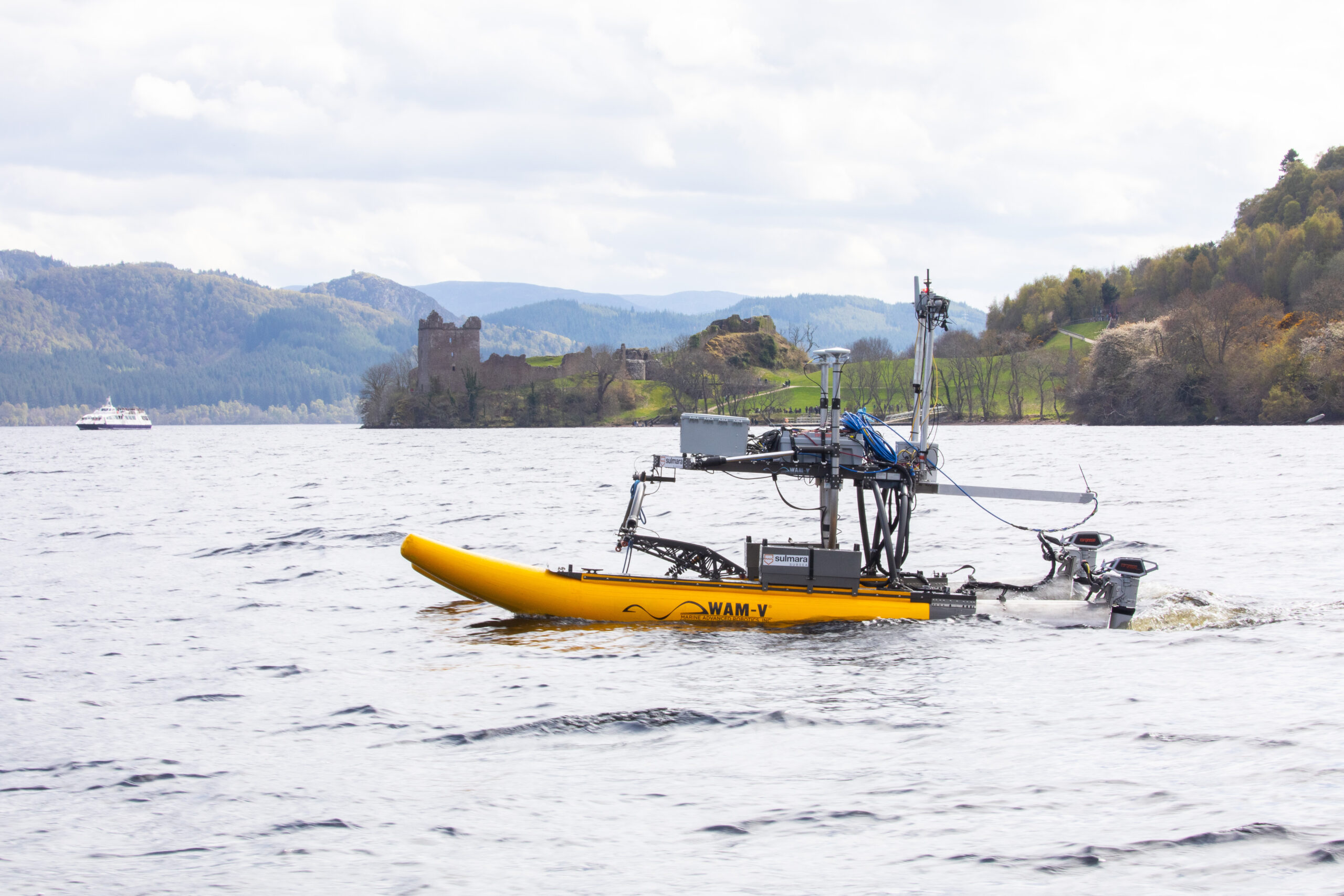
Sulmara and Safelane Global Announce a Strategic Partnership to Execute the Next Generation of Marine and UXO Mitigation Solutions
This partnership brings together two experts in their respective fields to accelerate the delivery of uncrewed marine UXO operations at a lower cost, reduced risk and with less environmental impact.
Sulmara is driving forward decarbonisation in the marine UXO survey industry by combining new technology with the expert UXO risk management knowledge of SafeLane Global. This will create new capabilities, extend the scope of operation, and reduce the risk to personnel and the impact on the environment.
The partnership builds on natural synergies and shared values between the organisations, with extensive experience in challenging frontier markets and some of the harshest environments around the world. Sulmara and SafeLane will offer a complete UXO service from threat assessment to clearance across Europe, North America, and the Asia Pacific regions, with more than 230 dedicated employees to support the energy sector development and support the humanitarian programs to clear post war and conflict areas of UXO with uncrewed systems.
Sulmara CEO, Kevin McBarron said:“Through the powerful synergy of SafeLane Global and Sulmara joining forces, we unlock an unparalleled level of UXO expertise and technologies. This aligns strongly with our net zero ambitions and will deliver improved efficiency and safety in accurately identifying underwater explosive hazards”.
Ryan Prophet, Director (Marine) at SafeLane said: "Together, we redefine the industry standard, offering a transformative solution that safeguards both human lives and the environment, while significantly reducing project timelines and costs. The alliance of SafeLane Global and Sulmara sets a new benchmark in uncrewed UXO services, revolutionizing the way we navigate the world of UXO with confidence."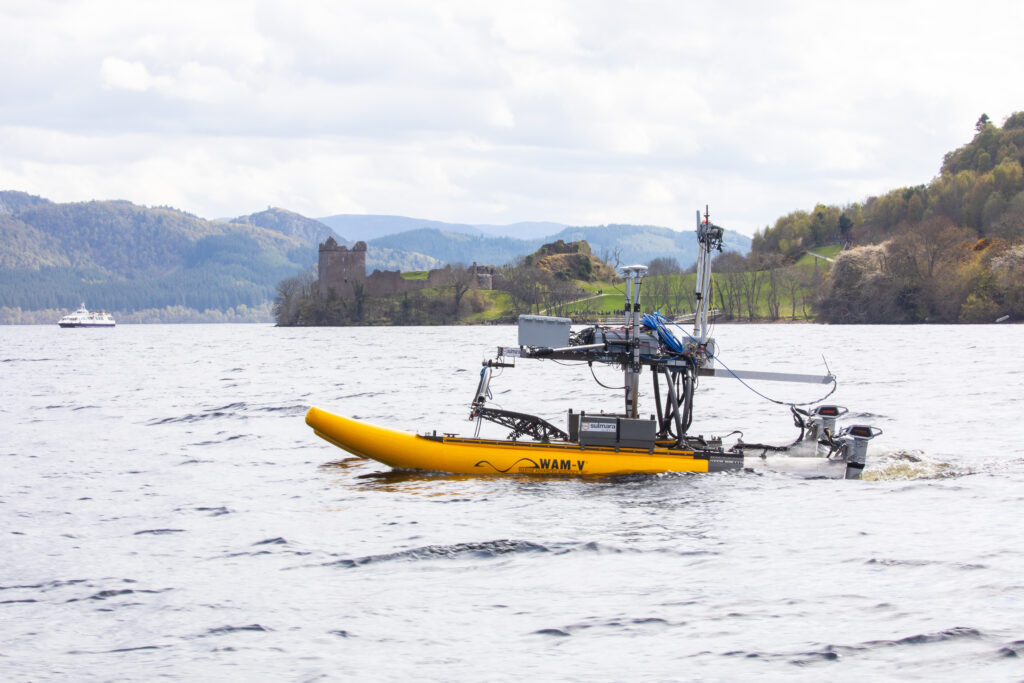
Dalhousie-led research program receives $15-million to investigate how the ocean can be leveraged to mitigate climate change
Dalhousie University has received nearly CAD$15-million from the Carbon to Sea Initiative to lead the Ocean Alk-align research program, a global five-year project that will bring researchers together from around the world to study ocean alkalinity enhancement – an approach for atmospheric carbon removal that aims to mitigate climate change.
The process of alkalinity enhancement is compared to adding an antacid to the ocean, the kind we take for heartburn or when our stomachs are upset. Over the past 200 years, the burning of fossil fuels has increased ocean acidification and reduced its ability to absorb carbon dioxide (CO2) from the atmosphere. Through targeted enhancement of ocean alkalinity, Dalhousie oceanographer Dr. Katja Fennel and her colleagues will study if they can reverse ocean acidification to make the ocean more receptive to CO2 absorption.
The Dalhousie-led Ocean Alk-align project is supported by the Carbon to Sea Initiative, a non-profit program funded by philanthropic foundations in the United States, Canada, and Europe. Carbon to Sea seeks to assess the conditions under which ocean alkalinity enhancement can become a safe, cost-effective, and scalable method for atmospheric CO2 removal. The $15-million CAD grant to Alk-align is the largest funding commitment of the initiative to date.
"Currently, ocean alkalinity enhancement is not a mature technology and its environmental impacts have not been assessed in the field,” said Dr. Fennel, who is the lead principal investigator of the Ocean Alk-align research program. “Our research consortium will tackle the three most pressing research issues: the efficiency and permanence of CO2 removal, its environmental risks and potential benefits, and the monitoring and verification of CO2 uptake.”
Dr. Fennel notes it is now widely accepted that global efforts to reduce CO2 emissions are not enough to veer us off a course toward catastrophic climate change. The United Nations’ Intergovernmental Panel on Climate Change says to meet these targets, the world needs to remove 10 giga tonnes (equivalent to one billion tonnes) of CO2 from the atmosphere per year by the middle of the century, and 20 giga tonnes per year by the end of the century. Ocean carbon alkalinity could be a key to meeting these targets.
“If we’re going to avoid the worst impacts of climate change, we need to aggressively reduce emissions and remove carbon from the atmosphere,” said Mike Schroepfer, board chair of Carbon to Sea and co-founder of Additional Ventures, a purpose-driven organization that started and spun-out Carbon to Sea.
“Scientists agree that ocean alkalinity enhancement has enormous potential to permanently remove and store carbon and more funding for research is needed. We are here to respond to the call for research funding and answer basic scientific questions about the safety and efficacy of various approaches to ocean alkalinity enhancement. If we find that ocean alkalinity enhancement can be applied at scale, we can unlock one of the most efficient, cost-effective approaches to carbon dioxide removal for humanity. I’m grateful to the whole network of funders, researchers, partners, and the amazing team at Carbon to Sea for their bold commitment to pursue this work."
As chief principal investigator, Dr. Fennel will facilitate collaborations between Dalhousie and a global team from some of the world’s foremost centres of ocean research, including GEOMAR Helmholtz Center for Ocean Research Kiel and Hamburg University in Germany, and University of Tasmania and Southern Cross University in Australia.
“As a global leader in ocean science, Dalhousie is perfectly positioned to take the lead in this emerging area in the fight against climate change,” said Dr. Alice Aiken, Dalhousie’s vice president research and innovation. “Under Dr. Katja Fennel’s direction, this research program will play a key role in advancing the science of ocean-based carbon removal. It’s a significant opportunity and it’s our responsibility to the world.”
At the end of April, Dalhousie was also announced the recipient of a $154 million grant from the Government of Canada to help fund the Transforming Climate Action research program to study the ocean’s central role in climate change. One of the three major themes of the program is focused on mitigation strategies and ocean-based CO2 removal in particular. Collaboration between the Ocean Alk-align and Transforming Climate Action research programs has the potential to enhance and substantiate global networks and data sharing with possibilities to significantly magnify impact.
“The math is relatively simple – we need to pair emissions reduction with environmentally responsible carbon dioxide removal solutions. My interest in ocean alkalinity enhancement is rooted in a deep love of the ocean, a recognition that climate change is a catastrophe for marine ecosystems, and the belief that our ocean can be a part of the solution,” said Dr. Antonius Gagern, executive director of Carbon to Sea. “The growing scientific community working on ocean alkalinity enhancement includes the best minds across a range of disciplines, from biogeochemistry to ocean engineering, and is focused on systematically testing this hypothesis.”
Dr. Fennel says it’s essential that researchers outside of the private sector play a central role in determining the future of ocean alkalinity enhancement, noting that an objective approach is required to ensure it is done correctly, if at all.
“It is of utmost importance that these issues are investigated by scientists who have no financial interests in the research outcomes and are driven solely by the desire to ensure safe implementation if, and only if, ocean alkalinity proves to be effective at removing CO2,” said Dr. Fennel. “This must happen before it is implemented and scaled up.”
Read the Carbon to Sea Initiative’s media release about its larger investment in Ocean Alkalinity Enhancement research.
Greensea demonstrates successful UXO survey to locate buried munitions
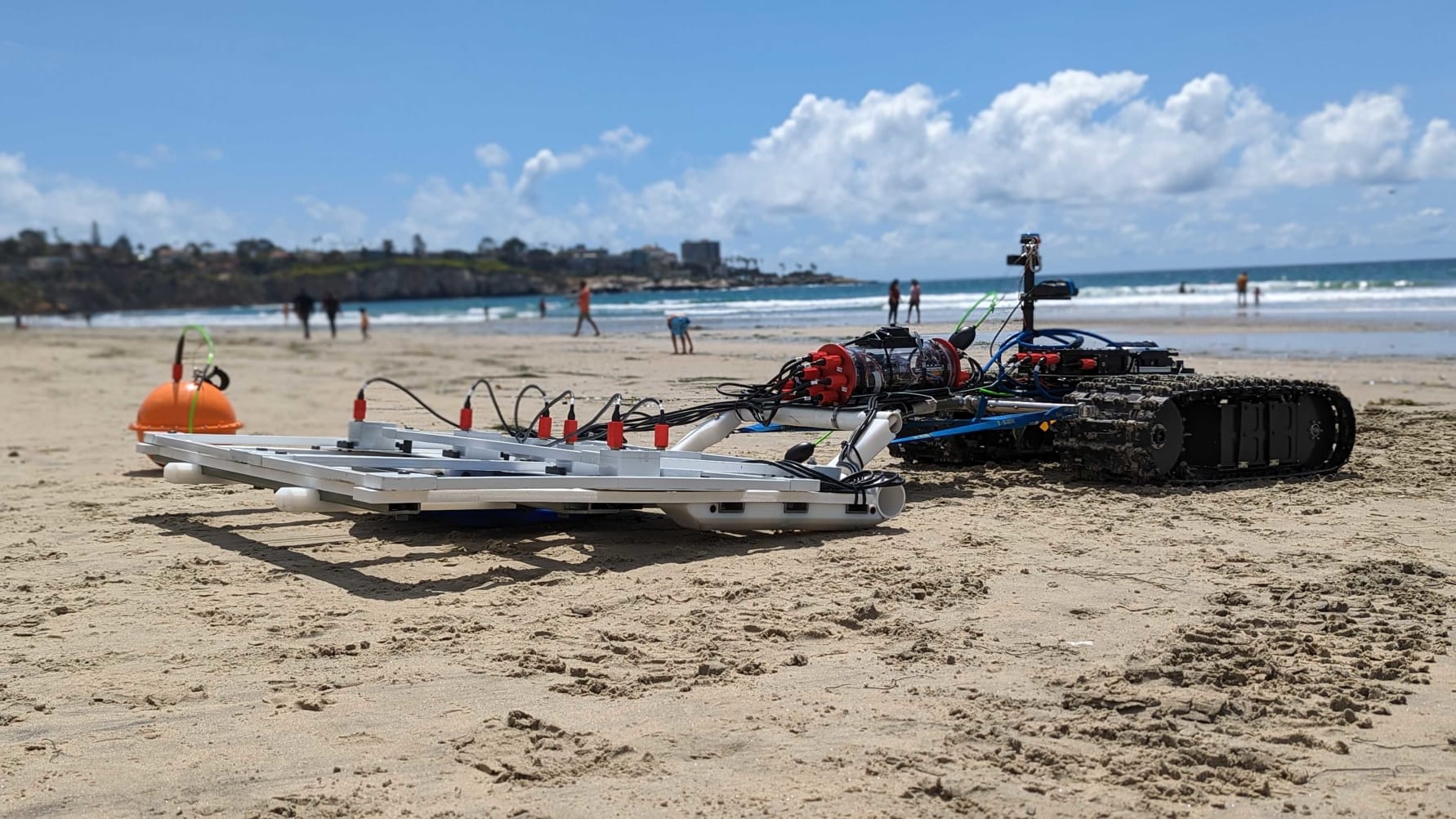
Greensea Systems, Inc. (Greensea), a leading provider of advanced robotics solutions, is pleased to announce the successful demonstration of a mission to locate buried munitions in the surf zone.
This UXO survey demonstrated the power and flexibility of OPENSEA to rapidly integrate and deploy a new sensor suite for the task while showcasing the capabilities of the Bayonet 250 AUGV, which was selected as a finalist in The Defense Innovation Unit's (DIU) Autonomous Amphibious Response Vehicle (A2RV) program's rapid prototyping phase. Out of 67 proposals, the Bayonet 250 crawler prototype, developed in partnership with Greensea, was chosen for its exceptional performance and potential to detect, identify, and neutralise naval mines and other explosive hazards in the challenging surf and beach landing zones.
Operating over 8 days and covering 18 square kilometers in depths of up to 10 feet, amidst wave heights of 4-6 feet in the challenging surf zone, the Bayonet 250 provided a stable and reliable platform for conducting the survey that included a towed sled equipped with White River Technology's (WRT) marine APEX technology, seamlessly integrated into Greensea’s software platform, OPENSEA.
The rapid integration of the sensor sled facilitated the detection and classification of objects, with a buried depth of up to 3 meters based on material composition.
"We are very excited about the recent success of crawler-based 3DEM sensing for advanced geophysical classification of munitions in the most challenging environments like surf zones”, says Greg Schultz, Chief Technology Officer for WRT. “The combination of autonomous amphibious crawlers, like the Bayonet units, and the WRT APEX dynamic electromagnetic classification arrays, appear ready to go where divers and towed systems have not been able to in the past".
David Pearson, Program Manager at Greensea, expressed his satisfaction with the successful mission demonstration, stating: "The success of this program and our ability to operate effectively in the challenging surf zone environment is a testament to the strength of our team and our commitment to innovation. By quickly integrating a new sensor for buried UXO and munitions, mobilising an operations team, and collecting data in demanding conditions, we have demonstrated our capability to locate and address explosive hazards in one of the most dynamic and challenging operational environments. This achievement showcases Bayonet, Greensea, and our partner's expertise to make the impossible possible. Positioning us as the trusted partner in providing solutions for maritime and underwater operations from the beach to the deep."
Throughout the mission, the Bayonet 250 successfully identified buried targets based on burial depth and signal signature, highlighting its ability to detect and identify explosive hazards in both the surf and on beach landing zones. The collaboration between Greensea, Bayonet, and White River Technology, resulted in an exceptional demonstration that further solidified their position as industry leaders in marine and underwater operations.
The Society of Maritime Industries joins Seabed 2030
A new partnership has been announced between The Nippon Foundation-GEBCO Seabed 2030 Project and the Society of Maritime Industries (SMI), a leading trade association representing the UK's maritime engineering and business sectors.
The parties will work together to advance the field of ocean science, in pursuit of the complete map of the world’s ocean floor.
Seabed 2030 is a collaborative project between The Nippon Foundation and the General Bathymetric Chart of the Oceans (GEBCO), which seeks to inspire the complete mapping of the world’s ocean by 2030, and to compile all the data into the freely available GEBCO Ocean Map. The Project is formally endorsed as a Decade Action of the UN Ocean Decade. GEBCO is a joint programme of the International Hydrographic Organization (IHO) and the Intergovernmental Oceanographic Commission (IOC), and is the only organisation with a mandate to map the entire ocean floor.
Representing over 170 member organisations involved in various sectors of the maritime industry, SMI has been instrumental in driving developments and innovation within the maritime sector - it is also a trusted advisor to the UK government and actively seeks out ways in which the industry can progress as a whole.
SMI’s approach is entirely member-focused, with members’ interests represented by six councils centering on marine science and technology; commercial marine; maritime autonomous systems; digital technology; ports infrastructure; and maritime defence and security.
“We are delighted to welcome the Society of Maritime Industries to our network of partners,” commented Seabed 2030 Project Director Jamie McMichael-Phillips. “SMI is able to contribute a wealth of industry knowledge and resources which will help us edge closer to our goal of 100 per cent of the ocean floor mapped by the end of the decade.”
Chief Executive of SMI Tom Chant MBE said: “By collaborating with Seabed 2030, we aim to help facilitate knowledge sharing, foster innovation and drive sustainable growth within the maritime industry.
“The comprehensive mapping of the ocean floor is essential to unlocking new opportunities across various sectors and, crucially, for environmental conservation.”
All data collected and shared with the Seabed 2030 project is included in the free and publicly available GEBCO global grid.
Fugro to use new technology in site investigation for French DGEC and RTE Sud-Atlantique wind farms
The Directorate General of Energy and Climate (DGEC) from the French Ministry of Energy Transition and RTE (Réseau de Transport d’Electricité) have awarded Fugro a ground investigation campaign to support the development of future wind farms in the Sud-Atlantique zone of the Bay of Biscay. The Geo-data acquired during the investigation will be used by pre-selected developers for their preliminary engineering design studies and future tenders.
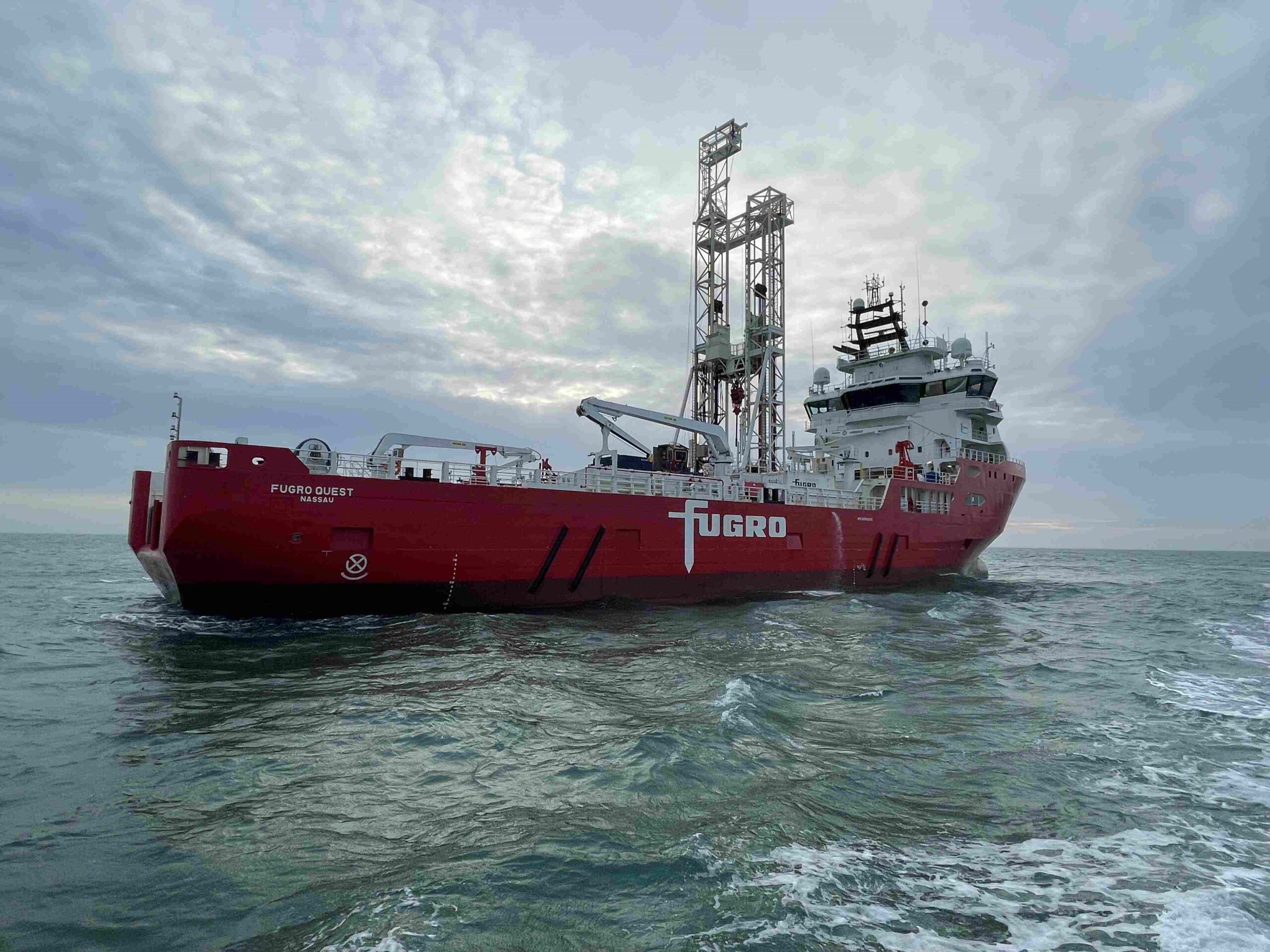
In July, Fugro will mobilise its newest vessel, the Fugro Quest, to acquire high-quality geotechnical data across a 430 km2 area. In a region known for its challenging offshore conditions, the 86-metre vessel is well equipped to complete the survey in extreme weather and deep waters.
Fugro will also use advanced technology, such as WISON® Mk V Ecodrive, SEACALF® Mk V Deep Drive® and dedicated coring systems, to collect soil samples. Insights into the composition of the soil will be used to create a comprehensive ground model that will determine the ideal location and design of offshore developments, such as wind farms and offshore substations.
Denys Borel, Fugro's Commercial Manager France said: "We are committed to supporting the growth of marine renewable energy in France, and this project perfectly aligns with our strategic vision. By actively supporting the early stages of project development, we aim to empower future developers to use the geotechnical findings effectively, optimising the design of turbine and substation foundations."
The Sud-Atlantique zone is set to include a 1 GW project situated 40 km offshore Oleron island, followed by an adjacent 1 GW project. Once completed, these two wind farms will generate enough electricity to meet the needs of approximately 1.6 million people.
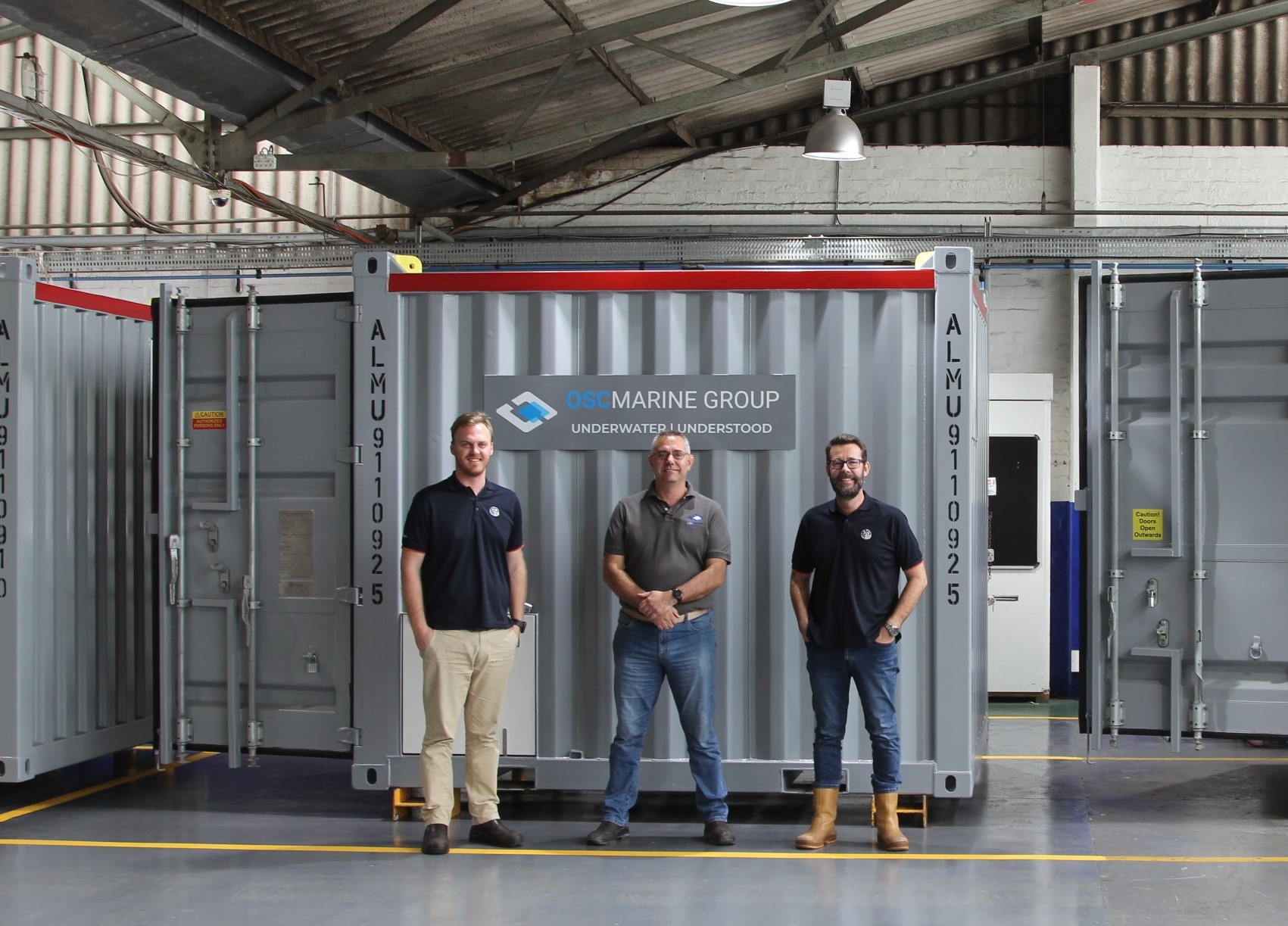
Unique Group delivers bespoke Nitrox commercial diving system to OSC Marine
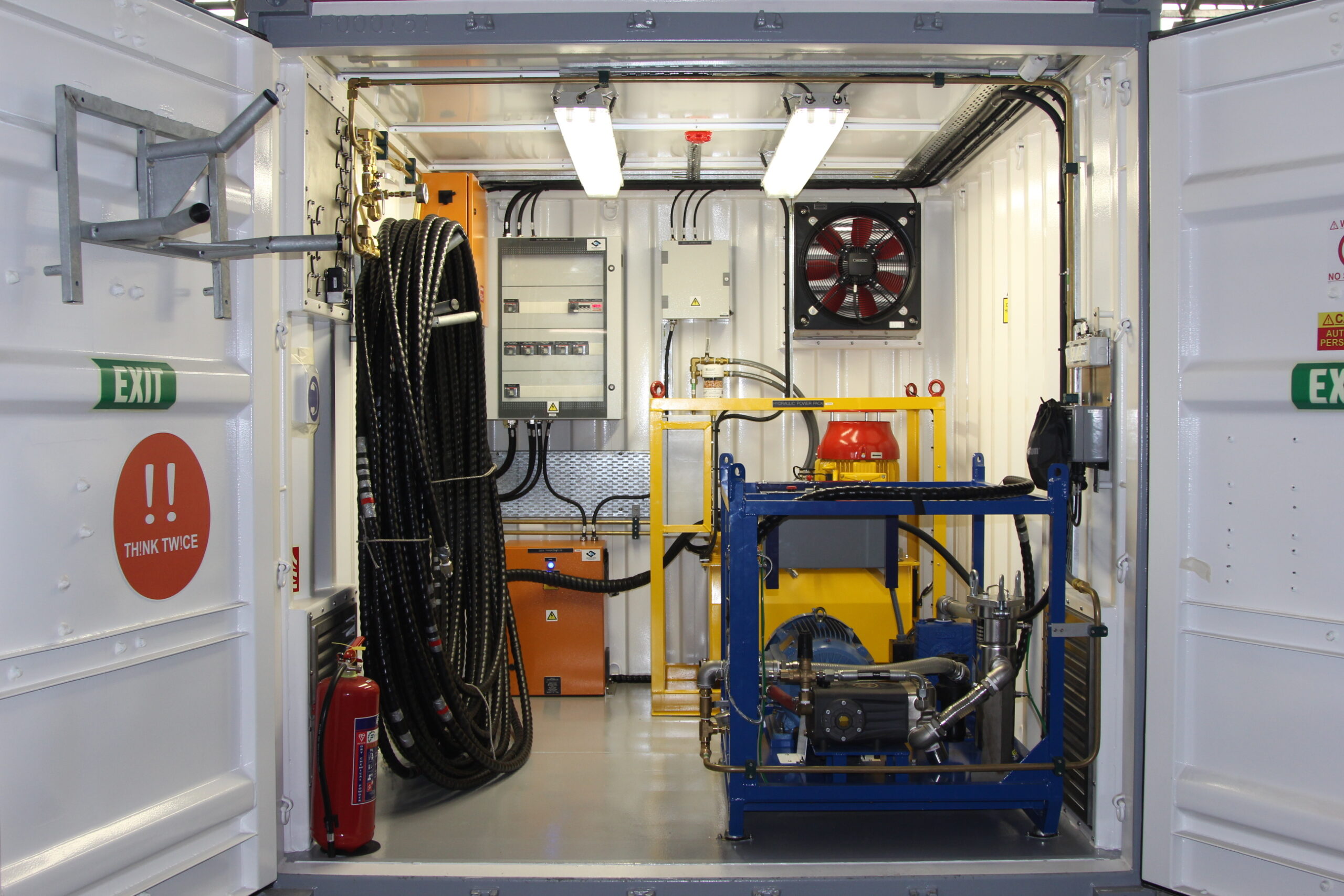
Unique Group, global innovators in subsea technologies and engineering, proudly announces the successful delivery of a cutting-edge, fully bespoke Nitrox commercial diving system to OSC Marine. The exceptional system was custom designed in collaboration with OSC Marine, meeting the stringent requirements for offshore operations on a Floating Production, Storage, and Offloading (FPSO) platform.
By working closely with OSC Marine, Unique Group developed a tailored Nitrox commercial diving system that surpasses industry standards. The system's ABS design, manufacturing, and testing witness provide unparalleled quality assurance, ensuring robustness and reliability in demanding offshore environments. Furthermore, compliance with the latest IMCA guidelines demonstrates Unique Group's commitment to adhering to the highest safety protocols.
Leveraging the highest level of technology and components, including the renowned NUVAIR Voyager IV nitrox generator, this bespoke system is engineered to prioritise safe operations. The inclusion of the NUVAIR Voyager IV nitrox generator further exemplifies the advanced technological capabilities of the delivered system. This state-of-the-art equipment enhances operational efficiency and ensures the safety of divers, enabling OSC Marine to achieve superior outcomes in their offshore endeavours.
Upon receiving the fully bespoke Nitrox commercial diving system, OSC Marine expressed their utmost satisfaction and delight. Mike Jessop, OSC Marine Group CEO, conveyed their appreciation, stating, "We are thrilled to have received such a high-end, quality system from Unique Group. Their unwavering commitment to excellence and attention to detail throughout the design and delivery process has been exceptional. This bespoke solution met our requirements for delivery, quality, and robustness. "
Rodney McKechnie, VP-Diving and Life Support at Unique Group added: "We are delighted to have worked closely with OSC Marine to deliver this fully bespoke Nitrox commercial diving system. Our collaboration and shared commitment to innovation and safety have resulted in a system that surpasses expectations. This delivery signifies our dedication to providing cutting-edge solutions tailored to the unique needs of our clients. We look forward to continuing our partnership with OSC Marine and supporting their future endeavours."
Unique Group's relentless pursuit of innovation and customer satisfaction has established them as a leading provider of diving and subsea solutions worldwide. With a diverse range of advanced products and a steadfast focus on excellence, Unique Group continues to set new industry benchmarks and create exceptional value for its clients.